The 2026 Apple September Event is today, and rumors suggest the tech giant will introduce its newest smartwatch, the Apple Watch Series 12.
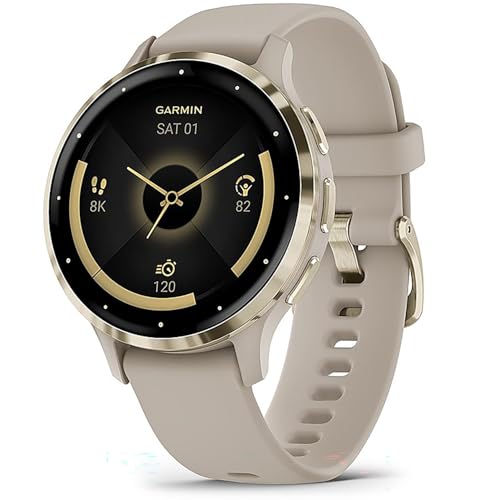
While we can't comment on what new features the smartwatch will offer, we can recommend the excellent Garmin Venu 3, which I've spotted on sale for a record-low of $288 (originally $449.99) at Amazon. That's a whopping $161 discount and an incredible price for a smartwatch that's packed with health and fitness features.
The Garmin Venu 3 earned four and a half stars in our review, and we said it was a 'near-perfect balance of smartwatch and health tracker'.
Great for outdoor and fitness enthusiasts, the Venu 3 offers advanced GPS tracking, a water-resistant design, a dedicated LED flashlight, and up to 14 days of battery life. The smartwatch also tracks heart rate, respiration, blood oxygen saturation, sleep, and stress levels, and includes a speaker and microphone so you can take calls from your wrist.
While the newest Apple Watch will undoubtedly be packed with new technology and health insights, most people won't need these features, and it will likely start at $399.99 based on its predecessor. The Garmin Venu 3 is down to just $288, making it a fantastic smartwatch, especially for runners, cyclists, hikers, and swimmers.
Get the Garmin Venu 3 for a record-low of $288
The Garmin Venu 3 once sat atop our guide to the best Garmin watches, with our fitness experts calling it "the best for most people". The new Venu 4 has replaced it, but this last-gen model still offers an excellent balance of advanced sports metrics and communication features at a new record-low price.View Deal
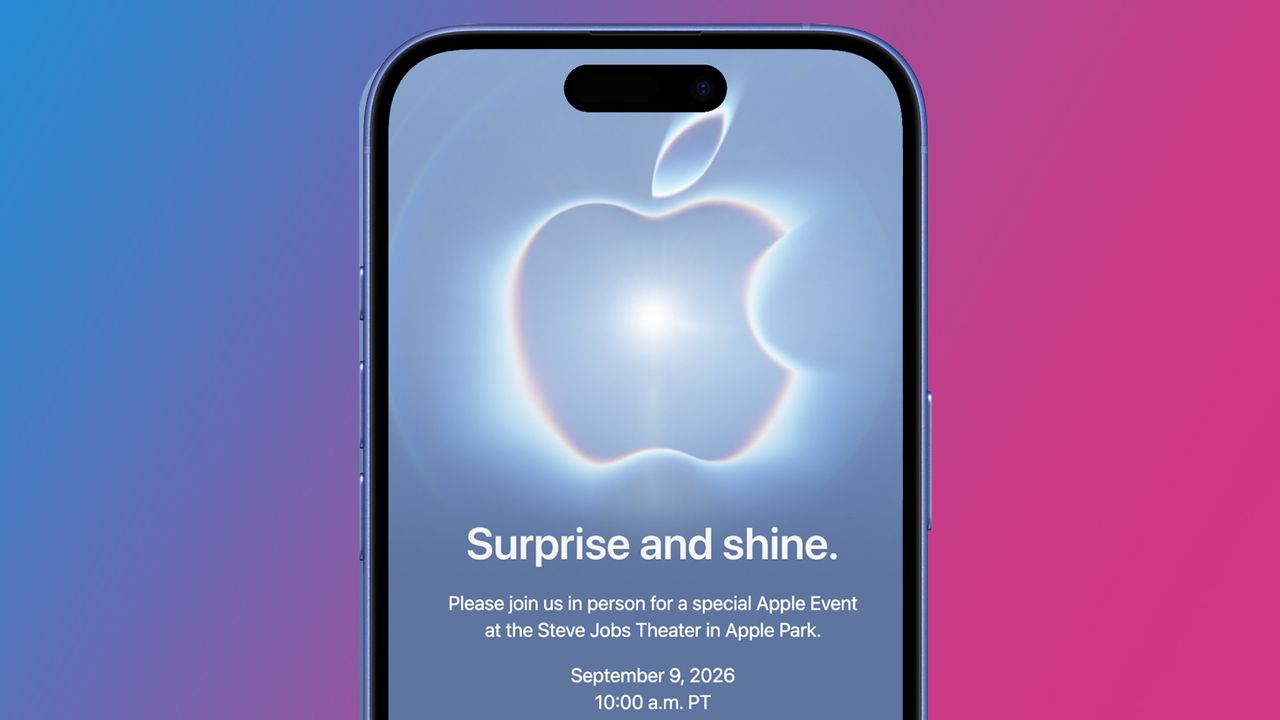
Apple's hotly anticipated ‘Surprise and Shine’ event is happening now, and we're on the ground in California bringing you all the big announcements as they happen.
Leading the list of rumored-to-be-unveiled products is Apple's first foldable iPhone — expected to be called either the iPhone Duo or iPhone Ultra — which, if it does arrive, would represent the biggest iPhone shake-up in recent history. This dual-screen device could also skyrocket the popularity of foldable phones more generally, so Samsung and Google executives are surely paying close attention.
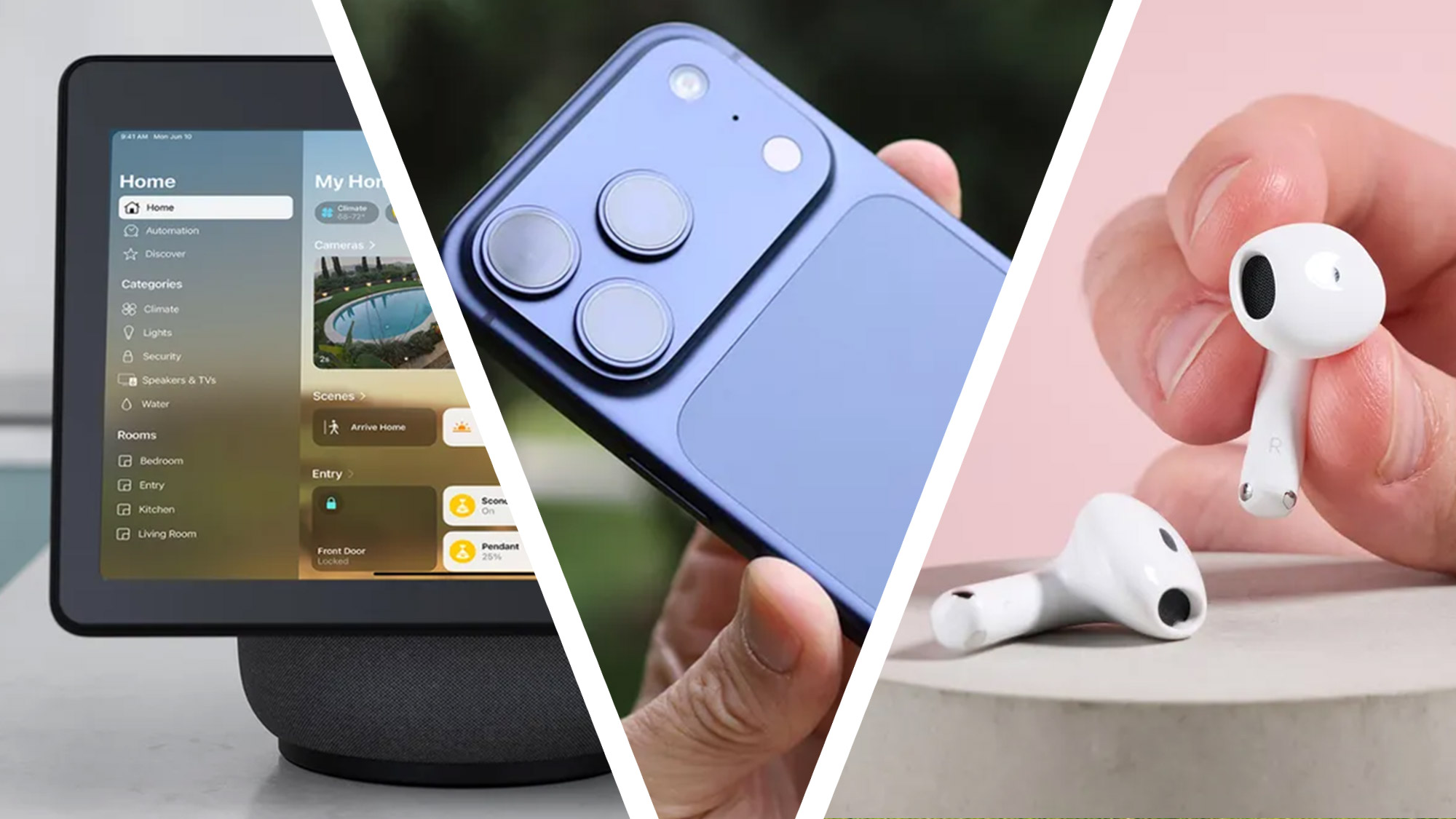
Elsewhere, Apple looks set to refresh its wearable, earbud, and smart home lines with new Apple Watches, AirPods, and HomePods, respectively — and we may even see a new version of the Apple TV 4K, which hasn't been updated since 2022.
Proceedings kicked off at 10am PT / 1pm ET / 6pm BST — or 3am AEST on September 10 if you're in Australia — and you can follow along below for our live reaction to new CEO John Ternus' first-ever Apple Event.
Today's ‘Surprise and Shine’ Apple event is taking place at the Steve Jobs Theater in Apple Park, California, but you can follow along via the livestream video embedded above or via Apple’s official event page.
Proceedings kicked off at 10am PT / 1pm ET / 6pm BST, which is 3am AEST on September 10 if you're in Australia, but you'll be able to re-watch the stream once the event finishes (we're expecting things to wrap up around 12pm PT / 3pm ET / 8pm BST, or 5am AEST in Australia).
Live updates
Good morning, folks! It's Apple Day — the most important date in the annual tech calendar and the busiest day of the year for the TechRadar office (sigh).
I'll be bringing you the latest iPhone, AirPods, and Apple Watch rumors ahead of the event's kick-off later today, and trust me: there's a lot to cover.
First, a quick reminder of what's happening: Apple's ‘Surprise and Shine’ event is scheduled to start at 10am PT / 1pm ET / 6pm BST today (that's 3am AEST on September 10 if you're in Australia).
This is the 2026 edition of Apple's annual product showcase, and we're expecting to see as many as nine (yes, nine) new products unveiled.
Of those nine rumored products, the most hotly anticipated is Apple's first foldable iPhone, which we've been referring to as the 'iPhone Ultra' for close to a year now. But at the very last minute, the rumor mill has spat out an unexpected new name for this folding device...
Could the iPhone Ultra be the iPhone Duo?
According to seasoned Apple tipster Mark Gurman, the iPhone Ultra will in fact be called the iPhone Duo. It's pretty hard to believe that such a drastically different name has emerged just hours before the product itself is due to be unveiled — so we're still a tad skeptical about its authenticity — but Gurman has an excellent track record when it comes to Apple predictions.
Apple landed on the iPhone Duo name for the foldable iPhone and a $2,000 starting price, eating the additional memory costs. Storage capacities will reach 2 terabytes and roughly $3,000. It’ll ship in October, has support for the Apple Pencil and come in dark blue + white. https://t.co/58VLtVNka6September 9, 2026
Gurman adds in the same X post that the iPhone Duo will have a starting price of $2,000, rising to $3,000 for the 2TB model. And, yes, in case you were in any doubt: those numbers would make the Duo the most expensive iPhone of all time.
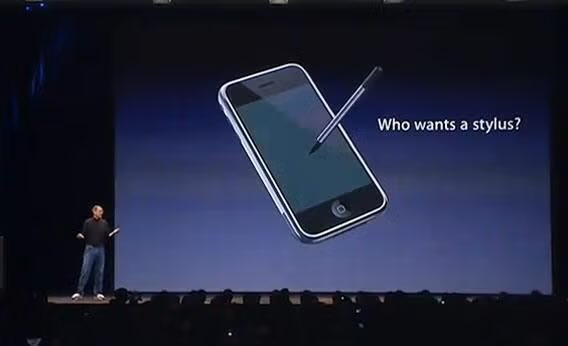
Another important note: Gurman says Apple's first foldable iPhone will have Apple Pencil support. Steve Jobs won't be happy...
(Image credit: Apple)
Let's talk AirPods
(Image credit: Future)
Moving away from the iPhone for the moment, let's talk AirPods. Today, we're expecting Apple to announce two new AirPods models: the AirPods 5 without ANC (active noise cancellation), and AirPods 5 with ANC.
Both models are set to use Apple's new H3 chipset, which should improve audio processing and reduce latency, though it remains to be seen how different the AirPods 5 with ANC will be from the AirPods Pro, which already offer ANC.
In any case, we're not expecting to see any camera-equipped AirPods launch today, despite rumors suggesting that such a product is indeed in development.
(Image credit: Apple)
Today might also be the day we finally get a successor to the HomePod mini. This smaller, more affordable version of the standard Apple HomePod (which now exists as the HomePod 2) was released way back in November 2020, but hasn't been updated since.
More than 20 (!) new iPhones have launched in that same period, so to say the HomePod mini 2 has been a long time coming would be an understatement.
Rumored upgrades for the HomePod mini include a faster chipset (duh!), superior audio quality, and Siri AI functionality.
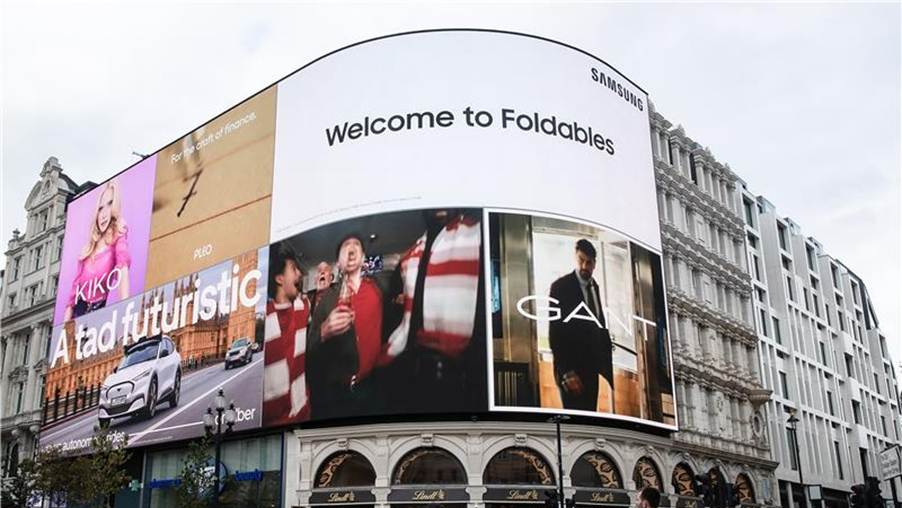
A clear message from Samsung
(Image credit: Samsung)
If you walk around London, New York, or Seoul today, you may spot Samsung's new tongue-in-cheek advertising campaign, dubbed ‘Welcome to Foldables’.
The Galaxy Z Fold 8 manufacturer is clearly hoping to remind people that it has spent a decade developing foldable technology, and that Apple — if it does release its first foldable today — is late to the party.
That said, Samsung isn't totally against Apple's late entry into the foldables market. Speaking to Bloomberg last year, Samsung's President and COO of the company’s Mobile eXperience (MX) division, Won-joon Choi, said: "I think healthy competition with other companies will bring more innovations, and then bring more benefits to consumers. So we are welcoming others to join this category, which we created back in 2019 [...] Having another global company join this category, I think it's good for the industry, and also, it's going to be great for consumers."
Don't forget about the iPhone 18 Pro
A quick word on the iPhone 18 Pro and Pro Max, which will likely be the forgotten children of today's Apple Event while also being the best-selling Apple products of the next 12 months.
Gurman says both phones will have smaller, more functional Dynamic Islands, an upgraded vapor chamber (read: they won't get as hot), and "major" new camera hardware. Rumors suggest a variable aperture feature could be chief among this new hardware, which would make the iPhone 18 Pro and Pro Max some of the best camera phones around.
The iPhone 18 Pro and iPhone 18 Pro Max will have a smaller and upgraded Dynamic Island that can support three tasks at once (up from two currently), major new pro camera hardware and software, plus an upgraded vapor chamber. https://t.co/58VLtVNka6September 9, 2026
Now look, I can live without the Action button, a SIM card slot, and a telephoto camera, but no Face ID or MagSafe? I'm not sure I would spend $2,000 on an iPhone without those two features, which feel pretty essential to how I use my iPhone every day.
Thinking of selling your iPhone 17 Pro? Do so ASAP
(Image credit: Apple / Future)
Here's some last-minute advice for you: if you're planning on selling your current iPhone 17 Pro or Pro Max to fund an upgrade to the iPhone 18 Pro line, you should head out to your local tech store and do so ASAP. Why? Because current iPhones could fall in value by up to 30% once the new models launch.
“Many people will make the mistake of waiting to see what new features the next iPhone range has before trading in their old device, but our data clearly shows that waiting just a few weeks could mean a significant hit on the amount customers can get for it," Joe Armstrong, Head of Trading at musicMagpie, tells TechRadar. "Those who wait until October may see handsets drop by an average of £48 and up to £122."
It's the same story in the US and Australia, and while Armstrong references October as the hard trade-in deadline, your absolute best bet is to sell your current iPhone before 12pm PT / 3pm ET / 8pm BST today.
Of course, selling before the iPhone 18 Pro has even been announced would leave you with no phone until the new models begin shipping later this month, but some retailers will allow you to lock in a sale price today and keep using your phone for a few more weeks. That's the ideal scenario during this precarious time of year for iPhone trade-in values.
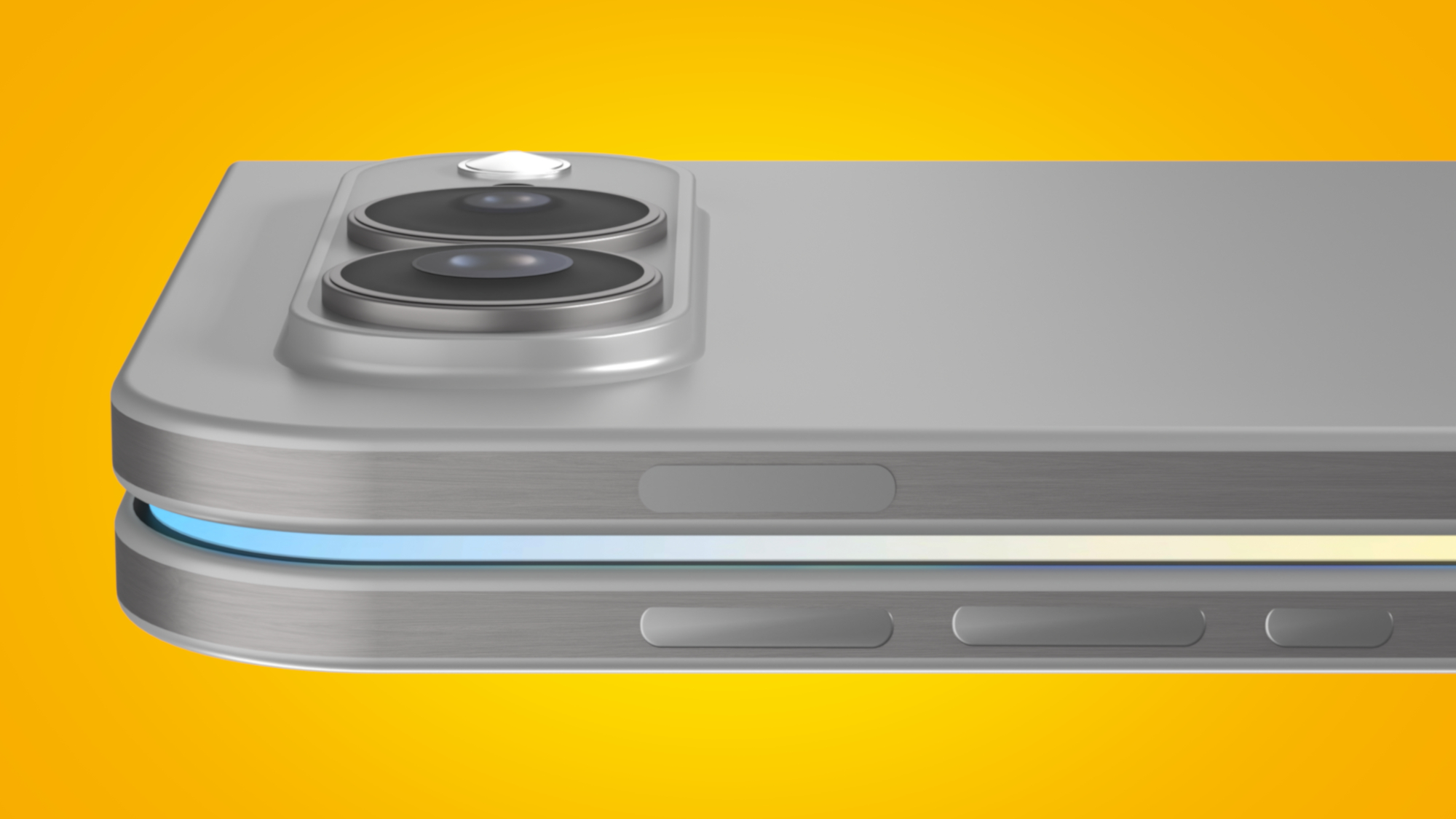
First official look at the iPhone Ultra?
New Apple CEO John Ternus has just posted what appears to be a tease for one of the company's new iPhones on X. There's no Tim Cook-style "Good morning!" here, nor even a reminder of today's event start time. Instead, Ternus has shared a 14-second clip of a spotlight shining down on the corner of what looks like an iPhone. Is this a hint that the iPhone Ultra/Duo won't have four straight edges à la the Samsung Galaxy Z Fold 8, or a reference to the rumored variable aperture feature on the iPhone 18 Pro?
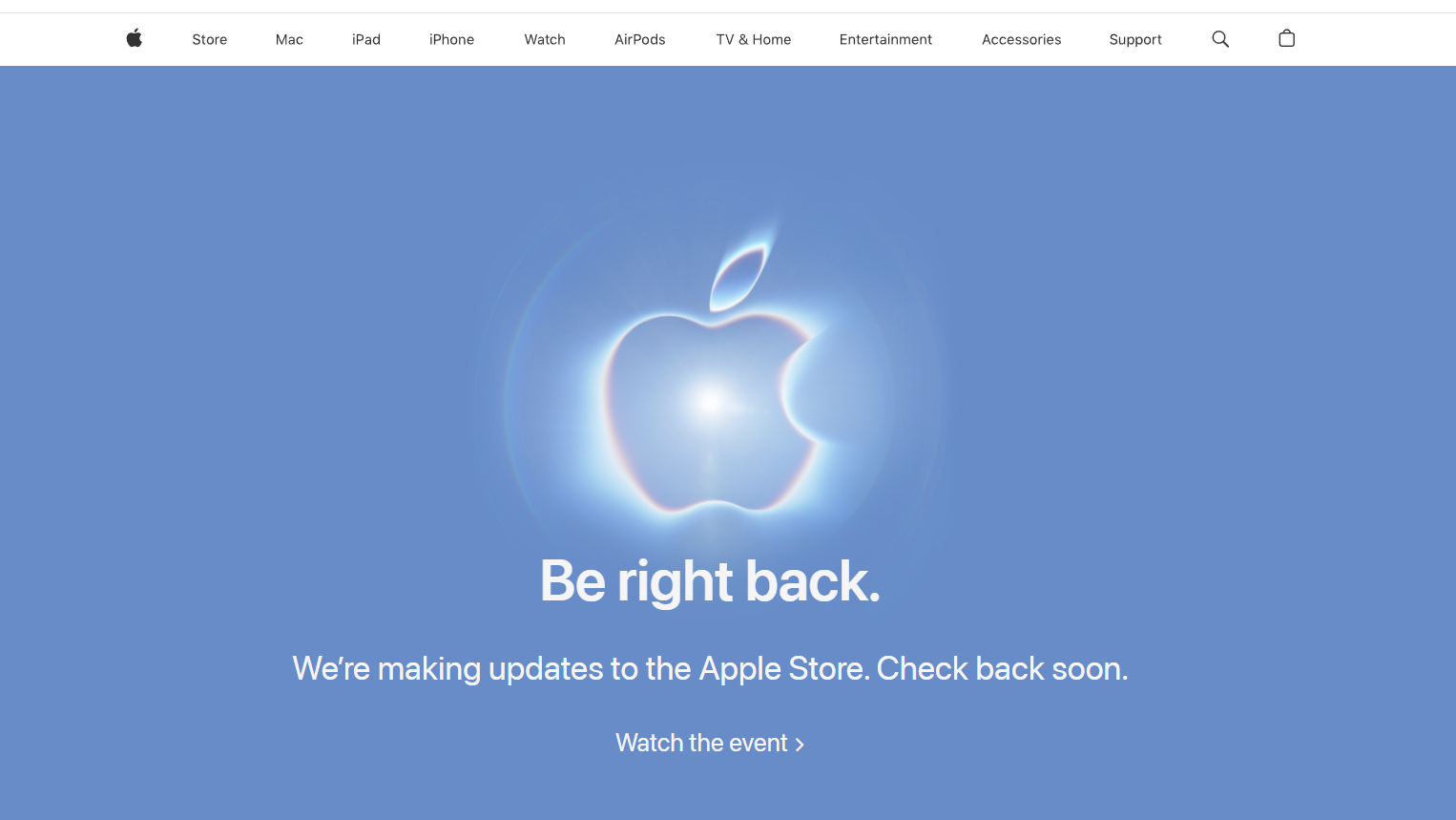
Oh, and the Apple Store website is now closed for maintenance, which typically happens right before the company refreshes its product lineup. Not long to go now!
Regarding Ternus' teaser post on X, some Apple fans are pretty convinced it refers to the iPhone 18 Pro's variable aperture, rather than the company's first foldable iPhone. Perhaps we'll get a second teaser video before the event kicks off at 10am PT / 1pm ET / 6pm BST?
Pro phones to come to variable aperture!Notice how the light source widens up and then convergesJust a guess !September 9, 2026
In terms of what won't be unveiled today, we're not expecting Apple to announce new MacBooks, iPads, or Vision Pro-style VR hardware. Software upgrades will most likely take a backseat, too, after iOS 27, Siri AI, and WatchOS 27 were all announced at WWDC 2026 back in June (though it's worth noting that these new OS packages will almost certainly be released alongside their corresponding hardware products in September).
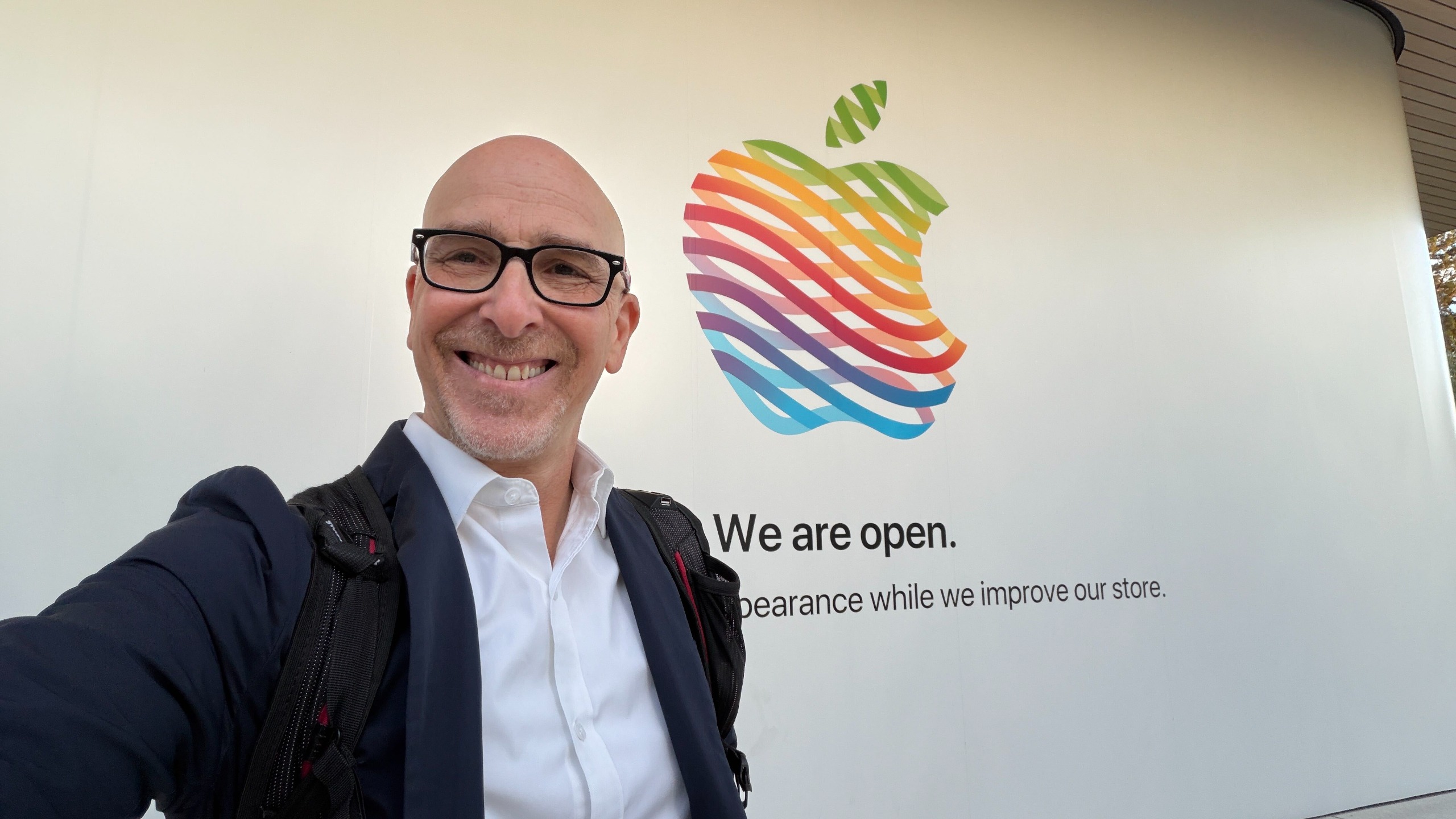
(Image credit: Future)
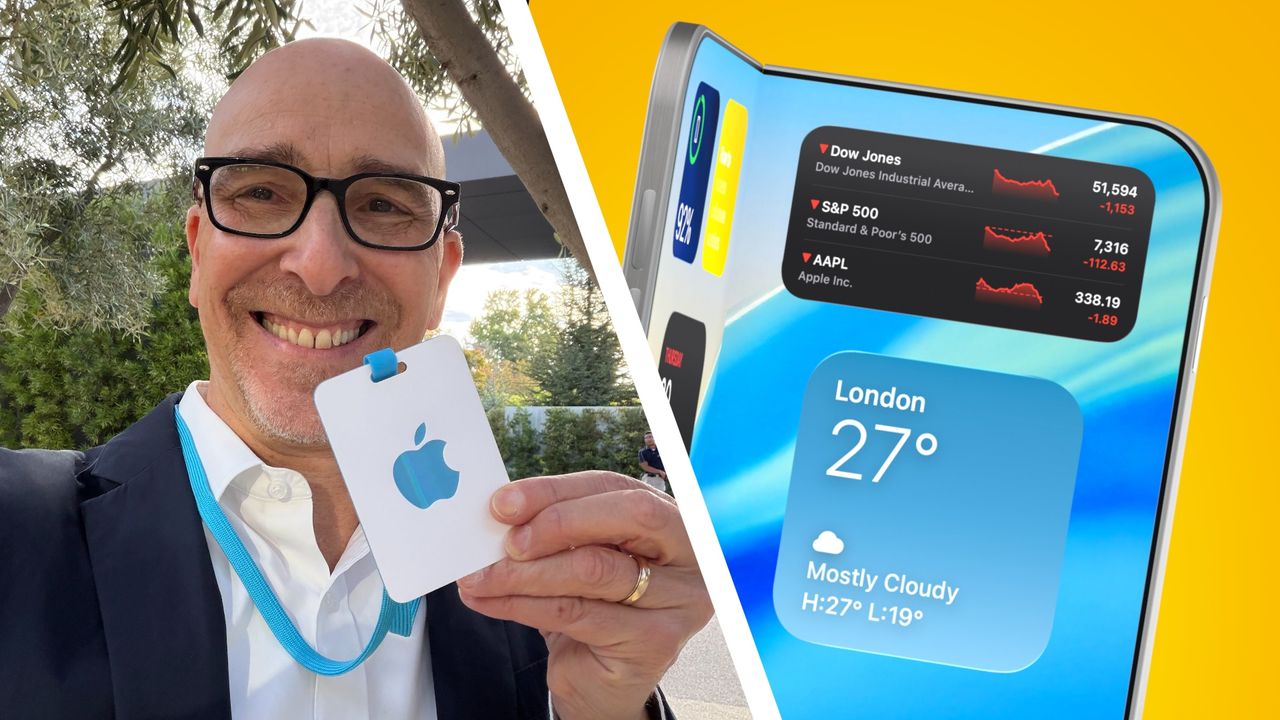
TechRadar's Editor at Large, Lance Ulanoff, has touched down in Apple Park. His first stop? The official Apple Store, which appears to be temporarily boarded up in preparation for new products.
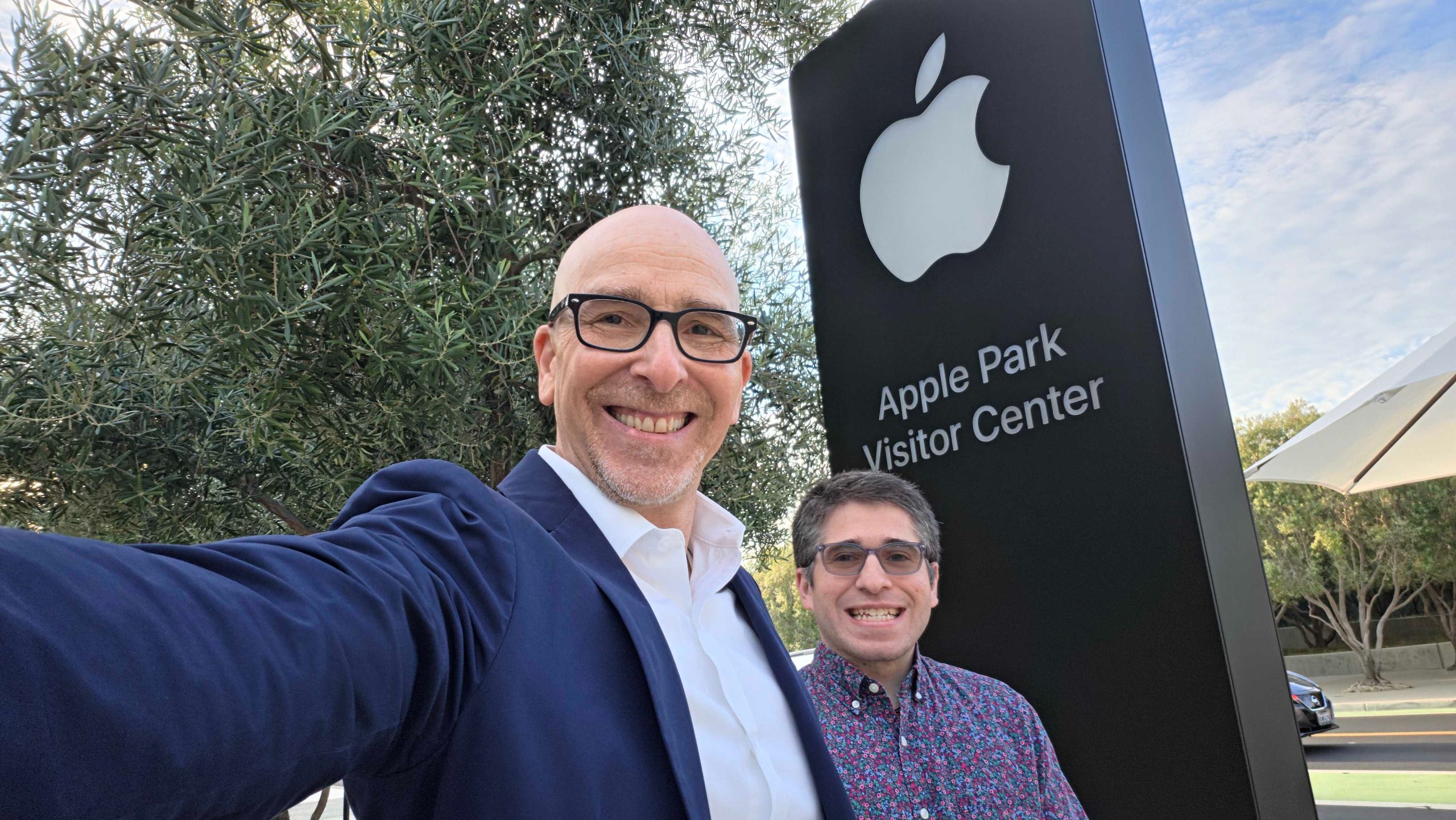
The Boys Are Back in Town
(Image credit: Future)
Lance has now been joined by Jacob Krol, TechRadar's US Managing Editor for News. Between them, they'll be bringing you hands-on impressions and videos of everything Apple is announcing today — including, we hope, the company's first foldable iPhone.
OK, I'm pretty sure I know what the winning response will be (it rhymes with "grindstone culture"), but cast your vote below for your most anticipated announcement from today's Apple Event:
Just two hours to go! A reminder that today's event kicks off at 10am PT / 1pm ET / 6pm BST (or 3am AEST if you're in Australia, but if you're reading this from Sydney: go back to sleep).
Here's Lance and Jake on their predictions for today's event:
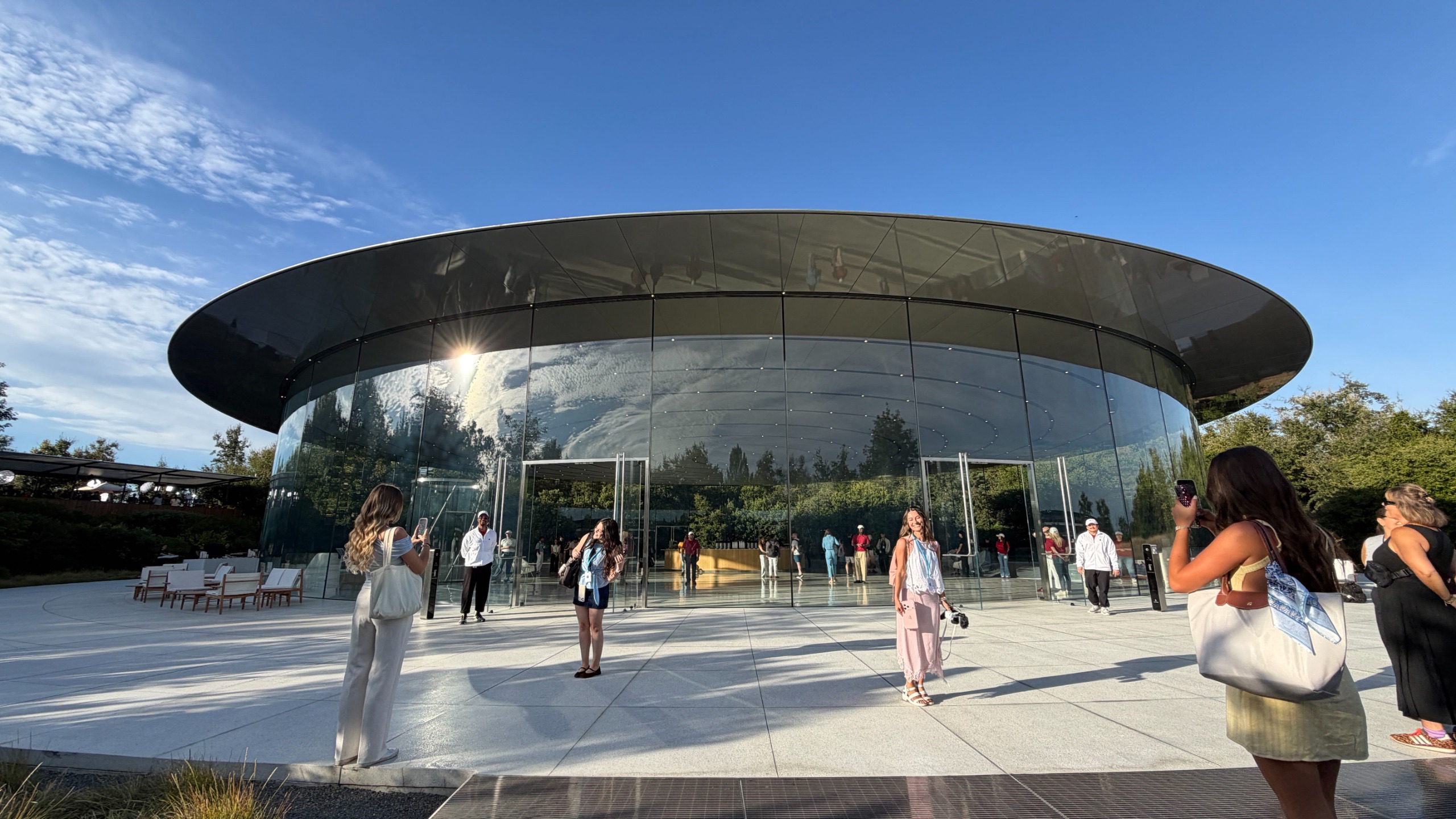
The sun is out at Apple Park! Incidentally, it was raining cats and dogs during last year's event, so perhaps the universe is telling us we're in for a more exciting set of announcements in 2026.
(Image credit: Future)
Watch out for watches
The Apple Watch Series 11 (Image credit: Future)
The foldable iPhone Duo and iPhone 18 Pro won't be the only stars of today's event: Apple Watches also look set to get an overhaul, starting with the Apple Watch Series 12.
Now, if you're expecting major design upgrades, prepare to be disappointed. According to the latest rumors, the Series 12 will look similar to its predecessor, the Apple Watch Series 11 — though one rumor does hint at ceramic case options, which would be a nice touch. We’ve also heard that the Series 12 could have a new LTPO display instead of the classic OLED, but we’re taking this claim with a pinch of salt.
For now, we’re expecting the biggest upgrades to come inside the watch. Specifically, the Series 12 is tipped to house Apple’s new S12 chipset, which should be powerful enough to support Siri AI, as well as a larger battery for a much-needed battery life boost.
(Image credit: Apple)
The premium Apple Watch Ultra is also tipped to get another update today, but again, it won't necessarily look any different from the current model. Some speculate that the Watch Ultra 4 will be identical in appearance to the Watch Ultra 3, while others claim it will have a bigger screen and slimmer build.
Of course, the biggest updates will likely come under the hood, with the Watch Ultra 4 set to get a new chipset — a no-brainer given Siri AI’s imminent rollout — and a suite of new sensors for more accurate health tracking.
Look out for new health-tracking software
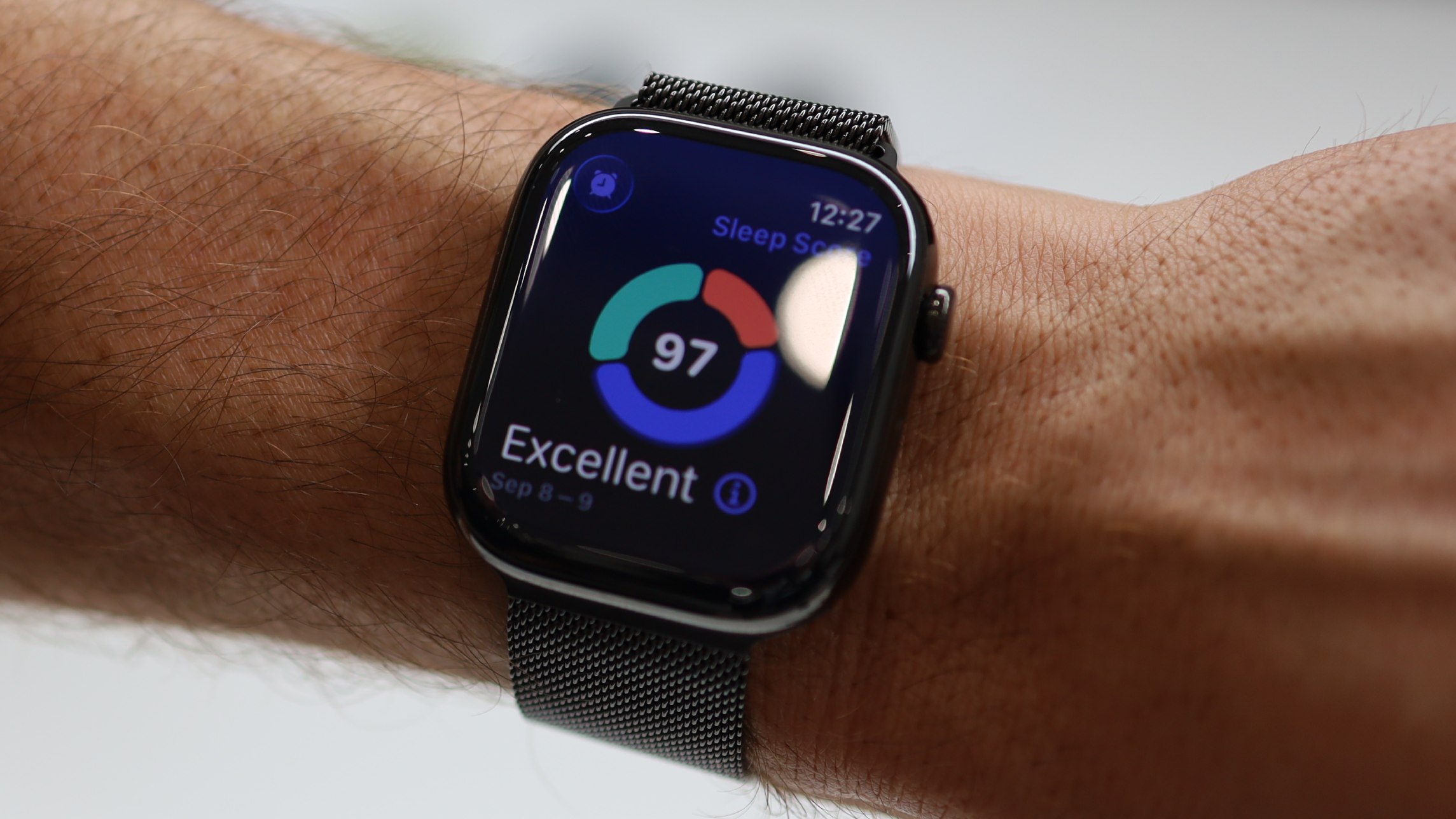
While both new Apple Watch models will almost certainly get hardware upgrades, Apple is also expected to unveil new wellbeing tracking tools for health-minded users. A new default Readiness app is expected to launch for the Apple Watch home screen, delivering a new and improved recovery experience for users — because what you do after a workout is just as important as the workout itself.
The Workout app could be getting an overdue facelift, too. The new version will reportedly let you record individual reps and sets for strength routines to help you keep track of your progress. I’ve been using my iPhone's Notes app in the gym for years, so this is one feature I’m hoping will make an appearance at today's event.
Another handy health tool we’re expecting to see unveiled is always-on heart rate data tracking, which will monitor your activity and recovery over 24 hours using only your heart rate. This sounds exciting, but given that only the Ultra 4 is expected to get new sensors, it’s likely that this feature will be exclusive to Apple's most premium wearable.
(Image credit: Future)
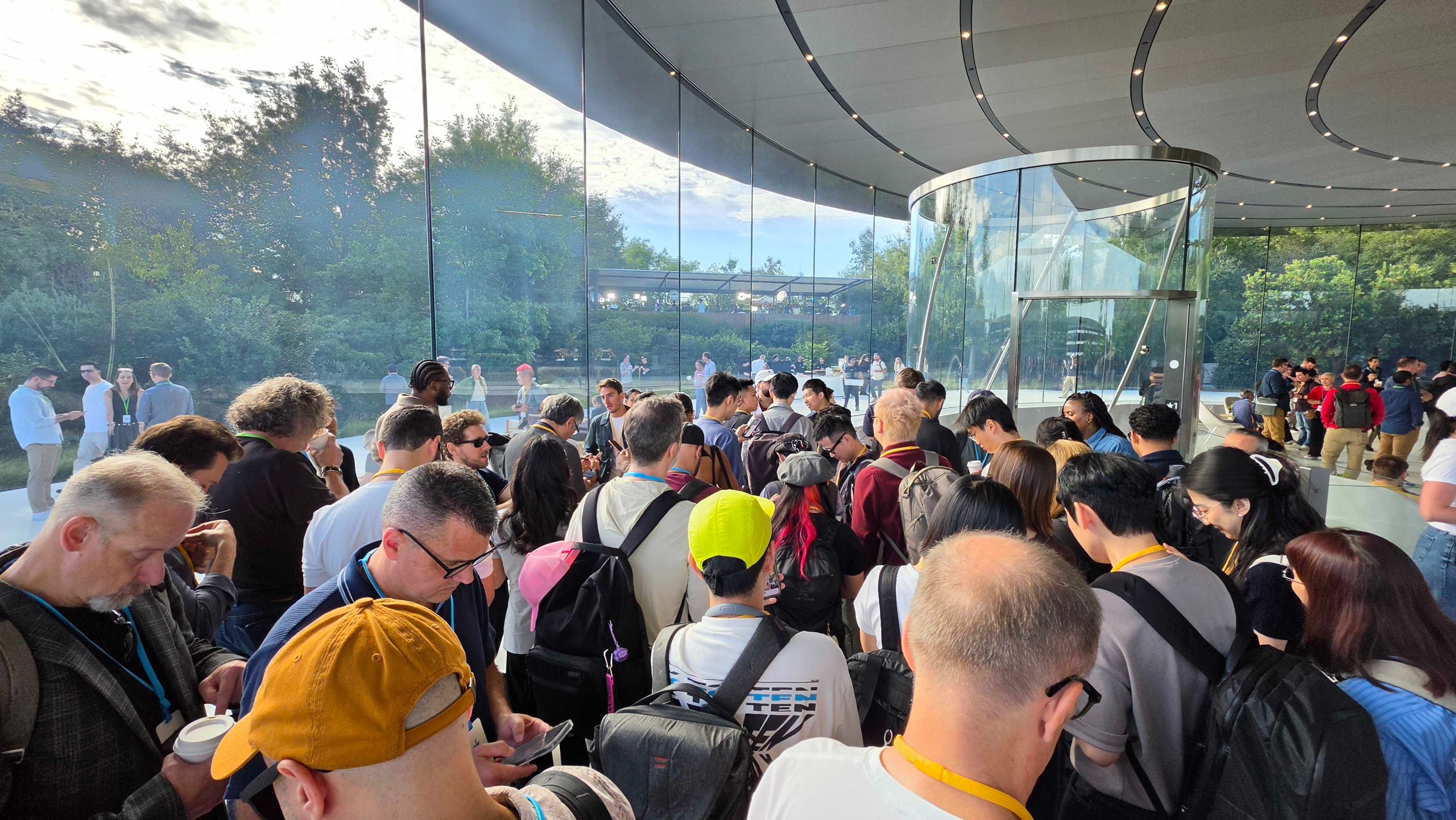
Just 45 minutes to go — Lance and co. are being ushered into the Steve Jobs Theater to take their seats.
The current foldable competition
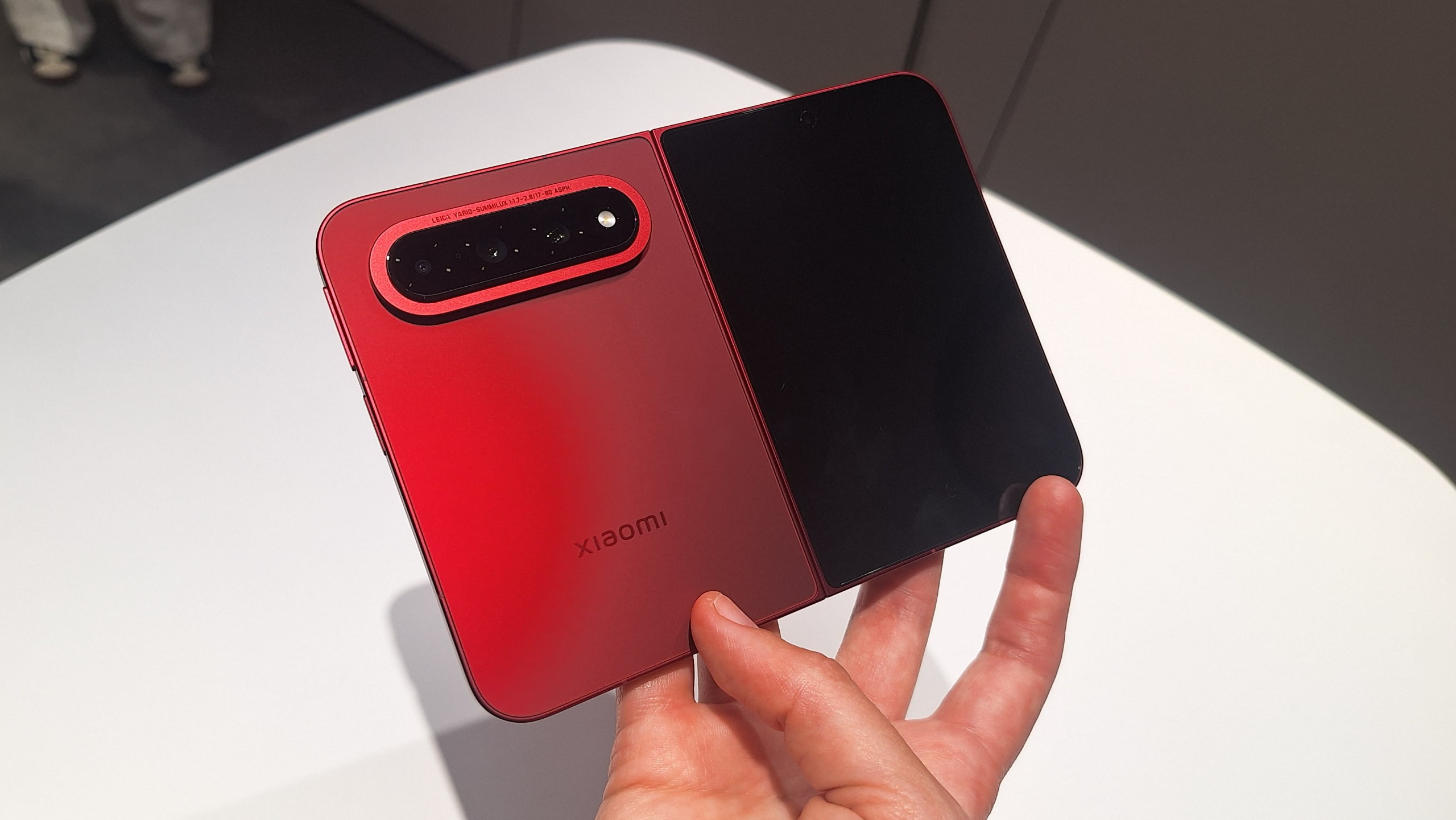
The Xiaomi 18 Fold (Image credit: Future)
Switching focus back to Apple's first foldable iPhone, there are currently three similarly sized devices available on the market right now: the Samsung Galaxy Z Fold 8, the Xiaomi 18 Fold, and the Huawei Pura X Max.
The first of that trio is the big competition for the iPhone Duo/Ultra. The Z Fold 8 is available globally, and it's been well-received by reviewers and customers as a sturdy, pocket-friendly phone designed for content consumption above all else. Apple will surely ensure its foldable iPhone one-ups the Z Fold 8 in some way, but we're not sure how just yet. I'm banking on a less-visible crease or a superior camera array.
The Xiaomi 18 Fold and Huawei Pura X Max are only available in China, but both may look more similar in appearance to Apple's foldable iPhone than the Galaxy Z Fold 8. Both phones have two rounded corners when closed and four when open, while Samsung's phone is straight-edged whichever way you slice it.
(Image credit: Future)
Lance and Jake have taken their seats inside the Steve Jobs Theater. It's getting real now.
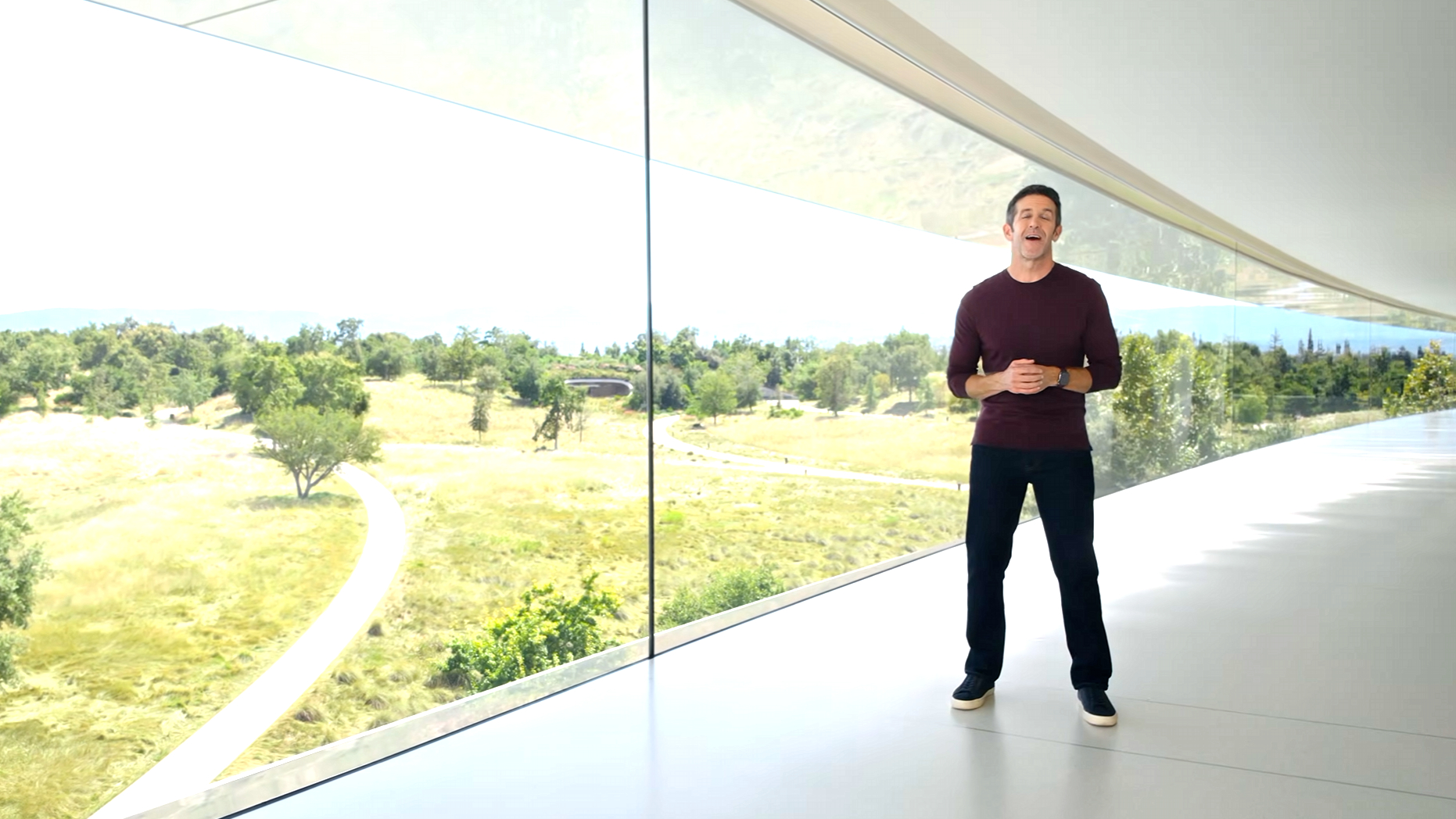
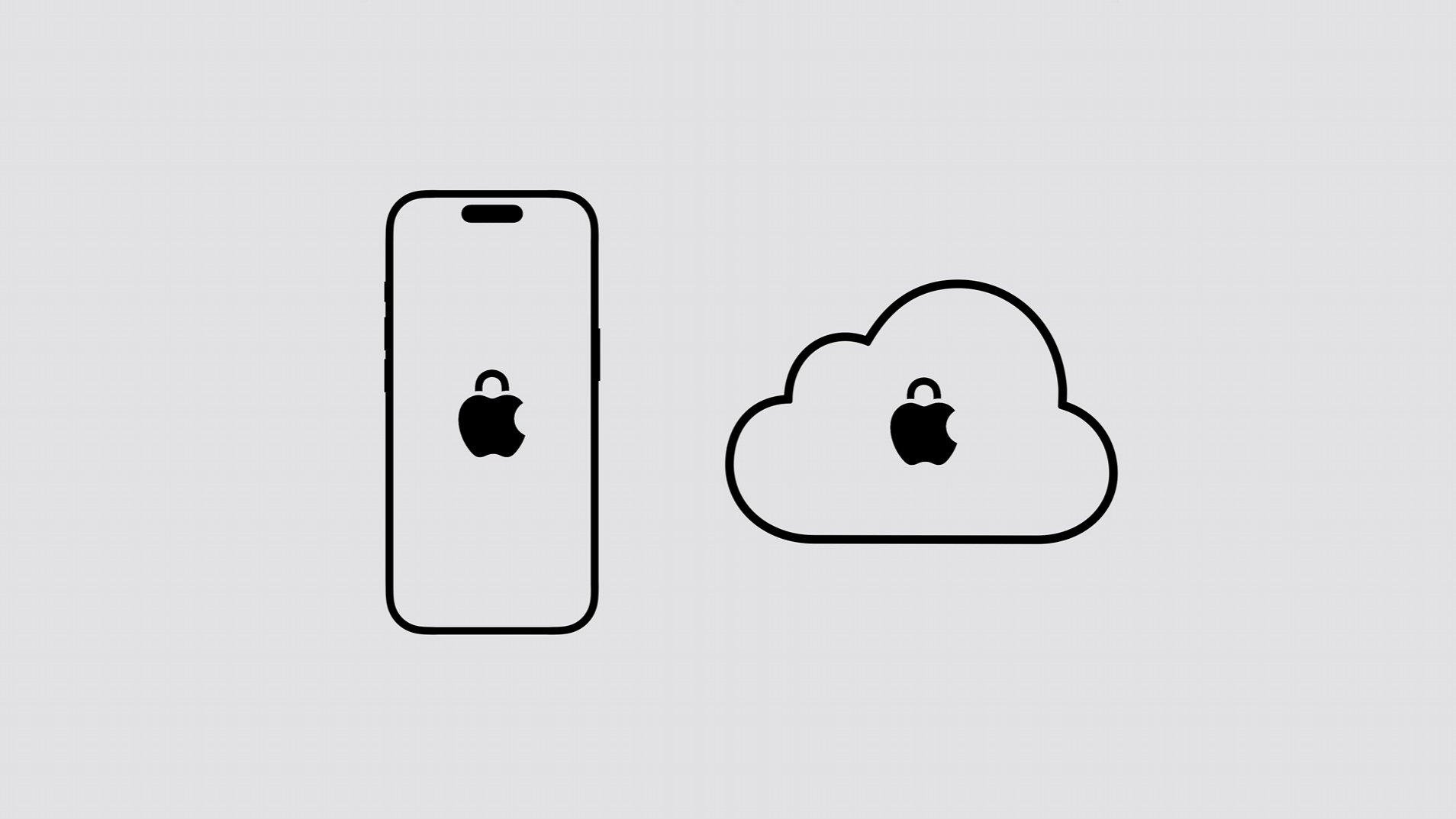
We're kicking off with... iPhone?! I wasn't expecting that. Ternus says the iPhone represents the perfect intersection between AI and hardware. Private Cloud Compute delivers "personal intelligence that's actually personal."
OK we really are getting straight into the new iPhones. I respect it!
(Image credit: Apple)
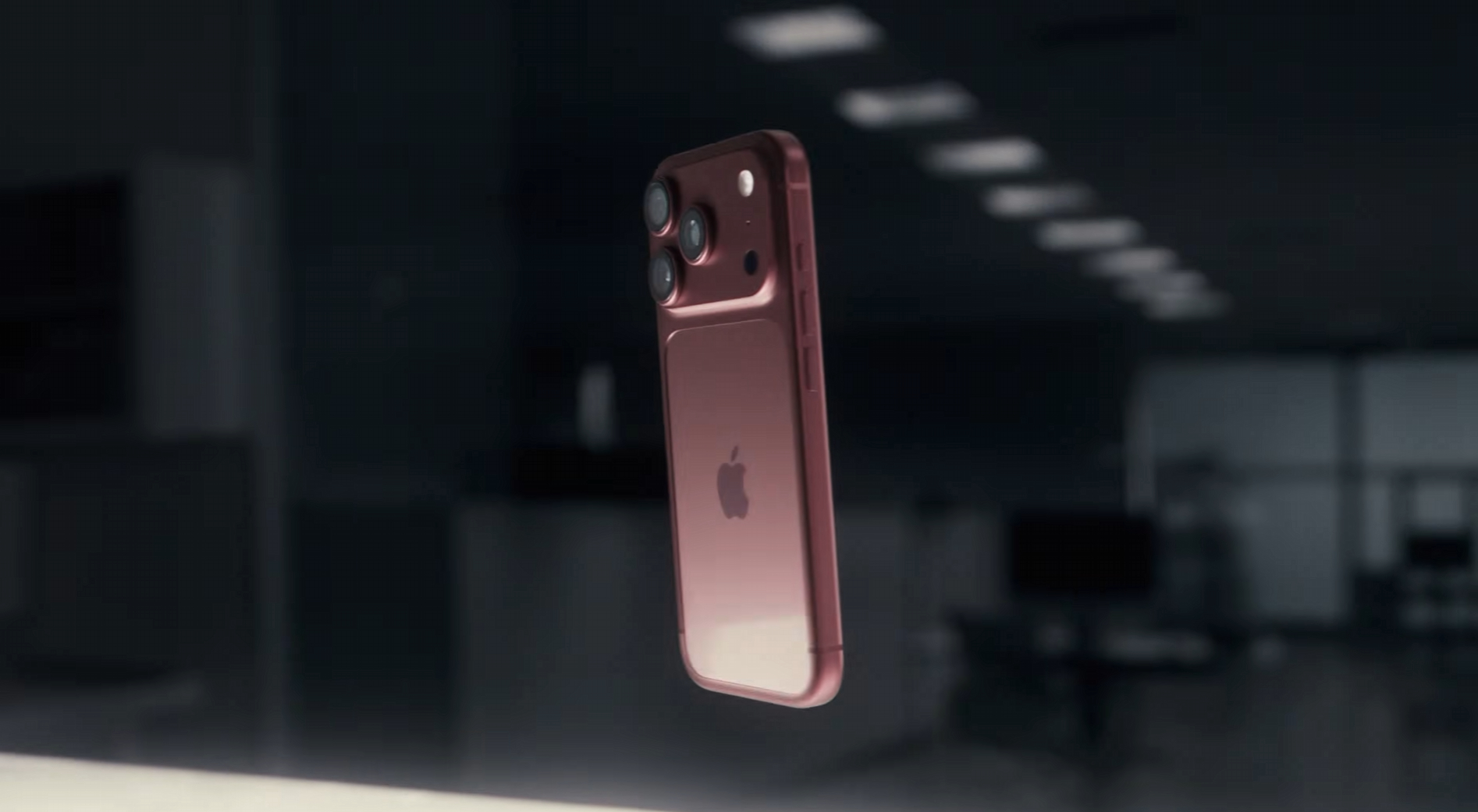
First up is the iPhone 18 Pro and iPhone 18 Pro Max. "We made massive advancements in Intelligence, Performance, Battery, and Camera," Ternus says.
It comes in Black, Silver, Glacier, and Burgundy.
(Image credit: Apple)
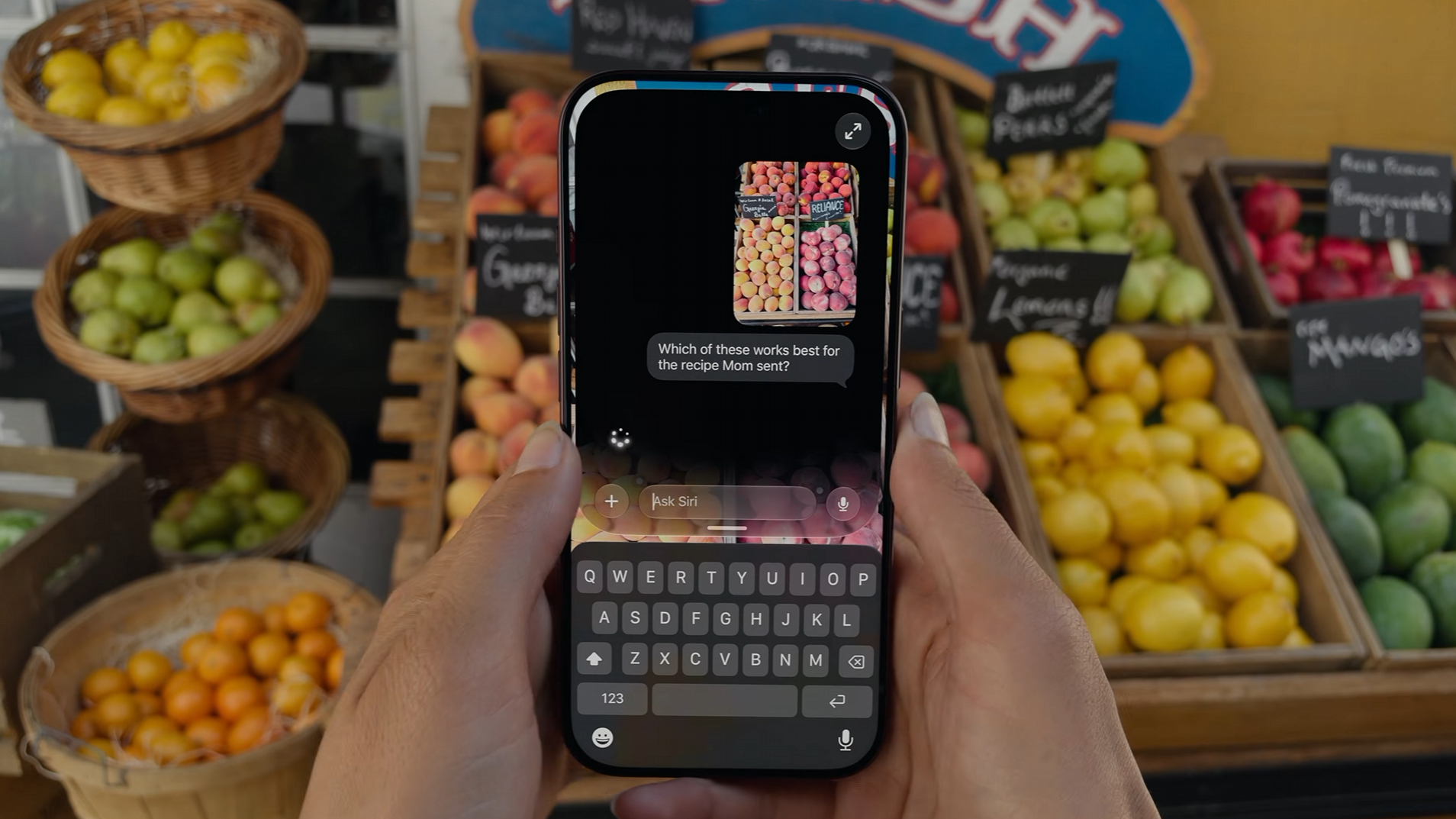
The iPhone 18 Pro features Apple's most advanced foundation models, which, of course, unlock the full capabilities of Siri AI. We got a taste of Siri AI at WWDC 2026 earlier this year, but it now looks set to roll out properly on the 18 Pro, Pro Max, 17 Pro, 17 Pro Max, and iPhone Air (other iPhones will get it, too, but the best version of the software will be locked to these top-end models).
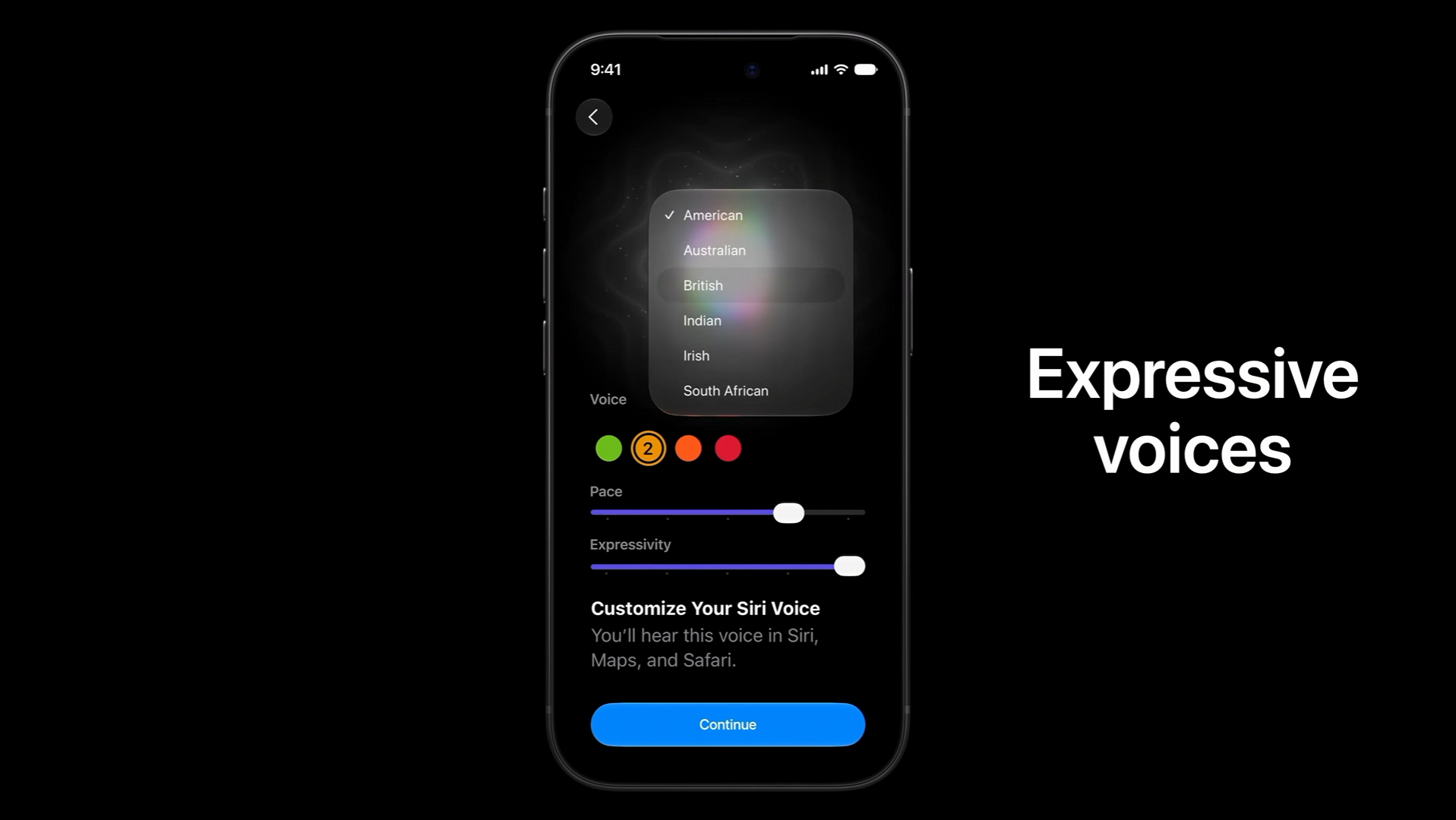
The iPhone 18 Pro features the Expressive Voices feature in Siri AI for more accurate dictation and improved personalization.
We're getting a lot on Siri AI and Apple Intelligence here, but we heard most of this back in June. Let's hope we move onto the hardware upgrades soon...
(Image credit: Apple)
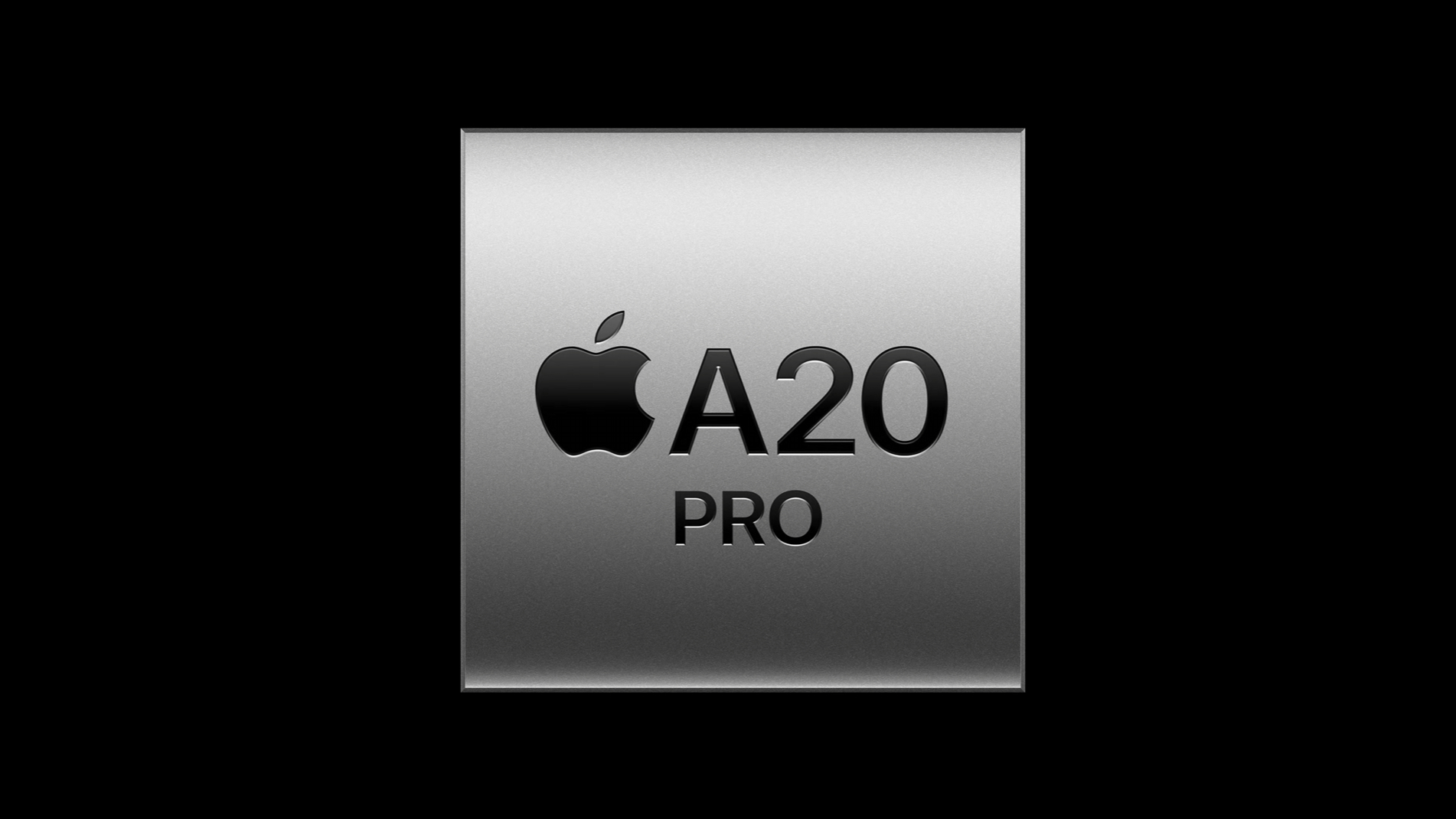
OK, we're finally onto the hardware: the iPhone 18 Pro and Pro Max feature Apple's latest chipset, the A20. It's built on 2nm technology, and features a 6-core CPU (including 2 new super cores and 4 efficiency cores), a 7-core CPU (delivering a 40% increase in graphics performance), and two Neural Engines.
Its the "ultimate chip for running on-device AI models," Apple says.
(Image credit: Apple)
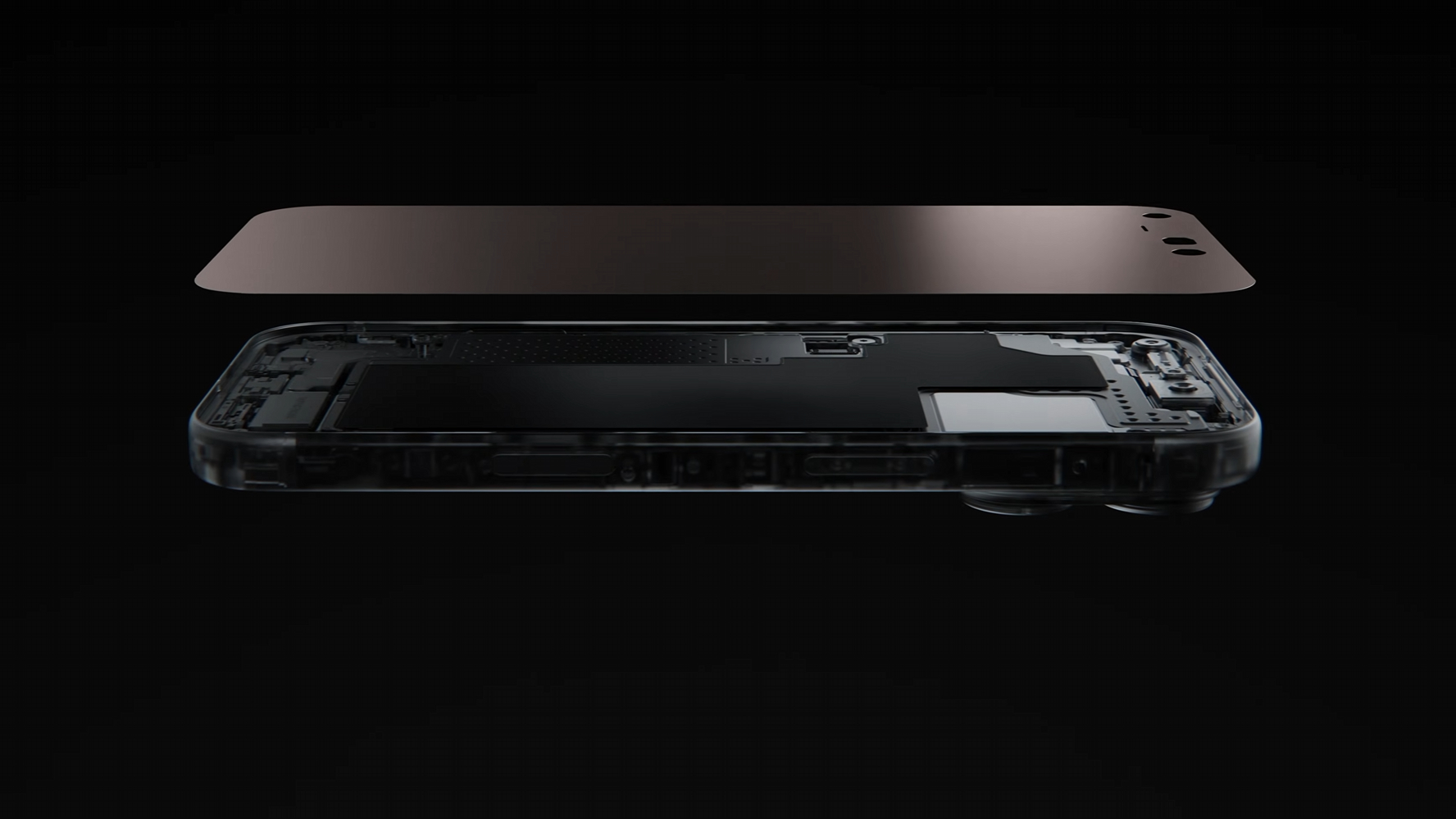
The iPhone 18 Pro and Pro Max also feature a redesigned vapor chamber. It has three times the surface area as the one inside the iPhone 17 Pro, and features more thermally conducted graphite than before. It's much better at dissipating heat, basically (you'll supposedly get a 40% gain in sustained performance).
(Image credit: Apple)
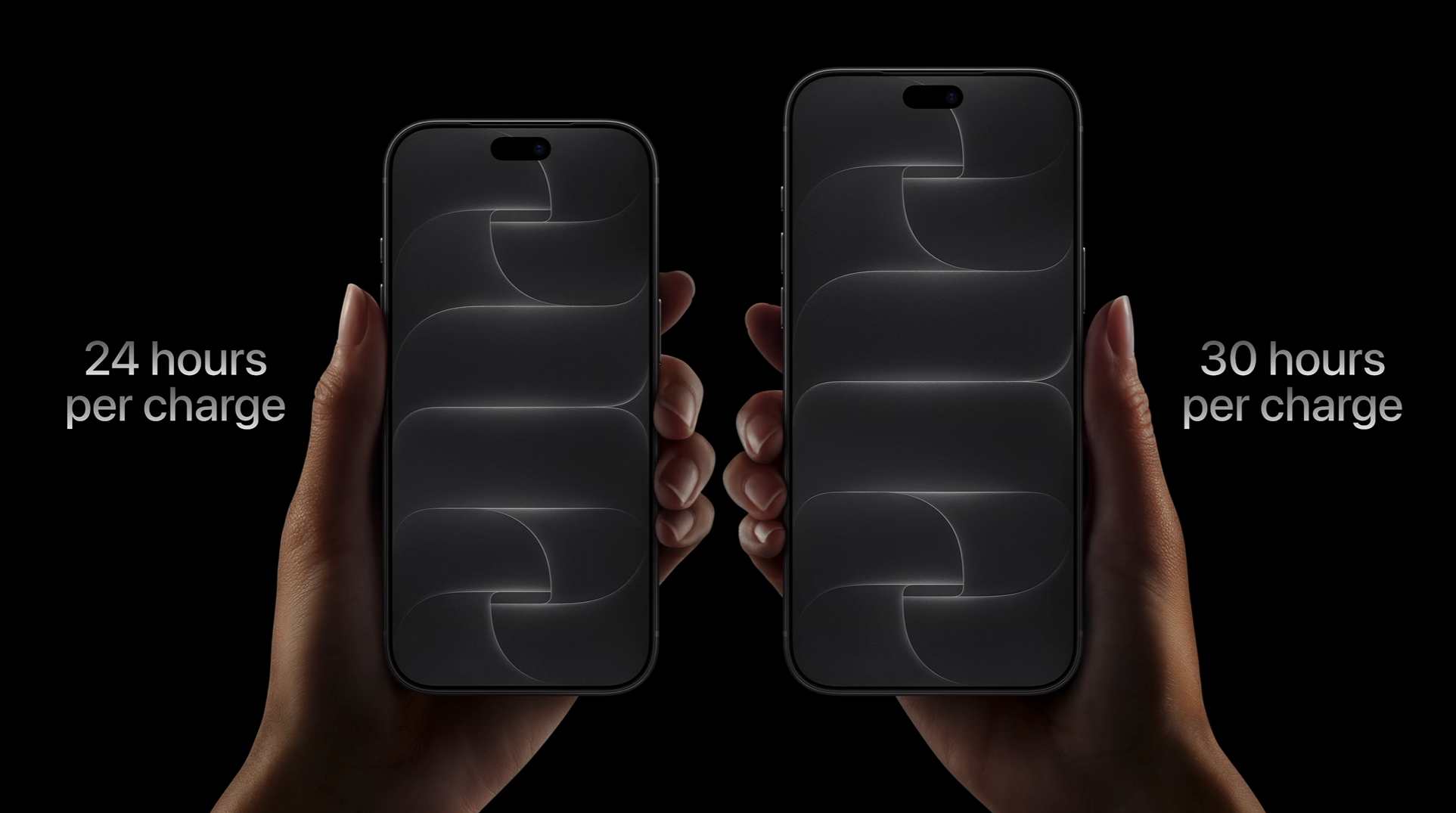
OK, onto the battery – the iPhone 18 Pro Max supposedly delivers the largest increase in battery life ever on an iPhone. You'll get 36 hours of video playback on the 18 Pro, and 45 hours on the Pro Max. As expected, Apple isn't sharing the specific mAh figures.
The biggest phone event of the year has arrived. Today (September 9), Apple is holding its ‘Surprise and Shine’ event where — among many other things — we’re expecting to see the foldable iPhone Ultra unveiled.
This phone has been rumored for years, so it’s almost hard to believe that it could finally be launching today, but all signs suggest that it is — and it won’t be alone, as other phones, plus new wearables and AirPods, look set to be unveiled too.
So, below, we’ve detailed how to watch today's Apple Event, along with all the things we expect to see announced in Cupertino. And to follow along with the announcements as they happen, head to our Apple Event 2026 live blog.
How to watch Apple’s iPhone Ultra launch
Today's major Apple launch is being held at the Steve Jobs Theater in Apple Park, Cupertino, California. As with all these events, it will also be streamed online, so you don’t have to attend in person to witness it.
It starts at 10am PT / 1pm ET / 6pm BST, which is 3am AEST on September 10 for people in Australia. So there’s a good chance you’ll either be at work or asleep while it happens, but you’ll be able to view a recorded version of the video after the live stream has ended, and we’ll also have full coverage of the event here on TechRadar, so you can always just stick with us for our analysis and impressions.
As for how to watch, that’s easy: simply hit play on the video embedded above. Alternatively you can head to YouTube, or Apple’s event page. You’ll also be able to view the livestream on Apple TV.
So, there are lots of ways to watch today's event, and if you press the ‘Notify me’ button on that video, you’ll also get a reminder when the event is starting.
What to expect at Apple’s iPhone Ultra event
(Image credit: Apple; Future)
The iPhone Ultra is almost certainly going to be the most eye-catching announcement at Apple’s Surprise and Shine event. This foldable phone will reportedly have a passport-like form factor similar to the Samsung Galaxy Z Fold 8, with a 7.8-inch foldable display and a 5.5-inch cover screen.
But in addition to this, we’re also expecting Apple to announce the iPhone 18 Pro and the iPhone 18 Pro Max. These will likely have similar designs to the iPhone 17 Pro series and the same screen sizes, but a powerful new chipset and potentially a variable aperture camera.
And it’s not just phones at this event — we’re also expecting to see the Apple Watch Series 12 and the Apple Watch Ultra 4. The main updates here could be the addition of Touch ID and an upgraded chipset, and the Ultra 4 might also gain new sensors.
The AirPods 5 could also land here, as might Apple’s first smart home display, and we might also see updates to the company’s HomePod mini and Apple TV 4K lines.
Beyond hardware, we also expect all of Apple’s next software versions to launch in finished form at today's event, including iOS 27, iPadOS 27, watchOS 27, macOS 27, and tvOS 27, with the headline feature in most of them likely to be Siri’s AI overhaul.
Seguindo uma tendência oposta à do mercado, a Apple foi a empresa que mais cresceu com a venda de smartwatches no segundo trimestre de 2026 — embora ainda esteja em segundo lugar no ranking das maiores companhias no setor.
Com crescimento recorde em todas as regiões, a Maçã conta agora com 20,1% de market share, graças a um crescimento de 14% nas vendas em relação ao ano passado, quando ocupava uma fatia de 17% no mercado.
Segundo a Counterpoint Research, o bom resultado se deve à adoção contínua da linha de Apple Watches lançada no ano passado. O Series 11 e o SE 3, juntos, representam mais de 80% das vendas da empresa no período.
Trata-se de um movimento bastante positivo para a empresa — e pode ser considerado também uma recuperação em relação ao mesmo trimestre de 2025, quando a Maçã observou uma queda na venda de Apple Watches.
A Apple também diminuiu sua diferença em participação em relação à primeira colocada HUAWEI, que agora é responsável pela venda de 21,8% dos smartwatches globalmente — um ponto percentual a mais que no ano passado.
Ao todo, o mercado viu suas vendas diminuírem 4% após um ano. Além das duas empresas supracitadas, completam o Top 5 a imoo (7,8%), a Xiaomi (6,1%) e a Garmin (5,6%).
Apple Watch Ultra 3
Cores: natural ou preto Pulseiras: loop Alpina, loop Trail, Oceano ou estilo milanês de titânio
Material: alumínio ou titânio Cores: cinza-espacial, prateado, ouro rosa, preto brilhante, natural, dourado ou ardósia Tamanho: 42mm ou 46mm Conectividade: GPS ou GPS + Cellular Pulseiras: esportiva ou estilo milanês
NOTA DE TRANSPARÊNCIA: O MacMagazine recebe uma pequena comissão sobre vendas concluídas por meio de links deste post, mas você, como consumidor, não paga nada mais pelos produtos/serviços usando os nossos links de afiliado.
Editor’s note: This story was originally published in July 2015
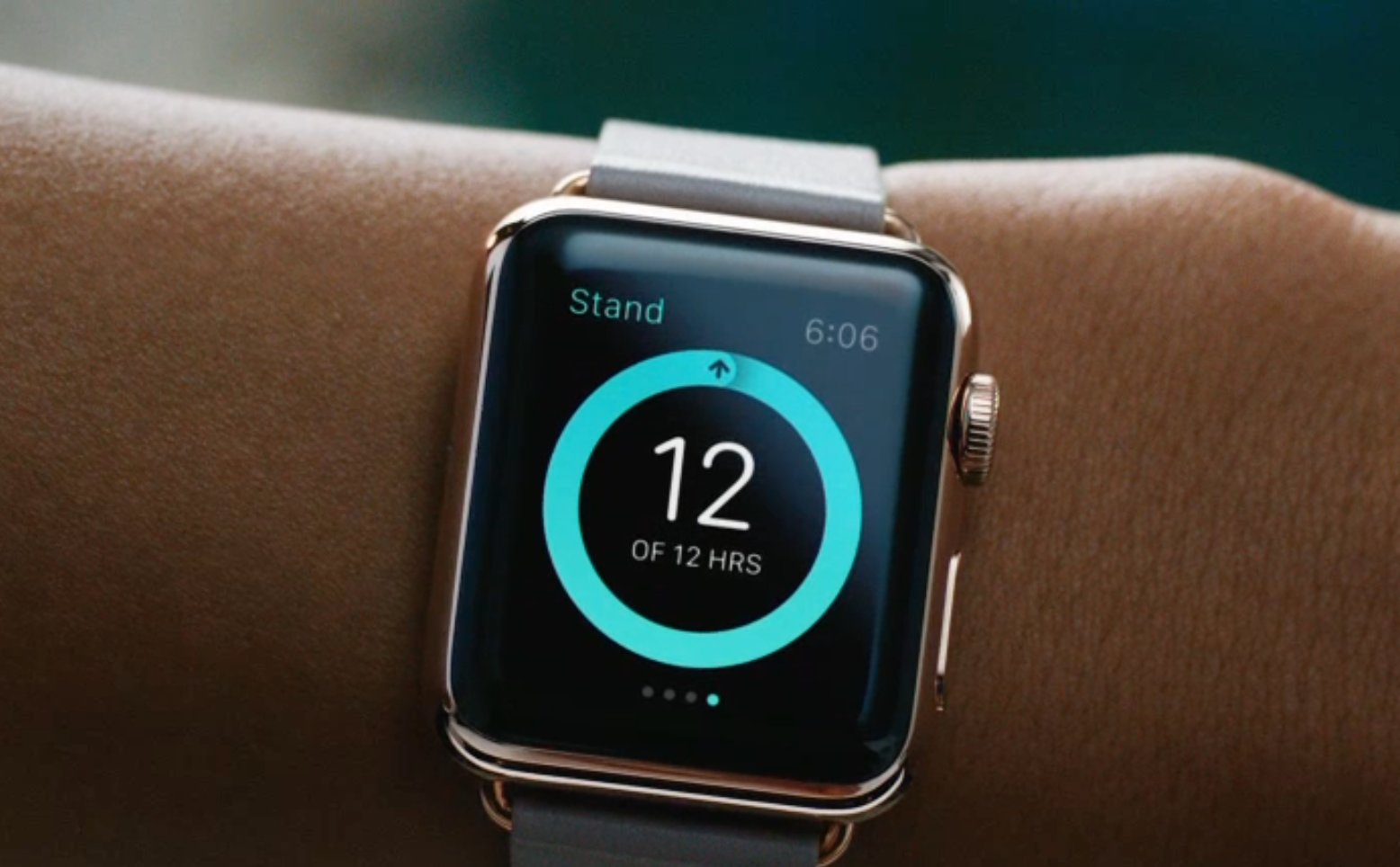
What makes a gadget worth wearing? Apple is betting it knows better than anyone, and today they’ll likely reveal the final details of the Apple Watch–the most anticipated piece of technology since, well, the last Apple device to hit the streets.
Apple is rarely a first mover in electronics. We’ve all grown used to the company walking into existing markets and redefining them: the original Macintosh, the iMac, the iPod, the iPhone, the iPad. When it decides to jump in a pool, it strives for an epic cannonball that sends waves throughout the rest of the industry.
Could this time be different? This is, after all, the first major new category Apple will stake out under the stewardship of Tim Cook. The Apple Watch is also unlike anything the company has ever tried before: It’s a device that relies almost as much on fashion as it does technology, with a price tag that some speculate may rise into the $10,000-dollar range when most competing devices cost between $100 and $250. Is this a pure hubris play from Cupertino?
Wearables Whereabouts
Apple’s challenge to sell a look will be more intense than usual. The company has, of course, always focused on aesthetics for its devices–a source of common criticism from competitors and detractors (yet the delight of many consumers). Yet it has never relied so heavily on the buy-in of the fashion community. With models wearing the new smartwatch in magazines and high-end jewelers talking to Apple, clearly the company has its eyes trained on the world of haut-couture. Yet fashion is notoriously fickle; one day’s hot accessory is the next day’s unspeakable faux pas. Even for a company that’s often called elitist, Apple risks selling a device for the few rather than something with mainstream appeal.
Wherever there’s challenge, however, there’s also opportunity–and the wearables market has many. Despite the number of devices clamoring for space on your wrist and on your face, no company has cracked exactly what gives a wearable device mass appeal. Fitbit is perhaps the closest with 70 percent of the fitness-tracker market. Still, they own a niche and one that doesn’t necessarily place it in direct competition with the Apple Watch.
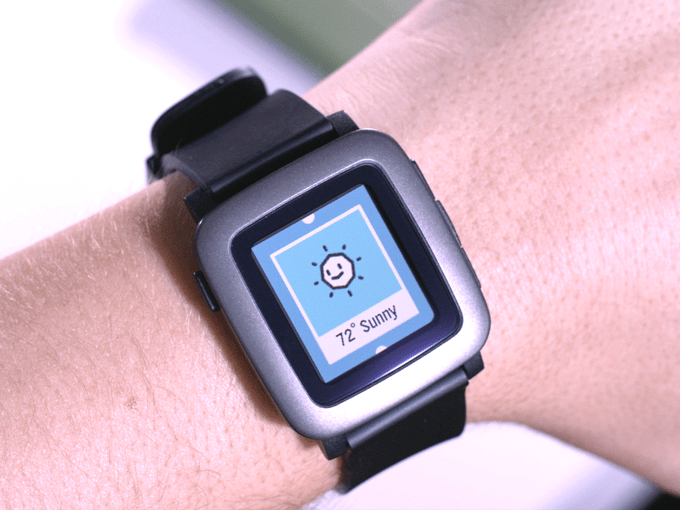
The most direct competitor would be Pebble, which offers what many think is the best smartwatch around. And though it’s made smartwatches since 2013, its products have evolved considerably in that time, and Best Buy continues to sell the devices, finding a truly mainstream market has eluded Pebble.
The startup also isn’t playing in the same league. By my calculations, Pebble has–as of this writing–pre-sold nearly 81,500 of its latest color-screened Pebble Time and Pebble Time Steel smartwatches, bringing in $17 million in revenue. For the sake of comparison Apple, in its most recent quarter, sold 30,000 iPhones per hour and had revenue of $74 billion. Pebble is playing single-A ball; Apple is in the major leagues.
Pebble
Look at it that way, and the wearables market doesn’t seem so different from the smartphone market before Apple entered. Remember what those devices looked like before the iPhone? Bulky, inconsistent plastic objects with frustratingly small screens and physical keyboards. Fast-forward eight years, and every smartphone looks more or less like an iPhone.
Maybe the Apple Watch will do to wearable devices what the iPod did to MP3 players. But it could just as well be an evolutionary cul-de-sac that ends up in a dustbin next to our PDAs or videophones, to eventually be incorporated into some other far more compelling piece of tech down the road.
Technology That Does Less
The biggest risk for the Apple Watch is the wearable device market as a whole. As of yet, people aren’t crying out for devices to wear on their wrists or faces. They seem futuristic, but perhaps too much–and are better relegated to a retro-future of flying cars and commuting to lunar colonies via rocket ship. The reaction from most of the average folks that I talk to about the Apple Watch is, “why do I need such a thing?”
Take my girlfriend, for example. To her the Apple Watch is just another technological distraction in a world already rife with them. She’s worried that instead of constantly pulling out my phone to check Twitter, reply to text messages, and triage emails, I’ll spend all my time staring at my wrist.
That’s not unjustified. I bought the first iPhone back in 2007, and my friends often joked that it might catch on fire if I didn’t take it out of my pocket, so often did I seem to have it in hand. Eight years later and we’re all glued to our screens, spending far less time engaged with the people around us.
If I have one hope for the Apple Watch, and for wearables in general, it’s that they will make us less dependent on technology. Wearables should dole out the information we want, when we need it, and in bite-size chunks. They shouldn’t further train us to be zombies who constantly stare at screens. The challenge, then, is to smartly and seamlessly integrate technology into daily life while keeping our eyes ahead instead of fixated on glowing slabs (be they phone-sized or watch-sized). If the Apple Watch can deliver on this, then their timing couldn’t be better.
What makes a gadget worth wearing? Apple is betting it knows better than anyone, and today they’ll likely reveal the final details of the Apple Watch–the most anticipated piece of technology since, well, the last Apple device to hit the streets.
Apple is rarely a first mover in electronics. We’ve all grown used to the company walking into existing markets and redefining them: the original Macintosh, the iMac, the iPod, the iPhone, the iPad. When it decides to jump in a pool, it strives for an epic cannonball that sends waves throughout the rest of the industry.
Could this time be different? This is, after all, the first major new category Apple will stake out under the stewardship of Tim Cook. The Apple Watch is also unlike anything the company has ever tried before: It’s a device that relies almost as much on fashion as it does technology, with a price tag that some speculate may rise into the $10,000-dollar range when most competing devices cost between $100 and $250. Is this a pure hubris play from Cupertino?
Wearables Whereabouts
Apple’s challenge to sell a look will be more intense than usual. The company has, of course, always focused on aesthetics for its devices–a source of common criticism from competitors and detractors (yet the delight of many consumers). Yet it has never relied so heavily on the buy-in of the fashion community. With models wearing the new smartwatch in magazines and high-end jewelers talking to Apple, clearly the company has its eyes trained on the world of haut-couture. Yet fashion is notoriously fickle; one day’s hot accessory is the next day’s unspeakable faux pas. Even for a company that’s often called elitist, Apple risks selling a device for the few rather than something with mainstream appeal.
Apple
Wherever there’s challenge, however, there’s also opportunity–and the wearables market has many. Despite the number of devices clamoring for space on your wrist and on your face, no company has cracked exactly what gives a wearable device mass appeal. Fitbit is perhaps the closest with 70 percent of the fitness-tracker market. Still, they own a niche and one that doesn’t necessarily place it in direct competition with the Apple Watch.
The most direct competitor would be Pebble, which offers what many think is the best smartwatch around. And though it’s made smartwatches since 2013, its products have evolved considerably in that time, and Best Buy continues to sell the devices, finding a truly mainstream market has eluded Pebble.
The startup also isn’t playing in the same league. By my calculations, Pebble has–as of this writing–pre-sold nearly 81,500 of its latest color-screened Pebble Time and Pebble Time Steel smartwatches, bringing in $17 million in revenue. For the sake of comparison Apple, in its most recent quarter, sold 30,000 iPhones per hour and had revenue of $74 billion. Pebble is playing single-A ball; Apple is in the major leagues.
Pebble
Look at it that way, and the wearables market doesn’t seem so different from the smartphone market before Apple entered. Remember what those devices looked like before the iPhone? Bulky, inconsistent plastic objects with frustratingly small screens and physical keyboards. Fast-forward eight years, and every smartphone looks more or less like an iPhone.
Maybe the Apple Watch will do to wearable devices what the iPod did to MP3 players. But it could just as well be an evolutionary cul-de-sac that ends up in a dustbin next to our PDAs or videophones, to eventually be incorporated into some other far more compelling piece of tech down the road.
Technology That Does Less
The biggest risk for the Apple Watch is the wearable device market as a whole. As of yet, people aren’t crying out for devices to wear on their wrists or faces. They seem futuristic, but perhaps too much–and are better relegated to a retro-future of flying cars and commuting to lunar colonies via rocket ship. The reaction from most of the average folks that I talk to about the Apple Watch is, “why do I need such a thing?”
Take my girlfriend, for example. To her the Apple Watch is just another technological distraction in a world already rife with them. She’s worried that instead of constantly pulling out my phone to check Twitter, reply to text messages, and triage emails, I’ll spend all my time staring at my wrist.
That’s not unjustified. I bought the first iPhone back in 2007, and my friends often joked that it might catch on fire if I didn’t take it out of my pocket, so often did I seem to have it in hand. Eight years later and we’re all glued to our screens, spending far less time engaged with the people around us.
If I have one hope for the Apple Watch, and for wearables in general, it’s that they will make us less dependent on technology. Wearables should dole out the information we want, when we need it, and in bite-size chunks. They shouldn’t further train us to be zombies who constantly stare at screens. The challenge, then, is to smartly and seamlessly integrate technology into daily life while keeping our eyes ahead instead of fixated on glowing slabs (be they phone-sized or watch-sized). If the Apple Watch can deliver on this, then their timing couldn’t be better.

 Login