Like most of the rest of his frontbench, Andy Burnham has never had a proper job outside politics. No wonder his policy agenda – the little we know of it – is so unbearably light, says Madeleine Gillies.
Energy secretary could recommend new North Sea drilling next week, as ministers also consider approval for Rosebank oilfield
Ministers are poised to approve a controversial new gasfield in the North Sea this month, according to government sources, and are considering approving a major oilfield later this year.
Miatta Fahnbulleh, the energy secretary, will give her recommendation to approve the Jackdaw field off the coast of Aberdeen as soon as next week, according to people close to the decision, and the formal approval could follow a week after.
Government says Green leader’s proposed moratorium on ‘energy-guzzling’ AI projects would be disaster for economy
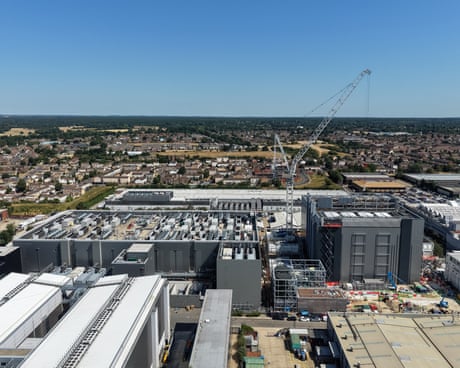
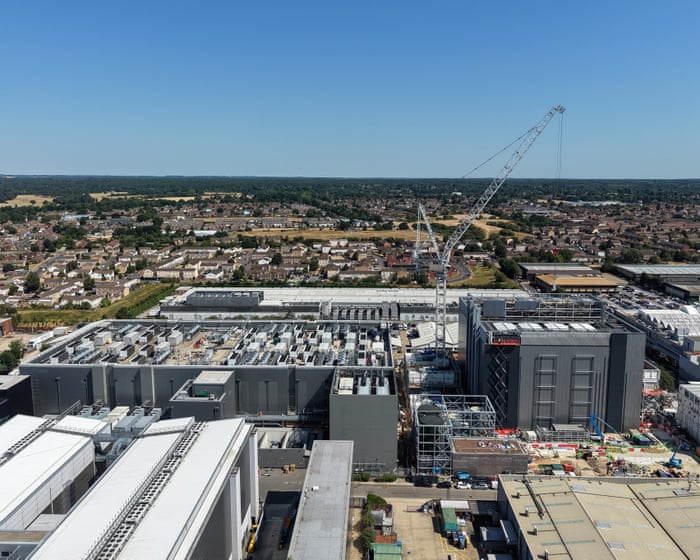
Labour has rejected calls to pause construction of major AI infrastructure in Britain after the Green party leader, Zack Polanski, said it was time to “slam the brakes on these energy-guzzling, water-guzzling datacentres”.
The government hit back at the opposition party’s proposal of a “moratorium other than [for] local-scale datacentres for the local community”, saying it “would be a disaster for jobs and national security”.
Soaring prices are plunging struggling families into debt. The government must support them in the short term as it invests in a clean energy future
Fuelled by the consequences of Donald Trump’s disastrous war on Iran, household energy debt in Britain is continuing to soar, rising to a record £6bn by the end of June. That figure is set to hit £7bn by the end of the year, as the government’s cap on gas and electricity prices goes up to a three-year high in October. The human cost among the less well off will be more people regularly choosing whether to skip meals, ignore other bills or stay cold this winter.
Such is life at the sharp end of the cost of living crisis, which Andy Burnham has made it his priority to address since arriving in Downing Street. The day after he became prime minister, Mr Burnham announced that VAT would be removed from electricity bills from the beginning of October. But the Middle East-related rise in the price cap, announced on Wednesday, more than wipes out the effect of his cut. In an era of geopolitical volatility, high energy costs have become the new normal.
Do you have an opinion on the issues raised in this article? If you would like to submit a response of up to 300 words by email to be considered for publication in our letters section, please click here.
Colin Hines says Andy Burnham’s focus should be on drastically cutting fossil fuel use in a way that reduces bills and generates secure jobs
It is hardly surprising that many who were optimistic and supportive of Andy Burnham becoming prime minister, but who also prioritised tackling climate chaos, are becoming increasingly unsure about him, given his tardiness in emphasising this threat as an overriding policy objective (Labour ‘could lose up to 50 seats’ to Greens if new drilling in North Sea approved, 19 August).
One of the problems he faces is that the political debate around energy is obsessed with relatively short-term fossil fuel supplies. Instead, the focus should be on drastically and rapidly cutting fossil fuel use in a way that reduces bills and generates secure jobs through a devolved energy programme for every postcode.

 Login