A new comparative review, published in The Anatomical Record, examines factors that may lead to birth complications among humans and other mammals. The study suggests that fetal sex may play an important role in risky births in humans and several other species.
A new comparative review, published in The Anatomical Record, examines factors that may lead to birth complications among humans and other mammals. The study suggests that fetal sex may play an important role in risky births in humans and several other species.
Fire ants have earned their reputation as one of Australia's most damaging invasive pests. From ruined picnics to serious impacts on agriculture, biodiversity and public health, they are notoriously difficult to control.
A new study reveals that horse personality is not only a matter of genetics, age or breed but also systematically linked to how horses are housed, ridden and cared for, and to the quality of the relationship they share with their owners. The findings underscore the importance of everyday management decisions for equine personality and welfare.
A new study reveals that horse personality is not only a matter of genetics, age or breed but also systematically linked to how horses are housed, ridden and cared for, and to the quality of the relationship they share with their owners. The findings underscore the importance of everyday management decisions for equine personality and welfare.
As the 2026-2027 NFL season kicks off, the Philadelphia Eagles are giving new meaning to their signature “Fly, Eagles, Fly” fight song. The football team is partnering with the National Marine Sanctuary Foundation for Birds Supporting Birds, an initiative to support seabirds off the coast of Massachusetts (and in New England Patriots’ territory) this fall.
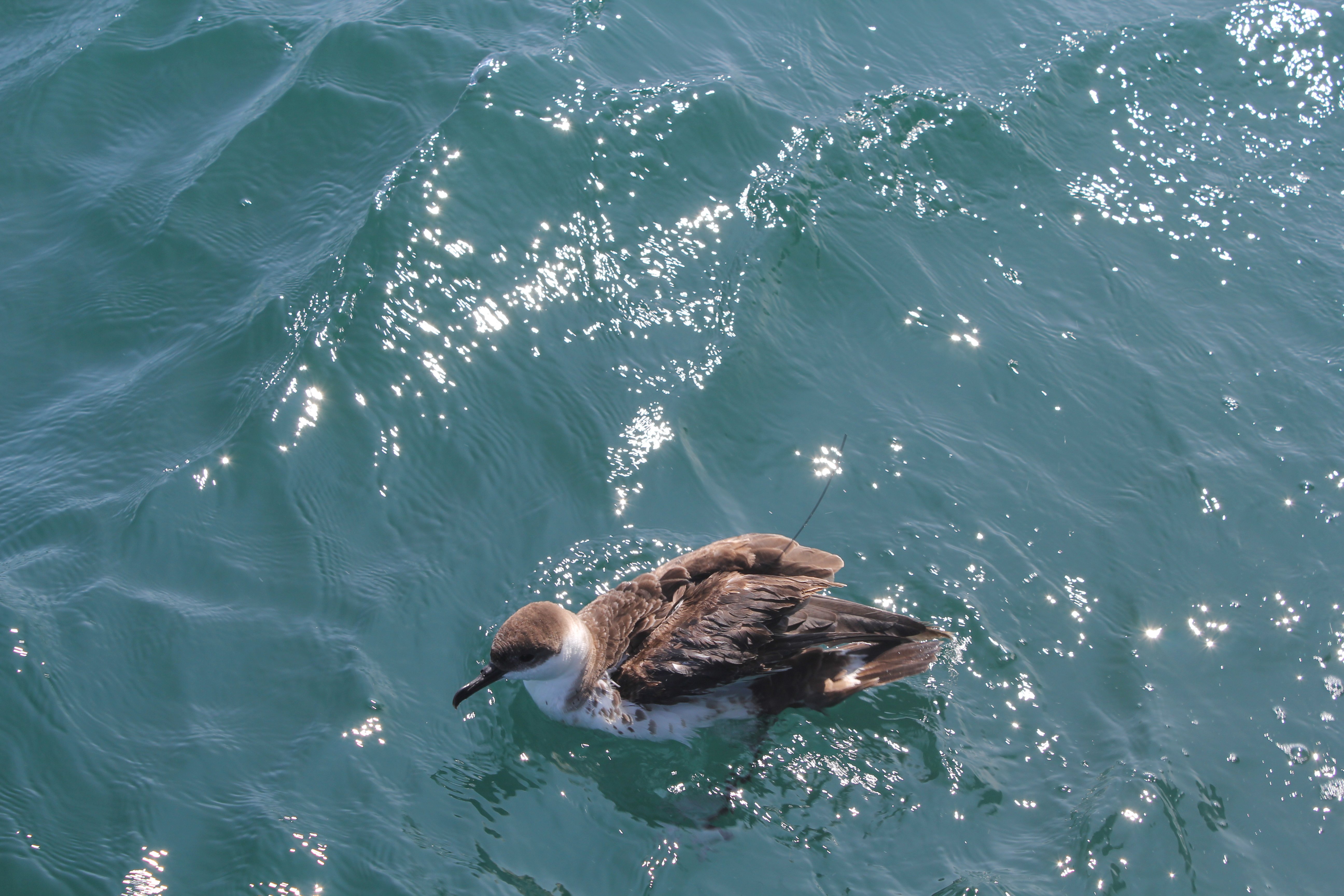
The team is supporting NOAA’s Stellwagen Bank National Marine Sanctuary Shearwater Tagging Project, an ongoing initiative dedicated to studying the great shearwater (Ardenna gravis) and their migration. Great shearwaters are large, white-and-grey seabirds known for their epic journeys. They travel thousands of miles every year from their remote South Atlantic breeding grounds up to the cooler North Atlantic waters during the nonbreeding season. According to the National Marine Sanctuary Foundation, they fly the equivalent of over 200,000 football fields across the Atlantic Ocean every single year.
Birds Supporting Birds will help support researchers in Stellwagen Bank, an 842-square-mile marine sanctuary east of Boston, to tag great shearwaters and track their migratory routes across the Atlantic.
“The Eagles are directly funding researchers to attach lightweight, solar-powered satellite transmitters to great shearwaters,” Joel R. Johnson, President and CEO of the National Marine Sanctuary Foundation, tells Popular Science. “These tags track the birds’ migration patterns around the Eastern Seaboard and down to the Southern Atlantic Ocean in real time.”
Lovingly known as “The Birds” by their incredibly devoted fanbase, the football team is leveraging their platform to bring attention to ocean conservation and highlight environmental stewardship.
A major 2015 study found that the Gulf of Maine is warming faster than 99 percent of the ocean due to climate change. While the water has slightly cooled since 2021, a report published by NOAA in July found that the environment in the Gulf of Maine still remains unstable. These changes in ocean temperature, currents, and other conditions can impact the seabirds’ food supply.
Great shearwaters are reliable indicators of an ecosystem’s health, who rely on small fish called sand lance in their diets. Whales, dolphins, bluefin tuna (Thunnus thynnus), and other key Gulf of Maine species also rely on these fish belonging to the family Ammodytidae in their diets. By studying great shearwaters and their health, researchers can better understand what is happening in the local ecosystem as a whole.
Researchers at Stellwagen Bank National Marine Sanctuary used satellite tracking technology in 2013. These tags are lightweight and attached to the birds with degradable thread. They have small solar panels so scientists can monitor the birds’ routes over extended periods.
Researchers have now deployed tags on Phil, Franklin, Hoagie, and Liberty, four great shearwaters with very Philly-appropriate names.
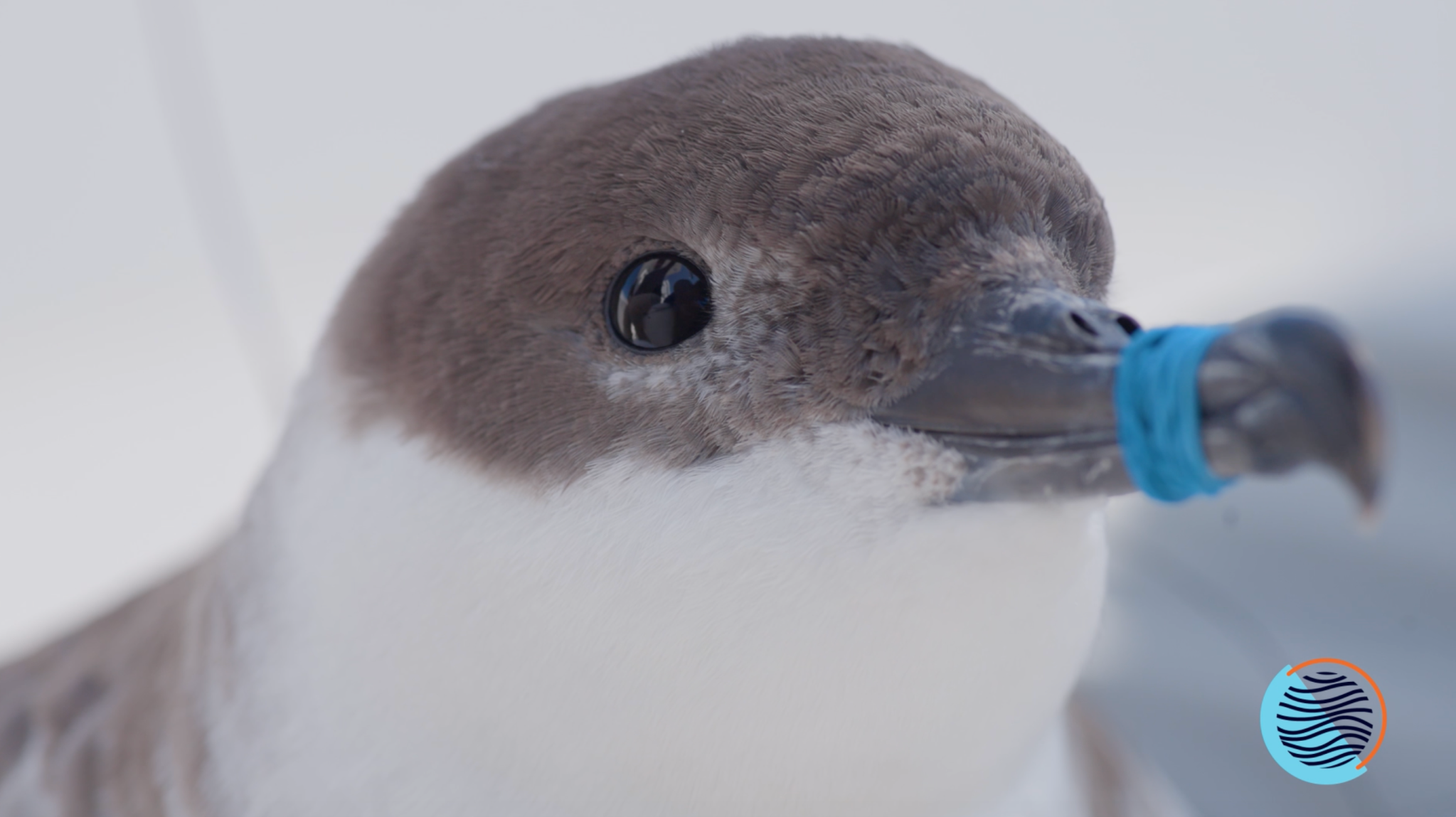
Great shearwaters can help scientists understand an ecosystem’s health. Image:National Marine Sanctuary Foundation.
“We are thrilled to invite the public to follow Phil, Franklin, Hoagie, and Liberty in real time on our interactive maps and social channels, bringing everyone along on our shared mission to protect our ocean waters and marine life,” says Johnson, who lists bald eagles (Haliaeetus leucocephalus), great blue herons (Ardea herodias), and great shearwaters among his favorite birds.
Live interactive maps will be available soon on the Stellwagen Bank National Marine Sanctuary and National Marine Sanctuary Foundation’s website, so you can follow the great shearwater’s epic journey, while the Eagles (or your favorite team) compete on the gridiron.
Monash University scientists have developed a global framework to tackle a major blind spot in biodiversity conservation: Insects underpin ecosystems and food production but remain largely invisible to conservation efforts across the tropics.
Monash University scientists have developed a global framework to tackle a major blind spot in biodiversity conservation: Insects underpin ecosystems and food production but remain largely invisible to conservation efforts across the tropics.
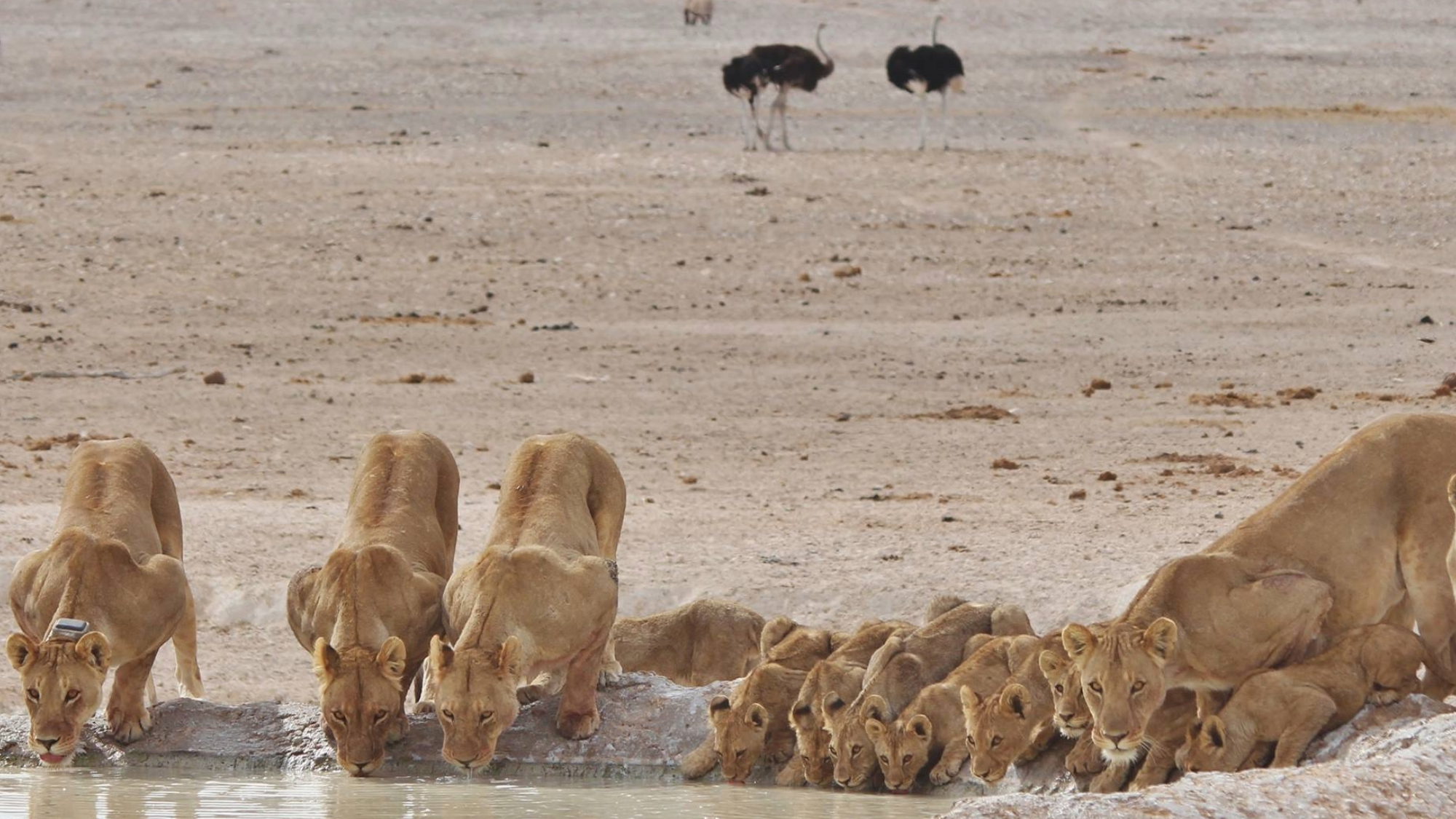
Hidden deep in the bush, ranging over huge territories at speeds humans can't match and through terrain not even the most rugged vehicle can handle, hyenas and lions are hard to study. Now, new research using GPS collars to map the movements of individual animals has revealed crucial information about the relationship between these competing carnivore species. We've long assumed that hyenas simply shadow lions for scraps, but these findings show that when they encounter each other, it's the lions, especially males, that approach hyenas, and the hyenas that give way.
In The Lion King, the hyenas Shenzi, Banzai, and Ed were at the evil lion Scar’s every beck and call. And while the Disney team probably didn’t spend an extensive amount of time observing lions and hyenas interacting in the wild while making the beloved movie, a zoologist and her colleagues just did—and they found something unexpected.
The long-standing assumption about the relationship between the carnivores involves hyenas following lions for their food scraps. However, male African lions (Panthera leo) are the ones going after spotted hyenas (Crocuta crocuta), who move away from the big cats. These new findings are detailed in a study published today in the journal Frontiers in Ethology.
Nancy Barker, an ecologist at the University of KwaZulu-Natal in South Africa and lead author of the study, observed lions actively tracking hyenas while she was studying brown hyenas (Parahyaena brunnea).
“When I shared my observations with other leading researchers, I was often told that I had the relationship backwards: that hyenas are the ones tracking lions, primarily for scavenging opportunities, and that what I had seen was simply a series of chance encounters,” Barker said in a statement “I felt there was more to the story.”
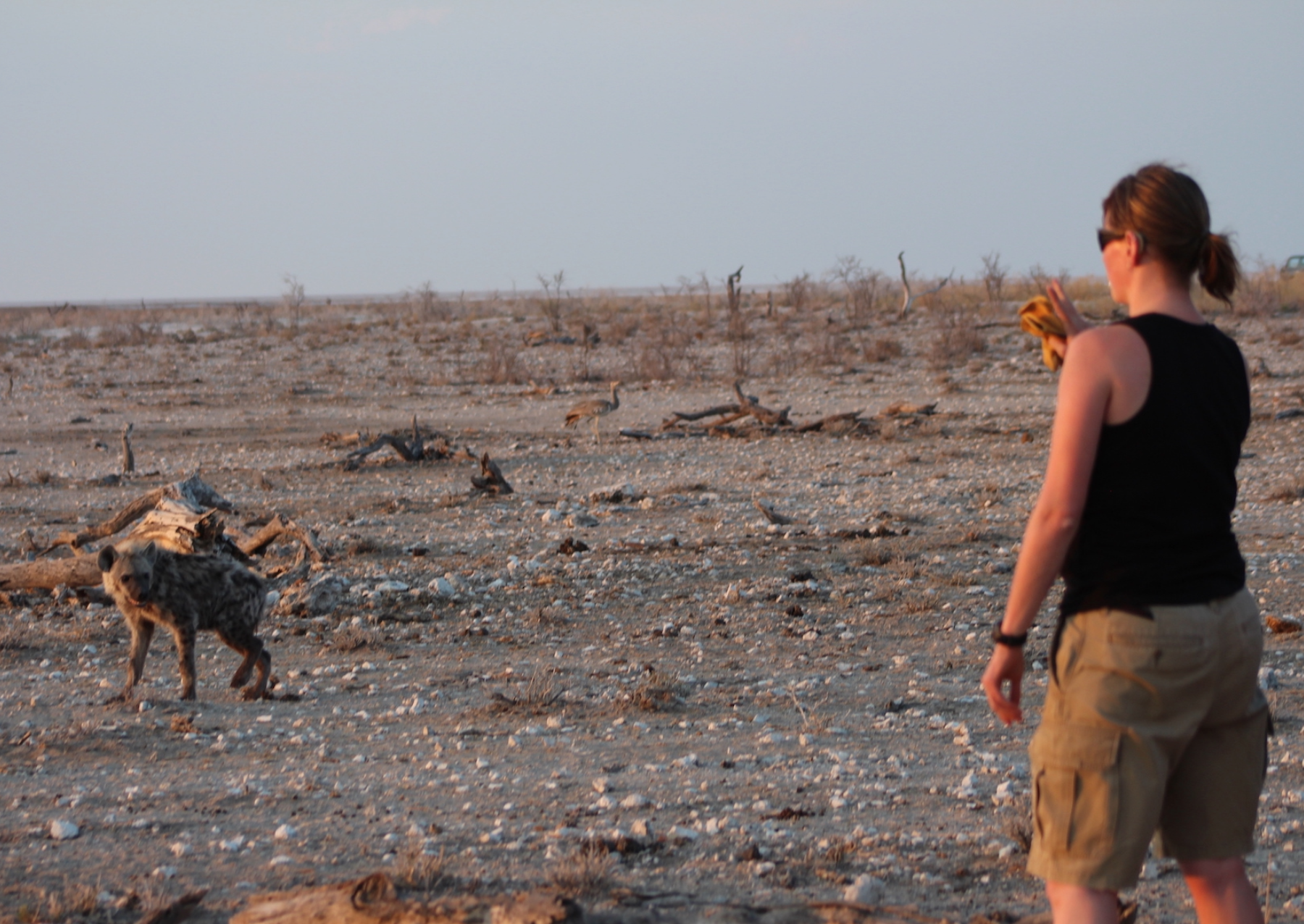
A young spotted hyena at Etosha National Park scopes Barker out. At the time, Barker was setting up a bait station to immobilize and collar the matriarch of the hyena clan. Image: Dr. Nancy Barker.
Barker then put GPS-collars on socially high-ranking African lions and spotted hyenas at Namibia’s Etosha National Park, as well as lions in Linyanti Conservancy in northern Botswana and northeastern Namibia, and Chobe National Park in Botswana.. The study included data from 17 lions and 14 hyenas collected across four years.
The collars mapped the animals’ movement by capturing a location snapshot every five minutes during their peak activity hours, and Barker also maintained camera traps and conducted behavioral observations for context. Barker identified 23 pairs of simultaneously tracked animals from the GPS collar data, including 10 lion-hyena pairs. Her team classified the direction of every paired animal’s movements, consequently revealing and studying thousands of interactions.
“Our GPS collar data shows that African lions and spotted hyenas leave a clear, measurable signature in the way they move around one another,” said Barker. “Spotted hyenas consistently move away from lions, while male lions tend to move toward hyenas.”
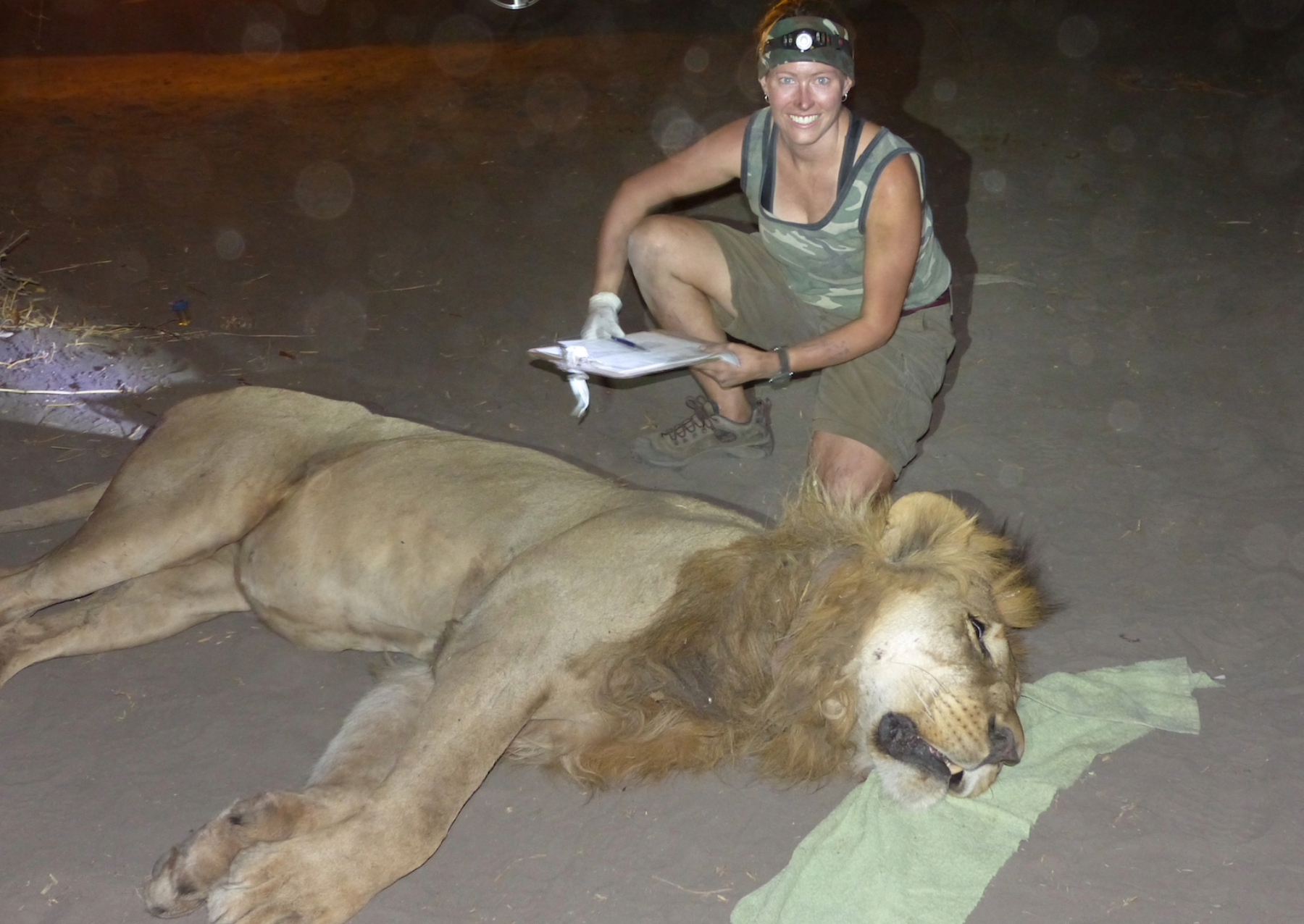
Dr. Nancy Barker with an immobilized adult male lion from a pride in the Chobe-Linyanti floodplains. Barker took morphological measurements, identification photographs, and blood, tissue and faecal samples before fitting each collar. Image: Dr. Nancy Barker.
Female lions, on the other hand, weren’t as consistent. Barker’s observations revealed that lionesses’ reactions to hyenas were based on which other pride (a group of lions) members were around, though more data is necessary to bolster this determination.
Because the study includes a limited amount of data, Barker says that some of the findings should be viewed more as trends instead of firm scientific conclusions.
“I would love to extend this approach to other members of the carnivore guild, to understand how the entire community negotiates space and risk,” she said. “Ultimately, I want to connect these movement patterns to what matters most for the animals: their survival and reproduction.”
Giant Sequoias • Yosemite • Hidden Water • New Research Giant sequoias can use more than 2,000 litres of water per day during California’s long dry summers. New subsurface imaging beneath Yosemite’s Mariposa Grove suggests that trees growing on dry hillsides and ridges may survive by accessing water stored more than 2 metres deep inside […]
The deep-sea is filled with weird creatures: goblin sharks (Mitsukurina owstoni), vampire squid (Vampyroteuthis infernalis), and… walking fish? For the first known time, a team of scientists in China filmed a strange, shrimp-like fish walking backward along the seafloor.
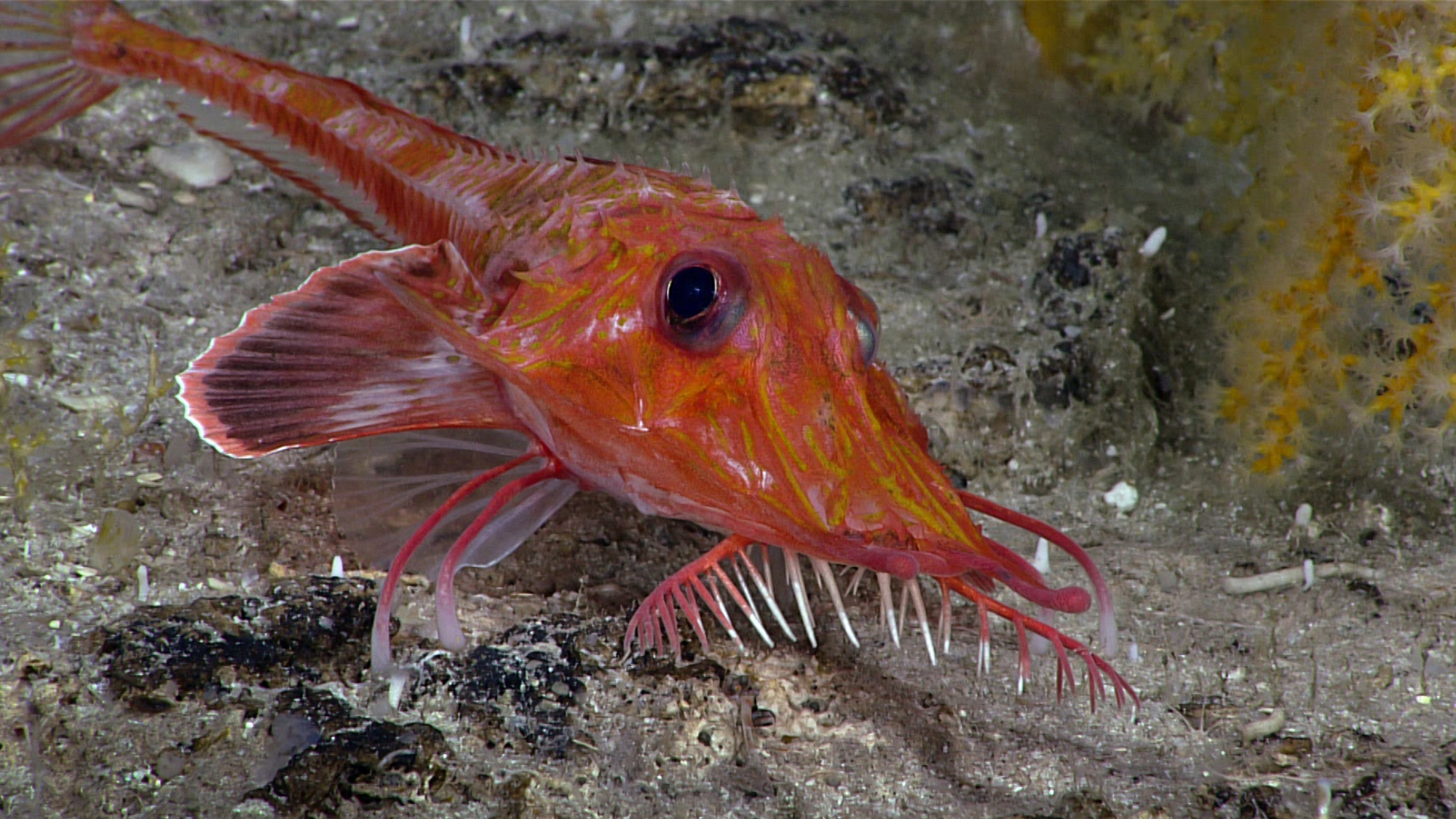
The fish, Scalicus engyceros, is a species of armored searobin, a group of fish known for weird anatomy. Their bodies are covered in bony plates, while stiff free fin rays stick out of its pectoral rays like tiny legs it can use to “walk.”
The new study, published in the journal Ocean-Land-Atmosphere Research, not only provides video evidence of the animal’s sea-floor strolls, but it also marks the first time backwards locomotion has been described in fish.
“[Our] study delivers a paradigm-shifting revelation: the deep-sea fish Scalicus engyceros, a representative of fishes characterized by highly specialized free pectoral-fin rays, is among the few fish species known to walk,” said Han Tian, a postdoctoral researcher at Sun Yat-sen University in Guangzhou, in a statement.
The video was taken from a deep-sea diving vehicle in the northern South China Sea that also helped the researchers observe the fish’s other unique traits. It has outward-extending barbels that resemble a farmer’s rake. While the barbel makes it awkward for the fish to walk, it provides “an advantage in probing, digging, or hunting for food buried in the sediment,” according to the team.
Like other deep-sea creatures, Scalicus engyceros also has large eyes. The researchers note that the fish did not seem to react to the approaching vehicle, but it did appear to react to its light beam before swimming away. This suggests its eyes have at least some sensitivity to light, perhaps pointing to the fish not having lived in this habitat for very long.
While there’s still much to learn about this mysterious creature, advancements in technology are helping scientists better understand the life way beneath our oceans’ surface.
“Modern deep-sea diving vehicles allow not only discovery of new species but also add a new in situ, functional dimension to the study of species based solely on the morphology of preserved specimens,” said Tian.
“By observing deep sea animals alive in their surrounding environment, we can gain insight into the adaptation and evolution of the species. These walking fish harbor far more novel behavioral and evolutionary adaptations than previously assumed.”
On June 19, the Aquarium of the Pacific took in almost 500 animals in one go. Fish, marine invertebrates, and sharks were all brought into the facility in Long Beach, California, but the aquarium hadn’t just gone on some big marine shopping spree.
These animals were rescued from animal trafficking, and were in urgent need of a home. At the aquarium, the staff worked through the night to stabilize and care for them.
“Every animal that arrives at the Aquarium, whether through a carefully planned acquisition or a last-minute confiscation, receives the same high standard of care. What can differ is the condition in which those animals arrive,” Johnathan Casey, Aquarium of the Pacific curator of fish and invertebrates, tells Popular Science.
Many trafficked animals have been traveling in stressful or poor conditions, so the aquarium’s experts immediately check their physical condition, water quality, and individual needs. They usually know little about an animal’s origin or history, so the team needs to be prepared for anything. The rescued animals are also quarantined to avoid the potential spread of diseases, according to Alyssa Tillman, the assistant curator of fish and invertebrates.
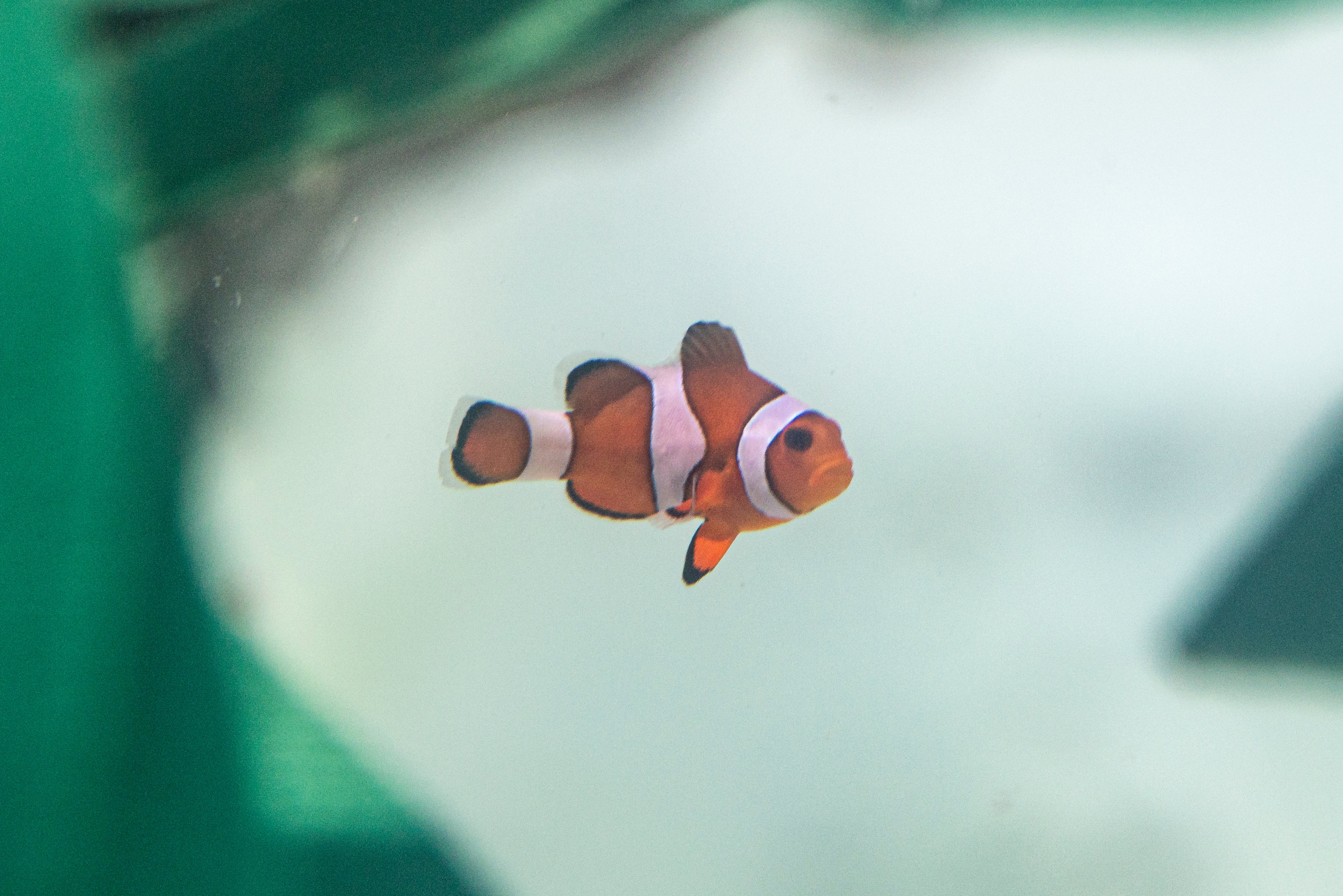
Confiscated animals like this clownfish were kept in holding tanks at the Aquarium of the Pacific on Long Beach, California. Image: Josh Barber/Aquarium of the Pacific. Josh Barber
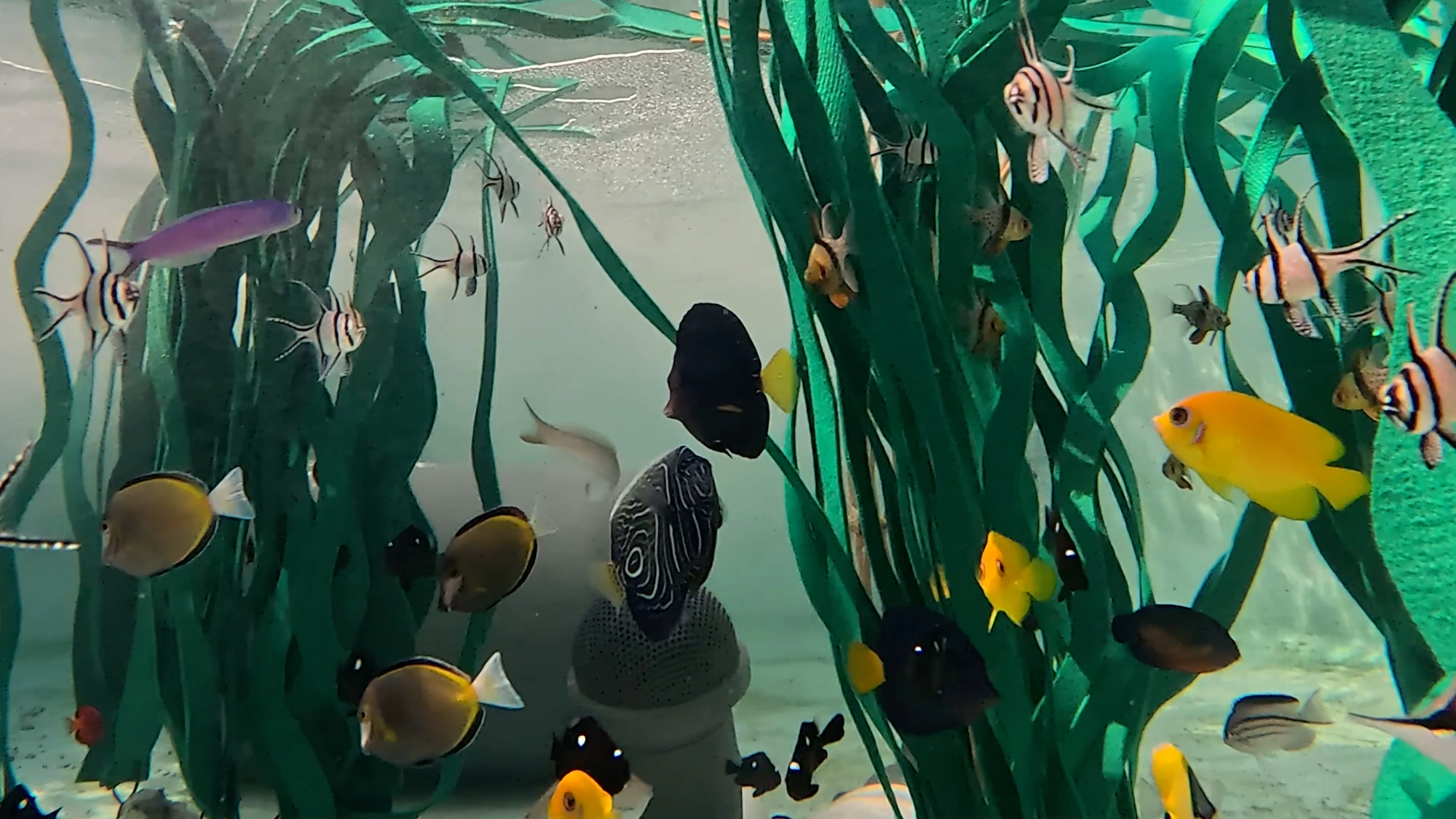
The species included brownbanded bamboo sharks (Chiloscyllium punctatum), ocellaris clownfish (Amphiprion ocellaris), and Banggai cardinalfish (Pterapogon kauderni). The IUCN Red List classifies brownbanded bamboo sharks as Near Threatened and Banggai cardinalfish as Endangered.
While the arrival of almost 500 animals was a standout event, the Aquarium of the Pacific has received rescued animals from over 30 confiscation events since September 2024. This means they saw one confiscation event every three weeks, though the first eight months of 2026 have already seen over a dozen cases. Overall, the aquarium has taken in over 3,600 rescued trafficked animals in the past two years.
The Aquarium encourages “the public to become informed consumers to help avoid wildlife trafficking of exotic pets. This includes researching the protected status of the species and ensuring purchases are through a reputable vendor,” Casey explains. “If the vendor cannot provide proof of where the animal came from, refraining from purchasing it is a way to help.”
In 2009, tourism operators in Australia spotted more and more humpback whales (Megaptera novaeangliae) “fluking,” when a whale floats upside down, holding its tail above the water. Confused by the behavior, they reached out to scientists for help, triggering a research effort that solved one of the biggest mysteries about humpback whales on the Great Barrier Reef.
The Whitsundays, where the fluking was taking place, is a region with dozens of islands between the Great Barrier Reef and Australia’s north-eastern coast.
“It was an unusual behaviour they had never seen before. Not even the whale scientists knew what it meant at the time,” Crystal Lacey, Master Reef Guides program manager, said in a statement. “So that uncertainty sparked a major research effort, which combined citizen science through the tourism operators’ observations, and scientific research. It was one of the region’s largest citizen science efforts.”
The efforts included tourism operators counting whales and calves, and scientists mapping the seafloor, monitoring water temperatures, tracking whales by satellite, and surveying the region from the air. The joint mission found that the Whitsundays is one of the Great Barrier Reef’s most important humpback whale calving areas. In other words, they’d revealed a previously unknown whale maternity ward.
“The fluking the operators observed was actually a breeding behaviour,” explained Lacey. “We discovered the Whitsundays provides the sheltered, warm and shallow waters humpback whales need to give birth and raise newborn calves.”
Their results also resolved one of the biggest enigmas associated with humpback whales on the Great Barrier Reef—the question of where they give birth. The findings ultimately led to the creation of the Whitsundays Whale Heritage Area within the Great Barrier Reef Marine Park.
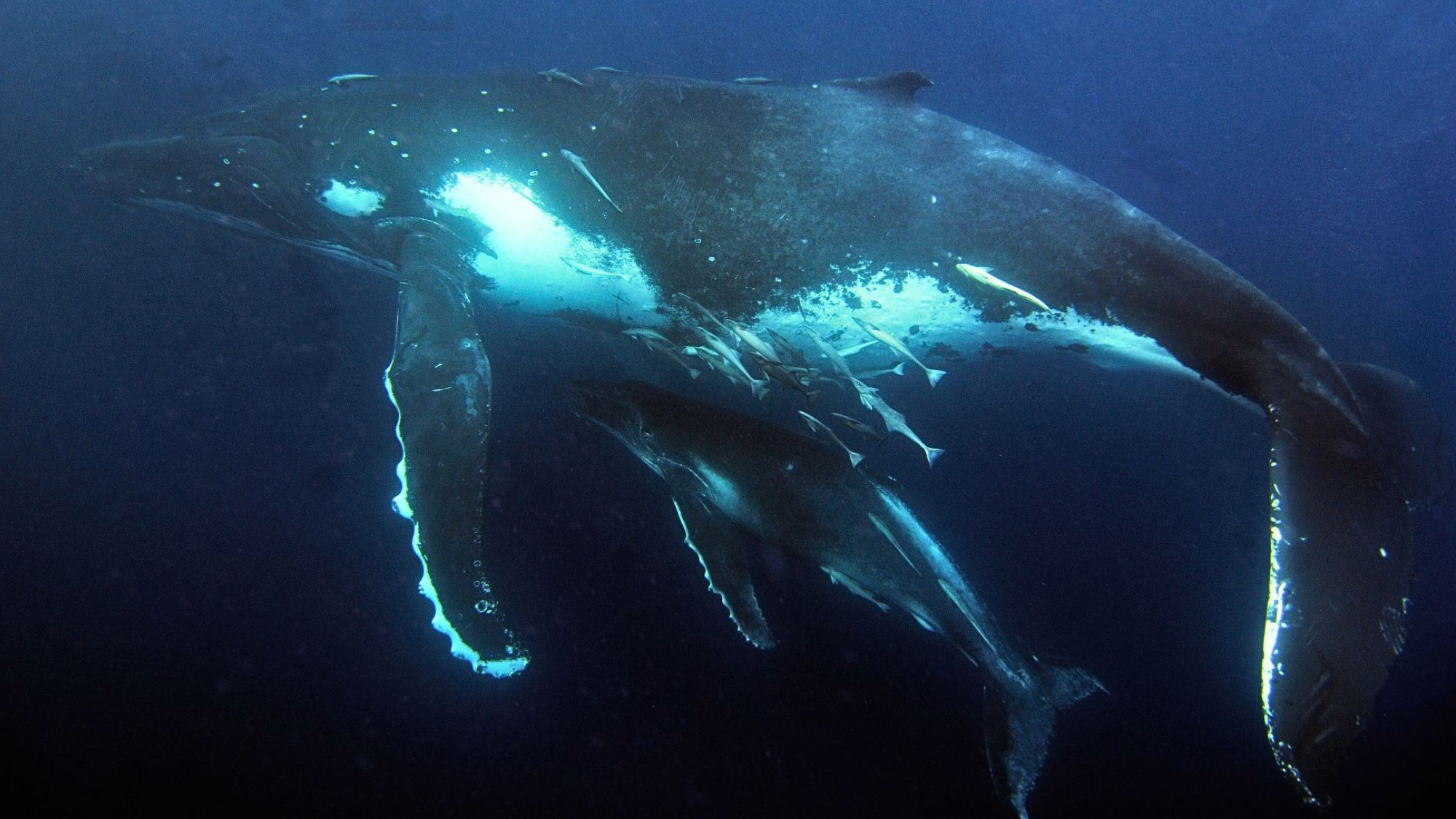
Humpback whales are found in all the world’s oceans. They’re a whale-watcher favorite because they can be observed close to shore, and frequently put on a show near the surface of the water. Humpback whales mate while “hugging” face-to-face, and the gestation period of females is 11 to 12 months. When they give birth—once every 2 to three years—the calf comes out tail first.
Marine biologists from Trinidad and Tobago recently completed the first locally helmed and most expansive survey of the deep-sea waters around the Caribbean islands. The month-long project aboard Schmidt Ocean Institute’s research vessel (R/V) Falkor (too) documented around 13 percent of the nation’s marine territory, and described 20 potential new species. Researchers also collected over 700 specimens for the University of the West Indies, St. Augustine. Once catalogued, the additions will increase the size of the university’s Zoology Museum deep ocean collection by 12 times.
“Every new discovery we make, whether ecosystem, species or behavior, deepens our understanding of what’s at stake and strengthens our ability to be true stewards of this largely unseen but critical part of our country,” said expedition chief scientist Diva Amon.
Check out some of the stunning, rarely seen creatures below. (Click to expand images to full screen.)
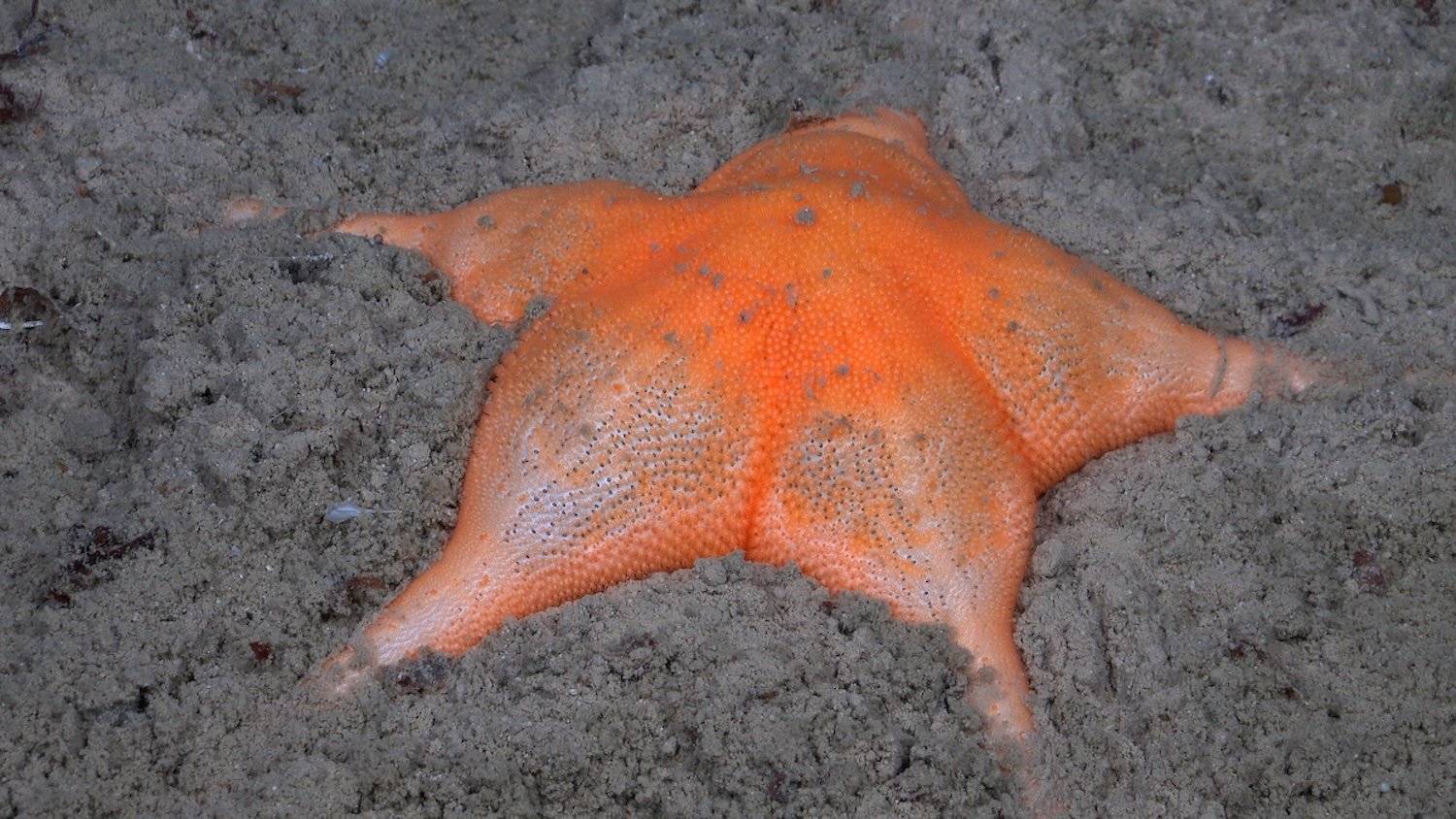
Suspected new sea star
A suspected new species of sea star (Porcellanasteridae) rests on the seafloor at a depth of 3,961 meters. Researchers collected the specimen while making dozens of other discoveries during the expedition, including at least 20 suspected new species. Credit: ROV SuBastian / Schmidt Ocean Institute
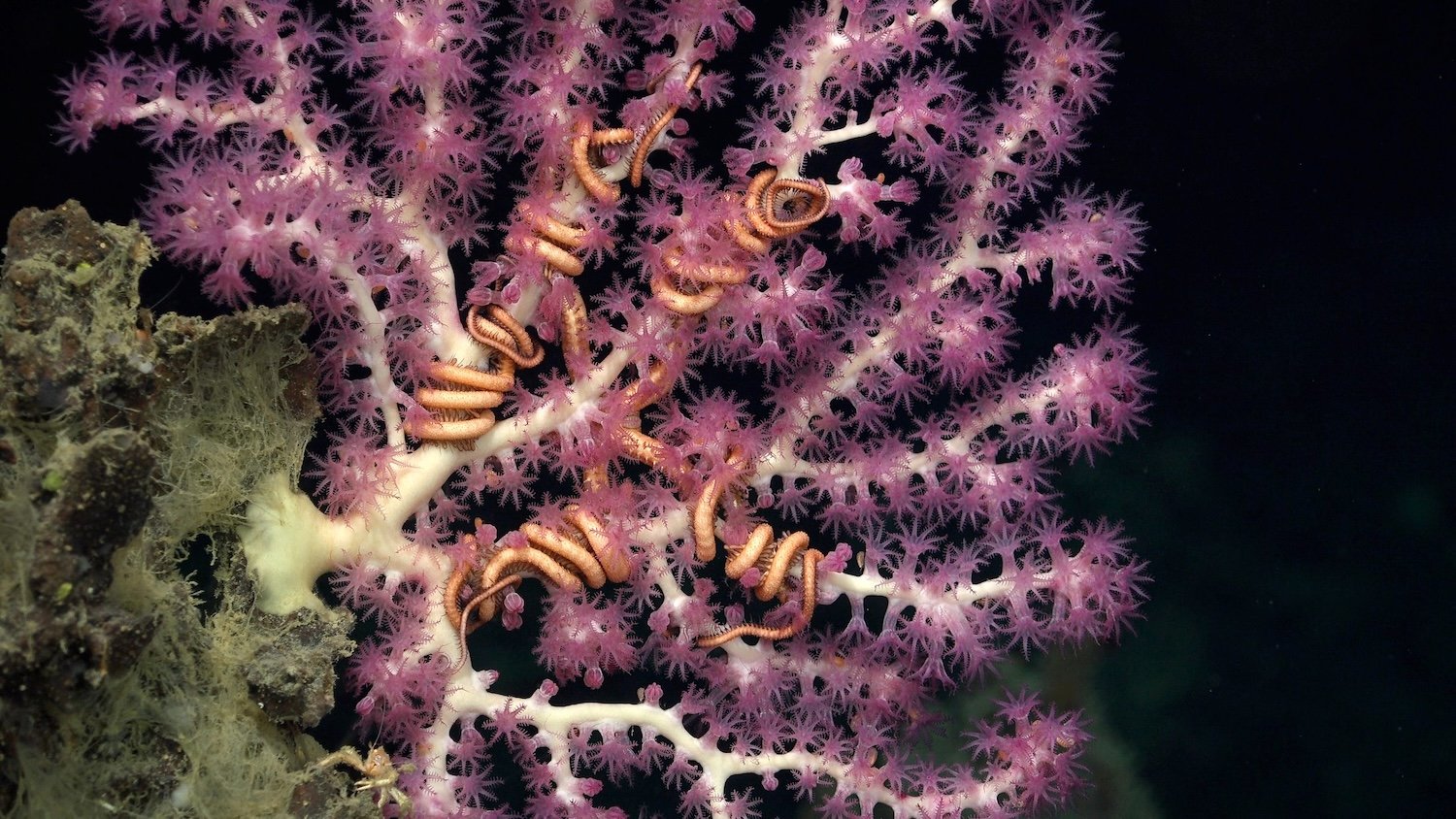
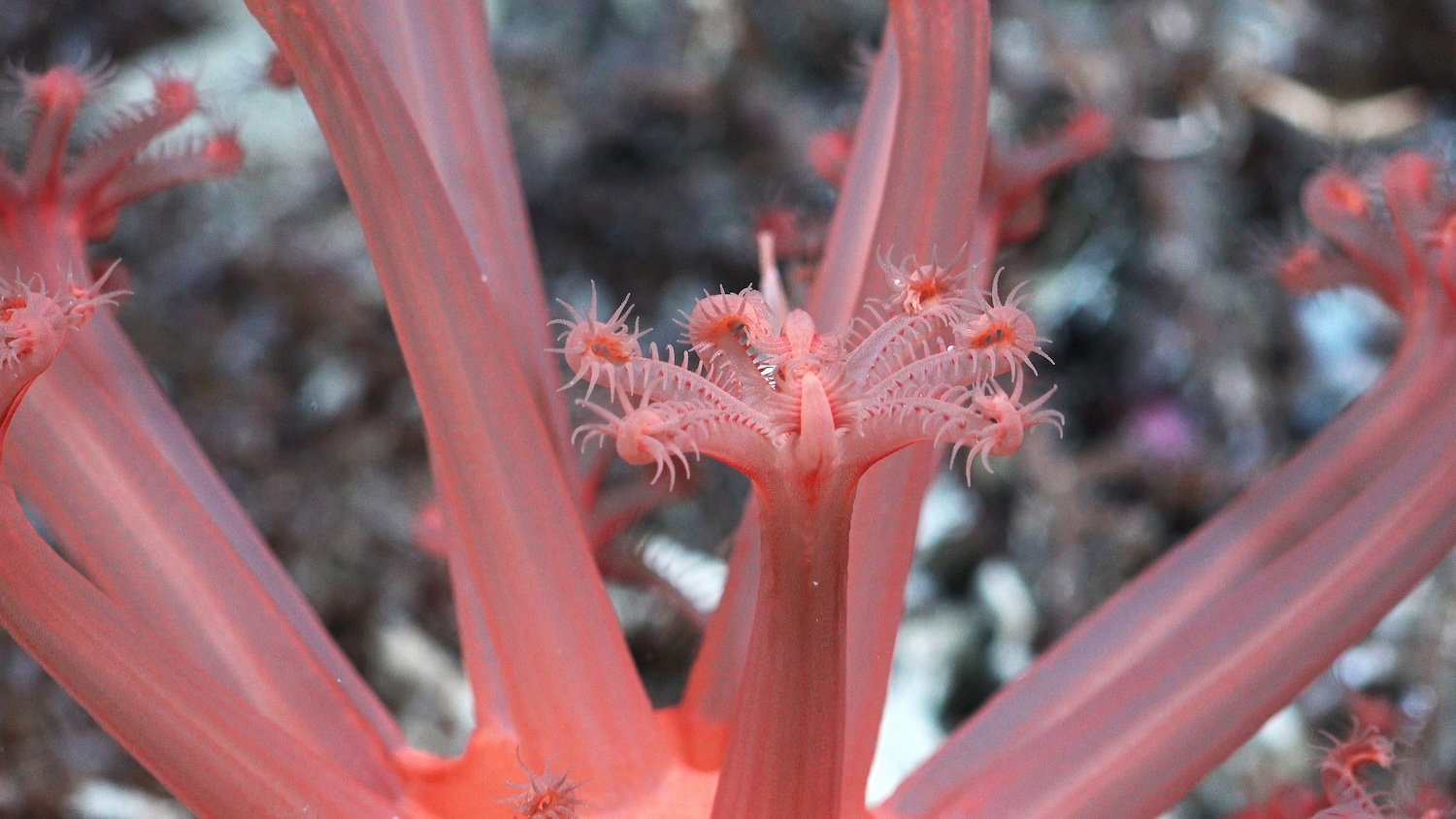
Symbiotic coral
Symbiotic brittle stars cling to a deep-sea coral off the coast of Trinidad and Tobago. A research team led by marine biologist Dr. Diva Amon (SpeSeas), composed largely of Trinbagonian scientists, surveyed the island nation’s deep-water territory to document rare ecosystems and guide local conservation efforts. Credit: ROV SuBastian / Schmidt Ocean Institute
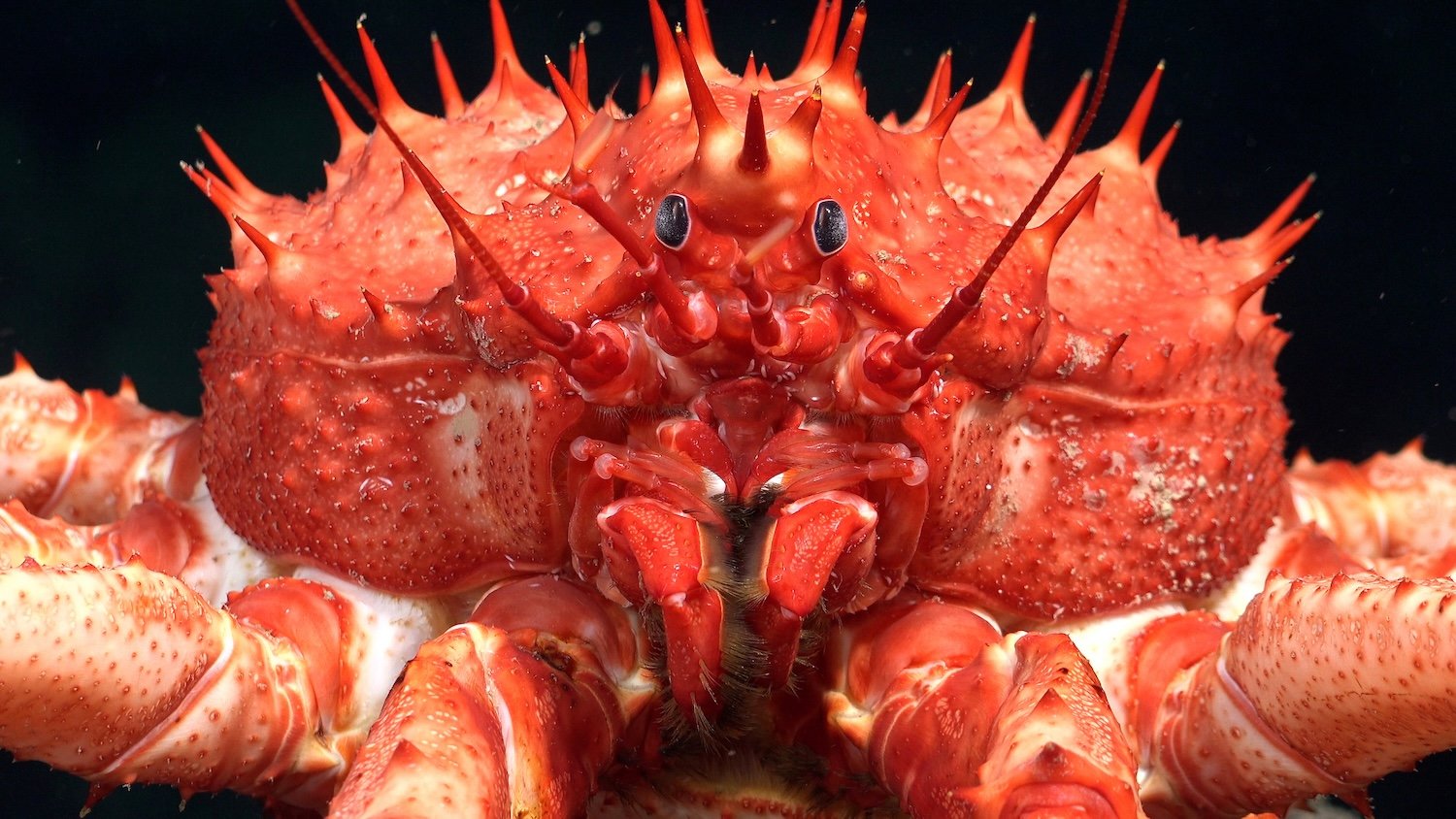
King crab
A king crab (Lithodes genus) crawls across the seafloor at a depth of 1,083 meters. Top predators in deep-sea environments, researchers documented these crabs while searching for bubble streams associated with unexplored cold seeps. Credit: ROV SuBastian / Schmidt Ocean Institute
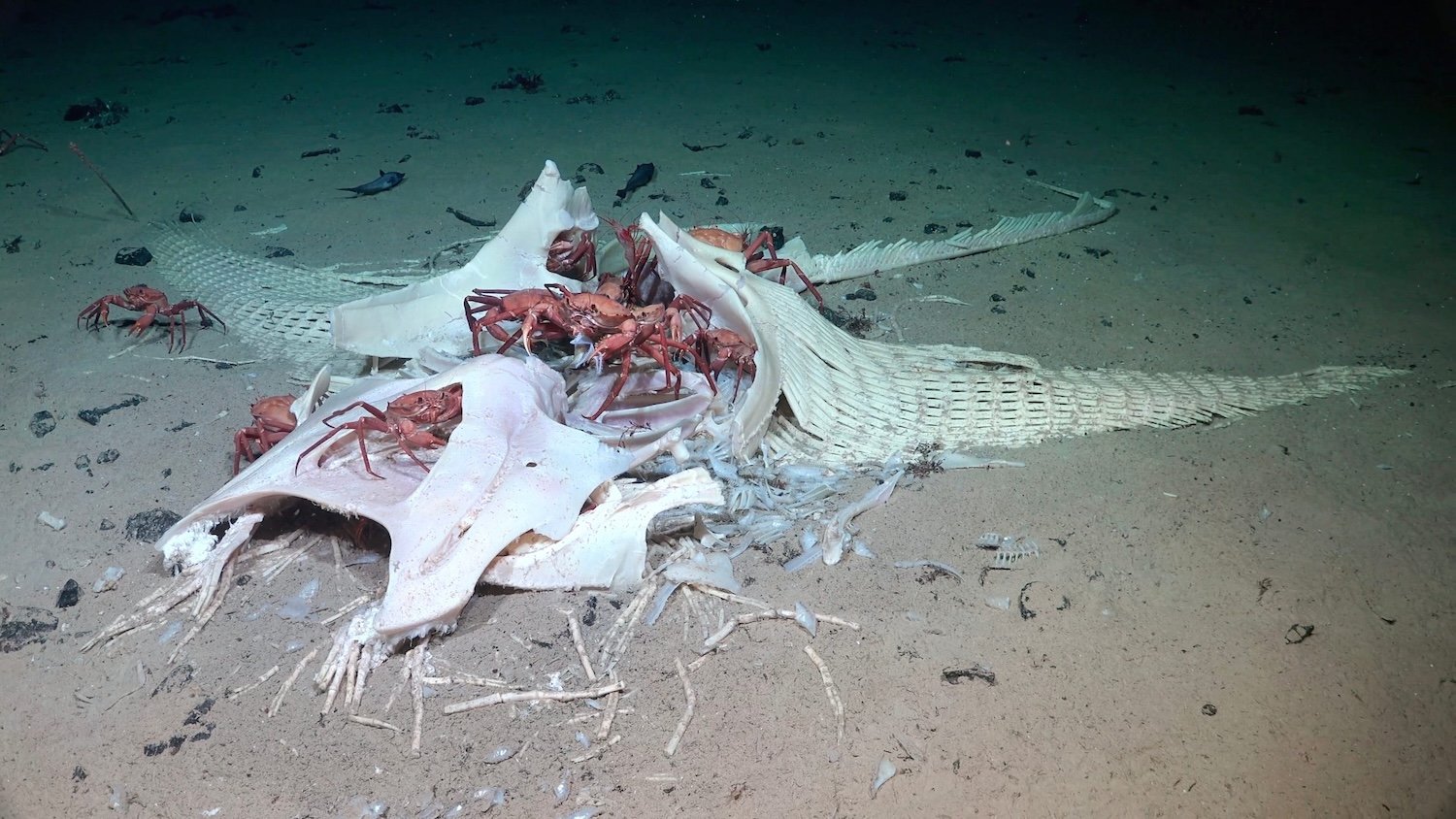
Rare manta ray fall
The science team encountered this rare manta ray (Mobula) fall at 1,025 meters depth off the coast of Trinidad and Tobago. When animals die in the ocean, their bodies often sink to the seafloor, creating a rich food buffet that feeds hundreds of deep-sea species in an often food-scarce environment. Credit: ROV SuBastian / Schmidt Ocean Institute
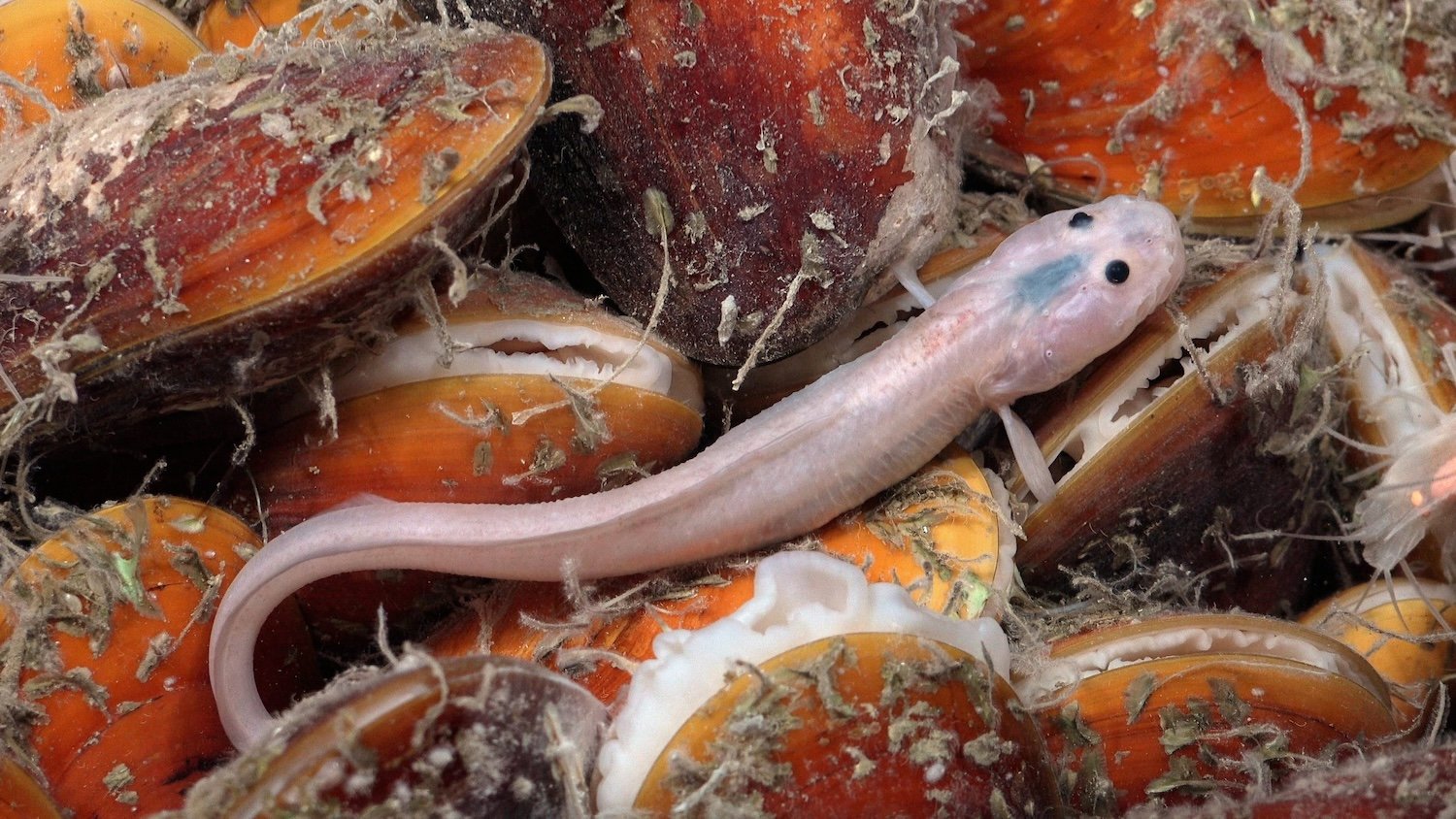
Eelpout
An eelpout (Pachycara caribbaeum) lies on a bed of chemosynthetic mussels (Gigantidas childressi) off the coast of Trinidad and Tobago. Ninety-three percent of Trinidad and Tobago lies below recreational scuba depths, placing its largest ecosystems in the mesophotic zone (between 30 and 199 meters) and the deep ocean. The geological setting of the two islands is ideal for supporting chemosynthetic habitats. Credit: ROV SuBastian / Schmidt Ocean Institute
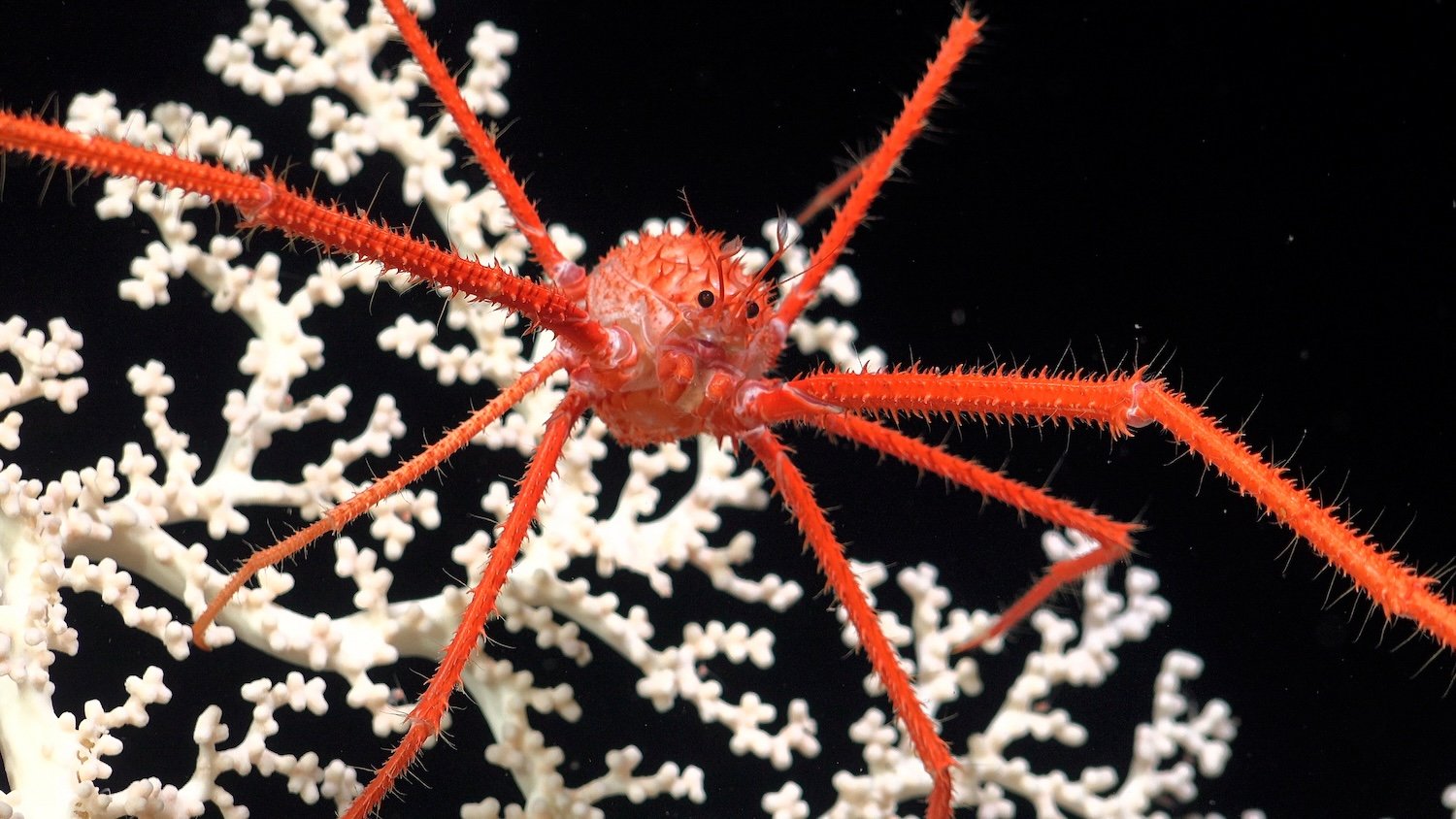
Squat lobster
A cold-water coral recorded at a depth of 1,055 meters (3,461 feet) provides habitat for marine life on the seafloor. While warm-water coral reefs at shallow recreational depths are widely known, deep-sea cold-water corals are far more abundant yet remain understudied. These complex ecosystems support diverse marine species, including squat lobsters, as pictured here. Credit: ROV SuBastian / Schmidt Ocean Institute
Mushroom coral
A mushroom coral rests on the seafloor at a depth of 1,277 meters off Trinidad and Tobago. Less than 0.001% of the island nation’s deep-ocean territory has been explored due to technological constraints, leaving significant knowledge gaps about deep-water marine life in the region. Credit: ROV SuBastian / Schmidt Ocean Institute
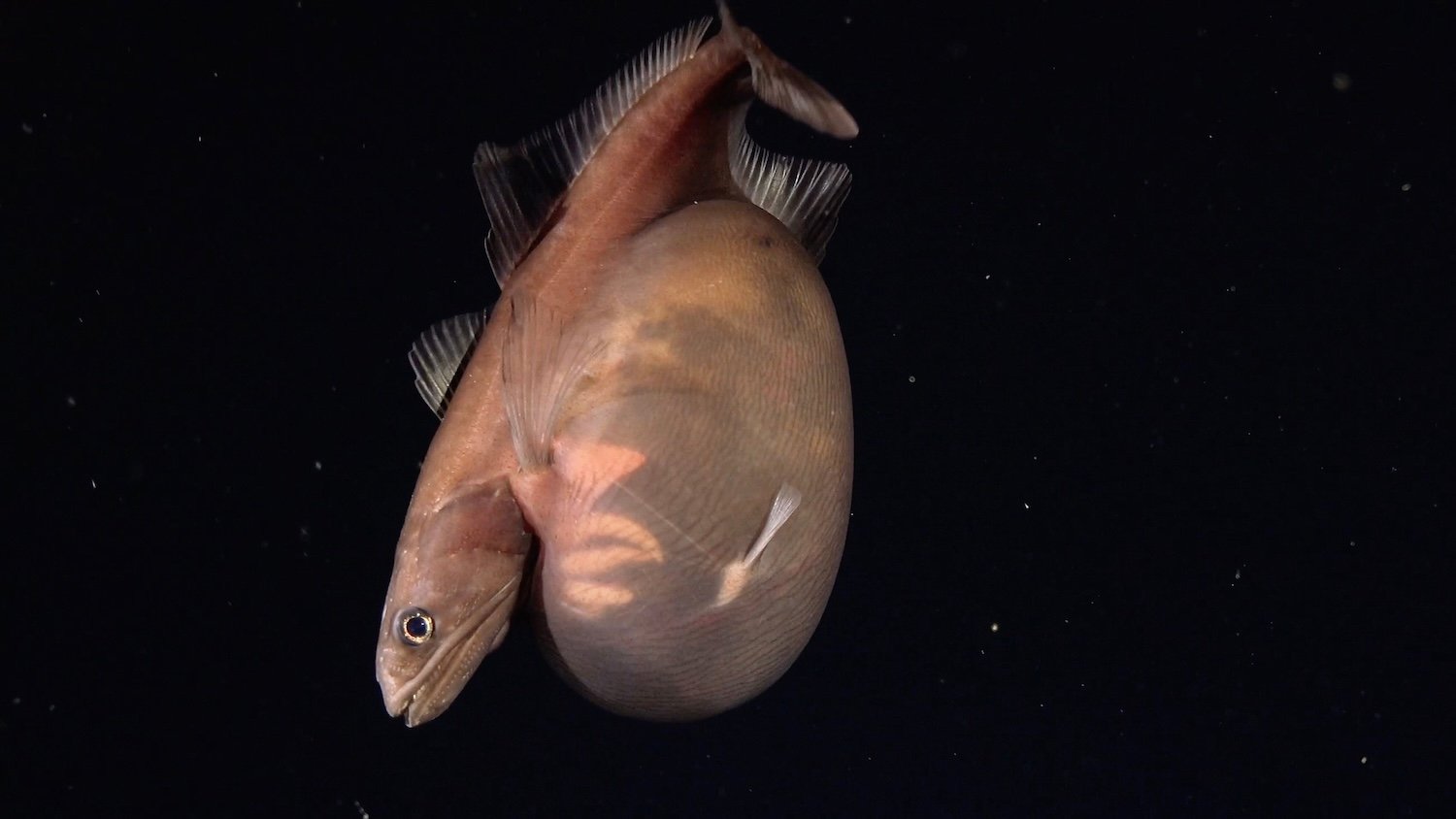
Black swallower fish
A black swallower fish (Chiasmodon niger) swims at a depth of 1,259 meters during a remotely operated vehicle dive off Trinidad and Tobago. Known for their expandable stomachs and dislocating jaws, these rare deep-sea fish can swallow prey larger than themselves. This specimen’s translucent belly reveals a recent meal. A research team led by marine biologist Diva Amon conducted the first comprehensive deep-water survey of the nation’s ocean territory, where more than 93% of the waters lie below recreational diving depths. Credit: ROV SuBastian / Schmidt Ocean Institute
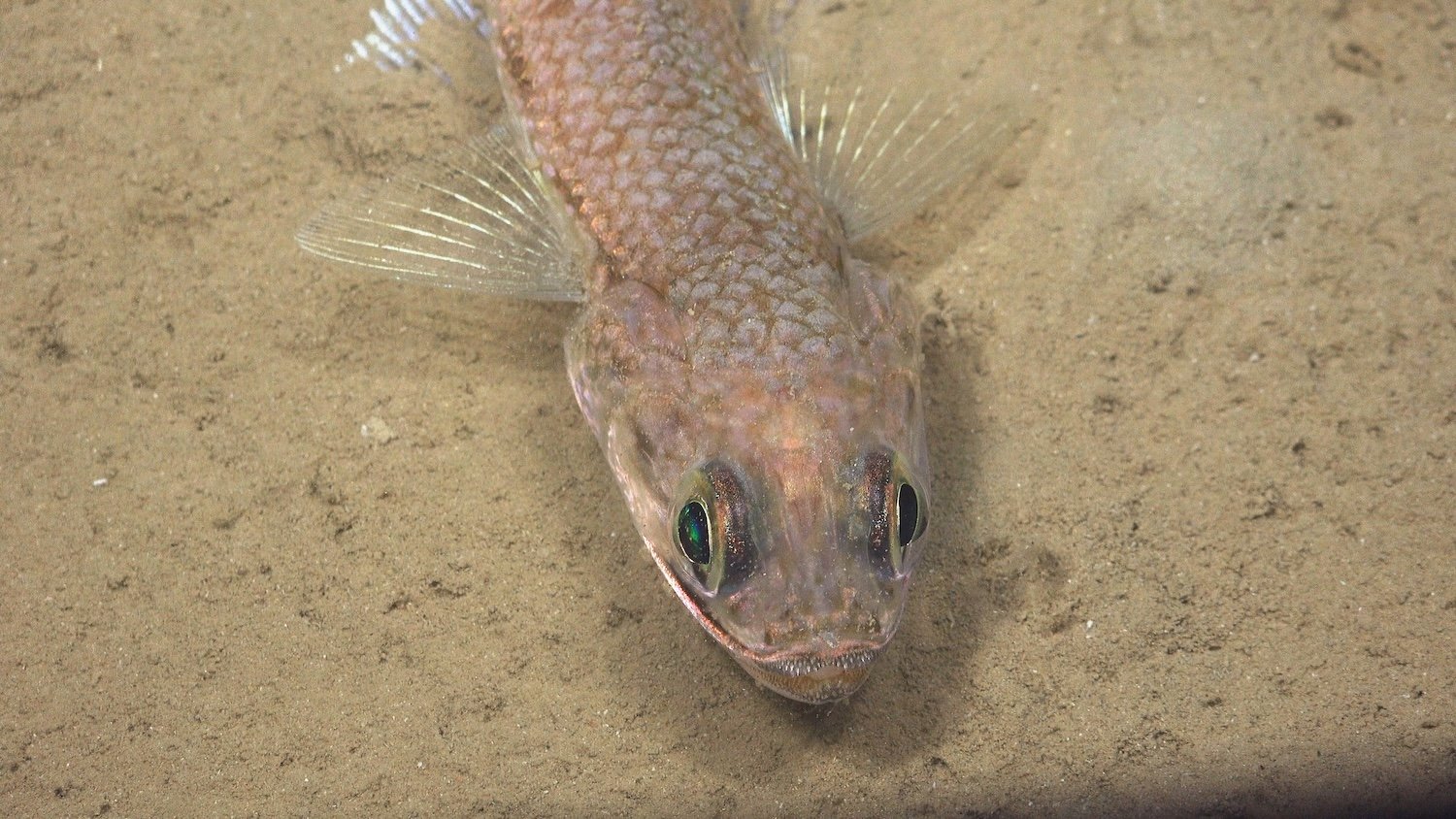
Lizard fish
Scientists observed this lizardfish at a depth of 148 meters while exploring a slope off the coast of Trinidad and Tobago in a UNESCO Biosphere Reserve. Credit: ROV SuBastian / Schmidt Ocean Institute
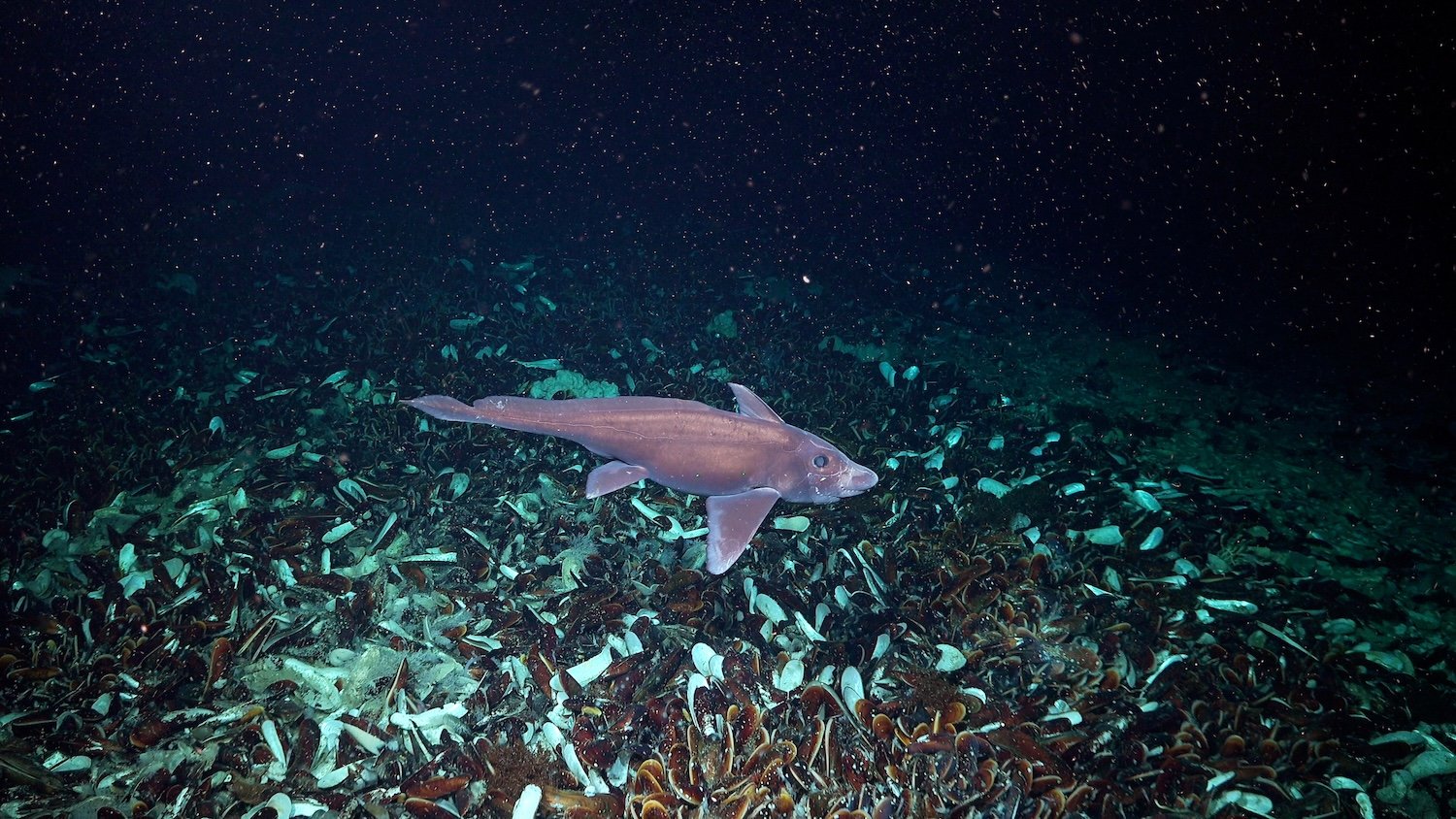
Ghost shark
A chimaera, or ghost shark, swims near a cold seep at a depth of 2,355 meters. Scientists discovered 25 cold seeps during the recent deep-sea expedition. Unlike sunlight-dependent ecosystems, marine life near these seafloor fissures relies on chemosynthetic energy generated by gas escaping from the Earth’s surface. Credit: ROV SuBastian / Schmidt Ocean Institute
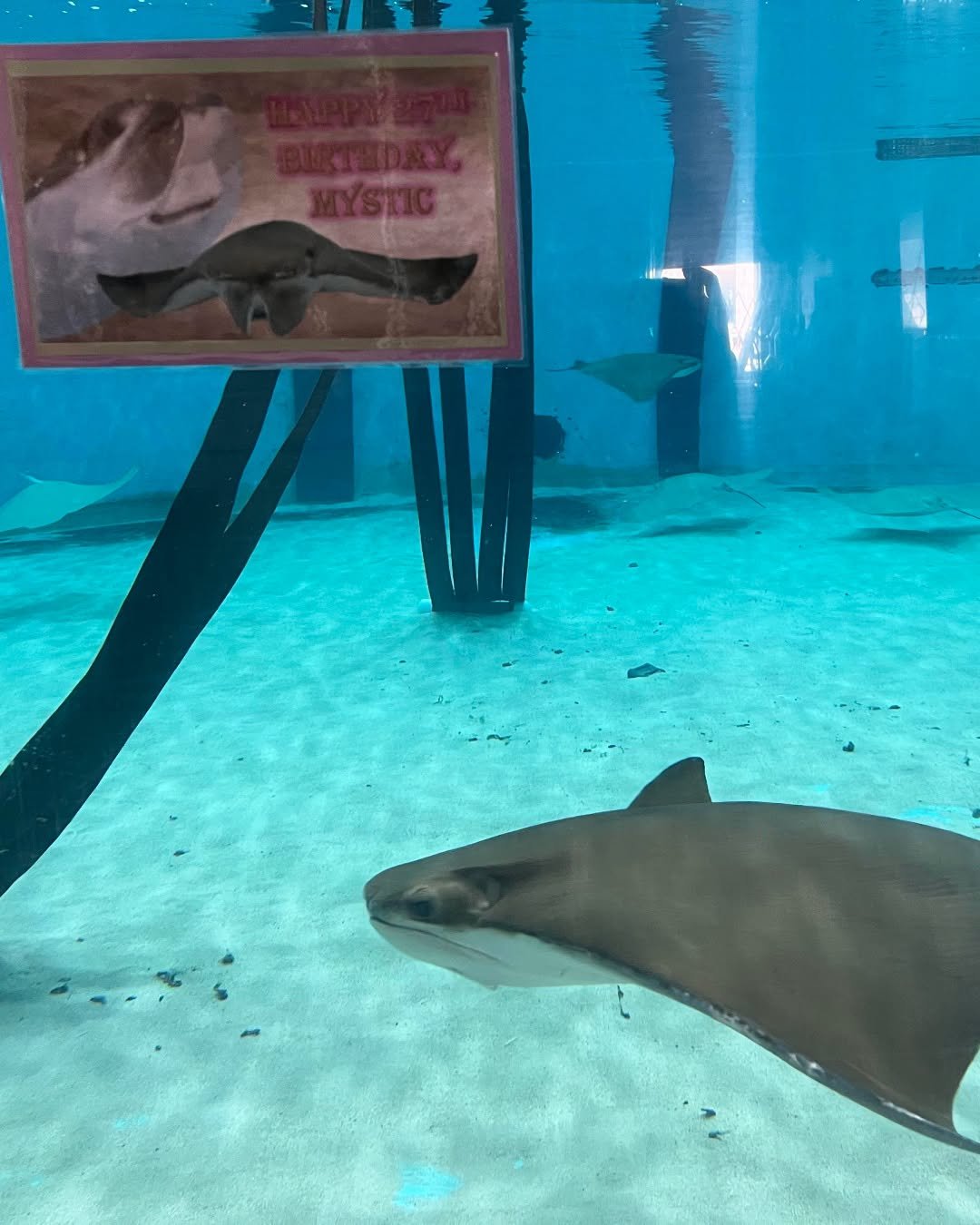
The New England Aquarium has cause to celebrate. Their cownose ray (Rhinoptera bonasus) Mystic officially turned 27-years-old. The birthday girl’s milestone is even more exceptional in light of the fact that cownose rays in the ocean typically live around 18 to 20 years.
“With excellent care, these animals can live even longer. We aren’t sure what the upper age limit for this species is, but Mystic could be considered one of the oldest individuals in public aquariums,” Rachel Moote, manager of husbandry at the New England Aquarium, tells Popular Science. “Our dedicated veterinary and aquarist staff work to keep Mystic in excellent health. She is monitored regularly by our teams and receives hands-on exams whenever a closer look is required.”
Mystic swimming by her birthday sign. Image: New England Aquarium.
Cownose rays are migratory, open-ocean animals related to other rays. Their unique name comes from their snout, which looks a bit like a cow’s nose, and their wingspan can be up to three feet long. Cownose rays have a venomous spine behind their dorsal fins, but the species is shy. In fact, a majority of ray-caused injuries in humans occur when humans unintentionally step on their spines. They are found along the east coast of the United States, and are classified as Vulnerable by the IUCN Red List.
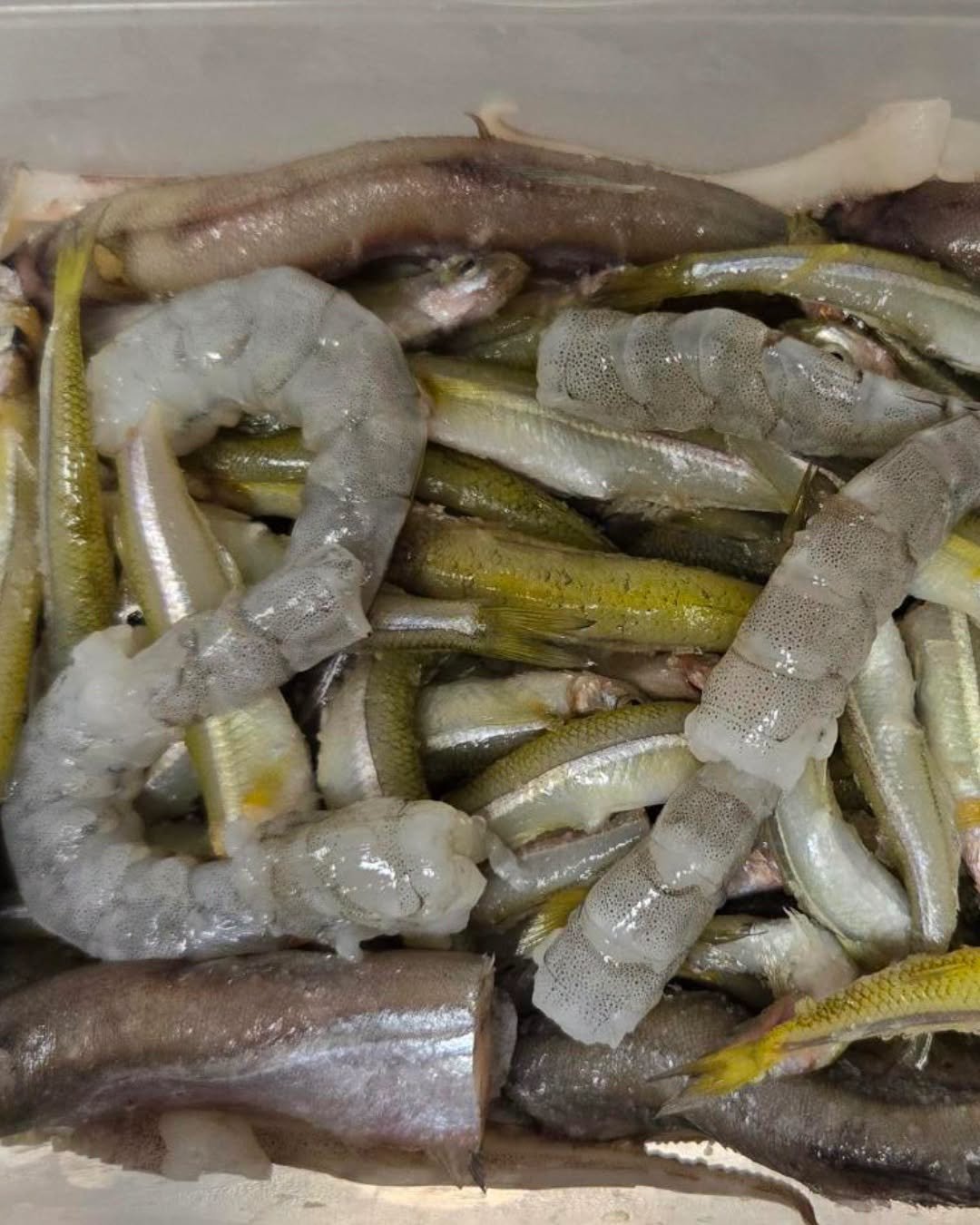
Mystic has lived at the aquarium for almost two decades. Following a long career in the Giant Ocean Tank, she’s currently taking a “much-deserved retirement,” at the aquarium’s Quincy Animal Care Center. Her care team in Quincy includes aquarists, volunteers, and interns. She is hand-fed a diverse diet of fish, clams, and shellfish similar to what her diet in the wild would be, and also takes vitamin supplements. For her birthday, she received a fish and shrimp cake.
Mystic’s “birthday cake” was fit for a ray. Image: New England Aquarium.
However, her care goes beyond making sure she eats appropriately.
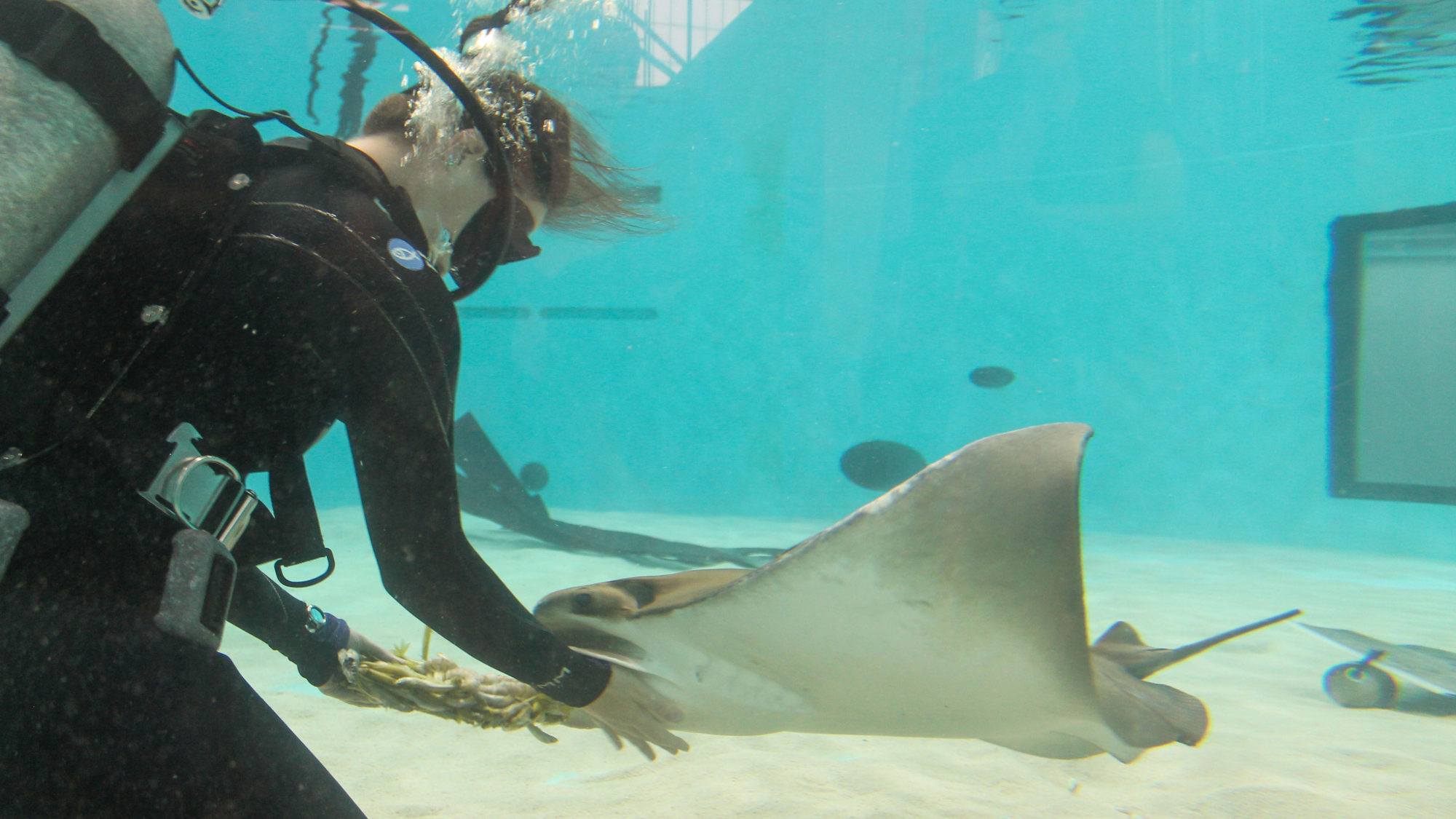
“Our team works hard to ensure Mystic can practice her natural foraging and problem solving abilities. One way we keep her mentally stimulated is by providing her with specially prepared rubber puzzle balls filled with her regular food items,” explains Moote. Every week, aquarists also dive into Mystic’s tank to clean the habitat.

 Login