❌

Reading view

Ocarina of Time remake physical preorders are $10 off at Walmart

The physical copy of the upcoming Ocarina of Time remake with its sparkly cover. | Image: The Verge

Nintendo announced a variety of new titles at its September livestream, but among the most talked-about is the remastered The Legend of Zelda: Ocarina of Time for Switch 2. Walmart has the physical copy of the upcoming game available for preorder for just $59.88, which is $10 lower than the physical price elsewhere, and the same as the digital price. The game officially releases on November 5th, 2026, and should ship in time to reach you on launch day.

The Legend of Zelda: The Ocarina of Time (Switch 2)

Where to Buy:

The remastered title has been completely overhauled graphically, with all the shadows, details, and improved physics you would expect from a modern title. There are new quality of life improvements too, like a free camera for getting a better look at those revamped environments, and a mechanic called “Threads of Time” that helps you find your next objective. Perhaps the most shocking addition is that Link now has a dedicated jump button. In the original game, there was no way to make Link jump, outside of automatically leaping when you run off a ledge.

window.HYPE_DESK_CONFIG = { productImageUrl: "https://platform.theverge.com/wp-content/uploads/sites/2/2026/08/Dell_XPS_13_Hype_Desk_16x9.png", productImageAlt: "Dell XPS 13", productTitle: "Dell XPS 13", shortDescription: "A premium ultraportable at a starting price that doesn't feel premium.", longDescription: "The thinnest, lightest XPS yet, without cutting anything you'd miss. At just 2.2 pounds and 0.5 inches thin, the new XPS 13 keeps the premium CNC-aluminum build the line is known for, at a surprisingly accessible starting price. The 13.4-inch 2.5K touchscreen runs a smooth 30–120Hz refresh rate, everyday essentials are covered with Wi-Fi 7 and Windows Hello, and the quad-speaker Dolby Atmos setup delivers genuinely impressive audio for something this thin.", purchaseUrl: "https://www.tkqlhce.com/click-8836598-12839518?sid=VergeHypeDeskArticle12Newsletter1DellAugust2026&url=https%3A%2F%2Fwww.dell.com%2Fen-us%2Fshop%2Fdell-laptops%2Fnew-xps-13-laptop%2Fspd%2Fxps13dx13260laptop", purchaseLinkText: "Shop At Dell" };

Other deals to consider

  • The Corsair Scimitar RGB Elite is on sale for $49.99 at Amazon, $40 lower than the list price. This wired gaming mouse features a grid of 12 buttons on the left side, which can slide to fit different hand sizes. The extra buttons are great for MMO players in particular, though it’s also worthwhile for other games that have a lot of key bindings you’d prefer to more easily access. I have a similar gaming mouse and use it to keep all of my spells close at hand while playing World of Warcraft.
  • Amazon and Walmart have the JBL Live Beam 3 discounted to $129.99, an $80 discount from their list price, and close to their all-time low from Prime Day. These unique earbuds feature a 1.45-inch touchscreen on the charging case, letting you quickly check connectivity and battery level at a glance, or adjust your equalizer profile without pulling out your phone. They also have active noise cancelation, which isn’t always a given at this price point.
  • You can save a few bucks on the Olight Sphere C at Amazon, bringing the price down to just $12.59. This compact tabletop lamp has a magnetic base, letting it attach to many different surfaces. It also has over 20 lighting modes to choose from, including RGB options, and can run for up to 40 hours on a single charge.
  •  

Work ability and mental health in Taiwanese adults with post-COVID conditions

Even years after the acute phase of the COVID-19 pandemic faded from daily headlines, one of its most stubborn legacies continues to shadow millions of working adults: post-COVID conditions, the cluster of persistent symptoms now broadly known as long COVID. A new cross-sectional study from Taiwan, published in BMC Psychology, offers a sobering snapshot of what these conditions mean for mental health and the capacity to work, even among people who were highly vaccinated and infected predominantly during the milder Omicron era. The findings challenge a lingering assumption that vaccination and less virulent variants have fully neutralized the long-term occupational and psychological costs of SARS-CoV-2 infection.

The research, led by Jhe-Ping Lin of the Department of Occupational Medicine at Linkou Chang Gung Memorial Hospital in Taoyuan City, together with Chia-Cheng Chang, Chen-Chang Yang, Ting-An Yang and corresponding author Yu-Chung Tsao, set out to answer a question that has become increasingly urgent for occupational health practitioners worldwide: how do employed adults who report persistent post-COVID symptoms differ, in measurable psychological and functional terms, from infected peers who consider themselves fully recovered? Much of the existing long COVID literature emerged from populations infected with earlier viral variants, before widespread vaccination, and focused heavily on physical sequelae. Relatively less is known about the psychological and occupational footprint of post-COVID conditions under contemporary epidemiological conditions, which is precisely the gap the Taiwanese team sought to fill.

The study design was straightforward but methodologically deliberate. Employed adults with prior confirmed SARS-CoV-2 infection were recruited through clinical and occupational-health channels using non-probability sampling, a practical approach for reaching workers with documented infection histories. All participants completed a battery of validated questionnaires assessing four core domains: health-related quality of life, fear of COVID-19, insomnia severity and work ability. The investigators then divided the cohort into two groups based on whether participants reported persistent symptoms consistent with post-COVID conditions, and statistically compared the two groups on every psychological and occupational measure. This symptom-based categorization mirrors the approach increasingly favored internationally, since no single laboratory biomarker can yet reliably define long COVID.

The results were striking in their consistency. Participants reporting post-COVID conditions demonstrated significantly lower quality of life, with a mean difference of 13.9 points on the quality-of-life instrument compared with fully recovered peers. They also scored higher on the Fear of COVID-19 Scale, a validated measure of pandemic-related anxiety, and reported greater insomnia severity, suggesting that disturbed sleep is a common companion of persistent post-viral illness. Perhaps most consequential for employers and policymakers, the post-COVID group showed reduced scores on the Work Ability Index, a well-established instrument that quantifies how well a worker perceives themselves able to meet the physical and mental demands of their job. The mean difference of 3.3 points on this index may sound modest, but in occupational medicine research, shifts of this magnitude on the Work Ability Index are considered clinically meaningful and are associated with elevated risks of reduced productivity, prolonged sickness absence and early exit from the labor force.

To appreciate why these numbers matter, it helps to understand what each instrument measures. Health-related quality-of-life scales capture how illness erodes daily functioning across physical, emotional and social dimensions; a 13.9-point deficit represents a substantial perceived deterioration in wellbeing, not a marginal statistical blip. The Fear of COVID-19 Scale taps illness-related anxiety that can itself become disabling, feeding avoidance behaviors and hypervigilance. Insomnia severity indices quantify difficulties falling asleep, staying asleep and feeling restored by sleep, and chronic insomnia is strongly linked to depression, impaired concentration and workplace accidents. The Work Ability Index synthesizes a worker’s self-assessed physical and mental capacity, diagnosed illnesses and resources relative to job demands, making it one of the most predictive single measures available for future work disability. That all four domains moved in the same negative direction among the post-COVID group paints a coherent picture of a population under compounding psychological and functional strain.

Crucially, these associations emerged within a population that reflects the current reality of the pandemic rather than its early, pre-vaccine chapter. Taiwan maintained exceptionally high vaccination coverage, and the overwhelming majority of infections in the study cohort occurred during the Omicron-dominant period, when the variant itself was generally associated with less severe acute disease. The persistence of measurable psychological and occupational burden under these comparatively favorable conditions suggests that the risk of long-term impairment has been reduced but not eliminated. For the millions of workers globally who have been infected with Omicron-lineage viruses despite vaccination, the Taiwanese data imply that lingering symptoms remain a genuine occupational health concern rather than a relic of earlier pandemic waves.

The authors are careful about what their study can and cannot claim. Because the design is cross-sectional, capturing participants at a single point in time, causal relationships cannot be inferred. It remains possible, for instance, that pre-existing anxiety, poor sleep or low work ability influenced how participants recalled and reported persistent symptoms, rather than the symptoms driving the psychological burden. The non-probability recruitment strategy, while effective for reaching the target population, also limits generalizability; workers who chose to participate in an occupational health study may differ systematically from those who did not. Self-reported symptom status, the standard for long COVID research given the absence of a definitive diagnostic test, introduces additional subjectivity. The researchers openly acknowledge these constraints and call for longitudinal studies to clarify recovery trajectories and functional outcomes over time, which would allow investigators to determine whether reduced work ability precedes, follows or merely co-occurs with post-COVID symptomatology.

Even with those caveats, the study carries practical implications that extend well beyond Taiwan. The authors argue that mental health assessment deserves a central place in post-COVID follow-up care, not as an afterthought but as a routine component of clinical evaluation. This recommendation aligns with a growing body of international evidence linking long COVID to depression, anxiety and sleep disorders, and it reframes post-COVID conditions as a psychosomatic and occupational problem in equal measure with a physical one. For occupational physicians, the message is that a worker presenting with persistent fatigue or brain fog should not only be evaluated for physical sequelae but also screened for insomnia, pandemic-related fear and diminished work capacity. For employers, the findings underscore the value of graded return-to-work programs, workplace accommodations and access to psychological support, since untreated mental health burdens may prolong functional impairment even after physical symptoms begin to subside.

The policy stakes are considerable. Post-COVID conditions affect a substantial fraction of infected individuals worldwide, and because the condition disproportionately impairs the ability to sustain full-time work, its economic ripple effects touch social insurance systems, disability programs and national productivity. Studies conducted in vaccinated, Omicron-era populations are especially valuable for forecasting the forward-looking burden, since they describe the risk profile relevant to new infections rather than historical ones. By demonstrating a 13.9-point quality-of-life deficit and a 3.3-point reduction in work ability under exactly these modern conditions, the Taiwanese study provides quantitative anchors that health economists and policymakers can use to model the ongoing costs of long COVID in the workforce.

The research also highlights the importance of studying long COVID outside the Europe-North America axis, where much of the literature has concentrated. Taiwan’s pandemic trajectory, characterized by early containment followed by a large, late Omicron wave in a highly vaccinated population, offers a distinct natural experiment. The fact that measurable occupational and psychological impairment still emerges in this setting strengthens the argument that post-COVID conditions are a global phenomenon requiring coordinated surveillance, standardized assessment tools and sustained investment in rehabilitation services. The study received no external funding and was approved by the Institutional Review Board of the Chang Gung Medical Foundation, with all participants providing informed consent under protocols compliant with the Declaration of Helsinki.

For now, the study’s central contribution is to quantify, with validated instruments, the invisible toll that persistent post-viral symptoms exact on working adults: poorer perceived health, greater fear, worse sleep and a weakened sense of capacity to meet job demands. As health systems worldwide transition from emergency response to long-term management of COVID-19’s aftermath, evidence of this kind, gathered under the most favorable epidemiological conditions yet seen, serves as a reminder that the pandemic’s occupational and psychological dimensions are far from over. The authors’ call for longitudinal follow-up is the natural next step, and its findings will help determine whether the burdens documented here fade with time or harden into chronic disability for a vulnerable segment of the working population.

Subject of Research: Mental health outcomes and work ability among employed adults with post-COVID conditions in Taiwan

Article Title: Mental health and work ability among employed adults with post-COVID conditions in Taiwan: a cross-sectional study

Article References: Lin, J.-P., Chang, C.-C., Yang, C.-C., Yang, T.-A., & Tsao, Y.-C. (2026). Mental health and work ability among employed adults with post-COVID conditions in Taiwan: a cross-sectional study. BMC Psychology. https://doi.org/10.1186/s40359-026-05575-2

Image Credits: AI Generated

DOI: 10.1186/s40359-026-05575-2

Keywords: Post-COVID conditions, Long COVID, Mental health, Insomnia, Work ability, Quality of life, Fear of COVID-19, Occupational health, Omicron, Vaccination, Taiwan, Cross-sectional study

  •  

Unique zipper reaction converts perfluoroalkyl chains via defluorination and borylation

In a development that could reshape how chemists recycle one of the most persistent classes of synthetic molecules ever made, researchers have reported a new catalytic strategy that strips fluorine atoms from perfluoroalkyl chains in a controlled, sequential fashion while installing a single boron group at the chain’s terminus. The work, published in Nature Communications, introduces what the authors call zipper polydefluorination-monoborylation, a transformation that walks down a perfluoroalkyl skeleton and removes multiple fluorine atoms in a stepwise cascade before capping the partially defluorinated product with a boron substituent. The achievement addresses a longstanding challenge in fluorine chemistry: while carbon-fluorine bonds are prized in materials and pharmaceuticals for their extraordinary stability, that same stability makes them notoriously difficult to break selectively, leaving chemists with few tools for converting perfluorinated waste streams into useful building blocks.

Perfluoroalkyl substances, often grouped under the umbrella of PFAS chemistry, owe their remarkable properties to the strength of the carbon-fluorine bond, which at roughly 485 kilojoules per mole in fully fluorinated chains ranks among the strongest single bonds that carbon forms. This bond strength, combined with the sheer electronegativity of fluorine, means that perfluoroalkyl groups resist oxidation, hydrolysis, and thermal degradation under nearly all conventional conditions. As a consequence, perfluorinated chains accumulate in the environment and resist standard degradation pathways, prompting intensive research into defluorination methods ranging from photocatalytic single-electron transfer to reductive hydrodefluorination with metal hydrides. Yet most existing approaches suffer from a common limitation: they either remove fluorine indiscriminately, collapsing the entire chain to a mixture of products, or they remove only a single fluorine atom, offering little control over the degree of defluorination. The new study demonstrates a way to achieve the best of both worlds, delivering multi-fluorine removal in a predictable pattern while simultaneously introducing a versatile functional handle.

The conceptual heart of the method lies in what the authors describe as a zipper mechanism. Rather than removing fluorine atoms at random positions along the chain, the reaction initiates at a defined site and then propagates along the perfluoroalkyl backbone one carbon at a time, much as a zipper opens tooth by tooth. At each step along the chain, a fluorine atom is expelled and replaced in sequence, with the reaction front advancing until a thermodynamic or kinetic stopping point is reached. The monoborylation component of the process ensures that once the zipper has run its course, the resulting olefinic or anionic intermediate is intercepted by a boron reagent, furnishing a product in which the boron group occupies a predictable position derived from the original perfluoroalkyl terminus. Organoboron compounds are among the most valuable intermediates in modern synthetic chemistry, serving as partners in Suzuki-Miyaura cross-coupling and as precursors to alcohols, amines, and halides, so their installation at a defluorination site effectively converts a chemical dead end into a synthetic launching pad.

Mechanistically, the transformation draws on the characteristic reactivity of organoboron reagents toward geminal difluoroalkenes, the partially defluorinated intermediates that arise when consecutive fluorine atoms are eliminated from a perfluoroalkyl chain. Perfluoroalkyl chains, when subjected to strong bases or reductive conditions, can undergo sequential beta-fluoride elimination events, each generating a more highly unsaturated species. The boron reagent in the reported system engages these unsaturated intermediates through addition pathways that install boron at the terminal carbon while generating a carbanionic center adjacent to the remaining difluoromethylene unit. That newly formed carbanion is perfectly positioned to expel another fluoride ion, regenerating an unsaturated handle one carbon further down the chain and setting up the next iteration of the cycle. This intimate coupling of borylation and defluorination is what gives the reaction its chain-walking character: each borylation event creates the conditions for the next defluorination event, and the process ripples along the chain until the fluorine reservoir is exhausted or the reagents are consumed.

The practical significance of the work becomes apparent when one considers the fate of the fluorine atoms themselves. In the zipper process, fluorine is released as fluoride ion, which under the reaction conditions is sequestered by silicon-containing trapping agents to form robust silicon-fluorine bonds. Fluorosilicates of this kind are stable, isolable, and, importantly, compatible with industrial processes for recycling fluorine back into hydrofluoric acid, the feedstock from which essentially all synthetic organofluorine compounds are made. In this sense, the method does more than transform perfluoroalkyl chains into borylated products; it also lays the groundwork for closing the fluorine cycle, recovering the fluorine content of persistent molecules in a form that can be fed back into the chemical economy. With global concern over PFAS contamination intensifying and regulatory pressure on fluorinated chemicals mounting, technologies that enable fluorine recovery rather than dilution into the environment carry considerable weight.

From a synthetic chemistry standpoint, the products of the reaction open multiple downstream avenues. Because the boron substituent is installed at a defined position on a partially fluorinated alkyl or alkenyl framework, the resulting molecules retain a programmable mixture of carbon-fluorine bonds and carbon-boron functionality. The remaining fluorine atoms can tune the lipophilicity, metabolic stability, and dipole moment of the scaffold, properties that are actively exploited in medicinal chemistry when designing fluorinated drug candidates. Meanwhile, the boron group serves as a convertible handle, allowing the defluorinated carbon center to be joined to aromatic rings through cross-coupling, oxidized to alcohols, or aminated in homologation reactions. In effect, the method converts a chemically inert perfluoroalkyl group, useful mainly as a passive coating or tail, into a functionalized partial-fluoro skeleton that can participate in the full toolkit of carbon-carbon and carbon-heteroatom bond formation.

The reported study also sheds light on the factors governing how far the zipper travels along a given chain. Chain length, the nature of the substituent anchoring the perfluoroalkyl group, and the stoichiometry of the base and boron reagent all influence the number of fluorine atoms removed and the distribution of products obtained. Through systematic variation of these parameters and careful analysis of the reaction mixtures by nuclear magnetic resonance spectroscopy and mass spectrometry, the authors map out the scope of the transformation across a range of perfluoroalkyl substrates, from short perfluoroethyl groups to longer chains approaching those found in commercial fluorosurfactants. Control experiments interrogating individual elementary steps support the proposed sequential elimination-addition mechanism and rule out alternative pathways involving radical fragmentation or random beta-scission, underscoring the unusually high degree of positional control the method achieves.

Beyond its immediate synthetic utility, the work contributes to a growing body of research aimed at taming the carbon-fluorine bond through the strategy of defluorinative functionalization. Over the past decade, chemists have developed an impressive repertoire of reactions that replace fluorine in perfluoroalkyl and fluoroarene substrates with groups ranging from hydrogen to sulfur, nitrogen, and carbon substituents. What distinguishes the zipper approach is its multiplicity and its directionality: instead of a single substitution event at a single site, the reaction performs many substitutions in a choreographed sequence along a chain, effectively treating the perfluoroalkyl group as a one-dimensional lattice to be patterned at will. This conceptual reframing, from defluorination as bond-breaking to defluorination as programmable editing, may inspire analogous strategies for other polyfluorinated motifs, including perfluoroarenes and perfluoropolyethers, two additional classes of highly persistent fluorinated materials.

Challenges remain before such chemistry can move from the laboratory bench to environmental remediation at scale. The reaction conditions reported rely on strong bases and moisture-sensitive boron reagents handled under inert atmosphere, and the substrates studied are discrete, soluble perfluoroalkyl compounds rather than the polymeric or adsorbed PFAS species that dominate environmental contamination. Scaling the chemistry will require sourcing boron reagents economically, managing the large quantities of fluoride generated, and integrating the transformation with upstream methods for extracting perfluoroalkyl pollutants from water and soil. Nevertheless, the demonstration that a perfluoroalkyl chain can be unzipped in a controlled manner, with fluorine captured in recyclable form and a valuable boron handle installed, establishes a credible chemical pathway toward defluorination that is both productive and selective, a combination that has eluded the field for decades.

As policymakers and scientists grapple with the legacy of fluorine chemistry, work of this kind illustrates a middle path between the wholesale abandonment of fluorinated molecules and their indefinite persistence in the biosphere. The fluorine atom confers properties that industry and medicine continue to depend upon, and the ability to disassemble fluorinated architectures on demand, recovering both the carbon skeleton as a functionalized building block and the fluorine content as a recyclable salt, points toward a more circular future for organofluorine chemistry. The zipper polydefluorination-monoborylation strategy reported in Nature Communications is an early but striking example of that vision made concrete at the molecular level, and it is likely to prompt rapid efforts to extend the concept across the breadth of persistent fluorinated chemicals.

Subject of Research: Controlled sequential defluorination of perfluoroalkyl chains coupled with terminal borylation (zipper polydefluorination-monoborylation)

Article Title: Zipper polydefluorination-monoborylation of perfluoroalkyl chains

Article References: Albers, S. L., Harzendorf, J. K., Deliaval, M., Köllmann, J., & Streuff, J. (2026). Zipper polydefluorination-monoborylation of perfluoroalkyl chains. Nature Communications, 17(1), Article 9502. https://doi.org/10.1038/s41467-026-77437-9

Image Credits: AI Generated

DOI: 10.1038/s41467-026-77437-9

Keywords: perfluoroalkyl chains, defluorination, polydefluorinative borylation, organoboron compounds, carbon-fluorine bond activation, PFAS degradation, fluorine recycling, geminal difluoroalkenes, cross-coupling, sustainable chemistry

  •  

How we manage and engage with horses may shape their personality

A new study reveals that horse personality is not only a matter of genetics, age or breed but also systematically linked to how horses are housed, ridden and cared for, and to the quality of the relationship they share with their owners. The findings underscore the importance of everyday management decisions for equine personality and welfare.

  •  

‘Birds Supporting Birds’ connects the Philadelphia Eagles with migrating seabirds

As the 2026-2027 NFL season kicks off, the Philadelphia Eagles are giving new meaning to their signature “Fly, Eagles, Fly” fight song. The football team is partnering with the National Marine Sanctuary Foundation for Birds Supporting Birds, an initiative to support seabirds off the coast of Massachusetts (and in New England Patriots’ territory) this fall. 

The team is supporting NOAA’s Stellwagen Bank National Marine Sanctuary Shearwater Tagging Project, an ongoing initiative dedicated to studying the great shearwater (Ardenna gravis) and their migration. Great shearwaters are large, white-and-grey seabirds known for their epic journeys. They travel thousands of miles every year from their remote South Atlantic breeding grounds up to the cooler North Atlantic waters during the nonbreeding season. According to the National Marine Sanctuary Foundation, they fly the equivalent of over 200,000 football fields across the Atlantic Ocean every single year.

Birds Supporting Birds will help support researchers in Stellwagen Bank, an 842-square-mile marine sanctuary east of Boston, to tag great shearwaters and track their migratory routes across the Atlantic. 

“The Eagles are directly funding researchers to attach lightweight, solar-powered satellite transmitters to great shearwaters,” Joel R. Johnson, President and CEO of the National Marine Sanctuary Foundation, tells Popular Science. “These tags track the birds’ migration patterns around the Eastern Seaboard and down to the Southern Atlantic Ocean in real time.”

Lovingly known as “The Birds” by their incredibly devoted fanbase, the football team is leveraging their platform to bring attention to ocean conservation and highlight environmental stewardship. 

A major 2015 study found that the Gulf of Maine is warming faster than 99 percent of the ocean due to climate change. While the water has slightly cooled since 2021, a report published by NOAA in July found that the environment in the Gulf of Maine still remains unstable. These changes in ocean temperature, currents, and other conditions can impact the seabirds’ food supply. 

Great shearwaters are reliable indicators of an ecosystem’s health, who rely on small fish called sand lance in their diets. Whales, dolphins, bluefin tuna (Thunnus thynnus), and other key Gulf of Maine species also rely on these fish belonging to the family Ammodytidae in their diets. By studying great shearwaters and their health, researchers can better understand what is happening in the local ecosystem as a whole. 

Researchers at Stellwagen Bank National Marine Sanctuary used satellite tracking technology in 2013. These tags are lightweight and attached to the birds with degradable thread. They have small solar panels so scientists can monitor the birds’ routes over extended periods. 

Researchers have now deployed tags on Phil, Franklin, Hoagie, and Liberty, four great shearwaters with very Philly-appropriate names.

a bird wearing a small tracker on its feathers sits on the ocean
Great shearwaters can help scientists understand an ecosystem’s health. Image: National Marine Sanctuary Foundation.

“We are thrilled to invite the public to follow Phil, Franklin, Hoagie, and Liberty in real time on our interactive maps and social channels, bringing everyone along on our shared mission to protect our ocean waters and marine life,” says Johnson, who lists bald eagles (Haliaeetus leucocephalus), great blue herons (Ardea herodias), and great shearwaters among his favorite birds. 

Live interactive maps will be available soon on the Stellwagen Bank National Marine Sanctuary and National Marine Sanctuary Foundation’s website, so you can follow the great shearwater’s epic journey, while the Eagles (or your favorite team) compete on the gridiron.

The post ‘Birds Supporting Birds’ connects the Philadelphia Eagles with migrating seabirds appeared first on Popular Science.

  •  

Vaping After Tooth Extraction: How to Reduce Dry Socket Risk

Having a tooth removed creates a small wound that needs time to heal, so how to do tooth extraction aftercare. For people who vape, one of the most common questions is whether they can return to vaping immediately after the procedure or whether doing so could increase the chance of dry socket.

The short answer is that vaping during the early healing period is best avoided. The concern is not limited to nicotine. The act of inhaling can create suction inside the mouth, while vapor and other ingredients may irritate tissues that are already recovering.

A better approach is to give the extraction site time to stabilize before returning to your normal routine.

Why Dry Socket Happens After a Tooth Extraction

After a tooth is removed, a blood clot after tooth extraction normally develops inside the empty socket. That clot is important because it protects the underlying bone and nerves while new tissue begins to form.

If the clot breaks down or becomes displaced too early, the socket can be exposed. This condition is commonly called dry socket, or alveolar osteitis.

It is not simply normal post-extraction soreness. Dry socket can cause intense, throbbing pain that may become noticeable several days after the extraction. An unpleasant taste or bad breath can also occur.

Some NHS dental guidance notes that dry socket commonly develops around 3 to 5 days after extraction, particularly when the protective clot has been disturbed.

That timing is important because feeling better immediately after the procedure does not necessarily mean the wound has finished healing.

Why Vaping Can Be a Problem

Vaping after tooth extraction creates several potential concerns at the same time.

Suction can put the clot at risk

Taking a strong draw from a vape creates negative pressure in the mouth. A fresh extraction site is particularly vulnerable during the first stage of healing, so repeatedly creating suction is something worth avoiding.

This is one reason dental aftercare instructions commonly tell patients not to smoke after an extraction. Some guidance specifically includes vaping and e-cigarettes in the same recommendation.

Nicotine may interfere with recovery

Nicotine is another reason vaping is not ideal immediately after oral surgery. Nicotine can affect blood vessels and circulation, which are important to the healing process.

The issue becomes more significant when the mouth is already dealing with an open extraction wound. Even if a particular vape produces little visible irritation, that does not mean it is harmless to the healing socket.

Vapor can irritate sensitive tissue

Freshly treated oral tissue is more sensitive than normal. Heat, flavoring ingredients and aerosol exposure may feel irritating around the extraction area.

This does not mean every component of vape aerosol directly causes dry socket. Rather, vaping introduces unnecessary exposure at a time when the priority should be protecting the wound and allowing the clot to remain undisturbed.

How Long Should You Avoid Vaping?

There is no single number of hours that guarantees vaping is safe for everyone.

The appropriate recovery period can depend on the type of extraction, the location of the tooth, how difficult the procedure was and how the individual wound is healing.

Some NHS oral-surgery guidance recommends avoiding smoking for at least five days, while other extraction instructions advise avoiding smoking for at least 24–48 hours.

For vaping, the practical message is simple: do not treat the minimum waiting period as a guarantee that the socket is fully healed.

If your dentist or oral surgeon gives you a specific period for avoiding vaping, follow that instruction rather than relying on a general online timetable.

The First Few Days Matter Most

The period immediately after extraction deserves particular attention.

Instead of thinking, “When can I vape again?”, it is more useful to think, “What can I do to avoid disturbing the extraction site?”

During early recovery:

  • Avoid vaping and smoking.
  • Do not deliberately create suction around the wound.
  • Avoid touching the socket with your tongue or fingers.
  • Follow your dentist’s instructions for rinsing and cleaning.
  • Choose foods that are comfortable and unlikely to disturb the area.
  • Avoid activities your dental professional has told you to postpone.
  • Take prescribed or recommended medication according to the instructions provided.

One NHS extraction guide specifically advises patients not to disturb the clot with the tongue, fingers or forceful spitting.

What About “Light” Vaping?

Some people assume that taking smaller puffs, using lower power or choosing a less irritating flavor makes vaping safe immediately after extraction.

That is not a reliable way to eliminate the risk.

A smaller puff may reduce suction, but it does not remove the basic problem of inhalation around a fresh extraction wound. Lower nicotine may reduce nicotine exposure, but it does not make the procedure’s healing period disappear.

For this reason, temporarily stopping is a more sensible strategy than trying to design a “safer” vaping technique immediately after surgery.

Does Nicotine-Free Vaping Solve the Problem?

Not completely.

Switching to a nicotine-free vape removes nicotine from the equation, but it does not remove the suction created when inhaling from the device. It also does not eliminate exposure to vapor or aerosol.

Therefore, nicotine-free vaping should not be viewed as a way to bypass post-extraction restrictions.

If protecting the blood clot is the priority, avoiding vaping altogether during the recommended recovery period is the simpler option.

What If You Already Vaped After an Extraction?

Do not automatically assume that you will develop dry socket because you took a puff.

A single mistake does not mean a complication is certain. The important thing is to stop further exposure and return to the aftercare instructions provided by your dental professional.

Watch for changes rather than relying only on how you feel immediately afterward.

Contact your dentist if you develop:

  • Severe or increasing pain after the initial soreness starts improving
  • Pain that spreads toward the ear, temple or jaw
  • A persistent unpleasant taste
  • Bad breath that seems unusual after the extraction
  • An extraction site that appears unusually exposed
  • Bleeding that does not settle as expected
  • Fever, significant swelling or other symptoms that concern you

A sudden increase in pain several days after extraction deserves particular attention because it can be consistent with dry socket.

What If You Have Already Developed Dry Socket?

Dry socket should not be managed by simply waiting for it to disappear if the pain is significant.

A dentist can examine the extraction site and determine whether the symptoms are consistent with dry socket or another complication. Treatment may include cleaning the area and applying a dressing or other appropriate treatment to reduce discomfort.

Avoid attempting to scrape, clean or pack the socket yourself.

If pain is severe, worsening, or accompanied by other concerning symptoms, contact the dental practice that performed the extraction.

Does the Type of Extraction Make a Difference?

Yes.

Removing a straightforward tooth is not necessarily the same as having a surgical extraction or wisdom tooth removed. The size and location of the wound, difficulty of the procedure and individual healing response can all affect recovery.

That is why generic advice such as “wait exactly 24 hours and vape again” can be misleading.

Your dentist has seen the extraction site and knows how complicated the procedure was. Their instructions should take priority over a general vaping timetable found online.

A Better Way to Think About Returning to Vaping

Instead of choosing a specific hour when you will resume vaping, look at the recovery as a process.

Stage 1: Protect the clot

Immediately after extraction, the main goal is to avoid disturbing the blood clot.

Stage 2: Let the wound settle

As the first several days pass, the extraction site begins progressing through the healing process. This is still not the time to assume the wound is fully recovered.

Stage 3: Follow your dentist’s clearance

If you are unsure when vaping can be resumed, ask the dental professional who performed the extraction. This is particularly important after wisdom tooth removal, surgical extraction or a difficult procedure.

This approach is safer than trying to find a vaping method that completely removes the risk.

Vaping After Tooth Extraction: The Bottom Line

Vaping and tooth extraction are not a good combination during the early healing period.

The main concern is protecting the blood clot that forms inside the extraction socket. Suction from vaping, nicotine exposure and irritation from inhaled aerosol can all make the recovery period less straightforward.

Dental aftercare guidance specifically recommends avoiding smoking and, in some instructions, explicitly includes vaping and e-cigarettes.

If you have recently had a tooth removed, the safest strategy is to pause vaping, follow your dentist’s instructions and give the extraction site time to heal. If pain becomes significantly worse after a few days instead of gradually improving, contact your dentist because that pattern can indicate dry socket or another complication.

This article provides general educational information and is not a substitute for advice from your dentist or oral surgeon.

The post Vaping After Tooth Extraction: How to Reduce Dry Socket Risk appeared first on IGeeKphone China Phone, Tablet PC, VR, RC Drone News, Reviews.

  •  

More than 2,500 retired New York subway cars were dropped into the Atlantic between 2001 and 2010, not as illegal dumping but as a planned reef programme, and marine biologists who kept watch found the sunken trains quickly turned into some of the richest artificial habitats along the eastern seaboard.

The Metropolitan Transportation Authority, which runs the New York City subway system, had a problem in the late 1990s. It was in the middle of a major fleet modernisation programme that was going to retire roughly two and a half thousand ageing subway cars over the following decade. These were mostly the red-painted R-33 and R-36 cars that generations of New Yorkers had ridden through the 1970s, 80s and 90s, followed by the older stainless steel Brightliners that would come off the tracks later. Each retired car was worth essentially nothing as scrap. Each also cost the MTA roughly twelve thousand dollars to dispose of through conventional demolition. Which meant the total disposal bill for the fleet retirement, at prevailing rates, was going to run to something north of thirty million dollars. And the MTA, being a public transit authority in a permanent state of budget crisis, was not enthusiastic about that particular expense.

The solution the agency arrived at, in partnership with a handful of coastal state governments and the U.S. Fish and Wildlife Service, was one of the more counterintuitive recycling programmes of the early twenty-first century. Instead of paying to demolish the cars, the MTA would clean them, ship them south by rail and barge, and drop them into the ocean off the eastern seaboard. There they would form artificial reefs. The states would get new marine habitat for essentially free. The MTA would save the disposal costs. And the fish would, in theory, work out what to do with the rest.

How you turn a subway car into a reef

According to the New York Transit Museum’s own summary of the MTA Artificial Reefing Program, produced in collaboration with the programme’s former director Michael Zacchea and Robert Martore of the South Carolina Department of Natural Resources, the operation ran from August 2001 through to April 2010 and deployed more than 2,500 deaccessioned train cars to underwater sites off the coasts of New Jersey, Delaware, Virginia, South Carolina, and Georgia. The first phase concentrated on the Redbird fleet, which was already being pulled off the tracks in 2001, and which had a particularly recognisable red livery that made the sunken cars a photographable subject long after they had gone down. The Delaware Bay took approximately six hundred and nineteen Redbird cars alone, at a site now known as the Redbird Reef, located sixteen and a half nautical miles off Indian River Inlet at a depth of around eighty feet. Subsequent phases involved the stainless steel Brightliner fleet, which was deployed at reef sites further down the coast through the second half of the decade.

The engineering of the actual reef deployment was not trivial. Each car had to be stripped down first. According to the New Jersey Division of Fish and Wildlife’s own news bulletin on the deployment of 44 stainless steel subway cars at the Atlantic City Reef site in April 2008, every car went through a full preparation process before it went into the water. Windows were removed. Wiring was pulled out. Plastic components, degradable materials, hydraulic fluids, oils, and grease were all stripped or drained. The remaining shell was inspected to make sure that when the car eventually corroded, nothing toxic would leach into the surrounding marine environment. Only after that inspection was the cleaned steel body loaded onto a barge and towed offshore.

The actual sinking process was almost comically straightforward. The cars, weighing around eighteen tonnes each in their prepared state, were rolled off the deck of the barge by a hydraulic tipping mechanism and simply dropped through the water column to the seabed below. The MTA covered all of the cleaning, transport, and deployment costs. Individual cars in the New Jersey deployment measured roughly sixty feet long, ten feet wide, and eleven feet tall. Deployed in tight clusters at pre-selected coordinates, they formed roughly the same kind of hard-structure habitat that a natural rocky reef would offer, but at a scale and geometry that had never previously existed on the sandy Atlantic continental shelf.

What the fish did with them

What happened next surprised the marine biologists monitoring the sites, though it probably shouldn’t have. The subway car reefs, unlike almost any natural feature of the mid-Atlantic seabed, offered vertical structure. They offered cavities and shelter. They offered hard surfaces for sessile organisms to colonise. And they were essentially unlimited in supply. Marine invertebrates began settling on the exposed steel within weeks. Barnacles arrived. Blue mussels followed. Sponges and soft corals began to establish themselves on the vertical surfaces. Within a year or two, the once-bare metal shells of the retired subway cars had become the physical scaffolding of thriving benthic communities that had not existed anywhere on that stretch of ocean floor beforehand.

The fish arrived in response. Delaware’s Department of Natural Resources and Environmental Control has since documented that the invertebrate communities colonising the artificial reef structures provide up to four hundred times more food per square foot than the bare sandy ocean floor they replaced. Species that had been effectively absent from the region because of the lack of suitable habitat began to appear regularly at the sites. Sea bass, tautog, tuna, mackerel, flounder, scup, and triggerfish were all documented in significant numbers within a few years of the deployments. Recreational fishing operators in the coastal towns of Delaware, New Jersey, and Virginia found their nearshore catches rising. Dive operators found themselves with a genuinely unusual attraction to offer. The sunken subway cars, which had cost the MTA nothing to dispose of and had cost the states essentially nothing to acquire, became one of the more productive artificial reef complexes anywhere on the North American Atlantic coast.

The programme was not without complications. Inspection reports from New Jersey in 2009 found that some of the newer stainless steel subway cars were showing significant structural damage after only a few years underwater, which prompted the state to pause further stainless steel deployments while investigations continued. Not every car remained intact. Not every deployment site delivered the ecological returns the biologists had hoped for. And the specific question of whether artificial reefs simply concentrate existing fish populations rather than creating new ones is still debated within the marine biology community. But the general pattern held across the majority of the deployment sites through the 2010s and 2020s. The bare sand became structured habitat. The structured habitat became invertebrate communities. The invertebrate communities became feeding grounds. And the feeding grounds became fisheries.

By the time the programme officially ended on Earth Day 2010, 2,580 New York subway cars had been placed on ocean reef sites along the eastern seaboard of the United States. The MTA had saved something close to thirty million dollars in disposal costs. Delaware alone had received nearly a thousand of them. The Redbird Reef off Slaughter Beach now covers roughly 1.3 square miles of what used to be featureless sand and is one of the most biologically productive stretches of continental shelf in the entire mid-Atlantic region. Which is a strange kind of legacy for a fleet of subway trains that once carried millions of people through the tunnels underneath Manhattan and Queens. The trains never made it to the recycling yard. They made it to the ocean floor instead. And the fish have been living in them ever since.

The post More than 2,500 retired New York subway cars were dropped into the Atlantic between 2001 and 2010, not as illegal dumping but as a planned reef programme, and marine biologists who kept watch found the sunken trains quickly turned into some of the richest artificial habitats along the eastern seaboard. appeared first on Space Daily.

  •  

2026 MacBook Pro Gets Significant Discounts, Up to $600 Off Select Models

Amazon and Best Buy today have big discounts on the M5 Pro and M5 Max MacBook Pro, with up to $600 off select models. A handful of models have better discounts when compared to the last time we tracked these deals, coming in as much as $100 off previous price points.

Note: MacRumors is an affiliate partner with Amazon. When you click a link and make a purchase, we may receive a small payment, which helps us keep the site running.

We're focusing on Amazon in the links below, but you can find many deals matched at Best Buy this week.

14-Inch MacBook Pro


New massive discounts have hit the 14-inch models, with $500 off the 18-Core/24GB/2TB M5 Pro MacBook Pro, now priced at $2,699.00, and a giant $600 off the 36GB/2TB M5 Max model, now priced at $3,499.00. These are both the best prices we've tracked on the MacBook Pro in the wake of the summertime price hikes.


16-Inch MacBook Pro


In terms of the larger display models, we're tracking discounts on all four models on Amazon. These start at $2,759.00 for the 24GB/1TB M5 Pro configuration ($240 off), and reach up to $4,499.00 for the 48GB/2TB M5 Max device ($500 off).


If you're on the hunt for more discounts, be sure to visit our Apple Deals roundup where we recap the best Apple-related bargains of the past week.


Deals Newsletter


Interested in hearing more about the best deals you can find in 2026? Sign up for our Deals Newsletter and we'll keep you updated so you don't miss the biggest deals of the season!


Related Roundup: Apple Deals

This article, "2026 MacBook Pro Gets Significant Discounts, Up to $600 Off Select Models" first appeared on MacRumors.com

Discuss this article in our forums

  •  

Lost Vape Centaurus M120 S Kit Review: 5500mAh Battery, 120W Power and a More Practical Design

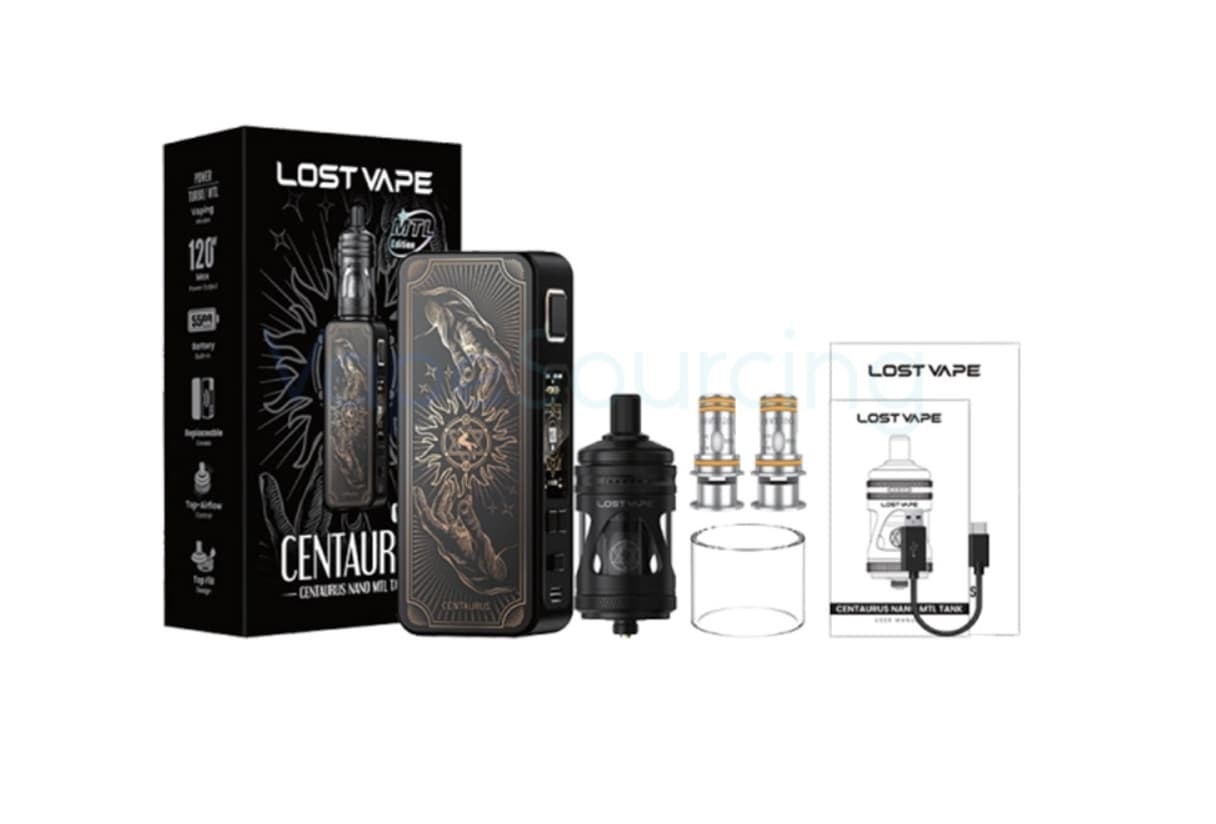
Lost Vape Centaurus M120 S Kit takes a different approach to the modern vape kit. Instead of competing mainly on extreme wattage or oversized hardware, it combines a built-in 5,500mAh battery, up to 120W of adjustable output, several vaping modes, and a relatively straightforward control system.

That combination makes the Centaurus M120 S interesting for adult vapers who want the flexibility of a higher-powered device without having to carry spare batteries.

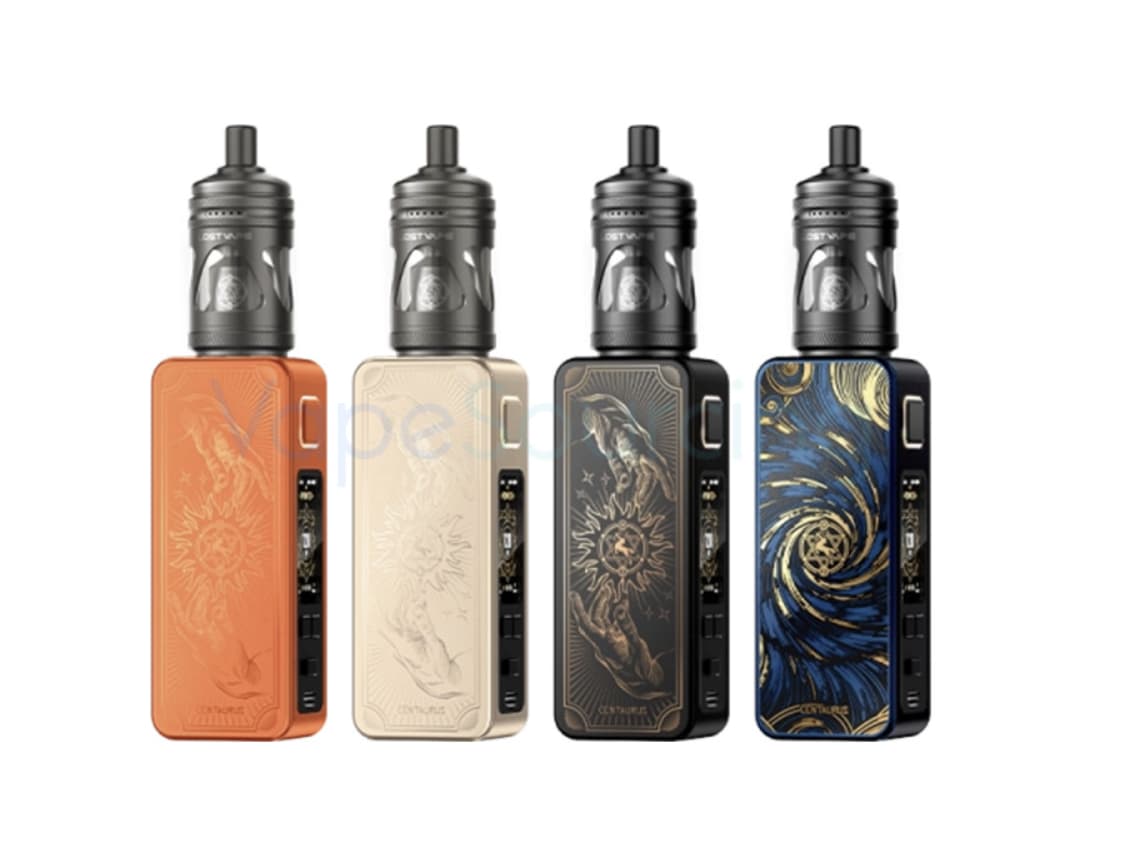
The kit also introduces a redesigned Centaurus form factor, an interchangeable-panel design, an on/off switch, and a large color display. According to current product specifications, the mod measures 108.6 × 40.7 × 15.7mm and weighs around 120g, while the built-in battery supports USB-C charging at up to 2A.

The Battery Is the Main Story

The most important feature of the Centaurus M120 S is arguably not its 120W maximum output. It is the 5,500mAh built-in battery.

A 120W mod can be attractive on paper, but high power also places greater demands on the battery. The M120 S approaches the problem differently by giving users a large internal battery designed around extended daily use.

For moderate-power vaping, 5,500mAh gives the device a substantial energy reserve. Users who normally operate at lower wattages may not need to recharge as frequently as they would with a smaller internal-battery pod system.

The battery is also built into the device, so there is no need to purchase or carry a separate 18650 or 21700 cell.

That is an important distinction. The M120 S is aimed more at convenience and endurance than at the battery-swapping flexibility associated with traditional external-battery mods.

120W Gives the Kit Plenty of Headroom

The Centaurus M120 S supports a power range of 5W to 120W vape device, giving it considerably more output headroom than a typical compact pod device.

However, the maximum number should not be interpreted as a recommendation to vape at 120W all the time.

The practical advantage of 120W is flexibility. A user can operate at a lower setting for a more controlled experience and still have additional power available when using compatible coils that require it.

This makes the M120 S more adaptable than a device designed around a narrow wattage range.

It is also worth remembering that actual performance depends on the coil, airflow, e-liquid, battery condition, and selected power level. Maximum output alone does not determine the quality of a vape.

Three Modes Change How the Device Feels

One of the more interesting aspects of the M120 S is its three operating modes: POWER, TURBO and MTL.

Rather than forcing every user into the same operating style, these modes give the device a broader range of possible applications.

POWER mode is the straightforward option for users who prefer direct control over their wattage.

TURBO mode is designed for users who want a more aggressive performance profile when their atomizer and coil setup are suitable for it.

The inclusion of an MTL vaping is particularly notable. The Centaurus name has traditionally been associated with more powerful box-mod hardware, so having a dedicated mode for a tighter, mouth-to-lung-oriented experience makes the M120 S more versatile.

The important point is that these modes are not simply extra menu options. They give the device different ways of responding to the same hardware setup.

The 1.47-Inch TFT Screen Is More Than Decoration

The Centaurus M120 S uses a relatively large 1.47-inch TFT display, giving the device enough screen space to present important vaping information clearly.

A larger display can be useful on a high-output device because users may want to check wattage, battery status and other settings without navigating through complicated menus.

The screen also helps distinguish the M120 S from simpler pod-style devices, where information is often reduced to a few basic indicators.

For a device designed around adjustable power and multiple operating modes, having a readable interface is more useful than simply having a larger screen for visual appeal.

The On/Off Switch Is a Small Feature With a Practical Benefit

One of the details that deserves more attention is the physical on/off switch.

Many modern vape devices rely on button combinations or automatic sleep functions. The M120 S instead uses a dedicated switch for turning the device on and off.

That sounds simple, but it can make everyday handling more intuitive.

It also reduces the number of steps needed when the device is not being used. For people who regularly carry their device in a bag or pocket, having a clearly defined power switch can be more reassuring than relying entirely on software controls.

Interchangeable Panels Add Personality Without Changing the Hardware

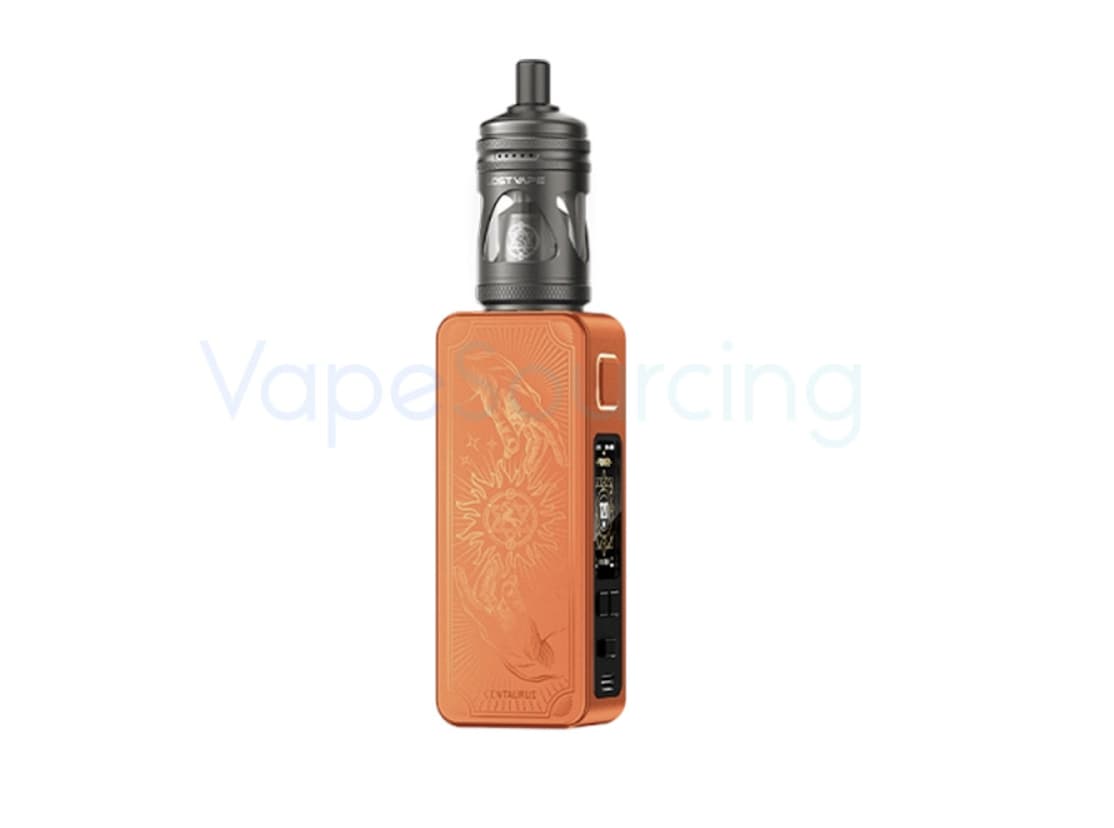
The M120 S continues the Centaurus family’s emphasis on customizable exterior panels.

The interchangeable-panel concept allows the appearance of the device to be changed without replacing the entire mod. This is primarily an aesthetic feature, but it also gives the M120 S a more distinctive identity than a conventional rectangular box mod.

Lost Vape has used customizable panels across parts of the Centaurus family before, including the Centaurus M200, where the company describes the design as using changeable face panels.

For the M120 S, the approach fits naturally with the redesigned body.

The 4ml Tank Keeps the Kit Practical

The kit is offered with a 4ml tank, giving the overall package a useful balance between capacity and portability. Current product listings identify the Centaurus M120 S kit as a 4ml, 5,500mAh configuration.

A 4ml capacity is large enough for regular use without turning the tank into an unnecessarily bulky component.

Of course, actual e-liquid consumption will vary significantly depending on coil resistance, wattage, airflow and vaping frequency. Someone running a higher-power setup will naturally consume liquid faster than someone using a lower-power configuration.

That is why tank capacity should always be considered alongside power output rather than viewed as an isolated number.

This Is Not Trying to Be an Ultra-Small Pod

The M120 S measures 108.6 × 40.7 × 15.7mm and weighs approximately 120g, according to current specifications.

Those dimensions make it more substantial than a basic pod system, but that is not necessarily a disadvantage.

The larger body provides space for the 5,500mAh battery, display, controls and tank connection. In other words, the size is partly a consequence of what the device is trying to accomplish.

The more useful question is therefore not whether the M120 S is small enough to disappear in a pocket. It is whether the additional size is justified by the battery capacity and functionality.

For users prioritizing battery life and adjustable performance, the answer may be yes.

USB-C Charging Makes the Large Battery Easier to Live With

A large internal battery would be less useful if charging were inconvenient.

The Centaurus M120 S supports USB-C charging at up to 2A, providing a modern charging interface and making it easier to recharge from commonly available USB-C power sources.

It is still worth using an appropriate charger and cable and following the manufacturer’s charging instructions.

The advantage of USB-C here is mainly convenience: there is no need to remove the battery or use an external charger.

Who Is the Centaurus M120 S Really For?

The M120 S makes the most sense for adult vapers who want a device somewhere between a compact pod and a traditional high-powered dual-battery box mod.

It is particularly interesting for users who prioritize:

  • A large built-in battery
  • Adjustable output up to 120W
  • Multiple operating modes
  • A larger TFT display
  • USB-C charging
  • A physical on/off switch
  • Customizable exterior panels
  • A 4ml tank
  • A relatively manageable 120g body

It is less compelling for someone whose priority is an extremely lightweight pod that can disappear into a pocket.

The M120 S is ultimately built around battery capacity and versatility, not minimalism.

What Should You Consider Before Buying?

The built-in battery is both an advantage and a limitation.

There is no need to purchase external cells, but the battery cannot simply be swapped when its charge is depleted. Users who prefer carrying several charged batteries may therefore prefer a traditional external-battery mod.

The 120W output also does not mean every coil should be operated at high wattage. Coil specifications should always be followed, and the power level should be adjusted according to the installed coil and personal preference.

The tank and coil configuration also matters. A powerful mod can only perform as well as the atomizer setup attached to it.

Finally, buyers should check the vaping regulations that apply in their location before purchasing or using the device.

Lost Vape Centaurus M120 S Kit Specifications

Specification Details
Product Lost Vape Centaurus M120 S Kit
Maximum Output 120W
Power Range 5–120W
Battery Built-in 5,500mAh
Charging USB-C, up to 2A
Display 1.47-inch TFT
Operating Modes POWER, TURBO, MTL
Tank Capacity 4ml
Dimensions 108.6 × 40.7 × 15.7mm
Weight About 120g
Panels Interchangeable
Power Control On/Off switch
Manufacturer Lost Vape

The core mod specifications above are based on current product information for the Centaurus M120 S.

Final Verdict

Lost Vape Centaurus M120 S Kit is interesting because it does not rely on one exaggerated specification to define the product.

Its strongest combination is the 5,500mAh internal battery + 120W maximum output + three operating modes. That gives the device enough range to serve different vaping preferences while keeping the hardware relatively straightforward to operate.

The large TFT screen, physical power switch, USB-C charging and interchangeable panels add useful touches around that core design.

For adult users who want a higher-powered kit but would rather avoid external batteries, the M120 S presents a practical alternative. Its biggest appeal is not simply the 120W number; it is the attempt to combine substantial battery endurance with adjustable performance in a single, relatively manageable device.

Note: Vape products contain nicotine when used with nicotine-containing e-liquid, and nicotine is addictive. This product is intended only for adults of legal purchasing age. Always follow the manufacturer’s instructions and local regulations.

The post Lost Vape Centaurus M120 S Kit Review: 5500mAh Battery, 120W Power and a More Practical Design appeared first on IGeeKphone China Phone, Tablet PC, VR, RC Drone News, Reviews.

  •  

iScooter EB8 Review: A Torque-Sensor Fat-Tire E-Bike With Long Range

iScooter EB8 scooter takes a different approach from lightweight urban e-bikes that are designed mainly around portability. Its priorities are easier to understand once you look beyond the motor rating: a large 48V battery, 20-inch fat tires, front suspension, torque sensing, a folding frame, and a high maximum load are combined into one practical package.

The result is an electric bike aimed at riders who want more stability and range than a small commuter bike can provide. The EB8 is particularly interesting for longer daily trips, mixed road surfaces, leisure riding, and routes where comfort matters as much as outright speed.
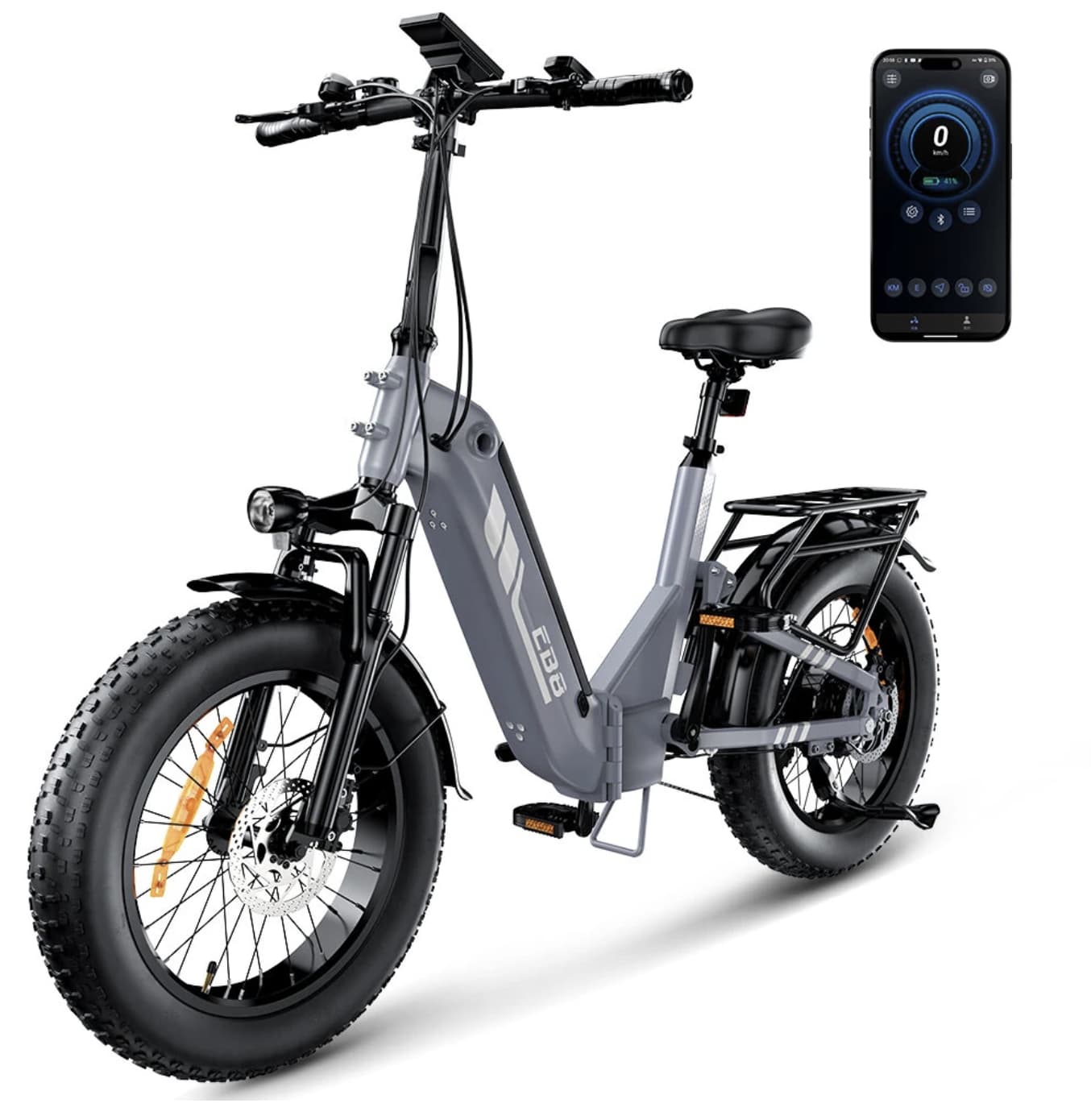
According to the current Banggood listing, the EB8 uses a 48V 15Ah battery, a 250W motor with up to 1000W peak output, a torque sensor, 20×4.0-inch tires, and a claimed range of 90–144 km. Its listed maximum speed is 25 km/h, while the maximum load is 150 kg.

The Torque Sensor Is One of the EB8’s Most Important Features

Many entry-level electric bikes rely mainly on cadence sensing. In simple terms, the motor detects that the pedals are turning and then provides assistance.

The EB8 torque sensor electric bike uses a torque sensor instead.

That distinction matters because a torque sensor can respond to how much force the rider is putting through the pedals. Light pedaling can result in a more restrained assistance response, while stronger input can request more support.

For everyday riding, this can make the bike feel more connected to the rider. Instead of feeling like the motor simply switches on when the pedals rotate, the assistance can feel more natural and predictable.
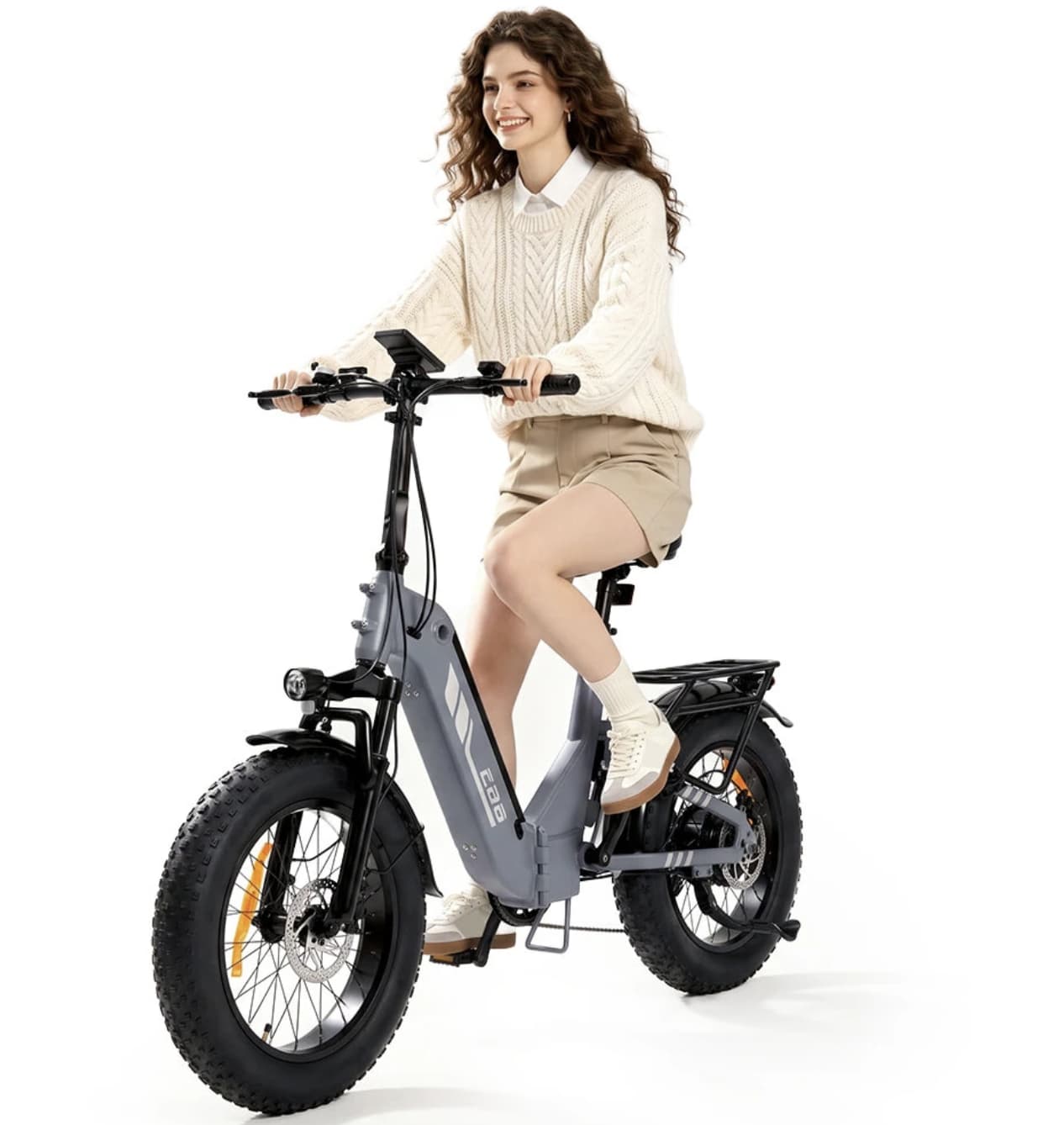
This is particularly useful when starting from a stop, climbing a gradual hill, or adjusting your effort during a longer ride.

The torque sensor therefore gives the EB8 a more sophisticated riding character than its basic 250W rating might suggest.

48V 15Ah: The Battery Is Designed for Distance

Battery capacity is one of the biggest reasons to consider the EB8.

The bike combines a 48V electrical bike battery with a 15Ah battery, giving it considerably more energy capacity than many compact commuter e-bikes. Banggood lists a claimed range of approximately 90–144 km, although actual distance will depend heavily on rider weight, terrain, temperature, assist level, tire pressure, wind, and riding style.

That range figure should therefore be treated as a manufacturer’s claim rather than a guarantee for every ride.

More importantly, the larger battery gives the EB8 room to work as a genuine long-distance commuter. A rider who does not want to recharge after every short trip can benefit from having more battery capacity available.

The listed charging time is approximately 5–6 hours, so the most sensible approach is to recharge overnight or during another period when the bike is not being used.

Why the 20×4.0-Inch Fat Tires Matter

The EB8’s 20×4.0-inch fat tires are not simply a visual design choice.

Wide tires create a much larger contact area with the riding surface, which can help the bike feel more planted on loose or uneven ground. The combination of wide tires and front suspension is particularly relevant when moving between smooth pavement and less predictable surfaces.

For city riding, the setup can help absorb some of the harshness created by broken pavement, rough sidewalks, or uneven streets.

For recreational riding, the wider tires also make the EB8 better suited to surfaces where a narrow commuter tire might feel less confident.

However, fat tires also add weight and rolling resistance. This is not a lightweight bicycle designed primarily for carrying upstairs or accelerating like a road-oriented e-bike. The EB8 is better understood as a stability-focused electric bike.

Front Suspension Adds Another Layer of Comfort

The front fork suspension works together with the wide tires rather than replacing them.

The tires provide the first layer of cushioning, while the suspension helps manage larger impacts reaching the front of the bike. This combination should be useful for riders who regularly encounter cracked pavement, gravel paths, cobblestones, or other imperfect surfaces.

Banggood lists the EB8 with front fork suspension and dual oil-disc brakes.

That brake setup is especially relevant on a heavier fat-tire e-bike. When the bike is carrying a rider and additional cargo, predictable braking becomes more important than simply having a high motor output.

The 250W Motor Has More to the Story

At first glance, a 250W motor may not sound particularly aggressive compared with some high-powered e-bikes.

The EB8’s specifications, however, list a peak output of up to 1000W.

The important point is that rated power and peak power describe different parts of the motor’s behavior. The 250W figure represents the rated motor power, while the higher peak figure describes short-duration output under demanding conditions.

That extra headroom can be useful when accelerating, climbing, or dealing with changing terrain.

The EB8 is also listed with a maximum incline of 15 degrees. Real-world hill performance will depend on rider weight, battery level, surface conditions, and riding mode, so the specification should not be interpreted as a universal guarantee for every hill.

Folding Design Without Pretending It Is a Lightweight Bike

The EB8 folds, but portability is not its main selling point.

Banggood lists the bike at approximately 32.3 kg, with unfolded dimensions of 174.5 × 68.5 × 131 cm and folded dimensions of 107 × 56 × 78.5 cm.

That weight is important to understand before buying.

The folding mechanism is useful for reducing the bike’s footprint when storing it at home, in an office, or in a suitable vehicle. It does not turn the EB8 into something most people will want to carry for long distances.

In other words, the folding frame is primarily a storage and transportation advantage, not a lightweight-cycling advantage.

That distinction makes the product positioning clearer.

A 150 kg Maximum Load Opens Up More Practical Use Cases

The EB8 is rated for a maximum load of 150 kg.

A higher load rating can make an e-bike more practical for riders who are not well served by smaller commuter models. It also provides additional flexibility when carrying everyday items.

The bike comes with a rear rack, according to the listing, making it possible to use panniers, bags, or other compatible cargo accessories for commuting and errands.

For someone using an e-bike as transportation rather than simply recreation, this can be more valuable than another increase in top speed.

App Connectivity Makes the EB8 More Modern

The EB8 is listed with Volotix app support.

The app connection is designed to add functions such as smart unlocking and access to riding information.

This gives the bike a more connected experience than a traditional bicycle. Smartphone integration can also be useful for riders who want to keep track of basic ride information rather than relying only on the bike’s display.

The central horizontal LCD display provides another way to monitor the bike while riding, keeping key information visible without requiring a phone to be mounted on the handlebars.

A Better Match for Commuters Than Speed Seekers

The listed 25 km/h maximum speed tells you quite a lot about the EB8’s intended character.

This is not primarily an e-bike for riders chasing high top speeds.

Instead, the design puts more emphasis on:

  • stable handling
  • long-distance battery capacity
  • comfortable riding
  • hill assistance
  • cargo practicality
  • fat-tire traction
  • controlled acceleration
  • everyday usability

That makes the EB8 more interesting as a transportation tool than as a performance machine.

For commuting, grocery trips, recreational rides, and mixed-surface routes, those priorities make sense.

Where the iScooter EB8 Makes the Most Sense

The EB8’s specification sheet becomes more convincing when viewed as a complete system.

A large battery alone does not create a good long-distance e-bike. The rider also needs a comfortable chassis, stable tires, usable braking, sensible motor assistance, and enough carrying capacity.

The EB8 brings these elements together.

Its strongest use cases are likely to be:

Long commutes: The 48V 15Ah battery provides substantial energy capacity for riders who regularly cover longer distances.

Mixed surfaces: The 20×4.0-inch fat tires and front suspension make the bike better suited to rougher surfaces than a narrow-tire city bicycle.

Errands and utility riding: The rear rack and 150 kg maximum load make it more practical for carrying everyday items.

Leisure riding: The combination of fat tires, suspension, and electric assistance creates a comfortable setup for casual exploration.

Storage-conscious owners: The folding frame can reduce the bike’s footprint when it is parked or transported.

What You Should Consider Before Buying

The EB8 is not perfect for every rider.

Its approximately 32.3 kg weight is significant. If your main requirement is carrying an e-bike up several flights of stairs, a smaller and lighter model would be easier to live with.

The fat tires also make more sense for stability and comfort than for maximum efficiency on smooth roads.

The advertised 90–144 km range should be interpreted carefully as well. Maximum range figures are normally achieved under favorable conditions. A heavier rider, frequent hills, high assistance levels, cold weather, low tire pressure, or strong wind can reduce actual range.

There is also an important product-listing detail worth checking before ordering: the current Banggood page states that the EB8 is manufactured by iScooter but that the shipped bike may not carry the iScooter logo. Buyers who care about the branding should verify this point before purchase.

iScooter EB8 Specifications

Specification iScooter EB8
Bike Type Folding fat-tire electric bike
Battery 48V 15Ah
Rated Motor Power 250W
Peak Motor Power Up to 1000W
Sensor Torque sensor
Maximum Listed Speed 25 km/h
Claimed Range 90–144 km
Tires 20 × 4.0 inches
Suspension Front fork suspension
Brakes Dual oil-disc brakes
Maximum Load 150 kg
Maximum Incline 15°
Weight Approx. 32.3 kg
Charging Time About 5–6 hours
Display Central horizontal LCD
App Volotix
Unfolded Size 174.5 × 68.5 × 131 cm
Folded Size 107 × 56 × 78.5 cm

Specifications are based on the current Banggood product listing and may vary with market, configuration, or future listing updates.

Final Verdict

iScooter EB8 is most interesting when viewed as a long-range utility e-bike rather than a lightweight city bicycle.

Its combination of a 48V 15Ah battery, torque sensor, 20×4.0-inch fat tires, front suspension, dual oil-disc brakes, folding frame, rear rack, and 150 kg load rating gives it a clear purpose.

The torque sensor is arguably one of its most meaningful features because it changes how the motor assistance interacts with the rider. Meanwhile, the large battery and wide tires address two of the biggest concerns for longer recreational and commuting rides: range and comfort.

The trade-off is size and weight. At around 32.3 kg, this is a substantial e-bike, and the folding mechanism should be viewed as a storage convenience rather than a promise of easy carrying.

For riders who prioritize range, stability, comfort and practical carrying ability, the EB8 has a much more convincing proposition than a specification list alone might suggest.

The post iScooter EB8 Review: A Torque-Sensor Fat-Tire E-Bike With Long Range appeared first on IGeeKphone China Phone, Tablet PC, VR, RC Drone News, Reviews.

  •  

ATK Blazing Sky X1 V2 Review: Lightweight 8K Wireless Gaming Mouse

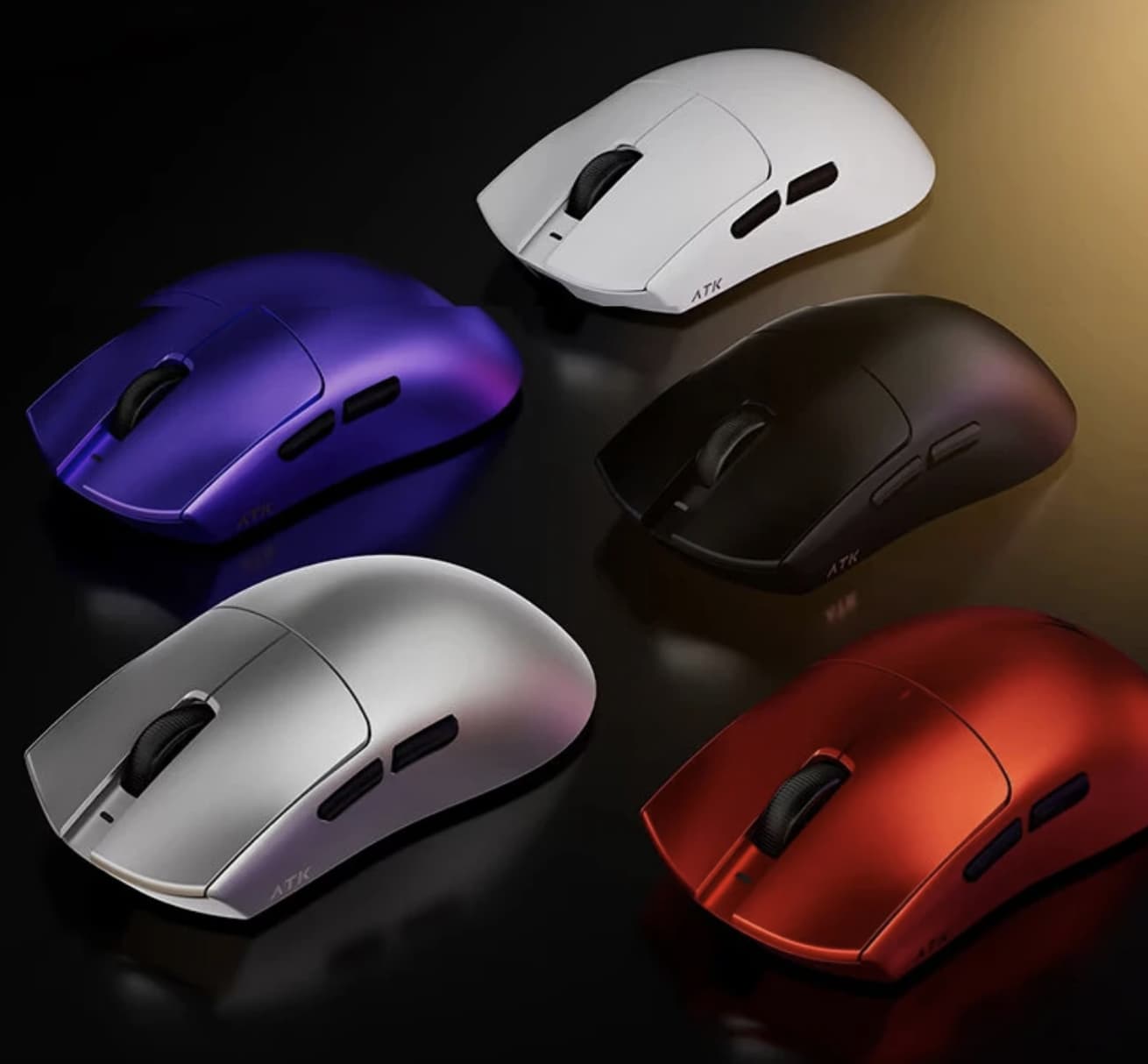
Gaming mice have become increasingly focused on three things: lower weight, faster communication and more accurate tracking. The ATK Blazing Sky X1 V2 series brings all three ideas together in a compact wireless design, while adding an unusually large battery for a mouse in this weight class.

Depending on the version, the X1 V2 family combines a high-performance sensor, an 8,000Hz polling rate, Nordic 54-series hardware, lightweight construction and 2.4GHz wireless connectivity. The Banggood listing identifies the Ultra Max version with a PAW3395 Ultra sensor, an 800mAh battery and a weight of around 55g, while the other versions use different sensor and switch configurations.

That makes the X1 V2 more interesting than a mouse that simply advertises a high DPI number. Its real appeal is the balance between movement, wireless responsiveness and long-term usability.

A Mouse Built Around Low Weight

A gaming mouse does not need to be extremely small to feel fast.

The X1 V2 measures approximately 127 × 64 × 40mm and uses a symmetrical body shape. Depending on the version, its listed weight is around 54–55g, putting it firmly in the lightweight gaming mouse category.

The advantage becomes particularly noticeable when a game requires frequent large movements, which is where lightweight gaming mice can make a difference.

In competitive shooters, players using relatively low sensitivity often move the mouse across a large section of the desk to make a turn or correct their aim. A lighter mouse reduces the amount of physical effort required for those repeated movements.

The X1 V2 therefore makes more sense as a precision-oriented gaming tool than as a general office mouse. Its shape and weight are designed around quick repositioning rather than adding unnecessary mass.

8,000Hz Polling Is About More Than a Bigger Number

One of the headline specifications is the 8,000Hz polling rate, a feature increasingly found on high-end competitive gaming mice.

A 1,000Hz mouse reports its position to the computer roughly every 1 millisecond. At 8,000Hz, that interval is reduced to approximately 0.125 milliseconds.

The practical difference is not that an 8K mouse suddenly makes someone a better player. Instead, a higher polling rate can provide more frequent position updates, particularly on a sufficiently powerful gaming PC and high-refresh-rate display.

The X1 V2 is designed to support 8,000Hz polling in both wired and wireless modes. ATK also lists button latency around 0.181ms for several X1 V2 configurations.

For everyday desktop work, the difference may be difficult to notice. In fast competitive games, however, players who already use high-refresh-rate monitors and low-latency peripherals are more likely to appreciate the additional responsiveness.

The Sensor Choice Depends on the Version

One detail buyers should pay attention to is that the X1 V2 is a series, not a single configuration.

The Banggood listing identifies three versions: X1 V2 Ultras Max, X1 V2 Ultimate and X1 V2 Extreme. The listing associates the Ultra Max with the PAW3395 Ultra sensor, while the other versions use different sensor configurations.

This distinction matters because shoppers should not assume that every X1 V2 carries exactly the same internal hardware.

ATK’s current official X1 V2 product page also shows that the broader X1 V2 lineup has evolved across several configurations, including models using PAW3950 Ultra and PAW3955 Master sensors.

For anyone purchasing the mouse, checking the exact version is therefore more useful than simply searching for “X1 V2.”

Why an 800mAh Battery Is Significant

Wireless gaming mice usually have to make a compromise between weight and battery capacity.

A larger battery can extend runtime, but it also adds weight. The X1 V2 takes a different approach by pairing an 800mAh battery with a lightweight body.

The Banggood listing advertises more than 800 hours of battery life at 1,000Hz for the 800mAh configuration.

That figure should be treated as a manufacturer-rated condition rather than a guaranteed runtime during continuous 8K wireless gaming. Higher polling rates, lighting, wireless conditions and other usage variables can affect actual battery life.

Even so, the battery capacity is one of the more practical reasons to consider this mouse. A wireless mouse that needs to be charged frequently can become frustrating, especially for people who use it for work during the day and gaming at night.

Wireless Freedom Without Giving Up Wired Mode

The X1 V2 supports wired and 2.4GHz wireless connectivity, giving users two different ways to use the mouse.

That flexibility is useful because different situations call for different setups.

A wired connection can make sense when charging the mouse or when someone wants the simplest possible competitive setup. Wireless operation, meanwhile, removes the cable from the desk and allows the mouse to move more freely, which is one of the main advantages of a wireless gaming mouse.

The included 8K receiver and cable are part of the package listed by Banggood, so the high-polling-rate setup is not dependent on purchasing a separate basic receiver.

The Shape May Matter More Than the Specifications

Specifications are easy to compare. Mouse shape is not.

The X1 V2 uses a symmetrical 127mm-long body and is positioned by ATK for medium-to-large hands, with claw and palm grips listed as suitable grip styles.

This suggests that the mouse is aimed at users who want a relatively substantial body without moving into the heavier designs commonly associated with large gaming mice.

For claw-grip users, the rear portion of the shell can provide support while still leaving enough freedom for quick fingertip adjustments. Palm-grip players may also appreciate the larger overall footprint.

However, grip preference is highly personal. A lightweight mouse can have excellent specifications and still feel wrong if its hump, width or button position does not match the user’s hand.

PTFE Feet Complete the Lightweight Approach

Weight alone does not determine how quickly a mouse moves.

The contact surface between the mouse and mousepad also has a major effect on the feeling of movement. The X1 V2 uses high-purity PTFE mouse feet, with ATK describing the design as focused on smooth and stable gliding.

This becomes particularly relevant when the mouse is used with a low sensitivity setting.

A lightweight shell combined with low-friction feet can make broad movements feel less demanding. At the same time, players who prefer more stopping resistance may want to consider their mousepad surface before deciding whether this setup matches their preferences.

A Nordic 54-Series Platform

Inside the X1 V2 is ATK’s Nordic 54-series platform.

The manufacturer describes its ApexShark MAX solution as a combination of hardware and firmware optimization, with high-speed wireless transmission and low button latency.

The important point for buyers is that the mouse is not relying on the polling rate alone. The controller, wireless system, sensor and firmware all contribute to the overall response chain.

This is also why looking only at DPI can be misleading when comparing gaming mice. A high maximum DPI number does not automatically translate into better real-world aiming.

For most players, sensor tracking quality, consistent wireless communication, shape and the ability to control the mouse comfortably are more meaningful factors.

Who Is the ATK Blazing Sky X1 V2 For?

The X1 V2 makes the most sense for several types of users.

Competitive FPS players may benefit from the lightweight body and high polling rate, particularly when paired with a high-refresh-rate monitor.

Low-sensitivity gamers can take advantage of the reduced weight when making repeated wide movements.

Wireless enthusiasts get 2.4GHz connectivity without having to accept a heavy mouse.

Users who dislike frequent charging may find the 800mAh configuration particularly attractive because of its large battery capacity.

It is less compelling for someone who mainly wants a basic office mouse. An 8K polling rate and esports-focused sensor platform are unnecessary for browsing, documents and casual desktop use.

What Makes the X1 V2 Different?

The strongest part of the X1 V2 concept is not one individual specification.

There are plenty of gaming mice with high polling rates. There are also many lightweight wireless mice and plenty of models with high-end optical sensors.

The more interesting combination here is the attempt to bring these characteristics together without turning the mouse into an ultra-small design or sacrificing battery capacity.

The result is a peripheral aimed at players who want a fast, light and flexible setup but still care about endurance.

ATK Blazing Sky X1 V2 Specifications

Feature Details
Product ATK Blazing Sky X1 V2 Series
Dimensions 127 × 64 × 40mm
Shape Symmetrical
Weight About 54–55g depending on version
Sensor PAW3395 Ultra / other sensor options depending on version
Polling Rate Up to 8,000Hz
Battery 800mAh on the Ultra Max configuration
Battery Life 800+ hours at 1,000Hz, manufacturer rated
Connectivity Wired / 2.4GHz wireless
MCU Nordic 54-series
Button Latency About 0.181ms on listed configurations
Mouse Feet PTFE
Intended Use Competitive gaming and esports

Specifications can vary between X1 V2 versions, so buyers should verify the exact configuration before ordering.

Final Thoughts

ATK Blazing Sky X1 V2 is best understood as a performance-focused wireless mouse rather than another accessory chasing impressive numbers.

Its lightweight construction can make large movements easier, while 8,000Hz polling targets users who want a highly responsive setup. The 2.4GHz connection keeps the desk cable-free, and the 800mAh battery on the Ultra Max configuration addresses one of the biggest disadvantages of lightweight wireless mice: charging interruptions.

The biggest buying consideration is the specific X1 V2 version. Sensor, switch, weight and battery specifications can differ across the range, so the exact configuration matters.

For gamers who already have a high-refresh-rate monitor and care about low-latency peripherals, the X1 V2 offers a well-balanced collection of hardware features. For casual users, many of those advantages will be difficult to notice—and a simpler mouse may make more sense.

The post ATK Blazing Sky X1 V2 Review: Lightweight 8K Wireless Gaming Mouse appeared first on IGeeKphone China Phone, Tablet PC, VR, RC Drone News, Reviews.

  •  
❌