Login

Garmin Drive GPS gets ultra-wide redesign — with EV routing, live traffic and voice controls for your older car
- Garmin has redesigned its Drive sat-nav with a new display
- EV drivers are now catered for
- Optional Truck and Camper Pack adds specialist routing
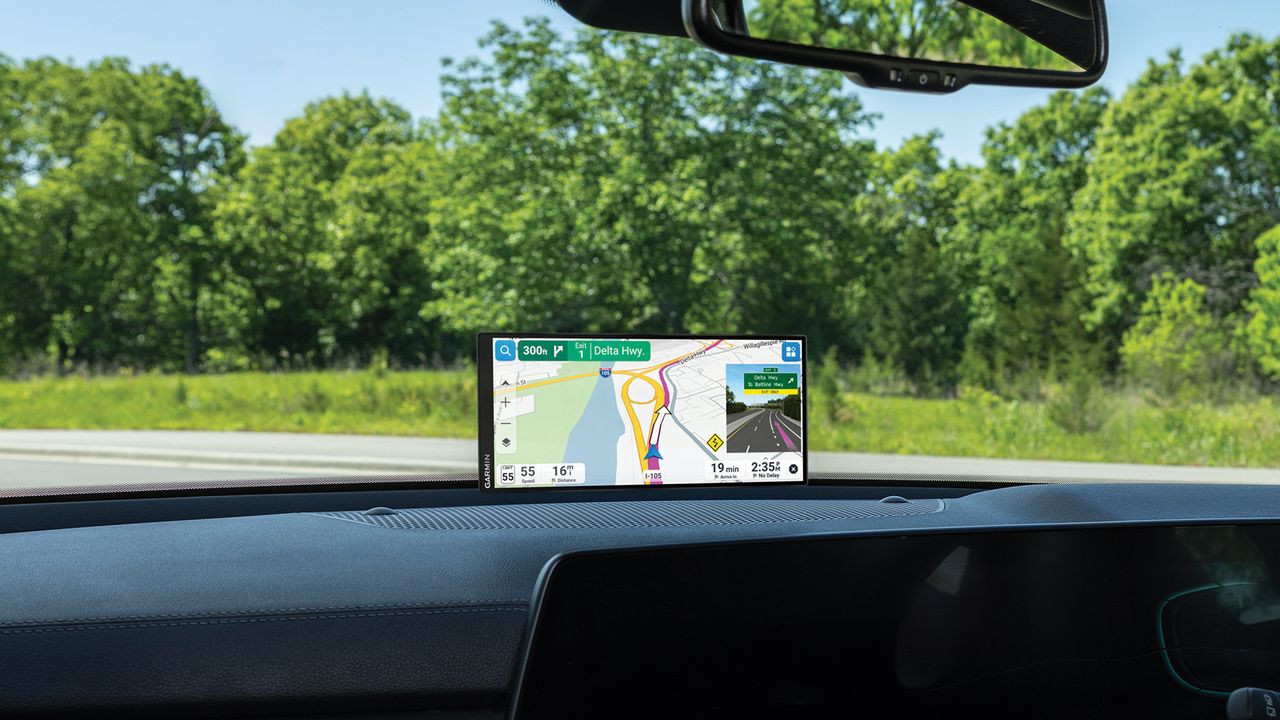
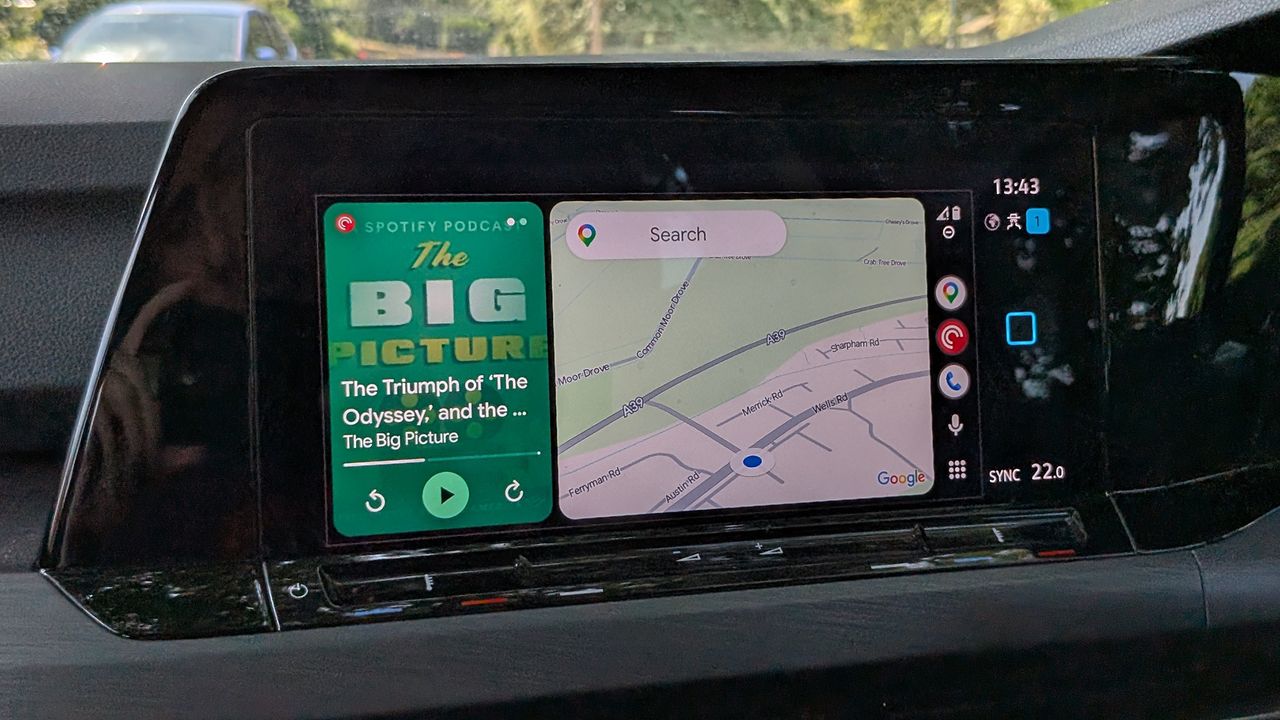
Despite the seemingly unending rise in the use of Android Auto and Apple CarPlay, as well as smartphone apps like Waze and Here WeGo for navigation, Garmin has seen fit to completely redesigned its Drive automotive GPS unit. It's just given the traditional dashboard navigation device a much-needed modern makeover with an ultra-wide display, more connected features and dedicated tools for EV drivers.
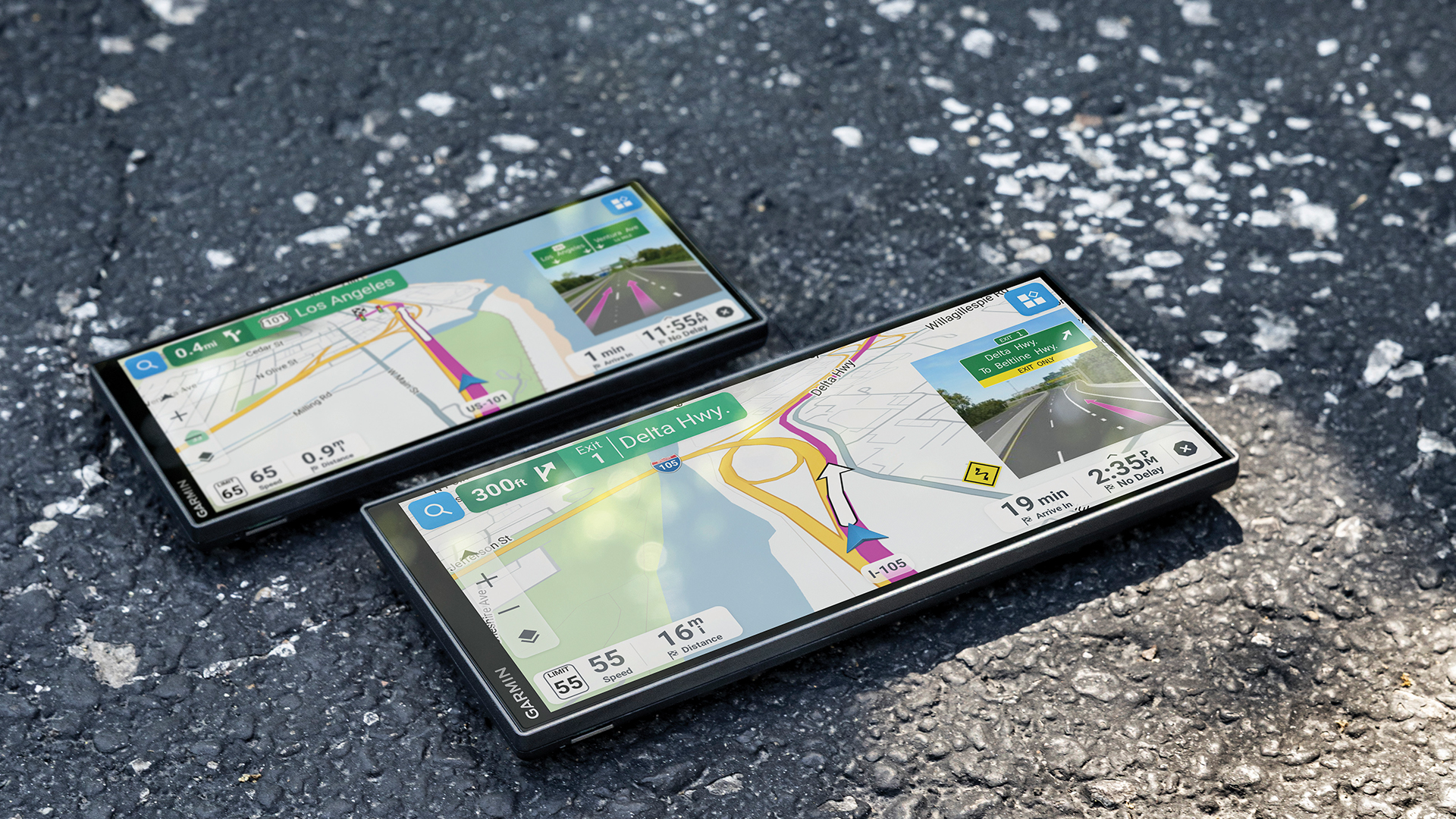
The new device comes in 7.1-inch and 8.8-inch versions, both using a high-resolution ultra-wide display with edge-to-edge glass. Garmin says the low-profile design is intended to be "unobtrusive to the driver’s line of sight", while making it easier to see the route and upcoming road information at a glance.
It is sleeker, crisper and generally nicer to look at than Garmin’s existing car navigation range, which includes devices such as the 5-inch Garmin Drive 53 and the 6-inch DriveSmart 66.
The new Drive models are designed to put considerably more information into the driver’s eye line without making the device taller or bulkier. The new Drive is also considerably more connected than the basic satellite navigation systems of old, which often required a SIM card to receive the latest traffic data.
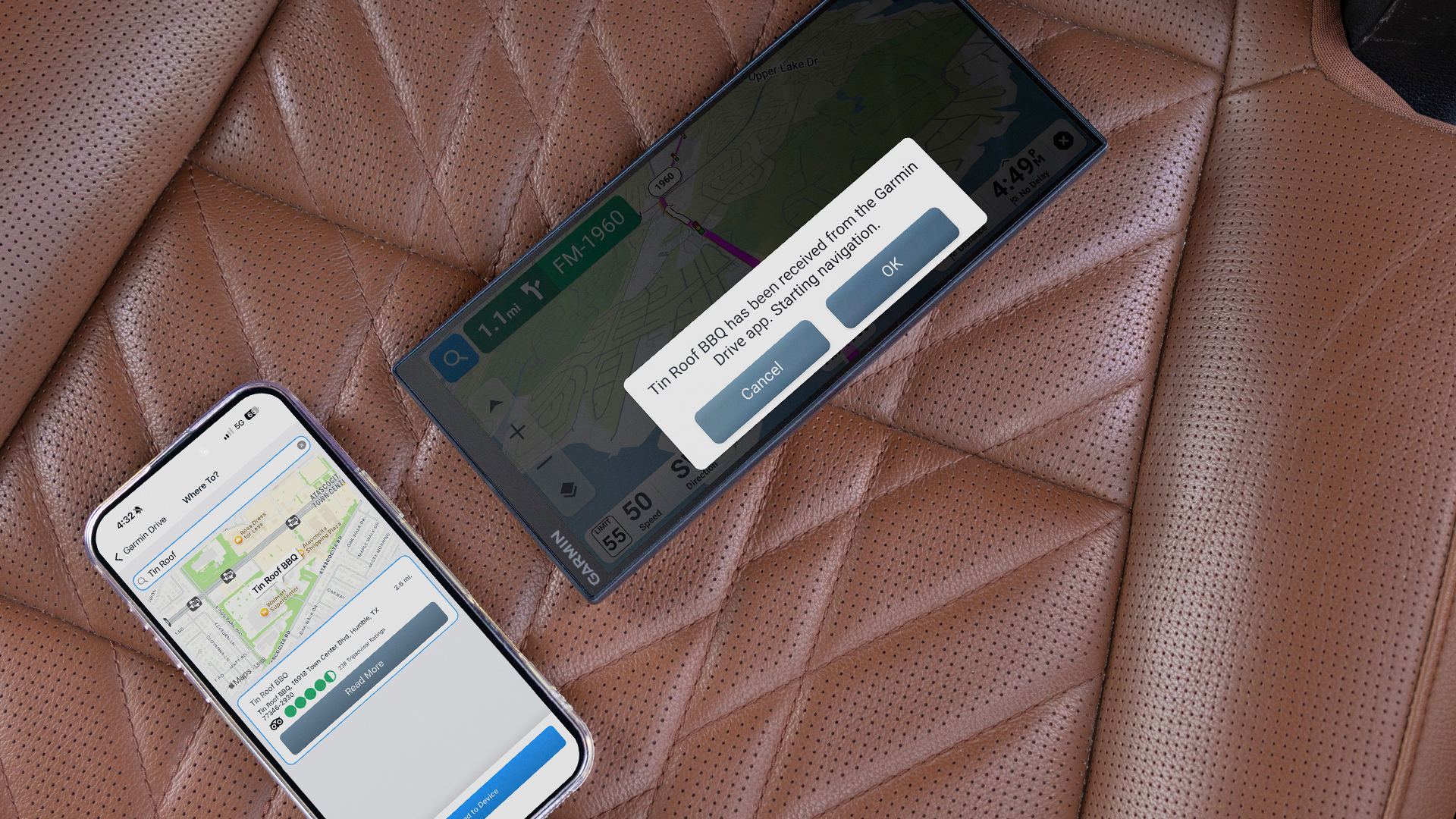
Now, Garmin says drivers can select routes and destinations directly from the map, with voice commands and touch controls available for navigation via a connected smartphone (with data) and the Garmin Drive app.
The device can also highlight upcoming traffic lights and stop signs, while also warning about sharp curves in the road, changes in speed limits, school zones and other potential hazards.
There’s live traffic and weather information, as well as the ability to search for and share points of interest. TripAdvisor ratings are on board for hotels, restaurants and attractions, and the maps and software can be updated over Wi-Fi, too.
The biggest change for EV drivers, though, is the addition of more detailed charging information.
Garmin Drive can locate EV charging stations along a route, with the ability to filter them by charging power and see live availability. For drivers of gasoline-powered cars, meanwhile, the connected Garmin Drive app can provide dynamic fuel prices.
The Garmin Drive units are available in both 8.8-inch and 7.1-inch sizes and suggested retail prices start from $299.99 / £249.99 (or around AU$415).
Keep on truckin'
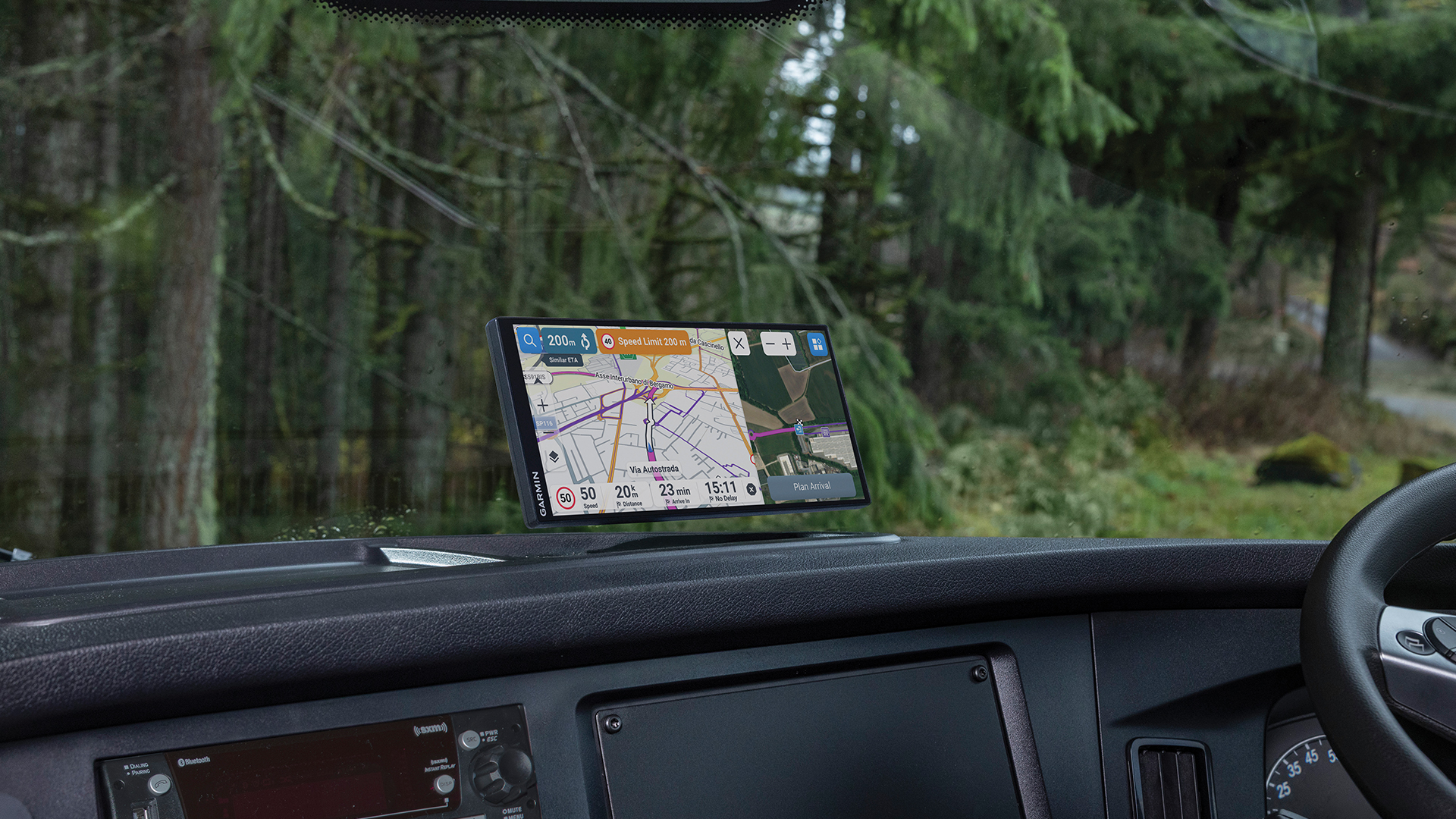
Garmin has increased the breadth of the Drive’s capabilities with optional packs that are aimed at professional drivers and more specialist motoring requirements.
Owners can purchase the optional Truck and Camper Pack for a one-time $149.99 / £129.99 / (around AU$208) fee, unlocking features aimed at professional truck drivers and people traveling in campers, motorhomes and caravans.
The pack adds routing based on a vehicle's height, weight, length and load, as well as warnings for steep grades, sharp curves and weight restrictions. It also adds high-resolution satellite imagery that can help drivers identify loading docks, truck entrances, security gates and campsites before they arrive.
There's a dedicated directory of motorhome and caravan parks and services, plus a wind-speed overlay that can warn about potentially hazardous crosswind conditions. Truck drivers can also access Dēzl Community ratings to find preferred truck stops and parking locations.
While the standard Google Maps app doesn’t account for large vehicles, the tech company does offer software developer kits that cater for this sort of thing, while there are several dedicated route-planners online for oversized vehicles.
Plus, there’s an argument that says Google Maps, Apple Maps and Waze all offer the same — if not more — functionality than Garmin’s Drive unit.
But for those with older vehicles, or drivers that simply want a dedicated sat-nav or GPS device, the new Garmin Drive represents a sizable leap forward in design and technology.