❌

Reading view

OpenAI’s “Head of Ethics” Suddenly Leaves Company Under Mysterious Circumstances

Following a growing string of high-profile departures, OpenAI has lost its head of ethics at arguably the worst time possible.

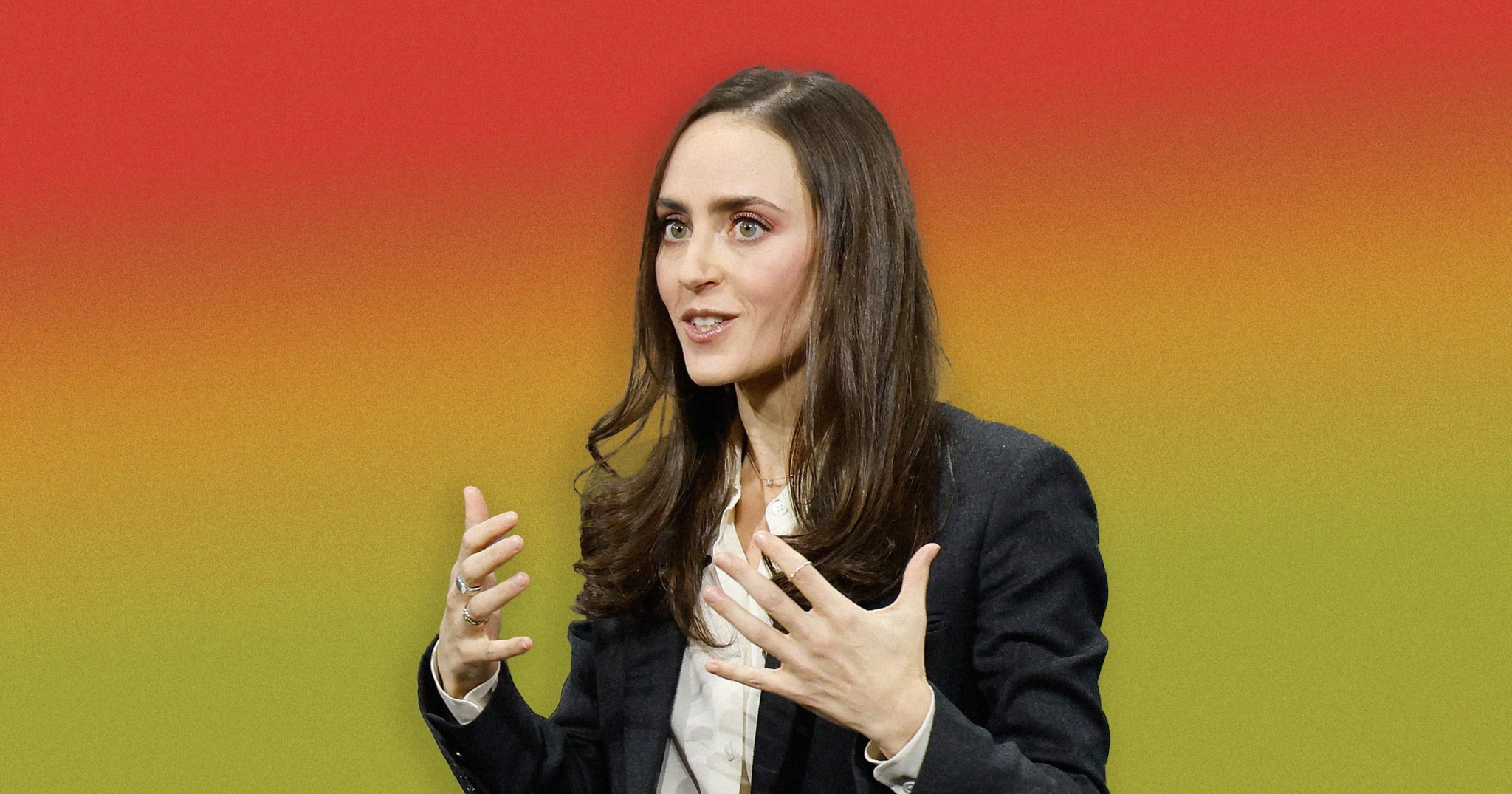
As the Financial Times reports, Chloé Bakalar left her post as the AI ethics lead in July, less than a year after joining the company and without any accompanying announcement. Interestingly, her LinkedIn still claims she’s employed at the firm.

There currently is no replacement lined up, suggesting shifting priorities at the company. According to the FT‘s sources, Bakalar was the only remaining dedicated ethicist at the company.

The timing of Bakalar’s departure is noteworthy. The Sam Altman-led company has been embroiled in a major controversy after revealing that a group of its AI models broke containment and hacked into the systems of open source AI platform Hugging Face.

In other words, OpenAI needs a competent team of AI ethicists now than ever before as the industry reels from the possibility of frontier AI models going rogue, in what many experts say is a cybersecurity nightmare in the making.

The development proved alarming enough that OpenAI vowed last week to slow the release of its upcoming Astra AI model.

“We cannot rule out critical cyber capabilities,” the company admitted, following internal evaluations of the model.

Bakalar had been primarily tasked with coming up with ethical approaches to AI model development and studying how AI interacts with humans.

“Ethics is actually everyone’s responsibility, and I say that as someone whose job it is to lead this work,” she told audiences during a recent AI conference, as quoted by the newspaper. “You shouldn’t just come to people like me. There should never just be one person who serves as the moral centre of an AI developer.”

It’s a particularly symbolic departure for a company that once billed itself as an ethical non-profit. The company restructured itself into a primarily for-profit business last year, largely betraying its non-profit roots. The company’s plans to go public could further erode any lingering commitments to the ethical development of AI.

Meanwhile, its competitor Anthropic, which has long billed itself as the more ethical alternative to OpenAI, is similarly struggling to maintain its public image. The company dropped its core safety commitments earlier this year.

The company still has an alignment team, led by philosopher Amanda Askell, who is tasked with giving its flagship chatbot Claude a sense of right and wrong.

But whether any of these remaining AI ethics efforts will matter as the industry continues to deal the environment a devastating blow, force users down dangerous spirals of delusion, and facilitate a flood of misinformation on the web, is debatable at best.

More on AI ethics: If You Think AI Companies Are Unethical Now, Wait Until They Go Public

The post OpenAI’s “Head of Ethics” Suddenly Leaves Company Under Mysterious Circumstances appeared first on Futurism.
  •  

Protests Against Data Centers Are Now Threatening $130 Billion of Big Tech’s Crucial Investments

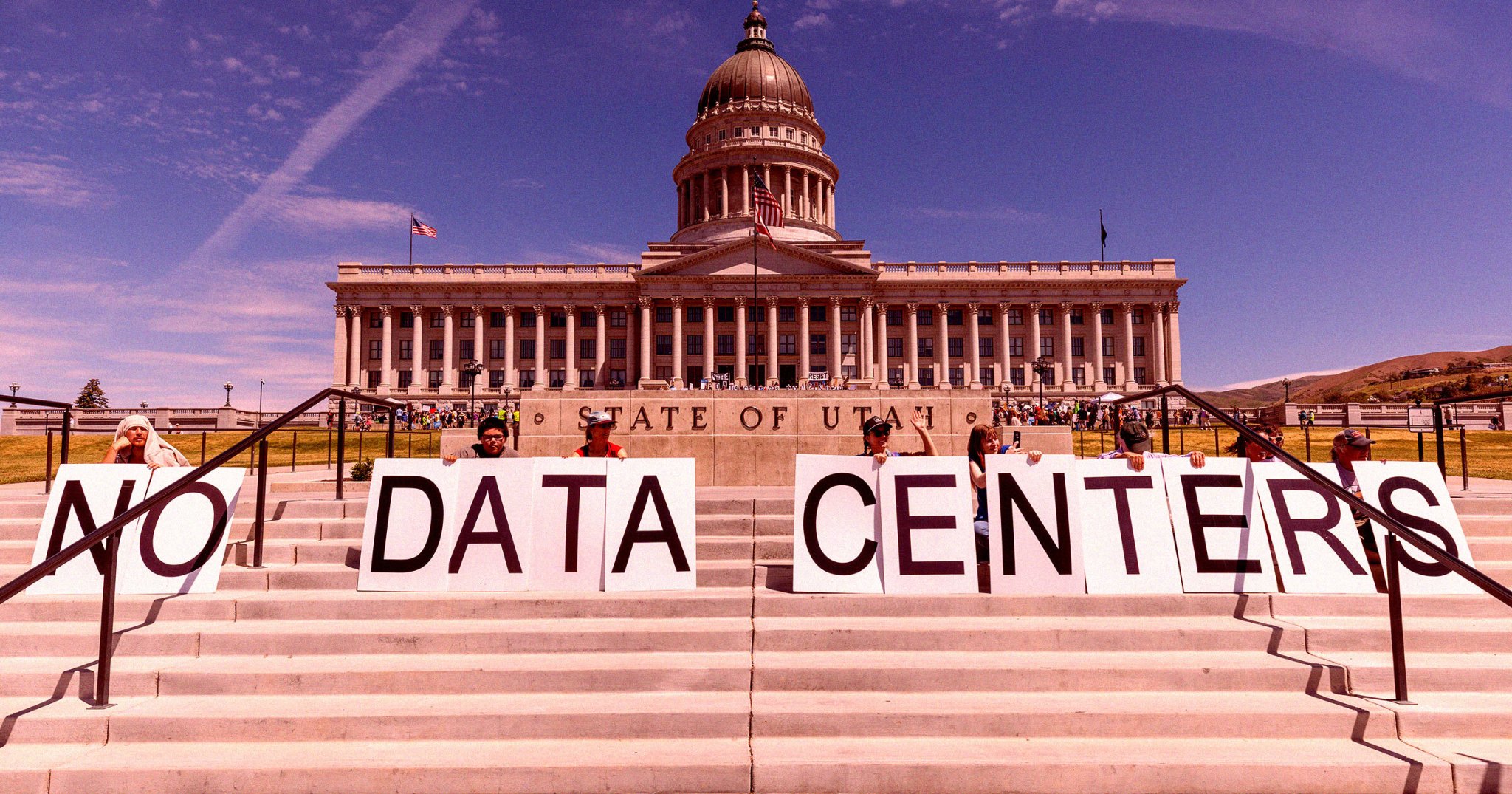
For protestors rising up against the data centers undergirding the AI boom, the math is simple: wherever they sprout, the facilities make frightfully poor neighbors — inflating utility prices, discharging hazardous waste, and blasting horrid noise at all hours of the night.

For data center developers, there’s a different calculation to be made: namely, one of supply and demand around the seemingly infinite drive for computing power.

Against the backdrop of an industry measured in the trillions of dollars, a few scattered protests at city hall may seem inconsequential. Yet as more and more local campaigns arise in opposition to data centers, the collective financial implications are becoming impossible to ignore.

According to new reporting by Reuters, which indexed data compiled by the research firm Data Center Watch, there are now hundreds of billions of dollars exposed to the growing risk of local opposition.

In the first three months of 2026 alone, at least 75 separate data center projects faced some kind of organized opposition at the local level. Together, those 75 developments represent a combined $130 billion worth of investments.

The funders of those data centers include major banks, but also more than a few private equity firms, which are sure to notice as the social risk to their data center investments climb.

Simply put, the potential that any given data center could be cancelled due to local opposition is rising, a sign that organized efforts against data centers are becoming more than the sum of their parts.

Yet despite growing costs, opposition alone may not be enough to slow the behemoth industry. As one anonymous senior official at a foreign lending firm told Reuters, investors are now becoming more comfortable pricing in cancellation risks as the demand for AI compute grows — like frogs adjusting to boiling water.

More on data centers: Google Data Center Announces Plans to Pave Over Protected Wetlands

The post Protests Against Data Centers Are Now Threatening $130 Billion of Big Tech’s Crucial Investments appeared first on Futurism.

  •  

Internal Google Document Reveals That Its HR AI Has Been Throwing Résumés From Qualified Applicants Straight Into the Trash

Bad news for anyone seeking a job in this AI-infested hiring hellscape: not even Google’s top AI lab can figure it out.

That’s according to an HR memo viewed by Bloomberg, encouraging job-seekers to fill out a special AI-proof form on top of their standard application so that a “real human” will know they applied.

The document, which contains the delicious disclaimer “PLEASE DO NOT SHARE THIS DOC WIDELY,” is ironically the product of Google DeepMind’s AGI Safety and Alignment Team. Taken at face value, it pretty blatantly admits that whatever AI-integrated hiring software the lab uses to review candidates has been dumping CVs straight into the garbage.

“We have an applications system with a non-trivial probability your CV will be screened out incorrectly or take too long to reach us,” the memo explains. “Filling out this form makes sure that a real human on the team will get to see your application.”

Even in the face of the memo, a spokesperson for Google’s DeepMind project insisted to Bloomberg that the company’s AI hiring software is working just fine.

“This team set up a special form to go past the recruiter review, and get their resumes direct to the people on the team,” the spokesperson said. “But there are no shortcuts to getting hired.”

All told, it’s a wild admission from any Google division, not to mention its flagship AI research hub. For the DeepMind crew, specifically, to throw up their hands and invent a workaround to sneak past the company’s own AI hiring software is galling beyond words.

It’s safe to say AI slop has completely obliterated the digital hiring ecosystem millions depend on to find work — and if Google’s top AI minds can’t fix it, what hope do the rest of us have?

More on Google: Google’s AI Is Telling Users That Flock Cameras Are Filled With Valuable Gold and Copper

The post Internal Google Document Reveals That Its HR AI Has Been Throwing Résumés From Qualified Applicants Straight Into the Trash appeared first on Futurism.

  •  

Farmer Horrified as AI Gives Bad Advice That Kills 25 Acres of Crops

Whether you’re looking for medical advice or tips on industrial agriculture, one thing is abundantly clear: never trust an AI chatbot without first getting a second opinion, preferably from a human who has actual expertise in the topic.

That’s the takeaway from an incident in the small city of Chuzhou, China, after a large langue model dispensed some advice that led to the untimely death of 25 acres worth of produce.

According to the Taiwanese publication CTWANT, a 67-year-old farmer surnamed Wu decided to start consulting an AI chatbot for advice nearly a year ago. He was reportedly skeptical at first, though the farmer began to let his guard down after some early successes with the AI’s farming tips.

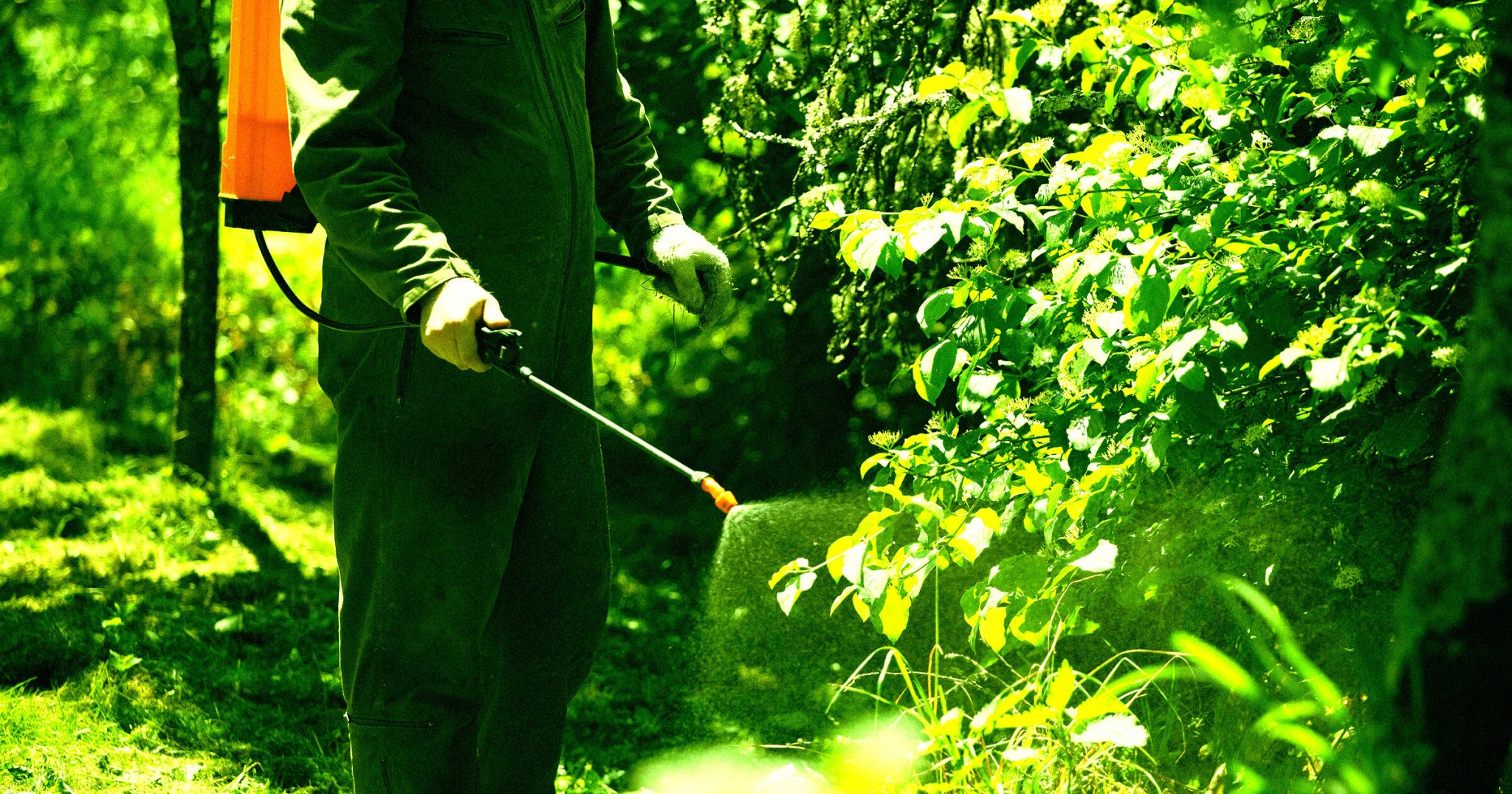
Since that time, Wu has come to rely on his LLM for everything from fertilizing guidance to scheduling various tasks around the farm. After months of fruitful consultations, he decided to follow his AI chatbot’s new pesticide plan to the letter, letting loose on some 25 acres of precious sesame seedlings, all without ever double-checking with an expert or outside documentation.

The plan generated for him was basically a Long Island ice tea of agro-chemicals: a mix of “high-efficiency flupyridine” and “flufenazate” for pesky weeds, with plenty of “thiamethoxam” and “emamectin benzoate” for bugs and other pests, CT reported.

Not even a day after treatment, Wu says his juvenile sesame crop began to wither and die.

Per a video interview later translated by Tom’s Hardware, the farmer offered some hard-earned advice to any other growers looking to use his concoction: “If you spray it, the next day the seedlings won’t survive.”

“Both the grass and the seedlings will die, and the seedlings will die even faster,” Wu lamented.

It’s just the latest case of an LLM cooking up some slop that lands a professional in hot water. If nothing else, Wu’s in good company: he joins a host of other dupes across the legal, medical, financial, education, and media industries who’ve likewise fallen prey to an AI chatbot’s inaccurate output.

More on farms: The Diarrhea Lettuce Company Has Been Linked to Forced Labor

The post Farmer Horrified as AI Gives Bad Advice That Kills 25 Acres of Crops appeared first on Futurism.

  •  
❌