❌

Reading view

Measles cases up eight-fold in the Americas in 2026

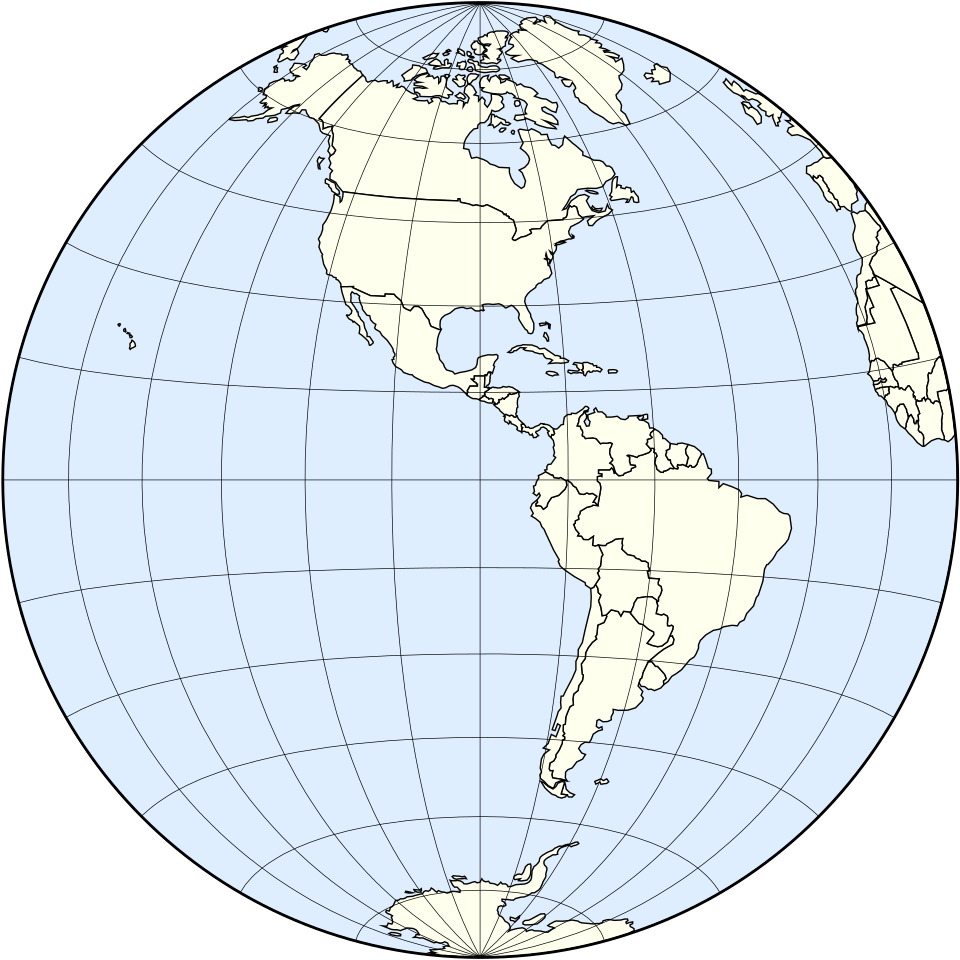
From the beginning of the year through mid-July 2026, 47,459 measles cases were confirmed in the Americas Region, including 44 deaths from 16 countries and one territory. The number of confirmed measles cases in 2026 is the highest recorded since 2004, making 2026 the year with the highest number of confirmed measles cases in the past 22 years.
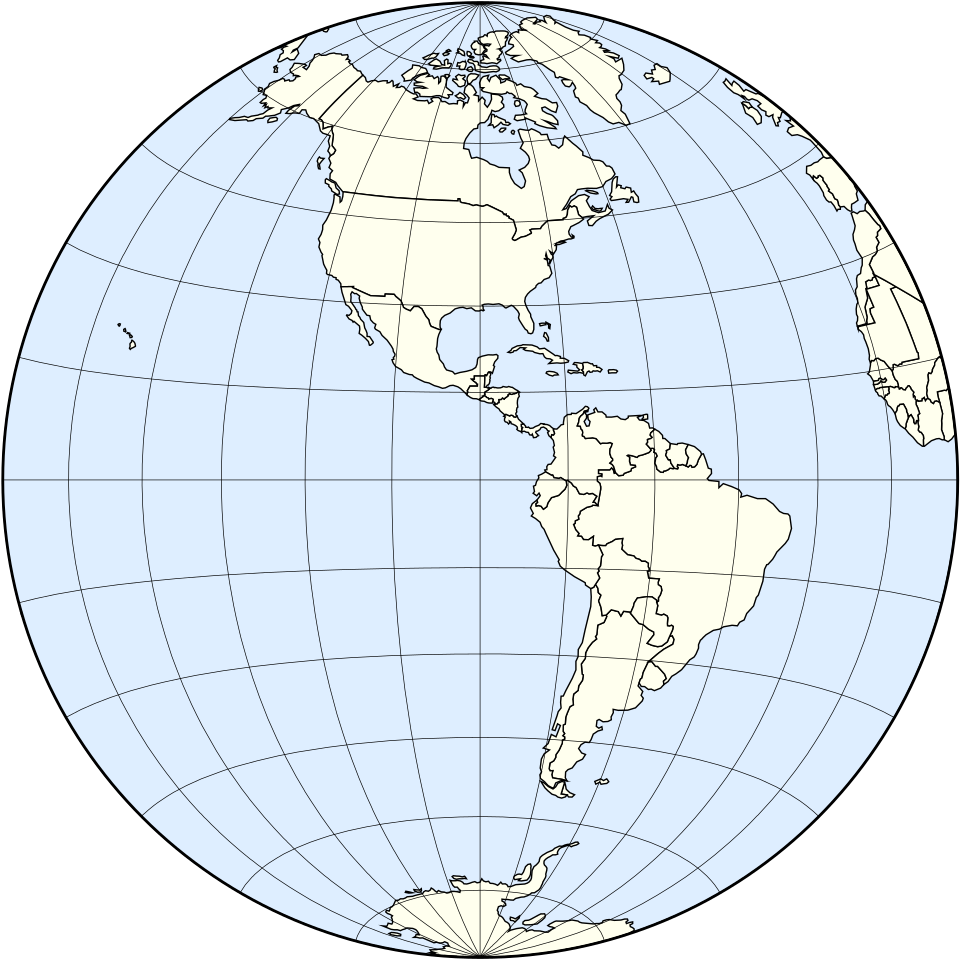
Guatemala (n= 30,371 cases, including 26 deaths), Mexico (n= 12,255 cases, including 17 deaths), the United States of America (n= 2,260 cases), and Peru (n= 1,277) account for the majority (95%) of confirmed cases.

The number of cases reported in 2026 as of mid-July represents an increase of more than eightfold compared with the 5,123 measles cases reported during the same period in 2025.

The 20–29 age group accounts for the largest proportion of cases (31%), followed by the 10–19 age group (17%) and the 30–39 age group (16%).

Bacterial vaginosis (BV) and the increased risk of sexually transmitted infection (STI) coinfections

Regarding vaccination history, 73% of cases were unvaccinated, and for 17%, the information was unknown or unavailable.

The bulk of the cases tested (>97%) were genotype D8.

Outbreak News Today is a reader-supported publication. To receive new posts and support my work, consider becoming a free or paid subscriber.
  •  

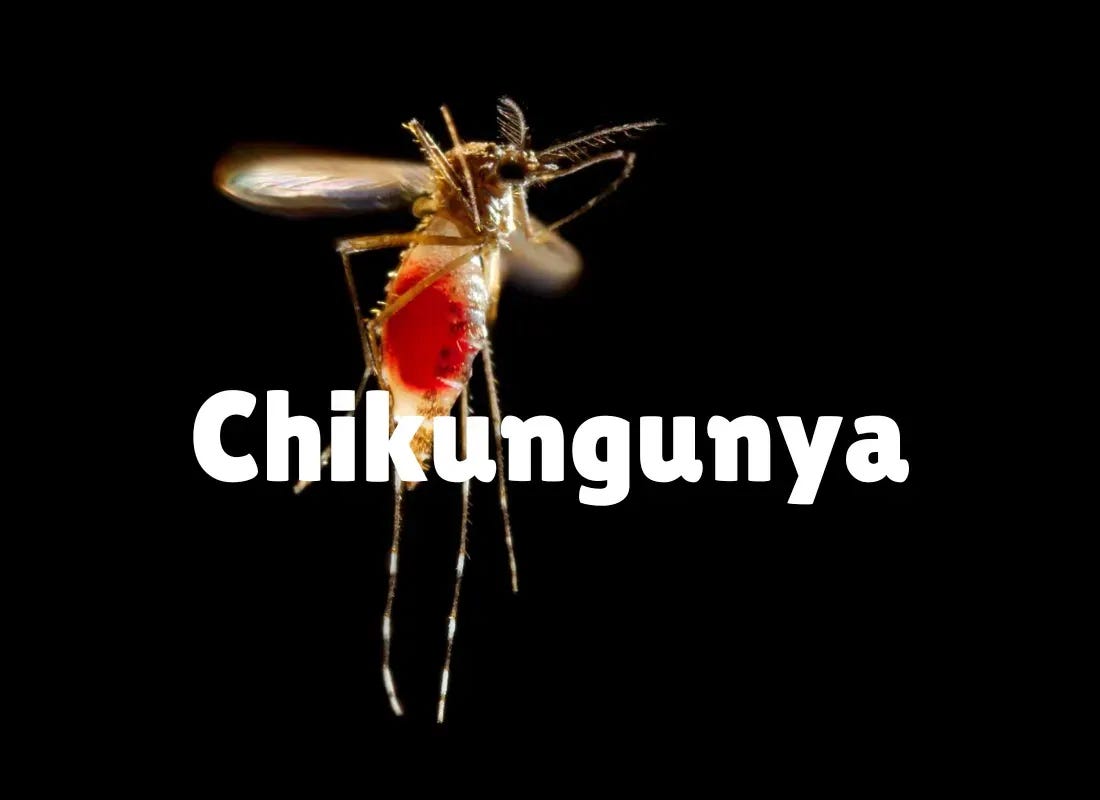
Chikungunya in Argentina: 97% of cases in Noroeste Argentino

According to the Argentina Ministry of Health, during the current season, 13,230 suspected cases of chikungunya fever were reported; of these, 3,618 were classified as confirmed, probable, or probable via epidemiological link.

Reported cases with a travel history originated in Bolivia, Brazil, Paraguay, and Cuba.

The first cases without travel history were identified in Salta province amidst the occurrence of imported cases linked to travel to Bolivia, confirming the presence of local transmission.

Throughout the season, a sustained acceleration in chikungunya fever cases was observed up to EW 16, driven by increases in both confirmed and probable cases; this indicated a scenario of intensifying transmission alongside improved detection. Following the peak in cases during Epidemiological Week (EW) 16 (N=446), a progressive and sustained decline has been observed in confirmed, probable, and under-investigation cases alike.

Chikungunya epidemic risk: A call to action

Regarding spatial distribution, the highest disease burden is concentrated in the NOA region (n=3,492; 97% of the total), particularly in Salta, Tucumán, and Jujuy, where the primary transmission hotspots are established.

Concurrently, outbreaks were reported in other jurisdictions—such as Catamarca (Capital), Santiago del Estero (Capital), and Buenos Aires (Lomas de Zamora, Merlo, Quilmes)—alongside case detections in CABA and Córdoba (see Map 1), evidencing the event’s recent expansion beyond the initially affected areas.

The median age was 31 years. The age group with the highest proportion of cases was the 45–65 age bracket, followed by the 25–34 and 35–44 age groups. Females accounted for 54% of the cases.

The most frequently reported symptoms were fever, polyarthralgia, myalgia, headache, diarrhea, and vomiting.

Of the total cases, 2,809 (78%) had data available regarding the need for hospitalization; of these, 8.3% (n=232) required hospital admission.

Nine severe cases of Chikungunya virus (CHIKV) fever were reported, two of which resulted in death. The seven non-fatal cases involved residents of Salta (n=4), Santiago del Estero (n=2), and Tucumán (n=1).

The two fatal cases involved patients residing in the province of Salta: a 68-year-old man from Embarcación, who developed respiratory compromise associated with *Streptococcus pneumoniae* pneumonia, and a 34-year-old man from Aguaray with a history of decompensated diabetes, who had an unfavorable outcome involving septic shock and respiratory failure.

Outbreak News Today is a reader-supported publication. To receive new posts and support my work, consider becoming a free or paid subscriber.
  •  

Mpox (Clade I) case reported in San Diego County

A San Diego County, California resident has been confirmed positive for Clade I mpox. Health authorities say the patient likely contracted the virus while traveling internationally to an area where Clade I mpox is circulating.

The County is monitoring all identified contacts, and no one has reported symptoms.

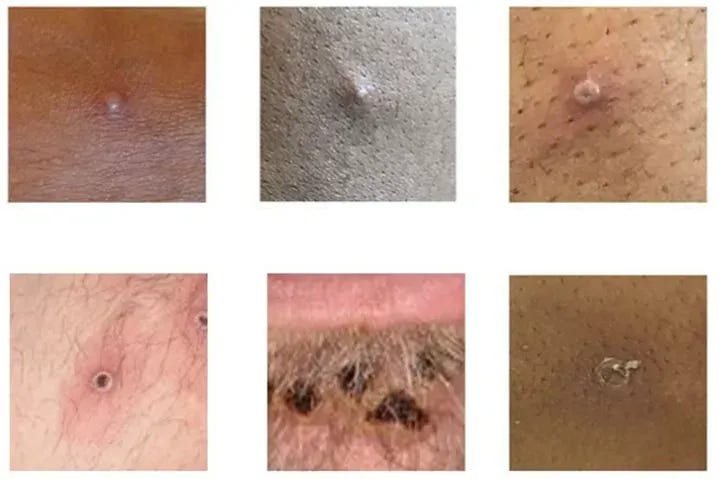
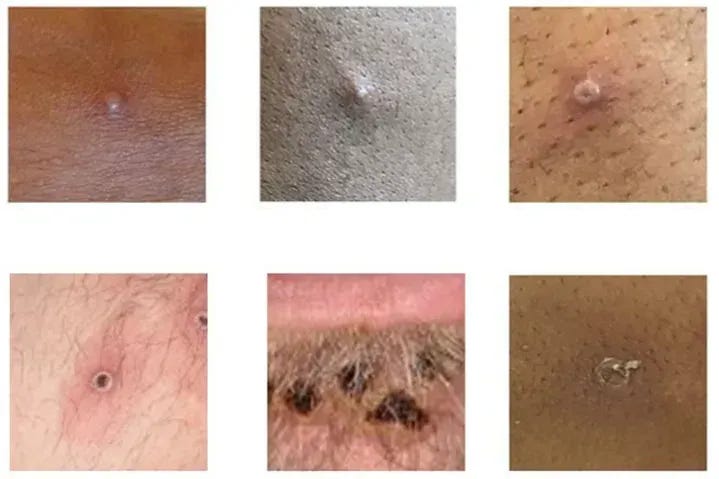
Image/UKHSA

Mpox is a viral infection that often spreads through close, skin-to-skin contact. Protect yourself from mpox by getting two doses of the mpox vaccine.

The two dose JYNNEOS vaccine provides the strongest protection against both Clade I and II mpox. It is recommended for people at higher risk, those with potential exposure, and travelers who anticipate close or intimate contact while abroad. The JYNNEOS vaccine is available through healthcare providers and County Sexual Health Clinics.  

“It is really important for anyone at risk of contracting mpox complete both doses of the vaccine,” County Public Health Officer Dr. Sayone Thihalolipavan said.

“Completing the series offers the best protection against severe illness, including painful blisters that take a month to heal, and in some cases lead to hospitalization.”

Mpox can be spread through close contact with a person with mpox, including:

  • Intimate physical contact, such as touching the genitals, hugging, massage, kissing, and prolonged face-to-face interactions (such as talking or breathing).

  • Direct skin-to-skin contact with mpox rash, scabs, or body fluids that touched sores.

  • Sharing a living space, or personal items, with someone who has mpox.

  • From a pregnant person with mpox to the fetus during pregnancy or to the newborn during and after birth.

Monkeypox Livestream

Casual contact, like one might have in an airplane, office, or store, is unlikely to spread mpox.

After being exposed to mpox, it can take up to 21 days for symptoms to show. Mpox can start with other symptoms such as:

  • Fever

  • Sore throat

  • Low energy

  • Swollen lymph nodes

  • Body Aches

Within about 3 days, a rash or sore(s) develop.

  • The rash or sores may be located anywhere on the body. This includes hands, feet, chest, face, mouth, or near the genitals.

  • The rash can initially look like pimples, or blisters, and may be painful or itchy.

  • The rash or sores will go through several stages, including scabs, before healing.

  • While the chickenpox rash may look like a mpox rash, they are not related. Because chickenpox is caused by a virus that is unrelated to mpox, having had chickenpox (varicella) infection or vaccine in the past will not protect you from mpox.

Clade I mpox, linked to Central Africa, has become more common in Eastern Africa and other parts of the world in recent years. Most Clade I cases outside of Africa are associated with travel, though some areas have reported local spread. Clade I may be more severe than Clade II, which has been present in San Diego County since 2022.

San Diego County has reported 27 cases this year, mostly among people who were not fully vaccinated. All cases involve men between 17 and 53-years-old. 

Outbreak News Today is a reader-supported publication. To receive new posts and support my work, consider becoming a free or paid subscriber.
  •  

Nepal: Japanese Encephalitis is the leading cause of death among vector-borne diseases

Health officials in Nepal have reported nine deaths due to Japanese encephalitis (JE) in less than a month, prompting officials to warn the public the numbers could rise as the peak season arrives.

In the past few weeks alone, six people have died from JE virus infection in Koshi Province, two in Madhesh Province, and one in Lumbini Province.

In addition, 37 others were infected and hospitalized with JE.

Of the vector borne diseases, JE is the leading cause of death in Nepal. It is estimated that about 12.5 million people in Nepal are at high risk of JE infection.

In 2025, 41 people died and 141 others were infected with JE, which spread to over 117 local units across 45 districts. The case fatality rate was around 23 percent.

Japanese encephalitis is a preventable viral disease transmitted through the bite of the infected Culex mosquito. Japanese encephalitis virus circulates in pigs, sheep, and water birds. Most infected individuals experience no symptoms or only mild symptoms like fever and headache. The virus does not spread from person to person, and symptoms typically appear 5-15 days after being bitten.

It is found mainly in Asia. About 70,000 cases of JE are estimated to occur in Asia each year, although the actual number of cases is likely much higher due to underreporting in rural areas. JE is fatal in approximately 30 percent of those who show symptoms, and leaves half of survivors with permanent brain damage. The disease is endemic in Southeast Asia, India and China, a region with a population of more than three billion.

Subscribe to Outbreak News TV on YouTube

Vaccine experts and members of the National Immunization Advisory Committee have recommended that everyone who is unvaccinated should receive one dose of the JE vaccine. According to them, unvaccinated individuals are at high risk of infection, severe illness, and death.

Outbreak News Today is a reader-supported publication. To receive new posts and support my work, consider becoming a free or paid subscriber.
  •  

Bangladesh: Dengue cases top 20,000 through August 10

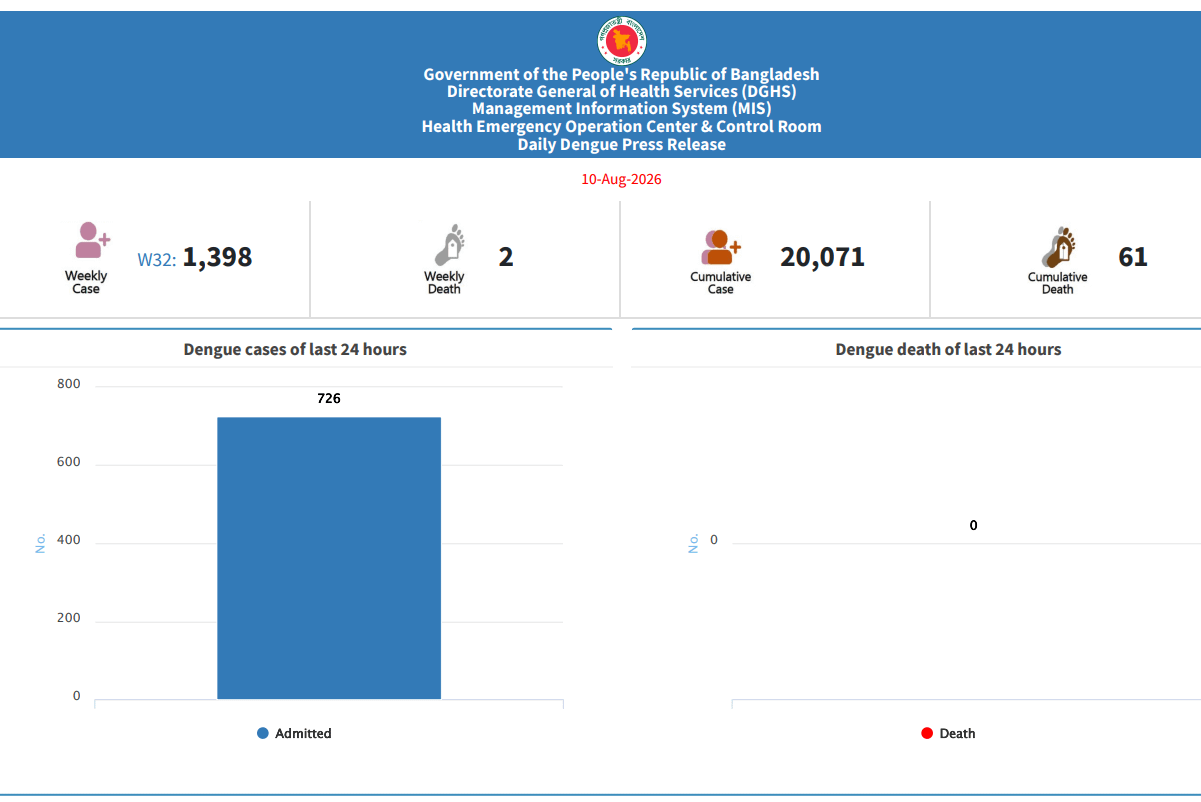
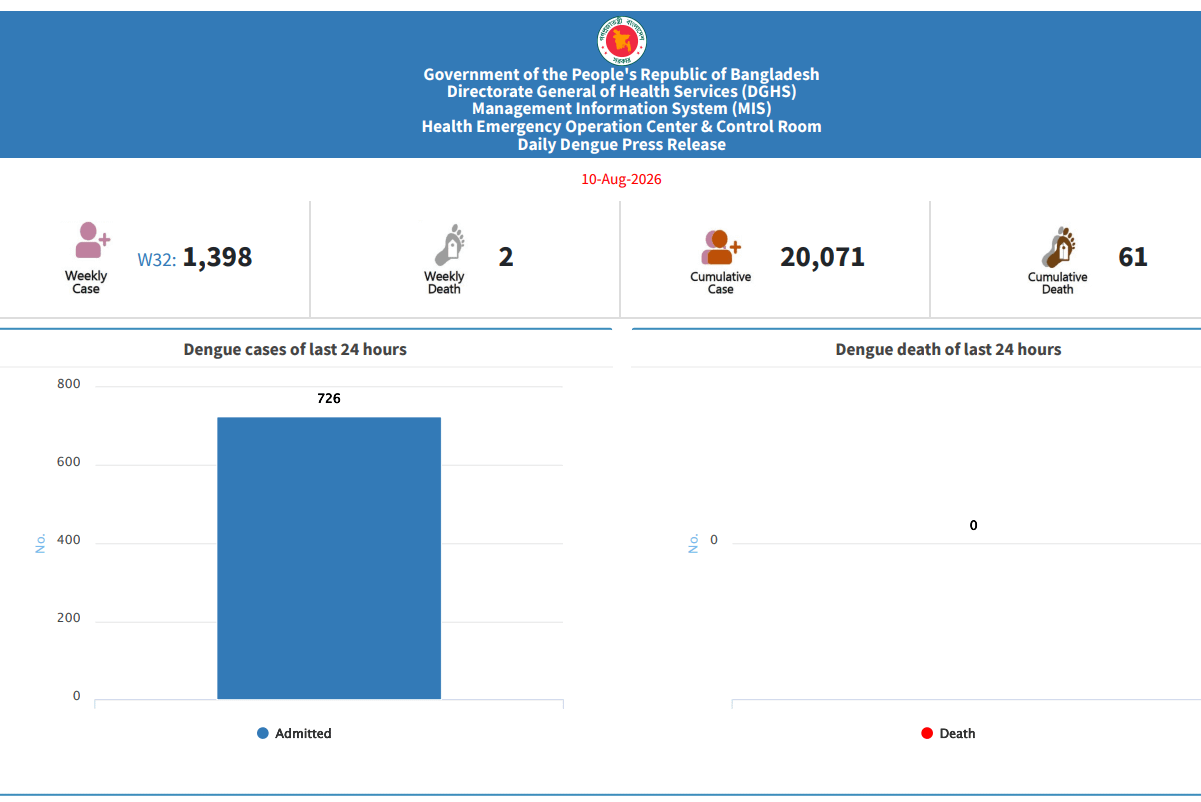
The Directorate General of Health Services (DGHS) in Dhaka reports 726 new dengue hospitalizations in the past 24 hours, bringing the total cases to 20,071 through August 10.

So far in August 2026, 4,761 hospitalizations were reported. More than 9,200 cases were reported in all of July.

The death toll from dengue this year remains at 61 as no deaths were reported in the past 24 hours.

Outbreak News Today is a reader-supported publication. To receive new posts and support my work, consider becoming a free or paid subscriber.

  •  

Florida reports 2nd Vibrio vulnificus death

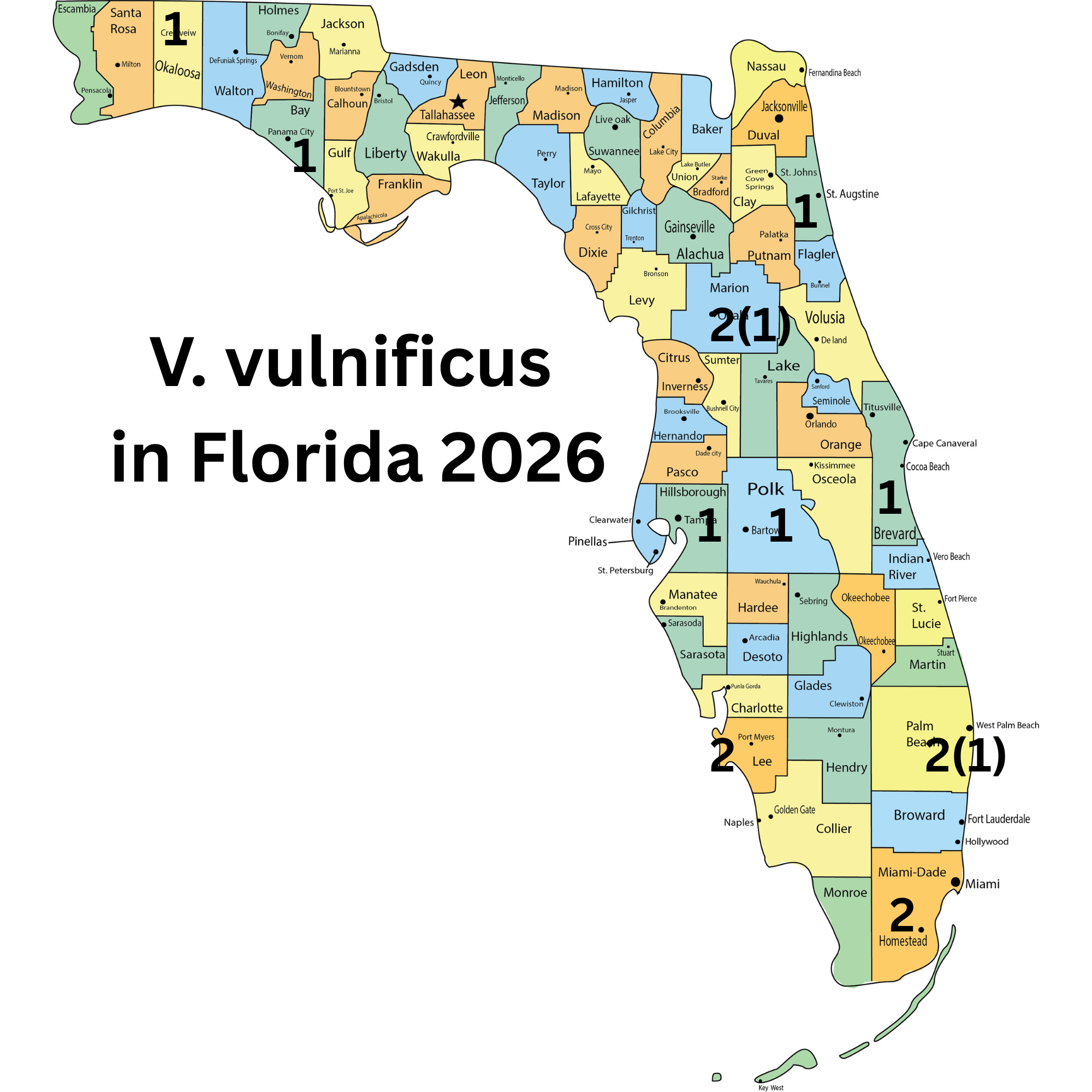
In an update on the Vibrio vulnificus situation this year in Florida, the Department of Health now reports 14 cases from 10 counties- Bay, Brevard, Hillsborough, Lee (2), Marion (2), Miami-Dade (2), Okaloosa, Palm Beach (2), Polk and St. Johns.

The state also recorded a second death due to the bacterial infection in Marion County. A death was previously reported in Palm Beach County.

Vibrio vulnificus can cause disease in those who eat contaminated seafood or have an open wound that is exposed to warm seawater containing the bacteria. Ingestion of Vibrio vulnificus can cause vomiting, diarrhea and abdominal pain. Vibrio vulnificus can also cause an infection of the skin when open wounds are exposed to warm seawater; these infections may lead to skin breakdown and ulcers.

Healthy individuals typically develop a mild disease; however, Vibrio vulnificus infections can be a serious concern for people who have weakened immune systems, particularly those with chronic liver disease.

Subscribe to Outbreak News TV on YouTube

The bacterium can invade the bloodstream, causing a severe and life-threatening illness with symptoms like fever, chills, decreased blood pressure (septic shock) and blistering skin lesions. Vibrio vulnificus bloodstream infections are fatal about 50 percent of the time. A recent study showed that people with these pre-existing medical conditions were 80 times more likely to develop Vibrio vulnificus bloodstream infections than healthy people.

Related:

Louisiana reports 5 deaths due to Vibrio vulnificus

Florida reports another locally acquired dengue case in Hillsborough County

Outbreak News Today is a reader-supported publication. To receive new posts and support my work, consider becoming a free or paid subscriber.
  •  

Quebec: Granby Zoo warns visitors about contact with Japanese macaque

Granby Zoo informs the public that it is working closely with Public Health authorities following an incident that occurred on August 4, during which a visitor reported sustaining a superficial injury after coming into contact with a Japanese macaque through the mesh barrier of the holding area.

The individual immediately received first aid on site before being referred to a hospital for medical assessment.

The Zoo states their internal review determined that, during a limited period of time, some members of the public were able to access a presentation platform normally reserved for animal care staff. Although this platform is located outside the animals' habitat and separated from the macaques by a mesh barrier and a buffer zone, they cannot rule out the possibility that other individuals may also have had direct physical contact with a macaque.

"The safety of our visitors is our highest priority. We are taking this situation very seriously and are acting with transparency and diligence to ensure that anyone who may have been affected can promptly receive the appropriate medical assessment. We are grateful to Public Health for its valuable collaboration," said Émilie Laurin, President and Chief Executive Officer of Zoo de Granby.

What’s the concern?

Dr. Mélissa Généreux, Medical Consultant with the Public Health Directorate of Santé Québec Estrie – CHUS, notes that Japanese macaques may carry the B virus (Herpes B virus). Although human infection is extremely rare, it can result in serious complications if not treated promptly.

“Anyone who visited the macaque area during the period in question and had direct physical contact with a macaque, such as a scratch, a bite, or exposure of an open wound or mucous membrane to the animal’s saliva, is asked to contact Info-Santé (811),” said Dr. Mélissa Généreux.

The World’s Deadliest Viruses

What is Herpes B virus?

B virus infection is caused by a herpes virus. B virus is also commonly referred to as herpes B, monkey B virus, herpesvirus simiae, and herpesvirus B.

The virus is found among macaque monkeys, including rhesus macaques, pig-tailed macaques, and cynomolgus monkeys (also called crab-eating or long-tailed macaques). Macaque monkeys are thought to be the natural host for the virus.

The US CDC notes infection with B virus is extremely rare in humans. When it does occur, the infection can result in severe brain damage or death if the patient is not treated soon after exposure. Infection in humans is typically caused by animal bites or scratches or by mucosal contact with body fluid or tissue.

Untreated B virus infections in humans result in an extremely high mortality rate (∼80%).

Outbreak News Today is a reader-supported publication. To receive new posts and support my work, consider becoming a free or paid subscriber.
  •  

Philippines: Dengue epidemic announced in Zamboanga City

On August 4, the City Government of Zamboanga officially announced that the city is now experiencing a dengue epidemic, following a press conference at the City Hall Conference Room led by City Mayor Khymer Adan T. Olaso and City Health Officer Dr. Dulce Amor Miravite.

During the press conference, Dr. Miravite reported that the continued rise in dengue cases in the city has reached epidemic thresholds, prompting the City Health Office (CHO) to intensify surveillance, case management, vector control, and public awareness campaigns throughout the city. She emphasized that the cooperation of every household, school, workplace, and barangay is vital in preventing further transmission.

Ebola outbreak in DR Congo continues to spread at an ‘alarming and unprecedented rate’

Zamboanga City recorded 1,241 dengue cases and 12 deaths as of early August 2026.

The current case count reflects a sharp increase compared to previous periods, affecting 39 out of the city's 98 barangays (villages). High concentrations are reported in Calarian, Santa Maria, Talon-Talon, Ayala, and Putik.

More than half of the infections involve children aged 10 years or younger.

Mayor Olaso assured the public that the local government is mobilizing all available resources to address the situation. He called on residents to actively participate in cleanup drives, eliminate mosquito breeding sites, and immediately seek medical consultation for dengue symptoms such as persistent fever, severe headache and body pains.

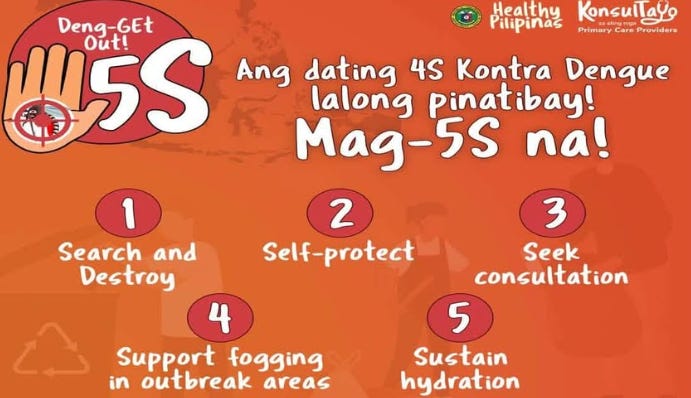
The City Health Office likewise reiterated the importance of the 5S Strategy against dengue: Search and destroy mosquito breeding places, Secure self-protection, Seek early consultation, Support targeted fogging in hotspot areas, and Sustain hydration for suspected cases.

City officials appealed to the public to remain vigilant and work together in protecting families and communities from dengue, stressing that collective action is essential to curb the spread of the disease and safeguard public health.

Nationally, the Philippines has reported a decrease in dengue cases as compared to 2025.

Outbreak News Today is a reader-supported publication. To receive new posts and support my work, consider becoming a free or paid subscriber.
  •  
❌