❌

Reading view

'His urine goes on tour around Europe, showing the kings and queens this glowing pee': The weird world of alchemy before chemistry

Long before chemistry was a formal science, humans were experimenting with substances to solve problems, cure illnesses and make money. In his book "The Age of Alchemy: How Early Innovators Shaped Modern Chemistry" (Profile Books, 2026), author Kit Chapman, a science journalist and honorary researcher at Falmouth University in the U.K., traces how this ancient, protoscientific tradition shaped the world.

From our ancestors' early use of fire to some accidental — and disastrous — pyrotechnics in the 14th-century French court of Charles VI, Chapman reveals how early innovations across the world paved the way for modern science.

Live Science spoke with Chapman about his book, which has been short-listed for the 2026 Royal Society Trivedi Science Book Prize.

Read an excerpt: 'These were harder than any other blades, cut sharper and cost more': How ancient Sri Lankans created steel of legends by harnessing monsoons

Hannah Osborne: The book is full of brilliant historical anecdotes that bring all of these alchemy breakthroughs into context. What was your favorite one and why?

Kit Chapman: I mean, you can't go wrong with a man trying to turn his own urine into gold, I think. Hennig Brand [who accidentally discovered phosphorus in the 17th century] was one of my early touchstones. I've known about this story for a while. I've always thought, "How can I get this into a book? What's the link?" Obviously alchemy provides this fantastic base. He bankrupted two wives to try and fund his 1,500-gallon [5,700 liters] urine habit — and then he gets something [phosphorous], against the odds.

This is the first element we can actually put a name to. This is the first person we can say actually discovered a chemical element, and it's an alchemist in the purest sense of the word. Then, of course, he tries to keep it secret. He sells it, eventually, to a friend, and his urine goes on tour around Europe, showing the kings and queens this glowing pee, before suddenly, [chemist and philosopher] Robert Boyle actually works out exactly what's going on.

That, to me, sort of encompassed everything I was hoping for in the book. There's a fantastic story there that's about human connection. There's the unraveling of mythology, and theology and belief, and starting to look at science. But there's also real practical stuff going on there. He didn't know what he was doing. He just didn't know why he was doing it, and that I found fascinating.

HO: You make the point that these people weren't thinking, "Oh, I'm going to do chemistry." How important is that for understanding how these early innovations shaped modern knowledge of how things work?

KC: I think that's essential. We often look at science as something separate from the real world, and one of the things that I really wanted to do with this book was to illustrate that science is going on in every profession. It's going on in every home, continuously; it's going on in our bodies continuously. It's everywhere.

Science is a way to understand what's going on in the world. It is not a separate thing from culture, from belief, from trade, from globalization, from discovery, from just getting on with life. I wanted to bring in the potters, the weavers, the bakers, the urine salesmen — which was an entire thing that I didn't really know I had to go down. I found it fascinating.

And, of course, [there are] artisans. When we start looking at the first actual chemistry that's being done, it is people trying to create beautiful works of art, perfumes, things like that. It moves away from survival and into this ecstatic beauty, and that, to me, encompasses what I love about the history of science. It's bringing all of these threads together and making discoveries not necessarily where we think we're going to find them.

HO: You mentioned the beauty of it all, and the perfume. One of the chapters I really enjoyed was the first chemist who was a female perfume maker in ancient Assyria.

KC: Tappūtī Bēlet-ekallim. The fascinating thing is that the only reason we know her name is that she put it down in cuneiform. She wrote it down. She may well have been a slave; perfume makers were often slaves. She was certainly a woman who was working in the palace. She was working with another woman whose name, unfortunately, we've lost to time.

What I find fascinating is that we now have this person who was one of the working class, one of the underdogs, slaving for a week to make this potion that she wrote down because the recipe is incredibly detailed. And we remember her name, but we have no recollection of the lord or lady that she was actually making it for. It's kind of class warfare throughout the centuries.

HO: I found the extreme sort of secrecy really striking — that so many of these ancient texts were lost because they were being hidden. But then you also have the fall of civilizations, so we've lost all this knowledge.

KC: It's this combination of, as you mentioned, hiding the recipes because they are trade secrets. If you look at the first alchemy book that we actually know of — "Physika Kai Mystika" — it literally translates as "natural and secret questions" or trade secrets. These were craftsmen, and, of course, they didn't want to share it with rival craftsmen. If you've got a really good recipe for making something look like gold, you want to keep that to yourself.

They use these code words — and that went all the way through into what we think of as alchemy, that sort of Renaissance period where they're talking about taking the fiery sword from the belly of the dragon, which is just wonderful and descriptive.

But you also have things like Emperor Diocletian destroying the texts in Alexandria in 300 A.D. Why did he do it? Because it was a matter of survival for him. Twenty-five of his predecessors were murdered by their own guards or died of plague and things like that ‪—‬ horrible fates. He wanted to avoid that, and the idea that [someone] could turn something into gold terrified him. It would debase his currency, so it always brings in that politics. It brings in human nature and human curiosity.

HO: Do you think there are still things we're yet to discover from alchemy from the past?

KC: Yeah, without question. Whether or not we're going to discover some kind of new, groundbreaking technology that's going to change the world, I can't see that happening. But the one thing we could see is the use of natural products in a way that we hadn't necessarily thought [of].

A great example of that is [Nobel Prize-winning chemist] Tu Youyou and the discovery of artemisinin compounds [from the] qinghao [plant], which comes from a Chinese alchemist's herbal remedies book, essentially 1,700 years ago. The fact that the best defense we have against malaria, the best antimalarials possible, comes from this ancient alchemical source indicates that there's probably more to find.
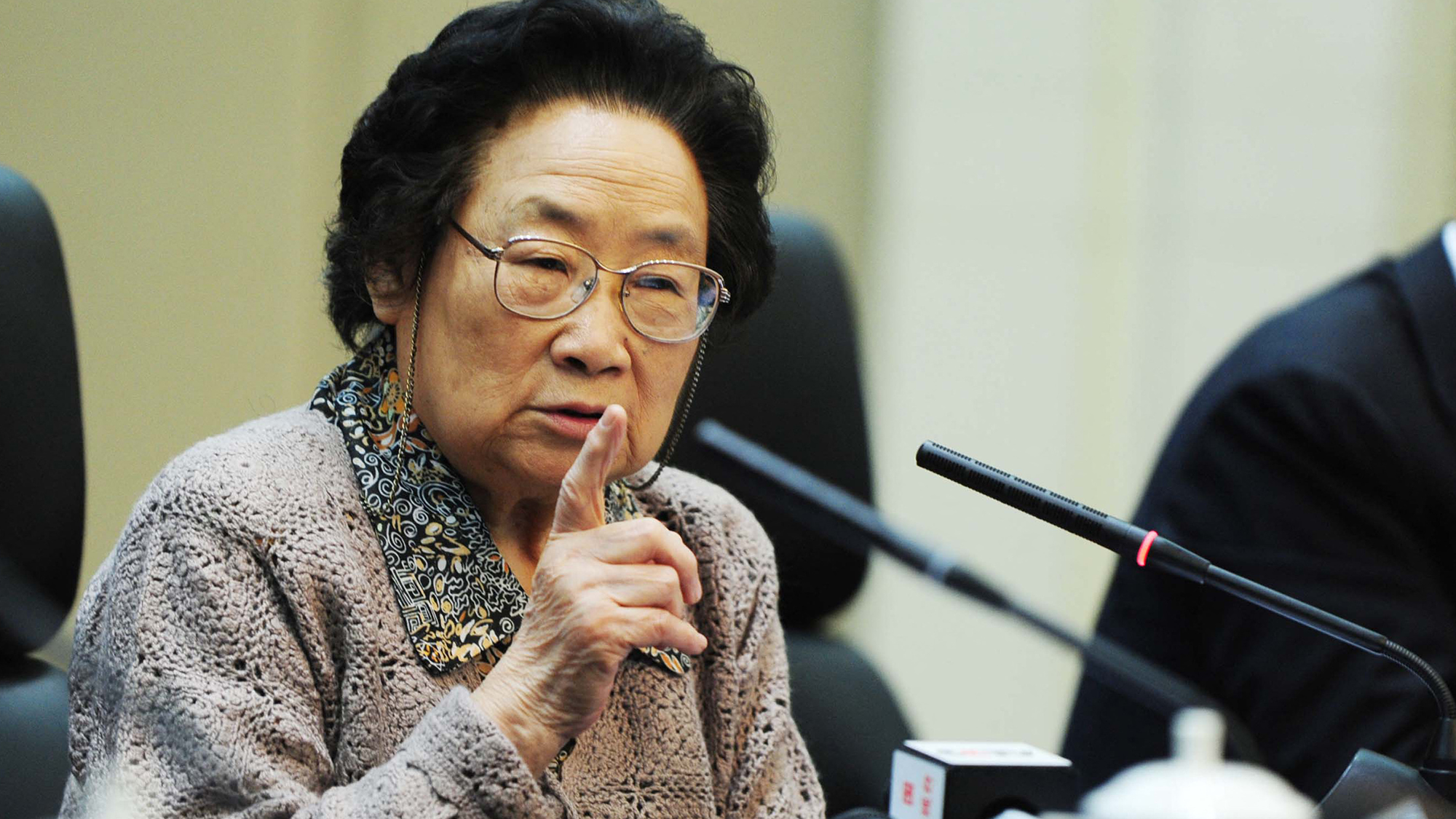
An Asian woman with short curly hair and glasses speaks into a microphone

Nobel Prize winner Tu Youyou (Image credit: STR / Stringer via Getty Images)

There is almost certainly more to find in terms of how they [ancient alchemists] used recipes, how they would try and make gold. Their understanding of the world is something that we don't necessarily have a full grasp of, and we're still piecing it together. There's some wonderful work being done by Matteo Martinelli and others looking at the history of, particularly of Western alchemy emerging in Egypt.

We also have things like Greek fire. We have a pretty good idea how they did it, but if you're looking for what the exact recipe [is], we're still not 100% sure.

HO: It's interesting now, watching modern equivalents taking place. We still, to an extent, try to guard our own knowledge.

KC: Yeah, we do, and I think it's actually a pernicious thing in science. We have this publish-or -perish mentality, which is that if we don't get the paper out first, obviously we lose the patent, but wider than that, we lose the kudos. There's this kind of necessity to kind of hide things. You hear about all kinds of shenanigans ‪—‬ a reviewer delaying a paper until their paper comes out, things like that, all this kind of naughtiness going on.

We've got to recognize that science has moved on certainly from the "Great Man" idea. We're now working collaboratively in teams. That is the only way that modern science gets done. The second, if there is one lesson from the book, it's that if you try and hide science, you delay progress.

If you look at the traditional story of science, we talk about Europe. Occasionally, we might bring in China. But India, Africa, Mesoamerica, South America, North America ‪—‬ every single continent was having scientific discoveries and developments.

The moment you actually start spreading ideas, the real ignition for me for the Renaissance and for what becomes chemistry, is the printing press. It's the fact that ideas can then be shared and accessed by everybody. The moment we start realizing that science is a global endeavor, that everyone can do it ‪—‬ man, woman, child, it doesn't matter your nationality, [it] doesn't matter your ethnic ethnicity, it's for everybody ‪—‬ the sooner we're going to start seeing some major progress that we otherwise wouldn't make.

HO: We see loads of the advances in chemistry and alchemy within civilizational melting pots. What were some of the biggest surprises to you when you were researching the book?

KC: One thing that really annoyed me was, looking through textbooks, you can look at who made zinc, and you come up with a name that came from the 1700s, or how platinum was discovered — that's a fantastic example. Platinum was discovered by a conquistador who noticed that some natives were wearing platinum. But, of course, he didn't discover it; it was discovered by the Indigenous populations.

The amount of science that came out of Mesoamerica, Central America, and the way that science was also being developed in India, it's just kind of completely overlooked. If you look at the traditional story of science, we talk about Europe. Occasionally, we might bring in China. But India, Africa, Mesoamerica, South America, North America ‪—‬ every single continent was having scientific discoveries and developments.

They weren't necessarily developments that we think of in terms of leading to chemistry, but they were dealing with social problems that they had at the time. They were tackling what was in front of them, and we always need to remember when we're looking at history to look at the context of the discoveries.

HO: Which breakthrough did you think was most impressive in terms of the materials or facilities that were available?

KC: One thing that I found sort of striking was, there's a chap called Paracelsus who is absolutely fascinating, absolutely bonkers. Paracelsus is, for me, the archetypical alchemist because he was certainly trying to revitalize medicine and get rid of humor theory and come up with all these ideas. [Editor's note: Humor theory is the idea that human health and temperament were related to four fluids in the body — black and yellow bile, blood and phlegm.] But he also believed that mermaids were real and that they were just out to steal men's souls.
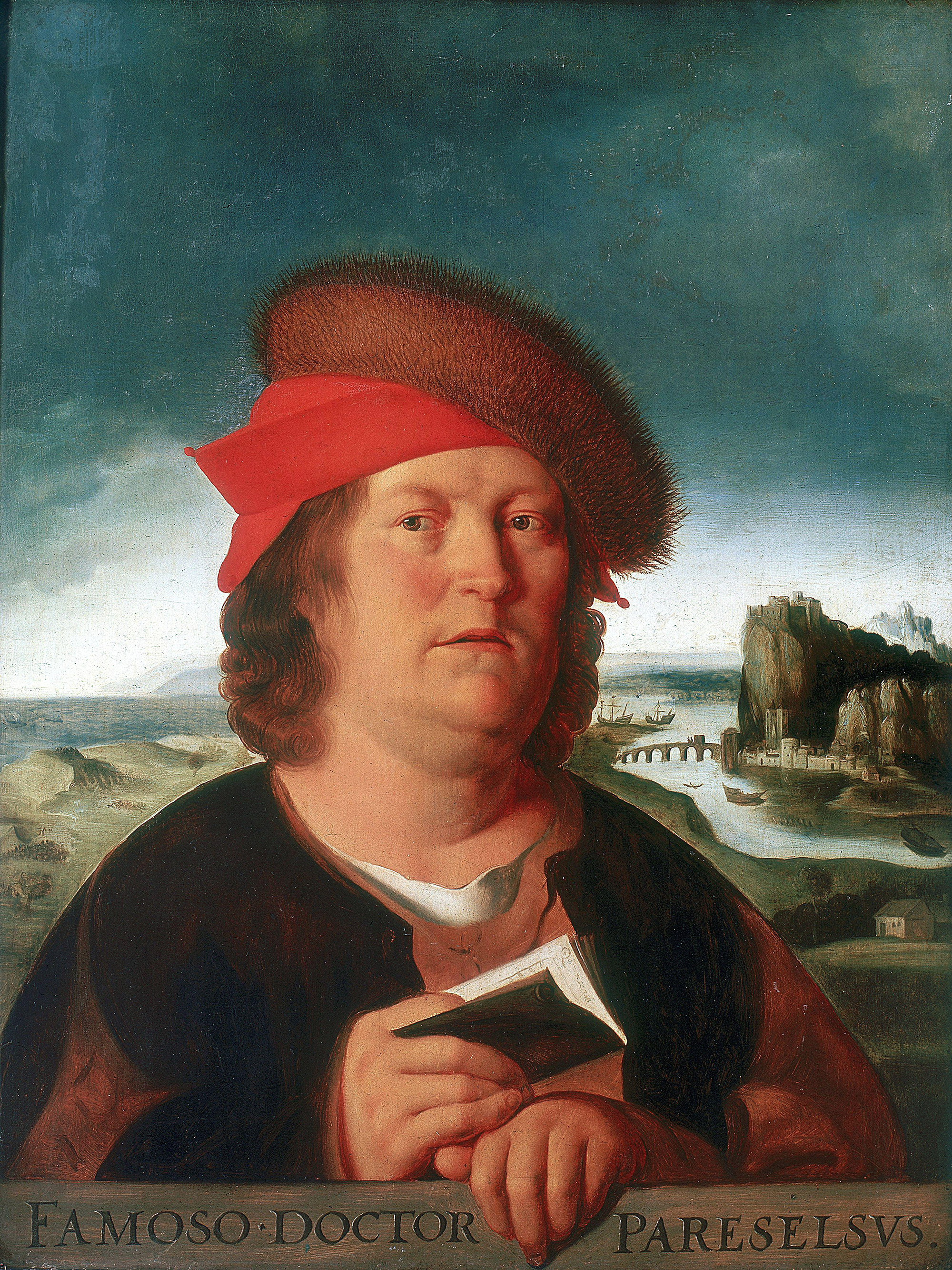
A painting of a man wearing a red hat holding a small book

A painting of Paracelsus. (Image credit: GL Archive via Alamy)

He was a drunk, he had a broadsword, and yet he's the guy that was able to combine what we think of as the traditional herbalist role and the doctors. At that point, doctors weren't even touching patients. They believed that the true skill of a medical man was that you didn't even need to examine a patient; you could just sort of look at them and you'd know what was wrong. He [Paracelsus] was able to say, "No, that's not right; you need to actually test things, and you need to try things." The moment we actually combine those two different threads together is when we actually started to get what becomes of modern medicine. The number of lives that saves is incalculable, so I think that that's one of the great moments.

The other one that always comes to me is Antoine Lavoisier in the French Revolution. He made several great discoveries — the fact that matter can only be changed; it can't be destroyed [at least at low energies]. The idea that if you take something, then obviously there's got to be components to that; you're not making it out of thin air. And coming up with a list of elements in the French Revolution or just before the French Revolution, unfortunately dies, from the guillotine [when Lavoisier was executed].

That, for me, was when we started to get true chemistry. That's when all of the magic is dispelled. I think he [Lavoisier] is, for me, the French equivalent of Isaac Newton. He's incredible.

HO: For you personally, throughout researching and writing the book, what was your biggest takeaway and what was the biggest surprise?

KC: My biggest takeaway is that science happens everywhere continuously through everyone. I traveled around the world for this book; I went to pretty much all of the continents. I didn't go down to Australia; that's about it. Wherever you go, there are discoveries being made. There are people who are trying to make their worlds better.

Science is not for this elite group; it's for everyone. One of the things I try to do with this book is to show people that even if you think that science isn't for you, it absolutely is; you're doing science continuously.

There've been so many [surprises]. One of the things — this is purely because of the way that I was taught and these inherent biases that we have — but it's so easy to overlook the role of women. When you start delving into the role of women in science … You've mentioned Tappūtī; we also have Mary the Jewess. Throughout the Renaissance, we have people like Caterina Sforza and [the] very famous Queen Christina of Sweden, which I didn't mention in the book because I just didn't have space.

The one shocker for me is this book "The Secrets of Isabella Cortese," which was a man pretending to be a woman to sell his science book. For me, [it] just kind of unravels this whole idea that science isn't for everyone.

This interview has been condensed and edited lightly for clarity.
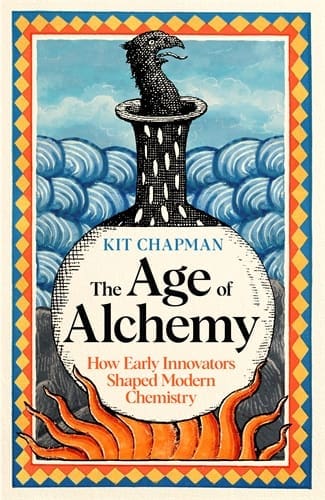
A book cover with a vial over a flame with the title

profilebooks
The Age of Alchemy (Hardback)

"Age of Alchemy" is a fascinating and funny dive into chemistry long before chemistry existed. It captures the ingenuity of humans across cultures and time, revealing how ultimately the work of these early innovators would eventually meld into modern science.
  •  

How to Sync Apple Health Data With Google Health on Your iPhone

Apple Health data can now move between the Health app and Google Health on an iPhone. The connection lets Google Health import supported information recorded by an iPhone, Apple Watch, and compatible apps. The latest Google Health update can also send supported Fitbit information to Apple Health.

This two-way connection is useful for people who wear a Fitbit but prefer Apple’s Health app as the central place for viewing activity, sleep, steps, and other wellness information. It also reduces the need for third-party synchronization apps.

The feature requires a recent version of Google Health. Google began introducing support for sending data back to Apple Health with Google Health version 5.05. Because app updates can roll out gradually, the new sharing options may not appear until the latest version reaches your account.

Update Google Health Before Starting

The Fitbit app became Google Health in 2026. Existing Fitbit users should find that the installed app has changed its name and design after updating. Fitbit accounts must also be moved to an adult Google Account to use the redesigned service.

Google says the Apple Health connection requires iOS 16.4 or later. The iPhone must have internet access while the connection is being created.

To check the iOS version installed on your iPhone:

Settings > General > About > iOS Version

Install the latest compatible iOS update if the phone is running an older release.

To look for an available iPhone software update:

Settings > General > Software Update

Next, confirm that Google Health is current. Version 5.05 or later is required for the newer option that sends supported Google Health and Fitbit information to Apple Health.

To update Google Health from the App Store:

App Store > Profile Picture > Available Updates > Google Health > Update

If Google Health does not appear under Available Updates, search for the app manually. The App Store page may show an Update button if a newer release is available.

To find the app directly:

App Store > Search > Enter Google Health > Google Health (Fitbit)

People who previously used Fitbit should sign in with the Google Account connected to their Fitbit information. Creating a different account may produce an empty Google Health profile.

Two smartphones display Google Health apps; one shows detailed sleep tracking data, and the other presents a health chatbot answering a user’s query about sleep and symptoms. Both screens are clear and on a white background, highlighting how users can manage their health data seamlessly—much like with Apple Health data.
Image Credit: Google

Connect Apple Health Data to Google Health

Connecting the apps allows Google Health to read supported information from Apple Health. This can include data collected by the iPhone, Apple Watch, and other apps that already share information with Apple Health.

To start the Apple Health connection:

Google Health > Connections > Apps and Services > Apple Health > Get Started

Depending on the Google Health version and interface shown on the iPhone, Connections may appear behind the profile icon.

To find Apple Health through the alternative menu:

Google Health > Profile Icon > Partner Apps > Apple Health

Google Health will display a consent screen explaining the connection. Read the information before continuing.

To approve the initial connection:

Sync Google Health With Apple Health > Agree

The iPhone will then display Apple’s health permission screen. This screen lets you decide which information Google Health can read.

To give Google Health access to every supported category:

Apple Health Permission Screen > Turn All Categories On > Allow

You do not have to share every available category. Selecting individual permissions provides more control over sensitive health information.

To share only selected categories:

Apple Health Permission Screen > Select Each Health Category > Allow

Google Health can import supported information such as steps, distance, active energy, exercise records, routes, sleep sessions, sleep stages, heart rate, resting heart rate, heart rate variability, blood oxygen, respiratory rate, body temperature, weight, body fat percentage, water, nutrition information, and some cycle-tracking data.

Available categories depend on the devices and apps connected to Apple Health. An iPhone may provide steps and walking information, while an Apple Watch can contribute heart rate, workouts, sleep, and other measurements supported by the model.

After the permissions are approved, Google Health should confirm that the connection is complete.

To finish the connection:

Google Health Confirmation Screen > Done

New Apple Health information should begin appearing automatically in Google Health. Google has said that imported data can be used across relevant Google Health metrics, although not every external data type is used for every calculation.

To find imported health information:

Google Health > Health > Select a Metric

Google Health may display information from several connected sources together. Its value for a metric can differ slightly from the number shown by Apple Health because the apps may process available data differently.

Send Fitbit Data to Apple Health

Google Health version 5.05 adds the reverse direction that many iPhone and Fitbit users previously lacked. Supported information recorded through Fitbit can now be written into Apple Health.

Before enabling this option, make sure the Fitbit is properly connected to Google Health. Fitbit devices normally synchronize automatically throughout the day when Bluetooth is available and the wearable is near the iPhone.

To check the connected Fitbit:

Google Health > Profile Icon > Devices > Select Your Fitbit

The device page should show the wearable, its battery level, and its most recent synchronization time. Opening Google Health can also prompt a nearby Fitbit to transfer recently collected information.

Once the wearable is updating Google Health correctly, open the Apple Health connection settings.

To open the sharing controls for Apple Health:

Google Health > Profile Icon > Partner Apps > Apple Health

The interface may use Apps and Services instead of Partner Apps on some versions.

To reach the same connection through Apps and Services:

Google Health > Connections > Apps and Services > Apple Health

Follow the prompts for sharing Google Health information with Apple Health. The iPhone may display separate permissions for data that Google Health can read and data that it can write.

To allow supported Fitbit information to appear in Apple Health:

Apple Health Permission Screen > Allow Google Health to Write > Select Health Categories > Allow

Google says supported information can include exercise records, steps, sleep, vitals, and other health data. The exact selection can vary according to the Fitbit model, region, Google Health version, and information stored in the account.

Selecting every category is convenient, but it can create overlapping sources when an iPhone, Apple Watch, and Fitbit record the same type of activity. Choose only the categories you want Google Health to add.

A person who uses a Fitbit mainly for sleep, for example, can allow sleep information while leaving steps disabled. Someone who wears a Fitbit instead of an Apple Watch may prefer to enable steps, workouts, heart rate, sleep, and other supported categories.

A white app icon with a multicolored heart shape in blue, green, yellow, and red is centered on a blurred blue, green, red, and yellow background. An “Apple” label appears in the bottom right corner, highlighting its connection to Apple Health and easy Fitbit sync capabilities.
Image Credit: AppleMagazine

Check Google Health Permissions

Apple Health keeps permission controls on the iPhone. You can change them after the first connection without deleting either app.

To review Google Health access from Apple Health:

Health > Profile Picture > Privacy > Apps > Google Health

The page shows the categories Google Health is permitted to read or update. Turn off any category you no longer want to share.

Some iOS versions provide the same controls through the Sharing tab.

To find Google Health through the Sharing tab:

Health > Sharing > Apps and Services > Google Health

Turning off a permission stops future sharing for that category. It does not necessarily remove information that has already been written to Google Health or Apple Health.

The Google Health app also provides controls for the connection.

To review Apple Health inside Google Health:

Google Health > Connections > Apps and Services > Connected > Apple Health

If Google Health displays a message that new data types are available, open the connection and approve the additional categories you want to use. Newly supported information is not automatically shared without permission.

Manage Duplicate Health Information

An iPhone, Apple Watch, and Fitbit can record similar information at the same time. Apple Health keeps each source attached to its data and uses a priority order when presenting combined measurements.

You can inspect the sources contributing to a category and choose which one Apple Health should prefer.

To review the sources used for step information:

Health > Search > Activity > Steps > Data Sources and Access

The screen shows the apps and devices that provide step records. If Google Health, an Apple Watch, and the iPhone all appear, you can adjust their priority.

To change the order of step sources:

Health > Search > Activity > Steps > Data Sources and Access > Edit > Drag Sources Into the Preferred Order > Done

Move the source you trust most toward the top. Apple Health generally gives higher priority to sources placed above others when similar records overlap.

Repeat the same process for other categories if their totals do not look right. Exercise, sleep, active energy, and distance can each have their own sources and permissions.

A woman wearing a fitness tracker stretches her arm and touches her shoulder in a bright, spacious room, effortlessly syncing her activity to Google Health to monitor her health data.
Image Credit: Google

Fix Missing or Delayed Data

Synchronization is not always immediate. A Fitbit first sends its information to Google Health, and Google Health then writes supported records to Apple Health. Bluetooth availability, Background App Refresh, internet access, and battery-saving behavior can affect this process.

Begin by opening Google Health with the Fitbit close to the iPhone. Wait for the device to complete its normal synchronization before checking Apple Health.

If Apple Health information is missing from Google Health, confirm that the connection remains active.

To check the connection status:

Google Health > Connections > Apps and Services > Apple Health

If Google Health displays an error or a request for new permissions, follow the message shown on the screen.

Background App Refresh can help Google Health update when the app is not open.

To allow Google Health to refresh in the background:

Settings > General > Background App Refresh > Google Health > On

Bluetooth must remain available for a Fitbit to communicate with the iPhone.

To confirm that Bluetooth is enabled:

Settings > Bluetooth > Bluetooth On

If the connection continues to fail, disconnecting and reconnecting Apple Health may restore the permission request.

To disconnect Apple Health from Google Health:

Google Health > Connections > Apps and Services > Apple Health > Disconnect > Confirm Disconnect

Disconnecting the service does not automatically remove every permission already stored by Apple Health. Review the Google Health entry in the Health app if you want to remove those permissions as well.

To remove the remaining Apple Health permissions:

Health > Profile Picture > Privacy > Apps > Google Health > Turn Off All

After reconnecting the apps, allow time for new records to appear. Previously stored information may not transfer in exactly the same way as activity recorded after the connection was enabled.

You can inspect an individual entry to confirm whether it came from Google Health, a Fitbit, an Apple Watch, or the iPhone.

To check the source and time of a synced record:

Health > Search > Select a Health Category > Show All Data > Select the Latest Entry

The post How to Sync Apple Health Data With Google Health on Your iPhone appeared first on AppleMagazine.

  •  

FaceTime Dual Capture: iOS 27’s Biggest Video Call Upgrade

FaceTime Dual Capture is bringing simultaneous front-and-rear camera streaming to video calls in iOS 27, allowing compatible iPhones to show the caller and their surroundings without repeatedly switching between cameras.

The feature expands technology Apple introduced with the iPhone 17 family. Dual Capture already allows the Camera app to record through the Center Stage front camera and a rear camera at the same time. iOS 27 brings a similar capability directly into live FaceTime calls.

During a call, the front camera can continue showing the speaker while the rear camera displays whatever the iPhone is pointing toward. Someone attending a concert can share the performance and remain visible. A parent can show a child playing without disappearing from the conversation. A person asking for technical assistance can remain on screen while directing the rear camera toward the equipment causing the problem.

Dual Capture removes the awkward sequence of switching to the rear camera, showing something, and switching back to continue speaking face to face. Both perspectives remain available inside the same call.

Close-up of the FaceTime app icon on a screen, showing a green background with a white video camera symbol and the label “FaceTime” below it. Highlighted in this iOS 27 interface, a finger is partially visible near the icon.
Image Credit: Thomas Trutschel Photothek/Getty Images

FaceTime Dual Capture Changes Camera Switching

The normal FaceTime camera control changes from a simple front-or-rear choice on supported iPhones. When the caller activates the rear camera, iOS 27 keeps the front camera visible by default.

The main view displays the rear camera feed while a smaller window contains the front camera image. This picture-in-picture arrangement gives the other participant a continuous view of the caller’s reaction, commentary, or explanation.

To activate both cameras during a supported FaceTime call:

FaceTime > Start a video call > Tap the Flip button

Tapping the Flip button turns on the rear camera without immediately removing the front view. The other participant begins receiving both perspectives as part of the FaceTime stream.

The caller can disable the front view when it is no longer needed. This provides a conventional rear-camera presentation for situations where the surroundings should occupy the complete image.

To return to a single camera view:

FaceTime > Tap the camera view > Disable the front camera

The exact labels and placement may change before the public release of iOS 27 because the feature is still being tested in beta software. Its basic behavior is already established: the Flip control activates the rear camera while retaining the front camera feed.

Dual Capture does not create two independent FaceTime calls. Both images belong to one video stream, so the caller does not need a second account, device, or invitation.

The feature also differs from screen sharing. FaceTime screen sharing transmits applications and interface activity from the iPhone display. Dual Capture transmits live video from two physical cameras.

A hand holds a smartphone, recording a video of four people in costume outdoors. A small FaceTime Dual Capture window at the top shows two people smiling during the call. The phone’s screen displays camera controls, powered by iOS 27.
Image Source: Google

Which iPhones Support Dual Capture

Apple has limited FaceTime Dual Capture transmission to the iPhone 17, iPhone 17 Pro, iPhone 17 Pro Max, and iPhone Air. Each model includes Apple’s 18MP Center Stage front camera and the Dual Capture capability introduced in the Camera app.

An older iPhone that supports iOS 27 cannot originate a Dual Capture stream. It continues to use the normal option of selecting either the front camera or a rear camera during a call.

Older models can still receive and display a Dual Capture feed when they are running iOS 27. This allows an iPhone 16 or another supported device to see both views transmitted from an iPhone 17, even though it cannot send the same presentation back.

Both participants need iOS 27 for the new FaceTime layout to work as intended. The transmitting device must also be one of the supported iPhone 17-generation models.

This limitation is based on Apple’s official feature support rather than the simple presence of front and rear cameras. Earlier iPhones have camera hardware capable of operating in several multi-camera applications, but Apple has not extended its native Dual Capture implementation to them.

Third-party applications have offered forms of simultaneous multi-camera recording for years through Apple’s developer frameworks. The difference is that iOS 27 integrates the experience into FaceTime, where users can activate it through the familiar camera-switching control.

iPhone 17 Owners Receive a Second Dual Capture Feature

Describing FaceTime Dual Capture as retro-compatible with the iPhone 17 does not fully explain its relationship with the hardware. The iPhone 17 family introduced Apple’s native Dual Capture recording in 2025, and iOS 27 now gives that existing camera system another purpose.

Inside the Camera app, Dual Capture produces a saved video containing front and rear views. Apple lists support for recording at up to 4K Dolby Vision at 30 frames per second on the iPhone 17.

FaceTime uses the camera pairing for live communication instead. Network quality, bandwidth, device temperature, and FaceTime processing can affect the transmitted resolution, so users should not assume that a call will preserve the Camera app’s maximum 4K recording specification.

The Center Stage front camera also contributes more than resolution. Its square sensor gives the iPhone greater freedom to adjust framing without requiring the device to be physically rotated. Center Stage can help keep the caller positioned inside the smaller front-camera view while the rear camera follows the subject being shared.

That combination makes Dual Capture more useful than placing two untreated camera feeds beside each other. FaceTime can preserve the speaker’s presence while directing most of the screen toward the event, object, or location being discussed.

The feature may require more processing power and energy than an ordinary single-camera call. Running two camera sensors while encoding and transmitting live video can increase battery consumption and device temperature, especially during long calls over cellular data.

Apple has not published separate battery estimates for Dual Capture FaceTime calls. Users planning extended sessions may want access to power and a stable Wi-Fi connection.

FaceTime

iOS 27 Prepares FaceTime for iPhone 18

FaceTime Dual Capture arrives shortly before Apple’s expected iPhone 18 generation, making it likely to become part of how the company demonstrates the new phones’ camera and communication abilities.

Apple has not announced the iPhone 18 lineup or confirmed its final camera specifications. Compatibility with FaceTime Dual Capture is therefore expected from the software’s “iPhone 17 and newer” positioning, but individual iPhone 18 models should not be treated as confirmed until Apple presents them.

The software release gives existing iPhone 17 owners access without requiring another hardware purchase. That approach also provides Apple with a working FaceTime feature before the next iPhone launch rather than introducing the camera mode and communication interface at the same moment.

Future hardware could improve the experience through faster processors, stronger image stabilization, upgraded sensors, or more efficient video encoding. None of those additions is required for the supported iPhone 17 family, which already contains the camera system needed to transmit both views.

Dual Capture is only one part of the FaceTime update. Apple is also improving video-call quality when the network connection is weak, addressing a problem that becomes especially relevant when two live camera views require transmission. Traditional Chinese support is joining FaceTime Live Captions as well.

The weak-connection improvement may determine how dependable Dual Capture becomes away from Wi-Fi. A feature designed for travel, events, repairs, and outdoor calls needs to tolerate changes in cellular bandwidth without freezing both views or forcing the session to end.

FaceTime Dual Capture remains part of the iOS 27 beta as Apple prepares the public update for September. Apple can still adjust the interface, performance, device requirements, and picture-in-picture behavior before the completed software reaches iPhone 17 owners.

The post FaceTime Dual Capture: iOS 27’s Biggest Video Call Upgrade appeared first on AppleMagazine.

  •  

Bonfire Series Stalls at Apple After Creative Split

Bonfire series planned for Apple is no longer proceeding at the streaming service, ending the latest attempt to transform Tom Wolfe’s The Bonfire of the Vanities into an episodic television drama.

The project had assembled a notable creative team. David E. Kelley was attached to write and executive produce, while The Batman director Matt Reeves was expected to direct the eight-episode adaptation and serve as an executive producer through his 6th & Idaho Productions company.

Warner Bros. Television was producing the series, with Sarah Geismer representing 6th & Idaho and Matthew Tinker participating through David E. Kelley Productions.

According to industry reports, Apple and the creative team were not aligned on the direction of the adaptation. Kelley was also reportedly dissatisfied with how the development process had been handled. The exact source of the disagreement has not been disclosed.

Apple has not announced the project as a formal cancellation, and it never received a public premiere date or cast. Its departure from Apple instead ends one stage of development while leaving Warner Bros. Television with the possibility of taking the adaptation elsewhere.

An older man in a striped suit sits at a typewriter, smiling gently at the camera in a warmly lit room with patterned wallpaper—a scene reminiscent of classic storytelling found in the Bonfire series on Apple TV.
Tom Wolfe’s | Image Source: Google

Apple Ends the Project After Four Months

News of the Bonfire series first emerged in April 2026. Kelley was expected to write the adaptation after working with Apple on Presumed Innocent and Margo’s Got Money Troubles, while Reeves would direct after completing his existing film commitments.

The partnership appeared well suited to a complicated literary adaptation. Kelley has extensive experience turning novels into television dramas, including Big Little Lies, The Lincoln Lawyer, Nine Perfect Strangers, Presumed Innocent, and Wolfe’s A Man in Full.

Reeves brought a different set of strengths. His work on The Batman, Dawn of the Planet of the Apes, War for the Planet of the Apes, and Cloverfield demonstrated his ability to handle large casts, morally compromised characters, and cities presented as active elements of the story.

The arrangement also connected Warner Bros. Television with Apple’s preference for recognizable creators and established literary properties. Wolfe’s novel offered a prestigious title, a large ensemble, and a view of New York society that could support a limited-series structure.

The development reportedly lasted only a few months before the creative relationship broke down. No actors had been announced, and there was no indication that cameras were close to rolling.

The absence of production activity makes the development easier to stop than a commissioned series with actors, sets, and crews already under contract. It also means Apple can leave the project without abandoning completed episodes or disrupting a release calendar.

Development Never Reached Production

A television project entering development is not the same as a series receiving a complete production order. Writers can prepare scripts, directors can become attached, and studios can negotiate with a streaming service before a final budget or filming commitment is approved.

The Bonfire of the Vanities was widely discussed as an eight-episode Apple adaptation, but Apple never unveiled it through its official press service. The project did not appear with a cast, production date, first-look image, or planned release window.

That distinction makes “stalled” more accurate than suggesting that Apple canceled a finished series. The adaptation remains intellectual property controlled through its rights and production arrangements, but the version developed for Apple has stopped advancing.

Creative alignment can cover several areas, including tone, period setting, episode structure, budget, casting, and how closely a project follows its source. None of those issues has been identified publicly as the specific cause of the disagreement.

The source material presents difficult choices. Wolfe wrote the novel as a detailed portrait of 1980s New York, with Wall Street, tabloid journalism, city politics, race, class, and personal ambition colliding around a single incident.

An adaptation could preserve that period or move the story into a contemporary financial and media environment. Keeping the 1980s setting would retain the social ecosystem Wolfe observed, while modernization would require substantial changes to technology, journalism, policing, politics, and the financial industry.

Reports of creative differences do not establish which approach Apple, Kelley, Reeves, or Warner Bros. preferred. Until one of the parties discusses the project, the disagreement remains undefined.

Apple TV logo with a glowing apple icon and the letters "tv" on a vibrant gradient background, shifting from orange to purple and blue—reflecting the dynamic spirit of Apple TV competition. The small Apple logo appears in the bottom right corner.
Image Credit: AppleMagazine

A Difficult Novel to Translate

Published in 1987 after being serialized in Rolling Stone, The Bonfire of the Vanities follows Sherman McCoy, a wealthy bond trader who considers himself a “Master of the Universe.”

McCoy’s protected life begins collapsing after he and his mistress take a wrong turn into the Bronx. Their encounter with two young Black men ends in a hit-and-run, creating an opportunity for journalists, attorneys, politicians, activists, and social climbers to exploit the case.

The novel spreads its attention across several communities and institutions. Its satire depends on the reader observing how each group manipulates the incident while claiming moral authority. That scope gives television more room than a feature film, but it also requires precise control of perspective and tone.

Brian De Palma directed the previous film adaptation, released by Warner Bros. in 1990. Tom Hanks played Sherman McCoy alongside Melanie Griffith, Bruce Willis, Morgan Freeman, Kim Cattrall, and F. Murray Abraham.

Despite the cast and an estimated production budget of approximately $47 million, the film earned about $15.6 million domestically. Critics objected to its casting, tonal decisions, and changes to Wolfe’s characters.

The difficult production later became the subject of Julie Salamon’s The Devil’s Candy, a detailed account of how an expensive adaptation made by accomplished filmmakers deteriorated through compromises and conflicting decisions.

The film’s reputation has followed every subsequent effort to revisit Wolfe’s novel. A television version has frequently been proposed as a better format because it can preserve more characters, institutional detail, and social context.

Amazon began developing an eight-episode adaptation in 2016 with Chuck Lorre and Warner Bros. Television. That version was intended to update the story while approaching it through themes of race, class, politics, and media. It never entered production.

Apple’s attempt therefore becomes another chapter in a long development history rather than the first revival since De Palma’s film.

The Kelley Relationship May Continue

The collapse of this project does not necessarily end David E. Kelley’s relationship with Apple. His adaptation of Presumed Innocent became a major drama for the service, while Margo’s Got Money Troubles expanded his work with the company into comedy-drama.

Large producers and streaming services regularly continue working together after deciding against an individual project. Each adaptation has its own creative, financial, and scheduling demands.

The reported dissatisfaction does introduce uncertainty around whether Kelley would remain involved if Warner Bros. Television places the series with another distributor. Reeves’ position is similarly unknown, particularly because directing all eight episodes would require a substantial scheduling commitment.

Apple can continue expanding its collection of literary adaptations without Bonfire. Its existing slate includes projects derived from novels, nonfiction books, short stories, podcasts, and magazine reporting, often with established filmmakers receiving considerable creative control.

The decision also illustrates how selective Apple can be before production. Projects in development may attract prominent writers and directors without ever becoming Apple Originals available to subscribers.

Warner Bros. Television remains attached as the studio behind the adaptation, giving it a potential route to another streaming service or network. No new buyer, revised creative team, or timetable has been reported for The Bonfire of the Vanities.

The post Bonfire Series Stalls at Apple After Creative Split appeared first on AppleMagazine.

  •  

Apple Lawsuit: OpenAI Seeks Dismissal of Trade Secrets Case

Apple lawsuit against OpenAI has reached its first major procedural challenge, with the ChatGPT developer asking a US federal judge to dismiss allegations that it acquired or used trade secrets taken by former Apple employees.

OpenAI submitted its 31-page dismissal motion on Wednesday in the US District Court for the Northern District of California. The filing argues that Apple has not adequately identified protectable trade secrets or alleged facts showing that OpenAI misappropriated confidential information.

Apple filed the case on July 10 against OpenAI, its io Products hardware operation, former Apple Vice President Tang Yew Tan, and former electrical engineer Chang Liu. The complaint accuses the defendants of obtaining information connected to Apple’s product development, manufacturing, components, testing, and supply chain operations.

The allegations have not been proven, and OpenAI denies possessing or seeking Apple’s trade secrets. US District Judge Edward Davila must now decide whether Apple’s complaint contains enough factual detail for the litigation to continue.

OpenAI Challenges the Apple Lawsuit

OpenAI’s motion focuses initially on how Apple described the information it claims was stolen. According to OpenAI, the complaint relies on generalized product-development categories without identifying the protected information with enough precision.

Trade secret plaintiffs face a difficult balance at the beginning of litigation. Apple must describe the protected material sufficiently to establish a plausible legal claim, but revealing the material publicly could expose the same information it is trying to protect.

Sensitive details can later be handled under seal or through a protective order. At the dismissal stage, however, Apple must still provide enough information for the court to distinguish genuine trade secrets from general engineering knowledge, employee experience, or skills acquired through years of work.

OpenAI argues that Apple has not crossed that threshold. Its motion says the complaint fails to establish ownership of a protectable trade secret and does not plausibly allege that OpenAI acquired, disclosed, or used such information.

The filing also disputes the commercial premise behind Apple’s accusations. OpenAI says it is developing products that are different from Apple’s hardware and has no need or desire to use the iPhone maker’s confidential material.

That position does not settle whether information was taken. A company can potentially misappropriate trade secrets even when its eventual product has a different design. The court’s immediate task is narrower: determining whether Apple has alleged facts that could support its claims if those facts are later proven.

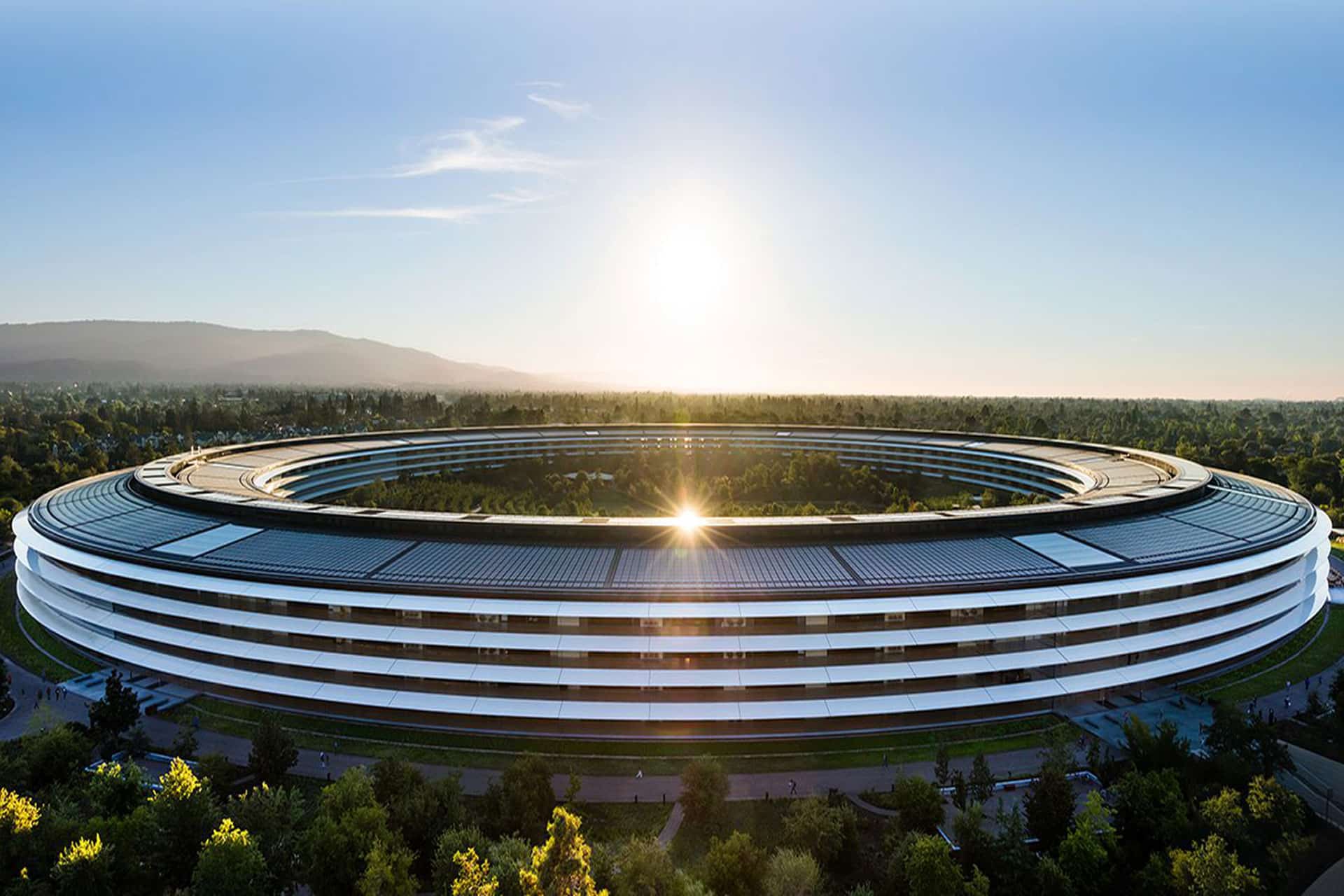
The image shows a large, circular modern building surrounded by trees, with the sun rising or setting in the background. The sleek, white architecture resembles Apple’s campus—an icon often seen in discussions about their Q2 earnings.
Apple Park | Image Source: Google

Disputed Access to Apple Information

Apple’s complaint centers partly on Chang Liu, who spent eight years working as a senior system electrical engineer at the company before joining OpenAI in January 2026.

Apple alleges that Liu retained an Apple-issued computer and accessed confidential technical information after leaving. It claims he exploited residual authentication access on multiple occasions to obtain internal documents while already working for OpenAI.

OpenAI presents a different explanation. It says Apple employees contacted Liu after his departure and asked him to help locate files needed for ongoing Apple work. The company published redacted messages that it says support this account.

OpenAI argues that Apple’s systems and policies allowed personal and corporate information to become intermingled through iCloud accounts. Former employees, it says, could retain access to Apple files without requesting it or realizing that access remained active.

The motion maintains that Apple cannot treat the foreseeable effects of its own access-management practices as proof that former employees intentionally stole data. Apple, in contrast, alleges that its records document repeated access to restricted information rather than an accidental discovery of lingering permissions.

These competing accounts are likely to become central if the case enters discovery. Authentication logs, downloaded files, device records, internal communications, and employment timelines could establish whether access was deliberate, what information was obtained, and whether it reached anyone working on OpenAI products.

A dismissal motion normally tests whether the complaint states a legally sufficient claim. It is not a trial, and the judge is not expected to resolve every factual disagreement using competing evidence at this point.

Tang Tan and OpenAI’s Hardware Team

Apple separately accuses Tang Tan, OpenAI’s chief hardware officer, of seeking confidential information from Apple employees during recruiting conversations.

Tan spent more than 24 years at Apple and worked on products including the iPhone, Apple Watch, AirPods, and iPod. He later helped establish io Products with former Apple design chief Jony Ive and other collaborators. OpenAI acquired the hardware company as part of its effort to create a family of devices built around artificial intelligence.

Apple alleges that Tan used confidential project names, retained internal materials, and encouraged job candidates to discuss unreleased components or bring physical parts to interviews. OpenAI rejects the claim that these interactions formed a coordinated effort to collect Apple secrets.

OpenAI says Tan repeatedly instructed employees that confidential information from previous employers could not be brought into its organization. It also offers an alternative explanation for an Apple offboarding document found in his possession, arguing that Tan retained it to help incoming employees comply with Apple’s departure procedures.

Apple’s position is that the document and recruiting communications must be examined alongside the other alleged conduct. It describes the events as part of a connected campaign rather than isolated employment or administrative issues.

The dispute comes during intense competition for engineers capable of developing consumer AI hardware. Apple alleges that more than 400 former employees have moved to OpenAI, although hiring people from a competitor does not by itself establish trade secret misappropriation.

A company must generally connect recruitment to the acquisition, disclosure, or use of protected information. OpenAI is relying heavily on that distinction, presenting Apple’s lawsuit as an attempt to respond to employee departures and its difficulties competing for AI talent.

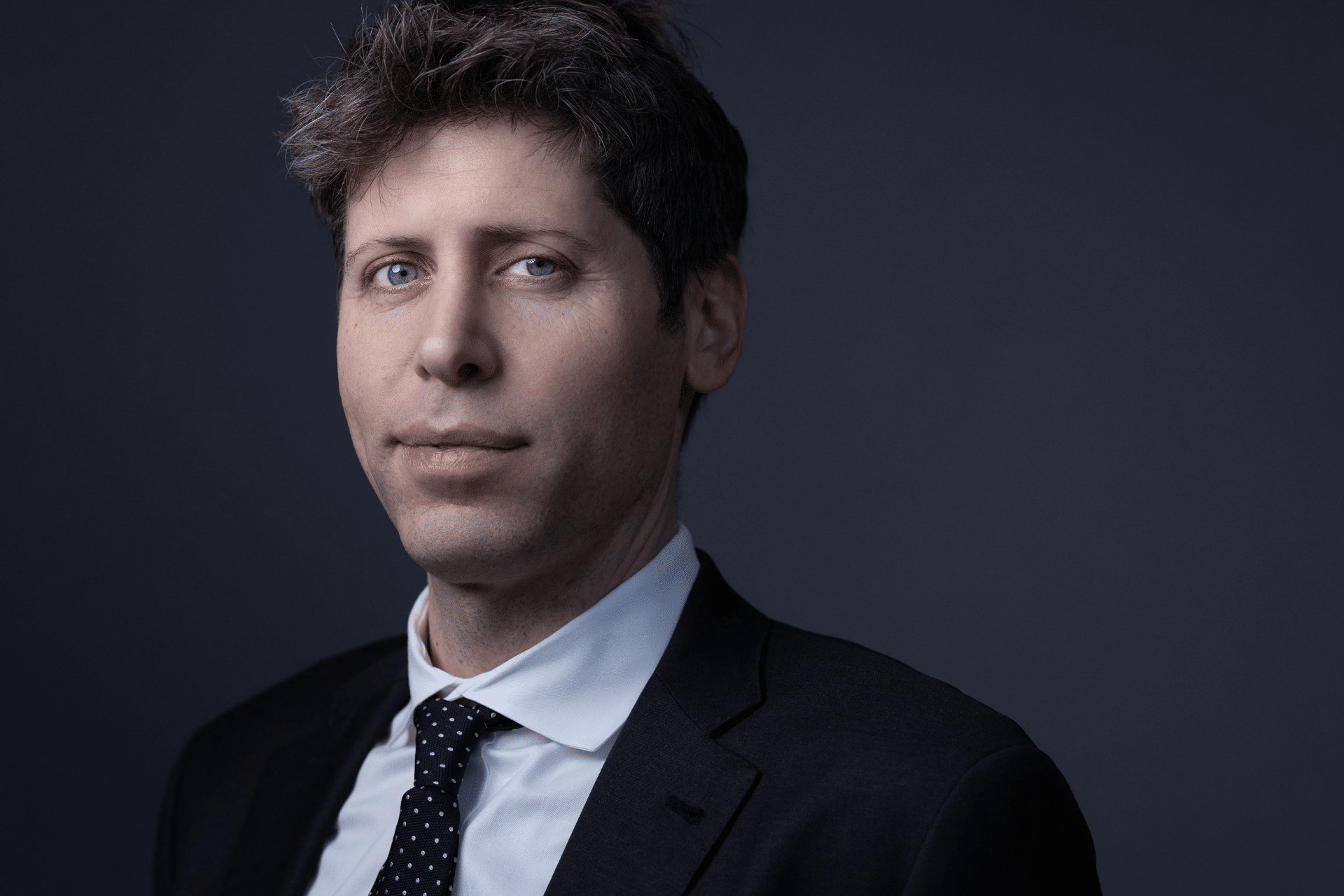
A man with light skin, short brown hair with some gray, and blue eyes—resembling Sam Altman of rocket company fame—wears a black suit, white shirt, and black polka dot tie while posing against a dark gray background.
Image Credit: Getty Images

Apple Seeks Immediate Restrictions

OpenAI’s dismissal request arrives shortly after Apple asked the court for a preliminary injunction. Apple wants restrictions imposed while the lawsuit proceeds, arguing that it could suffer harm if its confidential information is used during OpenAI’s hardware development.

The requested relief would prevent OpenAI and the individual defendants from acquiring, accessing, using, or disclosing the alleged trade secrets. Apple has also requested expedited discovery and forensic examination of relevant devices and accounts.

OpenAI says those restrictions are unnecessary because it does not possess or want Apple’s protected information. It has described Apple’s request as based on false information and has offered to cooperate in addressing specific concerns.

The two companies also disagree over their communications before the lawsuit. Apple initially said its concerns had been raised with OpenAI months earlier. OpenAI responded that Apple’s outside lawyers contacted the wrong person after confusing names and incorrectly described a conversation with OpenAI’s general counsel.

OpenAI says Apple did not present the specific accusations before filing the case and that the companies had previously discussed resolving any access issues. Apple has since provided additional information in support of its injunction request, including allegations involving other former employees.

These disputes have moved beyond ordinary court filings. OpenAI published messages and emails on its website to support its version of events, calling Apple’s lawsuit aggressive and poorly investigated. Apple has primarily presented its account through formal legal submissions.

Judge Davila could dismiss some or all of Apple’s claims, deny the motion, or allow Apple to amend its complaint with more specific allegations. Even a dismissal would not necessarily end the case if permission to revise the complaint is granted.

The next scheduled public test is an October 1 hearing covering Apple’s preliminary injunction and request for early discovery. That proceeding may determine whether OpenAI faces immediate limits on its hardware work before the underlying trade secret claims receive a full evidentiary review.

The post Apple Lawsuit: OpenAI Seeks Dismissal of Trade Secrets Case appeared first on AppleMagazine.

  •  

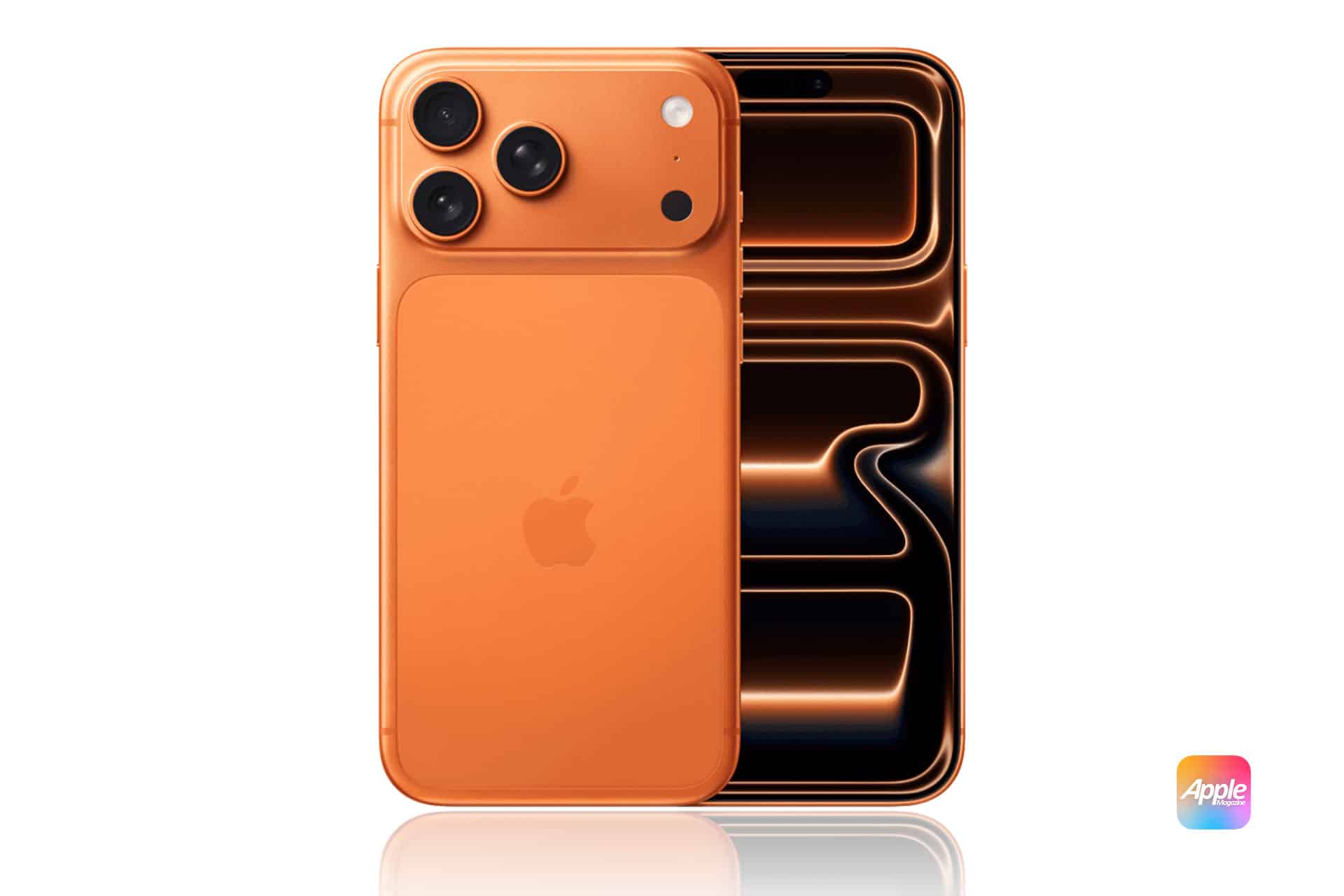
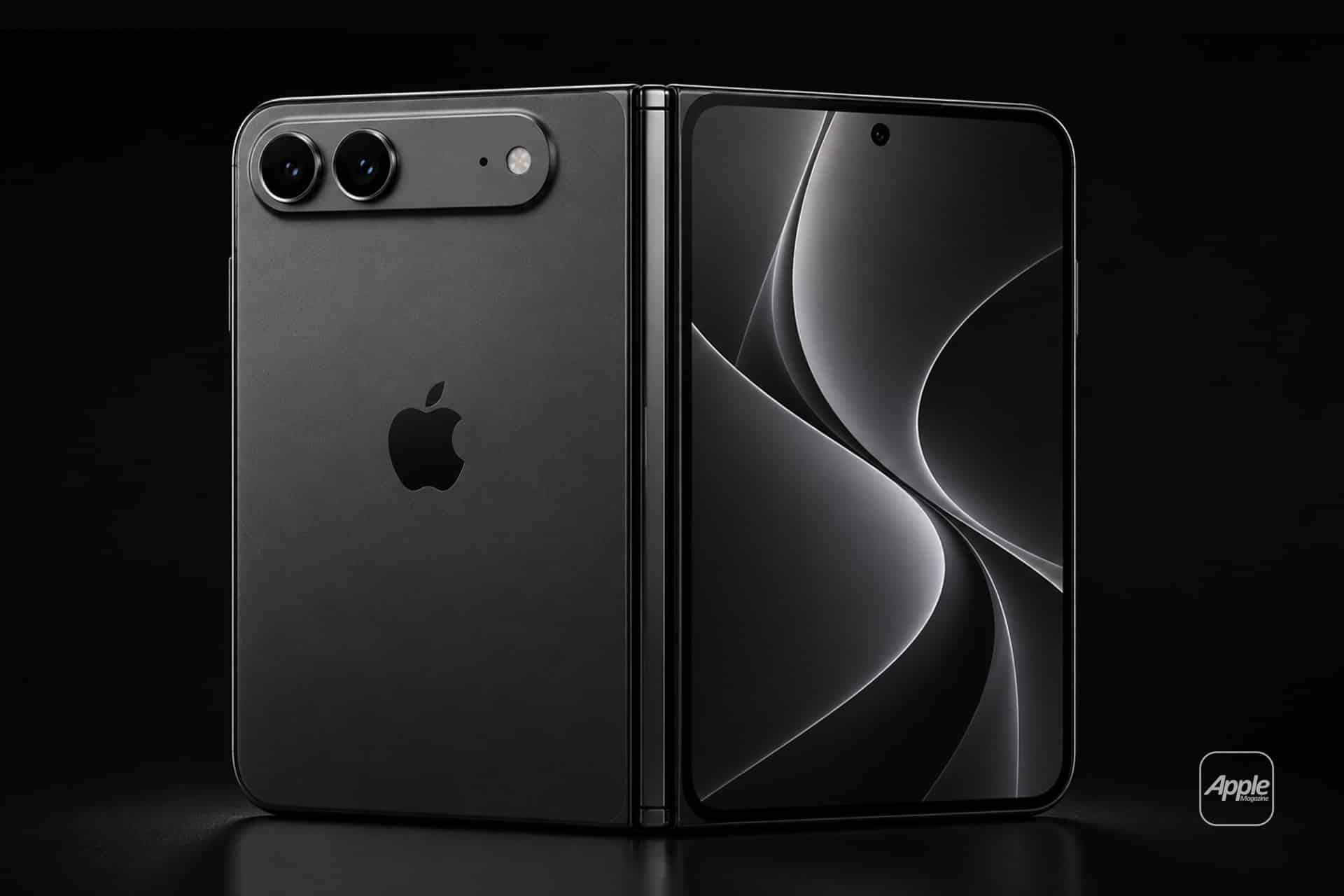
iPhone Ultra Price Could Take Apple’s Foldable Beyond $2,000

The iPhone Ultra price could establish an entirely new tier within Apple’s smartphone range. Current estimates place the company’s first foldable iPhone above $2,000, with some industry forecasts suggesting an average selling price near $2,500 and higher-storage configurations approaching $3,000.

Apple has not confirmed the device, its name, or its retail price. The iPhone Ultra branding also remains unofficial, although it has appeared repeatedly in reports concerning Apple’s planned expansion beyond the Pro and Pro Max levels.

The foldable is expected to join the iPhone 18 Pro family during Apple’s fall hardware cycle. Rather than replacing the iPhone Pro Max, it would sit above it as a separate model built around a book-style design and a display that expands to approximately the size of a small tablet.

A price beyond $2,000 would make it the most expensive iPhone Apple has released. The current iPhone 17 Pro Max starts at $1,199 in the United States, leaving a difference of at least $800 between Apple’s established flagship and the lowest estimates for the foldable.

Recent projections have pushed that gap even wider. Reports citing analyst Ming-Chi Kuo have discussed a possible range between $2,300 and $2,500, while an IDC estimate cited in supply-chain coverage placed the average selling price at approximately $2,500. Storage upgrades could take selected configurations closer to $3,000.

An orange smartphone, resembling an iPhone, is shown with both its front and back visible. The screen glows with an abstract pattern, and a small, colorful Apple logo appears—ideal for Belgian consumers exploring iPhone contracts or Lyca Mobile eSIM.

iPhone Ultra Price Creates a New Flagship Tier

Apple has spent years arranging the iPhone range around a price ladder. Standard models serve the center of the market, while Air and Pro devices address different preferences involving weight, cameras, materials, performance, and display size.

A foldable iPhone would require another level. Its internal display, hinge, structural materials, battery arrangement, and manufacturing tolerances introduce costs that do not exist in a conventional iPhone.

The rumored hardware points to a device intended to combine phone and tablet functions. Reports describe an outer screen measuring about 5.5 inches and an internal display of approximately 7.8 inches. When closed, the product would operate as a compact iPhone. Opening it would provide enough space for larger applications, side-by-side content, expanded video, and an iPad-style software interface.

Apple is reportedly developing interface changes that would let applications take greater advantage of the internal display instead of simply enlarging an iPhone layout. That software work may become one of the main distinctions between the device and existing foldables, particularly if Apple can connect it closely with iPad multitasking conventions.

The hinge is expected to use liquid metal, an amorphous alloy chosen for strength and resistance to deformation. Apple has also reportedly focused on reducing the visible display crease, one of the most recognizable compromises found on current folding phones.

Those elements help explain a premium price without guaranteeing that customers will accept it. A $2,000-plus phone would compete for spending that could otherwise purchase an iPhone and an iPad, a high-end Mac, or several years of conventional smartphone upgrades.

The device would therefore need to offer more than the novelty of a folding screen. Durability, battery life, camera performance, application behavior, repair costs, and long-term display reliability will influence whether buyers view the iPhone Ultra as a versatile computer or an unusually expensive phone.

Costly Engineering Behind the Fold

Rumors suggest Apple may use Touch ID in the side button instead of Face ID. The change would not necessarily represent a retreat from facial authentication across the rest of the iPhone range. A foldable chassis has limited internal space, and eliminating the TrueDepth camera hardware could help Apple manage thickness around the outer and inner displays.

The reported design includes two rear cameras and front-facing cameras accessible in both folded and unfolded positions. That arrangement may leave the iPhone 18 Pro Max with the more extensive photography system, despite the foldable carrying a much higher price.

Such a decision would position the iPhone Ultra around form factor and productivity rather than making it the automatic leader in every specification. Apple has used similar distinctions elsewhere, allowing one product to command a premium for its design while another retains advantages in cameras, battery endurance, or sustained performance.

Display production is another source of expense. Folding OLED panels require flexible materials, protective layers, specialized hinges, and tighter assembly controls. Apple’s reported pursuit of a nearly crease-free screen may increase component costs and reduce early manufacturing yields.

The company is also entering the category after competitors have spent several generations addressing hinge failures, screen damage, dust protection, and application scaling. Arriving later gives Apple access to a more mature supply chain, but its design standards may create additional production challenges.

Industry estimates suggest Apple’s arrival could help raise the average selling price of book-style foldables throughout 2026. Competitors already sell premium folding phones, yet a model priced near $2,500 would push the category further away from mainstream flagship pricing.

iPhone Ultra price - A sleek, black, foldable iPhone with the Apple logo, shown half-open with dual rear cameras and a modern abstract wallpaper on the inner display, set against a dark background.
Image Credit: AppleMagazine

Apple Upgrade Softens the Monthly Number

Apple Upgrade could make the iPhone Ultra price appear less intimidating at checkout. The Klarna-backed program lets eligible US customers lease selected Apple devices through fixed monthly payments rather than covering the entire retail price upfront.

Current iPhones can be leased for 12 or 24 months. At the end of the term, customers may return the device, move into another eligible Apple product, or pay the remaining amount required to keep it.

That structure can produce lower monthly payments than traditional financing because the customer is not necessarily paying the entire purchase price during the lease. Part of the product’s value remains in the device at the end of the agreement.

A future iPhone Ultra could fit naturally into this model. Its high retail price and expected resale value would give Apple and Klarna room to separate the cost of using the phone for two years from the cost of owning it permanently.

No monthly figure has been announced for the foldable. Apple cannot price an Apple Upgrade lease until it establishes the phone’s retail cost, residual value, eligible term, and trade-in conditions. A simple calculation that divides $2,000 or $2,500 by 24 months would therefore be misleading.

The monthly charge may be considerably lower than a standard purchase installment, but the customer does not automatically own the iPhone after making the scheduled lease payments. Keeping it requires an additional payment based on the remaining value specified by the agreement.

AppleCare+ is also separate from the current Apple Upgrade lease price. That differs from the former iPhone Upgrade Program, which bundled AppleCare+ coverage into its monthly payments. Protection could be particularly relevant for an expensive first-generation foldable containing a flexible display and complex hinge.

Trade-in credit may reduce the monthly charge, while storage selection would push it higher. Sales tax, cellular service, accessories, and optional protection would remain additional costs. Apple Upgrade changes when and how customers pay, but it does not turn a $2,000-plus product into a lower-priced iPhone.

Limited Supply Could Intensify Early Demand

Apple is reportedly preparing millions of foldable units, but production may be heavily weighted toward the final months of 2026 and 2027. Supply-chain estimates have ranged from 7 million to 10 million devices, with different reports using different production periods and assumptions.

The foldable may be announced alongside the iPhone 18 Pro and iPhone 18 Pro Max but reach customers later. That would resemble the 2017 launch of the iPhone X, which was introduced with the iPhone 8 family in September and released in November.

A delayed retail date would give Apple more time to accumulate inventory while preserving the device’s place in its fall presentation. It could also place the iPhone Ultra into the holiday quarter with considerable demand concentrated around a relatively small supply.

High pricing does not necessarily prevent shortages during the first weeks of an Apple product launch. Early adopters, developers, collectors, and customers waiting specifically for an Apple foldable represent a smaller audience than the conventional iPhone market, but they may still outnumber the units available at release.

Apple Upgrade could add another source of demand by replacing the full retail figure with a monthly lease price inside the Apple Store. That presentation may make the phone accessible to customers who would reject a $2,500 purchase while accepting a recurring payment and returning the device later.

Kuo expects only 500,000 to 1 million foldable iPhones to ship during the third quarter, a supply level that could push some deliveries four to six weeks beyond the opening preorder window.

The post iPhone Ultra Price Could Take Apple’s Foldable Beyond $2,000 appeared first on AppleMagazine.

  •  

A dependency map enhanced with next-generation 3D cancer models

Nature, Published online: 05 August 2026; doi:10.1038/s41586-026-10843-7

Integration of genome-scale CRISPR screening data from traditional cell lines and next-generation cancer models expands the representation of tumour subtypes and genomic alterations in The Cancer Dependency Map.
  •  

An entangling gate for dual-rail erasure qubits

Nature, Published online: 05 August 2026; doi:10.1038/s41586-026-10822-y

A fast, low-error entangling gate for dual-rail cavity erasure qubits preserves a strong error hierarchy, advancing scalable quantum error correction with substantially improved fault-tolerant performance.
  •  

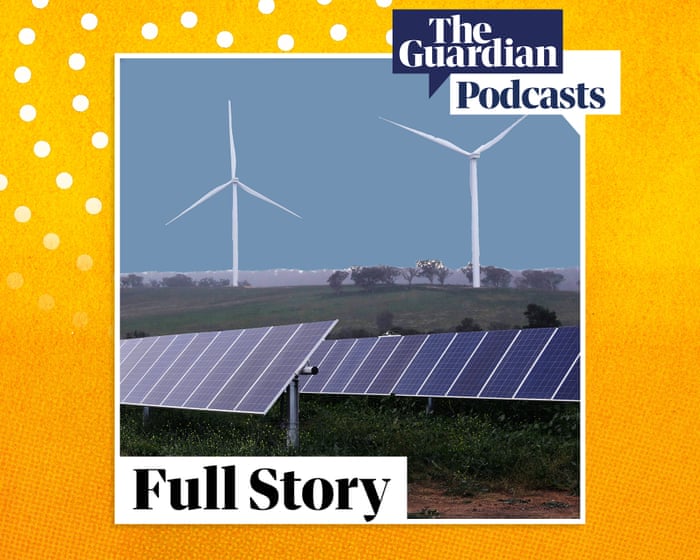
The ‘extremely effective’ campaigns undermining support for renewables – podcast

Despite most Australians supporting clean technology, the campaign against wind and solar infrastructure has proven to be effective, striking a chord with many of those living in remote and rural areas. So how do we bring everyone along on the transition to a renewable energy-focused future? And who’s putting up roadblocks?

The Guardian’s environment and climate correspondent Graham Readfearn joins Reged Ahmad to unpack Australia’s relationship with renewables

Read more:

‘Extremely effective’ organised campaigns against wind and solar undermining support for renewable energy

Karl’s ‘great net zero debate’ was anything but – so beware Coalition claims of renewables taking over ‘two Tasmanias’

Continue reading...

© Composite: Carly Earl

© Composite: Carly Earl

© Composite: Carly Earl

  •  
❌