❌

Reading view

SpaceX launches 24 Starlink satellites to orbit from California (video)

SpaceX launched another batch of its Starlink broadband satellites to orbit today (Aug. 8) from California's scenic central coast.

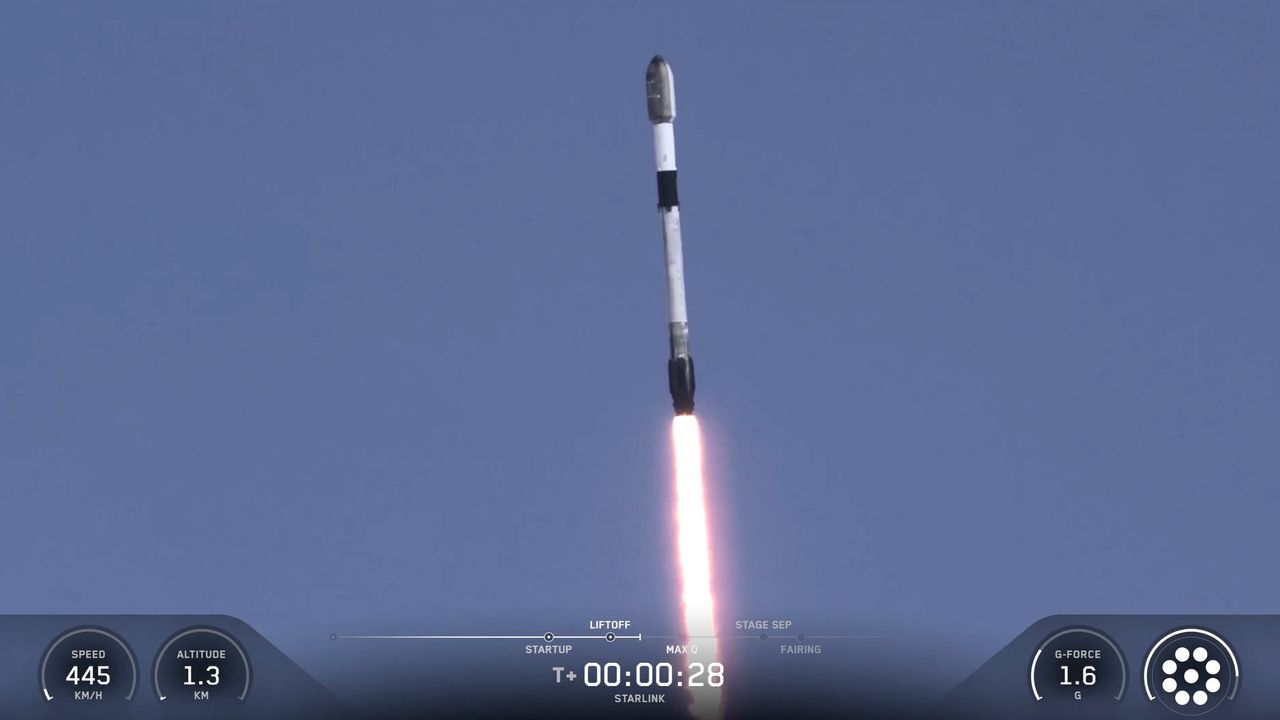
A Falcon 9 rocket lifted off from Vandenberg Space Force Base today at 12:35 p.m. EDT (1635 GMT; 9:35 a.m. local time), carrying 24 of the internet-beaming spacecraft to low Earth orbit (LEO).

The rocket's first stage returned to Earth as planned about 8.5 minutes later, landing in the Pacific Ocean atop the SpaceX droneship "Of Course I Still Love You." It was the 16th flight for this particular booster, which is designated B1093.

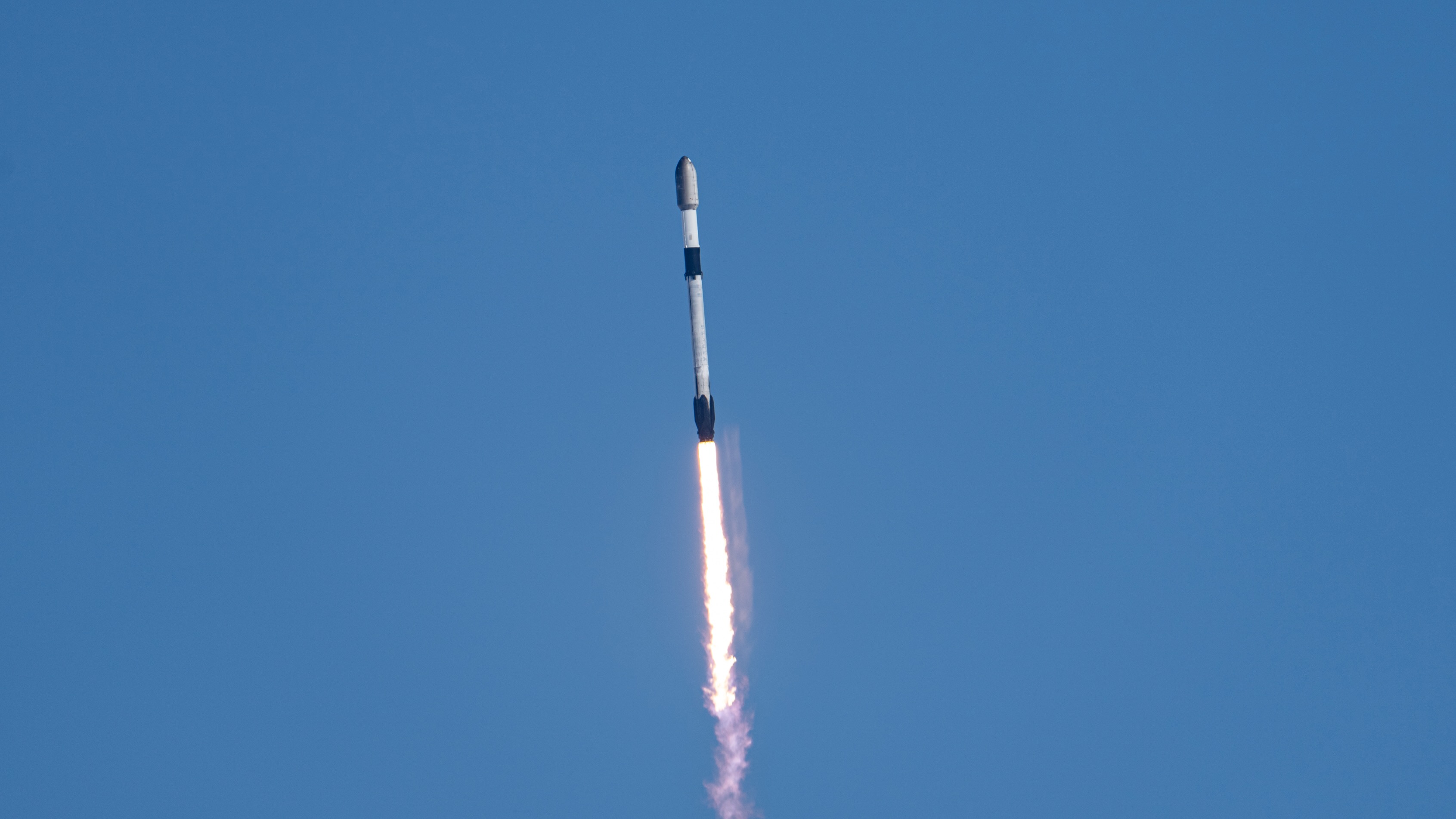
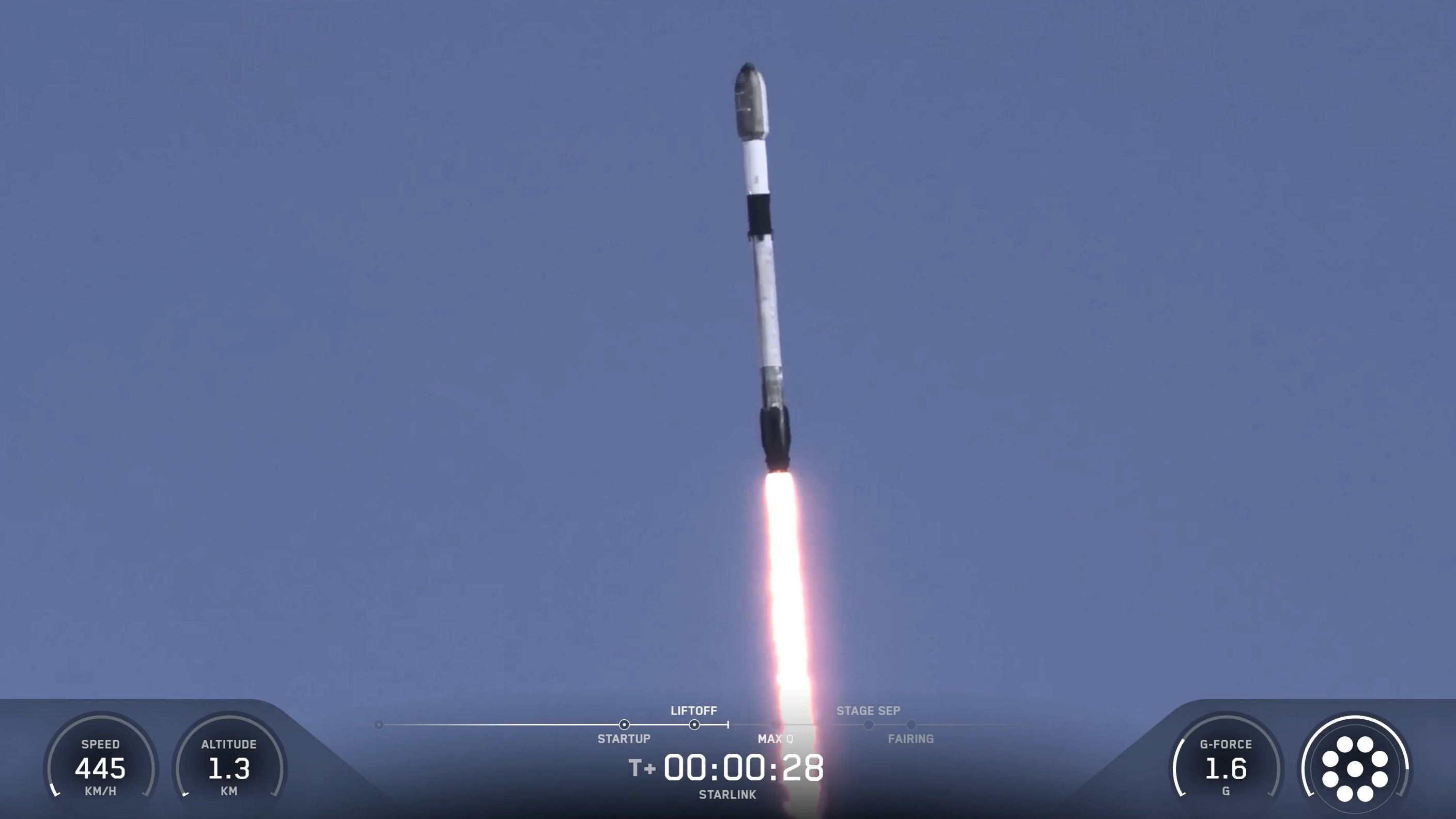
a black-and-white spacex falcon 9 rocket launches into a blue sky.

A SpaceX Falcon 9 rocket launches 24 Starlink internet satellites from California's Vandenberg Space Force Base on Aug. 8, 2026. (Image credit: SpaceX)

B1093's most recent flight before today was on July 14, when it launched 27 Starlink satellites to LEO from Vandenberg.

Meanwhile, the Falcon 9's upper stage continued carrying the 24 Starlink satellites toward LEO today, deploying them about 61 minutes after liftoff as planned.

Previous Booster B1093 launches

SDA-T1TL-B | SDA-T1TL-C | Transporter-16 | 12 Starlink missions

Today's launch was the 92nd Falcon 9 liftoff of 2026, and the 71st of the year devoted to building out the Starlink megaconstellation.

Starlink, by far the largest orbiting network ever assembled, currently consists of more than 10,900 active satellites β€” and it's growing all the time.

  •  

'Not looking good right now': Starship likely to be lost at sea 2 weeks after epic 13th test flight, Elon Musk says

It looks like Starship's two-week-long ocean adventure won't have a happy ending.

The SpaceX megarocket conducted its 13th test flight on July 24, lifting off from the company's Starbase site in South Texas. Things went pretty well on Flight 13, especially for Starship's 171-foot-tall (52 meters) upper stage, known as Ship, which splashed down as planned in the Indian Ocean off the coast of Western Australia.

In an unexpected first, Ship survived that homecoming, staying in one piece even after toppling over and hitting the waves. It remains intact still, and SpaceX is towing it toward shore in Western Australia to get a better look. But the ambitious effort is unlikely to succeed, SpaceX founder and CEO Elon Musk told us today (Aug. 7).

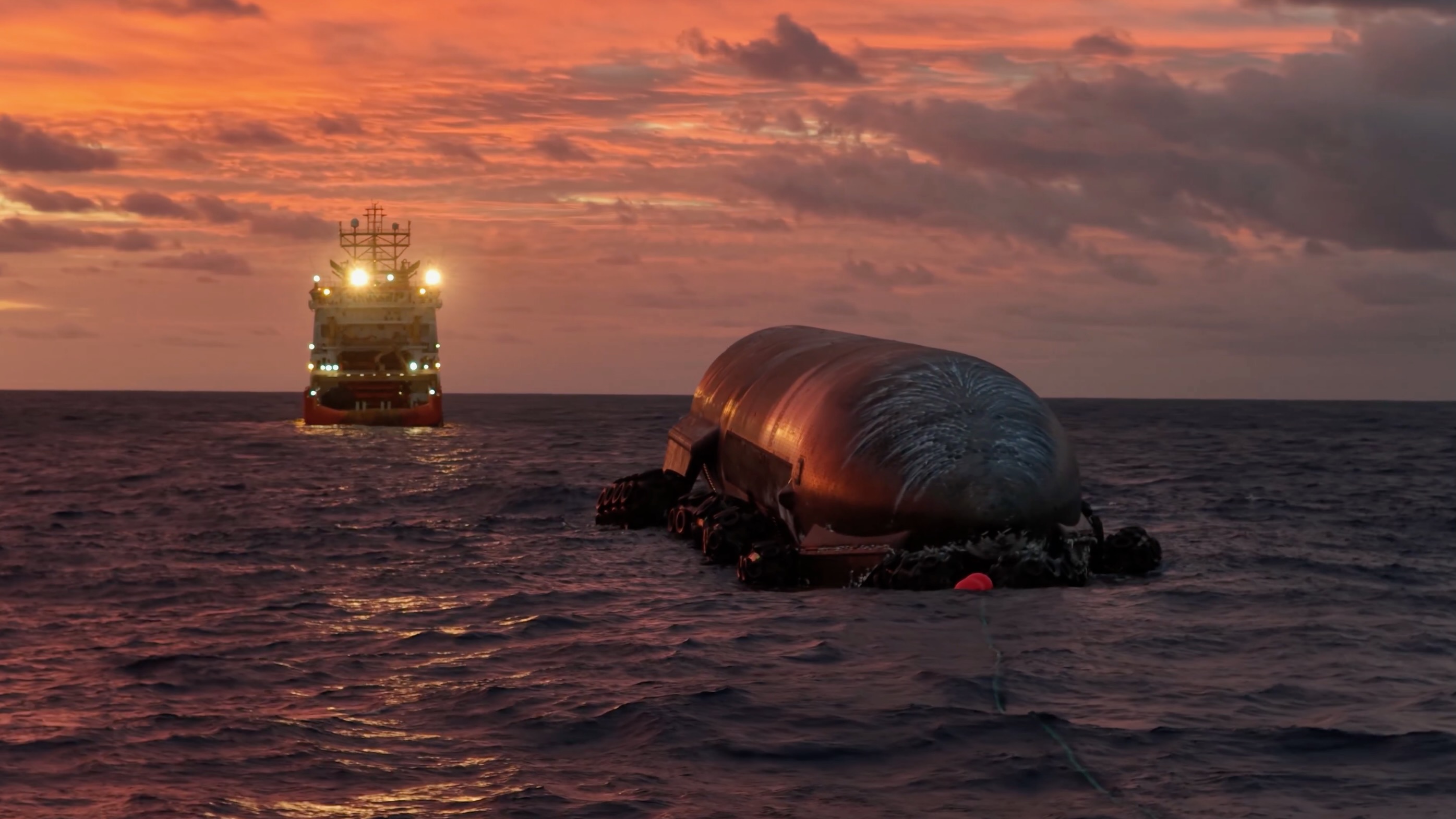
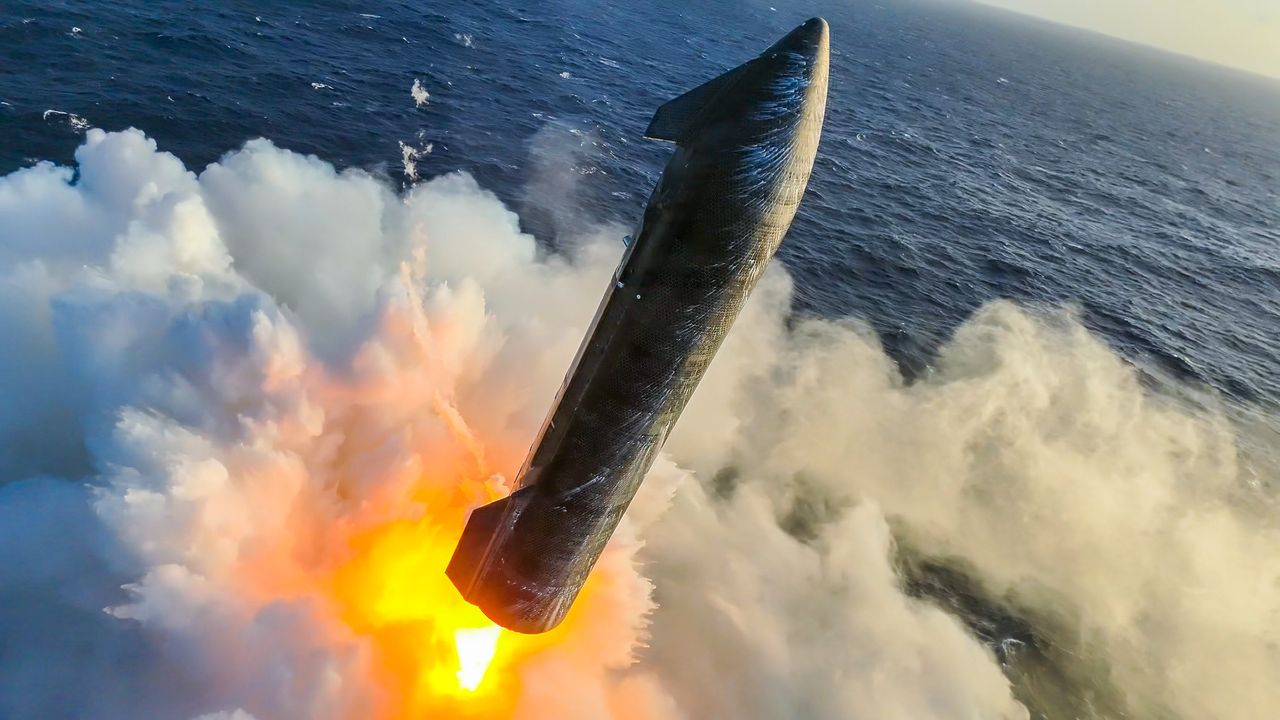
SpaceX works to get the upper stage from Starship's 13th test flight to shore from its Indian Ocean splashdown site. This is a screenshot from a video the company posted on X on Aug. 7.

SpaceX works to get the upper stage from Starship's 13th test flight to shore from its Indian Ocean splashdown site. This is a screenshot from a video the company posted on X on Aug. 7. (Image credit: SpaceX)

"Unfortunately, ship recovery is not looking good right now. Nonetheless, we were able to obtain close-up photos of critical regions of the heat shield and engines for future upgrades," Musk wrote this afternoon via X, the social media site he owns.

He was responding to a SpaceX post from an hour or so earlier, which provided an update about the recovery effort and shared two photos and a video of the activities.

The recovery team has "been overcoming challenging conditions and increasingly rough seas as they attempt to guide the 52m long spacecraft to port," SpaceX wrote in the post.

The SpaceX Recovery team is still working to recover Flight 13’s Starship from the Indian Ocean. They’ve been overcoming challenging conditions and increasingly rough seas as they attempt to guide the 52m long spacecraft to port pic.twitter.com/ECT5FyCvr7August 7, 2026

Starship is the biggest and most powerful rocket ever built, standing about 408 feet (124 meters) tall when stacked. Both of its stages β€” Ship and the Super Heavy booster β€” are designed to be fully and rapidly reusable, a breakthrough that SpaceX thinks will revolutionize spaceflight.

A key enabler of rapid reuse is Ship's heat shield, which protects the vehicle during its downward trips through Earth's atmosphere. Musk has described heat shield development as perhaps the biggest challenge on Starship's road to operational flight β€” but that challenge may now be in the rearview mirror.

"I don't want to jinx it or anything, but I think I'd consider the heat shield problem solved at this point," Musk said on Tuesday (Aug. 4), during SpaceX's first-ever quarterly earnings call.

It's no surprise that Starship and Flight 13 came up in that call. The megarocket is key to SpaceX's ambitious future plans, which include assembling and operating a million-satellite AI constellation in Earth orbit.

Flight 13 was similar to previous Starship test missions; it was a suborbital jaunt that ended with Super Heavy coming down in the Gulf of Mexico and Ship landing in the Indian Ocean.

There was a big milestone, however, in addition to Ship's unexpected transition to seagoing vessel: During its time in space, the upper stage deployed 20 functional Starlink V3 satellites, the bigger, next-gen variant of SpaceX's broadband spacecraft.

These satellites quickly came back down to Earth on July 24, but Flight 13 was a vision of the future nonetheless. SpaceX wants to operate a constellation of 100,000 or so Starlink V3s, and this network will be lofted by Starship.

  •  

Engineers race to save stricken LINK rescue spacecraft before it's too late

A private rescue spacecraft is having troubles of its own in Earth orbit.

LINK, a satellite built and operated by the Arizona company Katalyst Space Technologies, launched July 3 on a daring and unprecedented mission: Rendezvous with NASA's Swift space telescope and boost the observatory to a higher orbit before it falls out of the sky.

About three weeks after launch, however, LINK started spinning at an unexpected rate, a problem that caused a temporary communications dropout and a reset of its satellite platform. And two of LINK's three orientation-controlling reaction wheels stopped working.

Spacecraft operators always work hard to fix such problems when they crop up, but there's a special urgency where LINK is concerned. It needs to reach Swift soon, or atmospheric drag will pull the observatory β€” which possesses no thrusters of its own β€” down past a point of no return. NASA thinks this boundary lies at around 186 miles (300 kilometers) above Earth, an altitude that Swift is expected to reach by October.

So the original plan called for LINK to meet up with Swift in early August, just a month after launch β€” pretty much as soon as commissioning work on the rescue craft wrapped up. That's not going to happen at this point, but mission teams haven't given up on the rescue attempt. Indeed, they're making progress on getting LINK back up to speed, as a new update relates.

"LINK originally was in a multi-axis spin rotating at about 9 degrees per second, which resulted in sporadic communications and impeded LINK’s progress toward Swift," NASA officials wrote in the update, which the agency posted on Thursday (Aug. 6).

"Using a series of burns from one of LINK’s electric propulsion thrusters, the Katalyst team now has slowed that spin to about 1.47 degrees per second," they added. "Katalyst plans to keep LINK at that spin rate as it proceeds with next steps for the mission."

Those next steps include uploading flight software updates "with new attitude controllers designed to maintain LINK’s stability in its current configuration," NASA officials wrote. "These updates would allow LINK to begin maneuvering to align with Swift’s orbit."

The updates are expected to be beamed up to LINK "in the coming days," according to the update.

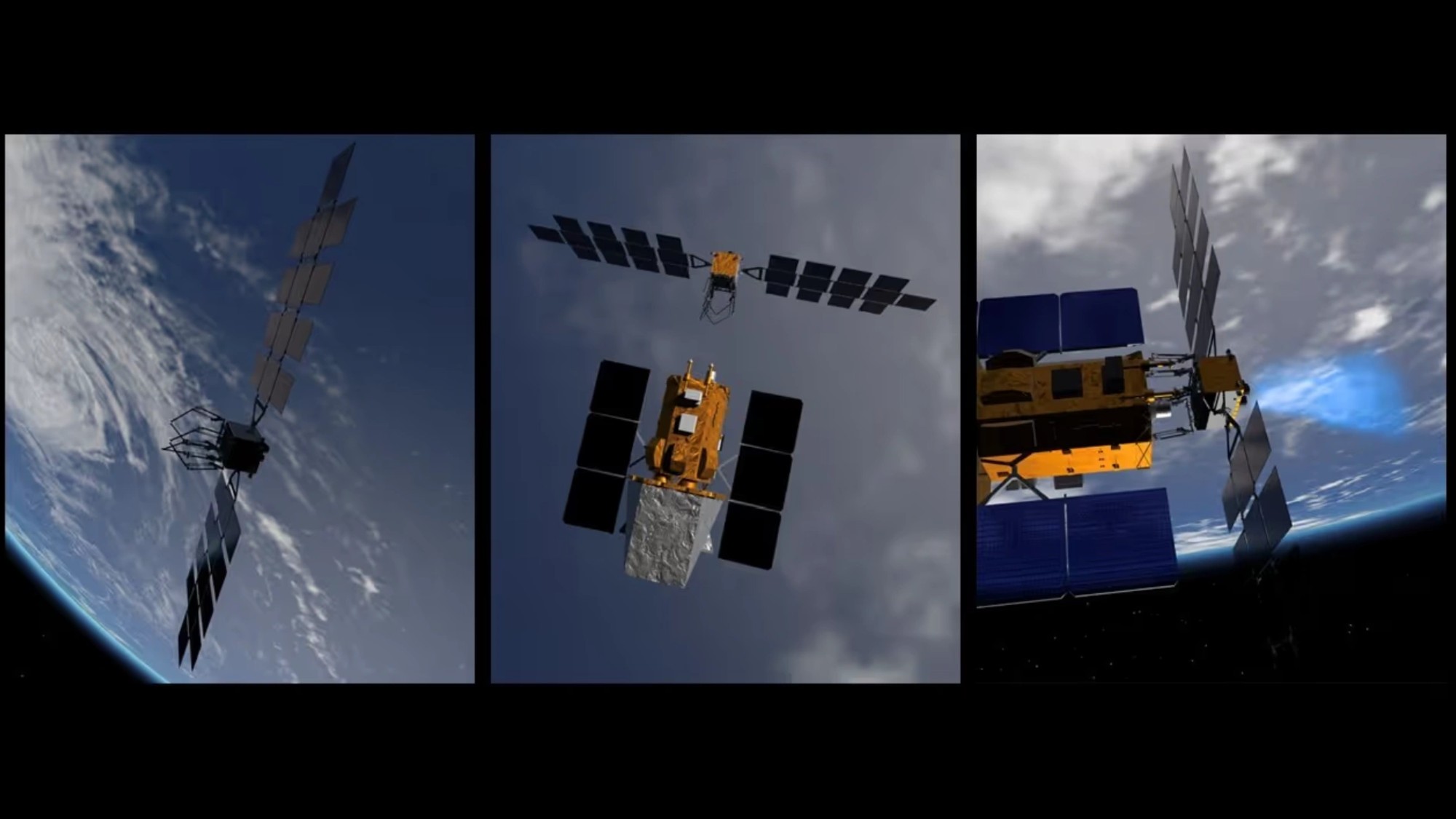
a three-panel illustration showing two spacecraft meeting up above earth

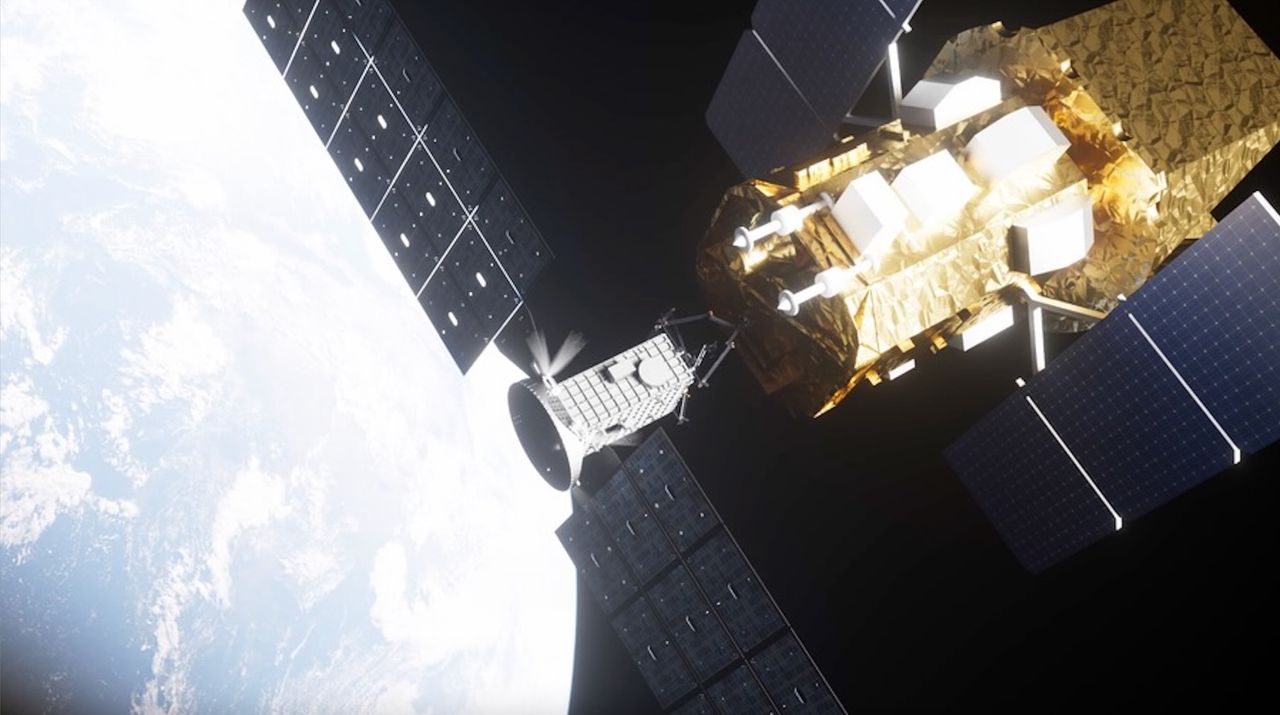
Artist's illustration of Katalyst Space Technologies' Link servicing spacecraft approaching and capturing NASA's Swift space observatory on an orbit-boosting mission. (Image credit: Katalyst Space Technologies)

Swift β€” officially known as the Neil Gehrels Swift Observatory, launched in 2004 to study gamma-ray bursts, the most energetic events in the universe.

The $250 million telescope's initial altitude was about 375 miles (600 km). But it has fallen considerably since then, and the descent is accelerating: The lower Swift goes, the more atmosphere it encounters and the greater the force of frictional drag becomes.

Swift is still working just fine, which explains why NASA wants to save it. Last September, the agency awarded Katalyst $30 million to build LINK β€” a refrigerator-sized spacecraft with three robotic arms β€” and fly its rescue mission.

That's a very tight timeline, but Katalyst hit it, getting LINK ready by its launch date and checking off a number of commissioning milestones before running into trouble. The company has experience delivering under pressure, so maybe it can pull off the rescue craft's rescue before it's too late.

  •  

Chinese company Landspace targets Aug. 10 for historic rocket launch and landing attempt

The Chinese commercial launch company Landspace is set for a second attempt at catching an orbital booster.

The startup launched its first Zhuque-3 rocket in December 2025, in what was a milestone for Chinese rocket reusability efforts. While the Zhuque-3 second stage successfully reached orbit, the first stage exploded in a dramatic fireball during its final powered descent toward the landing pad.

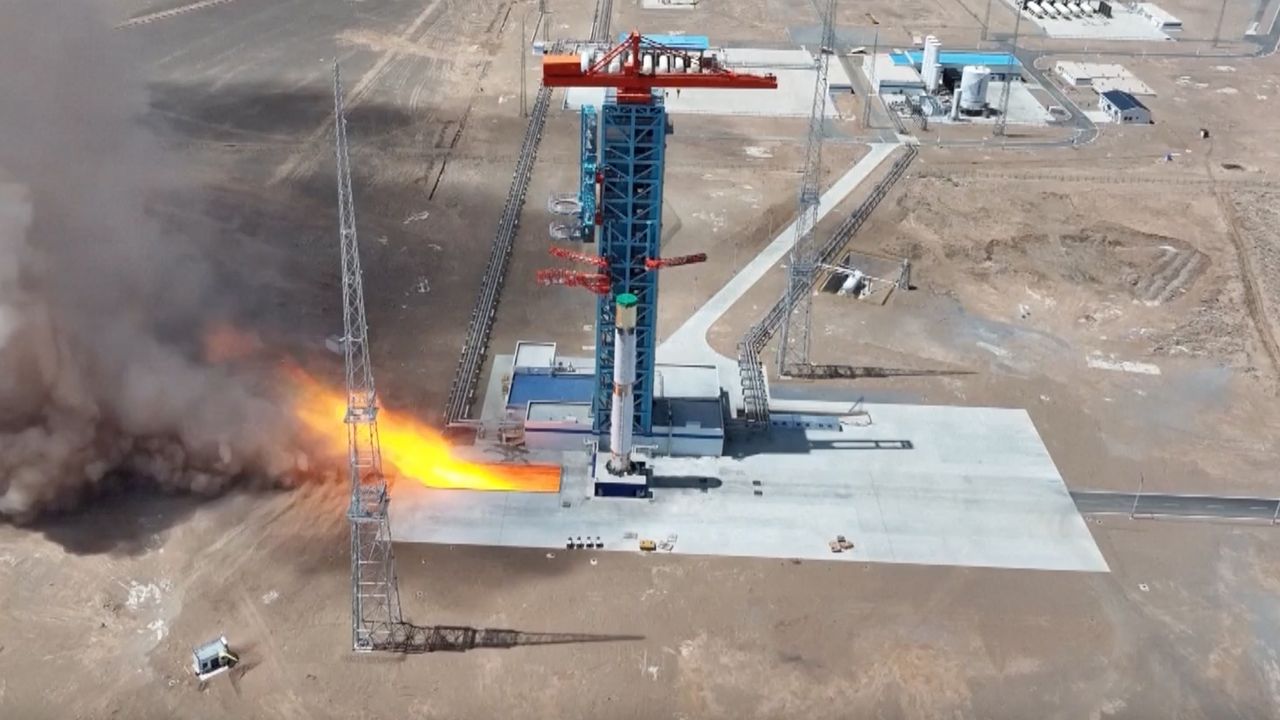
Now, Landspace is poised for a second attempt at liftoff and landing, with airspace closure notices indicating that launch is scheduled from the Dongfeng commercial space innovation pilot zone at Jiuquan spaceport, in northwest China, at around 7:45 p.m. EDT on Aug. 10 (23:45 GMT, or 7:45 a.m. Beijing time, Aug. 11).

UPDATE | ZhuQue-3 Y2 Reusable Launch Vehicle Completed Static Fire TestOn June 29, 2026, LandSpace's ZhuQue-3 Y2 reusable launch vehicle successfully completed a static fire test at the Dongfeng Commercial Space Innovation Pilot Zone.The test comprehensively verified the… pic.twitter.com/G9EzZbnyqBJune 29, 2026

The company conducted a successful static fire test on June 29 in preparation for the launch.

"All systems operated normally, and test data and results met expectations, validating the correctness and coordination of system operations and laying a solid foundation for upcoming flight missions," Landspace stated in a post that day on the social media platform X.

Zhuque-3 is a 216-foot (66-meter) stainless steel rocket powered by methane-liquid oxygen engines. It's similar in capabilities to SpaceX's Falcon 9, and is capable of sending 40,350 pounds (18,300 kilograms) of payload to low Earth orbit (LEO).

The Aug. 10 launch will be China's fourth orbital booster recovery attempt. The first was the Zhuque-3 launch in December 2025; the second was the debut, just days later, of the Long March 12A, which also reached orbit but with a first-stage recovery attempt ending in flames. The third try, using the Long March 10B, took place on July 10. That one was successful: China made history, becoming just the second country to land an orbital booster, in this case using a vessel equipped with a net-capture system.

Landspace, when it makes its expected second attempt next week, will use a powered descent and landing legs, similar to the Falcon 9.

  •  

Rocket Lab launches Japanese Earth-observing satellite after 5-week delay (video, photos)

A Japanese Earth-observing satellite got to orbit early this morning (Aug. 6), five weeks later than originally planned.

The spacecraft β€” a radar satellite that will be operated by the Tokyo-based company iQPS β€” lifted off atop a Rocket Lab Electron vehicle from New Zealand today at 5:18 a.m. EDT (0918 GMT; 9:18 p.m. local time).

It was a deferred round two for the mission: Rocket Lab originally tried to launch it on June 30 but aborted that attempt at the last second. The company has not yet revealed what caused that abort.

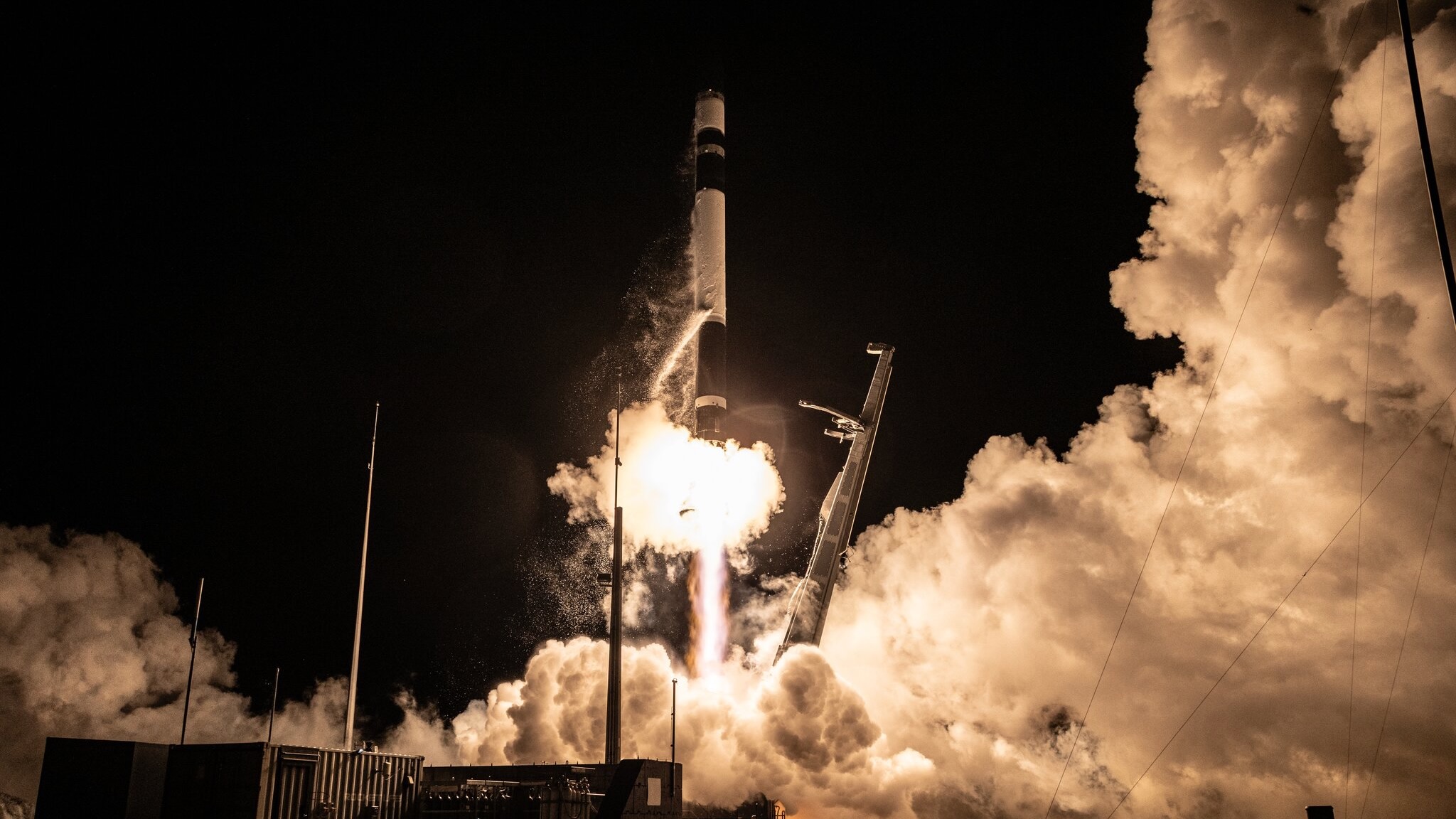
a black-and-white rocket launches into a night sky

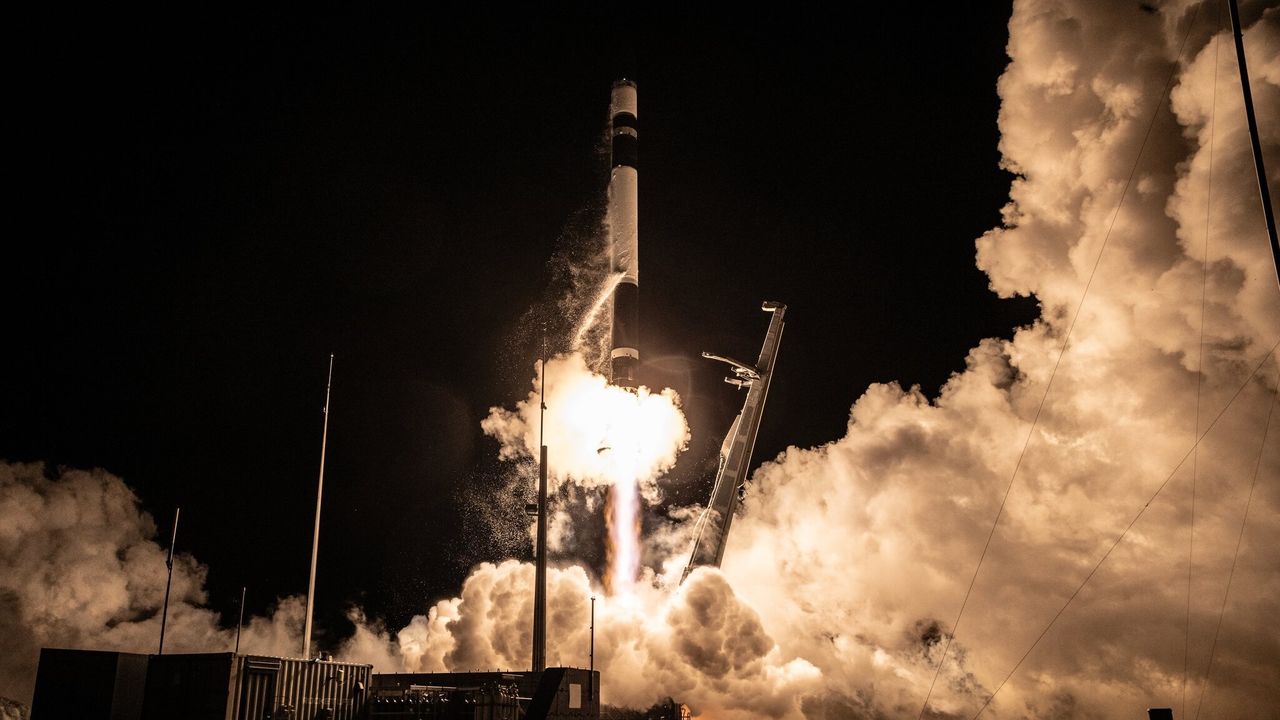
A Rocket Lab Electron rocket launches "The Grain Goddess Provides" mission for the Japanese company iQPS from New Zealand on Aug. 6, 2026. (Image credit: Rocket Lab)

Everything went well on this morning's flight, which Rocket Lab called "The Grain Goddess Provides." The Electron deployed the iQPS satellite into its target orbit about 357 miles (575 kilometers) above Earth, Rocket Lab announced via X this morning.

The spacecraft β€” known as QPS-SAR-13 or MIKURA-I, after a Japanese goddess associated with abundance and prosperity β€” will study our planet using high-resolution synthetic aperture radar (SAR), which can peer through clouds and collect imagery both day and night.

iQPS is building a constellation of 36 such SAR satellites in low Earth orbit. Electron is the primary launcher for this network; "The Grain Goddess Provides" was the eighth of a total of 15 launches that Rocket Lab will conduct to help assemble the constellation.

closeup of a the fiery plume produced by a black and white rocket during its nighttime liftoff

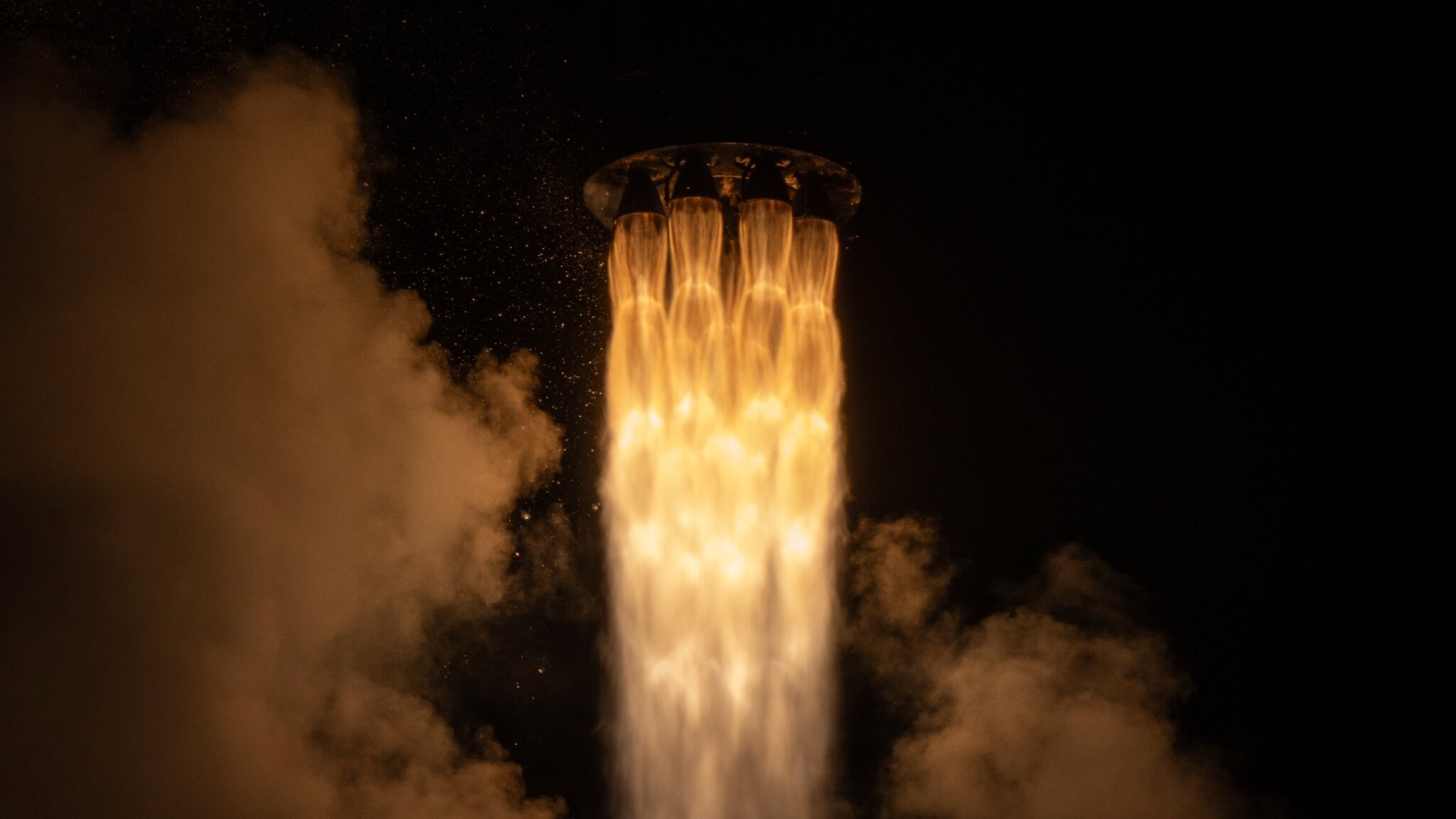
A closeup of the Electron's nine first-stage Rutherford engines in action on Aug. 6, 2026. (Image credit: Rocket Lab)

Today's mission was the 92nd overall for Rocket Lab and the company's 13th of 2026. Most of these flights have involved the 59-foot-tall (18 meters) Electron, the company's workhorse small-satellite launcher. But a growing number these days are performed by HASTE, a suborbital variant of Electron that allows customers to test technologies in a hypersonic flight environment.

And we could soon see an increase in the cadence of HASTE liftoffs. Rocket Lab recently signed a $266 million contract with the U.S. Space Force to fly up to 18 suborbital missile-defense missions, most of them from Alaska, a new launch locale for the company.

  •  

Blue Origin traces origin of huge New Glenn rocket explosion to oxygen valve, CEO says

Blue Origin is close to figuring out why its New Glenn rocket went boom a few months ago.

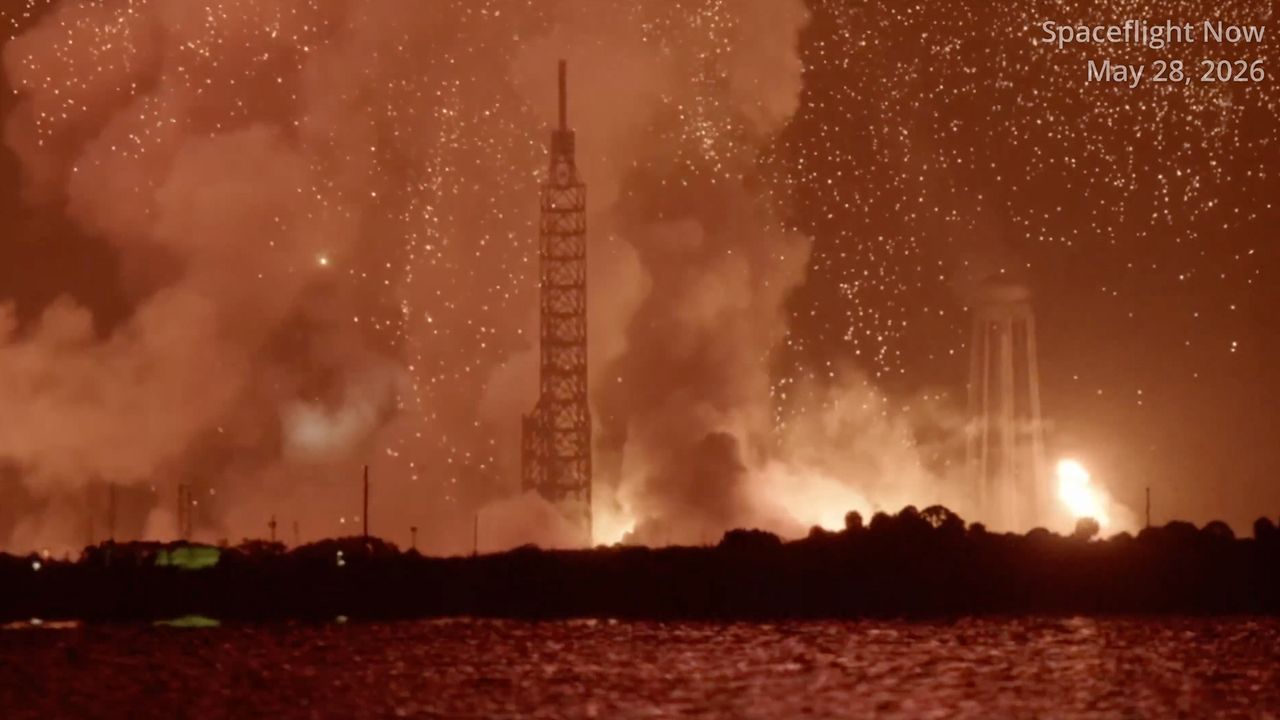
The explosion β€” which destroyed the rocket and some key pieces of pad infrastructure β€” occurred on May 28 during a routine engine test at Florida's Cape Canaveral Space Force Station. Blue Origin has been working hard ever since to determine the cause of the anomaly, and it has made considerable progress, according to a new update.

"The anomaly originated at the main oxygen valve on one of the BE-4 engines, which was later confirmed by hardware recovery and inspections," Blue Origin CEO Dave Limp said via X on Wednesday afternoon (Aug. 5). "Extensive component-level and engine hotfire tests have been conducted to understand the failure mode better and inform mitigations."

Like SpaceX's workhorse Falcon 9 rocket, the 320-foot-tall (98-meter) New Glenn features a reusable first stage, which is powered by seven BE-4s and designed to launch at least 25 times. The heavy lifter is a big part of Blue Origin's ambitious plans, which include helping humanity establish a foothold in the final frontier.

"The rocket is engineered with the safety and redundancy required to fly humans, and will enable our vision of building a road to space for the benefit of Earth," Blue Origin's website states.

The company, and NASA, are counting on the rocket to get important hardware to the moon. New Glenn will be the ride for Blue Origin's Blue Moon, one of two crewed landers that NASA picked to get astronauts to and from the lunar surface for its Artemis program. (The other is SpaceX's Starship.)

And there's an important Blue Moon mission coming up: the first test flight of the prototype Mark 1 lander, which is scheduled to make an uncrewed lunar touchdown by the end of this year, if possible. That mission will help prove out the vehicle's capabilities ahead of crewed flights.

Wanted to give an update on the hotfire anomaly investigation. Progress continues. The anomaly originated at the main oxygen valve on one of the BE-4 engines, which was later confirmed by hardware recovery and inspections. Extensive component-level and engine hotfire tests have…August 5, 2026

New Glenn debuted in January 2025 and has flown two more times since, in November 2025 and April 19 of this year. There was an issue on that most recent launch, which carried up AST SpaceMobile's BlueBird 7 communications satellite: New Glenn failed to deploy the payload into the proper orbit, and it was lost.

Despite that issue, and the May 28 explosion, Limp expressed confidence that Blue Origin will soon get New Glenn up and running again.

"The path forward is clear," he added in Wednesday's X post. "We're making small modifications to the valve that can be quickly retrofitted to existing engines. We’re manufacturing the updated hardware, which will be ready by the end of this month. In parallel, we're working through the remaining fault tree analysis."

  •  

SpaceX wants to launch next Starship this month (and catch it, too), Elon Musk says in 1st earnings call since historic IPO

SpaceX will make some history this month, if all goes according to plan.

The company aims to launch the 14th test flight of its Starship megarocket before August is out, Elon Musk said today (Aug. 4) during SpaceX's first-ever quarterly earnings call. Starship will deploy viable payloads into orbit on Flight 14, something it has never done before β€” and there will be other unprecedented action as well.

"I'd say things look very good, and that's why we, assuming we receive regulatory approval to do so, will attempt to catch the Ship with the tower on the next flight, which is tentatively scheduled for the end of this month," Musk said during today's call.

"Ship" is the 171-foot-tall (52 meters) upper stage of Starship, which also features a giant first-stage booster called Super Heavy. Both of these elements are designed to be fully and rapidly reusable β€” a breakthrough that, combined with Starship's immense power, will revolutionize spaceflight, according to SpaceX.

And "things look very good" is a reference to Starship Flight 13, which lifted off on July 24. Musk was talking specifically about Ship's performance on that suborbital jaunt, which ended with the upper stage's soft splashdown in the Indian Ocean, off the coast of Western Australia.

Ship's heat shield survived the harrowing downward trip through Earth's atmosphere in great shape on Flight 13, according to SpaceX (as did the entire vehicle, which is still in one piece to this day). And that gives SpaceX confidence to plan for a tower catch on Flight 14 β€” a crucial component of Starship's future reusability.

"I don't want to jinx it or anything, but I think I'd consider the heat shield problem solved at this point," Musk said.

Starship's two launch towers at its Starbase site in South Texas feature large "chopstick" arms, which stack Super Heavy and Ship atop the pad β€” and can also catch the vehicles when they come back to Earth at the end of their missions.

SpaceX has already executed a tower catch with Super Heavy on three Starship test flights, but it has not yet tried to do so with Ship. So Flight 14 could be momentous, provided SpaceX gets permission from regulators to make an attempt.

Flight 14 will also carry up a batch of SpaceX's V3 Starlink satellites, a larger and more capable version of the spacecraft that currently populate the company's broadband megaconstellation. Flight 13 toted 20 Starlink V3s, but Ship deployed them into suborbital space; the satellites will be placed into an operational orbit on the upcoming mission, if all goes to plan, Musk said.

SpaceX goes public

Musk founded SpaceX as a private company back in March 2002. It stayed that way until this past June 12, when SpaceX went public via the richest IPO in history, which raised $86 billion and valued the company at $1.77 trillion.

SpaceX now has to provide earnings reports every quarter, starting with Q2 of this year. And these first publicized numbers show considerable improvement compared to a year ago, according to the company.

The newly released report states that total revenue in the March-June time period was up 92% over the same stretch in 2025 β€” $7.8 billion versus $4.1 billion. And SpaceX had a net loss during this span of $541 million, down from a net loss of $1.0 billion in Q2 2025.

More than half of this quarter's revenue β€” about $4.3 billion β€” came via the company's Starlink satellite-internet megaconstellation. That number crystallizes a truth that has been apparent for a while now β€” SpaceX is not just a launch company anymore.

Rockets will bring in a smaller and smaller share of SpaceX revenue over the coming years, if all goes according to plan. Launch will continue ceding this financial ground to Starlink, but also, increasingly, to SpaceX's artificial intelligence (AI) operations.

Indeed, SpaceX sees itself becoming more and more of an AI outfit over time. A few months ago, the company revealed that, over the long haul, it's targeting a "total addressable market" of $28.5 trillion per year, nearly $23 trillion of which will be in the field of "enterprise AI applications." That's quite an ambitious goal; in 2025, the gross domestic product of the entire United States was a little less than $31 trillion.

Speaking of ambitious: SpaceX plans to make a lot of this money via an orbiting constellation of one million AI data centers, which together will comprise a constellation known as Starmind. (Yes, SpaceX has a thing for "Star" names.)

SpaceX expects to start launching operational Starmind spacecraft in 2027, Musk said during today's call. It will take a lot of Starship launches to get the network up and running, but he doesn't see that as a bottleneck.

"We expect the cadence of flights to be increasing rapidly, and, probably a year from now, we will be doing at least one flight a day, possibly more," Musk said.

  •  

SpaceX launches 3 giant BlueBird direct-to-cell satellites on Falcon 9 rocket (video)

A SpaceX Falcon 9 rocket carrying three of AST SpaceMobile's massive direct-to-cell BlueBird satellites launched from Florida's Cape Canaveral Space Force Station at 3:50 a.m. EDT (0650 GMT) on Wednesday, minutes after the opening of its 96-minute window.

Today's launch further expands AST SpaceMobile's constellation in low Earth orbit (LEO), which will beam internet service directly to unmodified smartphones once operational.

The newcomers bring the total number of BlueBird spacecraft launched to 13 and marks a significant milestone toward getting the constellation fully up and running, according to AST SpaceMobile.

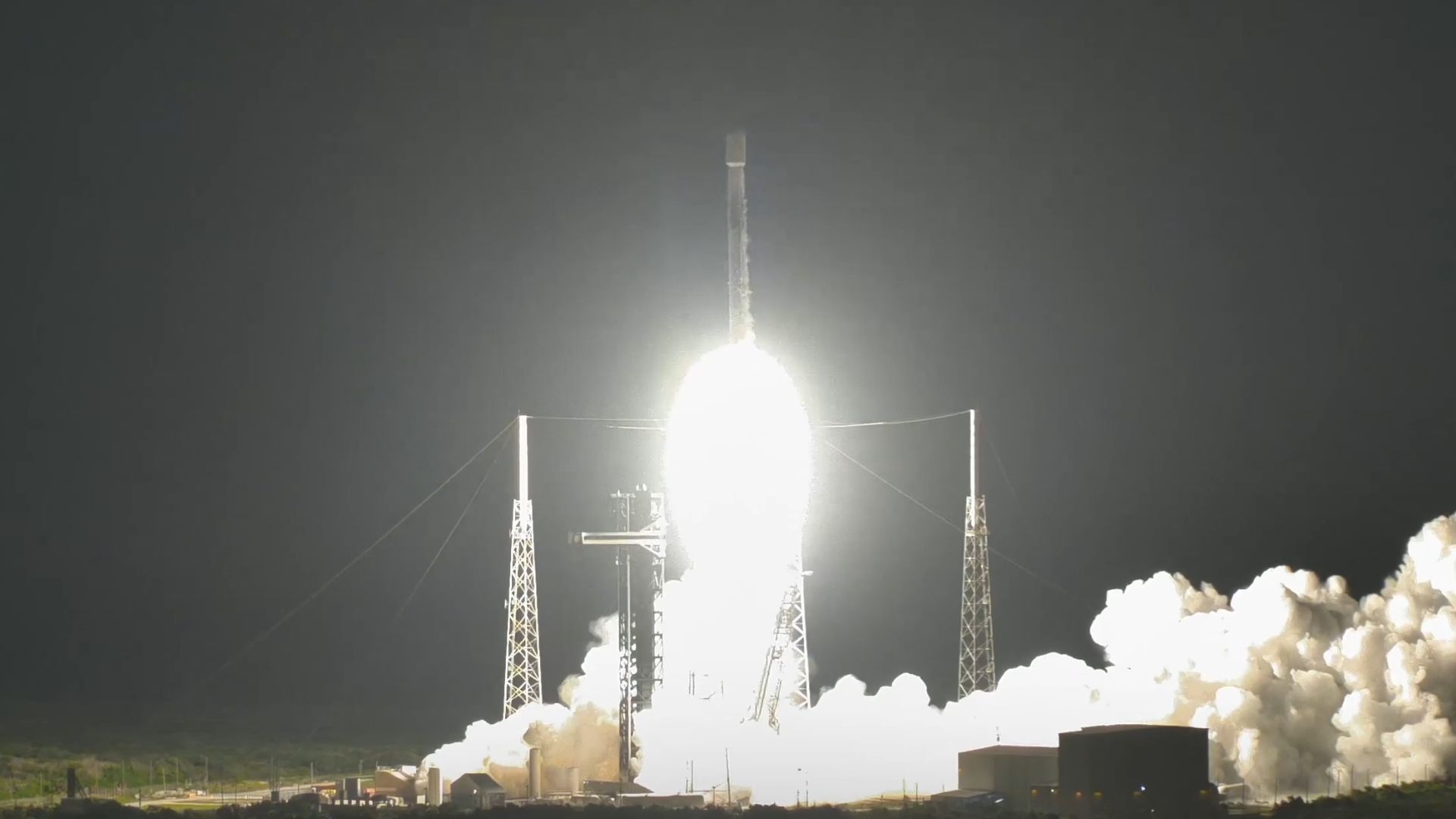
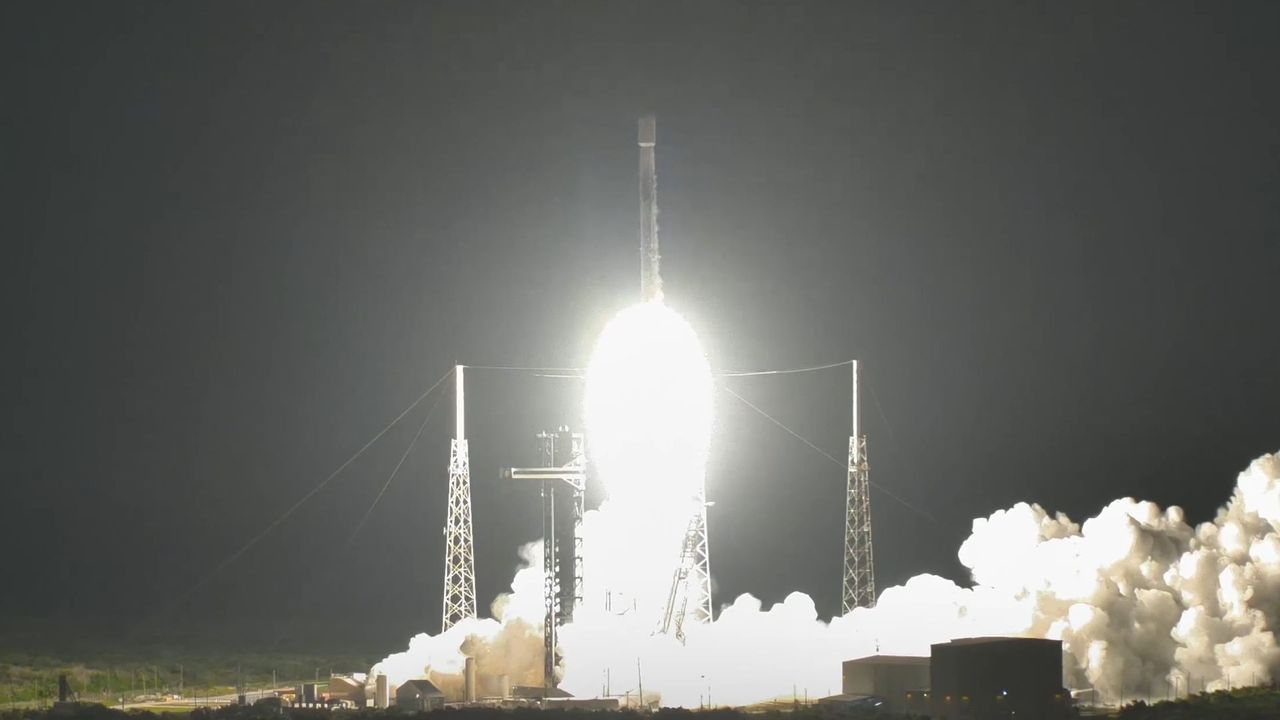
A rocket blasts into the black night sky over a launch pad, leaving a plume of white smoke in the wake of its white hot engine fire.

A SpaceX Falcon 9 rocket launches on Aug. 5, 2026 carrying a trio of BlueBird satellites to orbit. (Image credit: SpaceX)

"This orbital launch, combined with expanded manufacturing capacity and the recent successful launch and deployment of BlueBird satellites 8, 9, and 10, position us for beta services later this year with our space-based cellular broadband coverage," Scott Wisniewski, the company's president, said in a July 28 statement.

AST SpaceMobile began assembling its constellation with "Block 1" spacecraft, which have communications arrays that cover 693 square feet (64.4 square meters) when unfurled.

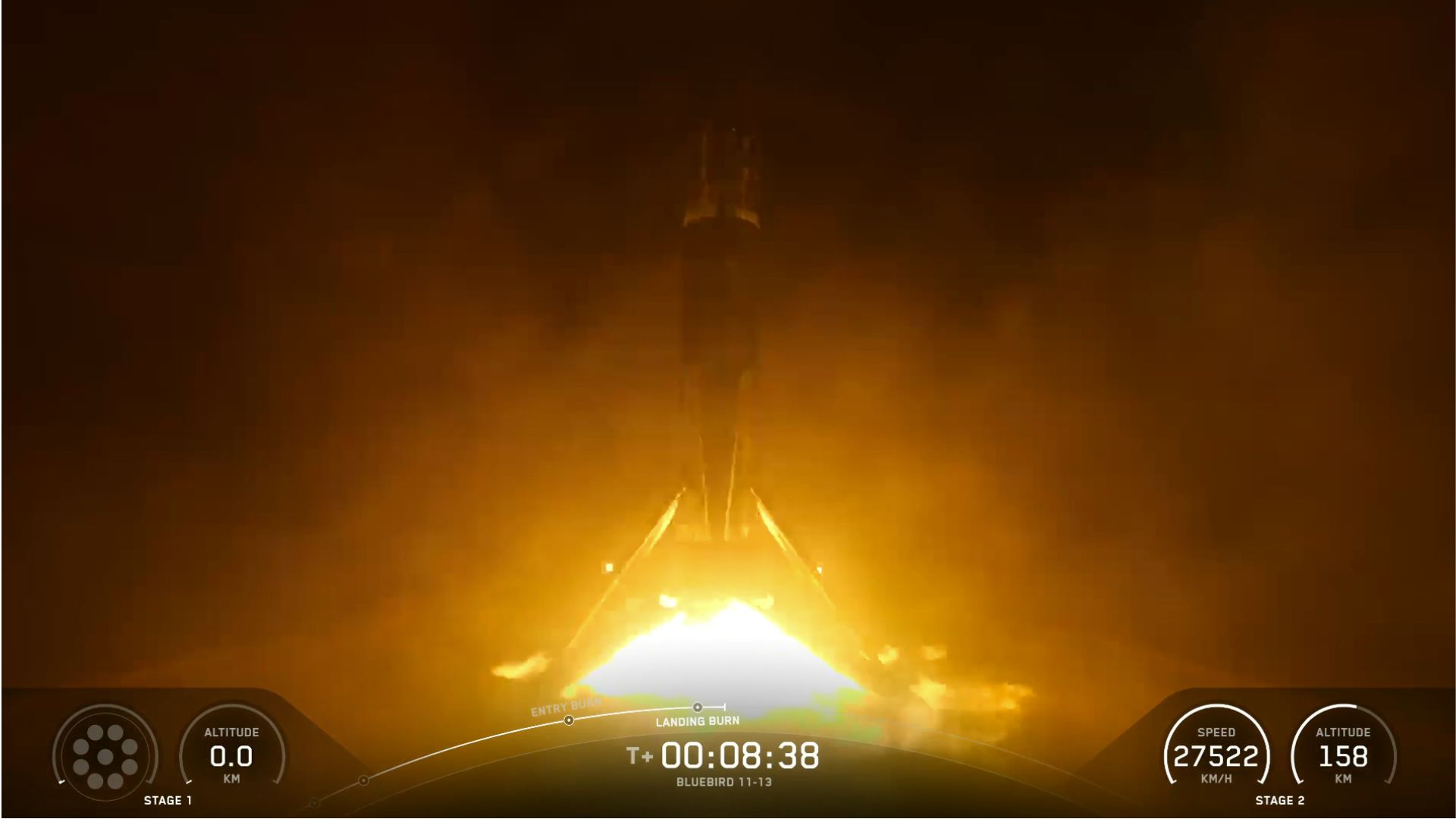
A rocket's engine exhaust lights up a landing pad at night. Graphics are visible at the bottom of the screen revealing telemetry.

The Falcon 9 first stage went on to perform its 30th landing on the deck of the drone ship "A Shortfall of Gravitas." (Image credit: SpaceX)

That's pretty big, but the company upped the ante with BlueBird 6, which reached LEO atop an Indian LVM3 rocket in December 2025. That was the first "next-generation" BlueBird, a class whose antennas cover a whopping 2,400 square feet (223 square m).

Prior to today's launch, there had been four next-gen BlueBirds in LEO β€” numbers 6, 8, 9 and 10. (BlueBird 7 was lost shortly after liftoff this past April after its Blue Origin New Glenn rocket suffered an anomaly.) So, BlueBirds 11 through 13 nearly double the off-Earth population.

"These next-generation BlueBird satellites are expected to deliver nearly double the peak download speeds achieved by the company's initial Block 1 BlueBird satellites, which recently demonstrated peak download speeds of 98.9 Mbps directly to standard smartphones," AST SpaceMobile wrote in the same statement.

The Falcon 9's first stage returned to Earth roughly 8.5 minutes after launch today as planned, touching down in the Atlantic Ocean on the SpaceX drone ship "A Shortfall of Gravitas."

It was the 30th launch and landing for this particular booster, according to a SpaceX mission description. The rocket also flew the BlueBird 8-10 mission in June.

The Falcon 9's upper stage, meanwhile, went on to deploy the three BlueBird satellites into LEO over an 11-minute span beginning 53.5 minutes after liftoff.

Editor's note: This story was updated at 5 a.m. ET on Aug. 5 with news of successful launch, rocket landing and satellite deployment.

  •  

SpaceX launches Starlink satellites on 90th Falcon 9 flight of the year (video)

SpaceX has launched yet another batch of its Starlink internet satellites to the final frontier.

A Falcon 9 rocket lifted off from California's foggy Vandenberg Space Force Base today (Aug. 4) at 1:05 p.m. EDT (1705 GMT; 10:05 a.m. local time), carrying 24 of the broadband spacecraft toward low Earth orbit (LEO).

It was the 90th Falcon 9 liftoff of the year and the 70th of 2026 devoted to building out the Starlink megaconstellation.

A black-and-white rocket launches into a blue sky

A SpaceX Falcon 9 rocket launches 24 Starlink internet satellites from California's Vandenberg Space Force Base on Aug. 4, 2026. (Image credit: SpaceX)

The rocket's first stage came back to Earth as planned about 8.5 minutes after launch, touching down on the SpaceX droneship "Of Course I Still Love You," which was stationed in the Pacific Ocean. It was the 34th mission for this particular booster, which is designated B1063.

That's just two flights shy of the Falcon 9 reuse record, which was set last month on a different Starlink launch.

If all goes according to plan, the 24 Starlink satellites will be deployed into LEO about 61 minutes after liftoff. They'll join quite a few other spacecraft in the Starlink megaconstellation β€” nearly 10,900 at last count.

Previous Booster B1063 launches

There's some other SpaceX action on tap today as well. At 4:30 p.m. EDT (2030 GMT), the company will host a webcast to discuss its first-ever public earnings report, which covers the second quarter of 2026. You can listen live via SpaceX's X account.

SpaceX was a private company from its founding in 2002 until mid-June of this year, when Elon Musk took it public in the largest IPO in history.

  •  
❌