❌

Reading view

FCC moves to ban LiDAR-equipped foreign drones from US — classifies the technology as "military-grade" in a proposal that could also hit thermal models and the swarms used in drone light shows

The Federal Communications Commission (FCC) is moving to ban drones with LiDAR obstacle-avoidance features, a move that would remove a number of popular consumer drones from US shelves. In a public notice published in the Federal Register on August 3 (DA 26-758), the agency proposed retroactively banning the import and sale of any foreign-made drone on its Covered List that “contains or integrates” a LiDAR sensor, categorizing the technology under a broad “military-grade” umbrella.

The proposal builds on a ban the FCC set in motion late last year. On December 22, 2025, the agency added all foreign-made drones and their critical components to its Covered List — a roster of communications equipment that a U.S. national-security authority has determined poses an unacceptable risk. The listing blocked any new foreign drone model from receiving the FCC authorization it needed to be sold in the U.S., effectively banning sales of new models.

However, models that had already cleared authorization before the listing could continue to be imported and sold. The new DA 26-758 proposal seeks to retroactively strip sales clearance from previously approved drone models that ”escaped” the initial ban, starting with those it deems military-grade. The proposal is open for public comment until September 2, 2026, and if adopted as written, the ban on imports and sales would take effect roughly 180 days after publication.

LiDAR (Light Detection and Ranging) is a remote sensing technology that uses laser pulses to measure exact distances and build precise 3D maps of objects and environments. Drones, delivery bots, and self-driving cars all rely on it for obstacle avoidance. A ban would mean that popular consumer models such as DJI's Air 3S and Mini 5 Pro — both of which use LiDAR for obstacle detection — would no longer be available for sale in the US. The proposal would not affect existing owners, who could keep flying the drones they already have, but as DJI has warned, those owners could find official spare parts increasingly hard, or eventually impossible, to source over time.

Under the FCC's broad ”military-grade” classification, the ban would also reach drones that carry thermal imaging sensors, can dispense agricultural sprays (”economic poison” in the notice's language), weigh 55 pounds or more, include docking stations, integrate a defense article, or operate in coordinated swarms — a category the FCC defines widely enough to include synchronized drone light shows. U.S.-made drones and other drones not on the Covered List are not touched by the ban, regardless of whether they carry any of these features.

The FCC frames the move purely as a national security issue, leaning on an executive-branch determination that foreign-made drones pose an “unacceptable risk.” It tentatively concludes that the economic hit would be minor, as military-grade models are a small minority in a market dominated by recreational fliers. Conversely, the notice also details the billions that domestic drone makers like Skydio, which has committed $3.5 billion to US manufacturing, have raised since the original ban.

DJI, one of the manufacturers affected by the ban, has argued that the “military-grade” label is a category error, sweeping in civilian tools that first responders, farmers, and hobbyists rely on. Its core objection lands on the LiDAR clause, specifically arguing that the technology is a safety feature, not a weapon. DJI had earlier sued the FCC to overturn the December ban, claiming the agency exceeded its statutory authority.
  •  

The FCC could start banning DJI drones that have previously been approved, and DJI isn't happy about it

  • The FCC wants to take 'military-grade' DJI drones off sale
  • Numerous DJI models would be affected
  • You can comment on the proposals until September 2

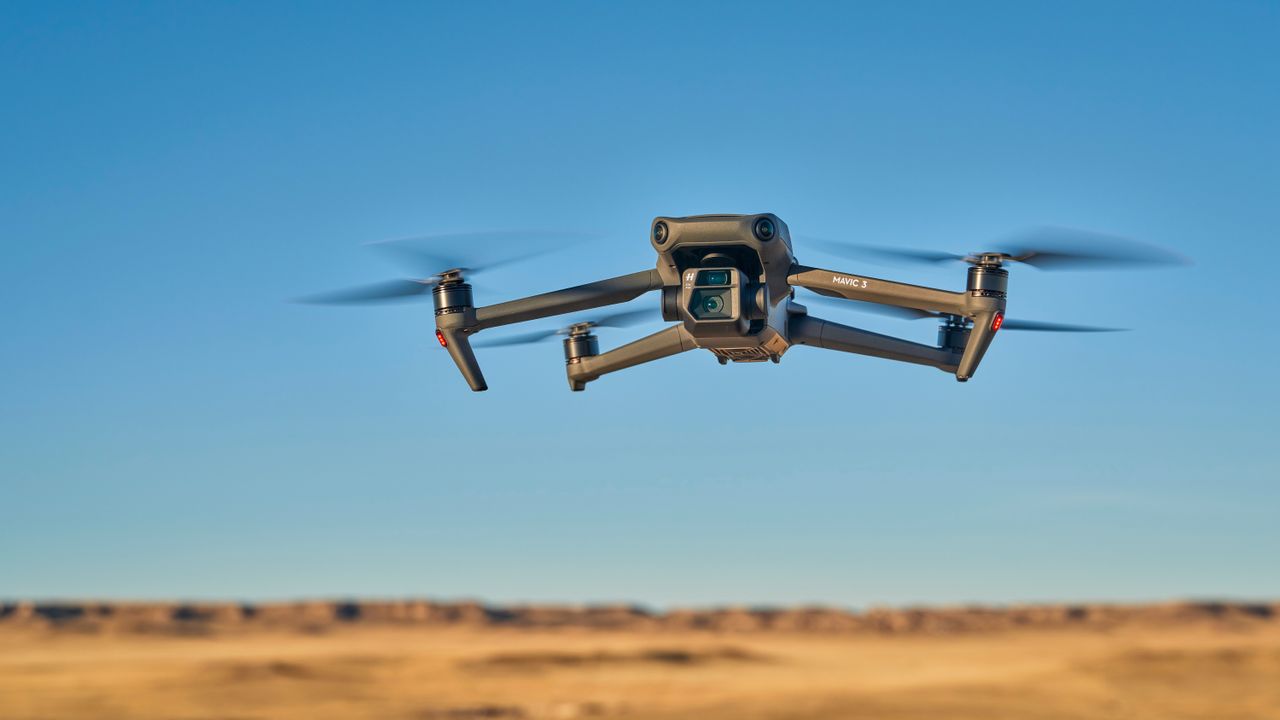
There's been a ban on new DJI drones and cameras in the US since last December, but now the Federal Communications Commission (FCC) is making moves to retroactively take some models off shelves that were approved before the ban came into effect.

Specifically, the FCC wants to pull "military-grade" drones from stores (via PCMag), which apparently includes every model with LiDAR obstacle avoidance or thermal cameras. That would affect drones such as the DJI Air 3S, the DJI Avata 360, the DJI Mini 5 Pro, and the DJI Mavic 3T, for example.

Drones that weigh over 55 pounds (nearly 25 kilograms) will be included in the retroactive ban, as well models that use docking stations. The criteria laid out by the FCC is broad enough to cover a substantial number of drones in DJI's current range.

Now, if you've already bought one of these drones in the US, the FCC isn't going to come and take it off you. However, unless the regulator changes course, these models won't be available to buy in the US from September 2.

You can take action

The FCC is considering new restrictions that could affect DJI drones already on the U.S. market – not just future products.Despite being framed around “military-grade” drones, the proposal could also capture civilian technologies such as thermal imaging, LiDAR, docking… pic.twitter.com/EdS1vziWxzAugust 7, 2026

DJI has already complained long and hard about the original ban, pointing out that its drones were blacklisted for security reasons without any actual security audit taking place. It's also taking a very dim view of the new proposals by the FCC.

"People could continue using DJI products they already own, but the same models in use today might no longer be available to purchase in the future," says DJI in a blog post. "This is a total reversal from the FCC's previous position, and it is U.S. operators that would bear the cost."

DJI argues that safety agencies, small businesses, and farmers in the US who rely on DJI equipment will be faced with more expensive and difficult upgrades in the future, and it's asking for the public's support while the FCC proposal is considered.

You can have your say during the public comment period up until September 2: head to the Drone Advocacy Alliance website to make your feelings known, and to explain to the FCC how you use drones and their capabilities for non-military purposes.

  •  

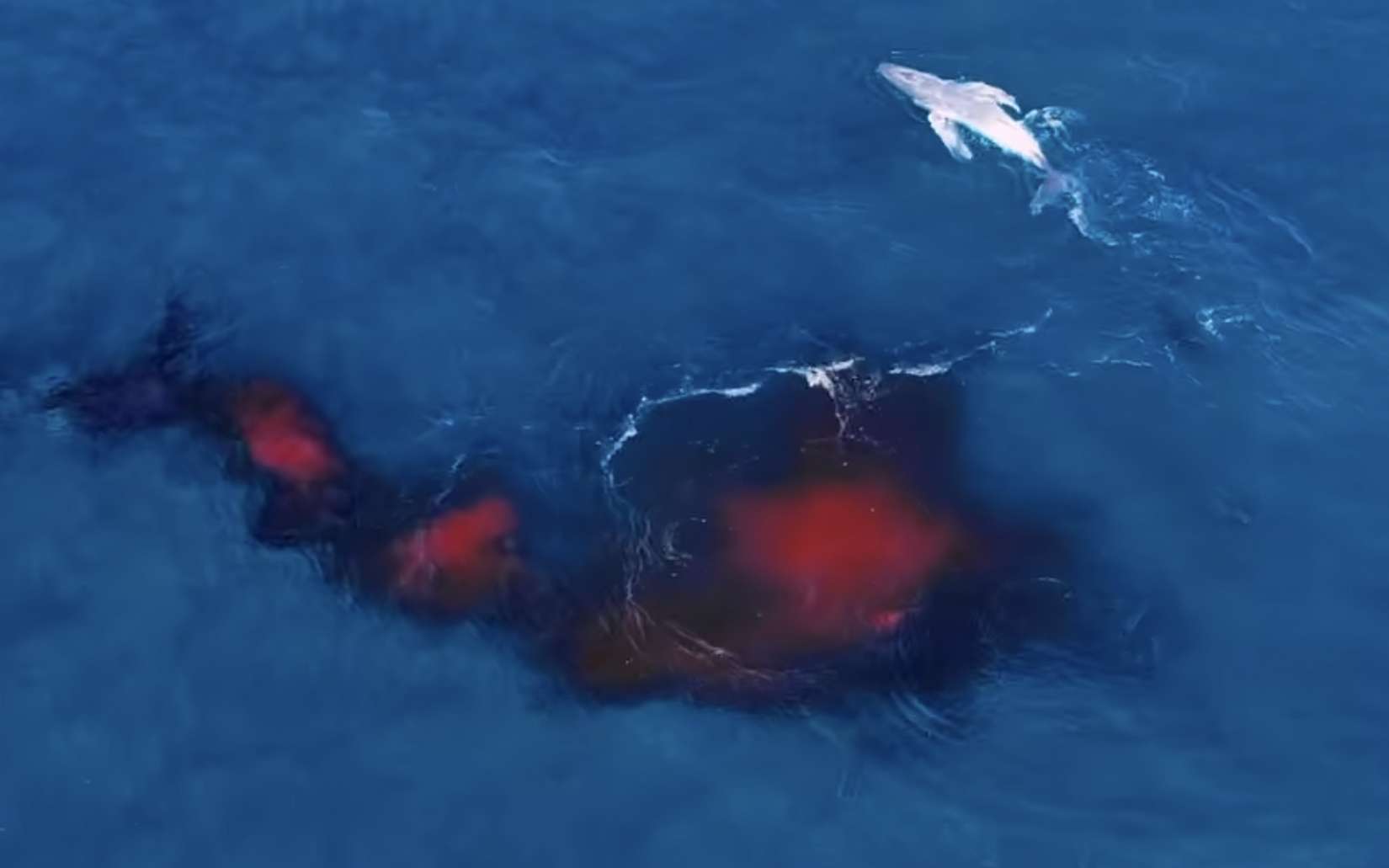
Une étrange traînée rouge dans l'océan : cette baleine est filmée dans une scène jamais vue depuis les airs

Capturer la naissance d'une baleine à bosse relève presque de l'impossible. Pourtant, au large de l'Australie, un photographe animalier a filmé une scène exceptionnelle qui pourrait constituer une première mondiale.

  •  

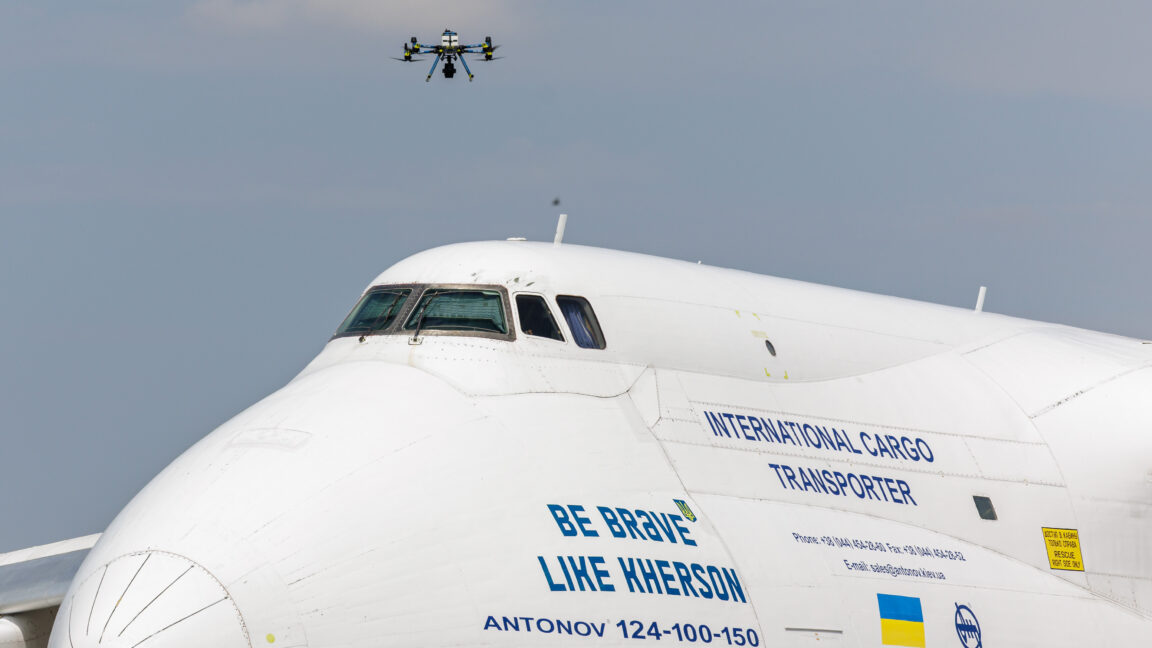
Explosive drone found hovering near Ukrainian cargo aircraft at German airport

German police disarmed a drone carrying explosives after it was discovered near Ukrainian cargo aircraft parked at Leipzig airport—and authorities are looking into the possibility of a second drone after an approaching aircraft collided with something midair.

The drone, first spotted by an airport employee, was hovering close to the ground between two parked An-124 cargo aircraft owned by Ukraine’s Antonov Airlines shortly before midnight on August 4, according to The Guardian. It had apparently been modified to help avoid detection by the airport’s drone defense sensors, said Alexander Dobrindt, federal minister of the interior for Germany, during a press conference.

Dobrindt described the drone as carrying a fist-sized package of a substance believed to be the plastic explosive Semtex. Only a failed detonator prevented the drone from exploding near the Ukrainian cargo aircraft, he said.

Read full article

Comments

© Jens Schlueter/Getty Images

  •  

Maximum Speed in Service of Ukraine: New Quantum Systems Drone Sets a Remarkable Record

The N3XT experimental division of Germany’s Quantum Systems has developed a quadrotor drone that reached a horizontal flight speed of 699 km/h. This performance makes it the fastest battery-powered unmanned aerial vehicle ever recorded. According to the developers, the test flight was conducted on July 26 during internal trials, while official certification by Guinness World […]

The post Maximum Speed in Service of Ukraine: New Quantum Systems Drone Sets a Remarkable Record appeared first on AERONAUT.media.

  •  

U.S.-Developed AI Enables Fully Autonomous Target Engagement for Ukrainian FPV Drones

Ukrainian drone operators have already destroyed a substantial number of Russian armored vehicles and even aerial targets using low-cost Shrike drones priced at approximately $400. Thousands of these platforms are now undergoing a major upgrade with an AI-enabled autonomy system that allows them to independently track and engage moving targets. In mid-July 2026, the Ukrainian […]

The post U.S.-Developed AI Enables Fully Autonomous Target Engagement for Ukrainian FPV Drones appeared first on AERONAUT.media.

  •  

Magura Naval Platforms Equipped with FPV Drones Strike Ground Targets in Crimea: Ukrainian Intelligence Reveals Operation Details

Operators from Group 13, a special unit of Ukraine’s Defence Intelligence (HUR), have carried out a successful operation in temporarily occupied Crimea, striking a command vehicle belonging to the Russian Podlyot radar system, as well as a Parol-4 radar interrogator used for friend-or-foe (IFF) identification. Ukraine’s Defence Intelligence released exclusive footage of the operation on its […]

The post Magura Naval Platforms Equipped with FPV Drones Strike Ground Targets in Crimea: Ukrainian Intelligence Reveals Operation Details appeared first on AERONAUT.media.

  •  

SkyFall Unveils Its First Middle Strike Drone: Capabilities, Features, and Pricing

Ukrainian defense technology company SkyFall has unveiled a new middle strike attack drone during the Farnborough International Airshow. According to company representatives, the new platform features a piston-driven propeller engine and a fixed wing with a wingspan of approximately 3.5 meters. SkyFall also stated that the drone is already undergoing combat testing. According to Defender […]

The post SkyFall Unveils Its First Middle Strike Drone: Capabilities, Features, and Pricing appeared first on AERONAUT.media.

  •  
❌