A battery-free sweat sensor could make levodopa monitoring faster and more personalized for people with Parkinson’s disease. For people with Parkinson’s disease, the effect of a levodopa dose can fade abruptly, allowing movement problems to return before the next scheduled dose. Engineers and neuroscientists at the University of California San Diego have developed a soft [...]
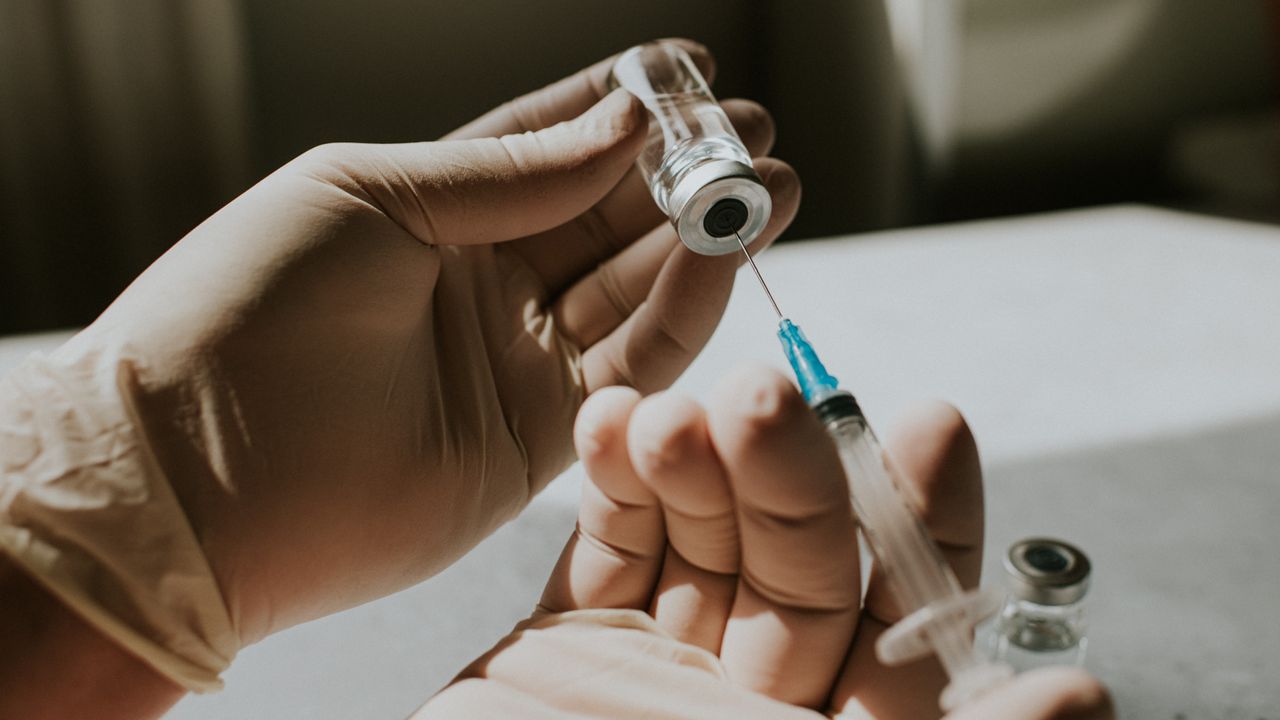
The U.S. Food and Drug Administration (FDA) has approved a new seasonal flu vaccine that uses mRNA as its base.
Moderna, the vaccine's maker, announced Wednesday (Aug. 5) that a vaccine advisory committee to the FDA unanimously agreed that the shot is safe and effective for preventing illness from seasonal influenza. The shot, called mFlusiva or mRNA-1010, has been approved for people ages 50 and older.
Similar to mRNA vaccines against COVID-19, the vaccine uses the genetic molecule mRNA to encode instructions for cells in the body. In this case, it prompts the cells to build hemagglutinin (HA), a protein found on the surface of influenza viruses. Flu viruses use this protein to infiltrate human cells, and it's the same protein targeted by conventional flu vaccines. Following vaccination with mFlusiva, the immune system learns to recognize the HA protein on targeted flu strains, thereby improving its ability to block the viruses from infecting cells.
The HA protein poses a major challenge for conventional flu vaccines because it mutates very rapidly as the viruses multiply and spread — and these existing vaccines take months to manufacture. That's one reason the resulting shots aren't always a great match for the flu viruses that end up circulating in any given year. A benefit of the mRNA platform is that vaccines can be produced very quickly and thus made to better match the season's dominant strains.
mFlusiva's approval was based in part on a late-stage clinical trial involving over 40,000 people ages 50 and up who were vaccinated for the 2024-2025 Northern Hemisphere flu season. Half received the mRNA-based shot, and half received a standard dose of a conventional flu vaccine (as opposed to the higher-dose option available to older adults in the U.S.).
Of the 40,000 participants, about 970 got sick with flu, including 2% of the mRNA group and 2.8% of the standard group. That means the mRNA vaccine was 26.6% more protective than the conventional vaccine against illness from flu in this trial.
mFlusiva also offered superior protection against each of the three flu subtypes included in the vaccine. And in participants ages 65 and up, the vaccine was 27.4% more protective, overall.
More people in the mRNA group experienced side effects like injection-site pain, headache, fatigue and achiness, compared with the standard group, but these effects were mostly short-lived and mild to moderate in severity. These side effects were consistent with what was seen in earlier trials of the vaccine.
An additional trial involved a group of adults ages 65 and older and directly compared mFlusiva to an existing high-dose flu vaccine, which is approved only for older adults in the U.S. The findings suggested that the mRNA vaccine generated superior immune protection than the conventional option, based on antibody levels.
These results led the FDA advisory committee to decide that the vaccine's benefits outweigh its risks, and the agency ultimately approved it. For adults ages 50 to 64, the vaccine earned standard approval, and for adults 65 and up, it earned "accelerated approval," meaning further trials will be conducted to confirm the benefit of the shot over the high-dose option for this population.
"Flu remains a significant public health challenge, and mFLUSIVA provides an important new option for America's seniors," Moderna CEO Stéphane Bancel said in a statement.
The approval appears to mark a shift in the government's stance on mRNA vaccines.
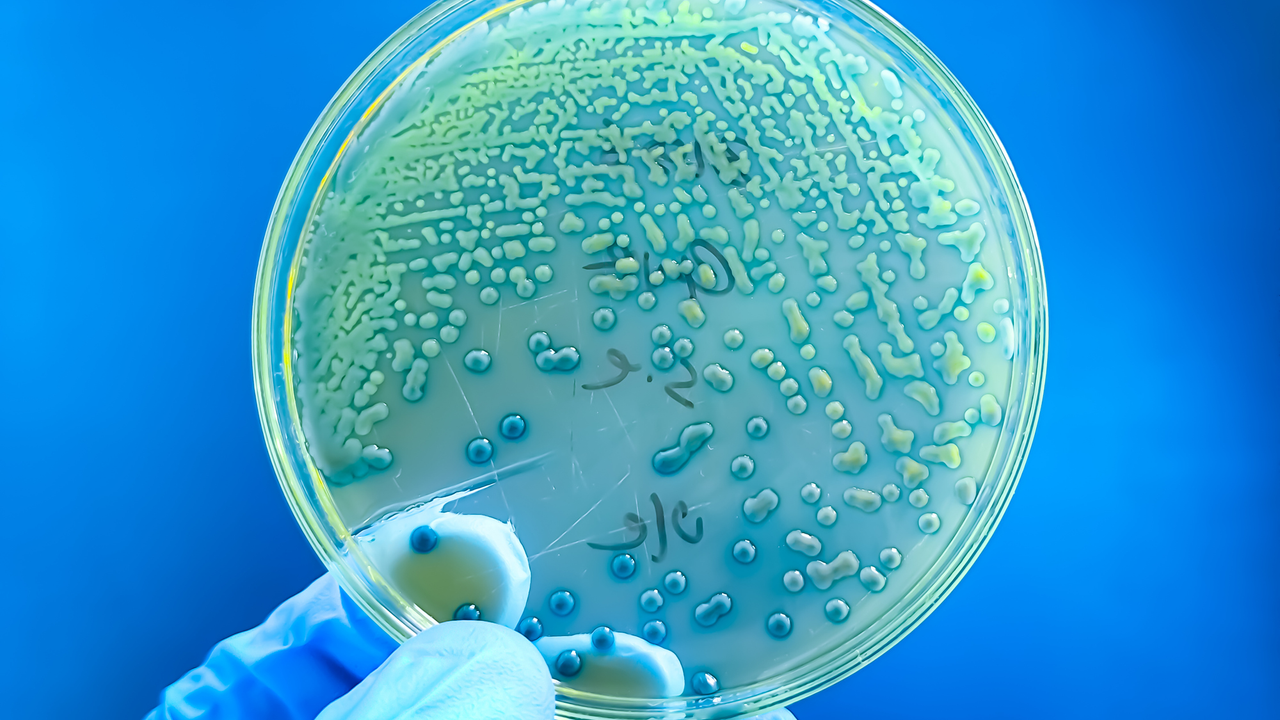
In the past 20 years, an increasing number of bacterial infections caught by children have been resistant to antibiotics, a new study finds.
The research, published in July in the journal JAMA Pediatrics, looked back at the past two decades, as well as looked forward, to predict how resistance rates might change in the decade to come. By 2035, some critical antibiotics will be met with "steep increases" in resistance among common bacteria, such as Acinetobacter baumannii and Klebsiella, the analysis found.
Antibiotic resistance contributed to 840,000 deaths among children under 5 in 2021, global estimates suggest, so if resistance continues to increase, that number could grow.
"These forecasts are warning scenarios, not inevitable outcomes," said study co-author Dr. Yanhong Jessika Hu, a clinical epidemiologist and public health researcher at Murdoch Children's Research Institute (MCRI) in Australia. "The projections broadly assume that historical patterns continue without a major change in direction," Hu told Live Science in an email.
If significant action is taken, that trajectory could be altered, she said.
"Resistance increased across all regions"
Antibiotic resistance is sometimes called "a silent pandemic," as it poses a formidable threat without stirring as much concern as other health crises, such as viral outbreaks. Resistance has gained attention in recent years, but the data on how it has affected children is patchy, said study co-author Dr. Penelope Bryant, a clinician-researcher at MCRI, Royal Children's Hospital Melbourne, and the University of Melbourne.
"It's perceived as being a lesser problem in children," Bryant told Live Science. "It's not a theoretical problem; it's real, and it's happening. But I think the visibility is just substantially less than in adults."
That's partly because many resistance-tracking efforts combine adult and pediatric data, and the adult data ends up obscuring trends in children, Hu said. "Adult findings cannot simply be applied to children because children have different infection patterns, antibiotic exposure and treatment options," she noted.
Meanwhile, studies aimed only at children tend to vary in the age groups and clinical settings they include, making direct comparisons difficult, Hu said. This lack of granularity hinders efforts to counter resistant infections in children through changes in policy or clinical protocols. Children also have fewer antibiotic options than adults do at baseline, which makes preserving those options even more important, Bryant added.
The analysis found that resistance rates were highest in ICUs, in children under 3 with the most severe infections, and in resource-limited settings. (Image credit: Jacob Wackerhausen via Getty Images)
To help fill the gap, the researchers turned to the Antimicrobial Testing Leadership and Surveillance database, which contains clinical samples from children and teens ages 0 to 18 across 82 countries. These bacterial samples were collected between 2004 and 2022 from a variety of medical settings, including hospital wards, intensive care units and outpatient clinics. The included countries ranged from high-income, such as the U.K. and the U.S., to low-income, such as Malawi and Uganda.
The analysis included over 106,000 bacterial samples and assessed which antibiotics these germs were resistant to. The antibiotics were grouped based on the World Health Organization's Access, Watch, Reserve (AWaRe) system: "Access" antibiotics target few bacteria and are recommended as the first choice for most bacterial infections, "Watch" antibiotics have broader effects and should be used selectively for more-resistant infections, and "Reserve" antibiotics are considered last-resort options to use when all alternatives have failed.
"Resistance increased across all regions, showing that this is not only a problem in lower-income countries," Hu said. "However, the highest resistance levels and some of the steepest increases were seen in lower-resource settings."
A wake-up call
Part of the analysis zoomed in on eight bacteria that are considered "critical" or "high" priority by the WHO, meaning they impose a particularly high healthcare burden due to their resistance. Across these germs, resistance rates were similar across high- and low-income countries in 2004, but those trends diverged by 2022.
Overall, resistance to Access antibiotics declined across the study period, but that improvement wasn't the same across all settings. In high-resource countries, resistance to Access drugs fell from 48% to 29% among the eight bacteria, while it rose slightly — from 44% to 47% — in low-income settings. These percentages correspond to the number of bacterial samples from each year that showed resistance to at least one Access drug.
The decline seen in some countries is "almost certainly because of the large investment that high-income countries have put into controlling MRSA," Bryant said, referencing methicillin-resistant Staphylococcus aureus. MRSA can cause painful skin infections as well as life-threatening complications, like sepsis.
With low-income countries, the problem is amplified because of poor sanitation and because of unregulated access to antibiotics.
Dr. Penelope Bryant, clinician-researcher at MCRI, Royal Children's Hospital Melbourne, and the University of Melbourne
Modeling future trends, the team predicts that resistance to Access antibiotics will stabilize or decline across most regions by 2035. However, resistance against Watch antibiotics rose between 2004 and 2022 and is projected to continue increasing. Among the eight critical and high-priority bacteria, it rose from 14% to 24% in high-income countries and from 16% to 48% in low-income nations.
Resistance to Reserve drugs also increased among these germs, rising from 9% to 25% in high-income countries and from 4% to 37% in low-income ones.
While the model predicted "steep increases" in Watch resistance, it projected slower increases in Reserve resistance over the next decade, by comparison. These trends were driven largely by increases in low-income settings, but high-income settings were not spared.
"With low-income countries, the problem is amplified because of poor sanitation and because of unregulated access to antibiotics," Bryant noted. Easy access to over-the-counter antibiotics makes it more likely for the medicines to be misused, which ultimately pressures more bacteria to evolve resistance.
This analysis gives a snapshot of how antibiotic resistance is affecting kids now and how it might do so in the future. However, the data it's based on has some limitations. For instance, the samples collected from each country aren't necessarily representative of the entire nation; they came from only certain participating medical centers and each country contributed different numbers and types of samples. So "the results should therefore not be interpreted as precise national prevalence estimates," Hu cautioned.
"But it's the first large dataset, really, to look specifically at children," Bryant said. And "it gives us an idea that things are getting worse."
One winter night in 2011, pediatrician Dr. Masahiko Sakamoto met two parents and a feverish infant who would shape the course of his career.
Sakamoto was working at a rural hospital in Japan's Fukushima prefecture, roughly 160 miles (260 kilometers) northeast of Tokyo. Around midnight, as a heavy snowfall coated the ground outside, two parents arrived with their young child. The infant had a mild fever but was otherwise in good shape, Sakamoto determined. There were no signs of an emergency that warranted a doctor's attention.
Then, Sakamoto learned that the parents had driven 1.5 hours from a small mountain village to reach the hospital.
"Driving a car, with such snow accumulated on the road — that's a very risky behavior," Sakamoto said. He told me he was shocked by the "imbalance" between the infant's mild case and the parents' decision to make a three-hour round trip on dangerous roads out of concern that their child might need emergency medical care.
The experience alerted Sakamoto to a broader pattern: Parents with a limited understanding of childhood illnesses can become especially anxious when their child gets sick and end up seeking unnecessary medical care. Pediatricians in both Japan and the U.S. have described a similar trend to me in the context of antibiotics; parents sometimes request antibiotics that aren't needed, in part because they believe the drugs will alleviate their child's suffering.
Many doctors make the effort to explain the basics of childhood illnesses and appropriate antibiotic use to children's caregivers. But given that they're pressed for time and those conversations can be tricky to navigate, doctors told me that it would be helpful if parents came to appointments equipped with that information. Since that snowy night, Sakamoto has made it his mission to help educate parents about childhood illnesses before they arrive at a medical facility.
"What I am currently most interested in as a pediatrician," he said, "is how to provide accurate medical information to the parents or guardians of the children."
By the time parents arrive at a doctor's office or hospital, the chance to avert an unnecessary visit has been missed, Sakamoto recognized. So he wanted to help give caregivers the information needed to weigh whether a visit is necessary. He hoped to relay which symptoms of serious disease should prompt medical intervention and teach them appropriate at-home care for mild symptoms.
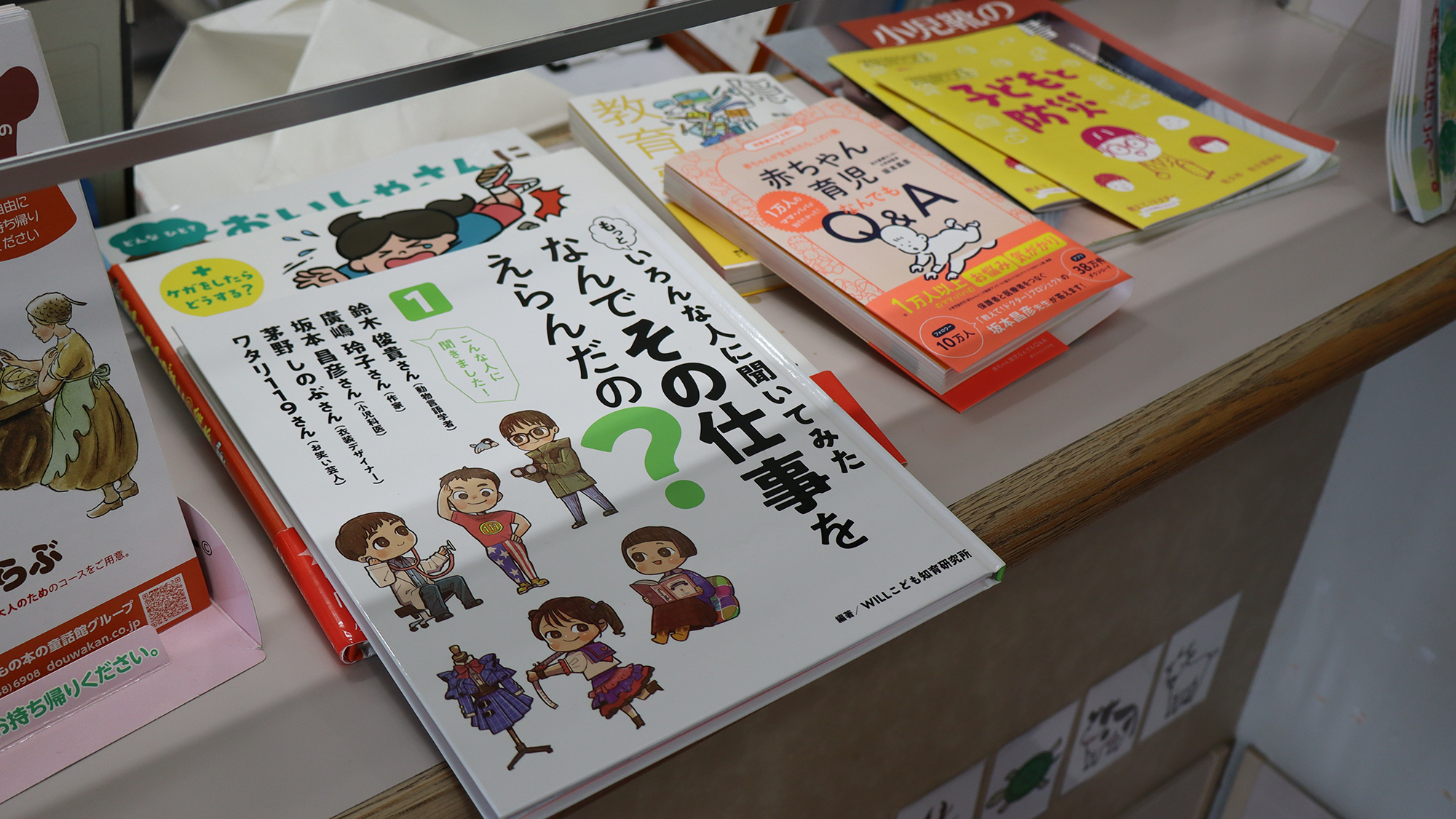
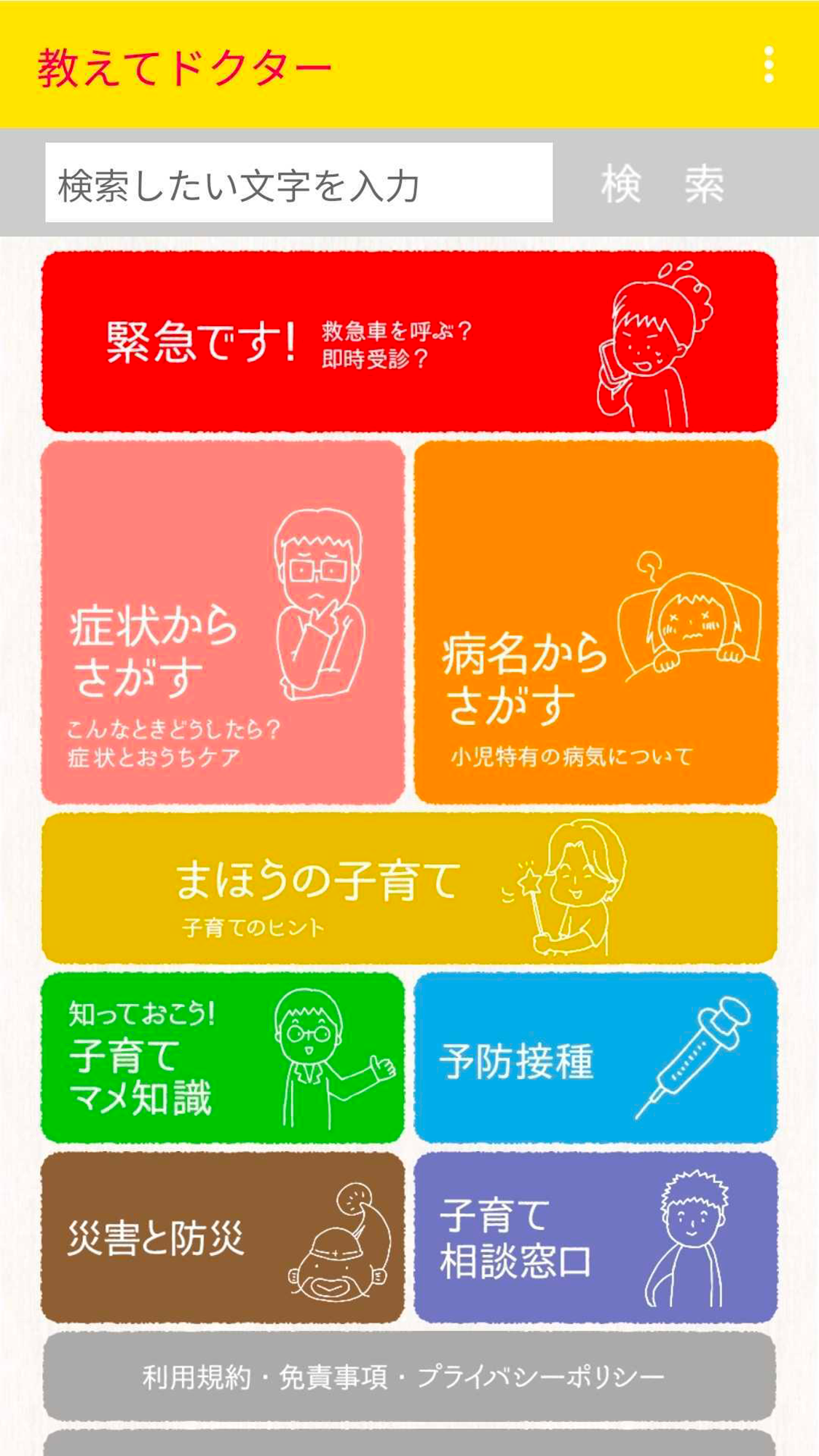
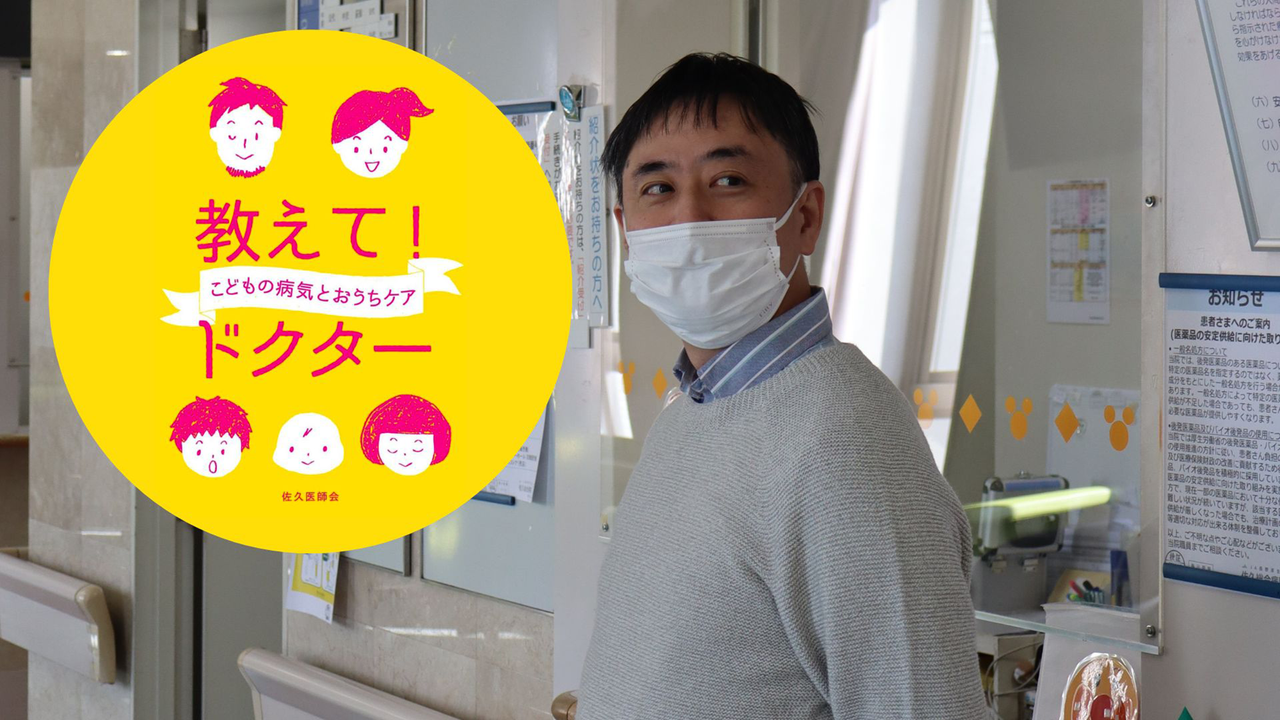
He started giving public lectures on these topics. Later, he wrote manuals of childhood illness, featuring adorable illustrations and plain-language explanations. In 2016, those manuals went digital. The free "Oshiete! Doctor" app, whose name translates to "Teach me! Doctor," has been downloaded more than 500,000 times in Japan, with approximately 100,000 active users, Sakamoto told me.
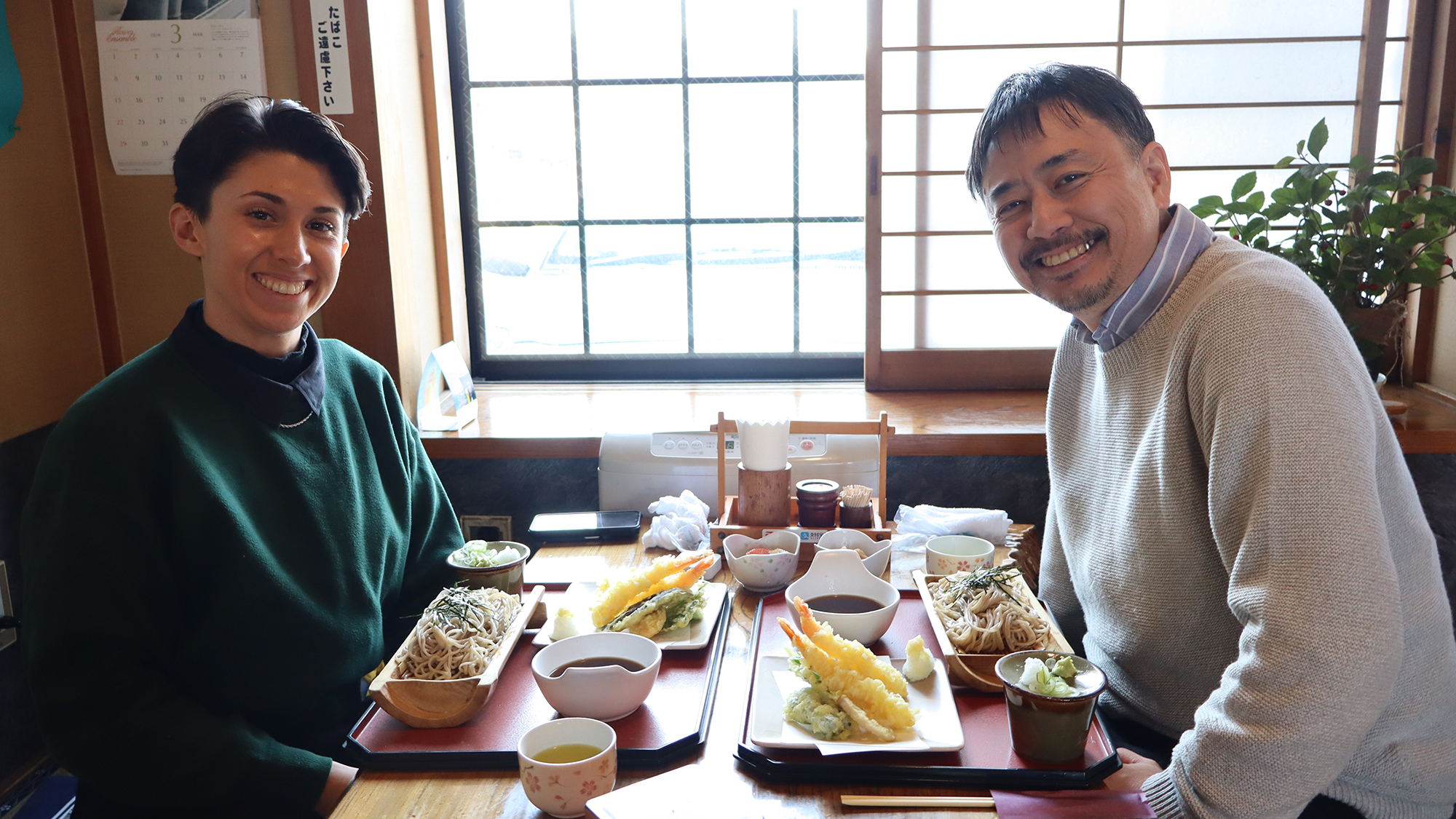
"It's quite famous around here," Risa*, a mother of two in Saku, Japan, said of the app. Sakamoto now works at Saku Central Hospital, and the city provides funding for the app's operation and promotes its use at health centers and events aimed at children and their caregivers.
"As a parent, I'm really grateful to have something like that — a resource that makes it easy to access information — right at my fingertips," said Rie Shinohara, another mother of two in Saku.
The app's content gets updated annually and applies to children and teens up to about 15 years old. It provides information on hygiene, immunization schedules and disaster preparedness, such as how to care for kids' health while evacuating for a natural disaster. (The team translated the app's disaster preparedness content for caregivers affected by the war in Ukraine.)
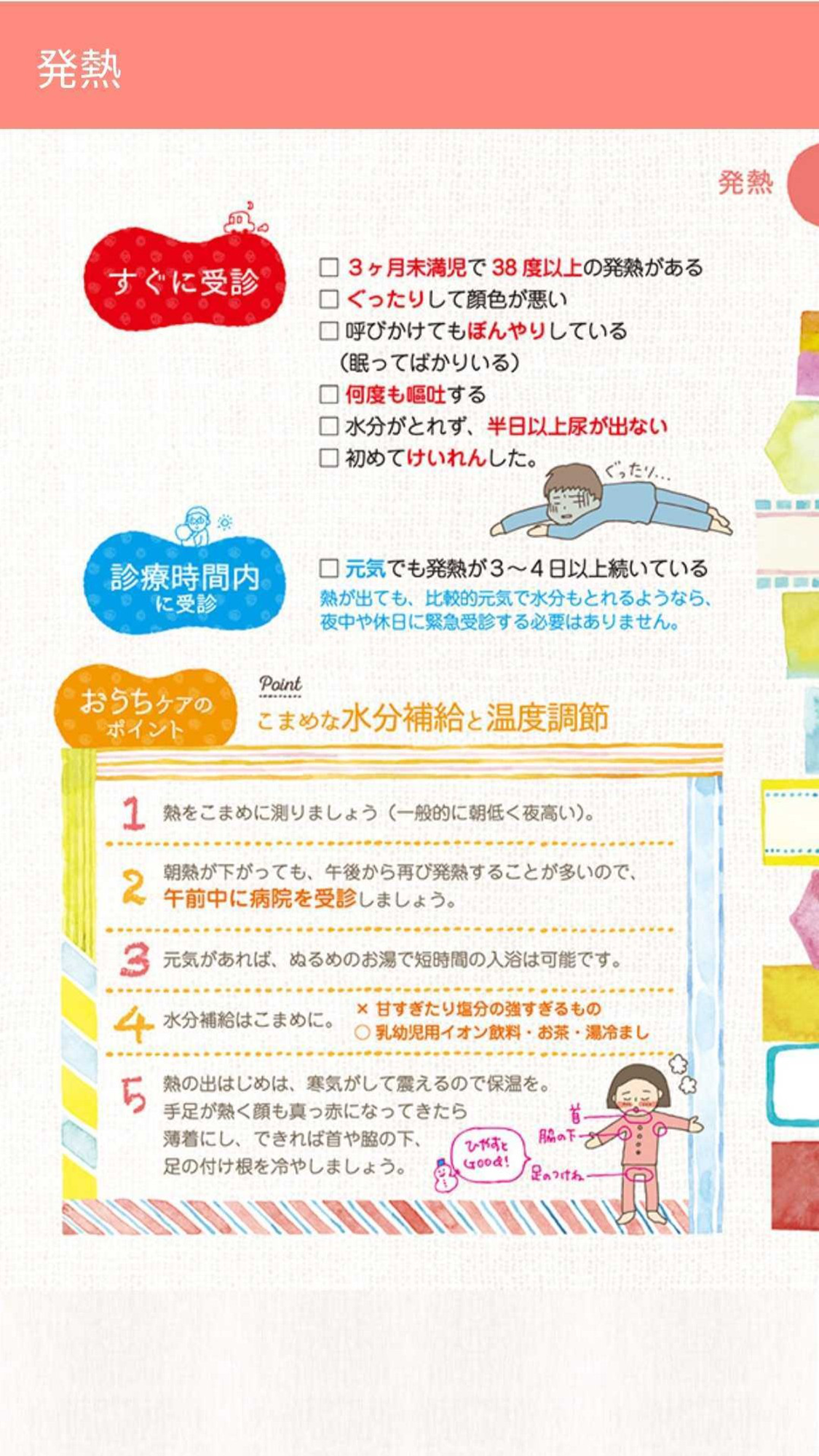
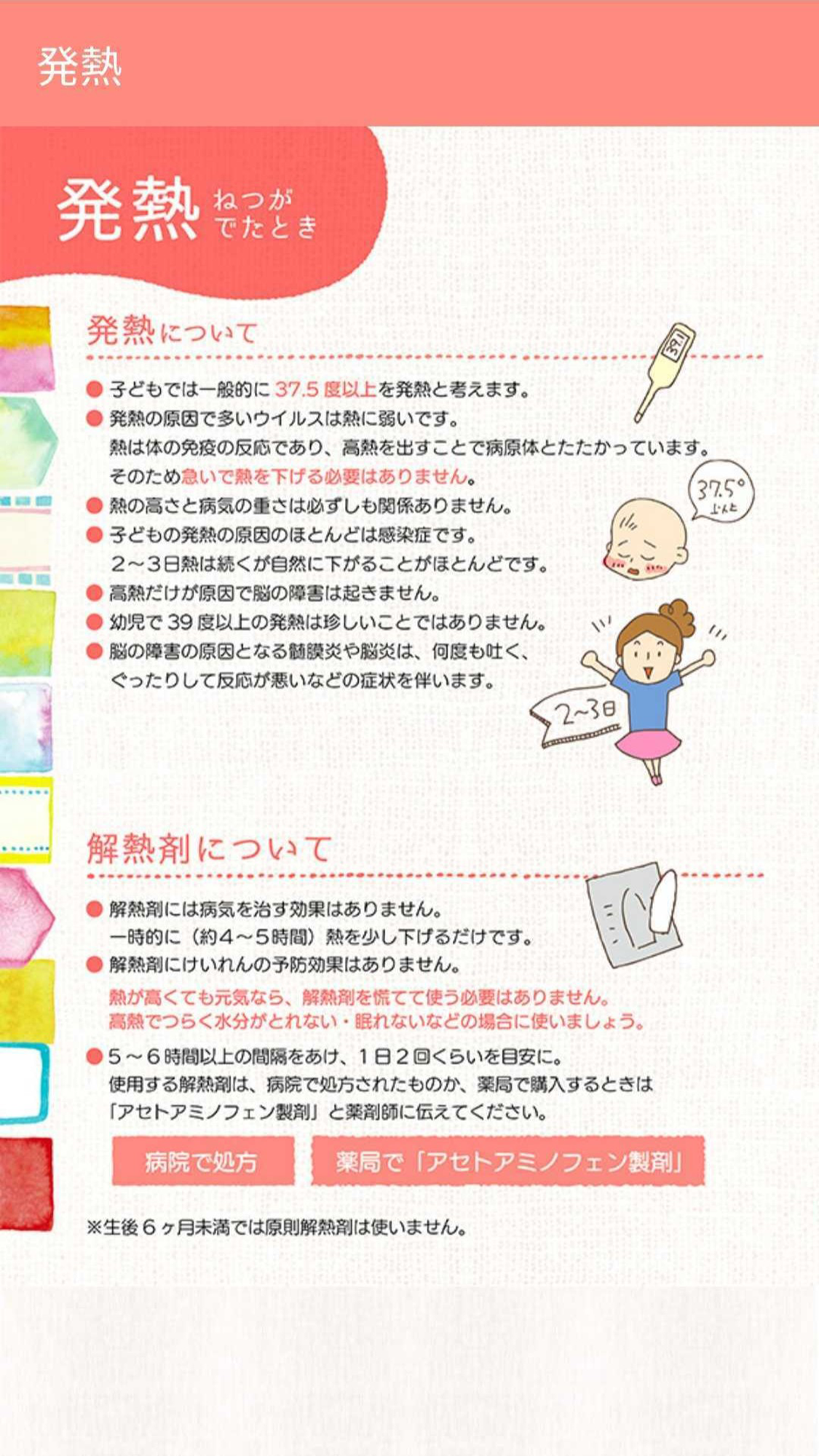
The app also includes guidance on when children should visit a hospital and explanations of common childhood illnesses and injuries, such as what medications might reasonably be prescribed and how to manage mild symptoms at home.
As a parent, I'm really grateful to have something like that — a resource that makes it easy to access information — right at my fingertips.
Sakamoto and colleagues have studied the app's impact on caregivers. For instance, they've found evidence that app users utilize the emergency department more appropriately than nonusers do. In that study, 87% of users said the app made it easier to decide whether to visit the hospital, and 94% said they'd recommend it to others.
Challenges of educating parents
The team has also studied how the app's users feel about fever — the symptom that compelled the infant's parents to drive on snow-laden roads that night.
"The phenomenon known as 'fever phobia' among parents has long been recognized, and it is not unique to Japan," Sakamoto said. Notably, the American Academy of Pediatrics offers similar guidance to the "Oshiete! Doctor" app regarding fever, emphasizing that the symptom doesn't always require medical care and giving tips for when a doctor should be called.
Parents' worries about pediatric fever can be outsize compared with the threat it poses. Most fevers in kids are caused by viral infections that go away on their own, Sakamoto said, but caregivers can be compelled to seek care because they're concerned about fever triggering seizures or brain damage. This is especially true of first-time parents and parents with other children who'd had febrile seizures in the past, he added.
"With the first child, you just don't know. Why does he have a fever?" Shinohara noted. Of her firstborn, she added, "I probably took him to the doctor more often than necessary." But by her second, she felt she developed a better sense of when to seek medical care. Sakamoto's hope is that his app can help fill that information gap sooner.
Courtesy of Dr. Masahiko SakamotoCourtesy of Dr. Masahiko SakamotoCourtesy of Dr. Masahiko Sakamoto
In a survey-based study, Sakamoto and colleagues polled hundreds of caregivers in Saku about their understanding of fever, taking stock of which parents had downloaded "Oshiete! Doctor." Between 2017 and 2024, a greater proportion of parents understood that fever alone does not necessarily mean a child needs medical care. Plus, a lower percentage of parents thought that antibiotics are always needed to treat fever. On the latter point, users of the app were most likely to answer correctly, although nonusers also improved between the two survey years.
Sakamoto credits some of that improvement to the incentive offered to pediatricians to avoid unnecessary antibiotics, which requires that doctors explain appropriate antibiotic use to caregivers. He thinks the message is likely more powerful for parents when it comes from their pediatrician, rather than government information campaigns. That said, Sakamoto emphasized that it's important to have strong educational materials available to help support doctors' explanations to parents.
Despite these improvements, Sakamoto also observed that parental anxiety about fever complications increased between the two survey years — although, notably, the COVID-19 pandemic took place in that time frame, which could be a piece of the puzzle.
"Their knowledge about fever, how to manage fever, and also the appropriate use of antibiotics was enhanced, whereas the fear about the children's fevers worsened," Sakamoto said. "Even when knowledge improves, emotional anxiety does not easily disappear; this is one of the challenges of public education."
Other challenges include the rising use of AI chatbots among parents, Sakamoto noted. He's encountered parents whose anxiety was triggered by erroneous information from a chatbot that suggested their child's prognosis was worse than it was, for instance. "It is rather rare to see that the parents have holistically accurate information from AI," he told me.
If he can secure more funding for "Oshiete! Doctor," Sakamoto hopes to someday make the app multilingual. In the long run, he remains committed to providing parents with this vetted information to both alleviate their worries and optimize their use of the healthcare system.
"We have the responsibility to check how the information is delivered to the parents or guardians and how it leads to behavioral changes," Sakamoto said. "So it is not just us disseminating information but whether or not it is truly received."
Editor's note: Risa (marked with an asterisk) asked that only her first name be used for privacy.
This article is for informational purposes only and is not meant to offer medical advice.

 Login

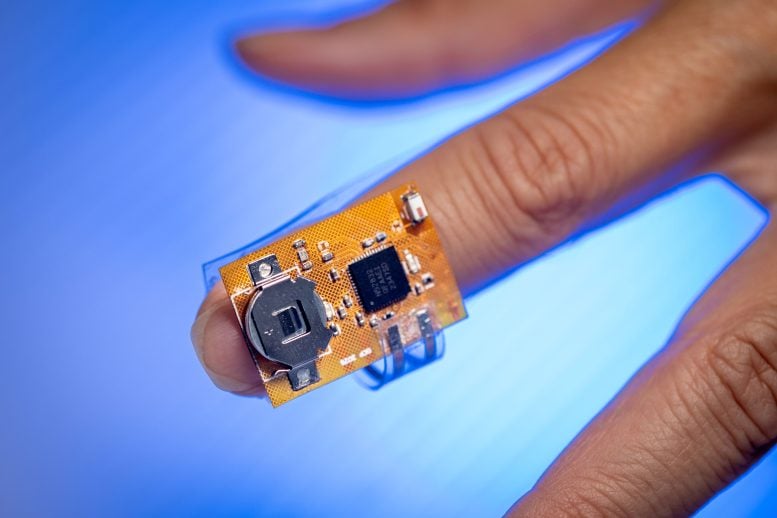 A battery-free sweat sensor could make levodopa monitoring faster and more personalized for people with Parkinson’s disease. For people with Parkinson’s disease, the effect of a levodopa dose can fade abruptly, allowing movement problems to return before the next scheduled dose. Engineers and neuroscientists at the University of California San Diego have developed a soft [...]