❌

Reading view

South Korea Hand, Foot, and Mouth Disease Outbreak Continues

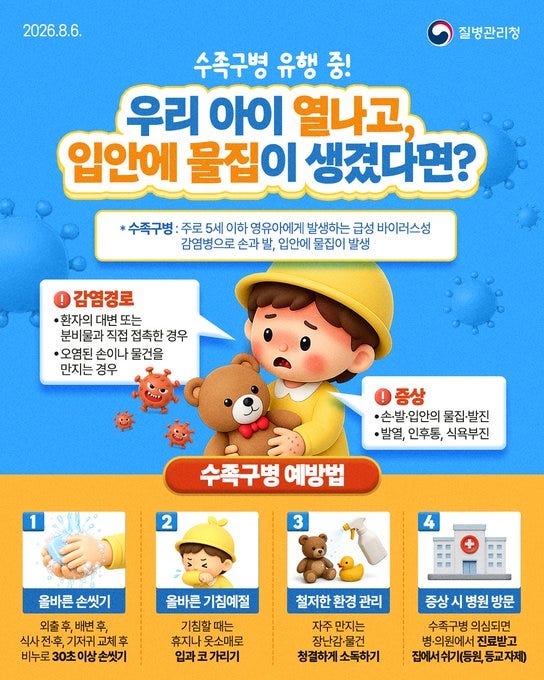
The Korea Disease Control and Prevention Agency urged adherence to preventive measures and strengthened hygiene management for infants and young children, as the proportion of suspected hand, foot, and mouth disease cases has increased approximately 33-fold over the past 12 weeks based on the results of sample surveillance conducted on 93 clinics nationwide.
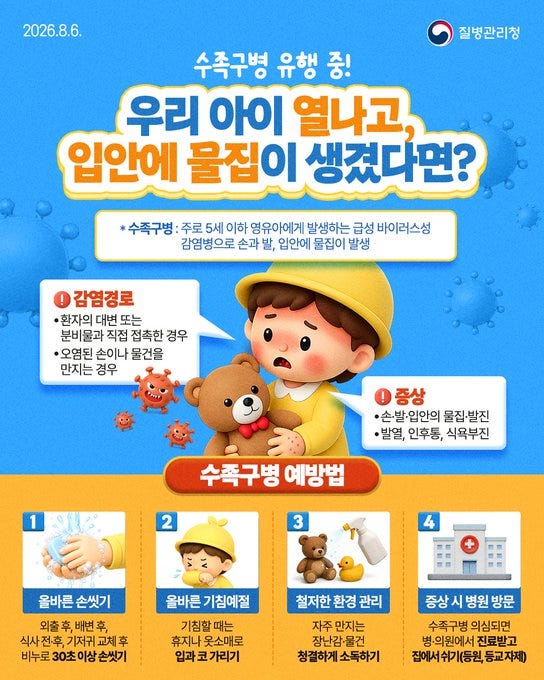
Hand, foot, and mouth disease is an acute viral disease that primarily affects infants and young children under the age of five. It can be contracted through direct contact with an infected person’s feces or secretions (saliva, phlegm, nasal discharge, fluid from blisters, etc.) or by touching contaminated objects. Major symptoms include fever, sore throat, and loss of appetite. One to two days after the fever, small red spots may appear inside the mouth on the inner cheeks, gums, and tongue, along with rashes on the skin of the hands and feet.

In addition, symptoms improve after 3 to 4 days and most people recover after 7 to 10 days, but because complications such as meningitis and encephalitis can rarely occur, you should visit a medical institution for treatment if hand, foot, and mouth disease symptoms worsen.

The best way to prevent hand, foot, and mouth disease is to strictly maintain personal hygiene, such as washing hands properly upon returning home from outside, before and after meals, before and after changing diapers, and after caring for a patient. Daycare centers and kindergartens should strengthen disinfection management for frequently touched surfaces like toys and doorknobs, as well as shared items, and provide guidance and education to ensure strict adherence to preventive measures, such as handwashing.

Subscribe to Outbreak News TV on YouTube

In particular, because hand, foot, and mouth disease is highly contagious, parents should refrain from sending their children to daycare centers or kindergartens until the patient’s blisters have completely healed, and should also avoid using multi-use facilities frequently visited by infants and toddlers, such as kids’ cafes, cultural centers, and swimming pools.

Facilities where Hand, Foot, and Mouth Disease has occurred must thoroughly wash and disinfect all items contaminated with patient secretions (feces, saliva, etc.), including contact surfaces such as doorknobs. When disinfecting, commercially available bleach (4% sodium hypochlorite) should be diluted (bleach 1: water 7) and wiped using an absorbent material such as a cloth or tissue. During washing and disinfection, be sure to wear a KF94 mask and gloves to prevent infection through droplets.

The Coxsackievirus that causes hand, foot, and mouth disease has strong resistance to alcohol disinfectants, so it is difficult to expect sufficient disinfection effects with regular alcohol hand sanitizers or disinfectant ethanol.

Lim Seung-kwan, Commissioner of the Korea Disease Control and Prevention Agency, urged childcare facilities to strictly manage hygiene, including proper handwashing education and disinfection of equipment, as the number of hand, foot, and mouth disease (HFMD) cases among infants and toddlers has been continuously increasing recently. He also requested that parents cooperate by ensuring their children return to school only after they have fully recovered from HFMD to prevent further spread. In addition, he urged multi-use facilities frequently visited by infants and toddlers, such as kids’ cafes and cultural centers, to strengthen disinfection measures within their premises.

Outbreak News Today is a reader-supported publication. To receive new posts and support my work, consider becoming a free or paid subscriber.
  •  

West Nile virus in Italy so far in 2026

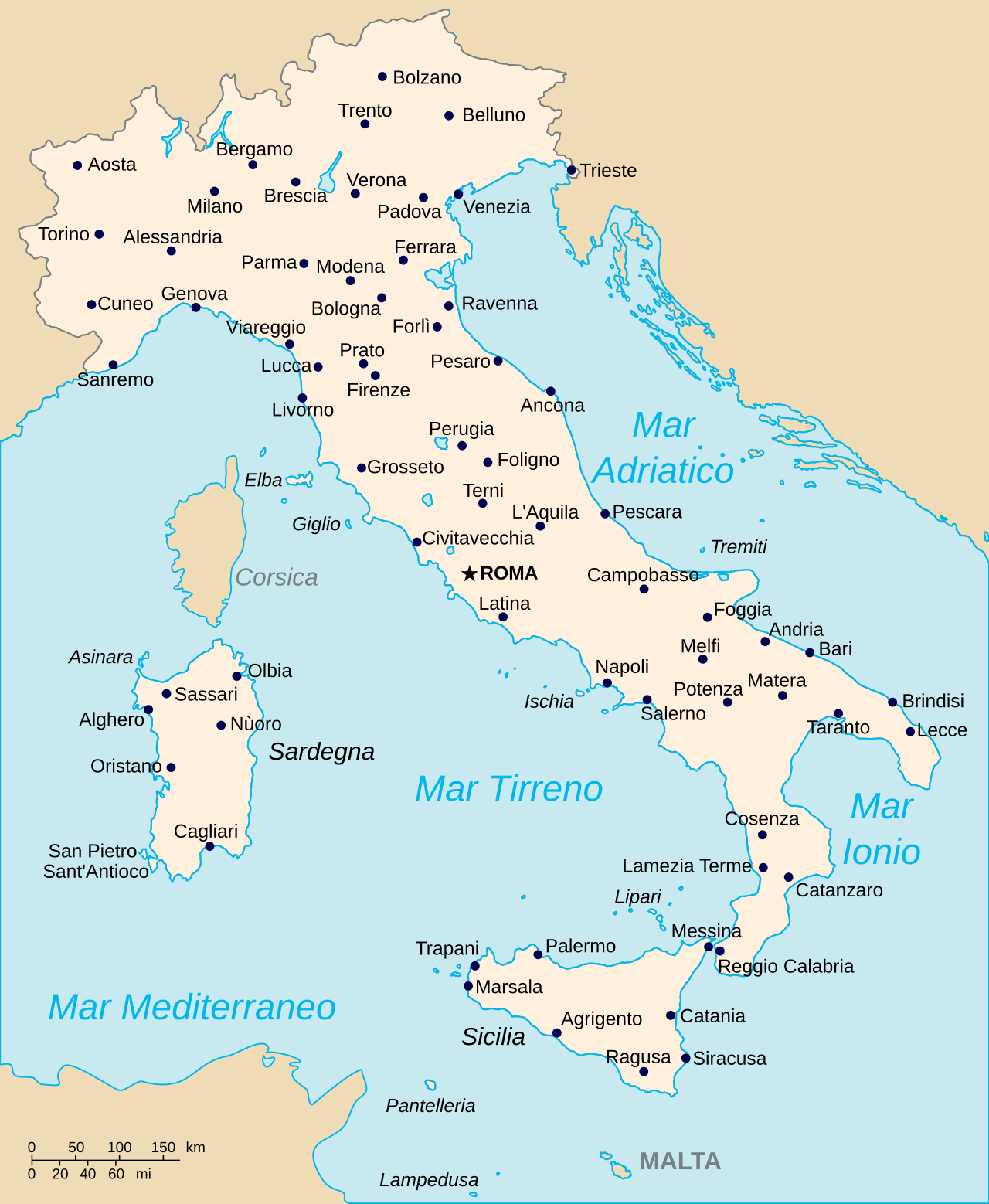
In Italy, from February through July 28, 84 cases of West Nile virus (WNV) infection in humans have been confirmed in Italy, with two deaths.

Of the 84 cases, 37 were neuroinvasive (1 case imported from the Maldives, while for one case the province of probable exposure is unknown), 19 were asymptomatic cases identified in blood donors (1 case for which the province of probable exposure is unknown), 27 cases of fever and 1 symptomatic case. Among the confirmed cases, 2 deaths have been reported (1 death in an imported case).

There are 47 provinces with demonstrated WNV circulation belonging to 12 regions: Piedmont, Lombardy, Veneto, Liguria, Emilia-Romagna, Tuscany, Lazio, Abruzzo, Molise, Campania, Sicily and Sardinia. From a numerical point of view, the epidemiological trend is currently in line with that of the previous year (in the same period in 2025, there were 89 confirmed cases in Italy, 40 of which were neuroinvasive).

West Nile virus has been circulating in Italy for several years now, emphasize arbovirus experts at the ISS Department of Infectious Diseases. Despite the current limitations in data transmission, all public health protection measures are in place, including those for the safety of transplants and transfusions.

It should be remembered that 80% of West Nile virus cases are asymptomatic, while the risk of serious consequences is greater for the most vulnerable. The disease is not transmitted from person to person. Therefore, the advice is to protect yourself as much as possible from contact with mosquitoes, which carry the virus, and to contact your doctor if you have symptoms such as a fever above 38°C, especially if accompanied by a rash.

Doctors are advised to consider the possibility of West Nile virus infection in the presence of compatible symptoms and proceed with laboratory diagnosis.

Outbreak News Today is a reader-supported publication. To receive new posts and support my work, consider becoming a free or paid subscriber.
  •  

North Carolina cyclospora update

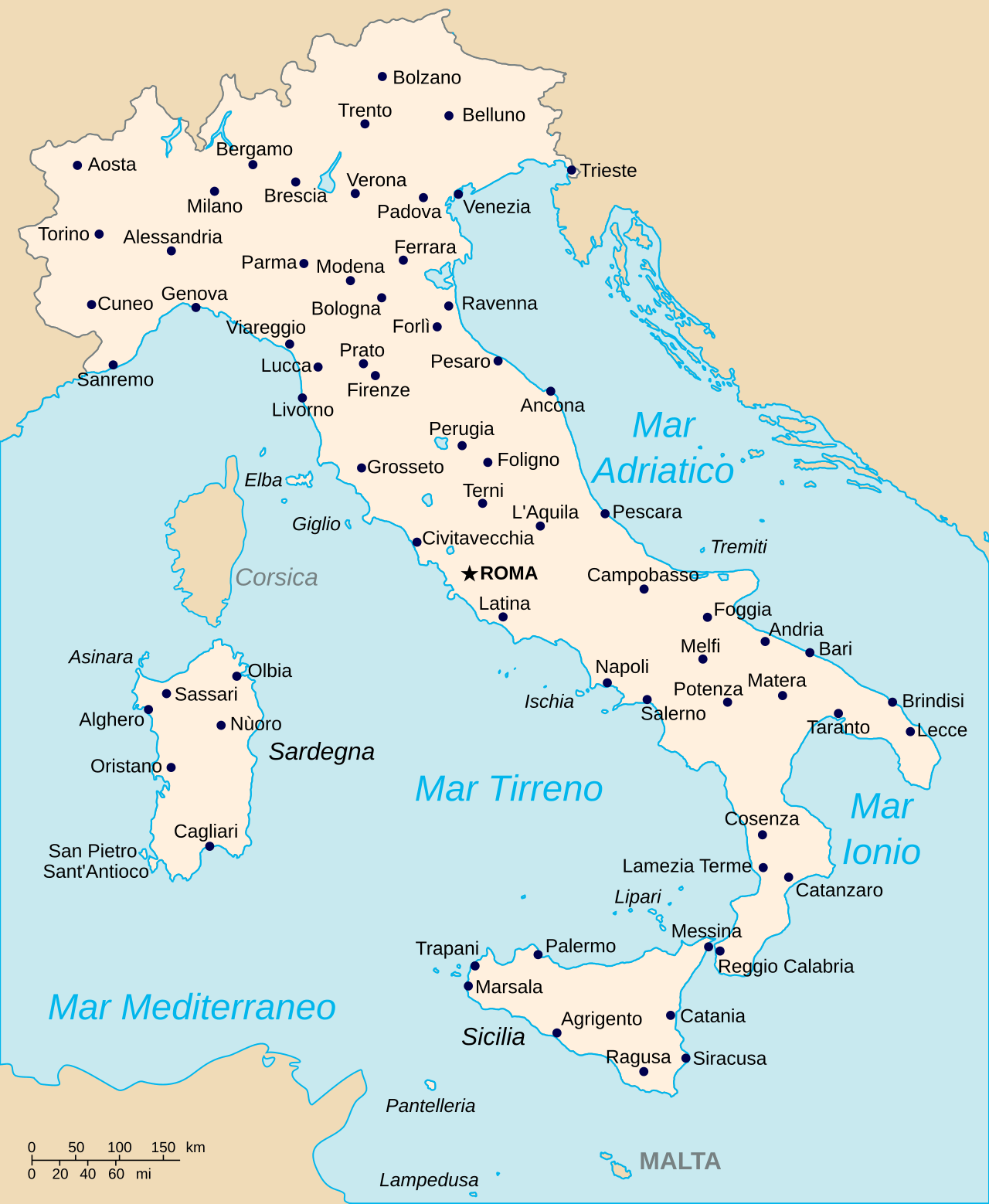
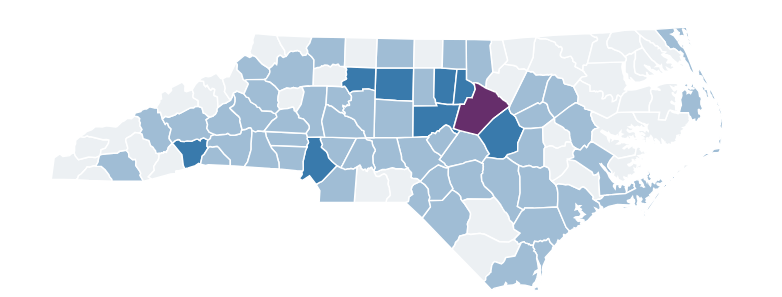
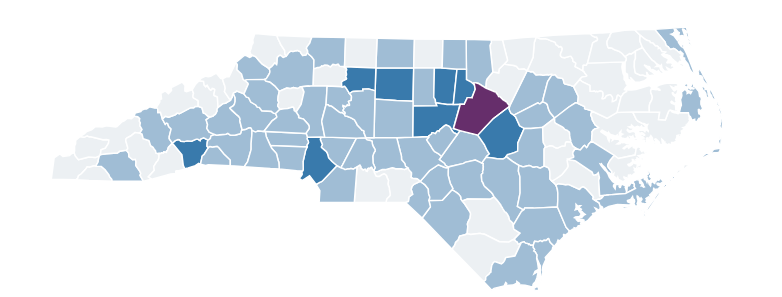
In an update on the cyclospora outbreak in North Carolina, the North Carolina Department of Health and Human Services now reports 867 cases since May 1and through August 4. 494 cases were reported in Wake County.

In addition, 33 people required hospitalization for their illness.

While a source has not yet been identified, current data from patient interviews indicate that parsley and cilantro are commonly reported among cyclosporiasis cases. However, many cases did not report eating either of these foods before getting sick, suggesting there could be multiple sources of exposure.

Cyclospora outbreak 2026

At this time, there has not been a confirmed source of contaminated produce identified to explain the increase in cases in North Carolina. If an ingredient or food product is recalled, local health departments work with the establishments to make sure the ingredient or food product is no longer used.

According to the CDC, since May 1, 2026, they have received reports of 10,468 laboratory-confirmed domestic cases of cyclosporiasis.

In addition, CDC is aware of more than 12,255 additional cases that are not laboratory-confirmed or require further investigation and analysis, such as ruling out exposure to sources overseas.

Many of the additional cases have been reported by Michigan (12,218 and 2 deaths).

Outbreak News Today is a reader-supported publication. To receive new posts and support my work, consider becoming a free or paid subscriber.
  •  

Psilocybin-assisted therapy and severe PTSD

The first U.S. clinical trial of psilocybin-assisted therapy in veterans with PTSD who got no relief from conventional treatments has established that the protocol is safe, causing no serious adverse events or increases in suicidal thinking or behavior.

In fact, the preliminary clinical results exceeded researchers’ expectations.

Joining me to discuss psilocybin-assisted therapy and PTSD and the study published in the journal Communications Medicine is Stacey Armstrong , PhD. Dr Armstrong is the Associate Director and Senior Researcher at the Center for Psychedelic Drug Research and Education (CPDRE) at The Ohio State University.

Outbreak News Today is a reader-supported publication. To receive new posts and support my work, consider becoming a free or paid subscriber.
  •  

Virginia reports first locally acquired dengue case

Virginia state health officials, along with the Fairfax County and Loudoun County Health Departments, report investigating a confirmed case of dengue virus infection in a resident who did not have known travel outside of Virginia prior to illness onset.

This is the first documented case of locally acquired dengue in Virginia.

The patient is known to have been in close proximity to a recent internationally acquired case in a Virginian who was diagnosed a couple weeks prior- Transmission of the virus likely occurred when a local mosquito bit the internationally acquired case while infectious and subsequently infected the second case.

There is no evidence of continued transmission and no additional reports of locally acquired dengue cases at this time. The potential risk for acquiring dengue virus in Virginia remains low.

Dengue can range from asymptomatic infection or mild illness to severe disease. The typical incubation period is 5–7 days. The usual clinical presentation includes acute onset of fever accompanied by any of the following symptoms: severe headache, retro-orbital pain, myalgia, nausea and vomiting, arthralgia, and macular or maculopapular rash. Mild symptoms of dengue can be confused with other illnesses that cause fever. Symptoms of dengue typically last 2–7 days. Most people will recover after about a week. 

Cyclospora outbreak 2026

Approximately one in 20 infected people develop severe dengue, which is a medical emergency. Symptoms of dengue can become severe within a few hours. Severe dengue can result in shock, internal bleeding, and death. Warning signs that have been associated with an increased risk for progression to severe dengue include:

  • Severe abdominal pain or tenderness

  • Persistent vomiting (≥3 episodes in 1 hr. or ≥4 episodes in 6 hrs.)

  • Clinical fluid accumulation (e.g., pleural effusion, ascites, or pericardial effusion)

  • Mucosal bleeding

  • Altered mental status

  • Liver enlargement

  • Progressive increase of the hematocrit (in at least 2 consecutive measurements taken 6 hours apart).

Related news: Florida reports another locally acquired dengue case in Hillsborough County

Outbreak News Today is a reader-supported publication. To receive new posts and support my work, consider becoming a free or paid subscriber.

  •  

Florida reports another locally acquired dengue case in Hillsborough County

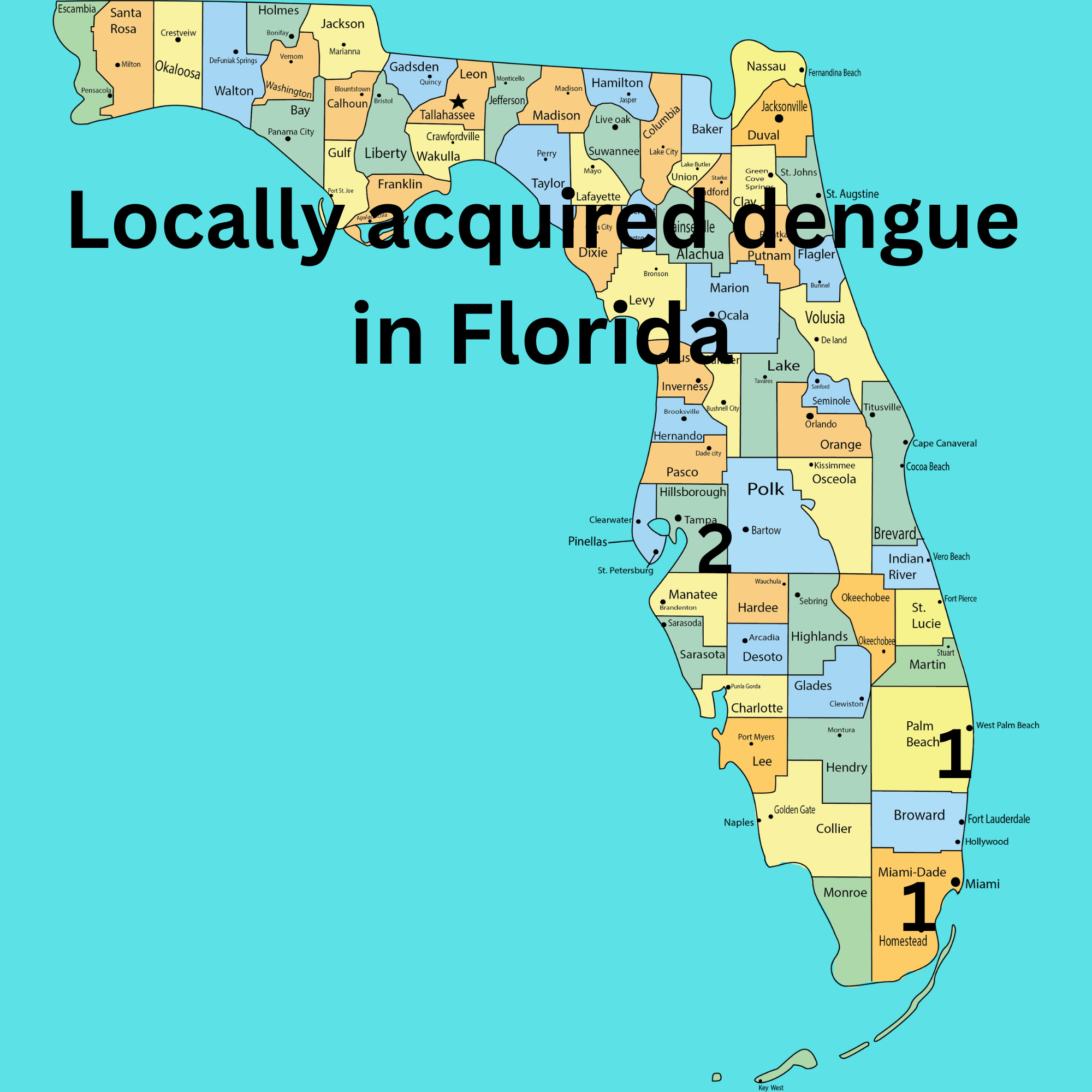
For the third time this week, the Florida Department of Health reported an additional confirmed locally acquired dengue fever, this one in Hillsborugh County, on Florida’s west-central coast.

This brings the total locally acquired cases this year to four from three counties- Hillsborough (2), Miami-Dade, and Palm Beach counties.

During the past week, officials reported two additional travel associated dengue cases, bringing the total to 51.

Cyclospora outbreak 2026

Dengue can present as a flu-like illness with severe muscle aches and joint pain, fever, and sometimes a rash. Usually, there are no respiratory symptoms. Symptoms of dengue will appear within 15 days after being bitten by an infected mosquito. Dengue fever is not contagious but is transmitted by the bite of an infected Aedes aegypti mosquito.

In addition, five cases of chikungunya fever were reported this week. In 2026, 44 cases of travel-associated chikungunya fever have been reported.

Outbreak News Today is a reader-supported publication. To receive new posts and support my work, consider becoming a free or paid subscriber.

  •  

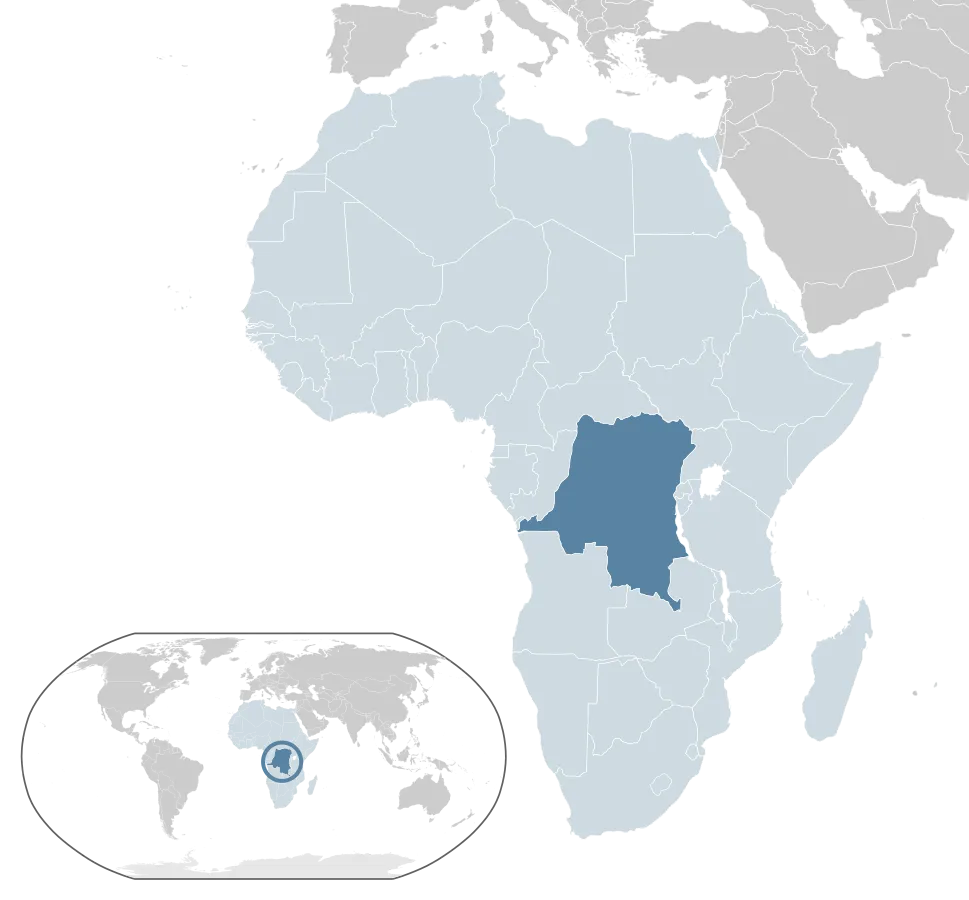
Ebola outbreak grows to 3,874 cases, 1,751 deaths

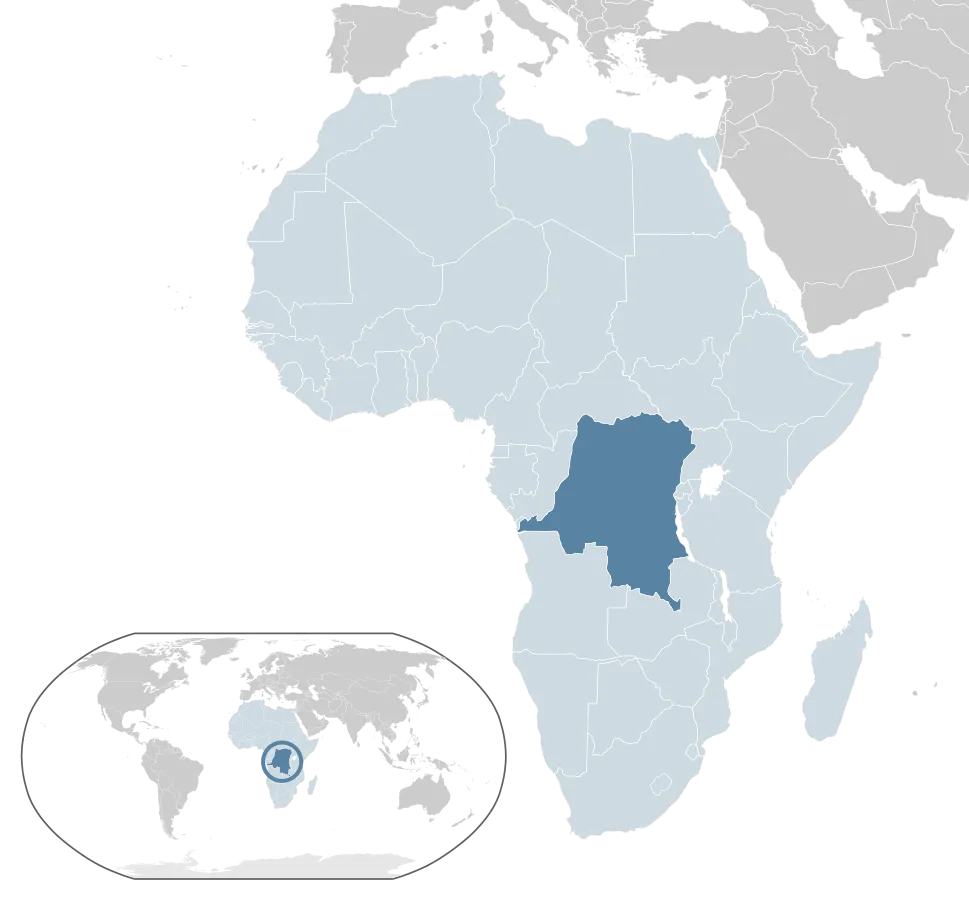
Health officials with the Democratic Republic of the Congo (DRC) report 72 new confirmed Ebola cases and 44 additional confirmed deaths, bringing the total cases and deaths through August 3 to 3,874 cases and 1,751 deaths for a 45.1% case fatality rate.

The epidemic remains confined to 51 out of 140 health zones across five provinces: Ituri (28/36), North Kivu (12/34), Haut-Uélé (5/13), Tshopo (5/23) and South Kivu (1/34).

Ituri remains the epicenter, accounting for 87.1% of cumulative cases (n = 3,375) and 81.0% of deaths (n = 1,417), with a case fatality rate of 42.0%.

blue and white floral textile
Photo by CDC on Unsplash

Outbreak News Today is a reader-supported publication. To receive new posts and support my work, consider becoming a free or paid subscriber.
  •  

Miami-Dade County reports locally-acquired dengue case, 3rd in Florida

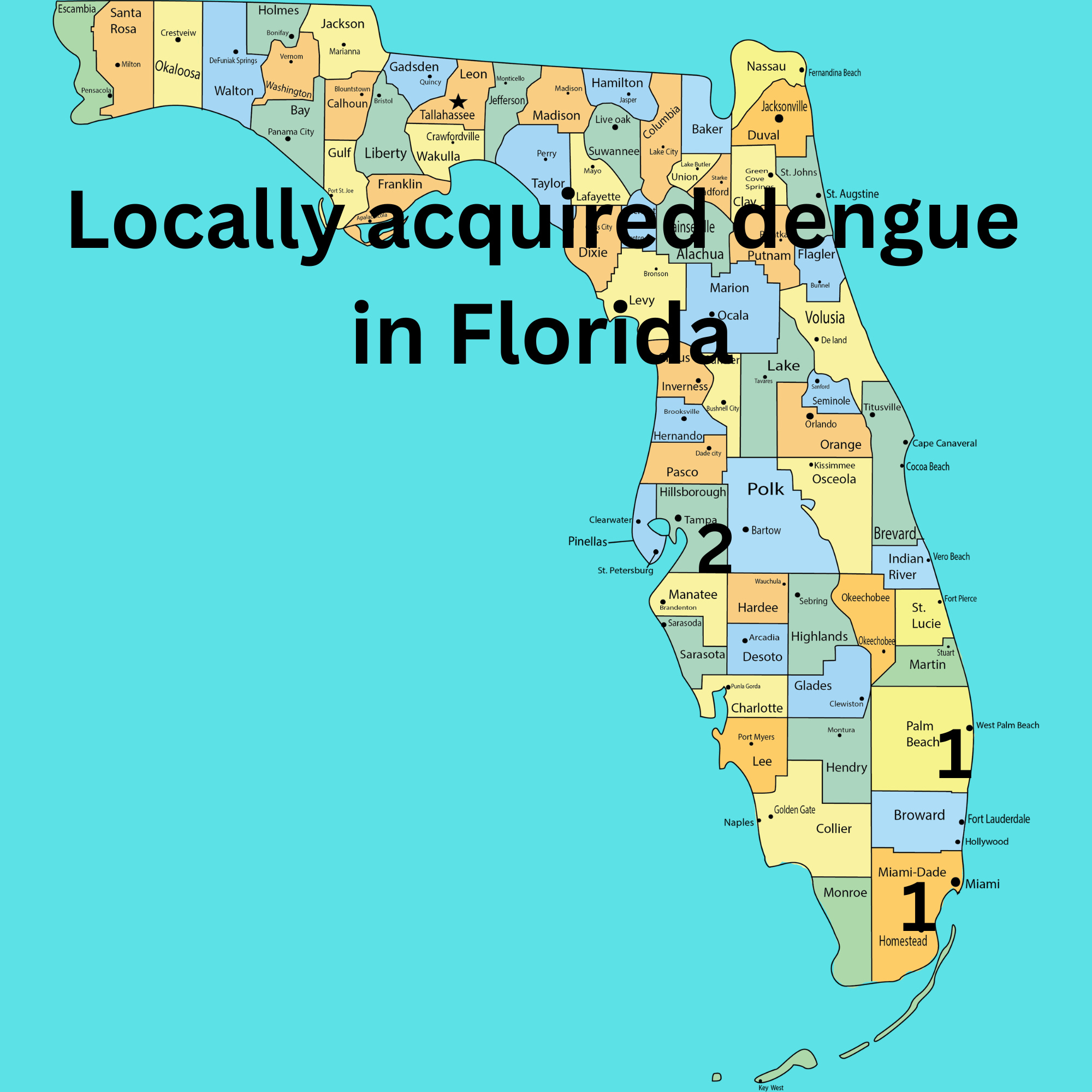
The Florida Department of Health in Miami-Dade County (DOH-Miami-Dade) is informing residents of a recently confirmed locally-acquired case of dengue. DOH-Miami-Dade and Miami-Dade County Mosquito Control are coordinating surveillance, prevention, and control efforts.

There are now three locally acquired dengue cases reported in the state- other cases were from Hillsborough County and Palm Beach County.

To date, 49 travel associated dengue cases have ben reported throughout the state.

Dengue can present as a flu-like illness with severe muscle aches and joint pain, fever, and sometimes a rash. Usually, there are no respiratory symptoms. Symptoms of dengue will appear within 14 days after being bitten by an infected mosquito. Dengue fever is not contagious but is transmitted by the bite of an infected Aedes aegypti mosquito.

DOH-Miami-Dade reminds the community to avoid being bitten by mosquitoes by taking these basic precautions.

Outbreak News Today is a reader-supported publication. To receive new posts and support my work, consider becoming a free or paid subscriber.
  •  

Switzerland: Legionella outbreak in the Canton of Basel-Stadt

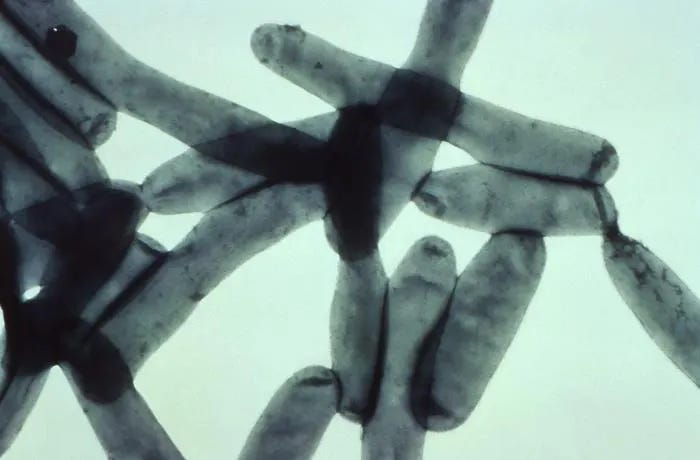
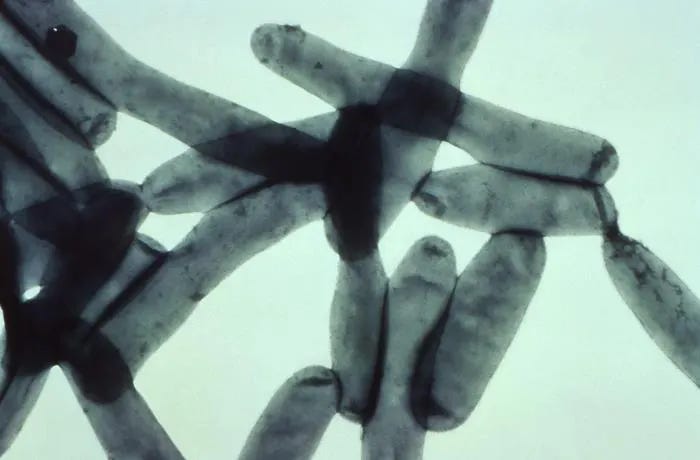
There is currently an unusual cluster of cases of illness caused by Legionella bacteria in the Canton of Basel-Stadt. More than 20 people have required or are currently requiring hospital treatment.

Based on current information, the most likely source of infection posing a health risk has been identified and eliminated, while other potential sources are being investigated. The Department of Health is continuing its monitoring and inspection activities until it is certain that the health risk has been fully resolved.

Image/CDC

The Medical Services of the Department of Health are currently observing an increased incidence of Legionnaires’ disease. This condition involves pneumonia caused by the bacterium Legionella pneumophila. Infection occurs through the inhalation of atomized water droplets containing Legionella. The disease is not transmitted from person to person.

Legionnaires’ disease, Part 1: An interview with Dr. Mark Edwards and Sarah Ferrari

Legionella bacteria thrive in water systems where water is not constantly replenished and temperatures range between 25°C and 45°C. Such conditions are found in, among other places, water pipes, taps, showerheads, whirlpools, and the cooling towers of water-based cooling and ventilation systems. Air conditioning units and heat pumps commonly used in private households are not affected.

Current status of cases

As of now, 26 cases of the disease have been confirmed in the Canton of Basel-Stadt. Of these, 25 individuals were hospitalized; nine are currently still receiving inpatient treatment. Seven individuals required treatment in the intensive care unit. Sadly, one person has died, and one person remains in the intensive care unit.

More news from Europe

Action taken and measures implemented by the authorities

Epidemiological findings and interviews with the affected patients indicate a cluster of infections in the central Kleinbasel area. Isolated cases have also occurred in other districts. The emergence of the cluster suggests one or more common sources of infection. Consequently, the investigation is focusing primarily on facilities that affect public areas, rather than on private premises.

The investigation has focused on water-operated cooling towers. If such towers are contaminated with Legionella, the water vapor they emit can contain infectious droplets. Depending on weather and wind conditions, these droplets can spread through the air over a wide area. Residents who inhale these droplets risk becoming infected.

In recent days, the Cantonal Laboratory has collected samples from various locations. Of the ten facilities sampled in the vicinity of the cluster, eight exceeded the limit value for Legionella. Two of these facilities showed elevated levels of Legionella pneumophila, the species responsible for the majority of human infections. As a result, and at the behest of the Medical Services, both affected facilities were completely shut down on the morning of Friday, July 31, 2026. Both systems are located on the roof of an office building on Rebgasse and are currently undergoing remediation. In the other six contaminated facilities, only Legionella species that are non-pathogenic to humans have been detected so far. Measures have also been ordered for these facilities to halt any potential Legionella emissions; they currently pose no threat to public health.

Outbreak News Today is a reader-supported publication. To receive new posts and support my work, consider becoming a free or paid subscriber.

  •  

Florida: Local dengue transmission reported in Palm Beach County

The Florida Department of Health in Palm Beach County (DOH-Palm Beach) reports a confirmed human case of locally-acquired dengue fever. DOH-Palm Beach and Palm Beach County Mosquito Control are coordinating surveillance and prevention efforts.

This is the second local transmission of dengue in the state after a case was recently reported in Hillsborough County.

Dengue infection is acquired through the bite of certain species of mosquitoes, primarily Aedes aegypti, but also Aedes albopictus, both of which are present in Florida.

Symptoms appear 3-14 days after the bite of an infected mosquito and include sudden onset of fever, severe headache, eye pain, muscle and joint pain (giving the disease the nickname “breakbone fever”), and bleeding. Gastrointestinal symptoms like vomiting and diarrhea may also be present in some cases.

Dengue fever symptoms usually lasts 4-7 days. The disease is often diagnosed incorrectly because the symptoms are similar to influenza and other viruses.

Dengue hemorrhagic fever is a rare but more severe form of dengue infection that can be fatal if not recognized and treated with supportive care.

There is no treatment for dengue fever or dengue hemorrhagic fever, but quick recognition and management of symptoms and complications is effective at preventing deaths.

Outbreak News Today is a reader-supported publication. To receive new posts and support my work, consider becoming a free or paid subscriber.
  •  

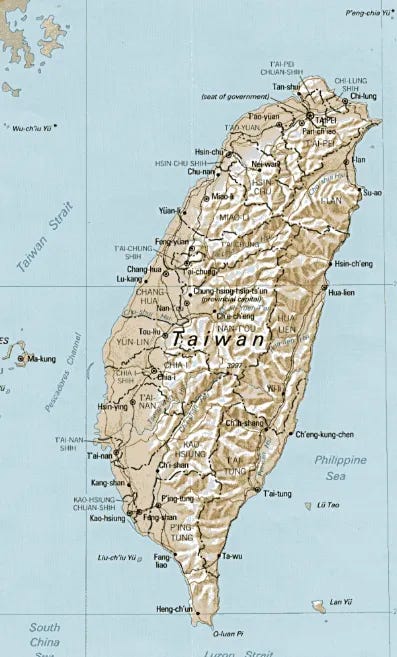
Taiwan reports 1st Japanese encephalitis death of 2026

The Taiwan Centers for Disease Control (CDC) announced two new cases of Japanese encephalitis in Taiwan on July 28:

Case 1 is a woman in her 70s from Taoyuan City, Taoyuan District, with a history of chronic diseases. In mid-July, she developed symptoms such as weakness, drowsiness, and fever. She went to the emergency room and was hospitalized. After being notified by the hospital, she was diagnosed with Japanese encephalitis. She later passed away in late July due to the deterioration of her condition.

This is the first death case of Japanese encephalitis this year.

Her cohabitants had no similar symptoms. There are high-risk areas such as rice paddies, streams, pigsties, and pigeon coops near her residence.

Case 2 is a man in his 50s from Dayuan District, Taoyuan City. In mid-July, he developed symptoms such as fever and headache. Two days later, he collapsed and went to the hospital. After being notified by the hospital, he was diagnosed with Japanese encephalitis. He is currently hospitalized.

Health authorities have launched relevant investigations and hung mosquito traps in high-risk areas around the case's residence. They have also strengthened public health education and vaccination of eligible young children.

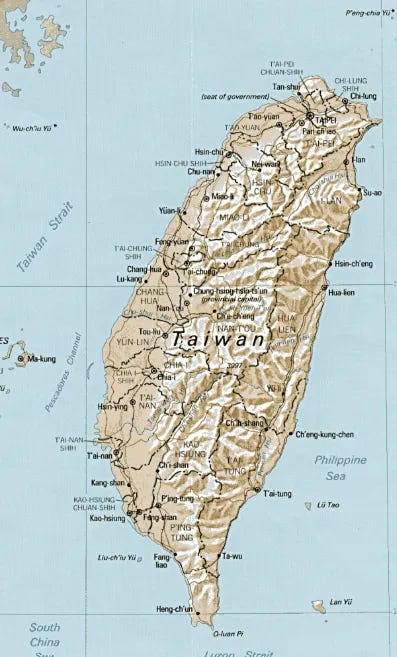
According to the CDC data, there have been 10 confirmed cases of Japanese encephalitis in Taiwan this year , including one death.

The cases are distributed as follows: 6 in Taoyuan City, and 1 each in Changhua County, Yunlin County, Chiayi County, and Hualien County.

The Japanese encephalitis epidemic season in Taiwan is from May to October each year, with the peak occurring in June and July.

The CDC stated that the main mosquito vectors transmitting Japanese encephalitis in Taiwan are Culex tritaeniorhynchus, Culex annularis, and Culex pipiens albopictus, which commonly breed in rice paddies, ponds, irrigation ditches, and streams. Most people infected with Japanese encephalitis experience no obvious symptoms.

Outbreak News Today is a reader-supported publication. To receive new posts and support my work, consider becoming a free or paid subscriber.
Those who do may experience headaches and fever, while severe cases can lead to altered consciousness, disorientation, general weakness, and even coma or death.

The public is advised to avoid peak mosquito-feeding times, such as early morning or evening, and to avoid high-risk mosquito-borne environments like pigsties and other animal sheds.

If avoidance is unavoidable, wear light-colored long-sleeved clothing and apply government-approved mosquito repellents containing DEET, picaridin, or IR3535 to exposed skin.

CDC emphasizes that the most effective way to prevent Japanese encephalitis is vaccination. In Taiwan, the routine vaccination schedule for children is the first dose at 15 months of age, followed by a second dose 12 months later. The public is reminded to take eligible children to local health centers or contracted medical facilities for timely vaccination to avoid serious long-term consequences from infection. In addition, residents whose homes or activity areas are near high-risk environments such as pigsties or rice paddies should take mosquito prevention measures. Adults who feel they are at risk of infection can visit a travel medicine clinic for an assessment and receive the Japanese encephalitis vaccine at their own expense.

  •  

Finland reports African swine fever in wild boars, a first for the country

The Finnish Food Authority reported Friday that preliminary tests have confirmed African swine fever (ASF) in wild boars in Virolahti, Eastern Finland.

This is the first time that the disease has been detected in Finland.

Officials will verify the result with the EU’s reference laboratory for African swine fever in Spain. Measures to limit the spreading of the disease will be taken immediately.

two brown piglets on leaves
Photo by Gabor Vereb on Unsplash

The Finnish Food Authority has established an infection zone around the area where the finding was made, and the movement of pigs in the zone is restricted. The goal is to determine the prevalence of the disease in wild boars in the area and to prevent the disease from spreading elsewhere in Finland.

African swine fever in Asia

The virus causing African swine fever was detected in wild piglets that were found dead. The remains of three dead piglets were found by a local who delivered them to the Finnish Food Authority. The carcasses were found close to each other in Vaalimaa, Virolahti.

Officials note that ASF is not contagious to humans.

More news from Europe

Outbreak News Today is a reader-supported publication. To receive new posts and support my work, consider becoming a free or paid subscriber.
  •  

Outbreak News Roundup: Thailand

Leptospirosis and melioidosis health warning

In Thailand, Department of Disease Control (DDC) issued a health warning as deaths from leptospirosis and melioidosis stand at 107 since the beginning of 2026.

Dr Montien Kanasawat, director-general of the DDC, revealed that data from the Division of Epidemiology’s Digital Disease Surveillance system recorded 2,190 cases of leptospirosis between 1 January and 21 July 2026. The outbreak resulted in 30 deaths, representing a case fatality rate of 1.37 per cent.

Concurrently, the country logged 1,654 cases of melioidosis—commonly known as soil fever—causing 77 deaths. The significantly higher fatality rate of 4.66 per cent underscores the severe threat posed by the disease, particularly to individuals with pre-existing health conditions.

Health officials have highlighted farmers, elderly residents, and individuals working in direct contact with soil or standing water as the primary risk groups, with the highest infection rates concentrated in the Southern and Northeastern regions.

Liver flukes

Dr. Montien Kanasawasdi, Director-General of the Department of Disease Control, revealed that as of July 27, 2026, follow-up results from 4,233 individuals who tested positive using the OV-ATK urine test kit showed that 1,440 students from Mahasarakham University had their stool samples tested for confirmation.

To date, 942 samples have been tested using the FECT (Formalin-Ethyl Acetate Concentration Technique). The results revealed infection with liver fluke (Opisthorchis viverrini ) in 4 individuals. In addition, other parasitic infections were found, including hookworms ( 4 cases) , small intestinal fluke (1 case), and protozoa such as Sarcocystis sp. (2 cases), Blastocystis sp. (1 case), Giardia lamblia (2 cases), and Entamoeba coli (4 cases), totaling 18 parasite cases.

More news from Asia

Dengue fever

According to dengue fever surveillance data from January 1 to July 22, 2026, Thailand has recorded a cumulative total of 16,094 cases. The highest number of cases is found among school-aged children (10-19 years old), and the trend is expected to continue as the disease enters its peak season.

Although the number of cases is lower than last year and below the 2026 forecast, the five provinces with the highest incidence rates in the last four weeks are Satun, Phuket, Nakhon Nayok, Ranong, and Trang. There have been a cumulative total of 26 deaths, with a case fatality rate of 0.16%. The highest case fatality rates are in the 60+ age group and the 40-49 age group. Major risk factors for death include obesity, underlying medical conditions, delayed treatment, and the use of NSAIDs (non-steroidal anti-inflammatory drugs).

Subscribe to Outbreak News TV on YouTube

Mpox

Data from the Disease and Health Hazard Surveillance Program (M-EBS) of the Department of Disease Control, between January 1 and July 18, 2026, shows a cumulative total of 139 mpox cases and 2 deaths. Both deceased individuals also had HIV infection.

The majority of patients were male (135 individuals, 97.12%) and female (4 individuals, 2.88%), with an average age of 36 years (age range 18-75). The majority of patients were Thai (123 individuals, 88.49%), followed by Myanmar nationals (9 individuals) and other nationalities (7 individuals).

Patients are distributed across Bangkok, its surrounding areas, major cities, and key tourist provinces. Although the overall situation is under control, self-protection and prompt medical attention upon suspected symptoms can help reduce transmission and prevent severe symptoms.

Outbreak News Today is a reader-supported publication. To receive new posts and support my work, consider becoming a free or paid subscriber.
  •  

Ebola outbreak death toll tops 1,600

The Democratic Republic of the Congo (DRC) Ministry of Health reports 34 additional confirmed Ebola deaths during the past 24 hours, bring the death toll since the outbreak began 2 1/2 months ago to 1,621.

The current outbreak in DRC is the fastest -growing Ebola outbreak in recorded history.

It reached 1,000 deaths in just over two months, outpacing any prior recorded epidemic.

Compared to the 2014-2016 West Africa outbreak, the largest on record, which took roughly eight months to reach 1,000 deaths.

Sixty nine additional confirmed cases were reported in the past 24 hours, bringing the case total to 3,674 confirmed.

49 health zones in 5 provinces have been affected ((Ituri, North Kivu, South Kivu, Haut Uele and Tshopo).

Ituri remains the epicenter of the epidemic, accounting for 87.9% of cumulative cases and 76.8% of new confirmed cases for the day.

Outbreak News Today is a reader-supported publication. To receive new posts and support my work, consider becoming a free or paid subscriber.

  •  

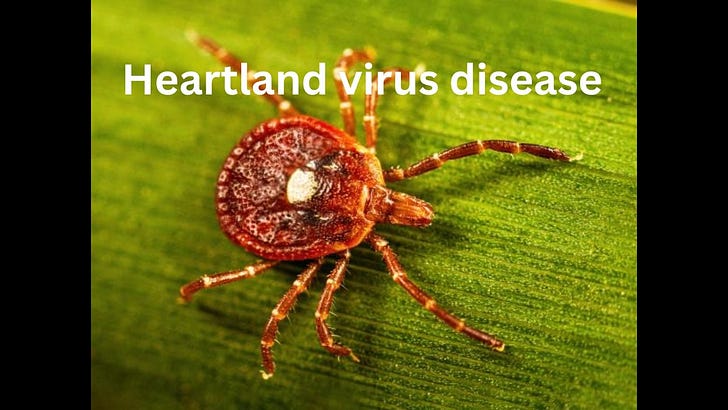
Heartland virus disease

In this April 2014 interview, Daniel Pastula, MD, MHS, EIS Officer; Neurologist with CDC's Arboviral Diseases Branch discusses the new Heartland virus disease with Outbreak News This Week Radio Show host Robert Herriman.

Outbreak News Today is a reader-supported publication. To receive new posts and support my work, consider becoming a free or paid subscriber.
  •  

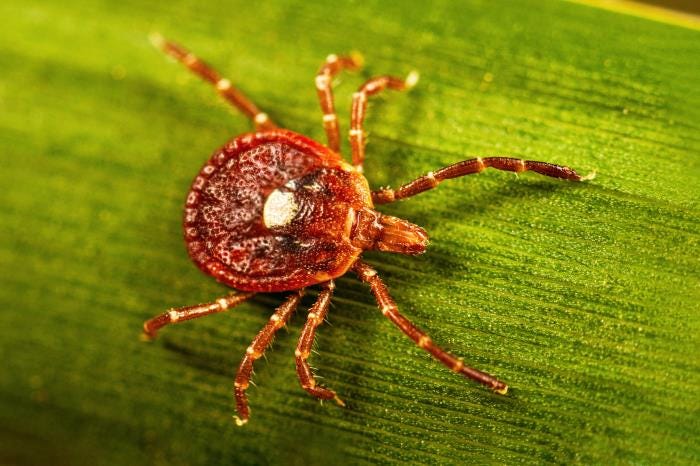
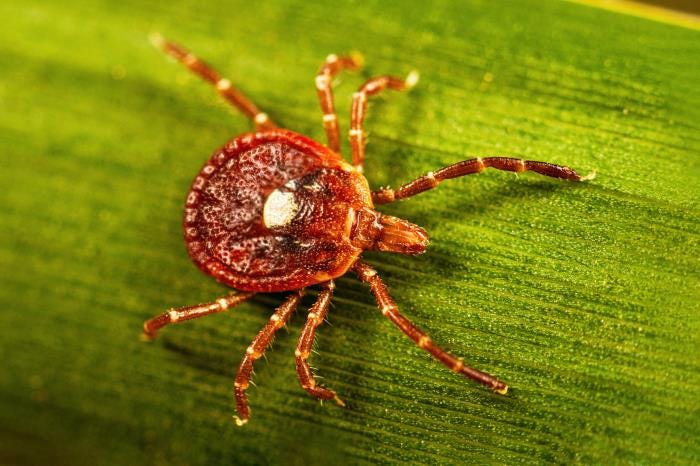
New York, the Bourbon virus and Lone Star ticks

Researchers at Stony Brook University report a confirmed case of Bourbon virus, a tickborne disease first identified in Bourbon County, Kansas in 2014, in New York (Long Island) for the first time in April.

Image/CDC

In the study, researchers analyzed 107 individuals presenting with fever and other tick-borne illness symptoms between 2019 and 2024. Blood samples were collected from patients and sent to the NYS Department of Health. Two cases had neutralizing antibodies for the Bourbon virus (one had neutralizing antibodies to Heartland virus). One of these patients had a four-fold rise in antibody titers of the Bourbon virus, which, according to the researchers, indicates an acute or recent infection of this virus.

New York City reports rise in Lyme disease over the past decade

“This one case certainly was the Bourbon virus, and over a one-month period antibody titers increased eight-fold. The patient had shown some very severe symptoms and was hospitalized,” Luis Marcos, MD, lead author and professor in the Departments of Medicine and Microbiology and Immunology at the Renaissance School of Medicine (RSOM) at Stony Brook University, and director of the Tick-borne Disease Clinic said.

The Bourbon virus is transmitted through the common lone star tick, and could soon begin to complicate diagnoses if it becomes more prevalent this summer and in coming years, researchers warn.

Alpha-gal syndrome, or Red Meat Allergy

Symptoms of Bourbon virus include fever, fatigue, rash, headache, body aches and nausea. Because there is no commercially available diagnostic test, doctors have a difficult time identifying it.

Marcos and co-authors stress that for clinicians, the results from their study “highlight the need for expanded viral surveillance, clinical testing and assay development to improve clinical decision-making and inform tick-borne disease epidemiology and vector management.”

He added, “Without identifying the cause of an infection, the chances of developing accurate diagnostic tests or effective treatments are minimal. That is why it is so important to first understand the true impact of the virus in high-risk areas.”

Lyme disease, antiphospholipid antibodies and the future of diagnostics?

Outbreak News Today is a reader-supported publication. To receive new posts and support my work, consider becoming a free or paid subscriber.
  •  

Maricopa County reports 62.5% increase in West Nile virus in 2026

Health officials in Maricopa County, Arizona (aka the Phoenix area) reports a more than 62 percent increase in human West Nile virus (WNV) cases to date in 2026, according to county data.

They have seen 52 WNV cases to date, which compares to 32 cases during the same period in 2025, or a 62.5 percent increase.

Five deaths were reported so far in 2026.

In all of 2025, Maricopa County saw 56 cases and seven deaths. In all of 2024, 21 cases and two deaths were reported in the county.

Nationally through July 28, 113 WNV cases were reported in 23 states, with 61 cases reported in Arizona.

West Nile virus in the US: 20 years ago in NYC

West Nile virus is typically spread through the bite of an infected mosquito. Most people infected don’t show symptoms, but about 1 in 5 may develop a flu-like illness with fever, headache, and body aches. In rare cases—about 1 in 150—the virus can cause severe complications like encephalitis or meningitis, which might lead to paralysis, long-term disability, or death. Older adults, people with underlying health conditions, and those with weakened immune systems are at higher risk for severe illness.

Public health officials urge all residents and visitors to remember the 4Rs (Repel, Remove, Repair, Remind) to prevent mosquito-borne diseases:

  • Repel: Use EPA-registered insect repellents (e.g., those containing DEET) when outdoors.

  • Remove: Get rid of standing water around your home and yard to prevent mosquitoes from breeding.

  • Repair: Patch up or replace damaged window and door screens.

  • Remind: Educate your friends, family, and neighbors about these safety measures.

Outbreak News Today is a reader-supported publication. To receive new posts and support my work, consider becoming a free or paid subscriber.

  •  

Panama: Haemophilus influenzae meningitis case reported in Veraguas Health Region

The Veraguas Health Region, located in the central-western region of Panama, confirmed a case of meningitis caused by the Haemophilus influenzae bacteria in a 12-year-old student from La Primavera School, diagnosed on July 29.

The patient remains hospitalized, is receiving appropriate treatment, and is in stable clinical condition.

The regional health director of Veraguas, Xavier A. Torres Domínguez, reported that, once the diagnosis was confirmed, the Ministry of Health (Minsa), in coordination with the Social Security Fund (CSS), immediately activated the epidemiological investigation and health response protocols established for this type of event.

Canada: Haemophilus influenzae type B outbreak in Calgary

As part of the actions implemented, the Epidemiology teams carried out the identification and monitoring of the patient’s close contacts, applying the corresponding preventive measures to reduce the risk of transmission and safeguard the health of the educational community.

Health authorities explained that meningitis caused by Haemophilus influenzae is a bacterial disease that requires timely medical attention.

In that regard, they urged the population to immediately seek medical attention if they experience symptoms such as high fever, severe headache, stiff neck, vomiting, drowsiness, or altered mental status.

They also reiterated that vaccination is the main preventive measure against this disease, and therefore called on parents and guardians to verify that their children’s immunization schedules are complete, in accordance with the Expanded Program on Immunization (EPI).

Outbreak News Today is a reader-supported publication. To receive new posts and support my work, consider becoming a free or paid subscriber.
  •  

Israel reports 1st West Nile virus case of 2026 in Tel Aviv

The Ministry of Health and the Ministry of Environmental Protection are reporting that a Tel Aviv resident has been diagnosed with West Nile fever, the first confirmed case of the disease in Israel in the summer of 2026.

The Ministry of Environmental Protection has instructed the relevant local authority to increase prevention, monitoring, eradication and public awareness efforts.

Prof. Sigal Sadetzky, Head of the Public Health Division at the Ministry of Health: “West Nile fever is a disease transmitted to humans through the bite of mosquitoes that feed on infected birds. It is usually a mild disease without symptoms, in exceptional cases serious symptoms such as encephalitis or meningitis may also appear.”

aerial view photo of high-rise buildings
Photo by Dan Gold on Unsplash

Dr. Shai Reicher, Director of the Pest and Pest Control Division at the Ministry of Environmental Protection: “The Ministry of Environmental Protection conducts continuous and ongoing monitoring throughout the country throughout the year, with an emphasis on the mosquito activity season. Based on the findings, the ministry guides the relevant local authorities to increase prevention, monitoring, and pest control activities.” Alongside this activity, the public has an important role in reducing the risk - drying up stagnant water sources and using protection against bites are simple and effective steps that can prevent mosquito breeding and reduce the risk of exposure to the virus.”

West Nile virus in the US: 20 years ago in NYC

As every year, from the beginning of June to the end of November, there is an expectation of an increase in the prevalence of mosquitoes carrying the West Nile virus. Therefore, the pest and extermination team at the Ministry of Environmental Protection conducts thousands of monitoring of mosquito larvae and hundreds of captures of adult mosquitoes throughout the year. The mosquitoes are transferred for identification and testing to the Ministry of Health laboratories. So far, since the beginning of the season, no mosquitoes carrying the West Nile virus have been found.

In the summer, due to stagnant water and hot and humid weather, the risk of mosquito development increases. The responsibility for removing hazards and nuisances originating from sanitary pests in public areas lies with the local authority. However, the public is asked to assist in the effort accordingly.

Instructions:

  • Dry and drain sources of standing water, such as buckets, planter trays, old tires, gutters, ornamental ponds, barrels and any container that may collect water.

  • Use mosquito repellents, install screens on windows and openings, and wear long, light-colored clothing when outside the home – during dark hours.

  • Operate fans in the home and in open areas, directed at the place of residence and preventing mosquitoes from easily accessing exposed skin.

  • Report mosquito infestations or sources of standing water in public spaces to the local authority’s hotline *106.

The ministries emphasize that residents’ updating of the local authority is critical to allowing the local authority to focus efforts and remove the hazard quickly and effectively.

The Ministry of Health and the Ministry of Environmental Protection will continue to monitor the disease and conduct ongoing monitoring throughout the country, and will update the public as necessary.

Outbreak News Today is a reader-supported publication. To receive new posts and support my work, consider becoming a free or paid subscriber.
  •  

Publix recall: GreenWise Organic Whole Blueberries and Whole Mixed Berries due to possible E.coli

Publix is recalling all lots of GreenWise Organic Whole Blueberries and Whole Mixed Berries because they may be contaminated with Escherichia coli O145:H28 (E. coli O145). E. coli O145 is a Shiga toxin-producing E. coli (STEC) that can cause illness characterized by severe stomach cramps, diarrhea (which may be bloody) and vomiting. While most healthy individuals recover within a week, some infections may result in a serious complication known as hemolytic uremic syndrome (HUS), particularly in young children, older adults and individuals with weakened immune systems.

The recalled product was shipped to Publix retail stores throughout 8 states including Alabama, Florida, Georgia, Kentucky, NorthCarolina, SouthCarolina, Tennessee and Virginia. As of the end of June 2026, Publix immediately conducted an internal stop sale of frozen GreenWise Organic Whole Blueberries and Whole Mixed Berries. These products remain unavailable for sale.

Outbreak News Today is a reader-supported publication. To receive new posts and support my work, consider becoming a free or paid subscriber.
  •  
❌