❌

Reading view

Rocket Report: New launch rule may limit environmental regulations, Falcon 9 to hit Moon

Welcome to Edition 9.05 of the Rocket Report! It was a big week for launch contracts, with both Rocket Lab and SpaceX scoring sizable deals from the US military for their respective Electron and Falcon 9 rockets. The vehicles have been the workhorses for small and medium lift for the United States over the past decade and may remain so for some time. Also, there will be no Rocket Report next week, as I am traveling on assignment, and Stephen is taking a week off.

As always, we welcome reader submissions, and if you don't want to miss an issue, please subscribe using the box below (the form will not appear on AMP-enabled versions of the site). Each report will include information on small-, medium-, and heavy-lift rockets as well as a quick look ahead at the next three launches on the calendar.

Rocket Lab wins large Electron deal. Rocket Lab Corporation announced this week that it has been awarded its largest launch contract to date, a $266 million multi-launch contract with the US Space Force. Under the contract awarded by the US Space Force Space Systems Command, Rocket Lab will execute 12 suborbital launches, with up to six additional launches. The first launch of this contract is expected no earlier than the end of 2026.
Read full article

Comments

Β© Stoke Space

  •  

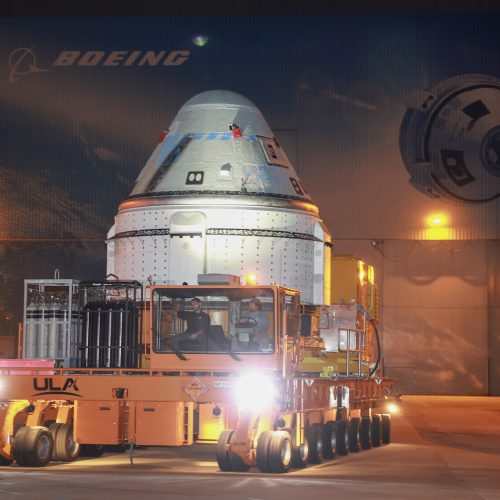
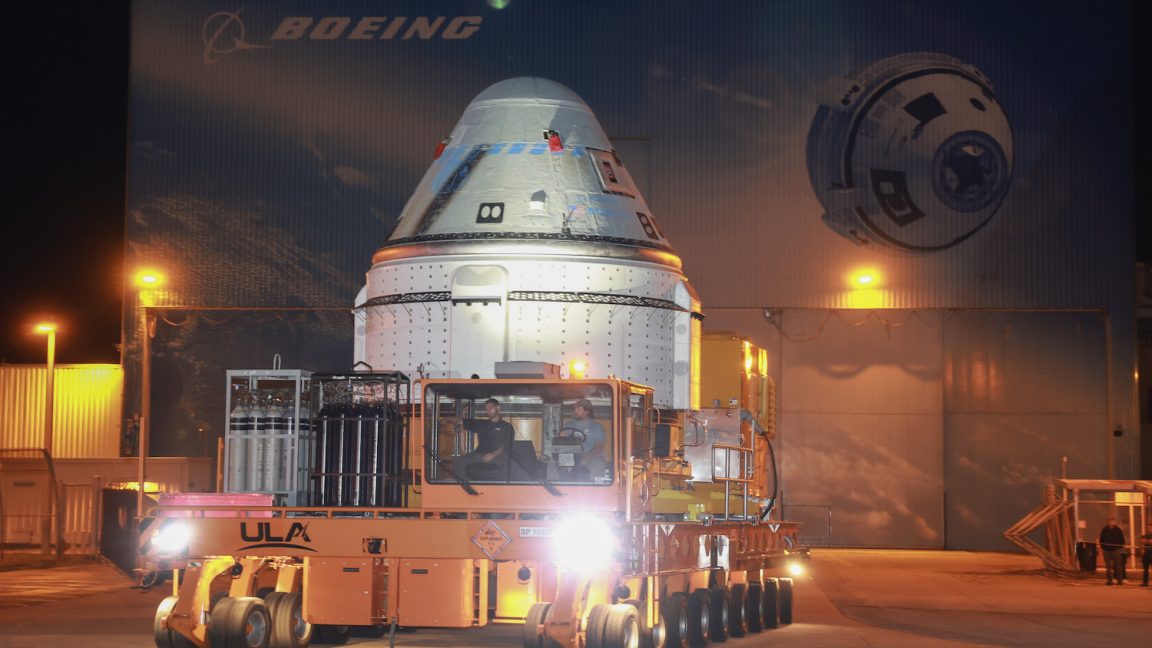
Actually, Starliner might fly into space this year

When we last checked in on Boeing's Starliner spacecraft in February, NASA was announcingΒ that it had formally classified the 2024 crewed flight of the Starliner spacecraft as a β€œType A” mishap, an acknowledgement that the test flight was a serious failure.

At the time, NASA Administrator Jared Isaacman said the space agency was working with Boeing to "fully understand the risks associated" with the Starliner spacecraft, and to remediate them. Starliner would not fly its next mission, a cargo flight to the International Space Station, until those problems were identified and remediated. He declined to put a date on the test flight.

However, it now appears this work is proceeding apace.

Read full article

Comments

Β© oe Raedle/Getty Images

  •  

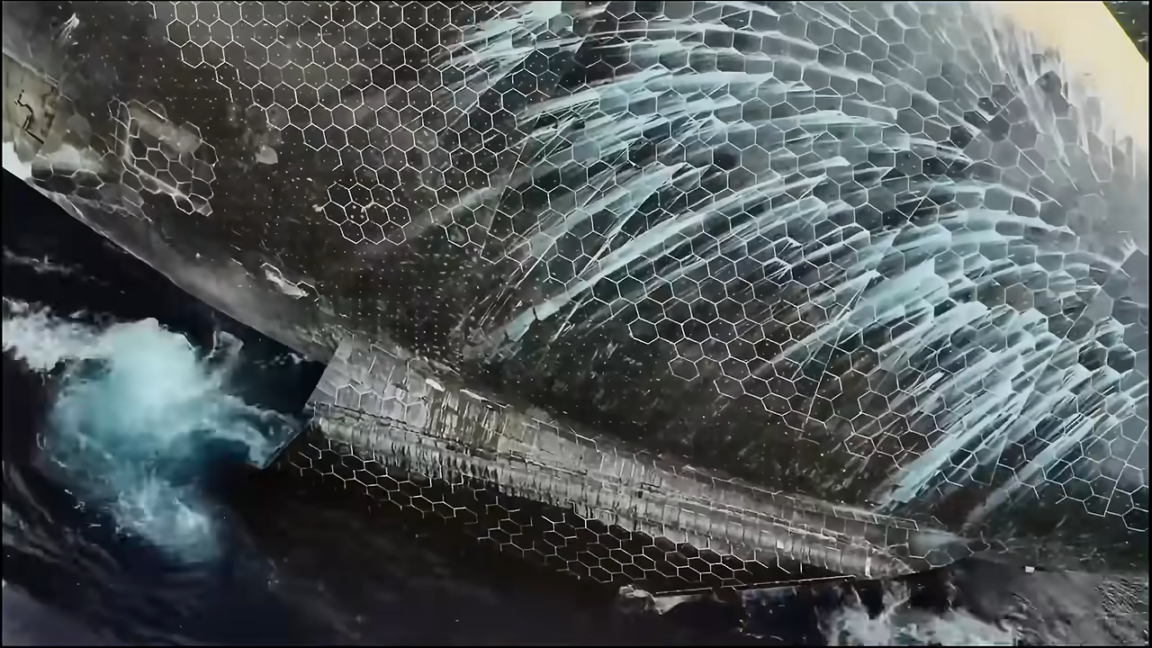
Experts warn current Starship heat shield tech is a "dead end" for rapid reuse

SpaceX successfully launched its Starship vehicle on Friday and appeared to demonstrate important and credible steps toward fulfilling the massive rocket's immense promise. As soon as the vehicle's next flight, Starship could go orbital, begin delivering satellites into space, and potentially return to the launch site to be 'caught' by the tower.

All of this is impressive engineering on a gigantic scale. But despite the marked progress with the 13th test flight of Starship, one key issueβ€”probably the key issue when it comes to Starship's futureβ€”remains unresolved.

This concerns Starship's heat shield, the roughly 18,000 ceramic tiles that protect the vehicle's underbelly during its fiery return through Earth's atmosphere. And some experts say SpaceX's current approach may not get Starship to its ultimate goal of flying frequently, at low cost.

Read full article

Comments

Β© SpaceX

  •  
❌