❌

Reading view

Rocket issue delays 1st orbital rocket launch from the UK

German startup Rocket Factory Augsburg (RFA) just put the brakes on its first launch.

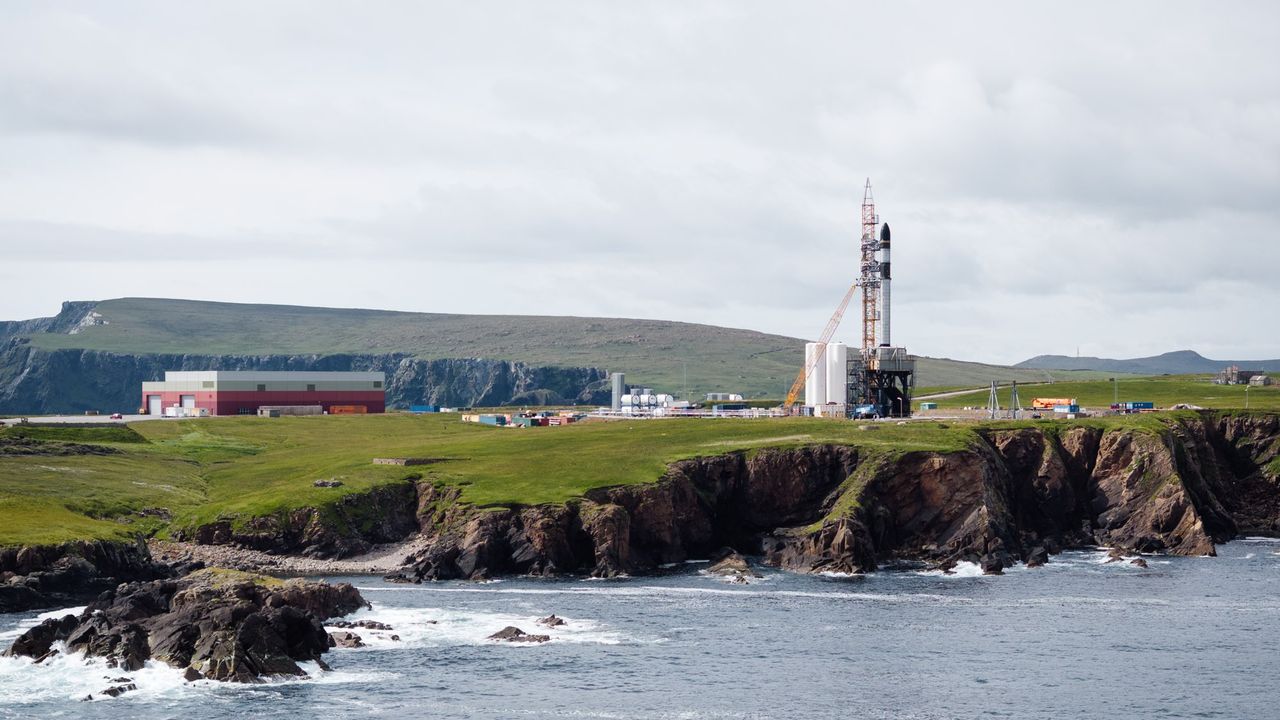
While testing its RFA One rocket on the launch pad at the U.K.'s SaxaVord Spaceport on the Shetland Islands in Scotland, the company found "an issue with the vehicle that requires further investigation," RFA wrote on X on Wednesday (July 28). Previously, the launch had been expected to happen in August or September, but RFA did not disclose a new launch date.

RFA did not disclose the nature of the issue, but said it would de-stack the staged rocket and that it would provide more details as the investigation continues. The situation means that the U.K. will need to wait at least a few more weeks to attempt its first-ever vertical launch from the region, amid global constraints in launch capacity and calls for increased European spaceflight autonomy.

RFA One, a smaller rocket designed to launch smaller satellites, is a three-stage rocket that will eventually include a reusable first stage in an effort to push down cost and to increase launch cadence. It will target a range of orbits, with examples including geosynchronous (where a satellite can constantly look at one area of the Earth), polar (allowing satellites to scan the whole Earth, as the planet orbits underneath) or sun-synchronous (which gives consistent lighting conditions.)

It's common for new rockets to encounter issues during development, including in later stages such as integrated pad testing or even during the first launch, because spaceflight is inherently hard. That said, there is more pressure on startup launching companies than ever to achieve their goals quickly, for commercial and defense reasons.

fire and smoke spew from a sliver cylinder upright on a large metal platform

Rocket Factory Augsburg conducts a hot fire test of their RFA One launcher stage at Saxavord Spaceport in November 2024. (Image credit: RFA)

Rockets are in high global demand in large part due to constantly launching satellite batches for large satellite constellations, most especially SpaceX Starlink, and planned orbital data centers. Simultaneously, the U.S. Department of Defense is asking companies to launch more often for security missions, such as the quick-turnaround VICTUS HAZE mission that Rocket Lab launched in June only 16 hours and 42 minutes after receiving the military's request.

Conflicts in Ukraine and Iran and other defense activities, meanwhile, have pushed other countries into more sovereign launch work that is accelerating already ongoing spaceport construction, in jurisdictions such as the U.K., Europe and Canada.

RFA has been trying to position itself as one of the leading new companies in Europe, on the back of receiving a spaceflight operator license in January, from the UK Civil Aviation Authority, for the SaxaVord spaceport launch. Meanwhile, SaxaVord is working to become an alternative to older, busier launch ports (especially Kourou's Guiana Space Centre, a popular location for high-profile launches such as the James Webb Space Telescope.)

"This is a groundbreaking moment for RFA and for Europe's space industry," JΓΆrn Spurmann, RFA chief commercial officer, said in a statement released shortly after his company obtained the license. "Securing the first-ever launch license outside the European Space Agency's established site in Kourou is not just a regulatory milestoneβ€”it's a powerful endorsement of our technical excellence and a turning point for European space innovation."

Rumors are also abounding in the industry that the popular SpaceX Falcon 9 rocket, which companies worldwide use for rideshare missions, might not be accepting slots for its popular Transporter series beyond 2028 or 2029. If this happens, the demand in launch capacity transferring from SpaceX might lead to more opportunities for companies such as Rocket Lab and RFA One, assuming more rockets are ready in time.
  •  

SpaceX launches 24 Starlink satellites to orbit from California (photos)

SpaceX has sent yet another batch of its Starlink internet satellites into orbit.

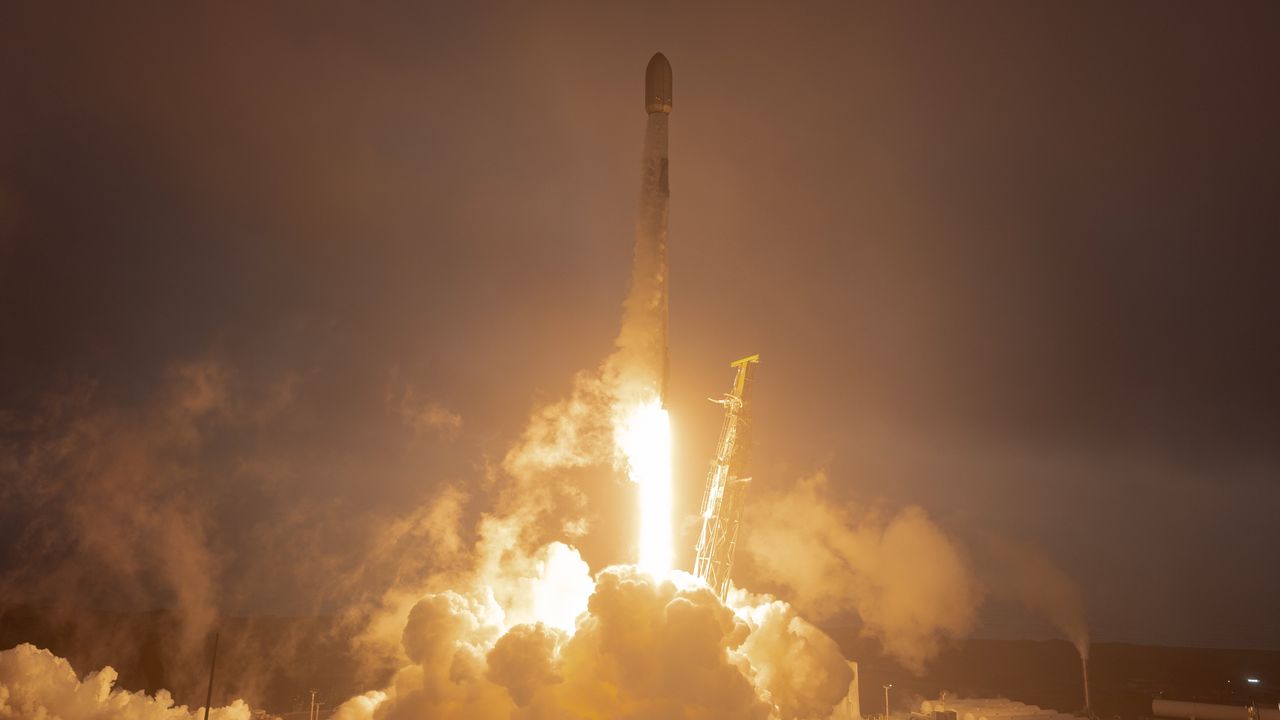
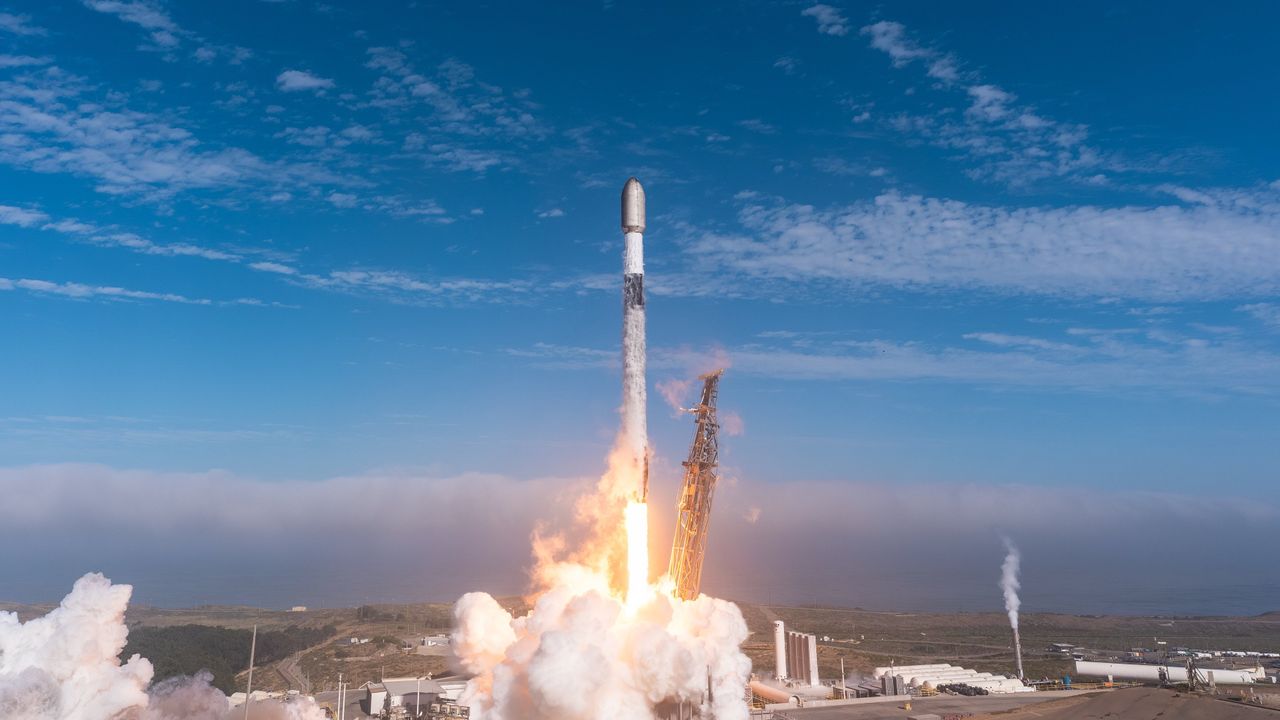
A Falcon 9 rocket carrying 24 of the broadband spacecraft lifted off from California's Vandenberg Space Force Base on Friday (July 31) at 11:08 p.m. EDT (8:08 p.m. local time; 0308 GMT on Aug. 1).

The rocket's first stage came back to Earth as planned 8.5 minutes later, touching down in the Pacific Ocean atop the SpaceX droneship "Of Course I Still Love You." It was the 26th mission for this particular booster, which is designated B1081.

Previous Booster B1081 launches

The 24 Starlink satellites were deployed into low Earth orbit (LEO) 61.5 minutes after liftoff as planned, SpaceX confirmed via X.

They're joining more than 10,800 other spacecraft in the Starlink megaconstellation, by far the largest satellite network ever assembled.

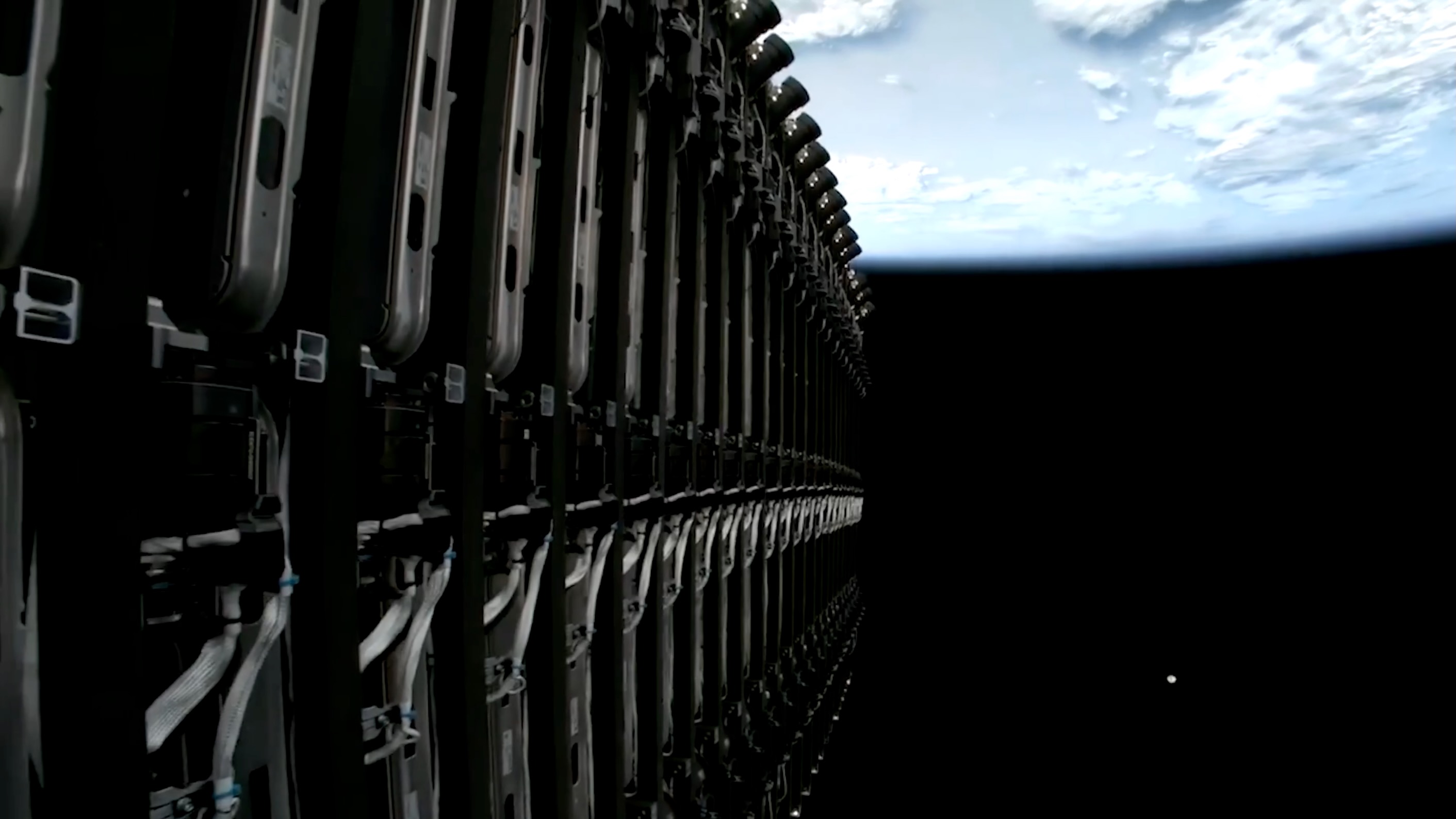
a stack of folded-up satellites is seen high above earth, still attached to their rocket

A batch of SpaceX's Starlink satellites is seen high above Earth before deployment from their Falcon 9 rocket on July 31, 2026. (Image credit: SpaceX)

SpaceX has now launched 89 Falcon 9 missions in 2026, 69 of which have been dedicated Starlink flights.

The company also has three other liftoffs under its belt this year β€” one launch of its powerful Falcon Heavy vehicle and two test flights of Starship, the fully reusable megarocket SpaceX is developing to help humanity settle the moon and Mars, among other tasks.

  •  

SpaceX's Starship seen in space by next-gen Starlink satellite (video)

We just got an amazing new view of SpaceX's Starship vehicle, thanks to one of the company's next-gen Starlink satellites.

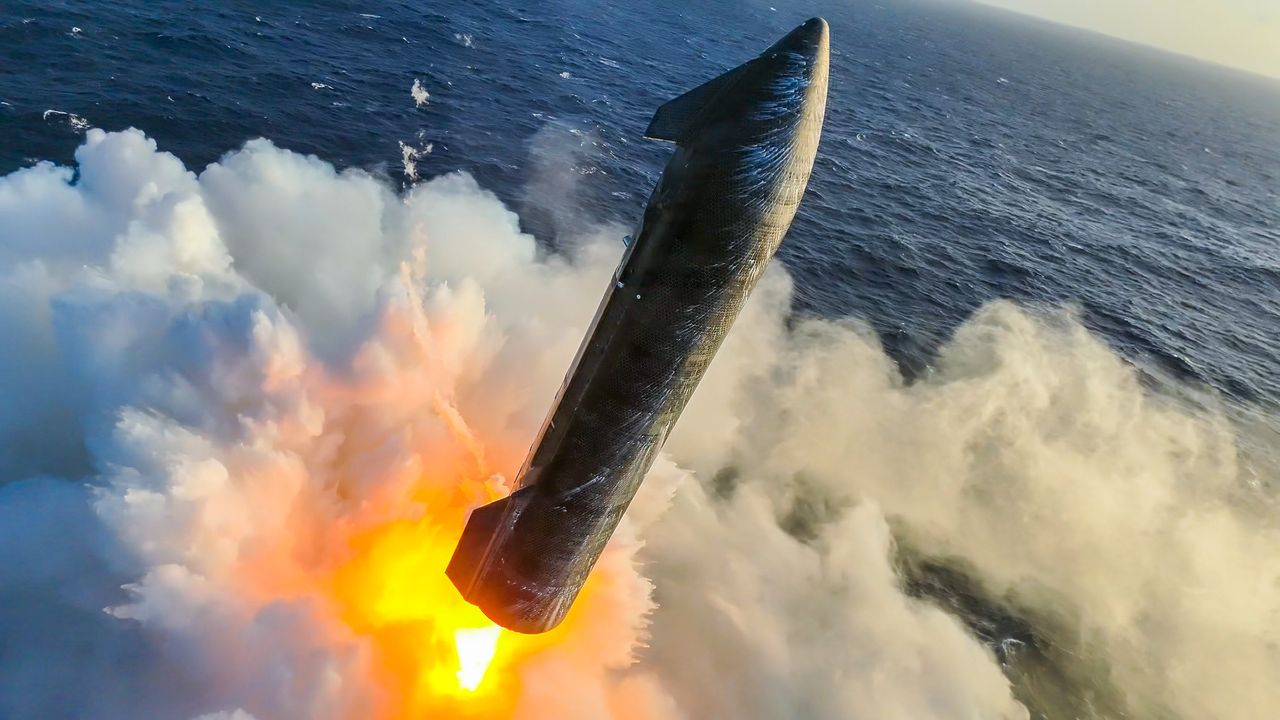
Starship, the biggest and most powerful rocket ever built, launched on its 13th test flight from South Texas last Friday (July 24). The suborbital jaunt was similar in many respects to past Starship test missions, with one big exception: This time, the vehicle deployed a batch of functional, next-gen Starlink internet satellites into space.

Six of those "Starlink V3" spacecraft carried cameras, so that SpaceX could get good views of the heat shield on Starship's upper stage, which is known as Starship, or simply Ship. The satellites did that job and more, capturing amazing views of Ship as it cruised away from them high above Earth.

View of Starship in space from a Starlink V3 satellite on Flight 13.This composite is made of imagery from four separate cameras on a single satellite. Six of the satellites were equipped with cameras to scan Starship’s heat shield and transmit imagery down to operators to… pic.twitter.com/sNTHHz5vLrJuly 31, 2026

SpaceX shared one such view on X Friday evening (July 31) β€” a 65-second video that stitches together imagery taken by four different cameras on a single Starlink V3 satellite.

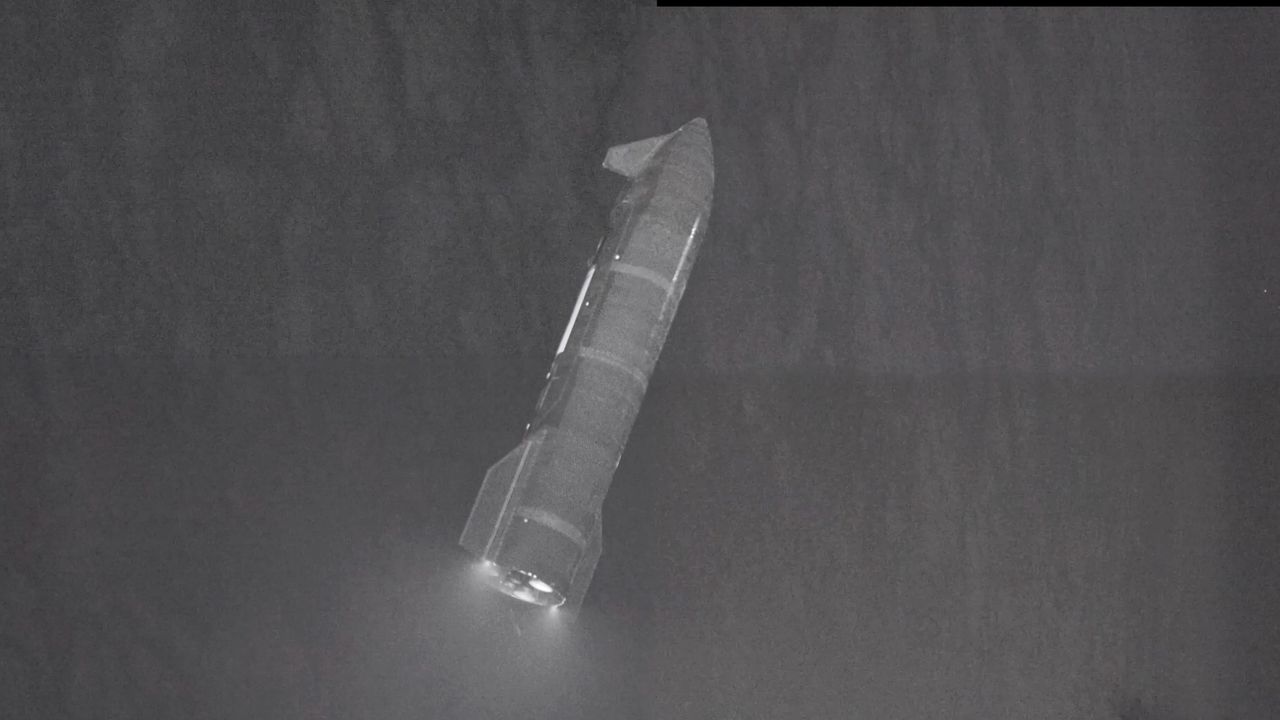
The video starts with an up-close view of the shiny, 171-foot-tall (52 meters) Ship. We see more of the vehicle as the footage rolls and the two spacecraft get farther and farther apart. Toward the end, we see Ship in its entirety, and we get a sense of its activity; three of its six Raptor engines are firing, and small puffs of white vapor indicate that the vehicle is engaging its fine-tuning reaction control thrusters.

Like all Starship test missions to date, Flight 13 targeted a suborbital trajectory. So the 20 Starlink V3 satellites, the first ever to reach space, did not stay up for long; they came back down to Earth about 20 minutes after deploying into the final frontier.

Their successors will get higher β€” and there will be many of them. According to a filing with the U.S. Federal Communications Commission, SpaceX wants to operate a megaconstellation of 100,000 Starlink V3 satellites.

Starship will be key to building and maintaining this constellation, which will require many launches of the brawny, fully reusable rocket. (SpaceX currently operates a constellation of nearly 11,000 Starlink satellites, but those V2 craft are considerably smaller than the 4,400-pound V3 iteration.)

a black rocket with wing-like canards fires its engines just above the ocean, creating a spray of water vapor

SpaceX's Starship upper stage splashes down in the Indian Ocean to wrap up its 13th test flight on July 24, 2026. (Image credit: SpaceX)

Ship seems to have checked all of its boxes on Flight 13. After deploying the satellites and successfully reigniting one of its Raptors in space, it splashed down on target in the Indian Ocean off the coast of Western Australia about 65 minutes after liftoff.

The vehicle survived its harrowing return trip through Earth's atmosphere in one piece and remains intact today, as far as we know; SpaceX recently shared a photo of the vehicle bobbing in the Indian Ocean five days after splashdown.

But Starship's giant first-stage booster, known as Super Heavy, had a few issues on Flight 13. Its landing burn employed only five of a planned 13 Raptor engines, for example, and the booster hit the waters of the Gulf of Mexico at a higher velocity than intended. (Super Heavy has a total of 33 Raptors, all of which fire at liftoff.)

Starship remains in the development phase, but SpaceX wants to get the megarocket operational soon. It's slated to fly on NASA's Artemis III astronaut mission to low Earth orbit in mid-2027 and to land a crew near the moon's south pole on Artemis IV in late 2028.

  •  

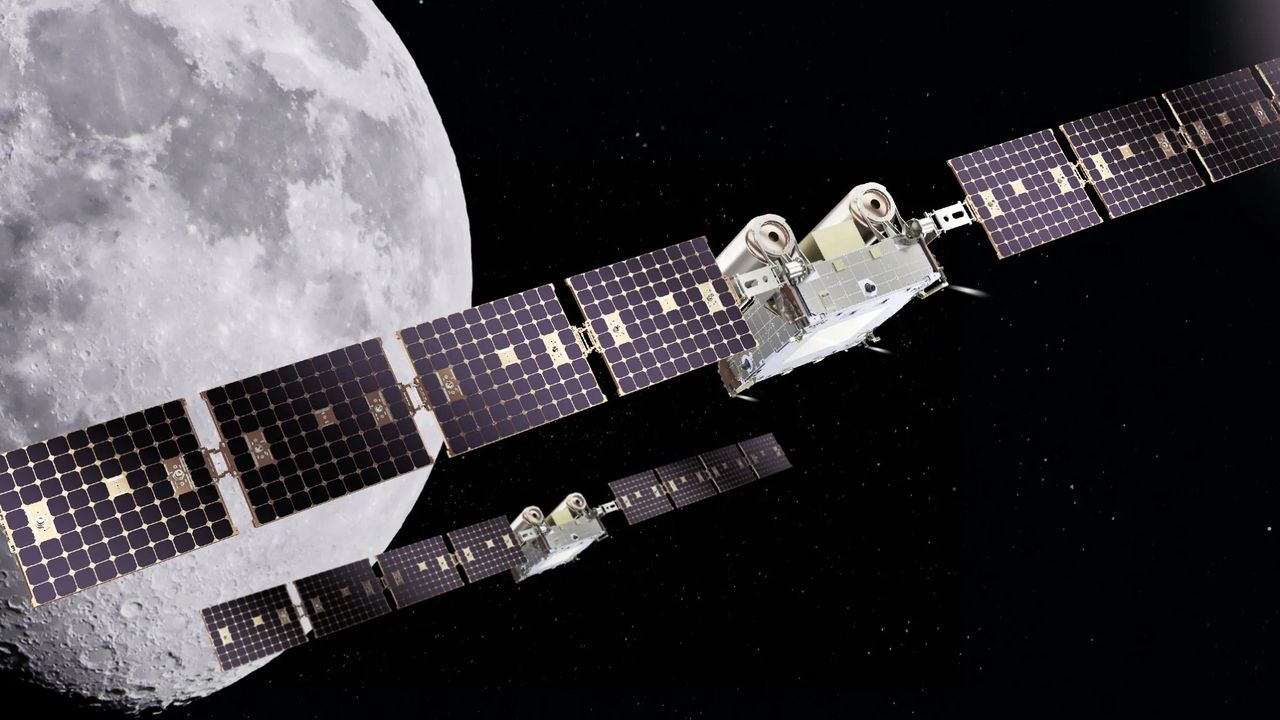
NASA is sending 2 probes to the moon to test complex 'three-body orbits'

NASA is planning to send two maneuverable probes to lunar orbit in order to learn how spacecraft are affected by the complex gravitational environment near the moon.

The mission, known as CAPSTONE 02, is currently aiming to launch in 2027. It will see the two probes maneuver in close proximity to one another and fly in "formation" so mission operators can better understand the gravitational effects spacecraft experience in cislunar space. This area of space is under the influence of both Earth's gravity and the moon's, meaning spacecraft operating there will have to navigate what are known as "three-body orbits."

While testing spacecraft maneuverability in these complex orbits, CAPSTONE 02 will also study communication and navigation systems that will be used in NASA's planned Artemis missions of lunar exploration and moon base construction. "This mission represents an important step in the maturation of cislunar capabilities," said NASA's Sean Fuller, Moon Base CAPSTONE manager, in an agency statement. "CAPSTONE 02 lays the foundation for lunar infrastructure and commercial services that support Artemis, Moon Base, and future missions to deep space."

The two CAPSTONE 02 probes are being built by Terran Orbital Systems, Inc. Once in space, they will alternate jobs while flying in formation, switching between what NASA calls "chaser" and "target" roles.

The spacecraft pair will use celestial navigation, optical sensors and data collected by telescopes on the ground during these maneuvers. This is similar to how NASA will use a variety of data to help its Orion spacecraft meet up with a lunar lander en route to the moon.

On the upcoming Artemis III mission, currently scheduled for 2027, NASA will test some of these techniques as Orion will rendezvous with both Blue Origin's Blue Moon lander and SpaceX's Starship, if all goes according to plan.

"Transporting crew to the lunar surface from cislunar orbit depends on knowing how well navigation systems will perform during these operations. Since these conditions can't be fully recreated on Earth, they must be tested in space," NASA wrote in its statement outlining the CAPSTONE 02 mission.

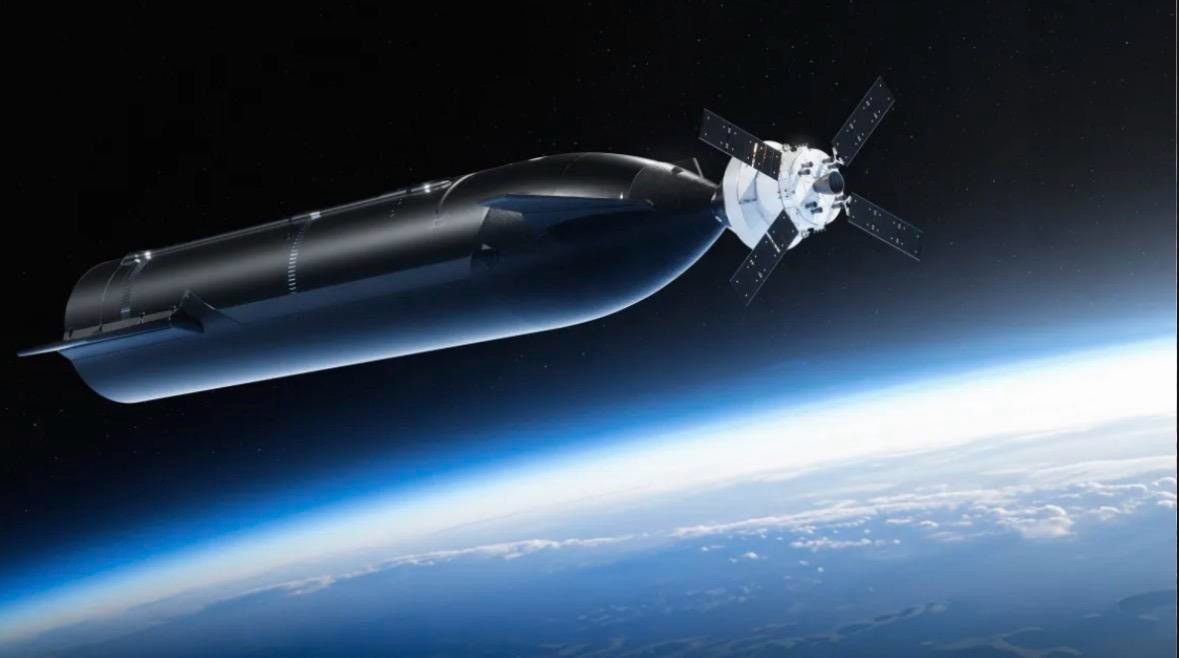
A giant chrome rocket and a small space capsule dock in low Earth orbit.

An artist's rendering of NASA's Orion spacecraft meeting up with SpaceX's Starship on the planned Artemis III mission. (Image credit: SpaceX)

As its name implies, this will be the second mission under NASA's CAPSTONE program, or Cislunar Autonomous Positioning System Technology Operations and Navigation Experiment. The first CAPSTONE probe launched in 2022 and operated for four years before NASA officially concluded its mission in June 2026.

That microwave-oven-sized CAPSTONE spacecraft tested communications tech and became the first spacecraft to test three-body orbits around the moon, according to a NASA statement.

CAPSTONE was tested in what is known as a near rectilinear halo orbit. This is a fairly gravitationally stable orbit, thanks to the nearly equal pulls of both Earth's gravity and the moon's.

  •  

Watch SpaceX's Starship land at sea in these stunning new videos

It was Lucky 13 for SpaceX, as new videos show just how much work came into getting the latest flight of Starship’s upper stage softly down into the ocean.

After Starship made its 13th launch on Friday (July 24) from SpaceX's Starbase site in South Texas, the upper stage achieved all major milestones: putting 20 next-gen Starlink satellites aloft to watch it go, reigniting a Raptor engine in space, and then the soft splashdown off the coast of Western Australia.

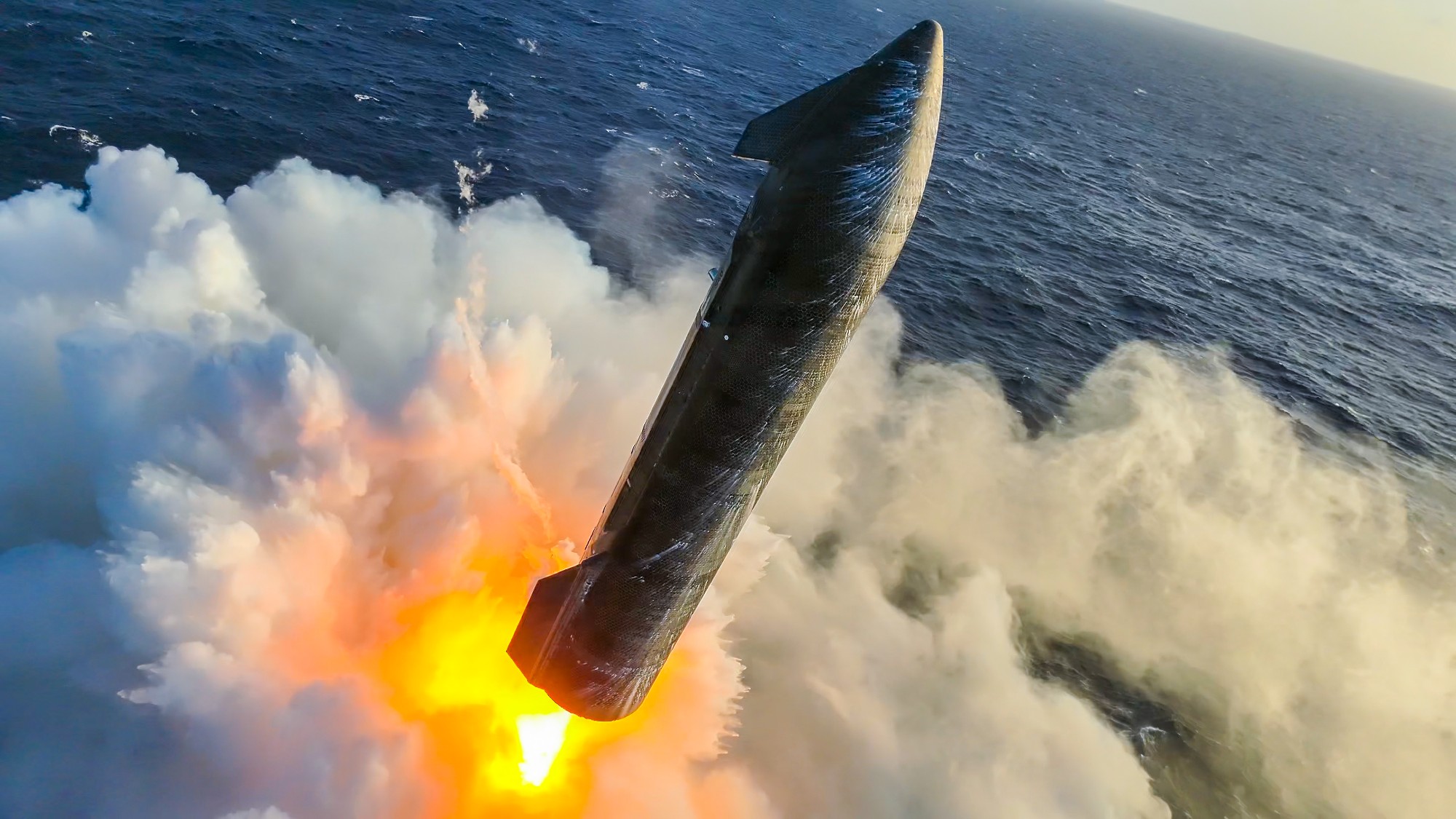
While the lower stage of Starship faced engine issues, fresh video shows some incredible views of the successful upper stage. Starlink satellites, ferrying signal from a buoy in the Indian Ocean, helped create a video on X showing the 171-foot (52-meter) upper stage roaring above the water, then generating steam as the engines swiveled to make a gentle splashdown.

a black rocket with wing-like canards fires its engines just above the ocean, creating a spray of water vapor

SpaceX's Starship upper stage fires its engines to slow down before splashing down on the Indian Ocean after its 13th test flight on July 24, 2026. (Image credit: SpaceX)

Getting down that way was no easy feat, as SpaceX posted another video on Tuesday (July 28) showing Starship swaying dramatically in midair to achieve a near-vertical orientation above the water. If you don’t mind a bit of vertigo, SpaceX also provided an on-ship view of the splashdown, complete with dramatic swings and ocean steam.

The upper stage's ocean arrival was so soft, in fact, that days after launch on July 28 the 171-foot (52-meter) stage was reported as still afloat in the Indian Ocean, SpaceX said on X, adding that its Starship recovery team is continuing to gather imagery of the vehicle at sea.

eight people stand on the deck of a ship at sea. behind them in the distance, a large black cylinder floats on top of the waves

SpaceX's Starship Recovery Team poses for a portrait in front of the company's Starship V3 rocket afloat in the Indian Ocean on July 28, 2026. (Image credit: SpaceX)

Starship's Version 3 (which flew on Friday) is a 408-foot-tall stacked system including the Super Heavy booster and the upper stage, also known as Starship (or Ship). SpaceX aims to make this system rapidly reusable for applications ranging from astronaut moon missions to launching even more powerful and larger Starlinks.

That said, SpaceX still needs to notch some goals ahead of its expected participation for docking during the Artemis III astronaut mission scheduled for next year, and to possibly bring astronauts to the moon's surface during Artemis IV.

And Ars Technica (quoting experts) recently raised concerns about the Starship heatshield, noting more changes will be required for reusability.

  •  

The US government wants to bypass environmental laws for commercial launches and spacecraft reentries

A new Federal Aviation Administration (FAA) proposal says the agency wants to speed up commercial space licensing for rocket launches and spacecraft re-entries by removing "unnecessary" environmental regulations.

The proposed FAA rule, released yesterday (July 29), has a 30-day period for comment and if approved, would apply to rocket launches, re-entering spacecraft, and the sites at which launches and re-entries take place. The FAA proposes to "waive requirements of laws of the U.S. for a license or permit, after consultation with the head of the appropriate executive agency, when the requirement is not necessary to protect the public health and safety, safety of property, and national security and foreign policy interests of the United States," the text of the proposal reads, in part.

The Department of Transportation stated that the proposal, if implemented, would allow the agency to waive what it calls "unnecessary environmental laws and regulations" that it claims are "slowing American innovation." However, the proposal will still require the FAA to ensure that launches do not impede on public health and safety, or U.S. national security or foreign policy.

To do so, the FAA plans to remove 13 federal laws from applying to "certain commercial space licenses and permits", with examples including the National Environmental Policy Act, the Endangered Species Act, parts of the Clean Water Act, the Clean Air Act, and the National Historic Preservation Act.

The proposal takes place as the United States is seeing unprecedented demand on its limited spaceports for commercial launches, fueled by broadband satellite constellations like SpaceX Starlink, as well as emergent orbital data centers. Earlier this month, the U.S. government proposed moving some launch operations offshore to ease the demand backlog. More rocket launches, according to peer-reviewed research, could cause environmental issues.

The proposal also appears to build on two recent Trump administration executive orders. The first, from December 2025, saw the administration aim to redirect a wide swath of space policy β€” including boosting the number of rocket launches and landings. (These already were at unprecedented levels last year, mostly on the back of SpaceX.) The second one, in August, focused on streamlining launch licensing and accelerating spaceport construction.

a coastline with clear waters, lined by green scrub plants

A portion of the Lower Rio Grande Valley National Wildlife Refuge. SpaceX and the U.S. government are currently negotiating a land swap for a portion of the refuge. (Image credit: US Fish and Wildlife Service)

Meanwhile, SpaceX is trying to procure a federal land swap in south Texas, mostly for Starship operations, but its proposal prompted an emergency injunction last week filed by a coalition of conservation and tribal groups.

The groups allege this proposal would degrade the Lower Rio Grande Valley National Wildlife Refuge β€” from which the land is coming from β€” with legal implications as well, but the court has not yet ruled on a lawsuit the coalition raised in June.

  •  

NASA launched this spacecraft to save a space telescope. Now, it needs saving too

Things aren't going so well for NASA's latest satellite rescue mission.

NASA launched the Swift Boost mission on July 3, sending a specialized spacecraft to low Earth orbit on a Northrop Grumman air-launched Pegasus XL rocket. The spacecraft is called LINK and was built by Arizona-based Katalyst Space Technologies. LINK was sent to orbit to try and link up with NASA's Swift observatory, a highly successful scientific satellite designed to search for gamma-ray bursts, some of the most energetic events in the universe.

But it looks like just a few weeks after launch, LINK is experiencing some issues. "Katalyst's LINK servicing spacecraft experienced issues with attitude control, causing the spacecraft to spin and resulting in sporadic communications," NASA wrote in an update on Tuesday (July 28). Despite the malfunction, however, the space agency says the rest of the spacecraft is functioning normally and remains in otherwise good health.

According to preliminary analysis of the issue, two of the LINK spacecraft's three reaction wheels are not operating. In addition, there is "some loss of functionality" in LINK's cold gas thruster system.

The failure with the LINK spacecraft's reaction wheel is slightly ironic, given that the Swift observatory itself once had issues with its own reaction wheels. In 2022, NASA placed the observatory in safe mode when one of its reaction wheels caused minor issues with the spacecraft's movements.

a cylindrical spacecraft floats above earth

NASA's Neil Gehrels Swift Observatory, shown in this artist's concept, orbits Earth as it studies the ever-changing universe. (Image credit: NASA’s Goddard Space Flight Center Conceptual Image Lab)

Mission teams will now try to use the spacecraft's electric propulsion system to stop the spinning and regain control. If that can be done, NASA and Katalyst will then have to evaluate if the mission can proceed as planned.

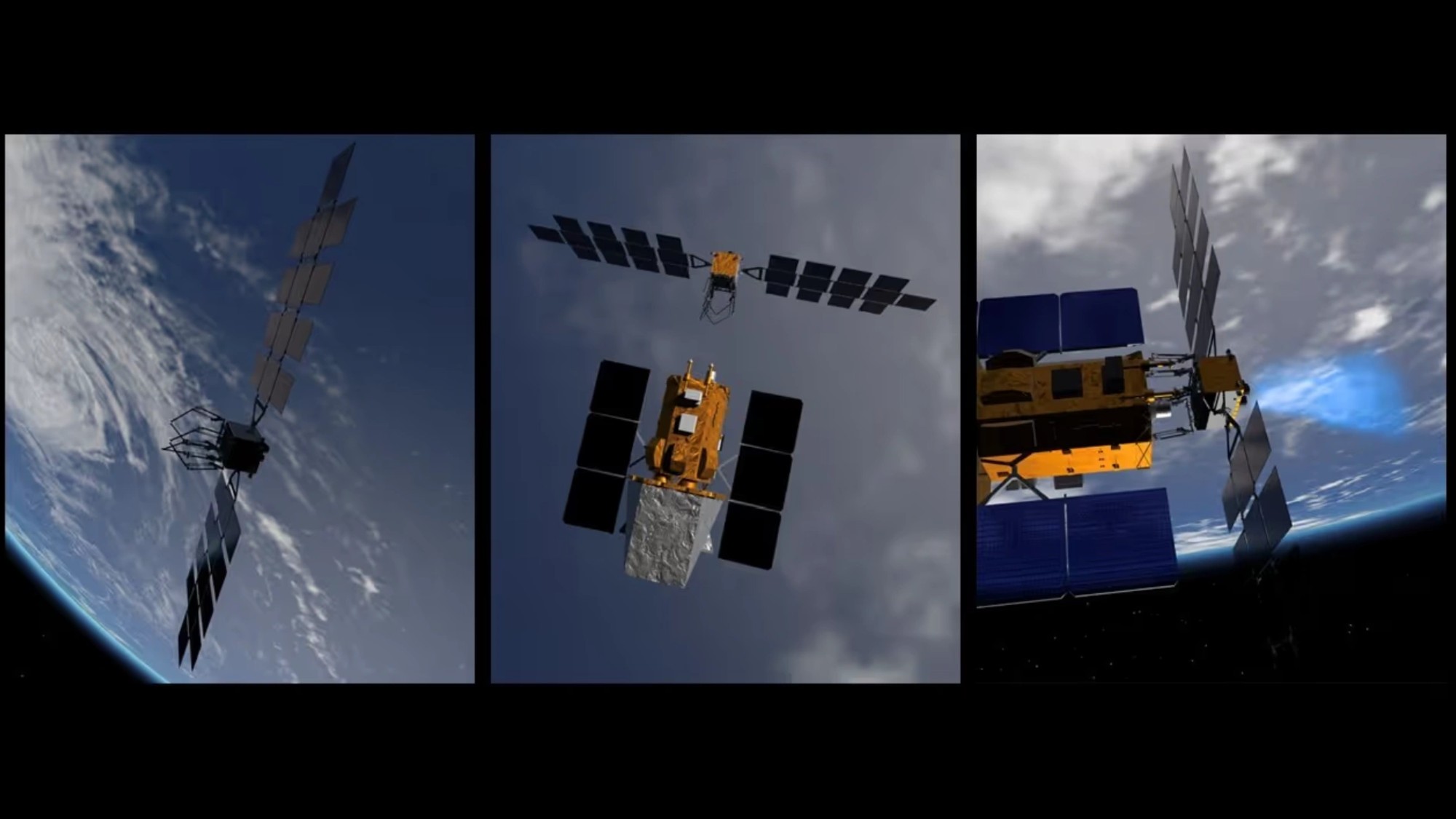
Swift's orbit has been decaying for years, and the observatory is unable to boost its orbit on its own. Thus, LINK was designed to meet up with Swift in low Earth orbit and spend some time studying the observatory to determine how best to grab onto it with three robotic arms. Once it has linked up with Swift, LINK should be able to use its own thrusters to boost the observatory to a higher orbit and extend Swift's life.

a three-panel illustration showing two spacecraft meeting up above earth

Artist's illustration of Katalyst Space Technologies' Link servicing spacecraft approaching and capturing NASA's Swift space observatory on an orbit-boosting mission. (Image credit: Katalyst Space Technologies)

The Swift observatory, officially known as the Neil Gehrels Swift Observatory, was launched in 2004 at a cost of $250 million. The Swift Boost mission only cost NASA $30 million.

Over the last 22 years, Swift has been searching the sky for gamma-ray bursts and other high-energy astrophysics phenomena in the cosmos. In 2022, the observatory spotted a gamma-ray burst nicknamed the "BOAT," short for Brightest of All Time. At the time of discovery, it was the most powerful space explosion ever seen.

  •  

SpaceX launches secret US spy satellite from Florida (video)

SpaceX launched a secret reconnaissance mission for the U.S. government early on Thursday morning (July 30).

A Falcon 9 rocket lifted off from Florida's Cape Canaveral Space Force Station on Thursday, kicking off the mission for the U.S. National Reconnaissance Office (NRO) called NROL-95.

The launch occurred at 3:10 a.m. EDT (0710 GMT).

The bright orange-white plume from a rocket lights up its launch pad as it lifts off into the darkness of an early morning sky.

A SpaceX Falcon 9 rocket launches the NROL-95 mission for the National Reconnaissance Office from Cape Canaveral Space Force Station in Florida on July 30, 2026. (Image credit: SpaceX)

We know very little about NROL-95; the NRO, which operates the country's fleet of spy satellites, has provided no details about the payload or its activities.

The agency has revealed the NROL-95 mission patch. It depicts a snarling ferret with a nighttime sky in the background and the words "We are the Champions" on the emblem's lower border.

"The ferret, a clever creature, embodies agility and resilience β€” key traits for exploration. Its confident grin and bright eyes reflect a spirit of victory in a realm where determination meets adventure," NRO officials said in an NROL-95 mission description.

"The bold phrase 'We are the Champions' encapsulates the camaraderie and pride shared among those on this purposeful mission," they added.

circular space mission patch showing a snarling ferret with the words

The patch for the U.S. National Reconnaissance Office's NROL-95 mission. (Image credit: NRO)

NROL-95 was the fourth NRO launch of 2026. The other three β€” NROL-105 in January, NROL-172 in May and NROL-179 in June β€” also flew aboard Falcon 9s, but from Vandenberg Space Force Base in California.

Those three other missions were devoted to building out the NRO's "proliferated architecture" constellation, which will consist of hundreds of relatively small, cost-efficient reconnaissance satellites in Earth orbit.

On Thursday, the Falcon 9's first stage came back to Earth for a landing at Cape Canaveral about 8.5 minutes after liftoff. It was the seventh mission for this particular booster, according to a SpaceX mission description.

SpaceX cut off its livestream shortly thereafter, at the request of the agency.

  •  

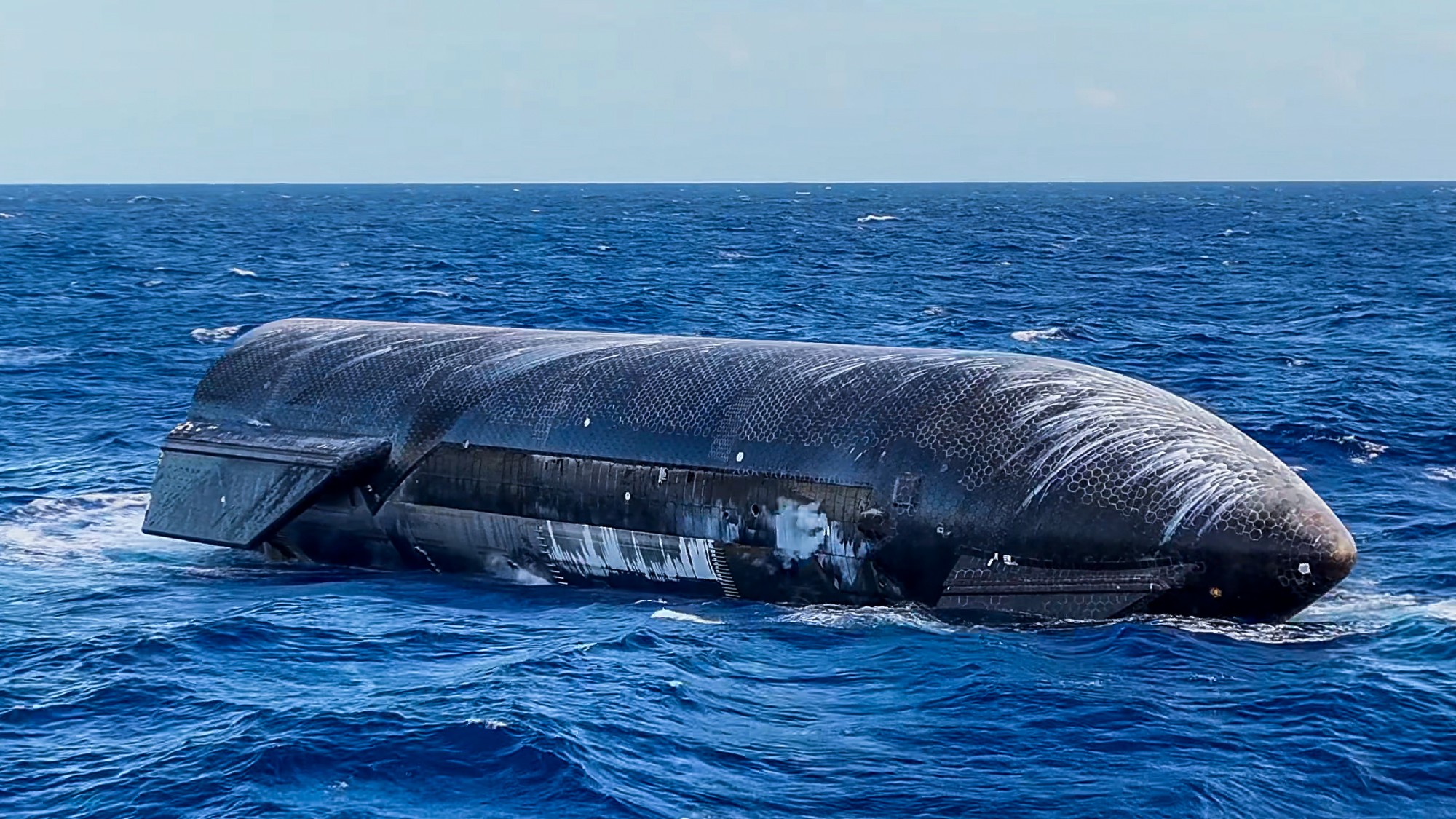
SpaceX Starship still floating 5 days after flight | Space photo of the day for July 29, 2026

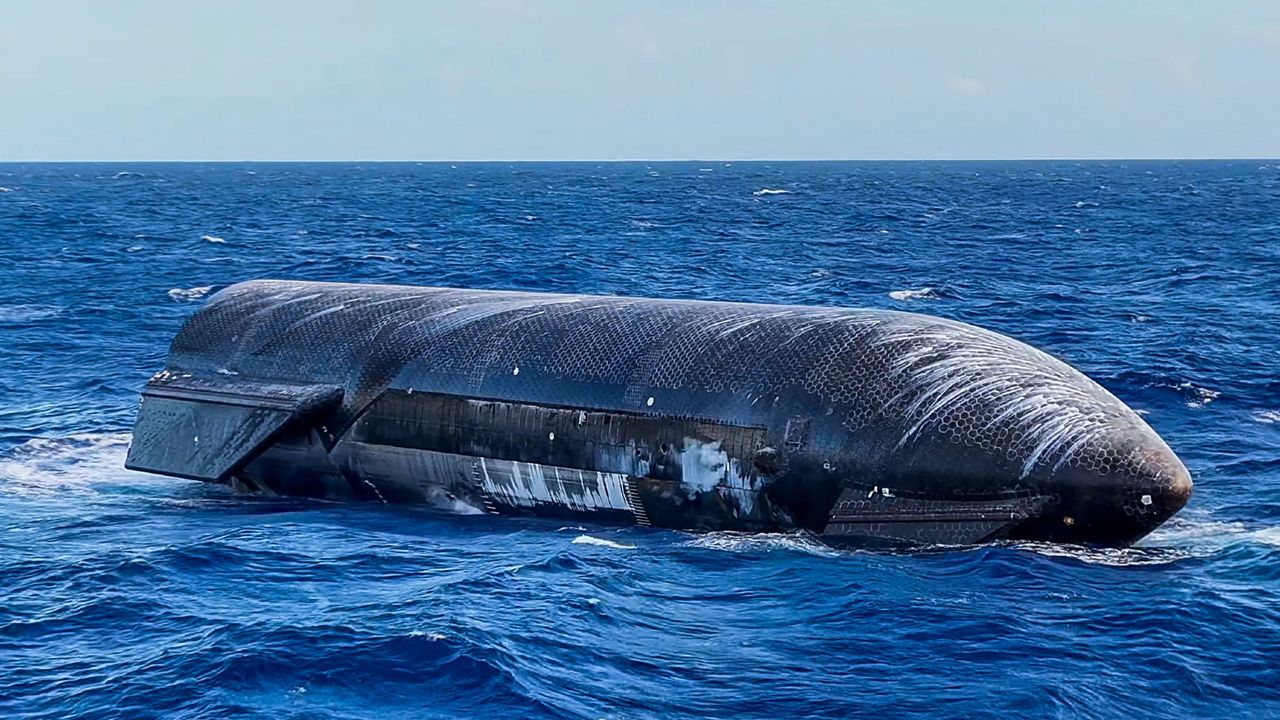
a large black cylinder with wing-like canards floats on top of a choppy blue sea

SpaceX's Starship Version 3 floats on the Indian Ocean on July 28, 2026, days after splashing down on the vehicle's Flight Test 13 on July 24. (Image credit: SpaceX via X)

SpaceX's Starship V3 looks absolutely seaworthy in this new photo taken days after its most recent flight test.

What is it?

SpaceX launched its Starship vehicle on July 24, sending the 408-foot-tall (124-meter) Starship Version 3 (V3) rocket on a suborbital trajectory that saw the rocket's upper stage make its softest splashdown yet.

In fact, the landing was so smooth that Starship is still floating off the coast of Western Australia. SpaceX shared the photo of Starship on Tuesday (July 28), posting on X that the vehicle is "still afloat in the Indian Ocean."

The scorch-streaked 171-foot (52-meter) Starship upper stage resembles an orca or a submarine in the photo, resting mostly out of the water.

Why is it incredible?

It wasn't just the splashdown that was so stunning. Video taken from aboard Starship and from the Starlink satellites that were deployed alongside the upper stage during Flight Test 13 truly looks like the stuff of sci-fi.

Starship, which consists of SpaceX's Super Heavy booster and the somewhat-confusingly-named upper stage known as Starship (or Ship), is designed to be rapidly reusable. That means, if all goes according to plan, SpaceX will eventually be able to land both stages and have them refueled, inspected and ready for flight again in a matter of days.

But there are still major hurdles to cross before that goal is ever reached. SpaceX will have to figure out how to make Starship's heatshield more durable and reusable, a feat some experts call a "dead-end for all missions that require full and rapid reusability," according to Ars Technica.

Nevertheless, having a fully intact second stage rocket floating on the ocean four days after a flight test is quite a feat.

  •  

SpaceX launches 24 Starlink satellites to orbit in wake of Starship test flight (video)

SpaceX launched 24 more satellites for its Starlink network on Saturday (July 25), a day after demonstrating it could do the same on its next-gen rocket.

A Falcon 9 rocket carrying Starlink group 17-51 lifted off at 11:51 a.m. EDT (1521 GMT or 8:51 a.m. PDT local time) on Saturday from Space Launch Complex 4 East at Vandenberg Space Force Base in California.

About an hour later, the 24 broadband internet satellites were deployed into low Earth orbit (LEO), as planned.

Previous Booster B1100 launches

NROL-105 | 6 Starlink missions

The launch marked the eighth flight of the Falcon's 9 first stage (Booster 1100), which touched down on the "Of Course I Still Love You" droneship, stationed in the Pacific Ocean.

The successful launch raised the total number of active Starlink satellites to 10,865, according to satellite tracker Jonathan McDowell. That number had been 20 units higher for about 20 minutes on Friday, when SpaceX conducted a deployment and operations trial during the 13th test flight of its Starship launch vehicle.

The Starship test was planned to be short-lived but was successful in providing data to support NASA's decision to fly Starlink systems on its Artemis III crewed mission to LEO, which is scheduled to fly next year.

Saturday's launch was SpaceX's 87th Falcon 9 mission of the year.

  •  
❌