Login

MacBook Neo Sales: The Story Behind the Numbers
MacBook Neo sales have given Apple something the Mac rarely achieved through its premium models: immediate access to the enormous market for affordable everyday notebooks.
The new line arrived in March 2026 with a launch price of $599, or $499 through education pricing. That placed a current MacBook within reach of buyers who previously depended on discounted older models, inexpensive Windows laptops or Chromebooks.
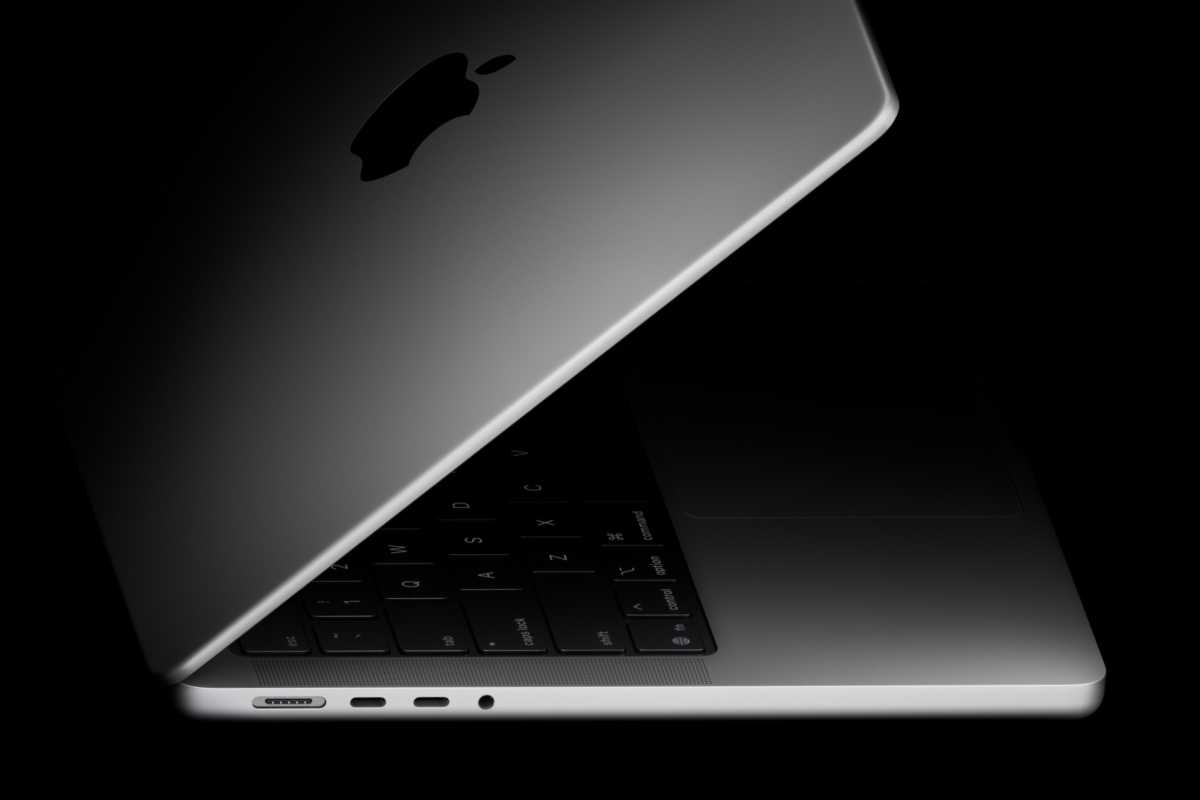
Price opened the door, but appearance helped people walk through it. MacBook Neo entered the market in blush, indigo, silver and citrus, avoiding the visual compromises commonly associated with entry-level computers. The aluminum enclosure, color-matched keyboard and 13-inch Liquid Retina display made it look like a deliberate new Mac rather than a reduced MacBook Air.
Those choices changed the conversation around an affordable Apple notebook. Buyers could select a computer according to personality and style before considering processor benchmarks. Students could carry something visibly different from institutional gray and black laptops. Families could distinguish multiple computers by color, while first-time Mac owners received a product with its own identity.
Early shipment estimates suggest that strategy worked. IDC data shared with TechCrunch placed MacBook Neo shipments at approximately 1.1 million units during the March quarter, even though the computer had been available for only about three weeks. Apple does not disclose sales by individual Mac model, so the figure remains an independent market estimate rather than an official unit count.
The pace was nevertheless substantial enough to make MacBook Neo one of the strongest recent Mac introductions. It also pushed the story beyond one successful product launch. Apple had entered a price segment responsible for tens of millions of notebook purchases each year and found customers who had never seriously considered macOS.

MacBook Neo Sales Started With a Missing Price Tier
Apple spent years concentrating the MacBook line above the mainstream notebook market. MacBook Air became the accessible model, but its price still placed it beyond many students, families and buyers in countries where local income and currency conversion make Apple hardware especially expensive.
Discounted older MacBook Air generations partially filled that gap. Retailers could keep M1, M2 or M3 models available after newer versions arrived, offering buyers lower prices without Apple designing a dedicated entry-level computer.
That approach had limitations. Availability depended on remaining inventory, configurations varied among retailers and the product still looked like a previous generation being cleared from the channel. It could attract value-conscious buyers, but it did not establish a permanent starting point for the Mac.
MacBook Neo created that starting point. Apple designed the model around an A18 Pro chip rather than the M-series processors used by MacBook Air and MacBook Pro. The base configuration included 8GB of unified memory and 256GB of storage, enough for browsing, school assignments, communication, streaming and everyday productivity without competing directly with higher-performance Macs.
The model retained features that buyers encounter every day: an aluminum body, a 13-inch high-resolution display, a Magic Keyboard, a large Multi-Touch trackpad, a 1080p FaceTime HD camera and a fanless design. Apple rated its battery for as long as 16 hours under its testing conditions.
Performance headroom, memory capacity and external-display support remain more limited than on a MacBook Air. Those compromises are easier to accept when the computer is purchased for writing, research, web applications, video calls and media consumption rather than professional video production or complex development work.
IDC estimated that the sub-$700 segment represented about 75 million annual notebook shipments, close to 40% of global notebook volume. Windows and ChromeOS historically controlled more than 95% of that tier. Apple had been competing for a small premium section of the market while a far larger pool of buyers purchased elsewhere.
MacBook Neo sales gave the company a way into that pool without placing an old design or plastic enclosure at the entrance to the Mac line. A buyer comparing computers at similar prices could now choose macOS without first accepting a major premium.
Color Gave the Affordable MacBook an Identity
Low-cost laptops are frequently designed to disappear. Dark plastic, conservative finishes and generic bodies keep manufacturing simple and reduce the risk that one color will remain unsold. MacBook Neo took the opposite approach by making color one of the most recognizable parts of the product.
Silver preserves a familiar Mac appearance, while indigo offers a darker alternative without returning to standard black. Blush gives the line a softer finish, and citrus creates the visual signature that separates Neo from every other MacBook on a table.
The colors do more than decorate an inexpensive computer. They prevent the model from being defined entirely by what it lacks. Instead of asking why it has an A18 Pro rather than an M5, buyers can begin with which finish they want.
That distinction is valuable among younger customers. IDC described reactions from teenagers who focused on the display, weight and appearance rather than memory specifications or processor architecture. Their interest centered on how the computer would look at school compared with the Windows laptops and Chromebooks already around them.
Apple used a similar strategy when color helped turn the original iMac into a cultural object. Later iBook models carried bright finishes into portable computing, while colorful iMac and MacBook designs made personal computers feel less institutional. MacBook Neo revisits that idea for a generation accustomed to selecting colors for phones, headphones, cases and watches.
The approach also avoids making affordability look like punishment. A lower price does not force the buyer into an anonymous product with a visibly cheaper exterior. Neo has limitations, but its design gives owners something exclusive to the line instead of presenting the computer as a substitute for the MacBook they could not afford.
Color alone did not produce MacBook Neo sales. The launch price, battery life, macOS integration and recognizable MacBook construction carried more purchasing weight. Color made those advantages easier to notice and gave stores a product that could attract attention before a salesperson explained its specifications.

First-Time Buyers Changed the Mac Equation
Apple said customer response exceeded its expectations and connected the launch with record participation from people buying their first Mac. That audience may prove more valuable than existing owners choosing a less expensive replacement.
A first Mac purchase can introduce a customer to applications and services that become part of daily work. People who already use an iPhone can access Messages, FaceTime, Photos, iCloud, AirDrop and iPhone Mirroring from the computer without rebuilding their digital routines.
That familiarity lowers one of the barriers to changing computer platforms. A person may have used Windows throughout school or work while carrying an iPhone for years. MacBook Neo makes the switch less financially demanding, while the connected features reduce the amount of relearning required after purchase.
MacBook Neo sales also challenge the assumption that low-cost notebook buyers care only about the lowest available price. Many customers are willing to spend more than the cost of an entry Chromebook when the difference provides a better display, metal construction, longer useful life or closer integration with a phone.
The line is therefore competing on perceived value rather than absolute cheapness. A $599 launch price remains expensive beside the least costly education laptops, but it enters the same purchasing discussion as many mainstream Windows models. It no longer requires a buyer to stretch directly toward MacBook Air pricing.
Education represents a particularly large opportunity. Schools and families make purchases around durability, battery life, software management, support requirements and the number of years a computer can remain useful. A lower acquisition price gives the Mac a better chance of surviving the first stage of that calculation.
Small businesses face similar decisions. A company that previously reserved Macs for designers or executives can consider Neo for administrative work, communication and browser-based services. Wider Mac deployment then becomes possible without assigning a premium notebook to every employee.
MacBook Neo sales may also protect Apple from depending entirely on upgrades. Mature computer owners can keep a capable Mac for many years, extending replacement cycles. Bringing new people onto the platform creates additional demand without waiting for an existing MacBook Air or MacBook Pro to become obsolete.
Worldwide Adoption Is the Larger Story
The geographic distribution of the first units shows both progress and unfinished work. IDC estimated that 44% of March-quarter shipments went to the United States. That concentration is unsurprising for an Apple launch, but the larger opportunity sits in markets where Mac adoption has remained limited by price.
India offers an early example. Approximately 18,000 units reportedly shipped there during the short March launch period, while retailers later experienced difficulty obtaining enough inventory. The local starting price of ₹69,900 remained above the direct currency conversion of the U.S. price, yet it sat far below the ₹119,900 entry point reported for MacBook Air at the time.
Older MacBook Air generations had previously generated Indian sales when retailers offered substantial discounts. Neo gives Apple and its partners a current model to promote throughout the year rather than depending on irregular clearance inventory.
Availability timing will influence adoption elsewhere. The computer reached some markets later than the initial launch, including Indonesia in May. Local taxes, currency movements, distribution capacity and supply allocation can produce a very different value proposition from one country to another.
Independent forecasts remain optimistic despite severe pressure across the PC industry. TrendForce projected Apple notebook shipments could grow 7.7% during 2026 and estimated that MacBook Neo could reach between 4 million and 5 million units. IDC later said stronger-than-expected demand from the model contributed to an upward revision of its notebook forecast.
Those gains are occurring while memory shortages and rising component costs are pushing much of the computer industry toward higher prices. IDC expects worldwide PC shipments to contract during 2026, making Apple expansion unusual in a market where many manufacturers are reducing configurations and protecting margins.
Supply control helped Apple enter the lower tier at a difficult moment. The company already designs the A18 Pro, uses a highly standardized configuration and purchases components at enormous scale. That structure gave it more room to assemble a focused notebook without relying on a separate processor vendor for the central chip.
Recent Mac price increases caused by rising memory costs may test how much of the early advantage Apple can preserve. Neo depends on remaining close enough to mainstream notebooks that first-time buyers continue placing it on the same shortlist. A widening price gap would return the Mac to the premium territory the new line was created to escape.
The next evidence will arrive through education purchasing cycles and expansion in price-sensitive countries. A personal citrus or blush MacBook can win attention in a store, but deployments across schools and small businesses will depend on supply, local pricing, management costs and useful life. The first semester filled classrooms with individual Neo buyers; the coming academic year will reveal whether entire institutions are ready to replace rows of gray laptops with macOS.

The post MacBook Neo Sales: The Story Behind the Numbers appeared first on AppleMagazine.