❌

Reading view

SpaceXAI says it will remove all 69 of its unpermitted turbine power generators, but expects process to take a year — trailer-mounted generators to be replaced by 1.2GW power plant

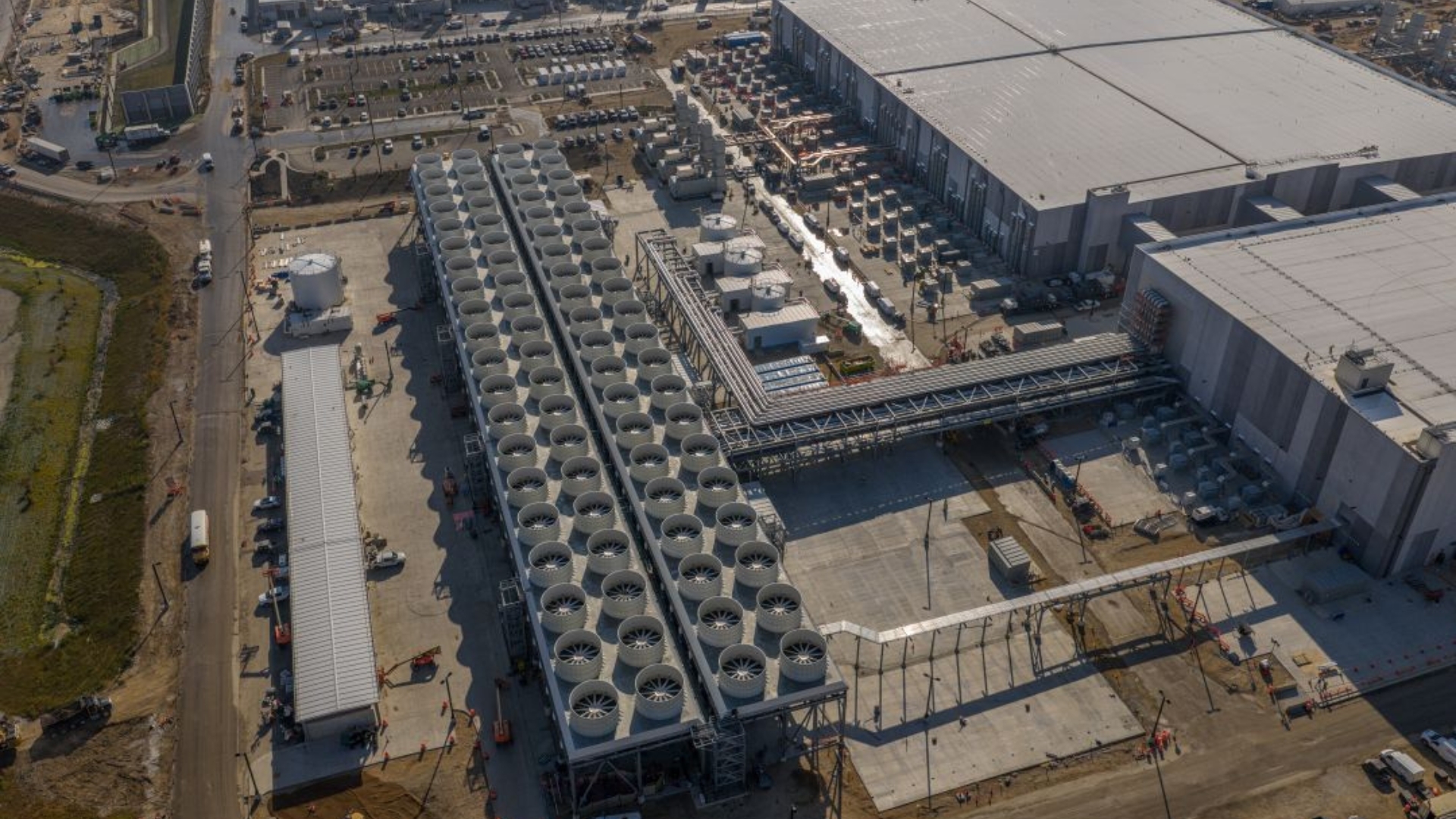
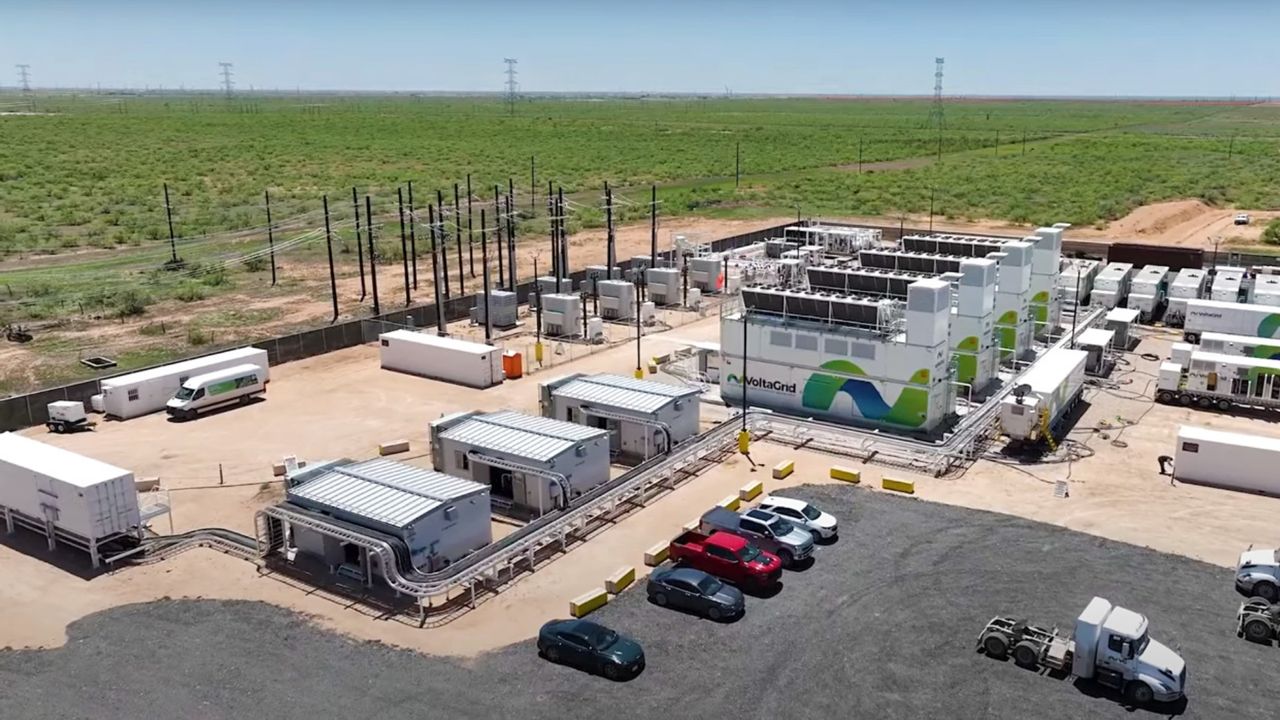
Elon Musk’s Colossus data centers that sit near the border between Tennessee and Mississippi will finally be removed starting this month. According to the company, the 69 temporary mobile turbines, which have been the subject of a lawsuit that claims they have been causing pollution, are going to be completely removed by July 2027, meaning it will take the company 12 months to withdraw the trailer-mounted generators from its premises. This may sound confusing, as they’re “portable” generators, after all, but it seems that SpaceXAI is removing them in phases as its 1.2GW power plant slowly comes online.

SpaceXAI achieved one of the fastest data center deployments ever after it set up 100,000 Nvidia H200 GPUs in 19 days — something that Nvidia CEO Jensen Huang said usually takes four years or more. Musk achieved this by bringing in his own power instead of waiting to get connected to the grid, which was considered a novel idea at that time. Today, a few data center operators, like OpenAI, are following Musk’s footsteps and deploying their own turbines to power their servers without relying on other providers.

But even though the idea feels innovative, the community surrounding the Colossus 1 and Colossus 2 data centers has been complaining about the pollution that these mobile turbines bring. They say that these turbines didn’t have the required permits to operate, although the company argued that the mobile and temporary nature of these units exempted them. The EPA said earlier this year that these units aren’t exempt from permits, but SpaceXAI continued to operate them anyway. It has even got to the point that the NAACP filed a case over these unpermitted turbines, although the DOJ weighed in, saying that removing them would put national security at risk as Colossus 2 “supports mission-critical operations.”

Despite that, it seems that SpaceXAI has finally settled into an agreement with the Mississippi Department of Environmental Quality. It’s if the 1.2GW power plant replacing these mobile turbines is the same one that Musk is importing from overseas, but the important part is that it’s approved under a Clean Air Act permit. Aside from that, the company also said that it’s equipping all its mobile turbines with “advanced emission control technologies,” which should reduce the environmental impact of its power sources.
  •  

Gem Mint signed 1983 Steve Jobs business card opens at $70,000 — second signed card from that era after $180,000 record sale

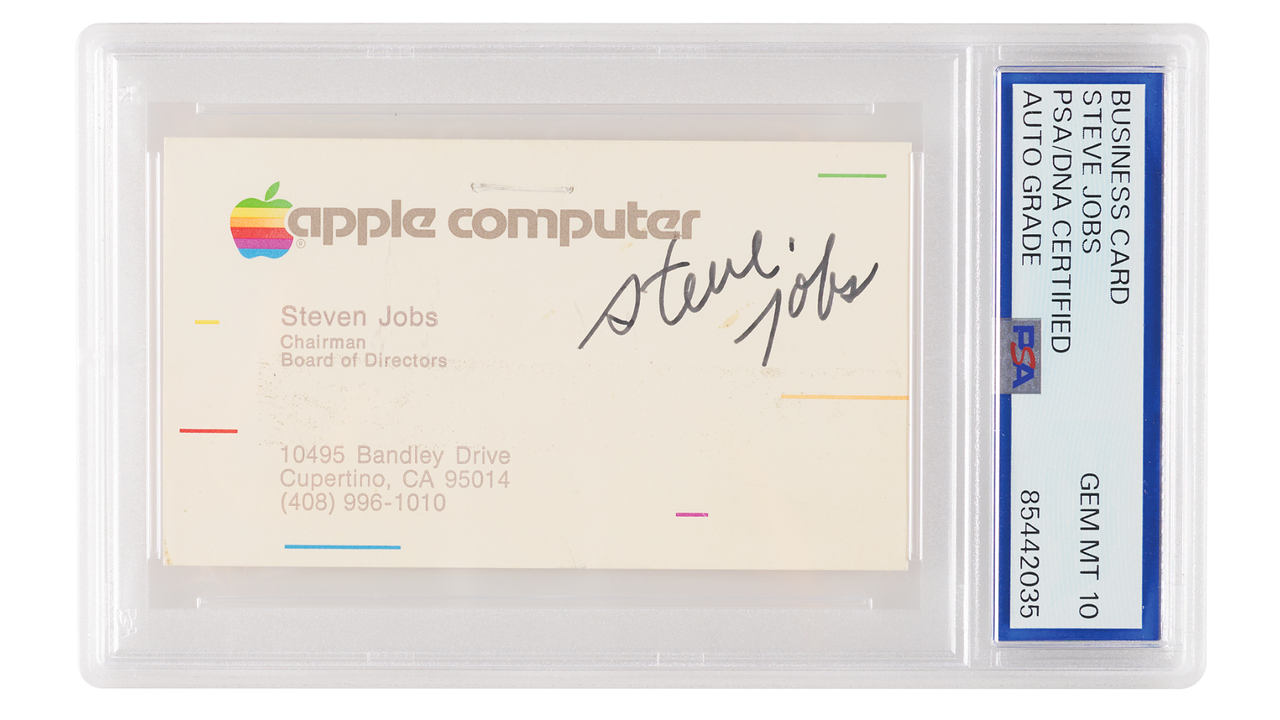
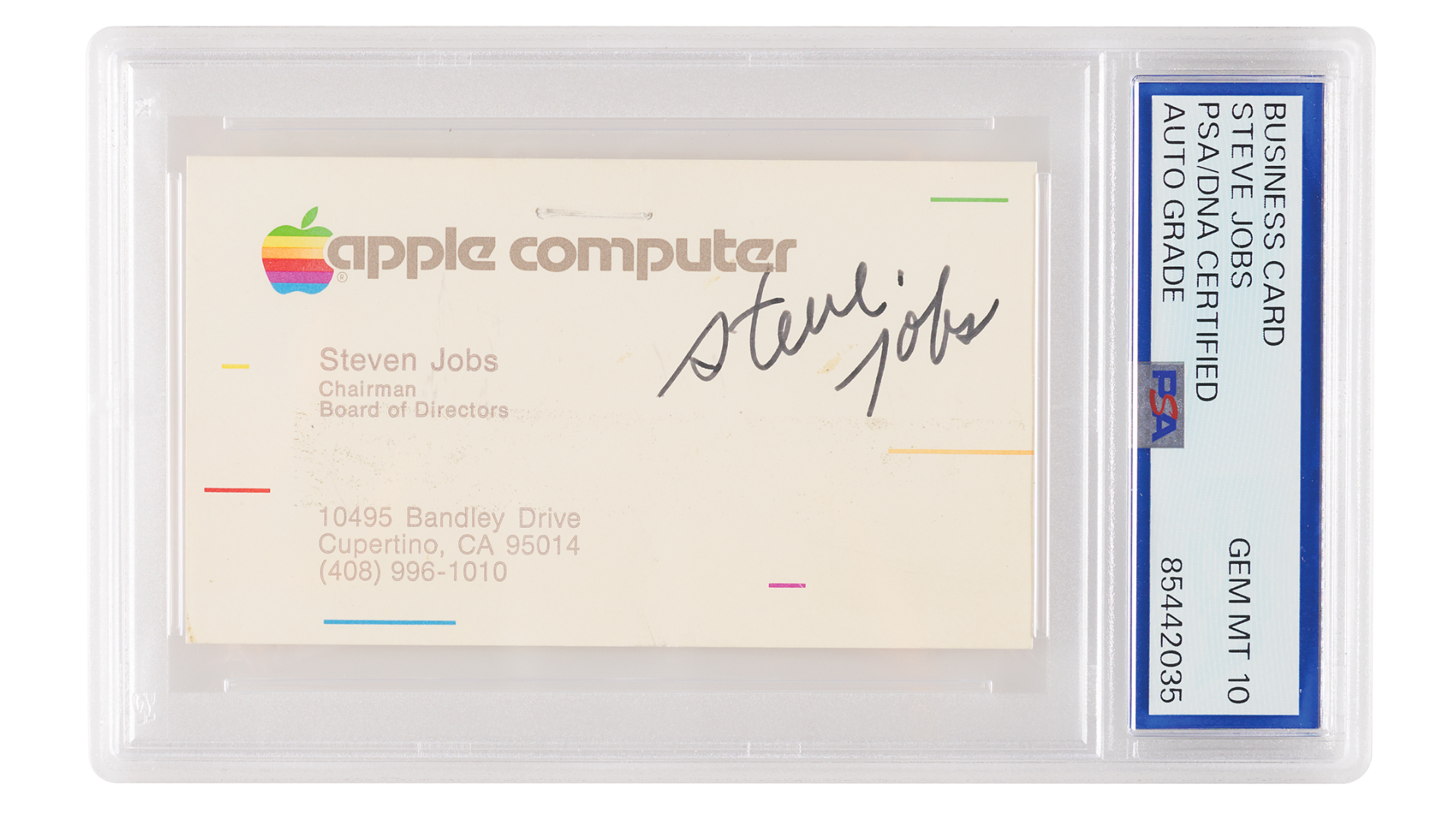
Tech enthusiasts are a passionate bunch, and the rich ones among them are willing to put their money where their mouth is. This is exactly what we see with a signed Steve Jobs business card from 1983, which is posted on RR Auction and is going for $70,741 at the time of writing. What made this relic special is that Job’s business cards from 1983 are a rare commodity and remain in high demand from collectors. It also received a Gem Mint 10 grade — the highest possible rating from PSA/DNA and is certified to be authentic.

the signed Steve Jobs business card from 1983 undergoing auction at RR Auction
RR Auction
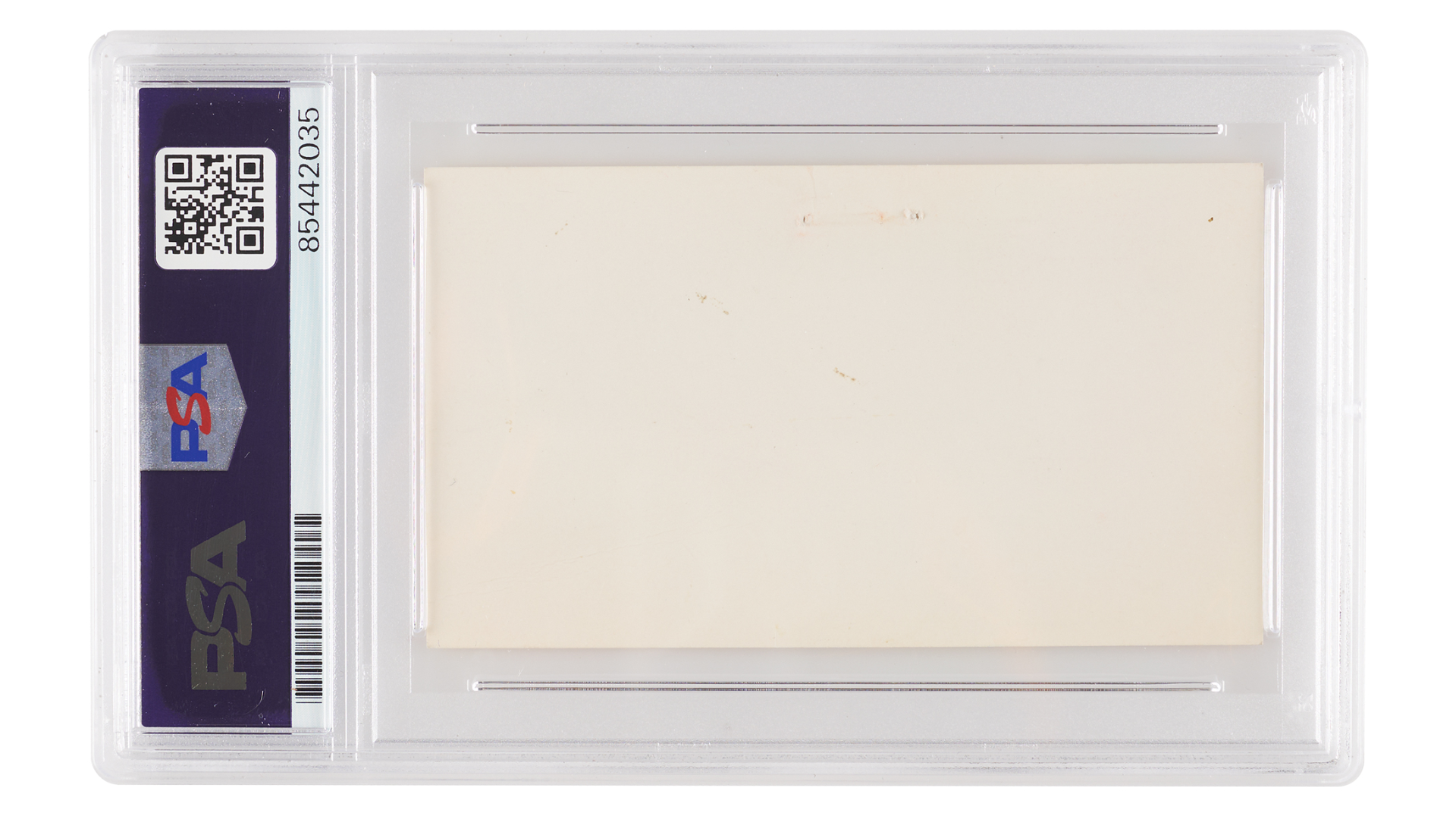
the rear of the signed Steve Jobs business card from 1983 undergoing auction at RR Auction
RR Auction

RR Auction says that it has auctioned off 15 Steve Jobs business cards in its history, but only four of those come from 1983. This is also only the second one to bear the signature of Apple’s founder, which was put on the auction block in 2024 and fetched an eye-watering $180,000. The card on auction right now isn’t exactly perfect, with the website describing it as “In fine condition, with light soiling and staple holes to the upper section, none of which affect the bold signature.” Still, there’s at least 16 bids on the item, and the next bid is currently listed at $77, 816.

This isn’t the first time that an item related to an iconic founder has fetched thousands of dollars on the auction block. Just last month, Sotheby’s estimated that Nvidia CEO Jensen Huang’s iconic Tom Ford leather jacket, which costs $9,000 if you buy it new, would get up to $60,000. However, when the hammer finally closed the auction, the winning bid hit $960,000, which, we believe, is driven by Jensanity.

Unfortunately, if you’re not into the personal effects of CEOs and want something more substantial, you’ll probably have to fork out a lot more money. One example we have is the Apple-1 ‘Prototype Board #0,’ which sold for $2,750,000. Aside from costing a lot of money, these are rare finds, and you’ll have to wait years, if not decades, to get a chance at owning something so exceptional. But if you have a hole burning in your pocket and want to start a tech-related collection, but find the Steve Jobs business card a bit above your budget, an unreleased batch of 97 Duck Hunt and Super Mario Bros. NES cartridges has recently been discovered at a retro shop, most of which are graded 9.6 or higher by PSA. Three examples are about to enter auction on August 12, and they’re estimated to start at four figures, which might make it more “attainable” to fledgling collections.

  •  

Big tech spends more than $1 trillion on AI infrastructure — additional $745 billion expected to be added to the figure in 2026 alone

Amazon, Google, Meta, and Microsoft have spent more than a trillion dollars on AI infrastructure, including data centers, the chips inside them, and the power needed to run the facilities, since 2023. The Financial Times said that these four big companies have already hit $1.1 trillion in capital expenditure based on their latest earnings reports, and that an additional $745 billion is expected to be added to this figure just this year.

“There is basically no end in sight for the growth in capex,” RBC Capital analyst Rishi Jaluria told the publication. “Investors need these companies to toe the tight line between investing in AI and not compromising the things that have made them successful.” This massive investment has upended several other industries — namely electricity prices and memory and storage chips. The massive power demand that data centers have put on the power grid has forced many U.S. utility companies to spend billions of dollars to upgrade their respective infrastructure, which they then passed on to all consumers, not just the big ones that forced the upgrade.

This, alongside other environmental issues, has caused many Americans to push back against data center projects near their communities. The White House instituted the “ratepayer protection pledge” and made AI hyperscalers, utility operators, data center companies, and individual states promise that they will protect the average consumer from electricity cost increases. But so far, no state has taken a step to codify this pledge into law. Oregon actually enacted the POWER Act, which resulted in a 30% increase in the power bill of users that consumed more than 20MW while slashing the bills of residents by 1.3%, but the state did this in 2025, way before President Donald Trump called the tech giants into the White House and told them to “pay their own way.”

The mountains of cash that these tech giants are pouring into AI are also affecting the memory and storage chip industry. Since these AI hyperscalers have a lot of liquidity from investors, they are willing to pay top dollar for the HBM they need to run their data centers. Because of this, it made sense for Micron, Samsung, and SK hynix to prioritize them over DRAM, especially as they can charge a premium for these chips and there are customers who are willing to pay at those prices. This resulted in a shortage of consumer memory that started in 2025 — while this initially affected PC builders and enthusiasts, it has started to affect other industries that require memory as well, including cars and smartphones. Even Apple, which historically had huge sway over its suppliers, was forced to increase prices because of the shortages.

Aside from skewing other industries, the massive CAPEX the big four are going into is alarming some experts, warning that the promises and contracts they’re making are leading to “hidden debt” not listed in their balance sheets. The amount, worth around $1.65 trillion, is annotated in their quarterly financial statements as future obligations that will only come into play as the related asset or service comes online. The current value is 122% of the actual debt reflected on their balance sheets, which could give investors the wrong impression that they have fewer obligations than they actually have.

While the amount of money that the big four are spending on AI might seem dizzyingly high, we must note that these companies are raking in massive amounts of cash quarterly themselves. Microsoft’s latest quarterly revenue is $90 billion, while Meta made $60 billion in the same period. Alphabet (Google) announced revenue of nearly $120 billion, while Amazon made $200 billion. That is a total of nearly $470 billion for these companies in just the last quarter.

Still, that does not mean that they can just keep on spending on AI. For example, even though Google’s cloud business had a revenue of $11 billion last year, its price dropped after it announced that it spent more than it made last quarter — the first time this happened in the 20 years since it went public. Meta is also planning to rent out its AI compute, apparently following in the footsteps of Amazon, Google, and Microsoft, which have growing cloud businesses. However, this announcement caused a drop in its stock price. “They are a bit all over the place,” SLC Management managing director Dec Mullarkey told FT. “For investors it’s no longer growth at any cost; they want to see the spending flowing through to results, like at the Big Three.”

  •  

Meta eyes enterprise growth as AI spend surges

Meta Platforms CEO Mark Zuckerberg (pictured) outlined his high-stakes vision for AI across consumer and enterprise markets during a Q2 investor call, casting the technological transition as a massive commercial opportunity despite heavy infrastructure outlays and operational charges weighing on profitability.

Zuckerberg detailed three primary expansion pillars driving Meta’s long-term strategy. He noted AI investments are actively boosting performance across the main portfolio by improving user experiences, optimising return on investment for advertisers and enabling internal product teams to ship software faster.

Looking ahead, Zuckerberg stated that Meta is “developing new personal agents that will be the foundation for our next wave of products and revenue lines in the months and years ahead”.

Expanding beyond consumer applications, he highlighted a growing commercial footprint, pointing to “a large enterprise opportunity to sell to businesses, including APIs, business agents, potentially selling compute directly, and other services that we’re building for large customers”.

Q2 financial performance
Meta delivered strong Q2 top-line performance, driven by continuous gains across its AI-enhanced advertising suite, though rapid infrastructure spending and operational charges squeezed overall profitability below Wall Street expectations.

Meta generated $60.8 billion in revenue, representing a 28% increase compared to $47.5 billion in the same period last year. However, net income dropped 14% to $15.8 billion.

Advertising revenue accounted for $59.8 billion of total sales, up 28% year-over-year. This growth was supported by high adoption of AI automated ad features, with ad impressions growing 14% year-over-year across its Family of Apps and the average price per ad climbing 12%.

Family Daily Active People reached an average of 3.6 billion in June, reflecting a 3% increase year-over-year.

Total costs and expenses surged 55% to $42 billion, heavily weighed down by $2.4 billion in legal proceeding charges as well as $1.2 billion in severance expenses following restructuring in May.

Driven by the aggressive capex ramp and operational charges, free cash flow dropped 91% year-over-year to $784 million, compared to $8.5 billion in the prior-year period.

Capital expenditures jumped to $31 billion from $17 billion, including principal payments on finance leases, as Meta continued to scale its computing infrastructure, servers, and data centres to expand generative AI capabilities.

Looking ahead, the social media giant issued a Q3 revenue forecast of $61 billion to $64 billion.

For the full year, Meta maintained its capital expenditure guidance at $130 billion to $145 billion and anticipates total expenses between $165 billion and $169 billion, while reiterating full-year operating income is expected to exceed prior-year levels.

Highlighting engagement growth across its app suite, Zuckerberg noted Threads crossed 500 million monthly active users, “making it the fastest-growing conversation app ever,” while Facebook reached more than 2 billion daily active users a while ago.

“WhatsApp just hit an all-time messaging record, peaking at 30 million messages sent per second during the World Cup final,” he said.

Meta’s Reality Labs division, which houses the company’s VR and AR hardware efforts including Quest headsets and smart glasses, continued to weigh on overall profitability.

The unit posted an operating loss of $4.6 billion, widening slightly from a year earlier, on revenue of just $431 million, up from $370 million in the same period last year.

The post Meta eyes enterprise growth as AI spend surges appeared first on Mobile World Live.

  •  
❌