Ziemlich genau ein Jahr nach dem Start in den USA kommt Apple Care One auch nach Deutschland. Für eine Monatsgebühr von 20,99 Euro kann man damit drei Apple-Geräte versichern; gegen Diebstahl sind nun auch iPad und Apple Watch abgesichert. Das Angebot startet am 4. August.
Bisher zahlte man für jede Apple-Care-Versicherung bei Apple einzeln. Neu gekaufte Geräte konnte man direkt beim Kauf oder bis zu 60 Tage danach in die Garantieverlängerung aufnehmen. Kunden von Apple Care+ (Einzelgeräte) und Apple Care One (drei oder gegen Aufpreis von 5,99 Euro je Gerät auch mehr) erhalten neben der verlängerten Garantie schnellere und vergünstigte Reparaturen bei unabsichtlichen Beschädigungen, vorrangigen Support von Apples Experten und gratis Austausch von Batterien, sofern deren Gesundheitszustand unter 80 Prozent liegt.
Bisher war von Apple Care nur das iPhone gegen Diebstahl geschützt, jetzt gilt der Schutz vor Langfingern auch für iPad und Apple Watch. Macs sind weiterhin nicht gegen Entwenden versicherbar.
In bestehende Apple-Care-Verträge kann die Kundschaft ab dem 4. August vom iPhone oder Mac aus den Einstellungen heraus weitere Geräte in die Option Apple Care One aufnehmen. Dazu müssen sie jedoch in einem guten Zustand sein und dürfen nicht älter sein als vier Jahre.
Kunden von Apple Care One können verkaufte oder innerhalb der Familie weitergegebene Geräte selbst aus dem Bundle entfernen, um wieder neue hinzufügen zu können. Gibt man bei Apple ältere Geräte beim Neukauf in Zahlung, erfolgt der Austausch in der Police automatisch. Apple Care One gilt nur für Geräte, die an den gleichen Apple Account gekoppelt sind. Die Police auf Geräte anderer Familienmitglieder aufzuteilen, geht nicht.
Die Preise für Apple Care+ hängen vom Gerät ab: Für das iPhone 17e zahlt man inklusive Schutz vor Diebstahl und Verlust 9,99 Euro im Monat, für die Spitzenmodelle wie iPhone Air oder iPhone 17 Pro werden 14,99 Euro im Monat fällig. Für die Absicherung des Macbook Air verlangt Apple 84,99 Euro im Jahr oder einmalig 235 Euro für drei Jahre. Wer Apple Care One statt dreier Einzelverträge bucht, spart laut Apple 13,48 Euro im Monat. Erst am 15. Juli hatte Apple die Preise für Apple Care+ erhöht, die Flatrate für drei Geräte kommt gerade recht.
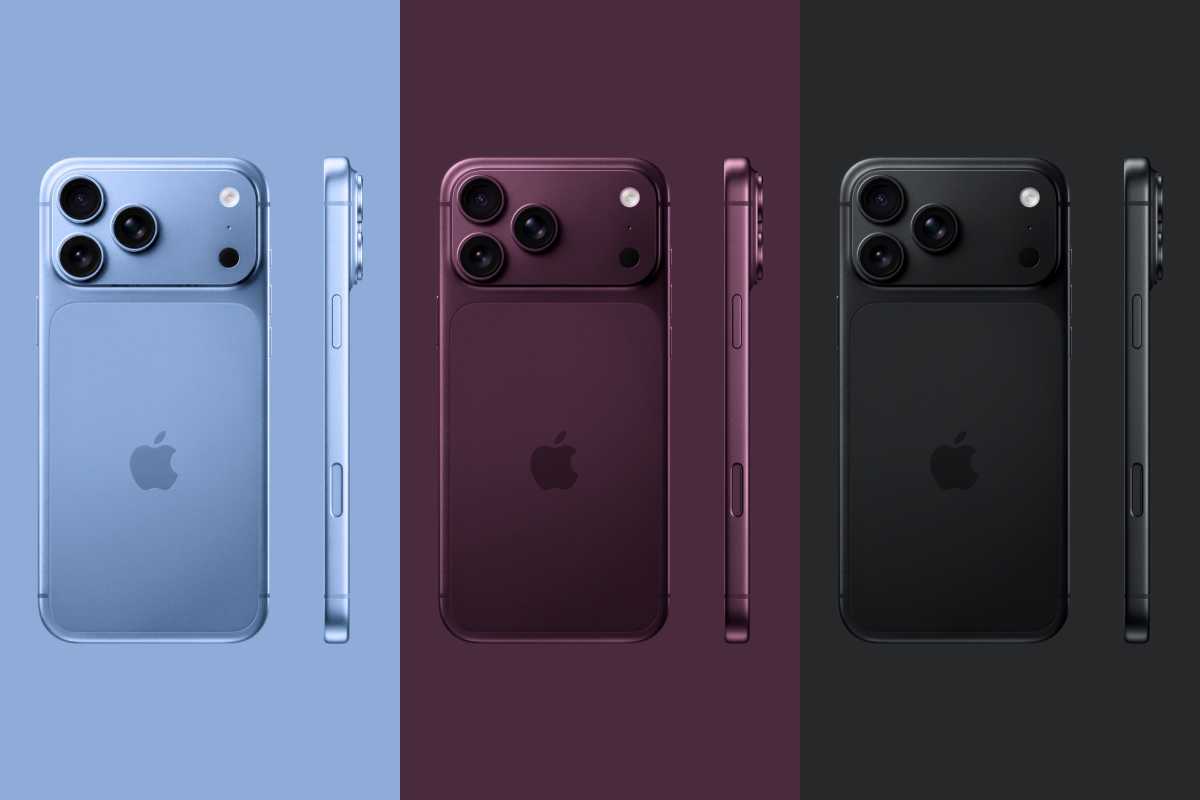
Nach drei Jahren mit dem iPhone 15 denke ich mal wieder über eine Neuanschaffung nach. Derzeit ist das iPhone 18 Pro mein Favorit, zumindest, wenn sich die Gerüchte über „Dark Cherry“ bewahrheiten sollten. Überzeugend finde ich nun endlich den Zoom, auch wenn sich Apple mit einem Trick behilft, um ihn auf achtfach zu erhöhen. Vor drei Jahren war mir das iPhone 15 Pro den Aufpreis nicht wert, aber damals ahnte ich auch nicht, dass mir ein Jahr später etwas Wesentliches fehlen würde: Apple Intelligence.
Wobei, ist die so wesentlich? Dazu komme ich später noch, erst einmal muss ich die Nachrichten darüber verdauen, dass das iPhone 18 Pro wesentlich teurer werden könnte als seine Vorgänger. Bei einem Einstiegspreis von 1.599 Euro hört der Spaß auf. Noch ist aber nicht klar, um welchen Betrag Apple die Preise erhöht. Eventuell gelingt es dem Unternehmen, einige der Lieferanten so zu drücken, dass sich der Preis von derzeit 1.299 Euro für das 256-GB-Modell halten lässt. Das ist immer noch ein Batzen Geld. Ich werde mal abwarten, bis die Preise im Handel ein wenig sinken, dann steht vermutlich schon bald das reguläre 18er an, das mir aus heutiger Sicht wenig attraktiv erscheint.
Die Gründe für die gestiegenen Preise für SSD und gemeinsamen Arbeitsspeicher sind bekannt: der Boom der künstlichen Intelligenz. Die Produktion wird sich irgendwann der Nachfrage anpassen, das kann aber noch dauern und kommt für Apple-Geräte der Jahrgänge 2026 und 2027 vermutlich zu spät. Eher noch platzt die KI-Blase, darauf würde ich aber nicht spekulieren und schon gleich gar nicht hoffen.
Kurz gefasst: Die wahren Kosten von AI seien nicht diejenigen, die OpenAI und Anthropic, welche den Löwenanteil des Marktes für sich beanspruchen, von ihren Kunden einnehmen. Erfolgreich können sich die Unternehmen nur darstellen, weil ihr Aktienkurs in berauschende Höhen gestiegen ist. Wenn aber die Anleger dahinterkommen, dass KI-Unternehmen vor allem Verluste anhäufen und neu gebaute Rechenzentren plötzlich ohne Mieter dastehen, platzt die Blase. Sprich: Es ist so viel Geld im Markt, getrieben von bloßer Hoffnung auf Profite, die niemals kommen werden.
Apple hingegen habe es mit seiner Apple Intelligence sogar geschafft, die Leute gegen KI aufzubringen. Nichts funktioniert, wie es sollte, Siri werde immer schlechter anstatt besser, der Eindruck entstehe, Apple hinke dem Trend hinterher. Nur, welchem Trend? Apple halte sich klugerweise aus der Investitionsblase heraus und verspreche mit seiner KI mittlerweile nicht mehr so viel. So könne Apple den Kollaps der KI gelassen von der Seitenlinie betrachten und nichts dagegen unternehmen. Womöglich sich stattdessen darauf konzentrieren, die Vision Pro mithilfe von Miniaturisierung endlich zu einem unverzichtbaren und beinahe unsichtbaren Gerät weiterzuentwickeln.
Ob Zitrons Prognosen je eintreffen, sei dahingestellt. Wenn Blasen geräuschvoll platzen, betrifft das aber nicht nur einzelne, die auf das falsche Pferd gesetzt haben. Leidvoll erinnern wir uns noch an die Dotcom-Blase Anfang der 2000er oder die von faulen Hauskrediten ausgelöste Weltwirtschaftskrise keine zehn Jahre später. Da wird der Benefit, dass aufgrund des massiven Überangebots von Speicherchips und Rechenkapazitäten die Preise für Macs, iPads und iPhone wieder unter das Vor-KI-Niveau fallen, schnell ein relativer.
Also bezahle ich im Herbst, zähneknirschend, für einen Trend, dem ich nicht folge. Zumindest nicht stur und blind, wie es bei anderen offenbar ist. Klar, auch ich nutze KI für Recherchen, Textkorrekturen oder Zusammenfassungen. Letzteres beherrschen die LLMs recht gut, den Ergebnissen von KI-Suchen muss man aber stets skeptisch gegenüberstehen.
Und Wissen über das Wesen der Werkzeuge hilft auch dabei, unsinnig Tokens zu verschwenden, die letztendlich Energie und Wasser kosten und somit zulasten der Allgemeinheit gehen. Keine KI hat ein Gedächtnis, auch wenn Chatbots das so erscheinen lassen. Nur wird stets der komplette Text eines Chats an den Server übertragen, alle Fragen, alle Antworten. Je länger man sich also mit ChatGPT oder demnächst der neuen Siri zu einem bestimmten Thema unterhält, umso teurer wird die Konversation, während der Erkenntnisgewinn aus neuen Antworten stetig gegen Null geht.
Auch ein ziemlicher Unfug, aber derzeit im Trend: Nachdem die EZB angekündigt hatte, die Euroscheine zu überarbeiten und einige Vorschläge bereitstellte, machen sich die Leute einen Spaß daraus, mithilfe von KI ihre eigenen Scheine zu „designen“. Was das wieder an Tokens für Rechenzentren kostet! Wenigstens dürfte es sich hier um einen kurzfristigen Trend handeln, der ebenso schnell wieder verschwunden ist wie Sommerlochtiere am Ende ihrer Saison.
Ich setze Apple Intelligence dosiert ein, am meisten sogar die Funktionen, die Apple nicht unter diesem Marketing-Begriff subsumiert. Die virtuellen Session-Musiker in Garageband und Logic Pro etwa, die als das gute, alte „Machine Learning“ durchgehen. KI hat auch für mich konkreten Nutzen, aber ich muss nicht jeden Trend mitmachen, wenn er unsinnig ist.
iOS 27 zeigt Live-Vorschau der Zwischenablage Ab iOS 27 müssen Sie nicht mehr in unzuverlässigen Kontextmenüs herumstochern, um etwas in einer anderen App einzufügen. Das geht künftig direkt aus der Tastatur heraus.
Apple plant zur WWDC 2027 den nächsten Flop Apples ominöse AR-Brille soll nächsten Juni zur Vorstellung reif sein und womöglich ein halbes Jahr danach auf den Markt kommen. Fragt sich, wer das Produkt braucht oder was es anrichten kann.
Zwölf statt elf Euro für Apple Music sollten kein Ärgernis sein – auch wenn sich schon wieder einige Leute aufregen. Deutlich schwerer wiegen die gestiegenen Hardwarepreise. Doch ausgerechnet hier könnte Apple schon bald für Linderung sorgen.
Das iPhone, das am 4. Juli in einer Zeitkapsel landete, wird in 250 Jahren womöglich eine interessante Geschichte erzählen. Der Akku ist dann natürlich leer.
Kaum eine Apple-Software ist so frustrierend wie das Homekit. Die Hauptverantwortung dafür trägt Siri, die bald besser werden soll. Fragt sich nur, wann.
Da waren wir die Woche über schön am Schnäppchenjagen – und plötzlich war der Fall klar, dass jetzt der beste Zeitpunkt für den Kauf ist. Mancher hatte zu lange überlegt.
Apple’s third-quarter 2026 earnings report on Thursday wasn’t your typical financial announcement. It was Apple CEO’s Tim Cook’s last full quarter, which gave it a bit of nostalgia. But more importantly, it marked the end of a quarter where Apple announced steep price increases for the Mac, iPad, HomePod, Apple TV, and Apple Vision Pro following increased costs for RAM, storage, and other components.
Turns out that Apple posted its strongest June quarter ever. Apple announced revenue of $109.4 billion for the quarter, a 16 percent year-over-year increase. The company’s gross margin was 50.1 percent, and diluted earnings per share (EPS) were $2.02, up 29 percent year over year.
“Today, Apple is proud to report our strongest June quarter ever, with double-digit revenue growth across iPhone, Mac and Services, and in every geographic segment,” said Cook in a press release. The Mac boasted a 29 percent increase (a June quarter record), and Apple said it set a new all-time record with upgraders and customers new to the Mac. iPhone revenue increased 22 percent, and Services jumped 12 percent.
How the quarter ended year-over-year for Apple:
iPhone: $54.3 billion (up from $45 billion)
iPad: $6.2 billion (down from $6.6 billion)
Mac: $10.4 billion (up from $8 billion)
Wearables, Home, and Accessories: $7.9 billion (up from $7.4 billion)
Services: $30.7 billion (up from $27 billion)
Apple declared a cash dividend of $0.27 per share of common stock. The dividend is payable on August 13 to shareholders of record as of the close of business on August 10.
However, there are signs that higher prices affected Apple’s overall earnings in the quarter. For one, the EPS included “a favorable impact of $0.11 from tariff refunds,” meaning the actual price would have been $1.91, a lot closer to the expected $1.88. Furthermore, the all-important Greater China region saw a softening to $18.8 billion versus an expected $19.5 billion, a fairly significant miss. Also, iPad sales are clearly struggling and won’t be helped by dramatically higher prices.
A notable change in Apple’s financial statement is an increase in research and development expenditure. Apple spent $11.7 billion, up from $8.9 billion year over year, a sizable 31 percent increase.
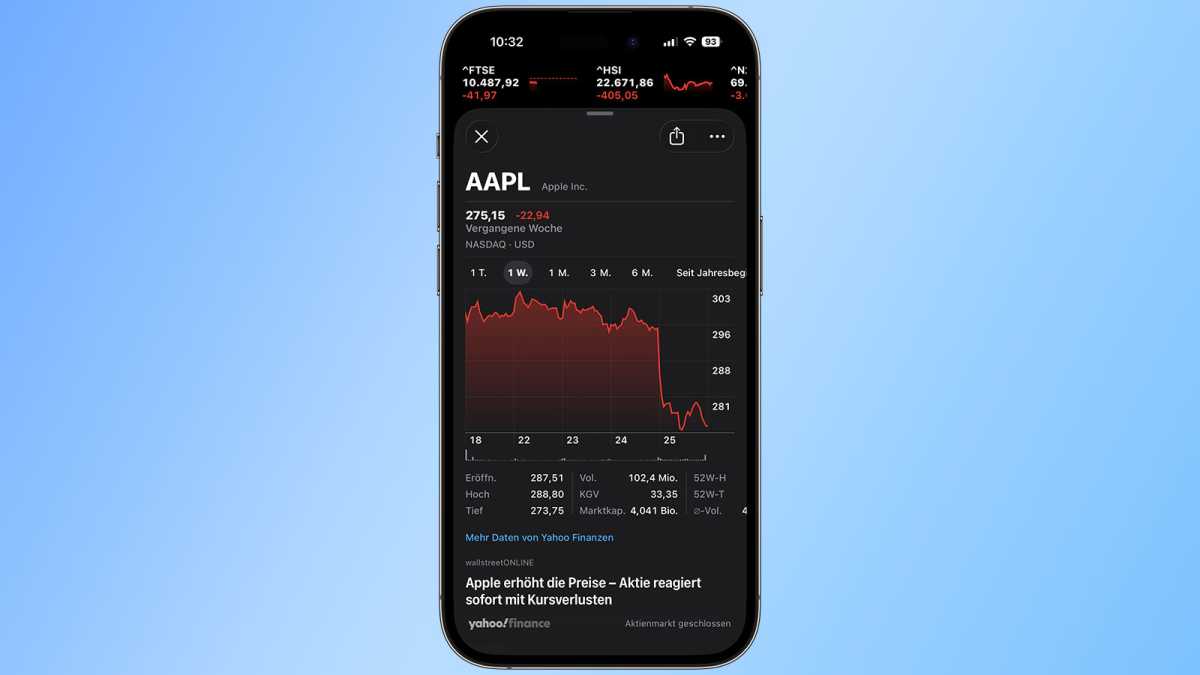
During the call, Apple CFO Kevan Parekh stated that Apple expects revenue to increase between 9 and 11 percent overall for the upcoming quarter and that the current supply-chain shortage will have an effect on Mac, iPhone, and iPad sales. Cook stated that the constraints will have a more severe impact on Apple’s production and that Apple expects to spend more on memory than in the previous two quarters. Apple’s stock was down $23 after the company announced the next quarter outlook
The call was the last for Cook, who is stepping down as CEO in September. During the call, Cook made the following statement:
The transition [to John Ternus as CEO] is going seamlessly, and I am beyond excited for John to step into his new role and lead Apple into its next era. He is truly one of a kind and there is no better person to take the helm of the company. As I’ve said, I couldn’t be more confident in his leadership, in our executive team, and in the extraordinary people at Apple who are determined to enrich the lives of our users all over the world. We have a bright future ahead, and I truly have never been more optimistic.
Apple CEO Tim Cook
In 2012, Cook’s first year as CEO, Apple posted annual revenue of $156.5 billion. In Cook’s final quarter as CEO, the company posted $109.4 billion. In 2025, Apple posted revenue of $416.16 billion.
The Apple Upgrade purchase program was introduced earlier this week in the U.S. It’s a leasing program where you agree to a term, pay a monthly fee, and then have to decide what to do with the device you bought at the end of the term. If you are familiar with car leases, Apple Upgrade will make perfect sense.
When you’re in a situation where you need to buy a new Mac, it’s nice to have purchasing options that suit your finances. But regardless of how you buy a Mac, you should understand the implications of how you pay for your Mac. Sometimes, it’s pretty straightforward, but other times, it’s a little more involved.
Apple Upgrade is one of those times when it’s a little more involved. Let’s take a look at what you’re getting into if you enroll in Apple Upgrade. This can help you decide if it’s a plan that suits your needs, or if you should pay a different way.
Apple Upgrade: What I’m buying
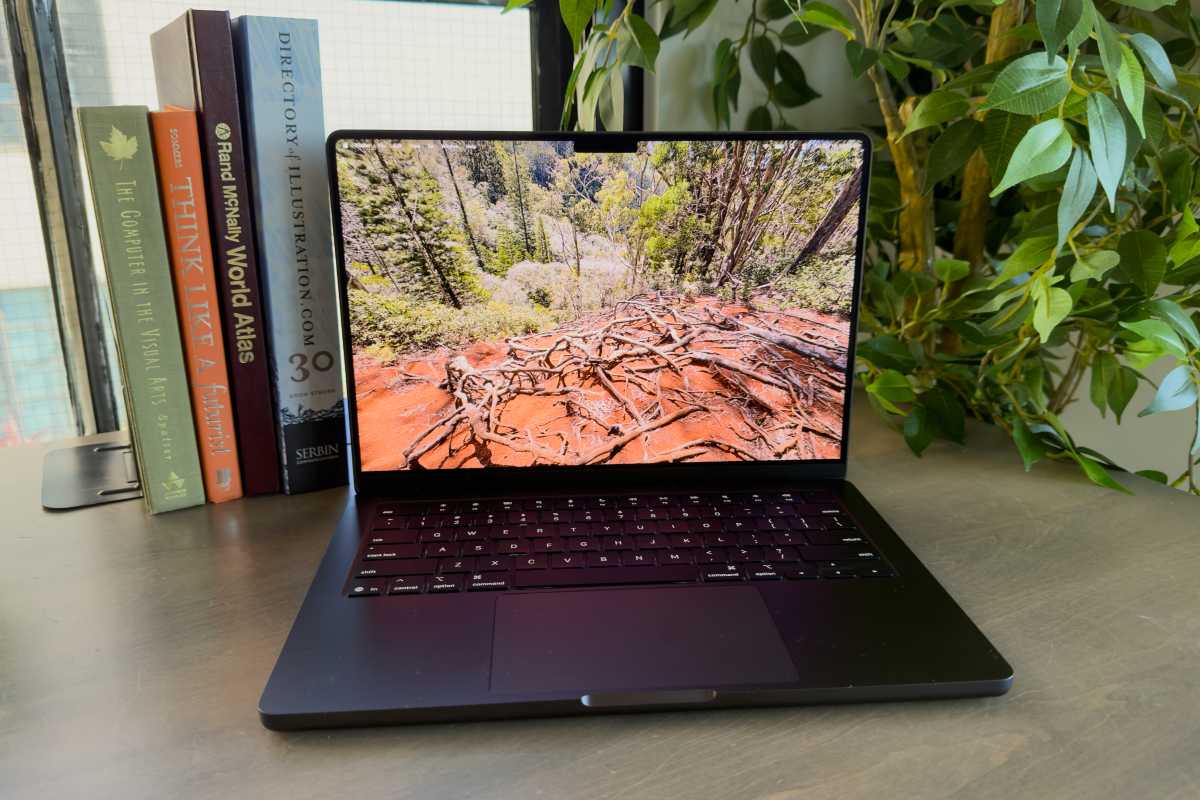
In this examination, I’ll be looking at what’s involved with buying a 14-inch MacBook Pro. Apple Upgrade will appeal to customers in the market for pricier Mac models, so with that in mind, these are the specs of the MacBook Pro I’ll use for this article.
14-inch MacBook Pro
Specifications
CPU
15-core CPU/16-core GPU M5 Pro
RAM
24GB
SSD
1TB
Display
Nano-texture
Power adapter
70W
The price of this laptop as configured is $2,649 without AppleCare+. Apple Upgrade does not include AppleCare coverage, and I won’t be including it in the analysis. Sales tax and other fees are also not calculated here.
Apple Upgrade: Terms and cost
For this particular MacBook Pro, Apple offers two Apple Upgrade term options:
24-months: $74.34 per month. After 24 months, the total payment equals $1,784.16 (67 percent of the total $2,649).
36-months: $52.87 per month. After 36 months, the total payment equals $1,903.32 (72 percent of the total $2,649).
Apple Upgrade looks appealing: The monthly fees are a lot more manageable than paying full price for an outright purchase or even financing it through the Apple Card, which would cost $220.75 per month for a year. The total amount you have spent when the term ends seems attractive, too.
With leases such as Apple Upgrade, the true value–or lack of it–comes when the terms end, and you have to decide what you are going to do with the Mac. Apple Upgrade gives you three options; let’s take a look.
At the end of the Apple Upgrade lease, Apple offers three options for your next step.
Foundry
End of lease: Buy the Mac
You can decide to buy the Mac after you’ve made all 24 or 36 payments. The fees you’ve paid count towards the original purchase price; you then pay the remaining cost in one sum. In our example, the price would be:
$864.84 when the 24-month term ends
$745.68 when the 36-month term ends
This option is essentially an interest-free loan. You have the burden of making monthly payments and the payment at the end of the lease, but that setup might be more manageable than paying full price all at once at the original point of purchase
Is this a good deal? If you lack the funds to buy a new Mac upfront, this option is attractive. However, Apple products tend to hold a substantial amount of value over time. Leasing means you miss out on getting a good return when selling or trading in the Mac when you upgrade. You’d almost certainly get more for a two-year-old M5 Mac Pro on eBay or Facebook Marketplace than $865. A similarly specced M4 Pro MacBook, for example, sell for about twice that.
End of lease: Upgrade to a new Mac
Since this is the Apple Upgrade program, Apple expects most users to return the Mac and get a new one. In this case, you’re basically renewing the Apple Upgrade lease. How much you pay with the new lease depends on the new price of the new model. If it’s the same, then you’ll make the same payments.
Say you had a three-year term, so over those three years, you paid $1,903.32. If the upgrade you get has the same price, you’ll be paying another $1,903.32 over three years.
After six years, you will have paid $3,806.64. If you decide to buy the device after the end of the second term, your final payment would be $745.68. The total cost would be $4,552.32 (lease of first laptop + lease of upgrade + final payment). You’re still paying $750 less than you would have if you bought both laptops, but remember, you never actually owned the first one.
As I mentioned earlier, Macs hold their value better than PCs, so if you owned the old MacBook Pro and sold it before upgrading, you’d almost certainly recoup more than $750.
Is this a good deal? During the Q3 2026 financial announcement, Apple CEO Tim Cook stated that the Apple Upgrade program is ideal for users who have a regular upgrade schedule. A lease program is a good option for users who upgrade often and don’t want to deal with selling old Macs. It’s not the most cost-conscious, but that’s the price of avoiding the hassle of selling old stuff.
Whether the Apple Upgrade program works for you depends on your comfort with aspects of Mac ownership.
Foundry
End of lease: Return the Mac
When the term ends, you can simply return the Mac and walk away.
Of the three options, this is the least cost-effective. Using the three-year term as an example, your total cost is $1,903.32, which is $745.68 less than the full price.
Once again, Mac value plays a key role in this scenario. Based on what we’ve seen with other older Macs, if you buy the MacBook Pro and then three years later decide to sell it, there’s a pretty good chance you can get more than $750 and end up with a larger amount than the end-of-term payment.
Presumably, the reason you want to leave the Apple Upgrade program is that you want to buy a new Mac and pay for it in full. In this case, you’d take that $750 and use it towards that new Mac. Had you bought and sold that same MacBook Pro, you’d likely have more money towards the new purchase,
Another situation that can be compared to this Apple Upgrade option is Apple’s trade-in program. For a 2023 M3 Pro MacBook Pro, Apple offers $900 to $1,300 if the laptop is in excellent condition, and $700 to $1,000 if it’s in average condition (which is more likely). There’s a good chance you can get more than $750, the amount of your final Apple Upgrade payment that you are walking away from and presumably are pocketing.
Is this a good deal? The walk-away option is the least attractive one because you could be leaving money on the table. While you avoid the big purchase payment at the end, you could get more if you buy the Mac first, then sell it and use that money towards a new Mac.

 Login