❌

Reading view

US firm gets license to commercialize patented seawater uranium extraction technology

Austin-based SuperCritical Materials Corp. has secured a license from the U.S. Department of Energy (DOE) to commercialize a patented uranium and critical materials extraction technology developed by DOE laboratories.

The development is a significant step toward expanding future nuclear fuel supply through unconventional uranium resources.

Licensed technology is designed to extract uranium from seawater

Developed with support from the DOE’s Office of Nuclear Energy and led by researchers at Pacific Northwest National Laboratory (PNNL), the licensed technology is designed to extract uranium from seawater using advanced adsorbent materials. SuperCritical said the agreement grants the company rights to manufacture and deploy the technology at industrial scale in the United States, with plans to expand into allied nations in the future.

The announcement comes as the United States accelerates investment in advanced nuclear energy to meet rising electricity demand driven by artificial intelligence, data centers, advanced manufacturing and other energy-intensive industries. Industry experts have increasingly highlighted that while reactor development is advancing, expanding the upstream nuclear fuel supply chain—including uranium production, enrichment and fuel fabrication—remains a critical challenge.

According to the company, the world’s oceans contain an estimated 4.5 billion metric tons of dissolved uranium, representing a resource far larger than known terrestrial reserves. While extracting uranium from seawater has long been considered technically feasible, commercial deployment has remained limited due to economic and engineering challenges.

SuperCritical intends to commercialize DOE-developed process

SuperCritical said it intends to commercialize the DOE-developed process using advances in adsorption chemistry and materials science. In addition to uranium, the company believes the technology could also enable the recovery of other strategically important critical materials from seawater.

The company describes its long-term strategy as building infrastructure to support what it calls the “Intelligence Economy,” a period of economic growth expected to be driven by artificial intelligence, robotics, advanced computing, defense technologies and digital infrastructure. It argues that reliable nuclear energy and secure fuel supplies will be essential to sustaining this growth.

“Our objective is straightforward,” said Alexander Canon Bryan, founder and chief executive officer of SuperCritical Materials. “If the Intelligence Economy requires abundant, reliable nuclear energy, then it will also require abundant, reliable nuclear fuel.”

SuperCritical noted that its technical team includes former researchers from Pacific Northwest National Laboratory, including Dr. Gary Gill, a co-founder of the company and a scientist who has spent more than two decades researching uranium extraction from seawater.

The company said commercial deployment of the technology could contribute to strengthening domestic nuclear fuel supply chains while supporting broader U.S. efforts to improve energy security, expand critical materials production and reduce dependence on imported strategic resources.

The licensing agreement also aligns with ongoing federal initiatives aimed at strengthening America’s nuclear industrial base and increasing domestic production of critical minerals and materials.

Although seawater uranium extraction has been demonstrated in research settings, analysts note that large-scale commercialization will depend on achieving competitive production costs and successfully scaling the technology for industrial use. Industry observers view the DOE licensing agreement as an important milestone toward evaluating the commercial viability of the process.

  •  

MIT: Building renewables in the wrong places could raise blackout risks by 2050

MIT researchers have developed a new framework that could help energy planners decide where to build renewable energy projects as climate change puts growing pressure on power grids.

The study combines fine-scale meteorology with detailed simulations of energy infrastructure. Researchers found that where new energy projects are built could significantly affect whether future power systems can meet demand reliably.

The team applied the framework to decarbonized energy systems in New England and Texas. Their analysis found that systems designed around historic climate conditions could experience up to a fivefold increase in energy shortfalls by 2050.

By incorporating future climate conditions into energy planning, however, the researchers found that both regions could improve grid resilience at little or no additional cost.

“As we mitigate climate change with renewables, we can also adapt to climate change by using future weather projections in our power system planning, and the extra costs of that adaptation are, at least in this study, not much,” said senior author Michael Howland, an MIT professor.

Climate change adds new risks to power grids

Electricity systems are already changing rapidly as demand rises from trends such as artificial intelligence and transportation electrification, while falling costs drive greater adoption of wind and solar power.

But renewable generation and electricity demand are both affected by weather, creating new challenges as climate conditions change.

“This study explores the joint, simultaneous impacts on multiple components of the energy system, similar to compound events studied in climate science,” Howland explained.

“An extreme weather event can impact wind and solar generation and electricity demand all at the same time. Our hypothesis is that’s likely to be the biggest impact we’ll see from climate change on energy systems,” he added.

The study found that climate change could increase energy failures by as much as 500% by 2050 if future climate conditions are not considered when siting and designing energy infrastructure.

Where wind and solar are built matters

The researchers found that locations best suited for renewable projects under future climate conditions can differ meaningfully from those identified using historic weather data.

“We are telling people where you put your wind and solar matters a lot for your ability to deliver energy when you need it,” Qiu explained.

“We need to think more about the when and where of adding renewables rather than only focusing on adding overall capacity,” he added.

In New England, climate-related disruptions increased the need for solar capacity and transmission lines close to major demand centers.

In Texas, risks were primarily driven by transmission constraints. Climate-informed designs prioritized wind farms in West Texas to better align renewable generation with future demand patterns.

Researchers seek faster planning tools

The current framework relies on expensive, high-resolution models, making it impractical for grid operators to use routinely today.

The researchers hope to develop faster models that could make climate-informed planning easier to apply.

“This study shows the opportunity and the need,” Howland says. “There are risks to not adapting our system, but if we do adapt our system, there could be big opportunities that are not costly.”

The study was published in Natural Energy.

  •  

US: 80% import reliance of power transformers delays hydropower infra upgrades

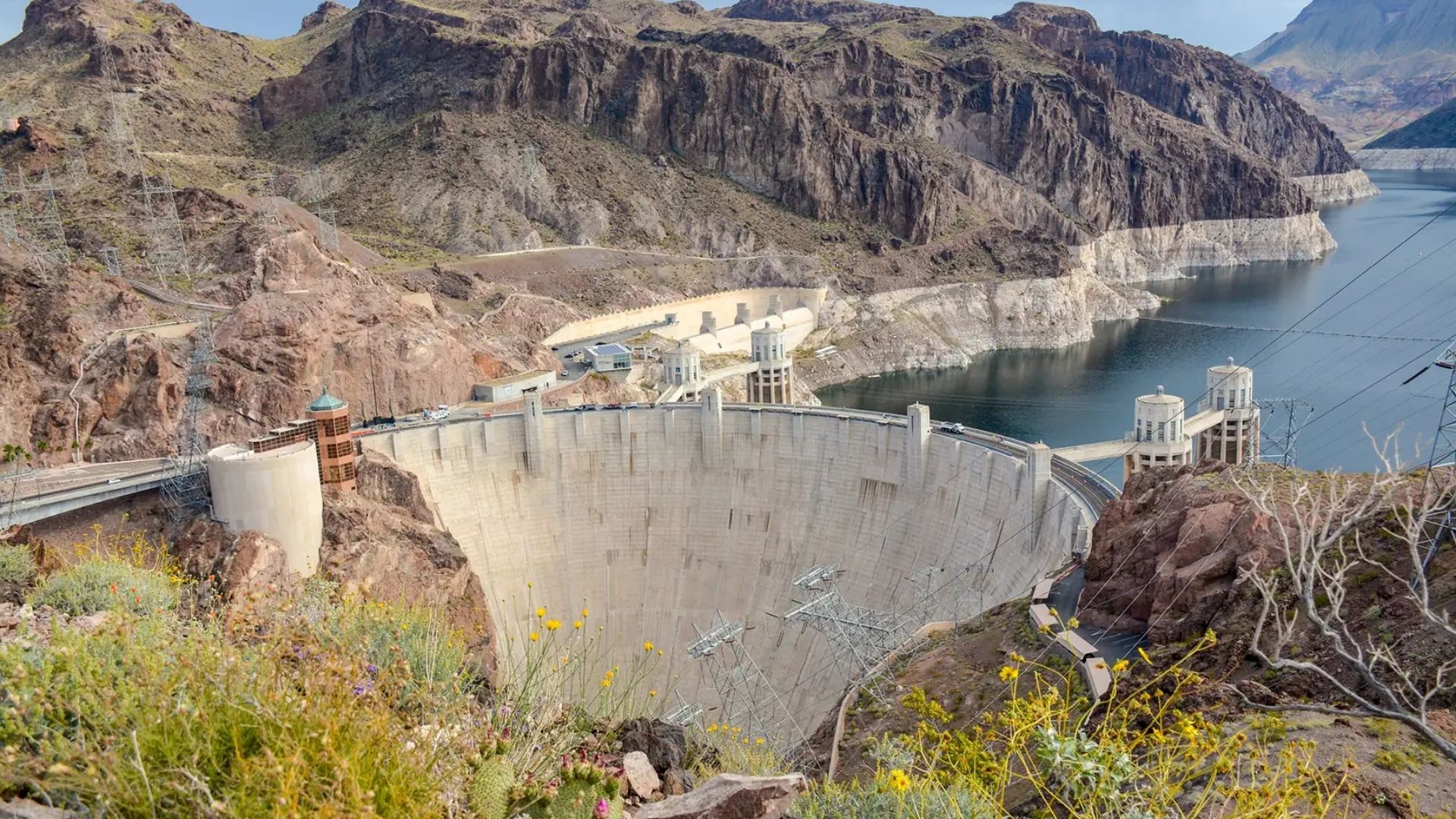
The United States is facing nine major supply chain challenges that could delay the rehabilitation of its hydropower infrastructure, according to a new report from the National Laboratory of the Rockies (NLR).

The report has examined the difficulties hydropower operators encounter when upgrading or replacing large power transformers (LPTs).

These custom-built devices raise the voltage of electricity generated by hydropower turbines, allowing it to travel efficiently across long-distance transmission networks.

Their importance extends beyond hydropower, as more than 90% of the electricity consumed in the United States passes through high-voltage transformers at some stage.

Transformer deliveries can take five years

One of the most serious challenges identified in the report is the time required to procure new transformers.

A typical LPT rated at 100 megavolt-amperes takes approximately 2.5 to three years to acquire. Lead times for extra-high-voltage units can extend to five years because only a limited number of facilities worldwide can manufacture them.

Transformer prices sharply increased by approximately 80% in 2025 compared with 2021 levels, according to the report. A single unit can now cost as much as $10 million.

These pressures come as demand rises across the power sector. Although domestic manufacturing and assembly capacity has expanded in recent years, the report found that it has not grown quickly enough to meet current requirements.

US manufacturers also depend heavily on international suppliers. Approximately 80% of the raw materials used in domestic LPT production, including grain-oriented electrical steel and refined copper, are imported.

Changing trade conditions could further increase the baseline costs of copper and steel, adding uncertainty to transformer procurement.

Remote dams create transportation problems

Delivering an LPT to a hydropower facility presents another layer of difficulty. Many dams are located in isolated regions surrounded by rugged terrain, making them considerably harder to reach than conventional power facilities.

Transformers require specialized vehicles and heavy-duty trailers capable of carrying oversized loads. However, the United States has a limited domestic fleet of such equipment. Transportation routes must also be planned carefully and require special permits.

Permitting and regulatory procedures can produce additional delays, particularly when an operator must remove an existing transformer before installing its replacement.

Federal contracting rules and domestic-content requirements could also create near-term bottlenecks while US production capacity remains limited.

Report could guide domestic investment

The NLR study builds on the US Department of Energy’s broader Hydropower Supply Chain Gap Analysis, which previously identified five gaps affecting the domestic industry.

DOE’s Hydropower and Hydrokinetic Office funded the follow-on study to provide a closer examination of the LPT supply chain. Researchers used feedback from hydropower industry participants to define the nine challenges.

The findings could help shape federal policies, incentives, lending programs, workforce initiatives and investments intended to expand US transformer production.

Strengthening the domestic supply chain will be important for new construction as well as upgrades, refurbishments and relicensing work at existing facilities.

Hydropower currently provides more than 6% of total US electricity generation, making the availability of critical transformers essential to its continued contribution to the grid.

The report is titled as Large Power Transformer Supply Chain Gap Analysis and Domestic Content Strategies for Hydropower Rehabilitation.

  •  

As Much of the East Coast Is Choking on Wildfire Smoke, Texas Is Drowning in Life-Threatening Floods

Fresh off a month that saw all but five states mired in severe drought, the US is reeling from multiple crises of national proportions.

First, there’s the record-breaking heat dome which is currently baking most of the continental US. According to the Guardian, over 100 million Americans are currently living under extreme heat warnings, forecasted to persist well into the weekend.

At the same time, the country is being smoked out by dozens of wildfires across North America, a situation the heat wave isn’t exactly helping. On top of that, smoke from over 800 blazes in Canada is helping choke out the US Midwest and North-East, making the air hazardous to breathe.

Things aren’t necessarily any prettier outside of the smoke-zone — just wetter. Communities situated around the Guadalupe River in Texas are reeling after near endless rainfall triggered massive floods across the state for the second year in a row.

So far, at least one person is dead, while thousands have been forced to evacuate. At least 57 counties representing over six million people were placed under flood watches over the past few days. With even more rain on the horizon, it remains to be seen when Texas will get relief from the torrential downfalls.

Stepping back, it’s clear this cascade of extremes isn’t happening in a vacuum. The overlapping wildfires, floods, and heat waves are all being amplified by the same climate forces: a rapidly warming planet, fueled in no small part by skyrocketing carbon emissions from the US itself.

All in all, it’s been an action-packed summer as the El Niño cycle rolls on — and unfortunately, the devastation is far from over.

More on climate disaster: Scientists Propose Dimming Sun to Combat El Niño

The post As Much of the East Coast Is Choking on Wildfire Smoke, Texas Is Drowning in Life-Threatening Floods appeared first on Futurism.

  •  

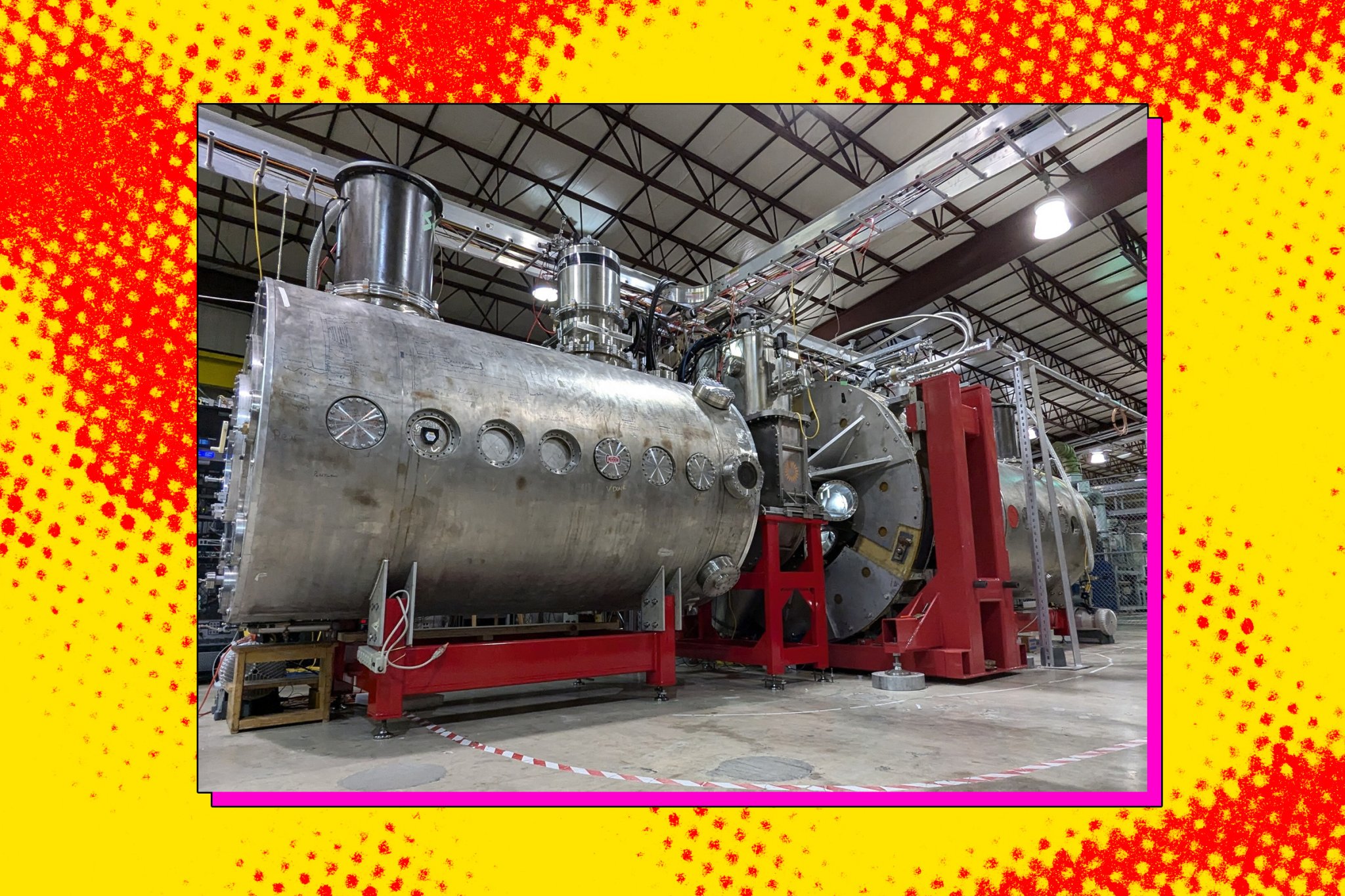
Decrepit Oscar Mayer Hot Dog Factory Is Getting a Major Fusion Reactor Facelift

Unsure what to do with your rancid old hot dog factory? Apparently, the answer is simple: turn it into a fusion reactor facility.

As TechCrunch reports, a company called Realta Fusion is building a fusion reactor inside an old Oscar Mayer hot dog factory in Wisconsin. The refurbished facility is called Forge, and according to Realta cofounder and CEO Kieran Furlong, it’s due to begin operations by 2029 to test whether fusion reactors can actually make a profit by generating more electricity than they require.

“From sausages to fusion,” Furlong told TechCrunch, touting Realta as Wisconsin’s nuclear “state champion.”

The company chose the site because of its “ample” access to power and its proximity to the startup’s existing headquarters.

Per TechCrunch, Realta recently demonstrated that it could generate electricity using a fusion device dubbed Wisconsin HTS Axisymmetric Mirror, or WHAM for short, a successful experiment that the startup claimed as the first of its kind.

Put simply, nuclear reactors replicate the process our Sun uses to generate energy by fusing atoms together under extreme conditions. Realta’s WHAM uses a novel process called direct energy conversion (DEC), which extracts electricity from charged particles emitted by plasma. That sets it aside from other fusion reactor designs that capture heat to spin turbines and generate electricity.

Despite early promising results — scientists only recently started showing that fusion reactors can indeed generate a surplus of energy — we’re still far from proving that it’s a scalable and renewable source of electricity.

But that hasn’t stopped a flourishing cottage industry of fusion startups from trying. With backing from some of the most influential names in tech, from OpenAI’s Sam Altman to Microsoft founder Bill Gates, companies are promising a safer alternative to conventional nuclear fission reactors that can’t experience catastrophic meltdowns.

Even old hot dog factories are fair game as firms like Realta pursue the idea. Besides, we think that it’s only natural that Realta works on turning some old Oscar Mayer Weinermobiles into fusion-powered cars.

More on nuclear fusion: There’s a Glaring Safety Problem With Nuclear Energy Startups

The post Decrepit Oscar Mayer Hot Dog Factory Is Getting a Major Fusion Reactor Facelift appeared first on Futurism.

  •  

Trump Decimated a Satellite Program That Would’ve Vastly Improved Wildfire Smoke Monitoring

When Donald Trump, Elon Musk and the DOGE boys started snipping wires across DC, they took out critical programs like the government’s premier climate research website and the hurricane-hunter aircraft gathering data on dangerous storms.

While they were at it, the Trump administration also ripped up a project that would have vastly improved the country’s ability to monitor wildfires. The GeoXO program was a project originally encompassing six satellites that would greatly improve the resolution available to the National Oceanic and Atmospheric Administration to monitor atmospheric conditions like wildfire smoke, as well as weather events like lightning strikes, and climate observations such as color changes in the ocean’s surface.

The six satellites were meant to encompass three regions split between the US West, Central, and East. Starting in April 2025, however, the Trump administration directed the NOAA to make drastic cuts to GeoXO. These included cutting two satellites from the mission altogether — scrapping the central observation region entirely — and canceling major contracts for existing GeoXO instruments. The purported goal was to refocus the program on a “core weather mission,” as opposed to long-term climate monitoring, following the administration’s broader attacks on any effort to mitigate or even mention climate change.

One of those cancelled instruments, the GeoXO Atmospheric Composition device, was a high-resolution spectrometer designed to give the NOAA advanced capabilities to monitor air pollutants, like ozone, nitrogen dioxide, formaldehyde, and excess particulate matter. In the long term, the tool would have helped scientists paint a clearer picture of how particular weather events relate to broader climate shifts, an NOAA report explains.

Of course, the timing of the cancellation couldn’t have been worse. Huge swaths of the United States and Canada are currently being smoked out by noxious fumes emanating from hundreds of wildfires across North America.

Though the GeoXO program wouldn’t have gone live until the 2030s, Trump’s decision represents a devastating loss for our future ability to monitor this exact phenomenon, which is becoming something of an annual tradition for millions of people.

As Susan Anenberg, chair of environmental and occupational health at George Washington University observed, the NOAA “had spent years planning an air pollution instrument on the GeoXO satellite which would provide near-real-time, location-specific data on smoke levels, giving people the information they need to avoid exposure.”

Anenberg explained that the public health benefits this kind of monitoring would provide “could amount to about $13 billion per year.”

“As smoke events happen more often,” Anenberg continued, “we need more data, not less.”

More on Trump: Prices Already Spiking at Trump’s Mysterious Gas Stations That Promised Cheap Fuel

The post Trump Decimated a Satellite Program That Would’ve Vastly Improved Wildfire Smoke Monitoring appeared first on Futurism.

  •  
❌