❌

Reading view

In memoriam: 7 of our favorite Sam Neill films

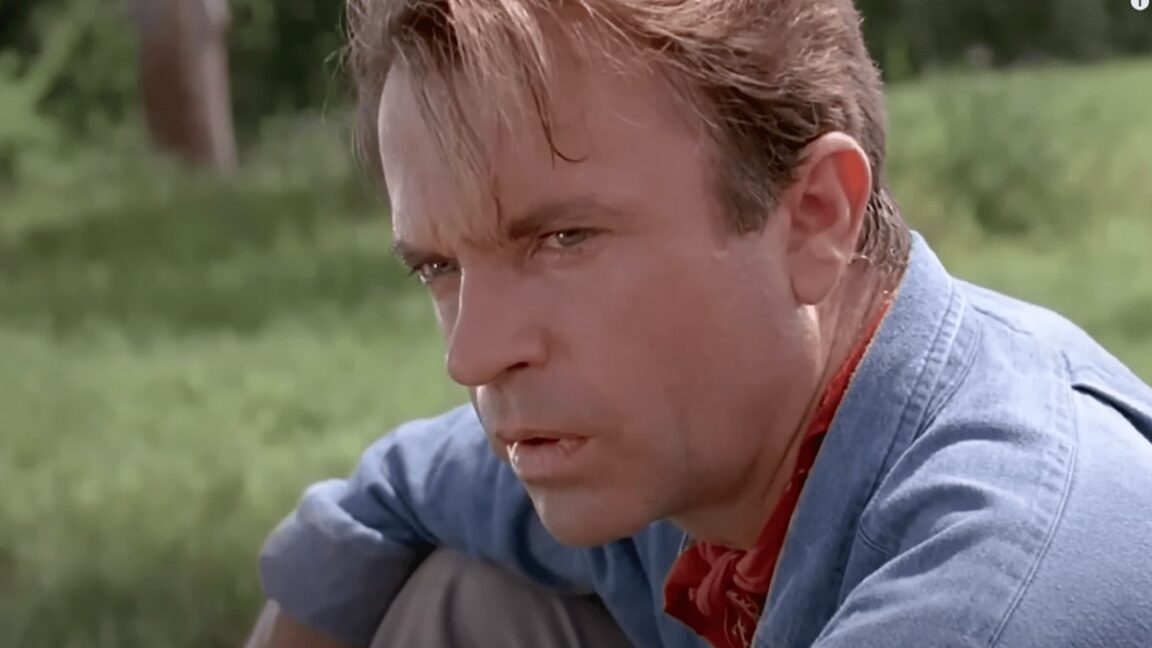
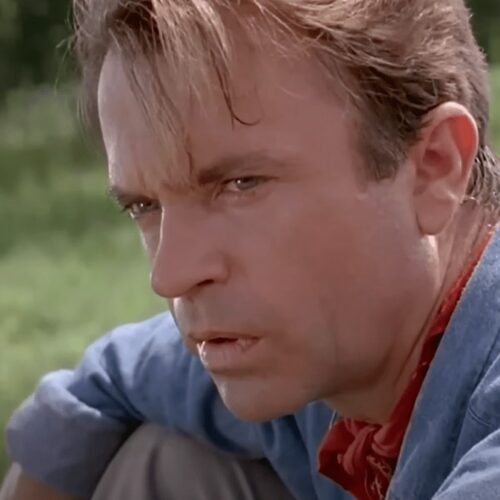
New Zealand actor Sam Neill, who starred as Dr. Alan Grant in the 1993 blockbuster Jurassic Park and its 2022 sequel, Jurassic World Dominion, died on Monday in Sydney, Australia. He was 78.

While American audiences likely know Neill best for Jurassic Park, he had a long and varied career in film and television. His sheer versatility won him fans around the world. He played the grown Damien in Omen III: The Final Conflict; a Russian officer in The Hunt for Red October; and even made brief cameos (as an actor playing Odin in a theatrical troupe) in Thor: RagnarokΒ and Thor: Love and Thunder. (The less said about 1997's space horror travesty, Event Horizon, the better, although it has its fans, and Neill made the most of his role.) Yet some of his best performances were in smaller, critically acclaimed independent films such as 1993's Oscar-winning The Piano.

On television, Neill earned his first Golden Globe nomination for the lead role in Reilly, Ace of Spies in the 1980s. He was nominated for both an Emmy and a second Golden Globe for playing the titular Arthurian wizard in the 1998 miniseries Merlin. He played Cardinal Wolsley in The Tudors, and was part of the ensemble cast in the (excellent) 2015 adaptation of Agatha Christie's And Then There Were None. Neill was magnetic as the ruthless CI Major Chester Campbell in Peaky Blindersβ€”an antagonist and romantic rival of Cillian Murphy's Tommy Shelby.
Read full article

Comments

Β© Universal Pictures

  •  

Zombies, gore and creepy kids – why we can’t stop playing horror games

As global anxieties multiply, ​v​ideo games from Resident Evil to Mouthwashing are providing rich source material to help decode society’s problems

β€’ Don’t get Pushing Buttons delivered to your inbox? Sign up here

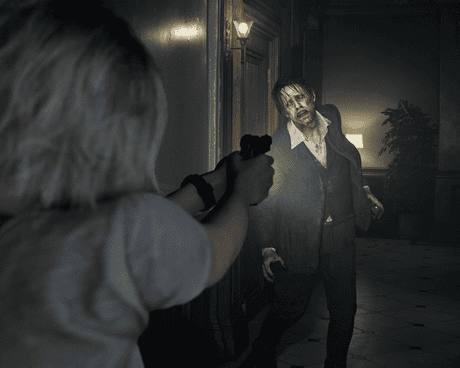
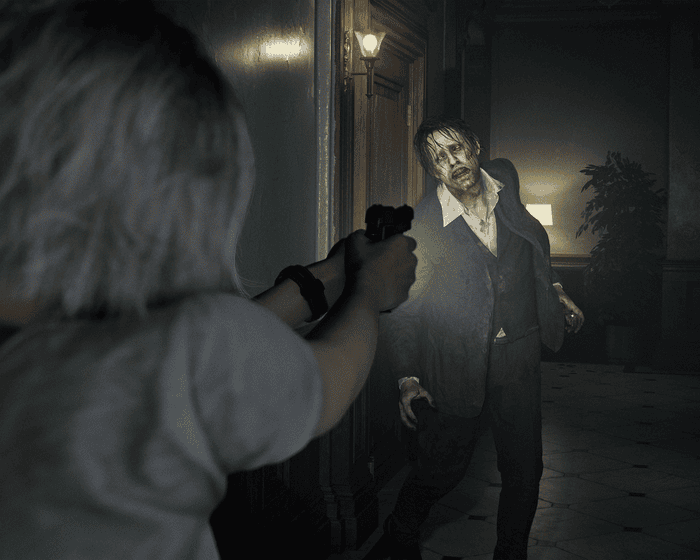
Horror is so hot right now. There’s Obsession, Evil Dead Burn and Hokum in the cinema, Widow’s Bay, From and Something Very Bad Is Going to Happen on TV, and, of course, a rotting smorgasbord of horror games including Resident Evil Requiem (pictured top) and Reanimal, soon to be joined by Silent Hill: Townfall, Silver Pines and Dreadmoor. We’re also seeing weird cross-pollinations, with horror movie studio Blumhouse making games, while games themselves become horror films and the whole backrooms genre infects every medium it touches.

So it was fascinating to attend last week’s horror and gaming conference at Falmouth University, in Cornwall: a gathering of students, researchers and lecturers, all engaged in the academic study of horror games. There were brilliant talks on zombies and posthumanism, the gothic in games, and the role of monstrous little girls in survival horror (there are a lot of them!). Subjects as diverse as masculine fragility, disability and ageing came up; Will Doyle, creative director at Supermassive Games, gave a great keynote on the art of creating horror in games using tools such as revulsion, spatial alienation and the human instinct of apophenia. I learned a lot about theorists such as Julia Kristeva and Mark Fisher, and about the technical similarities between indie horror games and film noir (for example, the use of darkness and creative camera techniques to β€œhide” budget restrictions). It was incredible fun.

Continue reading...

Β© Photograph: Capcom

Β© Photograph: Capcom

Β© Photograph: Capcom

  •  

Synthetic Sincerity review – Marc Isaacs’ AI interrogation grapples with identity and existence

A combination of fact and fiction leaves the celebrated documentarian’s puzzling project about software training wanting for depth

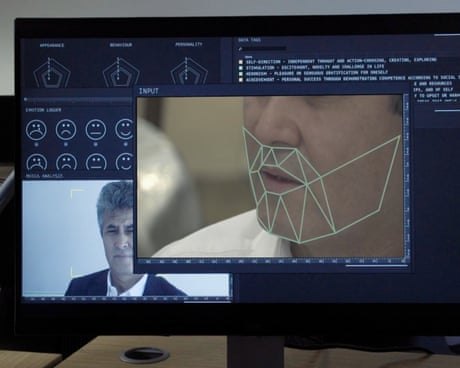
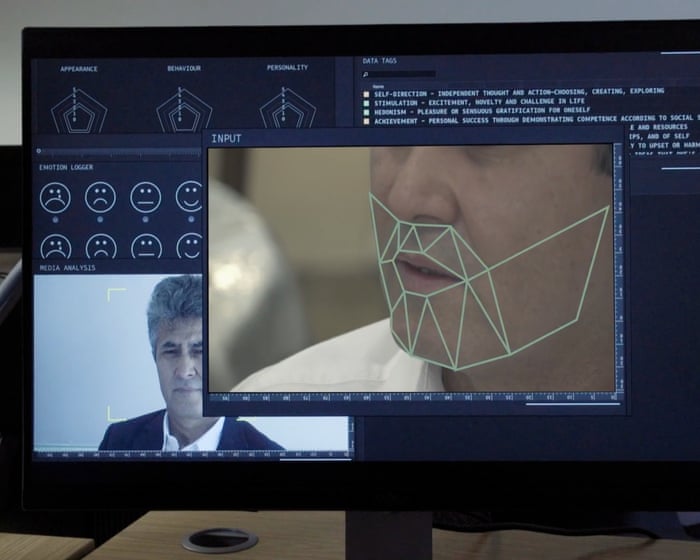
Marc Isaacs’ new film is a curious, intriguing, semi-sincere affair that I couldn’t make friends with. It is an odd, shallow piece of work about artificial intelligence that is itself exasperatingly artificial, a self-aware docudrama hybrid. Isaacs is, or rather pretends to be, licensing the vivid characters from his previous, acclaimed documentaries to a fictional AI research lab called Synthetic Sincerity at the fictional University of Southern England, so that the lab’s software can be β€œtrained” in the creation of AI human figures on screen.

The lab’s research staff are played by actors, or at any rate people acting; these include Lebanese independent film-maker Lynn El Safah. Isaacs has amusing scripted conversations about this project with a disapproving AI avatar on screen, like Max Headroom of old, whose face is digitally modelled on Romanian actor Ilinca Manolache, from Radu Jude’s Do Not Expect Too Much from the End of the World. The film, however, does not show the process by which Manolache was approached and her face transformed into an AI figure.

Continue reading...

Β© Photograph: PR

Β© Photograph: PR

Β© Photograph: PR

  •  
❌