A deadly strain of avian influenza, H5N1, that has killed millions of wild and domestic birds and mammals across the globe, has for the first time reached Australia’s shores. Australian authorities confirmed that two migratory seabirds, a brown skua (Stercorarius antarcticus) and a northern giant petrel (Macronectes halli), have both tested positive for H5N1, a strain of what’s officially known as highly pathogenic avian influenza (HPAI). The sick birds were discovered along the southern coast of Western Australia. They have since died. Both the brown skua and giant petrel breed in the subantarctic regions and migrate to northern, warmer waters, including those around Australia, during the harsh polar winter. Bird flu is caused by a highly contagious virus that has now infected animals on every continent. Sporadic human cases have also been recorded. Federal Agriculture Minister Julie Collins said in a press briefing that there is no evidence of mass mortality in Australian wildlife and that bird flu hasn’t as yet affected Australia’s poultry or livestock. As of March 2026, the highly contagious H5N1 bird flu virus strain has infected more than 560 wild bird species and more than 100 species of mammals, according to the U.N. “We can’t overstate how significant this moment is for Australian wildlife,” BirdLife Australia CEO Kate Millar said in a statement. “This virus has devastated wildlife populations overseas. This could be the beginning of a long fight to protect birds and wildlife in Australia.” Avian influenza viruses are common in their natural hosts —…This article was originally published on Mongabay
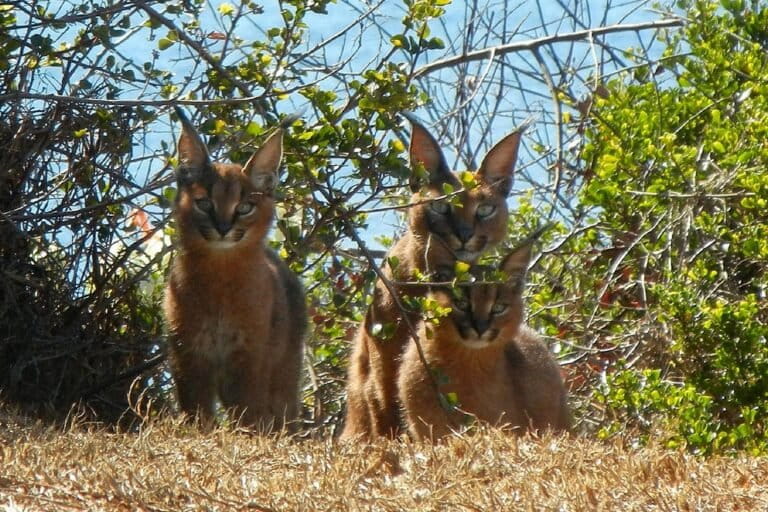
Cat kills rodent. Cat eats rodent. Cat is exposed to potentially lethal rodenticides. That scenario is increasingly likely for many small wild cat species across the globe, and yet, only a handful of researchers are investigating this underrecognized conservation issue. Thus far, researchers confirmed that one wild cat population has declined from exposure to these poisons. That’s a small bobcat (Lynx rufus) living on Kiawah Island off the South Carolina coast in the U.S., which faces imminent local extinction due to rodenticides. Up until 2019, there was a stable population of these beloved cats, which are considered celebrities there, but that year, three cats died. Among them was a female that bled to death while giving birth. Postmortems revealed concoctions of rodenticides in each of the bobcats’ blood and livers. Over the next four years, there were 12 more victims and the bobcats’ overall survival rate fell to 39%. All tested positive for concentrations of anticoagulant rodenticides; some had been acutely poisoned, said Meghan Keating, a doctoral candidate at South Carolina’s Clemson University. That was a troubling sign for a population that now numbers less than 20 individuals. They are regularly exposed to rodenticides, as rodents (including rats) are a major part of their diet, Keating said. Also troubling is that her team found exposure to not just one, but a cocktail of rodenticides. “We haven’t had a bobcat test positive for less than two rodenticides,” she told Mongabay. Kiawah Island’s rodenticide-driven bobcat decline may be an outlier, given its…This article was originally published on Mongabay

 Login