❌

Reading view

Stop saying John Ternus has to fix Apple — the company is fine, his job is simply to carry Cook's legacy forward and yes, to roll out more winning designs

I’m under no illusions that John Ternus’ Apple will be the exactly same as it has been under Tim Cook. Initially though, there will be few, if any, changes. Ternus is not an outsider with wild anti-Apple ideas intended to wake a sleeping giant. He's been here for decades, through all the major releases that made Apple, well, Apple. Claims that he's arriving in September to revive Apple's design excellence are, if not off base, then just wrong-headed.

First of all, the argument presupposes that there is something fundamentally lacking in Apple's Industrial design: Jony Ive was obviously lighting in a bottle, and current design lead Molly Anderson is a pale, albeit also British, imitation. (Granted, Anderson has not been in the position that long, taking over from Evans Hankey, who left in 2023.)

But accepting that presumption is to ignore all the beautifully designed products that have arrived under Cook's leadership, with and without Ive, and also often under the watchful eyes of Ternus.

Remember the Pro — oh

But since Ive's skills as a designer are so vaunted, let's start with a failure. Perhaps you remember the Mac Pro. No, not the cheese-grater design unveiled in 2023. While that had its detractors, it was miles above the trashcan design unveiled in 2013.

It was the ultimate expression (at least in PC terms) of Ive's "form meets function" obsession. The internal structure was sort of a triangle of boards that seemed perfectly wrong for a squat, circular enclosure. Ive's fingerprints were all over the impractical system, one that Craig Federighi later admitted to me (during a mea culpa meeting on the Pro) had boxed Apple into a thermal corner. It was hard to upgrade and was roundly rejected by pro system users.

Ive was also responsible for the Apple Pencil. With it, his penchant for skeuomorphism extended from app design into the physical world. The Apple Pencil fully resembled a white plastic version of a real, pencil, and to accommodate that, it had, under a custom cover, a hidden Lightning charging plug. You even needed a special adaptor to charge it. Later, wirelessly charging Apple Pencils, which I think Ive also designed, fixed this mess.

Naturally, Ive's hits far outweighed his misses, and many big ones came during the Cook-Ive collaboration period, including the iPad Air, the Apple Watch, and AirPods (which started awkwardly but gradually improved).

The more divisive Apple Vision Pro was likely designed under Hankey and Anderson's watchful eye. I do think it's a pleasant intersection between the needs of extremely high-end innovation and aesthetic appeal. Goggles will be goggles, after all.

Even iPhone design has remained, if not excellent, interesting.

The iPhone is still beautiful...discuss

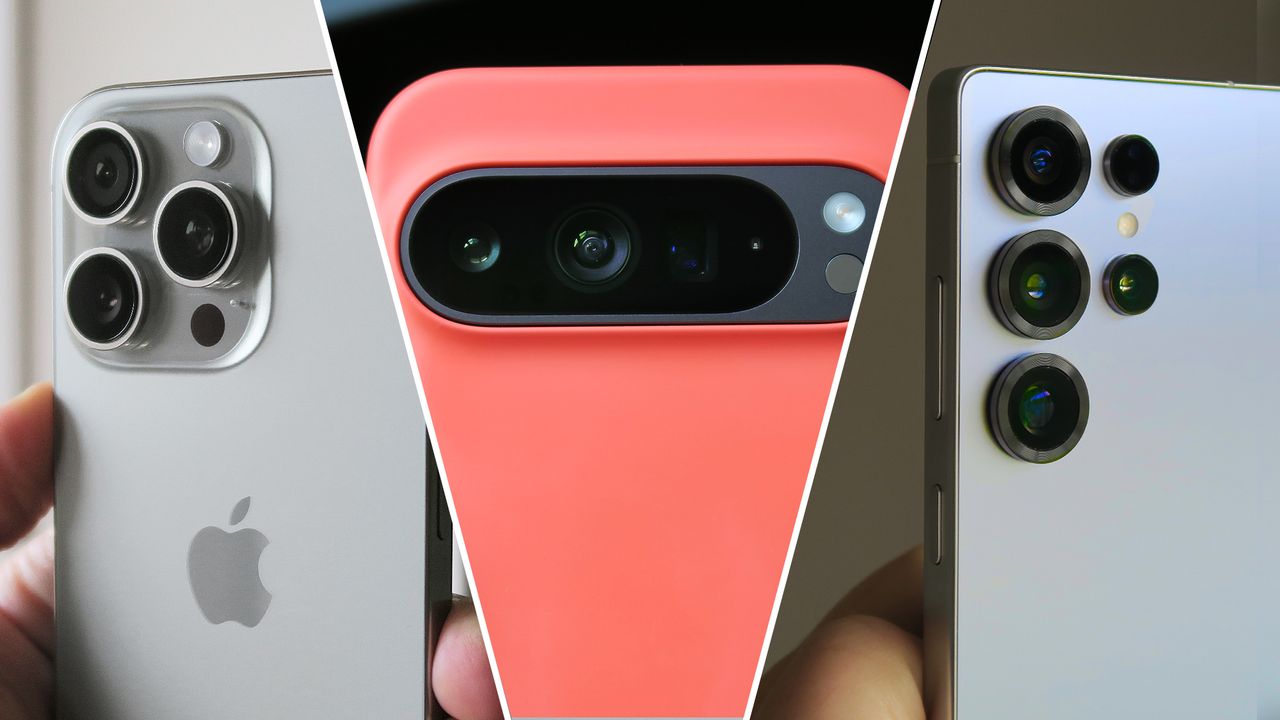
When Apple introduced the first iPhone in 2007, there really was no other handset quite like it. Apple set the bar and, over the years, every other manufacturer followed. It became harder and harder for Apple to differentiate its metal and glass slab from its competitors. The ever-larger camera arrays have provided a sort of design challenge and an opportunity at the same time. Hankey and Anderson, at least, came up with a giant island that's quite recognizable from a distance. And let's not discount color. The orange was a stroke of genius and the new MacBook Neo's playful Blush and Citrus colors are lively, proving Anderson knows how to marry form with expression.

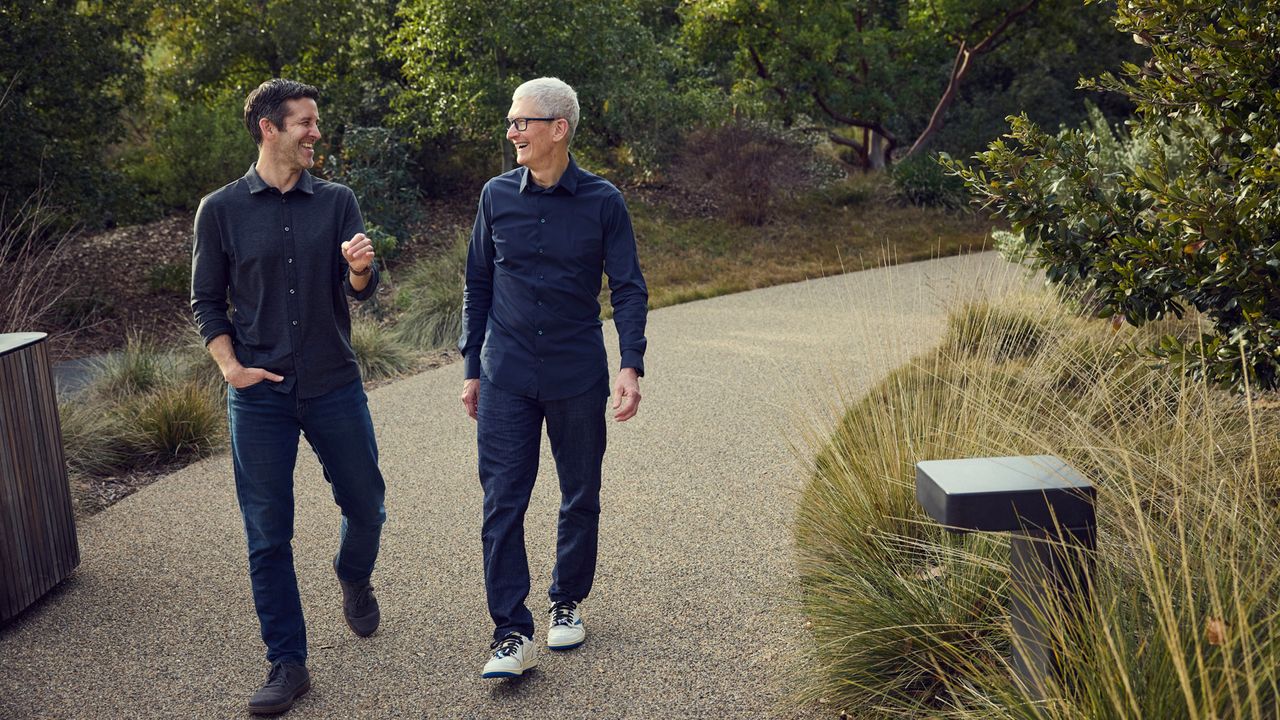
Ternus' role as hardware lead means he's been seeing these designs for years. My sense in sitting down with him after the launch of the iPhone Air is that he is intimately involved with the process of shoving all that technology into ever-thinner, but shockingly strong frames. He gets that you need to marry engineering skills with industrial design to get a durable and usable product that's still attractive.

When I think about what Ternus will do when he finally takes over in September, I am reminded of relay race runners. Cook continues to pace around the track while slowly holding out the baton behind him. Ternus is nearby, running just behind Cook with one hand outstretched. Neither man will stop. The handoff will happen in a few months, with everything still in motion.

The process of finishing the rumored iPhone Ultra (the folding phone) continues as we speak, and Ternus is not going to suddenly pull a Steve Jobs and throw the design into a fish tank, to see if bubbles rise, thus proving they could make it smaller. He won't demand that all plastic be replaced with glass, or even that one more color be added to the mix.

When, as the recent Bloomberg report claims, Ternus said of Apple's design history and appeal to customers, "We’re going to make sure that stays the case,” he's not talking about making huge changes to achieve that goal.

Ternus will stay the course and support Anderson. He may hire more design support and, down the line, Ternus will look for his signature initiative or product; he will want to have his own iPhone or iPod. But that's a natural inclination for any incoming CEO. Job one, though, is staying the course, shepherding the in-the-pipeline products to market and ensuring that Apple remains Apple.

I think Ternus knows exactly how to do that.
  •  
  •  

How many updates does your phone have left? The longevity of Apple, Samsung, Pixel, and more phones explained

A smartphone can be a major investment — especially if you’re shopping for one of the best phones around — so it’s important to be sure that the device you’re buying isn’t just good for now, but good for many years to come.

Software support is a key factor in determining how long a phone will last, and in recent years, manufacturers have been committing to much longer product support windows than they used to. But not all phones get the same amount of support, and indeed some older phones will be approaching their final update in 2026.

So, below, we’ve detailed how long phones from Apple, Samsung, Google, and Motorola will continue to receive updates.

To keep things simple, we've focused on major brands with US availability, but if you have a recent high-end phone from the likes of Honor, Oppo, or Xiaomi, it will likely be in line for between five and six years of updates from its launch date. Older and lower-end models tend to be in the two-to-three-year range.

Apple iPhones

Apple iPhone 17 Pro REVIEW

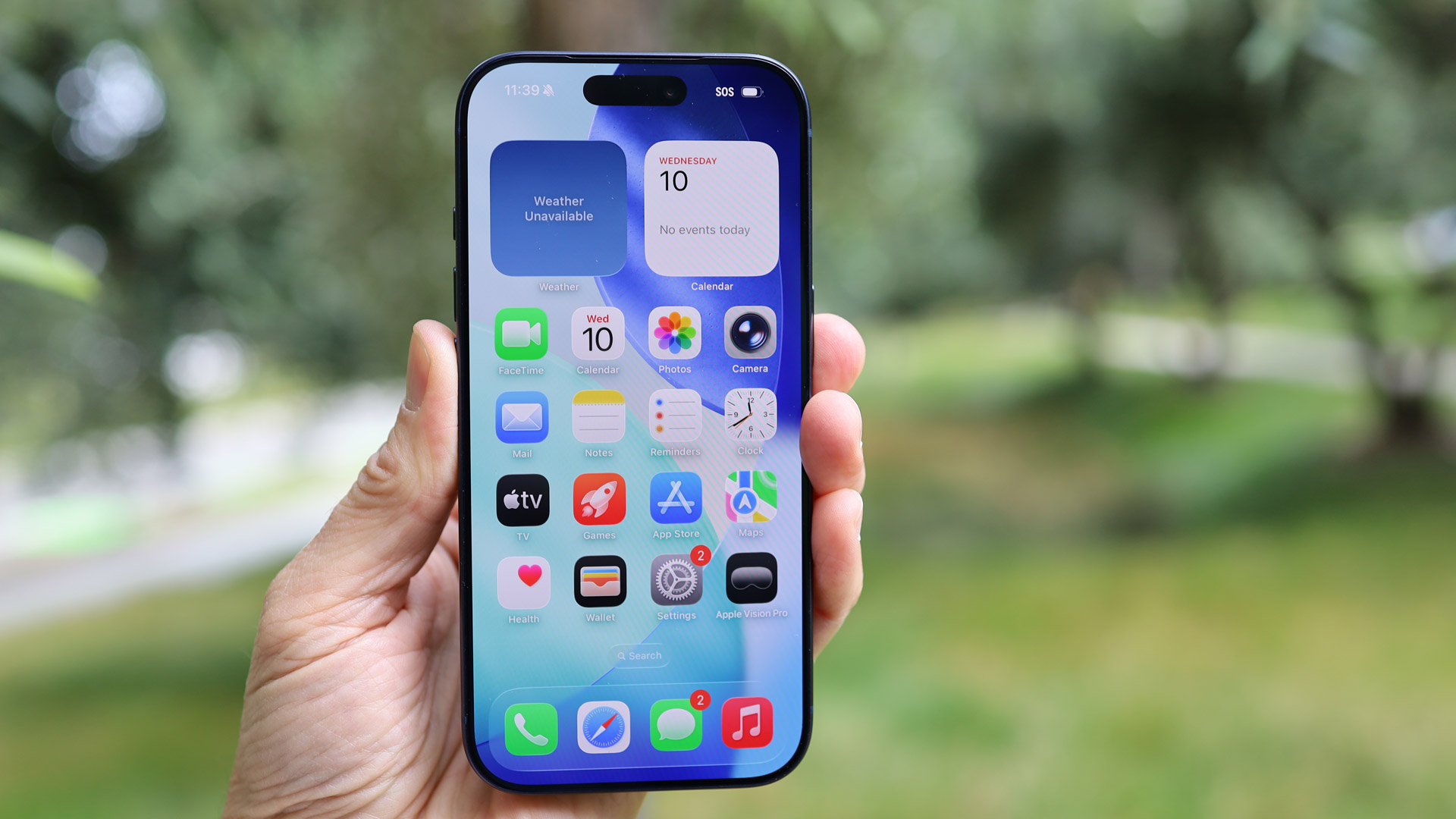
The iPhone 17 Pro (Image credit: Lance Ulanoff / Future)

Apple never used to commit to a specific support window for its phones, but that changed in 2024, when new UK regulations required brands to outline a minimum support window. As a result, Apple now promises a minimum of five years — but this only applies to security updates, not the kinds of iOS updates that add new software features. And five years is a minimum, with Apple often going beyond that number anyway.

All of which is to say we can’t be certain when iPhones will get their final update, but typically, they’re supported for between five and seven years.

So, the list below is our best guess for how many years of updates each currently supported iPhone model has left.

  • iPhone 17 series — 4-6 years (last update in 2030, 2031, or 2032)
  • iPhone Air — 4-6 years (last update in 2030, 2031, or 2032)
  • iPhone 16 series — 3-5 years (last update in 2029, 2030 or 2031)
  • iPhone 15 series — 2-4 years (last update in 2028, 2029, or 2030)
  • iPhone 14 series — 1-3 years (last update in 2027, 2028, or 2029)
  • iPhone SE (2022) — 1-3 years (last update in 2027, 2028, or 2029)
  • iPhone 13 series — 0-2 years (last update in 2026, 2027, or 2028)
  • iPhone 12 series — 0-2 years (last update in 2026, 2027, or 2028)
  • iPhone 11 series — final update will probably be this year with iOS 27
  • iPhone SE (2020) — final update will probably be this year with iOS 27

Samsung Galaxy phones

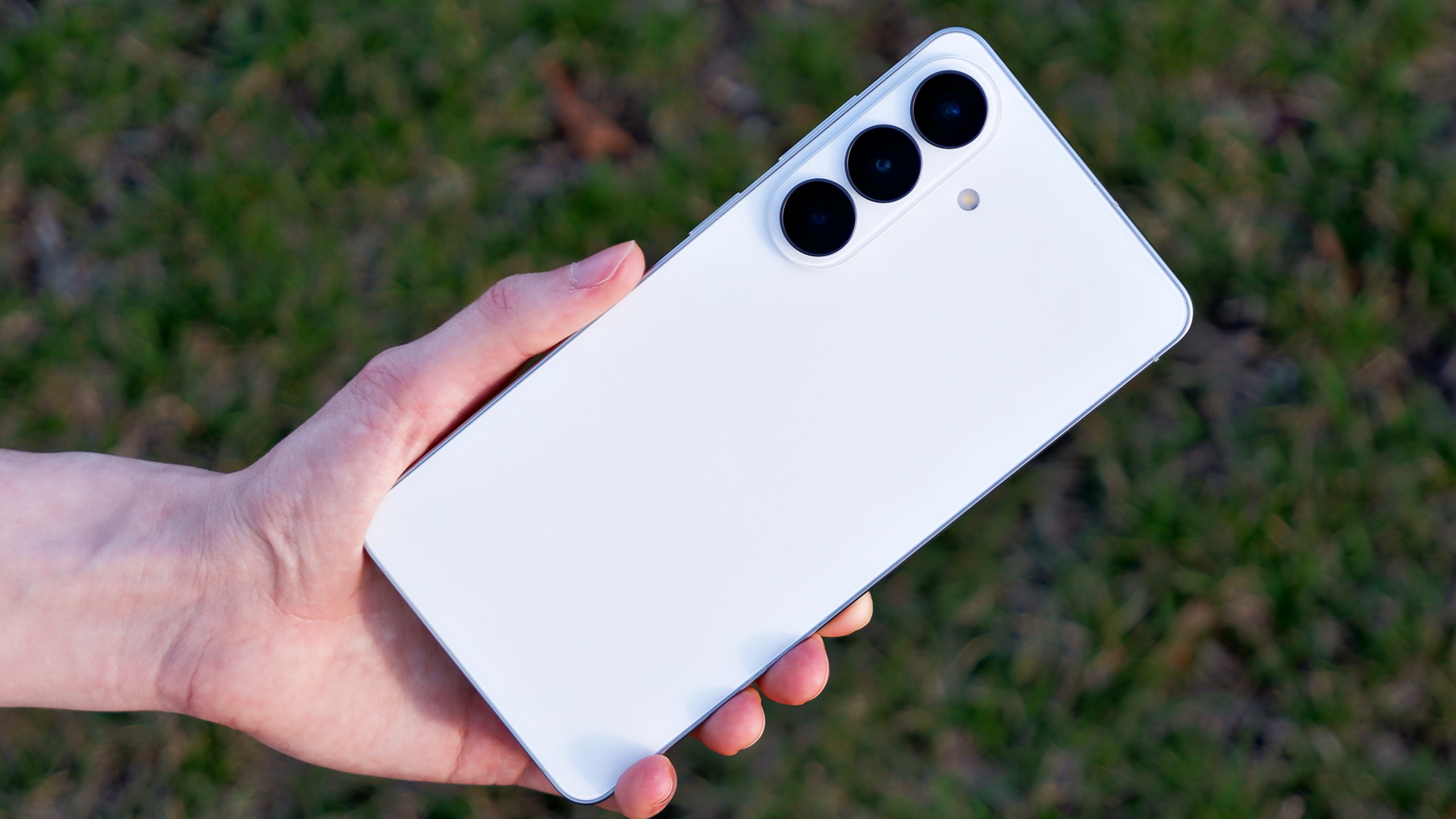
The back of the Samsung Galaxy S26 Plus against grass.

The Samsung Galaxy S26 Plus (Image credit: Future/Rami Tabari)

Samsung offers as much as seven years of support for some of its recent phones, but older and lower-end handsets get fewer updates, so how long your phone will be updated for can be quite variable depending on the model.

  • Samsung Galaxy S26 series — 7 years (last update in 2033)
  • Samsung Galaxy Z Fold 7 — 6 years (last update in 2032)
  • Samsung Galaxy Z Flip 7 — 6 years (last update in 2032)
  • Samsung Galaxy Z TriFold — 6 years (last update in 2032)
  • Samsung Galaxy S25 series — 6 years (last update in 2032)
  • Samsung Galaxy Z Fold 6 — 5 years (last update in 2031)
  • Samsung Galaxy Z Flip 6 — 5 years (last update in 2031)
  • Samsung Galaxy S24 series — 5 years (last update in 2031)
  • Samsung Galaxy A57 — 6 years (last update in 2032)
  • Samsung Galaxy A56 — 5 years (last update in 2031)
  • Samsung Galaxy A36 — 5 years (last update in 2031)
  • Samsung Galaxy A26 — 5 years (last update in 2031)
  • Samsung Galaxy A17 — 5 years (last update in 2031)
  • Samsung Galaxy A17 — 4 years (last update in 2030)
  • Samsung Galaxy A55 — 1 year (last update in 2027, security patches until 2029)
  • Samsung Galaxy A35 — 1 year (last update in 2027, security patches until 2029)
  • Samsung Galaxy M35 — 1 year (last update in 2027, security patches until 2029)
  • Samsung Galaxy A25 — 1 year (last update in 2027, security patches until 2028)
  • Samsung Galaxy A54 — final Android update this year (2026), final security patch in 2028
  • Samsung Galaxy A34 — final Android update this year (2026), final security patch in 2028
  • Samsung Galaxy S23 series — final Android update this year (2026), final security patch in 2028
  • Samsung Galaxy Z Fold 5 — final Android update this year (2026), final security patch in 2028
  • Samsung Galaxy Z Flip 5 — final Android update this year (2026), final security patch in 2028
  • Samsung Galaxy M54 — final Android update this year (2026), final security patch in 2028

Google Pixel phones

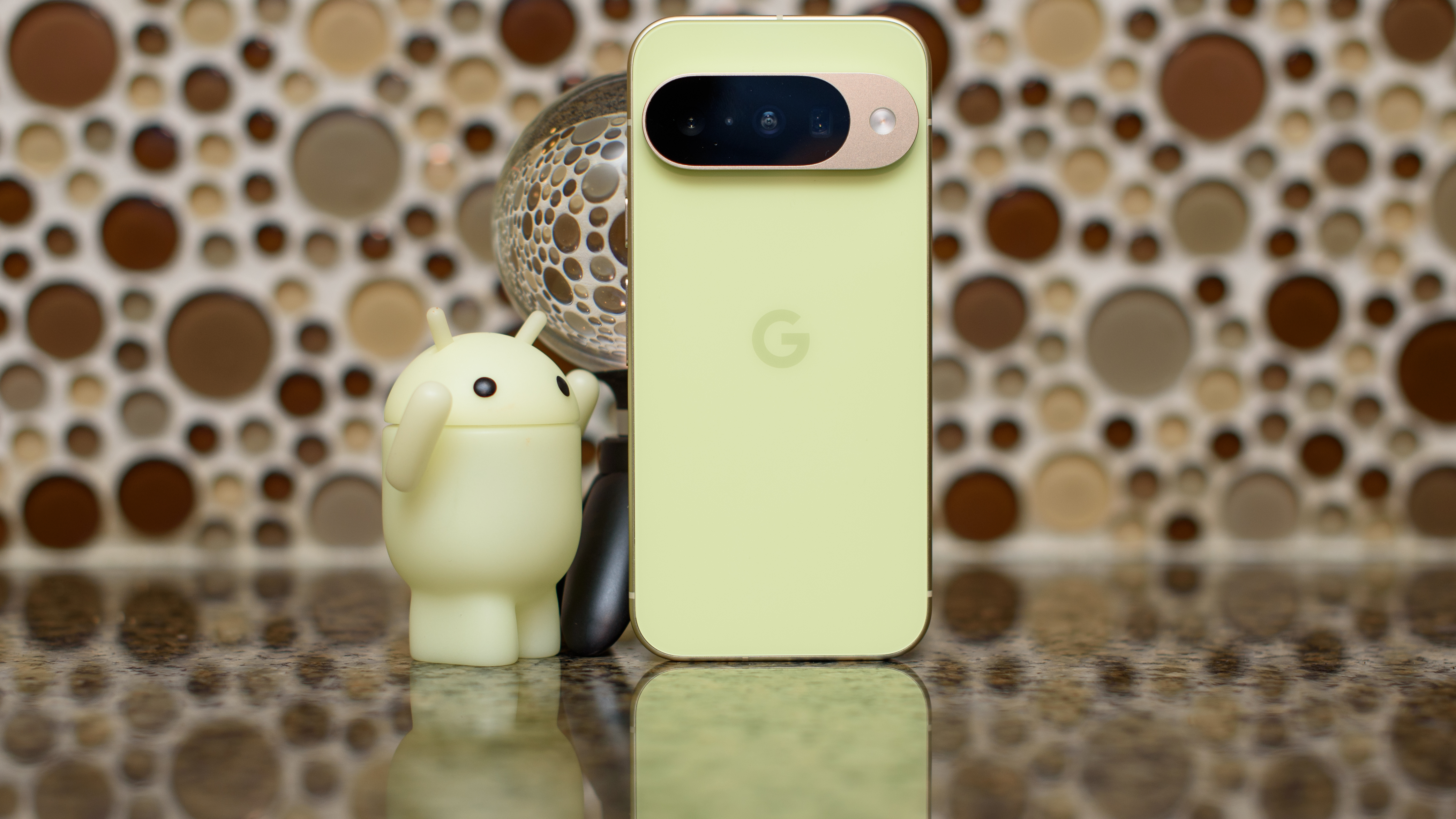
Google Pixel 10 in Lemongrass against a bubbly backsplash

The Google Pixel 10 (Image credit: Philip Berne / Future)

Google has committed to supporting all handsets from the Pixel 8 onwards for seven years, while phones from the Pixel 6 and Pixel 7 lines get five years of support.

Note that, as a-series models launch later than their mainline siblings, they technically get supported for longer. But depending on when major new Android versions launch, they may not get additional significant updates.

Motorola phones

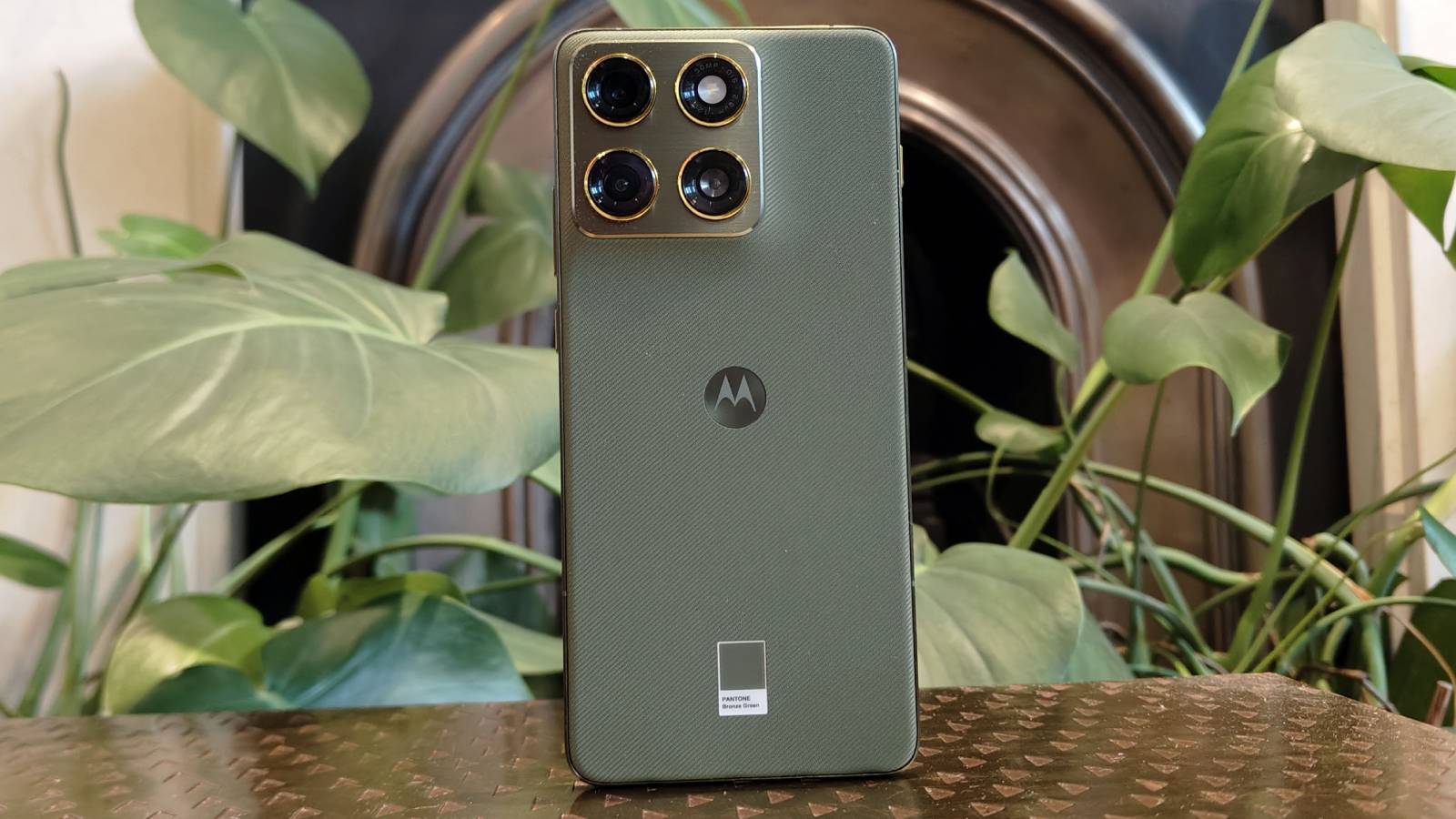
The Motorola Edge 70 perched on a brown table.

The Motorola Edge 70 (Image credit: Future)

Motorola’s update commitments feel quite messy and inconsistent, with some phones getting more or fewer updates than you might expect, but you’ll find an overview of the currently supported handsets below.

  • Motorola Signature — 7 years (last update in early 2033)
  • Motorola Edge 70 series — 3 years (last update in 2029, security patches until 2031)
  • Motorola Edge 60 Neo — 3 years (last update in 2029, security patches until 2031)
  • Motorola Edge 50 Neo — 3 years (last update in 2029)
  • Motorola Razr 70 / Razr 2026 series — 2 years (last update in 2028, security patches until 2030)
  • Motorola Edge 60 series (excluding Neo) — 2 years (last update in 2028, security patches until 2029)
  • Moto G75 — 2 years (last update in 2028, security patches until 2030)
  • Motorola Razr 60 / Razr 2025 series — 1 year (last update in 2027, security patches until 2029)
  • Motorola Edge 50 Pro — final Android update this year (2026), final security patch in 2028
  • Motorola Edge 50 Fusion — final Android update this year (2026), final security patch in 2028
  • Motorola Edge 50 Ultra — final Android update this year (2026), final security patch in 2028
  • Motorola Razr 50 / Razr 2024 series — final Android update this year (2026), final security patch in 2028
  • Moto G86 — final Android update this year (2026), final security patch in 2029
  • Moto G56 — final Android update this year (2026), final security patch in 2029

  •  
  •  

Apple promete dar nova vida aos iPhones antigos com iOS 27 e traz ganhos reais de desempenho

A Apple diz que, depois de instalar o iOS 27 nos modelos mais antigos dos seus smartphones, como o iPhone 11, os utilizadores vão notar que este é mais rápido e estável.

The post Apple promete dar nova vida aos iPhones antigos com iOS 27 e traz ganhos reais de desempenho appeared first on Tek Notícias.

  •  
❌