A handful of Great Britain’s gas power plants were paid almost £4m to generate electricity for just a few hours on Tuesday evening as millions of sweltering viewers turned to air conditioning, electric fans and icy drinks during England’s second World Cup game.
The heatwave has caused electricity prices across Europe to surge this week amid higher demand for cooling and a string of power plant outages due to the record high temperatures.
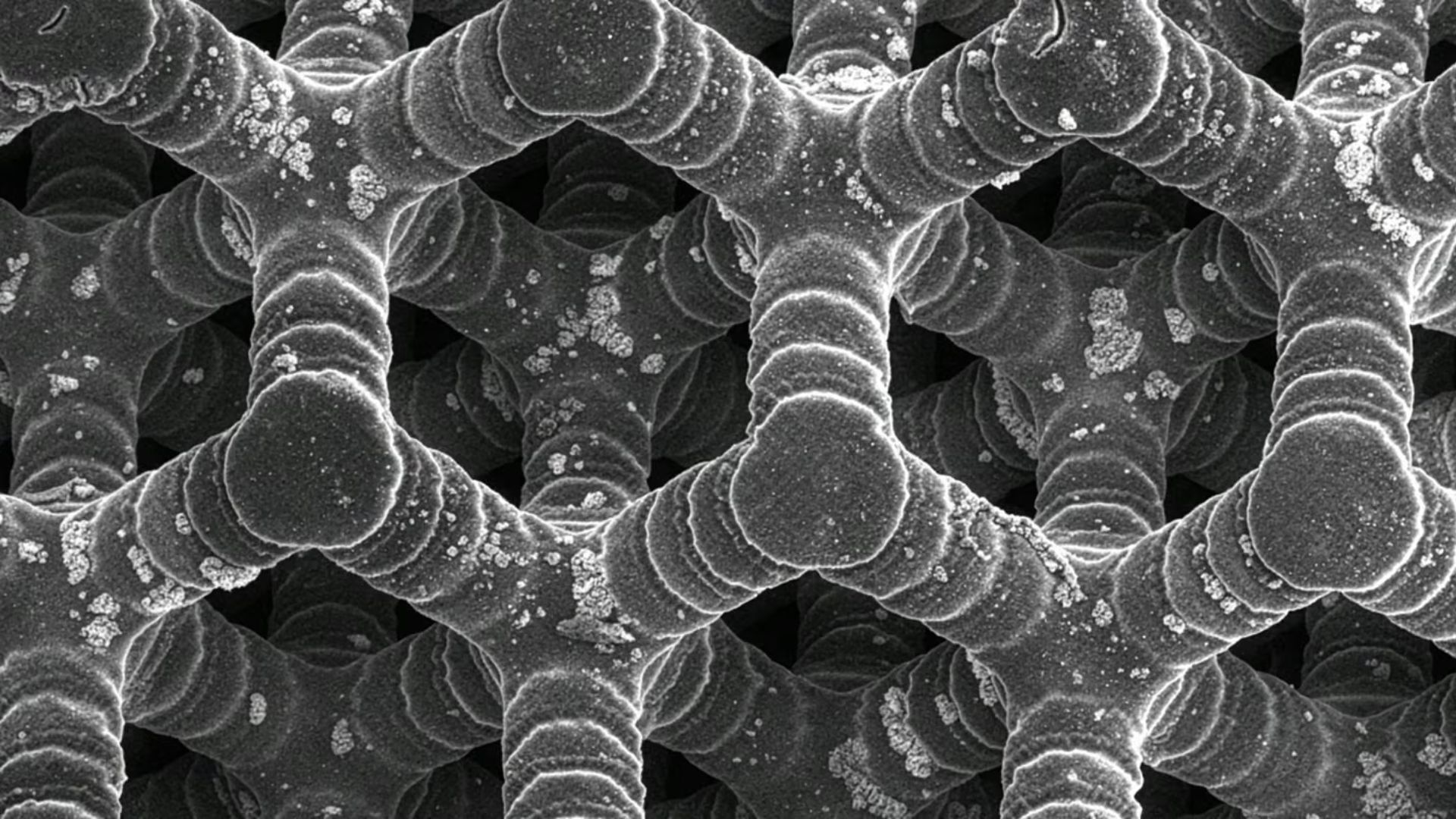
Researchers in Julia R. Greer’s lab at Caltech have developed a new method for creating three-dimensional architected battery cathodes. It has been designed to improve safety, reduce environmental impact, and enhance the performance of future batteries.
The new cathode replaces toxic, expensive, and unethically mined cobalt with lithium iron phosphate (LFP) embedded in a carbon matrix. LFP is much safer and less prone to catching fire or short-circuiting when overcharged.
On its own, LFP isn’t a miracle material; it usually suffers from sluggish performance. But by rethinking the internal architecture of the battery, the team found a loophole.
“We’ve developed a versatile way to make three-dimensional architected battery electrodes from safer materials,” said Yingjin Wang, a graduate student in Greer’s lab.
“Using lithium iron phosphate, commonly referred to as LFP, combined with a carbon matrix, we eliminated the use of dangerous cobalt while improving the mechanical resilience of the battery,” the first author added.
3D-architected cathodes
Lithium-ion batteries are the dominant power source for modern mobile devices, electric vehicles, and renewable grids.
These batteries consist of five core components: an anode (negative electrode), a cathode (positive electrode), a liquid electrolyte to transport ions, a separator to prevent short circuits, and current collectors to harvest electricity.
While commercially vital, standard designs carry persistent safety risks and performance limitations. To address these flaws, a new development has reimagined battery design, paving the way for less dangerous, more environmentally friendly energy storage that also boosts performance.
Conventional lithium-ion batteries rely on flat, two-dimensional (“planar“) electrodes, but in this new work, the team introduced a three-dimensional, architected cathode produced through 3D printing.
Moreover, transitioning from a flat design to a 3D-architected battery maximizes the active surface area where chemical energy is converted into electricity.
“We think this is advantageous because you can decouple the solid-state versus liquid-state diffusion distance. The electrolyte is liquid, so as it’s channeling through this architecture, which is like a labyrinth, it has a solid surface available to it anywhere,” Greer explained.
Moreover, the design reduces tortuosity and shortens the physical path that ions must travel between the cathode and separator, thereby increasing the battery’s power density and allowing it to release its stored energy much faster.
Safer alternative
A primary drawback of current lithium-ion batteries is their reliance on cobalt in the cathodes. Cobalt supply chains are plagued by unethical mining practices in remote regions worldwide, and the material itself poses a notable safety hazard due to its tendency to catch fire or short-circuit when overcharged.
In contrast, lithium iron phosphate is a much safer alternative. Its inherently stable chemical profile makes it far less likely to experience dangerous thermal issues or short circuits.
“LFP by itself is not a new material, but using this additive manufacturing, or 3D-printing, approach to create an architected electrode that doesn’t contain cobalt is a new thing,” Greer said.
The next major milestone for the researchers is to design a complementary 3D-architected LFP anode, which will create a fully 3D-architected battery that is both energy- and power-dense.
Achieving this will be a highly complex manufacturing challenge given the early state of the research and the intricate fabrication parameters involved. Ultimately, the team aims to integrate a polymer-based electrolyte to achieve a true solid-state battery.
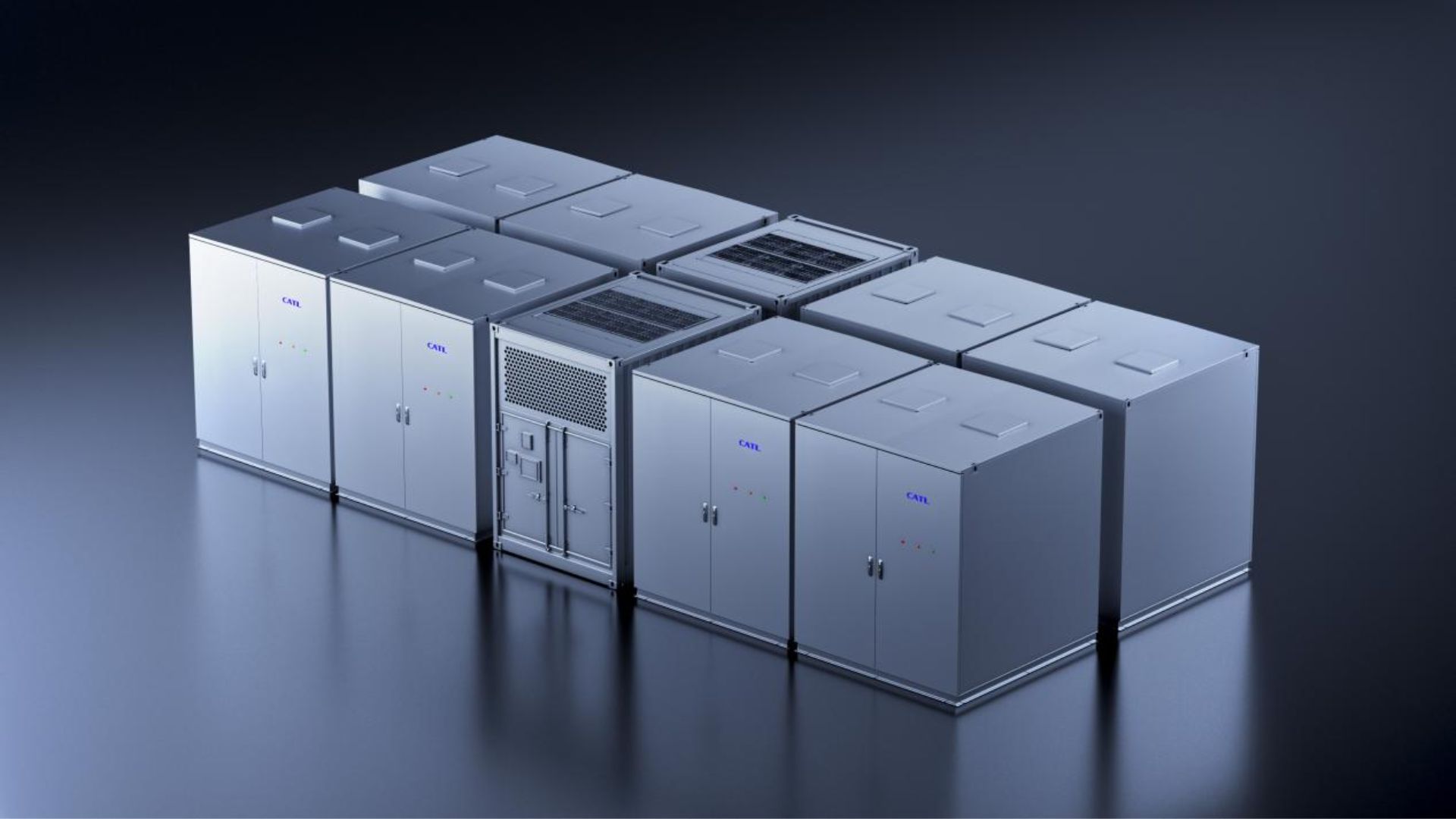
Chinese battery giant CATL has introduced what it says is the world’s first sodium-ion energy storage system proven in real-world conditions. It expects total shipments to reach 1 gigawatt-hour (GWh) by the end of 2026.
The company launched its new TENER Sodium Energy Storage System in Munich, Germany, on June 22, 2026, marking a significant step toward sodium-ion battery use in large-scale energy storage projects.
This launch comes at a time when utilities, renewable energy developers, and industrial customers are looking for new storage solutions to meet rising electricity demand and the fast growth of wind and solar power. CATL plans to start delivering to customers in China in September 2026, with global shipments beginning in June 2027.
Sodium emerges as a new option for grid storage
CATL believes sodium-ion batteries are a strong addition to lithium-based technologies in future energy systems. According to the company, sodium is over 1,000 times more common than lithium and is found all over the world, making it a promising choice for stationary storage.
“We believe that sodium and lithium together will form the twin foundations of the future energy storage system,” commented William Wu, Director of CATL’s Energy Storage Technology Center.
The battery maker has been researching and developing sodium-ion batteries since 2016. During this time, the company says it invested almost €1.2 billion ($1.14 billion) to build a full manufacturing process, including materials, cells, and system production.
To meet future demand, it has increased its production capacity. The company invested around CNY 5 billion ($737 million) in sodium-ion manufacturing lines at its Fuding facility, adding 40 GWh of annual production capacity. Another planned facility in Jining, Shandong, will support up to 160 GWh of sodium-ion battery production.
Designed to fit existing battery projects
A main feature of the system is that it works with existing lithium-iron phosphate (LFP) energy storage systems. The firm said the TENER Sodium system has the same size and shape as LFP systems, so developers can use their current platforms without changing enclosures, redesigning projects, or repeating certifications.
The system’s modular design provides over 30 megawatt-hours (MWh) of rated capacity. Each module weighs about 46 tons, and just 34 units are needed to create a 1-GWh energy storage site.
This compatibility can make it easier for developers to add sodium-ion technology without big changes to existing infrastructure. As battery storage projects grow worldwide, reducing engineering and permitting steps can help speed up project timelines.
Long service life across extreme temperatures
CATL said the TENER Sodium system is built for tough operating conditions. The company reports it can last up to 15,000 cycles at 77°F (25°C) while keeping 70 percent of its health. This means the system could last about 25 to 30 years.
The system is also made to work across a wide range of temperatures. The battery giant claims it can handle over 10,000 cycles at 113°F (45°C) and keep more than 92 percent of its capacity at -4°F (-20°C).
The company further stated that the battery system can reduce fire and explosion risks even in extreme conditions. This addresses a major concern in the industry as grid-scale storage projects expand around the world.
Shipment goals signal commercial readiness
At the Munich event, CATL stressed that the product is now past the demonstration stage. The company says the TENER Sodium system is ready for commercial use, with mature technology, manufacturing, and supply chain support.
The goal of shipping 1 GWh by the end of 2026 shows that sodium-ion batteries are moving into large-scale commercial use. The firm’s latest launch suggests sodium-ion batteries may soon become a meaningful part of that expanding market alongside established lithium-based systems.
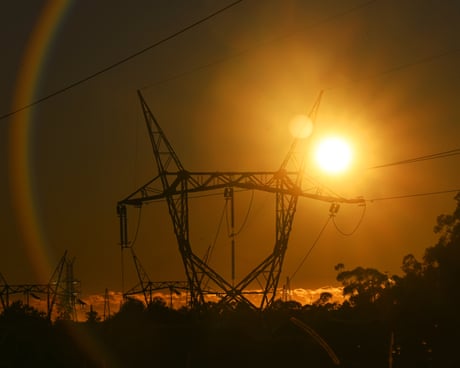
Solar panels are overheating amid soaring temperatures, leading to gas power stations across the UK being ordered to fire up production to make up the shortfall.
Tesla, Sunrun and Renew Home plan to tap solar panels, batteries, thermostats and other devices installed in millions of homes to meet the energy demands of artificial intelligence.
Installation of a Sunrun solar panel on a roof in California. Sunrun is working with Tesla and Renew Home to use home energy devices to help data centers get online faster.
Tesla, Sunrun and Renew Home plan to tap solar panels, batteries, thermostats and other devices installed in millions of homes to meet the energy demands of artificial intelligence.
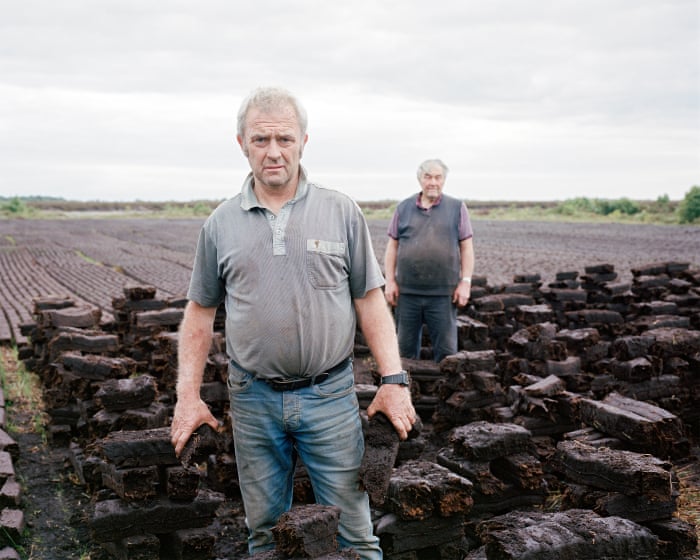
Photographer Shane Hynan explores the tension between the central role peat bogs play in Irish life and their wider environmental impact
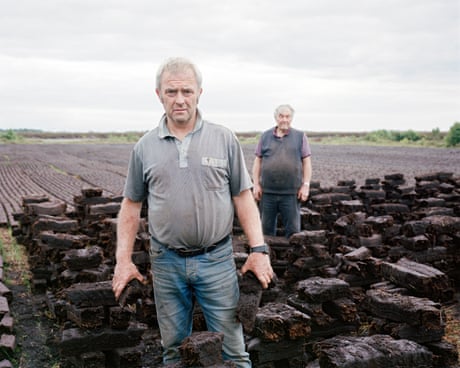
“You can read Ireland’s history in the boglands. They hold millennia in their layers,” says photographer Shane Hynan of his project, Beofhód (meaningBeneath in English).
The boglands, known as portachs in Irish, cover roughly 1.2m to 1.5m hectares or about 14% to 17% of the country’s total land area. The raised bogs of the Irish Midlands are made of peat that forms at a rate of 1mm a year (0.04in) in low-lying, poorly drained basins or former lakes. As the historical geographer Kevin Whelan observes in the Atlas of the Irish Rural Landscape, “the bog has been etched as deeply into the human as into the physical record in Ireland – to an extent unrivalled elsewhere.”
Eddie and Con footing turf for domestic use, Knockirr Bog, County Kildare, 2022.
Global clean power purchase agreement (PPA) volumes fell for the first time last year in nearly a decade, as power prices and policy risks redefined market activity.
A major uranium project in South Dakota has cleared another regulatory hurdle, bringing it closer to supplying domestic nuclear fuel as the United States works to strengthen its critical mineral and energy supply chains. The latest decision marks another step toward advancing one of the country’s key uranium development projects.
enCore Energy said the U.S. Nuclear Regulatory Commission completed an Environmental Assessment and issued a Finding of No Significant Impact for the Dewey Burdock Uranium Project. The decision supports renewal of the project’s Source Materials License for another 20 years, leaving a safety evaluation as the final major review before the license can move forward.
Final review remains
Federal regulators stated they will renew the license if the project continues to satisfy construction and operational safety requirements for its planned in-situ recovery facility. enCore, through its subsidiary Powertech USA, has already submitted the information required for that review.
The agency also approved a Programmatic Agreement covering compliance with the National Historic Preservation Act. The framework establishes a phased process to evaluate and protect cultural and historic resources as development advances, allowing engineering work and environmental oversight to progress under a defined process.
William M. Sheriff, executive chair of enCore Energy, welcomed the decision and called the environmental findings an important step toward renewing the project’s operating license. He said the company supports the agency’s view that the development could deliver economic benefits during construction and long-term operations. Sheriff added that enCore remains focused on safety and environmental stewardship throughout the project’s life cycle.
ISR technology in focus
Dewey Burdock spans 10,580 acres in South Dakota and ranks among the country’s advanced-stage uranium developments. Most of the site sits on private land, with a smaller portion managed by the Bureau of Land Management.
The project plans to produce yellowcake using in-situ recovery technology, which circulates an oxygen- and water-based solution through underground ore bodies instead of excavating large open pits. Engineers favor the approach because it minimizes surface disruption and relies on established production methods that have operated for decades across the uranium industry.
The Bureau of Land Management recently authorized construction of access roads, groundwater monitoring wells, and overhead power infrastructure on public land within the project area. Those approvals allow crews to begin building essential site infrastructure before full production activities start.
Dewey Burdock also joined the Fast-41 permitting program last year, giving it access to an accelerated federal review process reserved for priority infrastructure and critical mineral projects. The U.S. Nuclear Regulatory Commission serves as the lead agency for that effort, which aims to improve coordination across multiple federal agencies without reducing regulatory standards.
If the final safety review concludes successfully, the project will secure a renewed 20-year license and move closer to commercial uranium production. The yellowcake produced at the site would supply fuel used by commercial nuclear power plants, supporting a broader federal push to expand domestic uranium production and reduce dependence on foreign sources for a material that remains central to the nation’s energy strategy and long-term national security objectives.
The U.S. Department of Energy has conditionally committed up to $17.5 billion in loan facilities to support the construction of as many as 10 AP1000 nuclear reactors in the United States, Brookfield Asset Management announced.
The financing package is aimed at funding long-lead equipment required for reactor construction, a step that could significantly shorten project timelines and strengthen the domestic nuclear supply chain.
The loans would support projects using Westinghouse’s AP1000 reactor technology. Westinghouse is jointly owned by Brookfield and its institutional partners, which hold a 51% stake, and Cameco, which owns the remaining 49%. According to Brookfield, the funding could accelerate construction and commercial operation schedules by as much as three years, with a goal of having 10 reactors under construction by 2030.
Fast-tracking reactor projects
The Department of Energy’s Office of Energy Dominance Financing is expected to provide as many as five separate loans, with each loan supporting two reactors.
Rather than financing completed projects, the funding is intended to help utilities and energy companies secure critical equipment early in the development process. Long-lead components are often among the biggest bottlenecks in nuclear construction because manufacturing and delivery can take several years.
Brookfield said the financing would provide project developers with greater certainty while supporting efforts to expand domestic manufacturing capacity for nuclear equipment. The announcement comes as the United States seeks additional sources of reliable electricity to meet growing demand from industry, data centers, and electrification initiatives.
Nuclear power has regained attention in recent years because reactors can provide continuous carbon-free electricity regardless of weather conditions. “Westinghouse continues to be at the forefront of major public and private partnerships that will materially accelerate the build-out of large-scale nuclear power generation, help meet growing energy demand, and support energy security in the U.S.,” said Connor Teskey, Chief Executive Officer of Brookfield Asset Management.
Supply chain gets boost
The proposed funding is tied to Westinghouse’s AP1000 reactor design, one of the few advanced large-scale reactor technologies currently licensed and operating commercially in the United States. Brookfield said the loans are expected to act as a catalyst for new nuclear development by helping project owners secure equipment orders earlier than would otherwise be possible.
Teskey added: “The loan facilities help advance President Trump’s Executive Order and serves as a catalyst for nuclear, providing the certainty needed to enhance the domestic nuclear supply chain and accelerate construction of nuclear projects that will deliver reliable baseload power around the country for decades to come.”
The funding package remains conditional. Before any money is disbursed, Westinghouse, project partners, and potential reactor owners must satisfy technical, legal, environmental, and financial requirements set by the Department of Energy.
If finalized, the loans would represent one of the largest federal financing efforts aimed at accelerating new nuclear reactor deployment in the United States in recent years.
The energy policies pursued by the British government were described as a “tragic mistake” by Trump’s energy secretary, one of a number of officials from the US administration attending the event.
The federal government wants to help utilities buy large components for up to 10 large nuclear reactors. It’s unclear which, if any, companies might participate.
The Vogtle nuclear power plant in Georgia is the only one with AP1000 reactors in the U.S. They generate enough electricity to power 1 million homes, but they took 15 years to build and cost $35 billion, double the initial estimates.
The federal government wants to help utilities buy large components for up to 10 large nuclear reactors. It’s unclear which, if any, companies might participate.
"This is not Winston Churchill, that I can tell you," Trump said of Starmer as he hammered the exiting PM over immigration, "windmills" and not being there when he needed him in Iran.
Energy secretary hails £100bn milestone in this parliament and says it is ‘only the start of what we want to achieve’
Ed Miliband has hailed a boost to UK jobs and growth as government data reveals that private sector companies have pledged more than £100bn in investment into the green economy so far in this parliament.
Offshore wind, solar power and the electricity grid make up the bulk of the planned investment, most of it between 2024 and 2031, which will go to all regions of the UK and comes from a mixture of UK companies and overseas sources including the EU and Japan.
I further develop "spiritual physics" to explore the dynamics of UFOs, linking their behavior to concepts of exotic energy and matter. By applying Newtonian kinematics and imaginary numbers, the model suggests UFOs harness unseen energy and achieve incredible speeds. The interplay between real and imaginary mass could explain their elusive movements.
Prime minister was forced to row back on some policies despite strong support among voters for climate action
Keir Starmer has faced a problem no Labour government has needed to deal with before. His energy and climate policies – core to solving the cost of living crisis – have come under attack from opposition parties, which have made dismantling the agenda one of their top priorities, second only to immigration, in their pitch to voters.
This is new in British politics, where a cross-party consensus on the climate and environment has held at least since the days of Margaret Thatcher. She warned the UN of the climate crisis in 1988; David Cameron in 2006 urged voters to “vote blue, go green”; Theresa May enshrined in law the requirement to reach net zero greenhouse gas emissions by 2050; Boris Johnson championed the Cop26 UN climate summit in Glasgow in 2021; even Rishi Sunak only tried a partial rollback of green policies as a last desperate throw before calling an election.
What if your daily coffee routine could help power the world around you?
Scientists are exploring ways to transform everyday waste, like spent coffee grounds, into materials for greener energy production. One promising method, called triboelectrification, uses electricity generated from motion. With this approach, materials that gain positive and negative charges are rubbed together to generate an electrical charge that can be harnessed by devices called triboelectric nanogenerators, or TENGs. TENGs are a greener alternative to fossil fuels because they generate electricity from everyday movement, such as pedestrian or vehicle motion.
However, many negatively charged materials used in these devices are made from nonbiodegradable plastics, like PTFE, that persist as long-term waste in the environment. Over time, TENGs are also easily damaged by environmental conditions outside the laboratory. To create sustainable TENGs for real-world applications, scientists need to develop biodegradable and durable designs.
To address this problem, researchers from Guangxi University in China developed a TENG that uses coffee grounds as its negatively charged material. Their design repurposes coffee waste to create a robust, low-cost device that can harvest energy.
To create the coffee-based material, the researchers mixed coffee grounds with a biodegradable glue-like plastic called polycaprolactone (PCL). They heated this mixture to 80°C (176°F) and molded it into cylindrical pellets. Then, they used a biodegradable plastic called polylactic acid (PLA) to 3D-print a fully enclosed box-like TENG containing vertical channels arranged like the parallel slots of a file organizer to house the pellets.
Their TENG worked by shaking the coffee ground pellets within the channels, causing them to repeatedly rub against the PLA surfaces. Because coffee grounds strongly attract electrons, the pellets become negatively charged while the PLA surfaces become positively charged. This repeated pellet movement drove the electrons back and forth, generating electricity that was harvested through the TENG’s external circuit.
To evaluate their TENG’s electrical performance, the researchers used an instrument that measures small amounts of electricity, called an electrometer. The electrometer measures electrical output based on how strongly the device pushes electrons through a circuit, called its voltage, how quickly electrons flow through it, called its current, and how many electrons flow through it, called its transferred charge.
The researchers verified that coffee ground pellets could serve as a viable TENG material by comparing their performance with commercial plastic pellets. The coffee ground pellet system produced a voltage of 0.6 Volts (V), a current of 18 nanoamperes (nA), and a charge transfer of 0.25 nanocoulombs (nC). This output was more than twice that of pure PCL pellets and over half that of nonbiodegradable PTFE. The researchers suggested that the negatively charged components of the coffee grounds altered the surface of the PCL to increase its charge generation and transfer.
To optimize the TENG, the researchers experimented with different coffee grounds to PCL mass ratios, pellet lengths, and device vibrational frequencies. They found that their device achieved the best electrical performance at a 3:1 ratio of coffee grounds to PCL, with 8 millimeter long pellets, at a vibrational frequency of 2.6 Hertz. These conditions boosted the device’s electrical output to 4.7 V, 75 nA, and 1.3 nC, high enough to power tiny environmental sensors.
The team also tested their device’s long-term durability by comparing its electrical performance before and after 6 months of storage. They observed only a 6% drop in voltage after storage, demonstrating that it could maintain stable long-term electrical performance for at least 6 months.
Finally, to explore real-world applications, the researchers integrated 4 TENGs into a wind-energy harvesting system designed for remote island settings. The system used a wheel of rotating cups to capture wind energy and a sliding mechanism to convert it into repeated shaking of the TENGs. As the TENGs shook, the moving pellets inside generated enough electricity to power an LED light and a small weather-monitoring device.
The researchers concluded that spent coffee grounds can function as biodegradable TENG materials while reducing dependence on fossil fuel-derived materials. By combining coffee waste with biodegradable plastics, the researchers created a TENG with good electrical performance, sustainability, and long-term stability. They suggested that with further development, the device could someday power road warning lights and provide sound-based alerts in remote areas.

 Login