❌

Reading view

Fans for fans: power demand surges as England viewers cope with heatwave

Handful of gas plants paid £4m to generate electricity at half- and full-time in World Cup game

A handful of Great Britain’s gas power plants were paid almost £4m to generate electricity for just a few hours on Tuesday evening as millions of sweltering viewers turned to air conditioning, electric fans and icy drinks during England’s second World Cup game.

The heatwave has caused electricity prices across Europe to surge this week amid higher demand for cooling and a string of power plant outages due to the record high temperatures.

Continue reading...

© Photograph: DeFodi Images/Shutterstock

© Photograph: DeFodi Images/Shutterstock

© Photograph: DeFodi Images/Shutterstock

  •  

Solar Panels Overheat as Gas Power Stations Ordered to Fire Up

Solar panels are overheating amid soaring temperatures, leading to gas power stations across the UK being ordered to fire up production to make up the shortfall.

The post Solar Panels Overheat as Gas Power Stations Ordered to Fire Up appeared first on The Daily Sceptic.

  •  

Your Home Could Help Solve AI’s Growing Power Demand

Tesla, Sunrun and Renew Home plan to tap solar panels, batteries, thermostats and other devices installed in millions of homes to meet the energy demands of artificial intelligence.

© Collin Chappelle for The New York Times

Installation of a Sunrun solar panel on a roof in California. Sunrun is working with Tesla and Renew Home to use home energy devices to help data centers get online faster.
  •  
  •  

Energy Dept. Promises $17.5 Billion in Loans for Nuclear Power

The federal government wants to help utilities buy large components for up to 10 large nuclear reactors. It’s unclear which, if any, companies might participate.

© Kendrick Brinson for The New York Times

The Vogtle nuclear power plant in Georgia is the only one with AP1000 reactors in the U.S. They generate enough electricity to power 1 million homes, but they took 15 years to build and cost $35 billion, double the initial estimates.
  •  

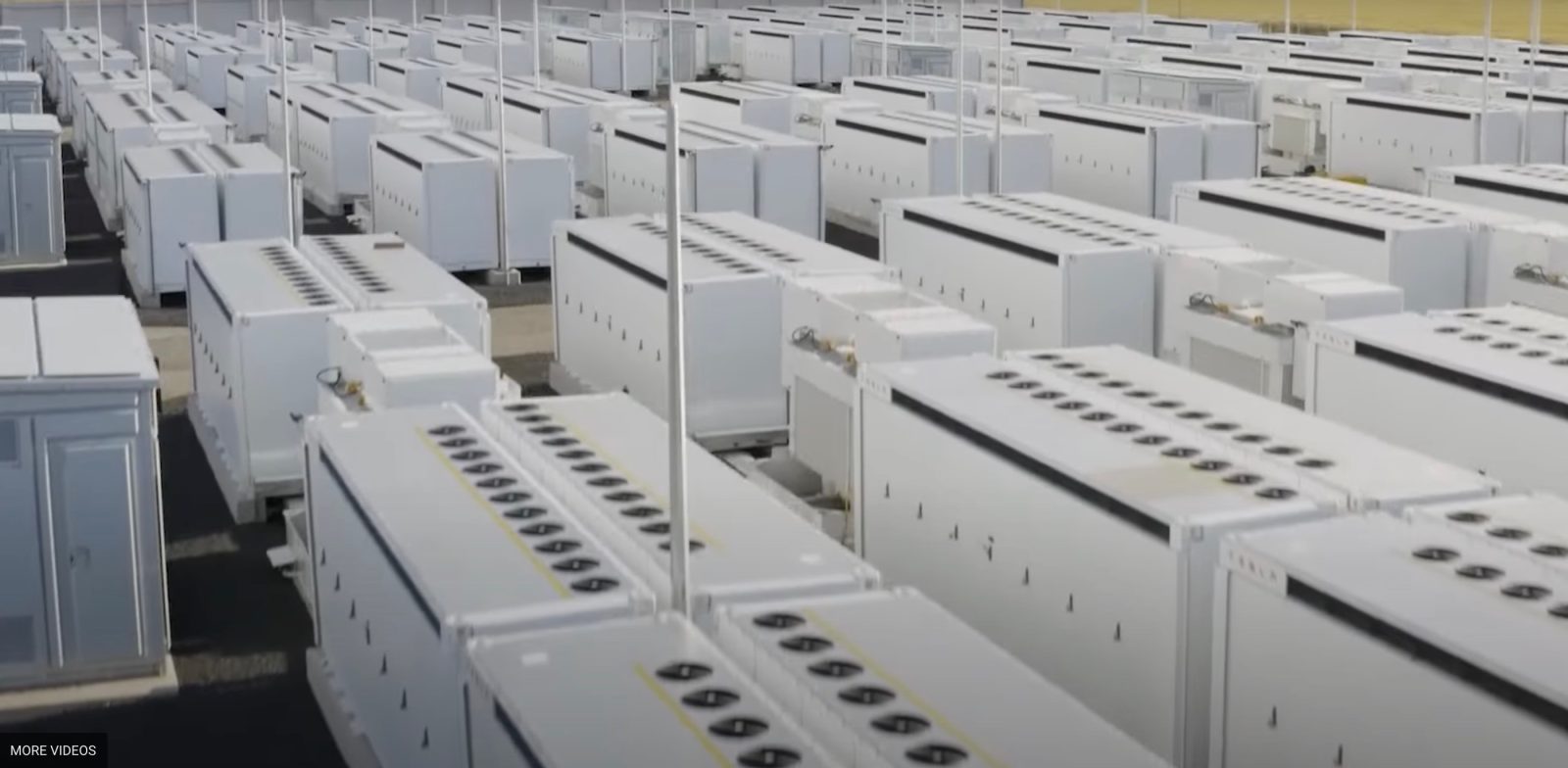
Tesla, NatPower strike $5B deal for 25 GWh of Megapack storage

Tesla and independent energy firm NatPower have reached a deal to build 25 gigawatt-hours of battery storage in Italy and Britain, the first phase of a program worth up to $5 billion.

Under the multiyear agreement, NatPower will deploy Tesla’s Megapack systems and use Tesla’s trading software to decide when to buy and sell electricity — extending Tesla’s reach deeper into Europe’s fast-growing grid storage market.

  •  

Canada Plans 'Nuclear Renaissance' With Up To 10 Reactors Built By 2040

Canada has unveiled a national strategy to build up to 10 new nuclear reactors over the next 15 years as it seeks to double electricity-grid capacity by 2050. Energy Minister Tim Hodgson called it a plan for a "new civilian nuclear renaissance." "If our goal is to double our grid and build a low-carbon economy in less than 25 years, there is no credible plan to do that without nuclear energy and the clean, reliable baseload power it provides," Hodgson said. "There is no credible plan for Canada to become an energy superpower if we choose not to build upon one of the strongest energy advantages we have." CBC News reports: The strategy calls for construction to start on two new large-scale reactors by 2035, for five more to be planned or under development by 2040 and for at least one reactor to be under construction outside Ontario by 2035. It also calls for a Canadian-made microreactor to be finalized by 2035 and deployed to a remote community by the late 2030s. [...] Right now, Canada has four nuclear power plants -- three in Ontario and one in New Brunswick -- which generate about 15 per cent of Canada's electricity. A new proposed facility at the existing nuclear plant in Darlington, Ont., would see the first small modular reactor in the G7, capable of producing up to 300 megawatts per unit. Saskatchewan is also looking at the potential to bring small nuclear reactors online by the mid 2030s. The energy deal between Ottawa and Alberta also committed to collaborating on developing a strategy to build a nuclear power plant. Officials from Natural Resources Canada told reporters in a background briefing that construction of the reactors outlined in the new national strategy could cost more than $100 billion. The strategy does not say how Canada would pay for them, though an official pointed to the Canadian Infrastructure Bank and the Canada Growth Fund as possible funding sources. Hodgson said the strategy would double the 90,000 jobs in Canada's nuclear sector "over the coming decades." The plan also looks to expand sales of Candu reactors to new export markets. It says the government wants to break into at least four new international markets by 2040 and "engage six to 10 new nuclear entrant markets over a 15-year horizon, cementing Canada as their partner of choice." Thirty Candu reactors currently operate around the world, including in South Korea, China, India, Argentina, Pakistan and Romania, and there are plans to build two more. [...] "Reactor exports are not transactional. They establish multi-decade partnerships, creating durable geopolitical and commercial relationships that advance Canada's broader foreign policy interests," the strategy says. "As Canada works to diversify its trading relationships and strengthen ties with middle powers, Candu can be a central instrument of that strategy."

Read more of this story at Slashdot.

  •  
  •  

Justice Department Makes It Easier to Bypass Pollution Controls on Pickups

It has stopped criminal prosecutions of people who install “defeat devices,” which make diesel trucks faster and more efficient but also dirtier.

© Acacia Johnson for The New York Times

  •  

Trump admin’s coal investments assist plants with repeated violations

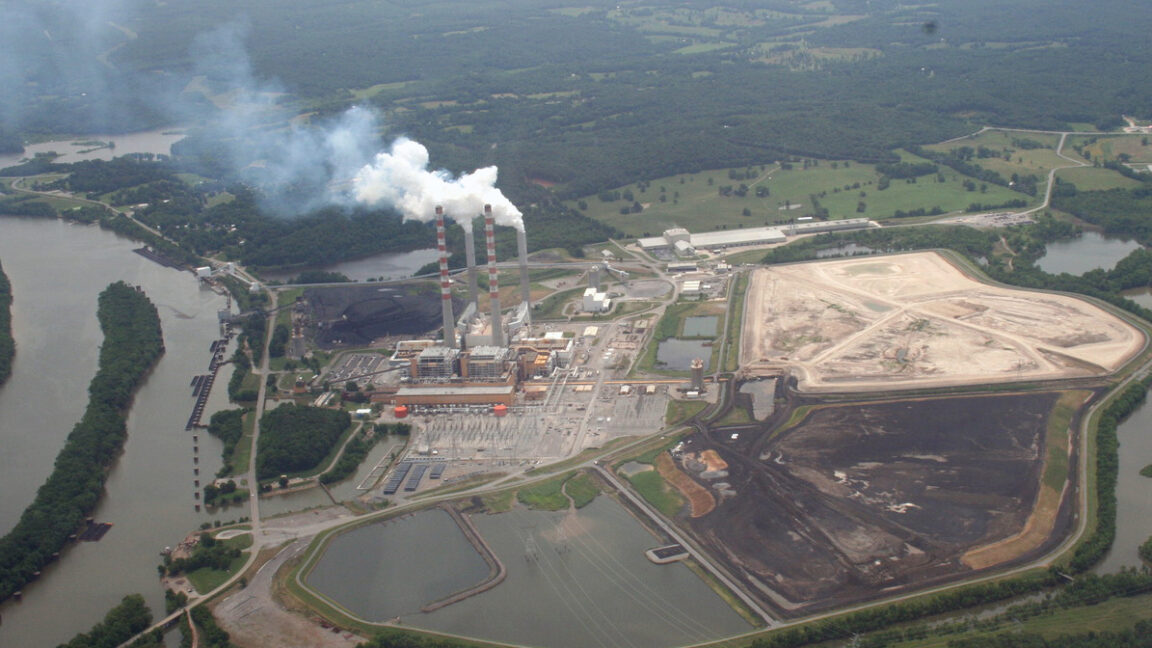
In 2023, after years of pollution, equipment failures, and health concerns, the Cumberland Fossil Plant in Tennessee was slated to close within the decade.

The coal-fired plant had been part of a multibillion-dollar settlement in 2011 after its operator, the Tennessee Valley Authority, failed to install pollution control technology a decade earlier. Regulators cited the plant for more air-pollution violations in 2017 and 2023. TVA said it would shutter Cumberland’s units in 2026 and 2028.

Then the Trump administration replaced four of TVA’s board members, and the agency reneged on its retirement plan in February. Now, TVA has a federal pledge for $46 million to extend Cumberland’s lifespan—part of a nationwide push by President Donald Trump to keep older coal plants running.

Read full article

Comments

© Stephen A. Smith/Southern Alliance for Clean Energy

  •  
❌