❌

Reading view

Cutting Through Optical Noise: A Clearer Method to Image the Eye

In the realm of modern ophthalmology, Optical Coherence Tomography (OCT) has revolutionized the way eye diseases are diagnosed and monitored. This non-invasive imaging technology allows clinicians to peer through the layers of the retina, producing detailed cross-sectional images that reveal the structural integrity of this delicate tissue without the need for surgical intervention. However, despite OCT’s widespread adoption and profound clinical impact, the technology is inherently limited by physical constraints that occasionally obscure or degrade the crucial information contained within these images. The newly developed Spatio-Temporal Optical Coherence Tomography (STOC-T) promises to address these limitations by fundamentally altering data acquisition methods, thereby enhancing image quality and diagnostic precision at the earliest possible stage.

OCT functions by directing light into the eye and interpreting the backscattered photons to construct images of internal structures like the retina and choroid. But the journey of photons through tissue is fraught with challenges. When light encounters complex biological matrices, it scatters unpredictably, producing signals that blend with those carrying useful information. This phenomenon, known scientifically as “optical crosstalk,” causes image blur and loss of contrast, making it difficult to discern fine detail that could be critical for early disease detection. Optical crosstalk is essentially a breakdown of coherence within the returning light, as photons from a single spatial point arrive dispersed across multiple detector pixels. For ophthalmologists and patients alike, this translates to potentially missed or delayed diagnosis of conditions where subtle changes herald disease onset.

The breakthrough reported by Professor Maciej Wojtkowski and his team from the International Centre for Translational Eye Research (ICTER) introduces STOC-T, an innovative approach that goes beyond conventional image enhancement techniques. Unlike software filters applied post-hoc to clean up images, STOC-T reforms the optics of data collection itself—imposing controlled, repetitive phase modulations onto the illuminating light during scanning. By employing distinct spatial phase masks that alter the wavefront of the illuminating beam, the system captures a series of images, each with a differently patterned illumination. Scattered photons, which respond chaotically to these phase shifts, become decorrelated and diminish upon averaging multiple frames. Conversely, photons faithfully reflecting true tissue architecture maintain coherent behavior, thus strengthening their visibility in the final reconstructed image.

This methodology can be likened to differentiating a single voice in a bustling crowd. Just as a consistent voice can be isolated amid random background chatter using adaptive recording strategies, STOC-T distinguishes meaningful optical signals from noise in real-time. This preemptive discrimination obviates the need for computational post-processing to “clean” images after data acquisition, which historically cannot fully recover information lost to scattering. Defensive design of the imaging process ensures that interfering signals are suppressed from the outset, preserving delicate cellular-level details of the retina and choroid that are indispensable for early diagnosis.

STOC-T’s performance has been rigorously tested both in laboratory settings and on living tissue. In one compelling demonstration, a standard imaging target obscured by a highly scattering artificial medium and even by rat skin rendered virtually invisible under conventional OCT. Upon integrating STOC-T’s phase modulation technique, the obscured structural features resurfaced with remarkable clarity. This experiment underscores the scale of the optical crosstalk problem and the potency of STOC-T, since the objects remained physically present but were previously hidden by noise.

The true clinical significance comes from STOC-T’s application to human retinal imaging, where it achieves a lateral resolution near five micrometers—a scale sufficiently fine to resolve individual photoreceptors and ganglion cells as well as intricate vasculature within the choroid. This extraordinary level of detail enables prospective monitoring of microscopic disease processes with an acuity far surpassing existing OCT methods. Additionally, STOC-T provides new insights through optoretinography (ORG), capturing functional responses of photoreceptors to flickering light stimuli at frequencies up to 45 Hz. These functional measurements resemble electrophysiological studies conducted via invasive patch-clamp techniques, suggesting that STOC-T could non-invasively monitor cellular function—a significant leap for early detection of retinal dysfunction before structural damage occurs.

The potential clinical impact of this technology cannot be overstated. Visual impairment affects more than 2.2 billion individuals worldwide, with over a billion cases attributable to conditions amenable to early diagnosis and intervention. Diseases such as glaucoma, diabetic retinopathy, and age-related macular degeneration often become irreversibly severe due to delayed detection. STOC-T’s capacity to enhance diagnostic accuracy at the cellular and functional levels augments the ophthalmologist’s ability to initiate timely therapies, potentially halting or reversing vision loss before clinical symptoms manifest.

Despite these promises, STOC-T remains an experimental technique, currently limited by technical demands. The system requires cutting-edge hardware, including a high-speed CMOS camera capable of capturing quarter-million frames per second and a tunable near-infrared laser source spanning 800 to 870 nanometers in wavelength. The immense data volume generated—exceeding 8.5 gigabytes per acquisition—also presents significant computational challenges for real-time processing and analysis. These hurdles explain why STOC-T is not yet in widespread clinical use, although ongoing advances in photonic hardware and data science are likely to mitigate these barriers.

Looking forward, the research team envisions enhancing the system’s flexibility using multimode optical fibers for phase modulation. Such fibers, with diameters around 50 micrometers and lengths extending to hundreds of meters, support hundreds of propagation modes. They offer the theoretical potential to reduce optical crosstalk noise by a factor approaching 30 without complex electronic controls, simplifying implementation while preserving image quality improvements.

Professor Wojtkowski emphasizes that STOC-T represents a transformative conceptual advance rather than a final product. The roadmap to widespread application involves optimizing speed, minimizing data volume, refining phase encoding strategies, and automating image reconstruction workflows. The foundational principle—shaping the acquisition process to preempt noise contamination—opens avenues not only for ophthalmology but also for diverse biomedical imaging fields where light scattering impairs image fidelity. This innovation exemplifies how deep physical understanding combined with technical ingenuity can reshape diagnostic imaging, making previously invisible biological details accessible and advancing patient care.

In summary, STOC-T addresses a critical bottleneck in OCT imaging by employing spatio-temporal phase modulation to separate meaningful tissue signals from scattered noise at the data collection stage. This technique enhances resolution, contrast, and functional imaging capability, holding significant promise for earlier and more accurate diagnosis of a broad spectrum of vision-threatening diseases. Although currently laboratory-bound due to technical demands, STOC-T’s theoretical and experimental foundations herald a new era in optical imaging, where noise is never blindly accepted but actively prevented from degrading our view of living tissue.


Subject of Research: Human tissue samples

Article Title: Spatio-temporal optical coherence imaging and tomography for in vivo applications

News Publication Date: 25-May-2026

Web References: DOI: 10.1117/1.JBO.31.11.113504

Image Credits: Optica

Keywords

Optical coherence tomography, STOC-T, ophthalmology, retinal imaging, optical crosstalk, phase modulation, optoretinography, photoreceptors, biomedical optics, imaging noise reduction, high-resolution microscopy, optical imaging innovations

  •  

Photoreforming Solid Waste with Single-Source Co-Catalysts

In a groundbreaking development poised to redefine waste management and sustainable energy production, researchers have unveiled a revolutionary method for photoreforming solid waste on an unprecedented 1-square-meter scale. This innovative advance, detailed in the latest issue of Nature Chemical Engineering, leverages single-source precursor-derived co-catalyst films to convert ubiquitous solid waste into valuable chemical fuels, heralding a new era in environmental remediation coupled with renewable energy generation.

At the heart of this innovation lies the principle of photoreforming, a process by which sunlight catalyzes the chemical transformation of organic materials into hydrogen and other energy-rich molecules. Historically limited to small-scale demonstrations and powdered catalysts, this method struggled with scalability and practical application outside controlled laboratory settings. The reported technique shatters these limitations by fabricating robust co-catalyst films derived from a unified precursor source, enabling efficient photoconversion across large surface areas with enhanced stability and performance.

The researchers crafted these functional films through an ingenious synthesis route, where a single molecular precursor simultaneously yields both the active catalytic sites and the supporting matrix. This contrasts with conventional multi-step fabrication approaches that often result in inconsistent catalyst dispersion and energy losses. By integrating the catalyst components at the molecular level, the team ensured homogeneity, maximized photon absorption, and optimized charge separation dynamics, all critical parameters for sustained photocatalytic activity.

Transforming real-world solid waste – encompassing plastics, biomass residues, and mixed refuse – into clean fuels presents a formidable challenge due to their complex chemical compositions and structural heterogeneity. The co-catalyst films demonstrated remarkable versatility and adaptability, efficiently processing these diverse substrates under simulated sunlight without requiring extensive pre-treatment. This robustness signals a significant leap toward practical deployment in municipal waste processing facilities and industrial settings.

The experimental setup encompassed a square meter of coated substrate exposed to controlled illumination, mirroring natural sunlight intensity conditions. Over extended operation, the system consistently yielded high rates of hydrogen and other value-added chemicals, outperforming benchmark photocatalysts by a considerable margin. Importantly, the films manifested remarkable photostability and mechanical adhesion, demonstrating resilience against degradation mechanisms like photo-corrosion and mechanical abrasion that typically afflict photocatalytic layers.

At the nanoscale, characterization techniques revealed uniform distribution of nanosized catalytic domains embedded within a conductive, photoactive matrix. This architecture ensures rapid electron-hole separation and transport, minimizing recombination losses which commonly plague photocatalytic systems and limit hydrogen evolution rates. Spectroscopic analyses corroborated enhanced visible-light absorption, attributed to tailored bandgap engineering achieved during precursor design, broadening the usable solar spectrum beyond ultraviolet wavelengths.

The process design also embraced mass transport optimization, incorporating porous film structures that facilitated effective diffusion of reactants and removal of gaseous products. This morphologic control prevented stagnation zones and concentration gradients, enhancing catalytic turnover and ensuring stable long-term performance. Additionally, the modular film fabrication approach promises scalability and integration into various reactor geometries without compromising catalytic efficiency.

Beyond hydrogen generation, the system also showcased the capacity to produce liquid fuels and chemical feedstocks, capitalizing on selective reaction pathways induced by co-catalyst composition tuning. This selectivity allows tailored conversion routes matching industrial chemical demands, moving beyond mere waste disposal toward circular chemical economies. The dual benefit of environmental waste mitigation coupled with clean energy and chemical synthesis embodies transformative potential for sustainable industrial practices.

Critically, the team emphasized the environmental and economic implications of adopting such technology at scale. By converting problematic solid waste streams into valuable resources using sunlight – a free and abundant energy source – this approach diminishes reliance on fossil fuels and reduces landfill burden. Cost analyses suggested that, once scaled, the technique could rival established catalytic processes in operational expenditure, thus offering an attractive proposition for policymakers and industry leaders aiming to meet stringent environmental targets.

The interdisciplinary collaboration instrumental in achieving this advance integrated expertise across materials chemistry, photophysics, environmental engineering, and nanofabrication. Such synthesis of disciplines underscored the inherent complexity of developing scalable photocatalytic platforms capable of handling real-world waste complexities while maintaining high efficiency and durability.

Looking ahead, the researchers are exploring further enhancements including tandem catalyst layers, optimized co-catalyst configurations, and hybrid photochemical-electrochemical systems to elevate the energy conversion efficiency and broaden substrate compatibility. In parallel, pilot-scale demonstrations are underway to validate system performance in outdoor environments subject to variable weather conditions, pivotal for transitioning laboratory innovation into field applications.

This pioneering work sets a new benchmark in photoreforming science, illustrating how precise molecular engineering and thoughtful system design can transform a pressing global challenge—solid waste accumulation—into a renewable energy opportunity. Its implications resonate strongly with global sustainability aspirations, promising an economically feasible and environmentally benign pathway to simultaneously address climate change mitigation, waste reduction, and clean energy production.

As society grapples with mounting waste generation paired with escalating energy demands, innovations such as these underscore the invaluable role of scientific ingenuity in crafting solutions that are as elegant as they are practical. By harnessing the synergy of sunlight and advanced material chemistry, the future of waste management is illuminated—not as a burden, but as a wellspring of renewable chemical energy.

In summary, this major scientific milestone demonstrates that photoreforming solid waste at a 1 m² scale using single-source precursor-derived co-catalyst films is no longer a theoretical possibility but a tangible technological reality. It unequivocally paves the way for deploying solar-driven catalytic systems in addressing environmental and energy crises through smart design and scalable engineering.

Subject of Research:
Photoreforming of solid waste using single-source precursor-derived co-catalyst films.

Article Title:
Photoreforming of solid waste on 1 m² scale using single-source precursor-derived co-catalyst films.

Article References:
Bin Mohamad Annuar, A., Liu, Y., Bhattacharjee, S. et al. Photoreforming of solid waste on 1 m² scale using single-source precursor-derived co-catalyst films. Nat Chem Eng 3, 351–362 (2026). https://doi.org/10.1038/s44286-026-00406-y

Image Credits:
AI Generated

DOI:
10.1038/s44286-026-00406-y

Keywords:
Photoreforming, solid waste conversion, co-catalyst films, solar energy, hydrogen production, photocatalysis, renewable energy, waste-to-fuel, sustainable chemistry, scalable catalysis

  •  

Scientists discover hidden ‘charge trap’ that could slow next-generation solar and electronic materials

A team of researchers at Cornell University has uncovered a surprising problem in a promising class of materials known as hybrid perovskites. The discovery could help scientists build better materials for future technologies, including solar cells, energy-harvesting devices, and advanced electronics. Hybrid perovskites have attracted enormous interest in recent years because they are efficient at […]

The post Scientists discover hidden ‘charge trap’ that could slow next-generation solar and electronic materials appeared first on Knowridge Science Report.

  •  

New electronic skin can be made onsite, bringing smarter robots and wearables closer to reality

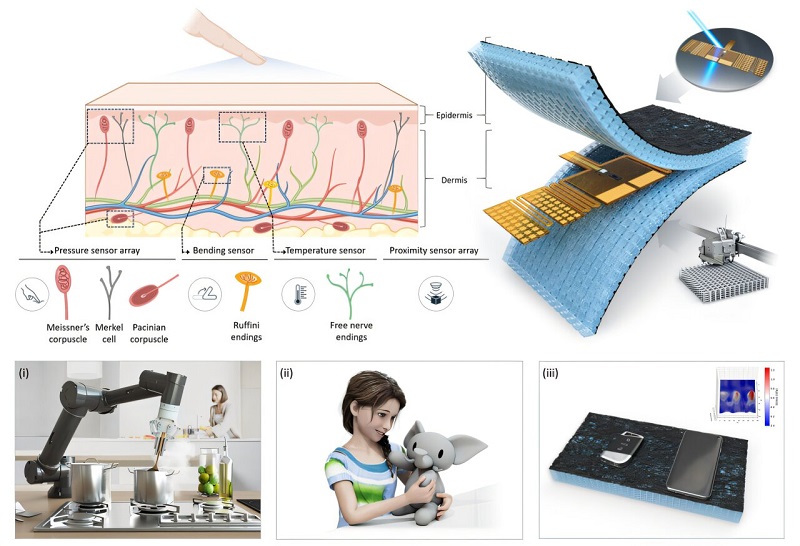
Researchers in South Korea have developed a new type of electronic skin that can be made directly where it is needed, potentially opening the door to smarter robots, advanced wearable devices, and more interactive technologies. Electronic skin, often called e-skin, is a thin and flexible material filled with sensors that can detect pressure, touch, and […]

The post New electronic skin can be made onsite, bringing smarter robots and wearables closer to reality appeared first on Knowridge Science Report.

  •  

Ice cream ingredient could help turn dirt into 3D-printed homes

An ingredient commonly used in ice cream may help scientists transform ordinary dirt into a new generation of environmentally friendly building materials. Researchers at the University of Colorado Boulder have discovered that sodium alginate, a substance made from seaweed and often used to improve the texture of foods, can make natural materials like clay and […]

The post Ice cream ingredient could help turn dirt into 3D-printed homes appeared first on Knowridge Science Report.

  •  

New Technology Uncovers How the Heart Produces Cells with Regenerative Potential

In a groundbreaking advancement for cardiovascular science, researchers at the Centro Nacional de Investigaciones Cardiovasculares Carlos III (CNIC) in Spain, in collaboration with the Karolinska Institute in Sweden, have devised a cutting-edge technique to analyze the proteome of individual cardiomyocytes. These cells, essential for heart contraction, have long eluded comprehensive single-cell proteomic scrutiny due to technological limitations. This novel approach now allows for a detailed protein-level characterization of single heart muscle cells, opening unprecedented avenues for understanding heart biology and regeneration.

The heart has traditionally been viewed as an organ comprised of relatively homogeneous cardiomyocytes. However, recent findings highlight remarkable heterogeneity even within this single cell type. Variability in protein expression among cardiomyocytes may underpin differences in their functional capacity and regenerative potential. This study, published in Genome Biology, leverages an innovative integration of optimized cell isolation methods, advanced mass spectrometry, and sophisticated bioinformatic algorithms to dissect this proteomic diversity with extraordinary precision.

Central to their investigation was Myc, a transcription factor already noted for its role in regenerative strategies for heart repair. Despite its promise, until now the specific mechanisms by which Myc modulates protein expression in individual cardiomyocytes remained elusive. Applying their novel single-cell proteomics technology, the researchers uncovered that Myc expression differentially alters metabolic enzyme levels across single cardiomyocytes. This heterogeneity results in a subset of cells exhibiting distinct immature states, which in turn possess enhanced regenerative potential—a finding that transforms our comprehension of how cardiac regeneration might be selectively targeted.

The technical feat achieved by these scientists hinges on the fusion of multiple cutting-edge methodologies. First, the meticulous isolation of adult mouse cardiomyocytes ensures viable, intact cells reflecting true physiological states. These cells then undergo mass spectrometry procedures tailored for minute sample volumes, capable of identifying thousands of proteins with high sensitivity and quantitative accuracy at the single-cell level. The ensuing data are processed with bespoke computational pipelines designed to handle the intrinsic variability and noise characteristic of single-cell omics measurements.

By revealing the proteomic fingerprints that distinguish a pro-regenerative subpopulation of cardiomyocytes, this research elucidates a previously uncharted layer of cardiac cellular complexity. Understanding how Myc drives metabolic remodeling at the protein level provides a molecular explanation for its regenerative effects and establishes a foundation for engineering therapeutic approaches that harness or mimic these cellular states.

Regeneration in the adult mammalian heart remains a formidable challenge, owing largely to the low intrinsic capacity of cardiomyocytes to proliferate or replace damaged tissue after injury such as myocardial infarction. Previous models relying largely on bulk tissue analyses have masked the nuanced cellular dynamics at play. This single-cell approach offers resolution sufficient to detect rare but critical cell subsets that might hold the key to effective myocardial repair.

Moreover, this study underscores the transformative impact of integrating proteomics with single-cell biology, moving beyond transcriptomic analyses that often fail to predict functional protein abundance accurately. Proteins, as the primary effectors of cellular function, are the crucial link between gene regulation and phenotype. Hence, this proteomic lens provides a direct readout of the biochemical state of cardiomyocytes under regenerative cues.

The implications of this work extend beyond cardiac biology. It exemplifies the broader potential of single-cell proteomics to deepen our grasp of cellular heterogeneity in health and disease, from cancer biology to neurodegeneration. The refinement and dissemination of such methodologies will empower researchers across biomedical fields to uncover subtle but impactful cellular states previously hidden in ensemble measurements.

Miguel Torres and Jesús Vázquez, who co-led the CNIC teams responsible for this study, emphasize the critical novel insights gained. According to them, dissecting Myc’s action at the single-cell level illuminates pathways and protein networks that govern cellular immaturity and regeneration, which are masked in population-level studies. This knowledge fundamentally shifts how regenerative medicine strategies might be designed, focusing on targeted modulation of key proteins identified within pro-regenerative cardiomyocyte subgroups.

Consuelo Marín-Vicente, the study’s first author, highlights the heterogeneous response to Myc induction in adult cardiomyocytes. Instead of a uniform effect, Myc induces diverse proteomic profiles, driving some cells toward a state primed for regeneration. This discovery points to the existence of intrinsic regulatory mechanisms that govern cardiomyocyte plasticity, with possible manipulation routes to expand these favorable subpopulations therapeutically.

This advancement also signifies a leap toward personalized regenerative therapies. By characterizing the protein signatures specific to regenerative-competent cardiomyocytes, future interventions could selectively enhance these signatures in patient hearts, enabling more effective recovery post-injury. It also offers biomarkers to monitor therapeutic efficacy or to stratify patients likely to benefit from Myc-based or related regenerative treatments.

The CNIC, recognized as a Severo Ochoa Center of Excellence and funded by a unique public-private partnership, remains at the forefront of cardiovascular research. Under the leadership of Dr. Valentín Fuster, CNIC’s mission to translate scientific discoveries into clinical innovations is exemplified by this study’s promise. Collaboration with leading international centers like the Karolinska Institute further underscores the global effort to unravel heart regeneration’s complexity.

In sum, by pioneering a technique for single-cell proteomic analysis of adult cardiomyocytes, this research opens transformative possibilities for cardiovascular medicine. It elucidates how transcription factors like Myc can orchestrate heterogeneous proteomic landscapes within single cells, generating subpopulations equipped with regenerative capabilities. These insights herald a new era in designing precision therapies that could one day restore heart function after injury, dramatically improving outcomes for millions suffering from cardiovascular diseases worldwide.


Subject of Research: Cells

Article Title: Pro-regenerative fingerprints identified in a sub-population of adult mouse cardiomyocytes by integrative single-cell proteomics

News Publication Date: 22-May-2026

Web References:
10.1186/s13059-026-04110-1

Image Credits: CNIC

Keywords

Cardiomyocytes, Single-cell proteomics, Myc transcription factor, Heart regeneration, Mass spectrometry, Cellular heterogeneity, Cardiovascular disease, Protein expression, Regenerative medicine, Proteome, Metabolic enzymes, Cardiovascular research

  •  

This flying solar-powered platform could deliver better internet from the air

As soon as August, a giant silver bullet will cut its way through the dry air of the southwestern US and cross the Pacific to reach the coast of Japan. 

Once there, the roughly 200-foot-long craft, built by the New Mexico–based company Sceye, will park some 18 kilometers above the ocean’s surface, in a wispy-thin layer known as the stratosphere. Then it will use a custom-built antenna to supplement Softbank’s 5G network, a test that will include beaming data straight to devices. 

Sceye (pronounced “sky”) is one of several firms building a class of airborne craft called HAPS, or high-altitude platform stations or systems. Such a platform can be a plane or a balloon or, yes, an oblong craft filled with helium and outfitted with solar panels. HAPS companies, including the Airbus subsidiary Aalto, envision them serving a variety of lofty purposes, such as delivering internet service to disaster sites and observing Earth’s surface. 

a silver blimp-like aircraft hovering over a field
Hovering over Roswell, the high-altitude system is sheathed in lightweight, reflective fabric.
COURTESY OF SCEYE

The stratosphere is a good place to be if you want to cover a large area. It’s also much closer to the ground than even the lowest-orbiting satellites, which means sending down a signal takes far less energy. “What we ultimately offer is space-like conditions, without the cost of going to space and without the complexity of being in orbit,” says Mikkel Vestergaard Frandsen, Sceye’s CEO and founder.

But it’s also not so easy to stay there. Sceye’s aircraft, Frandsen says, has to be light enough to stay aloft but also strong enough to carry the necessary systems. It must soak up and store enough solar energy during the day to provide around-the-clock power to an electric fan that can maneuver the HAPS back into place when winds knock it out of position—mettle it proved in a 2024 test flight.

Since then, Sceye has been preparing for its big Japan test. In the flight pictured here from this spring, for example, the craft stayed aloft for 12 days as it flew to the coast of Brazil and spent more than 88 hours “parked” in various locations. Eventually, the company expects its platform could help satellite operators better serve densely populated areas.

Someday, Frandsen says, spotting a HAPS may be as common as seeing ships at port or trains on the tracks.

  •  

A Plastic Motor Just Defied a Century of Engineering Assumptions

Electricity Sparks Outside Concept ArtElectrostatic forces enable low-voltage actuation without relying on rare earth materials. Nearly every electric motor in modern life, from the fan on your desk to the motor in an electric vehicle, relies on magnetism. For more than a century, magnetic fields have dominated motor design because electrostatic forces were considered too weak for practical machines. [...]
  •  

AI gives building inspection photos the location data they were missing

When a building inspector takes a photo of a cracked wall, a leaking pipe or a faulty ceiling panel, that image carries almost no information about where exactly it was taken. There's no GPS signal indoors, and manually recording locations is slow, error-prone and easily forgotten. As a result, thousands of inspection photos sit in folders with no spatial context, making it hard to track problems over time or link them to the correct part of a building's maintenance records.

  •  

Infrared filter could help detect pollution and disease

Researchers have developed a tiny, electrically tunable infrared filter that could help shrink bulky thermal sensing systems onto portable chips—a technology that could lead to handheld pollution detectors, compact multispectral cameras and next-generation chemical sensing devices.

  •  

Brewing sustainable power from used coffee grounds

What if your daily coffee routine could help power the world around you? 

Scientists are exploring ways to transform everyday waste, like spent coffee grounds, into materials for greener energy production. One promising method, called triboelectrification, uses electricity generated from motion. With this approach, materials that gain positive and negative charges are rubbed together to generate an electrical charge that can be harnessed by devices called triboelectric nanogenerators, or TENGs. TENGs are a greener alternative to fossil fuels because they generate electricity from everyday movement, such as pedestrian or vehicle motion. 

However, many negatively charged materials used in these devices are made from nonbiodegradable plastics, like PTFE, that persist as long-term waste in the environment. Over time, TENGs are also easily damaged by environmental conditions outside the laboratory. To create sustainable TENGs for real-world applications, scientists need to develop biodegradable and durable designs. 

To address this problem, researchers from Guangxi University in China developed a TENG that uses coffee grounds as its negatively charged material. Their design repurposes coffee waste to create a robust, low-cost device that can harvest energy.

To create the coffee-based material, the researchers mixed coffee grounds with a biodegradable glue-like plastic called polycaprolactone (PCL). They heated this mixture to 80°C (176°F) and molded it into cylindrical pellets. Then, they used a biodegradable plastic called polylactic acid (PLA) to 3D-print a fully enclosed box-like TENG containing vertical channels arranged like the parallel slots of a file organizer to house the pellets. 

Their TENG worked by shaking the coffee ground pellets within the channels, causing them to repeatedly rub against the PLA surfaces. Because coffee grounds strongly attract electrons, the pellets become negatively charged while the PLA surfaces become positively charged. This repeated pellet movement drove the electrons back and forth, generating electricity that was harvested through the TENG’s external circuit. 

To evaluate their TENG’s electrical performance, the researchers used an instrument that measures small amounts of electricity, called an electrometer. The electrometer measures electrical output based on how strongly the device pushes electrons through a circuit, called its voltage, how quickly electrons flow through it, called its current, and how many electrons flow through it, called its transferred charge.

The researchers verified that coffee ground pellets could serve as a viable TENG material by comparing their performance with commercial plastic pellets. The coffee ground pellet system produced a voltage of 0.6 Volts (V), a current of 18 nanoamperes (nA), and a charge transfer of 0.25 nanocoulombs (nC). This output was more than twice that of pure PCL pellets and over half that of nonbiodegradable PTFE. The researchers suggested that the negatively charged components of the coffee grounds altered the surface of the PCL to increase its charge generation and transfer. 

To optimize the TENG, the researchers experimented with different coffee grounds to PCL mass ratios, pellet lengths, and device vibrational frequencies. They found that their device achieved the best electrical performance at a 3:1 ratio of coffee grounds to PCL, with 8 millimeter long pellets, at a vibrational frequency of 2.6 Hertz. These conditions boosted the device’s electrical output to 4.7 V, 75 nA, and 1.3 nC, high enough to power tiny environmental sensors. 

The team also tested their device’s long-term durability by comparing its electrical performance before and after 6 months of storage. They observed only a 6% drop in voltage after storage, demonstrating that it could maintain stable long-term electrical performance for at least 6 months. 

Finally, to explore real-world applications, the researchers integrated 4 TENGs into a wind-energy harvesting system designed for remote island settings. The system used a wheel of rotating cups to capture wind energy and a sliding mechanism to convert it into repeated shaking of the TENGs. As the TENGs shook, the moving pellets inside generated enough electricity to power an LED light and a small weather-monitoring device. 

The researchers concluded that spent coffee grounds can function as biodegradable TENG materials while reducing dependence on fossil fuel-derived materials. By combining coffee waste with biodegradable plastics, the researchers created a TENG with good electrical performance, sustainability, and long-term stability. They suggested that with further development, the device could someday power road warning lights and provide sound-based alerts in remote areas.

The post Brewing sustainable power from used coffee grounds appeared first on Sciworthy.

  •  
❌