❌

Reading view

'A weird result from an already weird hominin': Archaeologists discover all Homo naledi skeletons found in South African cave are female

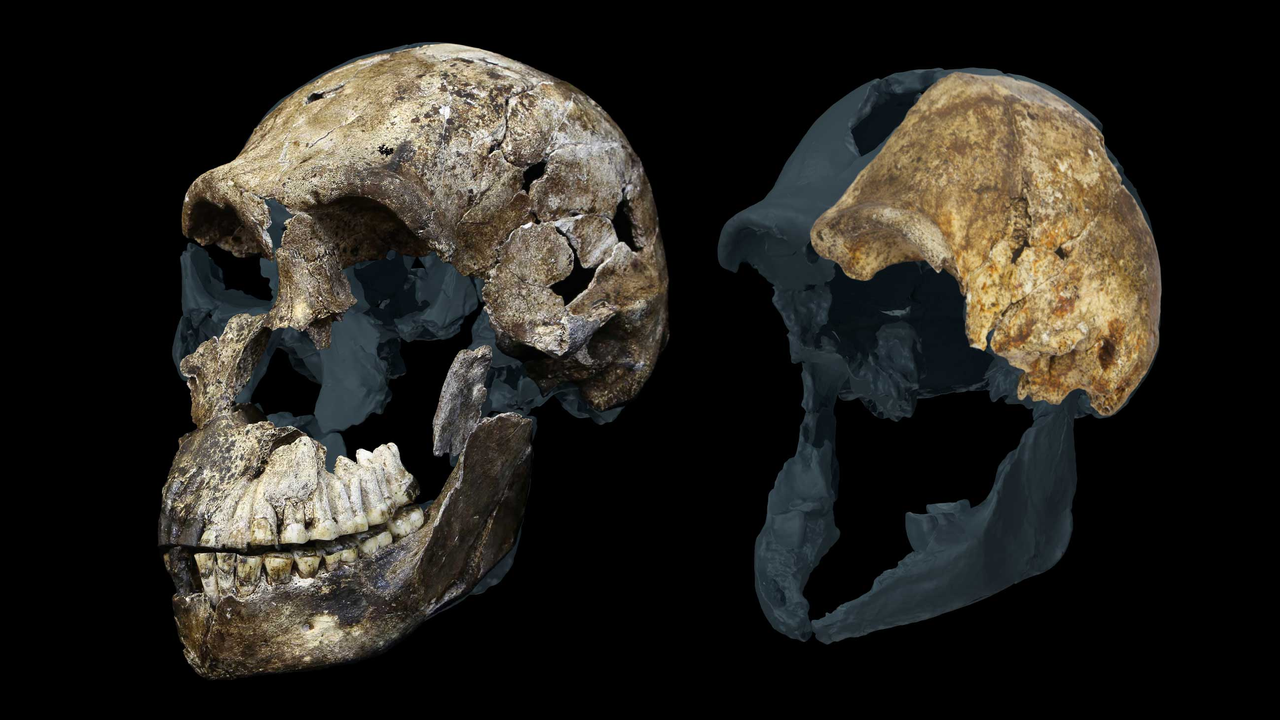
For the first time, archaeologists have analyzed the genetic material of Homo naledi, a mysterious 300,000-year-old relative of modern humans discovered deep in a South African cave system. What they found is unique in human evolution studies: Every skeleton known from the species is female.

"I think it is fair to say that they surprised us," Lee Berger, a National Geographic explorer-in-residence, told Live Science in an email, but H. naledi "has always been an enigmatic discovery."

Since 2013, Berger has headed the Rising Star project, which discovered nearly two dozen skeletons of small-brained, two-legged creatures, which the research team named H. naledi, within a cave system in South Africa's Cradle of Humankind.

Research over the past decade has revealed that H. naledi was unusual for having a small brain and upper body, similar to earlier australopithecines like Lucy, but a face, hands and lower limbs that were more human-like. In 2023, the Rising Star team suggested H. naledi may have used fire in the cave, and in 2025, they advanced the controversial claim that H. naledi buried their dead — a complex behavior unexpected for a human relative with such a small brain.

But a new study of H. naledi teeth published Wednesday (June 24) in the journal Cell may bolster the team's interpretation of the Rising Star cave as a burial site.

An international team of experts studied 20 teeth from H. naledi skeletons using proteomic analysis, a minimally destructive technique that sequences genetic material from ancient proteins. Proteomics is a burgeoning field, especially because these proteins can last longer than DNA. The team focused on amelogenin genes (AMEL), which code for proteins in dental enamel and vary by sex. While the gene variant called AMELX is found in both males and females, another one, AMELY, is found only in biological males.

In analyzing the H. naledi teeth, the team found no AMELY genes but plenty of AMELX ones, suggesting that all of the skeletons were from females. These included the nearly complete skeleton of Neo and DH1, the main representative of the species, both originally assumed to be male.

The result is surprising because there are no known ancient human cemeteries or collections of nonhuman primate skeletons that contain only females.

"The most likely reason for these robust results are, in my opinion, cultural selection after death for burial by sex and perhaps gender," Berger said. "There are many past human societies with sex-specific burial practices," study co-author John Hawks, a paleoanthropologist at the University of Wisconsin-Madison, said in a statement, but the H. naledi skeletons "are older than any known Neanderthal or modern human burial site, and it's remarkable to see that they may all be female."
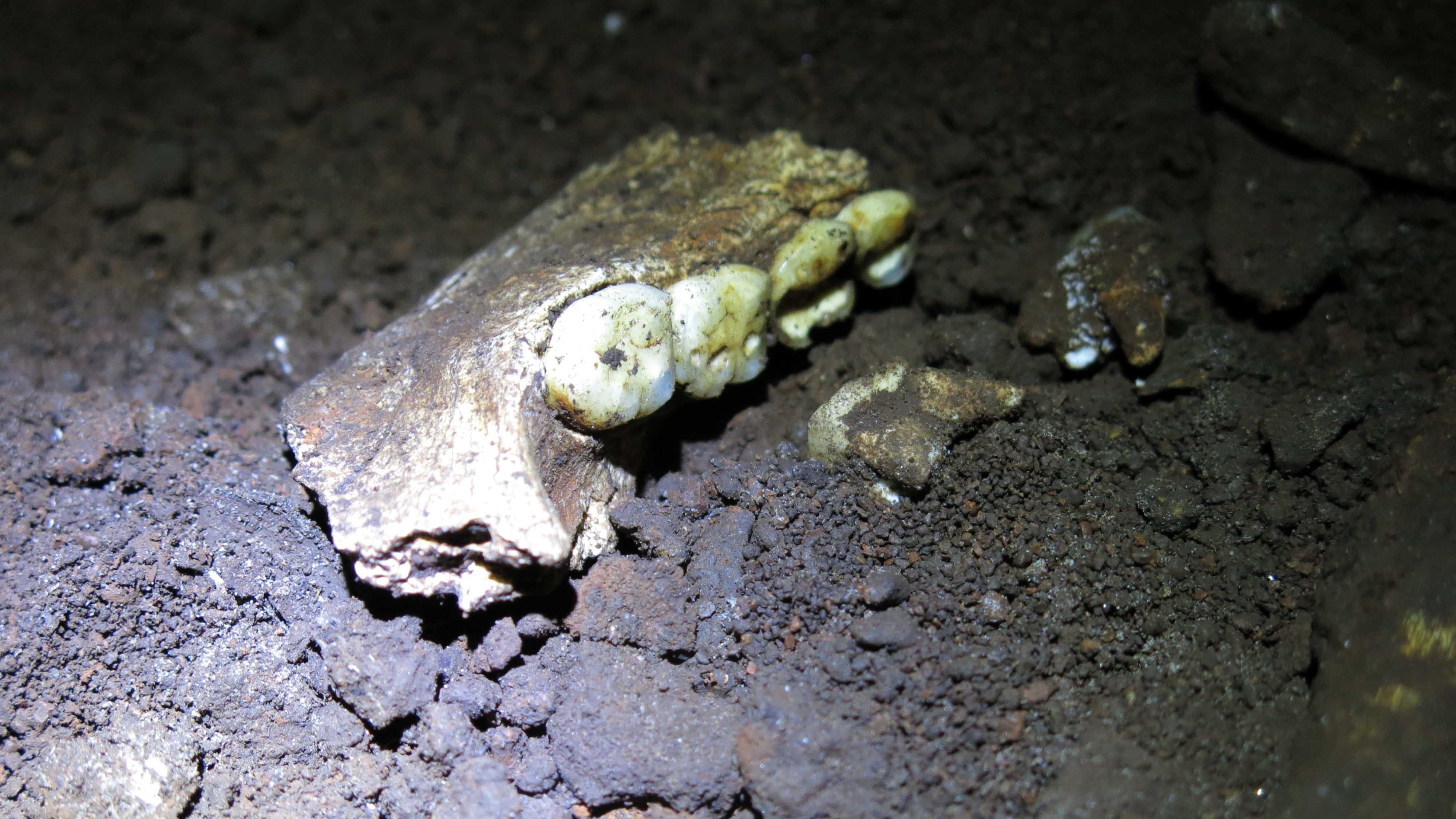
ancient teeth in a jaw on the floor of a cave

A partial jawbone with teeth from Homo naledi lies was found in the Rising Star cave system. (Image credit: Mathew Berger / Rising Star Program)

"An already weird hominin"

The discovery that everything we know about H. naledi comes from female skeletons has surprised paleoanthropologists.

"The bottom line is this is a weird result from an already weird hominin," Elizabeth Sawchuk, curator of human evolution at the Cleveland Museum of Natural History, who was not involved in the study, told Live Science in an email. "The key thing to remember is that failure to detect evidence of AMELY does not mean there are no males in the sample — it just means that none were detected."

One possible reason for the lack of this gene in H. naledi skeletons is an AMELY gene deletion that is known to occur very rarely in some modern-human populations and that has been found in one Neanderthal male. If the AMELY gene doesn't exist in this H. naledi group, then the protein profiles of males would look identical to the profiles of females.

However, "it's very unlikely that this would be the case among even half of the 20 individuals we studied or for an entire population," study co-author Enrico Cappellini, a paleoproteomics professor at the University of Copenhagen in Denmark, said in the statement. "Either scenario, namely the absence of H. naledi males in the Rising Star cave system or a systematic deletion of their AMELY gene, is fascinating and would have deep implications for a better understanding of the biology and evolution of this species."

Studies of H. naledi, a species known from a single site, "continue to yield more questions than answers," Sawchuk said. "As the authors point out, this is a surprising result that requires more investigation."

Other hominins in South Africa

A second surprising result in the proteomic analysis was that H. naledi shares a gene variant with Paranthropus robustus, a human relative with a massive face and teeth that lived in South Africa around 1 million to 2 million years ago.

Proteomic analysis of four P. robustus skeletons in 2025 proved that limited genetic material could be recovered from ancient human relatives in Africa. The new study has revealed that some members of this species and H. naledi shared a gene variant related to collagen production, which is different from the genes found in modern humans, Neanderthals and Denisovans.

While H. naledi and P. robustus inhabited the same general geographic area, it is unclear if they lived there at the same time and overlapped or if they may have had an ancestor-descendant relationship.

"It is early days for sampling fossil hominins with ancient proteins, and until we build a better, bigger sample, we just don't know" what the shared genetic variant means, Berger said.

Building a larger database of ancient proteins from other human relatives that evolved in Africa, such as Australopithecus africanus and Homo erectus, may clarify where H. naledi fits into the picture of human evolution.

"Key data are missing from H. erectus and A. africanus that would help put this evidence into context," Sawchuk said. "For now, this is another curious finding that bears further investigation."

a scientist with dark skin and glasses wears white scrubs and blue gloves to test something

Study lead author Palesa Madupe has pioneered techniques to extract proteins from fossils. (Image credit: Alberto Taurozzi / Rising Star Program)

What does sex change?

In 2015, Berger and colleagues named the new hominin H. naledi and described what they presumed to be male and female variants of the species based on the skeletons' sizes. In many groups of human relatives and in modern humans, males are physically larger than females, on average. This assumption led the researchers to classify the presumed male individual DH1, discovered in the Dinaledi chamber of the cave, as the main representative of the new species.

But a 2024 study was the first to question the assumption that the H. naledi skeletons came from two sexes. In that study, researchers found variation in the teeth of H. naledi that was "so low that the possibility that one sex is represented by few or no individuals in the sample cannot be excluded," they wrote.

"Our study helps resolve the long-standing mystery of why Homo naledi lacked significant variation," study first author Palesa Madupe, a researcher at the Max Planck Institute for Evolutionary Anthropology in Germany, said in the statement. "It's probably because they could have all belonged to one sex."

If the proteomic sex analysis is correct and H. naledi does not have AMELY deletion issues, it means everything we know about the species comes from females. But this doesn't mean interpretations of the species are wrong.

"The only thing that has changed is that we have never seen a male!" Berger said. "When and if we do, we will have to extend the description to include male sex characters and the likely extension of certain aspects of variation."

The researchers hope their study paves the way for more proteomic analyses of human relatives in the future.

The new analysis proves that protein analysis of fossils from the Pleistocene (2.58 million years ago to 11,700 years ago) can be done in a minimally destructive way, Madupe said. "This means potentially opening the door to a whole new way of sustainably investigating the differences between sexes in groups of extinct hominins and other animals without causing visible damage to these priceless fossils."

What do you know about early humans? Test your knowledge with our human origins quiz!
  •  

From Darkness to Light: How Blind Mexican Cavefish Reveal Brain Evolution

Deep within the labyrinthine caves of northeastern Mexico dwells a remarkable species of fish, the blind Mexican cavefish (Astyanax mexicanus), whose evolutionary journey over hundreds of thousands of years has led it to adapt to a life shrouded in perpetual darkness. This fish has lost its eyes and pigmentation, hallmark traits of cave-dwelling organisms, while simultaneously acquiring a suite of physiological and behavioral adaptations tailored to survive in nutrient-scarce subterranean environments. Its dual existence as both a sighted surface fish and numerous independently evolved cave forms presents a unique biological system for examining how extreme environments drive evolutionary changes in brain structure, sensory processing, and behavior.

Researchers from Florida Atlantic University, collaborating with experts from institutions across the United States, have leveraged cutting-edge genetic and imaging technologies to decipher the neural underpinnings that distinguish cavefish from their surface relatives. By employing genetically engineered lines of this species that express fluorescent markers in their neurons, the scientists conducted real-time, whole-brain imaging at cellular resolution, unveiling intricate patterns of neural activity in response to sensory stimuli. This approach allowed direct comparison of neural circuitry when fish were exposed to alternating light and dark conditions, providing profound insights into how evolution recalibrates brain function to orchestrate behavior appropriate for radically different environments.

The study, recently published in Science Advances, reveals an astonishing reversal in sensorimotor behavior between the two ecotypes. Whereas surface fish exhibit increased locomotor activity upon sudden darkness—presumably an adaptive mechanism to enhance exploration for light sources—the cavefish respond inversely, with heightened activity triggered by light exposure. This counterintuitive response is theorized to serve as an adaptive avoidance strategy, steering cavefish away from illuminated cave entrances where predation risk and environmental fluctuations are higher. Such behavioral rewiring exemplifies how neural circuits can be evolutionarily repurposed rather than completely reinvented.

Central to this behavioral dichotomy is the alteration of activity within the posterior tuberculum, a brain region long implicated in sensorimotor integration and motivational states. The researchers identified not only region-specific shifts in activity patterns but also characterized a previously undescribed neuronal cell type that appears to play a pivotal role in mediating light-evoked responses. Intriguingly, neurons that in surface fish were activated by darkness exhibited robust activation in cavefish under light stimulus, underscoring the concept of evolutionary neural circuit reutilization. This finding challenges conventional assumptions that new behaviors necessitate de novo neural architectures and instead supports a model where existing circuits are modified to generate novel functional outputs.

Further mechanistic insights emerged from the investigation of dopaminergic signaling pathways. Dopamine, a neurotransmitter extensively involved in motor control, reward processing, and sensory modulation across vertebrates, was found to be centrally implicated in mediating these light-driven behavioral shifts. The study demonstrates that evolutionary tuning of dopamine circuits underlies the behavioral adaptation in cavefish, representing a conserved neurochemical axis modified through natural selection. This work sheds light on the plasticity and evolutionary potential of neuromodulatory systems in shaping species-specific behaviors.

These findings have significant implications beyond the realm of evolutionary biology. Since dopaminergic circuits are highly conserved from fish to mammals, understanding how these systems adapt to environmental pressures provides a window into fundamental brain functions relevant to health and disease. For example, alterations in dopamine signaling underlie numerous neurodevelopmental and neurodegenerative disorders in humans, including Parkinson’s disease, schizophrenia, autism spectrum disorders, and attention deficit hyperactivity disorder (ADHD). By elucidating natural mechanisms of dopamine circuit modification, this research may inform therapeutic strategies targeting related pathologies characterized by dysregulated sensory processing and motor responses.

The genetically controlled inheritance of photokinetic behavior further underscores the robustness of these adaptations. Crossbreeding experiments between surface fish and cavefish yielded hybrid offspring exhibiting a spectrum of activity responses to light and dark, confirming that these sensorimotor traits are encoded within the genome. Dissecting the genetic loci and developmental pathways responsible for remodeling neural circuits remains a crucial next step. Such investigations promise to unravel molecular drivers of behavioral evolution and highlight how genetic variation translates into neural and behavioral diversity.

The blind Mexican cavefish stands as an exemplary model system to probe how sensory systems are sculpted by evolutionary forces and how brains dynamically reconfigure to interpret environmental signals. By disentangling the neural rewiring that facilitates survival in total darkness, researchers gain a clearer picture of how sensory inputs are transformed into adaptive motor outputs. This contributes to a broader understanding of brain evolution applicable across vertebrates and illustrates nature’s ingenuity in leveraging existing neural frameworks to solve complex ecological challenges.

Through advanced imaging and behavioral quantification, the Florida Atlantic University team has carved new ground in charting the neural circuit modifications that underpin a dramatic shift from dark-evoked to light-evoked photokinesis. This work provides a compelling paradigm illustrating that evolution does not invariably mandate the invention of novel structures but can preferentially repurpose and recalibrate pre-existing neural substrates to generate behavioral novelty.

The evolutionary narrative of the blind Mexican cavefish enriches our comprehension of neuroecology—the study of how nervous systems evolve in response to environmental variables. It reveals that sensory deprivation, far from being a mere loss, can instigate intricate neural and behavioral innovations that confer selective advantages. Such insights deepen our appreciation for the complexity and flexibility inherent in neural systems when confronted with extreme ecological niches.

Finally, this research exemplifies the power of integrative methodologies combining genetics, neurobiology, and behavioral science to unravel the enigma of brain evolution. It paves the way for future interdisciplinary studies to identify specific genes orchestrating neural circuit plasticity, decode developmental mechanisms driving neuronal subtype specification, and ultimately connect genotype to phenotype in a context of evolutionary adaptation.


Subject of Research: Animals

Article Title: Evolution of a central dopamine circuit underlies adaptation of a light-evoked sensorimotor response in the blind cavefish

News Publication Date: 22-May-2026

Web References:
DOI: 10.1126/sciadv.adv3770

Image Credits: Florida Atlantic University

Keywords: Evolutionary biology, Brain, Neurons, Sensory neurons, Photoreceptors, Neurological disorders, Neurodegenerative diseases, Parkinson’s disease, Schizophrenia, Fish, Brain activity maps, Behavioral ecology, Ecological adaptation, Neural pathways, Dopamine pathways

  •  

New Feathered Dinosaur from China Had Peacock-Like Tail

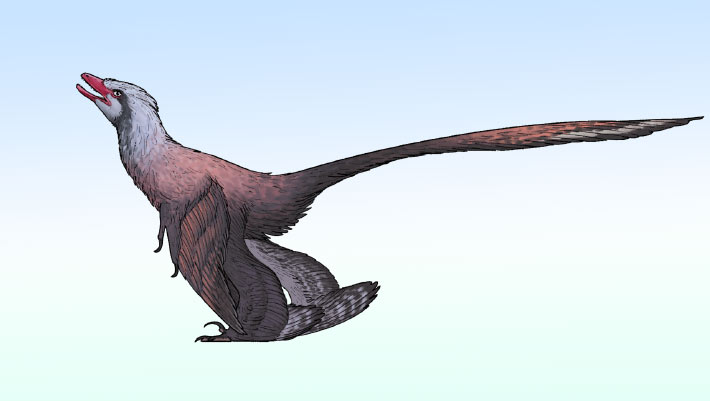
Changzhousaurus sinensis. Image credit: Connor Ashbridge / CC BY 4.0.

A new genus and species of four-winged pennaraptoran dinosaur from the Early Cretaceous of northern China is adding another twist to the story of how birds evolved from their dinosaur ancestors.

The post New Feathered Dinosaur from China Had Peacock-Like Tail appeared first on Sci.News: Breaking Science News.

  •  

Early land animals skipped the tadpole phase

For decades, biologists thought that early tetrapods, ancient vertebrates that started conquering the land over 300 million years ago, developed like modern amphibians—beginning their lives as purely aquatic tadpoles and then metamorphosing into terrestrial adults. “A lot of that comes from this old ‘scala naturae’ idea that you had fish that evolved into the next stage up, which were amphibians, and then amphibians evolved into the next stage up, which were reptiles that evolved into birds and mammals,” said Jason Pardo, a research associate at the Field Museum.

We’ve never had evidence that early tetrapods had an amphibian lifestyle; we have assumed it because it made intuitive sense. “It’s easier to make the transition from water to land if you’re already making that transition as part of your life cycle,” Pardo said. But now, a new Science study that Pardo co-authored with Arjan Mann (the Field Museum's assistant curator of early tetrapods) shows our most basic assumptions about the first tetrapods that started living on land might be wrong.

Baby monsters

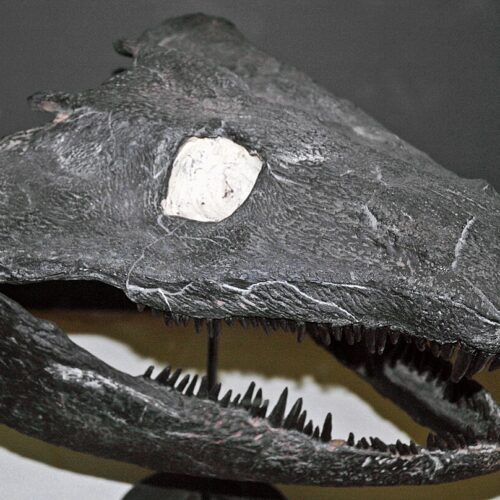
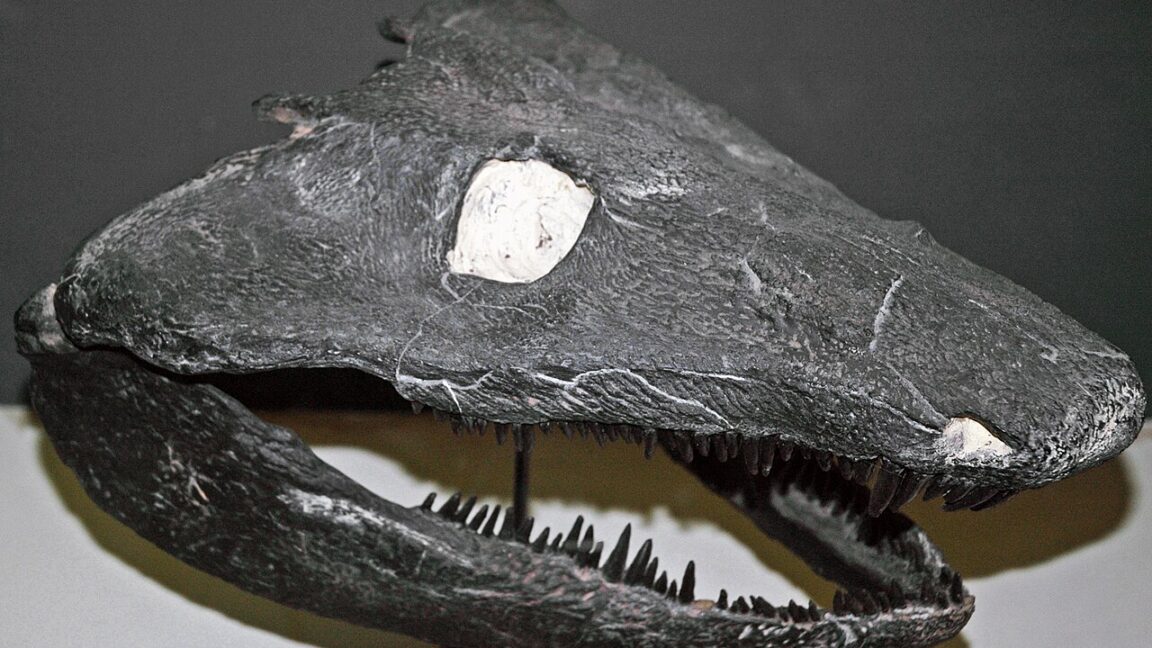
The researchers' study focused mainly on embolomers, an extinct group of large predators that lived roughly 300 million years ago. Embolomers looked like a cross between a crocodile and an eel, with large skulls full of sharp teeth, followed by long, eel-like bodies. It had short, stocky limbs adapted mainly for paddling in water, but also capable of powering brief, clumsy excursions on land. They are thought to be one of the first vertebrates that made a partial transition from an aquatic to a terrestrial lifestyle. These animals could reach over three meters in length, but to understand the very beginning of their life cycle, scientists focused on examining some of their centimeter-scale babies.

Read full article

Comments

© James St. John/Wikimedia

  •  

Scientists Say Frequent Ejaculation May Improve Sperm Quality and Fertility

Sperm IllustrationStored sperm may age faster than reproductive medicine has assumed, suggesting that shorter abstinence periods could benefit fertility outcomes. For decades, men undergoing fertility testing or treatment have often been advised to abstain from ejaculation for several days beforehand, based on the assumption that longer storage allows sperm counts to build up. But a major [...]
  •  
❌