❌

Reading view

Scientists Discover the “Achilles’ Heel” of Two of the World’s Deadliest Diarrhea Bacteria

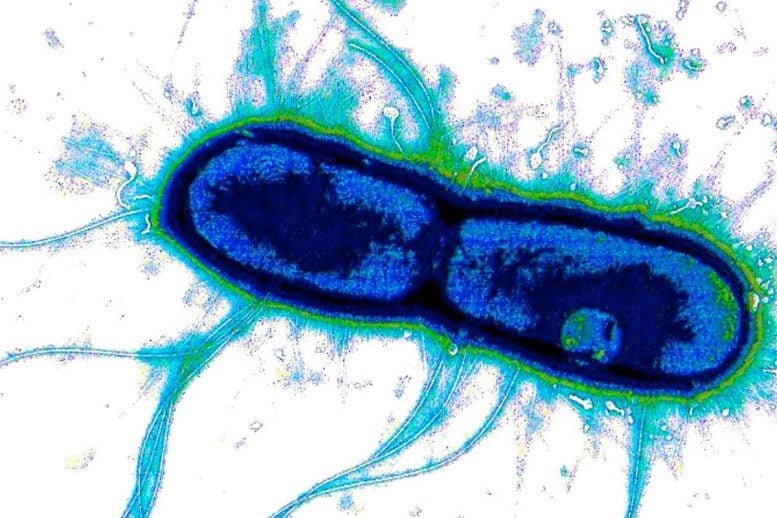
Fleckenstein ETECScientists have uncovered a shared target used by multiple diarrhea-causing bacteria to invade the gut. Despite decades of research, scientists still do not have vaccines against two of the world’s most common causes of severe bacterial diarrhea: enterotoxigenic E. coli (ETEC) and Shigella. Together, these pathogens infect hundreds of millions of people each year and [...]
  •  

Reeves Rakes in Extra £9.8 Billion From Stealth Taxes in Just Two Months in Breach of Labour Pledge

Chancellor Rachel Reeves has received an extra £9.8 billion in the first two months of this tax year from frozen thresholds in breach of Labour's election pledge not to raise taxes on working people.

The post Reeves Rakes in Extra £9.8 Billion From Stealth Taxes in Just Two Months in Breach of Labour Pledge appeared first on The Daily Sceptic.

  •  

Blood IL-6 Drives Depression in Atopic Dermatitis Mice

In a groundbreaking study that illuminates the intricate interplay between the immune system and mental health, researchers have unveiled a pivotal molecular mechanism linking atopic dermatitis, a chronic inflammatory skin condition, to depressive symptoms. Published in Translational Psychiatry, the study spearheaded by Matsuda, Muko, Moon, and colleagues highlights the role of blood interleukin-6 (IL-6) as a critical trigger for depression in a mouse model replicating human atopic dermatitis. This revelation not only deepens our understanding of the biological pathways that connect systemic inflammation with neuropsychiatric manifestations but may also catalyze novel therapeutic strategies targeting inflammatory cytokines to alleviate depression associated with chronic inflammatory diseases.

Atopic dermatitis, commonly known as eczema, affects millions worldwide and is notoriously characterized by episodic, intense itching and inflammation of the skin. While predominantly studied for its cutaneous symptoms, accumulating clinical evidence has shown that patients with atopic dermatitis frequently exhibit comorbid psychiatric issues, such as anxiety and depression. However, the mechanistic underpinnings that establish a causal link between skin inflammation and mood disorders have remained elusive. The present study bridges this knowledge gap by focusing on IL-6, a well-recognized pro-inflammatory cytokine implicated in diverse physiological and pathological processes, including immune regulation, infection response, and now, neuropsychiatric disorders.

The research involved a sophisticated mouse model genetically engineered to mimic human atopic dermatitis, enabling the authors to observe both peripheral immune responses and central nervous system changes associated with chronic skin inflammation. Over the course of the experiments, blood samples were analyzed for inflammatory mediators, revealing significantly elevated IL-6 levels in mice developing atopic dermatitis-like symptoms. This systemic rise in IL-6 was temporally correlated with the onset of depressive-like behaviors, such as reduced motivation and social withdrawal, as assessed by established behavioral paradigms.

Critically, the investigators did not stop at correlation but probed the causality of this relationship through a series of mechanistic experiments. By pharmacologically blocking IL-6 signaling pathways, they observed a remarkable attenuation of depressive symptoms in affected mice, without altering the severity of the skin lesions. This dissociation suggests that blood IL-6 acts as a signaling molecule communicating peripheral inflammatory status to the brain, thereby directly influencing mood and behavior independently from the physical discomfort of skin irritation.

Delving deeper into the neurobiological impact of IL-6, the study explored how elevated systemic IL-6 might affect brain regions crucial for mood regulation. Using immunohistochemistry and gene expression analyses, the researchers identified activation of microglial cells, the brain’s resident immune cells, within the hippocampus and prefrontal cortex—areas heavily implicated in depression. This microglial activation was associated with increased production of local inflammatory mediators and suppressed neurogenesis, factors known to contribute to depressive pathology, thus mapping a detailed pathway from peripheral inflammation to central nervous system dysfunction.

The implications of these findings are profound for clinical practice. Current treatments for atopic dermatitis largely focus on topical therapies and immunosuppressants aimed at skin symptoms, often neglecting the neuropsychiatric burden experienced by patients. Recognizing IL-6 as a critical mediator suggests that adjunctive therapies targeting systemic inflammation—including monoclonal antibodies against IL-6 or its receptor—could not only ameliorate the physical manifestations of atopic dermatitis but also alleviate its psychological sequelae.

Moreover, given that IL-6 is implicated in a broad spectrum of inflammatory conditions beyond atopic dermatitis, these insights may extend to other chronic diseases characterized by elevated inflammatory markers and comorbid depression, such as rheumatoid arthritis or inflammatory bowel disease. This study adds weight to the emerging paradigm that psychiatric disorders in systemic illnesses are not mere psychological reactions but integral components of pathophysiology driven by immune dysregulation.

The team’s approach to modeling human disease in mice allowed for precise temporal and causal investigations otherwise unfeasible in human populations. Nevertheless, future studies will need to validate these mechanistic insights in clinical cohorts and determine the safety and efficacy of IL-6-targeted interventions for depressive symptoms. Given IL-6’s pleiotropic roles, therapeutic strategies will require nuanced modulation to avoid impairing essential immune functions.

This research also underscores the importance of interdisciplinary approaches combining dermatology, immunology, and psychiatry to unravel complex multi-system diseases. As the boundaries between physical and mental health blur at the molecular level, the integration of comprehensive immune profiling in clinical psychiatry could revolutionize diagnosis and personalized treatment, ultimately improving outcomes for patients with inflammatory and mood disorders alike.

On a molecular scale, the role of IL-6 extends beyond inflammation. It is involved in the hypothalamic-pituitary-adrenal (HPA) axis regulation, known to mediate stress responses. Elevated IL-6 may contribute to dysregulation of glucocorticoid signaling, further exacerbating depressive symptoms. The study’s findings suggest that IL-6 might be a nexus point linking immune activation, neuroendocrine disturbance, and behavioral changes, offering a unifying framework to understand inflammation-induced depression.

The study also utilized advanced transcriptomic analyses to map downstream signaling cascades elicited by IL-6 in neuronal and glial populations. These analyses identified upregulation of genes associated with synaptic remodeling, oxidative stress, and apoptotic pathways, reflecting neurotoxic effects that can disrupt neural circuitry. Such molecular signatures provide valuable biomarkers for monitoring disease progression and therapeutic responses.

One of the particularly compelling aspects of the findings is the observation that IL-6 blockade improved depressive-like behavior without reducing skin inflammation, indicating that mood symptoms can be directly modulated independently from the peripheral manifestations of atopic dermatitis. This observation challenges conventional clinical assumptions and opens avenues for selective treatment of comorbid depression in inflammatory conditions without necessarily altering the primary disease state.

The study’s methodological rigor—combining behavioral assays, cytokine profiling, histological analyses, and pharmacological interventions—sets a new standard for research into inflammation-driven psychiatric disorders. It reflects a shift from correlative clinical observations to mechanistic clarity, paving the way for targeted, mechanism-based therapies rather than symptomatic treatments.

Furthermore, these results prompt us to reconsider the diagnostic criteria for depression in patients with chronic inflammatory diseases. The presence of elevated IL-6 (and potentially other cytokines) might help stratify patients who could benefit from immunomodulatory approaches, thereby personalizing treatment and improving prognosis.

In conclusion, the elucidation of blood IL-6 as a critical trigger of depressive symptoms in atopic dermatitis represents a significant leap forward in deciphering the biological links between chronic inflammation and mental health. As research progresses from bench to bedside, these insights hold tremendous promise for transforming the lives of millions suffering from the dual burdens of inflammatory skin disease and mood disorders, moving the needle towards integrated and effective therapeutic paradigms.


Subject of Research:
The study investigates the mechanistic role of blood interleukin-6 (IL-6) in triggering depressive symptoms in a mouse model of human atopic dermatitis, exploring the intersection of systemic inflammation and neuropsychiatric manifestations.

Article Title:
Blood IL-6 is a critical trigger of depressive symptoms in a mouse model for human atopic dermatitis.

Article References:
Matsuda, K., Muko, R., Moon, C. et al. Blood IL-6 is a critical trigger of depressive symptoms in a mouse model for human atopic dermatitis. Transl Psychiatry (2026). https://doi.org/10.1038/s41398-026-04211-2

Image Credits:
AI Generated

DOI:
https://doi.org/10.1038/s41398-026-04211-2

  •  

Shared Auditory Maps Predict Human and Mouse Decisions

In a groundbreaking study poised to redefine our understanding of auditory perception across species, researchers have unveiled strikingly similar auditory perceptual maps in both humans and mice. This discovery not only bridges a crucial gap between animal models and human sensory processing but also offers predictive insight into how perceptual decisions are formed during auditory discrimination learning. The implications ripple across neuroscience, psychology, and artificial intelligence, promising new avenues for studying sensory perception and developing advanced hearing-related technologies.

Auditory perception—the way organisms interpret and make sense of sound stimuli—is a complex process that involves integrating multifaceted sound attributes such as frequency, intensity, and temporal patterns. While mouse models have long been foundational in auditory research due to their genetic malleability and experimental accessibility, skepticism has persisted about the extent to which their perceptual frameworks parallel those of humans. This novel research offers compelling evidence that these frameworks are not only comparable but also exhibit shared underlying structures.

The study employed a sophisticated experimental design in which both human participants and mice were exposed to a wide array of tonal stimuli varying systematically across multiple auditory dimensions. Using advanced computational modeling and neural decoding techniques, the researchers were able to construct perceptual maps—conceptual frameworks representing how different sounds are internally organized within the brain’s auditory space. These maps enabled a quantifiable comparison of perceptual similarity and distance between sounds for both species, revealing a remarkable congruence in their auditory representations.

What makes these findings particularly compelling is the demonstration that these perceptual maps are predictive of behavioral outcomes during discrimination tasks. In other words, the way an individual’s brain groups different sounds predicts how well that individual can distinguish between them in learning scenarios. This link between neural representation and perceptual decision-making underlines a fundamental cognitive mechanism shared across mammalian species, offering crucial insights into the principles guiding sensory learning processes.

Beyond the fundamental science, the implications for translational research are profound. Understanding shared auditory perceptual structures facilitates the development of more accurate animal models for studying hearing impairments and neurological disorders affecting auditory processing. It also guides the design of auditory prosthetics, such as cochlear implants, by informing the algorithms that mimic natural sound perception. By aligning animal and human perceptual frameworks, therapies can be tailored with greater precision and efficacy.

A key technical achievement of the study was the use of multidimensional scaling techniques combined with machine learning algorithms to decode auditory neural responses with unprecedented granularity. The researchers collected high-resolution neural data using electrophysiological recordings in mice and non-invasive neuroimaging in humans. This dual approach allowed cross-species alignment of perceptual space, overcoming previous methodological challenges that hindered direct comparisons between human and rodent sensory processing.

Moreover, the study explored dynamic aspects of perceptual learning by measuring how auditory maps evolve through repeated training sessions. The maps exhibited plasticity reflective of learning-induced changes, emphasizing the adaptive nature of auditory perception. This plasticity was mirrored across both species, suggesting an evolutionarily conserved mechanism for tuning sensory systems based on environmental demands and experience.

One of the study’s most innovative aspects lies in its predictive modeling of discrimination performance. By mapping perceptual distances within the auditory space, the researchers could forecast individual differences in learning speed and accuracy, an advancement that holds enormous promise for personalized auditory training protocols. Such protocols could optimize rehabilitation strategies for individuals with auditory processing deficits by targeting specific perceptual aspects most relevant to their unique neural patterns.

The shared structure of auditory perceptual maps also raises intriguing questions about the evolutionary trajectory of sensory systems. The findings suggest that despite divergent evolutionary paths, fundamental auditory processing architectures remain conserved, supporting efficient sound discrimination necessary for survival and communication. This conservation across species underpins the generalizability of animal research findings to human sensory neuroscience.

Furthermore, these insights pave the way for advancing artificial sensory systems, especially in the realm of auditory artificial intelligence. By modeling computational auditory perception after natural neural maps, engineers can design more sophisticated speech recognition systems and assistive devices that better emulate human-like sound processing. The study’s integrative framework thus acts as a blueprint for creating tonal perceptual algorithms with enhanced contextual understanding.

This research also contributes importantly to theoretical debates surrounding sensory representation. By empirically demonstrating a shared, structured perceptual space, the study challenges views that sensory maps are strictly idiosyncratic or species-specific. Instead, it supports a paradigm that sensory systems leverage common organizational principles, rooted perhaps in fundamental neural coding constraints and environmental pressures shaping auditory perception.

The study’s methodology and results were meticulously detailed in a recent publication, where the authors delineated the computational techniques, behavioral paradigms, and statistical analyses that underscored their conclusions. This transparency fosters reproducibility and invites further interdisciplinary collaboration between computational neuroscientists, experimentalists, and cognitive psychologists aiming to unravel the complexities of sensory perception.

Importantly, these findings hold societal relevance beyond academic circles. Hearing loss and auditory processing disorders affect millions worldwide, often hindering communication and quality of life. Technologies and therapies inspired by a unified perceptual mapping approach could revolutionize auditory rehabilitation, offering hope for more effective interventions grounded in a thorough understanding of perceptual neuroscience.

In conclusion, this pioneering work illuminates the common auditory perceptual code shared by humans and mice, demonstrating that the brain’s representation of sound is not merely a byproduct of species-specific adaptations but a fundamental, conserved neural language. This discovery not only furthers scientific knowledge but also catalyzes innovation in medicine and technology, underscoring the power of cross-species research in unraveling the mysteries of the sensory brain.

As this field develops, future investigations are likely to explore how these perceptual maps interact with other cognitive systems such as memory and attention, and how factors such as age, experience, and pathology modulate the structure and function of auditory perception. With burgeoning advances in neurotechnologies and computational methods, the confluence of cross-species neuroscience and perceptual science promises to unlock new dimensions of understanding sensory experience.

Ultimately, the revelation that humans and mice share auditory perceptual maps that predict learning efficacies serves as a testament to nature’s optimization strategies, propelling a unified framework for deciphering sensory perception. This convergence of biology, computation, and psychology heralds a new chapter in auditory neuroscience with far-reaching implications for science and society alike.


Subject of Research: Auditory perceptual maps and discrimination learning in humans and mice

Article Title: Auditory perceptual maps in humans and mice share common structures and predict perceptual decisions in discrimination learning

Article References:
Seiler, J.PH., Cazzetta, G., Ghobadi, A. et al. Auditory perceptual maps in humans and mice share common structures and predict perceptual decisions in discrimination learning. Commun Psychol 4, 98 (2026). https://doi.org/10.1038/s44271-026-00485-w

Image Credits: AI Generated

DOI: https://doi.org/10.1038/s44271-026-00485-w

  •  

Late-Season Ice-Edge Productivity Revealed in Barents Sea

In a groundbreaking study that promises to reshape our understanding of Arctic marine ecosystems, researchers have uncovered evidence of unexpected biological productivity along the Barents Sea ice edge during the late Holocene. The investigation, led by A.J. Pieńkowski and colleagues, utilized advanced biomarker analysis to trace diatom enrichment—a key indicator of primary production—in sediment cores, revealing complex ecological dynamics that continue to defy conventional seasonal models of polar phytoplankton activity. This discovery has broad implications for climate science, marine biology, and our conceptual frameworks regarding ice-edge ecosystems in a warming Arctic.

The Barents Sea, located north of Norway and Russia, is a key region for studying the effects of climate change on Arctic environments due to its unique position between Atlantic and Arctic waters. Historically, sea ice has been understood to exert a controlling influence over the timing and intensity of phytoplankton blooms, with primary productivity peaking during the spring and early summer months as ice melts. However, the extreme late-Holocene interval analyzed in this study suggests that productivity along the ice edge may extend much later into the seasonal cycle than previously thought, indicating a previously underappreciated ecological niche.

Central to this research is the application of organic geochemical proxies, notably diatom-specific biomarkers such as highly branched isoprenoids (HBIs). These molecular fossils are derived from diatoms—microscopic photosynthetic algae—and provide a window into past productivity and environmental conditions. By examining sediment layers deposited over the last several thousand years, the team identified striking elevations in diatom biomarker concentrations during late-season periods, suggesting not only prolonged but intensified ice-edge productivity.

The implications of these findings are profound, signaling that the timing of phytoplankton blooms may have been more flexible and responsive to environmental variables over millennial timescales than contemporary observations suggest. This shifts paradigms about marine food web dynamics in polar regions, as late-season blooms could support secondary consumers such as zooplankton—and by extension, fish and marine mammals—during periods traditionally seen as low productivity. Such dynamics have likely played a crucial role in shaping Arctic biodiversity through time.

Moreover, the study highlights the interplay between sea ice extent, melt timing, and nutrient availability. While earlier models posited that retreating ice reduces habitat for ice-associated algae and thus limits productivity, these new data reveal a more nuanced picture where late-season melting creates persistent ice edges that serve as hotspots for diatom proliferation. Nutrient enrichment via upwelling and Atlantic water inflow likely contributed to sustaining this productivity, challenging assumptions about the oligotrophic nature of the late melt season.

In terms of methodology, the research exemplifies the cutting-edge integration of paleoceanography and organic geochemistry. Sediment cores were meticulously sampled and subjected to high-resolution biomarker profiling, allowing for temporal reconstructions at seasonal to decadal scales. The use of isotopic analyses further corroborated the timing of these bio-events, lending robustness to interpretations about late-season environmental conditions in the Barents Sea. This methodological sophistication underscores the potential for biomarker proxies to unlock hidden chapters of ecological history.

Notably, the timing of the extreme biomarker enrichments correlates with known climatic variability during the late Holocene, including phases of relative warming and cooling. This temporal correspondence suggests that even subtle shifts in temperature and sea ice dynamics may have orchestrated significant ecological reorganization in polar marine systems. Understanding these past responses is critical as anthropogenic warming accelerates, potentially recreating or amplifying such conditions in the near future.

From a broader perspective, the recognition of late-season ice-edge productivity has ramifications for global biogeochemical cycles. Phytoplankton are pivotal in sequestering atmospheric CO2, and extending the productive season could mean that polar oceans play a more dynamic role in the carbon cycle than appreciated. This discovery invites a reassessment of climate models that currently may underestimate the biological feedback potential of Arctic marine ecosystems during the waning ice season.

The study’s revelations also emphasize the resilience and adaptability of polar marine life. Despite harsh and fluctuating conditions, diatoms and associated microbial communities have exploited ephemeral niches, adjusting phenology and productivity patterns to optimize survival and growth. Such adaptive strategies may become increasingly important as climate perturbations continue to reshape polar habitats, with unknown consequences for ecosystem stability and services.

In practical terms, these findings could inform conservation and management strategies. As the Barents Sea and broader Arctic region become more accessible due to ice retreat, understanding seasonal productivity pulses is crucial for fisheries, indigenous communities, and environmental stewardship. Recognizing late-season productivity hotspots could guide sustainable use and protection of biologically rich zones that emerge under shifting climatic regimes.

Furthermore, this research opens new avenues for interdisciplinary collaboration, bridging paleoclimatology, marine ecology, and environmental chemistry. Future studies may leverage the biomarkers identified here to monitor contemporary changes in Arctic productivity and validate predictive models. Additionally, analogous approaches could elucidate productivity dynamics in other polar and subpolar regions, deepening our global perspective on climate-ecosystem interactions.

Given the rapidity of ongoing climatic change, the temporal insights provided by this late-Holocene study serve as a crucial baseline, contextualizing contemporary observations within a longer-term framework. This historical depth equips scientists and policymakers with a richer understanding of variability and resilience in polar systems, enhancing our capacity to anticipate and mitigate the impacts of a warming world.

In sum, the work by Pieńkowski, Belt, Husum, and their team has decisively expanded our comprehension of ice-edge ecosystems, revealing a vibrant and late-blooming diatom community thriving in conditions once thought marginal or unproductive. Their integration of molecular biomarkers and paleoenvironmental techniques creates a compelling narrative of Arctic productivity that challenges prevailing assumptions and invigorates future research paths. As the Arctic ice retreats, these insights become not only academically fascinating but vitally important for forecasting and managing the biological pulse of the planet’s coldest seas.

This landmark study stands as a testament to the power of interdisciplinary science to uncover hidden complexities within Earth’s most extreme environments, shining a light on the subtle yet dynamic rhythms of life beneath the ice. It invites a reconsideration of the Arctic not as a static frozen desert, but as a place of seasonal vibrancy and ecological innovation sustained by the delicate interplay of ice, ocean, and life.

Subject of Research: Arctic ice-edge diatom productivity and late-season ecosystem dynamics during the late Holocene.

Article Title: Extreme late-Holocene diatom biomarker enrichment reveals late-season ice-edge productivity in the Barents Sea.

Article References:
Pieńkowski, A.J., Belt, S.T., Husum, K. et al. Extreme late-Holocene diatom biomarker enrichment reveals late-season ice-edge productivity in the Barents Sea. Commun Earth Environ (2026). https://doi.org/10.1038/s43247-026-03717-3

Image Credits: AI Generated

DOI: 10.1038/s43247-026-03717-3

Keywords: Arctic marine ecosystems, Barents Sea, diatom biomarkers, highly branched isoprenoids, late Holocene, ice-edge productivity, paleoclimate, sediment cores, phytoplankton phenology, Arctic sea ice dynamics, biogeochemical cycles, climate change, biomarker proxies.

  •  
❌