❌

Reading view

Medical miracle: World’s first HIV-to-HIV dual lung and liver transplant achieved in US

For 26 years, Bertrand Nelson’s body was a battleground. He fought HIV and sarcoidosis. Then, a devastating bout of Legionnaires’ disease in 2021 left his lungs shattered and his liver failing. By 2024, the 56-year-old was tethered to an oxygen tank. 

He needed a miracle. On March 21, 2026, he got two and made medical history.

In a marathon surgery at NYU Langone Health, surgeons performed the world’s first HIV-positive-to-HIV-positive lung transplant. Nelson did not just get a new lease on life. He also received a new liver on the exact same day. Today, he is breathing entirely on his own.

“This is a watershed moment for the HIV-positive community and represents real progress in creating equity in organ transplantation,” said Sapna Mehta, MD, clinical director of NYU Langone Transplant Institute and co-architect of the research protocol. 

“While these transplants are still only allowable under certain research protocols, this marks an expansion of options for people in need of a lifesaving organ,” Mehta added.

Expanded donor pool

Organs from HIV-positive donors were strictly discarded. However, the 2013 HIV Organ Policy Equity (HOPE) Act opened the door for research protocols to change that. While doctors have previously transplanted HOPE hearts, kidneys, and livers, the delicate and infection-prone nature of lungs kept them off the table until now. 

The breakthrough addresses a deep inequity in the American healthcare system. Right now, roughly 1.2 million people in the U.S. live with HIV. Because of modern antiretroviral therapies (ART), most live near-normal lifespans and cannot transmit the virus. 

Under the old rules, organ failure meant facing an excruciatingly long waitlist. By allowing HIV-positive patients to accept organs from HIV-positive donors, medicine is unlocking an entirely new pool of available lifelines. 

“Transplantation of HOPE hearts and abdominal organs has been done before, but this has not been done in lung transplantation. It takes a special kind of patient to be willing to do something that hasn’t been done before,” said Mark A. Sonnick, MD, transplant pulmonologist at NYU Langone Transplant Institute and co-author of the research protocol. 

Nelson was ready to be that patient. His motivation was close to home.

“I want to be well for her,” Nelson said, speaking of his mother, who turns 82 this August. “I want her to see me thriving.”

Nelson is doing fine now

In 2000, Nelson was diagnosed with HIV and sarcoidosis, a condition that went into remission until a severe case of Legionnaires’ disease in 2021 reactivated it, damaging both his lungs and liver. 

By 2024, his health had deteriorated to the point of requiring continuous oxygen, leading to his evaluation for a groundbreaking dual-organ transplant under the HOPE Act. On March 21, the medical history was made with the first HIV-positive-to-HIV-positive lung transplant. 

Nelson is currently out of the hospital, lifting weights, and rebuilding the strength he lost during four grueling years of limited mobility.

For the broader medical community, NYU Langone’s triumph is a proof of concept. The institute is currently one of the only centers in the nation approved to perform these specific transplants. But Nelson hopes his story will spark a chain reaction, raising awareness and expanding the protocol to hospitals nationwide.

“There are so many others who need access to this level of care,” Nelson said. “The more organs that become available, the better the odds of finding the right match and living a long life.”
💾

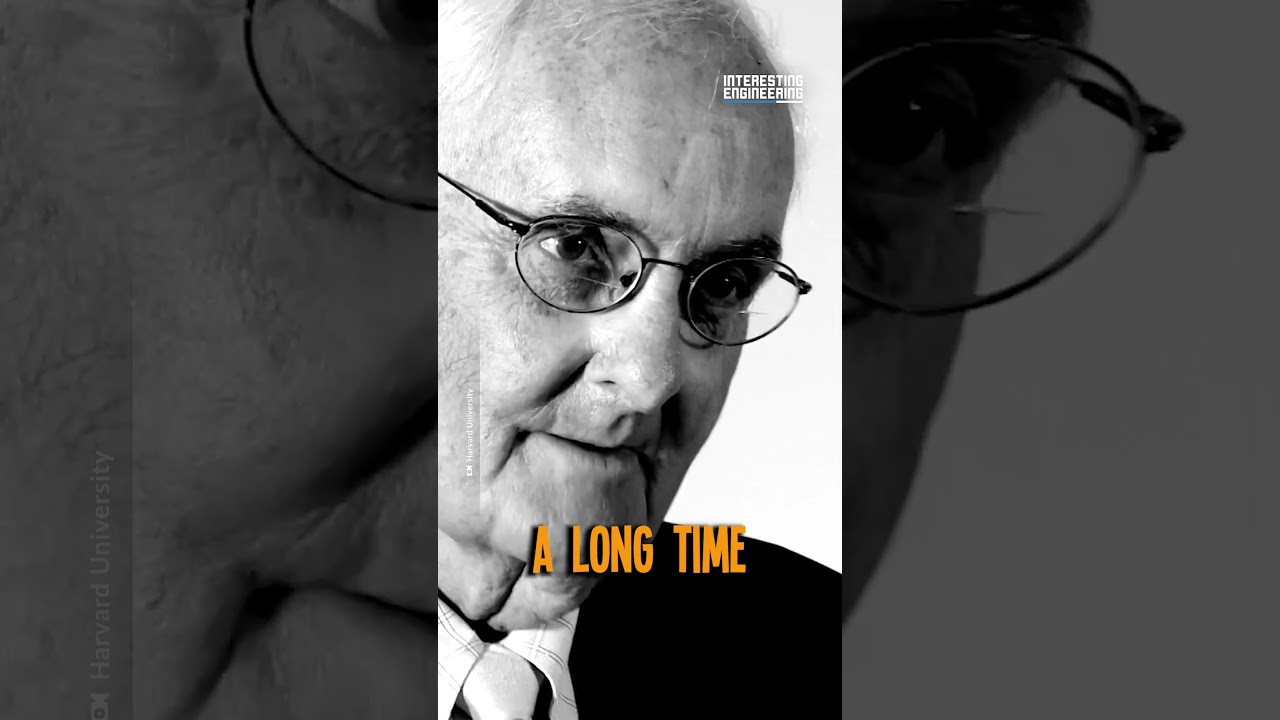
On March 21, 2026, NYU Langone Health performed the world’s first HIV-positive-to-HIV-positive lung transplant.
  •  

NASA’s new prototype rover completes 16-mile autonomous desert trek

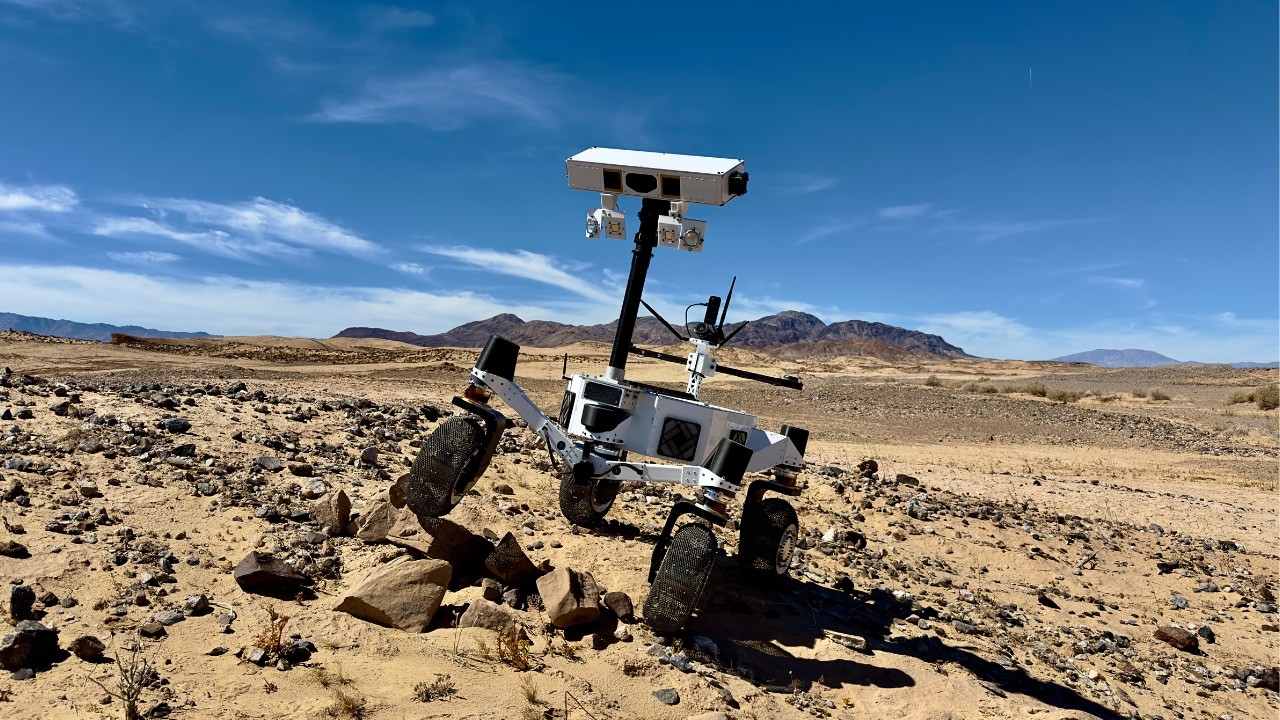
NASA’s Jet Propulsion Laboratory (JPL) has developed a 4-foot-long, four-wheeled prototype designed for high-speed, long-distance autonomous exploration on the Moon and Mars. 

Dubbed Exploration Rover for Navigating Extreme Sloped Terrain (ERNEST), it underwent field tests in the Colorado Desert. The robotic rover successfully traveled 16 miles over 37 hours with minimal human intervention.

“This testing is helping us refine the mobility hardware and autonomy software to navigate extreme distances across a wide range of terrain and lighting conditions anticipated on the Moon,” said Issa Nesnas, a principal technologist at JPL. 

Active suspension system

For the last thirty years, NASA has used a mechanical setup called the “rocker-bogie” suspension system. It is the architecture behind every Mars rover from Sojourner to Perseverance that keeps their wheels grounded.

But it has some problems. Send a passive rover up a loose, sandy slope steeper than 15 degrees, and it will likely get stuck, spin its wheels, or risk a catastrophic tip-over. 

The ERNEST prototype introduces an innovative active suspension system that manages its own weight distribution. 

Equipped with four steerable wheels and a front-powered gimbal, the rover can navigate extreme terrain using unique gaits like squirming, wheel-walking, obstacle-climbing, and even driving sideways. 

Plus, a built-in clutch mechanism allows ERNEST to switch back to a passive mode when efficient, less-demanding driving is needed, blending high-capability mobility with energy conservation.

The 4-foot-long prototype is a testbed designed to advance both robotic autonomy and extreme terrain mobility for future Moon and Mars missions.

ERNEST achieves higher speeds and longer driving distances through its enhanced independent decision-making and a unique ability to lift its individual mesh wheels over obstacles that would trap current Mars rovers.

Ultimately, these technological improvements will inform the design of next-generation rovers capable of exploring previously inaccessible, rough extraterrestrial landscapes.

During recent testing, the vehicle clocked speeds up to 0.6 mph (1 kph) over 37 hours of driving across seven days — an order of magnitude faster than the autonomous navigation speeds of Curiosity and Perseverance. 

“You could do a science road trip across the Moon — or Mars — with this vehicle,” said James Keane, a JPL planetary scientist working on lunar missions.

Preparing for the rough, unknown terrain

Using reinforcement learning, computers ran thousands of hours of virtual simulations over single weekends, punishing the virtual rover with impossible physics scenarios until it learned the optimal way to climb, crawl, and survive.

The software was then loaded directly into the physical rover. Engineers took it out into the desert heat and turned it loose. ERNEST handled the rest. 

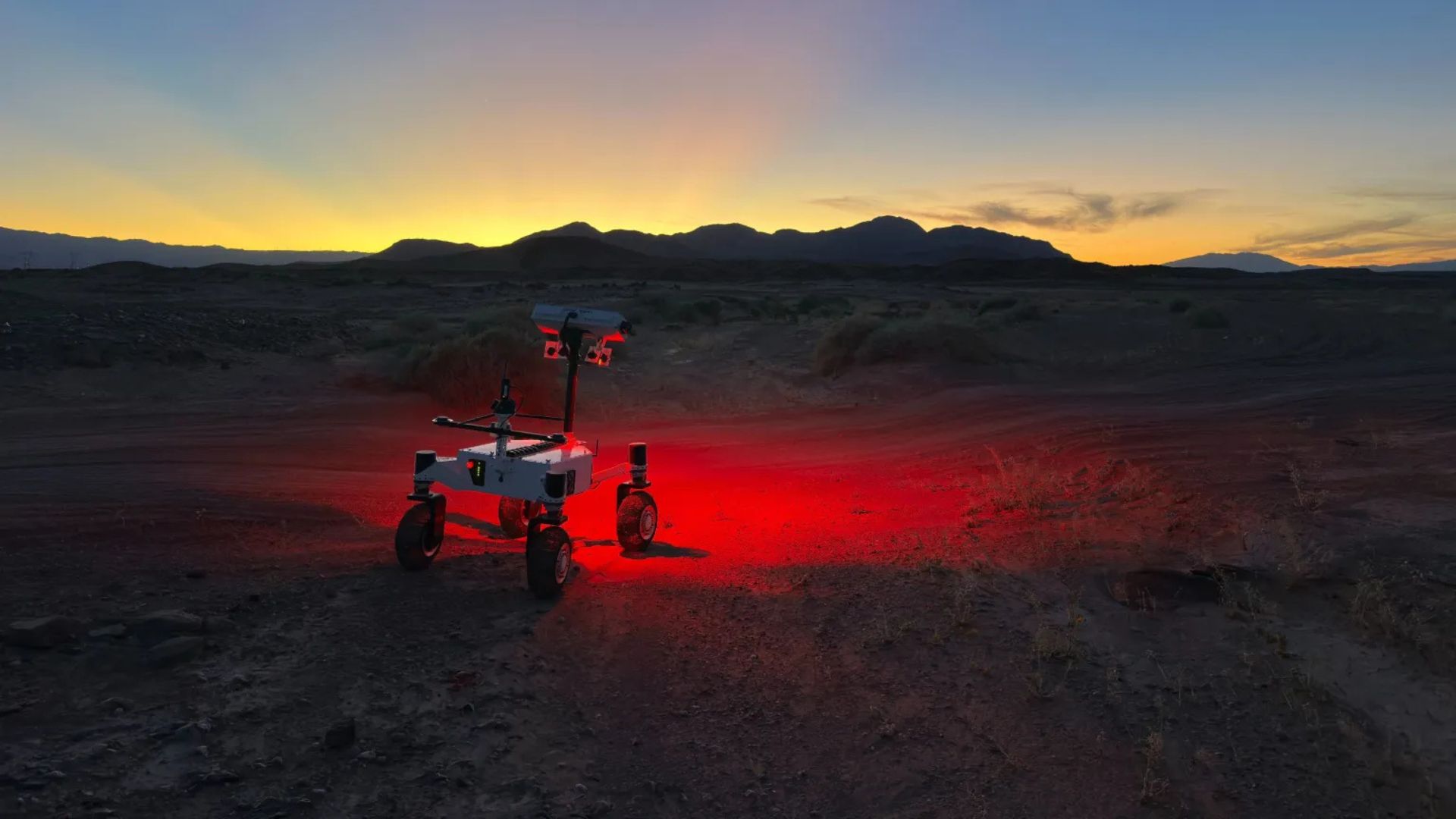
The team even ran the rover through the deep, confusing shadows of dusk and dawn. This simulated the extreme lighting conditions future astronauts and robots will face at the Moon’s south pole.

Building on this success, a new project will merge ERNEST’s active suspension control with long-range intelligent navigation. This will allow the rover to plan paths, deciding when to climb surmountable obstacles and when to steer clear of major hazards. 

It will help to prepare future missions for the most rugged landscapes on the Moon and Mars.

💾

NASA's JPL has developed a 4-foot-long, four-wheeled prototype designed for high-speed, long-distance autonomous exploration on the Moon and Mars. 
  •  

China’s new flexible brain-computer chip retains 94% efficiency after 18 months

A team of researchers from China and Japan has developed a ultra-flexible brain implant electrode array. 

It overcomes a major hurdle in brain-computer interfaces (BCIs): the physical mismatch between stiff metal electrodes and soft brain tissue, which typically leads to chronic inflammation and signal degradation.

The development comes from Tsinghua University’s Shenzhen International Graduate School, the University of Tokyo and the Chinese Academy of Sciences’ Shenzhen-Hong Kong Institute of Brain Science.

Researchers tested the flexible brain implant in animal trials. Interestingly, it achieved long-term signal clarity and safe, stable functionality over an 18-month period.

Soft brain implant

Neuroscientists pursuing the dream of a highly functional brain-computer interface often face the issue of the fleshy wall. The human brain is naturally soft. The advanced electrode arrays implanted in the brain to read thoughts or restore movement are made of rigid metals like platinum.

When you put something hard against something soft inside a moving body, friction wins. Over time, the brain jiggles, the metal rubs, and chronic inflammation forms a wall of protective scar tissue. Signals degrade, and the implant goes blind.

The new development is based on an all-organic, ultra-flexible implant material called Chip (conductive hydrogel with interfacial percolation). 

In the past, trying to use hydrogels, which are water-swollen polymer networks, for brain implants was difficult. These materials are biocompatible but have some issues, such as poor electrical conductivity and a tendency to swell like sponges when in contact with bodily fluids. Swelling distorts the microscopic grid of electrode channels, ruining any hope of micro-engineering. 

The researchers defeated both problems with a manufacturing hack.

To begin with, the hydrogel was pre-anchored to a rigid, ultrathin parylene substrate to fully lock its shape. Then, it was carved using high-precision photolithography while it was completely dry.

The result is a 128-channel array that is a mere 9 micrometers thick — far thinner than a strand of human hair. Moreover, microscopic channels were packed tightly to achieve a data density 10 times higher than any previous hydrogel implant.

As per the study paper, it has an electrical conductivity of 2,512 S/cm, letting it catch the faintest whispers of cellular thought. 

Tested on rabbits

To see if the material could survive the wet environment of a living body, the team implanted the arrays into rabbits. 

For over 550 days, the freely moving animals broadcast crystal-clear neural activity. Even after 18 months, the signal-to-noise ratio remained at 94 percent of its day-one clarity. When the researchers examined the brain tissue using histological staining, they found almost no inflammation, no angry immune response, and no thick scar tissue.

“The resulting all-organic ECoG array conforms to the cortical surface, minimizing foreign body response and providing exceptional signal quality, with the longest record up to 550 d[ays],” the team noted in the study paper. 

The South China Morning Post (SCMP) reported that it demonstrated exceptional durability and safety by tolerating 1,000 cycles of 30 percent tensile strain. It is the absolute maximum deformation real brain tissue can withstand. 

Throughout this intense stress testing, the material maintained stable electrical performance, showing less than a 4 percent variation in its conductivity.

BCIs are advancing rapidly, but their long-term survival inside the body has always been the weak point. Invasive brain implants should ideally last a lifetime rather than just a few years. This new class of organic hydrogel could eventually solve the gap between machine and mind, offering a durable solution for the long term.

💾

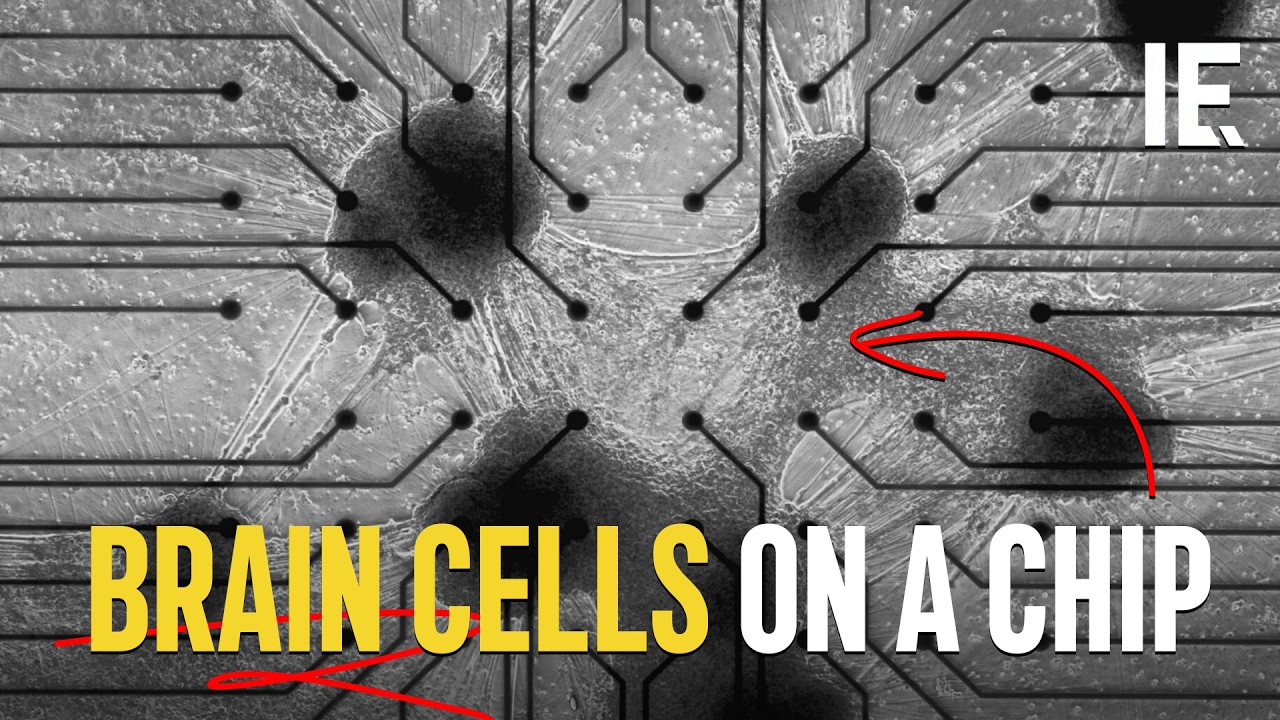
A team of researchers from China and Japan has developed an ultra-flexible brain implant electrode array. 
  •  
❌