
❌

Reading view

One soldier, many drones: US Army tests autonomous drone-control software
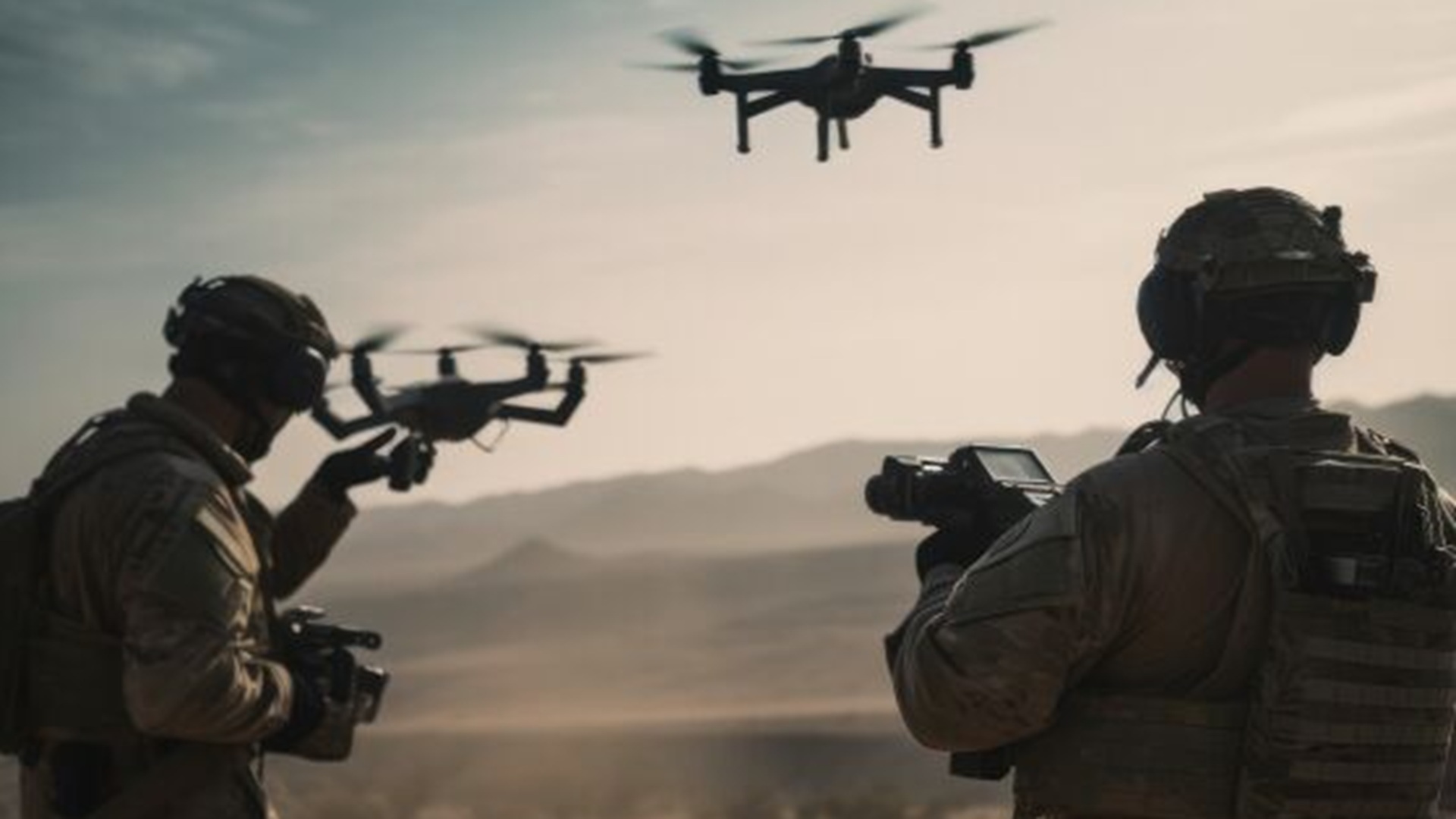
The U.S. Army has awarded defense and technology companyΒ Palladyne AI two contracts to test its AI-powered swarm software and reusable strike drone with soldiers during field exercises in Colorado and California.

The contracts, awarded under the Army’s Disruptive Applications Broad Agency Announcement, will support operational validation of the company’s SwarmOS autonomy platform and the Gremlin-X unmanned aerial vehicle.

The technologies will be evaluated by soldiers from the Army’s 4th Infantry Division during reconnaissance and target acquisition exercises. Palladyne AI said the demonstrations will use Army-specified platforms and the Android Team Awareness Kit (ATAK), a command-and-control system widely used by U.S. forces.

The effort reflects the Army’s growing interest in autonomous systems that can operate in environments where communications are limited or disrupted.

One operator, many drones

SwarmOS is an autonomy software stack designed to allow a single operator to control multiple autonomous systems from different manufacturers at the same time.

According to the Utah-based company, the software runs on edge hardware and is designed to function in degraded or denied communications environments. Rather than relying on centralized control infrastructure, the platform enables autonomous systems to coordinate with one another while operating in the field.

β€œThe hardest problem in autonomous systems isn’t making one platform smart, it’s making heterogeneous platforms from different manufacturers collaborate intelligently without dependence on centralized infrastructure that adversaries can target and defeat,” said Dr. Denis Garagic, Chief Technology Officer and Principal Investigator, Palladyne AI.

He added: β€œWe solved that.”

The Army exercises will evaluate how the software supports reconnaissance and target acquisition missions while integrating with existing military command-and-control tools.

Reusable strike drone

The second technology being tested is Gremlin-X, a Group 2 multirotor drone being developed as a reusable loitering munition.

Unlike traditional loitering munitions that are typically lost after striking a target, Gremlin-X is designed to return and be recovered after a mission. The company said this approach could reduce costs because only the munition payload would need replacement rather than the entire aircraft.

Gremlin-X is intended to operate in denied, degraded, intermittent, and limited communications environments, often referred to as DDIL conditions. The drone is being developed to support small, dispersed military formations that may need to engage targets without relying on centralized command networks.

Beyond the 4th Infantry Division exercises, Palladyne AI plans to demonstrate SwarmOS, IntelliSwarm, and Gremlin-X during Northern Strike 26-2, a large U.S. military training exercise involving more than 9,000 participants.

β€œThis contract marks a decisive shift in how the U.S. Army is engaging with autonomous systems, moving from evaluation to funded operational use in the field,” said Doug Dynes, President of Palladyne Aerospace and Defense.

The company said the demonstrations will help validate the technologies in operational settings and could support future defense opportunities as the military continues exploring autonomous systems, drone swarms, and human-machine teaming concepts for battlefield operations.
  •  

Europe builds robotic arm that can see, feel and handle samples for Moon missions

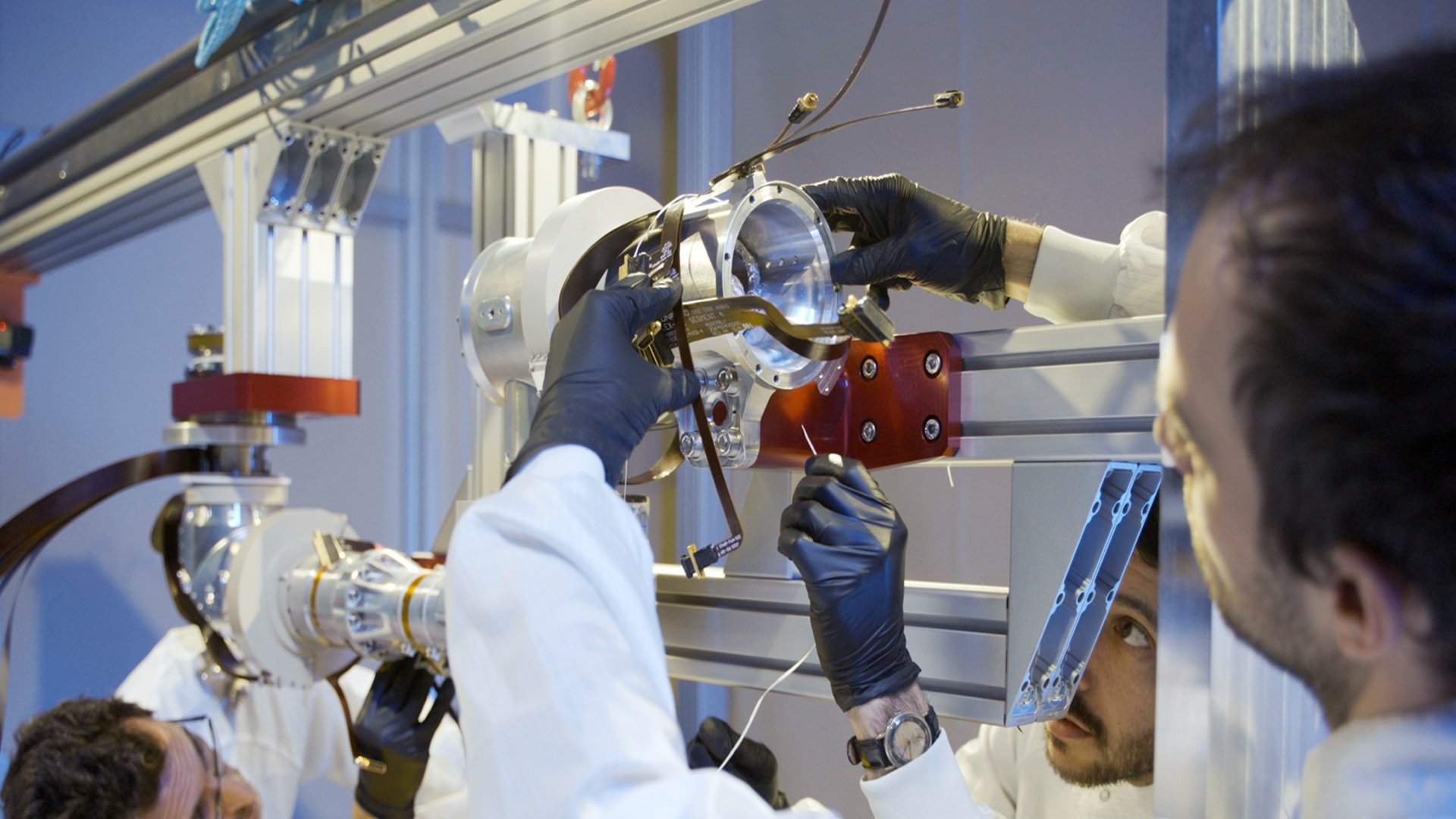
European Space Agency (ESA) engineers are assembling one of Europe’s most advanced robotic arms, a system designed to handle samples and perform complex tasks during future missions to the Moon and Mars.

Known as the Sample Transfer Arm (STA), the robot can extend up to 2.4 meters and move with seven degrees of freedom, giving it a range of motion similar to a human arm. The system is equipped with cameras, sensors, and onboard electronics that allow it to perceive its surroundings and perform tasks with a high level of autonomy.

The robotic arm was originally developed as part of the joint NASA-ESA Mars Sample Return campaign. Its role was to transfer Martian samples collected by NASA’s Perseverance rover for eventual return to Earth.

Although the future of Mars Sample Return remains uncertain, the technology is now being positioned for a wider range of applications, including future lunar exploration missions.

Human-like space helper

The arm features a shoulder, elbow, and wrist configuration similar to a human arm. At its tip is a gripper capable of handling objects with millimeter-level precision.

The system also includes a sophisticated force and torque sensor that acts as a sense of touch. The sensor measures how an object is being pushed, pulled, or twisted in three-dimensional space, allowing the arm to manipulate items with greater accuracy.

Position sensors embedded throughout the joints continuously calculate the location of the arm’s tip, helping maintain precise control during operations.

Engineers say this level of precision could prove useful for a variety of activities in space, including collecting geological samples, transferring equipment, and supporting astronauts during surface missions.

The robotic arm also contains its own electronics unit, which acts as the system’s control center. Cameras mounted on the arm provide visual awareness, enabling the robot to detect and interact with objects in its environment.

Ready for testing

Teams at Italian aerospace company Leonardo are currently completing the integration of the system at the company’s facility in Nerviano, near Milan.

In the coming weeks, engineers will begin testing the arm in simulated space environments to evaluate its performance before any future deployment.

The project brings together companies and suppliers from across Europe. The industrial consortium is led by Leonardo and includes GMV and AVS from Spain, Maxon from Switzerland, 3DPlus from France, and COMOTI from Romania, along with suppliers from Denmark, Greece, and Germany.

The arm incorporates several specialized systems designed for spaceflight. These include a flexible wrist mechanism that allows softer contact with objects, a flat electrical harness that carries hundreds of signals throughout the arm, and structural mechanisms that help withstand the forces experienced during launch and landing.

European space agencies view advanced robotics as a key capability for future exploration missions, particularly as crews prepare for longer stays on the Moon and eventual missions to Mars.

With its ability to see, feel, and autonomously manipulate objects, the Sample Transfer Arm could become an important tool for handling samples and supporting scientific operations beyond Earth.

  •  

Silicon chip creates 64 DNA sequences in parallel using electric currents and water

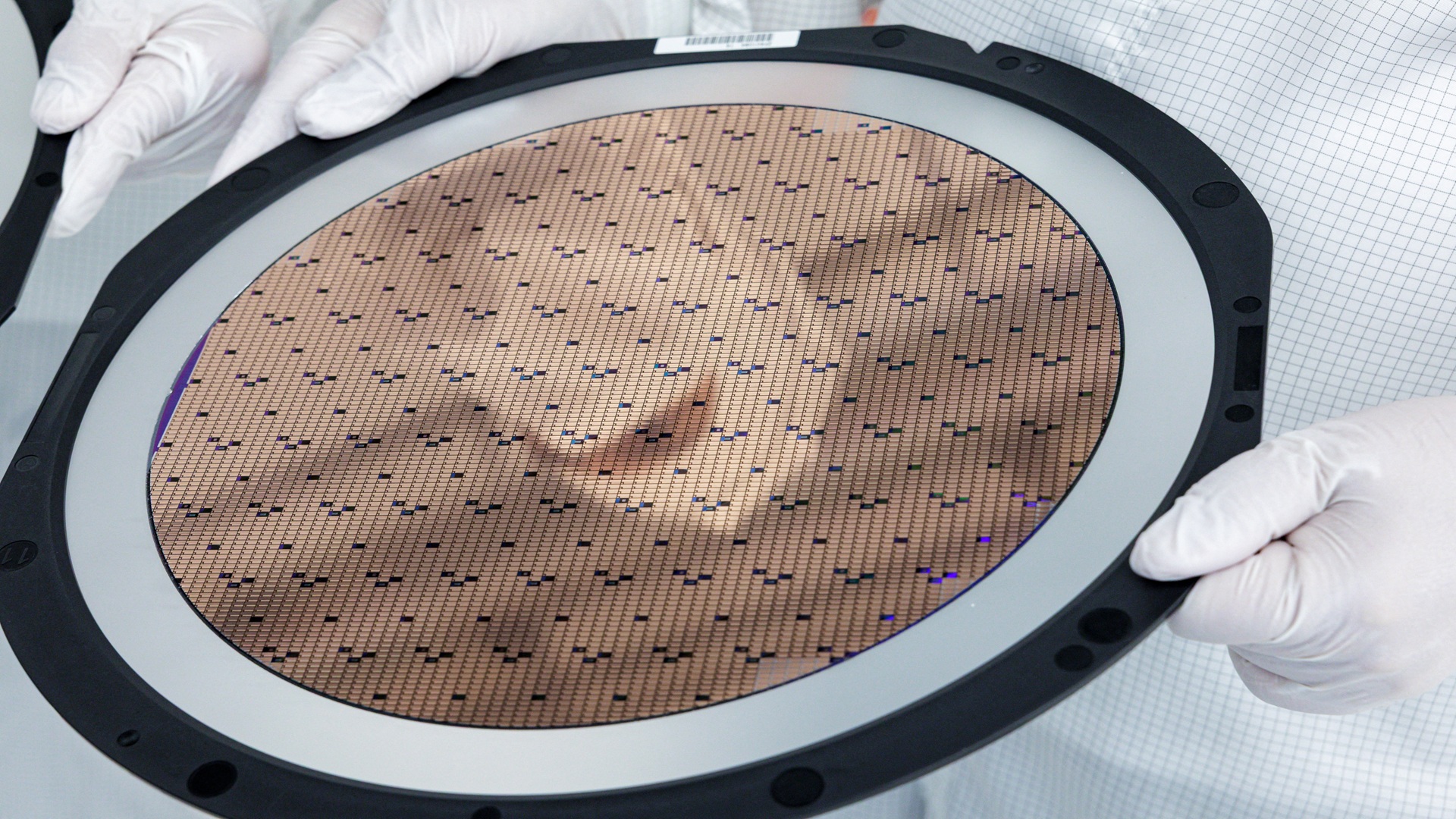
Researchers at Harvard University have developed a semiconductor chip that can synthesize 64 different DNA sequences in parallel using electric currents and a water-based enzymatic process, potentially offering an alternative to conventional DNA manufacturing methods.

The chip uses localized electrical control to trigger DNA synthesis at selected sites on its surface. The team says the approach avoids the solvent-heavy phosphoramidite chemistry widely used to produce synthetic DNA today.

Synthetic DNA is a key tool in modern biotechnology, supporting applications ranging from diagnostics and genome engineering to cancer research. While enzymatic DNA synthesis has emerged as a more environmentally friendly alternative, it has struggled to match the scale of conventional methods.

According to the researchers, enzymatic approaches have so far been limited to producing about a dozen DNA sequences simultaneously. In the new study, the chip generated 64 distinct DNA sequences in parallel, with each sequence reaching up to 39 nucleotides in length.

Electricity guides DNA

DNA synthesis occurs one nucleotide at a time. After each addition, a temporary blocking group must be removed before the next nucleotide can be attached.

To control this process, the Harvard team designed a chip with 64 synthesis sites. Each site contains two concentric ring electrodes surrounding DNA strands anchored at the center.

When activated, the inner electrode generates protons that lower the pH around a selected DNA strand. This acidic environment enables enzymatic DNA growth. At the same time, the outer electrode consumes diffusing protons, preventing the low-pH region from spreading to neighboring sites.

By repeating this process across selected locations during each synthesis cycle, the chip can build many different DNA sequences simultaneously.

The work builds on a semiconductor platform originally developed for neuroscience applications.

β€œA defining feature of the chip was precision current injection, which we used to permeabilize neuronal membranes for intracellular access,” said Donhee Ham, John A. and Elizabeth S. Armstrong Professor of Engineering and Applied Sciences at Harvard.

β€œAt a certain point, we wondered whether that same current control could be redirected from cells to molecules – replacing the neuron-facing electrodes with ring-electrode pairs that could localize pH for DNA synthesis. It worked.”

Data storage potential

Beyond biological applications, the researchers explored whether the technology could support DNA-based data storage.

Using the 64 synthesized DNA sequences, the team encoded a 169-byte text message, demonstrating the platform’s potential for storing digital information in DNA molecules.

The researchers believe a water-based synthesis approach could become increasingly important if DNA production scales dramatically in the future.

β€œDNA data storage asks DNA synthesis to operate at a scale far beyond today’s needs,” said Woo-Bin Jung, co-first author of the study.

β€œThat is why enzymatic synthesis in water can matter. If far more than 64 sequences can be synthesized in parallel, it could offer an environmentally friendly route toward writing DNA at very large scale.”

The team also attempted to increase the density of synthesis sites on the chip. While those experiments failed, they revealed that the main limitation came from the chemistry used to remove blocking groups rather than from the chip’s electronic architecture.

β€œThe chip did what we asked it to do: it localized low pH at selected sites,” said Han Sae Jung, co-first author of the study. β€œThe limitation came from the deprotection chemistry, not from the silicon.”

The study was published in Nature Electronics.

  •  
❌