❌

Reading view

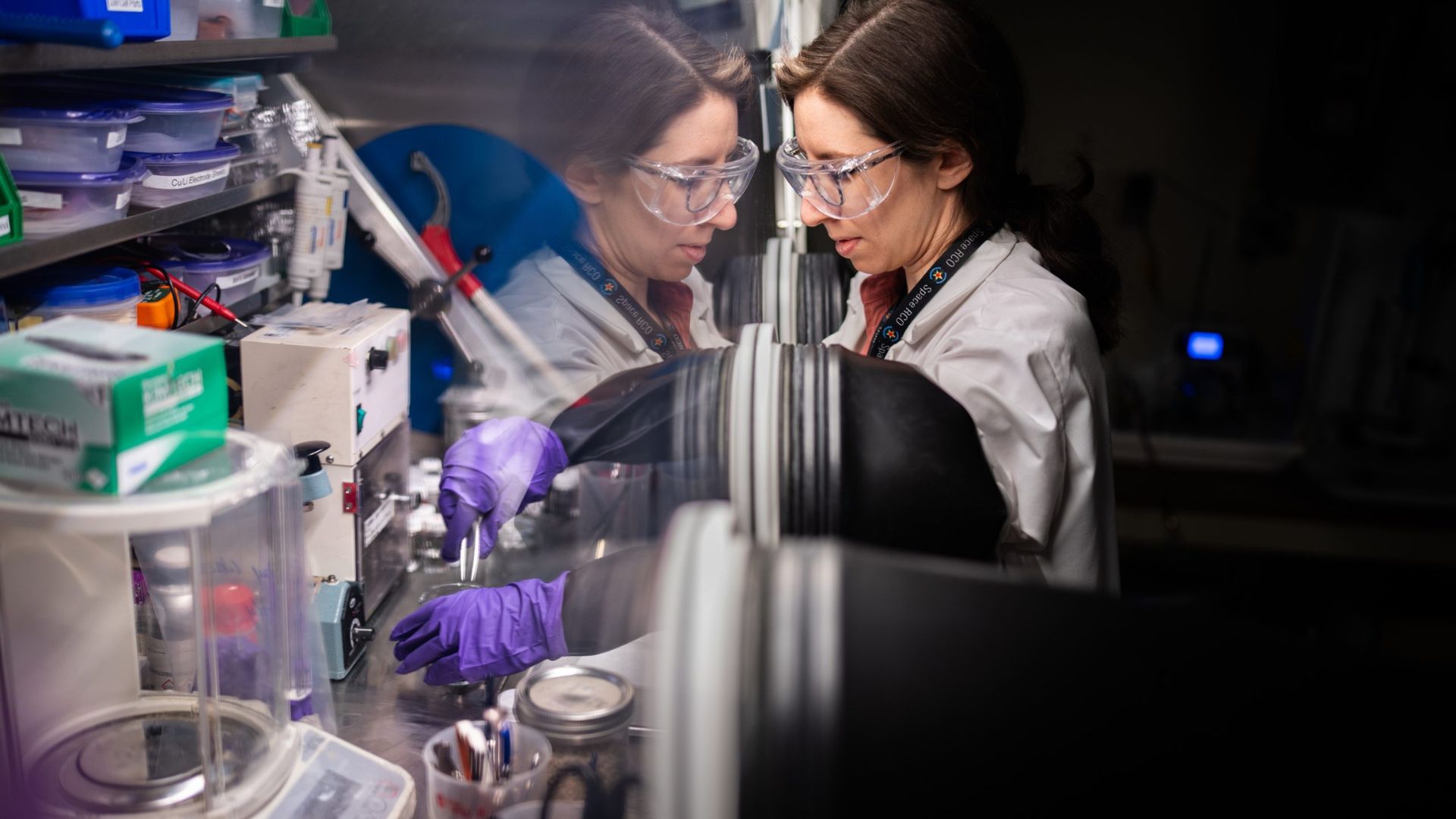
Electric 'nose' can smell when your food's gone bad

Most of us have used the sniff test to decide whether a slightly expired bottle of milk or a week-old box of takeout is still good to eat. But while the human nose can be quite astute, it doesn't always catch everything. Each year, millions of people in the U.S. are sickened by food-borne pathogens that thrive in undercooked or spoiled food.

  •  

Combining Robotic Precision and Therapist Skill: Groundbreaking Exoskeleton Therapy Set to Transform Stroke Rehabilitation

Each year, nearly 800,000 Americans survive a stroke, embarking on a challenging journey toward recovery marked by relearning foundational motor skills such as walking. The aftermath of a stroke often results in muscle weakness, impaired coordination, and compromised leg control, making even the simplest of movements daunting. Traditional rehabilitation protocols heavily depend on intensive, therapist-led sessions where patients progressively regain mobility, independence, and confidence. However, the physical demands on therapists and the limitations of conventional methods necessitate innovative approaches that can enhance therapy effectiveness while mitigating therapist fatigue.

A groundbreaking study led by researchers from Shirley Ryan AbilityLab and Northwestern University introduces a novel paradigm that integrates lower-limb exoskeletons to enhance therapist-patient interaction during functional gait training. Published in the prestigious journal Science Robotics, the study unveils a transformative approach termed Therapist-Exoskeleton-Patient Interaction (TEPI). This system connects a therapist and a stroke survivor physically via complementary lower-limb exoskeletons, linked through virtual spring-damper elements at the hips and knees. This design facilitates real-time bidirectional physical interaction, where the therapist’s movements dynamically guide and respond to the patient’s gait by modulating forces through the exoskeleton interface.

Conventional physical therapy for gait rehabilitation involves therapists providing hands-on corrective assistance to patients, focusing typically on isolated aspects of walking mechanics due to their ability to assist only a limited number of joints or movements simultaneously. Complex, whole-body retraining often demands multiple therapists, posing logistical and physical constraints. While robotic rehabilitation devices can increase therapy intensity by enabling prolonged walking practice, most systems operate on preprogrammed, fixed movement trajectories that lack the flexibility to adapt instantaneously to patient performance or allow meaningful therapist input. This gap limits personalized care and the nuanced adaptability essential in neurorehabilitation.

TEPI fundamentally redefines this intervention landscape by leveraging the dexterous control capabilities of therapists in conjunction with robotic consistency and scalability. Through the exoskeleton-mediated connection, therapists can impose finely tuned guidance, resistance, or assistance, tailored in real time to the patient’s biomechanical status and response patterns. This synergy allows the therapy to encompass intricate whole-body dynamics within a single therapeutic session, eliminating the need for multiple practitioners in many cases. Moreover, the system’s responsiveness facilitates continuous adjustment throughout the gait cycle, enhancing motor learning through immediate feedback.

During the pilot evaluation involving eight stroke survivors, TEPI was contrasted with conventional therapist-guided treadmill walking sessions. Quantitative motion analysis revealed that TEPI training elicited significantly greater joint range of motion, augmented step length, and increased step height compared to standard therapy. Electromyographic assessments indicated comparable muscle activation patterns between the two modalities, affirming that TEPI does not compromise neuromuscular engagement while augmenting kinematic outcomes. Subjective evaluations reflected high patient motivation and enjoyment, underscoring the system’s potential to enhance adherence and therapeutic enthusiasm.

The TEPI framework also addresses a critical occupational health issue: therapist fatigue and injury risk associated with manual gait rehabilitation. By externalizing some physical effort to the exoskeleton-mediated interaction, therapists can guide patient movements more sustainably and ergonomically. This innovative method not only preserves the expertise of hands-on care but also reduces the biomechanical strain on providers, potentially extending the longevity and well-being of rehabilitation professionals.

From an engineering perspective, the system employs a sophisticated control architecture that harmonizes the exoskeleton’s stiffness and damping properties with the therapist’s voluntary movements. The virtual spring-damper coupling dynamically modulates mechanical impedance at key lower-limb joints, enabling a naturalistic yet controlled interaction paradigm. This technical advancement permits the system to act almost like an intelligent mechanical extension of the therapist’s own legs, enabling seamless transfer of movement intent and corrective forces.

Looking ahead, the researchers plan to expand the TEPI model beyond treadmill walking to include overground ambulation, stair navigation, and sit-to-stand transitions—functional tasks that more holistically represent daily living activities. The capacity to apply this approach across varied locomotor challenges promises to broaden its clinical applicability and deepen its therapeutic impact. Furthermore, scaling the technology into more accessible and user-friendly configurations could facilitate home-based rehabilitation, supporting remote care delivery and extending therapeutic supervision beyond clinical settings.

Such remote rehabilitation capability aligns with emerging trends in teletherapy and digital health, addressing barriers to access and continuity of care, especially for patients in underserved regions or with mobility limitations. By integrating sensor networks, adaptive control algorithms, and connectivity protocols, future iterations of TEPI could enable therapists to remotely guide patients through personalized gait training regimens with real-time haptic feedback and data monitoring.

This pioneering work symbolizes a major step forward in merging human expertise and robotic technology to optimize post-stroke rehabilitation. By synergizing the adaptability and intuitive understanding of therapists with the precision and endurance of robotic exoskeletons, TEPI opens a new frontier for restoring functional mobility—ultimately enhancing quality of life for millions of stroke survivors.

The collaborative research team behind this innovative study includes José L. Pons, PhD, scientific chair at Shirley Ryan AbilityLab and professor at Northwestern University; postdoctoral researchers Lorenzo Vianello, PhD, and Matthew R. Short, PhD; and co-first author Emek Barış Küçüktabak, PhD. Their collective expertise spans neurorehabilitation, robotics, and biomechanical engineering, driving the development of this cutting-edge, translational technology.

As the field advances, the TEPI approach may serve as a blueprint for next-generation rehabilitation robotics, where human-robot collaboration is optimized to support recovery from complex neurological impairments. The blend of immersive therapist control, real-time adaptability, and patient-centered design embodied by TEPI heralds a new era in rehabilitation science—one poised to transform care standards and patient outcomes.

Subject of Research: People
Article Title: Therapist-exoskeleton-patient interaction for gait therapy
News Publication Date: 17-Jun-2026
Web References: DOI link
Image Credits: Shirley Ryan AbilityLab
Keywords: Health care, Diseases and disorders, Biomedical engineering

  •  

Wa’ed Ventures Supports KAUST Spinout Terraxy in Advancing Desert Greening Technology

Terraxy, an innovative startup emerging from cutting-edge research at the King Abdullah University of Science and Technology (KAUST), has successfully secured $3 million in its Seed-2 funding round. This round was spearheaded by Wa’ed Ventures, the venture capital wing of Saudi Aramco, with additional support from KAUST itself. The investment aims to accelerate the scaling and commercialization of Terraxy’s groundbreaking soil regeneration and carbon storage technology, designed specifically to tackle the challenges posed by desert environments.

The capital injection follows a critical growth phase, facilitating Terraxy’s shift from pilot-scale initiatives toward full-scale industrial production. A flagship component of this expansion is the establishment of a 30,000-square-meter commercial facility located in Al Zulfi, Saudi Arabia. This state-of-the-art production hub symbolizes a major leap for the company in bringing its proprietary technology to market readiness, underpinning Wa’ed Ventures’ mission to translate locally developed, research-driven innovations into sustainable, practical solutions.

At the heart of Terraxy’s technology lies Carbosoil, a proprietary soil enhancer engineered to address the unique and challenging characteristics of sandy soils found across the Arabian Peninsula. Globally, soil degradation affects nearly a third of arable land, hindering agricultural productivity and ecosystem health. In Saudi Arabia, where sandy and nutrient-poor soils dominate, agricultural efforts are hampered by poor water retention and low nutrient availability. Carbosoil demonstrates a remarkable ability to improve these conditions, delivering up to a 70% increase in plant growth and yield using the same quantities of water and nutrients. This efficacy directly translates into enhanced resource-use efficiency, especially critical in arid regions where water scarcity is a major concern.

Integral to Terraxy’s success is the supportive regulatory landscape fostered by Saudi Arabia’s Ministry of Environment, Water and Agriculture (MEWA). Terraxy has benefited from MEWA’s Regulatory Sandbox, a pioneering initiative allowing emerging environmental technologies to be tested rigorously under real-world conditions. This framework not only accelerates the validation of novel technologies but also ensures alignment with stringent environmental standards and drives the responsible introduction of innovations to the market, supporting national sustainability targets.

The importance of soil health in the Kingdom cannot be overstated. It underpins food security, water efficiency, and land rehabilitation frameworks that are critical to Saudi Arabia’s ambitious environmental and economic agendas. Through collaboration between innovators, regulators, and investors, Terraxy exemplifies how multi-stakeholder engagement can foster the development of homegrown technologies that address both ecological and commercial imperatives.

Amidst escalating global efforts to combat land degradation and climate change, Terraxy’s dual-purpose technology stands out. It not only rehabilitates degraded soils but also captures and stores atmospheric carbon dioxide in a stable form that can endure for centuries. This long-term carbon sequestration capability complements regional and international commitments to emission reduction and climate resilience, providing a scalable solution adaptable to various arid and semi-arid environments.

Wa’ed Ventures CEO Anas Algahtani emphasized the strategic value of backing deep technology initiatives with tangible sustainability benefits. Highlighting Terraxy’s unique strength, he noted that the startup’s ability to transition from foundational science to deployable industrial applications underscores the potent role of science-led innovation. Such initiatives are vital to Saudi Arabia’s Vision 2030, which prioritizes sustainability, technological advancement, and economic diversification.

Aramco’s commitment to supporting solutions that address emissions from difficult-to-decarbonize sectors was also underlined by Ahmad O. Al-Khowaiter, Executive Vice President of Technology & Innovation at Aramco, and Chairman of Wa’ed Investment Committee. Terraxy’s technology fits squarely within this vision, exemplifying the kind of scalable, scientifically robust innovation required to achieve meaningful climate impact while fostering economic growth.

As a spinout from KAUST, Terraxy benefits from a robust ecosystem that bridges academia and industry. The National Transformation Institute (NTI) at KAUST has played a pivotal role in nurturing the company’s journey, offering infrastructure and translational support critical for scaling emerging technologies. Professor Himanshu Mishra, one of Terraxy’s co-founders and an associate professor at KAUST, highlighted how the broader ecosystem—rather than any singular breakthrough—was instrumental in Terraxy’s development.

Dr. Ian Campbell OBE, Senior Vice President at KAUST’s NTI, formally acknowledged the importance of NTI’s efforts in enabling Terraxy’s scale-up journey. He described Carbosoil as a cornerstone for soil enrichment initiatives and a tool that aligns with Saudi Arabia’s Green Initiative and expanding carbon credit market. Such alignment demonstrates how academia, government, and private sector investment can converge to yield innovations with direct and measurable impacts on national and global environmental priorities.

Substantial funding and institutional validation signal growing confidence in Terraxy’s technology. The company is poised to make a significant contribution to Saudi Arabia’s greening efforts, resource efficiency strategies, and carbon management policies. Its scalable commercial model offers a replicable path for other arid regions facing similar environmental challenges, positioning Terraxy as a potential global leader in sustainable soil regeneration and carbon sequestration.

The company’s trajectory also illustrates the power of university-driven innovation ecosystems in advancing high-tech environmental solutions. By translating fundamental research into market-ready products, Terraxy exemplifies how science and technology can be harnessed to create sustainable economic opportunities while addressing pressing environmental imperatives.

As Terraxy moves forward, its integrated approach to enhancing soil health and capturing carbon dioxide offers a compelling model for deep-tech interventions in the sustainability domain. With substantial backing and a proven technology platform, Terraxy’s advances could become a pivotal component in shaping sustainable land management and carbon reduction strategies, both within Saudi Arabia and internationally.

Subject of Research: People
Article Title: Terraxy Secures $3 Million to Pioneer Soil Regeneration and Carbon Storage Technology for Desert Environments
News Publication Date: Not provided
Web References: https://mediasvc.eurekalert.org/Api/v1/Multimedia/1ee8d30f-c323-416c-95ce-a86efb4d3d71/Rendition/low-res/Content/Public
Image Credits: Images © Terraxy / KAUST
Keywords: Soil Regeneration, Carbon Storage, Desert Agriculture, Deep Tech, KAUST, Terraxy, Carbosoil, Wa’ed Ventures, Aramco, Carbon Sequestration, Saudi Arabia, Sustainability, Environmental Innovation

  •  

New microwave trick converts 95% of EV battery cathodes into reusable materials

Scientists at Sandia National Laboratories in the US have figured out how to use ordinary microwave technology to mine dead batteries. It sounds crazy, but it works. 

The team developed a microwave-based method to upcycle old lithium-ion battery cathodes. 

Interestingly, the microwave method slashes the time required to turn old lithium cobalt oxide powder into nanosheets from 7 days to just 2 hours.

Recycling cathodes

The development comes at an important time. Millions of early-generation electric vehicle batteries are reaching the end of their lifespans. Usually, the old vehicle parts head straight for the landfill. That is a massive waste of precious metals. 

Batteries use cathodes, which are packed with expensive, hard-to-find minerals like lithium and cobalt. Cobalt is especially problematic. The Democratic Republic of the Congo mines roughly 70 percent of the world’s supply, leaving global tech supply chains incredibly vulnerable to political disruption.

“Cobalt is a critical material for almost all consumer electronics,” said Clare Davis-Wheeler Chin, a Sandia nanomaterials chemist and an inventor of the method. 

“Since there’s only one main source of cobalt, it would be very easy for the cobalt supply chain to just disappear. We’re about to have an abundance of old EV batteries that are either going to go to the landfill or that we can mine to develop a domestic supply,” added Chin. 

Using an adjustable microwave reactor and a large positively charged chemical ion, researchers can break down old battery cathode powder.

Microwaves are known for uneven heating, a quirk that usually frustrates anyone trying to reheat leftovers. For battery chemists, however, that uneven hot-and-cold friction is a feature, not a bug. The localized heat spikes violently rip the stubborn lithium cobalt oxide cathode powder apart, unraveling it into microscopic layers called nanosheets.

The speed of the process is interesting. Standard methods of breaking down this material take a full week of high-temperature baking. The microwave method does it in just two hours.

It is also incredibly efficient. Previous laboratory attempts to create these nanosheets maxed out at a 60 percent yield, but Sandia’s microwave technique successfully converts 95 percent of the starting material.

“When you have nanosheets, ion exchange can access the entire sheet, and you can maximize the amount of critical materials that can be exchanged,” said Aliya Lapp, a Sandia electrochemist with expertise in galvanic ion exchange.

Economically beneficial

The flexibility of these ultra-thin nanosheets allows easy replacement of aged metal ions to keep pace with changing market trends. For example, substituting expensive cobalt with cheaper, higher-performing nickel to meet modern automotive standards. 

Interestingly, this method automatically heals microscopic defects and removes impurities accumulated over a decade of use. It eliminates the complex processing steps required by standard recycling. 

Furthermore, any extracted cobalt can be captured using a specialized molecular framework and reused, thereby allowing researchers to design two upgraded, industry-ready cathodes from the remains of a single dead battery.

Standard recycling centers operate like massive, energy-hogging blast furnaces. Sandia’s process keeps things cool, cheap, and fast. Preliminary economic modeling indicates the technique could boost battery recycling profits by a massive 30 percent compared to standard commercial methods. 

The tech is moving quickly out of the lab. The research team has already filed two patents and interviewed 80 industrial leaders to prep the technology for the commercial market.

  •  

Revolutionary Atom-Thin Coating from NUS CDE and Applied Materials Partnership Breaks New Ground in Chip Miniaturization

In the relentless quest to push the boundaries of semiconductor technology, researchers from the National University of Singapore (NUS) in collaboration with Applied Materials have unveiled a groundbreaking advancement that promises to reshape the future of microchip manufacturing. As the global semiconductor market races towards the trillion-dollar mark propelled by demand for faster computing, smarter artificial intelligence, and more compact electronic devices, addressing fundamental physical constraints in chip architecture has become a critical imperative. A newly developed atom-thin coating — a monolayer of crystalline tungsten disulfide (WS₂) — presents a transformative solution, elegantly overcoming a pressing bottleneck in chip miniaturization with profound implications for speed, reliability, and efficiency.

Traditional transistor miniaturization has long driven performance gains in integrated circuits. However, as transistors and their connecting copper wires shrink into the sub-10 nanometer regime, the surrounding protective layers—essential for maintaining electrical integrity—resist further reduction. These layers, typically tantalum-based barrier and liner materials, must maintain a minimum thickness of around four nanometers. In future nanoscale interconnects, these coatings may consume nearly half the cross-sectional area of the copper wiring, severely throttling electrical conductivity and device speed. The NUS and Applied Materials team’s innovation resides in synthesizing an ultrathin WS₂ film, less than a nanometer thick, that simultaneously fulfills the dual role of barrier and liner, drastically slashing thickness without compromising performance.

This pioneering coating, grown on industry-standard 200-millimeter silicon wafers using a low-temperature thermal atomic layer deposition process at 350 degrees Celsius, exemplifies a remarkable confluence of scalability and compatibility. The process avoids plasma, guaranteeing conformal deposition with precise thickness control down to a single atomic layer. Notably, this method achieves uniform coverage in high aspect ratio trenches, exceeding 95% conformity even at depth-to-width ratios of 10:1. Such attributes position this WS₂ monolayer as a viable drop-in replacement within existing semiconductor fabrication lines, bridging the formidable divide between laboratory breakthroughs and industrial applicability.

The WS₂ film’s threshold thickness of approximately 0.7 nanometers contrasts starkly with the conventional six nanometer standard, enabling a future 20-nanometer-wide copper wire to retain over 90% of its conductive cross-section. This relatively unobstructed copper path translates into reduced electrical resistance and elevated current carrying capacity, directly enhancing chip speed and energy efficiency. Extensive electrical testing demonstrated a monumental reduction in resistance—exceeding a factor of one million—compared to uncoated counterparts. The superior adhesion properties offered by the WS₂ liner promote smooth and continuous copper film formation, vital for producing reliable, defect-free interconnects at such ultrathin dimensions.

Beyond adhesion, the WS₂ monolayer serves as a robust diffusion barrier that impedes copper migration into silicon and dielectric materials under thermal and electrical stress. In accelerated aging tests, conventional barrier-free copper rapidly reacted with underlying silicon, forming deleterious intermetallic compounds and defect clusters. In stark contrast, WS₂-coated samples exhibited no such degradation, maintaining pristine interfaces even after prolonged exposure. Remarkably, devices using the atomically thin barrier exhibited projected lifetimes surpassing unprotected designs by an order of magnitude, signaling a dramatic leap in device durability.

Central to the WS₂ film’s efficacy is its polycrystalline structure composed of myriad tiny grains and grain boundaries arranged in random orientations. Unlike continuous single crystals, where aligned grain boundaries can form direct diffusion channels, the staggered grain orientation in multilayer WS₂ films creates a complex labyrinth that frustrates copper atom penetration akin to the staggered offsets in a well-built brick wall. This insight, derived from computational modeling by NUS chemists, identifies nanoscale grain architecture as a key parameter in optimizing barrier functionality, challenging the entrenched paradigm that perfect crystallinity is always advantageous.

The discovery that a single atomic layer can supplant the combined barrier and liner stack confronts long-held assumptions in semiconductor interconnect design. Prior industry standards dictated separate layers with cumulative thicknesses of several nanometers to provide necessary protection and adhesion. By collapsing these essential roles into an atomically thin WS₂ sheet, researchers open new vistas for continuing Moore’s Law scaling into unprecedented regimes. Professor Silvija Gradečak, co-director of the NUS-Applied Materials Corporate Lab, emphasizes that this fundamental shift in approach heralds a new class of interconnect architectures tailored to atomically precise materials engineering.

The process’s compatibility with low thermal budgets—vital for avoiding damage to complex multilayer device stacks—and its wafer-scale uniformity underscore its readiness for integration into contemporary manufacturing ecosystems. These breakthrough properties allow semiconductor producers to adopt WS₂-based coatings without extensive equipment overhauls or processing disruptions, facilitating rapid technology transfer. Dr. Hippolyte Astier highlights that such advancements transcend the immediate generation of chips, positioning the industry to harness this technology across multiple forthcoming innovations extending out to 2037 and beyond.

Applied Materials’ Director of Engineering, Dr. John Sudijono, notes the criticality of merging academic ingenuity with industrial constraints through the Corporate Lab framework. The collaborative environment enabled iterative validation of WS₂ films under realistic fabrication conditions, ensuring the material meets demanding reliability, scalability, and process compatibility benchmarks. This convergence of theory, experimentation, and commercialization is essential to bridging the notorious gulf between laboratory demonstrations and full-scale production deployments in semiconductor manufacturing.

Looking forward, the team is exploring refined control over WS₂ grain orientation and microscopic interface phenomena to fine-tune long-term stability and electrical behavior. Further studies aim to exploit the low-temperature vapor-phase growth technique to deposit other two-dimensional materials within diverse chip components, expanding the scope of atomic-scale coatings in integrated circuit design. This foundational research not only sets a new standard for interconnect barriers and liners but also signals the inception of a broader materials revolution in microelectronics.

The ultrathin WS₂ monolayer innovation thus represents a monumental stride towards sustaining the pace of semiconductor evolution. By ingeniously combining barrier and liner functionality into a single atomic layer with industrially scalable fabrication, this discovery resolves a pressing miniaturization bottleneck, empowering the continuation of chip performance scaling in an era where every nanoscale dimension counts. As the semiconductor industry confronts the ultimate physical limits of transistor and interconnect shrinking, atomically precise materials like WS₂ will be vital enablers of future computational breakthroughs, underpinning the technology transformations of tomorrow.

Subject of Research: Not applicable

Article Title: Low-temperature wafer-scale growth of ultrathin tungsten disulfide for bifunctional interconnect barriers and liners

News Publication Date: 31-Mar-2026

Web References: https://doi.org/10.1038/s41928-026-01592-6

Image Credits: College of Design and Engineering, NUS

Keywords

Semiconductors, Microelectronics, Materials engineering, Materials science

  •  

Revolutionary High-NA Lithography Optical System Set to Transform Semiconductor Chip Manufacturing

In the rapidly advancing world of semiconductor technology, the relentless pursuit of smaller, faster, and more energy-efficient computer chips is critical to powering the next wave of innovation—from artificial intelligence mega-data centers to cutting-edge medical devices and ubiquitous consumer electronics. At the frontier of this evolution lies extreme ultraviolet (EUV) lithography, a sophisticated method capable of etching circuit patterns at the nanometer scale. However, the intrinsic complexities and astronomical costs associated with current EUV lithographic systems have presented formidable barriers to wider adoption and scalability. Now, a groundbreaking proposal from Professor Tsumoru Shintake of the Okinawa Institute of Science and Technology (OIST) offers a transformative vision for this technology, promising to revolutionize semiconductor manufacturing with unprecedented precision, reduced complexity, and drastically lower costs.

EUV lithography operates by harnessing light with an extraordinarily short wavelength—just 13.5 nanometers—which enables the creation of incredibly fine features on silicon wafers. The process begins when this EUV light is generated and meticulously channeled through an illumination system towards a reflective photomask imprinted with the target circuit design. Upon reflection, this patterned light passes through a projector system composed of precisely curved mirrors, which shrink and focus the intricate design onto a silicon wafer. Subsequent processing etches the illuminated pattern into the wafer’s surface, forming the foundational architecture of semiconductor chips. Crucial to pushing the envelope of miniaturization is the numerical aperture (NA) of these systems—a parameter that defines the range of angles over which the system can accept or emit light. Higher NA values correlate directly to finer resolution capabilities, enabling denser packing of transistors and circuit elements.

Despite the theoretical promise of high-NA EUV lithography, practical implementation has been fraught with challenges. The early explorations into high-NA configurations favored simple in-line setups wherein the photomask, projector, and wafer are aligned along a single optical axis. This streamlined arrangement, while intuitively appealing, introduced significant optical aberrations such as distortions and blurring that intensified with increasing NA. These so-called “mask 3D effects” arise due to the complex interplay of light reflections on the three-dimensional topography of the photomask, adversely affecting pattern fidelity and ultimately the electrical performance of the fabricated chips.

Confronting these longstanding obstacles, Professor Shintake embarked on an ambitious reimagining of the illumination and projection components integral to high-NA EUV lithography. His initial foray involved evaluating the feasibility of a minimalist projector design consisting of a single pair of mirrors—one concave and one convex—with the potential to deliver high-resolution imagery while suppressing aberrations. Although this simplistic approach did not yield immediate success, continued exploration led to a sophisticated two-stage projection configuration. Each stage utilizes a concave-convex mirror pair arranged to optimize optical performance. Remarkably, simulations revealed that carefully orchestrated multiple reflections between these mirrors could cancel out deleterious optical defects, preserving the high numerical aperture without compromising image quality.

These insights emerged from extensive computational modeling conducted using OpTaliX, an advanced optical simulation software. Through meticulous parameter optimization, including mirror curvature adjustments and precise spatial positioning, Shintake and his collaborators delineated an optical path that maintains high resolution while mitigating the distortive mask 3D effects. The theoretical framework underscores the power of optical engineering in overcoming fundamental diffraction and interference phenomena—challenges that have hampered high-NA EUV lithography efforts for decades.

Beyond the technical elegance of the design, the proposed system carries profound economic implications. Current state-of-the-art EUV lithography machines reportedly cost hundreds of millions of euros each, placing them out of reach for all but the largest semiconductor manufacturers. In stark contrast, Shintake’s approach promises to slash these costs dramatically—potentially to just a quarter of today’s expenditures—thus democratizing access to cutting-edge lithography and accelerating development cycles across the industry.

The ramifications extend well beyond chip manufacturing economics. The International Energy Agency forecasts that by 2030, global data center electricity consumption will double, driven largely by the proliferation of energy-intensive artificial intelligence applications. Higher-density chips fabricated with the new high-NA technology would feature electronic pathways shortened by virtue of their finer architectural detail, reducing signal travel distance and thereby minimizing energy loss during computation. Moreover, lower heat emission from these denser chips implies diminished cooling requirements, collectively resulting in meaningful reductions in power consumption and operational costs for data centers worldwide.

As part of his next research phase, Professor Shintake and his team aim to transition from simulation to realization by constructing a physical prototype of the novel high-NA EUV lithography system. This endeavor will necessitate overcoming engineering challenges such as fabricating mirrors with near-perfect reflectivity and minimal surface defects—criteria assumed in simulations but challenging to achieve in practice. Nonetheless, the initial groundwork laid by this study establishes a compelling blueprint for transforming semiconductor fabrication.

In addition to enabling finer patterning capabilities, the simplified in-line projector design enhances overall system robustness and manufacturability. By aligning the photomask, projector, and wafer along a single axis with optimized mirror pairs, the architecture reduces alignment complexities and optical component counts, thereby facilitating easier maintenance and potentially accelerating throughput rates on the manufacturing floor.

Innovations like Shintake’s not only refresh the physics of lithographic imaging but may also catalyze novel computing paradigms by significantly pushing the achievable limits of miniaturization. As industry demand for memory density and logic efficiency mounts exponentially, high-NA EUV lithography could unlock pathways to next-generation chip designs exhibiting superior speed, reduced energy consumption, and lower production costs, collectively powering advancements in artificial intelligence, quantum computing, and ubiquitous digital technologies.

Ultimately, this research signals a pivotal juncture for semiconductor manufacturing, harnessing the power of optical science to surmount entrenched technical and financial hurdles. By reducing the cost and complexity of high-NA EUV lithography, Professor Shintake’s innovation promises transformative impacts on the silicon industry and beyond—enabling faster, greener, and more affordable electronics that will underpin the data-centric future of society.


Subject of Research: High numerical aperture (high-NA) extreme ultraviolet (EUV) lithography systems for semiconductor chip manufacturing

Article Title: High-NA in-line projector for EUV lithography

News Publication Date: June 12, 2026

Web References: http://dx.doi.org/10.1117/1.JMM.25.2.023801

Image Credits: Andrew Scott, Okinawa Institute of Science and Technology (OIST)

  •  

New Preterm Nutrition System Targets Precise Macronutrient Delivery

In an era where neonatal care constantly strives for innovation, a groundbreaking advancement has taken center stage with the introduction of a novel preterm standardized parenteral nutrition (PN) system. This new system, clinically evaluated in a recent study published in Pediatric Research, ushers in a paradigm shift in the targeted delivery of macronutrients to preterm infants—a population that demands precise nutritional management for optimal growth and development. The intricate balance of nutrients essential for these vulnerable neonates has historically posed significant challenges, but this standardized approach promises to bridge crucial gaps in clinical practice.

Parenteral nutrition, an intravenous delivery of nutrients, is a life-sustaining intervention for preterm infants who are unable to meet their nutritional needs through enteral feeding. Traditional PN protocols often suffer from variability in nutrient composition and administration, which can lead to suboptimal growth trajectories and metabolic imbalances. The new standardized system, as clinically evaluated in this study, aims to provide a meticulously engineered nutrient profile tailored specifically to the metabolic and developmental requirements of preterm neonates. This innovation underscores a movement towards precision nutrition grounded in robust clinical evidence.

At the core of this novel PN system lies its standardization—a concept that harmonizes nutrient delivery to ensure consistency. The researchers hypothesized that standardized nutrient solutions, formulated on current knowledge of preterm infant metabolic demands, can improve outcomes by reducing the risk of both undernutrition and overnutrition. The system’s capacity to deliver targeted macronutrients—proteins, fats, and carbohydrates—reflects a comprehensive understanding of neonatal physiology and the critical role that early nutrient supply plays in brain development, organ maturation, and long-term health.

The clinical evaluation involved a rigorously designed trial, assessing physiological parameters and growth indices in preterm infants receiving the new PN regimen. Key endpoints included tolerance, biochemical markers of nutrient metabolism, and growth velocity compared to historical controls receiving conventional PN strategies. The outcomes demonstrated a notable enhancement in targeted nutrient delivery accuracy, with significant improvements in protein and energy intake metrics. This elevation in nutrient provision was correlated with improved early growth patterns, a crucial determinant of neurodevelopmental outcomes in preterm infants.

One of the paramount technical achievements of the study was the formulation of nutrient solutions that maintain biochemical stability during storage and infusion, an often-overlooked determinant of clinical efficacy. Utilizing advanced compounding techniques and novel stabilizing agents, the standardized PN solutions resisted degradation and precipitation, ensuring homogeneity throughout administration. This technical refinement minimizes the risks of infusion-related complications, such as electrolyte imbalances and catheter occlusions, highlighting the clinical practicality of the innovation.

Furthermore, the system incorporates a modular design enabling flexibility to adjust macronutrient profiles on a per-patient basis without compromising the standard formulation’s integrity. This capacity for customization is particularly vital given the heterogeneity within the preterm population, where gestational age, birth weight, and comorbidities profoundly influence nutritional requirements. The ability to balance standardization with individualized care positions this PN system as a versatile tool adaptable to various neonatal intensive care unit (NICU) settings worldwide.

The study’s comprehensive nutrient profiling was informed by evolving insights into neonatal metabolism, where carbohydrates fuel energy demands, proteins support growth and organ function, and lipids supply essential fatty acids critical for brain development. By synchronizing these macronutrients to mirror physiological needs, the standardized system optimizes metabolic efficiency and reduces metabolic stressors, potentially mitigating complications such as parenteral nutrition-associated liver disease (PNALD) and metabolic acidosis.

Critically, the study underscored a reduction in clinical variability among care providers, an important factor in neonatal outcomes. Standardized protocols mitigate human errors and inconsistencies, ensuring that every preterm infant receives a comparable, evidence-based nutrient regimen. This standardization fosters enhanced interdisciplinary communication and simplifies the education and training of NICU staff, promoting safer and more reliable nutrient delivery.

Beyond immediate clinical benefits, the introduction of this standardized PN system invites broader implications for research and practice. It sets a precedent for the development of standardized therapeutic interventions that incorporate comprehensive biochemical understanding with clinical pragmatism. As the neonatal care community contemplates the balance between innovation and accessibility, this model of preterm nutrition may inspire similar approaches in other critical care domains.

Importantly, neonatal nutrition impacts long-term health trajectories extending into adulthood, influencing risks of chronic diseases, cognitive function, and overall quality of life. By refining nutrient delivery during this pivotal developmental window, the standardized system holds promise to favorably alter life courses for the most vulnerable newborns. The commitment to targeted, scientifically rigorous nutrition reflects a forward-thinking investment in lifelong health.

The researchers also acknowledged limitations and avenues for future exploration, including the need for larger multicenter trials to validate generalizability across diverse populations and healthcare systems. Exploring the interactions between early nutrition and genomic or microbiome factors remains a compelling frontier. Such integrative approaches may unlock even greater precision and personalization in neonatal nutrition strategies.

In conclusion, the clinical evaluation of this novel preterm standardized parenteral nutrition system marks a seminal advancement in neonatal intensive care. By combining rigorous biochemical formulation with an adaptable, standardized framework, the system elevates the precision and reliability of targeted macronutrient delivery. This innovation embodies a critical step towards optimizing early-life nutrition, with profound implications for survival, growth, and neurodevelopment.

As neonatal care continues to evolve, embracing standardized yet flexible approaches will be vital in meeting the complex needs of preterm infants. The research by Brennan et al. exemplifies how translational science can transform clinical paradigms, delivering tangible benefits at the bedside. Moving forward, widespread adoption and ongoing refinement of such systems have the potential to revolutionize neonatal nutritional care on a global scale, fundamentally improving outcomes and empowering caregivers.

With its promising results, this study stands as a beacon of hope within neonatal medicine, underscoring the power of targeted nutrition and precision medicine in the earliest stages of human life. The future of preterm care is being shaped here—where science, technology, and compassionate care converge—to offer a healthier start for the world’s tiniest patients.


Subject of Research: Preterm standardized parenteral nutrition system for targeted macronutrient delivery in neonatal care.

Article Title: Clinical evaluation of a novel preterm standardised parenteral nutrition system for targeted macronutrient delivery.

Article References:
Brennan, AM., Fenton, S.E., Panaite, L.S. et al. Clinical evaluation of a novel preterm standardised parenteral nutrition system for targeted macronutrient delivery. Pediatr Res (2026). https://doi.org/10.1038/s41390-026-05167-1

Image Credits: AI Generated

DOI: 10.1038/s41390-026-05167-1

  •  

New Tungsten-Silicone Contact Lens Technology Restores Vision for Underwater Drone Operators

Beneath the crushing depths of the ocean, autonomous underwater vehicles (AUVs) are our eyes and ears, tirelessly exploring, mapping, and surveying the mysterious realm beneath the waves. Yet, despite their advanced capabilities, these drones face an age-old paradox: the very domes designed to protect their sensitive sonar systems simultaneously distort the sound waves essential for their operation. This distortion, caused by the curved, hydrodynamic enclosures, acts like a warped funhouse mirror that scatters and blurs sonar pulses, severely limiting the drones’ ability to detect distant objects and underwater features with precision. Until recently, addressing this longstanding challenge required complex solutions that were either power-hungry or computationally intense, hampering the mission duration and efficiency of these critical underwater explorers.

Profound innovation has emerged from the laboratories of Shanghai Jiao Tong University, where Prof. Yu Zhang and his research team have invented a groundbreaking solution: a soft, acoustic “contact lens” engineered to counteract the dome-induced aberrations before the sound waves even exit the AUV’s protective shell. This lens is not just a passive accessory but an active sculptor of acoustic waves, reshaping them to restore their integrity and focus. Published in the International Journal of Extreme Manufacturing, their work leverages physics principles rooted in time-reversal acoustics to design a lens that physically corrects the sound wavefront, bypassing the limitations of traditional electronic or algorithmic interventions.

The hydrodynamic domes encasing underwater vehicles are essential for minimizing drag and shielding delicate sonar electronics from relentless exposure to saltwater and pressure. However, these domes distort sonar pulses due to their curved shape, causing sound waves to bend unpredictably and scatter. The scattered returns weaken sonar resolution and increase background noise, transforming once-clear echoes into a confusing murmur. Attempts to solve this typically involve complex signal processing algorithms that aim to reconstruct the lost information or powerful electronic arrays that attempt to reshape the outgoing wavefronts. Yet, these methods either cannot recover lost acoustic energy or demand heavy power consumption, which is incompatible with the constraints of small, battery-operated underwater drones.

Prof. Zhang’s approach is fundamentally different. Instead of relying on electronics or computation after the fact, his team designed a physical lens that preemptively corrects acoustic wave distortions as they propagate through the dome. Utilizing the concept of time-reversal, the researchers measured how the dome distorts acoustic waves and inverted this knowledge to engineer a lens capable of compensating for those distortions. Their solution mixes tungsten particles — known for their high density — into flexible silicone rubber, producing a composite material with precisely tunable acoustic properties. Because sound velocity depends on both density and elastic moduli, adjusting the tungsten concentration allows the lens material to slow or speed up sound locally, much like prescription lenses manipulate light.

This acoustic gradient-index lens (GRIN) is molded into concentric rings, each engineered to delay or advance portions of the sonar pulse. As the sonar sound passes through these rings, its wavefront is transformed from a warped, distorted shape into a perfectly flat and focused beam just as it clears the hydrodynamic dome. This physical reshaping enables the sonar to transmit a tight, highly directive beam instead of a scattered flood, enhancing detection specificity and signal strength. The research team demonstrated that their lens concentrates a broad 65-degree sonar wave into a spotlight ranging between 16 to 30 degrees, significantly sharpening the sonar’s “vision” underwater.

Quantitatively, the acoustic lens boosts the main sonar signal by over 10 decibels across a wide frequency range of 20 to 45 kHz while simultaneously suppressing background reverberation by more than 10 decibels. These figures translate to clearer, sharper echoes that extend the effective detection range and improve resolution. Crucially, this leap in sonar performance comes without drawing any extra power or requiring complex onboard signal processing, preserving the drone’s battery life and reducing system complexity — a true game changer for long-term or remote underwater missions.

Beyond performance, the lens material exhibits remarkable durability in extreme underwater conditions. The silicone-tungsten composite withstands temperature fluctuations and prolonged exposure to saltwater without degradation. This robustness ensures that the acoustic lens can endure the harsh environments characteristic of deep-sea exploration, making it suitable for real-world deployment rather than laboratory proof-of-concept. Moreover, its soft, flexible nature allows it to be custom-molded to varying dome shapes, opening avenues for broad adoption across different AUV platforms.

This discovery signals a paradigm shift in underwater vehicle design. By integrating acoustic correction directly into the vehicle’s protective shell through a low-cost, easily manufactured material, the need for bulky, energy-intensive sonar systems diminishes. As a result, smaller, more affordable underwater drones can achieve sonar performance nearing that of larger, costlier submarines. The implications extend to diverse fields including marine biology, underwater archaeology, and subsea infrastructure inspection, where precise, long-range echo detection is vital.

Looking ahead, the next stage for Prof. Zhang’s team focuses on testing the lens’s performance in open ocean environments to assess its resistance to marine biofouling — the accumulation of microorganisms, plants, algae, or small animals on underwater surfaces — which can compromise acoustic properties over time. Additionally, they are advancing manufacturing techniques towards advanced 3D printing methods that will allow seamless gradient acoustic lenses to be produced with even greater precision, complexity, and scalability.

This technology’s potential impact surpasses marine exploration. The principles underlying this holographic gradient-index lens could revolutionize ultrasound imaging in medicine by refining ultrasonic wave propagation for clearer diagnostic images, or enhance non-destructive testing in industries like aerospace and civil infrastructure through improved ultrasonic signal control. As such, this innovation stands at the intersection of physics, materials science, and engineering, showcasing how fundamental scientific insight can spark transformative technological advances.

The story of the holographic GRIN lens exemplifies how embracing physical wave manipulation offers elegant, energy-efficient alternatives to purely electronic or algorithmic solutions. By rewiring the propagation path of acoustic waves with tailored materials, this breakthrough lays the foundation for smarter, sleeker underwater drones capable of revealing the ocean’s secrets with unprecedented clarity. Through meticulous design, material innovation, and acoustic expertise, Prof. Zhang’s lens turns the dome from an obstacle into an asset — finally granting underwater vehicles the sharp acoustic “vision” they need to navigate and explore the deep blue frontier.


Subject of Research: Acoustic wave correction for underwater vehicle sonar systems using gradient-index lens technology.

Article Title: A holographic GRIN lens for broadband, highly directive, and aberration-free echo detection

News Publication Date: 8-Jun-2026

Web References:

Image Credits: By Jinhu Zhang, Sheng Liu, Chen Yang, Nana Zhou, Erqian Dong, Zhenxuan Bu, Wei Zheng, Fei Zhang, Zhongchang Song, and Yu Zhang

Keywords

Underwater acoustics, autonomous underwater vehicles, sonar enhancement, gradient-index (GRIN) lens, acoustic aberration correction, time-reversal acoustics, silicone-tungsten composite, broadband sonar, marine exploration technology, acoustic metamaterials, biofouling resistance, advanced manufacturing

  •  

Transforming Aged Care Mealtimes: Maggie Beer’s Model

In the evolving landscape of residential aged care, one of the most pressing challenges has been to enhance the quality of mealtime experiences for elderly residents. A groundbreaking study entitled “Maggie Beer’s Big Mission: implementation and service-system outcomes of a multi-component and multi-disciplinary mealtime model in residential aged care,” recently published in BMC Geriatrics, illuminates a novel approach that is transforming dining in care facilities. This innovative intervention, rooted in multi-disciplinary collaboration and comprehensive system changes, is shaping a future where mealtimes are more than just nutritional necessities—they become moments of joy, social connection, and holistic well-being for residents.

At the heart of this pioneering model is the integration of culinary excellence with clinical care needs. Traditional aged care mealtimes often suffer from a lack of individualized attention and culinary appeal, which can negatively influence nutritional intake and overall health. This research demonstrates that elevating food quality, presentation, and mealtime environment ensures residents receive not only physical nourishment but also psychological and emotional benefits. By combining Maggie Beer’s culinary expertise with clinical insight, the program yields measurable improvements in residents’ health and quality of life.

Implementation of such a system required a fundamentally different approach to service delivery. The model emphasized multi-component strategies, incorporating nutritional assessment, food service redesign, staff training, and environmental modifications. Each of these components was carefully tailored to the unique needs of aged care populations, acknowledging the complex interplay between medical conditions, sensory changes, and social isolation that often complicate mealtime experiences.

Central to the success of this intervention was the development of multidisciplinary teams comprising dietitians, nurses, chefs, occupational therapists, and care staff. This diverse expertise fostered collaborative problem-solving and helped to align goals across traditionally siloed departments. Such teamwork ensured that nutritional interventions were not only clinically appropriate but also culturally and personally appealing, recognizing the importance of respecting residents’ food preferences and dignity.

A critical technical innovation in the project was the enhanced training modules designed to equip care staff with actionable knowledge about nutrition, food handling, and interpersonal skills necessary to support residents during meals. This holistic focus on staff development resulted in increased confidence among personnel and a more engaged, empathetic approach to residents’ mealtime needs. Training also extended to culinary teams, who adopted new cooking techniques aimed at preserving nutrients and enhancing flavor and appearance, addressing common issues such as dysphagia.

The environmental changes implemented alongside culinary and care-focused measures significantly contributed to positive outcomes. Dining areas were redesigned to create welcoming, homely atmospheres with adequate lighting, comfortable seating, and noise reduction. These modifications reduced mealtime stress and promoted social interaction, critical factors in encouraging adequate food and fluid intake. This psychological comfort addresses a frequently overlooked barrier to proper nutrition in aged care settings.

Moreover, the study underscores the importance of systematic data monitoring and continuous quality improvement processes. Regular assessments of meal satisfaction, nutritional status indicators, and psychosocial outcomes enabled timely adjustments to care plans and interventions. This data-driven approach ensured that the model maintained responsiveness to the dynamic needs of residents and care environments, optimizing long-term sustainability and effectiveness.

One of the remarkable findings reported was the significant enhancement in residents’ nutritional status, evidenced by improvements in body mass index, serum albumin levels, and reduced incidence of malnutrition-linked complications. These clinical indicators are paramount, considering that malnutrition remains a pervasive issue in aged care, often exacerbating morbidity and hospital readmissions. The intervention’s ability to reverse or mitigate these trends highlights its clinical robustness.

Importantly, the multi-component mealtime model also had profound psychological and social benefits. Residents reported increased satisfaction with their mealtime experiences, greater social engagement, and improved mood indicators. The act of eating, supported by attentive staff and an inspiring environment, became an opportunity for community-building rather than a routine task. These intangible benefits are fundamental in aged care, where social isolation and depression frequently impair well-being.

The study’s comprehensive approach also included strategic involvement of family members and volunteers, further enhancing the social fabric of mealtimes. Engaging this wider community fostered a culture of respect and companionship, reducing stigma associated with aged care and empowering residents within their food choices and daily routines. This participatory aspect distinctly amplifies the model’s scalability across diverse care settings.

From a system perspective, the research highlights how implementing this multi-disciplinary mealtime model necessitates organizational commitment and resource allocation. Facility leadership must prioritize mealtime reforms and integrate them into the broader quality and safety frameworks. Successful adoption depends on clear communication, ongoing leadership support, and alignment with policy and funding mechanisms, without which even the most effective interventions may falter.

The ripple effects also extended to staff satisfaction and retention, a critical consideration given workforce shortages in aged care sectors globally. Staff reported greater job satisfaction and reduced burnout symptoms when engaged in meaningful, well-supported mealtime care practices. This improvement underscores the model as a win-win for residents and care providers alike, fostering a culture of compassion and competence.

Technological integration played a subtle yet impactful role in the implementation phase. Electronic dietary tracking systems synchronized with electronic health records ensured precise monitoring of individual nutritional intake and facilitated interprofessional communication. This seamless data flow supported clinical decision-making and personalized care planning in real-time, highlighting the potential for further digital innovations in aged care practices.

The findings in this study bear significant policy implications. As nations grapple with aging populations and escalating care costs, models that enhance quality of life while potentially reducing hospitalization rates present a compelling value proposition. Policymakers are urged to consider such multi-disciplinary, evidence-based approaches when shaping future aged care regulations and funding models, ensuring they prioritize person-centered, holistic interventions.

Looking ahead, the research anticipates exploring scalability across different cultural contexts and care facility sizes. Continued evaluation of long-term outcomes, including cost-effectiveness analyses and resident-centered metrics, will be crucial in refining the model and broadening its impact. This study sets a benchmark, catalyzing further innovations aimed at transforming aged care mealtimes into a celebrated domain of healthcare excellence.

In conclusion, Maggie Beer’s Big Mission exemplifies how revitalizing mealtime experiences in residential aged care demands a comprehensive, multi-layered approach. By bridging culinary arts, clinical expertise, environmental design, and systemic quality improvement, this work transcends traditional models and redefines what good care means at the table. As the aged care sector evolves, such pioneering interventions will play a vital role in enhancing dignity, health, and happiness for older adults worldwide.


Subject of Research: Implementation and outcomes of a multi-component and multi-disciplinary mealtime model in residential aged care.

Article Title: Maggie Beer’s Big Mission: implementation and service-system outcomes of a multi-component and multi-disciplinary mealtime model in residential aged care.

Article References:
Cartwright, J., Oliver, E., Whitworth, A. et al. Maggie Beer’s Big Mission: implementation and service-system outcomes of a multi-component and multi-disciplinary mealtime model in residential aged care. BMC Geriatr (2026). https://doi.org/10.1186/s12877-026-07690-6

Image Credits: AI Generated

  •  
❌