❌

Reading view

From CERN to plague islands: 7 scientific sites surrounded by paranormal lore

Science is usually associated with reason, evidence, and discovery. Yet some of the world’s most significant scientific and medical sites have accumulated ghost stories, conspiracy theories, and paranormal legends of their own. In many cases, the lore emerged from tragedy, isolation, or misunderstood research rather than anything supernatural.

These seven sites sit at a rather eerie intersection of science and folklore.

1. CERN, Switzerland-France

Home to the Large Hadron Collider, CERN is one of the world’s leading centers for particle physics research. Yet despite its scientific credentials, the facility has become a recurring subject of internet conspiracy theories.

Rumors linking CERN to portals, alternate dimensions, and occult activity gained momentum in 2016 after a prank video filmed on the organization’s grounds appeared to show a ritual human sacrifice near the laboratory’s Shiva statue. CERN later clarified that the video was an unauthorized spoof and that no one was harmed.

The incident added fuel to years of speculation surrounding the collider’s experiments, making CERN one of the few modern research facilities to develop a paranormal reputation despite a lack of evidence supporting the claims.

2. Waverly Hills Sanatorium, United States

Opened in Kentucky in 1910, Waverly Hills Sanatorium was built to treat tuberculosis patients during one of the deadliest public health crises of the early twentieth century.

Waverly Hills Sanatorium main entrance. Credit – Wikimedia Commons

The facility became known for its advanced treatment methods and later for its so-called “body chute,” a tunnel reportedly used to transport the deceased away from patients. Decades after the hospital closed, stories of apparitions, shadow figures, and unexplained voices transformed it into one of America’s most famous haunted locations.

Whether the stories are true or not, the real history is grim enough. Thousands of patients passed through the sanatorium before antibiotics dramatically reduced tuberculosis deaths.

3. Poveglia Island, Italy

Located in the Venetian Lagoon, Poveglia served as a quarantine station during plague outbreaks beginning in the eighteenth century.

Ships arriving in Venice with suspected infections were isolated there, and over time, the island became associated with disease, death, and mass burials. Later, parts of the island housed a psychiatric facility before being abandoned.

Today, Poveglia is frequently described as one of the world’s most haunted islands. Local legends speak of restless spirits, mysterious voices, and supernatural activity, although many claims are impossible to verify. What is certain is that the island’s history reflects centuries of public-health efforts during some of Europe’s deadliest epidemics.

4. Trans-Allegheny Lunatic Asylum, United States

Completed in the nineteenth century, the Trans-Allegheny Lunatic Asylum was originally designed according to the Kirkbride Plan, an influential architectural approach to psychiatric treatment.

At its peak, the institution housed thousands of patients, far beyond its intended capacity. Reports of overcrowding, poor conditions, and controversial treatments became part of its history.

Central room inside the Trans-Allegheny Lunatic Asylum. Credit – Wikimedia Commons

Today, the massive complex attracts paranormal investigators who report apparitions, voices, and other unexplained phenomena. While the ghost stories dominate popular culture, the site also provides a window into the evolving history of mental-health care and institutional medicine.

5. Pennhurst State School and Hospital, United States

Pennhurst was established in Pennsylvania to care for people with intellectual and developmental disabilities. Over time, however, investigations revealed severe overcrowding and troubling conditions within the institution.

After its closure, the abandoned buildings became the focus of ghost stories and paranormal television programs. Reports of strange sounds, apparitions, and unexplained encounters continue to attract visitors.

Its haunted reputation is inseparable from its documented history. For many historians, Pennhurst serves as a reminder of how society once approached disability care and how those systems often failed the people they were intended to help.

6. Beelitz-Heilstätten, Germany

This vast hospital complex near Berlin opened in the late nineteenth century as a tuberculosis treatment center and later served wounded soldiers during both World Wars.

The sprawling campus, surrounded by forests and gradually reclaimed by nature, has become one of Europe’s most recognizable abandoned medical facilities. Its decaying corridors and operating rooms have inspired countless urban legends, ghost stories, and paranormal investigations.

Today, parts of the site have been restored and opened to visitors, but its eerie appearance continues to fuel speculation about what may still linger within its walls.

7. Duga Radar (“The Russian Woodpecker”), Ukraine

Hidden within the forests near Chornobyl stands one of the largest radar structures ever built. Known as Duga, the Soviet-era installation formed part of an over-the-horizon early-warning system designed to detect incoming intercontinental ballistic missiles during the Cold War. The enormous antenna array, stretching hundreds of meters long and rising roughly 150 meters high, transmitted a distinctive repetitive signal that was picked up by radio operators around the world between 1976 and 1989.

Full view of the two over-the-horizon radar antennas. Credit – Wikimedia Commons

The mysterious tapping noise earned the system the nickname “The Russian Woodpecker.” Because Soviet authorities never publicly explained the signal, speculation flourished. Amateur radio operators and conspiracy theorists suggested everything from weather control and mind-control experiments to secret military technologies. 

While the radar’s true purpose later became known, the abandoned structure’s location near Chornobyl, its colossal scale, and decades of secrecy continue to fuel an aura of mystery around one of the Cold War’s most imposing engineering projects.


Processed with VSCO with a4 preset
  •  

How to watch France vs. Senegal for free

Kylian Mbappe #10 of France celebrate

TL;DR: Live stream France vs. Senegal in the 2026 FIFA World Cup for free on BBC iPlayer. Access this free streaming platform from anywhere in the world with ExpressVPN.


The 2026 FIFA World Cup is going to be absolutely electric. Most of the drama will be reserved for the knockout rounds, but that doesn't mean we aren't getting huge games in the group stage.

Take France vs. Senegal, for example. It's one of the favorites to win the competition against a special Senegal team that some argue won AFCON earlier this year. Could Senegal turn back the clock and beat France in the group stage like they did in the opening match of the 2002 tournament? What a story that would be.

All eyes will be on the battle between Kylian Mbappe and Sadio Mane, but there really are too many stars to name in this blockbuster matchup.

If you want to watch France vs. Senegal in the 2026 FIFA World Cup from anywhere in the world, we have all the information you need.

When is France vs. Senegal?

France vs. Senegal in the 2026 FIFA World Cup kicks off at 3 p.m. ET on June 16. This fixture takes place at the MetLife Stadium.

How to watch France vs. Senegal for free

France vs. Senegal in the 2026 FIFA World Cup is available to live stream for free on BBC iPlayer.

BBC iPlayer is geo-restricted to the UK, but anyone can access this free streaming platform with a VPN. These tools can hide your real IP address (digital location) and connect you to a secure server in the UK, meaning you can unblock BBC iPlayer to live stream the 2026 World Cup for free from anywhere in the world.

Live stream France vs. Senegal for free by following these simple steps:

  1. Subscribe to a streaming-friendly VPN (like ExpressVPN)

  2. Download the app to your device of choice (the best VPNs have apps for Windows, Mac, iOS, Android, Linux, and more)

  3. Open up the app and connect to a server in the UK

  4. Visit BBC iPlayer

  5. Watch France vs. Senegal for free from anywhere in the world

Credit: ExpressVPN
$12.95 only at ExpressVPN (with money-back guarantee)

The best VPNs for streaming are not free, but most do offer free-trials or money-back guarantees. By leveraging these offers, you can access free live streams of the 2026 World Cup without actually spending anything. This obviously isn't a long-term solution, but it does give you enough time to stream France vs. Senegal (plus more World Cup fixtures) before recovering your investment.

If you want to retain permanent access to the best free streaming services from around the world, you'll need a subscription. Fortunately, the best VPN for streaming live sport is on sale for a limited time.

What is the best VPN for BBC iPlayer?

ExpressVPN is the best choice for bypassing geo-restrictions to stream live sport on BBC iPlayer, for a number of reasons:

  • Servers in 105 countries including the UK

  • Easy-to-use app available on all major devices including iPhone, Android, Windows, Mac, and more

  • Strict no-logging policy so your data is secure

  • Fast connection speeds free from throttling

  • Up to 10 simultaneous connections

  • 30-day money-back guarantee

A two-year subscription to ExpressVPN is on sale for $68.40 and includes an extra four months for free — 81% off for a limited time. This plan includes a year of free unlimited cloud backup and a generous 30-day money-back guarantee. Alternatively, you can get a one-month plan for just $12.99 (with money-back guarantee).

Live stream France vs. Senegal in the 2026 FIFA World Cup for free with ExpressVPN.

  •  

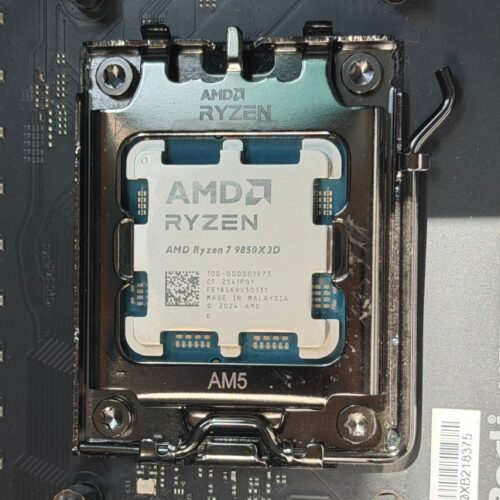
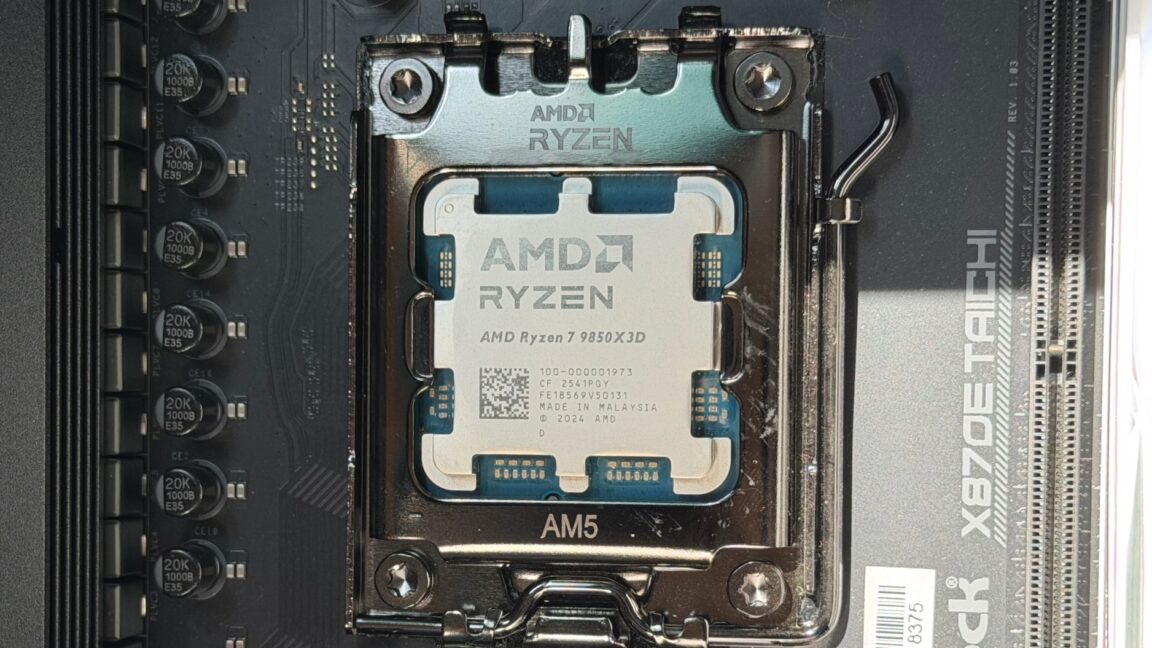
Users cry foul after AMD stripped memory crypto from its consumer CPUs

A decade ago, AMD added a protection to its high-end CPUs to protect them against cold boot attacks and other types of physical exploits that siphon sensitive data out of the connected memory chips. Short for Transparent Secure Memory Encryption, TSME encrypts the entire contents stored in memory, making the data useless to physical attackers.

Over time, AMD added TSME to lower-end processors, including the consumer version of its Ryzen chips, a CPU that costs less than the Pro version. Over the years, users of these lower-end chips have gotten used to the added security. Recently and without warning or notice, this lower-end line of AMD chips suddenly dropped the protection, and did so in a way that was impossible to detect on Windows machines and required a fair amount of technical work when using Linux.

Now you see it, now you don't

AMD has yet to say why TSME worked on these CPUs, or even to confirm the change. AMD declined to answer questions sent by email other than to say TSME "is a security feature only applied to PRO CPUs as part of AMD PRO Technologies." The statement is the first known time the chipmaker has explicitly made this restriction public.

Read full article

Comments

© Andrew Cunningham

  •  

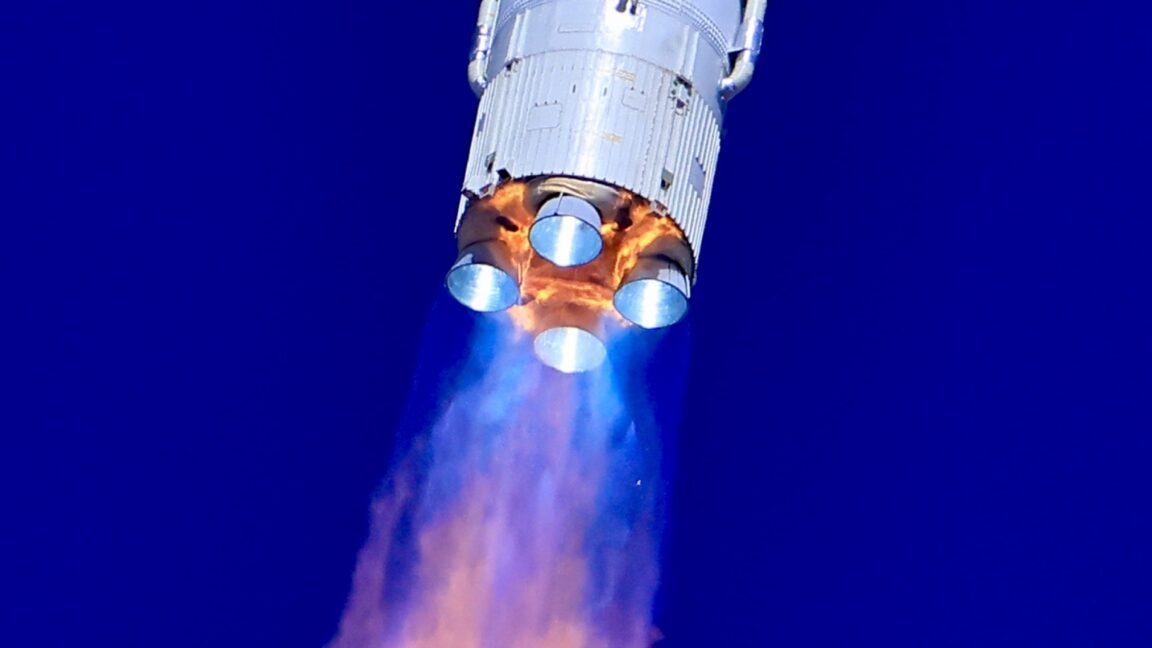
A Chinese rocket breaks apart dangerously close to the Starlink constellation

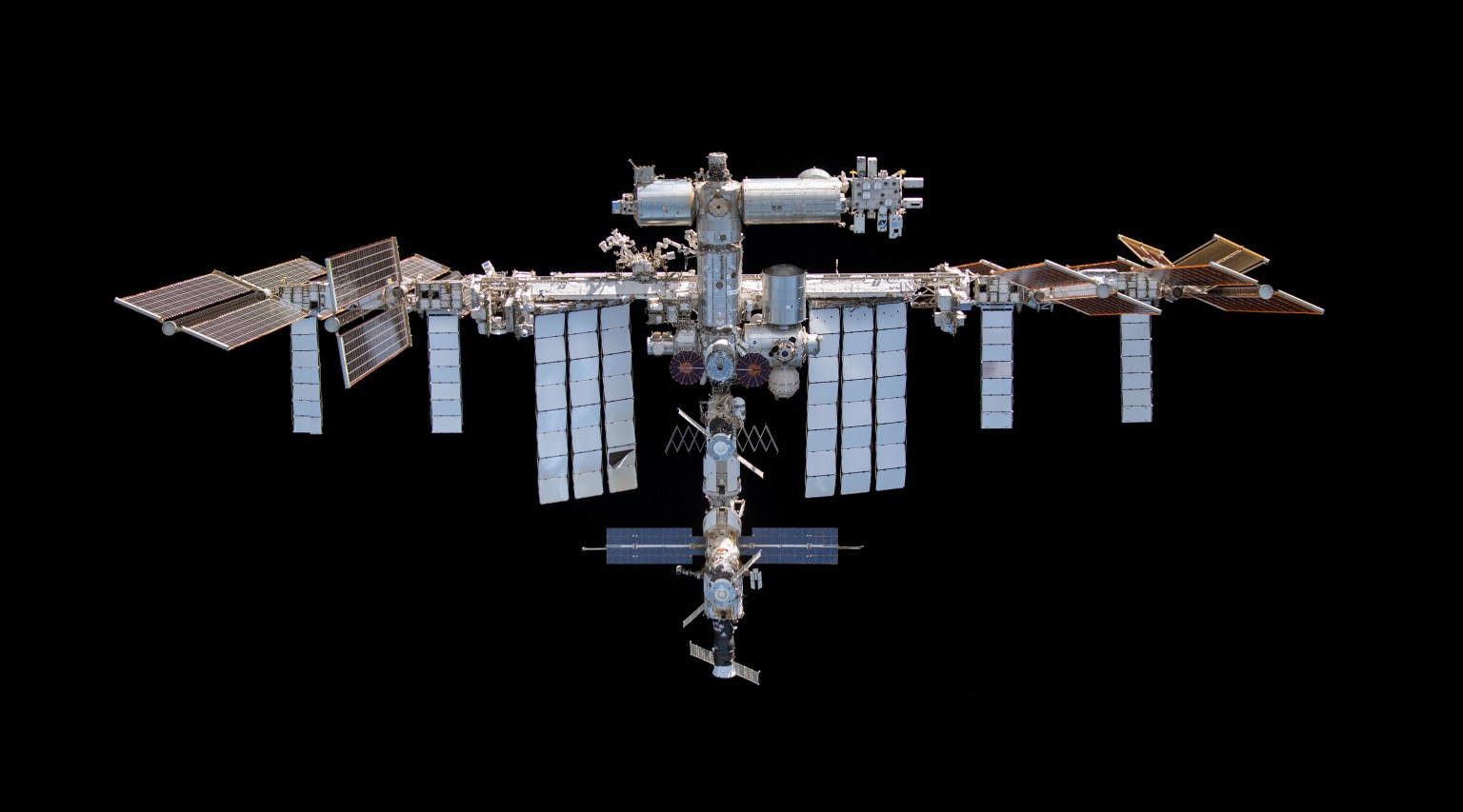
The upper stage from a commercial Chinese rocket that launched last week has broken apart in space, spreading debris in a heavily trafficked part of low-Earth orbit home to the International Space Station and a significant portion of SpaceX's Starlink broadband network.

The breakup occurred shortly after the Zhuque-2E rocket reached orbit on June 9 with two satellites providing direct-to-cell communications, perhaps around the time the upper stage was expected to perform a disposal burn. The US Space Force confirmed the breakup event in a post on space-track.org, a website used by the military to distribute orbit data to the public.

"The tracked pieces are being incorporated into routine conjunction assessment to support spaceflight safety," the Space Force wrote in an advisory. "There are currently no threats to human spaceflight. Analysis is ongoing."

Read full article

Comments

© Wang Heng/Xinhua via Getty Images

  •  

Amendment 59: Several Updates to the ROSES-25 Summary of Solicitation

Research Opportunities in Space and Earth Sciences (ROSES)-2025 is an ongoing “omnibus” or “umbrella” solicitation meaning that it includes many individual program elements each with its own topics and due dates. Refer to Table 3 of ROSES-25 for a list of those program elements. The ROSES-25 “Summary of Solicitation” is the front matter that sets the default backstop rules for each of the program elements in ROSES-25.
ROSES-25 Amendment 59 makes several additions, changes, and clarifications to the ROSES-25 Summary of Solicitation to conform with Agency and administration priorities, see Sections I, I(g), II(a), II(b), III(b), III(d), V(b)ii, VI(c) & VIII(b). New text is in bold.

Important and substantial revisions to 2 CFR 200, the government-wide guidance for grants and cooperative agreements are proposed to take effect October 1, 2026, see https://www.federalregister.gov/documents/2026/05/29/2026-10817/regulation-for-federal-financial-assistance#h-8. Many types of currently allowable costs, such as but not limited to publications, research or events outside the United States, and domestic conferences may be restricted, denied, or may be allowable by legal exception or special award conditions only. Public comments on the revisions to 2 CFR 200 may be submitted until July 13, 2026, at https://www.regulations.gov/commenton/OMB-2026-0034-0001

On or about June 15, 2026, this Amendment to the NASA Research Announcement “Research Opportunities in Space and Earth Sciences (ROSES) 2025” (NNH25ZDA001N) will be posted on the NASA research opportunity homepage at https://solicitation.nasaprs.com/ROSES2025 and will appear on SARA’s ROSES blog at: https://science.nasa.gov/researchers/solicitations/roses-2025/

Questions concerning this amendment to ROSES-25 may be directed to SARA@nasa.gov.

The post Amendment 59: Several Updates to the ROSES-25 Summary of Solicitation appeared first on NASA Science.

  •  

The best early Amazon Prime Day deals so far

The products pictured here aren’t on sale, but we certainly hope they will be soon. | Image: Alex Parkin / The Verge

Amazon’s earlier-than-usual Prime Day doesn’t begin until June 23rd, but there are several even earlier deals on must-have products that you can check out right now. To name some examples, Apple’s AirPods Pro 3 are selling at their cheapest-ever price at Amazon and Walmart (though, the sale keeps playing peek-a-boo). Also, you can grab Ring’s latest battery-powered doorbell for $60 off and it includes a free Indoor Cam Plus with purchase. There are also enough early Apple deals and discounts on fantastic robovacs that we’ve spun up coverage ahead of next week.

While the pre-Prime Day deals are looking good so far, you may not see the brands or products you’re looking for — hopefully, those deals will come later in June. Still, we’ve only included early deals that meet the criteria we hold for all our commerce coverage: they’re good products sold at attractive prices.
We’ll update this post frequently ahead of Prime Day.

Headphone / earbud deals

  • Apple’s AirPods Pro 3 have been available at their lowest price to date for the past week or so. Originally $249, the noise-canceling, wireless earbuds are $179 at Amazon and Best Buy — no membership required. Walmart has a product page that lists $169 as a sale price, though it’s out of stock at the time of publication. The AirPods Pro 3 are the latest earbuds from Apple, packing better bass and active noise cancellation than their predecessor, plus the ability to do some light fitness tracking, among other niceties. Read our review.

Bose QuietComfort Ultra headphones (second-gen)

The latest over-ear, noise-canceling headphones from Bose offer longer battery life over ANC, plus lossless audio support via USB-C.

Where to Buy:

  • The AirPods 4 on sale at Amazon, Walmart, and Best Buy for $99 ($30 off). Apple’s entry-level earbuds offer richer bass than previous generations along with a more robust IP54 rating for water and dust resistance. They match the latest AirPods Pro in voice call quality and work well with other Apple devices too, though they lack more advanced features like active noise cancellation. It might be a pro or con to some that this model simply rests in your ear. They don’t create a tight seal like the AirPods Pro.

Smart home deals

Govee Outdoor Lamp Post

A 8-foot-tall, 2,000-lumen RGBIC smart outdoor lamp. The model has six color zones and dedicated white lighting. It features built-in motion and light sensors, works with Matter, is IP66 rated, and includes a long power cord for easy installation.

Where to Buy:

  • The 8-piece and 14-piece Ring Alarm Pro home security systems have gotten big discounts ahead of Prime Day. The smaller kit of the two is $209.99 ($90 off) and includes a base station (it doubles as a eero 6 Wi-Fi router), a keypad, four contact sensors for doors or windows, a motion detector, and a range extender for the alarm. The 14-piece set doubles the keypads, contact sensors, and motion detectors. Both include a 30-day trial to Ring Protect plan, which will cost $19.99 per month after the trial.

Govee Table Lamp Classic

Sometimes, you don’t need a bright light. You just need a capable, portable light source. Govee’s Table Lamp has adjustable color temperature, not to mention customizable colors and brightness levels.

Where to Buy:

  • In addition the Echo Dot Max linked right above, Amazon has switched on several deals for its latest smart speakers and displays. The Echo Show 8 is down to $124.99 (originally $180) at Amazon, and the bigger Echo Show 11 is just a little more, costing $149.99 (down from $219.99) at Amazon. If you want bigger sound than the Echo Dot Max can provide, the Echo Studio is your best bet, costing $174.99 (originally $219.99) at Amazon — its best price yet. Finally, Amazon’s Echo Spot that’s great for nightstands is down to $44.99 from $80 at Amazon.

Ring Battery Doorbell Plus (second-gen)

The 2026 doorbell offers 2K video and 6x zoom, plus a removable battery. It supports Ring’s Retinal Vision, which uses AI to improve footage quality.

Where to Buy:

Smartwatch / wearable deals

  • Fitbit’s Charge 6 fitness tracker has dropped to its lowest price yet at Amazon, costing $79.99 (originally $159.99, but usually around $100). It’s a solid alternative to Google’s $99 and screenless Fitbit Air. The 2023 Charge 6 features an OLED screen, a haptics-based button, plus the ability to ping you with notifications. Read our review.

Apple Watch Series 11

Although the Apple Watch Series 11 is the same size as its predecessor, it features a 5G cellular modem, a display that Apple claims is twice as durable, and slightly improved battery life. Read our review.

Where to Buy:

Misc. deals

Logitech MX Master 3S

The MX Master 3S is a favorite among many Verge staff members because of its comfort and customization. It can connect via Bluetooth, via its included 2.4GHz receiver, or wired with its USB-C cable.

Where to Buy:

  • While not a gadget deal, Walmart is offering a big discount on annual subscriptions to its Walmart Plus service. Originally $98, it’s $49 for a year, which includes early access to its own Prime Day-equivalent sale, not to mention free shipping on order $35 and up, and a host of other benefits.
  • The Baseus AM52 10,000mAh power bank that can deliver Qi2.2 25W wireless charging speeds is cheaper than ever for Verge readers. Through June 30th, you can head over to Amazon and use the code THEVERGECODE to nab one for $42.99 — considerably cheaper than the $63.99 price that Prime members have access to. Read about the AM52’s performance here.

Lego Ideas – Van Gogh “Starry Night” set

You and a pal can probably assemble the 2,316-piece set of Starry Night in a couple of days. Sure, it’s said that it took Van Gogh just as long to paint the masterpiece, but we can’t all be artistic geniuses.

Where to Buy:

Tablets and e-reader deals

  • Amazon’s Fire 7 Kids tablet is steeply discounted ahead of Prime Day. The 32GB tablet that includes a bumper case, one year of access to a suite of kid-friendly content, and a two-year hardware warranty is down to $64.99 at Amazon (originally $129.99). There’s nothing spectacular about the specs, but it’s a good-enough tablet to withstand whatever your kiddo does to it. The two-year warranty is “worry-free,” which Amazon defines as “if it breaks, we will replace it.” The 16GB version is $54.99.

Amazon Kindle Colorsoft Essentials Bundle

You can get a huge discount on the 16GB Colorsoft that includes a leather cover and a power adapter.
A close-up of the Amazon Kindle Colorsoft e-reader with a Spider-Man comic on screen.

Where to Buy:

  • While Amazon’s latest 16GB Kindle Paperwhite typically costs $159.99 on its own, there’s now a fantastic deal happening on the 32GB Signature Edition tablet that supports wireless charging. A $154.98 bundle that also includes a metallic jade cover and a Kindle-branded, cream-colored sling bag is available now at Amazon.

Gaming deals

  • For a limited time, you can get a $15 promotional gift card when you buy a $100 Newegg gift card. It’s always nice to get a little more for your money, especially if you plan to buy pricey PC components, be it RAM, an SSD, or a graphics card.
  • Through June 19th (or until supplies last), Woot is offering new customers a small, but welcome $15 discount on the Nintendo Switch 2 console. The $449.99 device drops to $434 with the code NEW15 used at checkout. I know, I know — it’s not much. It may not even cover sales tax associated with the purchase, but a deal’s a deal.

Home entertainment deals

  • Amazon’s Fire TV Soundbar Plus that also includes a wireless subwoofer and two satellite speakers is down to $379.99 (originally $489.99), it’s best price to date. It’s a solid sound system if you don’t want to spend a bunch of money. The soundbar supports HDMI eARC and optical audio for inputs, and it can connect to devices via Bluetooth. My interest in this model has been piqued ever since RTINGS named it one of its favorite budget-friendly soundbars.

Amazon Fire TV Stick 4K Select

The 4K Select isn’t Amazon’s most feature-rich nor its zippiest streaming stick. However, it’s one of the best 4K-ready options that you can get for under $20 while it’s on sale.

Where to Buy:

  • Marshall has knocked down prices for some of its home audio products, including its amp-inspired Acton III plug-in speaker. Originally $299.99 (though frequently $200 or so), it’s down to $179.99 in all colorways at Amazon. The Stanmore III that’s bigger and even more powerful, with RCA inputs for plugging in a record player, is $249.99 at Amazon. It’s a much bigger price drop for this one, considering it typically sells for around $300.

Amazon Fire TV Stick 4K Max (2023)

Amazon’s most capable streaming stick is faster than its predecessor with Wi-Fi 6E and double the storage. It also now displays widgets and artwork when idle while continuing to offer Alexa integration. Read our review.
An Amazon Fire TV Stick 4K Max streaming stick with its remote sitting beside a bowl of popcorn in front of a TV.

Where to Buy:

  •  

Hanwha Ocean to Build Six KDDX Destroyers Featuring AESA Radar, VLS, and IEP Options

South Korea has formally advanced its Korea Destroyer eXperimental (KDDX) program by designating Hanwha Ocean as the prime contractor for the construction of six next-generation destroyers, according to reports.

The move signals a concrete step in Seoul’s broader naval modernization effort, aimed at replacing aging KDX-I class frigates that have been in service since the late 1990s.

Program architecture and Hanwha Ocean’s role

Hanwha Ocean, formerly known as Daewoo Shipbuilding and Marine Engineering (DSME) before its acquisition by the Hanwha Group in 2023, will serve as the lead shipbuilder for the KDDX fleet.

The company brings substantial warship construction experience, having previously built KDX-II Chungmugong Yi Sun-sin-class and KDX-III Sejong the Great-class destroyers for the Republic of Korea Navy (ROKN).

The KDDX is designed as a roughly 6,000-ton displacement vessel — placing it between a conventional frigate and a full destroyer — optimized for multi-domain operations covering anti-surface warfare (ASuW), anti-submarine warfare (ASW), and anti-air warfare (AAW).

The design incorporates an integrated mast architecture that consolidates radar, electronic warfare, and communications systems into a single structure to reduce radar cross-section.

Propulsion and combat systems specifications

The KDDX is expected to adopt a combined diesel and gas (CODAG) or integrated electric propulsion (IEP) system, with final propulsion architecture still subject to program refinement. The ship’s combat management system is slated for domestic development, consistent with South Korea’s stated goal of reducing dependence on foreign defense electronics.

The vertical launch system (VLS) configuration will likely accommodate the domestic Hyunmoo cruise missile family alongside the Korean Air and Missile Defense (KAMD) interceptors.

The radar suite is anticipated to include an Active Electronically Scanned Array (AESA) system, developed in collaboration with LIG Nex1, which has been involved in previous Korean naval electronics programs. Integration of a domestically produced 127mm naval gun is also under consideration, though supplier finalization remains pending.

Industrial and procurement timeline

The six-ship order represents a significant production run by regional standards. South Korea’s Defense Acquisition Program Administration (DAPA) has been managing requirements definition, and the program has faced iterative delays tied to technology readiness levels for some onboard systems.

Full-rate production is expected to extend through the mid-2030s, with the lead vessel delivery targeted within the current decade pending contract finalization.

From an industrial standpoint, the contract reinforces Hanwha Ocean’s position in the domestic naval shipbuilding sector following its competition against HD Hyundai Heavy Industries, which builds the existing Sejong the Great-class Aegis destroyers.

The award consolidates naval surface combatant work at a single yard, which carries both efficiency benefits and supply chain concentration risks if production bottlenecks emerge.

Operational context and regional calculus

The KDDX program does not operate in isolation. The ROKN is simultaneously pursuing the KDX-III Batch II Aegis destroyer and expanding its submarine fleet under the KSS-III program. Sustaining parallel major acquisition tracks places pressure on defense budgets and domestic industrial bandwidth.

Questions remain about whether Korea’s shipyards can absorb concurrent destroyer, submarine, and future light aircraft carrier workloads without schedule compression on any individual program.

For engineers and defense analysts tracking South Korea’s evolving naval engineering programs, the KDDX contract award with Hanwha Ocean represents a procurement decision with tangible technical and strategic consequences that will play out across the next decade of ROKN fleet development.

  •  

Fox’s $22B Roku acquisition aims to expand its reach into smart TVs, advertising

Fox Corporation has agreed to buy Roku Inc. for $160 per share, an approximate enterprise value of $22 billion, the firms announced today.

The acquisition would unite Fox’s broadcast channels, including Fox, Fox News, Fox Business, and FS1, as well as its streaming businesses, including Tubi, a free ad-supported streaming television (FAST) platform that Fox bought in 2020, with Roku’s own FAST service, The Roku Channel, and Roku’s streaming hardware business, including its streaming sticks and smart TVs. Roku says it has 100 million households using its platform.

The most valuable part of Roku’s business isn't its hardware, which lost $19.1 million in the quarter ending March 31, 2026, but its the operating system (Roku OS) and advertising business. In that same quarter, Roku’s advertising and subscriptions business posted a gross profit of $584.1 million, with the advertising business pulling in $371 million in revenue. The COVID-19 pandemic helped Roku become profitable in 2021, but the company didn’t see annual profitability again until 2025.

Read full article

Comments

© Getty

  •  

Uma lâmpada inteligente indicada pelo Copilot! Acharam que foi uma boa dica da IA? #tecnologia

💾

Pedimos para as principais IAs (ChatGPT, Gemini, Copilot, Claude e Grok) indicarem produtos de tecnologia baratos para ver qual delas consegue entender melhor a tarefa, cumpre os requisitos estabelecidos e ainda consegue indicar compras realmente boas!

Essa lâmpada smart da Geonav foi indicação do Copilot, a IA da Microsoft, e permite não só acender e apagar a lâmpada via aplicativo ou assistente de voz, mas também dimerizar, mudar a cor e até criar cenas diferentes para várias ocasiões. O que você acharam?

[#Tipo: Caixa TecMundo]
[#Tipo: Shorts]

#IA #batalhadeIAs #copilot #tecmundo
  •  

Esse radinho retrô indicado pelo Grok faz de tudo?! #tecnologia #caixatecmundo

💾

Testamos esse rádio vintage com funções AM/FM, Bluetooth, player MP3 e leitor de cartões microSD e USB, que tem entrada auxiliar para fone e microfone, bateria própria, suporte para pilhas e inclui ainda alça e lanterna embutidas!

No canal do TecMundo no YouTube você encontra o vídeo completo em que pedimos para as principais IAs da atualidade (ChatGPT, Copilot, Claude, Gemini e Grok) nos indicarem produtos tecnológicos para testar qual delas faz o melhor trabalho com um orçamento limitado.

[#Tipo: Caixa TecMundo]

#IA #grok #batalhadeIAs
  •  

NASA’s SpaceX CRS-34 Dragon Returns Packed with Space Station Science

Scientists await a big splash in the Pacific Ocean as one of the most research-packed Dragon spacecraft to date returns, completing the 34th SpaceX commercial resupply mission to the International Space Station for NASA. Biological and materials samples, along with tested hardware, are heading back to research teams on Earth for further analysis, advancing NASA’s work to prepare humans for exploration beyond low Earth orbit and to deliver benefits back home.

Tiny cells, huge health insights

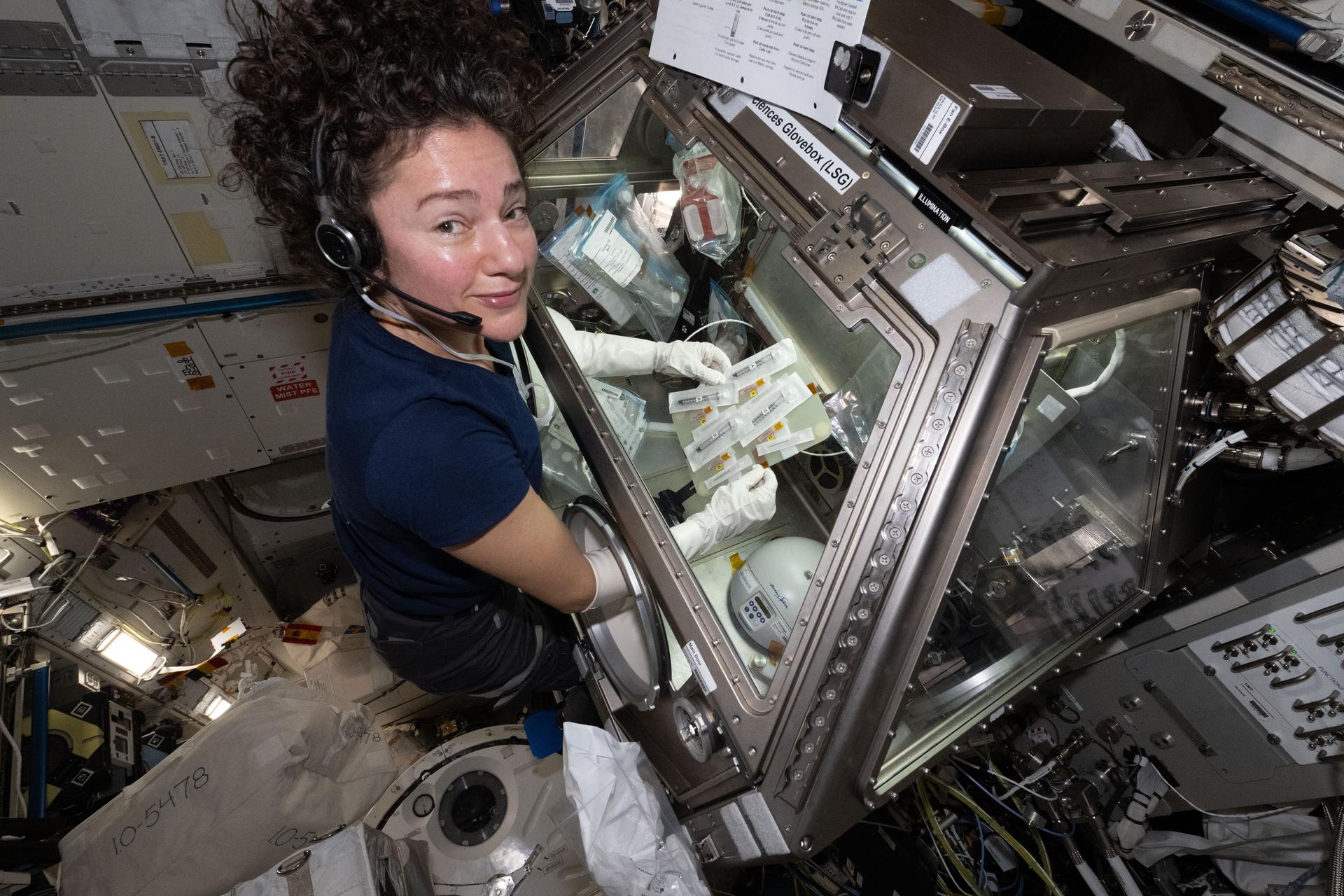
Jessica Meir wears a navy-blue T-shirt and a headset. She looks at the camera while her arms are inserted into the Life Sciences Glovebox. She holds a rectangular plate with multiple sealed syringes and tubes. There are many bags within the glovebox with lab supplies. Metallic surfaces and electronics surround the area outside the glovebox.
NASA astronaut Jessica Meir prepares samples in the Life Sciences Glovebox to study how weightlessness affects crew blood clotting and immune function for the Megakaryocyte Flying-One investigation.
NASA

Some samples returning are for NASA’s Hematopoietic Stem Cell Expansion in Space: Pathfinder Investigation (InSPA-StemCellEX-H2), which seeks to use the microgravity environment to scale up the production of stems cells. On Earth, lab-produced blood stem cells lose their ability to form different cell types, like red and white blood cells that are critical to treating patients with certain blood diseases and cancers. In microgravity, researchers believe this ability will be better preserved while also growing these stem cells in greater numbers. The returning samples will undergo further analysis to determine if space-based efforts produce larger quantities of enhanced stem cells suitable for clinical use.

The team behind NASA’s Streptococcus pneumoniae (Spn) Infection of Cardiac Tissue (MVP Cell-09) experiment is awaiting the return of stem cell-derived heart tissues that were intentionally infected with a pneumonia-causing bacterium as part of ongoing microgravity research. Pneumonia increases the risk of heart disease, which is not fully understood. Because bacteria tend to become more active and virulent in microgravity, this experiment could amplify their effects, making it possible to detect cellular responses that cannot be observed on Earth.

NASA’s Megakaryocyte Flying-One (MeF1) samples are returning to Earth to help understand how large cells found in bone marrow, known as megakaryocytes, and the platelets they produce adapt to spaceflight. Megakaryocytes and platelets play important roles in the formation of blood clots and immune responses. The returning samples, including those taken from astronauts, could show us how the human immune system reacts aboard the space station and help prepare for future exploration missions.

Driving design enhancements

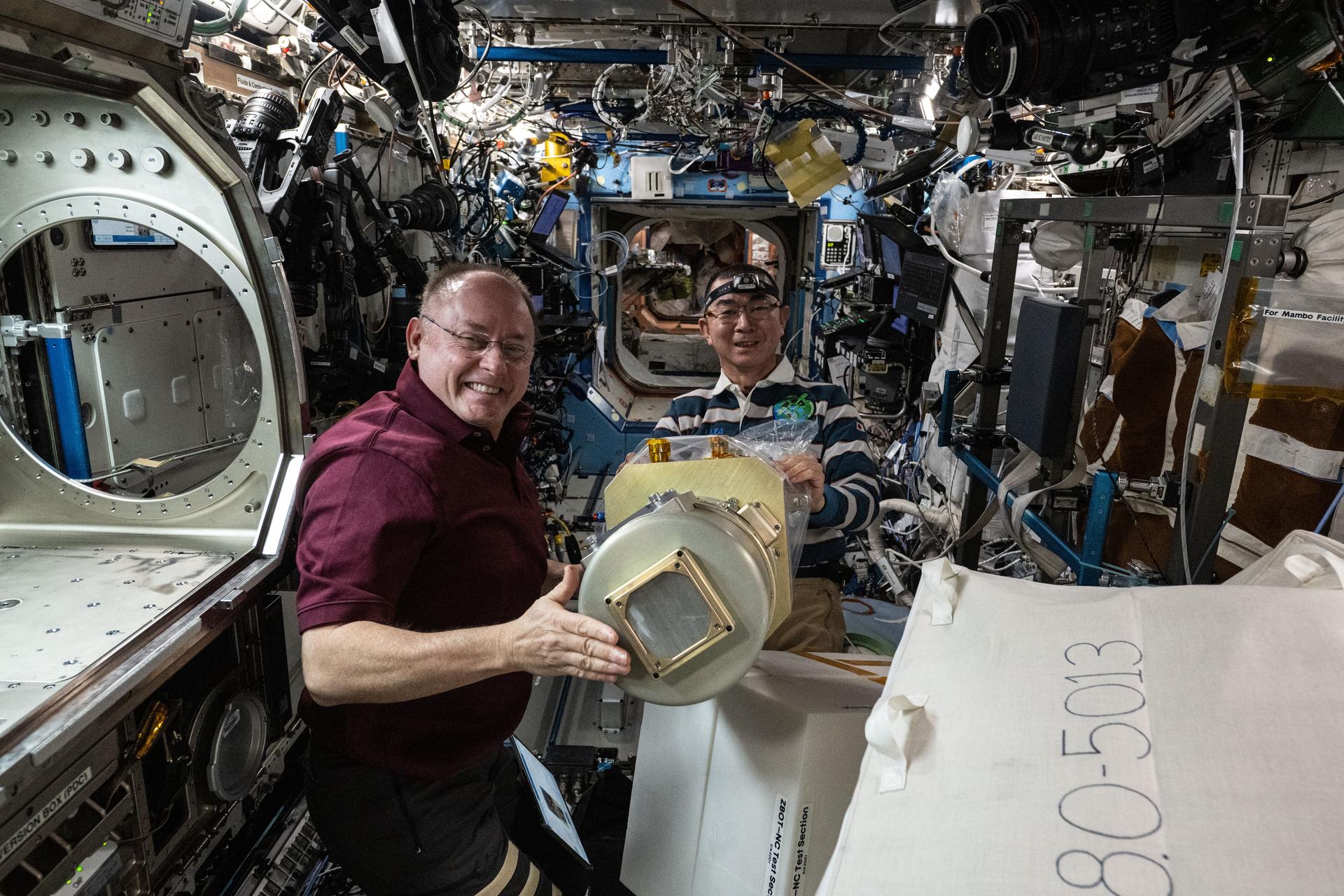
Fincke wears a maroon shirt and smiles as he holds a metallic cylindrical tank with a square outcrop on its flat end. Yui, wearing a striped white and blue shirt, stands next to Fincke and removes a bag from the tank. The surrounding walls of the space station have many cables and electronics embedded into the walls.
NASA astronaut Mike Fincke and JAXA (Japan Aerospace Exploration Agency) astronaut Kimiya Yui work on hardware for the Zero Boil-Off Tank investigation.
NASA

Many spacecraft use cryogenic fuels for propulsion, but temperature swings in space can cause these extremely cold fuels to slowly evaporate and escape their tank, reducing fuel efficiency and complicating mission planning. NASA’s Zero Boil-Off Tank Noncondensables (ZBOT-NC) investigation aboard station studies how gases that do not condense into liquids at cold temperatures affect pressure control and fluid behaviors in propellant tanks. Hardware returning aboard Dragon, including drives containing fluid-physics data, could help validate models and contribute to the design of more efficient cryogenic fuel storage systems for long-duration missions.

Semiconductor research samples as part of NASA’s In-Space Production of Semimetal-Semiconductor Composite Bulk Crystals in Microgravity (SUBSA-InSPA-SSCug) investigation are returning to Earth for further analysis. This study manufactured semimetal-semiconductor composite alloy crystals in space, which have applications in many electronics, including sensors and lasers. Researchers believe microgravity could enable the production of significantly greater and higher-quality crystals, supporting the development of next-generation semiconductor technologies.

Innovative medical research mix

A microscopic image with a black background and enhanced with fluorescence to distinguish a red porous material. This nanomaterial is embedded with many stem cells, represented as tiny, blue, oval-shaped dots.
Stem cells grown along a DNA-inspired nanomaterial on space station as part of DNA Nano Therapeutics-Mission 2, a percussor to DNA Nano Therapeutics-3.
University of Connecticut

NASA’s DNA Nano Therapeutics-3 research team will receive tiny, space-assembled DNA-inspired materials that are combined with medicines to create active cancer treatments. Producing these treatments in microgravity can improve how well they perform in the body. This research could improve patient outcomes by helping therapies reach tumors more effectively, stay in the body longer, and improve medicine release.

Tissue models of the brain, heart, liver, and kidney that were tested with novel RNA-based medicines as part of NASA’s InSPA-Sachi Nanoligomer investigation are also returning. Microgravity can accelerate aging and disease processes, giving researchers a unique environment to better observe how well these new drugs work on different organs ahead of clinical trials.

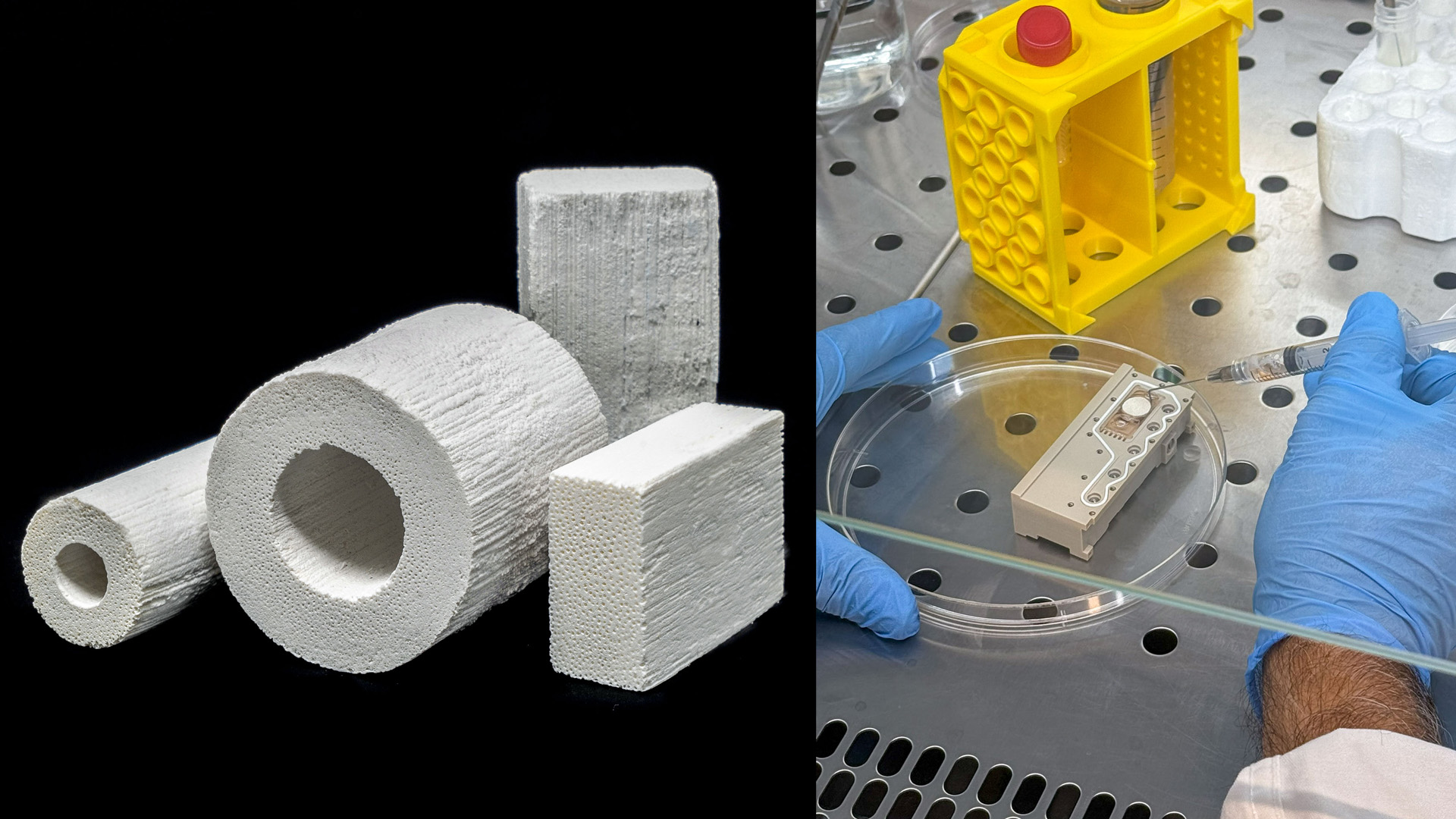
A composite made up of two images. The left image shows four white structures – two cylinders of different diameters and two blocks of different lengths. The right image shows a grey metallic surface with a rectangular device resting on a round petri dish. A pair of hands wearing blue latex gloves are within the frame; the left hand holds the petri dish and the right hand injects a substance into the rectangular device.
The left image shows various wood-derived products of different shapes, and the right image shows a sample of this same material in a laboratory setting on Earth. These products may have applications in the medical field by providing scaffolding for patients with fragile bones.
GreenBone Ortho

Samples from ESA’s (European Space Agency) Green Bone investigation are returning to Earth to help understand how bone cells grow and develop on a new scaffold made from wood. Designed to mimic real bone, this scaffold was tested in microgravity to understand its ability to heal defects and fractures. Because living in microgravity simulates conditions like osteoporosis, a skeletal disorder which affects millions of people worldwide, the results could help treat patients with these fragile bone conditions. 

NASA’s 3D Bone Marrow Analog research team will analyze the returning 3D-printed tissues that mimic parts of the bone marrow. Spaceflight can cause aging-like changes, including bone and muscle loss. To investigate potential countermeasures, these tissue models were exposed to small vibrations aboard the space station to simulate exercise. After the samples return to Earth, researchers will measure bone-like mineral formations and observe cellular and genetic changes. Findings from this investigation could help develop new strategies to maintain astronaut bone and muscle health during future long-duration missions.

In the United States, more than 900,000 knee cartilage injuries occur annually, with many requiring surgery. NASA’s InSPA-Auxilium Bioprinter-Cell Printing is investigating how to treat these injuries and is returning 3D-printed cartilage tissue samples from space station. This investigation uses the orbiting laboratory’s unique microgravity environment to bioprint cartilage tissues with more evenly distributed cells compared to those printed on Earth. The results could help produce higher-quality cartilage prints to treat joint injuries.

The post NASA’s SpaceX CRS-34 Dragon Returns Packed with Space Station Science appeared first on NASA Science.

  •  

NASA’s SpaceX CRS-34 Dragon Returns Packed with Space Station Science

Scientists await a big splash in the Pacific Ocean as one of the most research-packed Dragon spacecraft to date returns, completing the 34th SpaceX commercial resupply mission to the International Space Station for NASA. Biological and materials samples, along with tested hardware, are heading back to research teams on Earth for further analysis, advancing NASA’s work to prepare humans for exploration beyond low Earth orbit and to deliver benefits back home.

Tiny cells, huge health insights

Jessica Meir wears a navy-blue T-shirt and a headset. She looks at the camera while her arms are inserted into the Life Sciences Glovebox. She holds a rectangular plate with multiple sealed syringes and tubes. There are many bags within the glovebox with lab supplies. Metallic surfaces and electronics surround the area outside the glovebox.
NASA astronaut Jessica Meir prepares samples in the Life Sciences Glovebox to study how weightlessness affects crew blood clotting and immune function for the Megakaryocyte Flying-One investigation.
NASA

Some samples returning are for NASA’s Hematopoietic Stem Cell Expansion in Space: Pathfinder Investigation (InSPA-StemCellEX-H2), which seeks to use the microgravity environment to scale up the production of stems cells. On Earth, lab-produced blood stem cells lose their ability to form different cell types, like red and white blood cells that are critical to treating patients with certain blood diseases and cancers. In microgravity, researchers believe this ability will be better preserved while also growing these stem cells in greater numbers. The returning samples will undergo further analysis to determine if space-based efforts produce larger quantities of enhanced stem cells suitable for clinical use.

The team behind NASA’s Streptococcus pneumoniae (Spn) Infection of Cardiac Tissue (MVP Cell-09) experiment is awaiting the return of stem cell-derived heart tissues that were intentionally infected with a pneumonia-causing bacterium as part of ongoing microgravity research. Pneumonia increases the risk of heart disease, which is not fully understood. Because bacteria tend to become more active and virulent in microgravity, this experiment could amplify their effects, making it possible to detect cellular responses that cannot be observed on Earth.

NASA’s Megakaryocyte Flying-One (MeF1) samples are returning to Earth to help understand how large cells found in bone marrow, known as megakaryocytes, and the platelets they produce adapt to spaceflight. Megakaryocytes and platelets play important roles in the formation of blood clots and immune responses. The returning samples, including those taken from astronauts, could show us how the human immune system reacts aboard the space station and help prepare for future exploration missions.

Driving design enhancements

Fincke wears a maroon shirt and smiles as he holds a metallic cylindrical tank with a square outcrop on its flat end. Yui, wearing a striped white and blue shirt, stands next to Fincke and removes a bag from the tank. The surrounding walls of the space station have many cables and electronics embedded into the walls.
NASA astronaut Mike Fincke and JAXA (Japan Aerospace Exploration Agency) astronaut Kimiya Yui work on hardware for the Zero Boil-Off Tank investigation.
NASA

Many spacecraft use cryogenic fuels for propulsion, but temperature swings in space can cause these extremely cold fuels to slowly evaporate and escape their tank, reducing fuel efficiency and complicating mission planning. NASA’s Zero Boil-Off Tank Noncondensables (ZBOT-NC) investigation aboard station studies how gases that do not condense into liquids at cold temperatures affect pressure control and fluid behaviors in propellant tanks. Hardware returning aboard Dragon, including drives containing fluid-physics data, could help validate models and contribute to the design of more efficient cryogenic fuel storage systems for long-duration missions.

Semiconductor research samples as part of NASA’s In-Space Production of Semimetal-Semiconductor Composite Bulk Crystals in Microgravity (SUBSA-InSPA-SSCug) investigation are returning to Earth for further analysis. This study manufactured semimetal-semiconductor composite alloy crystals in space, which have applications in many electronics, including sensors and lasers. Researchers believe microgravity could enable the production of significantly greater and higher-quality crystals, supporting the development of next-generation semiconductor technologies.

Innovative medical research mix

A microscopic image with a black background and enhanced with fluorescence to distinguish a red porous material. This nanomaterial is embedded with many stem cells, represented as tiny, blue, oval-shaped dots.
Stem cells grown along a DNA-inspired nanomaterial on space station as part of DNA Nano Therapeutics-Mission 2, a percussor to DNA Nano Therapeutics-3.
University of Connecticut

NASA’s DNA Nano Therapeutics-3 research team will receive tiny, space-assembled DNA-inspired materials that are combined with medicines to create active cancer treatments. Producing these treatments in microgravity can improve how well they perform in the body. This research could improve patient outcomes by helping therapies reach tumors more effectively, stay in the body longer, and improve medicine release.

Tissue models of the brain, heart, liver, and kidney that were tested with novel RNA-based medicines as part of NASA’s InSPA-Sachi Nanoligomer investigation are also returning. Microgravity can accelerate aging and disease processes, giving researchers a unique environment to better observe how well these new drugs work on different organs ahead of clinical trials.

A composite made up of two images. The left image shows four white structures – two cylinders of different diameters and two blocks of different lengths. The right image shows a grey metallic surface with a rectangular device resting on a round petri dish. A pair of hands wearing blue latex gloves are within the frame; the left hand holds the petri dish and the right hand injects a substance into the rectangular device.
The left image shows various wood-derived products of different shapes, and the right image shows a sample of this same material in a laboratory setting on Earth. These products may have applications in the medical field by providing scaffolding for patients with fragile bones.
GreenBone Ortho

Samples from ESA’s (European Space Agency) Green Bone investigation are returning to Earth to help understand how bone cells grow and develop on a new scaffold made from wood. Designed to mimic real bone, this scaffold was tested in microgravity to understand its ability to heal defects and fractures. Because living in microgravity simulates conditions like osteoporosis, a skeletal disorder which affects millions of people worldwide, the results could help treat patients with these fragile bone conditions. 

NASA’s 3D Bone Marrow Analog research team will analyze the returning 3D-printed tissues that mimic parts of the bone marrow. Spaceflight can cause aging-like changes, including bone and muscle loss. To investigate potential countermeasures, these tissue models were exposed to small vibrations aboard the space station to simulate exercise. After the samples return to Earth, researchers will measure bone-like mineral formations and observe cellular and genetic changes. Findings from this investigation could help develop new strategies to maintain astronaut bone and muscle health during future long-duration missions.

In the United States, more than 900,000 knee cartilage injuries occur annually, with many requiring surgery. NASA’s InSPA-Auxilium Bioprinter-Cell Printing is investigating how to treat these injuries and is returning 3D-printed cartilage tissue samples from space station. This investigation uses the orbiting laboratory’s unique microgravity environment to bioprint cartilage tissues with more evenly distributed cells compared to those printed on Earth. The results could help produce higher-quality cartilage prints to treat joint injuries.

  •  

Good news—we have extra time before the Sun ends life on Earth

It’s a bit worrying when a scientific paper begins, “How long will life on Earth survive?” But in this case—a study by Jacob Haqq‐Misra of Blue Marble Space and Eric Wolf at the University of Colorado Boulder—the billion-plus-year timeline under consideration shouldn’t cause you too much existential panic.

The context for this question is that we understand the Sun will brighten as it eventually matures into a red giant that swallows the Earth in a solar furnace. So, where along that 5 billion-year path will life on Earth, in fact, be cooked?

Weathering and the weather

This isn’t just a question of incoming radiation. Among the thermostat-like stabilizing feedback loops in Earth’s climate, the cycling of CO2 through the solid Earth is a major factor over timescales this long. The weathering of silicate rocks at the surface converts atmospheric CO2 into carbonate that ends up on the seafloor, where it can be subducted into the mantle with tectonic plates. (And eventually, it can cycle back out to the atmosphere through volcanoes.)

Read full article

Comments

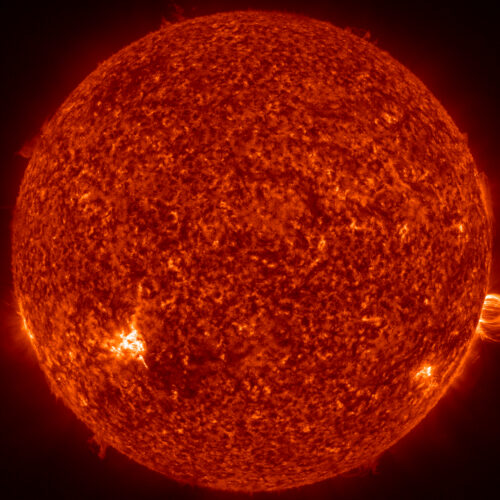
© NASA/GSFC/SDO

  •  

Forthcoming Revisions to NASA Disclosure Forms

Forthcoming Revisions to NASA Disclosure Forms

15 June 2026

In Effect from 5 August 2026

Dear NASA grantee community, 

In accordance with Grant Information Circular 26‑02 [PDF], Research Security Training Requirements, all covered individuals named on NASA grant and cooperative agreement proposals will be required to attest that they have completed research security training prior to proposal submission beginning 5 August 2026. This attestation will be made by signing a certification included in the NASA biographical sketch and current and pending (other) support forms. To support your preparation, NASA is providing advance copies of the updated forms that will be required starting 5 August 2026. The new attestation related to research security training is highlighted within these documents.

Please note: Do not use these updated forms before August 5, 2026. Until that date, continue to use the current biographical sketch and current and pending support forms available on the NASA Grant Operations Management website under “Grant Forms.”

News Straight to Your Inbox

Subscribe to your community email news list

We will never share your email address.

Privacy Policy

Sign Up
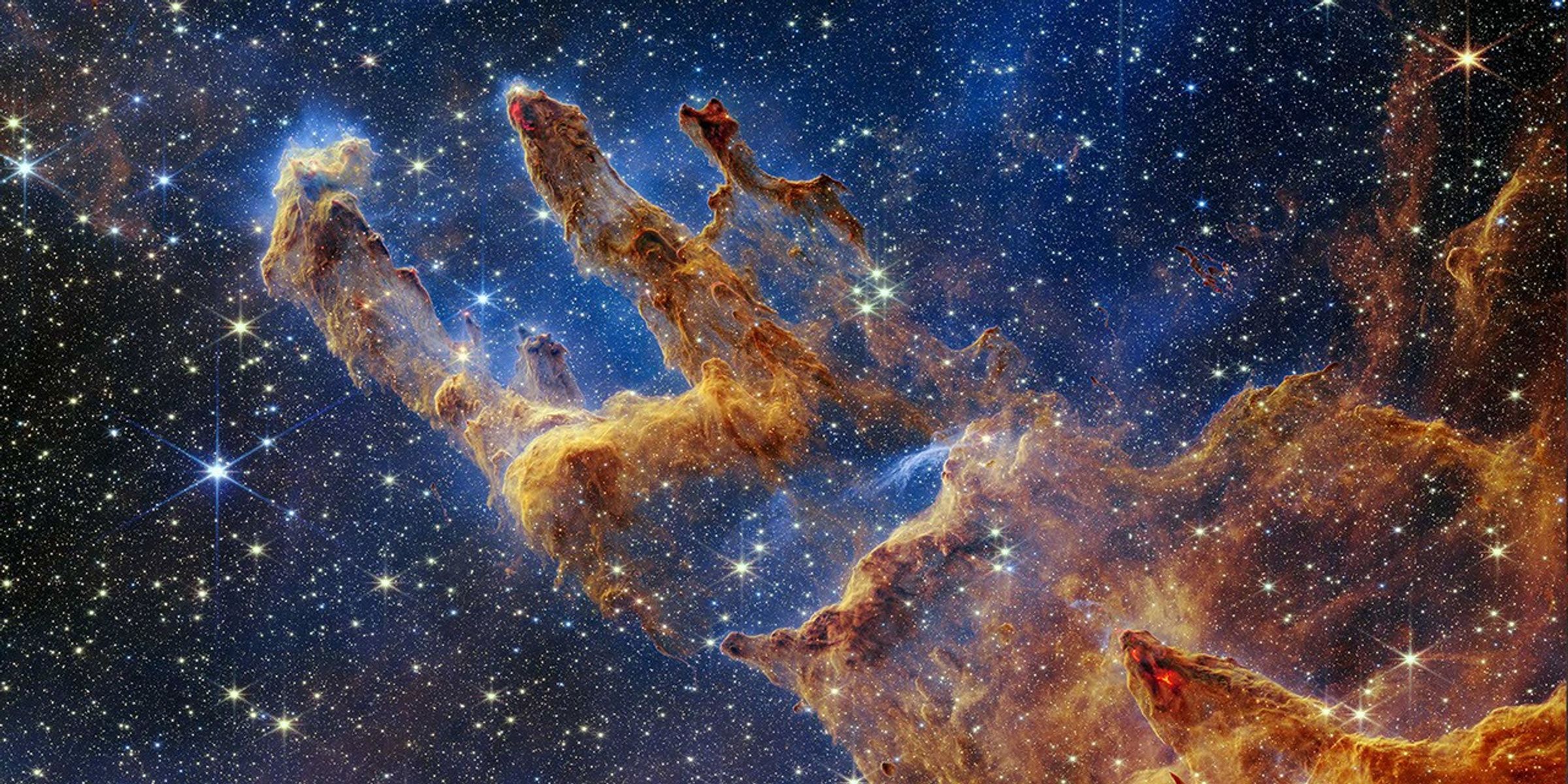
This cropped horizontal image has layers of semi-opaque rusty red colored gas and dust that starts at the bottom right and goes toward the top left. There are three prominent pillars rising toward the top left. The left pillar is the largest and widest. The peaks of the second and third pillars are set off in darker shades of brown and have red outlines.

The post Forthcoming Revisions to NASA Disclosure Forms appeared first on NASA Science.

  •  

ROSES-25: Updates to ROSES-25 Summary of Solicitation

ROSES-25: Several Updates to the ROSES-25 Summary of Solicitation

15 June 2026

Comments Due by 13 July 2026

Research Opportunities in Space and Earth Sciences (ROSES)-2025 is an ongoing “omnibus” or “umbrella” solicitation meaning that it includes many individual program elements each with its own topics and due dates. Refer to Table 3 of ROSES-25 for a list of those program elements. The ROSES-25 “Summary of Solicitation” is the front matter that sets the default backstop rules for each of the program elements in ROSES-25.

ROSES-25 Amendment 59 makes several additions, changes, and clarifications to the ROSES-25 Summary of Solicitation [PDF] to conform with Agency and administration priorities, see Sections I, I(g), II(a), II(b), III(b), III(d), V(b)ii, VI(c) & VIII(b). New text is in bold.

Important and substantial revisions to 2 CFR 200, the government-wide guidance for grants and cooperative agreements are proposed to take effect October 1, 2026; see the proposed regulation webpage on the Federal Register. Many types of currently allowable costs, such as but not limited to publications, research or events outside the United States, and domestic conferences may be restricted, denied, or may be allowable by legal exception or special award conditions only. Public comments on the revisions to 2 CFR 200 may be submitted until 13 July 2026, using the OMB comments portal.

Questions concerning this amendment to ROSES-25 may be directed to SARA@nasa.gov.

NASA Science

NSPIRES

NASA Solicitation and Proposal Integrated Review and Evaluation System

Explore
An image containing thousands of galaxies and stars on a black background, taken by the James Webb Space Telescope.

News Straight to Your Inbox

Subscribe to your community email news list

We will never share your email address.

Privacy Policy

Sign Up
This cropped horizontal image has layers of semi-opaque rusty red colored gas and dust that starts at the bottom right and goes toward the top left. There are three prominent pillars rising toward the top left. The left pillar is the largest and widest. The peaks of the second and third pillars are set off in darker shades of brown and have red outlines.

The post ROSES-25: Updates to ROSES-25 Summary of Solicitation appeared first on NASA Science.

  •  

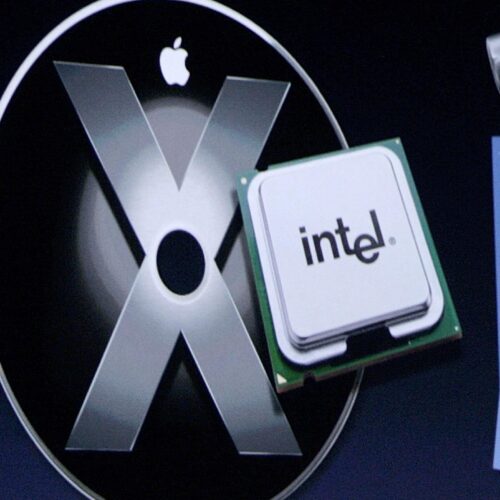
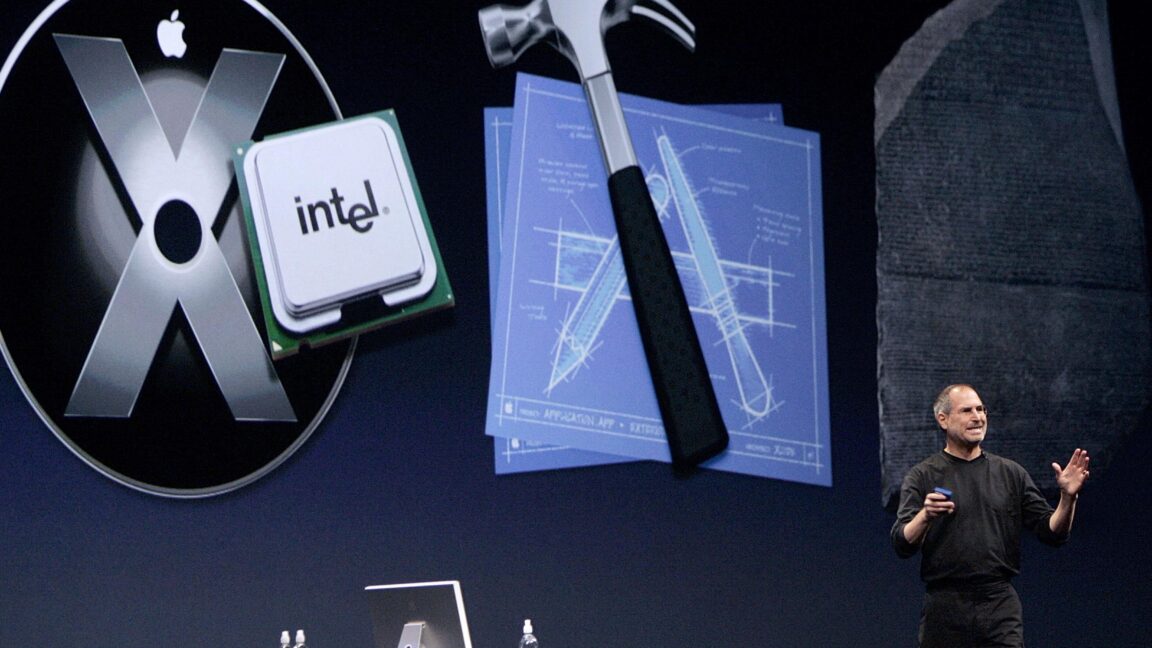
20 years of Intel Macs: Why Apple switched, and why it switched again

The release of macOS 27 later this fall won't quite close the book on the Intel Mac. The last handful of models that could run macOS 26 Tahoe will be eligible for security and Safari updates for two more years, and elements of the Rosetta compatibility layer for running Intel code on Apple Silicon Macs will be with us in some form for some indeterminate amount of time after that.

But macOS 26 is definitely the last chapter of the Intel Mac story. Anything that happens after this is a coda or an epilogue.

Most of our WWDC coverage has been forward-looking, so indulge us if you will in a look backward at the full history of the Intel Mac, a partnership between two companies that made Macs dramatically better, until it started making them worse.

Read full article

Comments

© David Paul Morris/Getty Images

  •  

7 oldest things found on Earth that reveal our planet’s deep past

Long before humans built cities, made tools, or even appeared on Earth, the planet was already leaving behind clues to its earliest history. Some are tiny crystals almost as old as Earth itself.

Others are fossils, ancient rocks, mountain ranges, and tools that reveal when life began, how early humans evolved, and how our world changed over billions of years. These seven discoveries are among the oldest things ever found on Earth.

1. UR 501 jawbone

Wikimedia Commons

The UR 501 jawbone is considered one of the oldest known human fossils. Found in Malawi, it is estimated to be around 2.5 to 2.3 million years old. The fossil belongs to the Homo rudolfensis group, an early human relative.

Its discovery was important because early Homo fossils had not been found in Central Africa before. The jawbone suggests that early humans or their close relatives may have moved through the East African rift system, offering clues about how early Homo spread across the continent.

2. Lomekwi stone tools

The Lomekwi stone tools, discovered in West Turkana, Kenya, are around 3.3 million years old. They are considered the oldest known tools ever found. Archaeologists uncovered anvils, cores, and flakes at the site.

What makes these tools remarkable is that they are older than the earliest known humans by about 500,000 years.

This means they may have been made by early human relatives such as Australopithecus or Kenyanthropus. Their discovery changed the idea that toolmaking was only a human trait.

3. Lake Zaysan

Wikimedia Commons

Lake Zaysan in Kazakhstan is believed to be around 65 million years old. While Lake Baikal is often called the world’s oldest lake, Lake Zaysan may be even older.

The lake is thought to have formed during the Cretaceous period, though its exact age is difficult to confirm. Today, it is located near artificial reservoirs and the Bukhtarma dam. The dam raised the lake’s water level, increasing its area and causing some sources to group it with nearby reservoirs.

4. Makhonjwa Mountains

The Makhonjwa Mountains, located in South Africa and Eswatini, are about 3.6 billion years old. They are widely known as the oldest mountain range in the world.

The mountains are part of the Barberton Greenstone Belt, one of Earth’s oldest geological structures. They also contain some of the oldest known signs of life and ancient gold deposits. In 2018, the Makhonjwa Mountains were added to UNESCO’s World Heritage List.

5. Stromatolites

Wikimedia Commons

Stromatolites are layered rock structures formed by ancient cyanobacteria. Some of the oldest stromatolites are about 3.5 billion years old, making them among the earliest visible evidence of life on Earth.

These organisms once existed in large numbers around the planet. Although they became less common in the fossil record about a billion years ago, stromatolites still grow in some places today. They remain one of the clearest records of early life.

6. Hematite tubes

Hematite tubes found in Quebec, Canada, may be between 3.7 and 4.2 billion years old. Researchers have suggested that these tiny structures could be some of the oldest fossils ever discovered.

The tubes resemble structures made by modern microbes near hydrothermal vents. They also contain chemical signs often linked with life, including carbon and phosphorus.

However, some scientists remain cautious, arguing that the structures may have been misread or may not be as old as claimed.

7. Jack Hills zircon

Wikimedia Commons

The Jack Hills zircon crystals from Australia are believed to be the oldest known material found on Earth. They have been dated to about 4.375 billion years old.

These tiny crystals formed only around 165 million years after Earth itself. Their chemistry suggests that early Earth may have cooled quickly enough to have surface water and continental-type rocks. That means the young planet may not have been as hostile as once believed.

  •  

NASA’s Pandora SmallSat Mission: Simulated Modeling and Retrieval of Near-Infrared Exoplanet Transmission Spectra

Kazuki Tokuda et al 2026 ApJL 1001 L1
During its year-long prime mission in 2026-2027, Pandora will likely constrain the abundance of water and methane to ~1.0 dex for the atmospheres of sub-Neptune and hot-Jupiter exoplanets.

The post NASA’s Pandora SmallSat Mission: Simulated Modeling and Retrieval of Near-Infrared Exoplanet Transmission Spectra appeared first on AAS Nova.

  •  

AAS 248: Welcome!

banner for AAS 248

This week, AAS Nova and Astrobites are attending the American Astronomical Society (AAS) summer meeting in Pasadena, CA.

AAS Nova Editors Kerry Hensley and Susanna Kohler and AAS Media Fellow Lexi Gault will join Astrobites Media Intern Niloofar Sharei and Astrobiter Lucas Brown to live-blog the meeting for all those who aren’t attending or can’t make it to all the sessions they’d like. We plan to cover all of the plenaries and press conferences, so follow along here on aasnova.org or on astrobites.org! You can also follow Astrobites on Bluesky at astrobites.bsky.social for more meeting content.

Where can you find us during the meeting? We’ll be at the Astrobites booth in the Exhibit Hall all week — stop by and say hello! You can also find Susanna, Kerry, and Lexi at the press conferences in Ballroom H Monday and Tuesday at 10:15 am and 2:15 pm PDT and Wednesday at 10:15 am PDT. AAS press conferences are open to all attendees, and they can also be found on the AAS Press Office YouTube channel for anyone not attending the meeting.

In addition to the usual press conferences, the AAS Press team has collaborated with Los Angeles’s own Griffith Observatory to arrange a special live recording of the Observatory’s acclaimed astronomy program, All Space Considered. This event is open to all AAS 248 attendees and will take place Wednesday, 17 June, at 2:15 pm PDT in Ballroom H. We hope to see you there!

Finally, you can read the currently published AAS 248 keynote speaker interviews, which were conducted by Astrobiters Niloofar Sharei, Amaya Sinha, Sowkhya Shanbhog, Katya Gozman, and Natalie Price. Be sure to check back all week as the remainder are released!


Education, Outreach, and More at AAS 248

AAS 248 features a broad range of sessions related to education and outreach. For a comprehensive and curated list of sessions, check out this post from AAS Director of Education Programs Tom Rice. Here are a few highlights (all times PDT; must be logged in to aas.org for links to work correctly); note that times and locations are subject to change:

On Monday, kick off the meeting with the Astronomy Education, Outreach, and Night-Sky Stewardship iPoster session, 9:00–10:00 am in Exhibit Hall A. Wrap up your day by attending the Reception for Astronomy Educators from 6:30 to 8:00 pm in Room 107.

Tuesday morning, hear about pressing issues relating to climate change at the Special Session What Astronomers Can Do About Climate Change: Infrastructure, Education, and Communication, from 10:00 to 11:30 am in Ballroom G. That afternoon from 2:00 to 3:30 pm, tune in to the Pathways into Modern Space Science oral session in Ballroom C.

On Wednesday, learn how to Make Your Voice Heard as an Advocate for Science in a Special Session co-sponsored by the AAS and the American Institute of Physics from 10:00 to 11:30 am in Ballroom G. Throughout the week, check in with the League of Women Voters in the Exhibit Hall — they’ll be conducting a voter registration drive during the meeting.

Thursday, the final day of the meeting, closes with a look at a local institution in the 40 Years of Community Engagement at IPAC: Lessons Learned Special Session from 2:00 to 3:30 pm in Ballroom F.

If you’re sticking around Pasadena after the meeting, consider heading to Griffith Observatory for their open house on Saturday, 20 June, 2:00–10:00 pm, which will showcase accessible observing techniques like tactile images, 3D models, live camera feeds, and sonification.

And remember, you can find a longer curated list of education-related sessions here!

The post AAS 248: Welcome! appeared first on AAS Nova.

  •  

Crew Packs Dragon for Tuesday Departure and Preps for Spacewalk

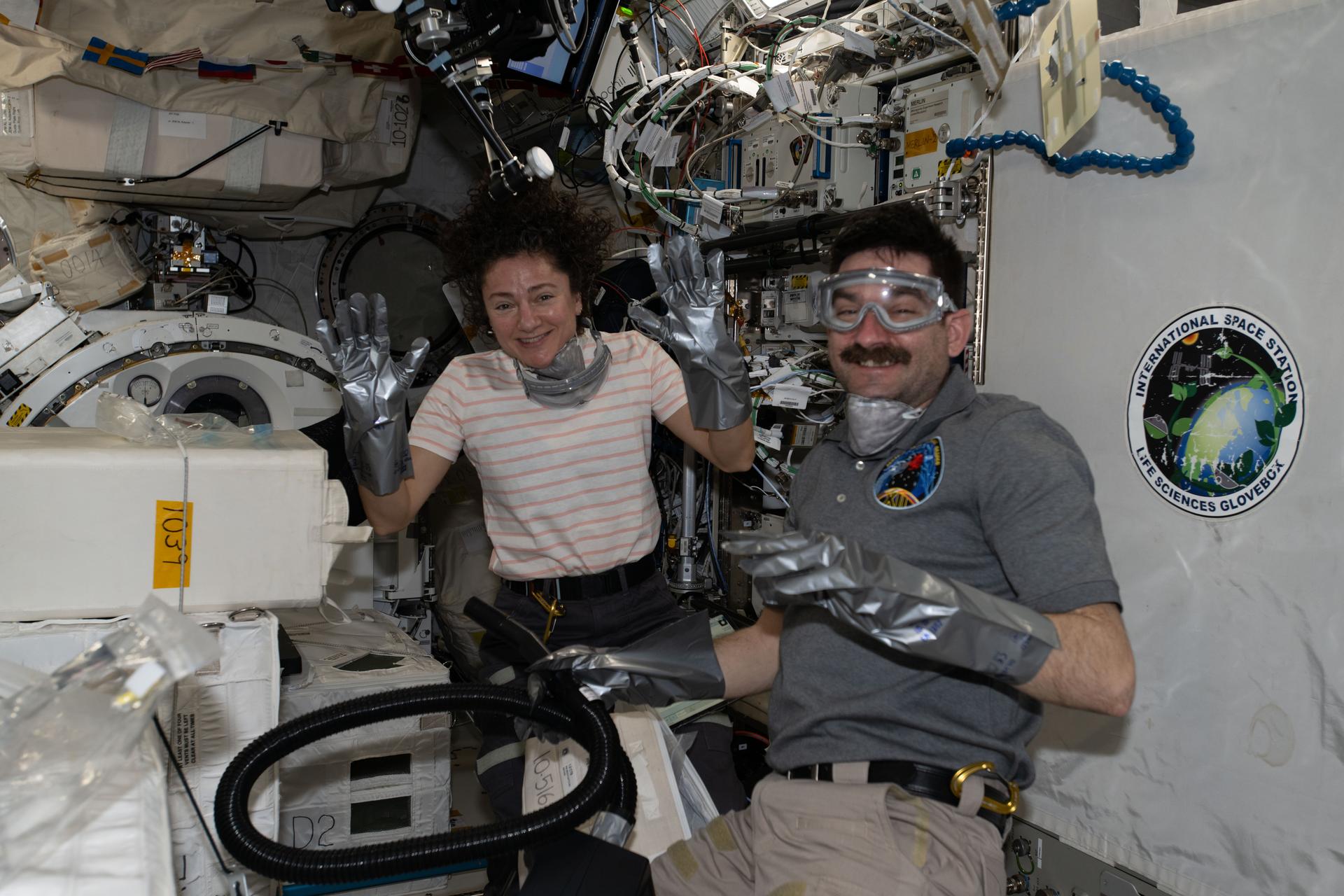
NASA astronauts Jessica Meir and Jack Hathaway, both Expedition 74 flight engineers, wear disposable gloves, dust masks, and safety goggles while unpacking temperature‑controlled scientific samples from a SpaceX Dragon cargo spacecraft and stowing them inside research facilities located aboard the International Space Station’s Kibo laboratory module.
NASA astronauts Jessica Meir and Jack Hathaway wear disposable gloves, dust masks, and safety goggles while unpacking temperature‑controlled scientific samples from a SpaceX Dragon cargo spacecraft on May 17, 2026.
NASA/Chris Williams

The Expedition 74 crew members packed a SpaceX Dragon cargo spacecraft on Monday with sensitive science experiments and lab hardware for return to Earth. The orbital residents also configured spacewalking tools and conducted cardiac research to kick off the week aboard the International Space Station.

A SpaceX Dragon cargo spacecraft is scheduled to undock from the Harmony module’s forward port at 12:05 p.m. EDT on Tuesday ending its stay at the orbital laboratory that began on April 17. NASA+ will begin its broadcast of Dragon’s undocking and departure at 11:45 a.m. Dragon’s parachute-assisted splashdown in the Pacific Ocean off the coast of southern California the following day will not be televised.

The astronauts are partnering together transferring portable science freezers loaded with critical research samples and packing lab equipment into Dragon following a month of intense research into a variety of space-designed therapies to protect human health. The freezers house the results of investigations into stem cell manufacturing, cartilage tissue printing, and more to treat a range of conditions from blood diseases, cancers, and cartilage injuries. Doctors on the ground will analyze the preserved samples to gain advanced health insights unobtainable in Earth’s gravity environment.

NASA flight engineers Chris Williams and Jack Hathaway started the cargo work early Monday packing and securing station hardware inside Dragon for the ride back to Earth. Next, flight engineer Sophie Adenot of ESA (European Space Agency) installed the sample-packed freezers in Dragon where they will stay powered on preserving the biomedical specimens for retrieval on the ground. Finally, NASA flight engineer Jessica Meir capped off Monday’s shift with more scientific transfers then cleaned and inspected hatch seals on Harmony’s port where Dragon is docked.

Meanwhile, preparations continue for a spacewalk planned for June 30 to replace a wrist joint on the Canadarm2 robotic arm. Adenot began her shift in the Quest airlock charging lithium-ion batteries that power spacesuit gloves, helmet cameras, and pistol grip tools. Williams and Meir joined each other during a break in their Dragon packing and inspected tethers that secure astronauts to the orbiting lab during spacewalks.

Station commander Sergey Kud-Sverchkov and flight engineer Sergei Mikaev, both from Roscosmos, took turns wearing a series of arm, wrist, and finger cuffs measuring how living in space affects their blood pressure. Next, Kud-Sverchkov attached electrocardiogram sensors to his chest that will monitor his cardiac activity for 24 hours. Mikaev turned his attention to Earth observations, pointed a camera out a station window, and photographed landmarks across the Pacific Ocean including islands and volcanos.

Flight engineer Andrey Fedyaev began his shift transferring fluids and disinfecting tanks throughout the station’s Roscosmos segment. Fedyaev wrapped up his shift working on ventilation system maintenance and checking station lighting conditions and illumination levels.

Learn more about station activities by following the space station blog, @space_stationon X, as well as the ISS Facebook and ISS Instagram accounts.

Get the latest from NASA delivered every week. Subscribe here.

The post Crew Packs Dragon for Tuesday Departure and Preps for Spacewalk appeared first on NASA Science.

  •  
❌