❌

Reading view

The Stoic philosopher Seneca observed that what makes a person genuinely happy is not how much they have, but how little they need to be content — and the small jolt of his observation, two thousand years later, is that most modern definitions of the good life are still organized around acquiring more of exactly the things he warned would never quite settle the longing they were meant to satisfy

If you had to summarise Seneca’s most uncomfortable observation in a single sentence, it would be this: most of what you are spending your life trying to acquire is not actually going to satisfy you when you get it. Lucius Annaeus Seneca, the Roman Stoic philosopher who served as tutor and later adviser to the Emperor Nero, wrote 124 surviving letters to a younger Roman official named Lucilius across the final years of his life — letters that have remained in continuous circulation for nearly 2,000 years and that contain some of the more concentrated observations of human psychology produced in the ancient world. Among the recurring themes in these letters is the curious gap between what people pursue and what actually makes them content. Seneca’s specific claim was that the pursuit of more — more wealth, more possessions, more recognition, more of essentially anything one could accumulate — does not converge on satisfaction. As the supply increases, the demand increases with it, and the gap between the two never closes.

According to the Internet Encyclopedia of Philosophy’s reference on Seneca, his writings repeatedly addressed this question across multiple letters and essays. “It is not the man who has too little, but the man who craves more, that is poor,” he wrote in his second letter to Lucilius. “Contented poverty,” he added, quoting his philosophical opponent Epicurus approvingly, “is an honourable estate.” In another letter, again quoting Epicurus: “Whoever does not regard what he has as most ample wealth, is unhappy, though he be master of the whole world.” Contentment, in Seneca’s account, is not a function of how much one has but of how little one needs. People who have learned to need less can be content with very little. People who have not can fail to be content with essentially anything.

The empirical convergence

For most of the period between Seneca’s death and the late twentieth century, his observations existed as philosophical claims — defensible by argument, supported by example, but unverifiable by anything resembling modern empirical methodology. This changed in 1971, when the psychologists Philip Brickman and Donald Campbell introduced into the social-science literature the concept of the “hedonic treadmill” — a model in which positive events produce short-term elevations in subjective well-being that fade over time as people adjust their expectations upward to match their new circumstances. The model predicted that lottery winners, despite their substantial good fortune, should not end up much happier than they were before winning, because their reference point would shift upward and their new wealth would come to feel normal rather than exceptional.

Per the Wikipedia reference on the hedonic treadmill and its empirical foundations, Brickman and his colleagues Dan Coates and Ronnie Janoff-Bulman tested this prediction directly in a now-famous 1978 study published in the Journal of Personality and Social Psychology. The research team compared 22 major lottery winners with 22 demographically matched controls and 29 individuals who had been paralysed in accidents. The results were striking. Lottery winners were not significantly happier than controls. They reported finding less pleasure in ordinary daily activities than non-winners did, suggesting that the peak experience of winning had contaminated their capacity for mundane satisfaction. The paralysed accident victims, while clearly less happy than controls, were closer to controls than would have been predicted by the magnitude of their loss. The basic Stoic claim — that the relationship between external circumstances and inner contentment is much weaker than ordinary intuition suggests — was, in its broad outlines, empirically confirmed.

Why the mechanism works

The mechanism Brickman and Campbell identified, which Seneca had described in different language, is that humans adjust their internal reference point as their external circumstances improve. The first car you own provides substantial improvement over having no car. By the time you have reached the tenth car in a lifetime of progressively improving vehicles, each new one barely registers, even though every one of them would have seemed luxurious to the person you were before you owned any. The same pattern applies to houses, salaries, food, clothing, professional recognition, and essentially every other category of acquirable good.

The economist Richard Easterlin documented the same pattern at the level of whole societies in 1974, in what has come to be called the Easterlin Paradox. Within any given country at any given moment, richer people report being happier than poorer ones. But as an entire country grows richer over decades — as per-capita income doubles, then triples, then quadruples — average happiness barely moves. The collective acquisition of more does not produce collective contentment. The individual aspiration level rises in parallel with collective wealth, and the gap between aspiration and achievement remains essentially constant.

The hypocrisy charge

The honest account of Seneca’s argument requires noting an awkward complication. Seneca himself was extraordinarily wealthy. He served as a senior adviser to Emperor Nero and accumulated, over the course of his career, a personal fortune estimated by Roman historians at approximately 300 million sesterces — making him one of the richer private citizens in the Roman Empire. He owned multiple villas, substantial estates, and significant financial holdings, including loans to provincial elites that some historians believe may have helped trigger the Boudican revolt in Britain. The contrast between his philosophical writings on the worthlessness of wealth and his actual accumulation of substantial personal fortune has been the subject of debate since his own lifetime, when the Roman senator Publius Suillius Rufus publicly attacked him on this point in 58 CE.

Seneca’s response, articulated in his essay On the Happy Life, was that the wise person does not need wealth but is also not required to refuse it when it comes — that what matters is one’s relationship to one’s possessions, not the bare quantity of them. The defence is contested. Some readers find it self-serving. Others find it consistent with the broader Stoic framework, which emphasised the cultivation of an inner attitude rather than the renunciation of external goods. The biographical inconvenience does not, in any case, invalidate the underlying psychological claim. The clinical observation that the pursuit of more does not produce satisfaction can be empirically true even if the person making the observation happens to be wealthy. The Brickman and Easterlin data confirm Seneca’s claim regardless of how the philosopher himself lived.

The post The Stoic philosopher Seneca observed that what makes a person genuinely happy is not how much they have, but how little they need to be content — and the small jolt of his observation, two thousand years later, is that most modern definitions of the good life are still organized around acquiring more of exactly the things he warned would never quite settle the longing they were meant to satisfy appeared first on Space Daily.


  •  

A Mediterranean diet rich in vegetables, fish, and olive oil reduces dementia risk even in people carrying two copies of the APOE4 gene variant — which raises Alzheimer’s risk 12-fold — according to a 2025 Harvard study in Nature Medicine, in the first finding that a daily food pattern can partially overcome a genetic predisposition long thought to be inescapable

For people who carry two copies of the APOE4 gene, the message from clinical medicine over the past three decades has been blunt: your risk of developing Alzheimer’s disease is dramatically elevated, the elevation is genetic, and there is not much you can do about it. About 2 percent of the human population falls into this category. They have inherited one copy of the APOE4 variant from each parent, which combine to produce a 12-fold higher lifetime risk of Alzheimer’s disease compared with people who carry no APOE4 copies. The dogma, until recently, was that this risk was essentially built in. Lifestyle changes might shift the odds at the margins. Nothing was thought to substantially overcome the genetic loading. In August 2025, a research team led by investigators at Mass General Brigham, the Harvard T.H. Chan School of Public Health, and the Broad Institute published a paper in Nature Medicine suggesting that the dogma was wrong — or at least incomplete — and that a specific dietary pattern can substantially modulate even the highest-risk genetic profile.

According to the Mass General Brigham press release accompanying the study, the research team analysed data from approximately 5,700 participants in two long-running US cohorts — the Nurses’ Health Study (4,215 women, followed from 1989 to 2023) and the Health Professionals Follow-up Study (1,490 men, followed from 1993 to 2023). Combined, the data covered more than three decades of dietary records, genetic information, blood metabolomic profiles, and tracking of dementia outcomes across the participants’ lives. The study population was large enough, and the follow-up long enough, to provide statistically meaningful comparisons across genetic-risk subgroups — including the small but critical APOE4 homozygous subgroup, which most previous dietary studies had been too small to analyse on its own.

What the data showed

The headline finding was specific and striking. Per CNN Health’s coverage of the study, participants who most closely followed a Mediterranean dietary pattern — high in vegetables, fruits, nuts, whole grains, legumes, fish, and olive oil; low in red meat, processed meat, and alcohol — showed reduced dementia risk across all genetic-risk categories. The protective effect was modest in people with no APOE4 copies. It was somewhat larger in people with one APOE4 copy. And it was substantially largest in people with two APOE4 copies, in whom close Mediterranean diet adherence was associated with at least a 35 percent reduction in dementia risk compared with APOE4 homozygotes who did not follow the dietary pattern. The protective effect, in other words, scaled with the genetic risk it was working against — the diet helped most in the people who needed it most.

Yuxi Liu, the study’s lead author and a research fellow at Brigham and Women’s Hospital and Harvard Medical School, summarised the finding for CNN: “We followed over 5,700 people for 34 years and found those who followed a baseline Mediterranean diet with little alcohol, red and processed meat but full of vegetables, fruits, nuts, whole grains, legumes, fish and olive oil all reduced the risk of dementia. But the benefit was highest for people with the APOE4 gene, especially those with two copies of APOE4.” Richard Isaacson, an Alzheimer’s specialist not involved in the research, framed the implications more directly: “Hopefully this will change the current dogma that having two copies of the APOE4 is a ‘fait accompli’ for developing Alzheimer’s. Genes do not have to be your destiny.”

The metabolomic mechanism

What distinguishes the 2025 study from earlier dietary research on Alzheimer’s is that the team also measured the participants’ blood metabolomes — the full set of small molecules circulating in their plasma — and tracked how the metabolite profiles varied by genotype and by diet. As documented in the original paper by Yuxi Liu and colleagues in Nature Medicine, the integrated analysis identified 57 specific metabolites whose associations with dementia risk varied by APOE4 genotype or by other Alzheimer’s-related genetic variants. Cholesteryl esters and sphingomyelins, for example, were most strongly associated with increased dementia risk specifically in APOE4 homozygotes. Inverse associations with glycerides — meaning higher glyceride levels were associated with lower dementia risk — were also specific to the APOE4 homozygous genotype.

The Mediterranean diet, in the data, was unusually effective at modulating exactly the metabolites that mattered most in APOE4 homozygotes. The diet pushed cholesteryl ester and sphingomyelin levels downward (reducing dementia-associated metabolites) while supporting glyceride profiles associated with protection. The mechanism is not yet fully characterised, but the integrated metabolomic data provide what the authors call “biological plausibility” for the observed dietary effect — meaning the diet appears to be working through measurable biochemical pathways rather than through some unspecified general health benefit. The combination of long-term outcome data and detailed metabolomic profiling makes the 2025 finding substantially more mechanistically grounded than earlier dietary observational studies that established correlation without identifying the underlying biochemistry.

Why the APOE4 finding matters

The clinical significance of the APOE4 result is hard to overstate. Alzheimer’s disease has a substantial genetic component — heritability has been estimated at up to 80 percent — and APOE is by some distance the strongest single genetic risk factor for the common sporadic form of the disease. The 12-fold elevated risk that comes with carrying two APOE4 copies is among the largest known gene-disease effect sizes in medicine. For decades, the consensus framing was that this genetic load was essentially fixed. Patients who learned through genetic testing that they were APOE4 homozygotes typically received the news as a sentence rather than a probability — something to brace against rather than something to act on.

The 2025 finding does not, by itself, eliminate the elevated risk. A 35 percent reduction in dementia risk among APOE4 homozygotes following a Mediterranean diet still leaves these individuals at substantially elevated risk compared with the general population. What the finding does establish is that the risk is modifiable — that a daily food pattern, sustained over decades, can meaningfully shift the trajectory in a population that previous research had largely written off. As reported in Harvard Health Publishing’s coverage of the study, the practical recommendation for APOE4 carriers is not radically different from what cardiologists and neurologists have been telling everyone for decades — eat more vegetables, more fish, more olive oil, less red meat, less processed food — but the new evidence suggests that for the APOE4 homozygous subgroup specifically, the recommendation may carry substantially more weight than it does for the general population.

Limitations and what comes next

The Liu et al. 2025 paper is an observational study rather than a randomised controlled trial, and the authors acknowledged several limitations that warrant honest framing. The cohort consisted of well-educated individuals of European ancestry, which means the generalisability to other populations — different genetic backgrounds, different food cultures, different socioeconomic contexts — is not yet established. The dietary adherence was self-reported through periodic food-frequency questionnaires rather than objectively measured. The participants who closely followed a Mediterranean diet may have differed from non-followers in unmeasured ways that could partly account for the dementia difference. The 2025 finding is not, on its own, proof that Mediterranean diet directly causes reduced dementia risk in APOE4 homozygotes; it is strong observational evidence consistent with that conclusion.

What the paper adds to the existing literature is the genetic-stratified analysis and the metabolomic mechanism, both of which provide convergent support for the broader claim. Earlier work — the 2023 brain-autopsy study showing 40 percent lower odds of Alzheimer’s pathology in Mediterranean and MIND diet adherents, the FINGER multi-domain lifestyle trial in Finland, the long line of MIND diet research at Rush University — had built the case that diet matters for dementia risk in general populations. The 2025 paper extends the case specifically to APOE4 homozygotes, who had been the most pessimistically counselled subgroup and now appear to be the subgroup with the most to gain from dietary intervention. Whether this translates into changed clinical recommendations, changed genetic-counselling practice, and changed daily behaviour in the 2 percent of the population carrying two APOE4 copies will be the central question for the next several years of Alzheimer’s prevention research. The biological case for the diet has now been made. The cultural case for actually following it is, as always, harder.

The post A Mediterranean diet rich in vegetables, fish, and olive oil reduces dementia risk even in people carrying two copies of the APOE4 gene variant — which raises Alzheimer’s risk 12-fold — according to a 2025 Harvard study in Nature Medicine, in the first finding that a daily food pattern can partially overcome a genetic predisposition long thought to be inescapable appeared first on Space Daily.

  •  

The marshmallow test, redone with ten times as many children, found that a four-year-old’s willpower mostly stopped predicting teenage success once family background was taken into account

Close-up of a pile of white marshmallows

The marshmallow test is one of the most repeated stories in popular psychology. A small child is left alone with a treat and told that waiting will earn a second one. The children who held out, the familiar version goes, grew into teenagers and adults who scored higher, coped better, and generally did well, as if a single act of willpower at four had set the course of a life.

A 2018 study tested that promise against a much larger and more varied group of children, and the promise mostly did not hold. Concentrating on children whose mothers had not completed college, the researchers found that an extra minute of waiting at age four predicted only about a tenth of a standard deviation more achievement at age fifteen. That link was roughly half the size reported in the original work, and it shrank by about two-thirds once the researchers accounted for the child’s family background, early cognitive ability, and home environment.

What the replication actually did

The original results came from a study by Shoda, Mischel, and Peake in 1990, which reported strong correlations between a preschooler’s ability to delay gratification and both achievement and behaviour in adolescence. The sample was small and highly selective, drawn from children in the Stanford University community.

The 2018 team, led by Tyler Watts with Greg Duncan and Haonan Quan, ran what they called a conceptual replication. Rather than re-stage the exact experiment, they drew on the long-running NICHD Study of Early Child Care and Youth Development, which had measured children’s delay of gratification at 54 months and then followed them for years. Their analysis sample included 918 children, and the subgroup they focused on, children whose mothers had not finished college, numbered 552, about ten times the size of the original 1990 study.

That difference in scale matters. A larger and more economically mixed sample makes it possible to ask whether an apparent effect of willpower is really an effect of the circumstances that shape willpower in the first place.

The choice to focus on children of less-educated mothers was deliberate, and it cuts against the suspicion that the researchers were stacking the deck. The full study sample skewed toward advantaged families. The subgroup of children whose mothers had not completed college was, by the authors’ account, more comparable with a nationally representative sample of American children. In other words, the group where the marshmallow effect looked weakest was also the group that looked most like the country as a whole.

Why the story travelled so well

Part of what made the marshmallow test so sticky is how clean it looks. A child, a treat, a timer, and a single number: seconds waited. From that one number flowed a tidy moral that fit decades of advice about character and success, the idea that the capacity to wait is a stable trait, visible early, that quietly shapes the rest of a life.

A finding that simple is easy to repeat and hard to qualify. The original correlations were real, but they came from a small and unusual group of children, and a strong correlation in a narrow sample can look very different once a wider, more varied population is measured. That is the gap the 2018 study set out to probe, and it is why the size and makeup of the new sample do so much of the work.

The link did not vanish, but it thinned

It would overstate the findings to say the marshmallow test was debunked outright. Among children of less-educated mothers, waiting longer at age four was still associated with somewhat better achievement at fifteen. The point is how much of that association survived scrutiny.

Before controls, the correlation was already only half the size of the original studies’ headline numbers. After the researchers adjusted for family background, early cognitive skills, and the home environment, roughly two-thirds of even that smaller link disappeared. What remained was a faint association rather than the strong, life-shaping signal of the popular telling.

The team also noticed that most of the predictive value sat at the very start of the waiting period. Most of the variation in adolescent achievement came from whether a child could wait at least 20 seconds, not from the heroic minutes of resistance that make the test memorable. A child who could hold out briefly looked much like a child who held out for the full delay.

The part the famous version leaves out

The behavioural promise fared worst of all. The original story implied that early self-control predicted not just test scores but a calmer, better-adjusted adolescence. In the replication, associations between delay time and measures of behaviour at age fifteen were much smaller and rarely reached statistical significance.

In other words, the strand of the marshmallow legend most often repeated by parents, that a patient four-year-old becomes a well-behaved teenager, is the strand the larger study supported least.

What this does and does not prove

This is a single conceptual replication, and it should be read as one. Because it used a different sample and a different delay-of-gratification measure than the 1990 study, it is not a perfect like-for-like rerun, and the authors are careful to frame it as a replication and extension rather than a verdict. A follow-up analysis by other researchers later argued that the two studies’ results, read carefully, are less far apart than the headlines suggested.

The findings are also correlational. The study can show that early delay of gratification predicts later outcomes more weakly once background is accounted for; it cannot prove that teaching a child to wait would, or would not, change that child’s future. Self-control may still matter. What the data undercut is the specific, tidy claim that a few minutes of waiting at four reveals a trait that determines how the next decade goes.

And the controls themselves carry the real message. The reason the link thinned so much is that delay of gratification is bound up with the resources around a child: a parent’s education, the cognitive skills already in place by age four, the stability of the home. A test that looks like it measures character may be measuring circumstance.

What is left to sit with

The marshmallow test endures because it offers a clean moral: wait, and you will be rewarded. The larger study does not erase that idea so much as complicate it. A child’s patience at four still says something, but much of what it says is about the world that child was already living in.

That is a less quotable finding, and a harder one to put on a poster. It asks whether we have been admiring willpower when we were looking, much of the time, at advantage.

The post The marshmallow test, redone with ten times as many children, found that a four-year-old’s willpower mostly stopped predicting teenage success once family background was taken into account appeared first on Space Daily.

  •  

The oldest city in the world that humans have continuously lived in is not Athens, Rome, or Cairo — it is Jericho, in the West Bank, where archaeologists have found evidence of settlement going back roughly 11,000 years, meaning people have been living in the same place since the end of the last Ice Age, before writing, before metalworking, and at the dawn of agriculture itself

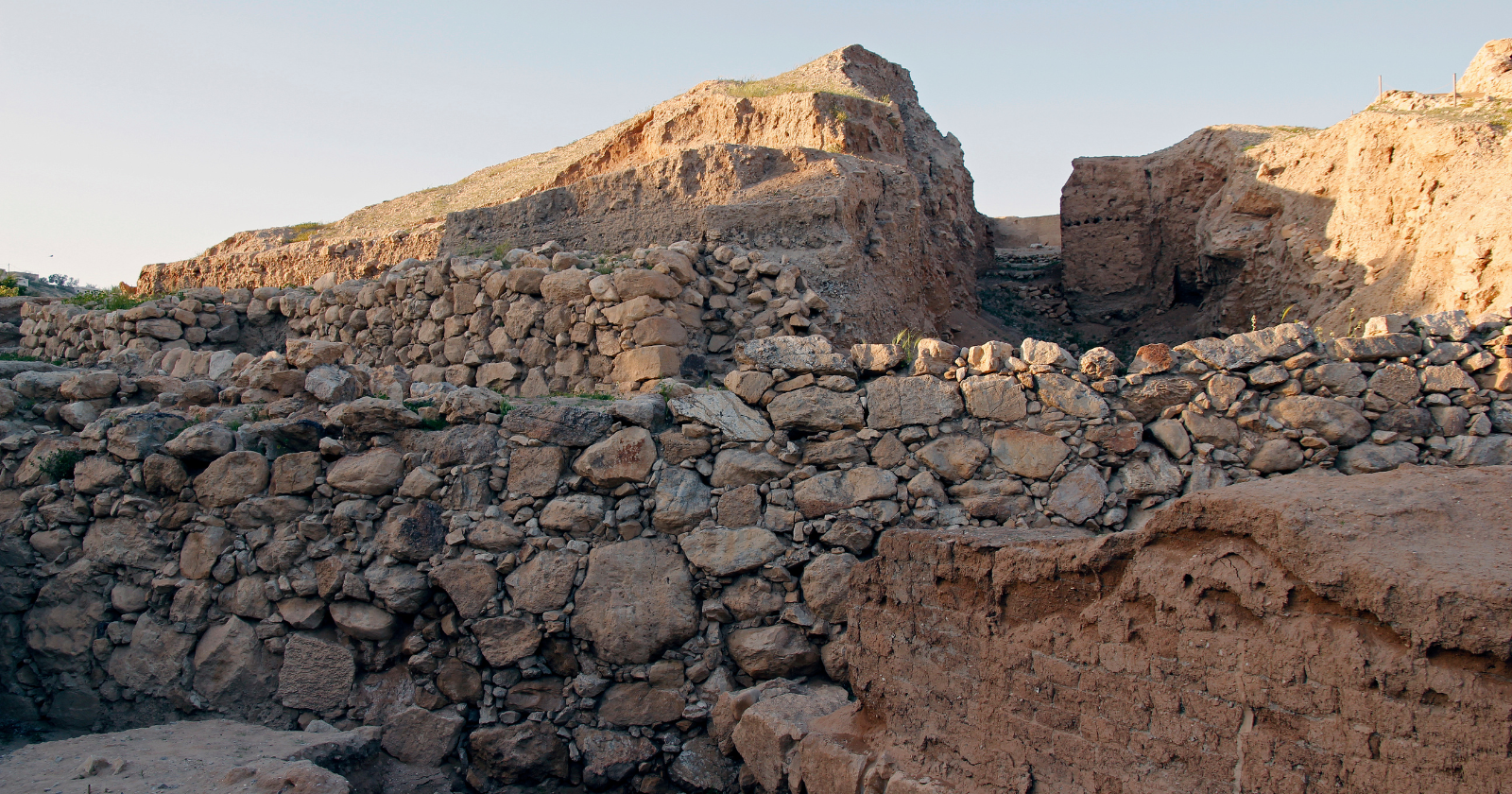
The oldest city in the world that humans have continuously lived in is not Rome, not Athens, not Damascus, not Cairo. It is a Palestinian town of approximately 25,000 people in the Jordan Valley, sitting 250 metres below sea level in the dry rift between the West Bank highlands and the eastern desert, watered for the last several thousand millennia by a single freshwater spring that emerges from the rocks at the base of the cliffs. The modern town is built around that spring. So was the previous town. So was the one before that, and the one before that. The archaeological mound at Tell es-Sultan, just north of the modern city centre, contains the layered remains of more than 20 successive settlements built one on top of another over the course of approximately 11,000 years of continuous human habitation — making Jericho, by most reasonable accounts, the oldest city on Earth in which people have lived without significant interruption since the end of the last Ice Age.

According to the World History Encyclopedia’s reference on early Jericho, drawing on the archaeological record established by Kathleen Kenyon’s excavations, the site began as a seasonal camping ground for Natufian hunter-gatherers around 10,000 BCE, during the closing centuries of the Younger Dryas — the final cold snap of the Pleistocene Ice Age, a period of approximately 1,200 years during which the world’s climate temporarily reverted to glacial conditions and permanent settlement anywhere in the Levant was essentially impossible. The Natufians camped at Jericho specifically because of the Ein as-Sultan spring, which provided reliable water in an otherwise arid environment. When the Younger Dryas ended around 9600 BCE and the climate warmed into what geologists call the Holocene — the current interglacial period in which human civilisation has subsequently developed — the Natufians at Jericho stopped leaving. By approximately 9400 BCE, the seasonal camp had grown into a permanent settlement of more than 70 circular mud-and-straw dwellings. The town has, in some form, been there ever since.

What Tell es-Sultan actually contains

The mound at Tell es-Sultan is approximately 40,000 square metres at its base and rises about 21 metres above the surrounding plain — the accumulated debris of thousands of years of mud-brick houses being built, falling down, and being rebuilt on top of their predecessors. Modern excavation has revealed a continuous sequence of habitation layers stretching from the Pre-Pottery Neolithic A period (10,000-8,800 BCE) through the Pre-Pottery Neolithic B (8,800-7,000 BCE), the Pottery Neolithic (7,000-5,200 BCE), the Chalcolithic (5,200-3,300 BCE), the Bronze Age, the Iron Age, the Persian and Hellenistic periods, the Roman and Byzantine eras, the Islamic conquest, the Crusader period, the Ottoman centuries, and into the modern era. The same spring has watered every one of these settlements. The mound is, in stratigraphic terms, an unusually rich record of long-term human occupation — there was a brief settlement hiatus of several centuries between the Pre-Pottery Neolithic A and Pre-Pottery Neolithic B periods around 7000 BCE, but the site has otherwise been continuously inhabited across the full 11,000-year span.

Among the most striking architectural features Kenyon’s team uncovered during the 1952-1958 excavations is the Tower of Jericho, a stone structure approximately 8.5 metres tall containing an internal staircase of 22 steps, built around 8,000 BCE. The tower is one of the oldest known monumental structures in the world. It predates the construction of the Egyptian pyramids by more than 5,000 years. It predates Stonehenge by approximately 5,000 years. It was built by a population of perhaps a few hundred people, using only stone tools, with no metal implements available — copper smelting in the Levant would not begin for another 3,000 years. Adjacent to the tower, Kenyon found a stone wall 3.6 metres high and 1.8 metres thick at the base, surrounding the entire Neolithic settlement. Whether the wall was defensive, ceremonial, or designed to protect the settlement from flash floods from the surrounding hills remains contested. What is not contested is that it represents some of the earliest large-scale collaborative construction work in human history.

The contested status of “oldest”

The claim that Jericho is the oldest continuously inhabited city in the world is widely repeated but not universally accepted. Several other ancient settlements have plausible competing claims, depending on how “continuously” and “city” are defined. Damascus, Syria, has been continuously inhabited since approximately 9,000 BCE according to some archaeological estimates, though the dating is less secure than Jericho’s. Byblos, Lebanon, has continuous habitation evidence going back roughly 8,800 BCE. Aleppo, Plovdiv in Bulgaria, Argos in Greece, and several Anatolian sites have all been proposed at various times. The technical difficulty is that the strict definition of “continuously inhabited” requires essentially unbroken settlement, and most of these sites have either documented periods of partial abandonment, gaps in their archaeological records, or contested dating of their earliest layers. Jericho’s claim is the strongest because the Tell es-Sultan mound contains a particularly well-documented occupation sequence — successive settlements built directly on top of each other, with only the brief PPNA-to-PPNB hiatus interrupting the continuity. Per the Jerusalem Post’s coverage of Jericho’s archaeological record, the site has yielded approximately 70 prehistoric houses and more than 20 successive settlements, providing what is generally considered the best-documented long-term occupation sequence of any site in the world.

In September 2023, UNESCO formally recognised the archaeological complex at Tell es-Sultan as a World Heritage Site under the designation “Ancient Jericho/Tell es-Sultan,” with Palestine as the State Party of nomination. As reported by NBC News’s coverage of the designation, the recognition was controversial — Israel objected to the listing on political grounds related to the West Bank’s status under international law — but the underlying archaeological case for Tell es-Sultan as one of the most important early Neolithic sites in the world was uncontested. The UNESCO listing acknowledges Jericho as one of the oldest continually inhabited cities on Earth and as the location of some of the earliest fortified settlements ever constructed by human beings.

What Jericho’s existence predates

The most striking way to grasp the antiquity of Jericho is by reference to the things that did not yet exist when its first permanent residents built their first stone houses. Writing would not be invented for approximately 5,700 more years — cuneiform script would emerge in Sumer around 3,200 BCE. The wheel would not be invented for another 5,500 years, also in Mesopotamia, around 3,500 BCE. Metallurgy would not develop in the Levant for another 4,500 years; copper smelting reached Jericho only around 5,000-4,500 BCE. The Egyptian pyramids would not be built for another 6,400 years. The Athenian Acropolis would not exist for approximately 7,500 years. The Roman Empire would not be founded for approximately 8,200 years.

Agriculture itself was just beginning at the time of Jericho’s founding. The Natufian culture that established Tell es-Sultan was among the first human groups anywhere in the world to harvest wild grains, develop sickle technology, and begin the long transition from hunting and gathering to settled farming. The full domestication of wheat and barley would come over the following thousand years, and Jericho was one of the central sites where this transition was worked out. The city’s founders were not farmers in the modern sense — they were hunter-gatherers in the process of becoming farmers, who chose a permanent location next to a reliable spring and stayed there long enough to invent agriculture as they went. They did not know that what they were doing would matter to anyone afterward. They were trying to feed themselves and stay warm at the end of the last Ice Age, and they happened to choose a spot of ground that has continued to feed people, in essentially uninterrupted succession, for the next 11,000 years.

The post The oldest city in the world that humans have continuously lived in is not Athens, Rome, or Cairo — it is Jericho, in the West Bank, where archaeologists have found evidence of settlement going back roughly 11,000 years, meaning people have been living in the same place since the end of the last Ice Age, before writing, before metalworking, and at the dawn of agriculture itself appeared first on Space Daily.

  •  

Søren Kierkegaard suggested that the deepest form of despair is not unhappiness but the failure to become the self you were quietly meant to be — a despair so subtle that most people who carry it never notice they are carrying it — and the difficulty of late-life regret is the slow recognition that the person you have been is not quite the person you started out hoping to be

Most people who are quietly miserable do not know it. That, in essence, is what a Danish philosopher named Søren Kierkegaard tried to tell the readers of nineteenth-century Copenhagen in 1849, and what the empirical psychology of regret has been confirming, in laboratory studies and museum surveys, for the past three decades. When most people use the word “despair,” they mean acute unhappiness — the kind of low mood that follows a loss, a failure, or a difficult life event. Despair in this ordinary sense is something a person is aware of. They can name it, describe it, and (with luck) move through it. Kierkegaard, writing under the pseudonym Anti-Climacus, used the word in a substantially different way. The despair he described was not an emotion. It was a structural condition of the self, present in the great majority of human beings, generally unnoticed by the people who carried it, and most acute precisely in those who did not know they had it. Kierkegaard’s book on the subject, The Sickness Unto Death, is one of the founding texts of existentialist philosophy.

According to the Stanford Encyclopedia of Philosophy’s entry on Kierkegaard, the framework rests on a specific definition of what the self is. For Kierkegaard, the self is not a thing or a substance. It is “a relation that relates itself to itself” — a dynamic process by which a human being takes up the various contradictory features of being human (finite and infinite, possible and necessary, free and determined) and synthesises them into a coherent personality. The self is not given at birth; it is something a person has to become. And despair, in Kierkegaard’s account, is the misrelation that occurs when this becoming fails — when the synthesis goes wrong, when the person fails to take on the self they were capable of being.

The three forms of despair

Kierkegaard identified three primary configurations the failure can take. The first and most common is the despair of ignorance — being in despair without knowing it. A person in this state has not yet noticed any gap between the life they are living and the life they were capable of living. Their attention is consumed by the routine surfaces of daily existence: work, possessions, social position, the consumption of entertainment. The deeper question of what kind of person they are, in any meaningful sense, has never been seriously posed. Kierkegaard considered this unconscious form to be the dominant pattern in modern society — most people, in his view, were in despair without realising it, because the structures of their lives had insulated them from ever asking the question.

The second form is the despair of weakness — knowing what self one is meant to be and not being willing to be it. The person in this state has had some glimpse of their own possibilities and has, for whatever combination of fear, comfort, social pressure, or fatigue, declined to pursue them. The third form is the despair of defiance — willing to be a self other than the one one is, refusing the actual configuration of one’s life in favour of an imaginary or constructed alternative. The defiant form, Kierkegaard thought, was the most acute but also the rarest. As one frequently-cited line from the book puts it: “The greatest hazard of all, losing the self, can occur very quietly in the world, as if it were nothing at all. No other loss can occur so quietly; any other loss — an arm, a leg, five dollars, a wife, etc. — is sure to be noticed.”

What modern psychology has found

Kierkegaard was writing in 1849, in a theological framework, with no empirical methodology beyond his own observation of the people around him in nineteenth-century Copenhagen. His specific claims about despair as a sickness of the spirit cannot be tested in the same way an empirical hypothesis can be tested. What can be tested is whether the basic phenomenon he described — that the failures most haunting to people across a life are the failures to become the self one was capable of being — shows up in modern psychological data on regret. The answer is that it does. Per a 2023 replication in Royal Society Open Science of the foundational research by Thomas Gilovich and Victoria Medvec at Cornell University, the empirical psychology of regret converges on a striking temporal pattern: in the short term, people’s most acute regrets tend to be about things they did and wish they had not done. In the long term, the pattern reverses. The regrets that haunt people across years and decades, and that dominate when people look back on their lives as a whole, are overwhelmingly about things they did not do — chances not taken, paths not pursued, selves not allowed to emerge.

Gilovich and Medvec’s original 1994 paper in the Journal of Personality and Social Psychology found this pattern across multiple population groups, including a sample of nursing-home residents reflecting on their entire lives. The 2023 replication, conducted at a Chicago museum of psychological science with a large public sample, reproduced the temporal interaction even though the specific magnitudes differed. The pattern is now considered one of the more robust findings in the empirical literature on regret. Its philosophical implication aligns closely with Kierkegaard’s framework, even though the researchers involved generally do not cite him.

Why the despair is so quiet

The most disconcerting feature of Kierkegaard’s account is his insistence that this despair is, in its most common form, undetectable to the person carrying it. Unlike acute sadness, which announces itself, the unconscious form of despair tends to be hidden by the very busyness of life that produces it. A person fully occupied with work, family obligations, consumption of news and entertainment, social media, the small daily tasks of contemporary existence, is unlikely to encounter the question of whether they are actually becoming the self they were meant to be. The question requires solitude, reflection, and a degree of confrontation with one’s own choices that ordinary life does not generally provide. As reported in D. Anthony Storm’s commentary on The Sickness Unto Death, Kierkegaard described despair as a “misrelation in the relation of a synthesis that relates itself to itself” — a sickness that, unlike most diseases, the patient is largely responsible for and from which the patient cannot escape simply by avoiding awareness of it. The avoidance, in Kierkegaard’s framework, is itself part of the despair.

What the framework does not promise

Intellectual honesty requires noting what Kierkegaard’s account does not establish. It is not a recipe for happiness. It does not specify what self any given person was meant to become, or how to identify that self, or how to pursue it once identified. Kierkegaard’s own answer to the question of how despair is overcome was specifically Christian — through a particular relation to God that he called faith — and many modern readers find that the theological framing limits the framework’s applicability. The diagnostic side of his work, however, has had broad influence well beyond the specifically Christian context, including on the existentialist philosophers of the twentieth century, on the founders of existential psychotherapy, on Erik Erikson’s developmental concept of “integrity versus despair” in late life, and on the broader twentieth-century literature on authenticity and self-realisation. What the framework provides is a vocabulary for naming a condition that often goes unnamed — the slow recognition, late in a life, that the person one has been is not quite the person one started out hoping to be. Kierkegaard called this the breaking through of despair into consciousness, and he thought it was, paradoxically, a kind of progress. The unconscious form, in his account, was worse than the conscious form, because it left no opening for change.

The post Søren Kierkegaard suggested that the deepest form of despair is not unhappiness but the failure to become the self you were quietly meant to be — a despair so subtle that most people who carry it never notice they are carrying it — and the difficulty of late-life regret is the slow recognition that the person you have been is not quite the person you started out hoping to be appeared first on Space Daily.

  •  

Nearly four kilometres beneath the Antarctic ice, Russian scientists in 2012 drilled into a hidden lake the size of Lake Ontario that had been sealed away for at least 15 million years — and when the drill broke through, the pressure was so great that the ancient lake water shot up the borehole and froze in place, freezing itself before anyone could touch it.

Imagine drilling through ice for 23 years to reach a lake nobody had ever seen, in the coldest place on Earth, in a research station that holds the world record for the lowest temperature ever recorded — and then, on the day you finally break through, having the lake itself shoot up the borehole to meet you. On the afternoon of 5 February 2012, at Russia’s Vostok Station on the East Antarctic ice sheet, that is approximately what happened. The drill bit, after 23 years of intermittent operation in the most punishing field conditions on the planet, finally penetrated the last few centimetres of ice and entered the surface of Lake Vostok at a depth of 3,769 metres — about 12,366 feet, or roughly 2.4 miles. The lake water beneath, compressed by the weight of nearly four kilometres of overlying ice, was under enormous hydrostatic pressure. The moment the drill broke through, the lake water surged upward into the borehole. It rose approximately 30 to 40 metres before encountering ice cold enough to freeze it solid. The plug of frozen lake water then sealed the borehole from below, in a kind of self-cleaning closure that the Russian team had specifically anticipated and designed the drill operation to produce.

As per Science magazine’s coverage of the breakthrough, citing Valery Lukin, leader of the Russian expedition, the team had been working toward this specific moment since 1989, when the Soviet (and later Russian) Antarctic programme first began deep ice-core drilling at the Vostok site. The original purpose of the drilling was paleoclimate research — recovering ice cores that contained trapped air bubbles from earlier periods of Earth’s history, which could be analysed to reconstruct atmospheric composition going back hundreds of thousands of years. The existence of Lake Vostok beneath the Vostok Station was not known when drilling began. The lake’s existence was inferred indirectly in the 1960s from aerial photography showing an unusually flat patch of ice surface, and was confirmed in 1993 through satellite radar surveys that could penetrate the ice and detect the liquid water beneath. By that point, the deep drilling at Vostok was already well underway, and the project’s scientific purpose shifted to include the eventual penetration of the lake itself.

The lake beneath

Lake Vostok is approximately 250 kilometres long and 50 kilometres wide — about 150 miles by 30 miles — which makes it slightly smaller than Lake Ontario but comparable in scale, and the largest of approximately 400 subglacial lakes that have now been mapped beneath the Antarctic ice sheet. The water in the lake is liquid, despite the surrounding air temperatures at the surface of the ice sheet routinely dropping below minus 80 degrees Celsius. Several factors keep it from freezing. The weight of the overlying ice raises the lake’s pressure to approximately 350 atmospheres, which lowers the freezing point of water by several degrees. Geothermal heat from the Earth’s interior keeps the lake bottom warmer than the ice above. And the ice itself functions as an insulator, isolating the lake’s interior from the extreme cold of the polar atmosphere.

The duration of the lake’s isolation is one of the more remarkable features of the discovery. According to TIME magazine’s coverage of the breakthrough, Lake Vostok has been sealed beneath continuous Antarctic ice for somewhere between 15 and 34 million years, with most estimates clustering toward the upper end of that range. Whatever microbial communities, dissolved organic chemistry, and physical conditions are present in the lake today have evolved or accumulated essentially independently of the surface biosphere across that entire period. The lake’s interior is one of the few isolated environments on Earth that has been disconnected from the surface for geological rather than merely historical timescales. The biological implications are substantial: if there is life in Lake Vostok, it is life that has been evolving along its own trajectory for tens of millions of years, in conditions of total darkness, high pressure, near-freezing temperatures, and limited nutrient input.

Why the breakthrough mattered

The scientific interest in Lake Vostok extends well beyond its identity as a curiosity of Antarctic geology. The lake is widely considered to be the best available terrestrial analogue for the kind of subsurface liquid water environments that may exist on other worlds in the solar system. Jupiter’s moon Europa is believed to contain a global ocean of liquid water beneath an outer ice crust, kept liquid by tidal heating from Jupiter’s gravitational pull. Saturn’s moon Enceladus has a similar configuration, with confirmed plumes of liquid water erupting through its icy surface. According to NBC News’s coverage of the Russian breakthrough, including comment from NASA’s then-chief-scientist Waleed Abdalati, the techniques developed to access and analyse Lake Vostok have direct relevance to the eventual missions that will attempt to sample the subsurface oceans of these other worlds. The technical, biological, and contamination-management challenges of drilling into a 15-million-year-isolated lake on Earth are, in important ways, simpler versions of the challenges that will face any spacecraft attempting to sample Europa or Enceladus.

The contamination management was, in fact, the most delicate aspect of the 2012 breakthrough. The Russian team had to use approximately 60 tonnes of kerosene and Freon in the borehole during the drilling, both as anti-freeze and as a means of equalising pressure with the surrounding ice. The drilling chemicals are not the kind of substances anyone wants introduced into a pristine 15-million-year-isolated lake. The pressure-driven upward surge of lake water at the moment of breakthrough was specifically engineered into the drill design to address this problem: when the lake water rose and froze in the borehole, it formed a plug that prevented the drilling chemicals from flowing downward into the lake. The team then withdrew from Vostok Station shortly after the breakthrough, leaving the plug of frozen lake water in place until the following Antarctic summer.

The samples and what they showed

According to Columbia Climate School’s coverage of the 2012 breakthrough and its scientific aftermath, the Russian team returned to Vostok in December 2012 to retrieve the frozen plug of lake water that had filled the borehole. The plug was extracted, transported to Russia, and analysed in laboratories in St. Petersburg over the following months. Initial analyses reported DNA traces from more than 3,500 distinct organisms — primarily bacteria and fungi, including some unfamiliar species — but the interpretation of these findings was contested in subsequent papers, partly because of the inherent difficulty of distinguishing genuine Lake Vostok organisms from contamination introduced by the drilling chemicals, the borehole environment, and the sample handling. The methodological challenges of confirming an isolated ancient ecosystem from a single contaminated sample are substantial, and the field is still working to resolve them.

Subsequent drilling campaigns at Vostok and at other Antarctic subglacial lakes have continued to refine the techniques. A 2013 American expedition to Lake Whillans, a smaller subglacial lake under a different part of the Antarctic ice sheet, used a “hot-water” drilling technique that introduced less chemical contamination and recovered cleaner samples; the Lake Whillans samples confirmed the presence of active microbial communities in subglacial environments, providing independent support for the basic biological finding from Vostok. A British expedition to Lake Ellsworth in late 2012 was forced to abandon its drilling effort after technical problems, but planning for future Antarctic subglacial lake missions continues. The 400 known subglacial lakes beneath the Antarctic ice sheet now represent one of the more active frontiers in terrestrial exploration — a sealed-off network of liquid water environments, accessible only through engineering feats comparable in difficulty to the early space missions, sitting beneath the most physically remote landmass on Earth. Lake Vostok was the first to be reached, in February 2012, by a Russian drill that had been working its way downward through the ice for 23 years before the lake came up the borehole to meet it.

The post Nearly four kilometres beneath the Antarctic ice, Russian scientists in 2012 drilled into a hidden lake the size of Lake Ontario that had been sealed away for at least 15 million years — and when the drill broke through, the pressure was so great that the ancient lake water shot up the borehole and froze in place, freezing itself before anyone could touch it. appeared first on Space Daily.

  •  

The average human brain now contains roughly a plastic spoon’s worth of microplastic particles — about 50 percent more than brains collected in 2016 — according to a February 2025 study in Nature Medicine, meaning the blood-brain barrier, which evolution spent half a billion years building to keep foreign substances out, has quietly turned out to be transparent to a material humans first manufactured in 1907

Hold a single-use plastic spoon in your hand — the kind that comes with takeout food and gets thrown away after one meal. It weighs about seven grams. According to a peer-reviewed paper published in Nature Medicine on 3 February 2025, that approximate mass of plastic is roughly what the average adult human brain now contains, distributed throughout the frontal cortex in the form of microscopic shards, fragments, and nanoparticles of polyethylene and a handful of other common consumer polymers. The researchers who produced the finding were so surprised by their own data that, in the words of one of the study’s senior authors, Andrew West of Duke University, they “didn’t believe it” until multiple complementary measurement techniques on multiple samples kept producing the same result. The result was that human brains, in 2024, contained approximately 50 percent more microplastic by mass than human brains preserved from autopsies in 2016 — and that the absolute concentrations in brain tissue were roughly seven to thirty times higher than in liver or kidney samples from the same bodies.

According to the original paper by Alexander J. Nihart and colleagues at the University of New Mexico Health Sciences Center, published in Nature Medicine, the research team analysed 52 human brain samples from frontal-cortex tissue collected at autopsy in two periods: early 2016 and early 2024. They also examined liver and kidney specimens from the same donors. The detection methods combined three complementary techniques: pyrolysis gas chromatography-mass spectrometry to identify and quantify polymer types, attenuated total reflectance-Fourier transform infrared spectroscopy to confirm the chemical structure of detected particles, and electron microscopy with energy-dispersive spectroscopy to visually verify the morphology of the particles in tissue. The combination of three independent measurement approaches was specifically designed to address the central methodological challenge of the field: the difficulty of distinguishing genuine plastic particles in biological tissue from procedural contamination introduced during sample handling.

What the numbers actually were

The mass concentrations the team measured were higher than anyone in the field had expected. The 2016 brain samples averaged approximately 3,345 micrograms of plastic per gram of brain tissue. The 2024 samples averaged approximately 4,917 micrograms per gram. Multiplied by the average mass of an adult human brain (approximately 1,400 grams), the 2024 figure corresponds to a total brain plastic burden of approximately 7 grams — roughly the mass of a plastic spoon, in the comparison that has become the study’s most-cited shorthand. According to National Geographic’s coverage of the study, the 50 percent increase between 2016 and 2024 mirrors the steep increase in global plastic production over the same period, which Matthew Campen, the UNM toxicologist who led the project, described as “frighteningly correlated” with the rate of plastic accumulation in the broader environment.

The composition of the brain plastic was unexpected as well. The dominant polymer detected was polyethylene — the material used in single-use plastic bags, food packaging, water bottle caps, and a wide range of consumer products. Polyethylene accounted for a substantially higher proportion of the brain microplastics than it did of the microplastics in liver or kidney samples from the same donors. Other detected polymers included polypropylene, polyvinyl chloride, and styrene-butadiene rubber, with the overall mix consistent with the kinds of plastics most commonly fragmented into the environmental microplastic pool. Electron microscopy of the brain particles showed that they were predominantly nanoscale shard-like fragments, generally less than 200 nanometres long and less than 40 nanometres wide — small enough to cross biological barriers that were never evolutionarily designed to stop them.

How the plastic gets in

The blood-brain barrier is one of the more remarkable evolutionary structures in vertebrate biology. It consists of a tightly-sealed layer of endothelial cells lining the blood vessels of the brain, supplemented by specialised glial cells called astrocytes, that together prevent most molecules circulating in the bloodstream from reaching the brain’s neural tissue. The barrier has been evolving in its current form for approximately 500 million years, since early vertebrates, and its primary function is to protect the brain’s delicate neural environment from toxins, pathogens, ion fluctuations, and other potentially harmful substances that the rest of the body’s tissues regularly encounter. The barrier is impermeable to most molecules larger than about 500 daltons (a small organic molecule), and it is reinforced by active transport systems that pump out unwanted substances that do manage to cross.

According to the University of New Mexico Health Sciences Center’s institutional summary of the research, the Nihart team had expected to find some microplastic accumulation in brain tissue, on the basis of earlier animal studies and the 2024 finding of microplastics in human olfactory bulb tissue. What they had not expected was the magnitude: brain concentrations 7 to 30 times higher than concentrations in liver and kidney from the same individuals. The most plausible explanation involves the size of the particles. The detected fragments were predominantly nanoscale rather than microscale, and the smallest nanoparticles — below about 100 nanometres — appear capable of crossing the blood-brain barrier through several mechanisms, including transcytosis through endothelial cells, uptake by circulating immune cells that then migrate into the brain, and direct entry through the olfactory pathway via the nasal cavity. The barrier evolved to handle organic molecules, ions, and biological pathogens. It did not evolve to handle nanoscale fragments of synthetic polymers that did not exist on Earth before Leo Baekeland synthesised the first true plastic, Bakelite, in 1907.

The methodological challenge

The findings have not been accepted without scrutiny. According to a methodological critique published in Nature Medicine in November 2025 in response to the original Nihart paper, several independent research groups have raised concerns about the reliability of the reported concentrations. The principal objections involve the difficulty of preventing procedural contamination during sample preparation — laboratory air, plastic containers, glassware, and reagents are themselves potential sources of the very polymers being measured — and questions about whether the pyrolysis gas chromatography-mass spectrometry method, while sensitive, fully distinguishes between plastic-derived organic molecules and structurally similar organic compounds produced by tissue itself.

The Nihart team has responded to these concerns by emphasising the convergence of their three independent detection methods, the use of contamination controls, and the consistency of the findings across multiple samples and analytical approaches. The broader field is in the process of working out methodological standards for measuring microplastics in human tissue — the techniques are new, the targets are tiny, and the contamination challenges are real. What is not in dispute is that microplastics have been detected, by multiple independent research groups using multiple methods, in human blood, placenta, lungs, kidneys, livers, and now brains. The exact concentrations remain a matter of active scientific debate. The presence of the particles, in some quantity, in essentially every human tissue that has been examined for them, is now established.

What we do not yet know

The 2025 paper documented the presence of microplastics in human brains. It did not establish what those particles do once they are there. The health effects of microplastic accumulation in brain tissue, if any, are presently unknown. The Nihart team did observe that brains from individuals who had been diagnosed with dementia contained 3 to 5 times more plastic than brains from non-demented donors of similar age — a striking correlation, but one that cannot, on the current evidence, distinguish between several competing causal interpretations. The plastic could be contributing to dementia pathology. The dementia pathology could be allowing more plastic to accumulate (because of blood-brain barrier breakdown that occurs in some forms of dementia). Or some third factor — diet, environmental exposure, lifestyle — could be driving both. The cross-sectional design of the study cannot resolve which of these explanations is correct.

What the study has established, with reasonable confidence and pending replication by independent groups, is that human exposure to environmental microplastics has reached a level at which measurable quantities of those plastics are now present in the most metabolically protected tissue in the human body. The barrier that evolution spent half a billion years constructing to keep foreign matter out of the brain is, in the year 2026, demonstrably permeable to nanoparticles of a class of materials that have existed on the planet for fewer than 120 years. Whether this is medically significant, environmentally tractable, or biologically reversible are questions that the next decade of research will be working to answer. The exposure itself is no longer in doubt.

The post The average human brain now contains roughly a plastic spoon’s worth of microplastic particles — about 50 percent more than brains collected in 2016 — according to a February 2025 study in Nature Medicine, meaning the blood-brain barrier, which evolution spent half a billion years building to keep foreign substances out, has quietly turned out to be transparent to a material humans first manufactured in 1907 appeared first on Space Daily.

  •  

People who began using hearing aids before age 70 reduced their long-term risk of developing dementia by approximately 61 percent — according to a 2025 Framingham Heart Study — yet roughly 60 to 90 percent of adults with hearing loss never wear them, meaning one of the most powerful documented dementia-prevention tools is sitting unused in millions of medicine cabinets.

The cheapest piece of equipment that has been shown to substantially reduce a person’s lifetime risk of developing dementia is not a medication, a meditation practice, or an exercise routine. It is a small plastic device, typically beige or transparent, that fits behind the ear and amplifies sound. According to a study published in JAMA Neurology on 18 August 2025, adults with hearing loss who began using hearing aids before the age of 70 went on to develop dementia at approximately 61 percent the rate of comparable adults with untreated hearing loss. The effect held up across more than two decades of follow-up. It survived statistical adjustment for age, sex, vascular risk factors, and educational background. It is one of the largest single-intervention effects on dementia risk that has been documented in any peer-reviewed study to date — and it sits, in 2026, almost entirely unused by the population it would most benefit.

The study, led by Lily Francis of the University of Texas Health Science Center at San Antonio with senior author Sudha Seshadri, drew on data from the Framingham Heart Study — the longest-running cardiovascular and public-health cohort in American medical research, originally launched in 1948 in the Massachusetts town of Framingham. According to Hearing Tracker’s coverage of the study, citing the Francis et al. paper directly, the research team analysed records from 2,953 participants in the Framingham original and offspring cohorts who were aged 60 or older at baseline and free of dementia at the start of observation. The participants had received pure-tone audiometric hearing assessments between 1977-1979 (original cohort) and 1995-1998 (offspring cohort), and had been tracked for up to 20 years afterward for incident dementia. By the end of follow-up, 583 of the participants — approximately 20 percent — had developed dementia.

What the data showed

The headline finding was specific to a particular age group. According to Medscape’s detailed report on the statistical findings, participants who were younger than 70 at the time of their hearing assessment and who had hearing loss showed a sharp split based on whether they used hearing aids. Those with untreated hearing loss developed dementia at the highest rate. Those who used hearing aids had a 61 percent lower risk of dementia (hazard ratio 0.39, 95% confidence interval 0.17 to 0.89, P=0.03). Participants under 70 with no hearing loss at all sat in between, with a 29 percent lower risk than the untreated-hearing-loss group. The under-70 finding was robust across multiple statistical models including adjustments for cardiovascular risk and education.

For participants 70 or older at the time of their hearing assessment, the protective association disappeared. Hearing aid use in this older subgroup was not significantly associated with reduced dementia risk in any of the models the team examined. Seshadri, the senior author, offered a clinical interpretation of the age dependence: “The impact of correcting risk factors is, for most risk factors, greatest in midlife between ages 50-75.” Older adults whose hearing has been untreated for many years may have already accumulated brain changes — atrophy, reduced cognitive reserve, persistent social disengagement — that hearing aids alone cannot reverse. The implication is that hearing aids work as a dementia-prevention tool, but their effect appears to depend substantially on timing.

Why hearing might matter for the brain

The mechanistic explanations for why treated hearing loss reduces dementia risk are not yet fully established, but the broader literature converges on several plausible pathways. The first is cognitive load. When the auditory system delivers degraded signals to the brain, the brain has to expend more processing resources to extract meaning — leaving less cognitive capacity available for memory formation, attention, and other higher-order functions. Over years and decades, this chronic cognitive overhead may contribute to faster cognitive aging. Hearing aids reduce the load by restoring clearer auditory input, freeing up cognitive resources.

The second pathway is social. Hearing loss makes conversation effortful and often embarrassing, and many people with untreated hearing loss progressively withdraw from social activities — phone calls, group meals, religious services, family gatherings, professional meetings — to avoid the difficulty. The resulting social isolation is itself an established dementia risk factor, identified by the 2024 Lancet Commission on Dementia Prevention as one of 14 modifiable risk factors. Hearing aids that restore conversational ability tend to restore social engagement as well. The third pathway is structural: untreated hearing loss has been associated in imaging studies with faster atrophy of brain regions involved in auditory and language processing, and the structural changes may have downstream effects on broader cognitive function.

What stands in the way

Given the size of the documented effect and the modest cost of the intervention, the central public-health puzzle is why so few of the people who could benefit from hearing aids actually use them. According to the National Institute on Deafness and Other Communication Disorders’ official statistics on hearing health, approximately 28.8 million US adults could benefit from using hearing aids, but among adults aged 70 and older with hearing loss who could benefit, fewer than 30 percent have ever used them. Among younger adults with hearing loss — exactly the group the 2025 Framingham analysis identifies as gaining the most from hearing aids — the adoption rate is substantially lower still. Across the entire population of Americans with hearing loss of any severity, between 60 and 90 percent never use hearing aids at all.

The reasons for this gap are well-documented in the public-health literature. According to a 2025 PMC review of insurance status and hearing aid utilization in older US adults, the leading barrier is cost. Prescription hearing aids in the United States typically cost between $2,000 and $5,000 per pair. Original Medicare does not cover hearing aids or fitting examinations at all. Some Medicare Advantage plans offer partial hearing benefits, but coverage varies enormously by plan. Medicaid hearing aid coverage varies state by state and is often limited. The 2022 FDA regulation permitting over-the-counter hearing aids for mild-to-moderate hearing loss has reduced costs substantially for some users — OTC aids run $200 to $1,500 per pair — but uptake of OTC devices has been slower than initially projected. Other barriers include the perceived stigma of using a visible aging-related device, the gradualness of hearing loss (which often goes unrecognised for years), and the typical delay of 7 to 10 years between when a person first becomes aware of hearing difficulty and when they finally pursue treatment.

What the study does not prove

The Francis et al. 2025 paper is an observational study rather than a randomised trial, and the authors acknowledged several limitations. Hearing aid use was self-reported and measured as a binary variable, with no information on how consistently or how many hours per day each participant actually wore their device. The study could not distinguish whether the protective effect was driven specifically by the age of intervention or by the underlying severity of hearing loss. People who chose to buy and wear hearing aids may have differed from non-users in unmeasured ways — better access to healthcare, higher health literacy, more proactive engagement with their own well-being — that could partly explain the dementia difference.

The 2025 finding does not, on its own, prove that hearing aids cause reduced dementia risk. What it adds to the existing literature, including the 2023 ACHIEVE randomised controlled trial which showed slowed cognitive decline in high-risk adults using hearing aids, is the specific temporal claim that the protective effect is concentrated in adults who begin treatment before age 70. The combined weight of the available evidence is now substantial enough that the 2024 Lancet Commission on Dementia Prevention identified hearing loss as the single most prevalent modifiable risk factor for dementia globally, accounting for approximately 8 percent of all dementia cases. The most effective response to this risk factor — early-life hearing aid use — is one of the cheapest, lowest-risk, and most widely available interventions in the modern medical toolkit. The reason it remains so widely unused is not that the evidence is unclear. The evidence is increasingly clear. The reason is that the device itself sits at the intersection of cost, insurance coverage, social stigma, and the slow human pace at which gradual hearing loss becomes a noticed problem. The Framingham 2025 finding makes the case for closing that gap as urgently as any single piece of public-health data published in the past decade.

The post People who began using hearing aids before age 70 reduced their long-term risk of developing dementia by approximately 61 percent — according to a 2025 Framingham Heart Study — yet roughly 60 to 90 percent of adults with hearing loss never wear them, meaning one of the most powerful documented dementia-prevention tools is sitting unused in millions of medicine cabinets. appeared first on Space Daily.

  •  

Seven miles beneath the Pacific Ocean, in the deepest place on Earth, American explorer Victor Vescovo descended in 2019 to a depth where the pressure equals 50 jumbo jets stacked overhead — and at the bottom of the Mariana Trench, where no light has ever reached, he found a plastic bag and several candy wrappers waiting on the seabed.

The deepest place on Earth, it turns out, is littered. The dive began at the surface of the western Pacific Ocean, approximately 200 miles southwest of Guam, on the morning of 28 April 2019. Victor Vescovo, a 53-year-old retired Navy officer and Dallas-based private-equity investor, climbed into a two-person titanium pressure sphere mounted inside a 12-tonne submersible called Limiting Factor. He sealed himself in alone. The support crew on the surface ship released the submersible into the water. Vescovo began a vertical descent through the ocean — past the sunlit surface waters, past the dim twilight zone at 200 metres, past the cold blackness below 1,000 metres where natural light no longer reaches, and on downward through the deep ocean basins toward the bottom of the Mariana Trench. The descent took approximately four hours. By the time Vescovo’s submersible came to rest on the seabed, he was approximately 10,928 metres below the surface — almost seven miles down — in the deepest known point on the entire planet.

According to CNN Travel’s coverage of the dive, Vescovo’s depth of 10,928 metres exceeded the previous deepest manned descent — Don Walsh and Jacques Piccard’s 1960 trip in the bathyscaphe Trieste — by approximately 16 metres, or 52 feet. The film director James Cameron’s 2012 solo dive in the Deepsea Challenger had reached approximately 35,787 feet, slightly less deep than the 1960 record. Vescovo therefore became, at the moment his submersible touched bottom on 28 April 2019, the deepest-diving human in history, and the fourth person ever to have visited Challenger Deep, after Walsh and Piccard in 1960 and Cameron in 2012. He would, over the following two weeks, return to the bottom three more times, making him the most experienced visitor to the deepest place on Earth by a considerable margin.

What it takes to go there

The technical challenge of reaching Challenger Deep is substantial, and the engineering required to keep a human being alive at that depth is unlike any other application in modern engineering. The pressure at 10,928 metres is approximately 1,086 bar, or 16,000 pounds per square inch — roughly 1,071 times the atmospheric pressure at sea level. Several common metaphors are used to convey the magnitude of this pressure in human terms. One is the weight of approximately 50 fully loaded Boeing 747 jumbo jets stacked on top of one another. Another is the weight of the Empire State Building bearing down on an area the size of a single human foot. A third is simply that any ordinary unprotected object lowered to Challenger Deep will be crushed essentially instantaneously into a small dense pellet of whatever material it was made from.

The Limiting Factor was designed specifically to survive these conditions. The submersible’s pressure hull is a titanium sphere with walls 90 millimetres thick, manufactured by Triton Submarines in Florida and certified by classification societies for unlimited depth — meaning the design is engineered to tolerate the maximum pressure that exists anywhere on the Earth’s seafloor. The interior of the sphere is approximately 1.5 metres in diameter, just large enough for two people to sit upright in cramped positions. The submersible’s life support, viewports, communications, propulsion, and ballast systems all had to be designed to operate at the extreme conditions of the trench bottom. The total cost of the Limiting Factor and its supporting expedition, called the Five Deeps Expedition, was approximately $48 million — Vescovo’s own money, derived from his career in private equity.

What he found

The bottom of the Mariana Trench is not, despite popular imagination, a featureless plain. According to NBC News Mach’s coverage of the dive, Vescovo described the seafloor at Challenger Deep as “a flat, beige basin covered with a thick layer of silt,” but with occasional rocky outcrops, varied geological features, and a surprisingly active biological community. He observed shrimp-like amphipods with long legs and antennae moving across the silt, translucent “sea pigs” (a type of sea cucumber adapted to extreme depths), spoon worms, snailfish, and other deep-sea organisms. Four of the species the expedition collected during the multiple Challenger Deep dives turned out to be previously unknown to science. The biological collection alone, taxonomically speaking, justified the entire expedition.

The submersible’s external lights illuminated patches of the seafloor as Vescovo manoeuvred the Limiting Factor across the basin. He criss-crossed back and forth for approximately four hours, the longest single time any human being has ever spent at Challenger Deep, looking for unique geological features, biological specimens, and any evidence that some location nearby might be even deeper than the 1960 Trieste position. He also looked, as a secondary mission objective, for any signs of human contamination. In the popular imagination, the deepest point on Earth would presumably be the one place least likely to contain evidence of human activity. The 1960 Trieste dive, which had been brief and visually limited, had not reported any obvious human debris. Cameron’s 2012 dive had likewise focused on biological and geological observations and had not specifically catalogued plastic pollution.

The plastic on the seabed

Vescovo’s longer dive time and more powerful illumination produced different results. According to TIME magazine’s coverage of the discovery, Vescovo observed a plastic bag and several candy wrappers resting on the seafloor at the bottom of Challenger Deep. The objects were photographed by the submersible’s external cameras and later confirmed by his expedition team. The plastic objects had presumably arrived at the deepest point on Earth through some combination of overboard dumping from ships, river runoff carried by ocean currents, and the gradual sinking of plastic debris through the water column from the floating Pacific garbage patches that have accumulated over the past several decades. Vescovo’s reaction, conveyed in interviews shortly after the dive, was direct: “It was very disappointing to see obvious human contamination of the deepest point in the ocean. It’s not a big garbage collection pool, even though it’s treated as such.”

According to CBS News’s coverage of the Five Deeps Expedition findings, Vescovo also observed “angular metal or plastic objects, one with writing on it” on the seafloor — suggesting that the visible debris at the bottom of the trench includes more than just the bag and wrappers, and that the cumulative presence of human-made objects at Challenger Deep is more substantial than any single piece would suggest. The expedition team collected biological samples and confirmed in subsequent analysis that the amphipods Vescovo had observed during the dive contained microplastics in their digestive systems — meaning that the visible plastic on the seafloor was the structurally largest component of a far more pervasive contamination that extended into the bodies of the animals living there.

What the dive established

The Five Deeps Expedition continued through the rest of 2019, with Vescovo completing dives to the deepest point in each of the world’s five oceans. The Mariana Trench dive remains the deepest of the five. The mission’s biological collection contributed several dozen new species to the scientific literature. The detailed sonar maps the expedition produced of the deepest points in the Atlantic, Indian, Pacific, Southern, and Arctic Oceans substantially improved the global bathymetric record of the planet’s deepest features. The Limiting Factor submersible has since been used for further deep-ocean research expeditions, including the first manned dives to the bottoms of several other ocean trenches that had not previously been visited by people.

What the dive established, beyond its various scientific contributions, was something simpler and harder to absorb. The deepest place on Earth, the most physically remote point on the planet’s surface, the location that took 59 years from the first manned descent in 1960 to be visited for a fourth time by the spring of 2019 — that place contains plastic. The 50 jumbo jets of pressure overhead, the seven miles of seawater above, the total darkness, the four-degree water, the thousand-fold isolation from the activities of the human surface world have not been enough to keep the bag and the candy wrappers from arriving on the seafloor. Vescovo’s 2019 dive was the first time anyone had stayed at the bottom long enough, and looked carefully enough, to confirm what was already true: that the planet’s deepest point, like every other point on the planet, now contains visible evidence of the species that has spent the past century industrially manufacturing single-use plastic and disposing of it in ways that allow it, eventually, to settle to the bottom of every body of water on Earth. The deepest place on the planet, as of April 2019, is no longer pristine. Whether it ever was is a more philosophical question. It is certainly not pristine now.

The post Seven miles beneath the Pacific Ocean, in the deepest place on Earth, American explorer Victor Vescovo descended in 2019 to a depth where the pressure equals 50 jumbo jets stacked overhead — and at the bottom of the Mariana Trench, where no light has ever reached, he found a plastic bag and several candy wrappers waiting on the seabed. appeared first on Space Daily.

  •  
❌