Login

US Air Force B-52 bomber crashes after takeoff, shutting down Edwards airfield

A US Air Force B-52 Stratofortress crashed shortly after takeoff from Edwards Air Force Base in Southern California on Monday, sending a towering plume of black smoke over the desert installation and triggering a large-scale emergency response.
The bomber went down at about 11:20 a.m. local time at the base, located roughly 100 miles northeast of Los Angeles in the Mojave Desert. Officials have not said how many people were aboard the aircraft or whether anyone survived.
Video captured by local news helicopters showed smoke continuing to rise from the crash site hours later. The area near the runway appeared heavily scorched, with blackened ground marking the impact zone. Few recognizable pieces of the aircraft could be seen from the air. The cause of the crash remains unknown.
Emergency response continues
Edwards Air Force Base said emergency crews rushed to the scene immediately after the aircraft went down. In an initial statement, the base said the situation remained ongoing and that additional details would be released as they became available.
— PAryan 8
A US Air Force B-52 bomber crashed shortly after takeoff from Edwards Air Force Base in California. pic.twitter.com/G56SEDLkkS
8 (@RebelGoy88) June 15, 2026
Officials later posted an update on X, saying the installation had shut down its airfield while first responders carried out rescue and recovery operations. Aircraft headed to Edwards were diverted elsewhere, and the base suspended all non-commercial visitor passes until further notice.
Update- 12:48 PDT: The airfield has been closed, and all inbound aircraft are being diverted.
— Edwards Air Force Base (@EdwardsAFB) June 15, 2026
All non-commercial visitor passes have been suspended until further notice to allow the installation to focus entirely on emergency response operations.
A spokesperson for the installation declined to provide additional details from local media as authorities focused on the response effort. Investigators are expected to examine the wreckage, maintenance history, and flight information to determine what led to the accident.
Questions surround crew
The Air Force has not identified the crew members involved or disclosed their condition. The B-52H typically operates with a five-person crew consisting of pilots and specialized officers responsible for navigation and electronic warfare duties.
As news of the crash spread, lawmakers offered support to those affected. Rep. Jay Obernolte, whose district includes Edwards Air Force Base, said he and his wife were praying for everyone involved, including the crew, their families and the first responders working at the scene. Rep. Lisa McClain also expressed support, saying her prayers were with those impacted by the crash.
My prayers are with everyone involved in the B-52 crash at Edwards Air Force Base this afternoon. Thank you to the emergency crews responding right now. Our service members carry the weight of this nation’s defense every single day. We are with them.
— Chairwoman Lisa McClain (@RepLisaMcClain) June 15, 2026
Aging bomber fleet
The B-52 Stratofortress first entered service in the 1950s and remains one of the oldest aircraft still flying in the US military inventory. The Air Force currently operates 76 B-52H bombers. Despite their age, the aircraft continue to fly operational missions and have undergone repeated modernization efforts.
Monday’s incident marks the most serious B-52 accident in years. The last fatal crash involving the bomber occurred in 2008, when six Air Force personnel died after a B-52 crashed near Guam during preparations for a ceremonial flyover.
Boeing stopped building the aircraft in 1962, meaning the Air Force can no longer replace lost bombers with newly manufactured airframes. For now, investigators remain focused on the immediate task of understanding what happened at Edwards Air Force Base and determining the fate of those aboard the aircraft.






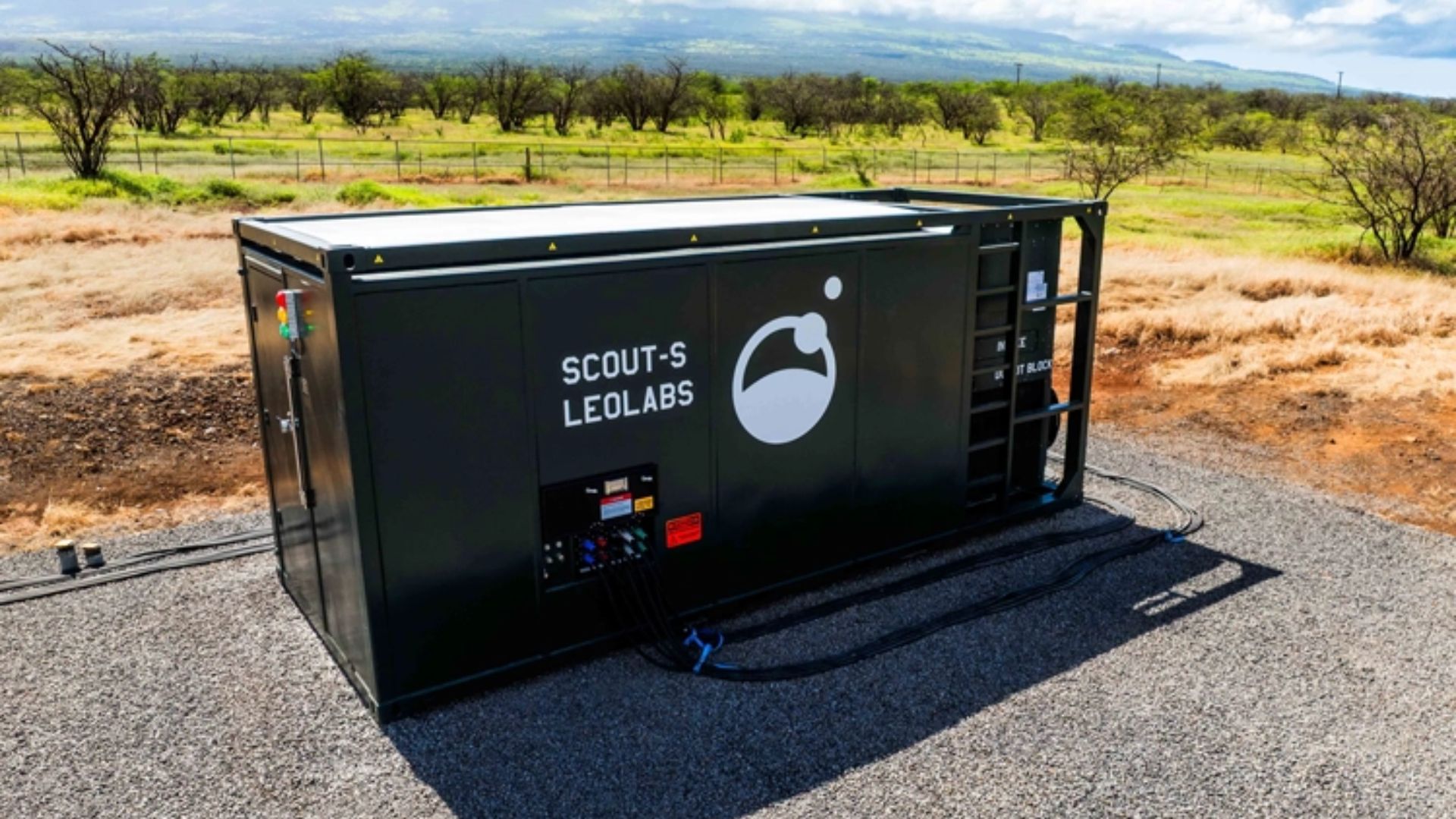
 delivers persistent custody, dynamic tracking, and deployable sensing for LEO and VLEO — extending coverage where mission demand is greatest.