
 Login

US’ new 180-foot drone ship could launch hypersonic missiles, demo set for 2027
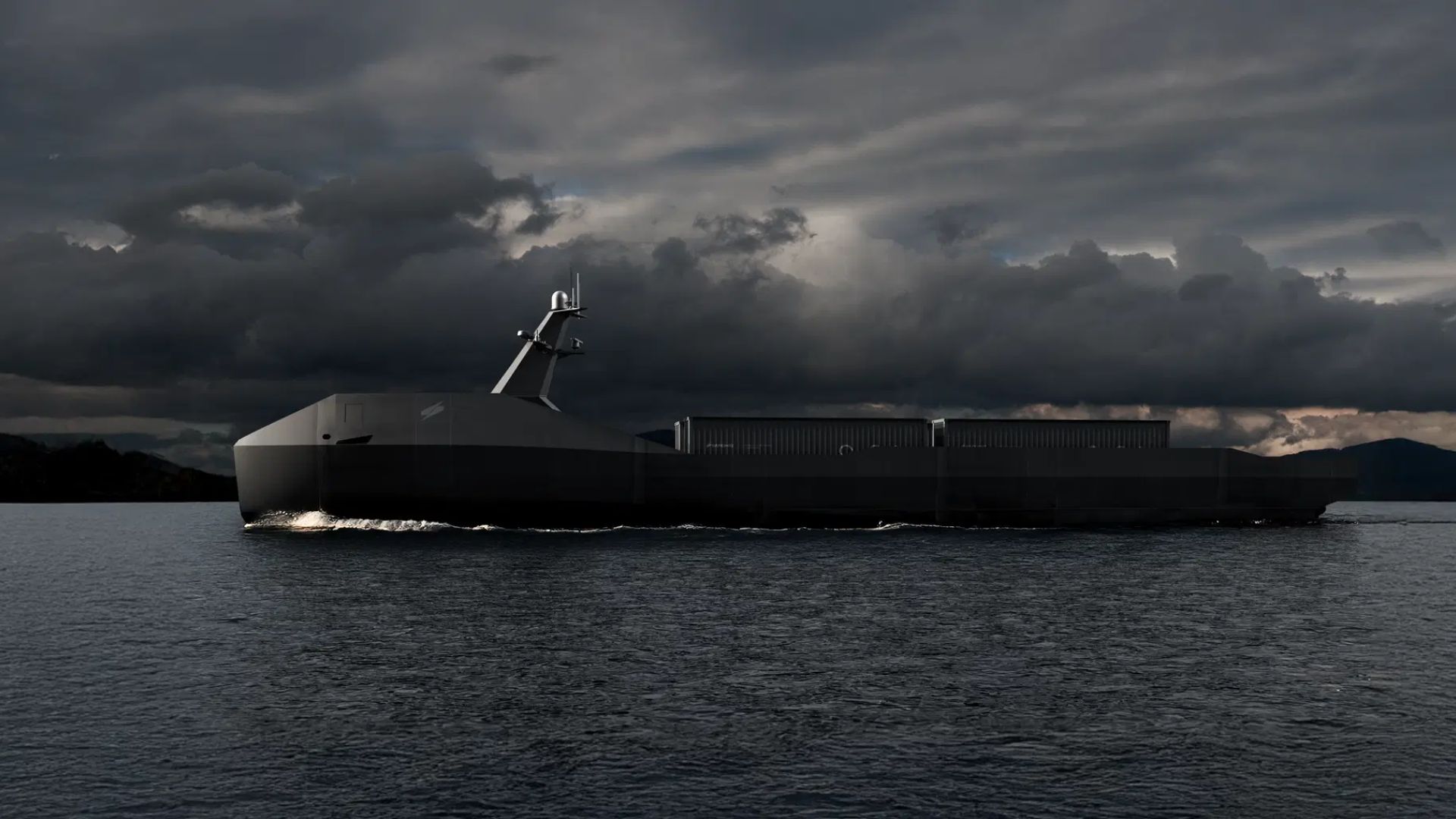
Saronic and Castelion, two defense technology companies, have announced plans to combine an autonomous warship with a hypersonic strike weapon. They said this is the first attempt to put a hypersonic vehicle on an unmanned surface vessel.
Castelion’s Blackbeard hypersonic system will be launched from Saronic’s Marauder medium unmanned surface vessel, with a demonstration at sea planned for 2027.
By combining an unmanned vessel with a hypersonic strike system, the companies hope to give commanders more choices for future naval missions.
Autonomous vessel meets hypersonic firepower
According to the agreement, Saronic’s Marauder unmanned vessel will launch Castelion’s Blackbeard hypersonic vehicle. The companies said this is an important step toward creating strike systems that work without crews on board.
“Launching a Castelion hypersonic from a Marauder MUSV significantly changes the approach for any adversary calculating where and how the U.S. can strike,” Dino Mavrookas, co-founder and CEO of Saronic, said in a statement. “Deterrence is ultimately a function of capability, capacity, and credibility. Saronic and Castelion are working to increase all three by combining autonomous maritime and hypersonic strike capabilities that are more scalable, more affordable, and faster to field.”
The idea is to equip autonomous ships with advanced weapons that can operate across large areas of the ocean. These ships could offer more launch points for weapons and help keep people out of danger.
Castelion is also increasing production of the Blackbeard system and plans to make several thousand missiles each year. Last October, the company said Blackbeard had won several awards to help it work with both Army and Navy platforms.
Blackbeard production ramps up
By producing more Blackbeard missiles, Castelion hopes to deploy the weapon across more branches of the military. The company says using Blackbeard with Marauder could make operations more flexible and easier to deploy.
“Blackbeard and Marauder will give our warfighters more shots, from more places, with fewer constraints,” Bryon Hargis, co-founder and CEO of Castelion, said in a statement.
This partnership comes as defense leaders look for ways to use more precision strike systems without raising costs. Autonomous ships capable of carrying advanced weapons are becoming an important part of this plan.
Marauder advances toward operational testing
The announcement arrives during a busy period for Saronic. The company is currently expanding a shipyard in Louisiana, a project expected to be completed by the end of this year. Once finished, the facility will have the capacity to produce up to 20 Marauder vessels annually.
Late in May, Saronic revealed that the 180-foot-long Marauder had entered on-water trials. The vessel is designed to carry payloads weighing up to 150 metric tons, giving it the capacity to support a range of military missions.
The U.S. Navy is also evaluating the platform. Last month, the service confirmed that Saronic was among seven companies selected for its MUSV marketplace initiative. Participants will conduct at-sea testing this summer, and those who successfully complete the evaluation phase by October will receive $15 million and become eligible for future production contracts.
Growing role for unmanned naval systems
Beyond Marauder, Saronic has developed several autonomous surface vessels, including the Corsair. According to the company, the vessel can transport payloads of up to 1,000 pounds over distances exceeding 1,000 nautical miles.
The Navy’s Task Force 59, which focuses on unmanned maritime operations in Bahrain, began fielding Corsair vessels in March. The platform recently played a role in a real-world rescue mission.
On Monday, U.S. Central Command said Navy units, including Task Force 59, assisted in rescuing two crew members from a US Army AH-64 Apache helicopter that went down near the coast of Oman.

 with its most advanced mobility fleet ever. From mobility solutions to SPOT, our four-legged security patrol, we're ready for kick-off.
