
❌

Reading view

Nuclear shipping: Large vehicle carrier with molten salt reactor gets design approval
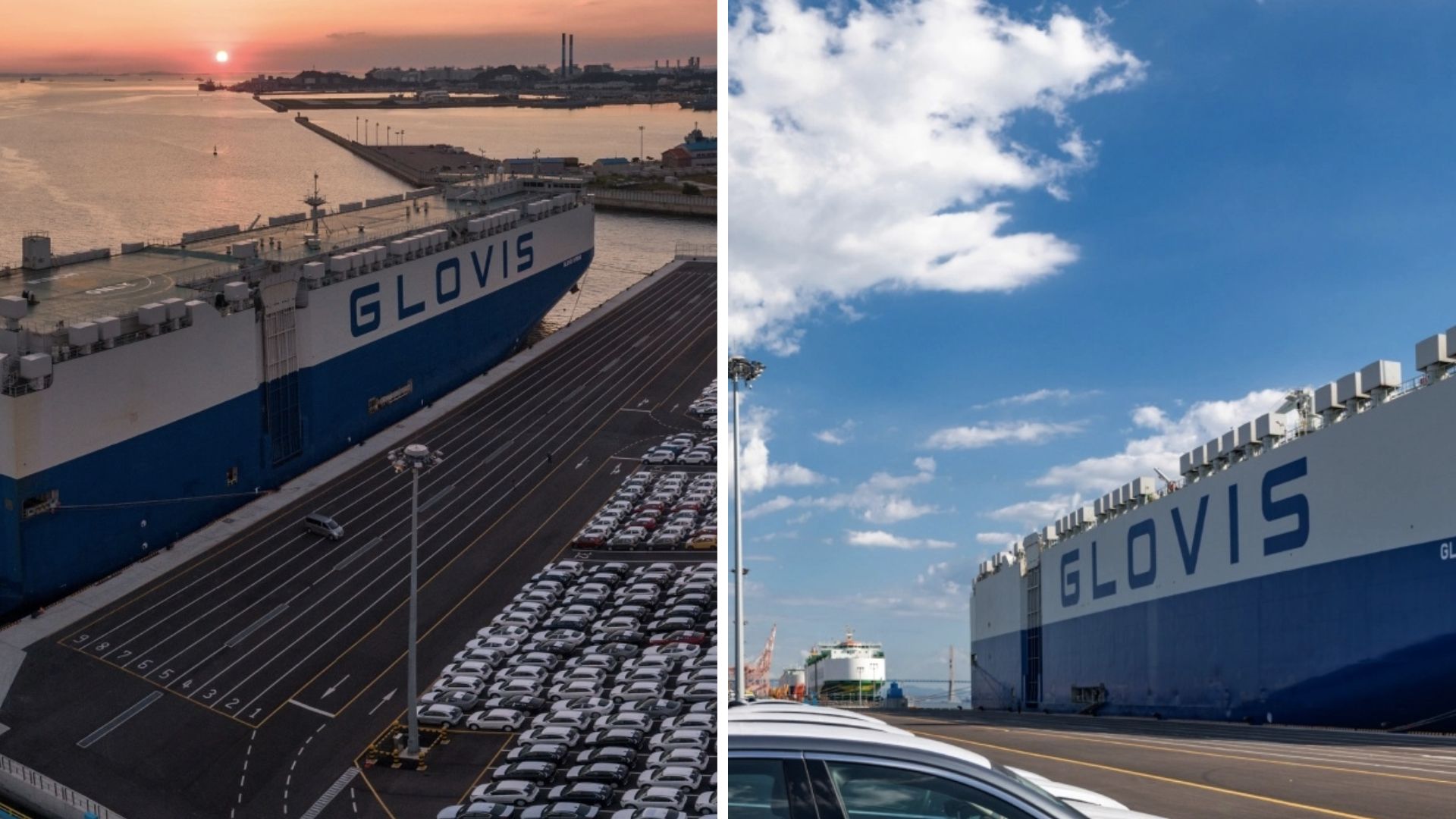
A new study has supported the concept of physically and operationally integrating a molten salt reactor (MSR) into a large vehicle carrier ship. Lloyd’s Register (LR) is working with Hyundai Heavy Industries, Korea Shipbuilding and Offshore Engineering (KSOE), and others to explore an advanced small modular reactor (SMR) installation on a pure car and truck carrier (PCTC). 

The latest work examined the internal arrangement and segregation of the reactor system, shielding requirements, and the impact on cargo deck layout and vehicle capacity, alongside stability and trim implications linked to the reactor’s weight and positioning. 

Nuclear propulsion at early stage of development

“While nuclear propulsion is still at an early stage of development, this project shows the importance of building technical understanding now to support future progress,” said Sung-Gu Park, President – North East Asia, Lloyd’s Register.

“Establishing feasibility at concept stage is a valuable step forward, particularly in areas such as cargo optimization, vessel stability and integrated safety design.”

The partners also assessed propulsion system configuration and power delivery, as well as operational flexibility compared with conventionally fueled PCTCs, where trade routes and port calls can be tightly constrained.

SMR-powered ships

“With global environmental regulations becoming increasingly stringent and no definitive net-zero fuel yet available, SMR-powered ships can serve as a highly effective alternative, representing a pioneering next-generation maritime technology capable of complying with GHG emission regulations while allowing lifetime operation without refueling, and HD HHI will remain at the forefront of sustainable maritime technology development,” said Hong-Ryeul Ryu, CTO and Senior Executive Vice President at HD HHI.

It’s also revealed that a key focus of the project has been safety. LR led hazard identification (HAZID) and preliminary risk assessment work, focusing on containment, onboard safety systems and potential operability constraints tied to nuclear technology at sea. 

Technical feasibility of nuclear-assisted propulsion

Korea Atomic Energy Research Institute (KAERI) also considers the latest study a meaningful achievement in assessing the potential application of SMRs in the maritime sector, taking actual ship operating environments into account. The study is particularly significant because it examined the technical feasibility of applying an MSR type marine SMR to a specific target vessel, namely a PCTC, according to KAERI.

  •  

US firm could soon deliver energy wirelessly to autonomous underwater vehicles with new deal

NUBURU Inc., a developer of advanced blue-laser technologies and defense-focused photonics solutions, has announced a significant step forward in underwater energy transmission through a new collaboration with Italian technology company SunCubes.

The initiative will see NUBURU, through its subsidiary Lyocon S.r.l., design specialized blue-laser technology for integration into SunCubes’ DEEP LIGHT underwater wireless power platform.

Underwater laser-based power transmission system

The project represents the first concrete application emerging from a recently signed agreement between NUBURU and SunCubes. It aims to develop an underwater laser-based power transmission system capable of delivering energy wirelessly to autonomous underwater vehicles (AUVs) and other subsea systems, potentially transforming the way underwater assets are powered and operated.

The DEEP LIGHT platform is designed around a high-power laser transmitter and receiver architecture that enables contactless energy transfer underwater. Unlike traditional underwater charging methods that require physical docking or cable connections, the system seeks to transmit power over distances of several tens of meters using laser beams operating in the blue-green optical spectrum.

This wavelength range is particularly important because blue and blue-green light experiences lower attenuation in water than many other wavelengths, allowing energy and data to travel more efficiently through underwater environments. By leveraging NUBURU’s expertise in blue-laser technology, the collaboration aims to improve the efficiency, reliability, and scalability of underwater wireless power systems.

Blue-laser technology

Lyocon, acquired by NUBURU earlier this year, will serve as the laser-source design and integration partner for the project. The company brings established expertise in laser manufacturing, photonics engineering, and systems integration, positioning it as a key contributor to the development of the DEEP LIGHT platform.

Under the planned arrangement, Lyocon is expected to design and potentially supply the blue-laser technology layer required for the platform. Its responsibilities may include laser-source development, optical integration, system validation, and support for future industrial-scale deployment.

The collaboration highlights growing interest in underwater autonomy, subsea infrastructure protection, maritime security, and offshore energy applications. As governments and commercial operators increasingly deploy autonomous underwater systems, the need for reliable long-range power delivery and recharging solutions continues to grow.

NUBURU believes the partnership could open access to a multi-billion-dollar addressable market spanning autonomous underwater vehicles, subsea sensors, offshore inspection systems, underwater communications networks, and critical maritime infrastructure. The company also views underwater laser power transmission as a strategic extension of its broader defense and security technology portfolio.

The DEEP LIGHT project has received recognition within Italy’s underwater technology ecosystem and was presented during activities associated with the National Underwater Dimension Hub (PNS), supported by the Italian Navy. SunCubes has also attracted investment support from entities linked to CDP Venture Capital, reinforcing the project’s strategic relevance within Italy’s national innovation framework.

While the collaboration remains subject to definitive agreements, regulatory approvals, and technical validation, it marks an important milestone in the development of next-generation underwater energy systems. If successful, the integration of NUBURU’s blue-laser technology into the DEEP LIGHT platform could pave the way for longer-duration underwater missions, reduced operational constraints, and new capabilities across defense, research, and commercial maritime sectors.

As underwater autonomy and subsea infrastructure become increasingly critical to national security and industrial operations, the NUBURU–SunCubes partnership demonstrates how advanced photonics technologies may help redefine the future of underwater power transmission.

  •  
❌