❌

Reading view

MIT’s ultrasound wristband could teach humanoid robots human hand skills
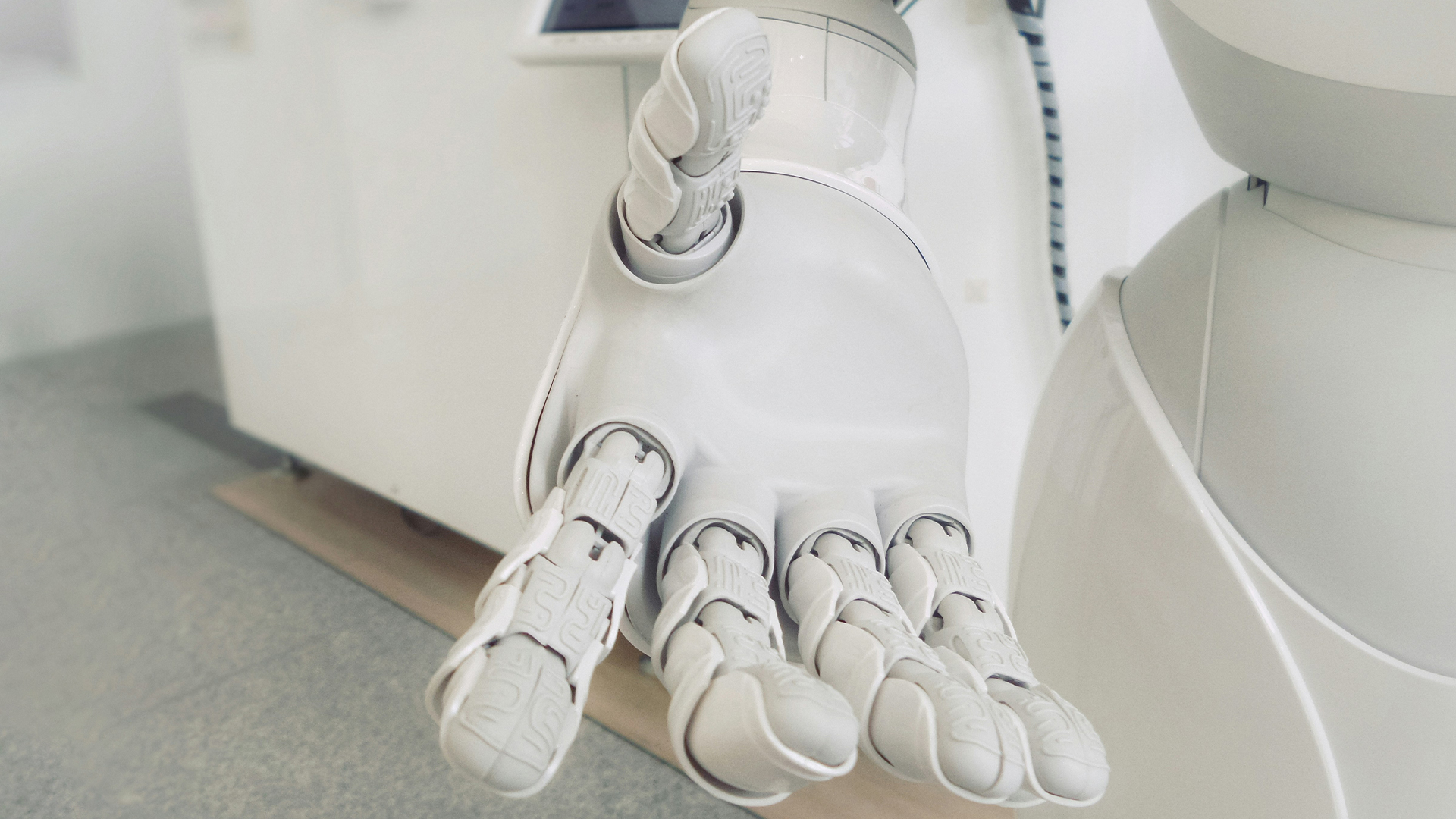
Humanoid robots may soon gain more human-like dexterity thanks to a new wearable device developed by researchers at the Massachusetts Institute of Technology.

The ultrasound wristband uses high-frequency sound waves to capture the movement of muscles, tendons, and ligaments beneath the skin, creating detailed data on human hand motions.

According to the team, the data collected by the system could be used to train robots to perform household tasks by replicating the dexterous hand movements used by humans.

Last year, researchers at the University of California San Diego developed a wearable AI system that accurately interprets arm gestures and controls robots, even during running, vehicle motion, or rough ocean conditions.

Wristband teaches robots

For robots to perform delicate tasks with human-like precision, they must first understand the complex movements of the human hand. Researchers have now developed a wearable ultrasound wristband that could help bridge that gap by capturing detailed muscle and tendon activity beneath the skin and translating it into robotic motion.

Tracking hand and finger movements is a key challenge in fields such as robotics and spatial computing. Existing solutions have significant limitations. Camera-based systems can struggle with restricted viewing angles and visual obstructions, while wearable devices based on strain sensors, inertial sensors, or electromyography often limit movement or lack the resolution needed to accurately capture continuous finger motions, according to the team’s study paper.

The new wristband builds on a series of advances in wearable ultrasound technology over the past several years. Researchers have steadily expanded the capabilities of ultrasound wearables beyond gesture tracking and robotics. In 2022, scientists demonstrated a wearable ultrasound device capable of continuously monitoring multiple internal organs. Subsequent developments included wearable systems for continuous heart imaging and bladder volume monitoring.

In 2024, researchers introduced a conformal ultrasound patch capable of tracking cerebral blood flow in three dimensions and an integrated wearable ultrasound system that monitored deep tissue activity with sub-millimeter resolution using a single transducer. More recently, flexible, disposable ultrasound patches were developed to reduce manufacturing costs.

Now, in a new study, researchers led by Xuanhe Zhao at MIT introduced a wearable ultrasound imaging wristband capable of tracking arbitrary hand configurations. The device uses high-frequency sound waves to image muscles, tendons, and ligaments inside the wrist, providing a detailed view of the mechanisms that drive hand movement.

Decoding human hands

The wristband could help robots achieve human-like hand dexterity by capturing the movements of muscles and tendons beneath the skin. The device incorporates a 256-channel wireless ultrasound imaging system that uses high-frequency sound waves to monitor structures inside the wrist responsible for controlling finger and palm motions.

The ultrasound data is processed by a hybrid Transformer–ResNet AI model capable of interpreting subtle muscle activity. The system continuously tracks all 22 degrees of freedom of the human hand, covering the full range of joint movements that allow fingers and the palm to bend, rotate, and coordinate complex actions. Achieving this level of tracking has been a longstanding challenge for hand-motion sensing technologies, reported AP News.

In laboratory tests involving eight volunteers, the wristband reproduced hand gestures with high accuracy and low latency, mirroring movements within 120 milliseconds. Researchers demonstrated the system’s ability to recognize all 26 letters of American Sign Language, highlighting its precision in capturing intricate finger configurations.

Because the wristband operates wirelessly, users can control robotic systems remotely without being physically connected or located in the same room. To showcase its capabilities, the team used the technology to manipulate three-dimensional objects in virtual reality and direct a robotic hand to play the piano.

Beyond teleoperation, researchers believe the system could be used to generate large-scale datasets of human hand movements, providing valuable training data for future humanoid robots and helping them learn complex manipulation skills more autonomously.
  •  

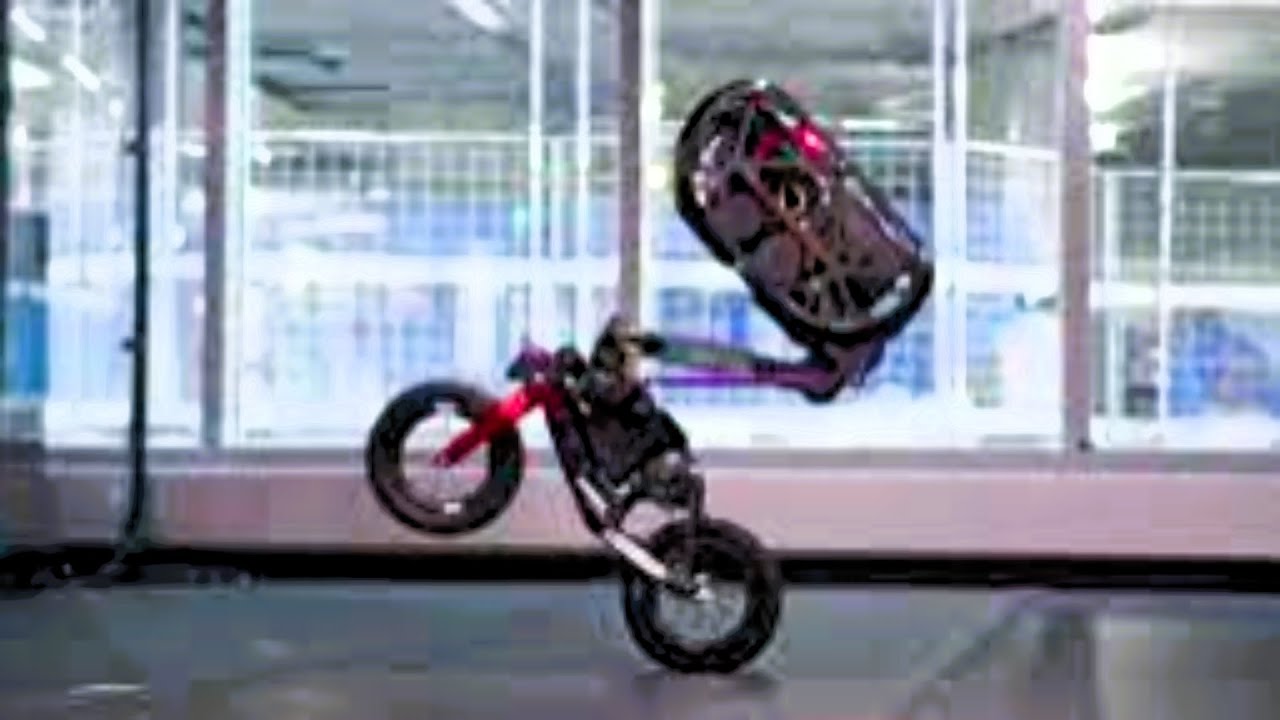
World’s first: Rider-Bot sets record as first bike robot to perform unassisted front flip

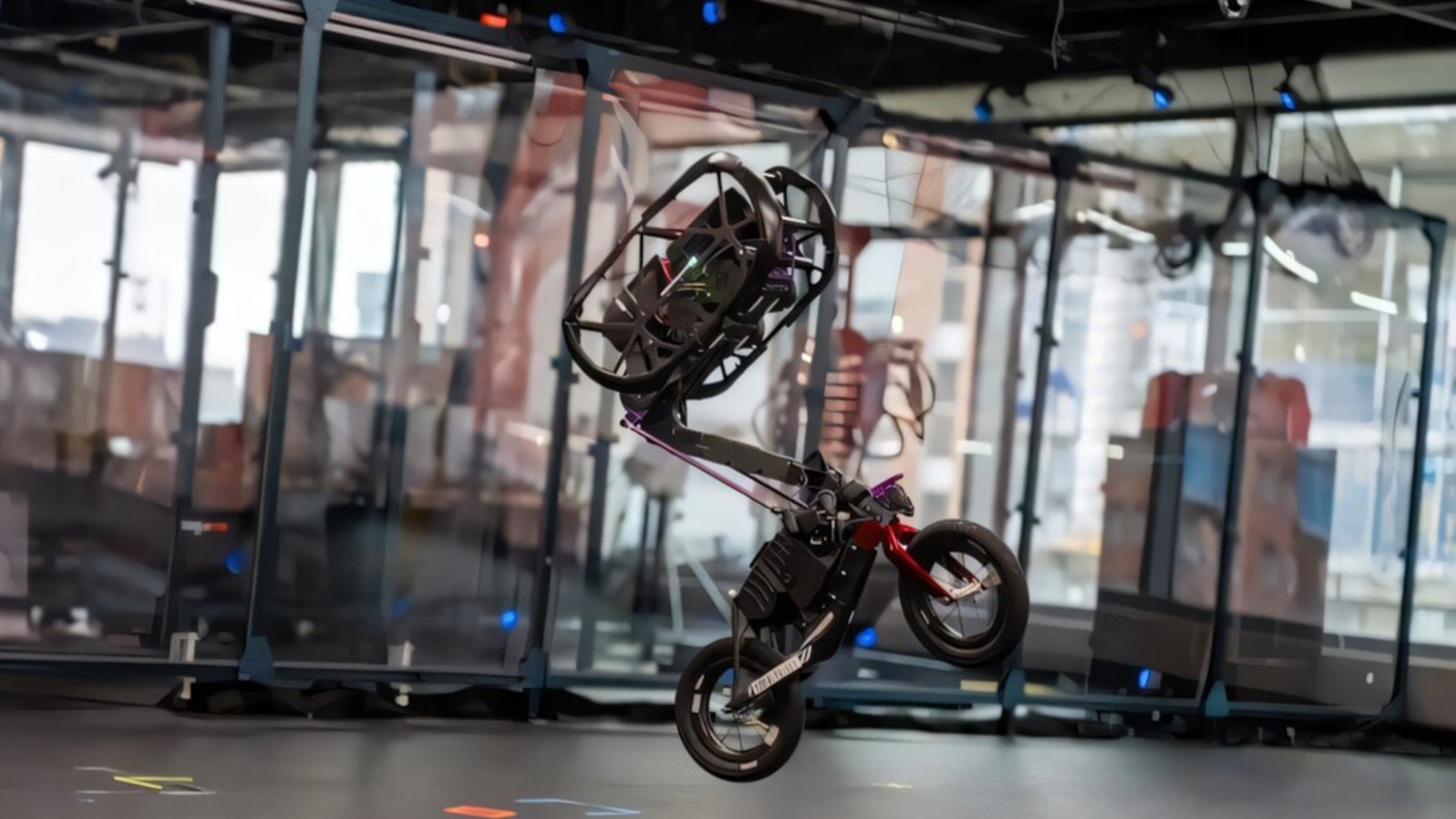
In a landmark achievement for robotics, a bicycle-riding robot has performed the world’s first unassisted front flip, astonishing engineers and robotics enthusiasts alike. The feat, accomplished by a team at the University of Tokyo’s JSK Robotics Laboratory, marks a significant leap in the capabilities of autonomous machines and could have far-reaching implications for robotics research, mobility, and future transportation.

Engineering a robotic stunt rider

The robot, dubbed “Rider-Bot,” is built to mimic the movements and balance strategies of human cyclists. Unlike previous robotic stunts that required ramps, wires, or external supports, Rider-Bot executed the front flip entirely on its own—using only its onboard sensors, actuators, and algorithms.

The successful flip took place on a flat surface, with the robot accelerating, launching, rotating 360 degrees forward, and landing upright—all without human intervention.

According to the research team, achieving this level of acrobatic control required a combination of advanced gyroscopes, real-time feedback loops, and machine learning techniques. “This is a major step toward robots that can adapt dynamically to complex environments and perform tasks that were previously considered impossible for machines,” said Dr. Yuta Sato, lead researcher on the project.

Implications for robotics and beyond

The successful front flip demonstrates not only the mechanical resilience of Rider-Bot but also the sophistication of its AI-driven decision-making. The robot’s control system anticipates and compensates for shifts in momentum and balance, much like a skilled human cyclist would.

Researchers believe this breakthrough could inform the design of next-generation delivery robots, autonomous vehicles, and even disaster-response machines capable of navigating unpredictable terrain. “Our work shows that robots can be taught to handle extreme maneuvers, which opens up many possibilities for robust, adaptable mobility in real-world scenarios,” Dr. Sato noted.

Challenges and next steps

Despite the successful demonstration, the team acknowledges ongoing challenges. Perfecting the landing and ensuring consistency across different environments remain top priorities. The researchers plan to enhance the robot’s learning algorithms and test it in outdoor and obstacle-rich settings.

The team also hopes their achievement will inspire further research into dynamic locomotion and the integration of robotics into everyday life. “We’re just beginning to scratch the surface of what intelligent, mobile robots can do,” said Dr. Sato.

A milestone for human-robot collaboration

The Rider-Bot’s unassisted front flip not only pushes the boundaries of robotics but also highlights the growing intersection between human athleticism and machine intelligence. As robots become more capable of complex movement, their potential roles in society—from urban mobility to emergency response—are poised to expand dramatically.

With this record-breaking feat, the University of Tokyo’s robotics team has set a new benchmark for autonomous machines, paving the way for future innovations in robotic agility and intelligence.

💾

University of Tokyo’s bicycle robot 'Rider-Bot' achieves world-first unassisted front flip, redefining robotics.
  •  

China’s Z01 humanoid robot masters Tai Chi moves with human-like balance and control

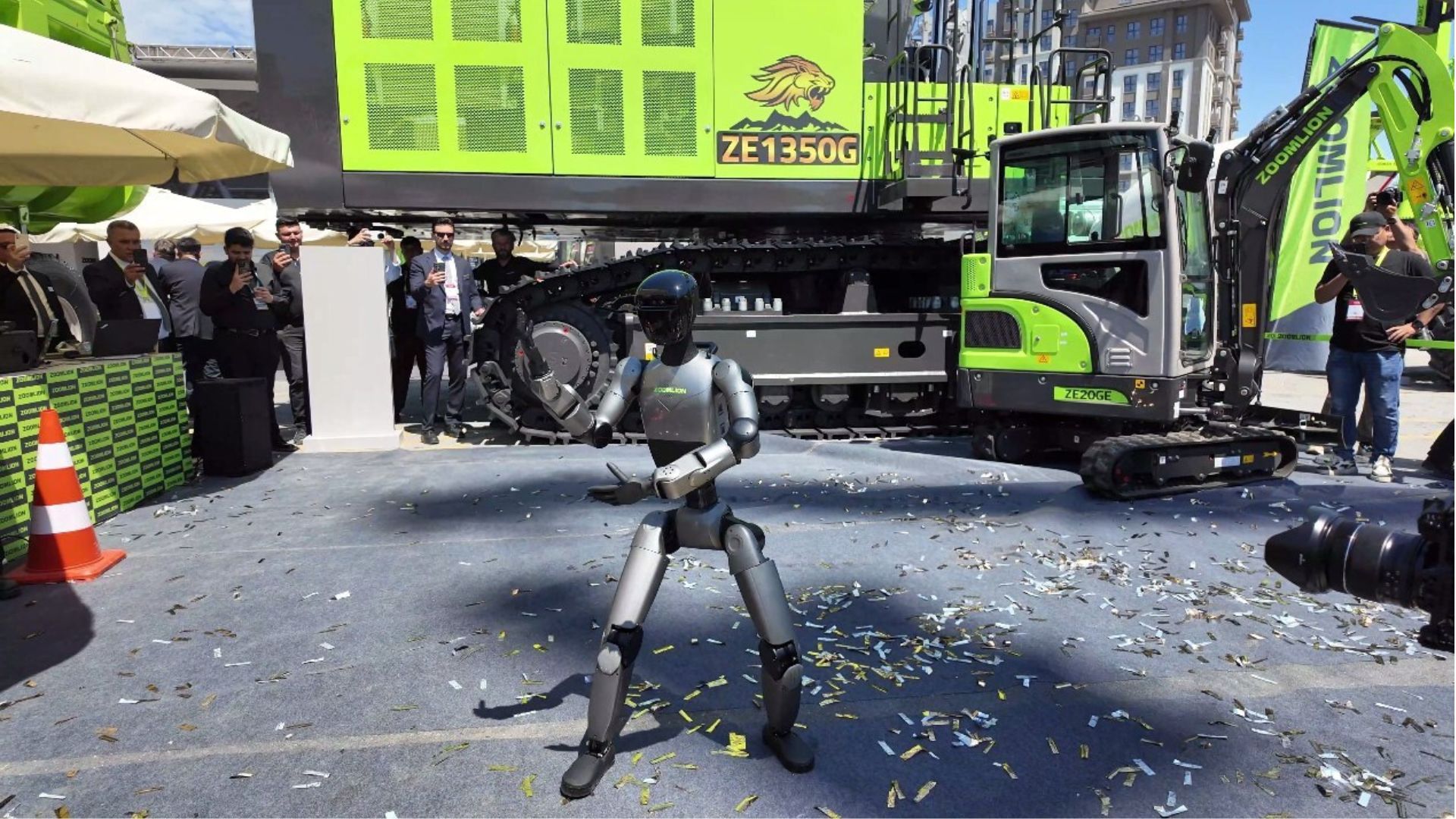
A new humanoid robot from China became one of the standout attractions at a major industrial exhibition after performing a Tai Chi routine.

Zoomlion’s Z01 bipedal robot demonstrated smooth, coordinated movements, highlighting its advanced motion control, dynamic balance, and human-like mobility.

The Tai Chi demonstration at KOMATEK 2026 in Istanbul showcased the robot’s ability to execute complex sequences with precision while maintaining stability throughout the performance.

In January 2026, the construction giant unveiled a full-chain AI system to drive intelligent transformation across machinery, manufacturing, management, and robotics.

Advanced balance display

While detailed specifications have not been released, Z01 is reported to feature millisecond-level motion response, long battery life, powerful onboard AI computing, and a high-degree-of-freedom design that enables smooth, natural movement. It also includes a built-in operating system that reportedly reduces robot development complexity by three to five times.

The robot’s Tai Chi routine showcased sophisticated motion control systems, coordinated full-body movement, and dynamic balance capabilities. By maintaining smooth transitions between poses and adapting its posture throughout the sequence, Z01 demonstrated the level of control required for real-world human-centered environments. Visitors closely followed the performance as the robot carried out the traditional martial art movements with remarkable consistency and coordination, according to a statement by Zoomlion.

Beyond the demonstration, Z01 represents a broader push into embodied AI and intelligent robotics. The humanoid robot is intended to support future applications that require close collaboration with people, including industrial assistance, guided services, and educational interaction. Its development reflects growing efforts to combine advanced software intelligence with robotic hardware capable of operating in dynamic environments.

“The debut of Z01 highlights Zoomlion’s growing commitment to embodied AI, with embodied AI robots and related emerging industries forming the company’s third growth curve,” said the firm in a statement.

AI robotics ecosystem

Zoomlion is advancing embodied AI through a technology stack that combines robotics hardware, intelligent software, motion control, and industrial automation. Building on years of investment in industrial IoT, the company has developed a strong digital infrastructure through Zvalley, its AI-powered industrial internet platform, supported by nearly 1,300 technical and R&D specialists.

Since 2024, the company has accelerated development of embodied intelligence systems by integrating robot hardware, core components, perception technologies, AI decision-making engines, motion-control algorithms, and software ecosystems into a unified framework. This approach enables robots to perceive their surroundings, make autonomous decisions, and execute complex physical tasks in dynamic environments.

By the end of 2025, Zoomlion had developed eight embodied AI robot prototypes spanning four categories, including humanoid and wheeled robotic platforms. These systems have been tested across real industrial settings, where they perform tasks such as logistics handling, factory inspections, loading and unloading operations, pre-assembly processes, and quality control. Operating in live production environments has allowed the company to gather valuable real-world data for training AI models and refining robot performance.

At Hannover Messe 2026, Zoomlion further demonstrated its technological progress through Robot Ops, an embodied AI development platform designed to coordinate intelligent robotic systems. The platform showcased autonomous decision-making, advanced motion control, multi-robot collaboration, and industrial deployment capabilities, highlighting the company’s efforts to transform embodied AI from research concepts into scalable industrial solutions.

💾

China's Z01 humanoid robot impresses crowds in Istanbul, performing Tai Chi with precision, balance, and human-like movement.
  •  
❌