
 Login

‘One Shell, Two Cells’: CATL unveils shared packs for lithium and sodium batteries
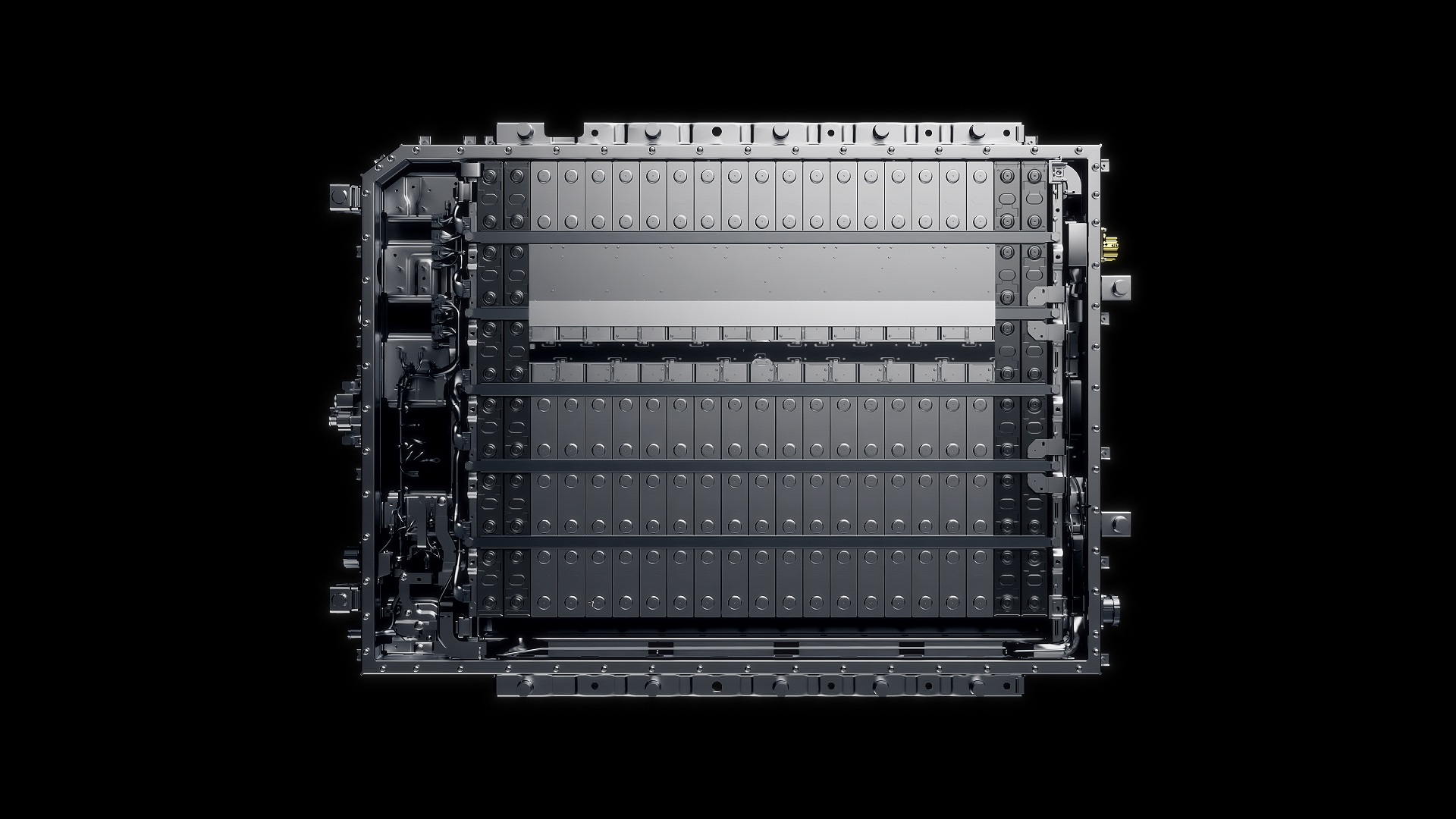
China’s largest battery maker CATL has unveiled a new battery pack architecture that allows sodium-ion and lithium-ion batteries to be used inside the same enclosure, a move aimed at accelerating sodium-ion deployment in electric vehicles, battery-swapping networks, and energy storage systems.
The design, called “One Shell, Two Cells,” was disclosed during an industrial research event organized by China’s Ministry of Industry and Information Technology (MIIT) News Centre and reported by Securities Times.
The platform uses a standardized battery enclosure capable of housing either lithium-ion or sodium-ion cells without changing the pack’s physical dimensions. The approach could help manufacturers and infrastructure operators switch between battery chemistries without redesigning vehicles, battery-swapping stations, or thermal management systems.
This modular approach could also simplify large-scale battery deployment, allowing manufacturers to streamline production lines while reducing redesign requirements across different vehicle platforms and energy storage systems.
The announcement comes as China’s battery industry pushes sodium-ion technology as a solution to one of lithium batteries’ biggest weaknesses: poor performance in extremely cold temperatures.
One pack, two chemistries
In regions such as Xinjiang, where winter temperatures can fall below -25°C, lithium iron phosphate batteries can experience slower charging and significant capacity losses. Sodium-ion batteries are viewed as a potential alternative because they maintain stronger performance in cold conditions.
According to CATL, the new architecture allows sodium-ion and lithium-ion systems to be exchanged within the same footprint, simplifying deployment across mobility and energy storage applications.
The design could prove particularly useful for battery-swapping operators. The same station infrastructure could support sodium-ion packs in cold northern regions while continuing to use lithium-based batteries in warmer areas.
The development builds on CATL’s broader sodium-ion strategy. Earlier this year, the company’s Chief Scientist Wu Kai said manufacturing bottlenecks affecting sodium-ion batteries had been resolved and that future versions could deliver driving ranges of up to 600 kilometers.
The company is also preparing commercial deliveries of its first sodium-ion energy storage systems later this year.
Durability targets emerge
Beyond the pack architecture, industry participants used the event to highlight progress in sodium-ion battery durability.
CATL and several suppliers reported reaching a 15,000-cycle benchmark, a level that could support operating lifetimes of up to 20 years in stationary storage and other high-use applications.
Cathode supplier Ronbay Technology said its sodium iron phosphate materials have also surpassed 15,000 charge-discharge cycles while improving electrode density. The company currently operates 6,000 tons of annual production capacity and plans significant expansion over the next two years.
Meanwhile, chemical producer Wanhua Chemical outlined efforts to reduce reliance on imported biomass feedstocks used in hard-carbon anodes. The company is developing synthetic hard-carbon materials derived from resin and coal, aiming to lower costs and strengthen domestic supply chains.
The latest announcements suggest China’s sodium-ion battery sector is moving beyond laboratory-scale development and into large-scale commercial deployment. With standardized pack designs, longer lifetimes, and expanding material production, manufacturers are positioning sodium-ion batteries as a complementary technology to lithium-ion systems rather than a direct replacement.
