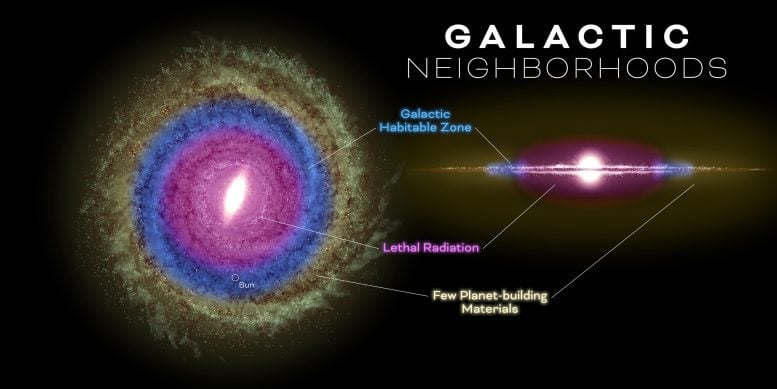
NASA’s Roman Telescope could reveal 100,000 hidden worlds and rewrite what we know about planets across the Milky Way. NASA’s Nancy Grace Roman Space Telescope is expected to dramatically expand humanity’s catalog of worlds beyond our solar system. Known as exoplanets, these distant planets number nearly 6,300 discoveries so far through NASA missions and other [...]
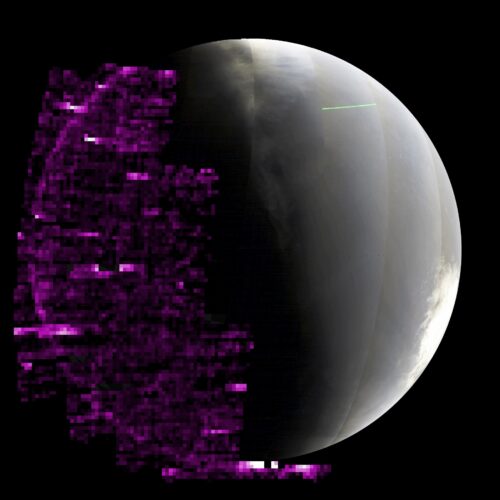
NASA's MAVEN spacecraft was in excellent shape when it disappeared behind Mars on December 6 of last year. The routine passage, called an occultation, was supposed to last less than an hour, but ground teams didn't hear from the spacecraft when it was supposed to regain contact with Earth.
The loss of communication triggered contingency plans for engineers to try to restore a link with MAVEN, which orbits Mars more than 200 million miles from Earth. To no avail, they listened for faint signals and uplinked commands in the blind. Hopes of saving the mission faded over time, and NASA officials announced Wednesday that they're giving up on it.
"NASA has ceased efforts to search for the MAVEN spacecraft and are beginning activities to decommission the mission," said Mike Moreau, MAVEN's project manager at NASA's Goddard Space Flight Center in Maryland.
Depois de vários meses de testes, o avião supersónico X-59 prepara-se para novos voos mais ambiciosos. A equipa da NASA espera que a aeronave ultrapasse a velocidade do som, a mais de 13 mil metros de altitude, já no início de junho.
NASA is working on a streamlined management approach for a nuclear electric propulsion demonstration mission the agency wants to launch in two and a half years.

 Login

 NASA’s Roman Telescope could reveal 100,000 hidden worlds and rewrite what we know about planets across the Milky Way. NASA’s Nancy Grace Roman Space Telescope is expected to dramatically expand humanity’s catalog of worlds beyond our solar system. Known as exoplanets, these distant planets number nearly 6,300 discoveries so far through NASA missions and other [...]