Recent claims of potential biosignatures on the exoplanet K2-18b have been challenged by researchers at the University of Chicago. Their analysis suggests that the detection of dimethyl sulfide may be inconclusive due to overlapping signals from non-biological molecules, emphasizing the limitations of current detection technology and urging caution against premature conclusions.
A research paper proposes that advanced alien civilizations might be terraforming planets and spreading life through panspermia. It suggests that similarities among clustered planets could indicate extraterrestrial life, while acknowledging the challenges in detecting such life. This approach sidesteps the fundamental questions of life's origins.
That life might have come to earth traveling through outer space used to be a fringe theory called ‘panspermia’. But in the past decade or so, we have seen an interesting shift in how scientists regard the idea. Let’s take at one new study that might support ‘panspermia,’ as well as other facts that support the theory.
Natural selection allows animals – including humans – to slowly adapt to their environments over tens of thousands of years. Unfortunately for us humans, we’re quickly changing our environments and lifestyles, building sprawling cities and working at desks for 10 hours a day. According to a new paper, we now have good evidence that humans are no longer fit to live in the world we’ve created.
New observatories and spacecraft missions are probing environments in our solar system that could potentially host life but have long remained hidden. Icy moons like Saturn’s Enceladus and Jupiter’s Europa likely contain oceans beneath frozen outer shells. But a layer of ice prohibits space probes from sampling them directly. Exploring these icy moons is almost forensic: Their surfaces keep aContinue reading "Scientists used a method from ecology to identify whether icy moons could hold conditions for life"
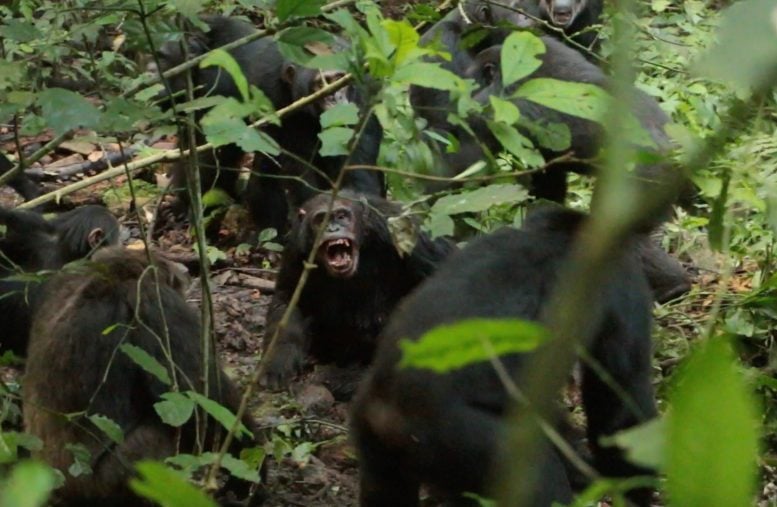
Wild chimpanzees in Uganda split into two separate communities and later engaged in deadly attacks against each other. Researchers believe the conflict shows how social relationships alone can fuel polarization and violence. The world’s largest known community of wild chimpanzees has permanently divided into two separate groups. Researchers from the University of Texas at Austin [...]
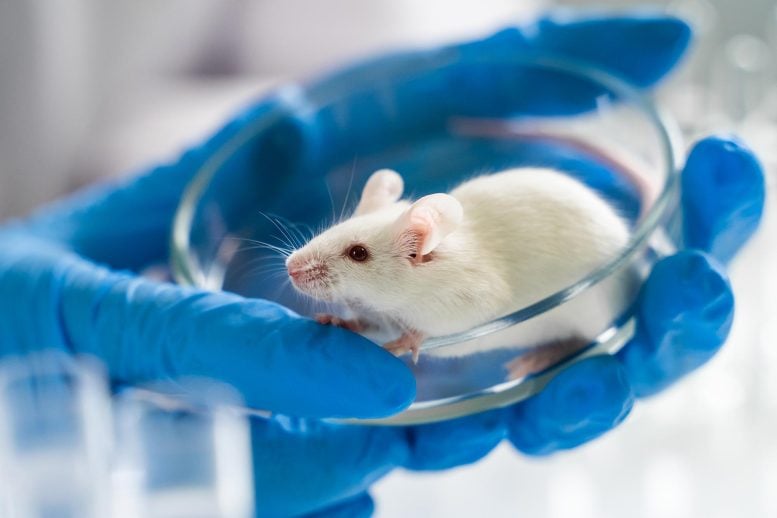
A new AI framework called MouseMapper allows scientists to examine disease-related changes across the entire body at cellular resolution. Obesity does much more than affect metabolism and fat storage. It also changes immune activity, nerve structure, and tissue organization throughout the body, raising the risk of conditions such as type 2 diabetes, cardiovascular disease, stroke, [...]
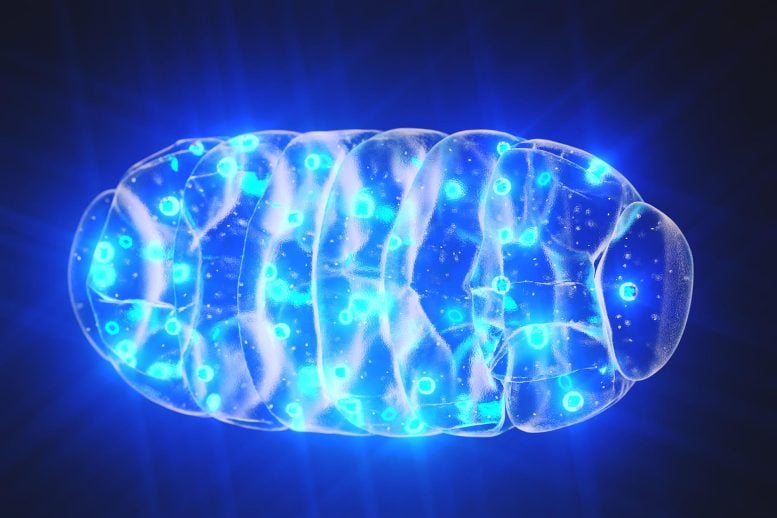
Scientists identified phosphatidylcholine loss as a key driver of mitochondrial aging and showed that restoring it can rejuvenate cellular energy networks. Why do cells age, and why do people gradually lose energy and vitality over time? Scientists have long focused on mitochondria, the tiny structures inside cells responsible for producing energy. Researchers now understand that [...]
New research suggests a widely used herbicide may have subtle but significant effects on honeybees. Growing flowering plants for pollinator gardens, farms, and home landscapes often requires herbicides to control weeds. Honeybees are naturally drawn to these areas and are essential for pollination. But researchers wanted to know what happens when bees are exposed to [...]

 Login