❌

Reading view

Manta rays inspire a smarter algorithm for cleaner, cheaper power grids

Every time a power grid operator decides how much electricity each generator should produce, a quiet balancing act takes place. Burning less fuel saves money, but it often means allowing more pollution, and cutting emissions usually drives costs up. Engineers have long searched for a way to satisfy both goals at once, a challenge known as combined economic emission dispatch, or CEED. Now, a team of researchers has turned to one of the ocean’s most graceful feeders, the manta ray, for inspiration, and the result is an optimization algorithm that outperforms a crowded field of competitors on both cost and cleanliness.

The study, published in the journal Results in Engineering by Yu-Feng Sun, Jie-Sheng Wang and colleagues, describes an enhanced version of the Manta Ray Foraging Optimization algorithm, or MRFO. The original algorithm, first introduced a few years ago, mimics the cooperative hunting strategies that manta rays use to harvest plankton. Because plankton drifts unpredictably with seasons and weather, manta rays have evolved three distinct foraging behaviors: chain foraging, in which animals line up in arcs so that each one catches food missed by the one ahead; spiral foraging, where the group coils around a dense patch of food; and somersaulting, in which individuals flip back and forth around a promising spot. Translated into mathematics, these behaviors become rules that move a population of candidate solutions around a search space, gradually converging on the best answer.

What makes the CEED problem so stubborn is its mathematical character. The relationship between a generator’s output and its fuel consumption follows a cubic curve, and the emissions of carbon dioxide, nitrogen oxides and sulfur dioxide each follow their own cubic functions. The combined objective is nonlinear, nonconvex and discontinuous, riddled with local minima that can trap classical techniques such as lambda iteration or gradient-based methods. To make matters harder, the problem is genuinely multi-objective, so the researchers converted it into a single objective by applying price penalty factors that fold the cost of each pollutant into one total figure in dollars per hour.

Constraint handling is where many algorithms stumble. Traditional approaches add a fixed penalty whenever a solution violates the power balance requirement, the equation demanding that total generation minus transmission losses equals demand. But a fixed penalty is a blunt instrument. Set it too low and the algorithm happily returns infeasible schedules; set it too high and the search becomes so restricted that it cannot explore properly. Finding the right value through trial and simulation is time-consuming and inefficient. The team’s answer was to make the penalty itself dynamic, drawing on five different mathematical functions: sinusoidal, hyperbolic tangent, arctangent, linear and hyperbolic secant. Each function is raised to an order that changes during the run, so the penalty strength adapts to both the size of the violation and the stage of the optimization. Early on, mild penalties preserve exploration; later, penalties tighten to push solutions toward feasibility.

The second major innovation targets the heart of the MRFO algorithm. In the original design, a parameter called C governs the switch between exploration, casting the net wide across the search space, and exploitation, homing in on the best solution found so far. This parameter rises monotonically from zero to one, a predictable march that can leave the algorithm poorly balanced at certain stages. The researchers replaced it with a chaotic switching factor, drawn from nine well-known chaotic maps including Chebyshev, logistic, tent, sine, Gauss and singer maps, combined with an exponential adjustment function. The result is a parameter that still trends upward but oscillates along the way, periodically reopening the search space and preventing the population from settling prematurely into a local optimum.

To find out which chaotic map worked best, the team ran all nine enhanced variants, named C1MRFO through C9MRFO, through the CEC-2022 benchmark suite of twelve test functions, using a population of thirty and five hundred iterations averaged over thirty independent runs. The Chebyshev-based variant, C1MRFO, emerged as the overall winner, ranking first among the nine and beating the original MRFO, which finished last. Wilcoxon rank-sum tests confirmed that most of the improvements were statistically significant, with p-values below the conventional 0.05 threshold. When C1MRFO was pitted against a roster of state-of-the-art metaheuristics, including the dhole optimization algorithm, evolutionary mating algorithm, dung beetle optimizer, snow geese algorithm, particle swarm optimization, grey wolf optimizer, sparrow search algorithm and marine predators algorithm, it achieved the best final rank, taking first place on many of the test functions while keeping computational times competitive.

The real test, however, came when the algorithm was applied to actual dispatch problems. The researchers simulated a six-unit power system under four load demands of 150, 175, 200 and 225 megawatts. Across all four scenarios, C1MRFO produced the lowest comprehensive total cost, which combines fuel cost with the weighted penalties for carbon dioxide, nitrogen oxide and sulfur dioxide emissions. At 150 megawatts, for example, it reached a total cost of about 10,137 dollars per hour, edging out the grey wolf optimizer and clearly beating algorithms such as the arithmetic optimization algorithm, Harris hawks optimization, whale optimization algorithm, sine cosine algorithm, particle swarm optimization and the lambda iteration method. The pattern held at every load level, with the margin over the weakest classical method growing to thousands of dollars per hour at 225 megawatts.

The dynamic penalty functions delivered a further, striking gain. When the sinusoidal penalty function was applied with the parameter order set to dy5, the total cost at 150 megawatts dropped from roughly 10,137 to 9,065.71 dollars per hour, and similar reductions appeared at the higher loads, reaching 14,621.45 dollars per hour at 225 megawatts. Comparing the five penalty shapes, the sinusoidal function consistently produced the lowest minimum costs, beating the hyperbolic tangent, arctangent, linear and hyperbolic secant alternatives by margins ranging from hundreds to nearly two thousand dollars per hour depending on the load. Notably, when the penalty order was fixed rather than dynamic, performance was worst across the board, confirming that the adaptivity of the penalty, not merely its presence, is what matters.

To verify that each improvement contributes on its own, the team conducted an ablation study on a much larger twenty-unit system with a total demand of 2,500 megawatts. The results formed a clear hierarchy: the original MRFO achieved 61,835.16 dollars per hour, the chaos-enhanced C1MRFO reached 61,826.11, and the fully improved version combining chaos with the optimal sinusoidal dynamic penalty, sin(dy5)MRFO, achieved the best figure of 61,807.36 dollars per hour. All three outperformed the phasor particle swarm optimization benchmark, which came in at 61,895.57 dollars per hour. The stepwise improvement demonstrates that the two enhancements are not redundant but superimpose their benefits, and that the framework scales to systems far larger than the six-unit case.

The authors are careful to note where the work goes next. The current approach converts the multi-objective problem into a single objective through price penalty factors, but future versions could adopt Pareto-based multi-objective optimization to generate full sets of non-dominated trade-off solutions. The test cases also assume deterministic demand, so extending the algorithm to stochastic dispatch with wind and solar integration is another goal, as is combining the dynamic penalty with feasibility-first constraint-handling strategies. For now, the study offers a compelling demonstration that borrowing the foraging logic of a filter-feeding fish, perturbing it with chaos, and teaching it to calibrate its own punishments can squeeze meaningful savings and emission reductions out of one of power engineering’s hardest scheduling problems.

Subject of Research: An improved manta ray foraging optimization algorithm with chaotic switching factors and dynamic penalty functions for solving the combined economic emission dispatch problem in power systems.

Article Title: Manta ray foraging optimization algorithm with dynamic penalty function and chaos switching factor to solve combined economic emission dispatch problem

Article References: Sun, Y.-F., Wang, J.-S., Zhang, X.-Y., Li, Y.-X., Guan, X.-Y., & Liu, X. (2026). Manta ray foraging optimization algorithm with dynamic penalty function and chaos switching factor to solve combined economic emission dispatch problem. Results in Engineering, 32, Article 113383. https://doi.org/10.1016/j.rineng.2026.113383

Image Credits: AI Generated

DOI: Not provided

Keywords: manta ray foraging optimization, combined economic emission dispatch, metaheuristic algorithms, chaotic maps, dynamic penalty function, power system optimization, emission reduction, fuel cost minimization, CEC-2022 benchmarks, swarm intelligence, constraint handling, Results in Engineering

  •  

AI Paints Building Schedules Out of Noise, Cutting Energy Use by Nearly 29 Percent

Buildings are responsible for an enormous share of global electricity demand, and the way their air conditioners, lights, and heating systems are scheduled can make the difference between a grid under strain and one running smoothly. For years, engineers have tried to optimize these schedules with evolutionary algorithms and reinforcement learning, but the problem becomes brutally hard when dozens of buildings share a single electrical network and must be coordinated simultaneously. A new study published in Discover Artificial Intelligence proposes a strikingly different approach: instead of searching step by step for the best schedule, a generative artificial intelligence model learns to paint one directly out of pure noise, guided by a map of how the buildings are physically wired together.

The framework, called DMCBO, short for Diffusion-driven Multi-objective Collaborative Optimization for Building Clusters, was developed by Yalan Zheng of Zhengzhou Technical College and Taixiang Yin of North China University of Water Resources and Electric Power. Their central insight is that the joint scheduling of equipment settings and load distribution across an entire cluster of buildings can be treated as a high-dimensional data sample, much like an image. Diffusion models, the same family of generative techniques behind modern text-to-image systems, work by progressively corrupting data with Gaussian noise and then learning to reverse that corruption. The researchers reformulated multi-objective building optimization as exactly this kind of conditional denoising process: starting from random noise, the model strips away noise step by step until a complete, Pareto-optimal collaborative schedule for every piece of equipment in every building emerges.

Technically, the forward diffusion process is a fixed Markov chain that adds tiny amounts of Gaussian noise to real scheduling data over one hundred steps, with the noise coefficient increasing linearly from 0.0001 to 0.02 until the original data becomes indistinguishable from standard Gaussian noise. A neural network is then trained to predict the noise that was added at each step, given the noisy schedule and a conditional encoding vector describing the current situation. Once trained, the model can generate fresh solutions at inference time by sampling pure noise and running the reverse process, refining it over one hundred denoising steps into a schedule tailored to the prevailing weather, occupancy, and grid conditions. Because this generation is a gradient-based learning process rather than an iterative search, it avoids the local optima traps that plague traditional multi-objective evolutionary algorithms and the reward oscillations that destabilize deep reinforcement learning.

What makes the system genuinely cluster-aware is its use of graph neural networks. The researchers model the building cluster as a graph mapped onto a radial distribution microgrid topology, where nodes represent buildings and edges encode physical constraints such as maximum line thermal capacities and transformer limits. A two-layer graph convolutional network passes messages between neighboring buildings, fusing spatial-topological dependencies and network constraints into a single graph embedding. This embedding is concatenated with an adjustable preference weight vector to form the condition that steers the denoising trajectory. In effect, when the model generates a control strategy for one building, it simultaneously perceives the state of its neighbors and the limits of the shared electrical infrastructure, suppressing systemic coordination errors from 0.18 down to 0.06 in the team’s experiments.

The multi-objective aspect is handled through an elegant scalarization trick. Each objective, such as energy consumption, operating cost, or thermal comfort, is normalized to a dimensionless value between zero and one using Min-Max normalization based on historical operational bounds. The normalized objectives are then blended into a single scalar condition via a weight vector whose components sum to one. During training, these weights are sampled from a uniform Dirichlet distribution, exposing the model to the entire space of possible preferences so it learns the distribution of the full Pareto front. At deployment, a decision maker can slide the weight vector like an adjustment knob, instantly generating schedules that emphasize energy saving, comfort, or a balanced compromise, all within the same trained model.

The denoising backbone itself is a U-Net adapted to process one- and two-dimensional building scheduling tensors. Diffusion time steps are embedded through sinusoidal positional encodings, while the graph-derived condition is injected into every residual block via Adaptive Layer Normalization. A bottleneck layer with multi-head self-attention captures long-range dependencies across the entire daily scheduling horizon, and symmetric skip connections preserve high-resolution information during reconstruction. The authors trained the model for 300 epochs on dual NVIDIA Tesla V100 GPUs, and the loss curves dropped from 0.75 to below 0.03 with training and validation curves closely coinciding, indicating no overfitting. As the reverse diffusion step count decreased from 90 to 10 during analysis, the noise-prediction error distribution became sharply concentrated at zero, demonstrating extremely high denoising precision at the end of generation.

Validation was carried out on the open-access Building Data Genome Project 2 dataset, which supplied real hourly weather records, operational schedules, and annual electricity, cooling, and heating load profiles across diverse climate zones. Because that dataset provides metered energy data rather than physical building models, the team used United States Department of Energy Commercial Reference Buildings as templates and calibrated them in EnergyPlus, a high-fidelity thermodynamic simulation platform, to create a digital twin consistent with the real data. All results were benchmarked against a rule-based control strategy with static thermostat setpoints of 25 degrees Celsius in summer and 22 degrees in winter, and every experiment was repeated ten independent times to confirm statistical significance.

The headline numbers are impressive. In high-demand summer conditions, DMCBO achieved an average energy-saving rate of 28.6 percent and cut peak load by 38.5 percent, shaving the afternoon peak from roughly 560 kilowatts down to about 440 kilowatts and saving approximately 142.80 US dollars per day. Cumulative daily power savings exceeded 1,000 kilowatt-hours, compared with 400 kilowatt-hours for a traditional collaborative strategy and just 120 kilowatt-hours without coordination. In winter, peak shaving and valley filling reached about 39 and 42 percent respectively, far above the 22 and 25 percent of conventional methods. When the solution sets were projected into objective space, DMCBO dominated the baselines: it reached a hypervolume indicator of 0.95 within 12,000 function evaluations, versus 0.85 for NSGA-II and 0.70 for MOPSO, while keeping operating costs between 140 and 160 dollars against more than 210 dollars for deep reinforcement learning and 260 to 300 dollars for a GAN-based generative approach.

Robustness and scalability proved equally compelling. Under injected stochastic disturbances mimicking sudden weather changes and occupancy swings, the framework confined power fluctuations to a narrow band of plus or minus 5 kilowatts, whereas the deep reinforcement learning baseline swung between minus 15 and plus 20 kilowatts. Scaling from 5 to 50 buildings, the global energy-saving rate actually rose from 28.5 to 31.2 percent, because larger clusters unlock more load-complementary opportunities that the graph encoder can safely exploit within encoded grid boundaries. Computation time grew to 9.8 seconds at the 50-building scale, but that remains comfortably within the 15-minute control horizon used by real building management systems, and the hypervolume index slipped only slightly to 0.88. Ablation experiments confirmed that both the graph neural network module and the choice of 100 diffusion steps, which yields a 50-millisecond inference latency, were essential to this balance of speed, accuracy, and stability.

The authors are candid about limitations. The framework has so far been validated only in simulation, and EnergyPlus simplifies sub-minute mechanical actuation latencies that real HVAC hardware would introduce; they propose cascading PID loops and predictive safety margins to absorb those delays in practice. Data quality, generalization to residential buildings and extreme climates, the computational cost of scaling to city-sized networks, and the black-box nature of the generative process all remain open challenges, with explainable AI and transfer learning flagged as future work. Still, the architecture is designed to slot into standard building management systems as a supervisory layer, transmitting setpoints over protocols such as BACnet or Modbus. If the simulation gains survive contact with physical buildings, the idea of generating optimal energy schedules from noise, guided by a graph of the grid itself, could become a powerful new tool in the push toward decarbonized cities.

Subject of Research: Conditional diffusion models with graph neural networks for multi-objective energy optimization in building clusters

Article Title: Diffusion model-driven multi-objective collaborative optimization for building energy management using graph neural networks

Article References: Zheng, Y., & Yin, T. (2026). Diffusion model-driven multi-objective collaborative optimization for building energy management using graph neural networks. Discover Artificial Intelligence, 6(1), Article 1383. https://doi.org/10.1007/s44163-026-02140-z

Image Credits: AI Generated

DOI: 10.1007/s44163-026-02140-z

Keywords: diffusion models, graph neural networks, building energy management, multi-objective optimization, EnergyPlus, smart buildings, Pareto optimization, deep learning, energy efficiency, HVAC control, microgrids, generative AI

  •  

Siri AI arrives with personal context, app actions, and a new privacy architecture

Siri AI is beginning its public rollout as Apple transforms its familiar assistant into a substantially more conversational system built around personal context, onscreen awareness, web knowledge, and the ability to perform actions across apps.

The beta is available first in English on compatible devices running iOS 27, iPadOS 27, macOS 27, watchOS 27, and visionOS 27. French, Japanese, Korean, Portuguese, and Spanish support is scheduled for October. Availability remains more limited in some regions, with Siri AI initially unavailable on iPhone, iPad, and Apple Watch in the European Union and unavailable in China while Apple addresses regulatory requirements.

The release follows several years of gradual Apple Intelligence expansion, but Siri AI represents a more fundamental change. Instead of handling each request largely as an isolated command, the assistant can maintain conversations, find relevant personal information, understand what is displayed on a device, and combine those capabilities to complete multistep tasks.

A smartphone lock screen shows a Safari notification: “The Brian Tran Band Tour. An update was detected on this page.” Flashlight and camera icons are visible at the bottom of the screen, highlighting how personal context and privacy architecture work together to keep your notifications secure and relevant.
Image Credit: Apple Inc.

Siri AI can connect personal context with app actions

Personal context is one of the biggest differences between Siri AI and previous versions of the assistant.

The system can search across a user’s messages, email, photos, notes, and other information when responding to a request. Apple offers an example in which someone asks what a family member suggested doing during an upcoming visit. Siri can locate the relevant conversation, find a recipe previously sent by email, and then place the ingredients into a Reminders grocery list.

That combination of retrieval and action is central to the new design. Siri AI can draft an email, edit and share photos, create calendar events, manage reminders, control media, and perform other supported actions without requiring users to manually move information between applications.

Third-party apps can participate through Apple’s App Intents architecture. Existing integrations include tasks such as messaging through WhatsApp or playing an audiobook in Audible, with Apple also previewing deeper capabilities in applications including Microsoft Outlook, Notability, and Tripsy.

Onscreen awareness adds another layer. Siri can identify information currently visible on a device and act on it. Someone viewing a sports website, for example, can ask Siri to identify upcoming home games and add them to Calendar without manually copying dates.

Apple has also expanded Siri beyond voice. On iPhone, users can invoke the assistant with the side button, voice command, or by swiping down from Dynamic Island. On iPad and Mac, Siri AI is integrated into Spotlight, while systemwide context menus can send selected files, images, or text directly to the assistant.

A tablet screen displays a document titled “Intern Onboarding” with instructions on product photography for a summer intern named Marieke. Thanks to advanced privacy architecture, the onboarding materials are tailored using personal context without compromising confidentiality. The time shown is 9:41 AM, and the date is Wed Apr 1.
Image Credit: Apple Inc.

Siri AI gets its own app and conversation history

Siri AI is no longer confined to a temporary interface that disappears once a request is complete.

Apple has introduced a dedicated Siri app where users can begin new conversations or revisit previous ones. Conversation history can sync privately through iCloud across iPhone, iPad, Mac, Apple Watch, and Apple Vision Pro, allowing a discussion started on one device to continue on another.

Follow-up questions can retain the context of an earlier answer, giving Siri a more conventional conversational interface for longer exchanges.

The assistant also has access to broad web knowledge for questions that cannot be answered through personal information or local device data. Apple says Siri can retrieve current information for topics ranging from sports results to travel planning and nearby businesses.

Visual Intelligence expands alongside the assistant. On iPhone, a dedicated Siri mode inside Camera can identify and respond to objects or information in front of the user. A concert poster, for example, can become the starting point for questions about performance times followed by the creation of Calendar events.

On iPad, Visual Intelligence is integrated with screenshots. Mac users can select content on their displays through a keyboard shortcut, while Vision Pro users can ask Siri about app windows or physical objects simply by looking at them.

Writing Tools are similarly integrated across the system. Siri can generate drafts, revise existing text from natural-language instructions, and provide writing suggestions. In Mail and Messages, Apple says it can take a user’s typical communication style with a particular recipient into account, including tone and punctuation patterns.

An iPhone and Apple Watch display colorful health and fitness data, including activity rings and assessment results, on their screens. Enhanced by Siri AI to provide insights tailored to your personal context, the devices are set against a plain light background.
Image Credit: Apple Inc.

Siri AI runs across on-device and private cloud models

Siri AI is powered by a new generation of Apple Foundation Models developed in collaboration with Google using Gemini technology, marking a notable shift in Apple’s AI infrastructure.

The architecture divides processing between models running directly on the device and larger models operating through Private Cloud Compute. Apple says requests sent to Private Cloud Compute are processed without personal data being stored or made accessible to the company.

Core resources such as the Spotlight index and Apple’s App Toolbox can remain on-device, allowing Siri to retrieve local information and perform supported actions without sending every request to a remote server.

More capable devices can also use AFM Core Advanced, Apple’s highest-performance on-device model. It powers improvements including more expressive Siri voices and advanced systemwide dictation that automatically handles capitalization, punctuation, and formatting.

Compatibility varies by feature. Apple Intelligence supports iPhone 16 models and later, iPhone 15 Pro and Pro Max, M1 or later iPads and Macs, iPad mini with A17 Pro, Apple Vision Pro, and supported Apple Watch models when paired with a nearby Apple Intelligence-enabled iPhone.

AFM Core Advanced requires newer hardware, including iPhone Duo, the iPhone 18 Pro line, iPhone Air, iPhone 17 Pro models, qualifying M4 or later iPads with at least 12GB of unified memory, M3 or later Macs with at least 12GB, and Apple Vision Pro with M5.

A virtual window displays a digital article about lotus leaves in a cozy living room, featuring diagrams and text, with modern furniture and warm lighting in the background. Integrated Siri AI enhances the experience by offering personalized suggestions while maintaining robust privacy architecture.
Image Credit: Apple Inc.

Siri AI arrives with limits as Apple expands access

The initial Siri AI release remains explicitly labeled beta, and some of the surrounding Apple Intelligence features are scheduled for later updates.

Apple also confirms that features relying on server-side models can be subject to daily usage limits. That includes Siri AI, cloud-based photo editing, Image Playground, and AFM 3 Cloud models used through Shortcuts. Limits can vary depending on the feature, request complexity, system demand, and other factors.

Apple says expanded access to server-dependent features will eventually be available for a fee, introducing a future paid layer to parts of Apple Intelligence even as the core system remains integrated into supported devices.

Apple will also expand its intelligence capabilities on Apple Watch later in 2026. Planned Audio Intelligence features on Apple Watch Series 12 and Ultra 4 include Live Rewind, which can display text representing the previous 15 seconds of a conversation, and Siri Recap, which generates high-level summaries that can be reviewed later in the Siri app.

Those functions are designed around a hardware-isolated Secure Exclave on the S11 chip, with Apple saying raw audio is processed in isolation and immediately deleted rather than stored as recordings. Live Rewind and Siri Recap are scheduled to enter beta later in 2026, making the current Siri AI launch the beginning of a staged expansion rather than the final form of Apple’s new assistant.

The post Siri AI arrives with personal context, app actions, and a new privacy architecture appeared first on AppleMagazine.

  •  

Exclusive: Paying for frontier AI models buys 4-month head start at 5x the cost

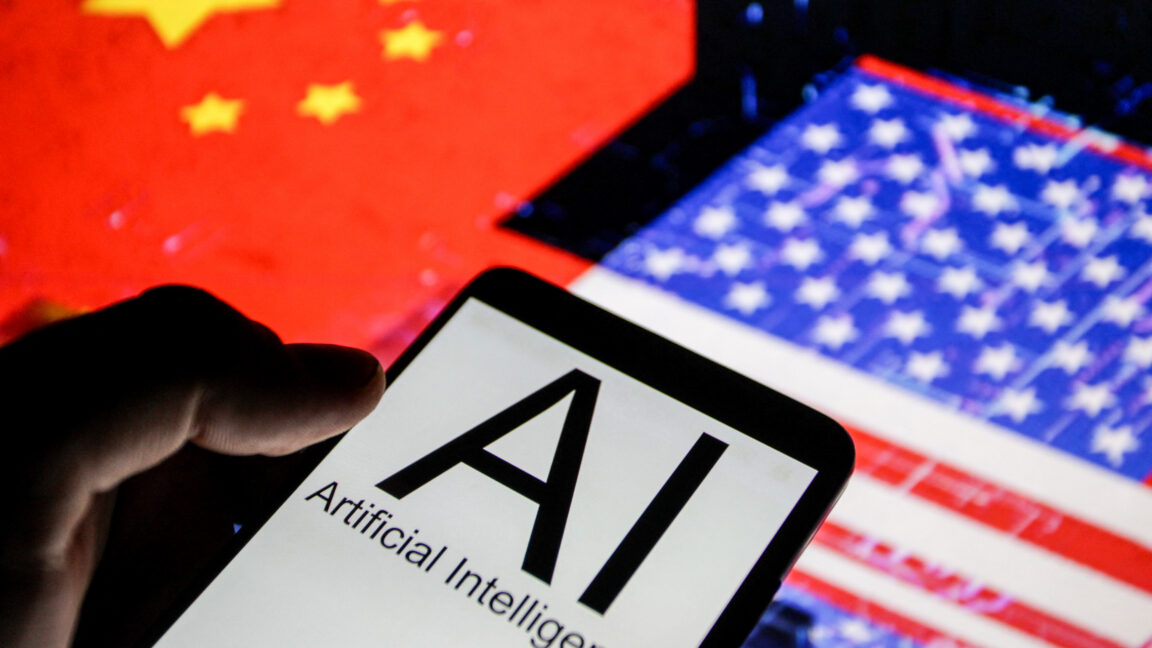
The performance gap between frontier AI models from US tech companies and the best open-weights models from Chinese companies has closed to just 4.4 months, according to a Mozilla report. That explains why many companies are shifting to the significantly cheaper open models for routine work—and helps reveal a narrow band of workloads where frontier models are worth the cost.

Most organizations should ideally be using open models as the default for the majority of their work, according to the latest State of Open Source AI report from Mozilla, published on September 15 and shared with Ars prior to publication. The report highlights how a leading open model, Moonshot AI’s Kimi K3, achieves a composite AI performance score on the Artificial Analysis Intelligence Index that is just three points behind Anthropic’s Fable 5 closed frontier model, all while costing just 30 percent of the latter.

“[A Closed model] earns its premium in a few places: expert professional work, high-intensity retrieval, and long context,” Raffi Krikorian, chief technology officer at Mozilla, said in an email to Ars. “We see the decision to pay for closed [models] as workload-specific rather than organization-specific.”

Read full article

Comments

© Imen Ben Youssef / Hans Lucas / AFP via Getty Images

  •  

Mathematician Says Relationships Have a Critical Threshold—and Crossing It Can Predict When Love Falls Apart

Equations once used to predict whether populations of rabbits would boom, stabilize, or collapse are now being applied to something potentially even more complicated: romantic relationships.

According to mathematician Laurent Pujo-Menjouet of Claude Bernard University Lyon 1, the forces that determine whether a couple survives life’s inevitable stresses can be studied much like other complex systems. Attraction can strengthen or fade, outside pressures can push a relationship away from stability, and perhaps most importantly, there may be a critical mathematical threshold beyond which recovery becomes increasingly difficult.

In his new book, Love! Valour! Equations! The Mathematics of the Couple, published by CRC Press, Pujo-Menjouet draws on mathematical ecology, psychology, literature, and even film to explore why some couples weather years of conflict, stress, children, illness, and financial hardship while others gradually drift apart.

The goal isn’t to produce an equation that predicts who will fall in love with whom. Instead, Pujo-Menjouet treats relationships as dynamical systems—systems that change over time, respond to disturbances, and can move toward either stability or decline.

“There is no mysterious enchantment or magic potion. By now, that would be known,” Pujo-Menjouet writes in the book, which draws on mathematics, psychology, literature, and film. “Is all hope lost then? Certainly not. That is precisely where everything becomes interesting.”

From Rabbits to Relationships

The mathematical models Pujo-Menjouet uses originated in ecology. His work uses Malthusian growth models and the Lotka-Volterra equations, originally developed to describe population dynamics in animals such as rabbits. He also studies the Allee effect, a phenomenon that explains how populations struggle to recover if they drop below a particular size.

Pujo-Menjouet adapts these concepts to relationships, using the idea of a critical threshold to examine when a couple may become increasingly vulnerable to separation. He also draws on the research of psychologist John Gottman, who showed that relationship behaviors can be quantified as data.

“Just as we can predict population growth or endangered species, we can model the evolution of feelings within a couple,” Pujo-Menjouet explains. “We’re not trying to predict who you’ll fall in love with, we’re trying to understand why some couples remain stable despite life’s inevitable shocks while others slowly drift apart.”

A Threshold for Falling Apart

The basic idea is simple: a relationship may have a critical threshold, or minimum level of stability needed to keep the bond intact. Pujo-Menjouet’s model considers three main forces: mutual attraction, the gradual weakening of feelings over time, and each partner’s emotional response to the other.

“If your feelings fall below this threshold and stay there, the mathematics predicts an inevitable decline toward separation,” Pujo-Menjouet says. “However, understanding this threshold gives couples a powerful tool: they can recognize danger zones and take corrective action.”

These models emphasize how couples recover from drifting apart. The key question is not whether couples experience conflict, but whether they have the resilience to restore balance afterward.

“Life will always send its wolves: stress, illness, work, children, financial difficulties,” Pujo-Menjouet says, “mathematics helps us understand how to build the brick house rather than the straw one.”

Could AI Become Love’s Early-Warning System?

Researchers such as Pujo-Menjouet are considering whether they could combine these mathematical models with artificial intelligence to create an early-warning system for relationships. Such a system could detect the signs of instability before they become apparent to the people involved.

Pujo-Menjouet compares this method to a GPS for relationships, showing where a couple currently is, where its dynamics may be heading, and the various ways they could arrive at a healthier place. Although the models don’t decide who somebody will love, they can help explain how relationships evolve and what actions might help couples maintain their connection. Early detection of problems would allow partners to make changes before reaching a stage where recovery becomes unlikely.

Why Love Resists a Formula

Pujo-Menjouet admits that present-day mathematical models have limitations. Most of these models are based on data from Western relationships. In contrast, the factors that impact whether a relationship succeeds or fails can differ from one culture, religion, or generation to another. He points out that the model must account for additional factors to be applicable everywhere.

Human behavior also introduces unpredictability that mathematical models cannot fully account for. People can change their habits, strengthen their commitment, seek therapy, or otherwise alter the dynamics of a relationship in ways the equations cannot anticipate. The equations identify tendencies rather than determine an unavoidable outcome.

“Mathematics can illuminate patterns and provide guidance,” Pujo-Menjouet says, “but ultimately, the success of a relationship depends on two people choosing, every day, to nurture their connection. The equations can show you the path, but you still have to walk it together.”

Austin Burgess is a writer and researcher with a background in sales, marketing, and data analytics. He holds an MBA, a Bachelor of Science in Business Administration, and a data analytics certification. His work focuses on breaking scientific developments, with an emphasis on emerging biology, cognitive neuroscience, and archaeological discoveries.

  •  

Extreme weather reshapes how soils store and release carbon

Beneath every step we take, soils hold one of the planet’s largest reservoirs of carbon, a vast, slow-moving bank of organic matter that quietly regulates how much of the world’s carbon stays locked away and how much escapes into the atmosphere as greenhouse gas. Now a sweeping new review warns that climate-driven extremes, droughts, floods, and wildfires, are rewriting the rules of that subterranean economy in ways that conventional models and land-management practices have not yet caught up with. The analysis, led by environmental scientist Nanthi Bolan of the University of Western Australia and colleagues, including a corresponding authorship by Bolan himself, synthesizes a substantial body of global evidence on how extreme weather reshapes carbon inputs to soil, microbial processing, erosion, and the sequestration of carbon that underpins soil health, water retention, nutrient cycling, and agricultural productivity.

The work, published in the journal Carbon Research, is notable for the scale of its underlying evidence base. On 14 January 2026, the authors searched Google Scholar, PubMed, and Web of Science using terms spanning climate change, extreme weather, soil carbon, microbial activity, decomposition, erosion, dissolved organic matter, and leaching. The initial sweep returned 14,218 records; after removing duplicates and screening for eligibility, 3,754 articles remained for bibliometric and qualitative analysis. From those, 187 publications were selected for detailed synthesis based on relevance, methodological rigor, and the substantive quality of their findings. Keyword co-occurrence patterns were mapped with VOSviewer, a bibliometric tool that reveals the intellectual architecture of a research field. The result is a critical review grounded in structured literature screening rather than new experimental data, but its synthesis offers one of the most comprehensive maps yet of how extremes rearrange the soil carbon cycle.

The review’s central finding is that no two extremes act alike. Drought, the most widespread disturbance, operates largely through the plant side of the equation. When rainfall fails, photosynthesis slows, plant biomass production falls, and the total flux of carbon entering soils through roots, residues, and litter declines. There is a nuance here: under moderate water stress, plants may temporarily shift a greater proportion of their fixed carbon belowground, investing in roots to chase moisture. But prolonged drought overwhelms that compensatory response. Microbial biomass shrinks, litter decomposition stalls, and the living engine of the soil carbon cycle idles. Then comes the deceptive twist: when rain finally returns, rewetting triggers a rapid pulse of carbon dioxide as starved soil microbes seize upon the accumulated substrates left behind by months of suspended activity. That post-drought CO₂ flush, the review emphasizes, can erase much of the apparent “savings” that accumulated during the dry period. Across the assembled evidence, repeated and multi-year drought was consistently associated with declining soil organic carbon, with grasslands and arable croplands showing particularly pronounced losses, ecosystems that happen to anchor much of the world’s food production.

Flooding tells the opposite story, but it ends in many of the same places. Water saturation chokes off oxygen diffusion through soil pores, forcing microbial metabolism into anaerobic pathways. That shift changes everything downstream. Prolonged waterlogging can drive the chemical reduction of iron oxyhydroxides, minerals that in oxygenated conditions act as microscopic glues binding organic carbon to soil particles. When those minerals dissolve, the carbon they held is released as dissolved organic carbon, which can then be stripped away by erosion and leaching and exported to rivers, lakes, and ultimately the ocean. The review stresses, however, that flooding is not unambiguously a carbon loss story. Wetlands and other periodically inundated ecosystems can accumulate and retain enormous carbon stocks precisely because water constrains decomposition. Whether a flood event releases carbon or banks it depends on the interplay between plant inputs, oxygen availability, and hydrological transport, a delicate balance that shifting rainfall regimes are actively destabilizing.

Wildfire is the most dramatic and immediately visible of the three forces, and its effects cascade on multiple timescales. Combustion directly strips vegetation, litter, and soil organic matter, transferring carbon to the atmosphere in hours. But fire also rearranges the physical and biological landscape of the soil in subtler ways: it can increase erosion by removing protective ground cover, alter soil wettability in ways that change hydrological behavior, restructure microbial communities, and expose previously protected carbon, once shielded inside aggregates or mineral associations, to fresh decomposition. There is a paradoxical bright spot. Pyrogenic carbon, the charcoal-like residue of incomplete combustion, is chemically recalcitrant and can persist in soils for centuries or millennia, functioning as a long-term carbon sink. Whether a fire leaves a landscape as a net carbon source or stabilizes some of its carbon in pyrogenic form depends on fire severity, soil moisture, fuel load, ecosystem type, and the trajectory of post-fire recovery. The review is clear that this balance cannot be predicted from fire alone; it is contingent, site by site, on conditions that vary widely across the globe.

Perhaps the most consequential theme running through the synthesis is that carbon responses cannot be inferred from the type of extreme event alone. Land use, soil mineralogy, hydrology, salinity, vegetation composition, microbial community makeup, and the timing of events within a season all determine whether carbon ends up stored, mobilized, or released. Iron and aluminum oxyhydroxides and clay minerals, for instance, provide mineral protection that can shield organic matter even under stress, while sandy or low-clay soils offer little such refuge. Managed croplands respond differently from native grasslands; saline coastal soils behave differently from acidic forest soils. And compound events, drought followed by wildfire, or alternating drought and flooding in rapid succession, may produce effects that are qualitatively different from those of isolated disturbances, as when a dried landscape burns more intensely, or when post-fire soils, stripped of vegetation, wash away in the first heavy rain. The review argues that the climate science and soil science communities have largely studied these disturbances one at a time, while the real world increasingly delivers them in combination.

The implications for climate mitigation and adaptation are substantial. Soil organic carbon is frequently invoked in national climate pledges and voluntary carbon markets as a bankable sink, yet the review suggests that the security of that bank depends heavily on how often and how severely extremes strike. If multi-year droughts steadily drain carbon from grasslands and croplands, or if fires repeatedly reset accumulation cycles, the effective permanence of soil carbon storage becomes far more fragile than many accounting frameworks assume. Conversely, protecting and rebuilding soil carbon delivers benefits well beyond climate: it improves water retention in drought-prone regions, supports nutrient cycling, stabilizes soil structure against erosion, and sustains the microbial diversity on which fertility depends. Carbon stewardship, in other words, is not separable from food security or ecosystem resilience; it is the same problem viewed from different angles.

The authors are candid about the limits of the current evidence base. The article does not report newly generated datasets and does not present a dedicated limitations section, and its conclusions rest on a qualitative synthesis of selected publications. Consequently, they call for improved and more consistent evidence across soil types, land uses, and both terrestrial and aquatic environments, and across multiple temporal scales, from the instantaneous CO₂ pulse after rewetting to the multi-decadal trajectory of carbon storage. Standardizing measurements of carbon pools, microbial functions, and event intensity, they argue, would make results comparable across ecosystems and enable more confident generalization, something the field currently struggles to achieve given heterogeneous methods and site-specific reporting.

Looking forward, the review sketches a research agenda that is as technologically ambitious as it is mechanistically focused. The authors recommend integrating high-resolution remote sensing with ground observations, advanced spectroscopy, molecular analyses, and integrated modeling to track carbon as it moves through soils and into waterways. They single out several priorities: characterizing microbial genomic and functional diversity as it responds to stress, quantifying carbon stoichiometry, probing the interactions between organic matter and iron and aluminum oxyhydroxides, understanding clay-mineral protection mechanisms, tracking long-term storage outcomes, and systematically studying the sequencing of compound extreme events. Each of these threads addresses a gap in the mechanistic chain that links a weather event in the atmosphere to a molecule of carbon, stabilized or released, in the soil.

What emerges from the review is a picture of the soil carbon cycle not as a stable background process but as a dynamic, contested system whose behavior under climate extremes is far less predictable than once assumed. The same storm that floods a rice paddy and exports carbon to a river delta may, a few hundred kilometers away, end a drought and briefly green a grassland, with opposite consequences for the atmosphere. As extremes grow more frequent and more compound, the review makes the case that understanding, and safeguarding, the carbon held beneath our feet will require science that is as interconnected and as restless as the weather itself.

Keywords

soil organic carbon, extreme weather, drought, flooding, wildfire, carbon sequestration, microbial activity, dissolved organic carbon, erosion, pyrogenic carbon, climate change, soil health

Subject of Research: Impacts of climate change-induced extreme weather events (drought, flooding, wildfire) on carbon dynamics in soil

Article Title: Impacts of climate change-induced extreme weather events on carbon dynamics in soil

Article References: Bolan, N., Messiga, A. J., Sharma, S., Mukherjee, S., Bolan, S., Salehin, S. M. U., Rupngam, T., Rajan, N., Zhang, T., Yang, Y., Jagadesh, M., & Siddique, K. H. M. (2026). Impacts of climate change-induced extreme weather events on carbon dynamics in soil. Carbon Research, 5(1), Article 58. https://doi.org/10.1007/s44246-026-00300-5

Image Credits: AI Generated

DOI: 10.1007/s44246-026-00300-5

Keywords: adaptation of land management practices to climate extremes, challenges to conventional soil carbon models, Climate change impacts on soil carbon storage, effects of droughts and floods on soil microbial activity, global evidence on soil carbon dynamics, implications for greenhouse gas emissions, influence of extreme weather on nutrient cycling and water retention, resilience of soil carbon reservoirs to climate, review of climate-driven soil carbon processes, soil erosion and carbon loss due to extreme weather, soil health and agricultural productivity under climate stress, wildfire influence on soil organic matter

  •  

DCLK1 drives fibroblast activation and lung fibrosis via Smad3 binding

Idiopathic pulmonary fibrosis, a relentlessly progressive and fatal scarring disease of the lungs, has long frustrated clinicians with only two approved drugs that slow but cannot reverse its course. Now, a team of researchers in Taiwan has identified a surprising new player in the disease’s destructive machinery: doublecortin-like kinase 1, or DCLK1, a kinase better known for its role in cancer stem cells. Their study, published in the Journal of Biomedical Science, demonstrates that DCLK1 drives fibroblast activation in the lung and that blocking it—either genetically or with an oral inhibitor—slows fibrosis and preserves lung function in mice. The findings position DCLK1 as a promising therapeutic target in one of medicine’s most stubborn diseases.

The research, led by Lee-Yuan Lin, Wun-Hao Cheng, Chien-Huang Lin and Bing-Chang Chen of Taipei Medical University, together with collaborators at National Taiwan University Hospital and Universitas Gadjah Mada, began with a question that has lingered in the literature. Gene expression analyses had previously hinted that DCLK1 might be implicated in IPF, and earlier work reported that the kinase is markedly enhanced in the alveolar epithelial cells of patients with pulmonary fibrosis and in mice with bleomycin-induced fibrosis. But its function in fibroblast activation—the cellular engine of fibrosis—had remained unexplained.

To begin untangling that role, the team mined a publicly available single-cell RNA sequencing data set containing more than 312,000 cells from healthy lungs, IPF lungs, and lungs with chronic obstructive pulmonary disease. After stringent quality control filtering, they focused on roughly 240,000 cells from the control and IPF groups and mapped DCLK1 expression across the major lung cell lineages: epithelial, endothelial, lymphoid, myeloid, and stromal cells. The signal was unmistakable. DCLK1 was expressed across many cell populations, but the highest expression appeared in the stromal compartment, particularly in myofibroblasts—the specialized, contractile fibroblasts that churn out the extracellular matrix and stiffen lung tissue in IPF.

Human tissue told the same story. The researchers examined lung samples from eleven patients with IPF, obtained during lung transplantation or surgery, alongside fourteen nonfibrotic control samples. Histological staining with hematoxylin and eosin and Masson trichrome confirmed the expected picture of interstitial consolidation and collagen deposition in the IPF specimens. More importantly, immunohistochemistry revealed that both total DCLK1 and its phosphorylated, activated form were significantly upregulated in the fibrotic lung interstitium compared with control tissue. DCLK1, in other words, was not merely present in scarred lungs—it was switched on.

DCLK1 is an intriguing molecule to find at the center of a fibrotic process. It is a serine/threonine kinase belonging to the calcium/calmodulin-dependent kinase family, distinguished by two microtubule-binding domains. In oncology, DCLK1 overexpression has been documented in colorectal, pancreatic, gastric, renal, and hepatocellular carcinomas, where it correlates with poor prognosis, high recurrence, and metastasis, promoting tumor initiation and the epithelial–mesenchymal transition in cancer stem cells. It has also been linked to inflammatory signaling in SARS-CoV-2 infection, where inhibiting it blocks proinflammatory caspase-1/interleukin-1β signaling. The new study extends this portfolio of mischief to the fibrotic lung.

To test causality rather than mere correlation, the researchers turned to mice. They crossed animals carrying loxP sites flanking exon 3 of the DCLK1 locus with Pgk1-RFP-Cre/ERT2 transgenic mice, generating a system in which tamoxifen administration triggers global deletion of the Dclk1 gene. When these DCLK1 knockout mice and littermate controls were given intratracheal bleomycin, a chemotherapy drug used to induce pulmonary fibrosis in laboratory animals, the difference was striking. Knockout mice showed far less lung infiltration and collagen deposition, reduced numbers of cells staining positive for DCLK1 together with fibroblast surface protein and alpha-smooth muscle actin, and significantly lower levels of the profibrotic proteins fibronectin, α-SMA, and connective tissue growth factor, or CTGF.

The protective effect extended well beyond molecular markers. Using the FlexiVent FX system to measure lung mechanics, the team found that bleomycin treatment significantly reduced respiratory system compliance and pressure–volume performance and increased the normalized work of breathing in control mice—hallmarks of a stiffening, fibrotic lung. In the DCLK1 knockout animals, these functional deficits were substantially attenuated. In vivo microcomputed tomography, acquired at 34.75-micrometer voxel resolution, painted the morphological counterpart: bleomycin caused parenchymal destruction and volume loss in control lungs, while knockout mice retained lung structure and volume. Density histograms shifted toward fibrotic tissue in wild-type animals but stayed largely preserved in the knockouts, and peripheral blood neutrophil percentages, which climbed after bleomycin injury, were significantly reduced in the knockout group.

With the in vivo evidence established, the investigators dissected the molecular wiring in cultured normal human lung fibroblasts. Transforming growth factor beta, the master profibrotic cytokine, induced DCLK1 phosphorylation within 30 minutes and DCLK1 expression within 8 hours. Chromatin immunoprecipitation assays showed that after TGF-β stimulation, both Smad3—the canonical transcriptional mediator of TGF-β signaling—and the nuclear factor kappa B subunit p65 enriched at the DCLK1 promoter, indicating that TGF-β switches on DCLK1 through both Smad-dependent and noncanonical NF-κB pathways. Silencing DCLK1 with small interfering RNA then blunted the fibroblast’s profibrotic response, reducing TGF-β-induced expression of fibronectin, collagen 1A1, α-SMA, and CTGF.

The pathway, however, does not stop there. The team found that TGF-β also phosphorylated Akt, and that transfecting fibroblasts with a dominant-negative Akt construct reduced TGF-β-induced DCLK1 phosphorylation and the expression of fibronectin and CTGF—placing Akt upstream of DCLK1. Downstream, DCLK1 knockdown reduced Smad3 phosphorylation while DCLK1 overexpression enhanced it. Coimmunoprecipitation revealed a physical association between DCLK1 and Smad3, and immunofluorescence microscopy showed the two proteins colocalizing in the nucleus within 30 minutes of TGF-β treatment. A ChIP assay using a DCLK1 antibody pulled down DNA from the Smad3-binding region of the CTGF promoter, and pretreatment with the selective DCLK1 inhibitor DCLK1-IN-1 reduced TGF-β-induced CTGF expression. Together, the results sketch an Akt/DCLK1/Smad3 axis through which TGF-β drives the production of connective tissue growth factor, a potent profibrotic mediator.

The clinical payoff came in the pharmacological arm of the study. Mice receiving oral DCLK1-IN-1 at 10 milligrams per kilogram daily, beginning on day 7 after bleomycin instillation and continuing until day 28, showed visibly reduced fibrotic progression on histology, lower expression of fibronectin, α-SMA, and CTGF in lung tissue and lysates, preserved pulmonary compliance, improved pressure–volume loops, and reduced work of breathing. Serial microCT scans on days 7, 17, and 27 documented less severe fibrotic remodeling in the treated animals, with lung attenuation histograms showing a smaller fraction of dense, nonaerated voxels. Blood neutrophil counts were also lower. In short, a pill-like oral inhibitor measurably slowed the disease in a model that mirrors the human condition.

The implications are significant because the current therapeutic landscape for IPF is so thin. Only nintedanib, a tyrosine kinase inhibitor targeting growth factor receptors, and pirfenidone, which suppresses TGF-β production and activity, are approved by the US Food and Drug Administration, and both merely slow progression. The recent failure of pamrevlumab, a monoclonal antibody against CTGF, in the phase 3 ZEPHYRUS-1 trial suggested that targeting downstream fibrotic end products alone may be insufficient—pointing to the value of upstream signaling regulators such as DCLK1. Adding to the appeal, a DCLK1 inhibitor has already been shown to prevent inflammatory responses in acute lung injury, hinting at dual anti-fibrotic and anti-inflammatory potential.

The authors are careful to note limitations. DCLK1 is expressed across multiple lung cell types, and the tamoxifen-inducible knockout used here was global rather than cell-type-specific, so the contributions of fibroblasts versus epithelial, endothelial, and immune cells could not be fully separated. Human control tissue, as in most fibrosis studies, came from heterogeneous sources, including tumor-adjacent lung. The precise subcellular mechanics of the DCLK1–Smad3 interaction, whether DCLK1 inhibition can promote fibrosis resolution rather than merely slow progression, and the systemic safety of long-term DCLK1 blockade—all relevant given the kinase’s role in cancer and other processes—remain open questions.

Even so, the convergence of evidence is striking: DCLK1 is upregulated in human IPF, amplified in experimental fibrosis, mechanistically coupled to the TGF-β–Smad3 engine of fibroblast activation, and its suppression by both genetics and a small molecule preserves lung structure and function. What began as a cancer stem cell marker has now emerged, unexpectedly, as a central node in the scarring of the lung—offering fresh hope that a disease long considered irreversible may one day be stopped at its molecular source.

Subject of Research: Medicine

Article Title: DCLK1 drives fibroblast activation and lung fibrosis via Smad3 binding

Article References: Lin, L.-Y., Cheng, W.-H., Wu, Y.-C., Wen, H.-C., Hsu, H.-H., Liu, C.-H., Chen, J.-Y., Chang, W.-S., Wu, Y.-J., Wu, J.-S., Yuliani, F. S., Wang, C.-Y., Lin, C.-H., & Chen, B.-C. (2026). Doublecortin-like kinase 1 promotes fibroblast activation and fibrotic progression through Smad3 binding in idiopathic pulmonary fibrosis. Journal of Biomedical Science, 33(1), Article 52. https://doi.org/10.1186/s12929-026-01258-7

Image Credits: AI Generated

DOI: 10.1186/s12929-026-01258-7

Keywords: DCLK1 and cancer stem cell pathways in fibrosis, DCLK1 kinase in lung disease, fibroblast activation mechanisms in IPF, fibroblast-driven lung scarring, genetic suppression of DCLK1 in fibrosis models, lung fibroblast activation, lung fibrosis progression and molecular drivers, oral DCLK1 inhibitors for pulmonary fibrosis, pulmonary fibrosis, role of DCLK1 in lung tissue remodeling, Smad3 signaling pathway in fibrosis, therapeutic targeting of DCLK1

  •  

Simulating Fluid–Structure Interaction in Eyes with Detached Descemet Membrane

In a finding that could reshape how ophthalmologists think about one of the most delicate complications of corneal surgery, a team of computational engineers has built the first detailed computer model of a human eye in which the Descemet membrane—the paper-thin basement layer at the back of the cornea—has become detached. By simulating the fluid–structure interaction between the aqueous humor sloshing inside the eye’s anterior chamber and the flexible, detached membrane itself, the researchers have produced quantitative predictions about the mechanical stresses such a detachment imposes, and about how different transplanted corneas might alter those stresses during post-operative thermal therapy.

The study, published in the Annals of Biomedical Engineering, addresses a long-standing blind spot in ocular biomechanics. Detachment of the Descemet membrane is a recognized complication of cataract surgery, corneal transplantation and certain corneal dystrophies, and it can cause significant corneal swelling and vision loss if the membrane does not reattach. Yet most previous computational examinations of the anterior chamber have treated the eye’s interior as rigid-walled plumbing, focusing on fluid flow or heat transfer while excluding the complex two-way coupling between the intraocular fluid and the fragile ocular structures suspended within it. The new work changes that by modeling the detached Descemet membrane as a deformable, elastic solid that bends, stretches and deforms under the pressure and shear of the aqueous humor flowing around it.

The researchers, led by Ammar I. Alsabery of the Islamic University in Najaf, Iraq, together with colleagues from the University of Basrah, King Khalid University in Saudi Arabia, Saveetha School of Engineering in India, and Universiti Kebangsaan Malaysia, employed a coupled numerical scheme that solves simultaneously for the buoyancy-driven flow of aqueous humor and for the structural deformation of the membrane. The geometry represents the anterior chamber—the fluid-filled space between the cornea and the iris—with a warm region corresponding to the lens contact zone held at an isothermal hot temperature, mimicking the thermal gradients that arise in ocular warming therapies and in normal physiological conditions.

At the heart of the analysis is the Rayleigh number, a dimensionless parameter that governs the strength of natural convection: warmer, less dense fluid rises while cooler fluid sinks, generating circulating currents within the chamber. The team varied the Rayleigh number across three orders of magnitude, from 10³ to 10⁶, which corresponds to temperature differences spanning from a fraction of a degree to 250 Kelvin. This range deliberately encompasses both the mild thermal gradients present in the living eye and the much more aggressive temperature differences applied during clinical thermal therapy of the cornea, allowing the same model to speak to both resting physiology and active treatment.

Equally central to the study is the elasticity modulus of the detached membrane. The researchers swept this property across nine orders of magnitude, from 10⁸ to 10¹¹, a range designed to represent everything from highly compliant, freshly detached tissue to the much stiffer mechanical character of donor corneal tissue used in transplantation. Because the Descemet membrane’s stiffness varies with age, disease state and surgical history, this parametric approach lets the model answer a question that clinicians genuinely care about: does the type of cornea grafted into a patient change the mechanical load experienced by a detached membrane during recovery? The answer, according to the simulations, is nuanced. The cornea type does affect the stress imparted on the detached Descemet membrane, but it does not affect the thermal characteristics of the anterior chamber or the overall displacement behavior within it. In other words, stiffer transplanted tissue changes the mechanical environment at the membrane itself without appreciably altering the convective heat transfer patterns of the aqueous humor circulating beneath it.

The fluid dynamics of the anterior chamber turned out to be far more sensitive to geometry than to tissue stiffness. One of the most striking results concerns the iris, the pigmented diaphragm whose length in the model determines the extent of the hot, isothermal contact region associated with the lens. When the team simulated a shrinkage of the iris—effectively reducing the length of the contacting part of the lens held at the hot temperature—they found that the convective thermal characteristic of the anterior chamber rose by approximately 78 percent. This dramatic enhancement arises because the reduced iris length reshapes the buoyancy-driven circulation cells, allowing warmer fluid to travel more freely and exchange heat more efficiently with its surroundings. For clinicians, the implication is that the geometry of the anterior chamber, shaped in part by the iris and the lens, is a first-order determinant of how heat is distributed during thermal therapy, potentially more important than the material properties of the graft itself.

The temperature difference applied during thermal therapy also proved to be a powerful lever. Raising the applied thermal gradient from 2.5 Kelvin to 25 Kelvin—a tenfold increase—promoted heat transfer within the anterior chamber by 47.6 percent. While the scaling is sublinear rather than directly proportional to the temperature difference, the result confirms that modest increases in therapeutic temperature can yield meaningful gains in convective heat delivery without requiring a hundredfold jump in applied thermal load. The finding offers a quantitative framework for calibrating thermal treatments of the anterior segment: therapy protocols could, in principle, be tuned to achieve target heat transfer rates while respecting the narrow thermal safety margins of living ocular tissue.

Technically, the simulations belong to a class of problems known as fluid–structure interaction, or FSI, in which the fluid equations and the solid mechanics equations are coupled and solved together rather than in isolation. In this case, the aqueous humor—an essentially water-like fluid—drives natural convection under the influence of gravity, while the detached Descemet membrane responds to the pressure and viscous stresses exerted by that flow. The membrane’s deformation, in turn, modifies the shape of the fluid domain, feeding back into the flow field. This two-way coupling is computationally demanding but essential, because a rigid-wall approximation would entirely miss the bending and displacement of the detached membrane, along with the localized stress concentrations that could determine whether the membrane reattaches, tears further, or remains stable during healing. The methodology builds on the team’s earlier FSI studies of flexible fins, baffles and partitions in convective systems, as well as their prior work applying FSI modeling to blood flow in abdominal aortic aneurysms under thermal treatment, adapting those engineering tools to the peculiar geometry and physiology of the human eye.

The choice to represent the detached Descemet membrane as a flexible structure rather than a fixed boundary is what gives the study its clinical bite. Prior models of aqueous humor flow, including foundational work on fluid flow in the anterior chamber of the human eye published decades ago, captured the buoyancy-driven currents but assumed static, impermeable walls. By letting the membrane move, the new simulations capture the interplay between hemodynamics-like fluid loading and tissue compliance—precisely the interplay that governs how a detached membrane flutters against the aqueous humor, how stresses concentrate at its edges and attachments, and how different graft stiffnesses redistribute those stresses across the corneal structure. The team’s results suggest that surgeons and biomaterials scientists selecting corneal grafts for patients prone to Descemet membrane detachment could use stress predictions of this kind to weigh graft stiffness as part of the decision, even though the overall thermal environment of the chamber will remain largely unchanged.

Beyond transplantation, the model has direct relevance to thermal therapy of the eye, a class of treatments in which controlled warming is applied to manage conditions of the anterior segment. Because the simulations connect an easily controlled clinical variable—the applied temperature difference—to a measurable outcome in convective heat transfer, and because they quantify the role of iris geometry in shaping the thermal flow field, they provide a template for patient-specific treatment planning. A clinician armed with imaging of a patient’s anterior chamber geometry could, in principle, use models of this type to predict how a planned thermal protocol will distribute heat in the presence of a detached membrane, and whether the resulting stresses on the membrane fall within tolerable limits.

The work is not without its simplifications, as the authors themselves frame the study as an evaluation of corneal transplantation processes rather than a complete clinical simulator. The anterior chamber geometry is idealized, the aqueous humor is treated with standard transport properties, and the elasticity modulus range, while broad, samples the problem in parametric steps rather than matching every individual patient’s tissue. Real eyes also feature aqueous production and drainage, blinking, saccadic motion and ocular pulse effects that a steady natural-convection FSI model does not capture. Nonetheless, the paper’s central contribution—demonstrating that corneal stiffness governs membrane stress while iris geometry and thermal gradient govern heat transfer—stands as a clean separation of effects that future, more detailed models will need to reproduce.

The research was supported by the Universiti Kebangsaan Malaysia Research Grant GP-2024-K006388 and by the Deanship of Research and Graduate Studies at King Khalid University through a large Research Group Project. As computational biomechanics continues to migrate from engineering journals into clinical planning, studies like this one mark a shift toward treating the eye not as a static optical instrument but as a living, deformable, fluid-filled machine—one in which a membrane thinner than a human hair can dominate the mechanical conversation, and where the difference between a compliant and a stiff cornea may one day inform the surgeon’s graft choice.

Subject of Research: Fluid–structure interaction analysis of aqueous humor flow, heat transfer and membrane stress in the human eye with Descemet membrane detachment, with application to corneal transplantation and thermal therapy

Article Title: Fluid–Structure Interaction Analysis of Human Eye with Descemet Membrane Detachment

Article References: Alsabery, A. I., Ismael, M. A., Raizah, Z., Ghalambaz, M., & Hashim, I. (2026). Fluid–Structure Interaction Analysis of Human Eye with Descemet Membrane Detachment. Annals of Biomedical Engineering. https://doi.org/10.1007/s10439-026-04317-0

Image Credits: AI Generated

DOI: 10.1007/s10439-026-04317-0

Keywords: Descemet membrane detachment, anterior chamber flow, fluid–structure interaction, human eye, cornea transplantation, natural convection, thermal therapy, Rayleigh number, elasticity modulus, aqueous humor, corneal biomechanics, numerical simulation

  •  

Update to Google’s AI weather model improves forecast accuracy

Google is one of the major players in AI (meaning machine learning) weather forecast model space. The models it and others generate have their strengths and weaknesses, but the main advantage is that they can have forecast performance similar to traditional models while requiring far less computing horsepower to run. That means they can be run more frequently.

Google recently released version 3 of its WeatherNext model, with the biggest change being that it now ingests some satellite weather data, shortening the lag time between current weather conditions and generating a new forecast. The update is detailed in a white paper.

Reanalysis

Many weather models make use of what’s called a “reanalysis,” which is a sort of model of its own. Reanalyses take in all kinds of weather data and combine them into a single, consistent global snapshot of the atmosphere. That requires that they provide estimates for conditions over locations without real-world measurements, because weather forecast models need to work with a global picture.

Read full article

Comments

© NASA/JPL

  •  

U.S. Department of Defense Initiative Funds AI Scientists to Help Predict the Future on the Battlefield

The United States Department of Defense has funded an effort by SUNY Polytechnic Institute scientists to use artificial intelligence to evaluate complex defense scenarios before they unfold, including real-time predictive analysis of multiple potential scenarios in a concerted effort to predict the future on the battlefield.

DoD and SUNY Poly officials said the ‘landmark’ $61.8 million award, which will directly support the U.S. Army Transformation Decision Analysis Center (TDAC), will use advanced, data-driven analytical tools to offer the U.S. Army an unprecedented tactical advantage, improving preparedness and reducing uncertainty in high-stakes decision-making battlefield environments

“The initiative aims to provide commanders with a decisive strategic advantage in an increasingly volatile global landscape by integrating high-velocity AI into the Army’s core decision-making frameworks,” a statement announcing the new award explained.

Using AI to Predict the Future Helps Army “Respond to Evolving Threats”

The first phase of the effort to use AI to predict the future will focus on synchronizing military operations in several critical domains, including land, air, space, and cyberspace. The team, which includes researchers from the University of South Florida and the University System of Maryland, said this phase will emphasize integrating generative AI, foundation models, and advanced inference systems to “simulate complex operational scenarios and provide predictive insights.”

“These tools will enable the Army to better assess risks, evaluate strategies, and respond to evolving threats in both competitive and crisis environments,” they explain.

As the SUNY Poly-led team moves into future phases, it will also explore several “advanced” capabilities not covered in the initial phase. For example, the team will evaluate synthetic data generation and anomaly detection. The announcement said the team also plans to explore large language models (LLMs) and time-series foundation models to “enhance situational awareness.”

Other areas of focus include AI system security and reliability, including the ability to operate in “adversarial and resource-constrained environments.” Critically, this effort also includes ensuring robust AI performance “even under cyber threats or disrupted conditions.”

Evaluating Complex Scenarios Before They Unfold

One of the more intriguing components of the new award involves simulating battlefield environments to predict the future. Specifically, the team said it hopes to use battlefield simulations to enable “spatial reasoning through the integration of generative AI and active inference models.”

“These innovations will allow military planners to evaluate complex scenarios before they unfold, improving preparedness and reducing uncertainty in high-stakes decision-making,” the statement explains, adding that the effort will “contribute to the Army’s broader modernization strategy, supporting the development of next-generation analytical tools that inform readiness, capability development, and operational planning.”

Dr. Michael Carpenter, Vice President for Research at SUNY Poly, said the work represents a major step forward for the integration of AI and machine learning to “support resilient and adaptive decision-making for the Army.”

“Our team is developing sophisticated models that can synthesize vast amounts of data, generate realistic scenarios, and provide actionable intelligence,” Dr. Carpenter explained. “These capabilities will be critical in helping the Army anticipate challenges and maintain a strategic edge.”

After noting their honor at receiving the award, SUNY Poly President Dr. Winston Soboyejo said the DoD’s confidence in their program “reflects SUNY Poly’s research excellence and our commitment to solving the nation’s most complex security challenges.”

“By working closely with our partners, we will deliver transformative technologies that ensure the Army remains agile, informed, and ready for any multi-domain conflict,” Dr. Soboyejo concluded, adding that “we are proud to contribute to technologies that advance science and engineering, and strengthen national security and global stability.”

Christopher Plain is a Science Fiction and Fantasy novelist and has spent the last six years as Associate News Editor and Head Science Writer at The Debrief. Follow and connect with him on X, learn about his books at plainfiction.com, or email him at christopher@thedebrief.org

  •  

Can tissue chips overcome the limitations of animal testing?

Animal testing has shaped modern drug development for decades, but its limitations become especially visible when scientists evaluate cancer immunotherapies. These treatments are designed to stimulate the immune system to recognize and destroy malignant cells, yet the same powerful immune activation can trigger life-threatening complications in patients. Researchers at the University of Rochester are developing a human-cell-based alternative: miniature tissue models known as organs-on-a-chip that could help predict these toxicities before experimental medicines reach clinical trials.

The work is being led through the university’s Translational Center for Barrier Microphysiological Systems, or TraCe-bMPS. The center is building drug-development tools around modular µSiM tissue chips, devices that contain ultrathin membranes populated with human cells. Unlike conventional laboratory cultures, these systems are engineered to reproduce key features of biological barriers, including the physical separation between tissues, controlled exposure to drugs, and measurable inflammatory responses. Their modular construction also allows the devices to be manufactured in large quantities with consistent dimensions and materials.

The platform is based primarily on acrylic components and incorporates membranes designed to mimic interfaces found in the human body. Such barriers regulate the movement of molecules and immune cells between compartments, making them central to drug absorption, toxicity, and inflammation. By assembling reproducible chips with human cells, researchers can study how a therapy affects a tissue under conditions that more closely approximate human biology than many animal models. The design also makes it possible to modify individual components for different organs or disease settings.

A major feature of the Rochester system is the integration of sensors directly into the chips. Developed in part through the work of biomedical engineering professor Benjamin Miller, these sensors can track barrier function and inflammatory signaling in real time. Instead of waiting until the end of an experiment to examine damaged cells, researchers can observe how a tissue responds as a drug is introduced. Changes in electrical or molecular signals may reveal that a barrier is becoming more permeable or that inflammatory pathways are being activated, providing an early warning of toxicity.

The immediate focus is on two severe complications associated with some cancer immunotherapies. Cytokine release syndrome, commonly called CRS, occurs when activated immune cells release large quantities of signaling proteins known as cytokines. The resulting systemic inflammation can cause fever, low blood pressure, breathing difficulties, and, in the most serious cases, organ failure. Immune effector cell-associated neurotoxicity syndrome, or ICANS, can affect the nervous system, producing confusion, seizures, impaired speech, or other neurological symptoms. Both conditions are difficult to predict reliably with animal testing because species differ in immune signaling networks and cell-surface receptors.

“The goal is to predict these toxicities from human cells on a chip, before a drug ever reaches a patient, and to do it without relying on animal models that have repeatedly failed to predict CRS in people,” says James McGrath, director of TraCe-bMPS and the William R. Kenan Jr. Professor of Biomedical Engineering. The approach does not simply attempt to reproduce a whole human body in miniature. Instead, it focuses on specific biological barriers and immune interactions that are directly relevant to the safety question being studied.

The project has now reached an important regulatory stage. The team was accepted into the US Food and Drug Administration’s Innovative Science and Technology Approaches for New Drugs, or ISTAND, pilot program. ISTAND is intended to help evaluate emerging methods that could improve drug development and eventually support regulatory decisions. Acceptance does not mean that the tissue-chip platform has already been approved for routine use, but it creates a formal pathway for the researchers to work with the FDA on defining the evidence needed for qualification.

The Rochester group is preparing a detailed qualification plan that will describe clinical considerations, timelines, data-sharing procedures, and statistical methods for evaluating the technology. If the platform ultimately receives FDA qualification, pharmaceutical companies could use its results as part of the evidence submitted in support of new drug applications. Such recognition would represent a significant step for organs-on-a-chip research, which has expanded rapidly but has only rarely progressed into formal regulatory programs.

The effort comes as US regulators seek alternatives to animal testing in preclinical safety studies. The FDA Modernization Act 2.0, enacted in 2022, opened the door for non-animal methods, while the agency’s 2025 roadmap outlined further efforts to reduce reliance on animal models. Researchers say pharmaceutical companies are showing strong interest because many immunotherapies are already in clinical development and carry risks of CRS or ICANS. The Rochester team collaborated with Graham Marsh of the Critical Path Institute and consulted with scientists at Pfizer about how the tool could fit into real-world drug development. If successful, the technology could give researchers a more human-relevant way to identify dangerous immune reactions early, helping developers eliminate unsafe candidates and refine promising treatments before patients are exposed.

Subject of Research: Human-cell tissue chips for predicting cancer immunotherapy toxicities.

Web References: University of Rochester; Translational Center for Barrier Microphysiological Systems; University of Rochester Biomedical Engineering; FDA ISTAND pilot program; FDA Modernization Act 2.0.

Image Credits: URochester photo / J. Adam Fenster.

Keywords: Drug discovery, tissue chips, organs-on-a-chip, cancer immunotherapy, cytokine release syndrome, CRS, ICANS, neurotoxicity, animal testing alternatives, biomedical engineering, microphysiological systems, human-cell models.

  •  

UH Health Initiative Aims to Improve Healthcare Outcomes Across Texas

The University of Houston has launched UH Health, a cross-disciplinary academic health enterprise intended to reshape how healthcare professionals are educated, how medical research is conducted and how care reaches communities across Texas. The initiative brings together medicine, nursing, pharmacy, optometry, psychology, social work, population health, biomedical research and health systems science under a single interprofessional framework. University leaders say the model is designed to confront a rapidly intensifying combination of population growth, healthcare worker shortages, chronic disease and unequal access to medical services.

Rather than treating healthcare disciplines as separate academic and clinical systems, UH Health is built around team-based care. In this approach, physicians, nurses, pharmacists, optometrists, behavioral health specialists, social workers and public health experts contribute to a shared understanding of each patient’s needs. The model reflects the growing recognition that health outcomes are shaped not only by disease biology, but also by mental health, housing, income, nutrition, transportation and access to preventive services. By training students to work across professional boundaries, the University hopes to prepare graduates for a healthcare system increasingly focused on coordinated and personalized care.

“Healthcare is no longer delivered in isolation, and complex health challenges require coordinated solutions,” said Jonathan McCullers, vice president for health affairs at UH and dean of the Tilman J. Fertitta Family College of Medicine. The university’s academic health strategy is intended to place students in an environment where clinical reasoning, behavioral science, population health and scientific discovery interact. Such integration can help future clinicians identify the underlying drivers of illness, select more appropriate interventions and communicate more effectively with specialists and community organizations.

The launch comes as Texas faces a widening gap between healthcare demand and workforce capacity. Rapid population growth, an aging population and shortages of trained professionals have placed pressure on hospitals and clinics throughout the state. The Texas Hospital Association has reported that 64% of hospitals were operating with fewer beds or reduced services because of staffing shortages. UH Health aims to expand the pipeline of physicians, nurses, pharmacists, optometrists, social workers and other professionals while emphasizing workforce readiness, collaborative practice and the ability to manage complex cases.

UH’s location near the Texas Medical Center gives the initiative access to one of the world’s largest concentrations of hospitals, research institutes and specialized clinical programs. Partnerships with organizations including HCA Healthcare, Memorial Hermann Hospital, Baylor College of Medicine and MD Anderson Cancer Center are expected to provide students and researchers with expanded opportunities for clinical training, translational research and collaboration. Translational research—the process of moving discoveries from laboratories into diagnostics, treatments and public health programs—depends heavily on this type of interaction between universities, hospitals and industry.

The university is also positioning UH Health as a platform for research that reaches beyond traditional medical departments. Scientists in chemistry, physics and biomedical engineering are working alongside health researchers on problems ranging from cancer and infectious disease to substance-use disorders and neurodegeneration. UH researchers have received more than $11 million from the Cancer Prevention and Research Institute of Texas for work involving cancer prevention, diagnosis and treatment. A fentanyl vaccine developed at the university is advancing toward human trials, although its clinical effectiveness and safety will need to be established through carefully controlled studies.

Brain health is another major focus. Texas ranks fourth nationally in the number of Alzheimer’s cases and second in Alzheimer’s-related deaths, according to the Texas Department of State Health Services. More than 100 faculty members across 12 of UH’s 16 colleges are involved in research related to prevention, early detection, caregiving and treatment, supported by $62.5 million in active grants. Their work may involve diverse technologies and methods, including biological markers, computational analysis, behavioral interventions, biomedical engineering and the study of social factors that influence cognitive decline and caregiver health.

To strengthen this research ecosystem, UH is investing $77 million in a new 55,000-square-foot medical research building. The facility is expected to support interdisciplinary laboratories and shared scientific infrastructure, allowing investigators from different fields to exchange data, equipment and expertise more efficiently. In modern biomedical science, discoveries often emerge at the boundaries between disciplines—for example, when engineering approaches are applied to drug delivery, physical sciences are used to study disease mechanisms or data science improves early diagnosis.

UH Health’s community programs are intended to connect these academic and research activities with practical healthcare needs. The UH Health Family Care Center provides primary care and mental health services to the university and surrounding communities, including Third Ward, East End and South Houston. The Household-Centered Care program gives students experience through home visits with community caregivers, while the 3rd Ward Place of Wellness offers screenings, preventive services and health education. The College of Optometry extends access to vision care through community clinics and outreach programs serving children and families.

The enterprise is also expanding beyond Houston through a partnership with DHR Health in the Rio Grande Valley, a rapidly growing region that continues to face significant medical access challenges. University officials say the collaboration could support healthcare education, workforce development and research tailored to local needs. By linking professional training, scientific discovery and community partnerships, UH Health is presenting an academic health model designed for a state where medical demands are growing faster than conventional systems can respond.

Subject of Research: Academic healthcare education, biomedical research, healthcare workforce development and community health access

Article Title: University of Houston Launches UH Health to Integrate Education, Research and Community Care

Web References: https://mediasvc.eurekalert.org/Api/v1/Multimedia/ed42117d-36c9-45cf-b2e3-443e4e08b680/Rendition/low-res/Content/Public

References: Texas Hospital Association; Texas Department of State Health Services; University of Houston

Image Credits: University of Houston and UH Health

Keywords: UH Health, University of Houston, healthcare workforce shortage, academic health, team-based care, biomedical research, cancer research, fentanyl vaccine, Alzheimer’s disease, community healthcare, nursing, optometry, pharmacy, medical education, Texas Medical Center

  •  

Fetal brain models show IL-17A disrupts cortical development after maternal immune activation

A new study has brought scientists closer to observing how inflammation during pregnancy may alter the earliest stages of human brain development. Using three-dimensional tissue models made from human fetal brain samples, researchers modeled maternal immune activation and identified the signaling molecule interleukin-17A, or IL-17A, as a major driver of abnormal cortical development. The findings, published in Nature Neuroscience, offer a human-based experimental system for investigating how immune signals outside the brain can influence the formation of neural circuits before birth.

Maternal immune activation refers to the biological response triggered when a pregnant individual experiences infection or significant inflammation. Epidemiological studies have associated certain prenatal inflammatory exposures with an increased likelihood of neurodevelopmental conditions, including autism spectrum disorder, schizophrenia, and intellectual disability. Yet the mechanisms behind these associations have remained difficult to study. Animal models have provided important clues, but differences between species can limit their ability to reproduce the timing, cellular organization, and molecular environment of the developing human cortex.

The researchers addressed this challenge with “brain cerebroids,” three-dimensional, ex vivo models that preserve features of developing human fetal brain tissue. Unlike simplified cultures composed of a single cell type, these structures retain a more complex arrangement of neural progenitors, immature neurons, and supporting cells. Their three-dimensional architecture allows cells to communicate and organize in ways that more closely resemble the fetal cortex, including the production and movement of neurons that ultimately establish the layered structure of the brain’s outer region.

To recreate aspects of maternal immune activation, the team exposed the fetal brain cerebroids to inflammatory conditions associated with immune signaling during pregnancy. The central focus was IL-17A, a cytokine produced primarily by activated immune cells, particularly a subset of T cells known as T helper 17 cells. Cytokines are small signaling proteins that coordinate immune responses, but they can also affect tissues beyond the immune system. In the developing brain, inappropriate or excessive exposure to such signals may influence cell proliferation, migration, differentiation, and the formation of connections between neurons.

The study found that IL-17A exposure was linked to disruptions in cortical development within the human cerebroids. These effects are described as “IL-17A-driven,” indicating that the cytokine was not merely associated with the developmental changes but played a functionally important role in producing them. The disturbances affected the organization and behavior of developing neural cells, processes that are essential for building the cortex. During normal development, neural progenitor cells generate new neurons in tightly regulated sequences, while young neurons migrate to their appropriate positions. Interference with either process can alter the structure and connectivity of later-forming brain tissue.

The results are especially significant because they were observed in human fetal brain material rather than inferred only from animal studies. Previous research in mice has implicated maternal immune activation and IL-17A in changes to cortical organization and behavior in offspring. However, the human cerebroid model provides an opportunity to examine whether similar immune mechanisms operate in human tissue, where the timing of neurogenesis, cell-type composition, and cortical architecture differ from those of rodents. The approach may also help reveal human-specific responses that conventional laboratory animals cannot capture.

The findings do not mean that IL-17A exposure during pregnancy inevitably causes a neurodevelopmental condition, nor do they establish that prenatal inflammation is a single explanation for such conditions. Brain development is shaped by a combination of genetic factors, immune signals, environmental influences, and developmental timing. The experiments also took place in an ex vivo model, outside the full physiological environment of a living pregnancy. Cerebroids cannot reproduce the placenta, maternal circulation, hormonal changes, or the complete immune system, all of which influence how inflammatory signals reach the fetus and how long they remain active.

Nevertheless, the model could become a powerful platform for testing mechanisms and potential interventions. Researchers may use it to determine how IL-17A changes gene activity in neural progenitors, whether it alters communication between neurons and glial cells, and which molecular pathways make some developing cells more vulnerable than others. Because the tissue is human and three-dimensional, it may also support studies of patient-specific genetic risk, allowing investigators to compare how different backgrounds respond to the same inflammatory signal.

The work also highlights a broader shift in neuroscience toward experimental systems that combine human tissue with controlled laboratory manipulation. Understanding prenatal inflammation is difficult in clinical studies because immune exposure cannot be ethically assigned or precisely timed in pregnant people. Brain cerebroids offer a way to isolate individual components of that complex biology while preserving more of the developing tissue’s natural organization than conventional two-dimensional cell cultures. As these models improve, they may help distinguish temporary developmental changes from persistent alterations in cortical circuitry and identify when immune signaling is most consequential.

By showing that IL-17A can disrupt human cortical development in a three-dimensional ex vivo system, the study gives researchers a clearer biological target in the search for links between prenatal inflammation and later neurodevelopment. Its most immediate contribution is not a new diagnosis or treatment, but a more precise experimental framework: one that connects maternal immune signaling to cellular events in the developing human cortex. That connection could guide future work on prevention, therapeutic timing, and the complex origins of developmental differences long before the first symptoms become visible.

Subject of Research: Maternal immune activation and IL-17A-driven disruption of human fetal cortical development in 3D ex vivo brain cerebroids.

Article Title: Modeling maternal immune activation in 3D ex vivo human fetal brain cerebroids reveals IL-17A-driven disruption of cortical development.

Article References: Assir, M.Z.K., Yanakiev, M., Gim, D.H. et al. Modeling maternal immune activation in 3D ex vivo human fetal brain cerebroids reveals IL-17A-driven disruption of cortical development. Nature Neuroscience (2026). https://doi.org/10.1038/s41593-026-02400-2

Image Credits: AI Generated

DOI: https://doi.org/10.1038/s41593-026-02400-2

Keywords: maternal immune activation, IL-17A, fetal brain development, cortical development, brain cerebroids, neurodevelopment, prenatal inflammation, human brain models, cytokines, neuroscience

  •  

Biomedical Imaging Foundation Models: Separating Hype from Reality

Foundation models are promising to become the “universal translators” of biomedical data—but a new perspective argues that medicine should resist treating them as all-knowing digital doctors. In a review published in Nature Biomedical Engineering, researchers describe how large, adaptable artificial intelligence systems are reshaping biomedical imaging while warning that impressive benchmark scores can conceal serious weaknesses in clinical environments. Their central message is direct: foundation models are most likely to improve healthcare by augmenting specialists, not replacing them.

Foundation models are designed to learn broad representations from enormous and diverse datasets before being adapted to specific tasks. In biomedical imaging, those data may include magnetic resonance imaging, computed tomography, X-rays, ultrasound, digital pathology slides and ophthalmic images. The same underlying model could theoretically identify tumors, segment organs, estimate disease risk, retrieve similar cases and generate clinical reports. The vision becomes even broader when imaging is combined with pathology, electronic health records and genomic information, creating a composite system intended to analyze a patient across multiple biological scales.

That ambition reflects a major change from traditional medical AI. Earlier systems were generally built for one narrowly defined task, such as detecting pneumonia on chest radiographs or outlining a brain lesion on MRI scans. Foundation models instead attempt to create a reusable backbone that can be transferred across diseases, hospitals and imaging technologies. Technically, they learn statistical patterns in high-dimensional data, often through self-supervised training in which the system predicts missing, transformed or associated information. Afterward, developers fine-tune or prompt the model for particular clinical applications.

But biomedical imaging is not a single, uniform world. Images differ according to scanner manufacturer, acquisition protocol, patient population, disease prevalence and local clinical practice. A model trained primarily on data from large academic hospitals may perform very differently in community clinics, rural settings or countries with limited equipment. This problem, known as domain shift, can occur even when images appear visually similar. Small changes in image quality, contrast, hardware or patient demographics may alter the statistical distribution learned by the model and undermine its predictions.

The authors introduce a framework called real-world evaluation and assessment of foundation models, or REAL-FM, to examine whether these systems are ready for practical use. Rather than focusing only on accuracy scores, REAL-FM considers several dimensions at once, including the quality and representativeness of training data, technical readiness, clinical value, integration into existing workflows and responsible artificial intelligence. The framework is intended to help clinicians interpret claims about new models and to push developers toward evaluations that resemble actual medical practice.

One of the sharpest distinctions in the perspective is between pattern recognition and causal reasoning. Foundation models can become extraordinarily skilled at recognizing visual associations—for example, linking a particular texture or anatomical feature with a diagnosis present in their training data. Yet association is not the same as understanding why a disease occurs, how it will progress or whether a treatment will benefit an individual patient. A model may identify a correlation that is valid in one hospital but reflects a hidden confounder, such as a scanner type, reporting convention or patient-selection pattern, rather than a biological signal.

This limitation becomes especially dangerous when models are moved beyond simplified benchmarks. Many benchmark datasets provide carefully curated images, clear labels and narrowly defined tasks. Clinical care is messier: scans can be incomplete, diagnoses can be uncertain, records may contain contradictory information and several conditions may coexist. The perspective highlights a lack of verified generalization across such conditions, along with a shortage of prospective, outcome-based validation. In a prospective study, an AI system would be evaluated while care is actually being delivered, with researchers measuring whether it improves diagnostic accuracy, treatment decisions, patient outcomes or workflow efficiency.

Data scarcity is another obstacle. The largest foundation models require vast quantities of data, but medical information is difficult to collect, standardize and share. Patient records are fragmented across institutions, imaging data may lack reliable annotations and rare diseases are inherently underrepresented. Privacy regulations and governance requirements further complicate the creation of centralized datasets. As a result, a model may appear broadly capable while remaining poorly tested in the populations and clinical circumstances where errors could have the greatest consequences.

The researchers argue that human oversight therefore remains indispensable. In practical terms, foundation models may be most useful as clinical assistants that prioritize images for review, highlight suspicious regions, summarize longitudinal records or offer a second opinion that specialists can interrogate. Safe deployment will require transparent reporting of uncertainty, monitoring for performance drift, mechanisms for correcting errors and clear accountability when recommendations influence care. The future envisioned by the authors is not a single monolithic medical oracle, but a coordinated ecosystem of specialized AI systems, each evaluated for a defined clinical role and connected to expert-led workflows.

The perspective arrives as the biomedical AI field races toward increasingly general-purpose systems. Its warning is not that foundation models lack value, but that technical scale alone cannot establish clinical reliability. Before these models can be trusted with consequential decisions, they must demonstrate robustness across domains, usefulness in real workflows, safety under unexpected conditions and measurable benefits for patients. The proposed REAL-FM framework offers a way to separate viral demonstrations from durable medical progress—by asking not only what a model can recognize, but where it works, why it works and whether it makes care better.

Subject of Research: Foundation models and their real-world evaluation in biomedical imaging and clinical medicine.

Article Title: Foundation models in biomedical imaging: turning hype into reality

Article References: Muneer, A., Zhang, K., Hamdi, I. et al. Foundation models in biomedical imaging: turning hype into reality. Nature Biomedical Engineering 10, 1557–1575 (2026). https://doi.org/10.1038/s41551-026-01762-z

Image Credits: AI Generated

DOI: 10.1038/s41551-026-01762-z

Keywords: foundation models, biomedical imaging, medical artificial intelligence, clinical AI, multimodal AI, domain shift, causal reasoning, clinical validation, responsible AI, REAL-FM

  •  

With new open models, Meta pitches another reboot of its struggling AI strategy

Meta has announced its intention to focus on open-weight large language models. Additionally, the company announced the release of an open model called Muse Glimmer and a promise to open the weights for Muse Spark 1.2, its more powerful model, in the next few weeks.

Alongside these announcements, Meta CEO Mark Zuckerberg published a more than 6,000-word essay outlining the company's philosophy about AI systems and governance moving forward. The essay aims to differentiate Meta from companies like OpenAI and Anthropic, which develop proprietary models and have lobbied the US government for help competing against large-scale distillation—which involves using an existing model to train a new one—or open-weight models by Chinese labs.

Read full article

Comments

© Bloomberg / Contributor | Bloomberg

  •  

How to Remove Apple Intelligence Files From Your Mac

Apple Intelligence files can occupy several gigabytes of Mac storage because locally downloaded models power text generation, summaries, image creation, Siri requests, and other on-device features. Removing these files can recover valuable space when Apple Intelligence is no longer needed.

Apple lists 7GB of available device storage among the requirements for Apple Intelligence, but the amount displayed on a Mac can be higher. Additional languages, image-generation resources, updated models, and temporary assets can increase the total over time.

The files are managed by macOS and do not appear as ordinary documents that can be moved to the Trash. Apple provides a supported removal method through System Settings: turning off Apple Intelligence causes macOS to remove the downloaded on-device models.

This also disables features that depend on Apple Intelligence. Writing Tools, summaries, Image Playground, Genmoji, intelligent Shortcuts actions, and Apple Intelligence functions inside Siri may become unavailable. Regular Mac applications and the rest of macOS continue working normally.

Check Apple Intelligence Files on Your Mac

Recording the available storage before removing the files makes it easier to confirm how much space macOS recovered afterward.

To see the current storage allocation:

Apple menu > System Settings > General > Storage

Allow the Storage page to finish calculating its categories. The process may take a moment when the Mac contains many applications, local files, connected volumes, or several user accounts.

Apple Intelligence may appear as a separate item within the macOS storage category. Depending on the installed macOS version, some related assets may instead be counted under macOS or System Data.

Note the amount of available storage displayed near the storage graph. Comparing the total free space before and after the procedure is usually more reliable than watching one category because macOS can reclassify system-managed files while deleting them.

To inspect the complete internal storage container:

Apple menu > System Settings > General > Storage > All Volumes

This view is useful when the internal drive contains several APFS volumes sharing the same physical storage. The available capacity belongs to the shared container rather than remaining permanently assigned to one volume.

The storage used by Apple Intelligence is different from the memory, or RAM, used while features are running. Closing applications may reduce RAM consumption, but it does not delete the models stored on the internal SSD.

Apple Intelligence files - A MacOS Storage window showing disk space usage by Applications, Documents, iCloud Drive offline, Mail, Music Creation, Photos, Trash, Other Users & Shared, macOS, and System Data on a blue gradient background with an Apple logo.
Image Credit: AppleMagazine

Remove Local Apple Intelligence Files

Apple Intelligence is available on compatible Macs with Apple silicon. Intel-based Macs do not support the complete Apple Intelligence system and should not contain the same downloadable model collection.

To turn off Apple Intelligence and request the removal of its on-device models:

Apple menu > System Settings > Apple Intelligence & Siri > Turn off Apple Intelligence > Turn Off Apple Intelligence

The second Turn Off Apple Intelligence command confirms the change. The exact appearance may vary between macOS versions, with the first control presented as either a switch or a button.

Apple says that turning off Apple Intelligence removes the on-device models. There is no separate model manager, Delete Models button, or supported Finder location from which users must remove the files manually.

Keep the Mac connected to power while macOS completes its background storage work. The Apple Intelligence setting changes immediately, but the Storage page may not display the recovered capacity at once.

macOS manages these models through its system asset service. The operating system must identify the associated packages, release them, and recalculate the storage categories. The process can therefore continue after the Apple Intelligence switch has already moved to the off position.

Turning off only individual features does not remove the complete model collection. Disabling notification summaries, Writing Tools, ChatGPT access, or Siri suggestions leaves Apple Intelligence itself active.

A Screen Time restriction also serves a different purpose. It can prevent access to image generation, Writing Tools, and other functions without turning off the underlying intelligence system. Use the Apple Intelligence control inside Apple Intelligence & Siri when the objective is recovering storage.

Confirm That the Space Was Recovered

After macOS has had time to process the removal, return to the Storage page.

To check the available capacity again:

Apple menu > System Settings > General > Storage

Wait for the storage graph and categories to finish updating. Compare the new amount of available space with the figure recorded before Apple Intelligence was turned off.

The Apple Intelligence entry may disappear completely, display a smaller amount, or become part of an adjusted macOS or System Data category. The increase in total available storage provides the better indication that the local models were removed.

If the figures have not changed, restart the Mac to refresh its system services and storage calculation.

To restart macOS:

Apple menu > Restart > Restart

Sign back in, allow the Mac to remain idle for a while, and open the Storage page again.

Apple menu > System Settings > General > Storage

Restarting does not delete the models by itself. Apple Intelligence must remain disabled while macOS completes the removal.

Emptying the Trash is not part of this procedure because macOS does not place Apple Intelligence models there. The Trash affects only files that a user or application has already marked for deletion.

A silver laptop with a black screen displaying an abstract, curved line pattern in dark gray tones on a white background—designed to be as sleek and portable as its lightweight MacBook weight suggests.
Image Credit: Apple Inc.

What to Do When the Files Remain

First, verify that the complete Apple Intelligence system is off rather than one related feature.

To confirm its status:

Apple menu > System Settings > Apple Intelligence & Siri > Apple Intelligence

The control should display Apple Intelligence as disabled. If macOS presents another confirmation request, complete it and leave the feature off.

Storage information can take time to settle because macOS also manages caches, local snapshots, temporary update packages, and purgeable files. These categories can change while the Mac is idle, making an immediate before-and-after comparison misleading.

Installing the latest stable macOS update can correct storage reporting or asset-management problems.

To check for an available update:

Apple menu > System Settings > General > Software Update

Save current work before installing an update. The Mac may need to restart, and the installation temporarily requires additional free storage.

Beta versions of macOS require extra caution. Development releases may download experimental models, retain previous model revisions, or temporarily change the Apple Intelligence controls. A procedure confirmed for the public version of macOS may not produce the same storage behavior in a beta.

Avoid following online instructions that require starting in macOS Recovery, disabling System Integrity Protection, mounting protected volumes, and deleting folders with names referring to MobileAsset or generative models.

System Integrity Protection prevents applications and administrator accounts from modifying protected parts of macOS. Disabling it weakens that protection and creates the possibility of deleting the wrong asset, leaving macOS with an incomplete model installation, or causing the system database to disagree with the files present on the drive.

A storage utility can help identify how much space system files occupy, but it should not require disabling macOS security to remove Apple Intelligence. If the documented switch leaves a large allocation after a restart and sufficient processing time, Apple Support can investigate the asset database without exposing the Mac to an unsupported system modification.

Turning Apple Intelligence on again reverses the storage saving.

To restore its features:

Apple menu > System Settings > Apple Intelligence & Siri > Turn On Apple Intelligence

The Mac will download the required local models again. Apple recommends leaving the device connected to Wi-Fi and power while the model download completes.

The post How to Remove Apple Intelligence Files From Your Mac appeared first on AppleMagazine.

  •  
❌