1. Introduction: Cooling Is Usually Reserved for Gaming Flagships, But Mid-Range Phones Need It More
There are plenty of smartphones in the 2,000-yuan price range that focus on stacking specifications, but very few invest in advanced cooling systems.
Looking across the market, phones in this price segment are usually competing on performance, cameras, and fast charging. Cooling solutions are often mentioned only briefly—or ignored completely.
It is not because cooling is unimportant. The reason is simple: with limited costs, manufacturers usually spend their budget on features that users can immediately notice.
However, overheating and performance throttling are exactly the problems that trouble mid-range smartphone users the most.
Examples include:
- A phone becoming too hot to hold while navigating outdoors in summer
- Gaming frame rates dropping from 60fps to 40fps after half an hour
- The device overheating while charging and being used at the same time
- Reduced battery lifespan caused by long-term heat exposure
OPPO K15 is a practical all-round smartphone that brings an active cooling fan system into the 2K price segment.
OPPO K15 Review: 8000mAh Battery + Active Cooling Fan Makes It the Most Practical 2K Phone
The OPPO K15 is equipped with the MediaTek Dimensity 7360 SUPER processor, OPPO’s Tidal Engine optimization system, an 8000mAh large-capacity battery, and IP69 flagship-level water resistance.
It also features:
- Three 50MP cameras
- A large 5000mAh-class imaging system
- Active cooling fan
- Long-lasting battery performance
The phone aims to solve two of the biggest complaints among mid-range smartphone users:
- Overheating
- Running out of battery
Honestly, I did not have very high expectations for cooling performance on a 2K-range smartphone. With cost limitations, simply keeping temperatures under control is already considered good enough.
However, OPPO added an active cooling fan this time, making me curious:
Is the cooling fan just a marketing gimmick, or can it actually reduce temperatures?
Active Cooling Fan: More Than Just a Marketing Feature
The OPPO K15 uses a new-generation Wind Cooling Engine, featuring a built-in micro cooling fan.
According to OPPO, the cooling system can:
- Reduce temperature by 5°C within 5 minutes
- Keep fan noise as low as 30dB during full-speed operation
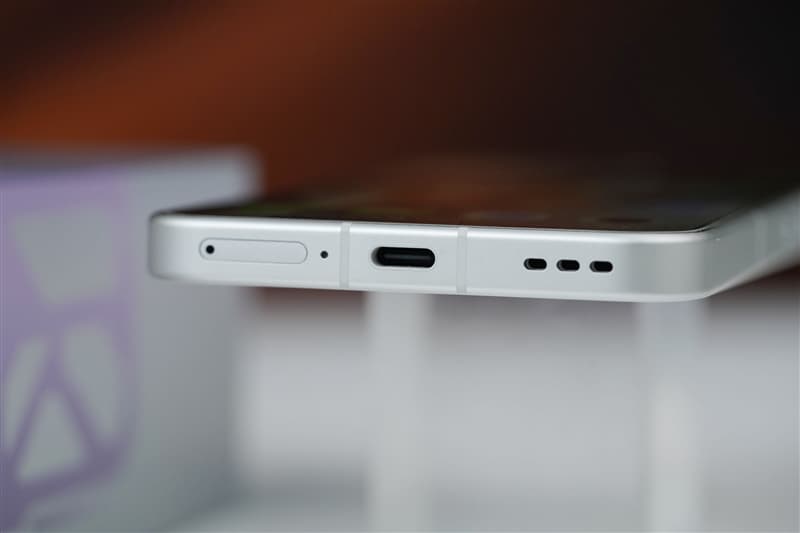
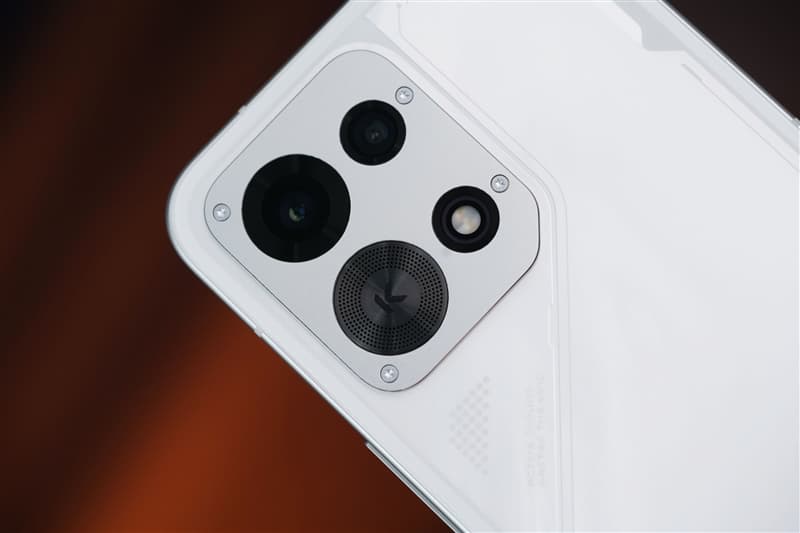
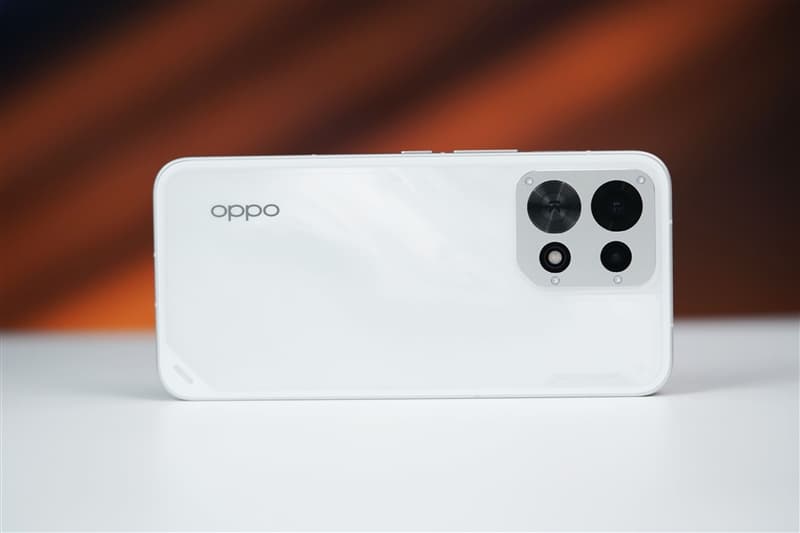
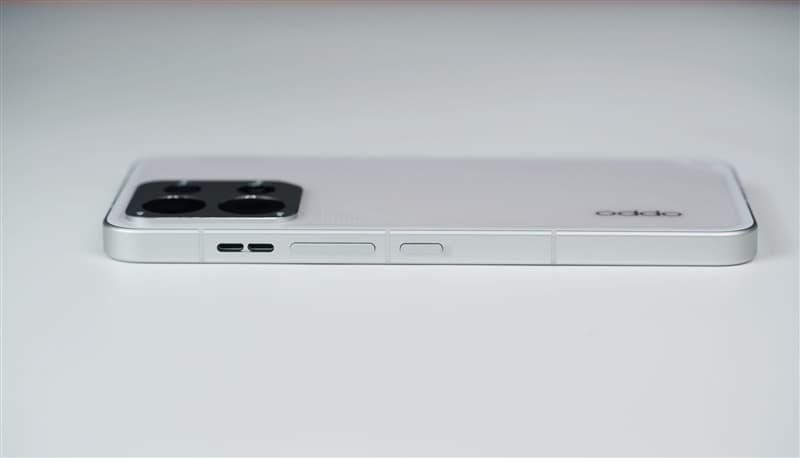
The fan is integrated with the rear camera module design. Thanks to this approach, the back cover remains completely flat without a large camera bump.
The entire phone is only:
This means the cooling system does not negatively affect the grip or overall feel.
After completing temperature tests, I found that the fan performed better than expected.
Adding a cooling fan to a 2K-range smartphone reminds me of installing a turbocharger on an economy car—not to make it a racing machine, but to ensure it does not lose power when climbing uphill.
For flagship gaming phones, cooling is about achieving peak performance.
For mid-range phones, cooling is about maintaining stable performance during daily use.
Battery and Charging: 8000mAh Battery Designed for All-Day Use
The OPPO K15 features an 8000mAh Glacier Battery, providing enough endurance for heavy daily usage.
It supports:
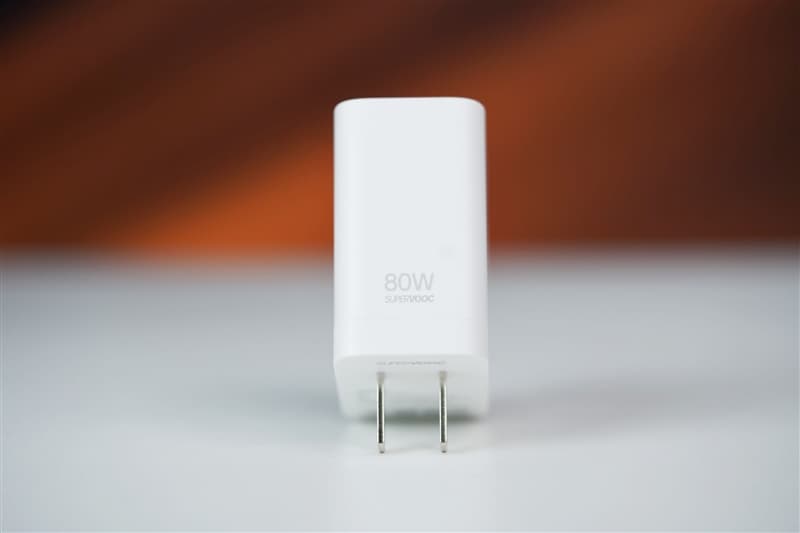
- 80W SUPERVOOC fast charging
- UFCS universal fast charging protocol
- PPS charging protocol
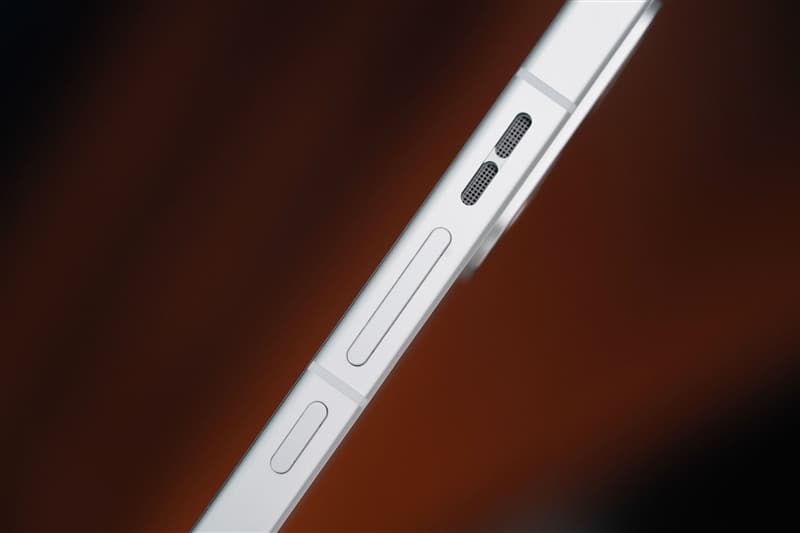
- Bypass charging
- Wired reverse charging
The bypass charging feature allows power to directly supply the motherboard instead of continuously charging the battery during gaming sessions.
This helps:
- Reduce heat generation
- Protect battery health
- Improve long-term durability
The reverse charging function also allows the phone to act as an emergency power source for accessories such as:
- Earbuds
- Smartwatches
- Other small devices
Camera System: Three 50MP Cameras in the 2K Segment
The OPPO K15 features three 50MP cameras:
- Rear main camera
- Ultra-wide-angle camera
- Front selfie camera
The main camera includes:
- 1/2-inch large sensor
- f/1.88 aperture
- Optical Image Stabilization (OIS)
The ultra-wide-angle camera offers:
- 143.3° ultra-wide field of view
The front camera supports:
- 50MP resolution
- Autofocus (AF)
For a phone in the 2K price segment, this camera configuration is quite generous.
Durability: IP69/IP68/IP66 Protection and Military-Grade Testing
The OPPO K15 focuses heavily on durability.
It supports:
- IP69 waterproof rating
- IP68 dust and water resistance
- IP66 protection
- Eight military-standard durability tests
The phone also features:
- Crystal Shield glass protection
- Metal middle frame
The combination makes it more resistant to:
- Drops
- Water exposure
- Dust
- Extreme environments
2. Design Review: Cloud Pattern Back Cover with Hidden Cooling Fan
The OPPO K15 features a 6.59-inch centered punch-hole flat display.
The rounded corners and narrow bezels provide a comfortable viewing experience.
The display supports:
- 1.5K resolution
- 120Hz refresh rate
Daily activities such as:
- Watching videos
- Switching apps
- Scrolling webpages
all feel smooth and responsive.
The front panel uses high-strength Crystal Shield glass, while the back cover has a smooth texture that reduces fingerprints.
Colors and Rear Design
The OPPO K15 comes in two colors:
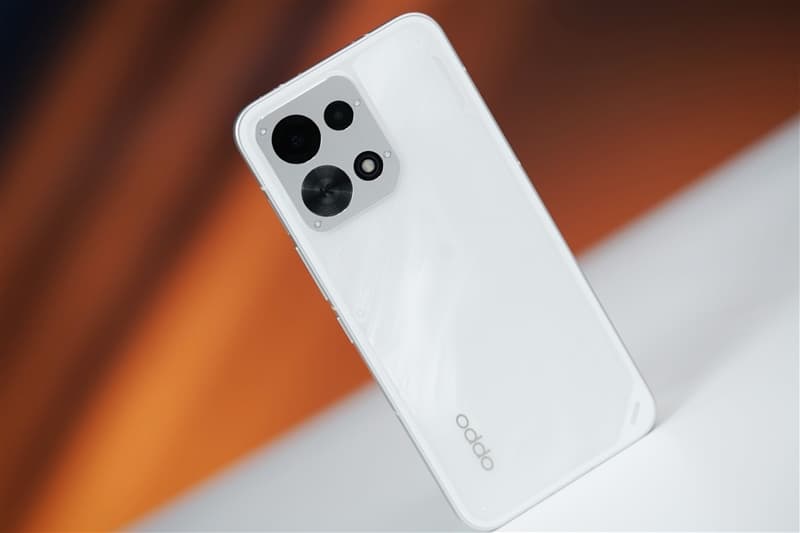
The review unit is the Speed White version, featuring a unique cloud-pattern texture.
When light reflects across the surface, it creates a flowing storm-like visual effect.
At the bottom of the back panel is the text:
“ACTIVE COOLING, MASTER THE WIND”
This highlights the phone’s cooling identity without making the design look aggressive.
Camera Module and Cooling Fan Integration
The rear camera module is one of the most distinctive parts of the phone.
It uses:
- A square silver camera base
- Four corner screws
- Industrial-style design elements
Layout:
- Top left: Main camera
- Top right: Ultra-wide camera
- Bottom left: Cooling fan air intake
- Bottom right: Flash
The fan and camera system are integrated into one flat module.
Despite including an internal fan, the phone remains:
- 8.27mm thick
- Comfortable to hold
- Free from a large camera bump
This design is clever because many flagship phones now have large protruding camera modules, while the OPPO K15 maintains a cleaner back design.
3. Cooling Test: The Active Fan Actually Works — Overheating and Throttling Become Less of a Concern
When people think of smartphones with built-in cooling fans, gaming flagships usually come to mind.
However, for users in the 2K price segment, long-term stable performance is arguably more important.
Common scenarios such as:
- Outdoor navigation under strong sunlight
- Long gaming sessions
- Recording videos for extended periods
- Using the phone while charging
can easily cause mid-range phones to heat up and reduce performance.
The OPPO K15 features the new-generation Wind Cooling Engine, which uses a three-layer cooling solution:
-
Large-area VC vapor chamber
The VC cooling plate quickly spreads heat away from the processor area.
-
High-conductivity graphite layer
The graphite material helps transfer heat more efficiently throughout the body.
-
Built-in micro cooling fan
The active fan pulls hot air away through the exhaust outlet, actively accelerating heat dissipation.
The key difference is that this is active cooling, not traditional passive cooling.
The fan is physically running, and heat is actively being removed.
Temperature Reduction Test
First, we used the AnTuTu stress test to push the OPPO K15 into a high-load state.
After continuous full-load operation:
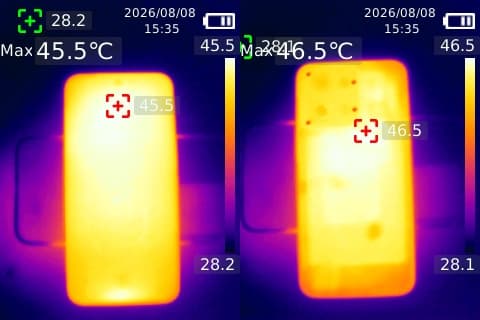
- Front temperature reached: 45.5°C
- Rear temperature reached: 46.5°C
At this point, the phone felt noticeably hot in the hand.
Then we activated the cooling fan.
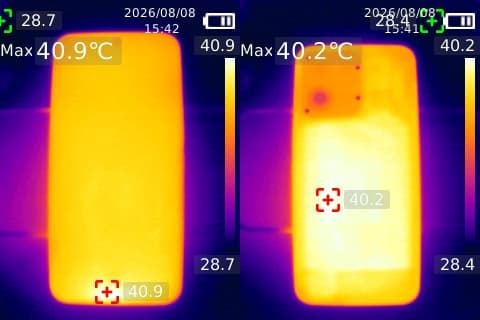
After 7 minutes:
- Front temperature dropped to 40.9°C
- Rear temperature dropped to 40.2°C
The phone changed from hot to only slightly warm.
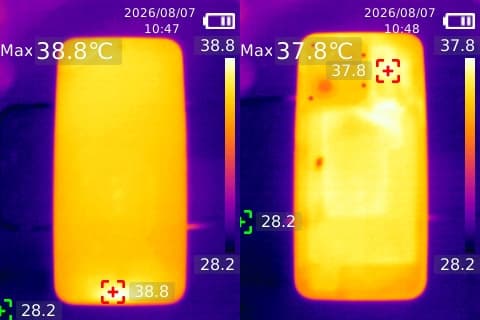
After waiting 12 minutes:
- Front temperature: 38.8°C
- Rear temperature: 36.5°C
Compared with the peak temperature of 46.5°C, the rear temperature dropped by approximately 10°C.
The thermal imaging results clearly showed that heat was being transferred away through the fan system.
The temperature around the cooling fan area was noticeably lower than other parts of the phone, proving that the fan was actively removing heat.
High-Energy Outdoor Mode
The OPPO K15 also includes a High-Energy Outdoor Mode, which can be enabled through the accessibility settings.
Once activated, the system automatically:
- Starts the cooling fan
- Optimizes temperature control
- Keeps the phone operating within a stable performance range
This mode also includes several practical outdoor improvements:
Enhanced Screen Brightness
The display automatically increases brightness, making it easier to see under direct sunlight.
Improved Voice Volume
When Bluetooth devices are disconnected, the phone automatically switches to the speaker and increases volume.
Extended Screen Timeout
The display stays active longer, preventing interruptions during:
- Navigation
- Outdoor work
- Long-term map usage
Quick Access Optimization
Frequently used applications can be pinned to a shortcut bar for faster switching.
There are also desktop shortcut cards that allow one-tap access to important functions.
The combination of cooling assistance and outdoor optimization makes the OPPO K15 more convenient for real-world use.
The purpose of active cooling in a 2K smartphone is not chasing the highest benchmark score.
It is about maintaining stable performance during long gaming sessions, navigation, and video recording.
Other phones compete for peak performance.
The OPPO K15 focuses on staying stable for longer.
4. Performance Test: Dimensity 7360 SUPER + Tidal Engine Focus on Stability
The OPPO K15 is powered by the MediaTek Dimensity 7360 SUPER processor.
Although positioned as a mid-range chipset, OPPO has added its own Tidal Engine optimization system to improve long-term performance.
The phone also features:
- 4950mm² VC vapor chamber
- High-conductivity graphite cooling layer
- Built-in active cooling fan
This combination provides a strong thermal foundation for a phone in this price category.
To evaluate real-world performance, we tested two popular mobile games.
Gaming Test 1: Honor of Kings
For Honor of Kings, we set:
- Frame rate: Ultra-high
- Graphics quality: HD
- Performance mode: Enabled
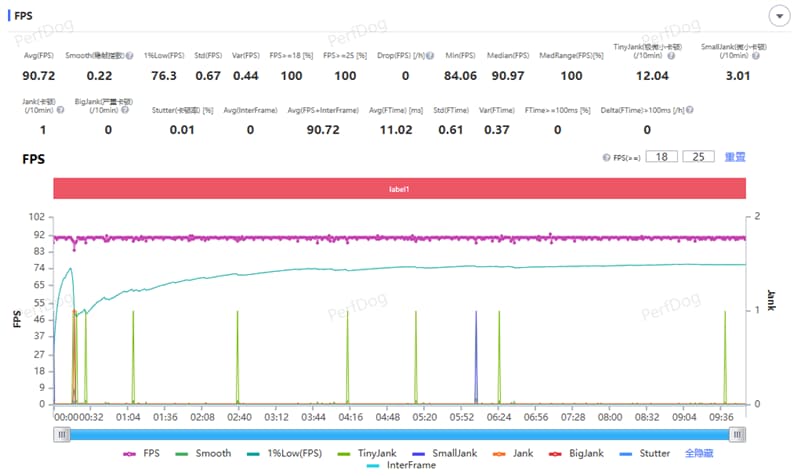
During a full 5v5 match:
Results:
- Average frame rate: 90.72 FPS
- Frame fluctuation index: 0.22
The phone maintained smooth performance throughout the match.
Whether during:
- Large team fights
- High-density skill effects
- Tower battles
there were no obvious frame drops or visible lag.
Average power consumption:
Energy consumption per frame:
After enabling the cooling fan in smart variable-speed mode, temperatures remained well controlled.
Gaming Test 2: PUBG Mobile
For PUBG Mobile, settings were:
- Graphics: Smooth
- Frame rate: Extreme (60 FPS)
- Mode: Classic Squad Battle
During the entire match:
- Landing
- Rotating zones
- Fighting enemies
- Final circle battles
the frame rate remained around 60 FPS.
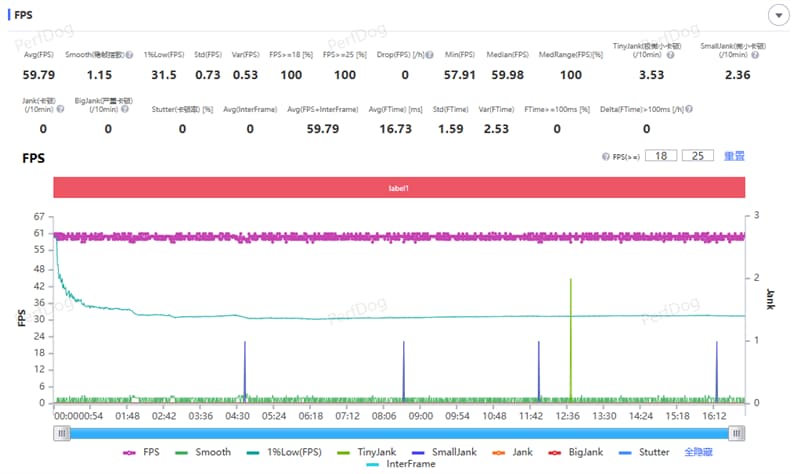
There were no common mid-range phone issues such as:
- Sudden frame drops when entering the zone
- Delayed aiming response
- Stuttering during combat
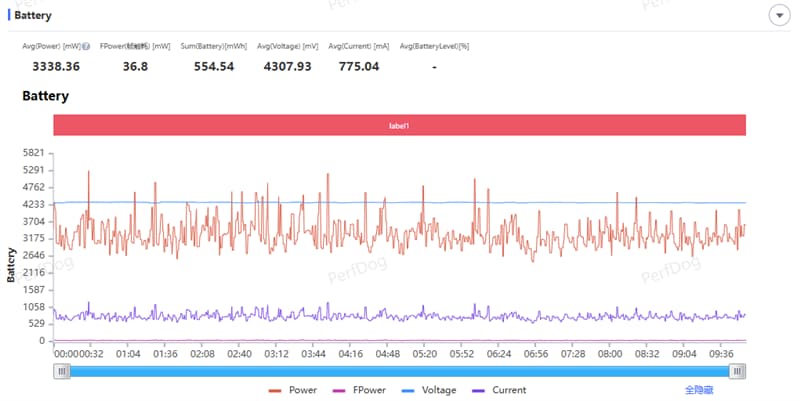
Average power consumption:
Energy consumption per frame:
- 47.5mW
The cooling fan helped maintain stable temperature during the gaming session.
5. Camera Review: Three 50MP Cameras Deliver Strong Image Quality
The OPPO K15 represents a major improvement in imaging for the K series.
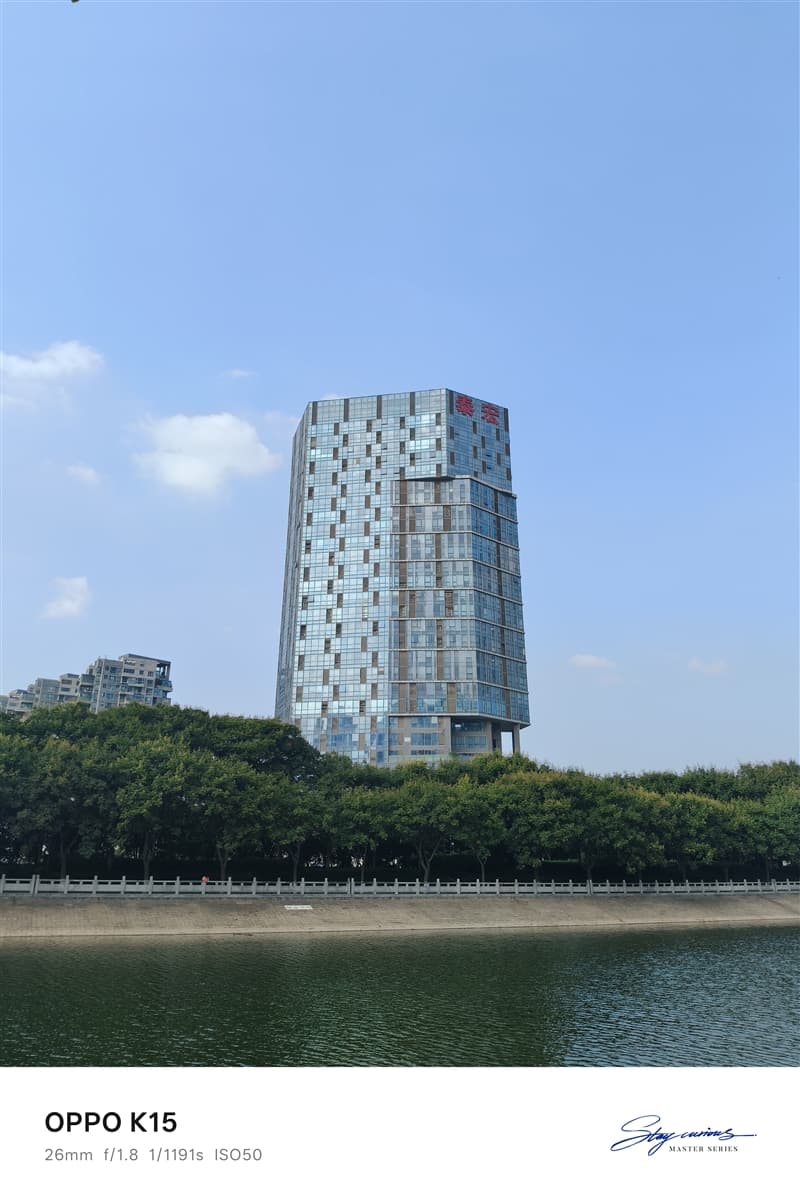

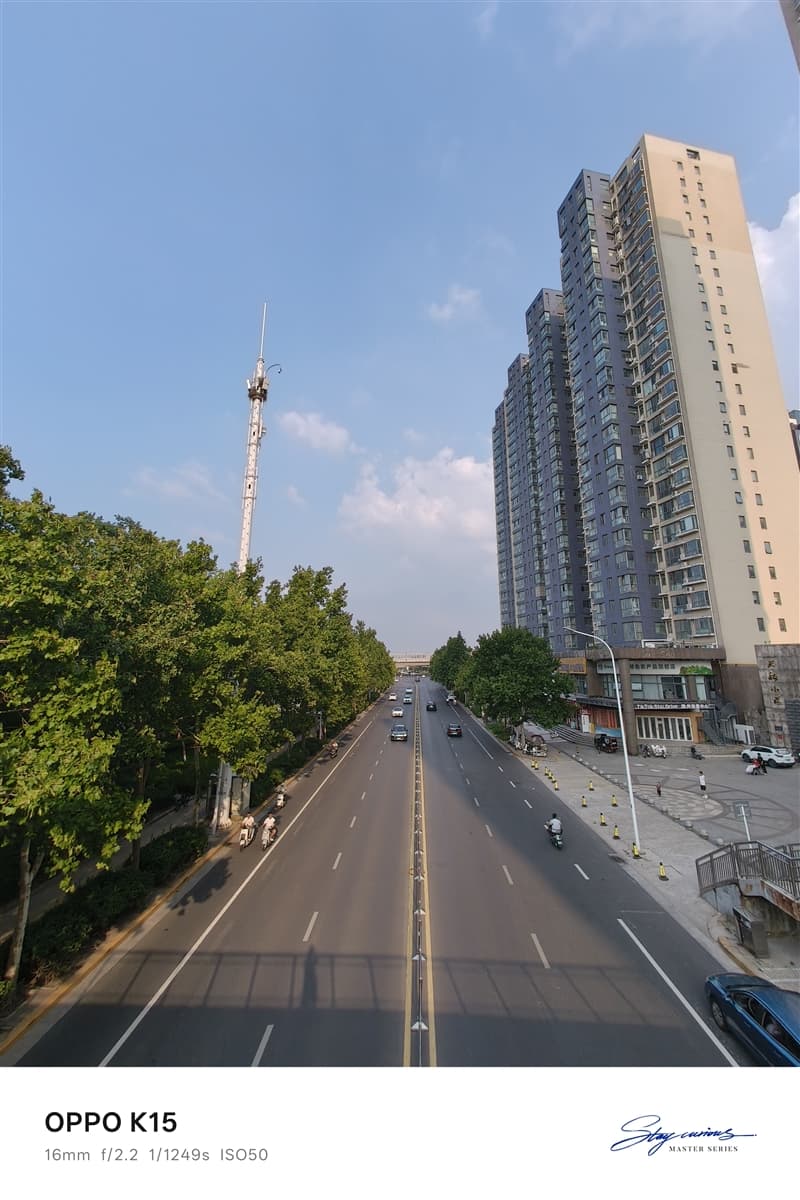
It features three 50MP cameras:
- Main camera
- Ultra-wide camera
- Front camera


The main camera includes:
- 1/2-inch large sensor
- f/1.88 aperture
- OIS optical stabilization
The ultra-wide camera provides:
- 143.3° ultra-wide field of view
Unlike many mid-range phones where secondary cameras are mainly for marketing, the OPPO K15 gives more attention to practical photography.
Main Camera Experience
The 50MP main camera performs well in daylight scenes.
Strengths include:
- Good detail retention
- Natural colors
- Strong dynamic range
- Stable handheld shooting thanks to OIS
Photos maintain good clarity even when zooming into details.
The large sensor also helps improve:
- Low-light performance
- Background separation
- Night photography quality
Ultra-Wide Camera Experience
The 143.3° ultra-wide camera is useful for:
- Architecture photography
- Landscape shots
- Group photos
- Travel scenes
The wider perspective allows users to capture more content in a single frame.
Night Photography
The main camera’s large sensor and optical stabilization help improve nighttime shooting.
Night photos show:
- Better light control
- Reduced motion blur
- Improved shadow details
For a mid-range smartphone, the camera performance is above average.
6. Battery and Charging: 8000mAh Battery Easily Lasts a Full Day, 80W Flash Charging Keeps You Going
Battery life is one of the strongest selling points of the OPPO K15.
The phone comes with an 8000mAh Glacier Battery, which is significantly larger than the batteries commonly found in mainstream smartphones.
For users who rely heavily on their phones every day, such as:
- Outdoor workers
- Travelers
- Navigation users
- Mobile gamers
- Video streamers
the large battery capacity provides a clear advantage.
Battery Life Test
To evaluate real-world endurance, we used the Battery Dog testing tool developed by Kuai Technology.
The test simulated typical daily usage scenarios, including:
- CPU high-load operation
- Multi-thread processing
- AI recognition
- Image browsing
- Video playback
- Web browsing
Testing conditions:
- Screen brightness: 50%
- Auto brightness: Disabled
- Volume: 30%
The results showed:
The OPPO K15 lasted:
14 hours and 33 minutes from 100% battery down to 20%.
Based on this result, the theoretical full battery endurance is approximately:
18 hours of continuous usage.
This result matches the expectations of an 8000mAh battery and demonstrates the phone’s excellent endurance.
For normal users, the OPPO K15 can easily handle:
- A full day of heavy usage
- Long outdoor navigation
- Extended gaming sessions
- Continuous video playback
without worrying about battery anxiety.
80W SUPERVOOC Fast Charging Experience
The OPPO K15 supports:
- 80W SUPERVOOC fast charging
- UFCS universal fast charging
- PPS fast charging protocol
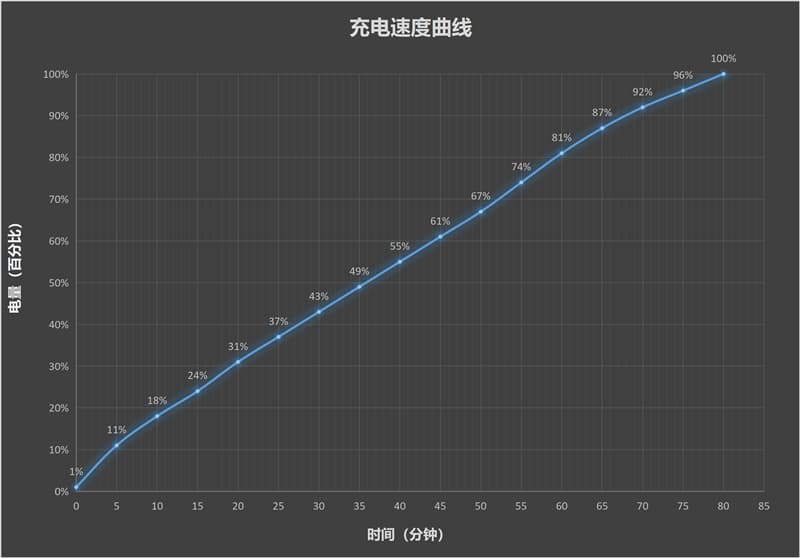
We tested charging with the included 80W charger.
Starting from:
1% battery
Charging results:
| Charging Time |
Battery Level |
| 5 minutes |
11% |
| 10 minutes |
18% |
| 30 minutes |
43% |
| 60 minutes |
81% |
| 80 minutes |
100% |
Although the phone uses a large 8000mAh battery, it can still reach a full charge within around 80 minutes.
This provides a good balance between battery capacity and charging speed.
Bypass Charging: Better for Long Gaming Sessions
The OPPO K15 supports bypass charging, which is especially useful for gamers.
When enabled:
- Power goes directly to the motherboard
- Battery charging is reduced
- Heat generation is lowered
- Battery aging is minimized
This means users can keep playing games while connected to power without constantly stressing the battery.
For people who often:
- Play games while charging
- Watch videos for long periods
- Use the phone as a stationary entertainment device
this feature is very practical.
Wired Reverse Charging
The OPPO K15 also supports wired reverse charging.
The phone can temporarily act as a power bank for devices such as:
- Wireless earbuds
- Smartwatches
- Other smartphones
When traveling, this feature provides an emergency power solution without carrying an additional charger.
7. Special Features: IP69 Protection, Breathing Light, NFC and Infrared
Beyond cooling, performance, and battery life, the OPPO K15 also includes many practical features that improve everyday experience.
IP69 Protection: Designed for Tough Environments
The OPPO K15 supports:
- IP69 waterproof protection
- IP68 dust and water resistance
- IP66 protection
It also passed eight military-standard durability tests covering:
- High temperature
- Low temperature
- Rain exposure
- Dust environments
- Drop resistance
This makes the phone suitable for more demanding environments.
Water Resistance Test
During testing, we played Douyin videos on the OPPO K15 while placing it under running water.
The results:
- Video playback continued normally
- Touch controls remained responsive
- Wet fingers could still operate the screen
The phone remained fully functional after exposure to water.
While IP69 protection does not mean users should intentionally abuse their devices, it provides additional confidence for:
- Outdoor workers
- Travelers
- Users in rainy environments
Mist Shadow Breathing Light: Adding Gaming Atmosphere
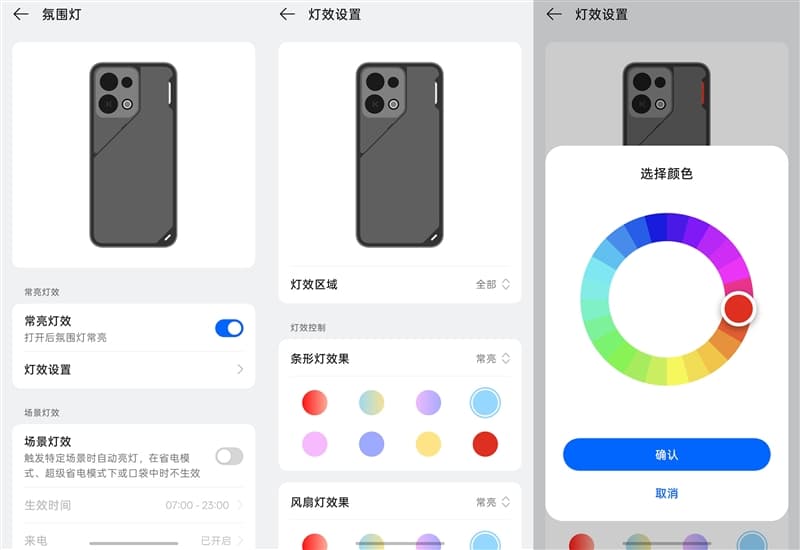
The rear panel includes OPPO’s Mist Shadow Breathing Light system.
Users can customize:
- Full lighting area
- Strip lighting
- Fan lighting
Lighting effects include:
- Flowing effects
- Breathing effects
- Always-on mode
- Flashing effects
The fan lighting also supports:
- Breathing mode
- Constant lighting
- Flashing mode
Multiple colors are available.
At night, the lighting can synchronize with music, creating a gaming-style atmosphere.
Unlike inexpensive RGB lighting effects, the implementation feels more refined.
Users can also configure:
- Activation time
- Lighting behavior
- Automatic disabling when the phone is in a pocket
Mountain-Sea Communication Technology: Better Signal in Weak Areas
The OPPO K15 includes OPPO’s self-developed Mountain-Sea Communication Technology.
The system uses:
- 360° surround antenna design
- Multi-source signal optimization algorithms
It is designed to improve connectivity in difficult environments such as:
- Underground parking areas
- Elevators
- Buildings with weak signals
During testing in an underground parking area:
Network results:
- Ping latency: 37ms
- Download speed: 8.37Mbps
- Upload speed: 16.12Mbps
The phone maintained stable connectivity without obvious disconnections.
Dual-Frequency GPS: Faster and More Accurate Positioning
The OPPO K15 is equipped with:
- Dual-frequency GPS
- Flagship-level sensors
- Multi-source positioning algorithms
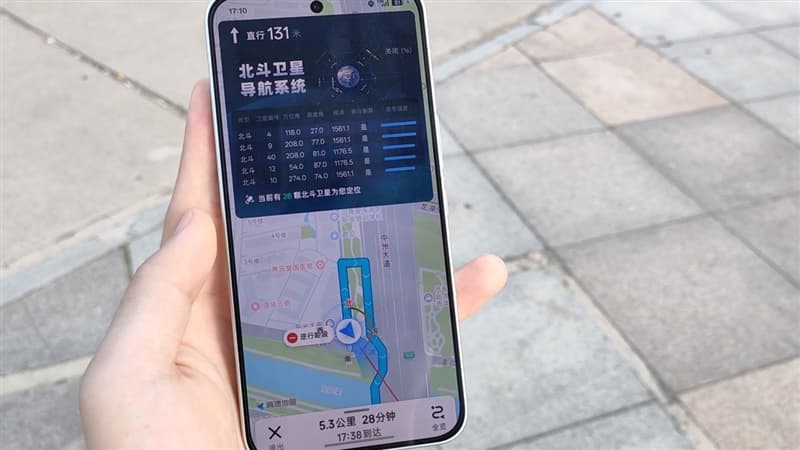
During navigation testing with Amap:
- Location locking was fast
- Navigation started quickly
- Position accuracy remained stable
The real-time navigation interface showed:
- 26 BeiDou satellites assisting positioning
Even in complex environments such as:
- Urban streets
- Tunnels
- Underground parking areas
the positioning performance remained reliable.
8. Final Verdict: A Smartphone That Solves Real Problems
At the beginning of this review, the question was:
Is the cooling fan on a 2K-range smartphone just a gimmick, or does it really work?
After testing, the answer is clear:
It works.
During the AnTuTu stress test:
- Rear temperature reached 46.5°C
- After activating the fan for 12 minutes, it dropped to 36.5°C
A temperature reduction of around 10°C was confirmed through thermal imaging.
The active cooling fan is the feature that truly separates the OPPO K15 from other phones in the same price range.
Many smartphones offer:
- Large batteries
- Water resistance
- Fast charging
But fewer combine these features with an integrated cooling fan.
OPPO K15 Key Strengths
The phone delivers:
8000mAh large battery
Active cooling fan
IP69/IP68/IP66 protection
Stable gaming performance
80W fast charging
Three 50MP cameras
120Hz 1.5K display
Dual-frequency GPS
Strong signal performance
Who Should Buy the OPPO K15?
The OPPO K15 is especially suitable for users who care about:
- Long battery life
- Stable performance
- Outdoor usage
- Gaming without overheating
- Durability
- Practical everyday features
However, users who want:
- Maximum gaming frame rates
- Flagship-level processor performance
may prefer higher-end gaming smartphones.
The Dimensity 7360 SUPER is not designed to chase extreme benchmark records. Instead, it focuses on delivering stable performance over long periods.
Final Conclusion
Many smartphones in the 2K price range compete by making their specification sheets look impressive.
OPPO K15 takes a different approach.
Instead of only chasing higher numbers, it focuses on solving real user problems:
- A phone that does not become uncomfortable when hot
- A battery that lasts all day
- A device that remains reliable outdoors
- A smartphone that can handle daily challenges
The built-in cooling fan is like adding a turbocharger to an economy car—not for racing, but to prevent losing power when climbing a hill.
After testing, the OPPO K15 proves that it can:
- Stay cool under pressure
- Maintain stable performance
- Last through demanding usage
- Survive tougher environments
For users looking for a practical, durable, and reliable smartphone in the 2K price segment, the OPPO K15 is one of the most complete choices available.
OPPO K15: A truly practical smartphone built for real-world use.
The post OPPO K15 Smartphone Review: The Truly Practical Choice in the 2K Price Segment appeared first on IGeeKphone China Phone, Tablet PC, VR, RC Drone News, Reviews.

 Login