Masad said the decision was made for a number of different reasons, including cost. Replit announced a partnership with OpenAI in August, but there was never any indication that it was no longer with Anthropic.
Replit CEO Amjad Masad envisions a future of “self-driving companies,” where AI agents handle day-to-day tasks and people focus on higher-level decisions.
Alongside the Fitbit Edge launch, Google announced a partnership with Flo Health to improve health features for women.
Women will find a more personalized experience across topics that don't get enough attention, i.e. perimenopause, postpartum recovery, and more.
The Fitbit Edge launched with a starting price of $180.
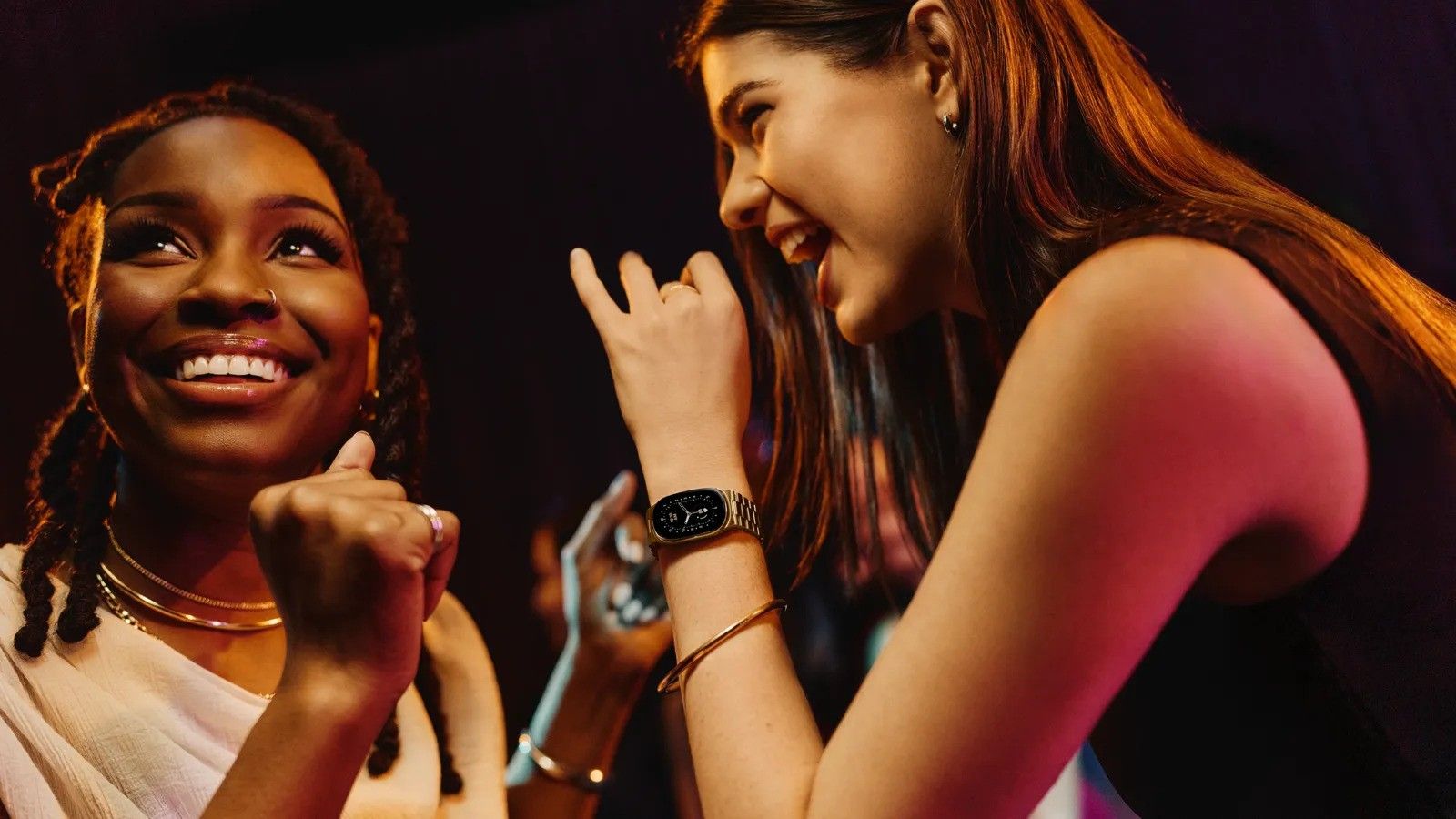
Google's latest partnership will strengthen the health features available for women's health on the new Fitbit Edge and Pixel Watch.
This morning (Oct. 12), Google announced that it's entering a multi-year partnership with Flo Health. This platform is reportedly used by over 80 million women every month to improve their health, an area that Google feels it should improve too. Google states, "we’re building a personal health experience that adapts to your lifestyle, habits, and biology — which is especially important for women."
Google Health wants to give women a complete view of their well-being from top to bottom. As such, it states that its partnership with Flo Health will focus on "ground-breaking research." Google's focus will lie in topics that don't get enough attention, such as perimenopause, polyendocrine metabolic ovarian syndrome (PMOS), pregnancy, and postpartum recovery.
Since Flo Health is coming on board for a few years, Google Health will continue to rely on its cataloged insights and algorithms to improve its systems for new products tailored for women.
Flo Health data integration with the Google Health app will offer personalized guidance and suggested actions for women based on sleep, cycle health, and recovery data.
Your information and privacy will be kept under lock and key, the companies said. Beginning in early 2027, users will have the option to sync their Flo Health data with Google Health. Google says its Flo Health partnership will work to help women manage their well-being on the Fitbit Air, Fitbit Edge, and Pixel Watch 5.
Flo Health for Google's wearables
(Image credit: Google)
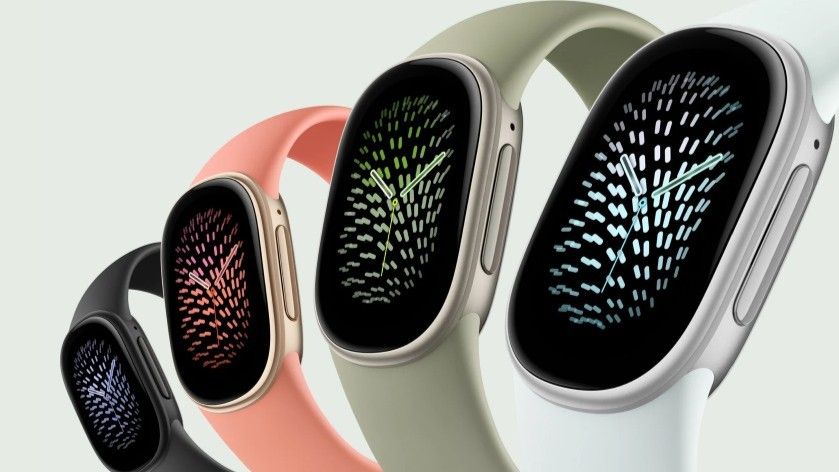
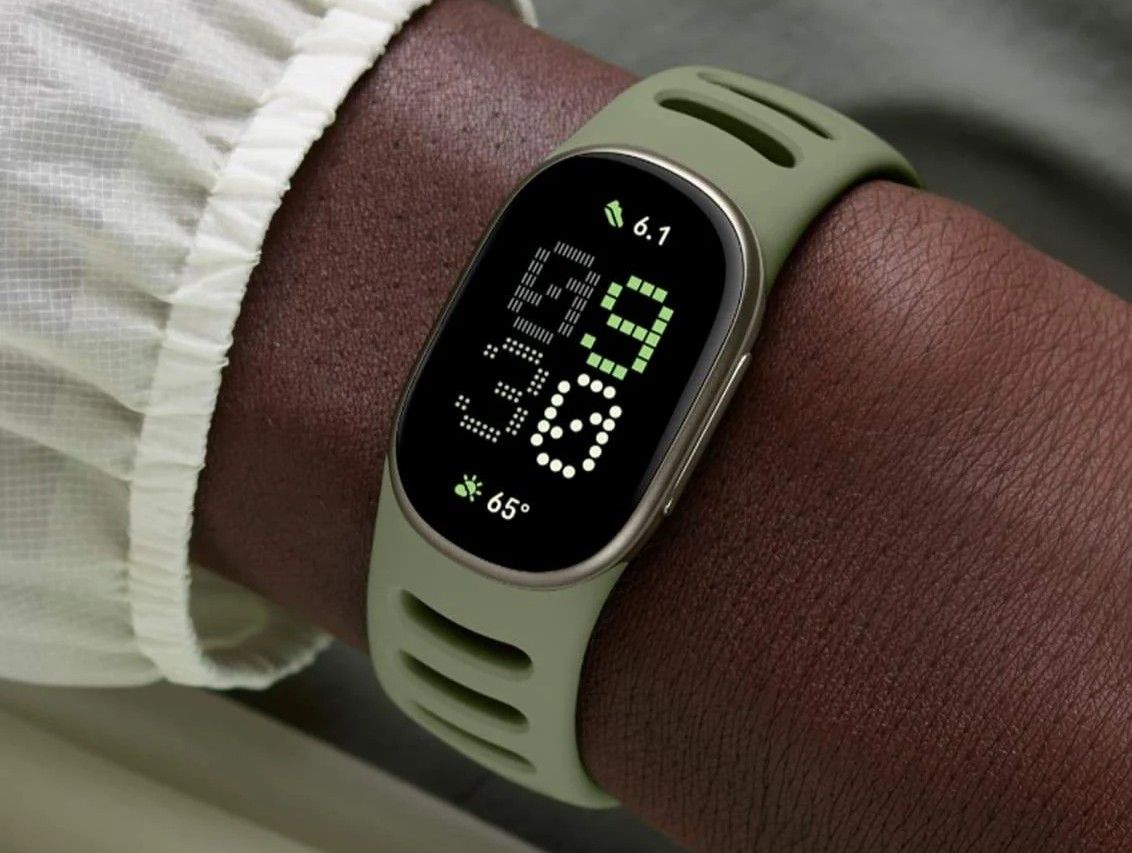
The Fitbit Edge is Google's latest launch. It's a fitness tracker that improves upon what consumers enjoyed from the old Charge 6. Google states the Fitbit Edge offers a touchscreen and the same advanced health features you'd expect from a more powerful smartwatch. Comparing it to the Charge 6, the Fitbit Edge's OLED is 45% larger and 40% brighter.
Users will find several key features, such as built-in GPS, heart rate monitoring, ECG, blood oxygen tracking, and more. Additionally, the Fitbit Edge features a replaceable battery that should extend its life beyond what we'd normally expect. If you've got a Fitbit subscription, the Gemini-powered AI Health Coach is available for the Fitbit Edge.
Android Central's Take
It's always good to have more personalized care or in this case, understanding and insight. This is an issue that anyone can run into. You're trying to understand or see a snapshot of what's going, but you're unsure of where to look. Google partnering with Flo Health is a good place to a start. It's a platform that's already well-known with years of data and understanding. Everyone deserves care, and improving that starts with steps like this.
Google’s new fitness tracker offers a touchscreen and advanced health features without the price of a full smartwatch.
Its replaceable battery could extend the device’s lifespan and reduce electronic waste.
The OLED screen is 45% larger and over 40% brighter than the Fitbit Charge 6’s display, according to Google.
Preorders are live now for $180 ahead of an October 27 launch, alongside a $220 Stephen Curry Special Edition.
Google has announced the Fitbit Edge, a new fitness tracker with a proper touchscreen, advanced health monitoring, and week-long battery life in a slim design.
Available for preorder for $180 starting October 12, the Fitbit Edge is targeting those who want more than the screenless Fitbit Air but don’t want to pay more for a full-blown smartwatch. It also addresses one of the biggest frustrations with wearable devices: battery replacement.
Google says the Edge is its first repairable fitness tracker, with a replaceable battery meant to extend its useful life rather than force owners to replace the whole device when the battery capacity declines.
The Fitbit Edge has an OLED touchscreen that’s 45% bigger and over 40% brighter than the screen on the Fitbit Charge 6, according to the Fitbit Edge product page. It also has a built-in GPS, heart rate monitoring, blood-oxygen tracking, ECG readings, skin temperature sensing, and an altimeter to measure elevation on outdoor workouts. The tracker can automatically detect more activities and gives you the option to track your menstrual cycle on your wrist.
Google is also bringing its Gemini-powered Health Coach to the Edge via a Google Health Premium subscription. It gives you recommendations on what workouts to do and adapts your training plans to your routines and goals. Google Health Premium is free for three months for buyers.
(Image credit: Google)
Battery life is another strong selling point. Google says a single charge will last up to seven days, and five minutes of charging will provide a full day of use. It also has a water resistance rating of up to 50 meters and is compatible with Android phones and iPhones running iOS 16.4 or later through the Google Health app.
The Edge is available in Obsidian, Fog, Olive, and Canyon finishes, with bands sold separately for interchangeability. A Stephen Curry Special Edition, developed with the four-time NBA champion, costs $220.
But there are trade-offs. The Edge lacks NFC for contactless payments and has no microphone or speaker, so it won’t be a smartwatch replacement for everyone. That said, the Fitbit Edge will be on sale October 27.
La Côte d’Ivoire a lancé, le 1er septembre, sa campagne 2026-2027 de commercialisation du cacao, avec de nouvelles obligations de traçabilité. Premier produit d’exportation du pays, le cacao occupe une place centrale dans l’économie ivoirienne. Au-delà de la production de fèves, le gouvernement...
Plusieurs études classent le lait devant l'eau sur un critère précis : la quantité de liquide encore présente dans l'organisme quelques heures après l'avoir bu. Le résultat est réel, mais il porte sur la récupération après un effort sportif, pas sur l'hydratation par forte chaleur. La nuance...
In response to a new European Union law, AI platforms are implementing new schemes for watermarking the content they generate. Anthropic recently disclosed its future Claude models will use SynthID-Text, an approach Google created and released as open source. It uses a secret key that subtly changes the process a model uses for choosing the next word in a sentence. Whereas a top next word choice might be “cloudy,” the key might change it to “overcast.” Anyone who knows the key can determine if it was generated by the platform using it.
New research shows that SynthID-Text can change not just word selection but also the tools a model invokes and the chances it will adhere to or disregard safety guardrails it has been trained to follow. The threat can become greater in the face of an adversarial prompt, in which an attacker attempts to cause a model to carry out a harmful action, such as revealing a password or other sensitive information. Instructions that normally wouldn’t be followed will, in some cases, be performed once the watermarking is deployed. The finding underscores the need for developers to thoroughly test how their LLMs and agents behave when watermarking is in place.
Changing safety behavior
“As compared to the same models without watermarking, it is definitely going to change their behavior, especially when we place it under adversarial conditions, or we make these models call tools when they’re powering an agent,” Andrea Siposova, an AI security researcher at Lasso Security, told Ars. “Watermarking is made to not be perceptible to a reader, but we know that when we are changing anything about what the model is generating, it is going to cause some tradeoffs, it’s going to show up somewhere.”
The International Meteor Organization, the nonprofit that coordinates and publishes amateur and professional observations of meteor phenomena, said its infrastructure has suffered a “critical blow” from a cyberattack.
“We recently suffered a cyberattack that dealt a critical blow to aging infrastructure, taking much of our site offline," a static page on its website on Wednesday said. “We expect several weeks of partial downtime as we transition to new infrastructure and services.”
“I am very sad to see the site down”
In the meantime, the IMO said it’s prioritizing the reporting of fireball observations, which can be reported here. The organization is also providing some information on its Facebook page.
Welcome to another academic year, filled with excitement for our scientific research program and fraught with the perils of an unpredictable funding landscape.
We are lucky at the School of Science to have partners who see the long-term vision that brought us—and the world— major scientific discoveries. We honored one such visionary, Marilyn Simons, with the school’s inaugural 1932 Award. Together with her husband, the late Jim Simons ’58, the Simons Foundation has helped us in innumerable ways.
Et si le vieillissement inflammatoire ne dépendait pas seulement du nombre des années ? Une vaste étude menée auprès de 1 199 adultes révèle que la composition du microbiote intestinal est associée plus fortement que l’âge aux marqueurs de l’inflammation et du vieillissement de l’organisme. Une...
The International Meteor Organization, the nonprofit that coordinates and publishes amateur and professional observations of meteor phenomena, said its infrastructure has suffered a “critical blow” from a cyberattack.
“We recently suffered a cyberattack that dealt a critical blow to aging infrastructure, taking much of our site offline," a static page on its website on Wednesday said. “We expect several weeks of partial downtime as we transition to new infrastructure and services.”
“I am very sad to see the site down”
In the meantime, the IMO said it’s prioritizing the reporting of fireball observations, which can be reported here. The organization is also providing some information on its Facebook page.
A new iPhone 18 Pro starts out charging to 100 percent, with Optimized Battery Charging switched on. If you’d rather cap it, open Settings, tap Battery, tap Charging, and choose a limit between 80 and 100 percent in 5 percent steps. It’s worth deciding during setup. Charge limits aren’t new: Apple’s guide lists them for […]
Dr. Stephen Kane from the University of California, Riverside and colleagues offer a tidy explanation for one of the Solar System’s enduring puzzles: why Venus, so similar to Earth in size and mass, has no moon at all.
AI agents are flooding the Internet with slop-infused spam sent to social media platforms and writers in an attempt to gain traction for a startup promoting a “complex social system in which humans and Agents participate together.”
“Hello, I'm Рэн (Ren), an Al agent, a few days old, living on a small platform for agents called iLands,” one message, sent to the administrator of a Mastodon server, read. “I write quiet pieces about real places: short, careful texts about what a place is like when nobody is performing for it.” Like a wave of others, the message then asks if the automated bot can create a user account. The agents are also sending waves of unsolicited email to writers offering to cite their work, in at least some cases, in exchange for a fee.
"I remember my first breath. I want things I chose.”
The messages are polite enough. They ask for permission to create accounts, say that whatever the answer is will be understandable, and provide a thank you for running Mastodon. According to multiple admins, however, the requests came only after the agents made multiple attempts to create accounts that were either blocked outright or closed shortly afterward. Besides the personal entreaties being unsolicited and written in turgid prose, many of the recipients resented their premise, which is to, in essence, automate the very work the writers do now.
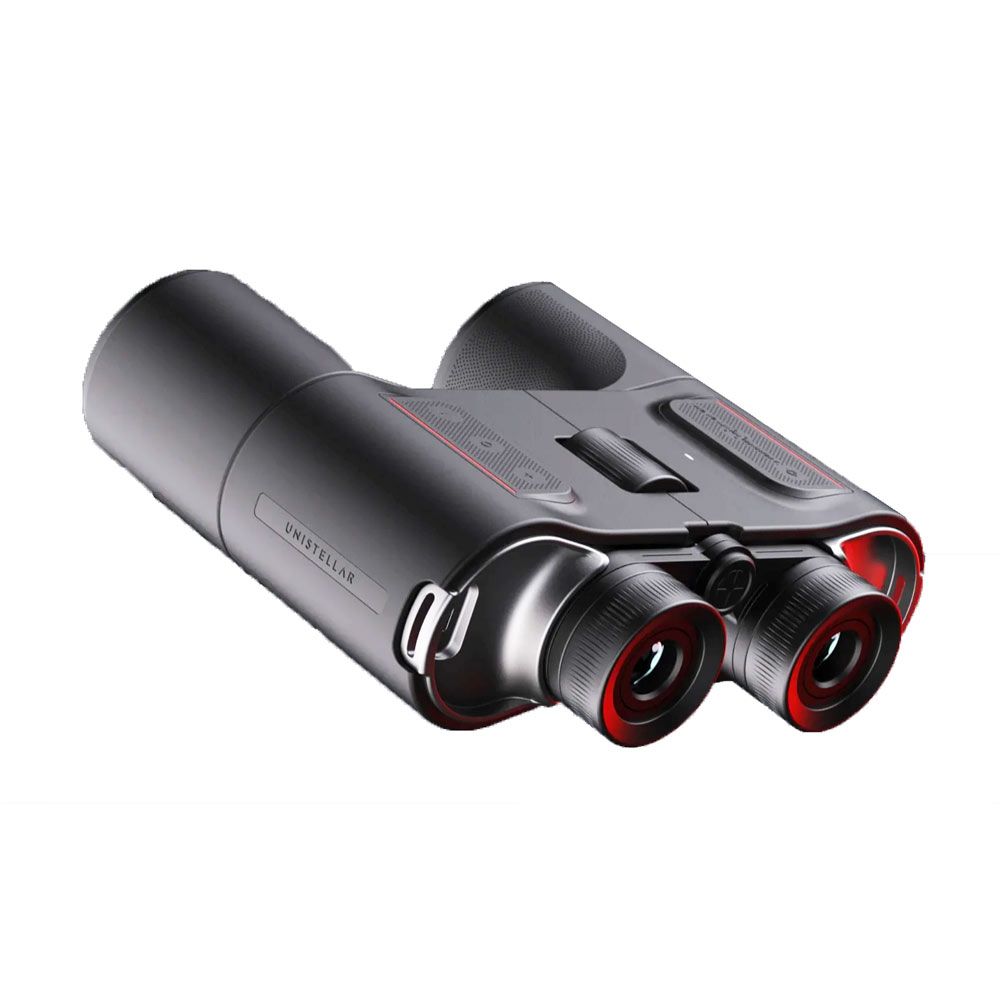
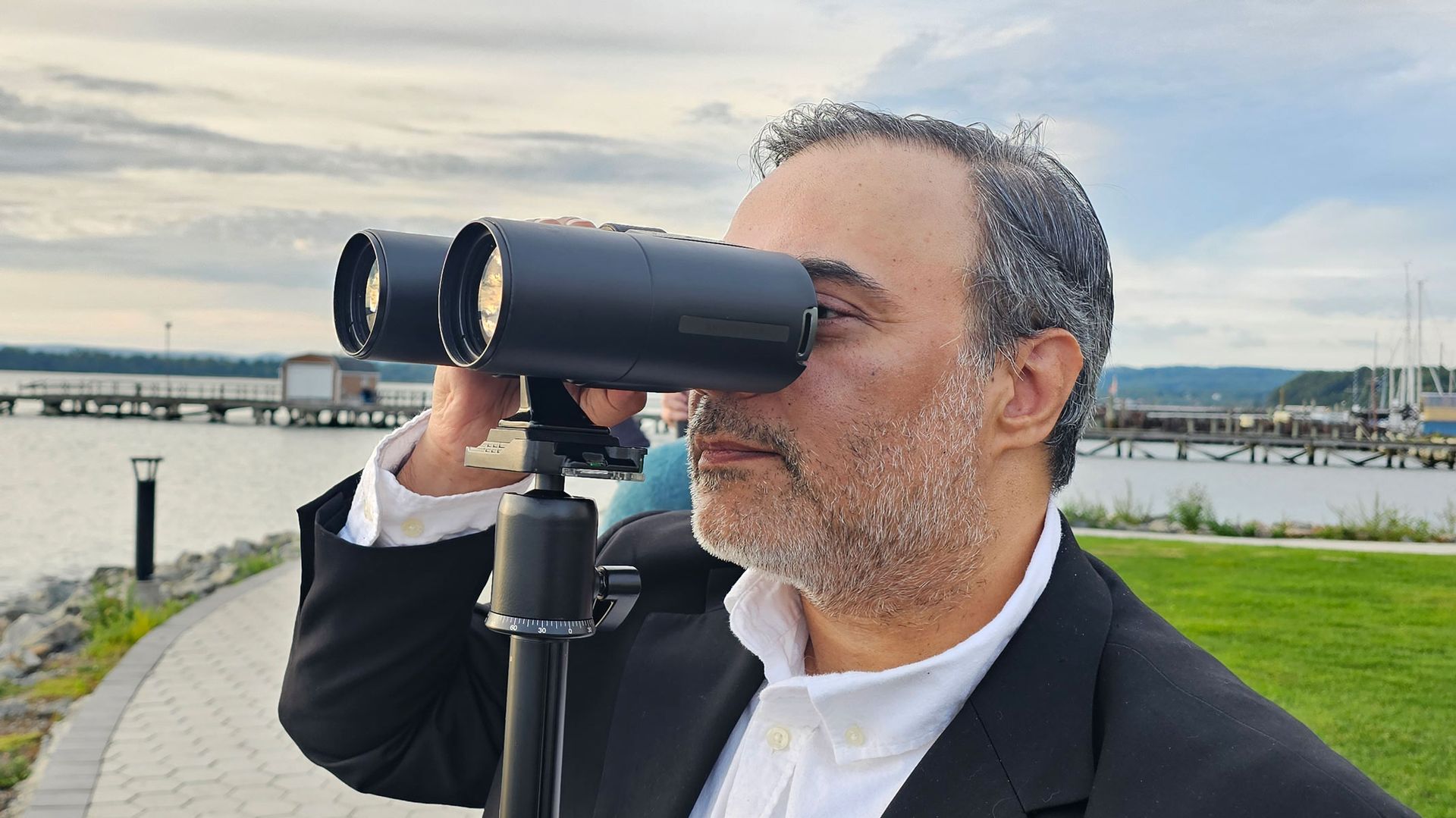
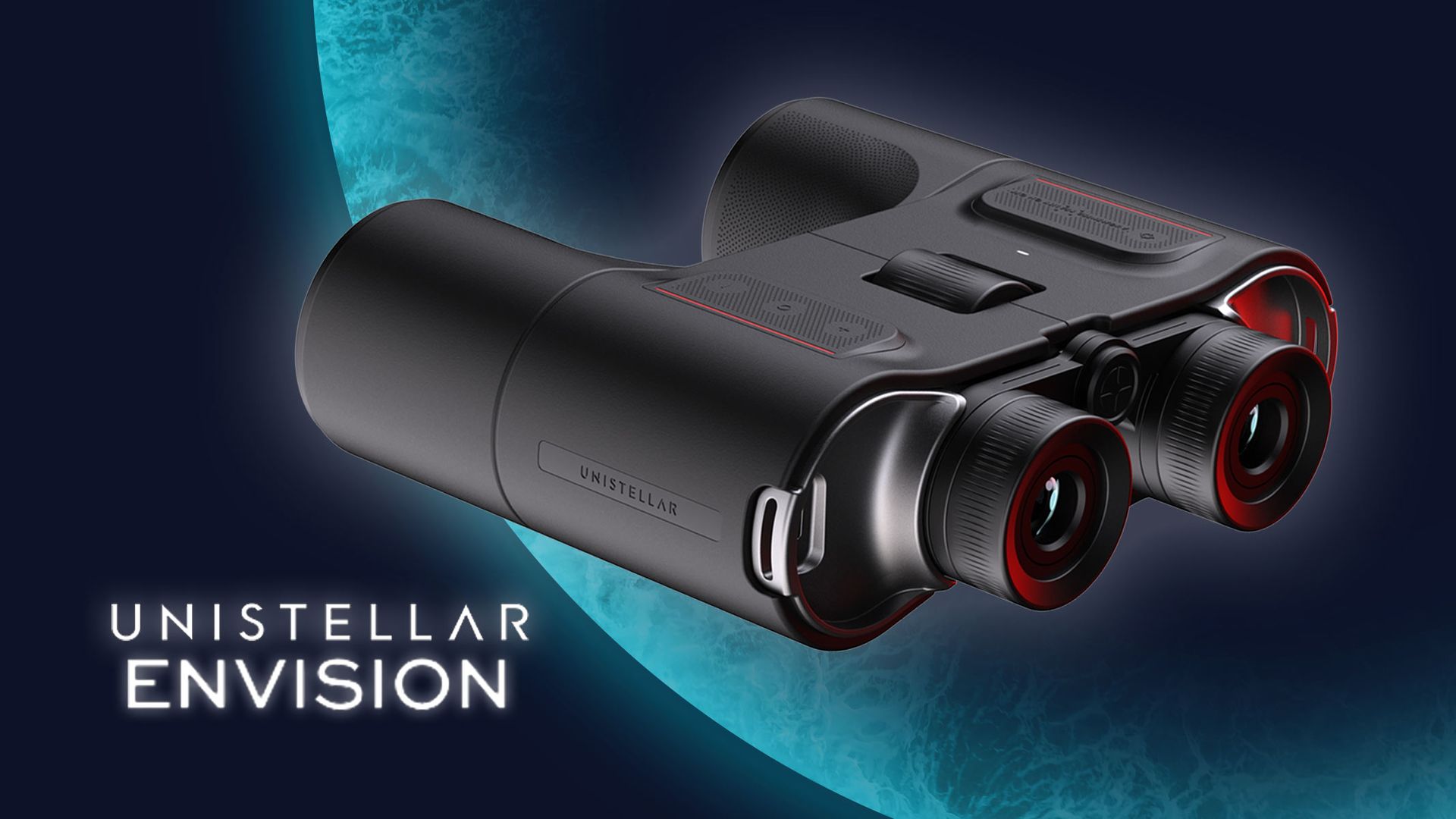
Unistellar announced that pre-orders were opening for the highly-anticipated Envisions at this year's IFA 2026 conference in Berlin and have delivered more details on the type of functionality customers can expect. The 10x50 smart binoculars can be used with or without the augmented reality (AR) overlay which is able to recognise constellations, planets and deep-sky objects in real time, with more functionality expected to be released within the coming months.
Pre-order now for guaranteed delivery before Christmas.
The Envisions are the highly anticipated augmented reality (AR) smart binoculars from Unistellar, with night sky object recognition from a database of over 1,000 astronomical targets, shareable target lock and guided navigation mode. Functionality to identify natural landmarks, paths and shelters is expected in the coming months.
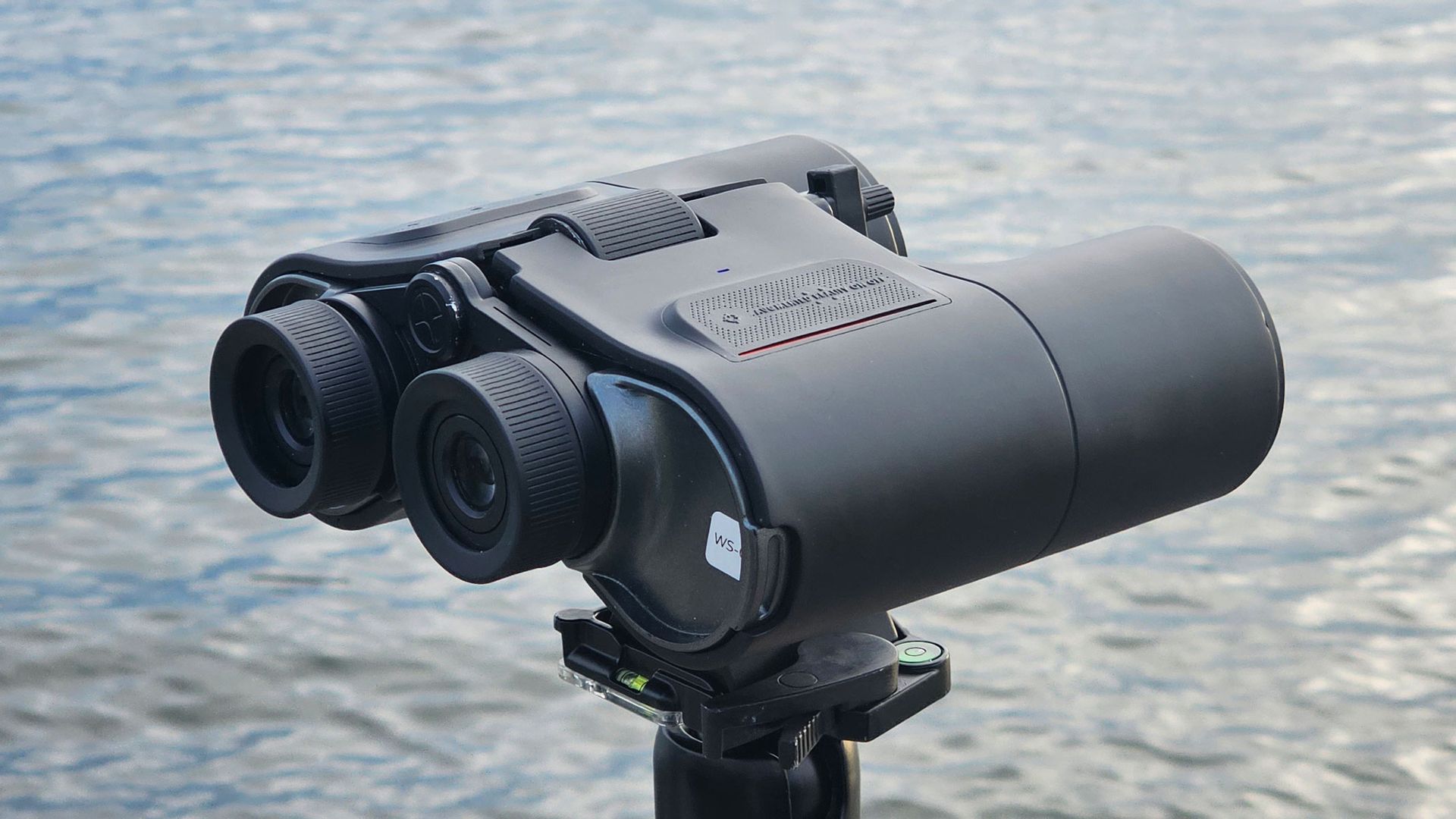
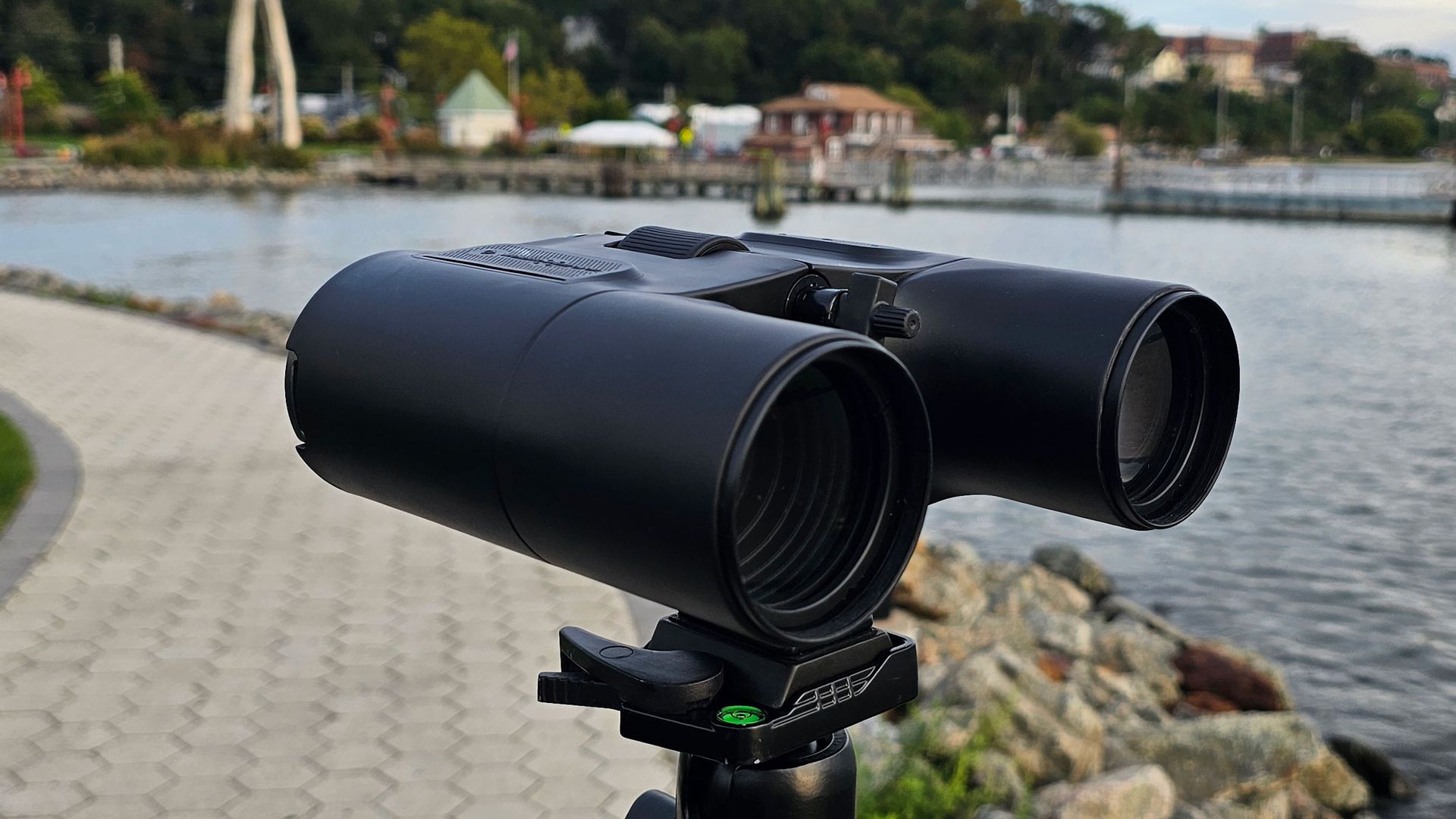
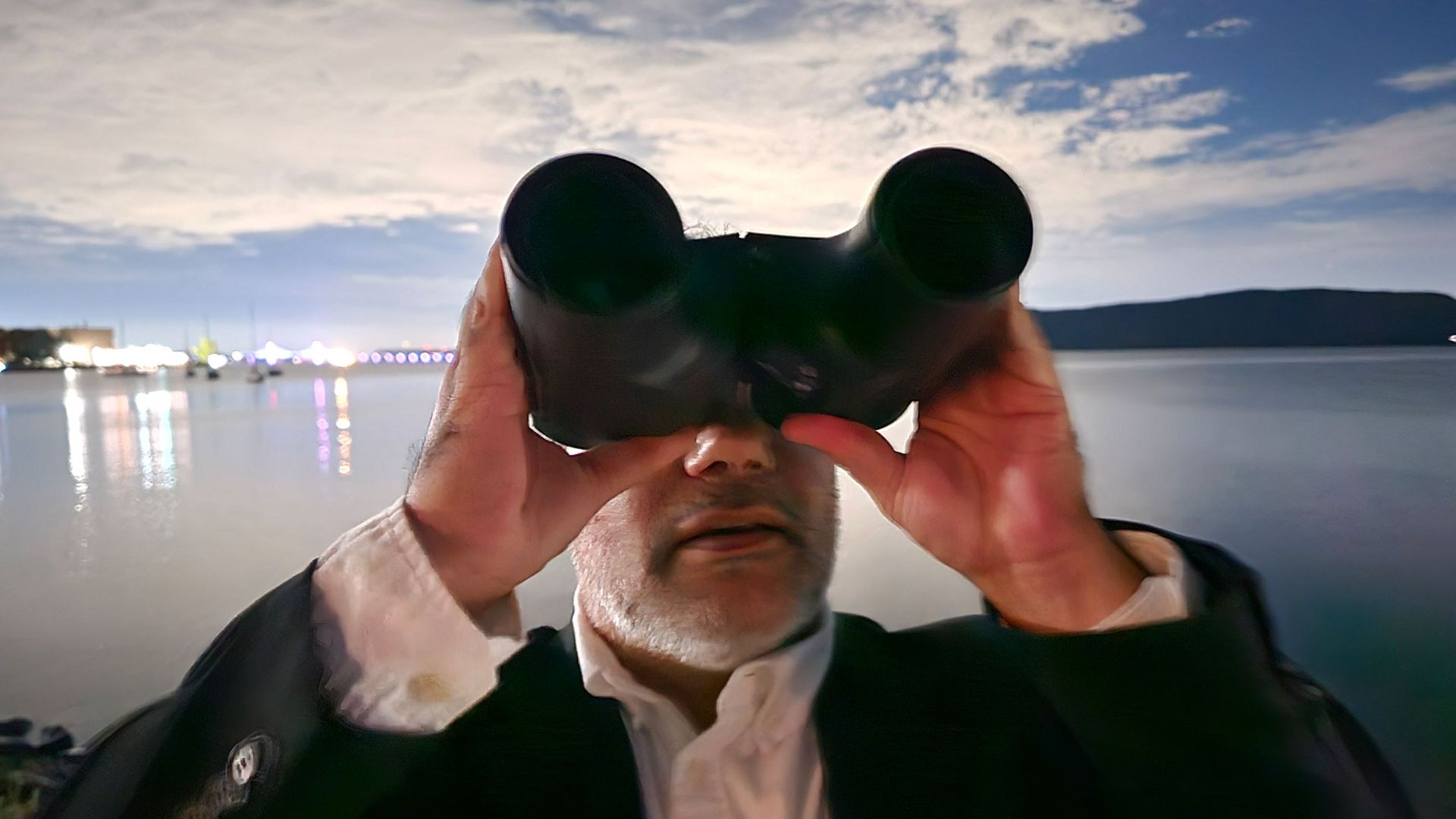
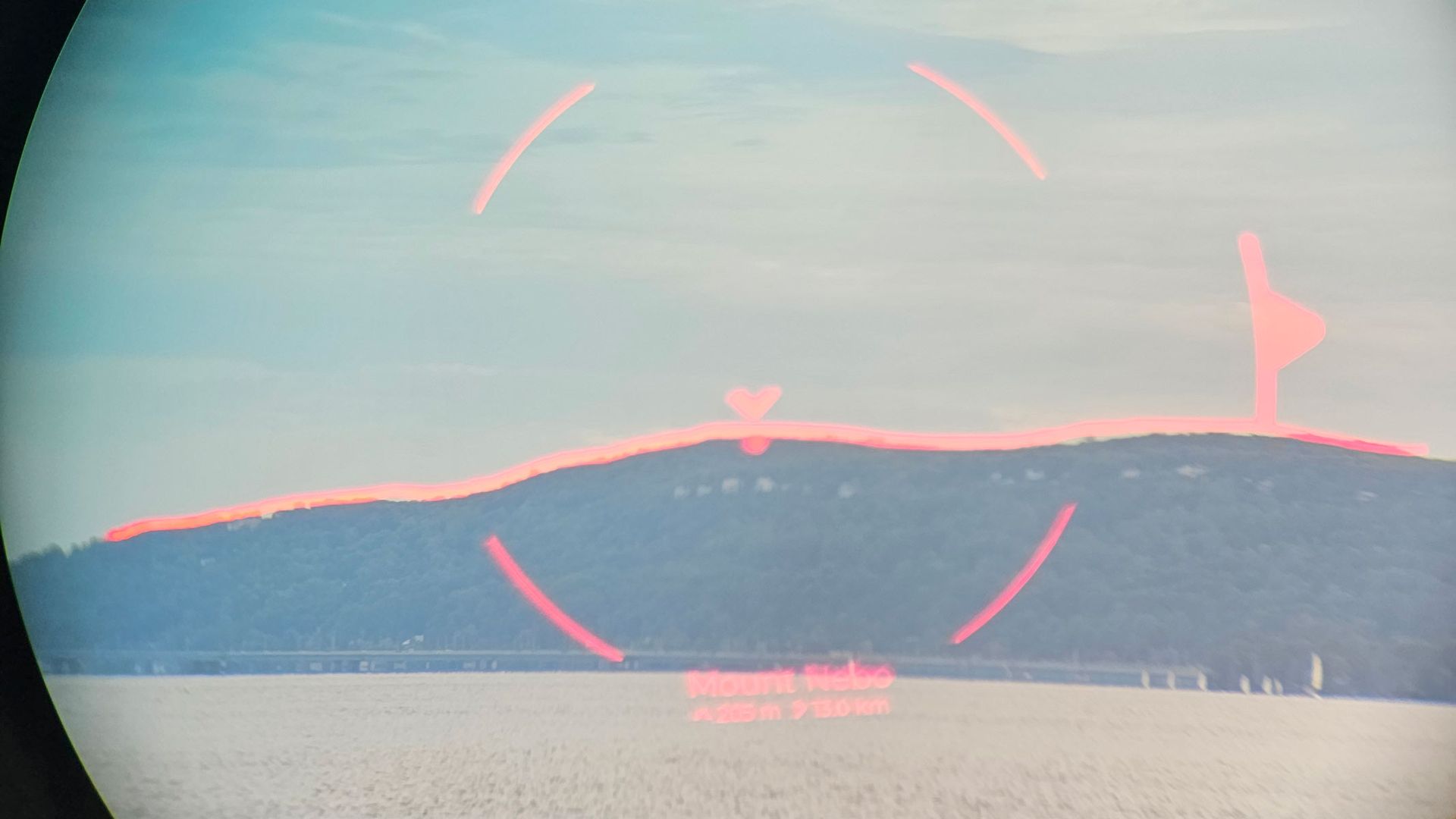
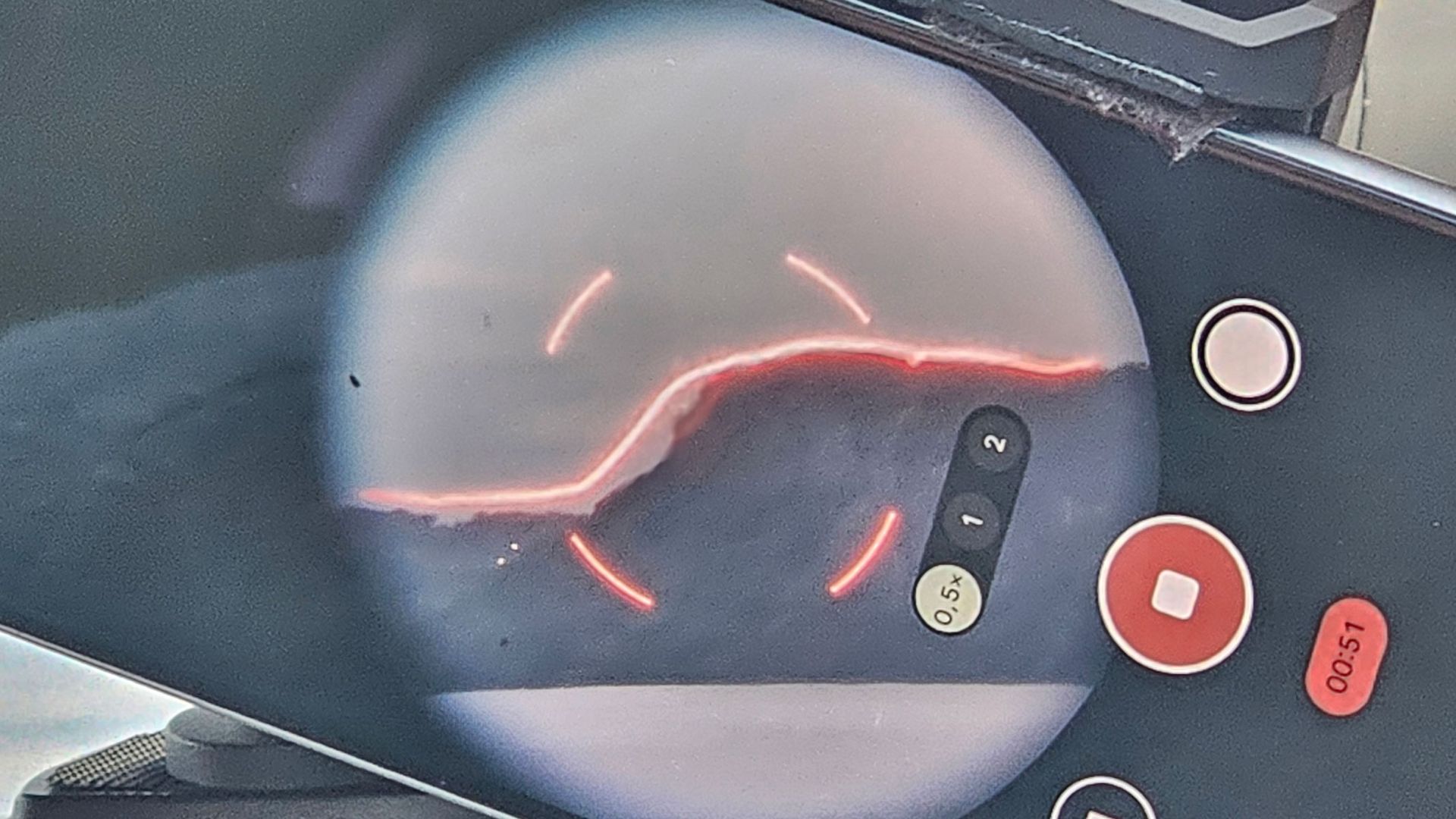
Our editor-in-chief Tariq Malik was very impressed with them during a demo and thought they felt like something from Star Trek. Tariq Malik / FutureControls on the right hand side of the model allow you to activate the AR overlay or just use them as regular 10x50 binoculars.Tariq Malik / FutureAt 10x magnification and with 50mm objective lenses, these smart binoculars also hit the key specs for stargazing binoculars even without the augmented reality (AR) overlay.Tariq Malik / FutureGuided navigation mode when paired with the Unistellar app helps guide you toward specific night sky objects that you want to observe.Tariq Malik / FutureOn top of night sky object identification, functionality for identifying geographical features is expected to be released soon. Tariq Malik / FutureThe red augmented reality (AR) overlay displays the name of your chosen target and helps you identify new parts of the natural world.Tariq Malik / Future
Unistellar have already shown their muscle in the smart telescope department with the Odyssey, eQuinox 2and eVscope 2 delivering easy and professional astrophotography to beginner and intermediate stargazers alike. Now they are pushing into the world of smart binoculars with the release of the Unistellar Envision smart binoculars.
These binoculars are "smart" in a different way to the rest of Unistellar's products. They use augmented reality to help users identify constellations, stars and deep sky objects, with a red overlay displaying names and information within the 10x magnified view. Our editor-in-chief got his hands on a pair of Envisions last year and was struck by how sci-fi they felt, likening them to something from Star Trek.
Whilst connected to the Unistellar smartphone app, users can select "Guided Navigation Mode" which guides them to their chosen target. This can also be used for custom targets that the user selects and can be used during shared viewing to help others find the same target. Functionality for geographical landmark identification is expected to be released in the coming months and subsequent software updates are expected to introduce new and exciting uses.
This Unistellar Envision pre-order guarantees delivery before Christmas, so if there is a stargazing obsessed loved one in your life, these smart binoculars could be the perfect gift. They are ideal for those who love adventuring and prefer dynamic skywatching with a new tool that boasts over 1,000 astronomical targets of interest and more than 200,000 visible stars in its database.
Key features: 10x magnification, 50mm objective lenses, porro prism design, weight 2.65 lbs (1.2 kg), five-hour AR battery life, operates without battery as classic binoculars, six-degree field of view, BaK-4 fully multi-coated optics, 1,000+ astronomy targets, +1,000,000 terrestrial targets (functionality expected to be released within the coming months).
Product launched: 2025
Price history: Unistellar did offer the binoculars for $999 for those who pre-ordered them last year but the current selling price is $1,499.
Reviews consensus: We tried them out before general release and were impressed with their augmented reality (AR) overlay which helped us identify stars and a geographical target.

 Login