❌

Reading view

TSMC Accelerates 1.4nm Chip Production to Arrive in April 2027

Taiwan Semiconductor Manufacturing Company (TSMC) is moving its manufacturing schedule forward by a full year. The supplier plans to start trial production for its next-generation 1.4-nanometer chips by April 2027 at its Taichung facility. By accelerating the timeline, the company expects to reach mass production in the second half of 2027 rather than waiting until […]

The post TSMC Accelerates 1.4nm Chip Production to Arrive in April 2027 appeared first on The Mac Observer.

  •  

Top chipmakers embrace ASML’s $400M machines, agree to crucial chipmaking change

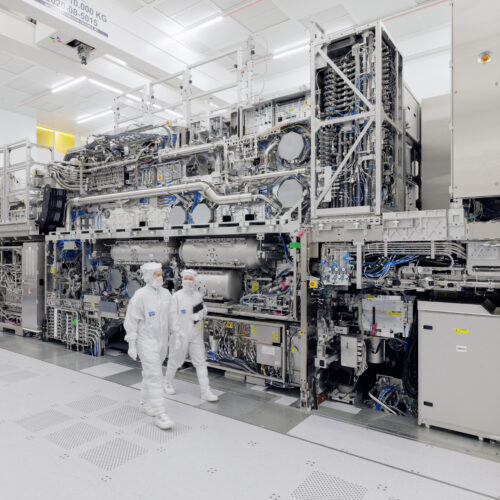
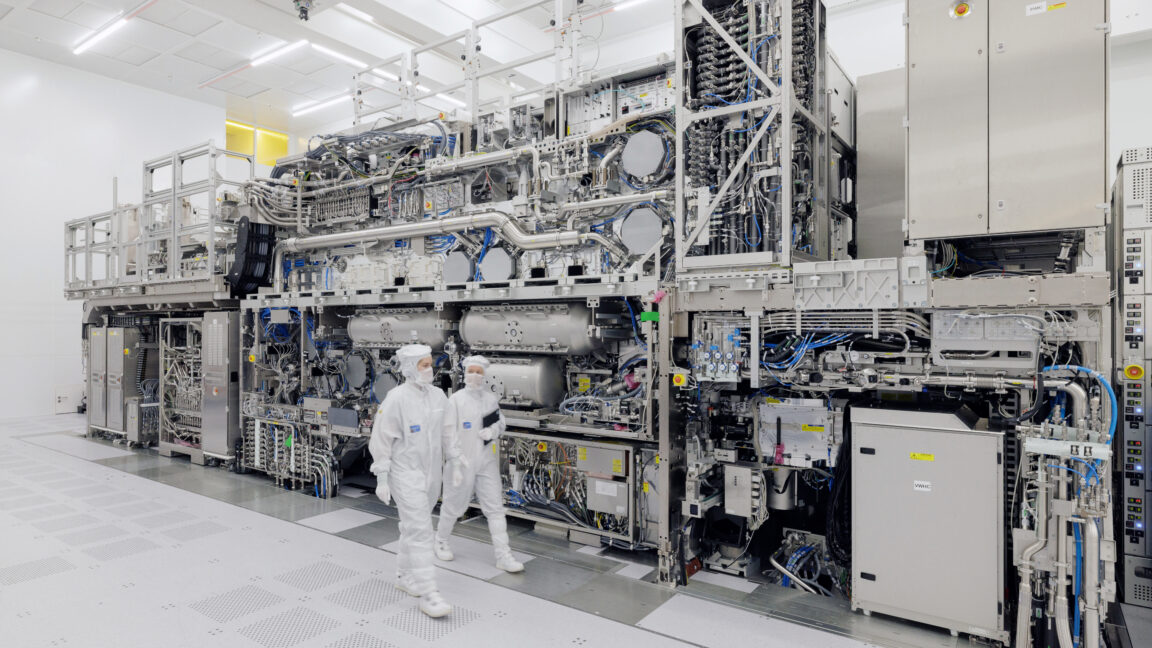
Leading chipmakers Samsung Electronics and Taiwan Semiconductor Manufacturing Co. announced plans to adopt ASML’s latest chipmaking machines in the next several years—and they also joined Intel in agreeing to a crucial technology change that could boost chip production on the new machines by 40 percent.

This signifies the semiconductor industry’s broader embrace of high NA EUV photolithography technology that can cost up to $400 million per machine and is only provided by the Dutch technology company ASML, Bloomberg reports. The technology would allow chip designers to implement even smaller features in potentially more powerful and efficient next-generation chips produced for AI data centers and consumer electronics such as smartphones, tablets, and laptops.

ASML’s EUV (extreme ultraviolet) lithography machines enable chipmakers to use powerful laser light to imprint patterns in silicon wafers, layer by layer, and gradually form the computer circuitry that makes silicon chips work. Compared to older deep ultraviolet lithography, EUV technology harnesses a more powerful source of light with a shorter wavelength to create even smaller features on silicon wafers.

Read full article

Comments

© Michel de Heer | ASML

  •  

Qualcomm vai subir os preços a partir de setembro. Será esta a oportunidade da MediaTek?

A Qualcomm já confirmou que todos os seus produtos, incluindo o futuro Snapdragon 8 Elite Gen 6 Pro, vão ficar mais caros a partir do próximo mês. A subida abre uma janela de oportunidade à MediaTek, que, segundo rumores da cadeia de fornecimento, poderá vender o Dimensity 9600 Pro por bem menos dinheiro aos fabricantes de smartphones.

The post Qualcomm vai subir os preços a partir de setembro. Será esta a oportunidade da MediaTek? appeared first on Tek Notícias.

  •  

Apple Silicon supplier TSMC to raise chipmaking prices by up to 10% in 2027

chips

Apple Silicon supplier TSMC, the world’s largest contract chipmaker, is planning to increase prices for both its cutting-edge and mature chip production services by up to 10% beginning in 2027, according to Nikkei Asia which cites sources familiar with the matter.

The hikes aim to offset surging costs for materials, manufacturing equipment, and the construction of new overseas fabrication plants. Negotiations with clients began around June and were finalized in July, with the new pricing scheduled to take effect at the start of 2027.

For advanced process technologies at the 7-nanometer node and below — which accounted for about 77% of TSMC’s revenue in the most recent April-June quarter — base price increases will range from 5% to 10%, depending on the customer and product. Additional high-performance computing orders exceeding original forecasts could face an extra 10-15% premium, potentially pushing total increases above 10% for some clients.

Mature-node production, including 12nm, 16nm, 28nm and legacy processes (representing roughly 23% of recent revenue), will also see increases of up to 10%, though some products will receive smaller adjustments.

Major TSMC customers include Apple, Nvidia, Google, Amazon, Qualcomm, Arm, and MediaTek. Industry executives noted that the company has taken a relatively measured approach by delaying the increases until 2027, giving clients time to adjust rather than implementing immediate hikes.

This move comes amid broader cost pressures in the semiconductor industry. Many chipmakers have raised prices this year to counter rising expenses for labor, materials, chemicals and logistics. TSMC’s own executives have highlighted the financial strain from overseas fab expansions and the ramp-up of 2-nanometer production. The company recently announced an additional $100 billion investment in Arizona and raised its 2026 capital spending plan to as much as $64 billion.

Responding to Nikkei questions, TSMC declined to comment directly on pricing, but described its strategy as “strategic, not opportunistic.”

MacDailyNews Note: During its July earnings briefing, TSMC Chairman C.C. Wei emphasized a philosophy of sustainable pricing to support long-term growth, stating that the company aims to maintain sufficient gross margins without sudden, drastic increases that could harm customers.


‎
Please help support MacDailyNews — and enjoy subscriber-only articles, comments, chat, and more — by subscribing to our Substack: macdailynews.substack.com. Thank you!

Support MacDailyNews at no extra cost to you by using this link to shop at Amazon.

The post Apple Silicon supplier TSMC to raise chipmaking prices by up to 10% in 2027 appeared first on MacDailyNews.

  •  

Taiwan indicts former TSMC deputy manager for alleged theft of national core technology trade secrets intended for China

TSMC

Taiwanese prosecutors on Monday indicted a former deputy manager at Taiwan Semiconductor Manufacturing Company (TSMC) for allegedly stealing trade secrets involving technologies designated as national core technologies, with the intent to use them in China.

The defendant, identified by the surname Chen, faces charges under Taiwan’s National Security Act and the Trade Secrets Act. Prosecutors are seeking a seven-year prison sentence.

According to the indictment, Chen conspired with a Hong Kong national between 2023 and 2024 to establish CSMAC, a semiconductor materials analysis company in China. He is accused of copying 21 TSMC documents containing national core technologies and other proprietary trade secrets for use in the new venture.

TSMC, the world’s largest contract chipmaker and a key supplier to companies such as Nvidia and Apple, detected the unauthorized copying through an internal investigation and successfully recovered all duplicated documents. The Hong Kong co-conspirator was not prosecuted because he had died. Chen remains in custody, and Reuters was unable to reach him for comment. TSMC declined to comment on the case.

Prosecutors described this as Taiwan’s first indictment involving the alleged theft of trade secrets related to technologies officially designated as national core technologies for intended use in China.

The case underscores heightened concerns in Taiwan over China’s efforts to recruit Taiwanese semiconductor talent and acquire advanced chip know-how. In response, Taiwan has significantly tightened protections for technologies deemed critical to its economic and national security.

MacDailyNews Take: TSMC clearly plays a central role in the global semiconductor supply chain, making the protection of its intellectual property a matter of strategic importance far beyond Taiwan’s borders.


‎
Please help support MacDailyNews — and enjoy subscriber-only articles, comments, chat, and more — by subscribing to our Substack: macdailynews.substack.com. Thank you!

Support MacDailyNews at no extra cost to you by using this link to shop at Amazon.

The post Taiwan indicts former TSMC deputy manager for alleged theft of national core technology trade secrets intended for China appeared first on MacDailyNews.

  •  

Trump admin secures record $265 billion TSMC investment in U.S. semiconductor manufacturing, adding 4 new facilities for total of 12

TSMC

In a major boost to American domestic manufacturing, the Trump Administration today announced that Taiwan Semiconductor Manufacturing Company (TSMC) is committing an additional $100 billion in investments for advanced semiconductor facilities in the United States. This brings TSMC’s total planned investment to $265 billion — one of the largest foreign direct investments in American history.

The announcement, made jointly by the White House and the Department of Commerce, highlights the success of strategic trade and investment partnerships, particularly the historic U.S.-Taiwan deal signed in January 2026. As a direct result, TSMC will build four additional advanced semiconductor manufacturing and packaging facilities, bringing its U.S. footprint to 12 leading-edge facilities, primarily in Arizona.

Building on Momentum

This latest expansion builds on previous commitments. TSMC’s original plans started at around $65 billion, which were later increased. The new infusion underscores sustained momentum under the current administration’s focus on reshoring critical supply chains.

In a statement, U.S. Commerce Secretary Howard Lutnick emphasized the job-creating impact, “President Trump’s leadership is driving companies to invest in American manufacturing. TSMC’s announcement of an additional $100 billion investment following our historic deal on trade and investment with Taiwan will create tens of thousands of American jobs and bring advanced semiconductor manufacturing back to America.”

TSMC Chairman and CEO Dr. C.C. Wei echoed the sentiment, crediting collaboration with the administration and strong U.S. customer demand, “We appreciate the strong collaboration and support of the Trump Administration, Secretary Lutnick and our leading U.S. customers… This is to support the strong multi-year demand from our leading U.S. customers, and we believe this investment will further foster the development of the U.S. semiconductor ecosystem, strengthen the supply chain, and support significant job creation in the United States.”

Economic and Strategic Impact

The investments are expected to generate significant construction and high-tech jobs, along with billions in indirect economic output. Beyond direct facilities, the broader U.S.-Taiwan trade and investment framework is catalyzing an additional $500 billion in Taiwanese investments — $250 billion in direct semiconductor and related enterprises, plus another $250 billion to strengthen the full supply chain in the U.S.

This move addresses long-standing concerns about reliance on overseas production for advanced chips, especially those critical for AI, defense, automotive, and consumer electronics. By expanding domestic capacity with a world-leading foundry like TSMC, the U.S. strengthens its position in the global semiconductor race while creating high-paying opportunities for American workers.

The Trump Administration’s approach, which combines diplomatic deals, incentives for onshoring, and a focus on national security, continues to yield concrete results in rebuilding America’s industrial base.
‎
MacDailyNews Take: With 12 state-of-the-art facilities on track, America is poised to capture a much larger share of advanced chip production. This not only bolsters economic competitiveness, but also enhances supply chain resilience against geopolitical risks.


‎
Please help support MacDailyNews — and enjoy subscriber-only articles, comments, chat, and more — by subscribing to our Substack: macdailynews.substack.com. Thank you!

Support MacDailyNews at no extra cost to you by using this link to shop at Amazon.

The post Trump admin secures record $265 billion TSMC investment in U.S. semiconductor manufacturing, adding 4 new facilities for total of 12 appeared first on MacDailyNews.

  •  

Apple supplier TSMC Q2 profit jumps 77% to record high, far surpassing expectations

TSMC

Taiwan Semiconductor Manufacturing Company (TSMC), a major Apple supplier and the world’s largest contract chipmaker, has reported an outstanding second-quarter performance that underscores the relentless momentum in the artificial intelligence sector.

According to Reuters, TSMC posted a 77% jump in second-quarter net profit on Thursday, beating market forecasts and hitting a record high, driven by surging global demand for its artificial intelligence processors.

“TSMC, the world’s largest contract chipmaker, posted a 77% jump in second-quarter net profit on Thursday, beating market forecasts and hitting a record, riding the wave of surging global demand for its artificial intelligence processors,” Reuters reports.

Taiwan Semiconductor Manufacturing Co. saw April-June net profit rise to T$706.6 billion ($21.99 billion).

The results significantly outperformed expectations. The profit handily beat a T$632.6 billion LSEG SmartEstimate, which is weighted toward forecasts from analysts who are more consistently accurate.

MacDailyNews Take: This strong performance highlights TSMC’s pivotal role in the global semiconductor supply chain, powering everything from advanced AI chips to consumer electronics. As demand for high-performance computing continues to accelerate (particularly for AI applications) TSMC’s results signal robust health not just for the company, but for the broader tech ecosystem.

TSMC’s record quarter serves as a powerful reminder of the transformative impact of artificial intelligence on the global economy.


‎
Please help support MacDailyNews — and enjoy subscriber-only articles, comments, chat, and more — by subscribing to our Substack: macdailynews.substack.com. Thank you!

Support MacDailyNews at no extra cost to you by using this link to shop at Amazon.

The post Apple supplier TSMC Q2 profit jumps 77% to record high, far surpassing expectations appeared first on MacDailyNews.

  •  

TSMC’s record Q2 revenue surge highlights AI boom and Apple’s strategic chip partnership

TSMC

According to the company’s latest report, Apple Silicon-supplier TSMC posted second-quarter revenue of approximately T$1.27 trillion (about $39.62 billion), marking a robust 36% increase from the same period a year earlier. This result slightly exceeded analyst expectations and set a new quarterly record, driven primarily by surging demand for AI applications.

For June alone, revenue climbed an impressive 67.9% year-on-year to T$442.68 billion, up 6.2% from the previous month. The strong showing pushed first-half 2026 revenue to NT$2.4 trillion, reflecting 35.6% growth.

Why This Matters for Apple

Apple relies heavily on TSMC for the cutting-edge processors that power its flagship devices, including the A-series and M-series chips in iPhones, iPads, and Macs. The Taiwanese foundry manufactures Apple’s most advanced silicon on leading-edge process nodes—technology also in high demand for AI accelerators.

This interdependence became particularly evident in Apple’s own Q2 fiscal 2026 results (ended March 2026), where the company reported record revenue of $111.2 billion. However, iPhone supply was constrained by limited availability of advanced chips from TSMC, even as demand for the iPhone 17 lineup was described as “explosive.”

TSMC’s latest revenue beat signals strong momentum in the semiconductor ecosystem that directly benefits Apple. As TSMC ramps up production of next-generation nodes (including preparations for 2nm processes), it positions Apple to deliver even more powerful, efficient devices in upcoming cycles, including enhanced AI capabilities across its product lineup.

Broader Context: AI Driving the Semiconductor Renaissance

TSMC’s performance isn’t isolated. The company serves as the foundry backbone for the AI revolution, producing chips for Nvidia’s GPUs and Apple’s custom silicon alike. With AI demand showing no signs of slowing, analysts expect TSMC to potentially raise its full-year guidance when it reports full Q2 earnings on Thursday.

For investors and tech enthusiasts, this news reinforces a key theme: companies with deep exposure to advanced chip manufacturing — like Apple through its close TSMC partnership — are well-placed to capitalize on both consumer innovation and enterprise AI growth.

TSMC’s shares rose modestly ahead of the data release, continuing a strong year that has seen the stock gain around 57%. As the earnings call approaches, all eyes will be on forward guidance and how the foundry plans to balance AI priorities with partners like Apple.

MacDailyNews Take: TSMC’s record quarter isn’t just good news for Taiwan’s tech sector, it’s a bullish indicator for Apple’s innovation pipeline and the broader tech industry’s AI-fueled future.


‎
Please help support MacDailyNews — and enjoy subscriber-only articles, comments, chat, and more — by subscribing to our Substack: macdailynews.substack.com. Thank you!

Support MacDailyNews at no extra cost to you by using this link to shop at Amazon.

The post TSMC’s record Q2 revenue surge highlights AI boom and Apple’s strategic chip partnership appeared first on MacDailyNews.

  •  

TSMC Plans Up To 12 Arizona Chip Factories, But You Should Be Skeptical

The chipmaker TSMC recently made a major announcement regarding its manufacturing efforts in the United States. While the company originally planned to build eight plants in Arizona, a new wave of investment might push that number up to 12. This expansion could mean more chips for Apple devices will be made domestically, but there are […]

The post TSMC Plans Up To 12 Arizona Chip Factories, But You Should Be Skeptical appeared first on The Mac Observer.

  •  
  •  

Samsung’s Texas fab enters production for Tesla’s AI5 chip on 2nm

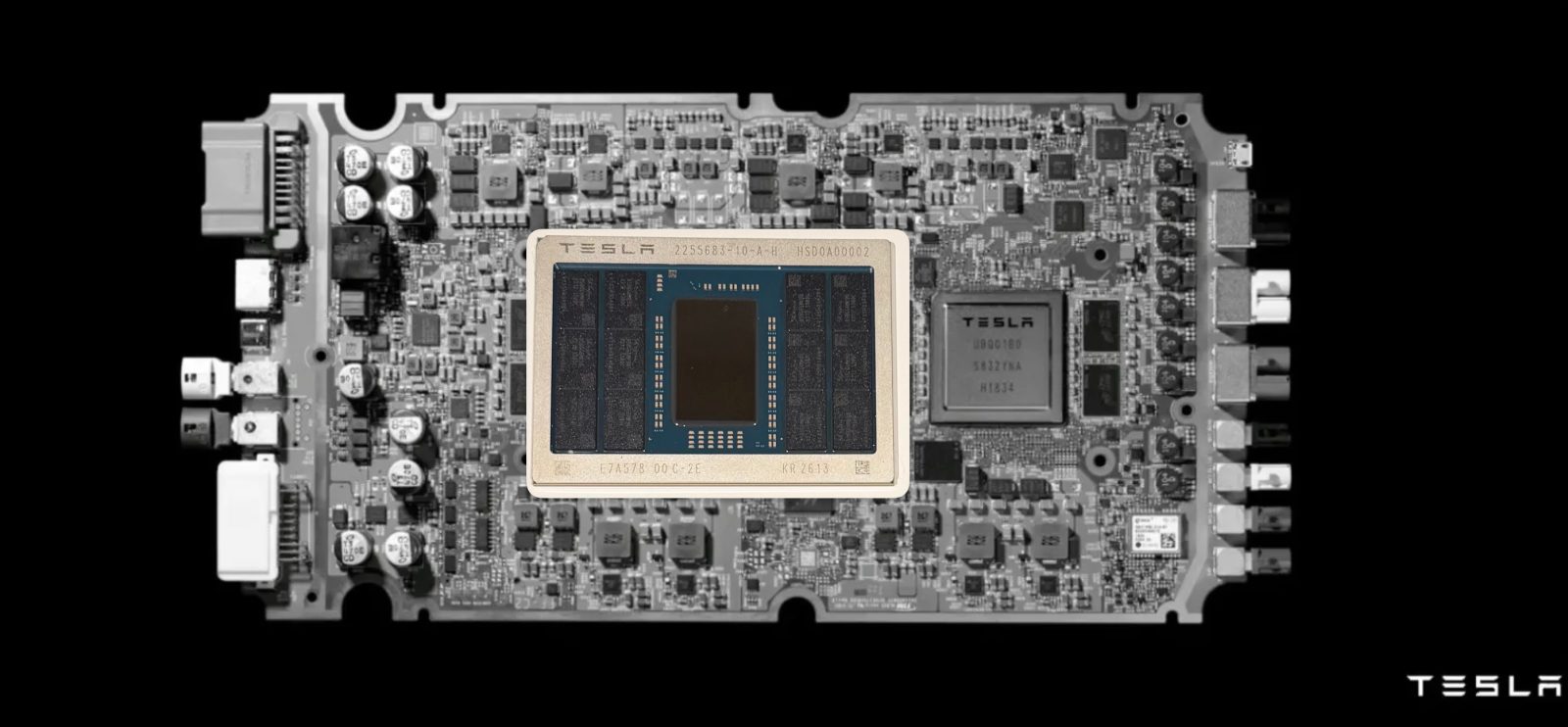
Samsung has completed its own version of Tesla’s AI5 self-driving chip and is preparing to start production at its foundry in Taylor, Texas, on the company’s latest 2-nanometer process, according to industry officials.

The move confirms Samsung is building AI5 on 2nm — a node that had been expected to debut with Tesla’s next-generation AI6 chip, not this one.

  •  

Google quer reduzir dependência da TSMC e negoceia a produção de um novo chip de IA com a Samsung e Intel

O próximo processador de IA da Google terá uma arquitetura de fabrico dividida. A TSMC deverá produzir o núcleo computacional, cabendo à Samsung o fabrico do componente de interligação à memória. A Intel poderá também entrar na equação com a produção da TPU.

The post Google quer reduzir dependência da TSMC e negoceia a produção de um novo chip de IA com a Samsung e Intel appeared first on Tek Notícias.

  •  

Da Asus à Lenovo: Estes são primeiros portáteis equipados com o “super processador” Nvidia RTX Spark

Depois daquela que foi considerada a mais relevante apresentação, até agora, na Computex 2026, está na altura de conhecer um pouco melhor o que é o Nvidia RTX Spark, e quais os primeiros equipamentos a virem equipados com o mesmo.

The post Da Asus à Lenovo: Estes são primeiros portáteis equipados com o “super processador” Nvidia RTX Spark appeared first on Tek Notícias.

  •  
❌