On October 16, the National Park Service (NPS)announced the latest additions to a growing list of designated World War II Heritage Cities. The park service began the program in 2020, as a way to honor local ties to history. Officials have since celebrated locations across 46 states and two territories, but there are many more places worthy of distinction.
The10 new cities and counties announced today span Alaska all the way to the U.S. Virgin Islands.
“These designations highlight the enduring legacy of service, sacrifice, innovation, and industrial achievement…and continue to shape our national story,” NPS Jessica Bowron said in a statement.
According to Bowron, this year’s selections include hubs for military manufacturing, training facilities, and logistical centers integral to Allied campaigns. In Aurora, Colorado, Fitzsimons General Hospital cared for wounded returning service members, while the city of Pendleton, Oregon, featured an airfield that trained B-25 crews that later participated in the Doolittle Raid. Meanwhile, South Charleston, West Virginia’s Naval Ordinance Plant supplied invaluable inventories and was largely staffed by local women and Black workers.
A full list of the latest entrants can be found below:
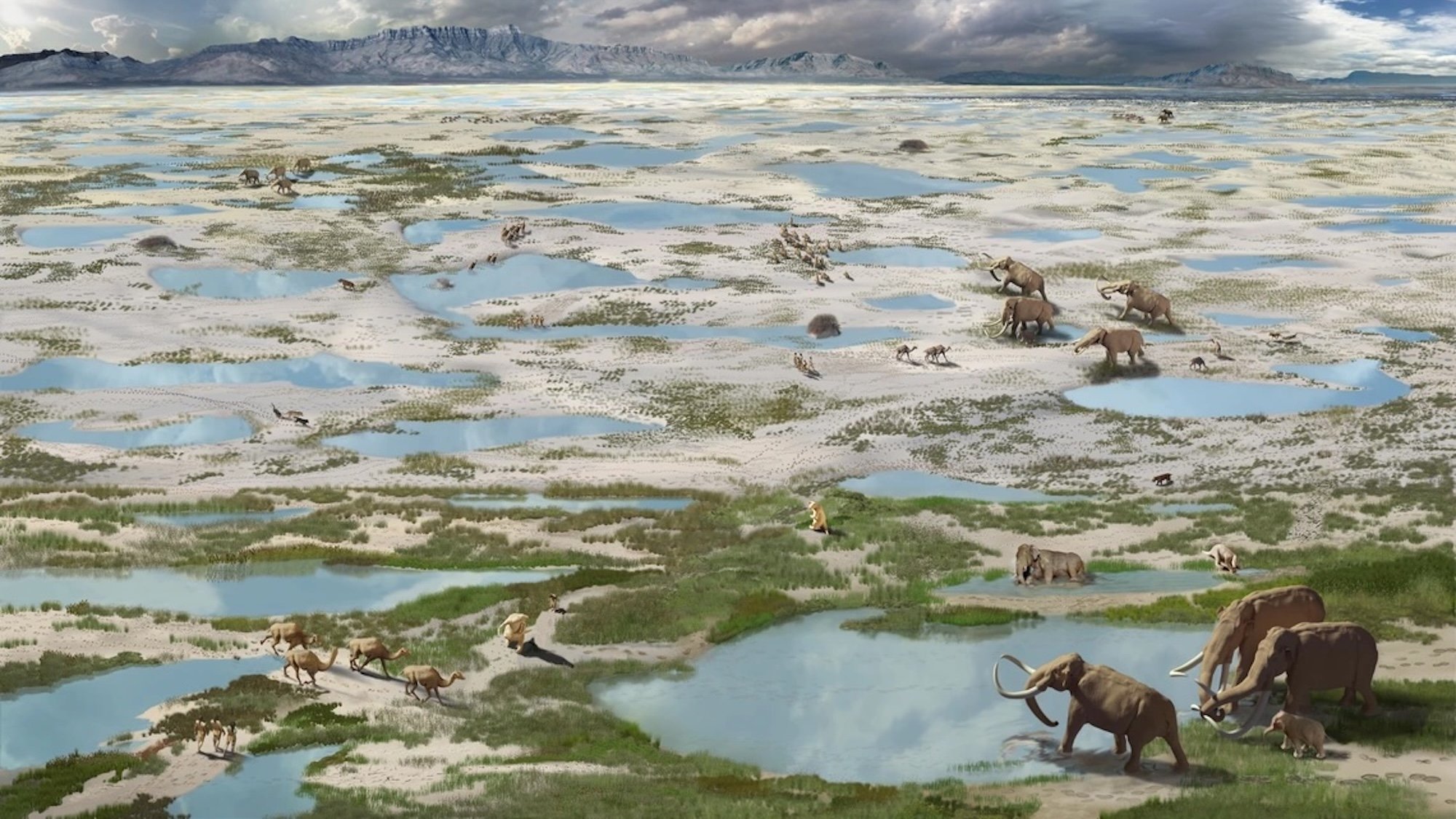
An extensive new analysis further confirms the oldest known human footprints in North America date back to the last ice age (about 23,500–21,700 years). To pinpoint their origins, researchers at the University of Arizona relied on cutting-edge methods at the United States Geological Survey (USGS) Radiocarbon Laboratory to examine hundreds of thousands of prehistoric pollen grains extracted from the tracks. According to researchers writing this week in the journal Science Advances, the team can even describe some of the dramatic environmental fluctuations experienced by these prehistoric humans within a single generation.
New Mexico’s White Sands National Park contains more than stunning vistas and desert dunes. It’s also home to one of the most controversial (and consequential) prehistoric discoveries of the last century. In 2006, archaeologists located footprints inside a dry lakebed that they later determined to be the earliest evidence of humans in North America. But there was a problem. Until then, researchers largely agreed that the first humans migrated into the continent about 16,000–12,000 years ago via Beringia, the subcontinent once connecting Alaska to Russia.
However, the White Sands footprints were estimated to be around 23,000 years old. That implied a sustained human presence on the continent at least seven millennia earlier than expected. Various archeological camps continued debating the true age of the White Sands footprints for years, while others cited similar—and sometimes older— sites in both North and South America. Meanwhile, the dry lakebed’s rarely seen geological conditions allowed researchers like University of Arizona geoscientist Jessica Tierney to learn more than each footprint’s age.
“The White Sands sediments are unique in that they allow us to reconstruct environmental conditions during the last ice age at a very high temporal resolution, so that we can see fluctuations that were relevant for the humans present at that time,” Tierney said.
Combining geochemical sediment signatures with the fossilized pollen, researchers accurately determined ancient regional details such as plant distribution, precipitation, temperature, and aridity. They soon learned that the humans who made the White Sands footprints would have experienced incredibly dramatic environmental shifts within their own lifetimes. Within only a few decades, the surrounding conifer forests transformed into plains covered with oak and sage. Lake Oterio, a giant body of water that once covered New Mexico’s national park, fluctuated in size for about 1,500 years until it receded completely. Although these shifts were large, they actually closely followed similar global climate changes at the time.
“And throughout that whole sequence, people were walking there, leaving their tracks alongside those of mammoths, giant sloths and dire wolves,” added Tierney.
Your eyes really can betray your thoughts, but don’t get too self-conscious about it. Researchers in Japan believe that the subtle signs our eyeballs make are more useful to neuroscientists than the interrogation room. Based on their findings recently published in the journal iScience, examining the difference physiological responses from “inner” versus “overt” speech may help us better understand everything from linguistic development in children to the efficacy of silent pep talks.
To learn more, a team at the University of Tsukuba in Honshu enlisted dozens of volunteers for a series of simple counting exercises. After observing the participants at rest while thinking about nothing in particular for a control, researchers then asked them to count sequentially (1, 2, 3…), in number-subject combinations (one dog, two dogs…), and in specific intervals (1, 3, 5…). They also completed each task both silently and aloud. In each phase, the team carefully monitored their pupil dilation.
The results were subtle, but striking. Participants’ pupils dilated during each overt speech task, but this same muscle movement depended across each inner speech directive. Pupils constricted while volunteers silently counted sequentially, dilated for interval counting, and didn’t change at all for number-subject counting. But regardless of the inner speech task, pupil size changes were always smaller than they were during overt speech.
“The results of the present study do not support the initial assumption that inner and overt speech produce equivalent pupillary responses,” the team summarized. “Across the three experiments, overt speech consistently elicited pupil dilation, whereas inner speech did not.”
This collective data indicates that our inner speech isn’t simply the nonverbal counterpart to talking aloud. Instead, it’s a form of communication that appears to correspond to lower levels of brain arousal. If true, measuring pupil dilation may become a valuable tool when attempting to assess internal language and thinking. This could be particularly useful for studying language development in young children and infants who can’t properly describe their experiences to adults yet.
Almost one year ago, paleontologists finally settled a longstanding debate about Tyrannosaurus rex, arguably Earth’s most famous dinosaur. After reviewing decades of mounting evidence, researchers documented around 150 morphological differences across multiple supposed juvenile T. rex skeletons. Instead of young dinosaurs, these were actually adult examples of an entirely separate species now known as Nanotyrannus lancensis.
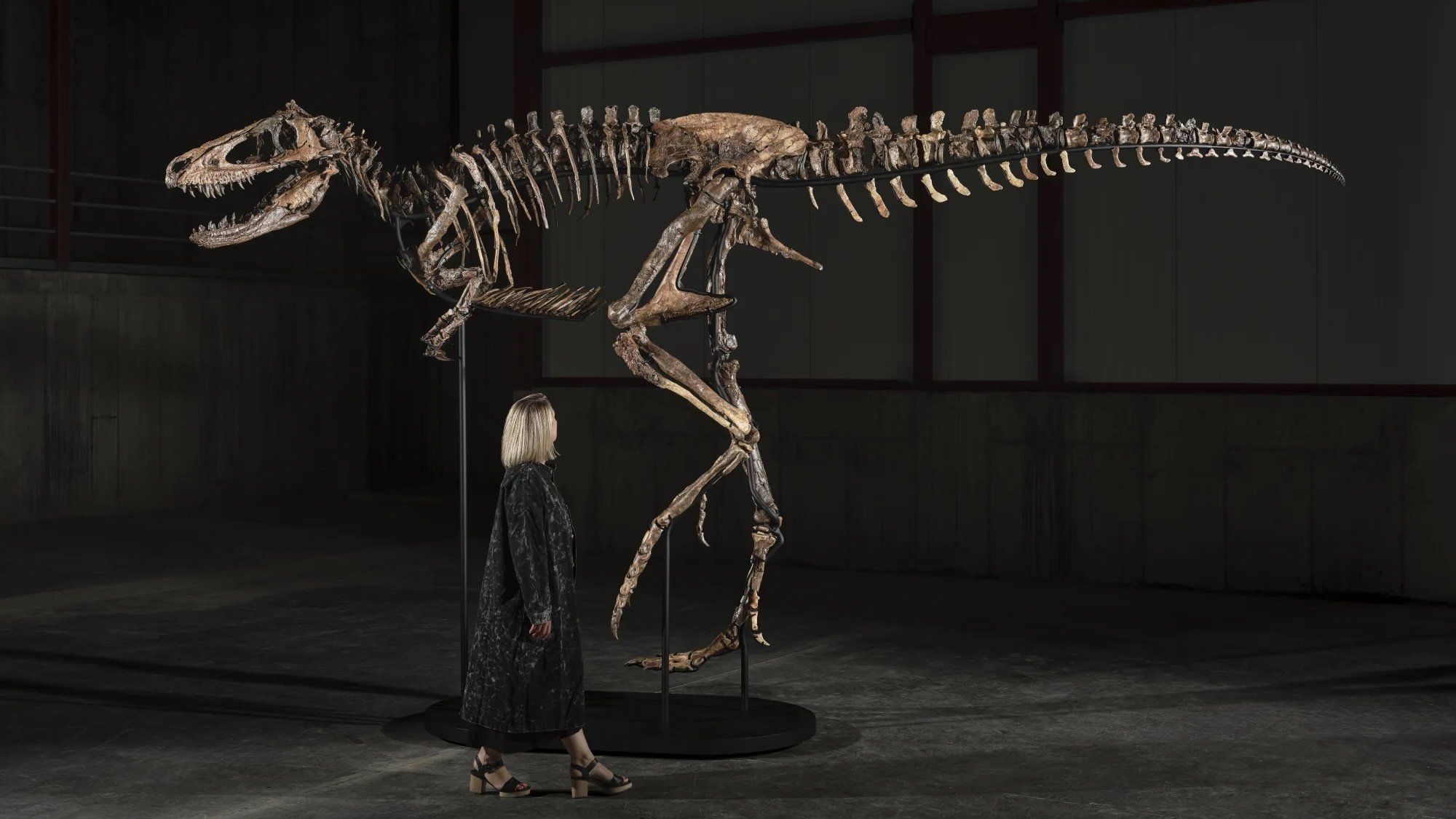
While Nanotyrannus was dwarfed by its massive relative, itstill reached an impressive 18 feet long and weighed as much as 1,500 pounds. But while it may have lost some of its cultural cache during the rebrand, a well-preserved specimen nicknamed Jodi may still sell for upwards of $9 million at an upcoming auction.
“It completely changes what we understand about the Cretaceous,” Cassandra Hatton, Sotheby’s head of science and natural history, said during a recent interview.
Paleontologists first suspected the existence of a separate species after discovering a uniquely proportioned skull at Montana’s Hell Creek Formation in 1946. Back-and-forth arguments about the dinosaur’s true identity continued for the next 80 years, but the ramifications weren’t simply a matter of semantics. If confirmed, it meant T. rex wasn’t the only tyrannosauroid roaming North America during the late Cretaceous period.
Jodi is a relatively new find. Named after the Montana rancher who found it, Jodi Pierson, the skeleton was excavated at the Hell Creek Formation in 2019, and is estimated to be about 55 percent complete. It features all four of its claws as well as 35 teeth in a nearly complete skull. According to the Sotheby’s auction listing, Jodi stands about 6.5 feet tall and measures 19.6 feet from nose to tail. The mounted dinosaur includes all of its surviving fossilized bones along with 3D-printed and sculpted additions to fill in the paleontological gaps.
Jodi will officially go up for auction on October 27 in New York City, where she is expected to sell for $6–8 million. The final price may still surprise bidders, however. In July, auctioneers estimated that a nearly complete T. rex named Gus would sell for $30 million. Gus blew that out of the water, ultimately fetching over $50 million.
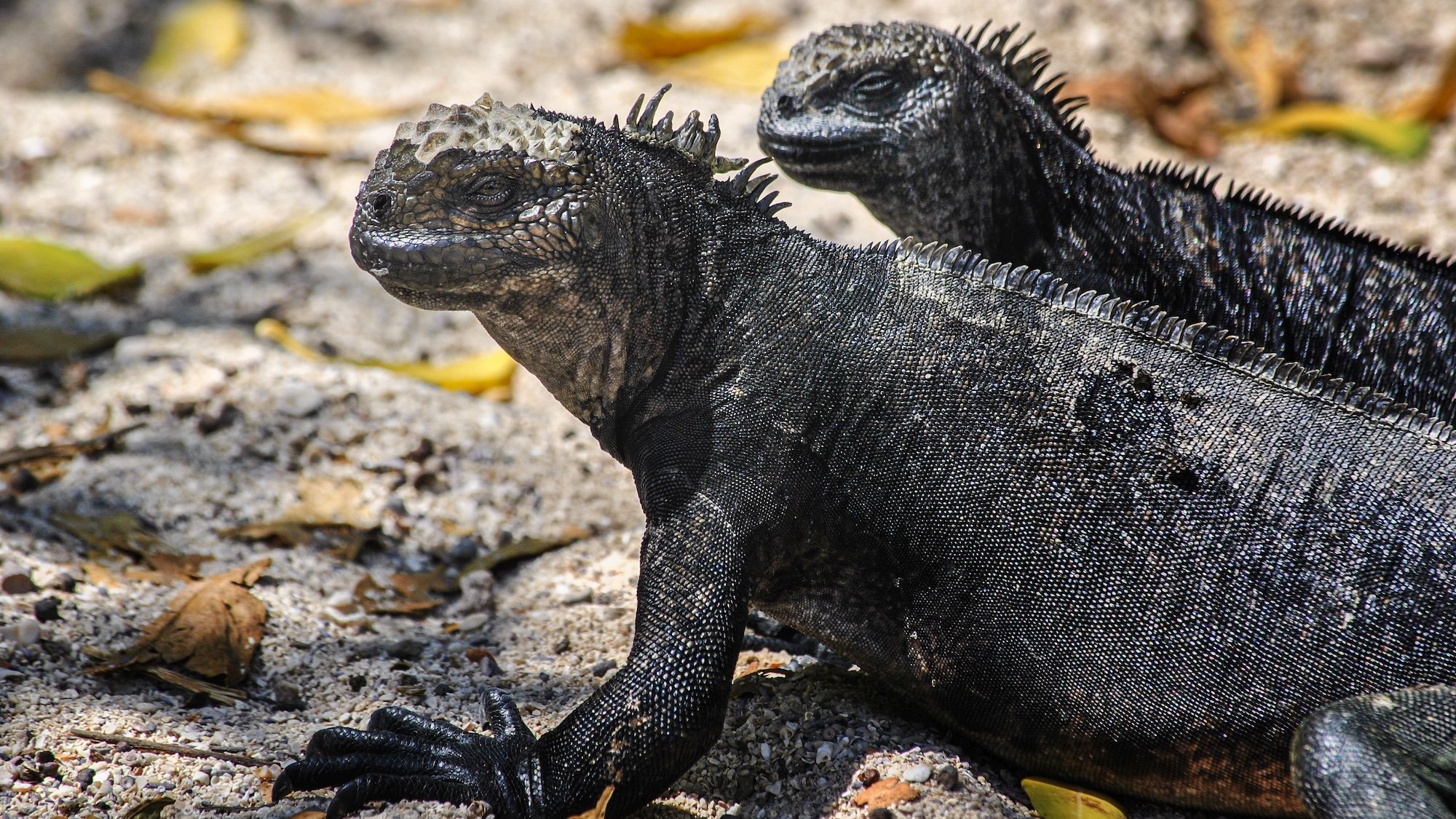
Marine biologists are sounding the alarm on behalf of the Galápagos Islands’ marine iguana (Amblyrhynchus cristatus). Without tightened regulations on the often abused exotic pet trade, researchers warn that a recent “strange uptick” in illegal animal trafficking combined with this season’s Super El Niño is further endangering the already vulnerable reptiles living on the Eastern Pacific archipelago.
“They are already shrinking in size and facing mass mortality, either by starvation or by trying to swim longer distances in search of food,” Juan José Alava, a marine ecotoxicologist at Canada’s Simon Fraser University, explained in a recent letter published in Science.
The marine iguana family encompasses at least 11 known subspecies, each specially evolved to live on the Galápagos Islands. They are the only reptiles in the world capable of foraging underwater for macroalgae, which makes up the majority of their diet. Although iguana colonies remain relatively stable, the International Union for Conservation of Nature (IUCN) still lists them as Vulnerable due to predators, mounting pollution issues, and cyclical El Niño events. Ten of the 11 recognized subspecies are also locally classified as either Critically Endangered or Endangered. Sale of iguanas is banned under the Convention on International Trade in Endangered Species of Wild Fauna and Flora (CITES), but a recent uptick in illegal trafficking along with increasingly dramatic climate shifts is adding more stress to the situation.
Ecuadorian authorities have caught people attempting to smuggle iguanas multiple times this year. In May, officials discovered at least a dozen animals inside handbags at an airport that were bound for illegal markets. Law enforcement found another 32 tied up inside a suitcase intended for similar buyers in August. Many trafficked iguanas won’t survive the stress and rough handling, but even rescued reptiles face challenges. Because subspecies are evolved to live on specific islands, ecologists must test each rescued iguana’s DNA to determine where to return them.
Smuggling hasn’t been seen within the Galápagos Marine Reserve itself, but Alava and his colleagues theorize that smugglers are capturing iguanas near Ecuador’s coastal shorelines. Traffickers then obtain CITES permits that falsely declare the reptiles are captive bred in other nations, even though no such authorized facilities actually exist. Often, smugglers are only engaged in the industry out of financial necessity or coercion.
“Artisinal fishing communities from Galapagos and coastal Ecuador, who are facing severe socioeconomic hardship and expanding organized crime activities, may feel pressured to participate in this international black market,” the letter’s authors wrote.
Conservationists are now urging a multifaceted approach to protect the animals. CITES representatives need to close existing permit loopholes, while the Ecuadorian government should focus on simultaneously breaking up organized crime and providing economic aid to struggling communities.
“Maintaining global ocean observing systems is essential, and extreme marine event forecasting and response capabilities are improving,” the authors wrote. “But responsibility and action remain fragmented across environmental [organizations], fisheries, and emergency management, and public health agencies.”
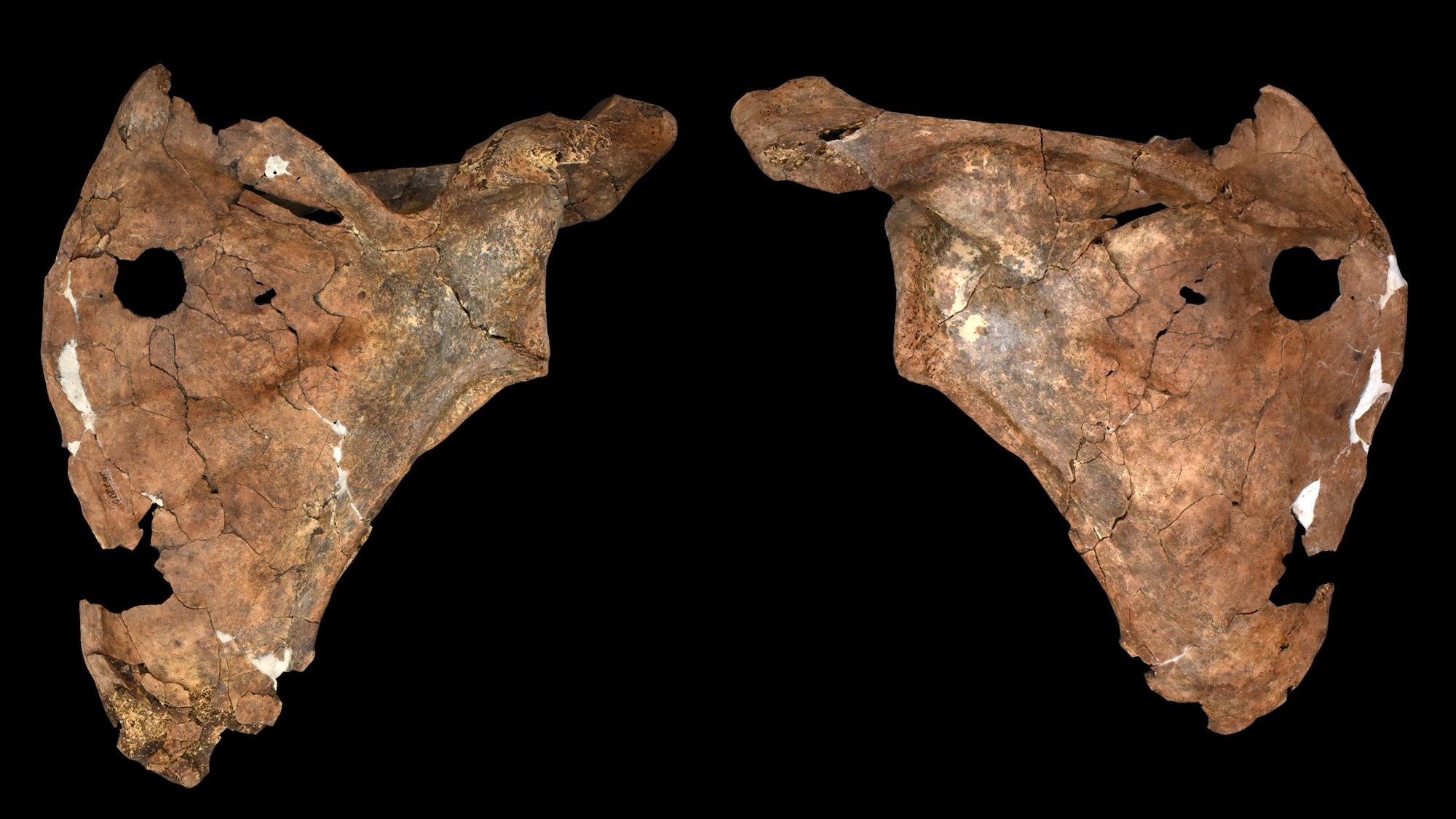
A small puncture wound through a 75,000-year-old Neanderthal shoulder blade may be the earliest evidence of death by spear on humanity’s family tree. Given forensic details such as the entry angle and overall damage, researchers believe the injury was made as an intentionally fatal “heart shot” that killed the ancient hominin within moments. The discovery is detailed in a study published today in the journal Scientific Reports.
In addition to the grisly injury, the nearly translucent bone itself makes this evidence even more striking.
“It’s extraordinary to have a perfectly preserved scapula from 75,000 years ago. These bones are so thin that you often don’t get complete scapulae from modern burials,” explained University of Cambridge archaeologist and study co-author Emma Pomeroy. “We were able to lift it out in one piece from under almost eight meters [roughly 26 feet] of rock and sediment.”
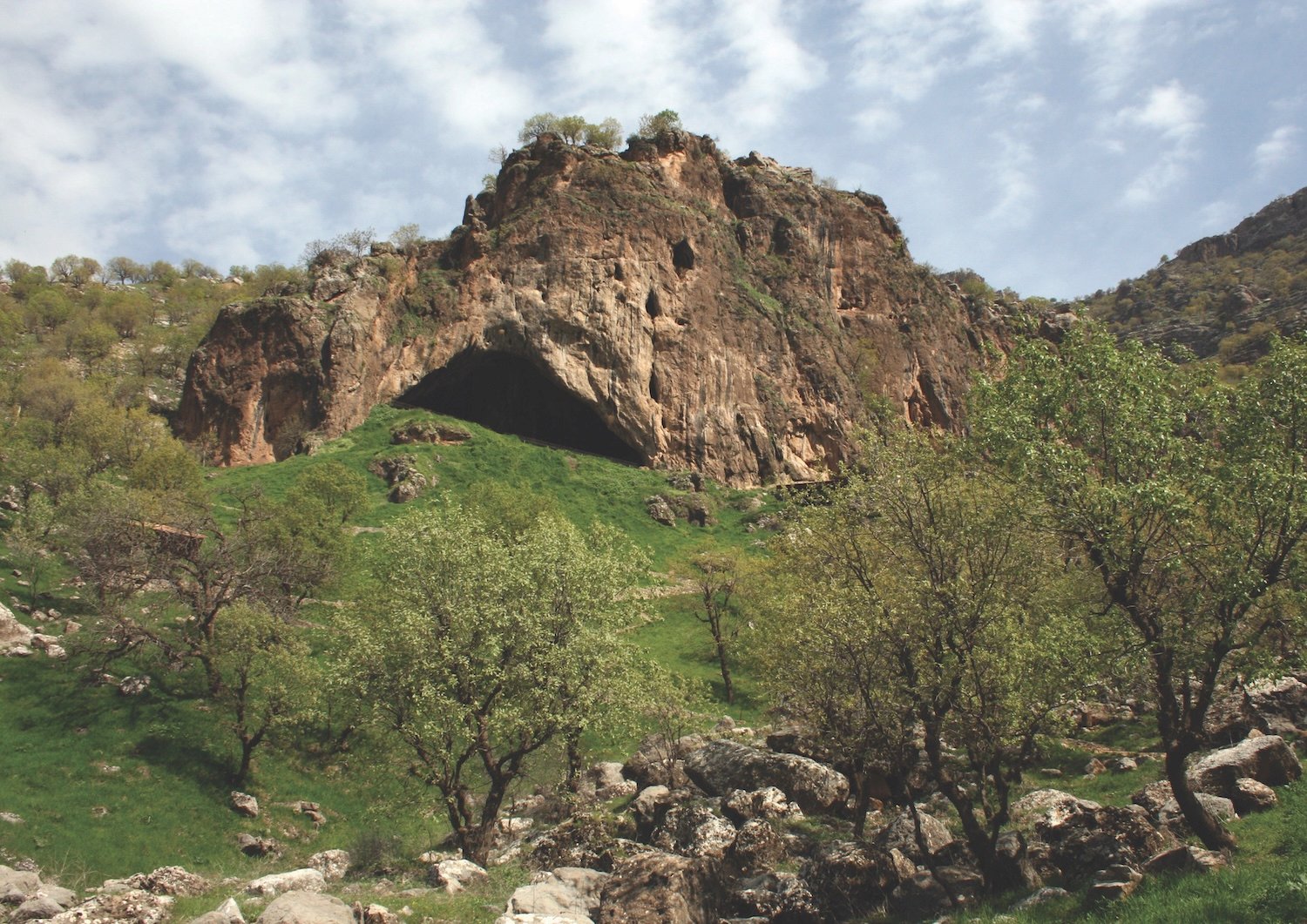
Pomeroy and her colleagues excavated the remains from inside Shanidar Cave, an archaeological site in Iraqi Kurdistan famous for containing evidence of ritualistic Neanderthal burials. The roughly 0.6 inch, nearly circular perforation on the bone was likely made with a wooden spear, since a stone or flint tip would create a flatter injury and leave behind microscopic mineral shards. The individual who inflicted the fatal injury drove the spear downward through the victim’s left chest cavity from the front, piercing major arteries and the lungs before creating the hole in the left scapula.
Located in Iraqi Kurdistan, Shanidar is a famous cave containing what appears to be early examples of Neanderthal funeral rituals. Credit: Graeme Barker
Remnants of a wooden spear weren’t found near the Neanderthal’s remains, which is understandable since the material often decomposes so quickly. That said, prior archaeological digs have revealed similar prehistoric wooden weapons dating as far back as 400,000 years. Pomeroy’s team believes a rounded spear carved from wood almost certainly caused the killing blow.
“Holes left by recreations of spears from this time are an excellent fit for the one we found in the Neanderthal scapula. That early technology absolutely works for this wound,” said Pomeroy.
Although it’s possible that a mishap like a hunting accident was the cause of death, Pomeroy argues the cumulative details suggest something far more purposeful.
“The position of the wound and the force required to push it right through the Neanderthal’s body bear the hallmarks of an intended kill shot directed towards the heart,” she added.
Another major injury the victim sustained before the possible stabbing supports this hypothesis—and complicates the story. In addition to the scapula, archaeologists documented a pair of left ribs, a right rib fragment, a nearly complete right hand, and seven teeth. Collectively, the remains indicate the Neanderthal was about 45 years old at the time of death. However, dental damage reveals the individual suffered a severe blunt-force blow to the front of the face at least a year before death. This injury split a lower front incisor lengthwise and even rotated some teeth inward.
“There’s no doubt that [they] would have had difficulty communicating and been in absolute agony for a long period of time,” said Pomeroy.
Despite this blow to the mouth, the Neanderthal survived for months or even years. This was only possible because others must have cared for the individual, including duties as simple as preparing softer foods to eat. In this sense, there is a distinct possibility the spear wound was a final, merciful act by someone close to them. According to Pomeroy, the prehistoric scene showcases both the highs and lows of what it means to be a human.
“On the one hand, we have evidence of a terribly violent end,” she said. “On the other, this was clearly an individual who was cared for during their lifetime.”
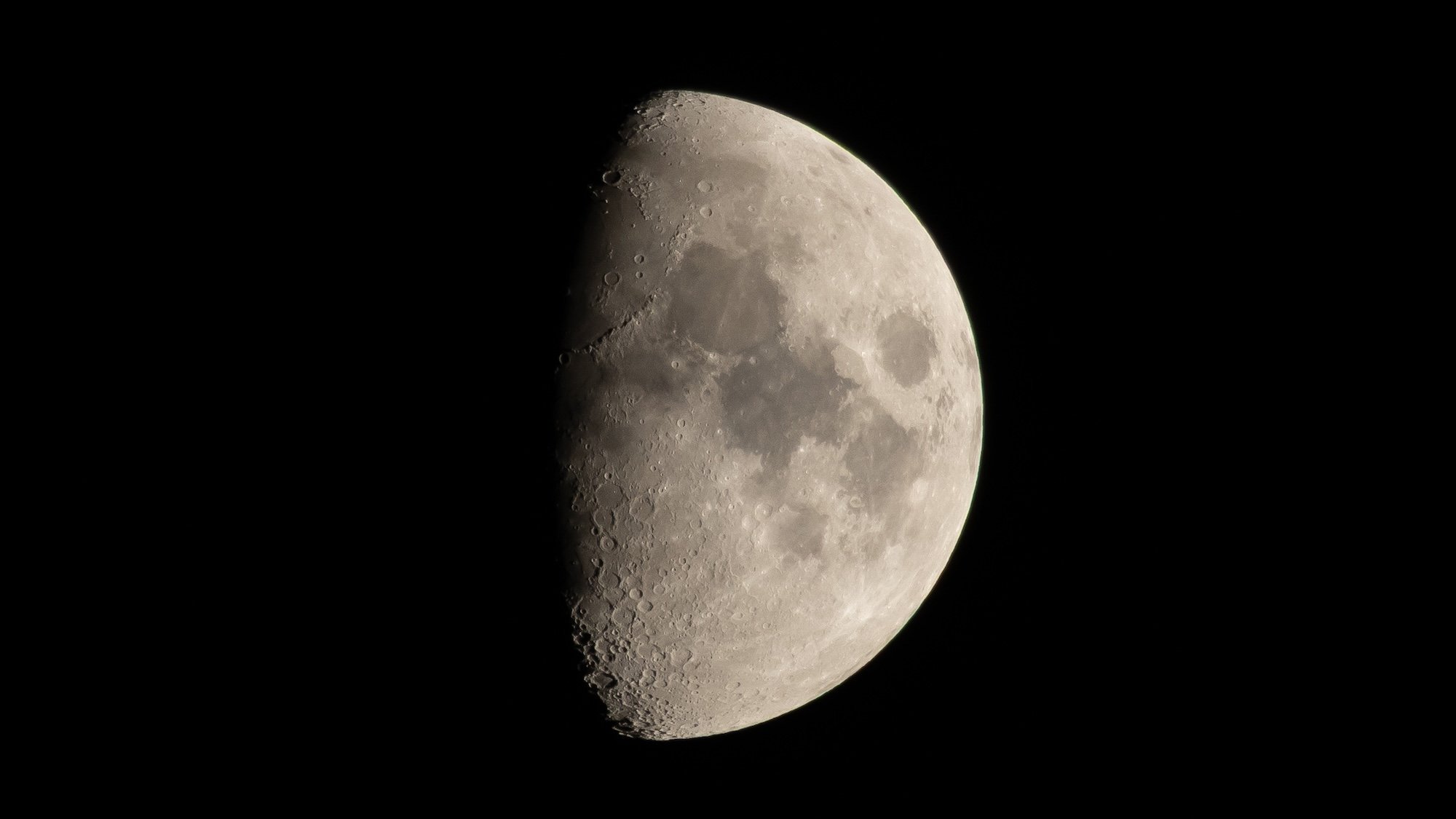
It’s true, the moon is shrinking. And astronomers now know how fast it’s contracting. While only satellite observations and the most delicate instruments can detect these shifts, the consequences of this shrinkage means moonquakes can occur anywhere on the lunar surface at a moment’s notice.
A team led by Smithsonian National Air and Space Museum planetary geologist Thomas Watters detailed their findings in a study recently published in The Planetary Science Journal. Researchers used data from NASA’s Lunar Reconnaissance Orbiter Camera (LROC), which has spent over 17 years generating millions of images of the moon’s surface. A shriveling lunar landscape may sound dramatic, but it’s occurring at a glacial pace. Based on these new calculations, the moon’s overall radius has decreased nearly 148 feet over the last 400–800 million years as it continues to cool. That’s about 2.4 to 4.3 inches per million years, or just 0.1 micrometer annually.
Although slow, the incremental activity’s effects are visible everywhere. On Earth, about 90 percent of all seismic activity occurs near the boundaries between lithospheric plates. But unlike its host planet, our moon is encased by a single, shell-like plate. This means interior cooling can generate slips and faults anywhere at any given time. After reviewing images taken by the LROC, the study’s authors tallied over 10,000 visible lunar faults.
“The number of these young faults revealed in LROC images is much greater than I ever imagined,” said Watters. “As the interior of the moon continues to cool and contract, it is expected that the growth of existing faults and formation of new faults continues today.”
While the faults can happen anywhere, some lunar regions are more likely than others to feature them. Areas with the thickest crust have fewer faults, which indicates they may be more stable than other, thinner sections. In addition to better understanding lunar history, the distribution and frequency of moonquakes may also help NASA better plan for a long-term human presence on the moon.
Even after decades of meteorological advances, weather forecasting remains infamously difficult. Today’s most trusted models are rarely accurate beyond a two-week window due to a constant cascade of atmospheric and climatic variables. These unpredictable meteorological interactions are the foundations of chaos theory. The interdisciplinary field studies how even the world’s most predictable systems can still produce completely unpredictable results, and was first developed by MIT mathematician Edward Lorenz during the 1970s.
“He came up with this theoretical two-week limit where beyond that, we just can’t predict weather because the noise in the system grows so much that it overwhelms any signal you start with,” Judah Cohen, a climatologist also at MIT, explained.
According to Cohen, many climate researchers continue to view Lorenz’s two-week hurdle as insurmountable. And that assumption has largely proven true for nearly 50 years. Even today’s dynamical simulations and artificial intelligence models begin to break down when attempting to predict conditions two-to-six weeks in the future—a window known as subseasonal forecasting. Nicknamed the “predictability desert,” this range runs into slow-moving, highly variable forces like this year’s super El Niño event. Once those factors enter the equation, forecasting becomes more of a roll of the dice l than anything concrete. However, Cohen has had his suspicions about chaos theory’s limitations.
“I never really believed that completely,” he said. “In theory, the atmosphere can create an infinite number of patterns, but it likes to fall into these favorite patterns over and over again.”
To try and break this forecasting barrier, Cohen and his colleague Lester Mackey have spent years developing an AI system that not only minimizes forecasting errors, but learns from its inevitable mistakes through a method called postprocessing. With postprocessing, the AI improves by comparing the inaccuracies with existing historical data, and then adjusts from there.
Cohen’s team recently submitted three versions of their model featuring the postprocessing system the European Center for Medium-Range Weather Forecasts (ECMWF). Widely known as the world’s best forecasting hub, the ECMWF also hosts seasonal competitions that pit the latest prediction models against one another. Most of these systems have relied on historic climate averages to reach their conclusions, but this was the first time a group submitted a program with postprocessing capabilities.
Cohen and his colleagues reported their results in a study published today in the journal Nature. Their AI postprocessing integration blew the existing forecasting models out of the water. For the two-to-six-week subseasonal window, researchers doubled overall prediction accuracy. Such massive improvements could soon help the farmers and energy providers who already rely on subseasonal forecasts, but the benefits may even save lives.
“It also improves predictions of extreme weather events, whether it’s flooding or cold spells or something else,” said Cohen. “It’s really important to predict both, but extreme events might be the most impactful part of this for society.”
Many researchers have long presumed subseasonal forecasting to be a dead end, but the latest leap may clear the way to even bigger advances in the field.
“People have questioned if it’s even worth investing in models at all for this time range,” said Cohen. “[But] we consistently beat climatology averages with our models.”
One of history’s most famous baseball cards is up for auction, and bidding has already surpassed $1 million with days left to go. Its official name of the 1909-11 T206 White Border Sweet Caporal 150/25 Honus Wagner PSA Authentic (Restored) is quite the mouthful, but Heritage Auction’s nickname for the memorabilia is much easier to remember. Simply put, the incredibly rare piece of history is the “Holy Grail” of baseball cards.
“The T206 Wagner is the foundational trophy of baseball card collecting,” Heritage’s director of sports auctions Chris Ivy said earlier this month.
Honus Wagner remains one of the sport’s most revered players even nearly 130 years after first stepping onto a professional field. The son of a German immigrant coal miner, the “Flying Dutchmen” is best known for his tenure as a shortstop for the Pittsburgh Pirates from 1900 through 1917. Wagner ultimately became an eight-time batting champion and was one of the original inductees into the Baseball Hall of Fame in Cooperstown, New York, in 1937.
However, Wagner reportedly didn’t accept every accolade.Legend has it that he demanded Kinney Brothers Tobacco Company stop printing collectible cards featuring his portrait after learning they were using them to promote Sweet Caporal cigarettes. The extremely limited run of cards translated to an unprecedented collectibility that lingers to this day.
The T206 Wagner is only the sixth of its kind ever sold by Heritage Auctions, and its current bid stands at $1,025,000. The bidding will run until October 25, and the sellers anticipate the card will auction for at least $3,000,000. And there is precedent to back up the high price tag. Earlier this year, a similar 1909-11 T206 Piedmont Honus Wagner SGC Authentic sold for over $5.8 million.
Crossword puzzles range from those easy elementary school-level varieties up to nightmarish labyrinths of text. But crafting even the most simple versions remains its own artform. Seamlessly combining dozens of answers into a coherent, functional grid often requires years of practice, but digital strategist and creator Tex Jernigan has designed an impressive tool to level the playing field, so to speak: Crossword Generator.
“Making my own puzzles is something I wanted to do for my neighborhood coffee shop, and [I] started working on it many years ago,” Jernigan, who also recently debuted a vintage Blockbuster VHS sleeve maker, tells Popular Science. “I thought I would be able to have a huge list of theme words, but it can be quite difficult to get more than a small handful of theme words to work.”
Crossword Generator’s creator designed a custom edition for ‘Popular Science’ available for free online. Credit: Tex Jurnigan
To use Crossword Generator, creators first pick a grid size, then choose either a pattern with pregenerated or manually entered black squares. Next, creators have the option to fill the grid with a few specific words, or simply let the program create an entire puzzle itself. Either way, Crossword Generator employs a constraint solver to scour a database of hundreds of thousands of words, then starts plugging in potential options on a trial-and-error basis. Preference is given to more common, everyday words instead of particularly obtuse selections. Any words entered by a user remain locked in during the generation process, and the prom works around those as it fills in the blanks. Crossword Generator starts in English, but supports 27 other languages including Spanish, Russian, and Japanese.
While Jernigan’s constraint solver doesn’t rely on artificial intelligence, another generative program does use Google Gemini to crossmatch every word with a dictionary-based clue. That said, anyone can simply erase those and create their own hints to ensure their customized crosswords are as human-centric as possible.
“In my experience, AI isn’t very good at building a crossword from scratch, because it can’t reliably make every word cross,” Jernigan explained on his website. “It works much better as a partner to the solver.”
Crossword Generator is free for creating and printing up to 13×13 puzzles, but a subscription service opens up New York Times-style grids ranging from the 15×15 through 23×23 Sunday editions. But if solving crosswords is more your thing than creating them, you can start working on Jernigan’s exclusive Popular Science-themed puzzle.
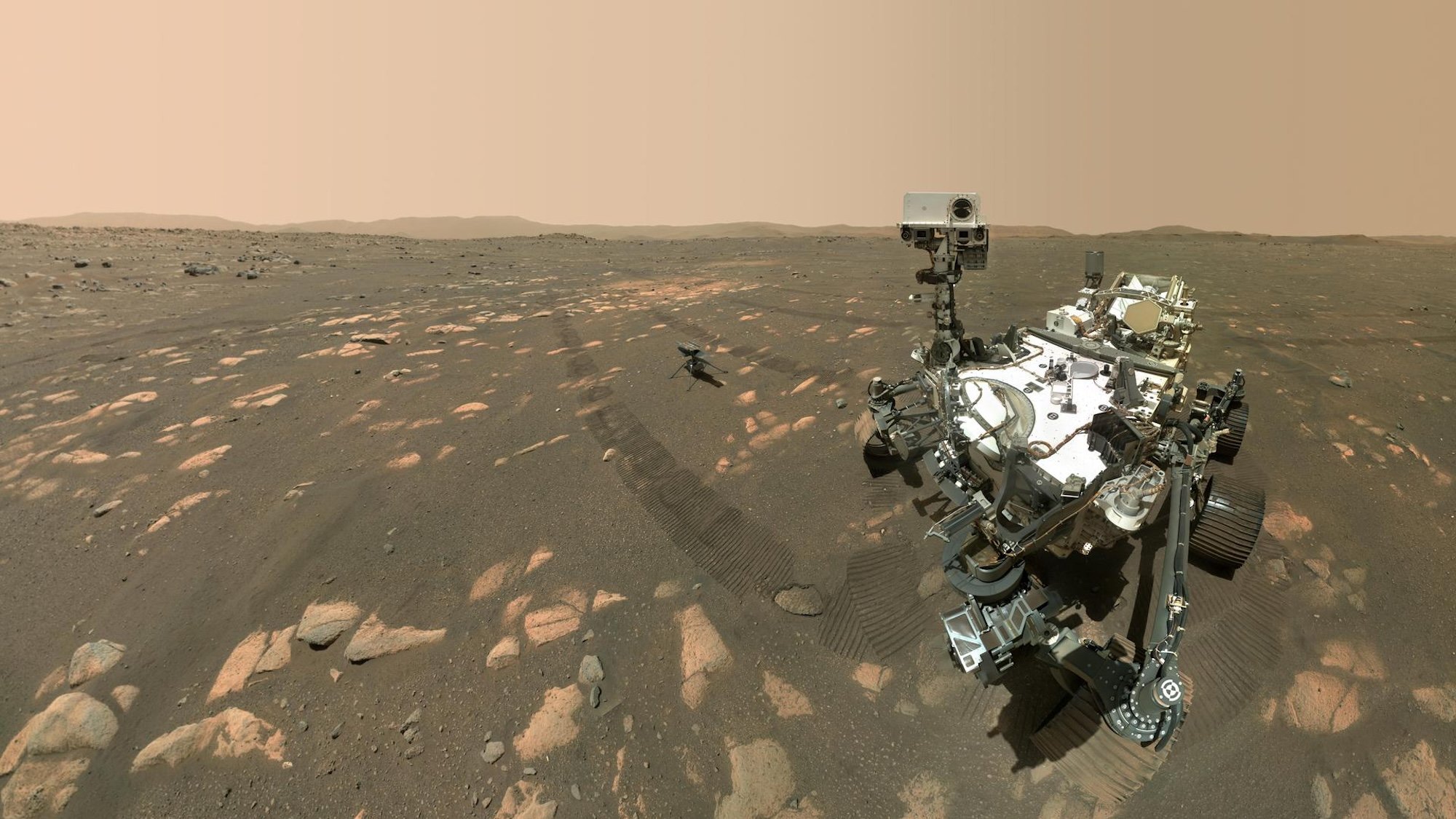
NASA’s Perseverance Mars rover has officially traveled 28.10 miles—farther across another planet’s surface than any other vehicle in history. Not only that, but the six-wheeled science lab accomplished this impressive feat almost entirely autonomously and in barely a third the time it took the previous recordholder.
“The original mission called for no more than 12.4 miles of driving. We’ve blown well past that,” Steven Lee, Perseverance and Curiosity project manager at NASA’s Jet Propulsion Laboratory, said in a statement.
Perseverance began operations on Mars on February 18, 2021, after landing in an ancient river delta selected for potential past microbial life called Jezero Crater. Since then, the rover has slowly but steadily made its way across the region, while conducting multiple sediment drilling surveys. These samples are then chemically analyzed using onboard laboratory equipment before the results are sent back to mission specialists at NASA.
Perseverance surpassed the previous travel record of 28.06 miles set by NASA’s Opportunity rover, before its communications with NASA ended on June 10, 2018. However, it took Opportunity nearly 15 years to accrue its distance while Perseverance exceeded the same mileage in less than six years, and on the 2,006th Martian day (sol) of its mission. Perseverance is currently traveling towards an area named Idubi through an expanse nicknamed “Lac de Charmes.” The region near Jezero Crater’s western rim hosts what may be the oldest landscape ever investigated in the solar system. Mars does not feature tectonic plates like Earth, which means its terrain is never eroded and subsumed into the planet’s substrates.
Mission engineers have not spent the last six years remotely steering Perseverance, either. The rover arrived on Mars equipped with a self-piloting system called AutoNav, which constructs 3D maps of the immediate surroundings to flag any potential hazards. AutoNav then charts a route between specific waypoints chosen by NASA specialists back home. Perseverance has completed 90 percent of its total excursion with AutoNav. Opportunity and its sibling rover, Spirit, only relied on a first version of the piloting system about five percent of the time.
Perseverance has a long road ahead of it, if all goes according to plan. In October, NASA approved the first mission extension that will continue the rover’s operations through about the end of 2028.
“With all mobility systems fully operational and favorable extended-ground-life test results, we expect Perseverance to keep adding to this record for many years to come,” added Lee.
Thanks to some medieval human teeth, archaeologists have pinpointed when lead production first expanded across Europe during the Middle Ages. By examining dental enamel collected from graves located in central England, researchers now know the post-Roman society started mining and smelting again during the mid-7th century. As the team explains in a study published today in the journal Antiquity, the consequences of exposure to the toxic were stark—but distributed unequally among locals.
Humanity’s complicated relationship with lead dates back over 9,000 years, and our environmental exposure to the toxic metal is traceable as far as two million years ago. Lead was instrumental in prehistoric smelting advancements, and its invaluable properties paved technological progress all the way through the Industrial Revolution. However, lead is now known to cause various early developmental issues and its uses are dwindling, but tracing our reliance on the material helps contextualize and understand a society’s historical arc.
Researching these metals also isn’t easy. From the 16th to 19th centuries, manufacturers constantly re-smelted lead waste from ancient Rome and medieval England, which destroyed any discernible way to examine its prior origins and uses. Archaeologists including University of Nottingham’s Christopher Loveluck knew of another way to trace lead production in the Derbyshire Peak District, one of Europe’s largest providers of the metal during the Middle Ages
“The team is delighted to have finally confirmed definitively the date by which the early medieval lead industry was established in the Peak District…through evidence provided by the people themselves,” Loveluck said in the study’s accompanying announcement.
Archaeologists analyzed teeth from bodies buried in three Peak District cemeteries dating back to between 650 and 1500 CE. More specifically, they focused on tooth enamel. The external protective layer finishes forming during childhood, meaning any prior lead exposure stays embedded in the enamel for the rest of an individual’s life. Loveluck and his colleagues discovered that by the 7th century, the Derbyshire children’s lead levels were the same, if not higher, than those of children who lived in industrialized cities during the mid-18th and 19th centuries. By the mid-8th century, the growing lead industry had even begun to seep into surrounding regions like Castleton.
Teeth samples showed lead exposure reached its highest levels during the late 12th and early 13th centuries, which aligns with previous historical and environmental data. While the metal’s presence was ubiquitous among the population, it wasn’t necessarily the same across class or gender. High status gravesites included weapons and other personal items with lower lead concentrations than those seen in the graves of poorer residents. This implies that while the upper class owned lead-imbued possessions, they were higher quality objects. Meanwhile, working class families employed in mines and factories routinely exposed their children to larger amounts of lead.
There is also evidence that suggests women were especially at risk during this era. Three women who died between 17 and 25 years old showed particularly increased lead quantities in their tooth enamel. Overall, most of the men survived to middle or old age, while women often died during young adulthood.
“Our results indicate that in these mining communities, girls and boys alike were raised in dangerously polluted home environments,” said Castleton excavation co-director and study co-author Anna Bloxam. “This exposure…perhaps contributed to higher rates of premature death among women of child-bearing age.”
Lead contamination is still a serious issue today, although overall conditions have improved greatly since medieval England. Still, the underlying problems of environmental degradation and socio-economic vulnerabilities remain relevant today.
“This study has enabled us, for the first time…to look more deeply into the profound impact lead production had on individuals and the communities they lived in,” added University of Sheffield historian and study co-author Colin Merrony.
A first-of-its-kind genetic analysis of dog breeds presents the clearest insights into why larger dogs rarely outlive their smaller relatives. According to a team of biologists writing in the journal Science, the longstanding size–age correlation is likely due to “jumping genes” that inevitably begin sowing chaos inside canine DNA as dogs get older.
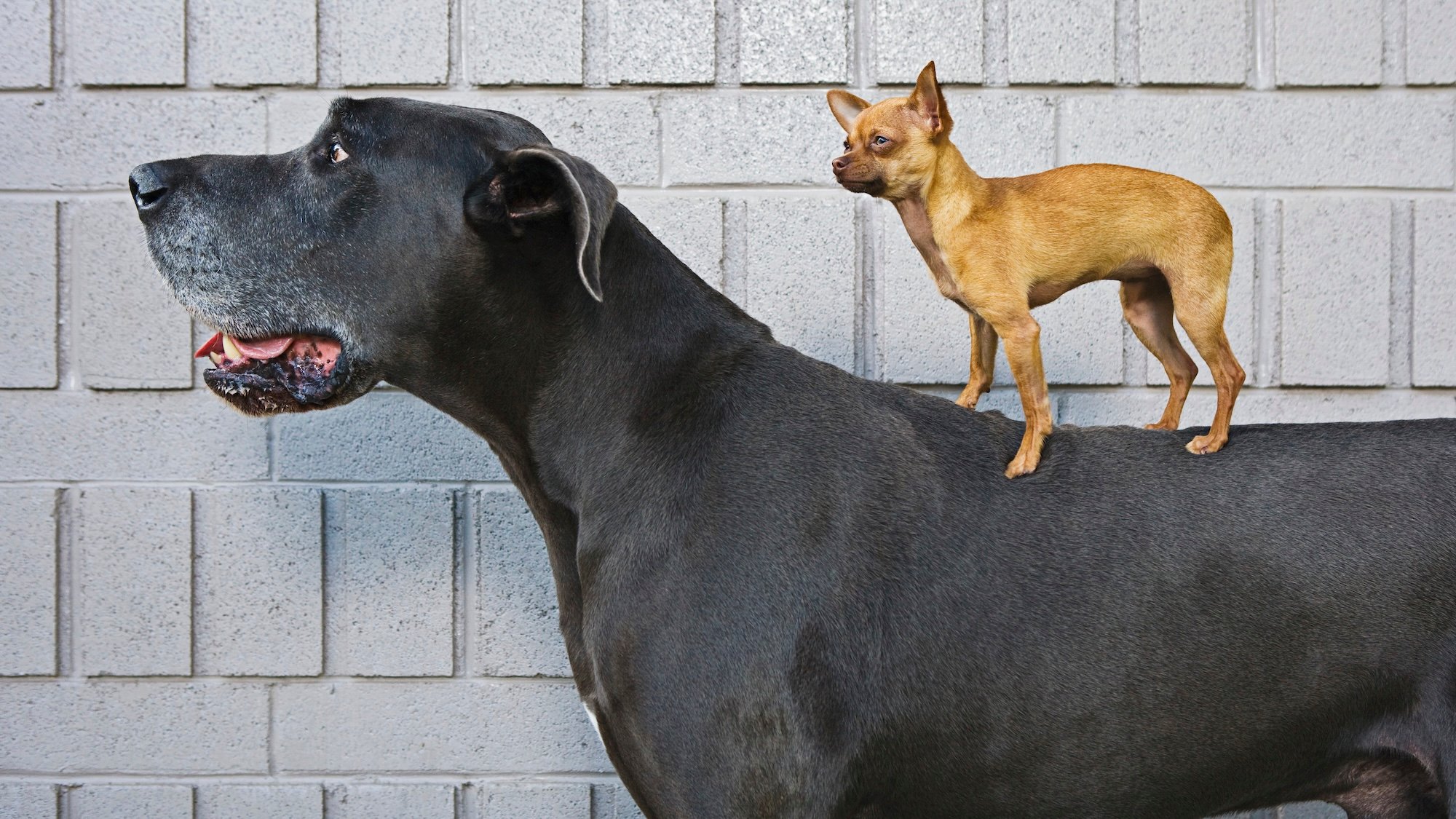
Most dog owners are aware of an unfortunate rule of thumb—the bigger the pooch, the shorter the lifespan. While this trend isn’t always the case, breeds like the Great Dane generally don’t stick around as long as smaller relatives like golden retrievers or even pugs. Larger dogs are also much more prone to age-related health issues and diseases. These canine traits starkly contrast with what biologists often see in other mammals, where larger species like whales frequently live much longer than tiny animals such as rodents. But these mysteries make your favorite furry friend’s genetics incredibly intriguing to researchers.
“Dogs provide an extraordinary model for understanding aging because they show dramatic variation in lifespan within a single species,” explained study co-author and Arizona State University (ASU) evolutionary biologist Noah Snyder-Mackler.
Dogs’ longstanding 30,000 plus years of companionship with humans also poses a unique opportunity for scientists. Pets and their owners share many of the same day-to-day experiences, environments, and physical habits, so it stands to reason that a better understanding of canine genes could guide future studies of human biology. Knowing this, Snyder-Mackler and his colleagues recently examined genetic data from 864 dogs stored in the Dog Aging Project. They specifically focused on mapping genome-wide DNA methylation, which allows genes to express themselves without altering their DNA sequence. DNA methylation is part of the larger epigenome influenced by external factors like stress and diet, and it’s also a widely known indicator of aging and DNA regulation.
Snyder-Mackler’s team discovered a dog breed’s aging is specifically tied to losing regulation in a class of transposable elements, or “jumping genes,” called LINE1s. These genes copy and intersperse throughout the genome by leaping between chromosomes, which damages DNA. This initially isn’t too problematic thanks to the regulation from DNA methylation, but that ability decreases with age. Less regulation means more damage in the form of genetic instability, diseases, and cancer.
“What we found is that the epigenetic regulation of transposable elements—especially LINE1s—appears to be a major factor shaping how quickly different dogs age,” Snyder-Mackler said.
Over 40 percent of LINE1-related portions of the genome lose DNA methylation as a dog ages, but the speed of decline is much faster in bigger breeds. The team’s findings showed larger dogs lost an average of 35 percent more LINE1 methylation than smaller canines.
“It suggests that faster aging in larger dogs may be driven, at least in part, by reduced control over these ‘jumping genes,’” concluded ASU genomicist and study co-author Blaise Mariner.
It’s still unclear if LINE1 behavior causes species to age, but the recent work emphasizes these genetic areas are focal points in biological aging. Beyond understanding aging differences among dog breeds, the discoveries may guide research into similar genetic changes in humans.
“If that’s the case, targeting these elements or the mechanisms that regulate them could be a promising avenue for future therapies to extend the health span in humans,” said Snyder-Mackler.
A man in upstate New York discovered more than cobwebs and missing holiday decorations while recently cleaning out his garage. Behind a small wood plank, homeowner Jason Hurdle spotted a long-forgotten crawlspace stuffed with vintage milk pails, a safe, and a dusty box of files. Hurdle intended to simply toss the papers in the trash, until a perfectly timed gust of wind removed the crate’s lid. Only then did he realize the box’s true contents: dozens of reports labeled “Secret” relating to Stalag Luft 3, an infamous prison camp run by the Nazi Luftwaffe near Germany’s western border during World War II. Over 300 pages of handwritten accounts from U.S. soldiers recounting their brutal incarcerations at the facility under conditions “not fit for humans.”
“I feel the hurt, the pain, and a lot of things these guys have been through,” Hurdle recently told local news outlet WHEC.
A visit from specialists at the National Archives quickly confirmed the authenticity of the questionnaires, which were compiled in 1945 following Allied liberations of German POW camps. The box was clearly intended for use as evidence of war crimes, which the reports corroborate in tragic detail. Soldiers wrote about living in facilities with “no heat, no beds” while exposed to the elements and vermin. Other troops recalled grueling work on rail lines while witnessing beatings, executions, and even the “cold blooded murder” of surrendering armed forces. Stalag Luft 3 is famously the site of a breakout later recounted by former prisoner Paul Brickhill in the book and 1963 film adaptation, The Great Escape.
“When I first laid them on the table in front of them, the first thing the one agent said was, ‘These are original, we want these,’” added Hurdle.
It’s still unclear how the box ended up inside the garage crawlspace. Hurdle suspects they may have belonged to a retired U.S. Army officer who once lived next door, especially since the box also contained other personal items from the man’s family. In any case, the indispensable historical accounts are now under the care of the National Archives, who have since digitized and unclassified the reports. The entirety of the discovery is now available online to the public.
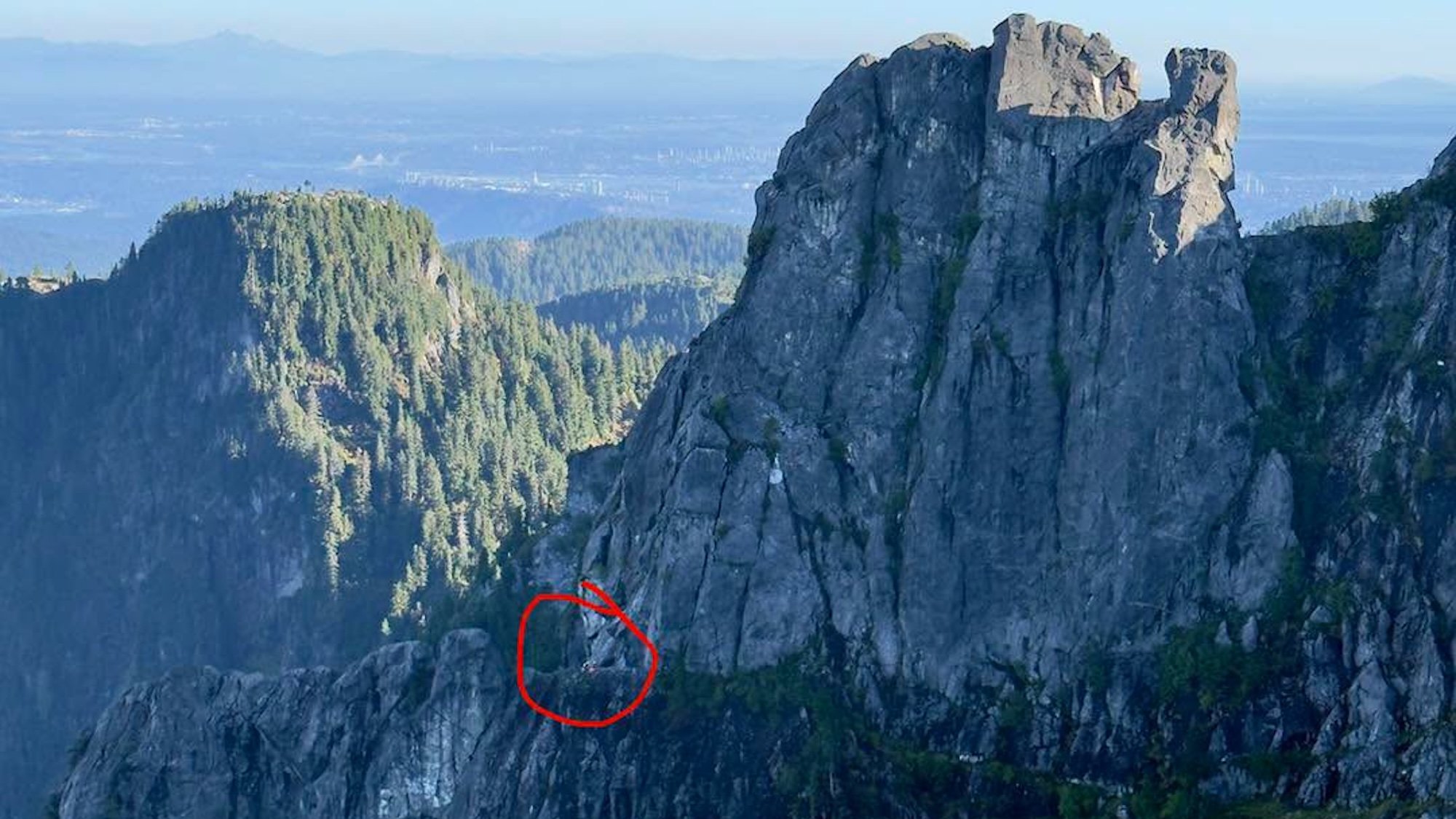
A teenage hiker in Canada recently became another cautionary tale about the perils of overtrusting artificial intelligence. After relying on an AI-generated route to ascend Crown Mountain in British Columbia, the 16-year-old found himself stranded on a steep cliffside near a climbing route known as the “Widowmaker.” The wayward traveler’s position was so precarious, that it took roughly three hours to coordinate a proper rescue plan.
“The boy was very scared. He definitely feared for his life,” search manager Paul Markey told North Shore News earlier this month.
The teen’s position near Widowmaker’s final headwall prevented helicopter pilots from safely steering close enough to retrieve him. Instead, an onsite crew reached the hiker using a rope belay system, equipped him with additional protective gear, and then moved him to a better extraction location. As luck would have it, responders had also just completed a rescue certification training session earlier that day not far from the lost teen’s predicament.
“It put him into a situation which was beyond his abilities, so things could have gone sideways pretty quickly,” Markey added.
Despite major advancements in the industry, many popular AI products are still liable to produce results with unreliable, misleading, or outright false information. Generative AI has suggested hungry users add glue to thicken pizza sauce, claimed that snakes are mammals, and advised fixing a broken turn signal with something called “blinker fluid.”
This isn’t the only AI-related hiking mishap, either. Barely a month before the Crown Mountain incident, a trio became stranded near Mount Shasta in California after using Google Gemini to help plan their trip. Among other issues, Gemini suggested they pack less food and water than they actually needed, turning a normally eight-hour excursion into a multiday emergency.
Instead of relying on AI options, rescue officials like Markey suggest using well-tested hiking route apps like AllTrails, CalTopo, and Gaia GPS.
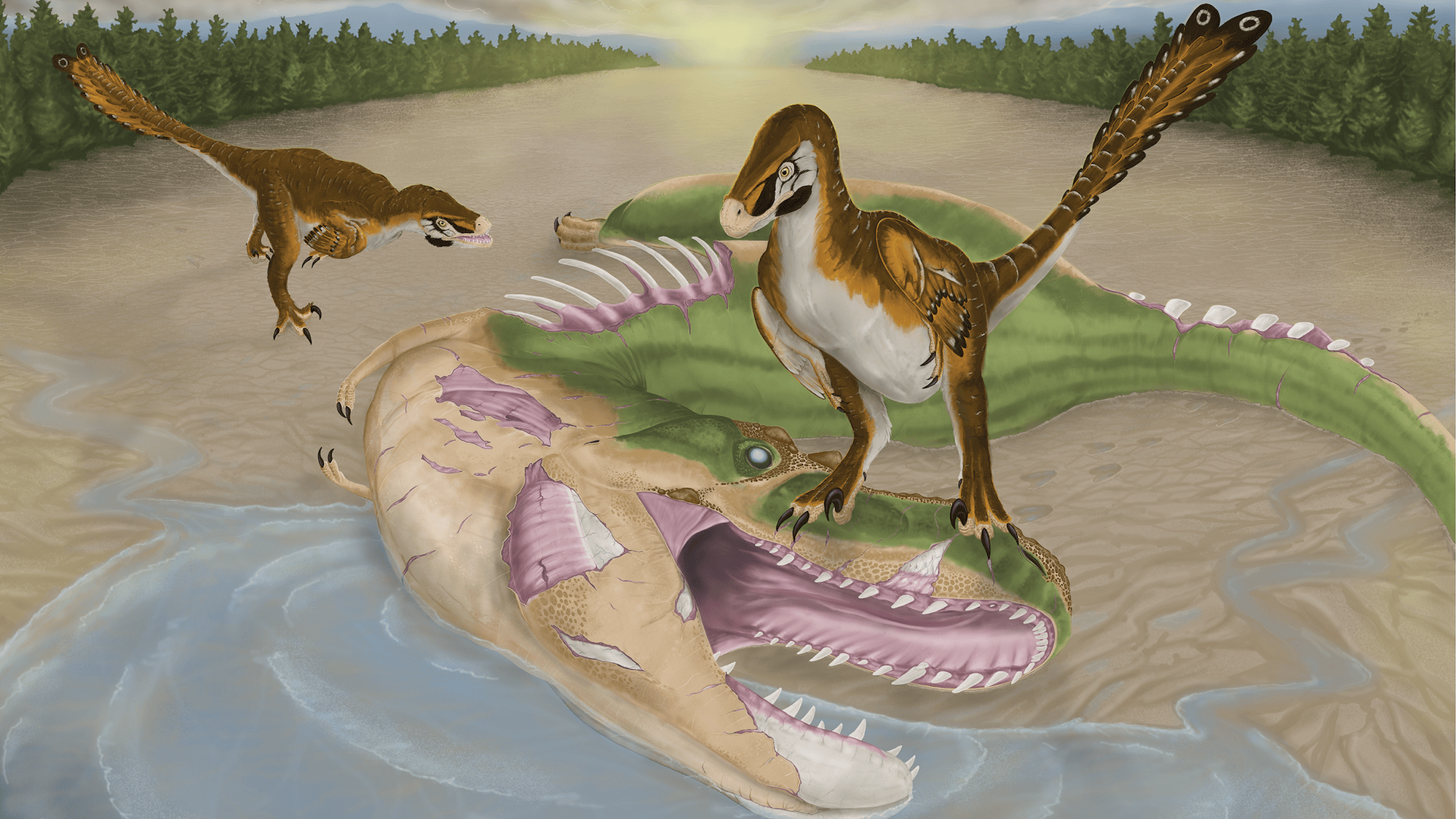
Bitemarks on the fossilized jaw of a tyrannosaur called Albertosaurus appear to illustrate the first known example of scavenging raptors feasting on a much larger dinosaur The prehistoric snack scene is detailed in a recent study in the Journal of Paleontology. However, researchers, one alternative theory may point to an even darker fate.
A close relative of Tyrannosaurus rex, Albertosaurus roamed its present-day namesake Canadian territory about 73 to 67 million years ago (Late Cretaceous period). It was the region’s undisputed apex predator,and regularly grew upwards of 30 feet long while weighing around 6,000 pounds. But even a fearsome dinosaur like Albertosaurus ultimately succumbed to injury, illness, and old age. In this case, paleontologists analyzed fragments of an immature specimen who died when it was 8 to 10 years old. Despite only being a “teenager” at the time of death, the Albertosaurus was already over 19 feet long and weighed about 1,170 pounds.
Interestingly, the tooth marks on the dinosaur’s lower jaw suggest an unexpected postmortem scenario. Paleontologists didn’t find any evidence of bone healing, which strongly implies the Albertosaurus received the bites around its time of death. This means whoever dined on the dinosaur was a scavenger, or at least an especially hungry carnivore—and they were much smaller than their meal.
“This turns everything on its head, because you’re dealing with a very small dinosaur eating a very big, mean, nasty dinosaur like a tyrannosaur,” study co-author and University of Alberta (UA) paleontologist Philip Currie explained in a recent video.
Paleontologists currently suspect the most likely explanation is that a pack of dromaeosauridae (raptors) chowed down on the dead Albertosaurus. Made famous by the dinosaurs depicted in the Jurassic Park franchise, these small-to-medium sized hunters included recognizable species like Velociraptor and Utahraptor. Another dromaeosaurid example is Albertavenator curriei, a feathered, sickle-clawed hunter who existed alongside Albertosaurus.
While the authors believe the bite marks could point to A. curriei, they can’t rule out another, even more macabre possibility. Based on the distance between each individual tooth mark, an even younger Albertosaurus measuring about 6.5-foot-long is the only other plausible suspect.
“If it is a young Albertosaurus, this would be an event of cannibalism—by a baby,” said study co-author and UA paleontologist Joshua Doyon.
Incidents of cannibalism are common across evolutionary history, but finding direct paleontological evidence is extremely rare. No matter who ate the unlucky Albertosaurus—be it raptor or relative—the fossilized leftovers graphically reveal a complex prehistoric food chain.
Mosasaurs are terrifying enough based on their fossils alone. The Cretaceous marine reptile family encompassed some of the undisputed apex predators of Earth’s ancient oceans (and possibly even some rivers). Species like Mosasaurus hoffmanii easily reached nearly 50-feet long, while weighing as much as 20,000 pounds—and there are many more mosasaurs just like them.
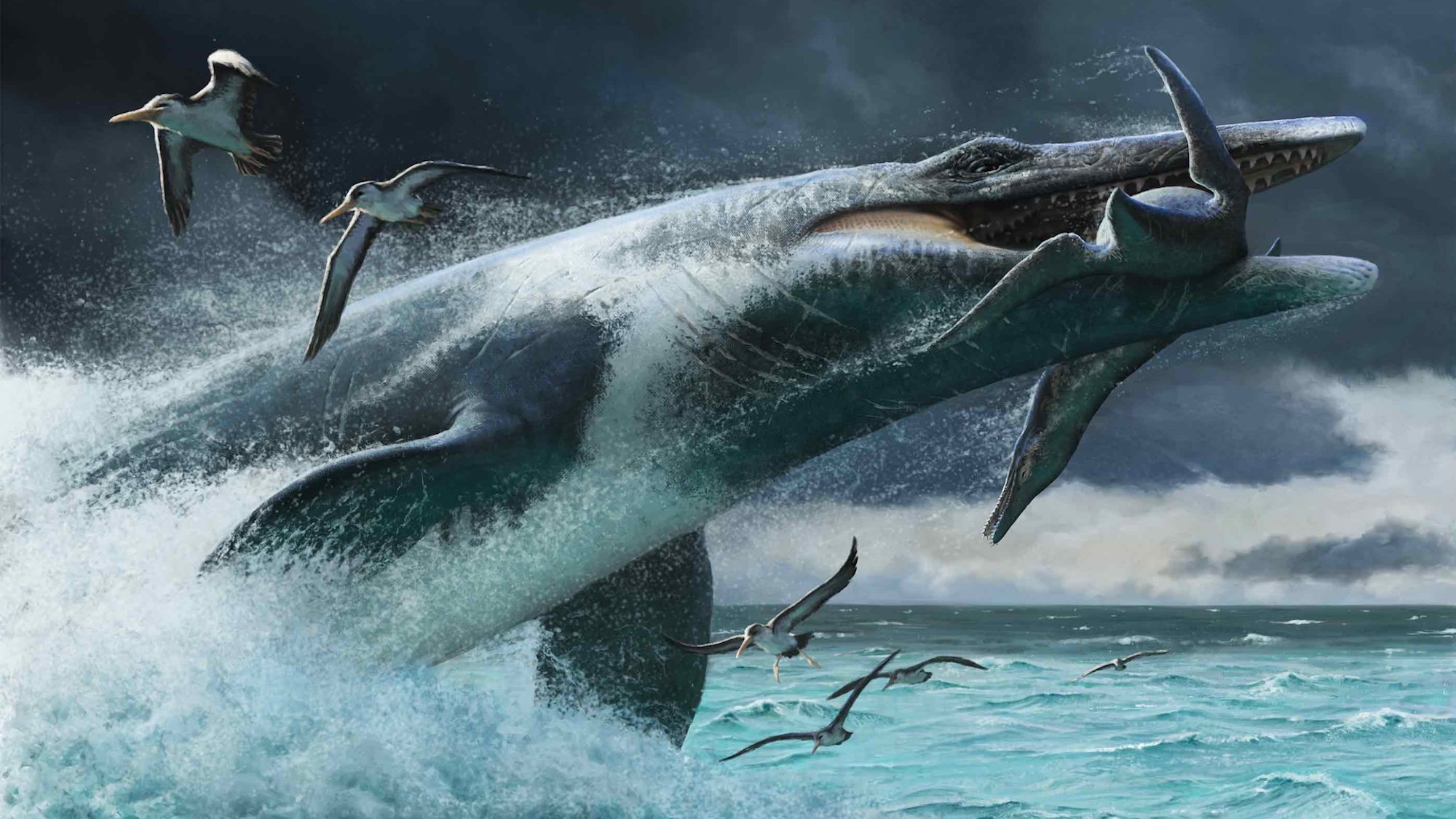
So what could possibly make them any scarier? Some of the ancient aquatic hunters employed speedy, “slam-start” sneak attacks to take down their prey. This new theory is detailed in a recent study for the journal Current Biology, and draws on anatomical fossil record reconstructions supplemented by the physiology of similar present-day predators like the Komodo dragon (Varanus komodoensis).
Formoso and her colleagues focused on four types of mosasaurs, including the especially massive Tylosaurus. The nearly 10-ton carnivore that existed about 92 to 66 million years ago and grew to almost 45-feet long. Based on its overall anatomy and some basic physics principles, Formoso says Tylosaurus likely ambushed its prey. To accomplish this, the mosasaur relied on a single, immensely powerful sweep of the tail to launch it as fast as 15 miles per hour towards an unsuspecting target.
Tylosaurus and its close relatives belong to one of two primary branches in the mosasaur family tree that are separated by different tail anatomies. Their particular group featured tails with a longer, more flexible portion that provided further sweeping action. Formoso compared these “slam-start” attacks from predators like Tylosaurus and Platecarpus to a swimmer using their legs and feet to launch off a pool wall.
“It’s the tail itself pushing off the water,” she explained.
Of the four species Formoso examined, Mosasaurus and Plotosaurus probably preferred maintaining a comparatively steady speed in the open ocean, while Platecarpus and Tylosaurus often relied on slam-start ambushes in shallower water.
“That doesn’t mean Plotosaurus was slow,” clarified Formoso. “Its tail was [more] built for sustained, tuna-like swimming rather than sudden bursts.”
The team’s theory is further supported by existing knowledge of mosasaur fossil compositions, along with their tooth wear and estimated bite forces. Their data and tools are now available for free online so other researchers can examine other extinct marine species. But whoever those creatures might be, they likely weren’t nearly as imposing as the ocean’s largest—and sometimes sneaky—predators.
“At the same time dinosaurs like T. rex were ruling the land, mosasaurs were ruling the seas,” said Formoso.
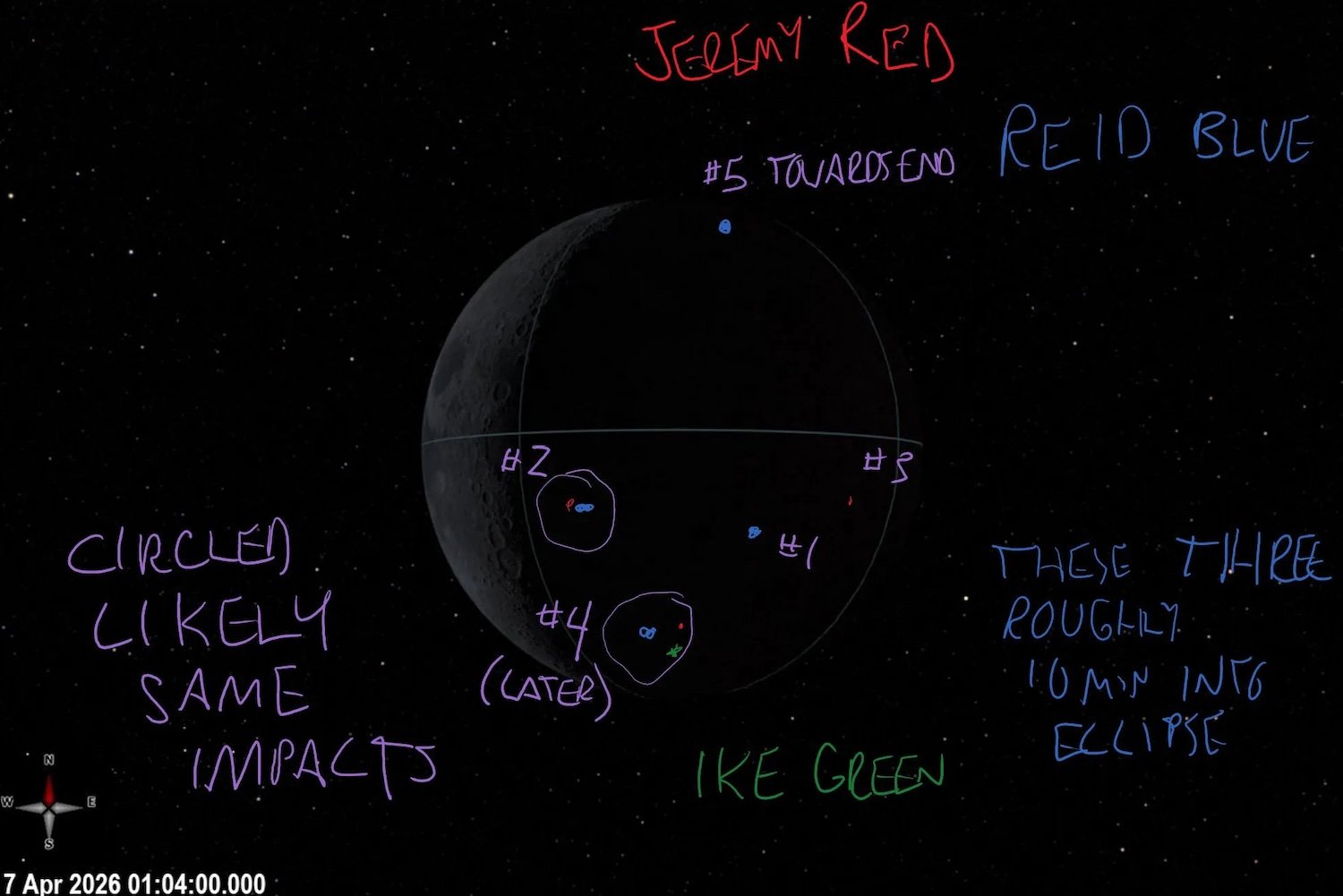
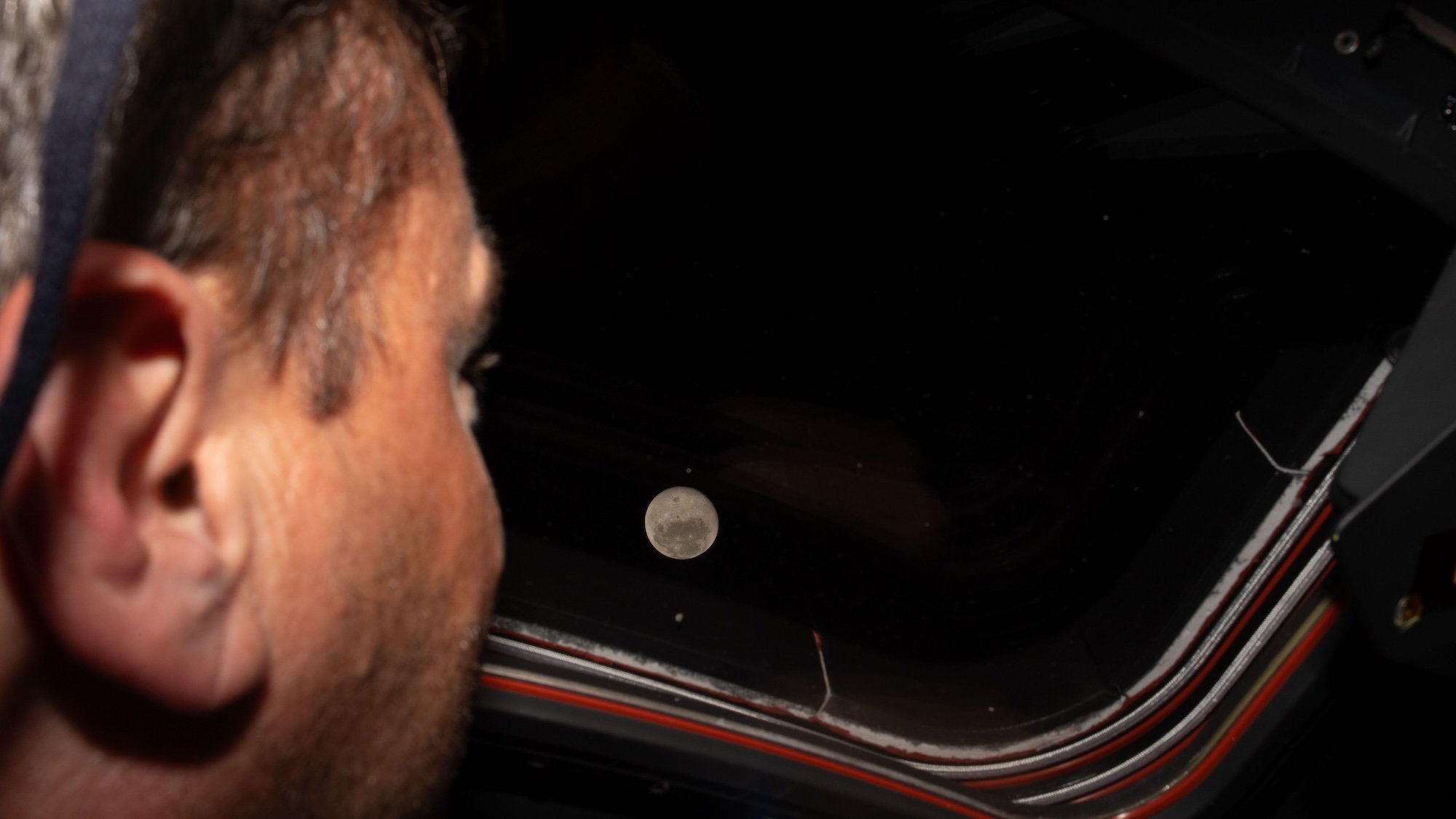
Successfully sending Artemis II astronauts on their historic lunar flyby earlier this year required some of the latest and most precise technologies, but not everything in this mission needed the same intense equipment. As crewmates gazed through Orion’s capsule window at the moon’s eclipse of the sun on April 6, 2026, three of the travelers needed a way to easily sketch some of their preliminary observations. They took turns writing their notes on a shared tablet PC—and NASA has recently highlighted their work with a screenshot of their efforts.
Astronauts Reid Wiseman, Victor Glover, Christina Koch, and Jeremy Hansen had a lengthy list of tasks during their 10-day, 700,000-mile roundtrip. One of the most visually dramatic jobs involved carefully assessing lunar activity while passing across the moon’s dark side from a distance of about 46,000 miles away. The roughly hour-long observation period provided astronauts with an unprecedented opportunity to record meteorite activity.
A visualization of a dark Moon eclipsing the Sun is marked with handwritten notes in this April 6, 2026, screenshot from an Artemis II crew member’s tablet. Credit: NASA
The tablet screenshot includes notes taken by Wisemen (in blue), Hansen (in red), and Glover (in green) during the moon’s eclipse of the sun. The crew collectively spotted at least five faint flashes of light caused by impacts. According to Wiseman, the first three impacts occurred within about 10 minutes into their observations, while another two happened later during the flyby. Impacts two and four were likely also corroborated by Hansen and Glover.
Since the moon does not have an atmosphere like Earth’s, the lunar surface is regularly bombarded by space rocks. Most of them are comparatively small, but they will still pose a problem for future crewed trips to the surface,especially those stationed in a planned permanent lunar base. The data gathered by Artemis II on April 6 will help NASA better understand these dynamics, and plan for the safest environments possible for their astronauts.
Artemis II’s astronauts safely returned to Earth during a splashdown off the coast of San Diego at 8:07 p.m. EDT on April 11. If all goes as planned, Artemis III’s crew will launch on their mission no earlier than June 2027.
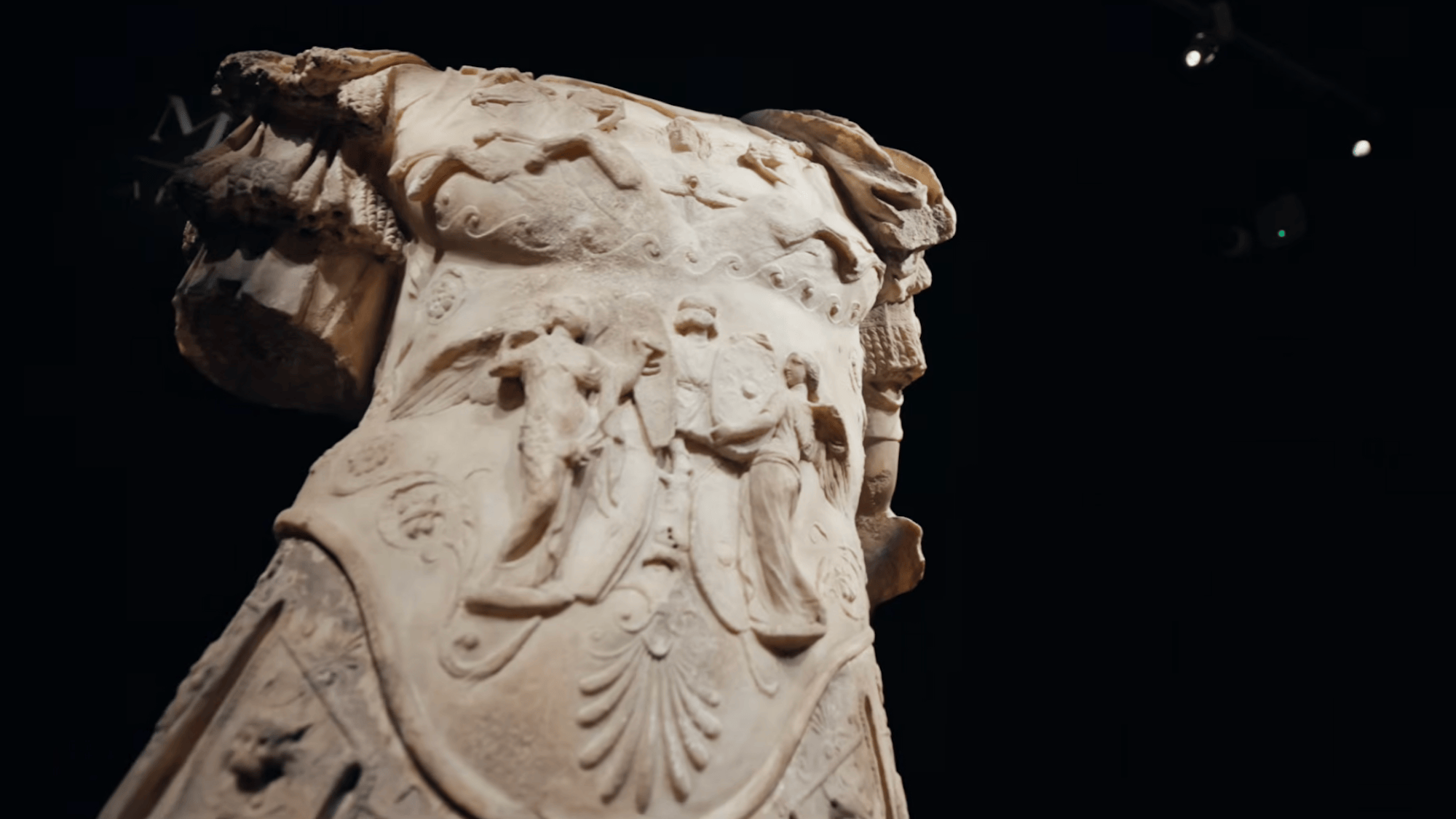
A 2,000-year-old marble sculpture slated for auction later this month is more than a well-preserved piece of artistic history. From its original vantage point inside an ancient temple in present-day Croatia, the depiction of an emperor’s decorative chestplate reminded the recently conquered residents that the age of the Roman empire had arrived.
The intricately detailed bust dates back to the Julio-Claudian era (27 BCE–68 CE), and was crafted from highly coveted marble mined from the Aegean island of Paros. While only the torso remains intact today, the fragment is appropriate given its larger context. Government officials intended sculptures like these to be a permanent temple fixture, so their limbs and heads were regularly updated to depict the current reigning emperor. The monument was more than a way to depict Rome’s ultimate authority—it embodied the very concept of imperial authority.
Reinforcing Roman rule in a conquered town like Salona was vital during this era. The Julio-Claudian period saw Rome’s first five emperors consolidating power and expanding their territory. Erecting these monumental odes ensured the conquered saw visual reminders of the empire’s strength every day.
“The Romans at this period in time were asking, ‘How does this convey power? How do you legitimize a new imperial structure? What iconography do you land on to convey these things?’” Alexandra Olsman, an antiquities specialist on sculpture and works of art at Sotheby’s, explained in an accompanying video.
Every detail carved onto the cuirass ties back to this concept. Its centerpiece depicts the sun god, Sol, riding his four-horse chariot known as a quadriga over the sea to announce the dawn of a new day. According to Olsman, the intentional choice of subject matter declares the victory of order over chaos. Beneath Sol are two images of the goddess Victoria on either side of a tropaeum—a visualization of defeated armies’ abandoned shields, weaponry, and even a conquered enemy’s head. Finally, the smaller images of ram and feline faces on overlapping leather straps represent strength and wards against evil.
“This is Rome becoming Rome in a sculpture,” Olsman added.
Many of the world’s greatest scientific minds remain in startling disagreement with one another about the nature of reality itself. After conducting what is likely the largest survey of its kind, researchers reported that a vast majority of physicists suspect the big bang doesn’t necessarily mark the beginning of time. And as their additional responses indicate, scientists diverge even more when it comes to other hot-button cosmological topics.
In 2025, researchers put out an international open call for their Big Mysteries in Physics survey. Anyone could partake in the questionnaire, but responses from self-identifying physicists were later separated and reviewed to identify any particularly striking areas of agreement or disagreement. After reviewing answers from over 1,600 physicists, the questionnaire’s authors published their key takeaways earlier this year in Physics Magazine.
The results? Physicists are very divided on explanations for some of the universe’s fundamental operations.
The most dramatic relates to the big-bang theory (technically known as the Lambda Cold Dark Matter theory). About 68 percent of respondents said they don’t think the famous moment necessarily marks the beginning of time. Some of this has to do with how the big bang is presented in popular culture—contrary to many depictions, the theory specifically explains how the universe expanded from a single extremely hot, dense prior state of existence. This means it technically may have very little to do with the beginning of time.
The only other majority opinion pertains to the immediate moments following the big bang. Only 51 percent of physicists agreed that the immediate moments following the big bang involved an incomprehensibly fast period of expansion commonly known as inflation.
Subjects got far more contentious from there, although some of it was understandable. Given how much remains to still learn about dark matter, 17 percent of survey takers think the mysterious material is composed of an undiscovered particle or particles. Around 12 percent argued it could be explained by tweaking the theory of gravity. At best, barely 21 percent of physicists hypothesized it may be some combination of these and other answers.
Quantum physics continues the chaos. Nearly 19 percent of scientists think string theory is likely the best way to integrate gravity into quantum physics, while only 12 percent offered loop quantum gravity as an alternative. Meanwhile, 18 percent lean towards the suspicion that gravity can’t be integrated in any way.
If the survey presents one clear takeaway, it’s that these diverse theories are in no way an indictment of the present-day state of physics. These aren’t amateurs—they’re researchers who base their arguments on volumes’ worth of data, calculations, and scientific testing.
“Consensus, or its absence, tells us where the evidence feels settled and where researchers still see room for radically different ideas,” Niayesh Afshordi, a University of Waterloo physicist and study co-author, explained in a statement. “In this sense, lack of consensus can be a clue. It marks places where better data, sharper theory, or new connections between subfields may be needed”
Afshordi noted that unlike other polls, scientific reality isn’t settled by a majority vote. It’s supported by clear, demonstrable evidence.
“The interesting point is not that physicists are confused. It is that the frontier is genuinely alive,” he added.

 Login