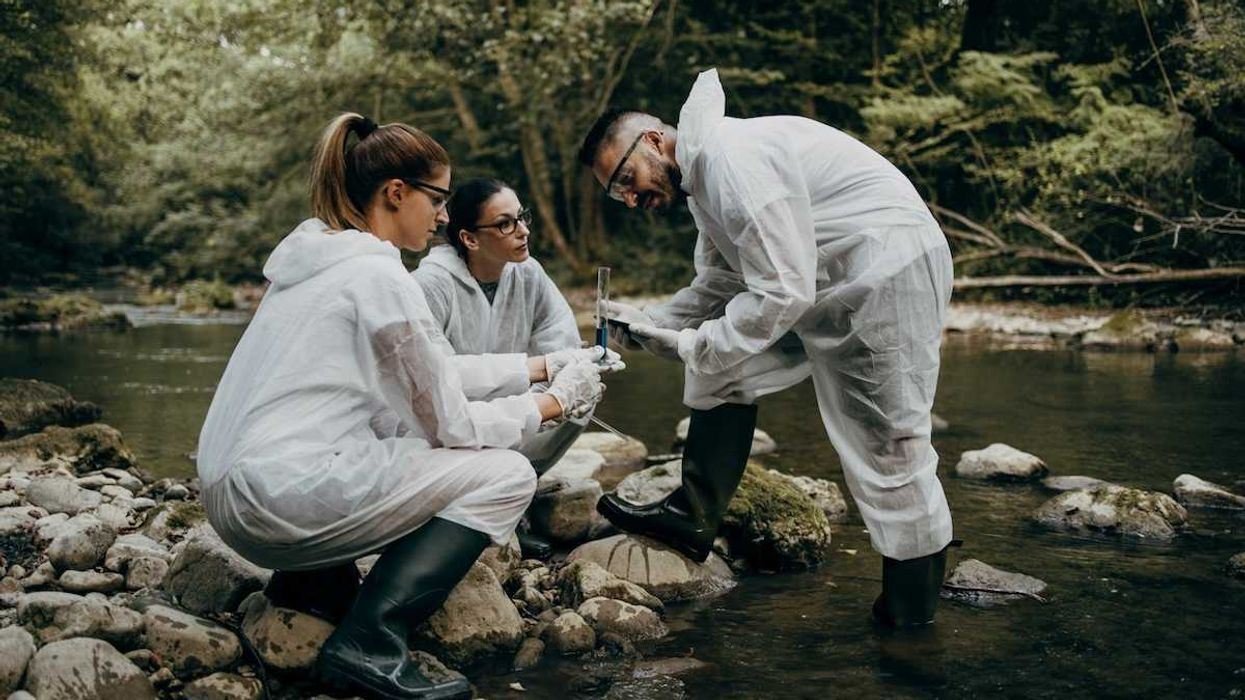
A whistleblower lawsuit in California is alleging millions of pounds of Driscoll's fruit containing non-compliant levels of pesticides and chemicals crossed the border into Canada, and the company tried to cover it up.
Paracetamol, ibuprofen, carbamazepine, diclofenac, and other pharmaceuticals are being found in the Baltic Sea. Researchers say changing how some medicines are prescribed, used, and disposed of could help reduce the flow.
The sewage sludge (biosolids) some farmers have applied to their fields for decades is contaminated with PFAS — with serious consequences for drinking water.
Data center developers are manipulating the Environmental Protection Agency’s air pollution permitting process to avoid emission controls and scrutiny of their projects, environmental advocates allege.
A cancer-linked pesticide banned in more than 60 countries around the world contaminates an estimated 25% of river and stream miles in the lower 48 U.S. states, including many waterways used for drinking water, according to a new analysis.
The U.S. militarization of Guam has left its residents living with a legacy of pollution, environmental degradation, and cultural loss. Other Pacific islands may be next.
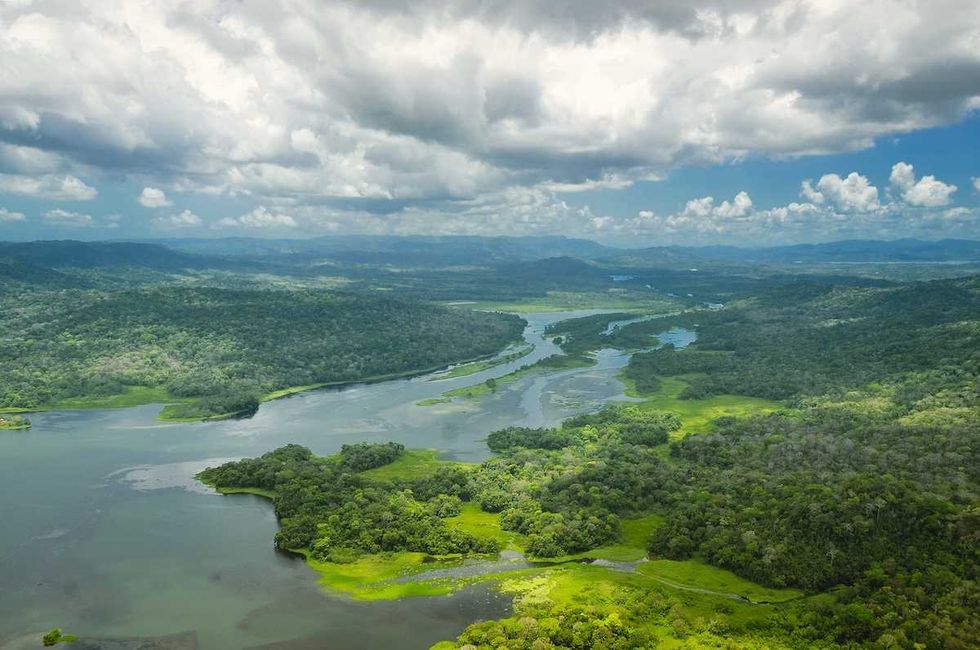
Panama’s center-right president called on world leaders to adopt a new non-binding treaty, building on his nation’s own national rights of nature laws.
According to new reporting by The Guardian, nearly all of the top ten global producers of forever chemicals, otherwise known as polyfluoroalkyl substances, or PFAS, plan to ramp up production quotas on the back of the data center boom.
There’s a clear market demand for this: PFAS play a huge role in data center construction, where they’re used in cooling systems, AI chips, circuit boards, and fire suppression systems — not to mention the coating on thousands of miles of cables used to connect these components together.
Though components laden with PFAS are found throughout the industrial world, their use in data centers is particularly troubling. Because these facilities run almost non-stop save for the rare pause for maintenance, their components break down remarkably quickly, which means data center owners are constantly scrapping old parts in favor of new ones.
When those old components are tossed to the curb, the PFAS will almost inevitably wind up in the environment, increasing the likelihood that they wind up in the food chain. When we eat contaminated plant and animal products, these forever chemicals accumulate in our body, where they may contribute to a laundry list of debilitating health problems.
“These companies’ expansion plans show that unless governments and regulators insist on a rapid phaseout, we will face a new tidal wave of forever chemicals,” Anne-Sofie Bäckar, executive director of Swedish chemical watchdog ChemSec, told The Guardian.
Of course, PFAS are far from the only toxic discharge attributable to the AI data center boom. On Monday, the Gothamist reported that nearly 5,000 gallons of diesel fuel had somehow spilled out of the Equinix Data Center in Secaucus, New Jersey, flowing directly into a tributary creek in the New Jersey Meadowlands.
As Climate Revolution Action Network executive director Ben Dziobek told the Gothamist, it’s proof that data centers harms extend far beyond their property lines.
“Leaving this [data centers] to individual towns doesn’t make any sense,” Dziobek said. “Data centers create problems that don’t stop at municipal boundaries, whether it’s pollution or straining the grid and driving up everyone’s electric bills.”
Across the stories today, a common thread emerges: the boundaries we once drew around “the environment” — between land and sea, sky and orbit, economy and ecology — keep dissolving, revealing how deeply intertwined these systems have become.
Start with the sky, in more ways than one. The US government’s confirmation that it has deployed a weapon in Earth’s orbit marks a genuine turning point, not just for defense policy but for how we think about the commons above our heads. Space has long been treated as neutral ground; now it’s becoming contested territory, raising quiet but urgent questions about debris, escalation, and what “environment” even means when it extends past the atmosphere. Meanwhile, back on solid ground, the UK’s climate advisers delivered a pointed message to Heathrow: a third runway cannot proceed unless airlines help pay for the emissions it would unleash, potentially through carbon removal costs. It’s a small but telling signal that growth and climate accounting are becoming inseparable in policy conversations — expansion is no longer a given, even for infrastructure long considered inevitable.
That tension between growth and limits runs through much of today’s coverage. A Guardian analysis found that the world’s twenty largest private equity firms back energy portfolios emitting more greenhouse gases than all but three countries on Earth — a stark reminder that climate accountability often hides behind layers of finance most people never see. In Venezuela, a US-backed push for “legitimate” mining and a new oil megadeal are drawing warnings from environmental and human rights groups who see familiar risks dressed in new language. And in Guinea-Bissau, industrial fishmeal factories are quietly hollowing out a food fish that coastal communities have relied on for generations. Behind the numbers are real communities adapting in real time — from Vietnamese fishers losing thousands of dollars per vessel to tangled plastic waste, to Dhaka residents like Yeasmin Begum, who has spent her life breathing the smoke of a landfill she never chose to live beside.
Yet alongside these pressures, the day’s coverage also points to growing momentum around resilience and repair. Ukrainians are turning to rooftop solar to keep homes running amid bombardment — a portrait of adaptation born from necessity. A Congolese NGO now co-manages a national reserve for the first time, a homegrown model of stewardship. Moon bears rescued from bile farms are stretching their limbs in Suffolk enclosures, and three wild dog brothers wandered 2,500 miles across Zambia in search of a mate, offering an unlikely note of hope for their species. Even Griffith Park’s mountain lion — photographed beneath the Hollywood sign — helped inspire the world’s largest wildlife crossing, proof that a single image can shift infrastructure decisions.
It’s a reminder that progress and pressure often arrive together. Some communities are innovating their way through crisis; others, like the land defenders now forming self-defense units amid rising violence, are simply trying to survive it. As Brazil’s upcoming election looms over the Amazon’s future, and Chief Raoni Metuktire — one of its most storied protectors — enters palliative care, the coming months may reveal whether today’s momentum toward stewardship can outpace the forces pulling the other way.
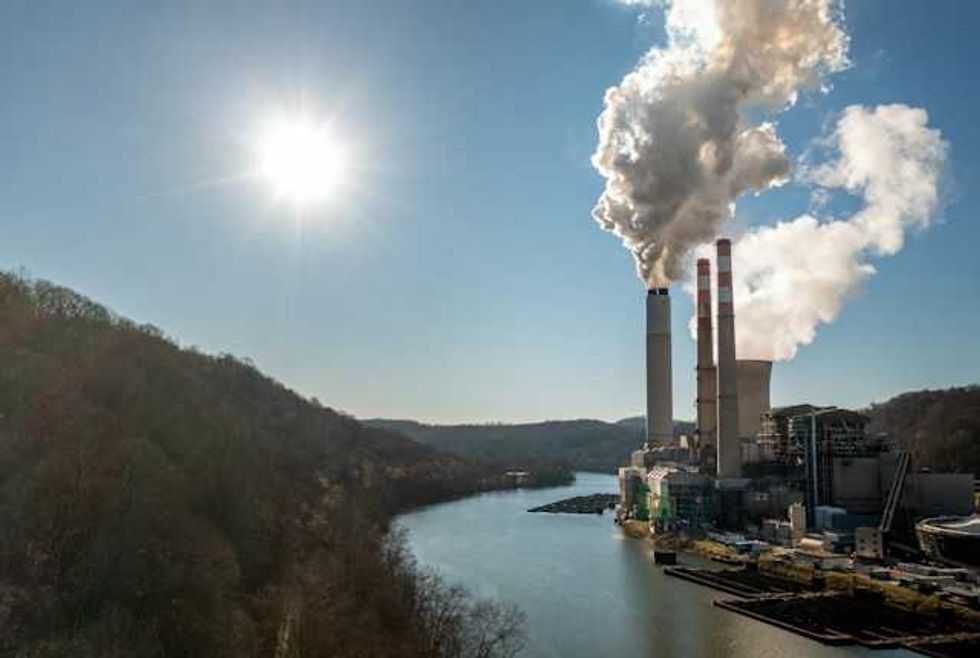
The Trump Administration has rolled back a major climate rule, falsely claiming greenhouse gas emissions from power plants do not impact the climate or human health.
The House Judiciary Committee will consider the Stop Climate Shakedowns Act as the Trump administration moves to roll back federal limits on greenhouse gas emissions.
The U.S. Air Force has offered to start work cleaning up groundwater contaminated by "forever chemicals" at Davis-Monthan Air Force Base if Tucson, Arizona officials agree to allow Air Force retirees to build a golf course.

 Login