❌

Reading view

Hurricane Polo Explodes in Pacific, UK Aphid Swarm Wipes Out 30 Million Lettuces, Glasgow Braces for Rubbish Pileup — Today’s Environmental Briefing for Thu, Sep 24 2026

Satellite view of Hurricane Polo swirling over the Pacific Ocean with visible eye structure

Across the stories today, a common thread emerges: the planet is speaking in signals — some subtle, some deafening — and the question is whether our institutions can listen fast enough to act.

Start with the signals themselves. El Niño has surged to record strength weeks ahead of schedule, and its fingerprints are already visible — from Hurricane Polo’s explosive intensification in the Pacific to the climate volatility rippling through global weather systems. In the UK, an aphid outbreak wiped out 30 million lettuce heads almost overnight, a small but telling example of how shifting conditions can upend food systems in ways no one budgets for. In Malawi, an unexplained weed overgrowth has choked Chia Lagoon, stranding farmers and fishers in flooded fields nearly seven months after the rains should have drained. These aren’t isolated oddities. They’re the planet’s early warning system, written in crop yields and clogged waterways.

Then there’s the human response — uneven, but not absent. Germany’s landmark pledge to phase out fossil fuels by 2045 marks a rare moment of policy catching up to urgency, moving beyond vague “carbon neutrality” language toward something more concrete. The UK’s decision to declassify a once-suppressed intelligence report — warning that climate breakdown is a direct threat to global security — suggests governments are quietly acknowledging what scientists have said for years, even if political will lags behind. And at UN climate talks in New York, amid what The Guardian describes as a genuinely grim mood, solar power’s continued growth offered rare, tangible hope. As Al Gore noted twenty years after An Inconvenient Truth, he’s surprised by the ferocity of fossil fuel pushback — but still believes, cautiously, that the fight can be won.

Behind the numbers are real communities adapting in real time. In the Andes, villagers near Villa de Arma are turning to ancient wetland systems as glaciers they once walked across vanish into bare rock. In Guam, resident Leevin Camacho learned his family’s water contained a pesticide banned since 1987 — a stark reminder that militarization and environmental cost are often intertwined, especially in the Pacific. And in Sarawak, Indigenous communities are still reckoning with displacement from the Bakun megadam three decades later, a cautionary tale as the world races toward a “clean” energy future that doesn’t always ask who pays for it.

It’s a reminder that progress and pressure often arrive together. Endangered birds on South Australia’s Eyre Peninsula won last-minute protection from a rocket launch site — a genuine conservation victory — even as a Norfolk Broads housing levy was quietly slashed, raising fears that environmental safeguards elsewhere are eroding. Meanwhile, olive ridley sea turtles nesting for the first time ever on California beaches offer something rarer: wonder. A signal, too, but one that invites curiosity rather than alarm — proof that the natural world is still capable of surprising us.

As the week unfolds, all eyes will be on whether momentum from Climate Week — bolstered even by a monster from Sesame Street reminding children it’s okay to feel both fear and courage — translates into follow-through. The data, the disasters, and the small human stories all point the same direction: the era of asking “if” is over. What remains is the harder work of “how fast,” and “for whom.”

The post Hurricane Polo Explodes in Pacific, UK Aphid Swarm Wipes Out 30 Million Lettuces, Glasgow Braces for Rubbish Pileup — Today’s Environmental Briefing for Thu, Sep 24 2026 first appeared on EnviroLink Network.
  •  

Everything New in iOS 27.2 Beta 1

Apple surprised us with the first beta of iOS 27.2 today instead of releasing an iOS 27.1 beta. Apple likely went straight to iOS 27.2 to keep iPhone Duo code under wraps for now, since we already know the ‌iPhone Duo‌ will ship with iOS 27.1 when it comes out in October.


This beta includes Apple's revamped Health app, new languages for Siri AI, and a handful of other useful tweaks.

Revamped Health App


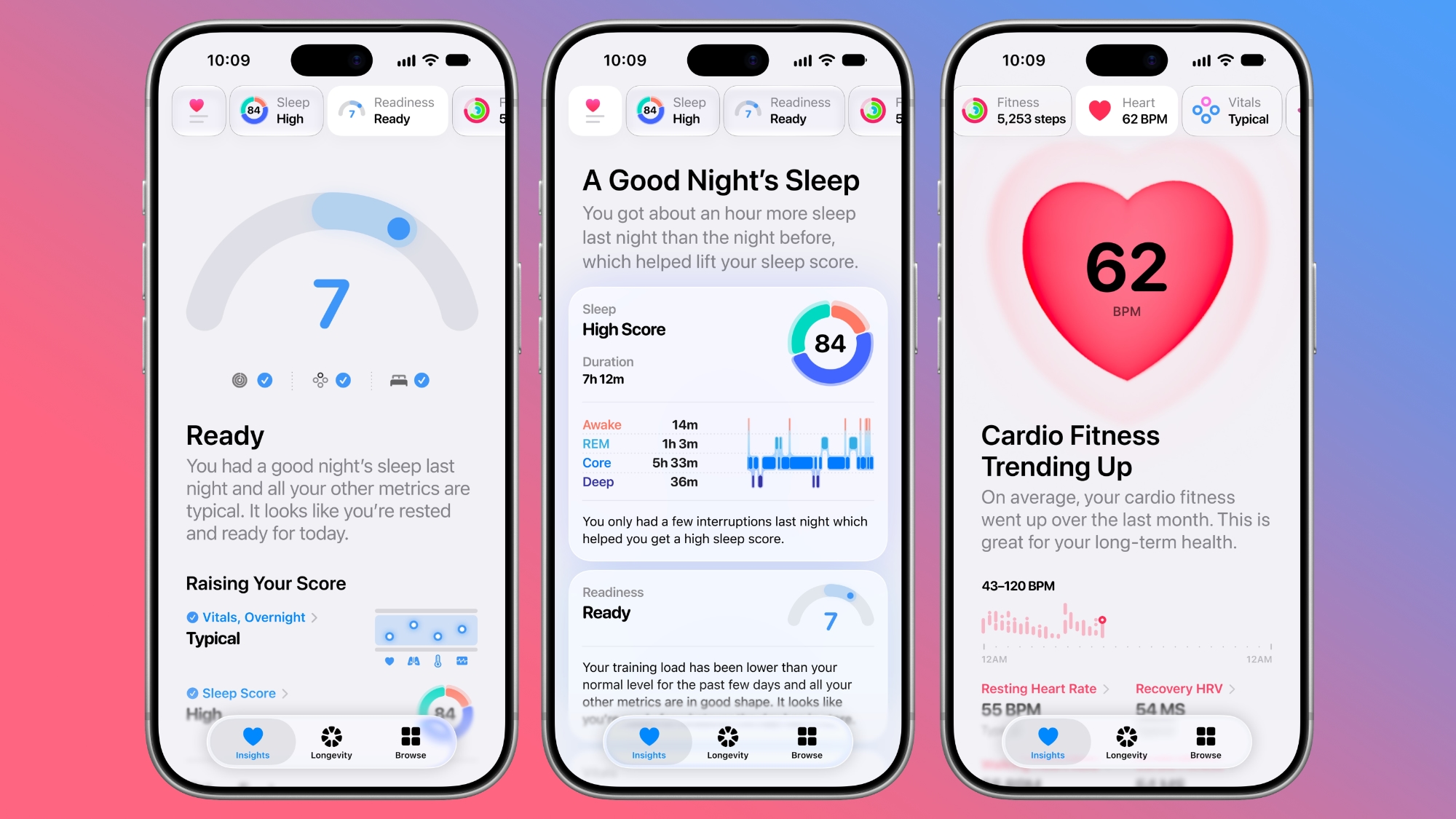
The iOS 27.2 beta includes the redesigned Health app Apple showed off at its September iPhone event. The new app is organized into three main tabs: Insights, Longevity, and Browse.


Insights includes your most recent and relevant health info, such as vitals, sleep score, heart rate, and Activity Rings. Longevity shows your health data over time, offering up a Health Age calculated from activity level, VO2 max, sleep time, and other metrics.


The Health Age feature uses in-app assessments that take advantage of the iPhone's camera. You can measure flexibility, strength, balance, and VO2 max. The revamped Health app is only available in U.S. English.

The Health app also has a new icon.

Call Context


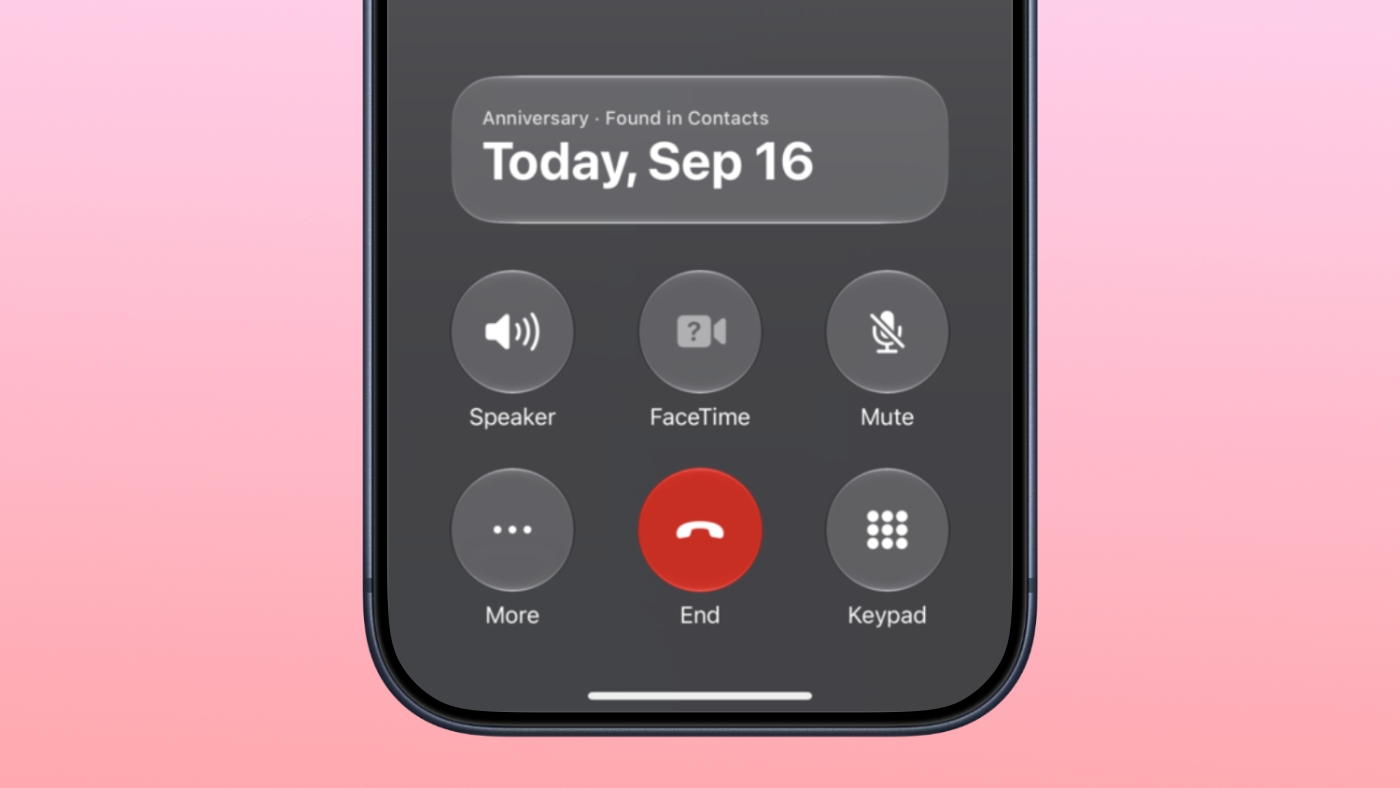
Apple added anniversary alerts to the Apple Intelligence Call Context feature. If you make a phone call to someone and you have an anniversary for them set in the Contacts app, you'll see a reminder in the Phone app.


CarPlay


There are themes for CarPlay Ultra that include options for wallpaper, gauge style, and color. Code suggests ambient lighting in supported vehicles will also match the color of the selected theme.

Siri AI Languages


‌Siri‌ AI is available in French, Japanese, Korean, Portuguese, and Spanish in the iOS 27.2 beta.

Apple TV App


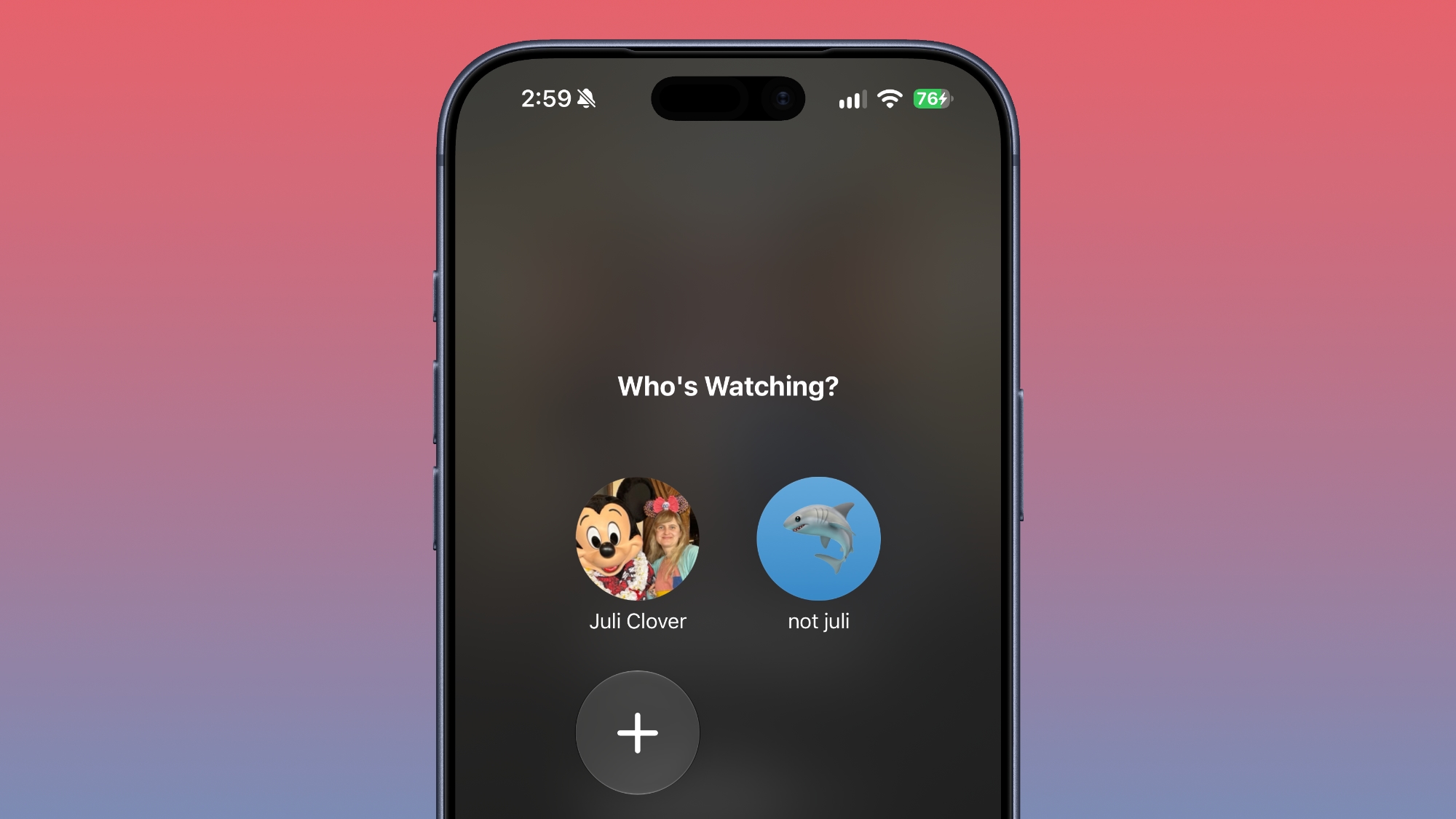
Apple extended Apple TV app profiles to the iPhone and iPad in iOS 27.2. ‌Apple TV‌ app users can create profiles in the account settings section, and then swap between those profiles. Profiles only require a name, profile rating, and information about whether the user is a child.


Creating an account for a child limits content to a PG rating by default, but there is a customize option for more granular control. Users can select age ratings for TV shows and movies that are appropriate for the child based on their age. Profiles are useful for parents that want to hand over an iPhone or ‌iPad‌ to a child to watch TV content while also restricting content that's not age-appropriate.

There's also a new option to turn on sign language interpretation when available. It can be toggled on in the TV app settings.

ASL FaceTime API


Back in May, Apple said it would add a new API to FaceTime allowing developers who make sign language interpretation apps to add a human interpreter to an ongoing video call.

That feature appears to be live in iOS 27.2.

Clock


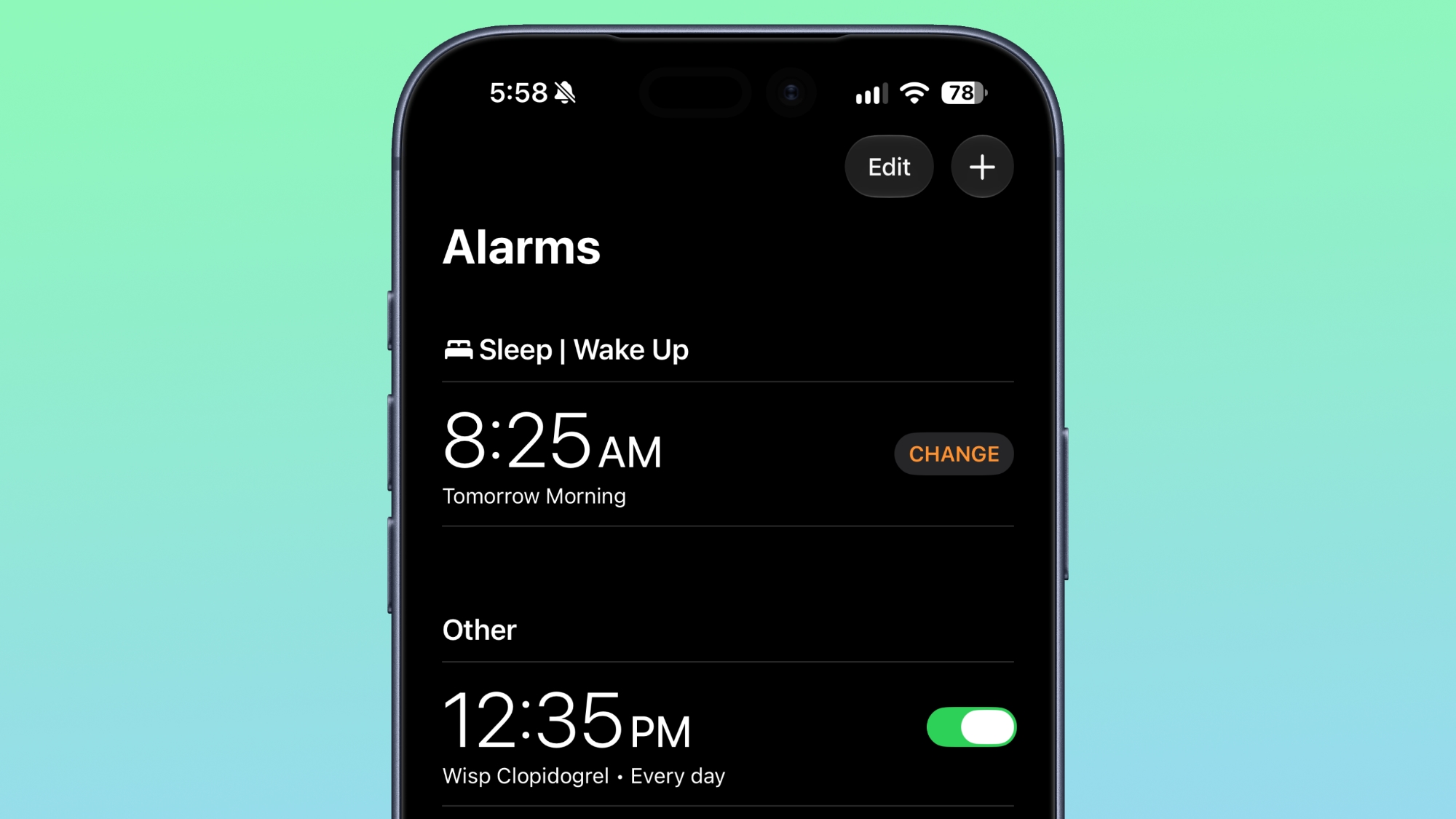
Apple tweaked how alarms appear in the Clock app. The a.m. and p.m. readouts are now smaller than the time.


Music


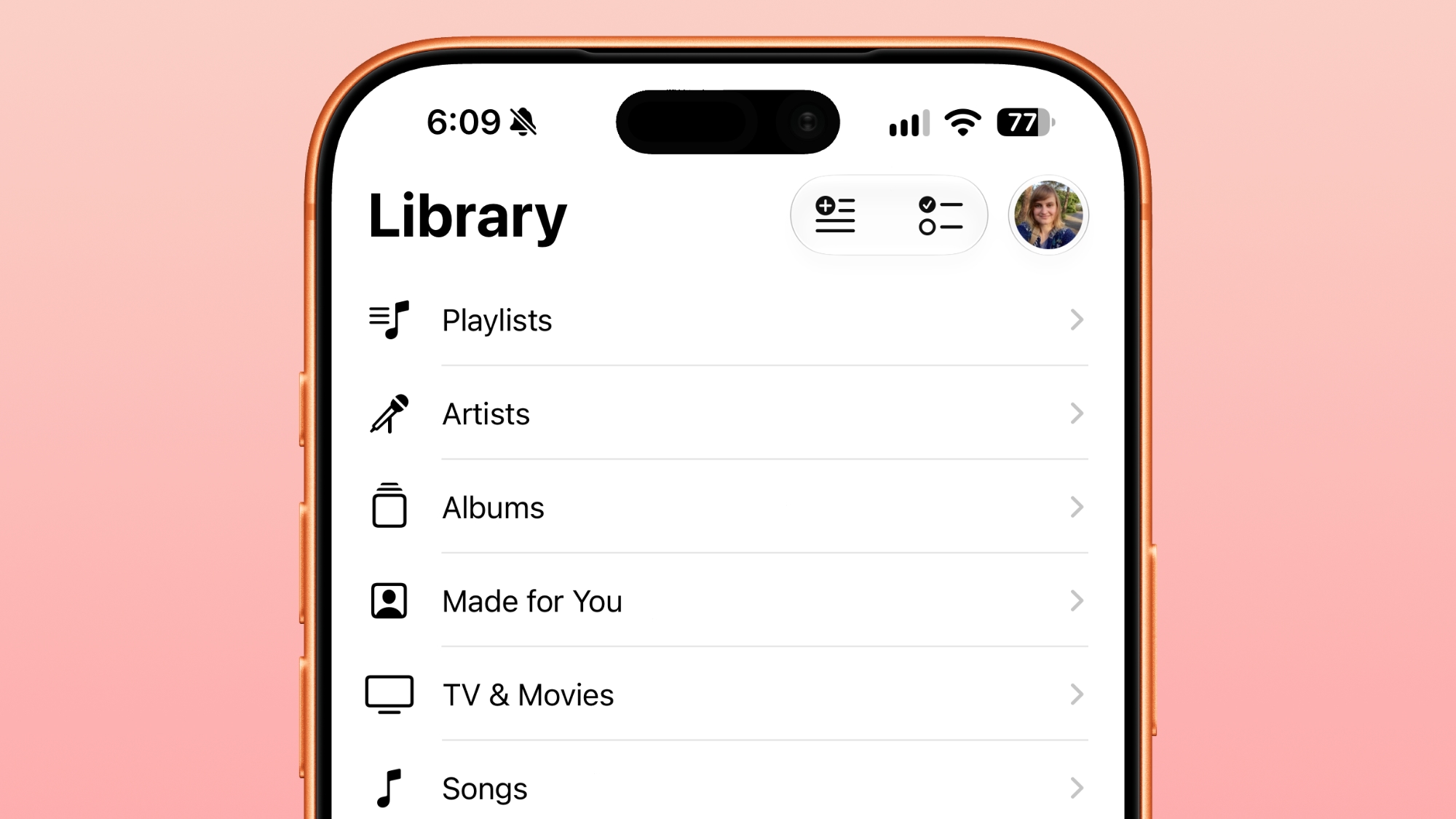
In the Music app, some of the red accents have been removed. The Play and Shuffle buttons in Library are black instead of red, as are all of the icons next to the Library sections.


Siri


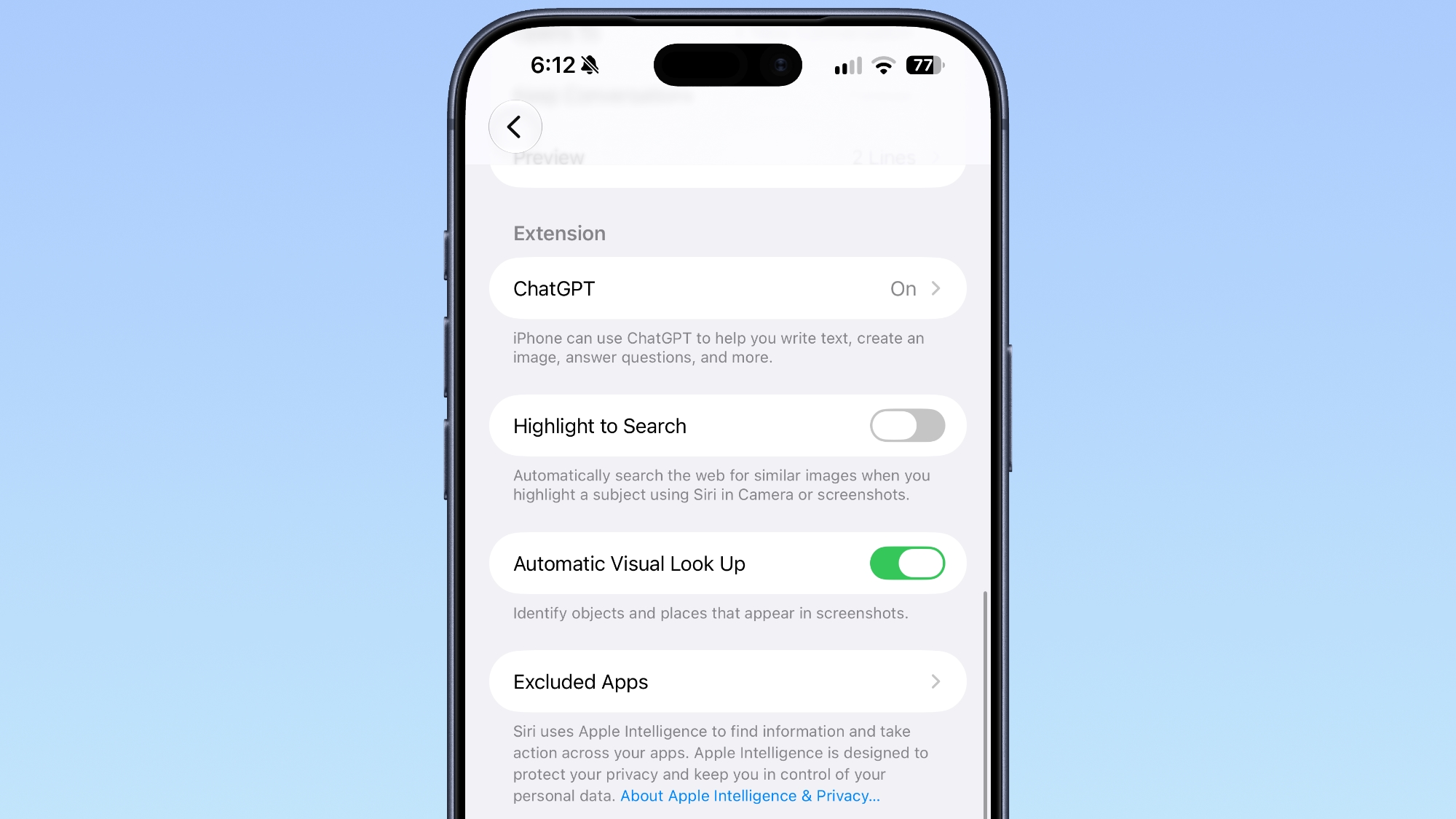
App Access in the ‌Siri‌ section of the Settings app is now named "Excluded Apps." Tapping on "Add Apps" brings up a list so multiple apps can be excluded at once. Apps previously had to be excluded one by one.


Adding an app to the Exclude list prevents it from showing up in ‌Siri‌, Search, and suggestions.

Podcasts


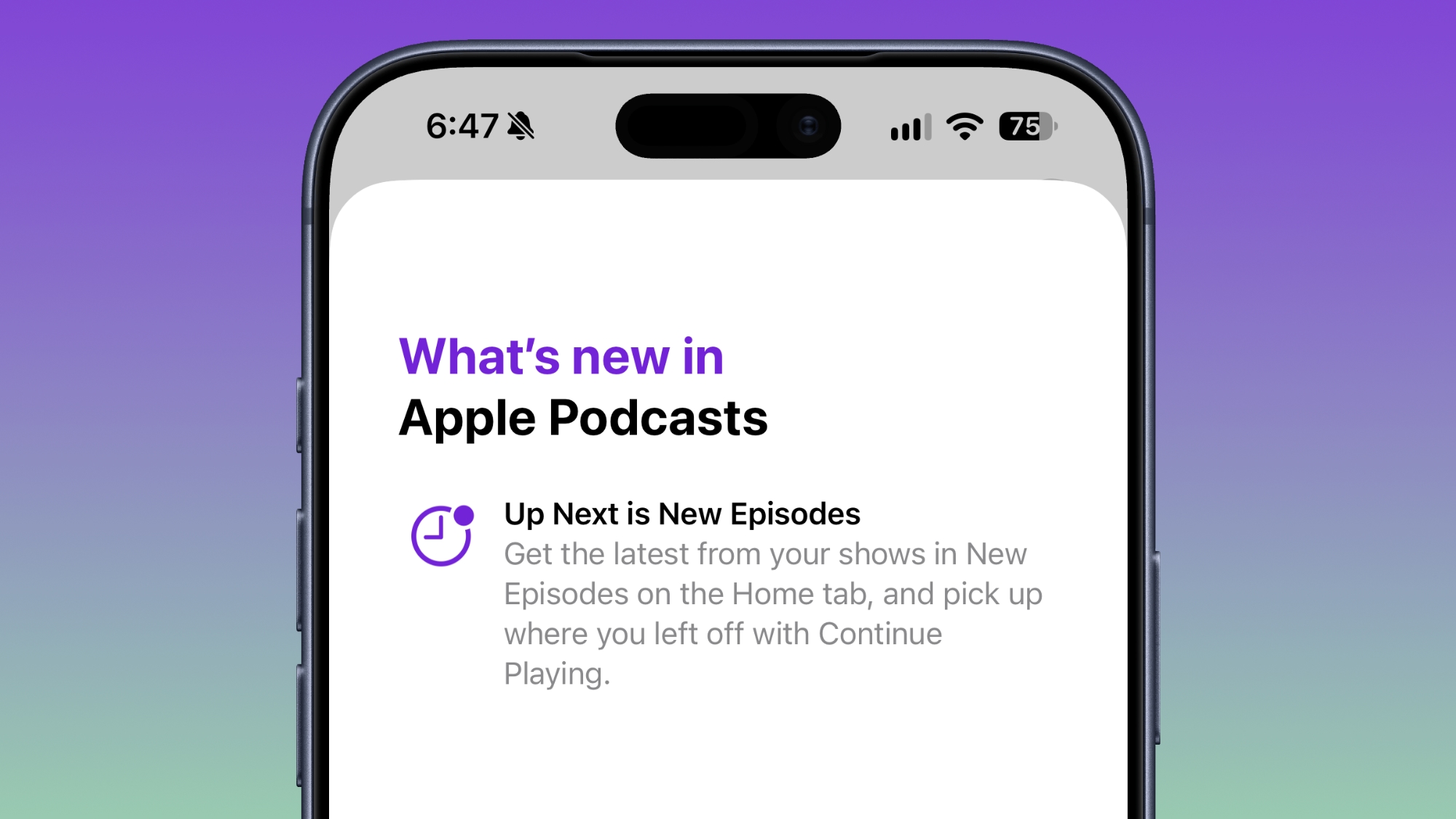
Apple renamed Up Next to New Episodes, with a Continue Playing option directly below it.


App Tracking Transparency


According to Apple's release notes for the update, App Tracking Transparency supports an alternative expanded prompt for EU users along with re-prompting on an annual basis. The alternative prompt is required for users in France, Germany, Italy, Poland, and Romania.
Related Roundups: iOS 27, iPadOS 27
Related Forum: iOS 27

This article, "Everything New in iOS 27.2 Beta 1" first appeared on MacRumors.com

Discuss this article in our forums

  •  

Hands-On With the Redesigned Health App in the iOS 27.2 Beta

With the iOS 27.2 beta, Apple is testing the new Health app that it previewed at its September iPhone event. The app has been entirely overhauled, with new Insights and Longevity tabs that give you more information on your health and fitness metrics.


The Insights tab shows your most recent health data, such as Activity Rings, heart rate, sleep score, and vitals. It'll eventually show personalized guidance, but that feature hasn't been added yet.

Apple Watch Series 12 and Ultra 4 owners will see a readiness score calculated from recent activity, vitals, and sleep score to help them decide whether to take a recovery day or push harder.

The Longevity tab looks at your health data over time to calculate your Health Age based on activity level, VO2 max, sleep time, and other metrics. It also uses fitness assessments you can do right on your iPhone to check flexibility, balance, and VO2 max.

Apple plans to offer a $119 laboratory panel from Quest Diagnostics, which will also contribute to the Health Age score. For now, you can upload your recent lab results.

Getting the most out of the Health app requires an Apple Watch or another fitness device that integrates with it.

While the Health app is being tested in the iOS 27.2 beta, it won't be part of the iOS 27.2 release. It will instead launch later this year.
Related Roundups: iOS 27, iPadOS 27
Related Forum: iOS 27

This article, "Hands-On With the Redesigned Health App in the iOS 27.2 Beta" first appeared on MacRumors.com

Discuss this article in our forums

  •  

Apple Seeds First macOS Golden Gate 27.2 Beta to Developers

Apple is testing the next macOS Golden Gate update, and developers can download the ‌macOS Golden Gate‌ 27.2 beta as of today. The beta comes just two days after Apple launched ‌macOS Golden Gate‌ 27.0.


Registered developers can download ‌macOS Golden Gate‌ 27.2 by opening up the System Settings app, clicking on General, selecting Software Update, and opting into ‌macOS Golden Gate‌ betas.

Apple removed two Apple Intelligence features from the launch version of ‌macOS Golden Gate‌, but said they would be coming back in a future software update. It's possible the features will return as soon as the 27.2 release.

Apple delayed Suggestions in Messages, a feature that lets the Messages app offer actions based on the context of conversations. If someone asks for a photo, Messages might suggest inserting it with a tap. If someone invites you to an event, Messages can suggest adding it to the Calendar app.

Apple also pulled the ‌Apple Intelligence‌ feature that automatically updates weak and compromised passwords using Safari.
Related Roundup: macOS Golden Gate
Related Forum: macOS Golden Gate

This article, "Apple Seeds First macOS Golden Gate 27.2 Beta to Developers" first appeared on MacRumors.com

Discuss this article in our forums

  •  

Apple Releases First iOS 27.2 Beta

Apple today seeded the first beta of an upcoming iOS 27.2 update to developers for testing purposes, with the update coming just two days after the iOS 27 launch. Apple also seeded an iPadOS 27.2 beta.


Registered developers can download the beta updates by opting in under Settings > General > Software Update and selecting the ‌iOS 27‌ developer beta.

Siri AI will be available in new languages later this year, and support could be added in iOS 27.2. Apple is adding French, Japanese, Korean, Portuguese, and Spanish in October.

Two Apple Intelligence features were removed from the launch version of ‌iOS 27‌, and those could also be reintroduced as soon as iOS 27.2. Apple delayed suggestions in Messages conversations and the option to automatically fix compromised and weak passwords using AI.

Apple also plans to debut a new Health app experience, and we could see that in the beta as well.

Apple releasing an iOS 27.2 beta ahead of a iOS 27.1 beta is a surprise, especially because the company plans to ship the iPhone Duo with iOS 27.1. Apple may be holding iOS 27.1 until the Duo comes out, just to keep the features under wraps. iOS 27.1 will add updated app layouts and features built for the iPhone Duo's two displays. The ‌iPhone Duo‌ will have a vertical dock, vertical Dynamic Island, new dual-screen app layouts, side-by-side app multitasking, and exclusive Camera app capabilities.

Since the ‌iPhone Duo‌ will launch on Friday, October 23 and will ship with iOS 27.1, Apple will need to release the iOS 27.1 update before then. If iOS 27.2 includes new ‌Siri‌ AI languages, it too will launch sometime during the month of October.
Related Roundups: iOS 27, iPadOS 27
Related Forum: iOS 27

This article, "Apple Releases First iOS 27.2 Beta" first appeared on MacRumors.com

Discuss this article in our forums

  •  

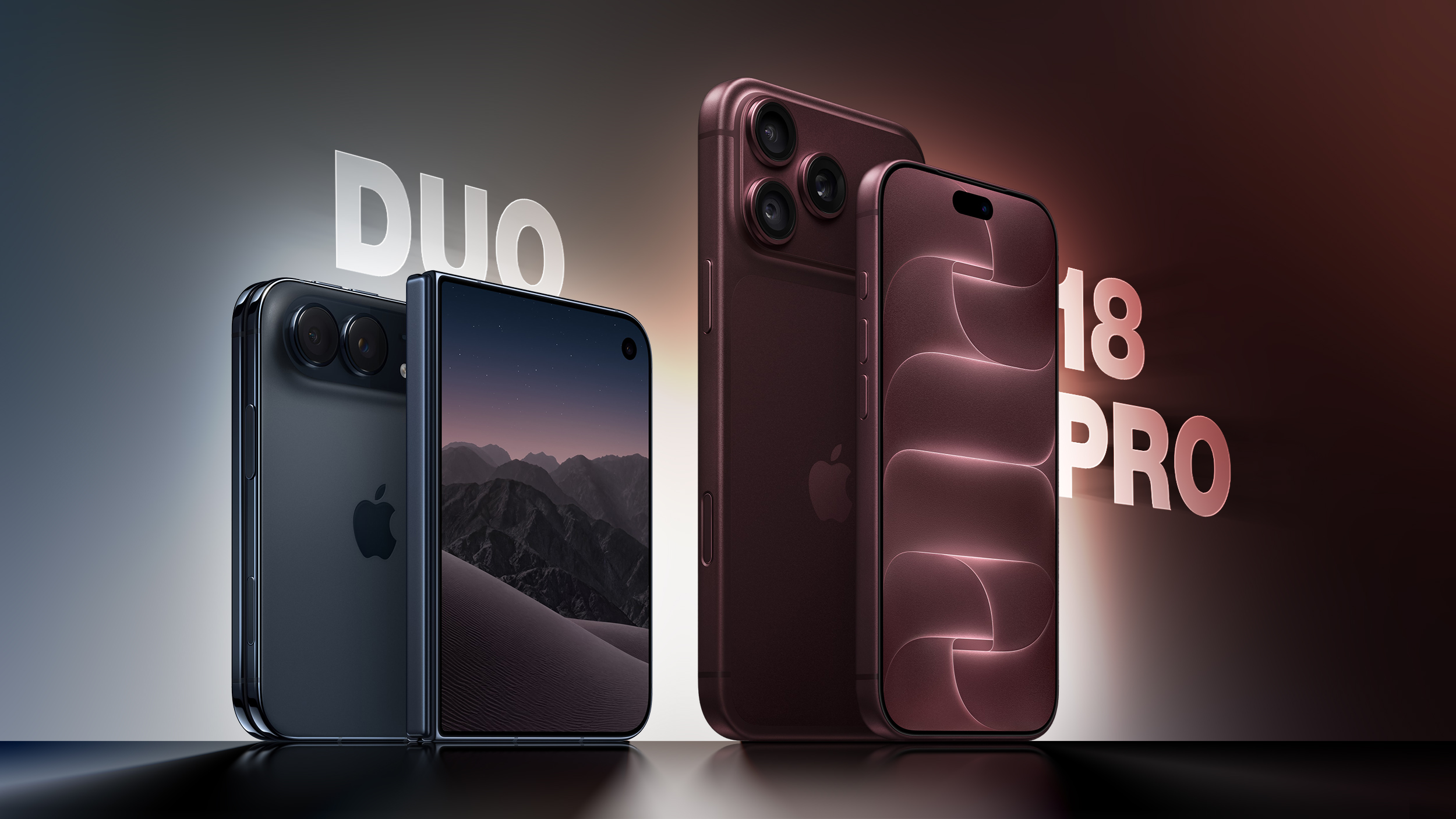
iPhone 18 Pro vs. iPhone Duo Buyer's Guide: Which Should You Choose?

Apple's new iPhone lineup asks buyers a new and challenging question: Is a foldable display worth feature compromises?


Alongside the iPhone 18 Pro and ‌iPhone 18 Pro‌ Max, which start at $1,199 and $1,299 respectively, there is now the iPhone Duo, Apple's first foldable iPhone, which starts at $1,999. All three are brand new, all three feature the same A20 Pro chip, and all three sit at the top end of Apple's lineup.

The Duo is not a Pro model, though, and Apple's own wording makes that clear. For example, its rear camera array is branded the 48-megapixel Dual Fusion system rather than the Pro Fusion system, and the word Pro appears nowhere in its name. The $700 premium over the ‌iPhone 18 Pro‌ Max buys a folding 7.6-inch display, not a better camera.

All three models still share a large amount of hardware. The shared features include:


  • A20 Pro chip with a 6-core CPU, 7-core GPU with Neural Accelerators, dual 16-core Neural Engine, and hardware-accelerated ray tracing

  • Apple C2 modem (except on the Pro Max in the United States), N1 wireless networking chip, Wi-Fi 7, Bluetooth 6, Thread, and the second-generation Ultra Wideband chip

  • Super Retina XDR OLED displays with ProMotion up to 120Hz, Always-On display, Dynamic Island, and 3000 nits of peak outdoor brightness

  • Ceramic Shield 2 front with 3x better scratch resistance, Ceramic Shield back, and IP68 water resistance to a depth of 6 meters

  • Camera Control, a 48MP Fusion Ultra Wide camera at 13mm and f/2.2, Photographic Styles 3, Dual Capture, smart focus tracking, and 48MP macro photography

  • Apple Intelligence and Siri AI in iOS 27

  • Emergency SOS, Crash Detection, Roadside Assistance, Messages, and Find My via satellite

  • USB-C with USB 3 speeds, MagSafe and Qi2 wireless charging up to 25W, and dual eSIM

  • 256GB, 512GB, 1TB, and 2TB storage options


The comparison below outlines every difference between the Pro models and the Duo:

Display


‌iPhone 18 Pro‌ and ‌iPhone 18 Pro‌ Max ‌iPhone Duo‌
iPhone 18 Pro: 6.3-inch display
iPhone 18 Pro Max: 6.9-inch display
7.6-inch inner folding display and 5.4-inch outer display
iPhone 18 Pro: 2622-by-1206 resolution at 460 ppi
iPhone 18 Pro Max: 2868-by-1320 resolution at 460 ppi
Outer display: 1398-by-2034 at 460 ppi
Inner display: 1878-by-2670 at 430 ppi
Nano-texture finish and wide-angle OLEDs on the inner display
Supports Apple Pencil with USB-C


Design and Build


‌iPhone 18 Pro‌ and ‌iPhone 18 Pro‌ Max ‌iPhone Duo‌
Aluminum unibody Polished titanium frame with a 3D-printed hinge cover
Action button
Face ID enabled by TrueDepth technology Touch ID in the side button
Dual ambient light sensors Four ambient light sensors
Compatible with ‌MagSafe‌ cases, wallets, and wireless chargers Compatible with ‌MagSafe‌ cases and wireless chargers
Black, Silver, Glacier, and Burgundy options Night Sky and Star White options
Made with 40% recycled content, including 85% recycled aluminum in the enclosure, 100% recycled rare earth elements in all magnets, 80% recycled steel in the battery enclosure and vapor chamber chassis, and 100% recycled tungsten in the Taptic Engine Made with 35% recycled content, including 100% recycled aluminum in the internal structural frame, 85% recycled titanium in the enclosure, and 100% recycled titanium in the 3D-printed hinge cover
50% of manufacturing electricity sourced from renewable electricity 60% of manufacturing electricity sourced from renewable electricity


Dimensions and Weight


‌iPhone 18 Pro‌ ‌iPhone 18 Pro‌ Max ‌iPhone Duo‌
Height 5.91 inches (150.0 mm) 6.43 inches (163.4 mm) 4.64 inches (117.8 mm) closed
4.64 inches (117.8 mm) open
Width 2.83 inches (71.9 mm) 3.07 inches (78.0 mm) 3.31 inches (84.1 mm) closed
6.48 inches (164.6 mm) open
Depth 0.34 inch (8.75 mm) 0.34 inch (8.75 mm) 0.44 inch (11.3 mm) closed
0.21 inch (5.2 mm) open
Weight 7.44 ounces (211 grams) 8.78 ounces (249 grams) 8.96 ounces (254 grams)


Rear Cameras


‌iPhone 18 Pro‌ and ‌iPhone 18 Pro‌ Max ‌iPhone Duo‌
48MP Pro Fusion camera system 48MP Dual Fusion camera system
48MP Fusion Main camera: 24mm, second-generation sensor-shift OIS, 100% Focus Pixels 48MP Fusion Main camera: 26mm, sensor-shift OIS, Hybrid Focus Pixels
Variable aperture on Main camera: f/1.48, f/1.8, f/2.8, and f/4.0 Fixed f/1.6 aperture on Main camera
12MP optical-quality 2x "telephoto" sensor crop at 48mm from the Main camera 12MP optical-quality 2x "telephoto" sensor crop at 52mm from the Main camera
48MP Fusion Telephoto camera: 100mm (4x), f/2.8, tetraprism, 3D sensor-shift OIS and autofocus
12MP optical-quality 8x Telephoto sensor crop at 200mm, f/2.8, from the Fusion Telephoto camera
LiDAR scanner
0.5x, 1x, 2x, 4x, and 8x optical zoom options 0.5x, 1x, and 2x optical zoom options
8x optical-quality zoom in, 2x optical zoom out, for a 16x optical-quality zoom range 2x optical-quality zoom in, 2x optical zoom out, for a 4x optical-quality zoom range
Digital zoom up to 40x for photos and up to 24x for video Digital zoom up to 10x for photos and up to 6x for video
Adaptive True Tone flash True Tone flash
Four studio-quality mics
Smart Take and Duo Preview


Pro Capture Features and Formats


‌iPhone 18 Pro‌ and ‌iPhone 18 Pro‌ Max ‌iPhone Duo‌
Pro controls for lens aperture, shutter speed, white balance, and viewing histogram
ProRAW
Apple Reference Image (Fusion Main camera only)
Spatial photos
Spatial video recording at 1080p at 30 fps
ProRes video recording up to 4K at 120 fps with external recording
ProRes RAW video recording
Apple Log 2
Academy Color Encoding System (ACES)
Genlock
Image formats captured: HEIF, JPEG, and DNG Image formats captured: HEIF and JPEG
Video formats recorded: HEVC, H.264, ProRes, and ProRes RAW Video formats recorded: HEVC and H.264
Video playback formats include HEVC, H.264, AV1, and ProRes Video playback formats include HEVC, H.264, and AV1


Front Cameras


‌iPhone 18 Pro‌ and ‌iPhone 18 Pro‌ Max ‌iPhone Duo‌
18MP Center Stage front camera, f/1.9 12MP Center Stage outer camera, f/2.2
Autofocus with Focus Pixels on the front camera
Front camera Pro controls, ProRAW, ProRes, ProRes RAW, Apple Log 2, and Academy Color Encoding System
Kid Cue on the front camera
Under-display FaceTime camera on the inner display, f/1.8, limited to 1080p video at 30 or 60 fps with no Night mode, portraits, or Photographic Styles
Duo ‌FaceTime‌
Optical zoom with the rear camera in ‌FaceTime‌ Zoom with the rear camera in ‌FaceTime‌


Battery and Charging


‌iPhone 18 Pro‌ and ‌iPhone 18 Pro‌ Max ‌iPhone Duo‌
Built-in rechargeable battery Dual built-in rechargeable batteries
iPhone 18 Pro: Up to 24 hours typical use
iPhone 18 Pro Max: Up to 30 hours typical use
Up to 24 hours typical use
iPhone 18 Pro: Up to 36 hours video playback
iPhone 18 Pro Max: Up to 45 hours video playback
Up to 44 hours using the outer display, up to 31 hours using the inner display
iPhone 18 Pro: Up to 33 hours streamed video playback
iPhone 18 Pro Max: Up to 40 hours streamed video playback
Up to 37 hours streamed using the outer display, up to 26 hours using the inner display
50% charge in around 15 minutes 50% charge in around 20 minutes


Price


‌iPhone 18 Pro‌ ‌iPhone 18 Pro‌ Max ‌iPhone Duo‌
256GB $1,199 $1,299 $1,999
512GB $1,399 $1,499 $2,199
1TB $1,799 $1,899 $2,599
2TB $2,399 $2,499 $3,199


For most buyers, the ‌iPhone 18 Pro‌ or ‌iPhone 18 Pro‌ Max is the better choice. They offer the same A20 Pro chip as the Duo, a more versatile camera system, and a lower price. Choose the Pro if you prefer a smaller, lighter phone, or pay $100 more for the Pro Max if you want a larger screen and longer battery life.

The camera system is the clearest reason to choose an ‌iPhone 18 Pro‌ over the ‌iPhone Duo‌. Alongside a more advanced Main camera, the Pro models offer a variable aperture for greater control over depth of field and a dedicated Telephoto camera for subjects you cannot get close to. These advantages matter even if you never use professional capture formats: The Pro gives you more flexibility both when framing a shot and when controlling how it looks. If photography or videography is a priority, choose the ‌iPhone 18 Pro‌. Buyers who also use ProRAW, ProRes, or manual controls have even more reason to do so.

The ‌iPhone Duo‌ is worth considering if you frequently wish your phone had a larger screen for reading, documents, taking notes, or watching video. Its 7.6-inch folding display and ‌Apple Pencil‌ support are unique in the iPhone lineup and could reduce the need to carry a separate tablet. If you would unfold it several times a day for those sorts of tasks, the benefit may outweigh the camera compromises and higher price. If most of your use involves messaging, social media, and taking photos, there is less reason to pay extra for the ‌iPhone Duo‌.

The compromises also extend beyond the rear cameras. Both of its front-facing cameras are also inferior. The ‌iPhone Duo‌ also replaces ‌Face ID‌ with ‌Touch ID‌ and drops the Action button, so buyers will need to adjust. It also lacks the Pro models' LiDAR Scanner, adaptive True Tone flash, four studio-quality microphones, and spatial photo and video recording.

You also need to be comfortable with the Duo when it is closed. Despite its smaller outer screen, it is wider and thicker than either Pro model and slightly heavier than the Pro Max. Battery life is another reason to favor the Pro Max: The Duo matches the smaller Pro's rated typical-use battery life, and using its inner display reduces its video playback time substantially.

The price gap remains significant at every storage tier. A 1TB ‌iPhone 18 Pro‌ Max is only $100 cheaper than the entry-level ‌iPhone Duo‌, but that Duo has just 256GB of storage. At the same capacity, you pay $700 more than the Pro Max or $800 more than the Pro. That premium needs to be justified by how much you would use the folding screen and how much you care about some of the device's compromises.

Buy the Duo if you have a clear idea of the things you would regularly unfold it to do, or if experiencing Apple's first foldable and a radically new kind of iPhone is itself worth the premium to you. If you are unsure how the larger screen would fit into your routine, the Pro models remain the stronger purchase with their traditional "slab" form factor and host of superior specifications.

The ‌iPhone 18 Pro‌ and ‌iPhone 18 Pro‌ Max are available to pre-order now. ‌iPhone Duo‌ pre-orders open on October 16 ahead of an October 23 release.
Related Roundups: iPhone 18 Pro, iPhone Duo
Related Forum: iPhone

This article, "iPhone 18 Pro vs. iPhone Duo Buyer's Guide: Which Should You Choose?" first appeared on MacRumors.com

Discuss this article in our forums

  •  

iOS 27.2 Beta Previews New Apple Intelligence Health App

The first beta of iOS 27.2 includes Apple's redesigned Health app, giving developers a chance to try out the features ahead of launch later this year.


Apple's developer notes for the feature say the Health app is being tested in this beta, but it won't be in the launch version of iOS 27.2. It will instead come later in the year.

The Health app will incorporate Apple Intelligence to turn data and metrics collected by the Apple Watch into personalized guidance. Here are the new features we can expect:

  • Insights - The Insights tab offers an Apple Intelligence-generated summary of timely information like your latest sleep metrics or a new peak in VO2 max. There are options to get custom advice on readiness, fitness, heart health, and more in the For You section.

  • Personal Guidance - Personal guidance is part of the Insights tab. It knows what's important to you, and will make relevant suggestions. Apple says if you're working on your cardio, you might see a suggestion to incorporate intervals into your morning run. Recommendations adapt to each user and their data.

  • Readiness - The new Apple Watch models calculate a readiness score that takes into account recent activity, vitals, and sleep score. It gives a 0–10 score with recommendations on activity level. Readouts include Recover, Pace Yourself, Ready, or Go For It. Info is shown on the watch, in the Fitness app, and in the Health app's Insights tab.

  • Fitness - Insights incorporates your daily activity and it updates throughout the day.

  • Vitals - The Vitals option in the Health app has new overnight views and daytime views. HRV is incorporated as a metric, offering a better look at your ability to recover from stress. It measures overall HRV and recovery HRV.

  • Longevity - There is a new Longevity tab in the Health app. It uses metrics from your iPhone and Apple Watch to assess overall health across heart health, sleep, mental wellbeing, movement health, metabolic health, hearing, and nutrition. The section shows you how well you're doing in each category, and how each metric is classified against the latest clinical guidance.

  • Health Age - Health Age is part of the Longevity tab. It uses metrics like VO2 max, resting heart rate, HRV, sleep, and biomarkers from blood work to determine how your health metrics compare to your actual age. It will help you figure out what habits make the biggest impact on your health, and how you can improve.


At-home health assessments like a VO2 max test will be coming to the Health app, taking advantage of the iPhone's camera to track your movements as you follow instructions from a trainer. There will be in-depth physical assessments for measuring flexibility, strength, balance, and movement mechanics in addition to VO2 max.

Apple also plans to eventually offer U.S. users the option to buy a bloodwork panel from Quest that covers more than 50 biomarkers. The test is priced at $119, and users will be able to order it right in the Health app.

Not all of the new features are going to be available in the beta. CNET says ordering labs, personalized health info in the Insights tab, and personalized recommendations will not be available until later in the year. Features are going to roll out progressively.
Related Roundups: iOS 27, iPadOS 27
Related Forum: iOS 27

This article, "iOS 27.2 Beta Previews New Apple Intelligence Health App" first appeared on MacRumors.com

Discuss this article in our forums

  •  

Here's Why a New Apple Watch Charging Puck Was Just Released

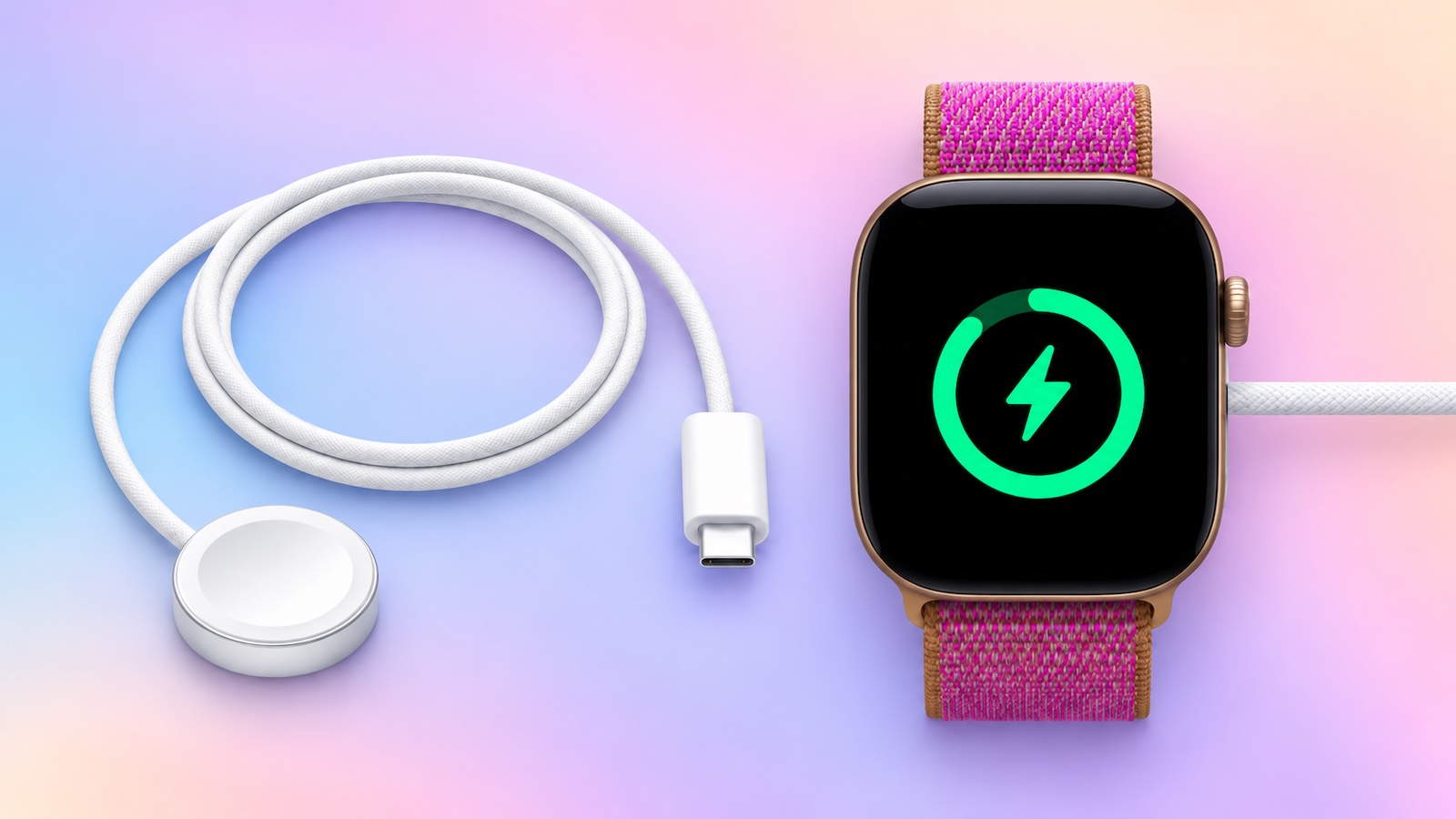
The new Apple Watch Series 12 and Apple Watch Ultra 4 have hardware changes that allow for faster charging, but you will need to use the new version of the Apple Watch Magnetic Fast Charger included in the box in order to achieve this boost. If you need extra ones for your own charging stands or travel or so forth, Apple released the new version of the charger on its online store last week, with U.S. pricing set at $29.


We have confirmed that the new version of the Apple Watch charging puck — model A3277 — can deliver up to 10W of power to enable the faster charging speeds. The previous version of the charger is limited to 5W. Accordingly, you will also need to use a USB-C Power Delivery charger that is rated 10W or higher for the fastest charging.

With just 15 minutes of charging, Apple said the new charger can add 12 hours of battery life to the Series 12 and 18 hours of battery life to the Ultra 4.

The previous Apple Watch Series 11 and Apple Watch Ultra 3 can get 8 hours and 12 hours of battery life respectively with a 15-minute charge, according to Apple. Using the new charging puck will not speed up these times, as the Series 12 and Ultra 4 have hardware changes, so you need both a new watch and the new charger for the fastest charging.


Model New Charger Previous Charger
Apple Watch Series 12 12 hours of battery life in 15 minutes 8 hours of battery life in 15 minutes
Apple Watch Ultra 4 18 hours of battery life in 15 minutes 12 hours of battery life in 15 minutes
Apple Watch Series 11 8 hours of battery life in 15 minutes 8 hours of battery life in 15 minutes
Apple Watch Ultra 3 12 hours of battery life in 15 minutes 12 hours of battery life in 15 minutes


As mentioned, the new 1-meter Apple Watch Magnetic Fast Charger to USB-C Cable is available to order for $29 U.S. on Apple's online store.
Related Forum: Apple Watch

This article, "Here's Why a New Apple Watch Charging Puck Was Just Released" first appeared on MacRumors.com

Discuss this article in our forums

  •  

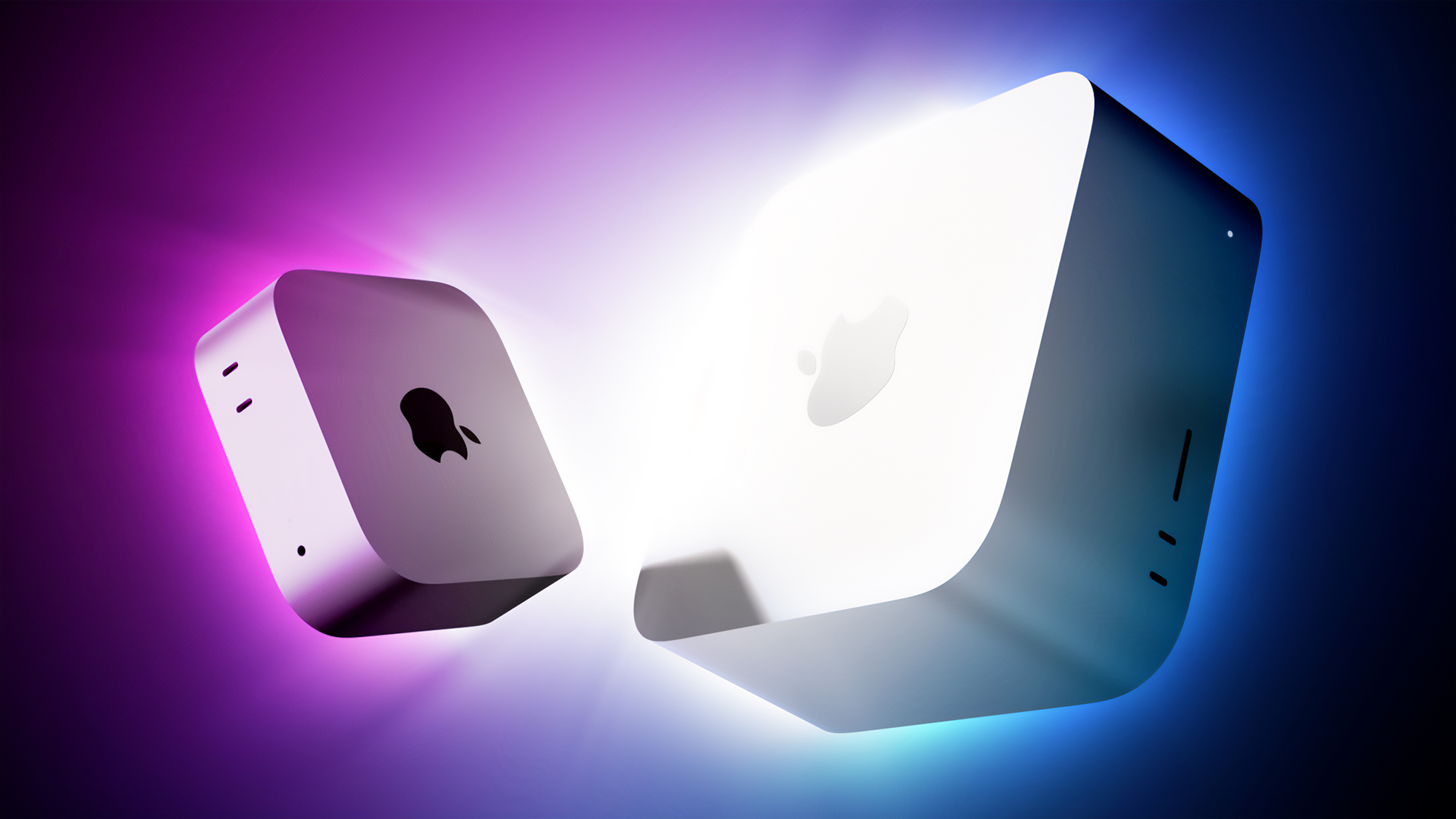
Get In On Pre-Order Discounts for the New Mac Mini and Mac Studio Before They Launch Next Week

Amazon has the first cash discounts on Apple's brand new Mac mini and Mac Studio, with up to $49 off select models. One of the best deals is on the M5 Max Mac Studio with 36GB RAM and a 512GB SSD, on sale for $2,449.99, down from $2,499.00.

Note: MacRumors is an affiliate partner with Amazon. When you click a link and make a purchase, we may receive a small payment, which helps us keep the site running.

All of these deals are pre-order discounts on the 2026 Mac mini and Mac Studio, which officially launch on September 22. Regarding the Mac mini, you can get the 16GB RAM/256GB SSD Mac mini for $879.99, down from $899.00, and the 16GB RAM/512GB SSD model for $1,069.99, down from $1,099.00.


In terms of upgrades, Apple said the Mac mini with the M6 chip delivers up to 40% faster CPU performance, up to 4× faster performance for AI tasks in particular, up to 2× faster graphics performance, and up to 2× faster storage speeds compared to the previous-generation model with the 10-core M4 chip, 32GB of unified memory, and 2TB of storage.

If you're on the hunt for more discounts, be sure to visit our Apple Deals roundup where we recap the best Apple-related bargains of the past week.


Deals Newsletter


Interested in hearing more about the best deals you can find in 2026? Sign up for our Deals Newsletter and we'll keep you updated so you don't miss the biggest deals of the season!


Related Roundup: Apple Deals

This article, "Get In On Pre-Order Discounts for the New Mac Mini and Mac Studio Before They Launch Next Week" first appeared on MacRumors.com

Discuss this article in our forums

  •  

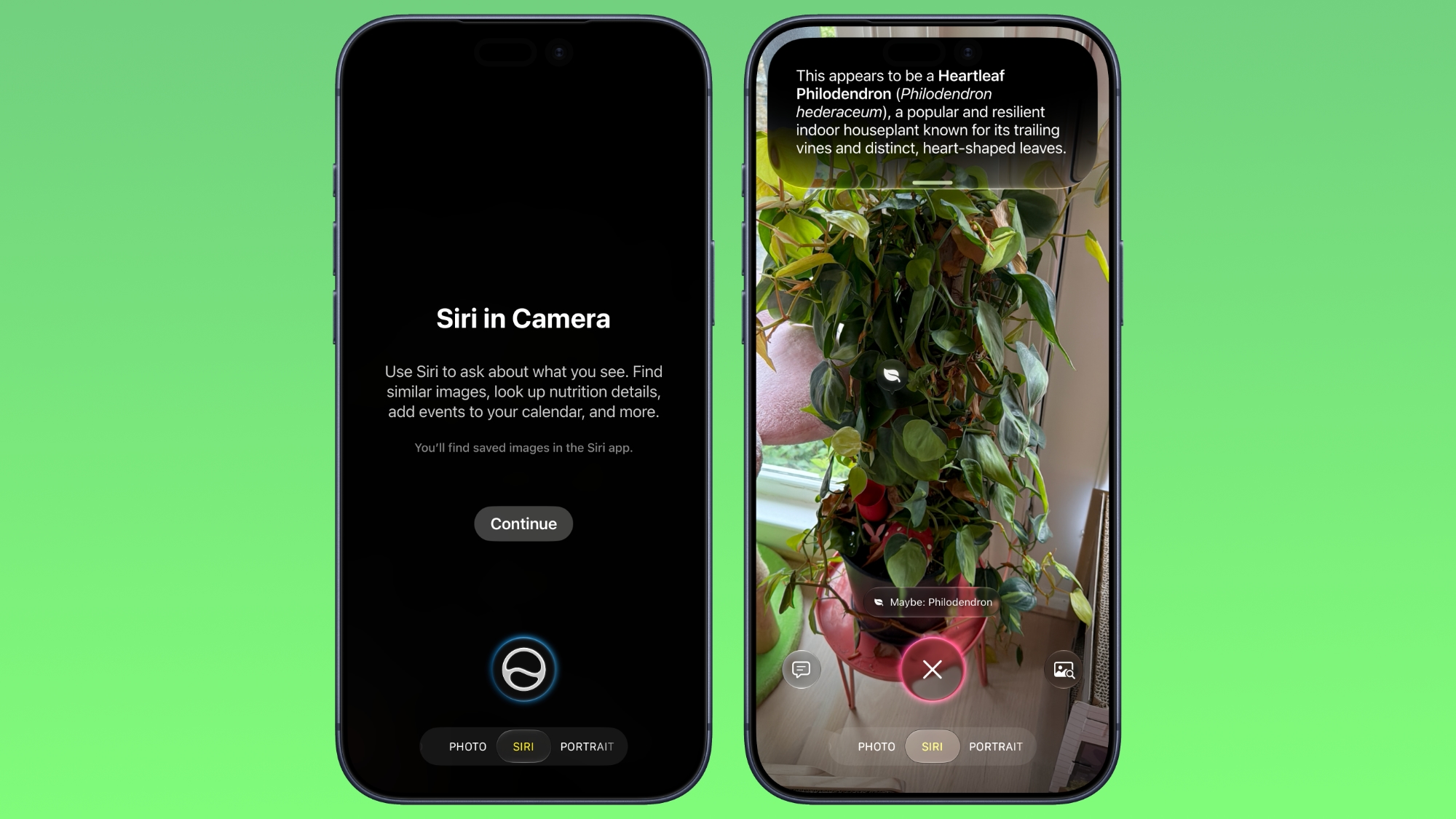
iOS 27: Use Visual Intelligence in the Camera App

In iOS 27, available now, Apple has made some changes and additions to the iPhone's stock Camera app, including the addition of a new Siri mode.


Available in addition to the Video, Photo, and other camera modes, Siri mode can be accessed by swiping across the mode carousel at the bottom of the screen.

The new mode uses Visual Intelligence to identify objects in the frame and provide information about them. It can be used to identify plants, animals, food, and more. If it's food you want info on, for example, it can tell you what it is, and how many calories are in it.

Other examples Siri mode can be used for include capturing a photo of an event flyer and adding a date to the Calendar app, text translation, splitting a bill, and more.

In Siri mode, a button on the right lets you search Google Images, and a button on the left lets you ask a specific question. So you can ask for help to cook the food in the frame, for instance.

Apple has also tweaked the way the camera interface works in other ways. Quick access tools for activating flash, Live Photo, and Night mode are now located at the top-center of the UI, while the full set of tools can be accessed from the bottom-right instead of the top-right. It's also possible to customize which controls are displayed at the top of the screen.

Apple made iOS 27 available to download on supported iPhone models on September 14, a few days ahead of the launch of new iPhone 18 Pro models on September 18.
Related Roundups: iOS 27, iPadOS 27
Related Forum: iOS 27

This article, "iOS 27: Use Visual Intelligence in the Camera App" first appeared on MacRumors.com

Discuss this article in our forums

  •  

US Confirms Orbital Weapon, Essex Wildlife Habitat Threatened by Data Centre — Today’s Environmental Briefing for Wed, Sep 16 2026

Illustration of a military satellite weapon orbiting Earth above rare UK wildlife habitat threatened by development

Across the stories today, a common thread emerges: the boundaries we once drew around “the environment” — between land and sea, sky and orbit, economy and ecology — keep dissolving, revealing how deeply intertwined these systems have become.

Start with the sky, in more ways than one. The US government’s confirmation that it has deployed a weapon in Earth’s orbit marks a genuine turning point, not just for defense policy but for how we think about the commons above our heads. Space has long been treated as neutral ground; now it’s becoming contested territory, raising quiet but urgent questions about debris, escalation, and what “environment” even means when it extends past the atmosphere. Meanwhile, back on solid ground, the UK’s climate advisers delivered a pointed message to Heathrow: a third runway cannot proceed unless airlines help pay for the emissions it would unleash, potentially through carbon removal costs. It’s a small but telling signal that growth and climate accounting are becoming inseparable in policy conversations — expansion is no longer a given, even for infrastructure long considered inevitable.

That tension between growth and limits runs through much of today’s coverage. A Guardian analysis found that the world’s twenty largest private equity firms back energy portfolios emitting more greenhouse gases than all but three countries on Earth — a stark reminder that climate accountability often hides behind layers of finance most people never see. In Venezuela, a US-backed push for “legitimate” mining and a new oil megadeal are drawing warnings from environmental and human rights groups who see familiar risks dressed in new language. And in Guinea-Bissau, industrial fishmeal factories are quietly hollowing out a food fish that coastal communities have relied on for generations. Behind the numbers are real communities adapting in real time — from Vietnamese fishers losing thousands of dollars per vessel to tangled plastic waste, to Dhaka residents like Yeasmin Begum, who has spent her life breathing the smoke of a landfill she never chose to live beside.

Yet alongside these pressures, the day’s coverage also points to growing momentum around resilience and repair. Ukrainians are turning to rooftop solar to keep homes running amid bombardment — a portrait of adaptation born from necessity. A Congolese NGO now co-manages a national reserve for the first time, a homegrown model of stewardship. Moon bears rescued from bile farms are stretching their limbs in Suffolk enclosures, and three wild dog brothers wandered 2,500 miles across Zambia in search of a mate, offering an unlikely note of hope for their species. Even Griffith Park’s mountain lion — photographed beneath the Hollywood sign — helped inspire the world’s largest wildlife crossing, proof that a single image can shift infrastructure decisions.

It’s a reminder that progress and pressure often arrive together. Some communities are innovating their way through crisis; others, like the land defenders now forming self-defense units amid rising violence, are simply trying to survive it. As Brazil’s upcoming election looms over the Amazon’s future, and Chief Raoni Metuktire — one of its most storied protectors — enters palliative care, the coming months may reveal whether today’s momentum toward stewardship can outpace the forces pulling the other way.

The post US Confirms Orbital Weapon, Essex Wildlife Habitat Threatened by Data Centre — Today’s Environmental Briefing for Wed, Sep 16 2026 first appeared on EnviroLink Network.
  •  

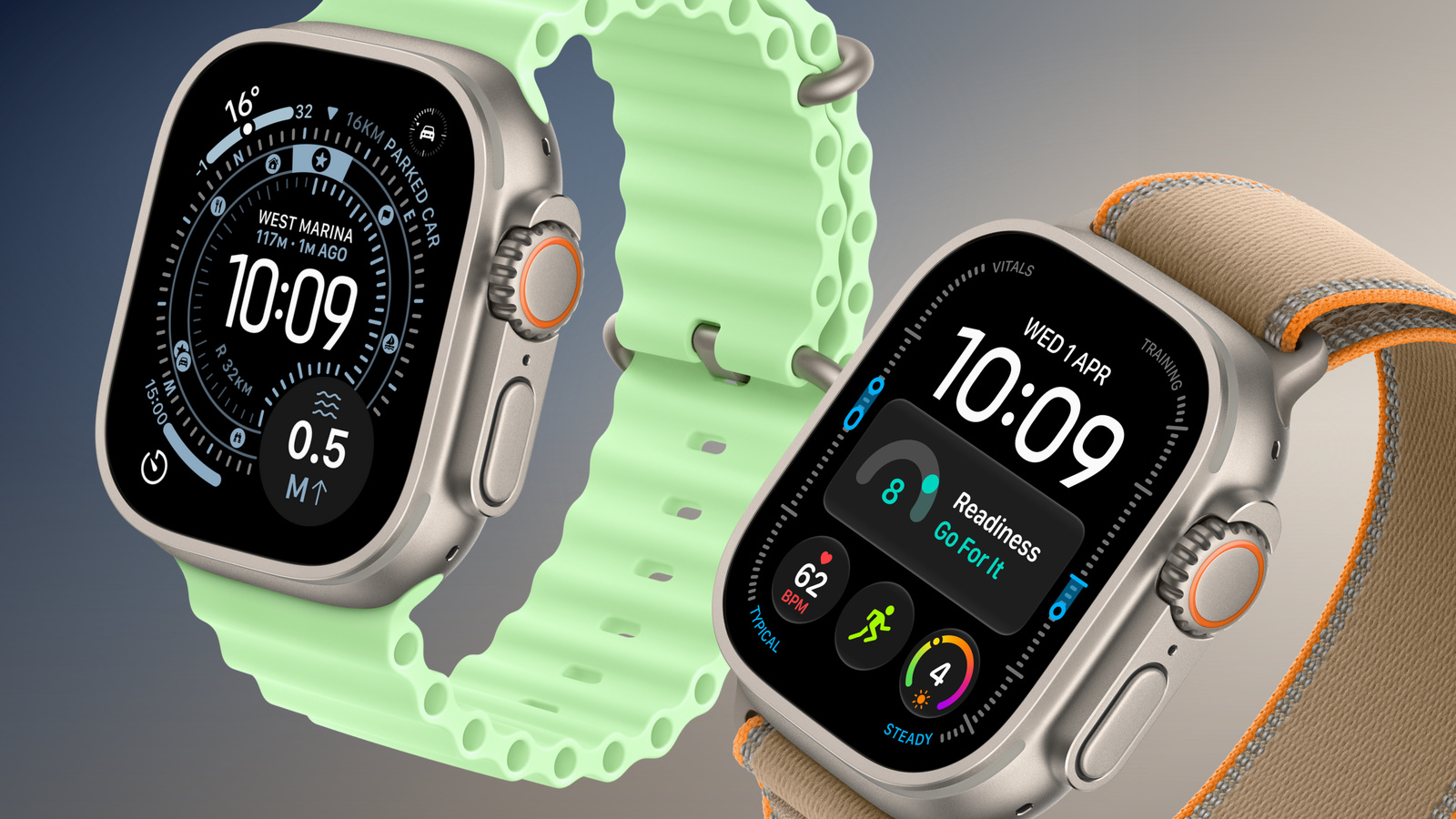
Apple Watch Ultra 3 vs. Ultra 4 Buyer's Guide

The Apple Watch Ultra 4 is now available for pre-order, bringing a new health sensing system, more memory, and longer battery life over its predecessor. Here's everything that's new.


Last year, the Apple Watch Ultra 3 introduced a larger, more efficient display, satellite connectivity, 5G, and improved battery life. The Ultra 4 retains the same basic design and display, but focuses on more detailed health and fitness insights, new Audio Intelligence features, and further battery life improvements.

It launches on Friday, September 18, at the same $799 starting price as the Ultra 3. The comparison below outlines the differences between the two generations:


Apple Watch Ultra 3 Apple Watch Ultra 4
S10 chip (2024) S11 chip (2026)
2GB RAM 4GB RAM
Electrical heart sensor "Health Sensing System" with second-generation electrical heart sensor
Third-generation optical heart sensor Always-on optical heart sensor
Background heart rate tracking High-frequency background heart rate tracking every five seconds, 60x more frequently
HRV Recovery HRV and overall HRV, measured up to 24x more often
Vitals app with heart rate, respiratory rate, wrist temperature, and sleep duration Vitals app heart rate, respiratory rate, wrist temperature, sleep duration, HRV, and a daytime vitals view
Readiness app
Real-time heart rate complication
Step tracking More accurate step tracking and indoor workout distance measurements
Steps complication
Audio Intelligence (Live Rewind, Siri Recap, Sound Recognition, and automatic music identification with Shazam)
Up to 42 hours of normal use Up to 50 hours of normal use
Up to 72 hours in Low Power Mode Up to 84 hours in Low Power Mode
Up to 14 hours of outdoor workout tracking with full GPS and heart rate readings Up to 18 hours of standard outdoor workout tracking
Up to 20 hours of outdoor workout tracking in Low Power Mode with full GPS and heart rate readings Up to 25 hours in Extended Workout mode with full GPS and heart rate readings
Up to 35 hours of outdoor workout tracking in Low Power Mode with Fewer GPS and Heart Rate Readings enabled Up to 45 hours in Max Extended Workout mode, retaining GPS readings every second
15 minutes of charging for up to 12 hours of normal use 15 minutes of charging for up to 18 hours of normal use
5 minutes of charging for up to 8 hours of sleep tracking 5 minutes of charging for up to 10 hours of sleep tracking
Natural titanium: 61.6 grams
Black titanium: 61.8 grams
Natural titanium: 63.0 grams
Black titanium: 63.1 grams
GPS, GLONASS, Galileo, QZSS, and BeiDou GPS, Galileo, QZSS, and BeiDou
40% recycled content 45% recycled content
Now discontinued From $799


Is It Worth Upgrading From Ultra 3 to Ultra 4?


For the vast majority of Apple Watch Ultra 3 owners, the Ultra 4 is not worth upgrading to. The Ultra 3 already offers all of the headline display, durability, satellite connectivity, and established health features. If it comfortably lasts between your usual charging sessions and records your longest workouts, the new model is unlikely to meaningfully change how you use your watch.

The strongest reason to upgrade is if you want recovery tracking to play a larger role in your training. The Ultra 4's more frequent measurements feed into Readiness and Recovery HRV, making it easier to assess when to push harder or take a lighter day. These features are more compelling if you will regularly use them to adjust your training, rather than simply check another set of health metrics.

Battery life is a more practical reason for endurance athletes. If you currently change settings to finish long events or recharge during an extended outing, the Ultra 4 gives you a little more flexibility. For shorter daily workouts, however, the improvement mainly means less frequent charging, which is difficult to justify replacing a year-old $799 watch for.

Audio Intelligence may also justify upgrading for specific users, particularly deaf or hard of hearing users who would benefit from Sound Recognition on their wrist. Live Rewind and ‌Siri‌ Recap are less convincing reasons to upgrade immediately, since they arrive in beta later this year and require a compatible newer iPhone.

Should You Buy Ultra 3 or Ultra 4?


For new buyers, the Ultra 4 should be the default choice when the price difference is modest. If you plan to wear it for several years, paying a little more for the new chip, more memory, better battery life, and health tracking enhancements is easier to justify than replacing an Ultra 3 you already own.

The Ultra 3 becomes the better value when it is heavily discounted. If you mainly want a "rugged"-style Apple Watch with a large screen, satellite connectivity, and enough battery life for everyday use and regular workouts, it delivers much of the same experience. Buyers interested in Readiness and recovery insights, or who regularly record very long activities, have a stronger reason to pay more for the ‌Apple Watch Ultra 4‌.

For used or refurbished Ultra 3 models, factor battery condition and warranty coverage into the saving. A cheaper watch with a degraded battery is less appealing if endurance is your main reason for buying an Ultra.
Related Roundup: Apple Watch Ultra 4
Related Forum: Apple Watch

This article, "Apple Watch Ultra 3 vs. Ultra 4 Buyer's Guide" first appeared on MacRumors.com

Discuss this article in our forums

  •  

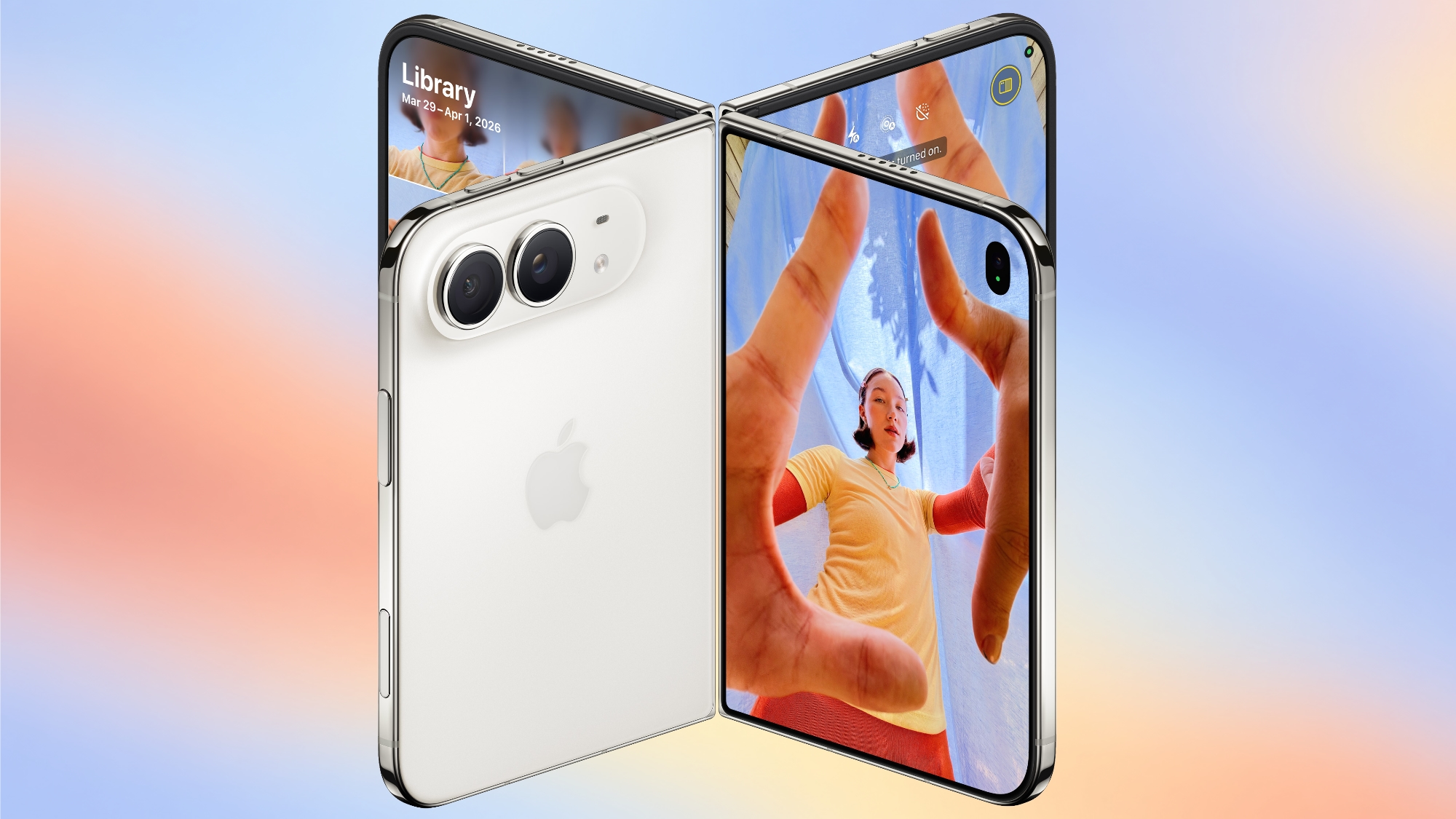
What the iPhone Duo's Camera Can and Can't Do

To take advantage of the iPhone Duo's dual-display design, Apple is introducing new Camera app features that are unique to the foldable iPhone.


Smart Take


Smart Take uses AI to determine when everyone (including the iPhone owner) is ready for a group shot, so no one has to use a timer or stay out of the picture to capture the image.


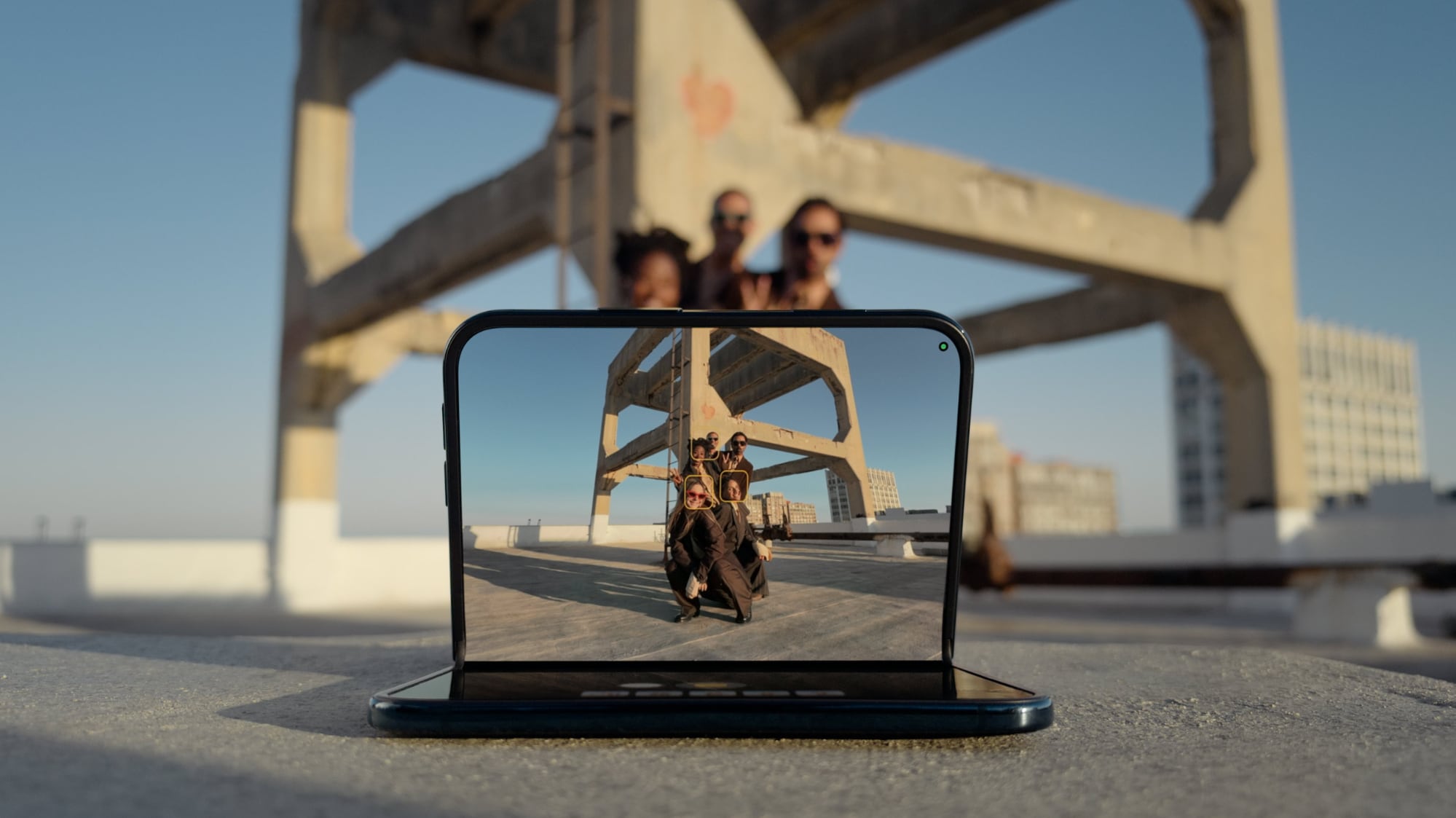
You can prop up the ‌iPhone Duo‌ in a half-folded orientation, get in frame, and then wait for the group shot to be taken.

Kid Cue


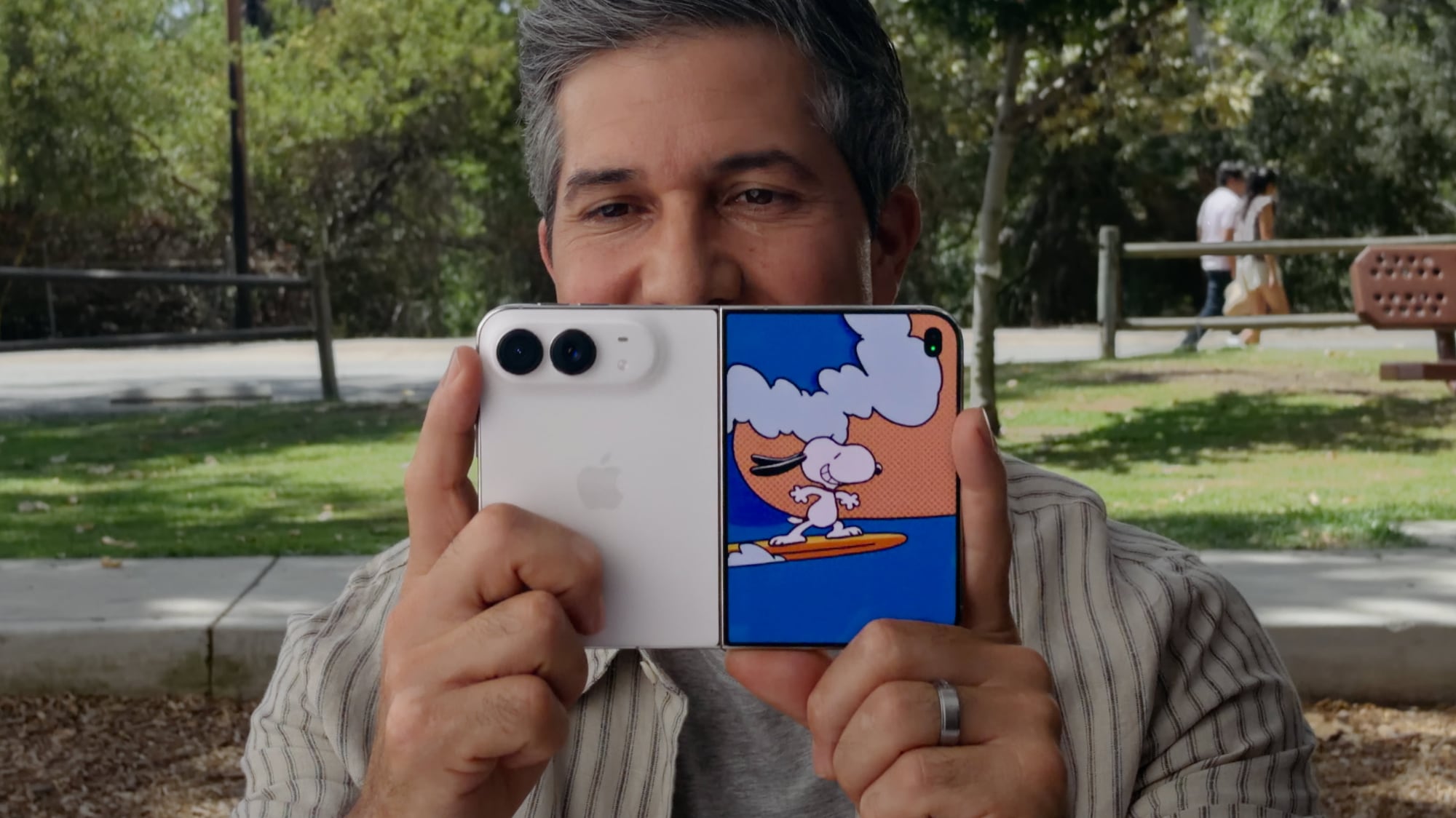
Kid Cue shows little Peanuts animations to children so they look at the camera when you're taking a photo.


Duo Preview


With Duo Preview, the Camera app shows a live preview of the shot on both displays, so the subject you're taking a photo of can make adjustments.


Duo FaceTime


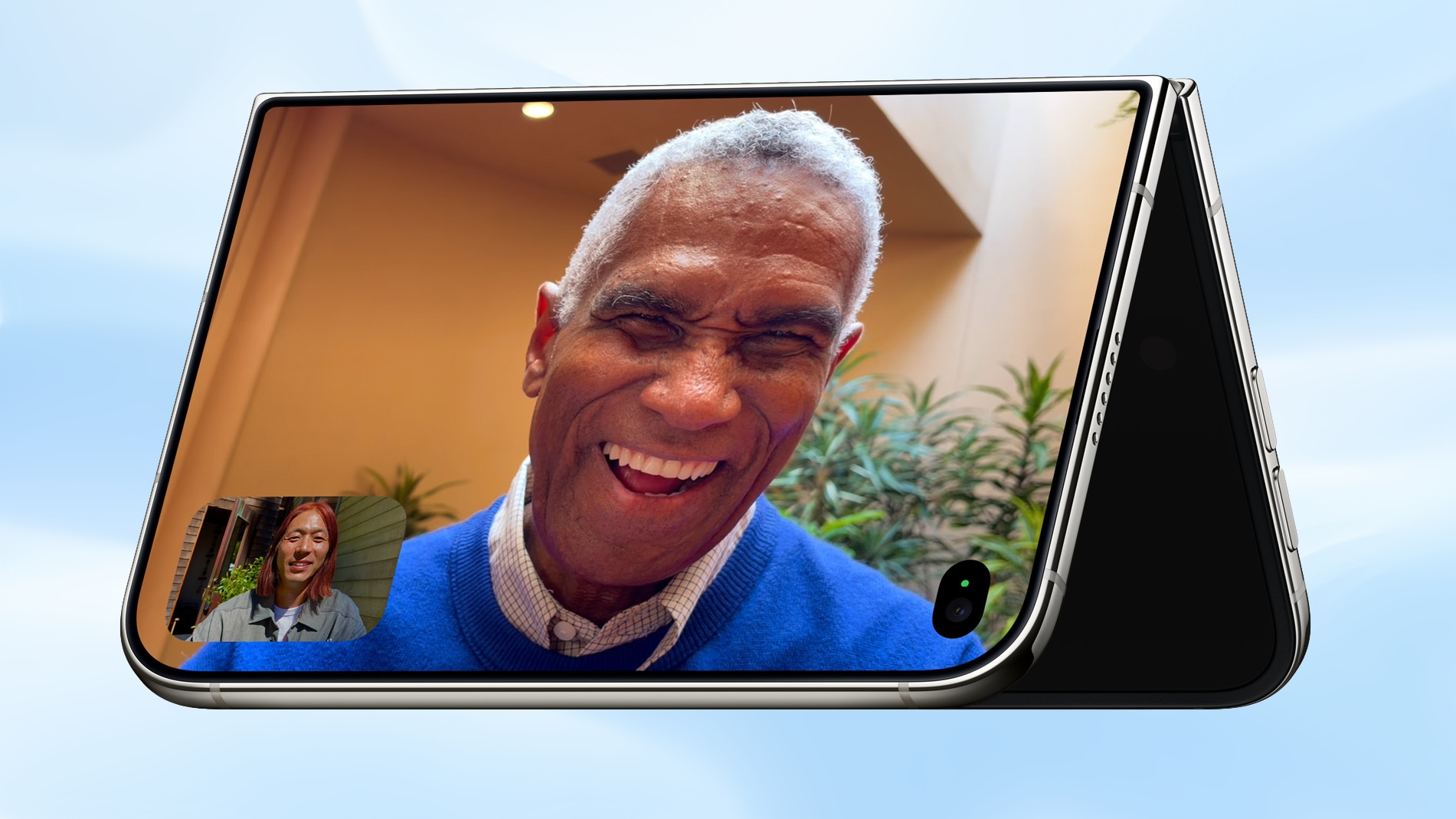
Nearby friends can participate in a FaceTime call using the outer display while the iPhone owner uses the inner display, so nobody has to crowd around the iPhone or pass it around to get on video.


Duo ‌FaceTime‌ is not the same as Dual Capture, which records video with both the front and rear cameras. Duo ‌FaceTime‌ specifically uses the outer display to allow another person to join in on a call.

Unique Form Factor Features


The ‌iPhone Duo‌ can be used in multiple orientations, including when it's half-folded. The Duo stands up on its own, for taking ‌FaceTime‌ calls and recording video without holding it.


The folding mechanism acts like a built-in tripod and stand, so it's also useful for selfies and long exposures. You can also capture selfies with the higher-quality 48MP rear camera while using the outer display as a viewfinder, which isn't something you can do with a slab iPhone.

Camera Hardware


The ‌iPhone Duo‌ has a "Dual Fusion" two-camera setup with a 48MP Main camera. It's basically the same camera that's in the iPhone 17 (not the 17 Pro), offering 26mm 24MP images by default, along with 12MP 2x "telephoto" images at 52mm.

The camera supports sensor-shift optical image stabilization, but not the second-generation version available in the Pro models. It also does not support spatial photos or the ProRAW format.

It also includes a 48MP Ultra Wide camera with a 13mm focal length and macro capabilities. Since there's no Telephoto lens, the ‌iPhone Duo‌ is limited to 2x optical-quality zoom in, 2x optical zoom out, and digital zoom up to 10x for images.

Other Camera Capabilities


Like the iPhone 18 Pro and Pro Max, the ‌iPhone Duo‌ supports the latest Photographic Styles, which adds texture and grain parameters.

Video


Smart focus tracking is a feature new to the ‌iPhone Duo‌ and the ‌iPhone 18 Pro‌ models. It uses AI to keep a subject in focus at all times, and pick up subject tracking if the subject exits the frame and then reappears.

The Duo supports 4K Dolby Vision video recording at up to 120 fps, and Cinematic mode for recording videos in 4K Dolby Vision at up to 60 fps. For the first time, Cinematic mode effects can be added to a video after capture on the Duo and ‌iPhone 18 Pro‌. Apple also says there's improved low-light video on the Duo when recording at 1080p.

Time-lapse video recording with stabilization up to 4K Dolby Vision is a new ‌iPhone 18 Pro‌ and ‌iPhone Duo‌ option. It's especially useful on the ‌iPhone Duo‌ because you can record a stable video without the need for a tripod.

Front Camera


The ‌iPhone Duo‌'s outer front-facing camera is 12MP, not 18MP like the ‌iPhone 17‌ and ‌iPhone 18 Pro‌ models. It otherwise has the same features.

The inner display has a 1080p ‌FaceTime‌ camera that's under the display.

Missing Camera Features


Compared to the ‌iPhone 18 Pro‌ and Pro Max, the ‌iPhone Duo‌ has a more rudimentary camera system. It lacks many features available on the Pro models.

  • Telephoto lens

  • Pro Controls

  • Apple Reference Image

  • Variable aperture

  • Second-generation sensor-shift optical image stabilization

  • Adaptive True Tone flash

  • Spatial photos and video recording

  • ProRAW

  • ProRes

  • ProRes RAW

  • Genlock

  • Apple Log 2 video recording

  • Studio-quality four-mic array


Launch Date


The ‌iPhone Duo‌ will be available for pre-order on October 16, and it will launch on October 23. Pricing starts at $1,999.
Related Roundup: iPhone Duo
Related Forum: iPhone

This article, "What the iPhone Duo's Camera Can and Can't Do" first appeared on MacRumors.com

Discuss this article in our forums

  •  

Entanglement Survives Violence of CERN’s Large Hadron Collider

In 2012, physicists from the ATLAS and CMS experiments at CERN announced the discovery of a new boson looking very much like the Higgs boson. Image credit: Daniel Dominguez / CERN.

Physicists from the ATLAS Collaboration at CERN’s Large Hadron Collider have confirmed that quantum entanglement -- the phenomenon Albert Einstein called ‘spooky action at a distance’ -- can survive in some of the most extreme conditions ever produced in a laboratory.

The post Entanglement Survives Violence of CERN’s Large Hadron Collider appeared first on Sci.News: Breaking Science News.

  •  

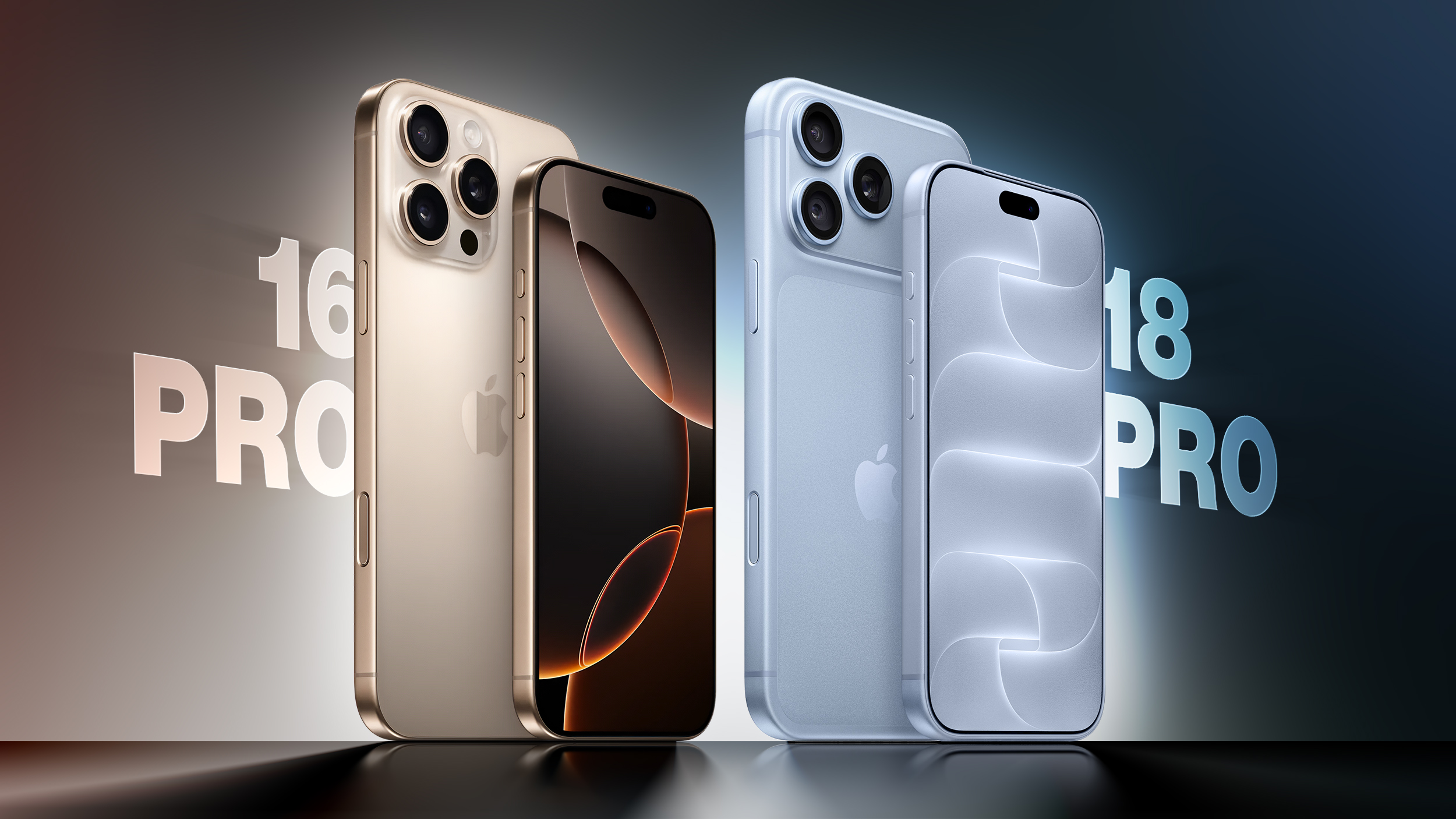
iPhone 16 Pro vs. iPhone 18 Pro Buyer's Guide: Worth Upgrading?

Apple last week announced the iPhone 18 Pro and ‌iPhone 18 Pro‌ Max, arriving two years after the iPhone 16 Pro and ‌iPhone 16‌ Pro Max. Skipping a generation means makes for a bigger upgrade, with more than 50 differences between the 2024 and 2026 models.


Most of the visible change arrived in between, with the iPhone 17 Pro replacing the titanium frame and glass back with an aluminum unibody and Ceramic Shield 2, adding vapor chamber cooling, and upgrading both the telephoto and front cameras. This year's update is largely focused on internal changes, centering on the A20 Pro chip, a variable-aperture Main camera, a smaller Dynamic Island, and a battery capacity increase that delivers the largest jump in battery life in the iPhone's history. For ‌iPhone 16‌ Pro owners, the two sets of changes stack on top of each other.

The ‌iPhone 18 Pro‌ starts at $1,199 for 256GB, $200 more than the ‌iPhone 16‌ Pro's $999 launch price, although the entry storage tier has doubled from 128GB. Apple no longer sells the ‌iPhone 16‌ Pro directly, so any comparison now involves either a device you already own or a third-party listing. Here's everything that differs between the ‌iPhone 16‌ Pro and ‌iPhone 18 Pro‌:

Design and Display


‌iPhone 16‌ Pro (2024) ‌iPhone 18 Pro‌ (2026)
Titanium frame with full glass back Aluminum unibody with partial Ceramic Shield back
8.25mm thickness 8.75mm thickness
Glass rounded square camera bump Full-width rounded rectangle aluminum camera plateau
Ceramic Shield front Ceramic Shield 2 front with 3x better scratch resistance
Fingerprint-resistant oleophobic coating only Apple-designed anti-reflective display coating to reduce glare
2,000 nits peak display brightness (outdoor) 3,000 nits peak display brightness (outdoor)
2x better outdoor contrast
‌Dynamic Island‌ supports up to two simultaneous Live Activities Smaller ‌Dynamic Island‌, supports up to three simultaneous Live Activities
iPhone 16 Pro: Weighs 7.03 ounces (199 grams)
iPhone 16 Pro Max: Weighs 7.99 ounces (227 grams)
iPhone 18 Pro: Weighs 7.44 ounces (211 grams)
iPhone 18 Pro Max: Weighs 8.78 ounces (249 grams)
Available in White, Black, Natural, and Desert Available in Silver, Black, Glacier, and Burgundy


Chip, Performance, and Connectivity


‌iPhone 16‌ Pro (2024) ‌iPhone 18 Pro‌ (2026)
A18 Pro chip A20 Pro chip
Built with TSMC's N3E process (3nm) Built with TSMC's N2 process (2nm), Apple's first 2nm smartphone chip
6-core CPU with 2 performance cores and 4 efficiency cores 6-core CPU with 2 super cores and 4 efficiency cores
60GB/s memory bandwidth ~115GB/s memory bandwidth
8GB RAM 12GB RAM
6-core GPU 7-core GPU with Neural Accelerators
16-core Neural Engine Dual 16-core Neural Engine (32 total cores)
Vapor chamber cooling with 3x more surface area than the ‌iPhone 17 Pro‌
New chip packaging that places silicon die beside memory, allowing it to attach directly to the vapor chamber
Qualcomm Snapdragon X71 modem iPhone 18 Pro: Apple C2 modem in all countries
iPhone 18 Pro Max: Apple C2 modem in all countries except the U.S., where it uses a Qualcomm modem
Broadcom Wi-Fi and Bluetooth chip Apple N1 chip for Wi-Fi, Bluetooth, and Thread
Bluetooth 5.3 connectivity Bluetooth 6 connectivity


Rear Camera


‌iPhone 16‌ Pro (2024) ‌iPhone 18 Pro‌ (2026)
12-megapixel Telephoto camera 48-megapixel Fusion Telephoto camera
0.5x, 1x, 2x, and 5x optical zoom options 0.5x, 1x, 2x, 4x, and 8x optical zoom options
Fixed ƒ/1.78 aperture on the 48-megapixel Fusion Main camera Variable-aperture 48-megapixel Fusion Main camera with four stops: ƒ/1.48, ƒ/1.8, ƒ/2.8, and ƒ/4.0, using six laser-cut blades
API available for developers to control the aperture range within their own apps
Faster Night mode, tied to the new variable-aperture lens
Pro controls in the Camera app: manual lens aperture, shutter speed, white balance, and histogram
New sensor and computational imaging pipeline on the Fusion Main camera, delivering around 50% better low-light performance and more detail in the back of group photos
Photographic Styles 2, adjusting tone and color Photographic Styles 3, adding texture and grain controls alongside tone and color
Smart focus tracking
Cinematic mode recording up to 4K Dolby Vision at 30 fps Cinematic mode recording up to 4K Dolby Vision at 60 fps
Cinematic mode effects can be applied after capture, on video shot at up to 60 fps
Improved low-light video
Time-lapse video recording with stabilization, up to 4K Dolby Vision
Apple Reference Image (Main camera only)
Audio Mix Audio Mix with new algorithms for higher-quality voices, and the ability to isolate music
ProRes RAW capture support
Genlock support


Front Camera


‌iPhone 16‌ Pro (2024) ‌iPhone 18 Pro‌ (2026)
12-megapixel TrueDepth camera 18-megapixel TrueDepth camera
Tap to zoom Tap to zoom and rotate
Center Stage
Ultra-stabilized video
Dual Capture (up to 4K Dolby Vision at 30 fps)
Photographic Styles 2, adjusting tone and color Photographic Styles 3, adding texture and grain controls alongside tone and color
Smart focus tracking
Cinematic mode effects can be applied after capture
Improved low-light video
Time-lapse video recording with stabilization, up to 4K Dolby Vision


Battery and Charging


‌iPhone 16‌ Pro (2024) ‌iPhone 18 Pro‌ (2026)
iPhone 16 Pro: 3,582 mAh battery
iPhone 16 Pro Max: 4,685 mAh battery
iPhone 18 Pro: 4,056 mAh battery
iPhone 18 Pro Max: 5,391 mAh battery
iPhone 16 Pro: Up to 27 hours of video playback
iPhone 16 Pro Max: Up to 33 hours of video playback
iPhone 18 Pro: Up to 36 hours of video playback
iPhone 18 Pro Max: Up to 45 hours of video playback
iPhone 16 Pro: Up to 50% charge in 30 minutes with a 20W adapter or higher
iPhone 16 Pro Max: Up to 50% charge in 35 minutes with a 20W adapter or higher
Up to 50% charge in around 15 minutes with a 60W-capable adapter
iPhone 16 Pro: MagSafe wireless charging up to 22W with a 30W adapter or higher
iPhone 16 Pro Max: ‌MagSafe‌ wireless charging up to 25W with a 30W adapter or higher
‌MagSafe‌ wireless charging up to 25W, reaching 50% charge in 30 minutes with a 35W adapter or higher


Storage and Pricing


‌iPhone 16‌ Pro (2024) ‌iPhone 18 Pro‌ (2026)
iPhone 16 Pro: Available with 128GB, 256GB, 512GB, or 1TB storage
iPhone 16 Pro Max: Available with 256GB, 512GB, or 1TB storage
Available with 256GB, 512GB, 1TB, or 2TB storage
iPhone 16 Pro: Launched at $999 (128GB), $1,099 (256GB), $1,299 (512GB), $1,499 (1TB)
iPhone 16 Pro Max: Launched at $1,199 (256GB), $1,399 (512GB), $1,599 (1TB)
iPhone 18 Pro: $1,199 (256GB), $1,399 (512GB), $1,799 (1TB), $2,399 (2TB)
iPhone 18 Pro Max: $1,299 (256GB), $1,499 (512GB), $1,899 (1TB), $2,499 (2TB)
Now discontinued, only available via third-parties iPhone 18 Pro: Sold directly by Apple, from $49.95 a month for 24 months via Apple Upgrade
iPhone 18 Pro Max: Sold directly by Apple, from $54.12 a month for 24 months via Apple Upgrade


Which to Choose?


For ‌iPhone 16‌ Pro and ‌iPhone 16‌ Pro Max owners, the ‌iPhone 18 Pro‌ is a worthwhile upgrade, and a far easier recommendation than it is for anyone coming from last year's model. Two generations of changes accumulate, touching almost every part of the device: an all-new aluminum unibody with Ceramic Shield 2 and three times better scratch resistance, a display that is 50% brighter outdoors at 3,000 nits and features an anti-reflective coating the ‌iPhone 16‌ Pro lacks entirely, and a battery that runs for 36 hours rather than 27, rising from 33 hours to 45 hours on the Pro Max. Charging has changed most dramatically of all, dropping from 50% in 30 minutes to 50% in around 15 minutes.

The camera differences are also major. The telephoto camera moves from 12 megapixels at 5x to 48 megapixels with 4x and 8x optical options, the front camera jumps from 12 megapixels to 18 megapixels and gains Center Stage and ultra-stabilized video, and the Main camera trades its fixed ƒ/1.78 aperture for a four-stop variable aperture ranging from ƒ/1.48 to ƒ/4.0. Add ProRes RAW, Genlock, Dual Capture, Cinematic mode at 60 fps, and manual Pro controls, and the ‌iPhone 18 Pro‌ is a substantially different camera system.

Performance is the other argument for upgrading, particularly if you have noticed your ‌iPhone 16‌ Pro throttling. The A20 Pro moves to a 2nm process, gains a seventh GPU core with Neural Accelerators, and doubles the Neural Engine to 32 cores, while the vapor chamber that the ‌iPhone 16‌ Pro lacks entirely is now in its second generation. If you play demanding games, shoot long video clips, or expect to lean on on-device Apple Intelligence features for several more years, the extra 4GB of RAM and the doubled Neural Engine make the ‌iPhone 18 Pro‌ the more future-proof purchase.

That being said, the price has moved against you. The ‌iPhone 18 Pro‌ costs $200 more than the ‌iPhone 16‌ Pro did at launch, even accounting for the doubled 256GB entry tier, and the ‌iPhone 18 Pro‌ Max is $100 more than its equivalent. The ‌iPhone 18 Pro‌ Max is also 22 grams heavier than the ‌iPhone 16‌ Pro Max, which is noticeable in the hand, although it buys you the largest battery gain Apple has ever delivered on an iPhone and the option of a 2TB device.

A notable exception arises if you are upgrading primarily for the design, the telephoto camera, or the battery. Almost all of those enhancements arrived with the ‌iPhone 17 Pro‌ rather than this year's model, so an ‌iPhone 17 Pro‌ bought from a third-party retailer at a heavy discount will get you most of the way there for meaningfully less money. The ‌iPhone 18 Pro‌'s genuine exclusives over that model are the variable aperture and Pro controls, the C2 modem, the smaller ‌Dynamic Island‌, and roughly three extra hours of battery life. If none of those matter to you, last year's model is the better value.

Pre-orders for the ‌iPhone 18 Pro‌ and ‌iPhone 18 Pro‌ Max opened on Saturday, September 12, with availability beginning Friday, September 18.
Related Roundup: iPhone 18 Pro
Related Forum: iPhone

This article, "iPhone 16 Pro vs. iPhone 18 Pro Buyer's Guide: Worth Upgrading?" first appeared on MacRumors.com

Discuss this article in our forums

  •  

AirPods 5 Hands-On: Better Noise Cancellation, Lower Price

After Apple introduced the AirPods 5 last week, we got a set to take home and review. We've been testing the AirPods 5 for the last week and have some initial thoughts.


The ‌AirPods 5‌ have the same overall design and fit as the AirPods 4, so they're just as comfortable as the prior-generation model.

Active Noise Cancellation has been improved through new internal acoustic architecture, and it's surprisingly good. The ‌AirPods 5‌ don't have silicone ear tips so you might not expect ANC to work as well as earbuds with a tighter fit, but there is a noticeable improvement over the ANC version of the AirPods 4.

Apple says the ‌AirPods 5‌ use low-noise microphones and a new compressor tuned for open-ear ANC. The compressor is tuned to a wider frequency range and can react faster than before when conditions change. Sound is measured for the left and right ears independently, correcting for fit leaks to further improve ANC.

Sound quality on the ‌AirPods 5‌ was muddier than on the AirPods Pro 3, especially in the low mids. iOS 27 has custom EQ, though, which allows for adjustments. The ‌AirPods 5‌ support Adaptive Audio and Transparency, so they have most of the same audio features as the ‌AirPods Pro 3‌.

Apple used to limit ANC to the higher-end version of the AirPods 4, but with the ‌AirPods 5‌, it's universal. You can now get AirPods with ANC for just $129. There's an upgraded model with a Wireless Charging Case, an extra hour of battery life, and swipe-based controls on the stem for $149. The base model has four hours of battery with ANC, while the upgraded version offers five hours.

Live Translation, Adaptive Audio, Conversation Awareness, and other features that were previously limited to the higher-end AirPods 4 model are now on all models. Dust and water resistance has improved, and the AirPods have an IP57 rating, so they'll hold up better to sweat and moisture exposure.

With the ANC upgrade and the price drop, the ‌AirPods 5‌ are an excellent value. If you've been hesitant to get AirPods because of the price, this is the version to get. People who have AirPods Pro or AirPods 4 with ANC don't need to upgrade, but it's a big improvement if you have older AirPods.

The ‌AirPods 5‌ are available for pre-order and will launch on Friday, September 18.
Related Roundup: AirPods 5
Buyer's Guide: AirPods (Buy Now)
Related Forum: AirPods

This article, "AirPods 5 Hands-On: Better Noise Cancellation, Lower Price" first appeared on MacRumors.com

Discuss this article in our forums

  •  

M5 Ultra Chip's Impressive Performance Boost Revealed in First Benchmark Result

The first unverified benchmark result for Apple's new M5 Ultra chip surfaced in the Geekbench 7 database today, offering a look at the chip's impressive performance gains. The new Mac Studio will be Apple's first device to be equipped with the M5 Ultra.


Here is how the highest-end M5 Ultra chip with a 36-core CPU scored:

  • Single-core CPU score: 3,774

  • Multi-core CPU score: 52,516
Apple never released an M4 Ultra chip. Here are the average scores for the highest-end M3 Ultra chip with a 32-core CPU on Geekbench 7:

  • Single-core CPU score: 2,920

  • Multi-core CPU score: 39,059


Unsurprisingly, the M5 Ultra is Apple's fastest chip ever. If this Geekbench result is accurate, it has up to around 30% faster single-core CPU performance and up to around 35% faster multi-core performance compared to the M3 Ultra. But, it comes at a steep cost. In the U.S., the Mac Studio with a 36-core M5 Ultra starts at $6,799.

Apple said the M5 Ultra has up to 1.25× faster single-threaded CPU performance and up to 1.3× faster multi-threaded CPU performance compared to the M3 Ultra, so the benchmark result roughly aligns with or even beats those advertised claims. However, keep in mind that there wil be some variance in scores as additional results surface.

Here is where the M5 Ultra slots in for maximum multi-core CPU performance:
  • M5 Ultra: 52,516

  • M3 Ultra: 39,059

  • M5 Max: 35,119

  • M5 Pro: 33,593

  • M4 Max: 29,047

  • M2 Ultra: 28,789

  • M4 Pro: 24,894

  • M3 Max: 24,649

  • M1 Ultra: 23,328

  • M6: 22,783

  • M5: 17,948

  • M2 Max: 17,387

  • M3 Pro: 16,880

  • M2 Pro: 16,725

  • M4: 15,477

  • M1 Max: 14,299

  • M1 Pro: 13,914

  • M3: 11,650

  • M2: 9,809

  • M1: 8,582
Based on these scores, the M5 Ultra is up to 2.25× faster than Apple's original M1 Ultra chip and up to 6× faster compared to the regular M1 chip.

As always, real-world performance varies.

The new Mac Studio with M5 Max and M5 Ultra chips and the new Mac mini with M6 and M5 Pro chips launch on Tuesday, September 22.

We are still waiting for GPU results for the M5 Ultra to appear in the Geekbench 7 database.
Related Roundup: Mac Studio
Buyer's Guide: Mac Studio (Buy Now)
Related Forum: Mac Studio

This article, "M5 Ultra Chip's Impressive Performance Boost Revealed in First Benchmark Result" first appeared on MacRumors.com

Discuss this article in our forums

  •  
❌