Login

Anthropic’s Quest to Give A.I. Morals
“For Anthropic, it was part research and part evangelism.”

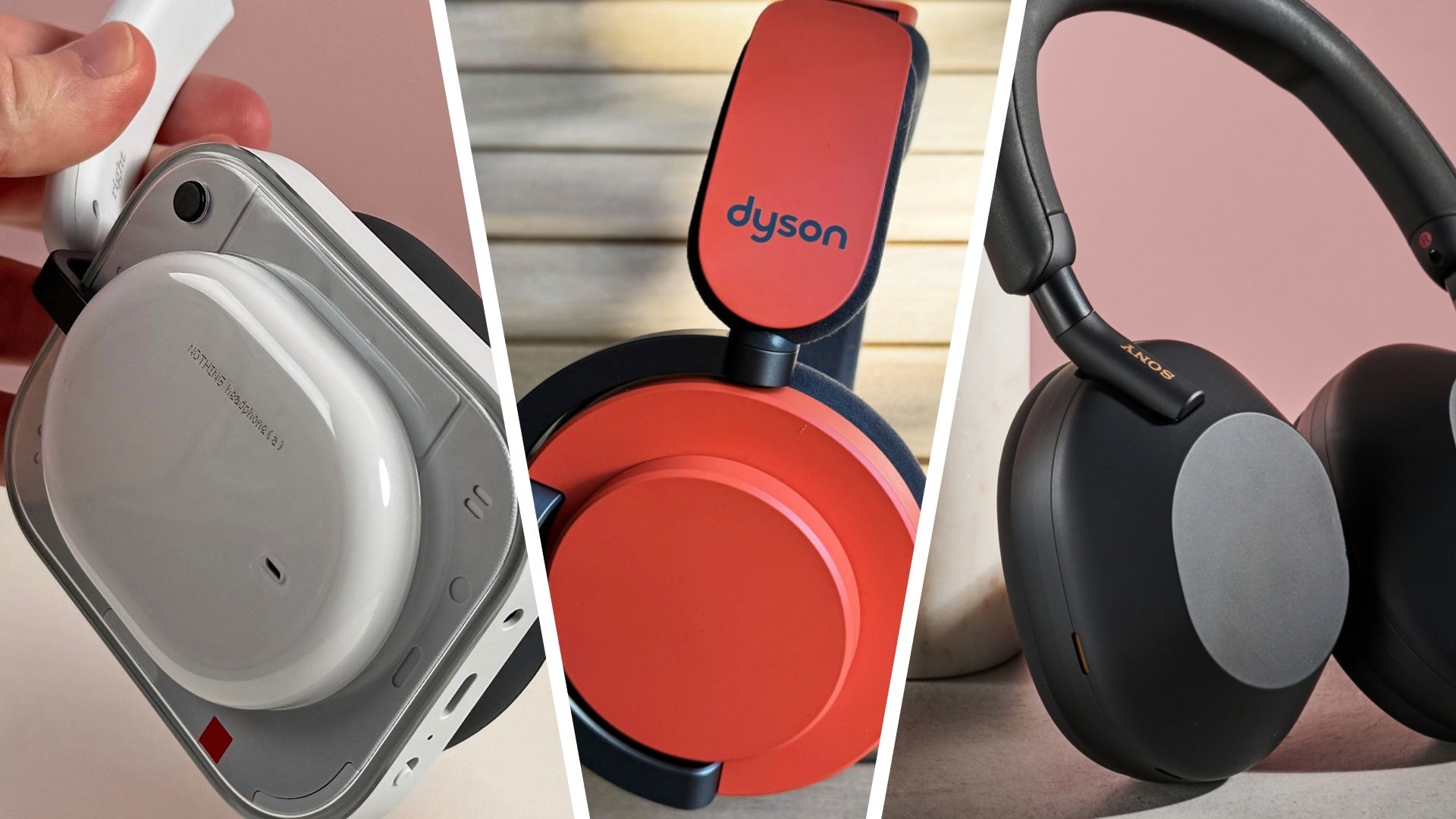
It’s been just over two years since Dyson introduced its second pair of headphones, the OnTrac, to the world. While they were a significant improvement — both in terms of sound and general design — over the Zone, I ultimately found in my Dyson OnTrac review that they still couldn’t quite challenge the class leaders — namely Sony and Bose.
A strong factor in that realisation was their exorbitant AU$799 price tag. Not only was that too much for the Dyson headphones (regardless of brand name), it also allowed other manufacturers to charge AU$700 or more for their premium cans — here’s looking at you, Sony, Bose and Sennheiser.
Now, two years later, the Dyson OnTrac has plummeted to a much more acceptable AU$299 during Dyson’s Spring Sale event. At this price, I think they’re worth a look. The noise cancellation is very good, and a 55-hour battery life gives them greater stamina than the closest competitors. I also can’t really fault the ability to customise them, since it’s a feature that’s still pretty unique. That being said, they’re incredibly heavy, so I found I could only wear them for short stints.
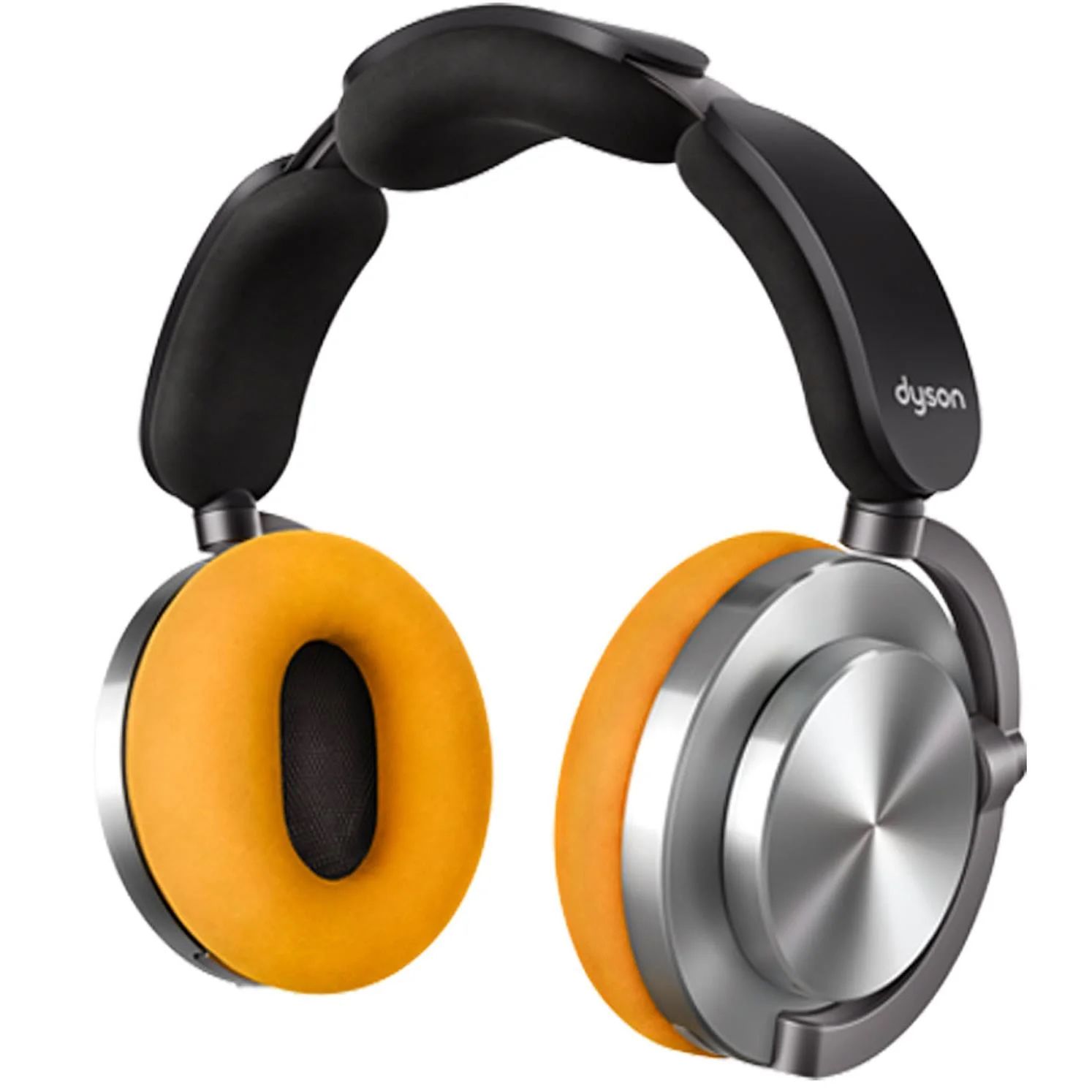
At this price, the Dyson OnTrac becomes a lot easier to recommend, although I’d still tread with caution. Their looks may make them stand out from the crowd, but where audio quality is concerned, they can be beaten. Although I don’t see them getting any cheaper, even during Black Friday 2026 sales in Australia later this year.View Deal
However, for your AU$300, or thereabouts, you’re not short of great alternatives. So, if you’ve got a burning desire to invest in a new set of mid-priced headphones, take a look at my top recommendations below.
Do note that Amazon recently announced dates for its Prime Big Deal Days sales event. If experience is anything to go by, there’s a good chance my three recommended pairs of headphones below could receive bigger discounts when Prime Big Deal Days kicks off, but they’re worth every cent even right now.
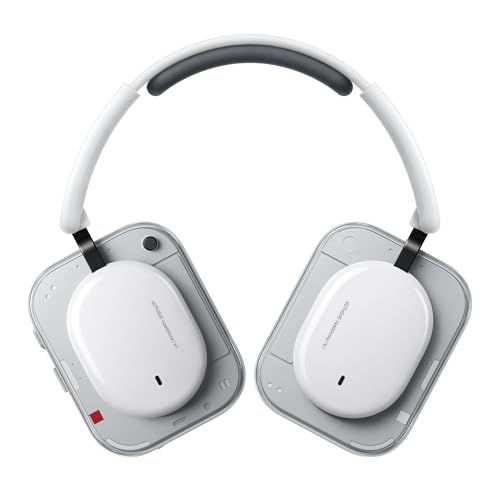
For just under AU$200 (for the white model), the Nothing Headphone (a) are a terrific buy. A vast improvement over the Headphone (1), this newer set delivers a detailed, expansive soundstage coupled with good noise cancellation. Plus, their 135-hour battery life eclipses the OnTrac by some margin. View Deal
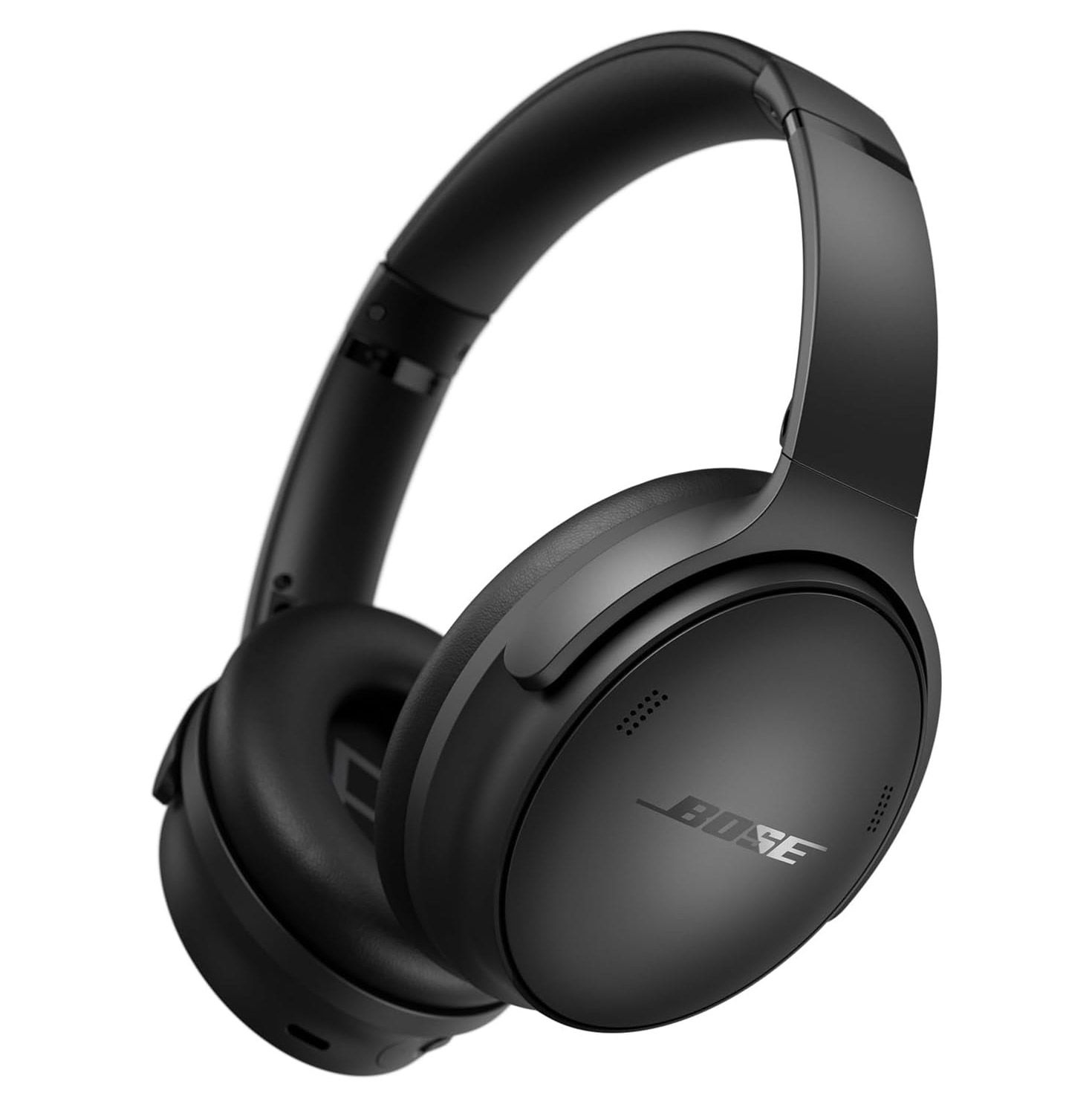
QuietComfort SC: was $499.95 now $349.99
Nearly as good as the premium QuietComfort Ultra, the SC misses out on the Immersive Audio mode — though they do come with a soft case. They have dropped to well below AU$300 before, which could happen during the next Prime Day sales event. View Deal
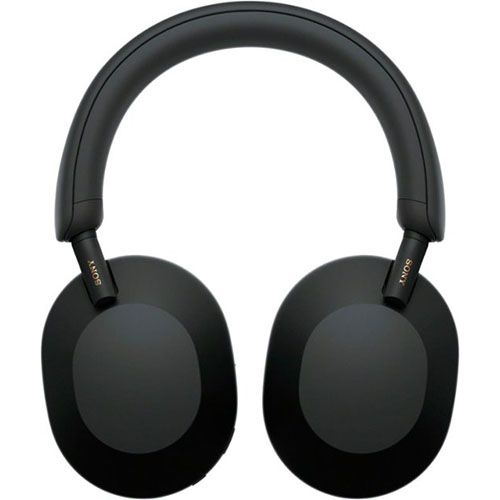
If your budget can stretch, the Sony WH-1000XM5 will reward you with superior sound quality, incredible comfort and excellent ANC. They’re comfortable to wear for long periods and benefit from a smartphone app that opens up a huge world of customisation.View Deal
AirPods 5 bring Active Noise Cancellation to Apple’s most affordable current AirPods while pushing the open-ear design closer to capabilities previously associated with more expensive models. The new generation starts at $129 and uses redesigned acoustics and computational audio to remove up to 50% more external noise than AirPods 4 with Active Noise Cancellation.
Apple is also splitting the range into two versions. The standard $129 AirPods 5 include ANC and USB-C charging, while a $149 model adds a Wireless Charging Case, longer battery life, a case speaker for Find My, and volume adjustment directly from the stems.
Both models are available for preorder ahead of their September 18 release in the U.S. and more than 65 other countries and regions.
The changes make the distinction between Apple’s entry-level AirPods and its more advanced headphones less dependent on headline software features. Adaptive Audio, Transparency, Conversation Awareness, Personalized Spatial Audio, Live Translation, and Siri AI are all part of the AirPods 5 experience.

Active Noise Cancellation is particularly difficult to implement in an open-ear earbud because there is no silicone tip forming a physical seal inside the ear canal.
Apple has approached that limitation with a new multiport acoustic architecture, revised computational audio algorithms, and the H2 headphone chip. The company says AirPods 5 can cancel up to 50% more noise than AirPods 4 with ANC.
That improvement does not turn the design into an AirPods Pro-style sealed earbud. AirPods 5 remain open-ear headphones, retaining the fit preferred by people who dislike the pressure or isolation associated with in-ear tips.
The acoustic system has also been redesigned around a wider variety of ear shapes. Next-generation Adaptive EQ continuously adjusts sound based on how each earbud sits, while Apple says the revised architecture produces richer and more detailed playback.
Transparency mode has been updated to reproduce voices and environmental sounds more naturally. Adaptive Audio can move between Transparency and noise cancellation according to surrounding conditions, while Conversation Awareness automatically reduces media volume when the wearer begins speaking to someone nearby.
Personalized Spatial Audio with dynamic head tracking remains supported for compatible music, movies, and other content.
AirPods 5 are rated IP57 for dust, sweat, and water resistance, making them better suited to workouts and changing weather conditions, although they are not waterproof.
Apple’s pricing makes the $149 Wireless Charging Case version more than a different charging option.
Standard AirPods 5 provide up to four hours of listening on one charge with ANC enabled and up to 20 hours when the USB-C case is included.
AirPods 5 with Wireless Charging Case increase those figures to five hours from the earbuds and up to 22 hours with the case while ANC is active.
The upgraded case can charge through USB-C, an Apple Watch charger, or a Qi-certified wireless charger. It also contains a speaker that can assist with locating the case through Find My.
The more expensive model introduces another difference directly on the earbuds. Users can swipe up or down on a stem to adjust volume, bringing a control familiar from AirPods Pro to Apple’s open-ear form factor.
That leaves buyers with a relatively straightforward tradeoff. The $129 version provides the central audio experience, including ANC, without requiring a step up for the main listening features. Spending another $20 adds more convenient charging, slightly longer battery life, Find My assistance from the case speaker, and physical volume adjustment.
Placing either AirPods 5 model in its charging case for five minutes provides about one additional hour of listening.

AirPods 5 arrive as Apple makes voice interaction a larger part of the AirPods experience.
When paired with a compatible iPhone, Siri AI can be accessed hands-free. The assistant can work with personal context from information such as messages, emails, and photos, respond to open-ended questions, and perform supported actions in apps.
Head gestures remain part of the experience. Users can nod to accept certain Siri prompts or shake their head to decline them, allowing calls and notifications to be handled without speaking or touching the earbuds.
Live Translation provides another use for the microphones and ANC system.
After compatible languages are downloaded and the feature is configured through Apple’s Translate app, a user can hear another person’s speech translated through AirPods. Translation can be started through Siri, the iPhone Action button, the Translate app, or by pressing and holding both AirPods stems simultaneously.
When two people are each using compatible AirPods and supported iPhones, both participants can hear translated versions of the conversation in their chosen languages.
Live Translation requires an Apple Intelligence-enabled iPhone 15 Pro or later, compatible AirPods, current software, and the latest AirPods firmware, with availability varying by language and region. Apple also notes that generated translations can contain errors, making verification appropriate when accuracy is especially significant.
The fifth-generation model represents a different kind of upgrade from simply adding another listening mode.
ANC is now standard across both AirPods 5 configurations, instead of requiring buyers to choose a separate ANC version as they did with AirPods 4. Apple has then moved the pricing distinction toward charging, battery endurance, Find My hardware, and physical controls.
The earbuds continue to use Bluetooth 5.3 and the H2 chip, with dual beamforming microphones, an inward-facing microphone, optical in-ear detection, motion and speech accelerometers, and force sensors built into the stems.
Each earbud weighs 4.3 grams, preserving the lightweight character of the open-ear line despite the additional capabilities.
The new acoustic architecture may be the more consequential change over time. Open-ear earbuds cannot rely on a tight seal to block surrounding sound, so gains in ANC depend heavily on microphone placement, acoustic design, fit, and real-time processing. Apple’s claim of up to 50% more noise removal over the previous generation represents a substantial step for that format rather than simply matching the behavior of sealed earbuds.
AirPods 5 start at $129, while AirPods 5 with Wireless Charging Case cost $149. Both reach stores on September 18, giving the open-ear AirPods line a standard feature set that now includes noise cancellation without pushing buyers to a higher-priced model to get it.

The post AirPods 5 bring stronger open-ear noise cancellation and smarter listening features appeared first on AppleMagazine.
It's time for TechRadar's annual tech awards, and this year we're doing it differently. For the first time, we have a complete set of categories where the winners are chosen 100% by you, the TechRadar readers.
The TechRadar Readers' Choice Awards 2026 comprises nearly 100 categories, but we know that not everyone is interested in voting in every one, so on this page you can vote in just our TV, Streaming and Audio categories.
These include soundbars, projectors, Bluetooth speakers, headphones and earbuds, as well as televisions and streaming services. You can vote in the survey just below — or follow the links to see other specific categories, or to vote on the full list instead.
The shortlists were chosen by TechRadar's editors based on the best products we've tested or the most popular products of the year. You'll need to vote before 00:01am PST / 03:01am EST / 08:01am BST on Wednesday October 7th 2026 for it to be counted.
Once the deadline has passed at 00:01am PST / 03:01am EST / 08:01am BST on Wednesday October 7th 2026, we'll tally your votes to find the winners in each category.
We'll announce the winners in our big TechRadar Awards 2026 Week, starting Monday October 19th. We'll reveal the winners of the Reader's Choice Awards, as well as the winners of our TechRadar Product of the Year Awards, which are chosen solely by our expert judges.
How many products will do the double? We'll be curious to see — but right now, all you can do is vote for what you think should win, so vote away!
If you need a headset to use at work, Bose's QuietComfort Ultra Gen II and the Sony WH-1000XM6 are undoubtedly good choices. I prefer the Bose because of its comfort and sound quality, and it is the headset I use while traveling.
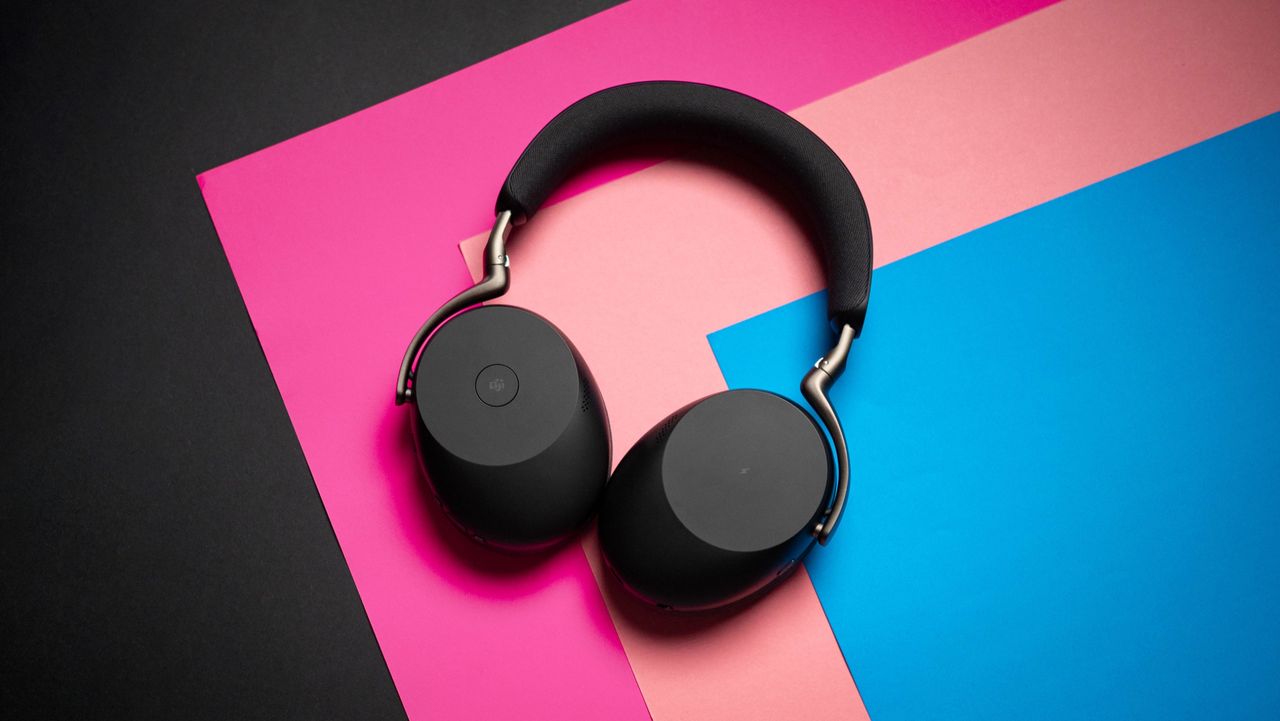
But I found out recently that there is a better choice: Jabra's Evolve3 85. It is positioned as a work headset, but it does so much more; I used it for the better part of three months now, and I'm convinced that it is better than what Bose and Sony have to offer. Coming in at $475, it is on the higher end of the scale, but it has meaningful advantages over its immediate rivals.
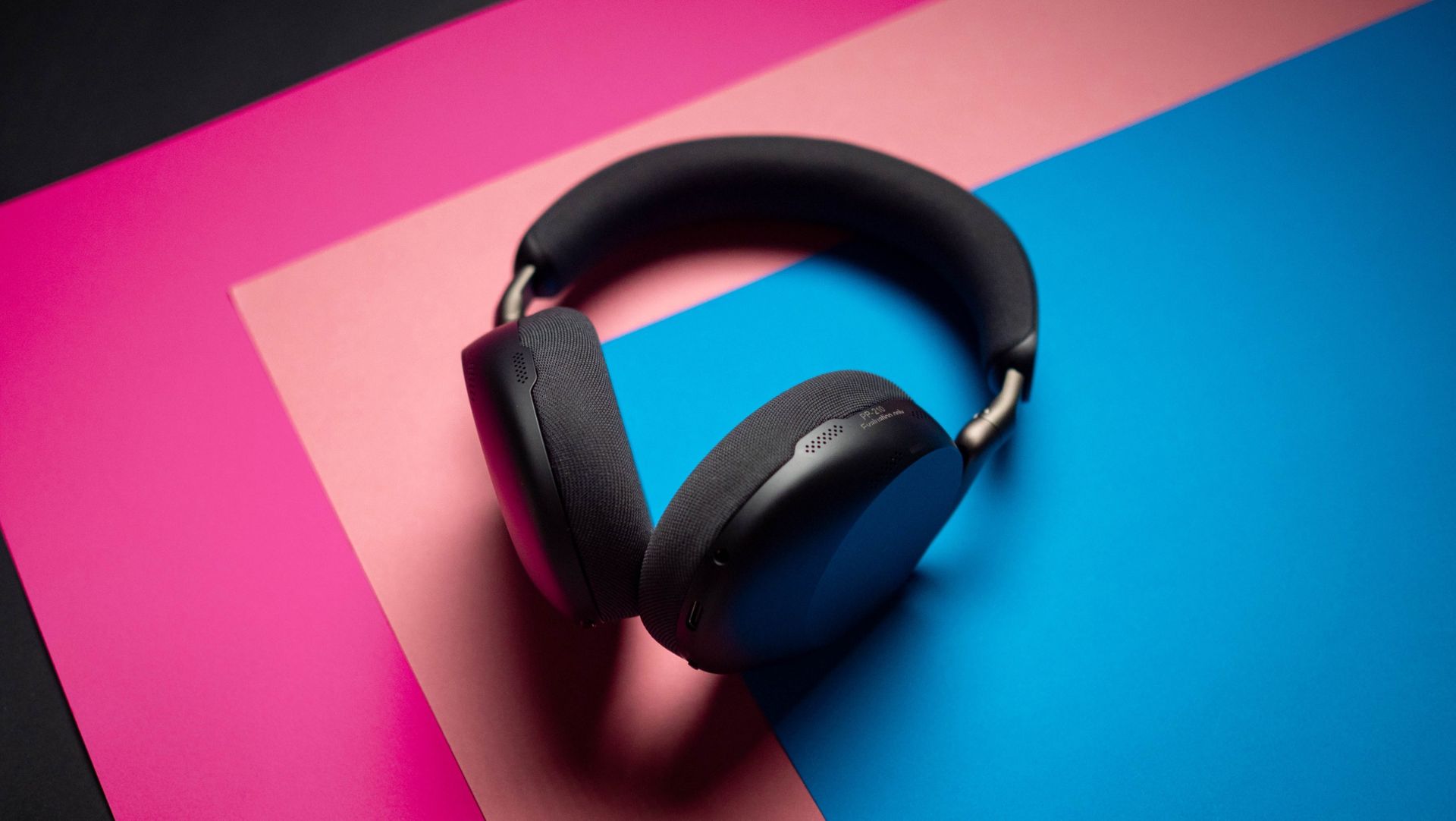
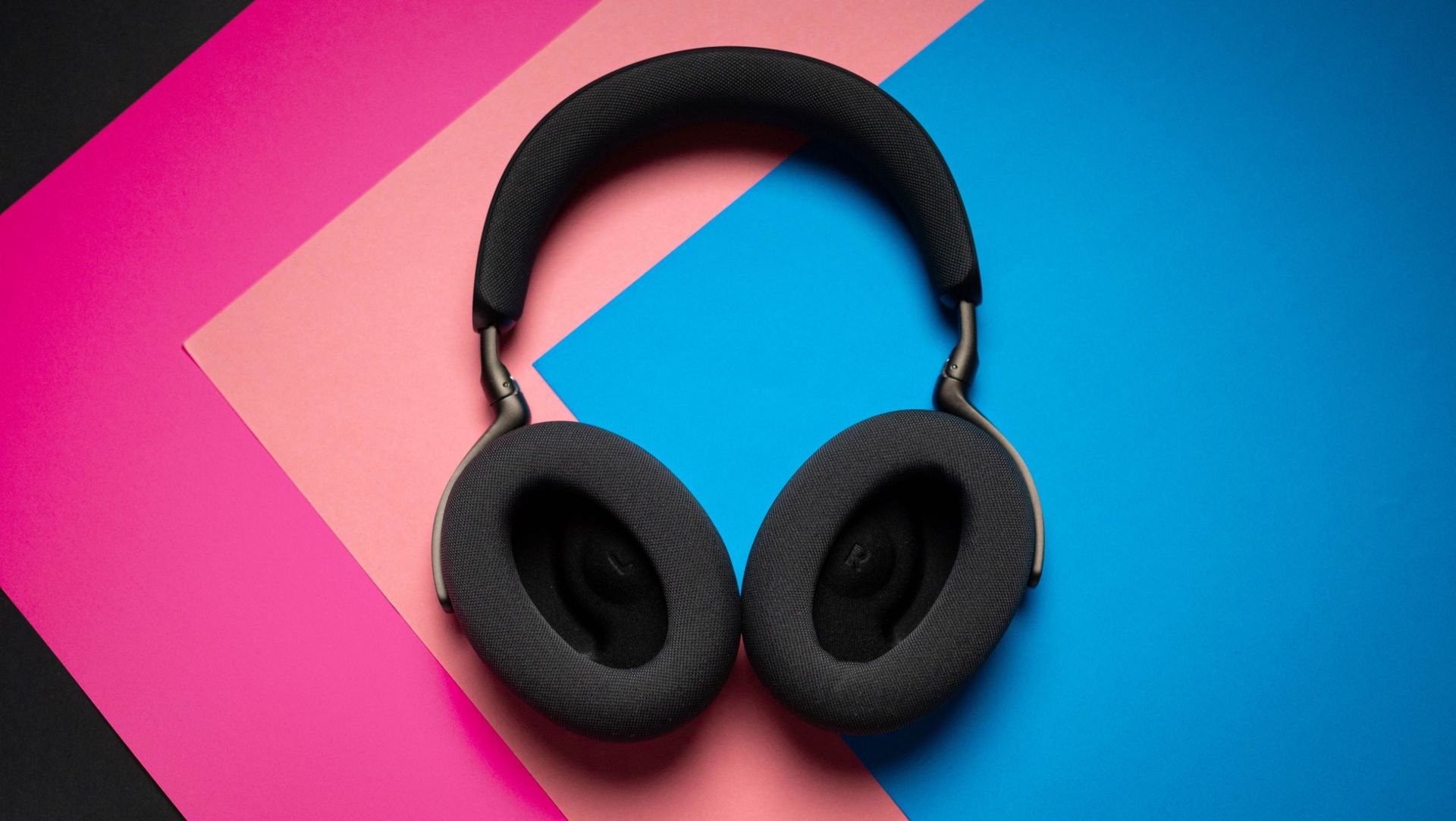
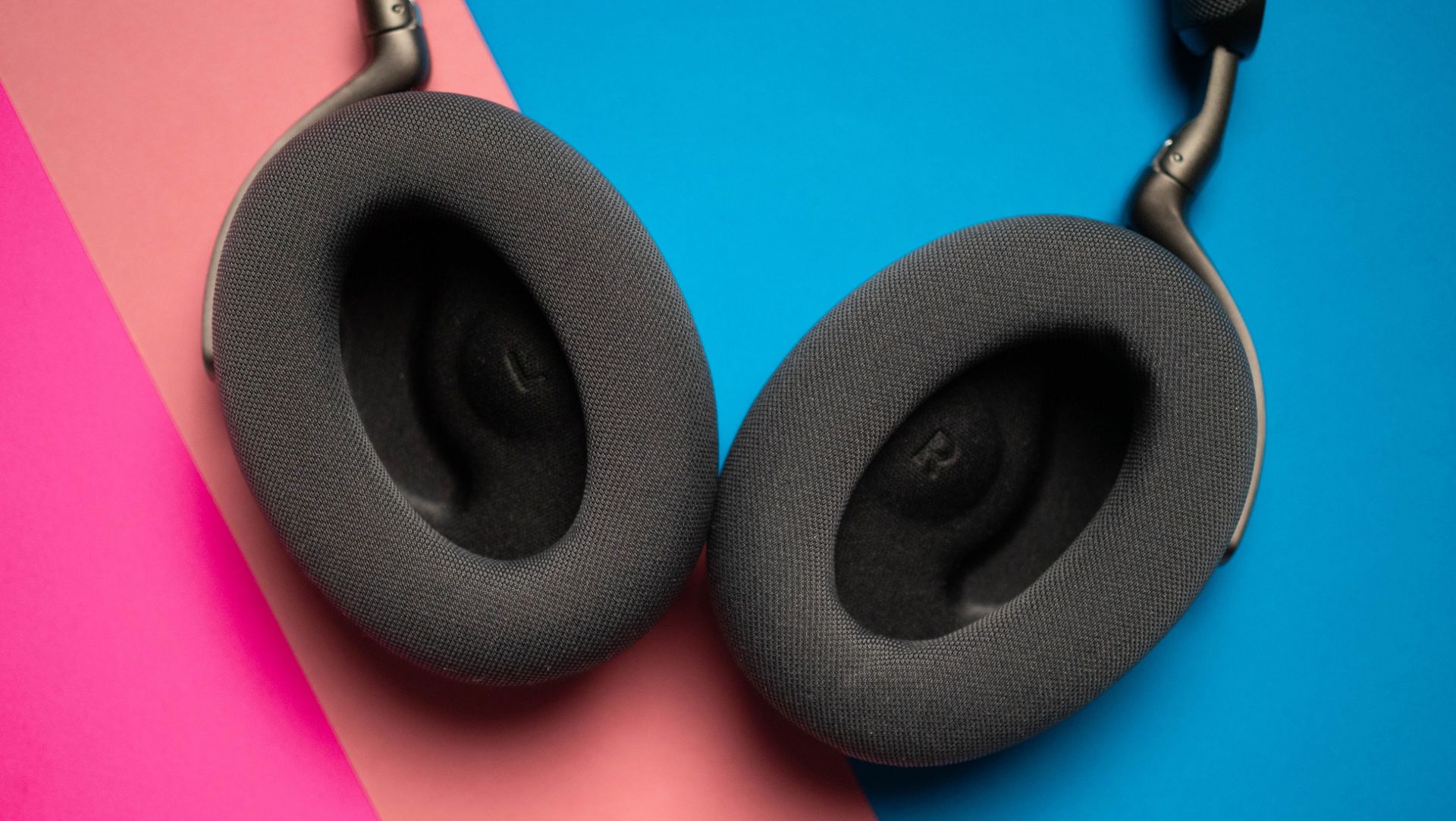
Let's start with the design. The Evolve3 85 is the lightest headset in its category at 220g, and I immediately noticed the difference. Bose and Sony's headsets are at least 30g heavier, and switching between the QC Ultra Gen II and the Evolve3 85, it's clear that Jabra nailed the comfort. The lightweight design ensures you get a fit that doesn't lead to any fatigue even with all-day use.
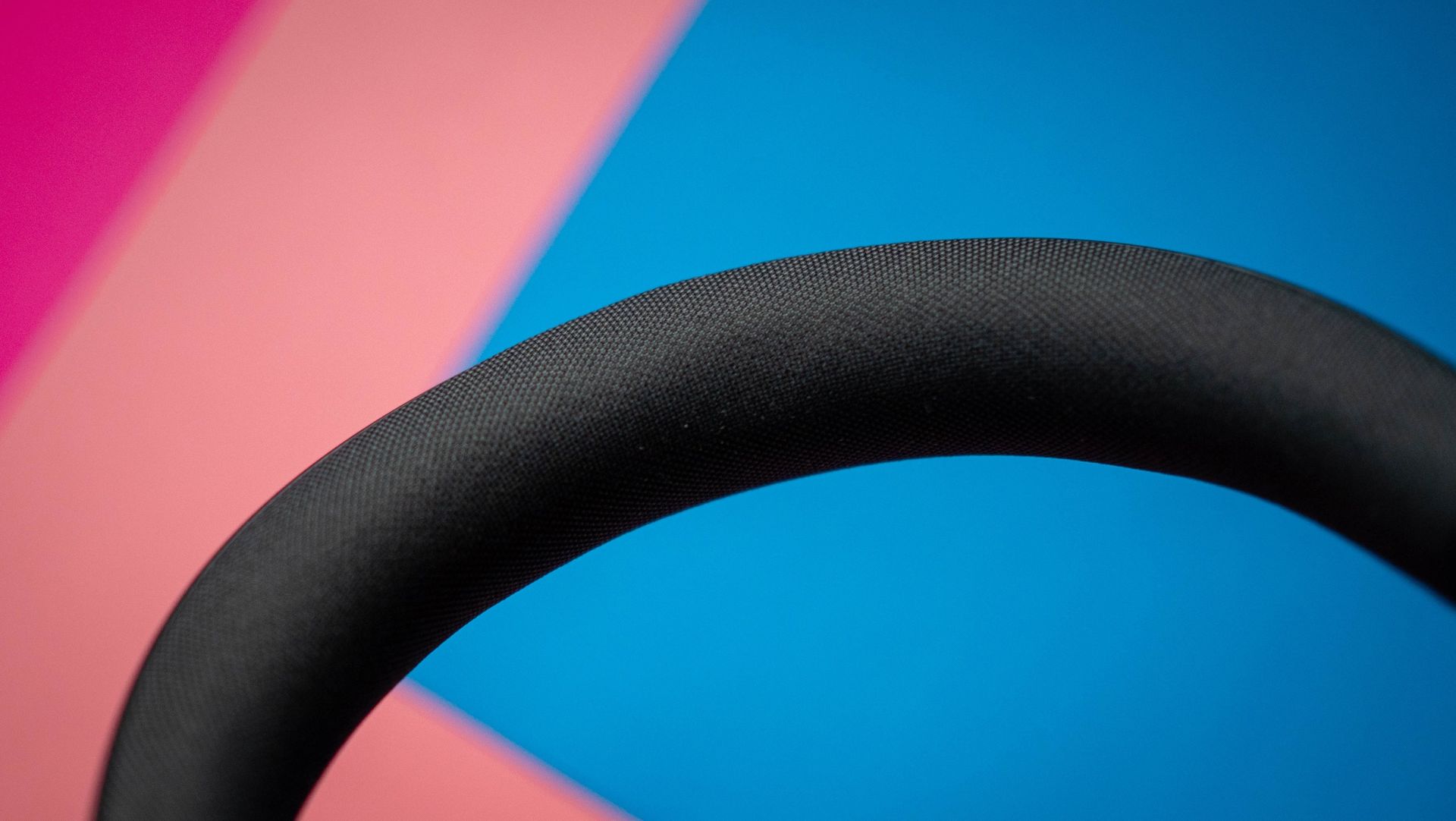
The ear cushions have a breathable design, and that extends to the headband as well. Build quality is great, and while it is light, you never get a feeling that it is flimsy — it's built to last. Another positive is the case; the headset folds flat and fits snugly into the bundled case, which is significantly smaller than what you get with Bose and Sony. This is a big deal in and of itself, as the Evolve3 85 doesn't take up anywhere as much room in your bag.
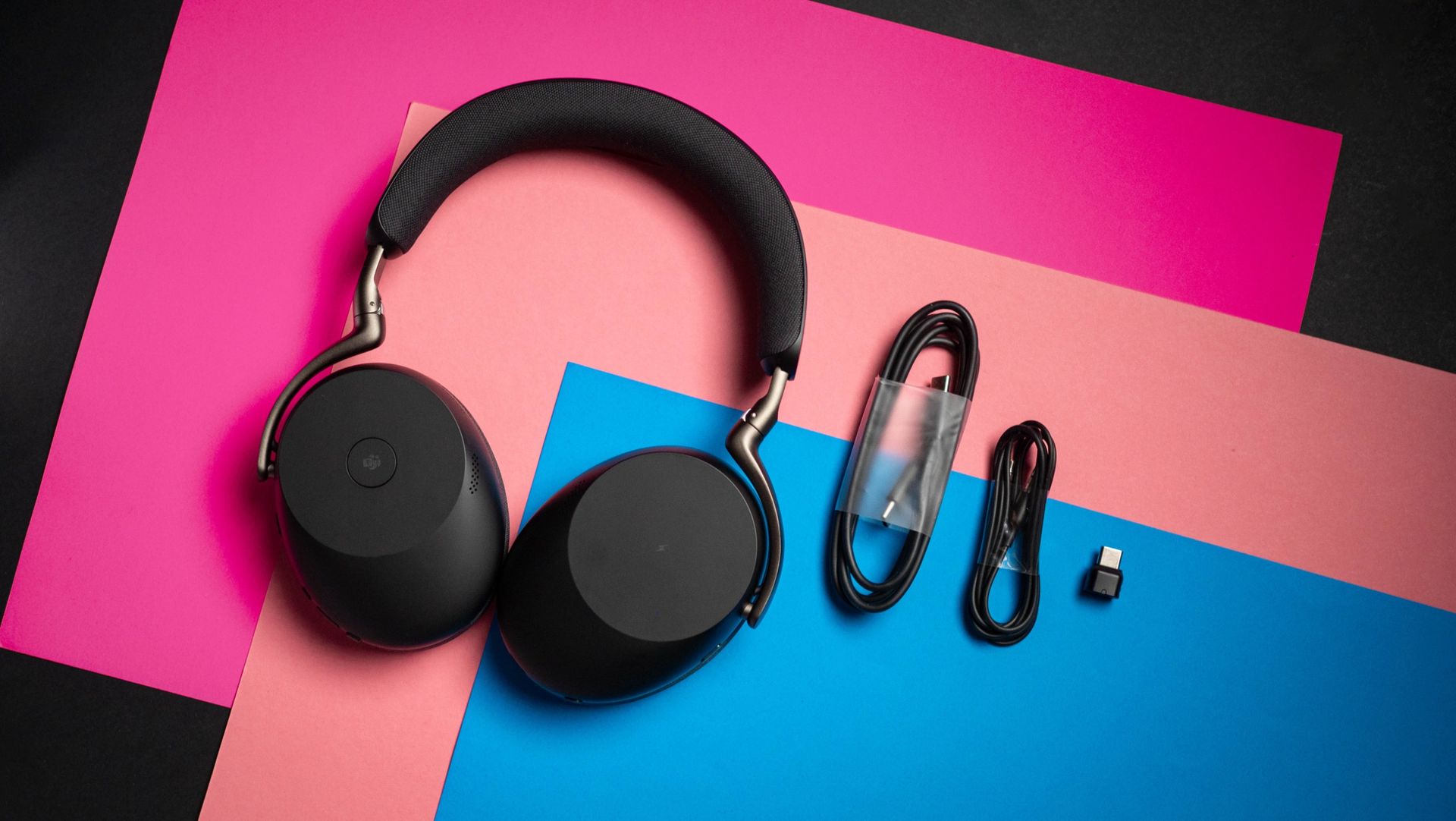
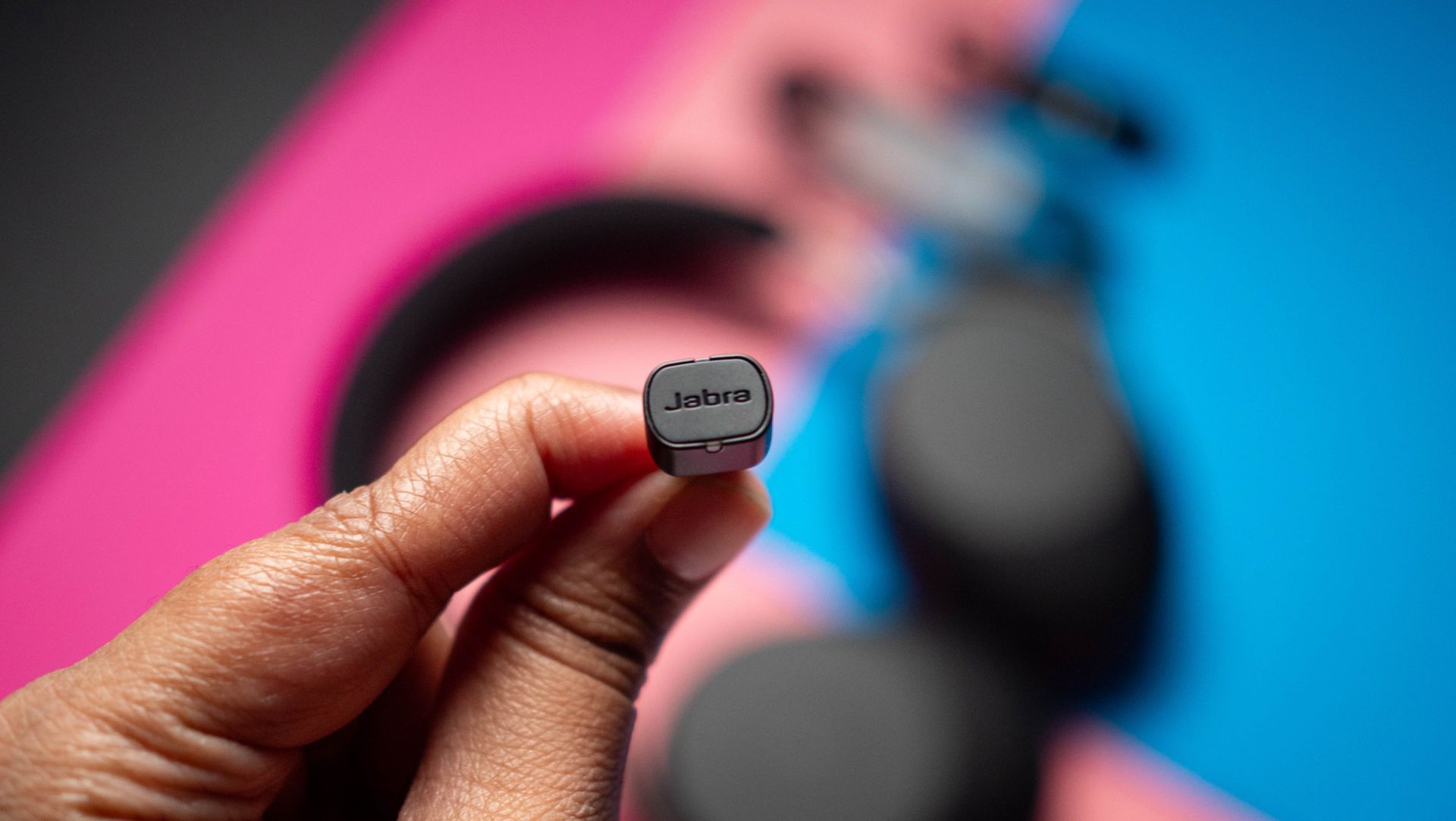
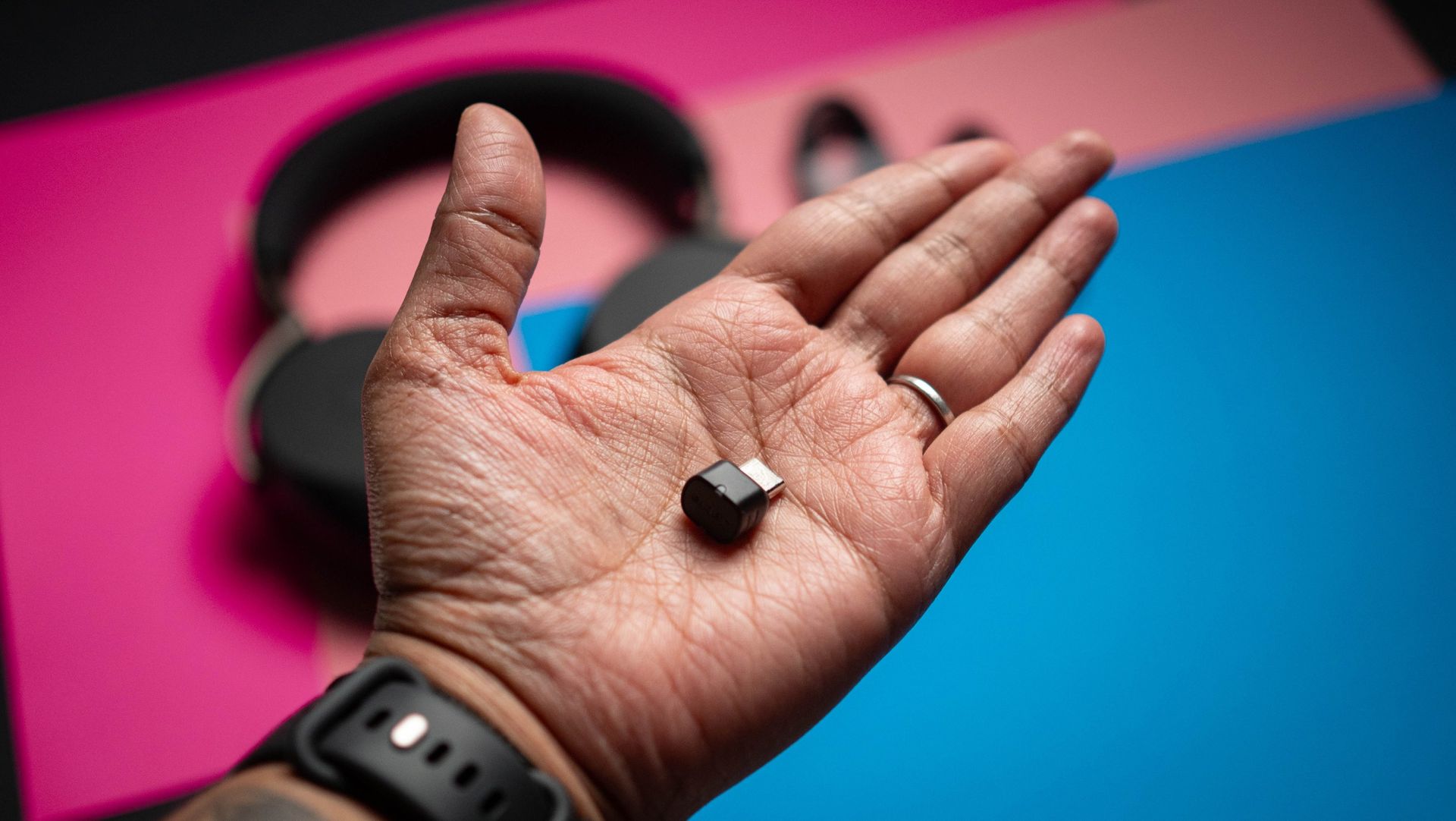
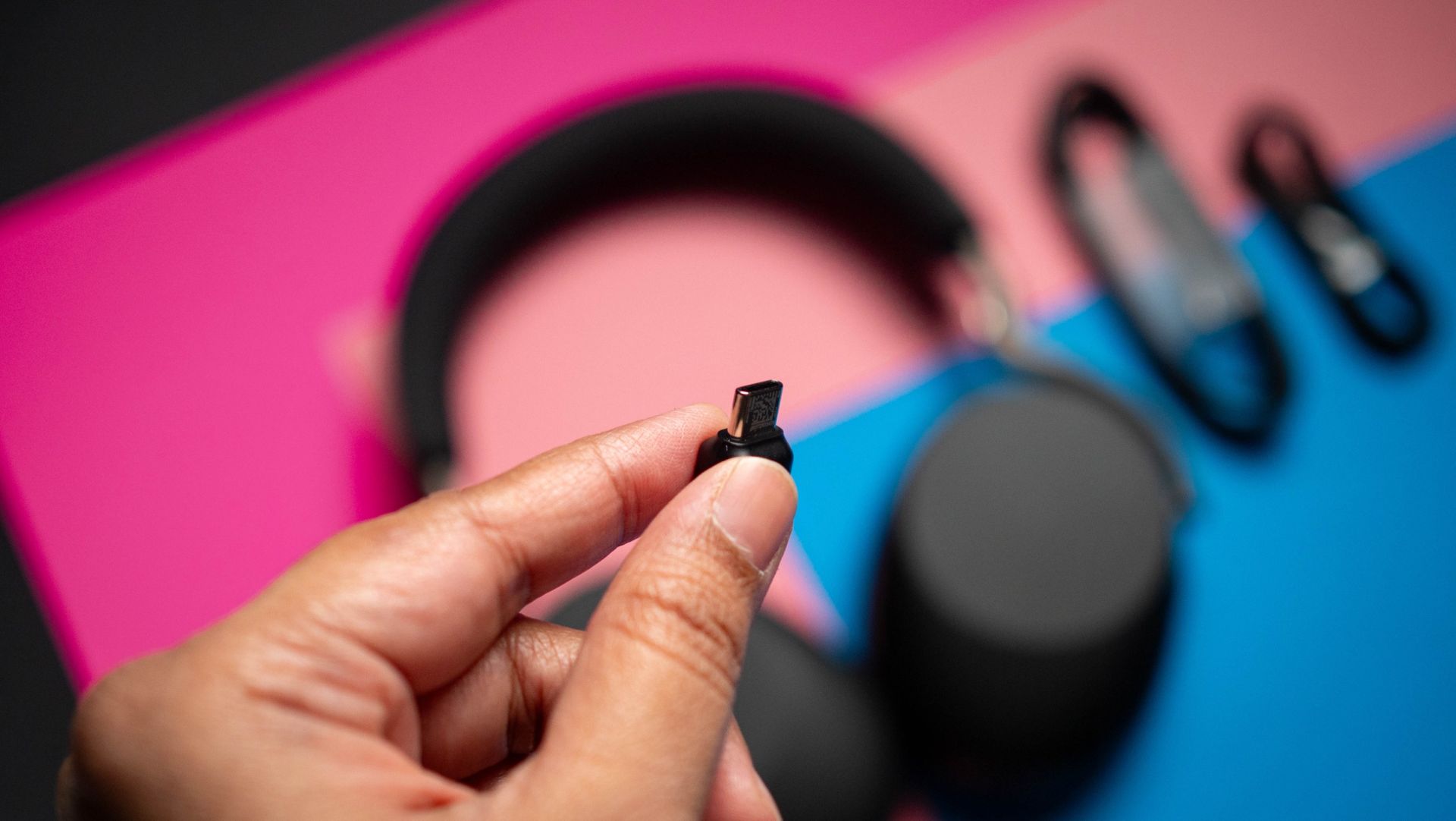
I also like the connectivity on offer. The Evolve3 85 uses Bluetooth 5.3, and I didn't see any issues pairing the headset with my Pixel 11 Pro XL, Find X9 Ultra, X9 Pro, Galaxy Z Fold 8 Ultra, iPhone 17 Pro, or the iPad Pro M4. It has Fast Pair, so it's about as easy to connect it to an Android device. There's also USB-C and 3.5mm connectivity if you want to plug the headset in, and my favorite inclusion is a USB-C receiver that lets me use the headset with my Windows machine.
I don't like using Bluetooth with Windows; my Gigabyte motherboard has a Bluetooth modem that's built clearly as an afterthought, because it is flaky at the best of times. As such, the convenience of being able to use a receiver to connect the headset with Windows is just great, and I like that Jabra went with USB-C. You also get USB-C and 3.5mm cables in the box, and I like the attention to detail that the brand lavished when it comes to connectivity.
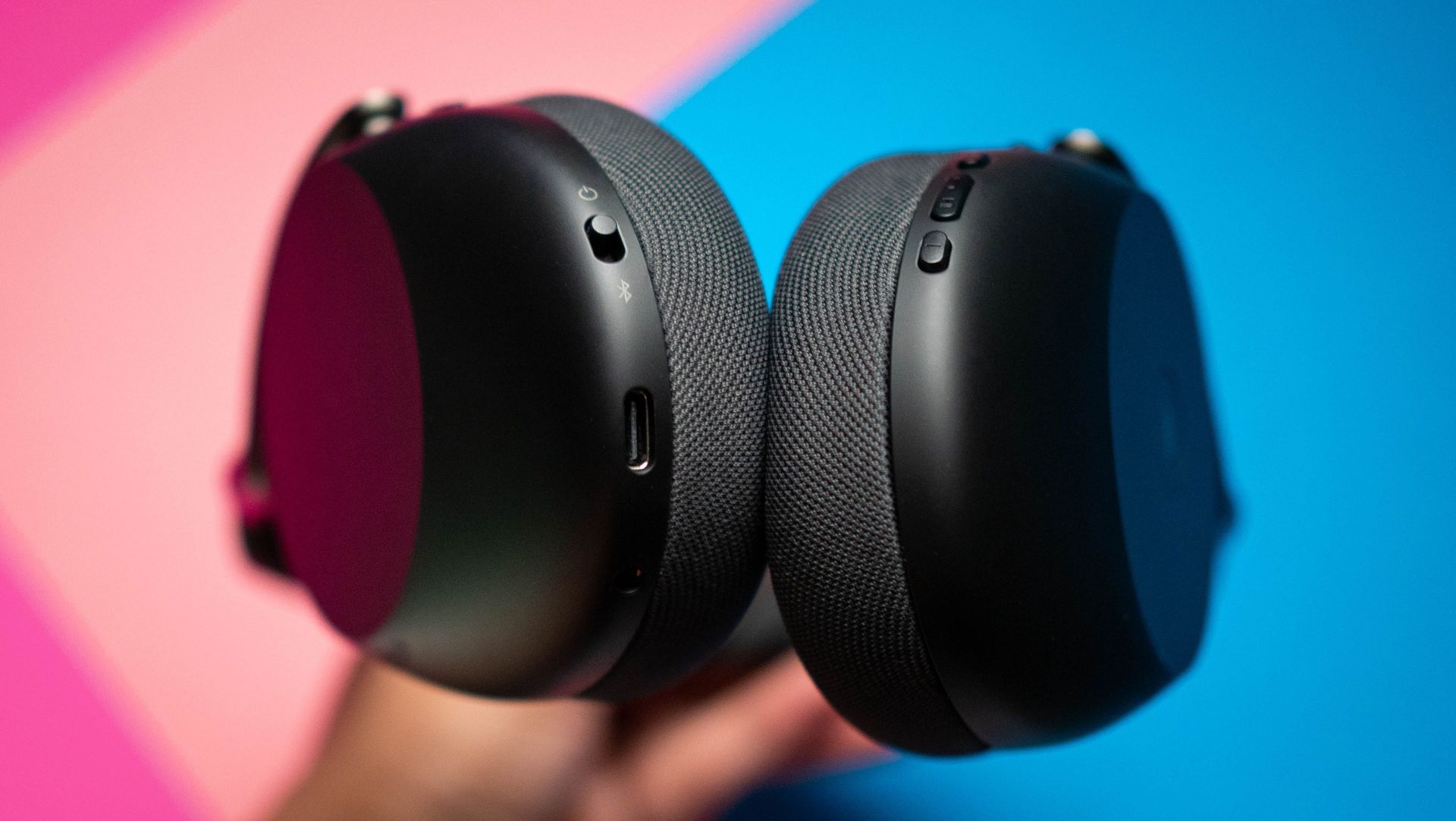
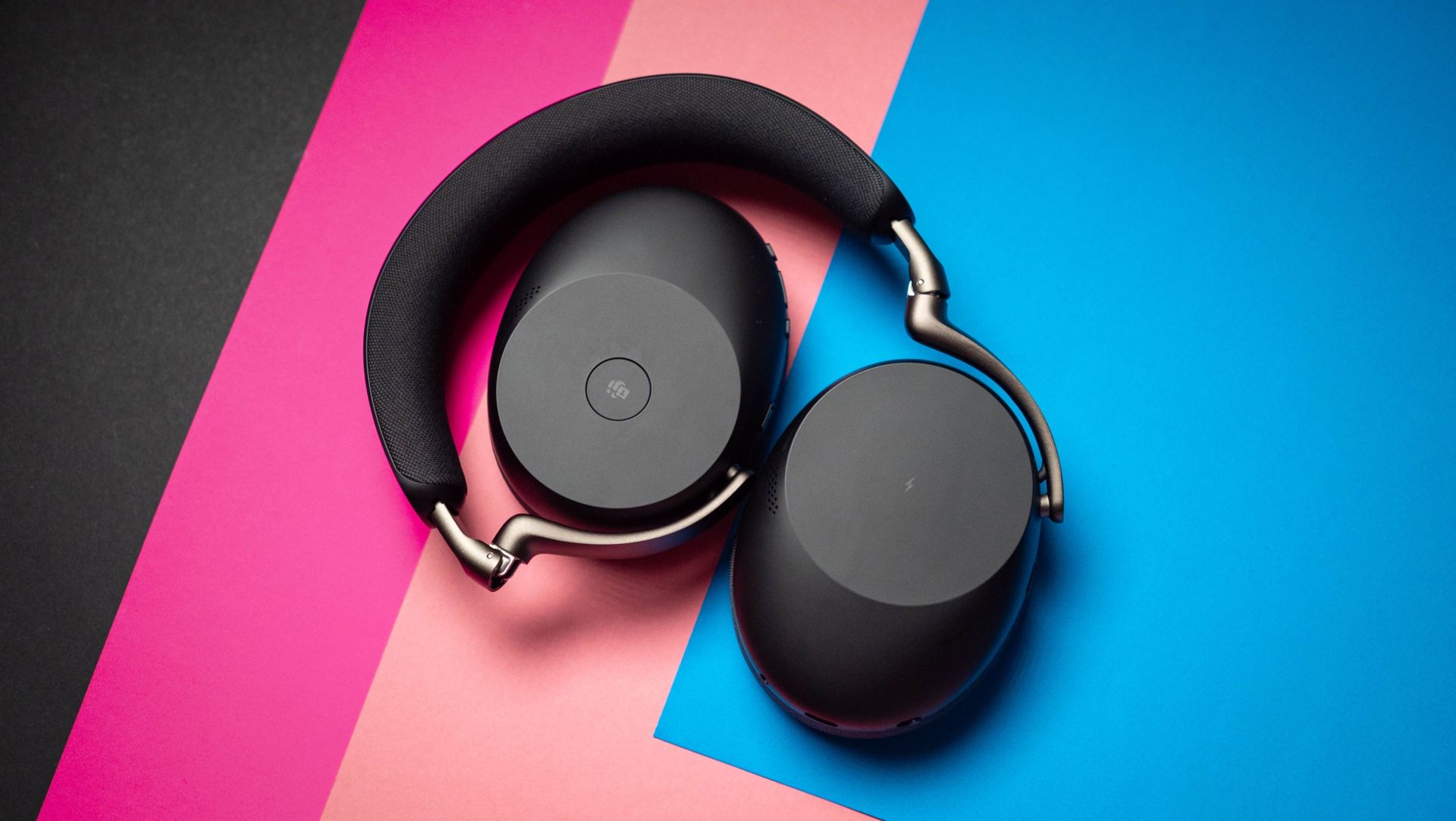
Connectivity is a big part of what makes a work-related headset stand out, and the Evolve3 85 excels in this area. Oh, and you can easily change the battery itself, should you need to down the line. I like tech that's built to last, and given that batteries tend to degrade over time, they're usually the biggest point of failure in a headset, so it's good to see Jabra addressing the issue.
There are other niceties as well; Jabra's ClearVoice does a good job tuning out ambient noises when you're talking, and it holds up astonishingly well. I use NVIDIA Broadcast to do the same, but ClearVoice is a good enough alternative. On that note, it has dedicated ANC as well, and it does an effective job blocking sounds in your surroundings if you're in a meeting or outdoors. The headset pairs with whichever digital assistant you use on your phone, and there are physical controls.
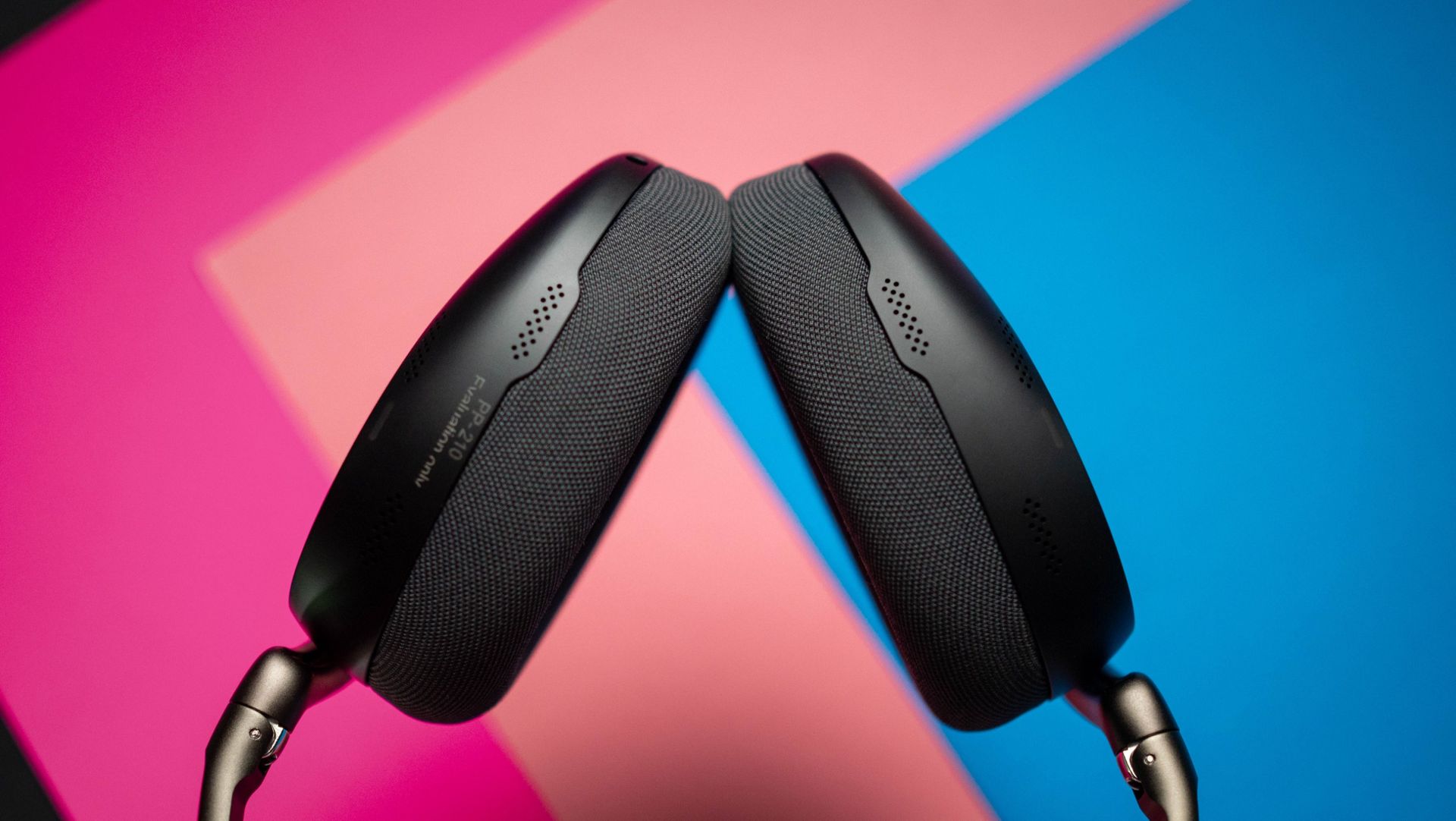
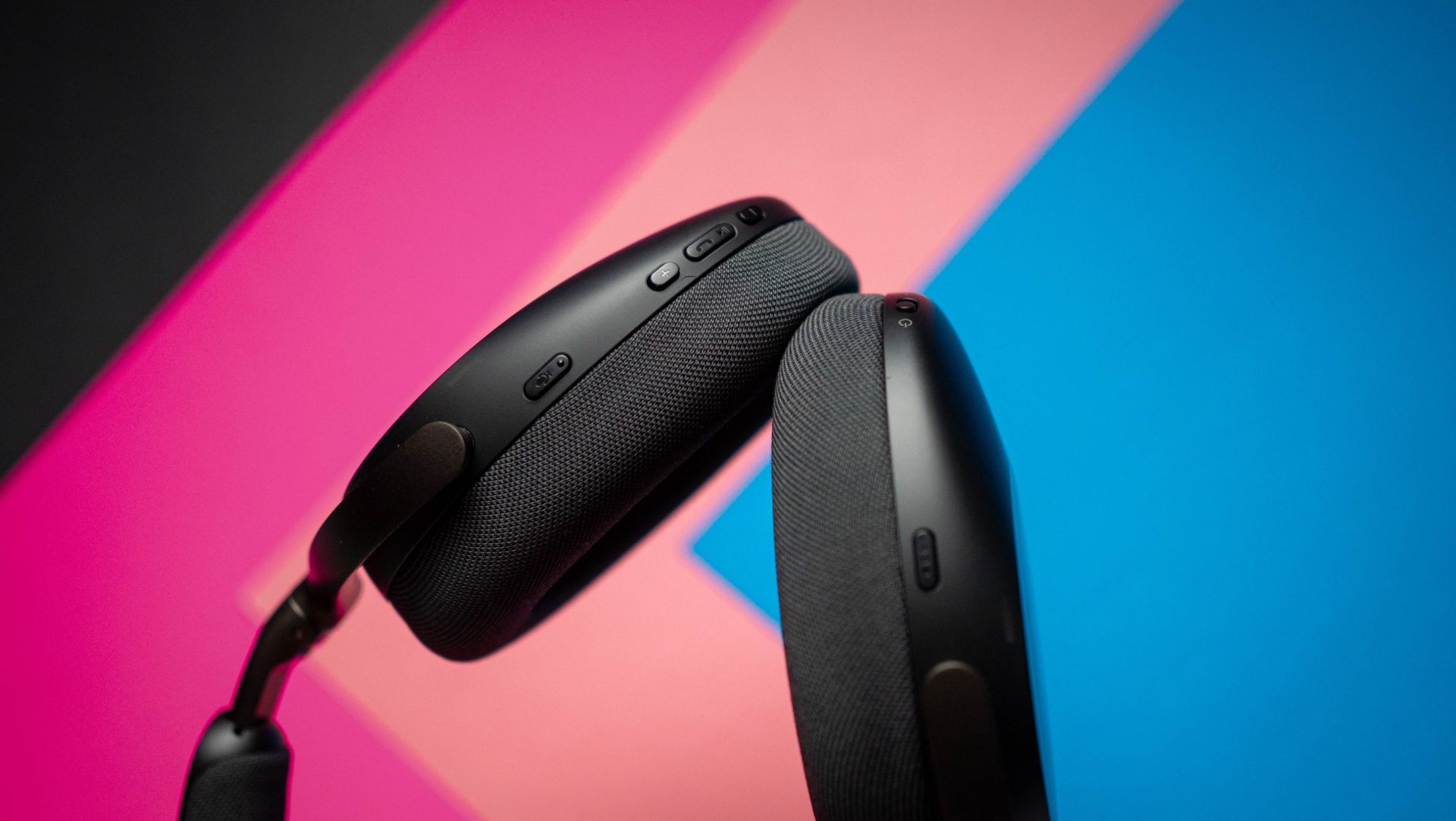
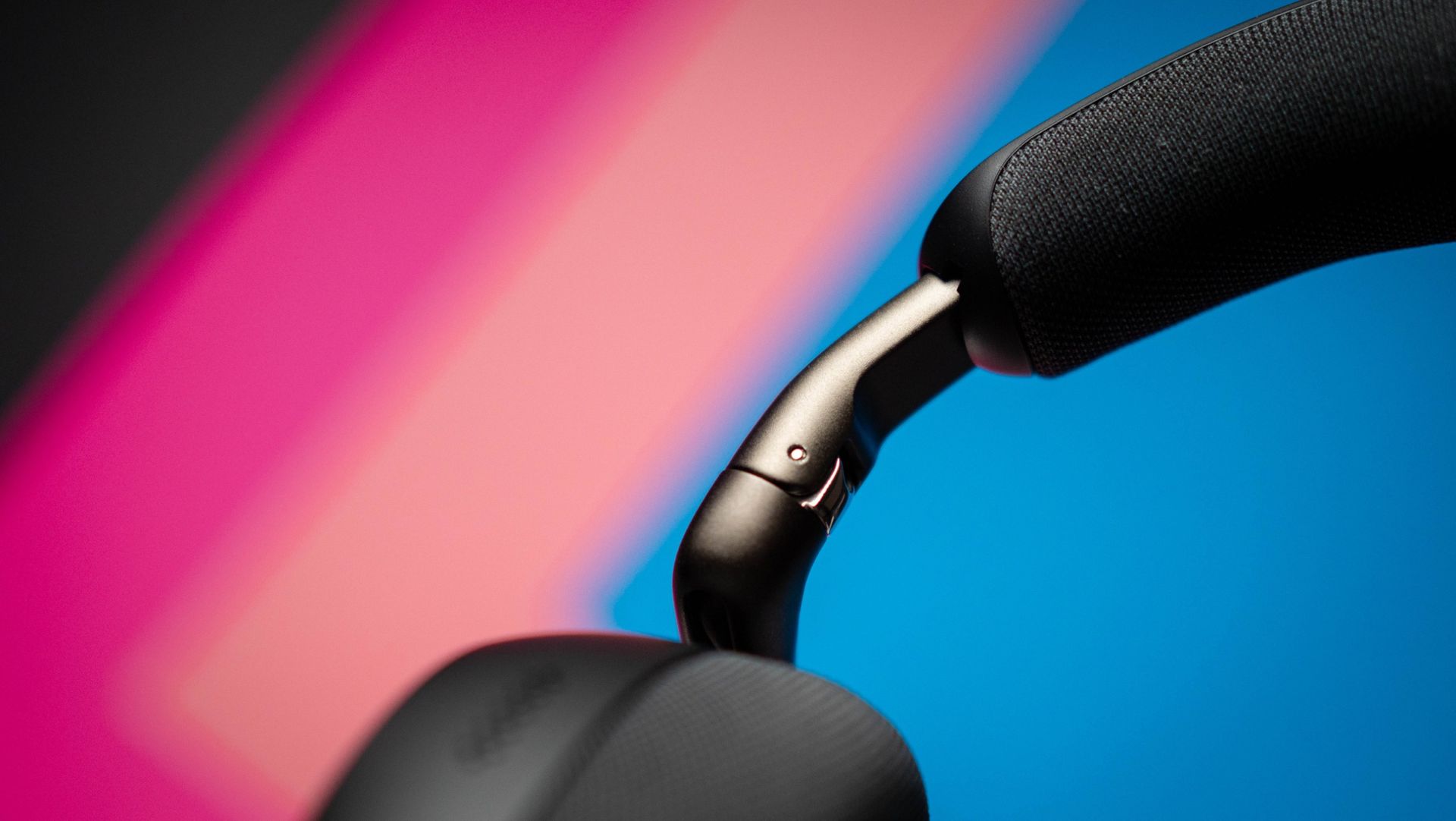
Sound quality is pretty good, too. Honestly, given how much Jabra positioned this as a work headset, I didn't think it would sound as good as its rivals, but the 32mm drivers do a great job. You get a detailed sound with plenty of bass, clean mids, and a tight treble. It's obviously built for meetings, but the headset is just as effective at extended music listening sessions. In fact, the only problem is that you don't get AptX codecs — it is limited to SBC and AAC.
Another thing Jabra does well is charging tech; the Evolve3 85 includes wireless charging, and I didn't realize just how convenient this is until I used the headset — I now want all of my Bluetooth headsets to have this as standard. There's fast charging too, with a 5-minute charge delivering five hours of power. The headset lasts well over 23 hours of meetings, with regular music listening at 60 hours — double that of Bose and Sony. Basically, you'll only need to charge it once a week even if you use it all day.
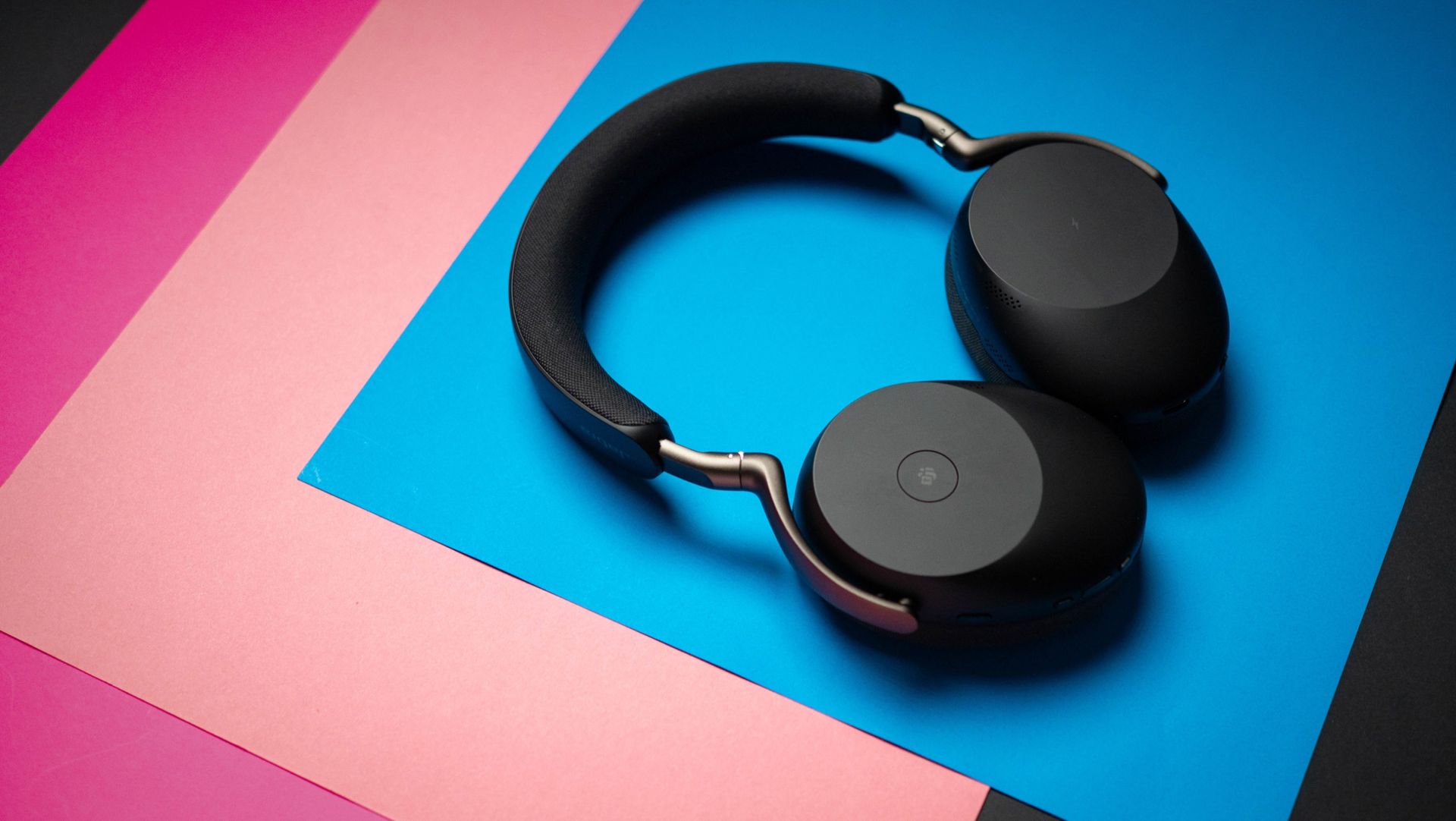
You get six mics in total, and they use MEMS solid-state tech, delivering better fidelity and low distortion. I attended dozens of meetings with the Evolve3 85 over Google Meet, Zoom, and Microsoft Teams, and the headset did a brilliant job.
While the Evolve3 85 is targeted as a work headset, it is just as great to listen to music or podcasts, and the lightweight design combined with all the extra features gives it a unique advantage you just don't see in this category.
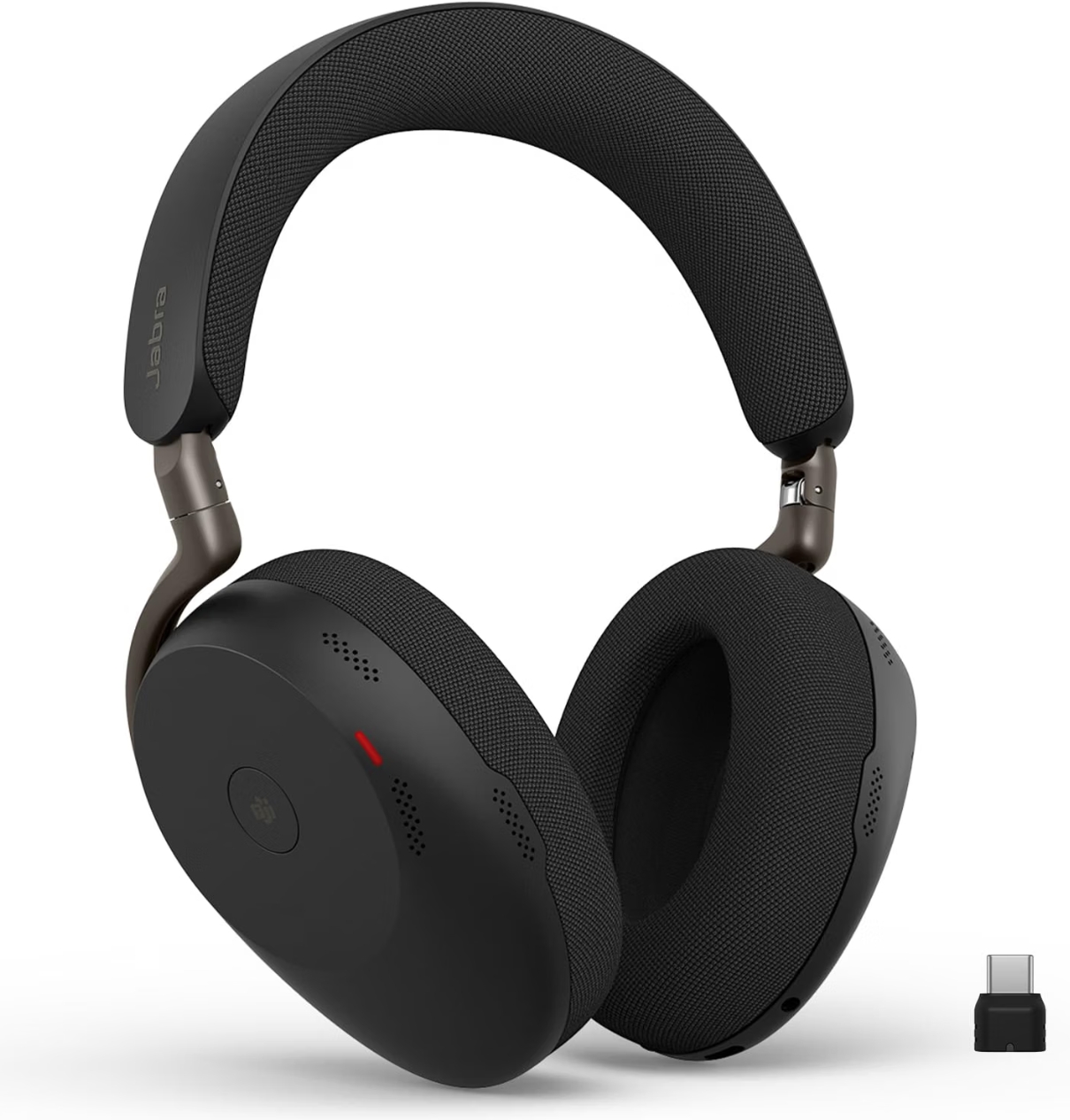
With a highly comfortable design, great sound quality, and unique features designed for meetings, the Evolve3 85 is the best work headset around.
On our podcast I’m known as the Apple hater, but over the past year I’ve let up a little — even defended the company.
I’ve said Apple could be the only company capable of releasing camera glasses without major backlash thanks to privacy-first approach, celebrated its approach to AI as possibly genius if the bubble does pop, and most recently said the iPhone Duo looks great and that the visible crease in some shots should be ignored — as if it’s like the Z Fold 8 Ultra you’ll never see it while you’re using it.
But in our most recent episode, I saw something that I couldn’t believe in the new AirPods 5 specs. I had to actually message our Audio Editor because I thought I must be wrong.
How are on-bud volume controls only now coming to AirPods? And how are they reserved for the pricier model?
I brought this up in the podcast, but my Apple-wielding colleagues — Axel Metz and Matt Evans — argued the feature isn’t that useful anyway. Those with Pro-level AirPods that boast volume controls noted that they rarely use them
Folks, that’s beside the point.
Volume controls are one of the most basic earbuds functions. Take a minute to scroll through Amazon, and you can find dozens of wireless earbuds under $20 that offer volume controls. This shouldn’t be something reserved for the fifth generation of a premium earbuds brand like AirPods. It’s absurd!
Oh, and I think volume controls on the buds are useful, for what it’s worth. If I’ve set my phone up to watch a YouTube video and the volume spikes, I want to be able to quickly swipe down without reaching over; or I might want to change the volume of my workout tunes mid-session without pulling my phone out and risking getting distracted.
Sure, it’s not a game changer, but as I said already, it’s a basic feature we should expect. It would be like if your iPhone didn’t have an email app — there are ways around it, but why cut off the root of the problem?
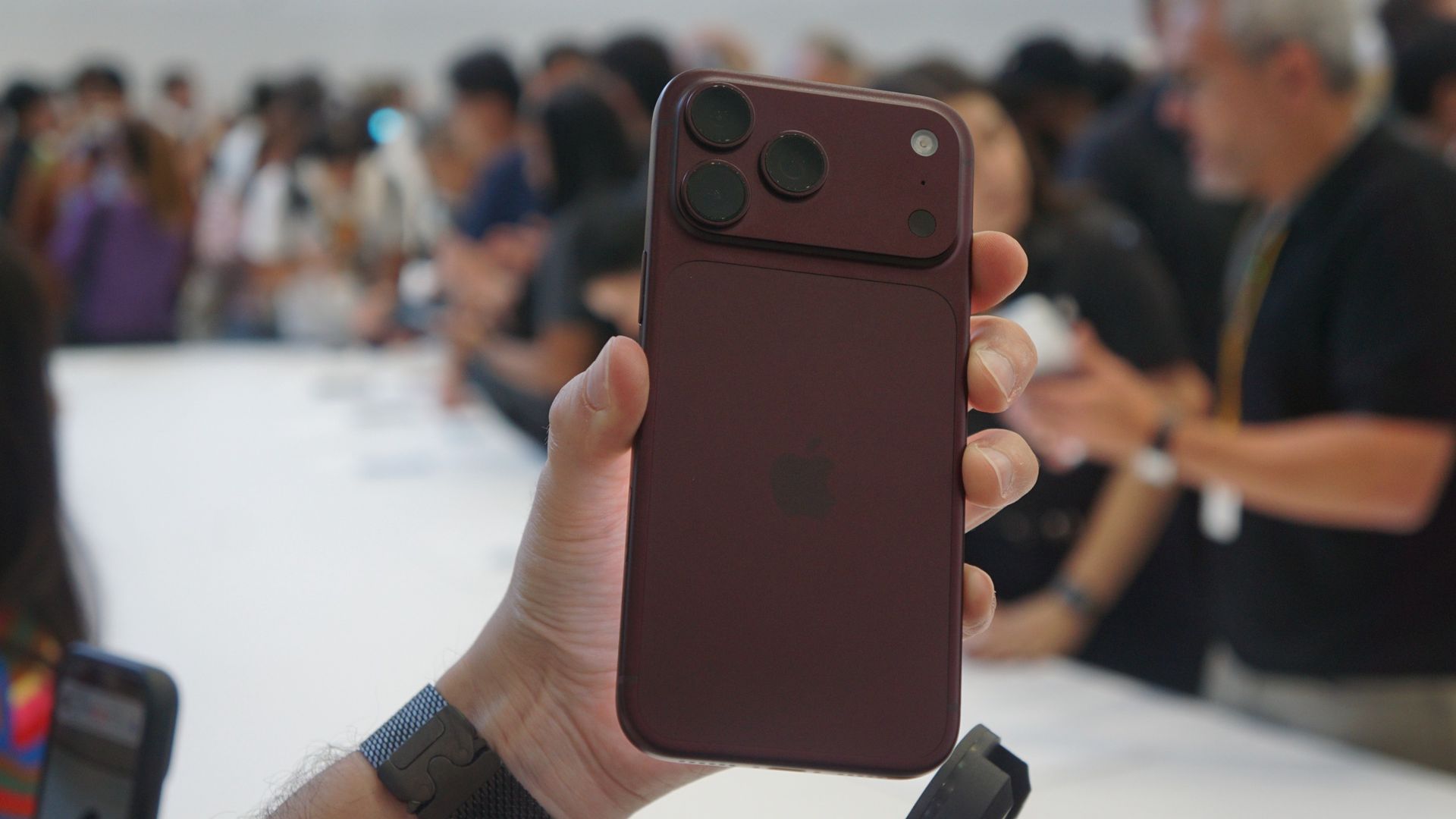
What really grinds my gears, however, is that volume controls still aren’t truly standard. If you get the base $129 / £119 / AU$219 AirPods, you’ll be out of luck — you need to pay extra for the $149 / £139 / AU$249 model with a wireless charging case.
This isn’t anywhere near as egregious as those ridiculously expensive Mac Pro wheels from early 2020 — back when we could worry about such trivialities in the ‘before times’ — but it feels like a remnant of Apple’s arrogance, and the quality that has put me off the company’s tech for all these years.
People can get the earbuds they want, and I’m sure the AirPods 5 will be just as solid as the previous generation. But when there are so many excellent audio options out there, my philosophy is to get a pair that respects you, offers genuine value for money, and won’t nickel-and-dime you for features that should have been added back in the first-generation model — not as an upcharge on the fifth-generation iteration.



Nothing's first over-ear headphones made a splash when they debuted. Now, rumors suggest the company wants to make even more noise with a "Pro" model.
Late this week, a post by Dealabs suggests Nothing is developing a "Headphone 1 Pro" model, and a launch could be closer than we think (via 9to5Google). As with any device, especially one marked by "Pro," design changes/improvements are possible. The publication claims the Pro headphones could feature "aluminum and glass" on their body. The idea could be to not only separate the Pro from the base model, but also to solidify a "premium" aesthetic, as the post notes.
White and black colorways are supposedly likely once this (allegedly) hits the market around September 29, 2026. However, rumors claim Nothing plans to make the Pro tag matter with a triple audio driver. Improved bass, sharper audio precision, and improved treble were mentioned.
Whispers allege real-time "adaptive" ANC that could outshine the original's. Battery life is another highlight. The Pro model could offer 60 hours of playback time. What's not clear is whether this is with ANC active or not. The original model could run for 35 hours with ANC on and 80 hours with it off. If this higher number concerns the former, that could be a huge boon to consumers.
There's nothing official, but rumors claim the Headphone 1 Pro could run consumers $399 in the U.S.
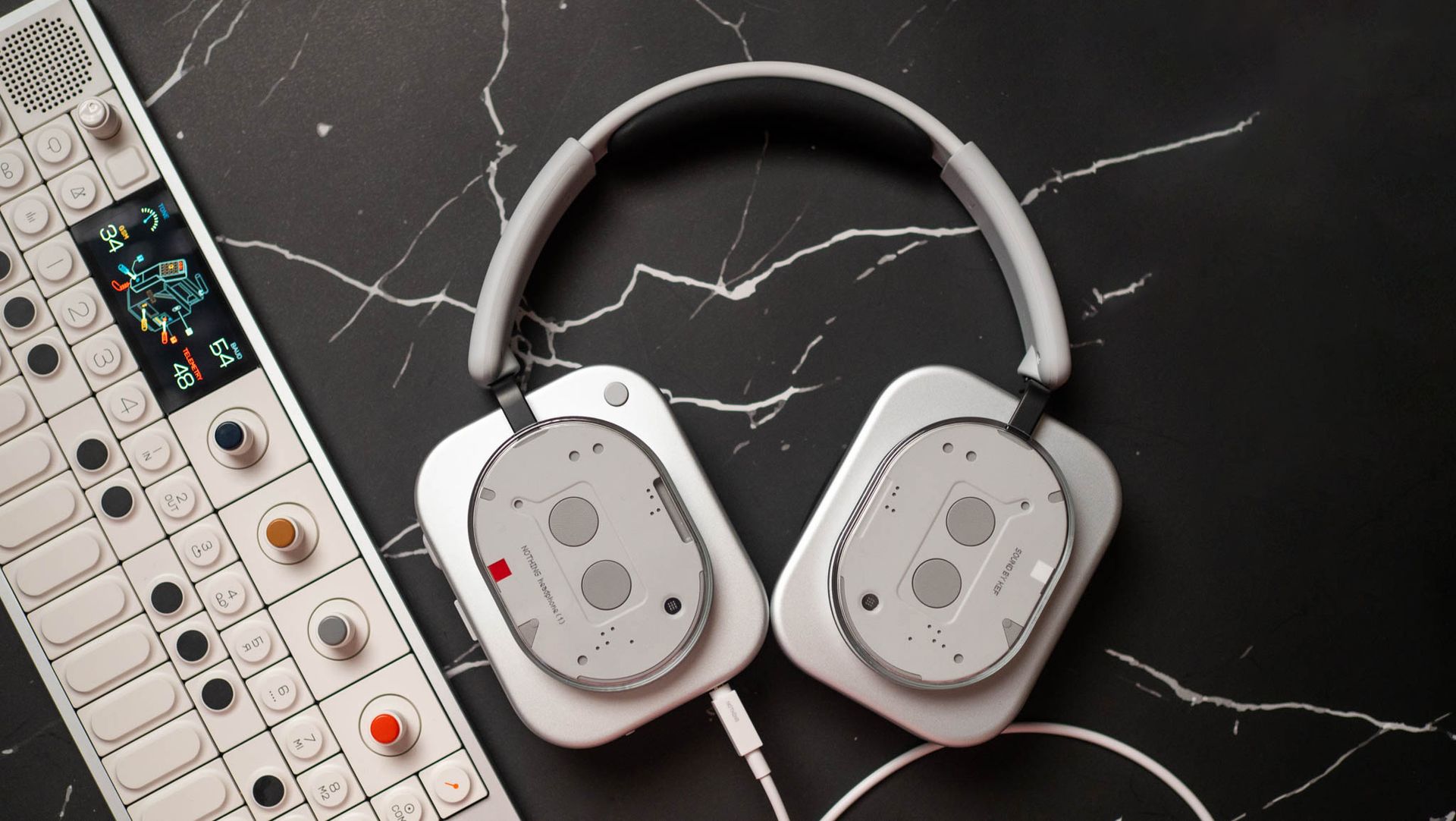
The idea of a Pro headphone from Nothing sounds intriguing. I'm not really a fan of wearing over-ear headphones out or away from my computer. I'm a gamer, so that's usually when I'll ever wear something like this. But there's a huge market for over-ear headphones. Music is probably the best thing for them. You can connect them to your phone, get a workout in, or hop on the bus or train and immerse yourself in sound. That's what I'd like from Nothing. If it's going Pro, go immersive, too.
If you take a quick step back to when the Headphone 1 launched, Nothing stuck them with a $299 price tag in the U.S. The Pro model would ask for ~$100 more, if we're to believe these early rumors. Anyway, Nothing wanted to make a bold statement with these headphones. The device brought back real, physical buttons, rollers, and paddles that make the experience more manageable.
There were pieces of aluminum that accented the Headphone 1. The Pro version could take that up a bit, and with more glass, too. In our experience, the Headphone 1 was a good piece of hardware. In fact, it was arguably one of the best audio products of 2025. Considering the positioning of the controls, the Headphone 1 made it easy to control our music. What's more, since these buttons are physical, we avoided those accidental song skips or pauses.
Nothing equipped the Headphone 1 with "a custom 40mm driver with sound tuned by KEF" that sounded "amazing," per Android Central's Harish Jonnalagadda.

There's extensive choice if you want to get a pair of decent earbuds. Bose, Sennheiser, and Sony continue to be heavy-hitters in this category (I use my Bose QuietComfort Ultra Gen II while traveling), and phone brands also a good job with their earbuds — Google's Pixel Buds Pro 2 and Samsung Galaxy Buds 4 Pro deliver a vibrant sound with plenty of useful features.
But if you want the best sound quality, you'll need to turn your attention to Noble Audio. The boutique brand is known for its IEMs, and it has ventured into wireless earbuds in recent years. I've heard plenty of great things about the brand, so I was excited to get my hands on the FoKus Amadeus. Retailing for $320 on Amazon, the Amadeus is in the similar price bracket as the Bose QC Ultra Gen II and Sony WF-1000XM6, but what you're getting here is markedly different.
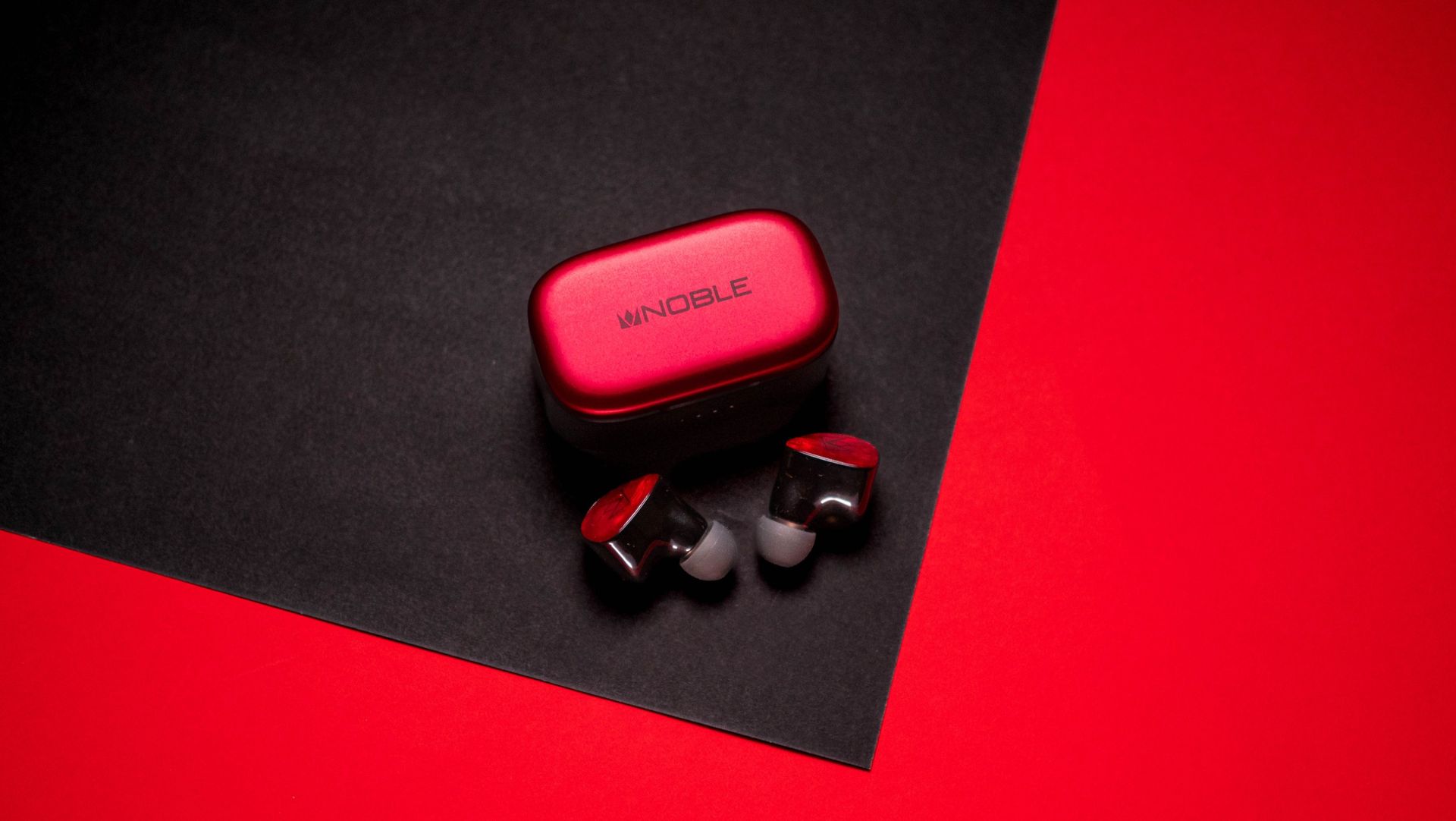
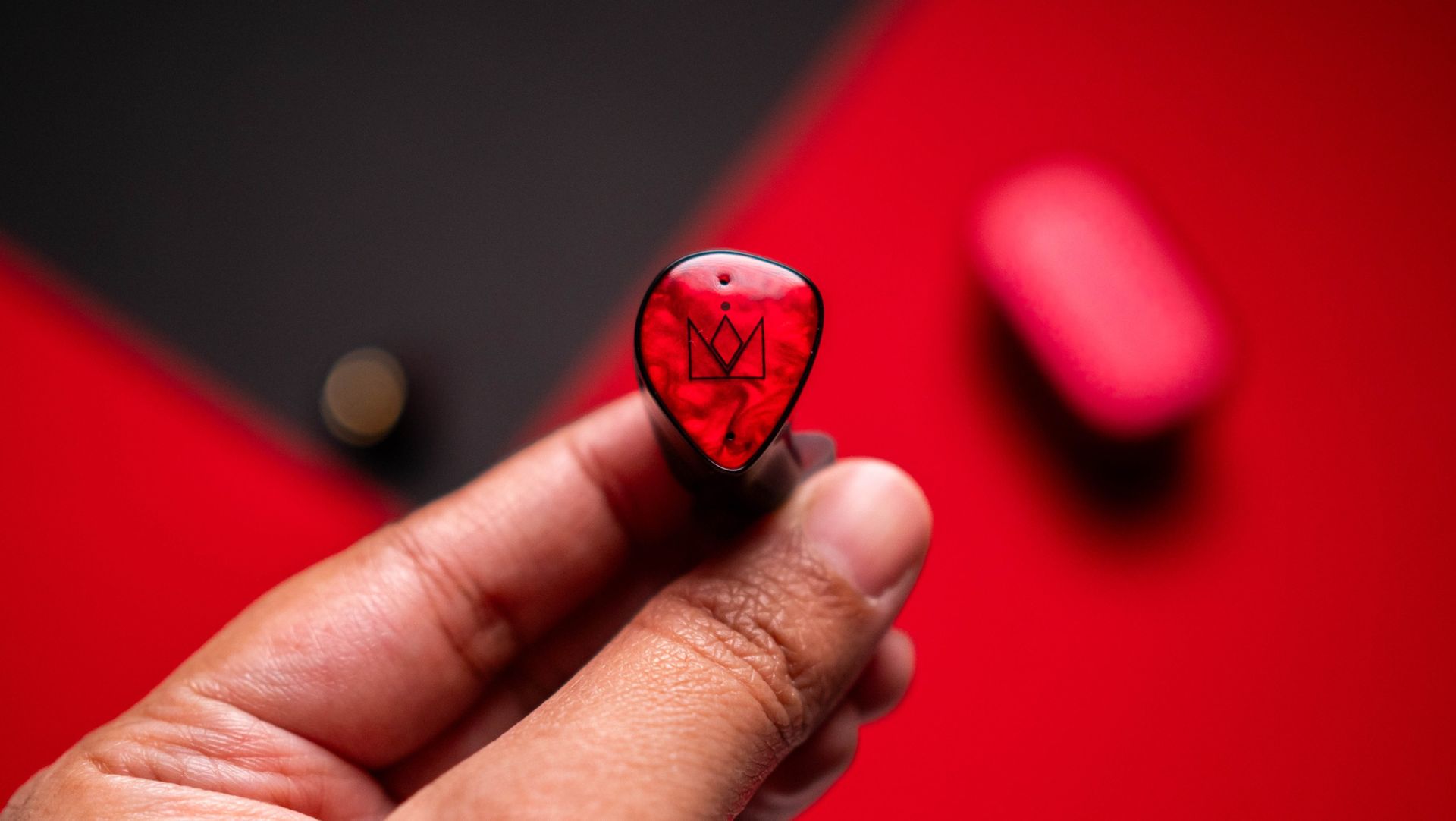
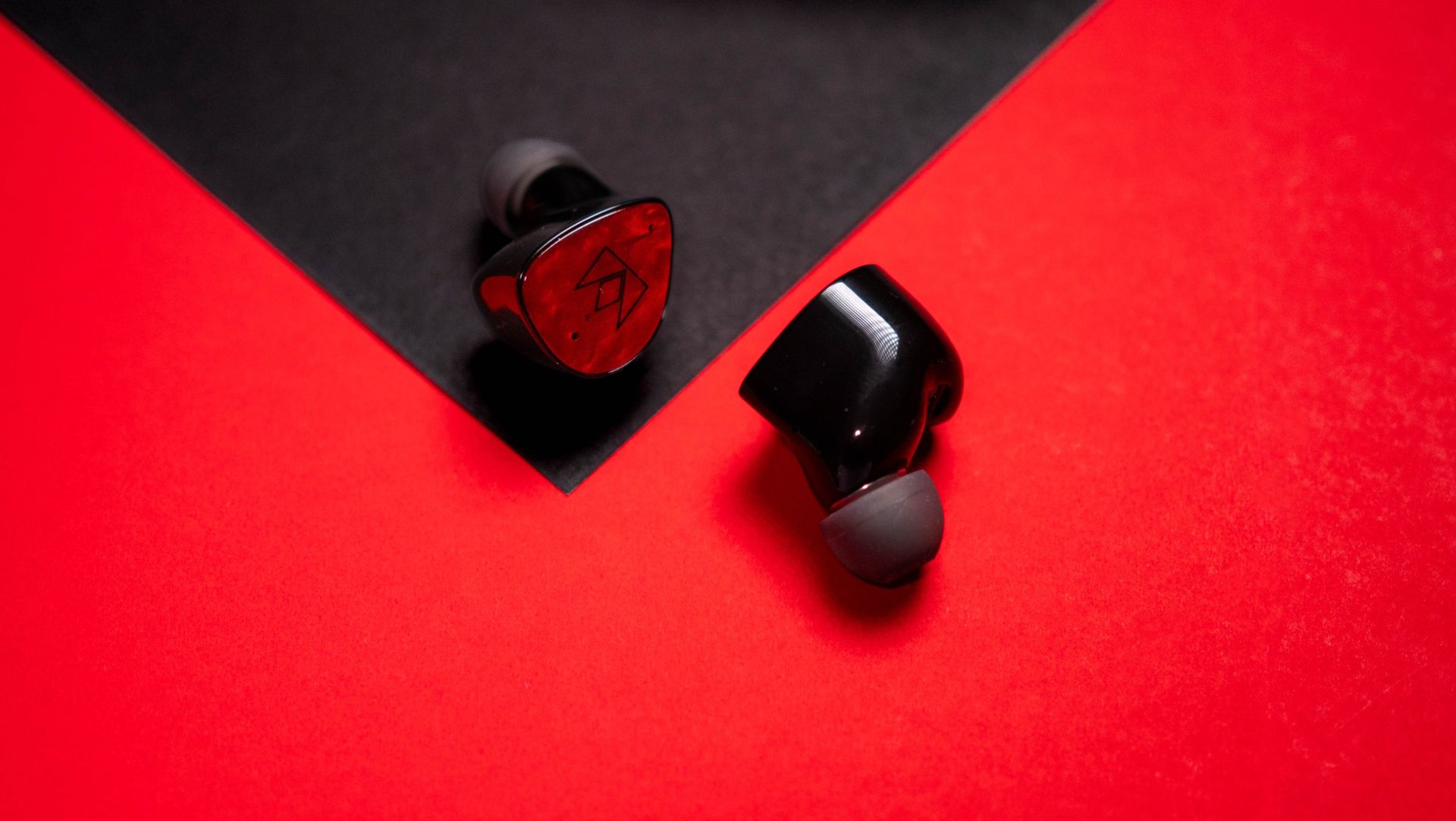
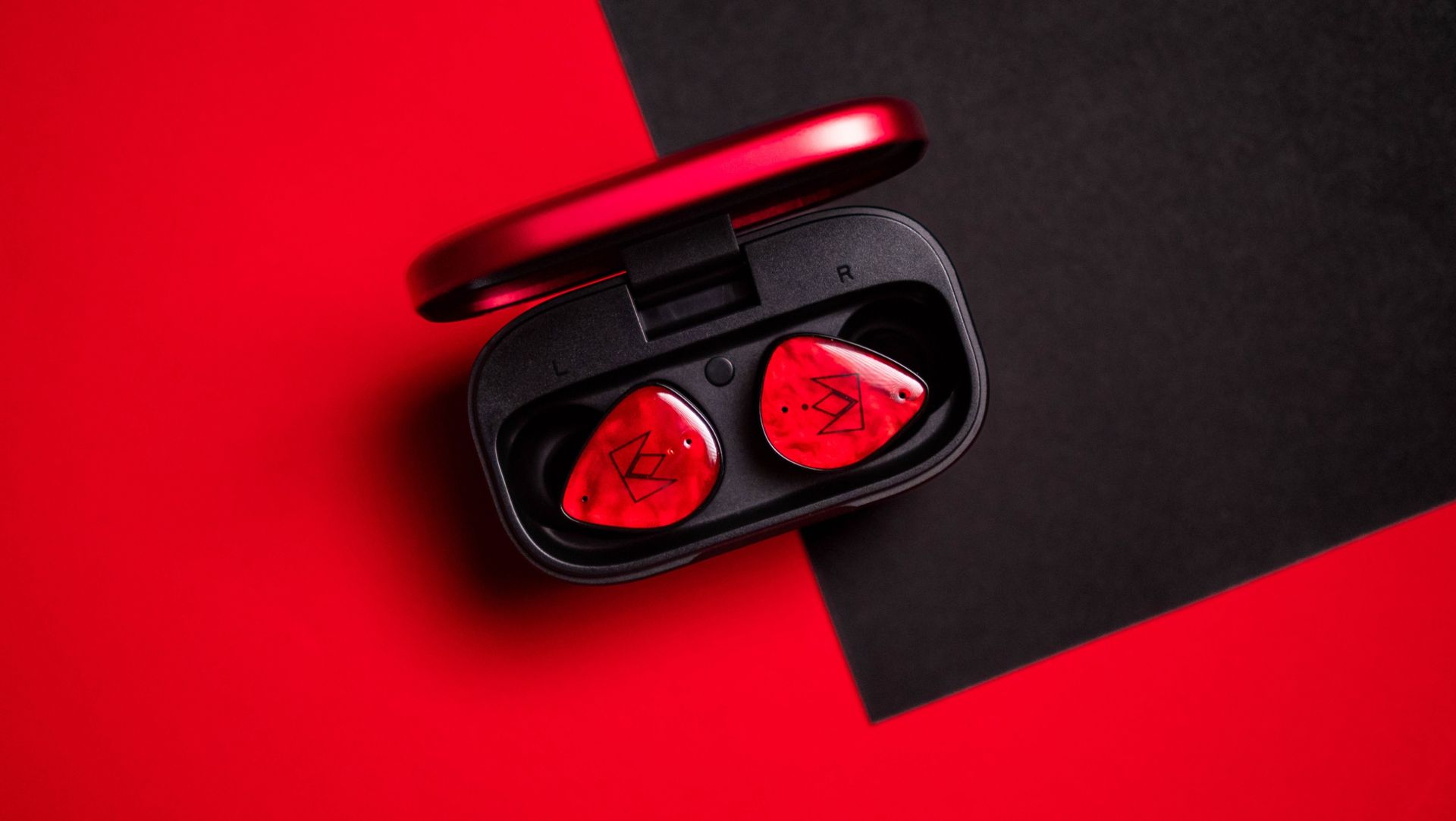
For starters, the design of the FoKus Amadeus is unlike any other earbuds around. Mainstream brands play it pretty safe with their designs, and they're not meant to stand out — that isn't the case here. With a bright red design and a custom shell that's bigger than most earbuds, these are guaranteed to grab attention.
Like the Amadeus name, the red design is an homage to Mozart’s signature tailcoat, says Noble. Build quality is great, and while the size of the shell means the earbuds jut out, I didn't see any issues with comfort. Each bud weighs 7g, and that's in line with other products in this category. The only omission is ingress protection, so I wouldn't suggest using these at the gym. Just like the buds, the case itself is bigger, but the square design makes it easy to take anywhere.
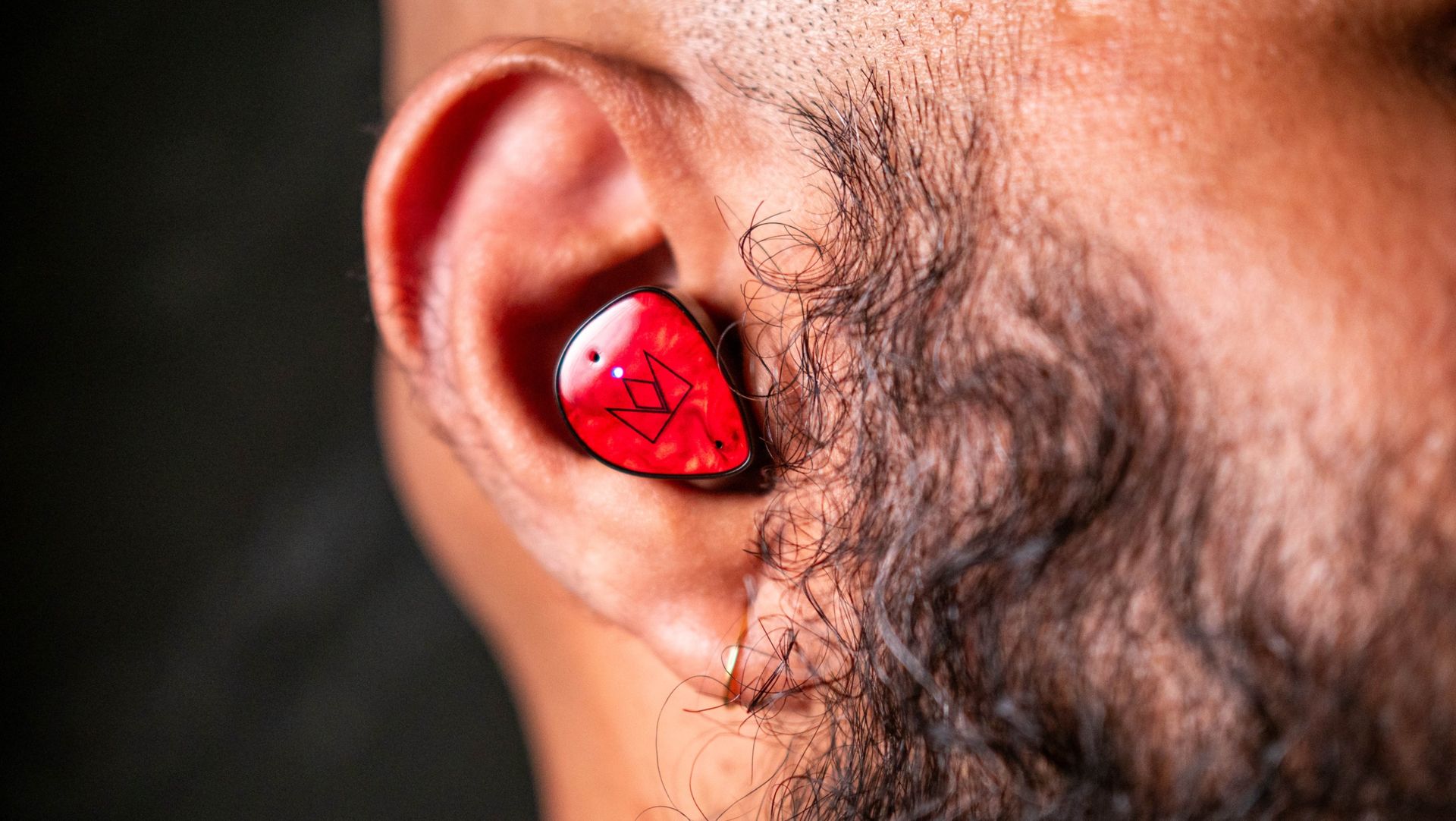
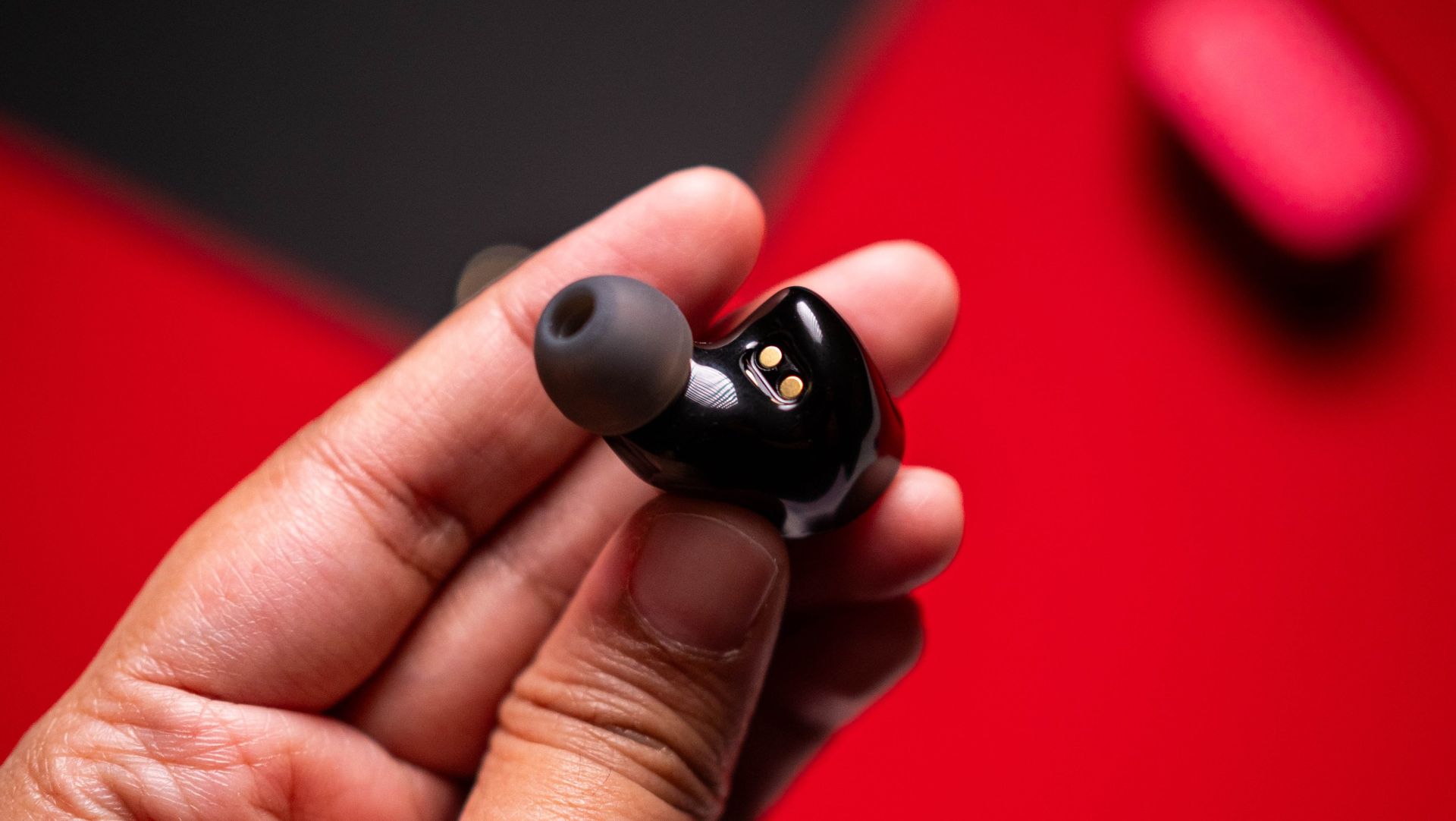
Coming to connectivity, the Amadeus gets Bluetooth 5.4 via Qualcomm’s QCC3091 modem, and there's SBC, AAC, LDAC, and AptX Adaptive. The buds connect to two devices at once, and I had no problems pairing with my Pixel 11 Pro XL, Find X9 Ultra, and iPad Pro M4. There's good ANC as well, and the buds did a great job tuning out the ambient sounds in my surroundings.
Obviously, sound quality is where the Amadeus excels. The sound signature from the 8.3mm dynamic driver is tuned towards musicality, and you get a good bass rumble with clean mids and a nice treble extension. These are particularly great with vocals, and the soundstage is significantly wider than any other earbuds in this category. There's a level of dynamism to the sound that you just don't get with Bose or Sony, and that ultimately makes the Amadeus enjoyable even in extended listening sessions.
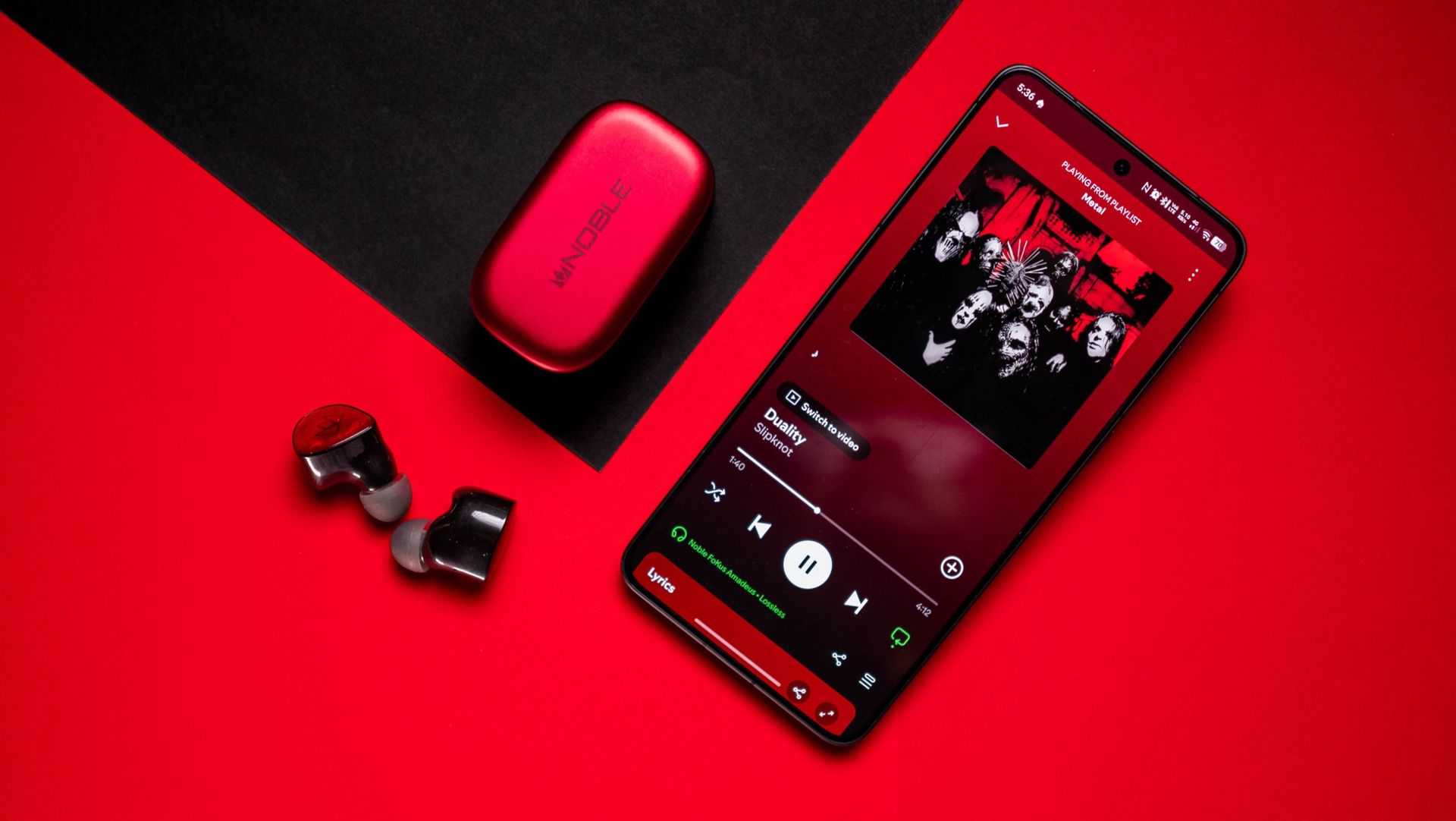
Another thing I like is the sheer level of customizability to the sound. Noble uses Audiodo to tune the sound of the Amadeus to your individual preferences. This is done by a listening test that lasts up to three minutes, and then you get a custom EQ that's tailored to your ears. The tech works exceedingly well, and it makes a big difference to the sound. In addition to Audiodo, you get a 10-band EQ and custom modes that let you tweak the sound profile to a granular degree.
Then there's the app; the Noble FoKus app has to be the best of any buds I used. You get a minimal interface without any overt styling (looking at you, Sennheiser), but there's an extensive amount of customizability when it comes to adjusting the sound.
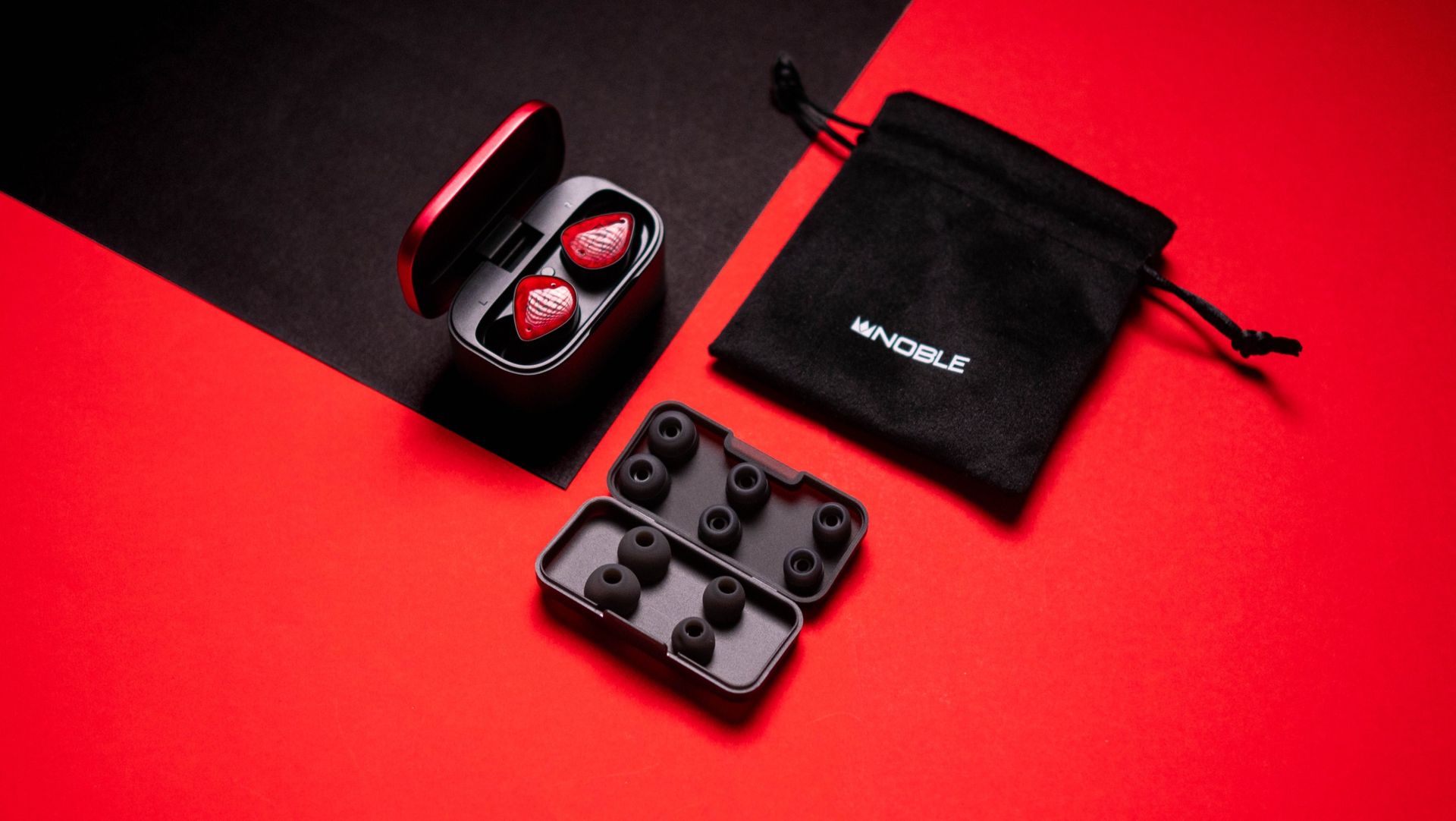
I got good battery life as well. The Amadeus lasted close to eight hours between charges, and each bud has a 65mAh battery. The case provides an additional 2.5 times charge via a 500mAh battery, so you get just around 40 hours before you'll need to plug in the case. There is fast charging that gives you two hours of music with a 10-minute charge, and a full charge takes just over 90 minutes.
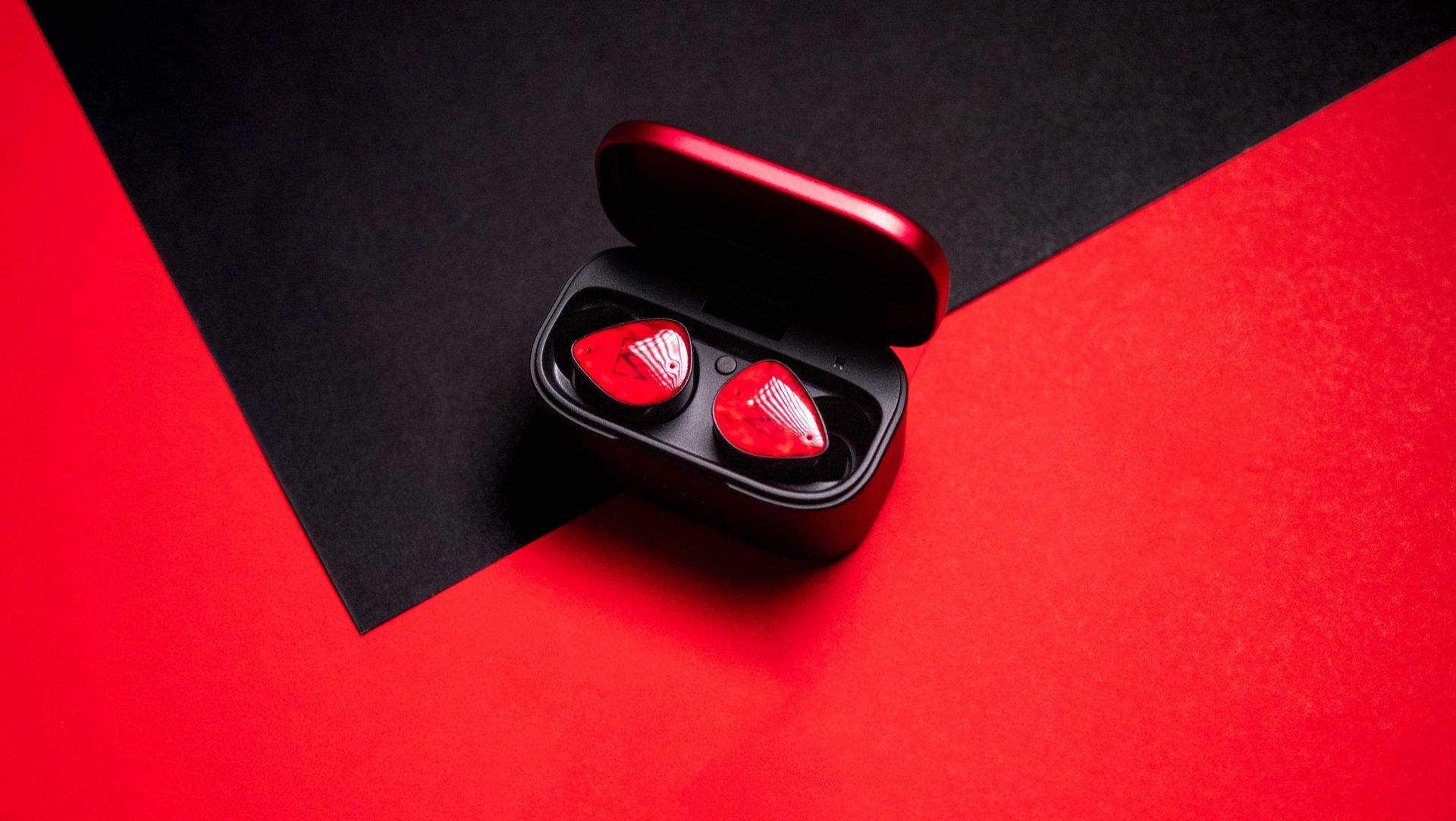
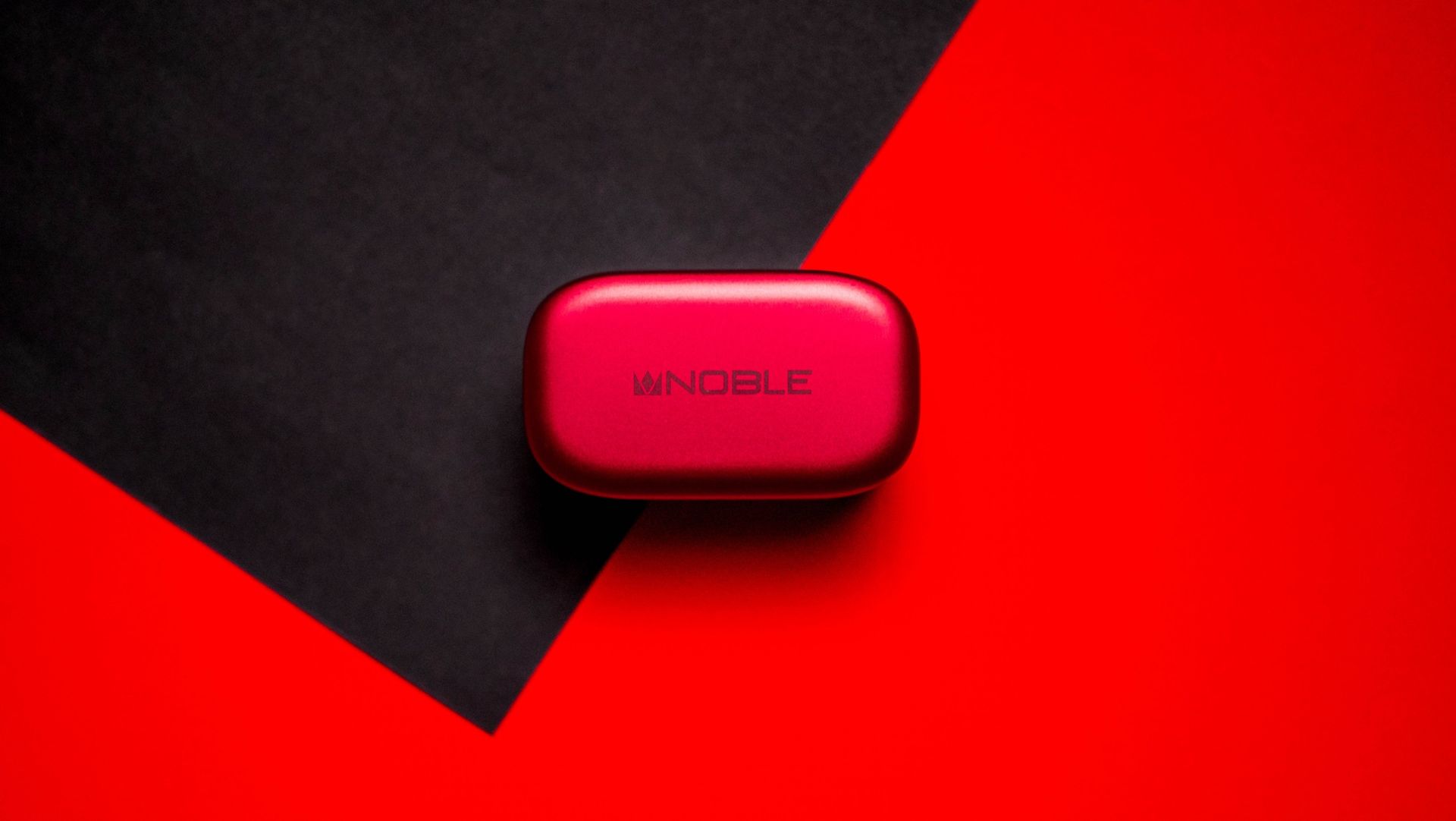
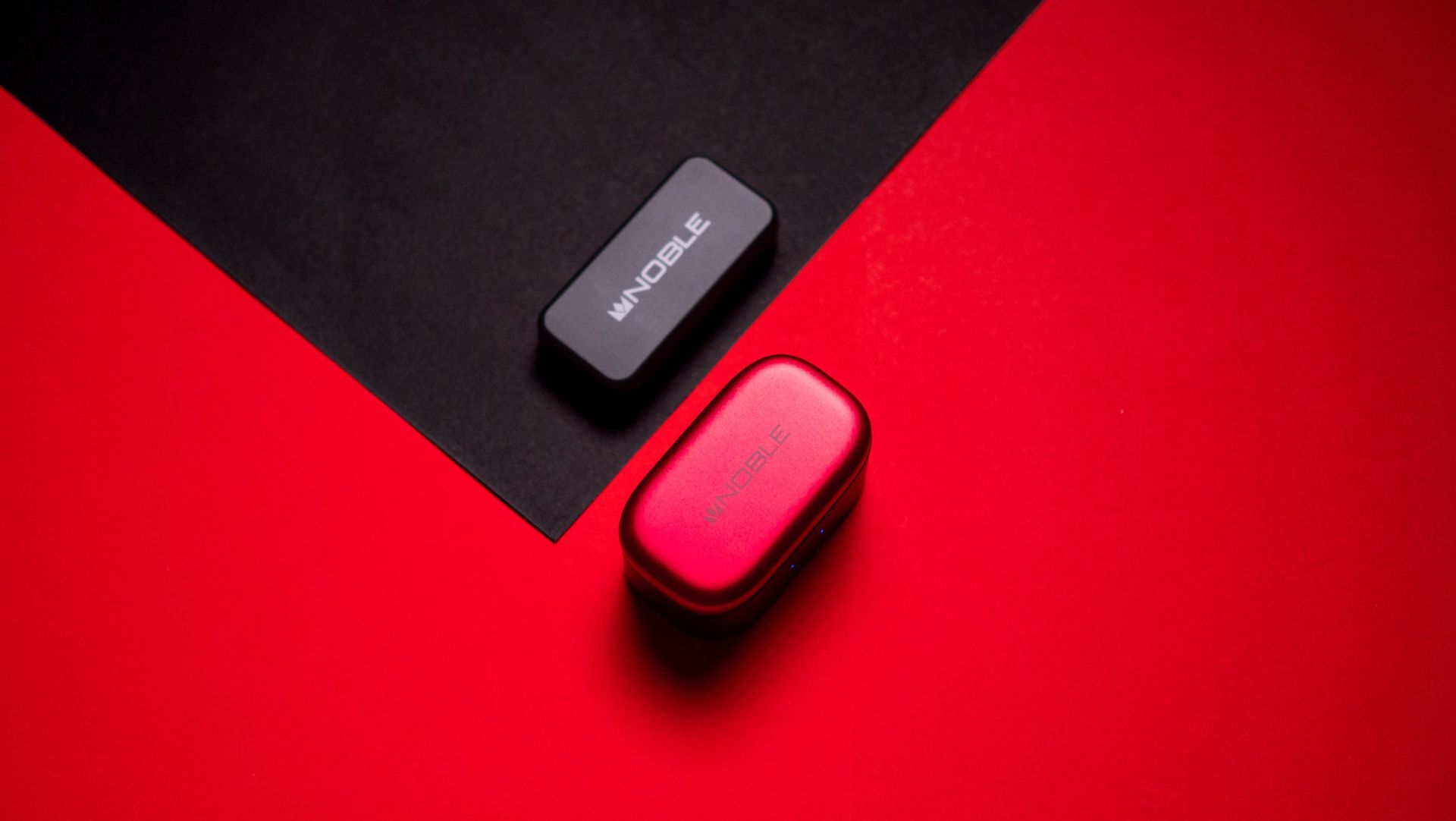
I know that's $320 is at the higher end of the scale when it comes to earbuds, and to its credit, Noble Audio didn't omit anything in the FoKus Amadeus. The design stands out quite a bit, but the earbuds are comfortable to wear, and the sound quality is outstanding; if you've used Bose's QC Ultra or any of Sony's earbuds, you will see an immediate difference when switching to these — I did.

The FoKus Amadeus is designed to stand out, and the sound quality is immersive like no other earbuds in this category.


Alongside 'Fast songs for the gym' and 'Band 101 for introducing a partner to a band on the eve of going to their gig', remembering moments or periods of your life is one of the most important reasons we make playlists. I still listen to "mix-tapes" (in digital format, mostly) I made while living abroad, road tripping around the outback or preparing for big university parties.
Now, streaming service Qobuz has taken time off its war on AI slop to acknowledge the link between music and memory for World Alzheimer's Month, teaming up with hi-fi tech brand iFi Audio to do so.
World Alzheimer's Month runs through September, and during that time, Qobuz and iFi are running a competition to submit a memory-laden playlist, and perhaps win an iFi iDSD GR 2 for your efforts.
Wait, what's the link? Well, it has been shown that musical memory remains well-preserved in Alzheimer's sufferers, and so a song may help with memory recall.
I'm getting this from a study published in the National Library of Medicine, which suggests that music interventions can "delay and decelerate the neurodegeneration in individuals at risk". But my colleague and Audio Editor tells me she has seen music's profound effect on memory recall in a fellow dancer who (even in advanced stages of this progressive disease) could still perform decades-old choreography, if the music were played.
Many non-profits, including Music & Memory or Playlist for Life, exist to help people by providing training, awareness or music-based care, to aid those suffering with various degenerative illnesses.

Oh yes, the competition.
During September, Qobuz and iFi want you to make a playlist (on the former's hi-res download and streaming platform, of course) full of songs which bring you back to a certain time or important memory.
Then, you need to head over to iFi Audio's competition landing page, which will give you a few steps to complete and fields to fill in.
This page also lets you provide a 'short story' or description of what the playlist means to you. There's no stated word count, but this whole news story could be pasted into the field with without a problem.
Once you've submitted your playlist, you'll be in with a chance to win the iFi iDSD GR 2 DAC (or digital-analog-converter, to level up your music using, say, the USB-C port on your phone, and on to your wired headphones or earbuds), worth $529 / £529 / AU$849. And that's a great prize. We gave the iFi IDSD GR 2 a perfect, 5-star review, praising its sound quality and easy-to-use touch-screen. So good luck!
There's no indication of how the brands will choose a winner; if it'll be based on the description, or tracks, or at random. It's also not clear what will happen to the rest of the playlists; maybe Qobuz will publish some of its favorites for all to see, but perhaps the submission is just for the purposes of the competition. Either way, delving back into old albums and tracks that really take you back to a specific moment will be a cathartic — and sometimes profound — experience. Music's great, isn't it?

It looks like Samsung is cooking up a pair of open-ear Galaxy Buds, and they could launch fairly soon.
While the best wireless earbuds still offer features like ANC and superior sound quality, open-ear earbuds have suddenly started taking over. We recently checked out the Huawei FreeClip 2, which we called one of the most comfortable open-ear earbuds we've tried, and now it looks like Samsung is preparing to challenge the throne.
As reported by SammyGuru, Samsung appears to be working on a pair of open-ear earbuds called the Galaxy Buds On. The publication has shared what appear to be product renders of the device, giving us an early look at the earbuds.
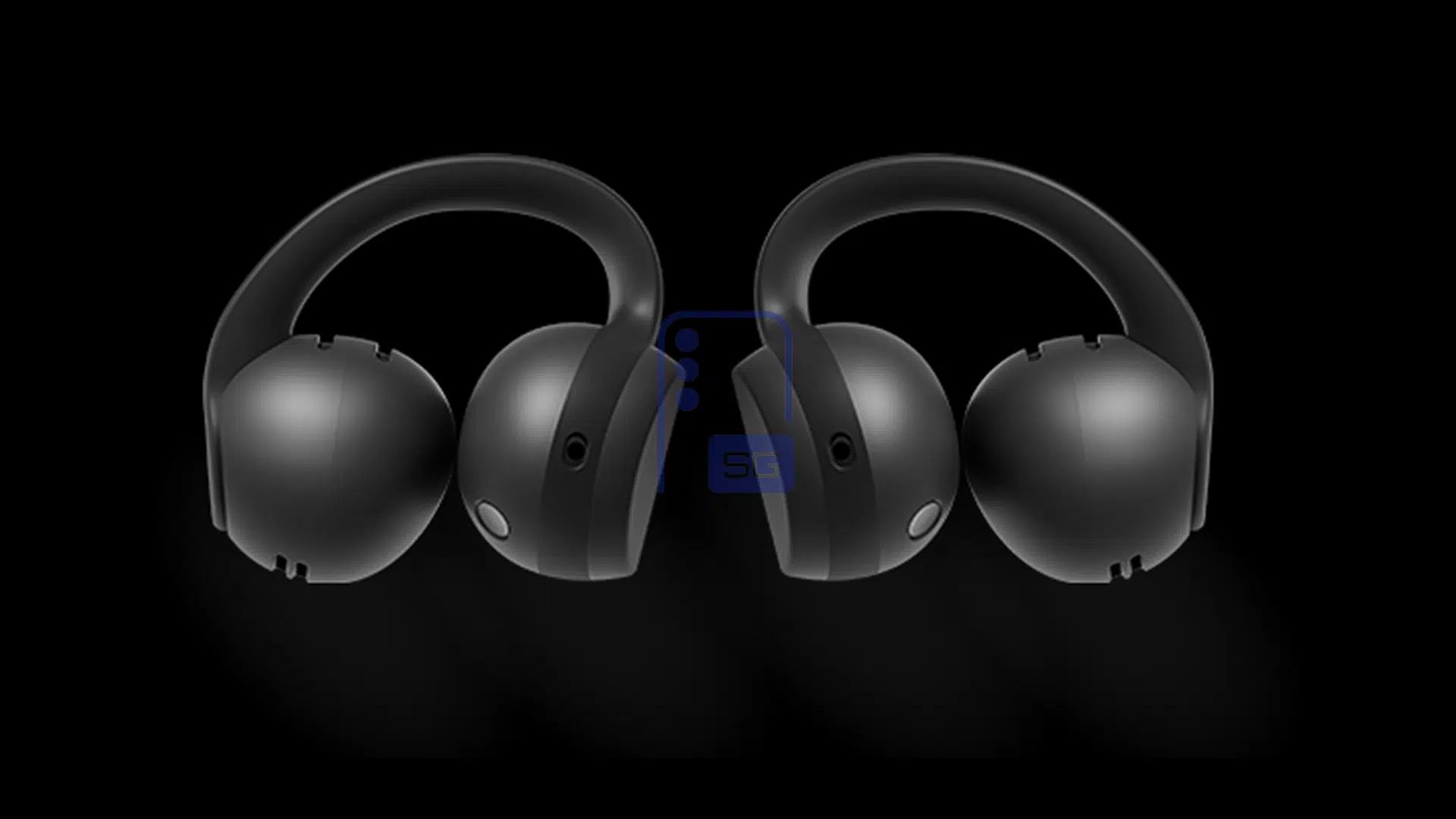
According to the leak, the Galaxy Buds On will feature a fairly standard open-ear design, with two rounded sections connected by a flexible silicone loop. One side will presumably sit closer to the user's ear, while the flatter section will remain on the outside and likely provide an area for touch controls and gestures.
The leaked renders show the Galaxy Buds On in black, although a white color option also appears to be in the works.
The publication was also able to extract illustrations showing how the Galaxy Buds On will clip around the user's ears. The report claims the earbuds will feature Auto Volume, which will automatically adjust the volume depending on your surroundings, alongside head gestures like nodding and shaking.
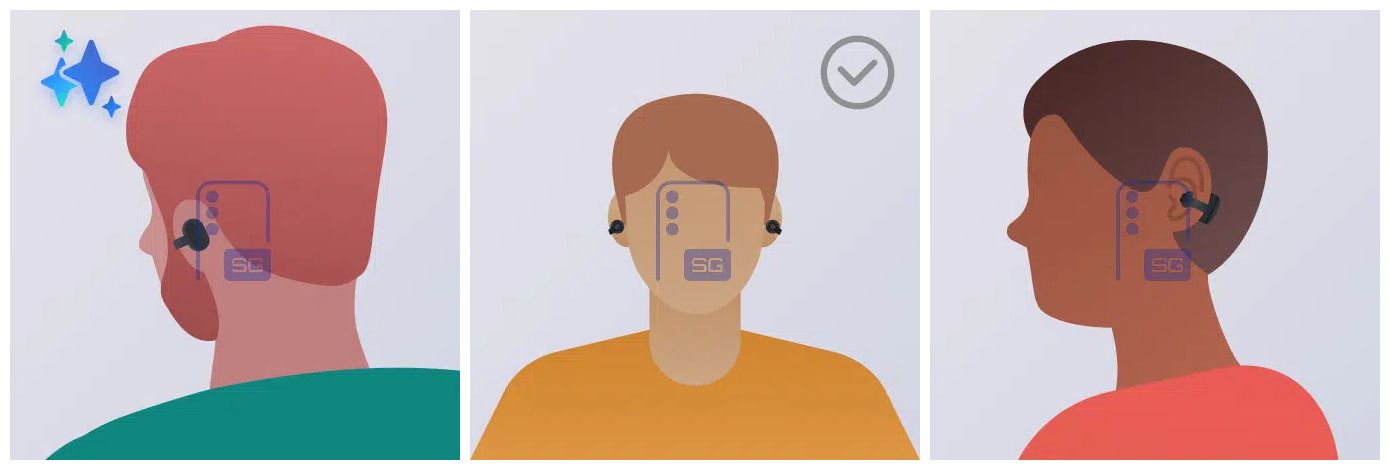
Another interesting feature will reportedly detect when the wearer has fallen asleep and automatically pause whatever is playing.
There's still no word on exactly when Samsung plans to launch the Galaxy Buds On. However, the company now has several products rumored to be waiting in the pipeline, including the long-awaited Galaxy Glasses and Galaxy Tab S12 Ultra, so we could be hearing much more about Samsung's upcoming hardware fairly soon.
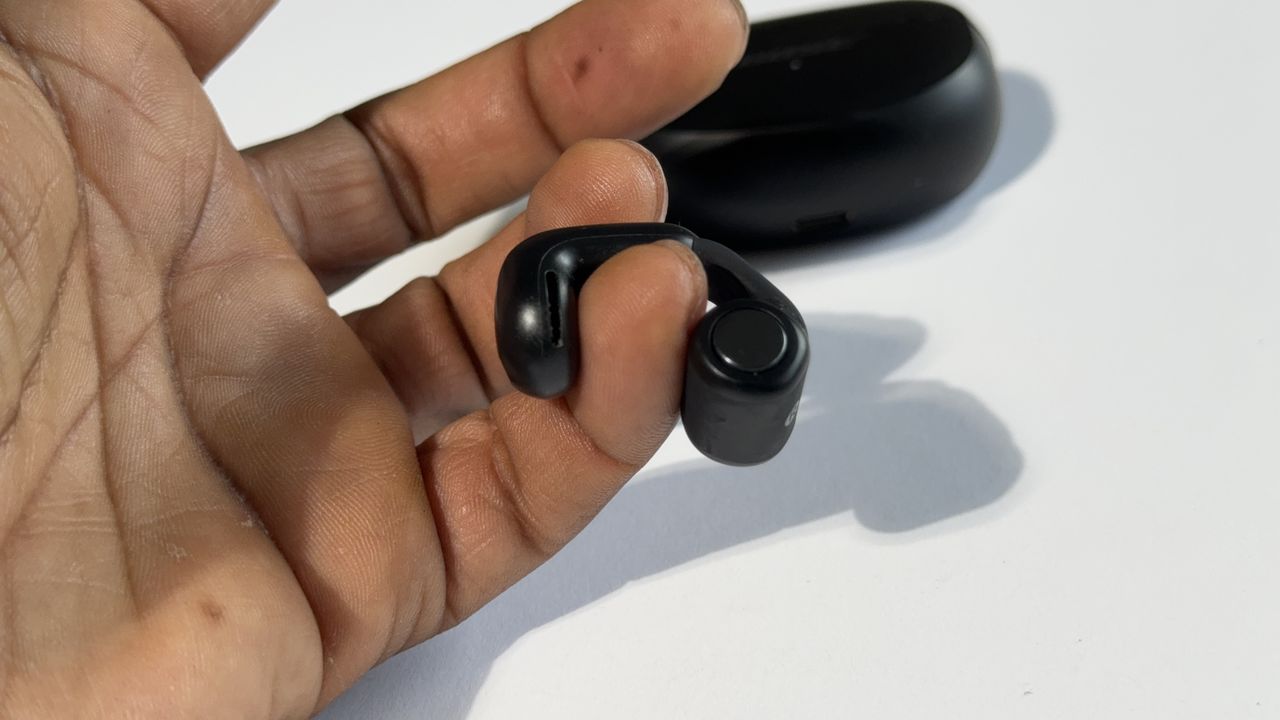
Apple has published no sound leakage figure for AirPods 5, in decibels or in any other form, so nobody can tell you exactly how much of your music the person next to you hears. What Apple has published is the shape of the answer: these are open-ear earbuds with no ear tips, and Apple’s own […]
The post Do AirPods 5 Leak Sound? What Apple Publishes About Open-Ear Noise Cancelling appeared first on The Mac Observer.
While the major headlines from Apple’s September event were understandably on the iPhone Duo foldable, one of the standout announcements for me concerns the AirPods 5.
Apple’s non-Pro series of earbuds are once again available in two flavours, with a few, admittedly useful, features separating the two. Perhaps the biggest shock, however, is that both the AirPods 5 and AirPods 5 with Wireless Charging Case (that name will eventually become annoying to type out) cost less than the previous AirPods 4 with ANC.
The two-year-old model launched at AU$299. The new AirPods 5 models can be yours for AU$219 and AU$249. Given the fact that Apple has been no stranger to price hikes in recent times, it’s quite remarkable that the popular AirPods got a price cut.
More impressive still, both models introduce notable upgrades over their predecessors. Apple is claiming industry-leading ANC for an open-ear design, alongside a richer, more detailed sound, with support for Personalised Spatial Audio. Apple also claims they’re more durable than before, and you also gain access to Live Translation (previously a Pro-only feature), Adaptive EQ and up to five hours of playtime with ANC on.
The AirPods 5 with Wireless Charging Case not only get a wireless charging case (shock) but also on-stem volume control. Take it from me as an AirPods Pro 3 user, this feature alone is worth its weight in gold — it’s so intuitive to use!
The Apple AirPods 5 and AirPods 5 with Wireless Charging Case (yep, still annoying to type) will be available from September 18, and you can preorder them today from the following retailers. Amazon would be my top choice, as you can save a couple of dollars on RRP.
While the pricing of the AirPods 5 is commendable, I also have to bring your attention to the AirPods Pro 3, which are available for AU$347 at the time of writing at Amazon.

AirPods Pro 3: was $429 now $347
They did drop to a low of AU$299 during Prime Day, but this is still a great price on Apple’s flagship earbuds. They deliver best-in-class noise cancellation and a rich, full-bodied sound. While the AirPods 5 now also get the same Live Translation, the Pro 3s also rock a heart-rate sensor and longer battery life of up to 10 hours. View Deal

Nothing appears to be preparing a more premium version of its over-ear headphone lineup. According to information reported by Dealabs, the company is expected to introduce the Nothing Headphone (1) Pro in the coming weeks, with a European price of €349 and a U.S. price of $399. Nothing’s move into premium headphones also gives the brand another way to extend its distinctive Nothing’s transparent design language beyond smartphones and earbuds.
The new model is reportedly scheduled to launch on September 29, positioning it firmly in the premium wireless headphone market rather than the entry-level segment.
The Headphone (1) Pro is expected to continue Nothing’s recognizable design language, including the brand’s semi-transparent aesthetic. The headphones are reportedly offered in black and white, while the construction combines an aluminum body with scratch-resistant glass elements.
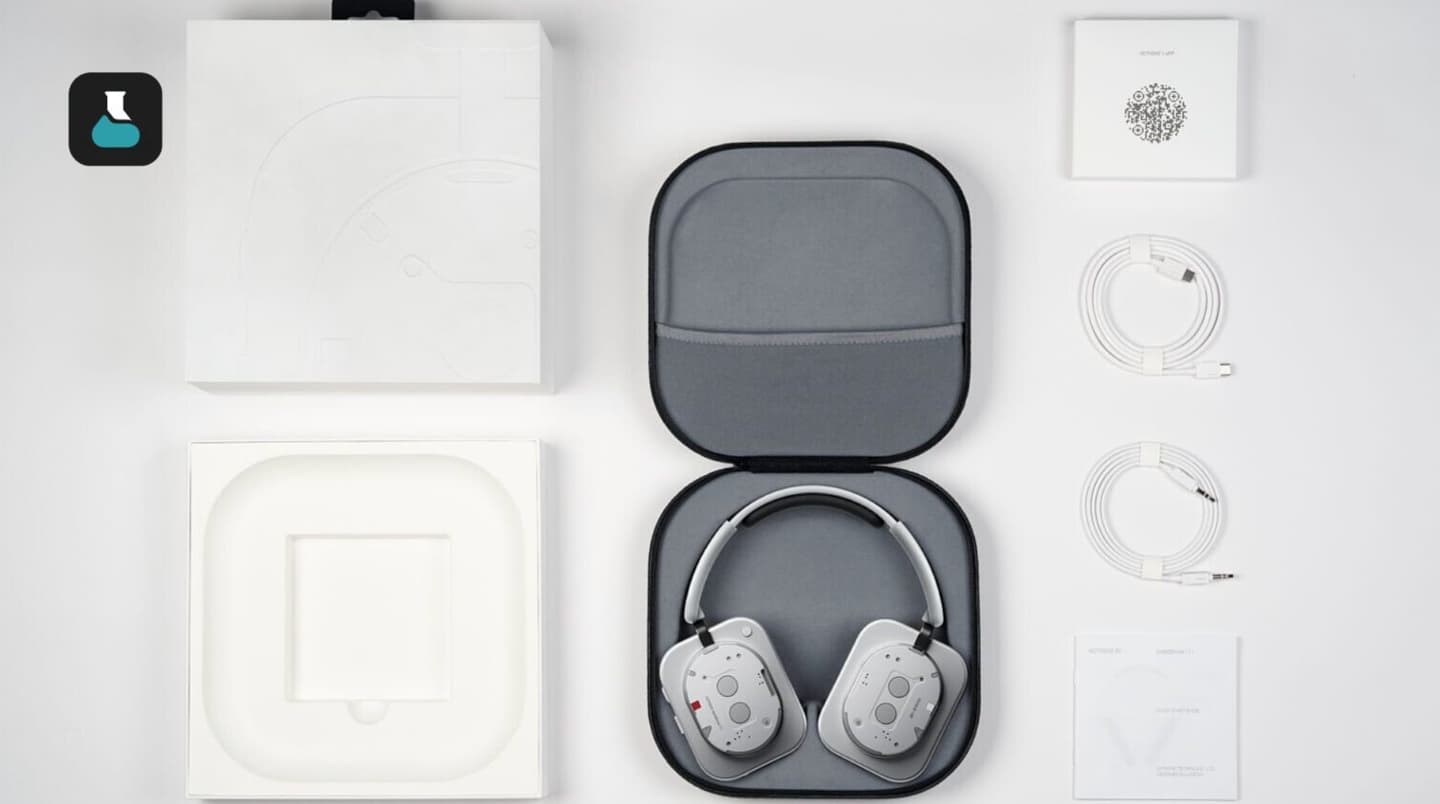
The headset is also said to carry an IP52 rating, providing some protection against dust and light water exposure. While that rating does not make the headphones suitable for heavy rain or water immersion, it could provide additional peace of mind during everyday use.
One of the most interesting features of the Headphone (1) Pro is its reported three-driver audio architecture. Instead of relying on a conventional single-driver setup, the headphones are expected to use separate drivers to handle different parts of the frequency range.
The high-frequency section could use an XMEMS driver, a technology designed around extremely fast mechanical response and precise high-frequency reproduction. If implemented as reported, the combination could give Nothing a stronger technical selling point against other premium wireless headphones.
The company is also reportedly working with Metropolis Studios, a well-known London recording and mastering facility, on the headphone’s tuning. That collaboration could help Nothing pursue a more studio-oriented sound profile rather than simply emphasizing heavy bass or consumer-friendly sound.
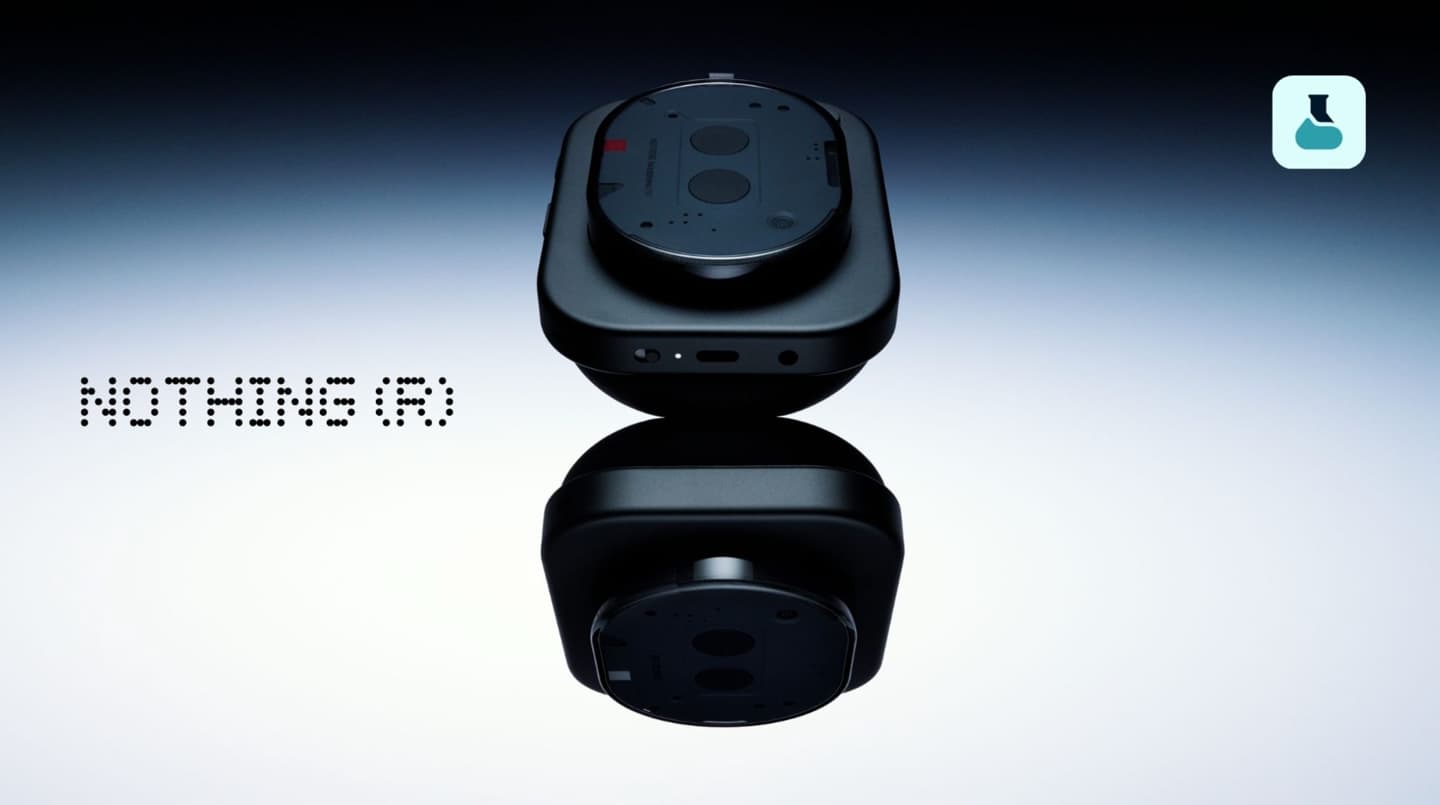
The Headphone (1) Pro is expected to include 10 microphones, which could support both active noise cancellation and voice-related functions.
The headphones are reportedly equipped with adaptive active noise cancellation (adaptive ANC) that can adjust to surrounding conditions. A transparency mode is also expected, allowing users to hear environmental sounds without removing the headphones.
This combination should make the Headphone (1) Pro more practical for commuting, office use and other situations where users may need to switch between immersive listening and environmental awareness.
For wireless audio, the new headphones are expected to support LDAC and Hi-Res Audio, potentially giving compatible devices access to higher-quality Bluetooth audio transmission.
Nothing is also reportedly preparing a Flat EQ option alongside more advanced sound-adjustment features. The company may position these controls toward listeners who want greater control over how their music sounds rather than relying solely on preset profiles.
The reported involvement of Metropolis Studios further suggests that audio quality will be one of the major selling points of the Pro model.
Connectivity is another area where the Headphone (1) Pro could stand out. The headset is reportedly expected to use Bluetooth 6.1, while also retaining a 3.5mm audio jack.
The wired connection will be useful for listeners who prefer a direct audio connection, want to avoid Bluetooth compression, or need to connect the headphones to devices without wireless audio support.
The combination of modern Bluetooth connectivity and a traditional wired input also gives the headphones greater flexibility across different listening environments.
Battery life could be another major advantage. The Headphone (1) Pro is reportedly capable of delivering up to 60 hours of playback, although real-world endurance will likely depend on factors such as ANC usage, volume level, codec selection and connection mode.
The headphones are also expected to support fast charging, allowing users to restore listening time without keeping the headset connected to power for long periods.
Based on the leaked information, the Nothing Headphone (1) Pro could be a significant step beyond a typical lifestyle-focused wireless headset. Its combination of a three-driver audio system, XMEMS technology, 10 microphones, adaptive ANC, LDAC, Bluetooth 6.1 and up to 60 hours of battery life gives it a specification sheet aimed squarely at the premium market.
The reported €349 European price and $399 U.S. price would also put it in direct competition with established premium headphone brands.
Nothing has yet to officially confirm all of these specifications, so the final hardware, features and regional pricing should be treated as unconfirmed until the company makes its announcement. If the September 29 launch date is accurate, more official details should emerge soon.
The post Nothing Headphone (1) Pro Leaked: Triple-Driver Audio, 60-Hour Battery and September 29 Launch appeared first on IGeeKphone China Phone, Tablet PC, VR, RC Drone News, Reviews.
Audio Intelligence is a brand-new class of Apple Intelligence features that use the microphones of Apple Watch, the power of Apple silicon, and on-device and cloud-based AI models to help you detect sounds, identify music, and stay present and engaged — all while protecting your privacy at every step.
- Siri Recap: Uses ambient listening to generate high-level notes from conversations, such as takeaways from a team meeting or a parent-teacher conference, producing an Apple Intelligence-generated title, summary, and key points reviewable in the Siri app.
- Live Rewind: Lets users “go back in time for 15 seconds,” transcribing and displaying what was just said in a conversation with a double press of the Digital Crown.
- Shazam: Automatically identifies music playing nearby and surfaces the song title and artist on the Music Recognition widget in the Smart Stack.
- Sound Recognition: Brings sound alerts to Apple Watch for users who are deaf or hard of hearing, listening for sirens, alarms, doorbells, a baby crying, and more, even when their iPhone isn’t nearby.
Apple is emphasizing that all of them are built to prioritize privacy and security using the extensive infrastructure the company has developed to protect its other Apple Intelligence and Siri services. As more and more of these types of features debut, though, the audio intelligence announcements are a reminder that AI-powered tools are becoming increasingly universal in all areas of computing and life.
“These features do not create or store audio recordings, and raw audio used for processing is completely inaccessible to the operating systems, apps, the user, or Apple,” the company wrote in a report shared with WIRED.
[…]
Apple emphasizes that its on-device capabilities for Apple watches have expanded thanks to the company’s new S11 chips. The chips include a special memory-protected space that Apple calls the Secure Exclave. Designed specifically for sensor data, the exclave is an isolated buffer that is inaccessible to the rest of the operating system where Apple Watch can hold and process audio data in a protected space.
[…]
To try to mitigate blatant privacy violations, Apple says that the watch produces an audible chime when a watch owner initiates a Live Rewind transcript to alert other people in the area—even if it is on silent mode or paired with headphones. And the features are built to omit or filter out potentially identifying information about speakers. But the sheer scope and breadth of the tools is extremely noteworthy.
If you want to really take a deep dive on privacy and the new features, Apple has published an 11-page privacy paper that goes even further.
Previously:
Update (2026-09-11): Dr. Drang:
Ron Huang introduced a couple of features of the Series 12 and Ultra 4 that struck me as both disturbing and possibly illegal. They certainly seem at odds with Apple’s commitment to privacy.
[…]
I’m sure Apple will argue that there’s no privacy issue because the recordings aren’t being saved. But if there’s a transcription, isn’t that a type of saving?
And then there’s the question of legality. A great variety of law, both in the United States and across the world, concerns the recording of electronic and in-person conversations. I’m sure Apple has considered this, but I have to think some jurisdictions will frown on Live Rewind. If Apple has to defend it, that’s fine. What’s one more squadron of lawyers to Apple? But if an Apple Watch owner has to defend a transcription made innocently—made with Apple’s encouragement, in fact—that seems like an unfair burden. Maybe Apple should indemnify all future Watch buyers from privacy-related legal action.
[…]
The hoops Apple jumped through to avoid certain words is pretty funny. […] You think your watch records the audio around you? No no no. The audio flows into the Secure Enclave, and flowing is definitely not recording because it’s a different word.
Live Rewind and other Audio Intelligence features do not generate audio recordings. Audio flows into the Secure Exclave, is processed, and then deleted.
According to Apple, Live Rewind text snippets “disappear permanently” from the Apple Watch approximately 30 seconds after the Apple Watch display dims, unless the info is saved to the Siri app.
But good luck explaining that to anyone around you after you read back an exact transcript of what they just said. Apple says they should be sufficiently notified Live Rewind is active because “an audible chime plays from the speaker on your Apple Watch, even if your Apple Watch is on silent or you have headphones connected”, plus the watch plays an animation, but it is not clear to me when this happens. It is not shown in Apple’s video. The impression I get is that Live Rewind is always running in the background and these notifications are only played after you double-click the Digital Crown to look at the text.
This feels like a glimpse of how Apple will market its inevitable wear-anywhere glasses product. I do not think it does enough to assuage privacy concerns. I think normal people will continue to react negatively when you tell them you have been passively recording them because, outside Silicon Valley, that is considered gross and invasive.
I have to admit that the Siri Recap stuff all being “documented” using AI slop is really giving me confidence in the level of care that went into designing this feature
I’m frankly surprised Apple even went through with this feature at this time, considering the bans and backlash other AI-powered surveillance wearables are getting.
[…]
Apple is keen to evidence its trustworthiness, with on-device AI and Private Cloud Compute and an insistence that it doesn’t record or log audio and transcripts. However, if people think they’re being discreetly recorded without their permission, it’s possible Apple Watch wearers could experience their own slice of the abuse hurled at Meta Glasses wearers.
I… y’know, Betteridge’s law does, as always, apply.
Given that Apple has to warn of this, it’s the surest sign the features shouldn’t be released in this form. Apple repeats the form of the warning I see regularly at my gym… but apparently it isn’t heeding it.
Just called my HSA provider and upfront they say that calls may be recorded and transcribed by AI and then provide no means of opting out. So of course the person who finally answered says I have to give my social to verify my identity.
Update (2026-09-14): See also: Core Intuition and Steven Aquino.

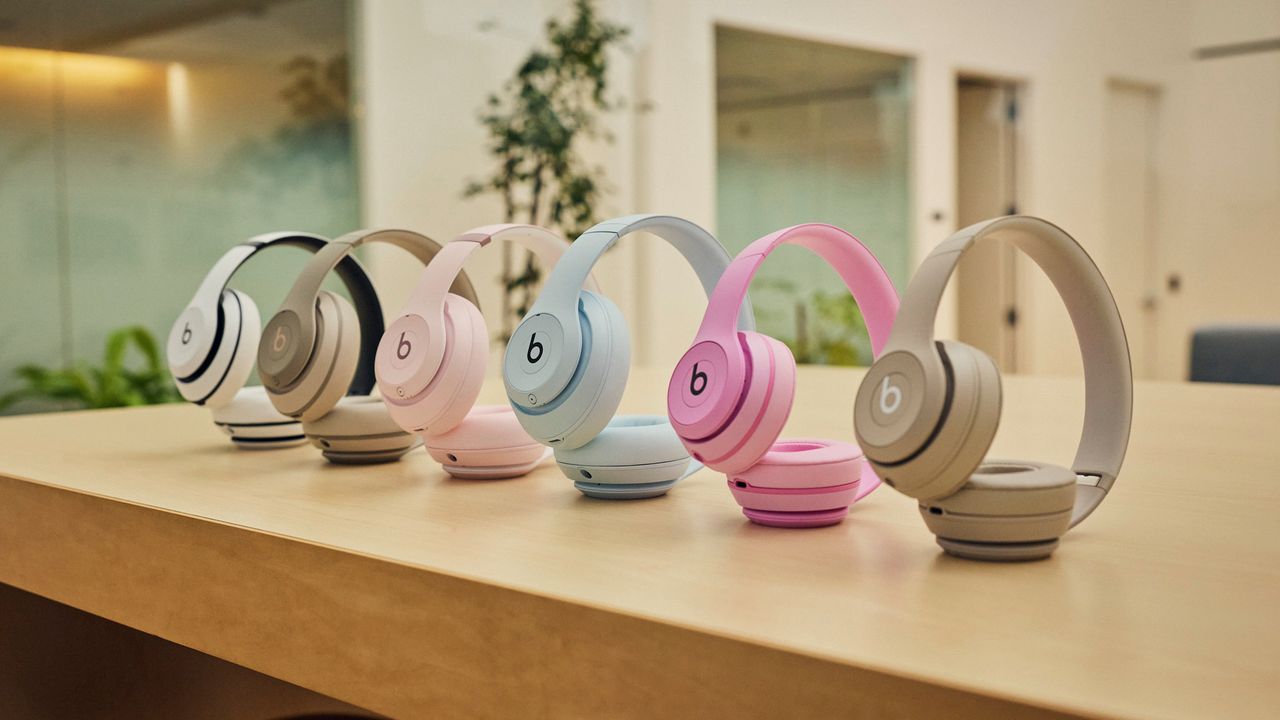
While the AirPods 5 upgrades offer you the best features of the AirPods Pro, they were small consolation at an Apple Event in which people were hoping for more sweeping audio upgrades. No AirPods with cameras, no HomePods upgrade despite teases, and no new Beats headphones.
However, that latter point could be addressed later in the month. How come? because according to MacRumors, Apple just released a firmware update for the Beats 360 headphones. Yes, that same pair of Beats 360 headphones we've been hearing rumors about for months, but that have yet to be officially announced.
Why is Apple updating headphones that don't exist? Well, bear in mind we've been seeing them for months, as Apple gave them to multiple soccer World Cup players to show off during the tournament. Celebrity sportspeople need their tech updating too, after all.
There's no indication of what this update does, and it doesn't really matter. It's all about what this update suggests.
Because of this recent software update, many now think that the Beats 360 are due to be unveiled at some point in September.
While Apple already has just had its big product unveiling event of the year (on September 9, around 14 hours ago at the time of writing), that doesn't rule out new Beats devices. Apple generally lets its Beats sub-brand operate independently.
In fact, it would've been pretty bizarre if we had seen the Beats 360 shown off at the Apple event, for this fact.
We know a lot about how the Beats 360 look, thanks to plenty of leaks (and, of course, the fact that they were literally on the necks, heads and bags of a few soccer players months ago). They sound like a big step up from what we've seen, but as the launch of a new range, it's hard to know how they'll stack up to existing models.
Beats' last product launch was in October 2025, when it showed off the Powerbeats Fit, so maybe we'll see the brand take the same late-September-early-October window for its new device. Or devices? We've only heard about the Beats 360, but that doesn't rule out siblings of other form factors.