Login

‘Love letter’: California Attorney General takes aim at Trump’s links to Big Oil
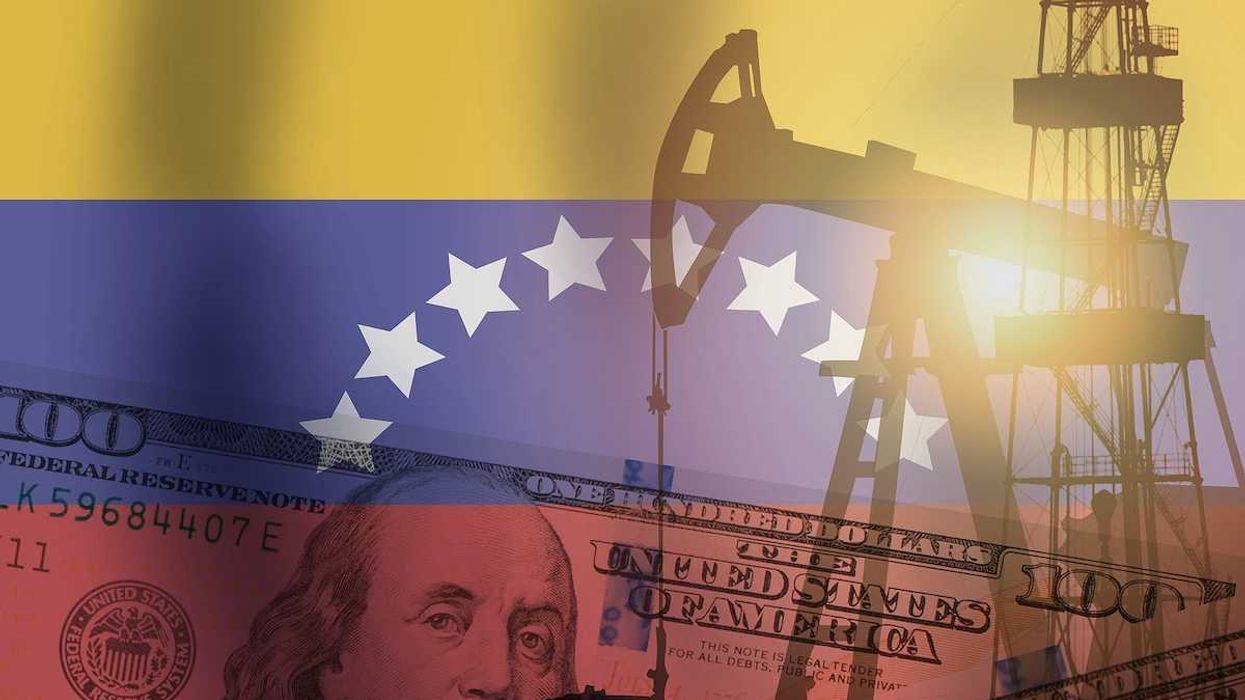
Democrat Rob Bonta is preparing to fight the president’s rollback of a regulatory keystone on climate.
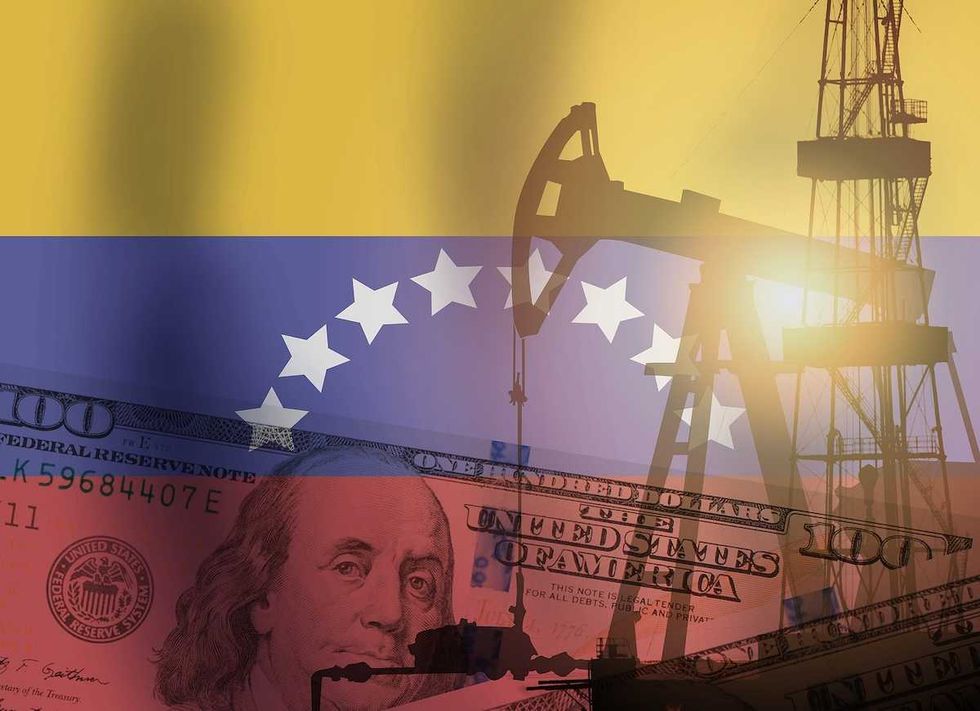

Democrat Rob Bonta is preparing to fight the president’s rollback of a regulatory keystone on climate.

For children growing up in South Africa’s farming communities, exposure to pesticides may not end when the tractors leave the fields.

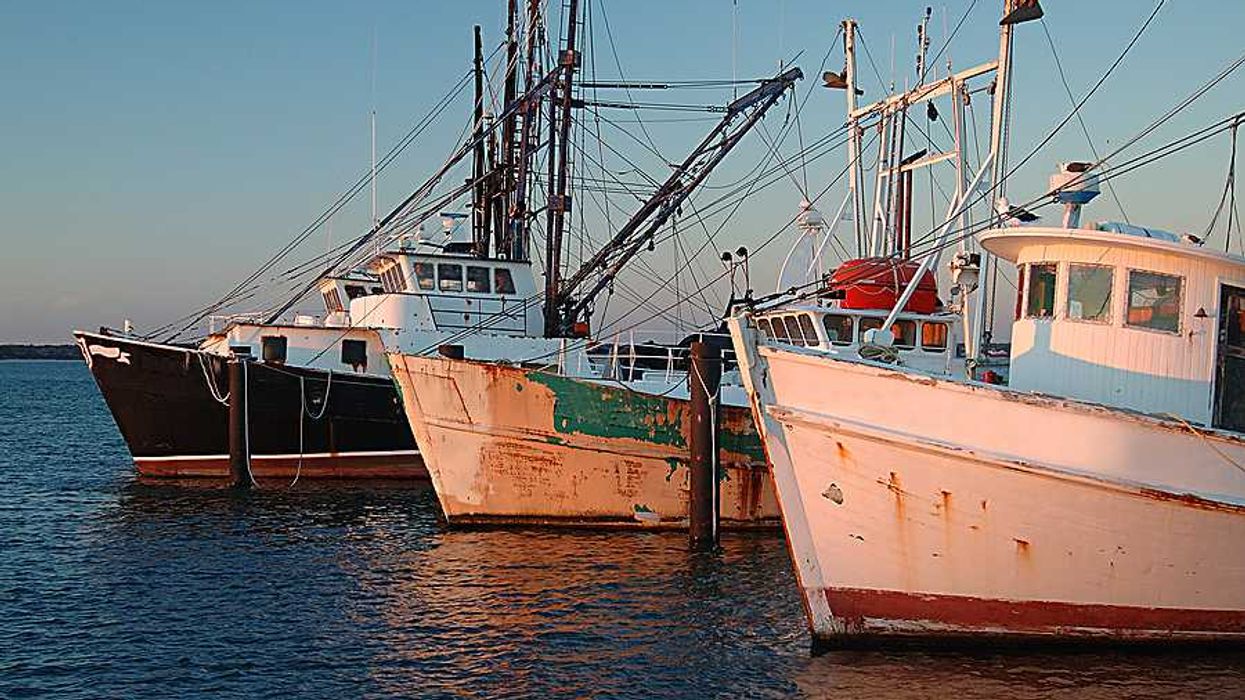
More than 90 percent of the estimated oil pollution in the oceans occurs within national waters – including in protected areas.
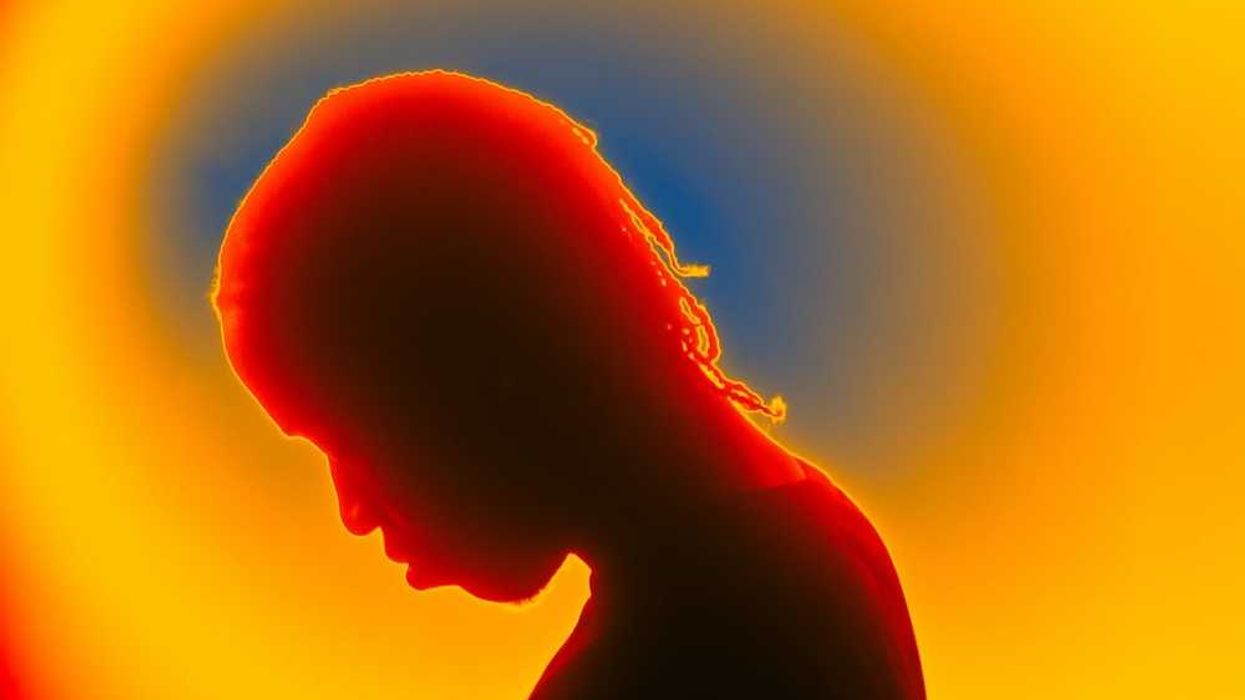

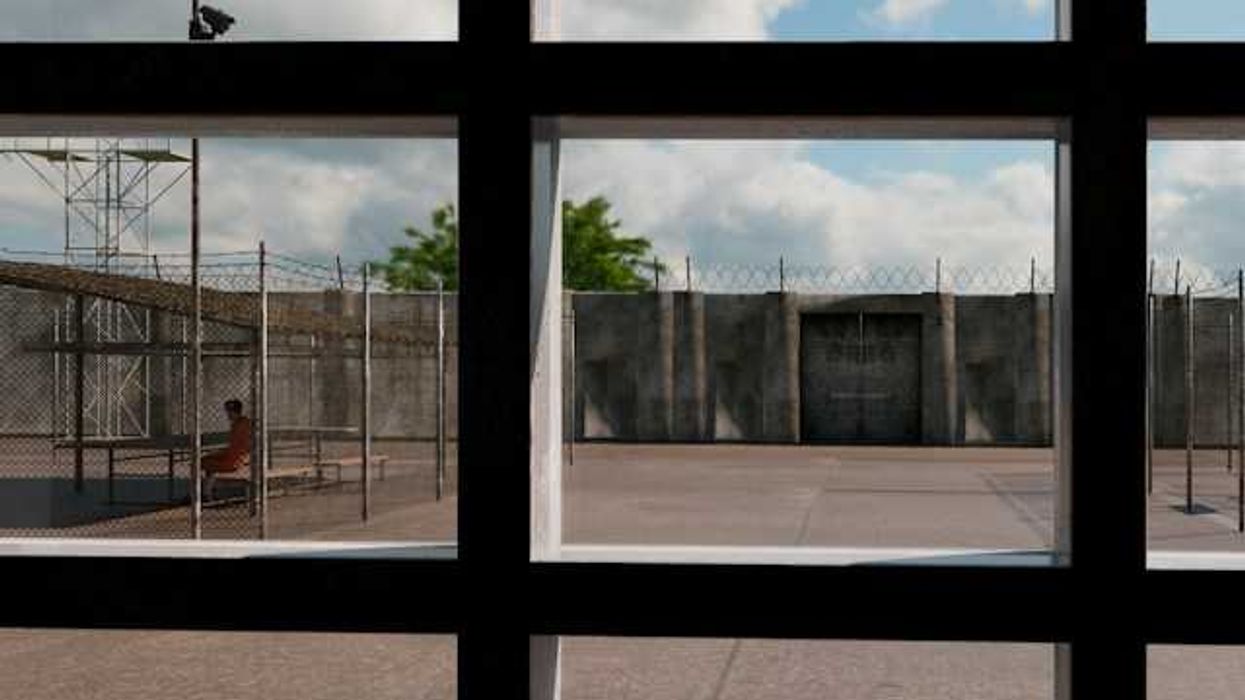
A group led by formerly incarcerated women spent years advocating for those trapped inside prison walls during Texas’ hot summers.
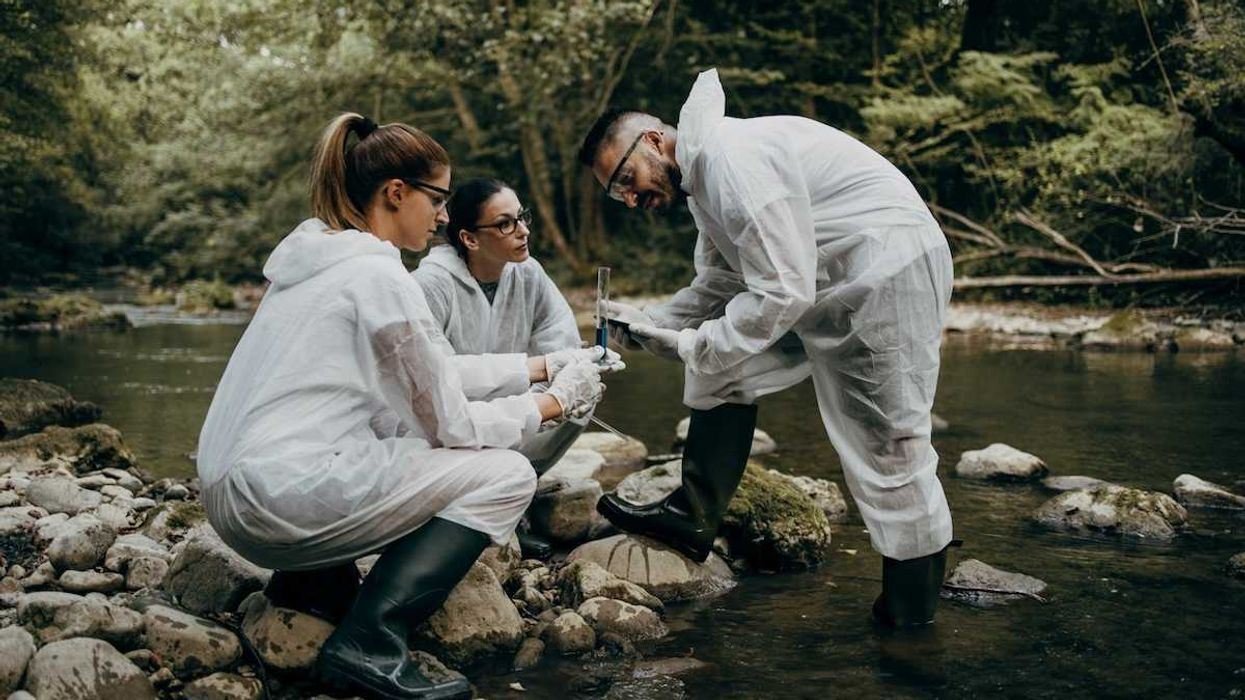
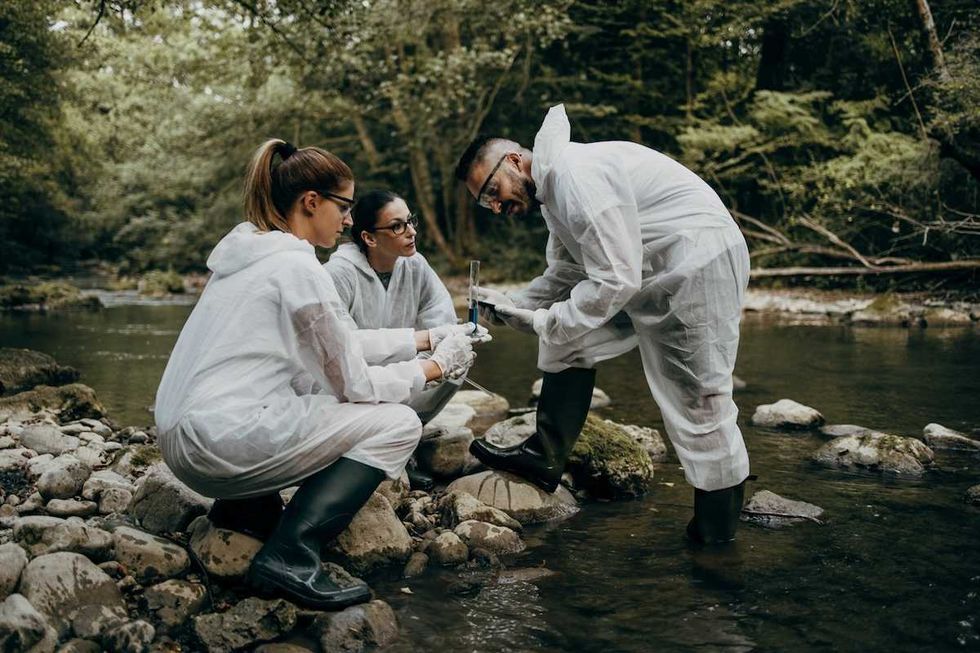
A cancer-linked pesticide banned in more than 60 countries around the world contaminates an estimated 25% of river and stream miles in the lower 48 U.S. states, including many waterways used for drinking water, according to a new analysis.



Senators’ report says taxpayers face higher bills after "bargain" between president and major polluters.



Across the stories today, a common thread emerges: the planet is speaking in signals — some subtle, some deafening — and the question is whether our institutions can listen fast enough to act.
Start with the signals themselves. El Niño has surged to record strength weeks ahead of schedule, and its fingerprints are already visible — from Hurricane Polo’s explosive intensification in the Pacific to the climate volatility rippling through global weather systems. In the UK, an aphid outbreak wiped out 30 million lettuce heads almost overnight, a small but telling example of how shifting conditions can upend food systems in ways no one budgets for. In Malawi, an unexplained weed overgrowth has choked Chia Lagoon, stranding farmers and fishers in flooded fields nearly seven months after the rains should have drained. These aren’t isolated oddities. They’re the planet’s early warning system, written in crop yields and clogged waterways.
Then there’s the human response — uneven, but not absent. Germany’s landmark pledge to phase out fossil fuels by 2045 marks a rare moment of policy catching up to urgency, moving beyond vague “carbon neutrality” language toward something more concrete. The UK’s decision to declassify a once-suppressed intelligence report — warning that climate breakdown is a direct threat to global security — suggests governments are quietly acknowledging what scientists have said for years, even if political will lags behind. And at UN climate talks in New York, amid what The Guardian describes as a genuinely grim mood, solar power’s continued growth offered rare, tangible hope. As Al Gore noted twenty years after An Inconvenient Truth, he’s surprised by the ferocity of fossil fuel pushback — but still believes, cautiously, that the fight can be won.
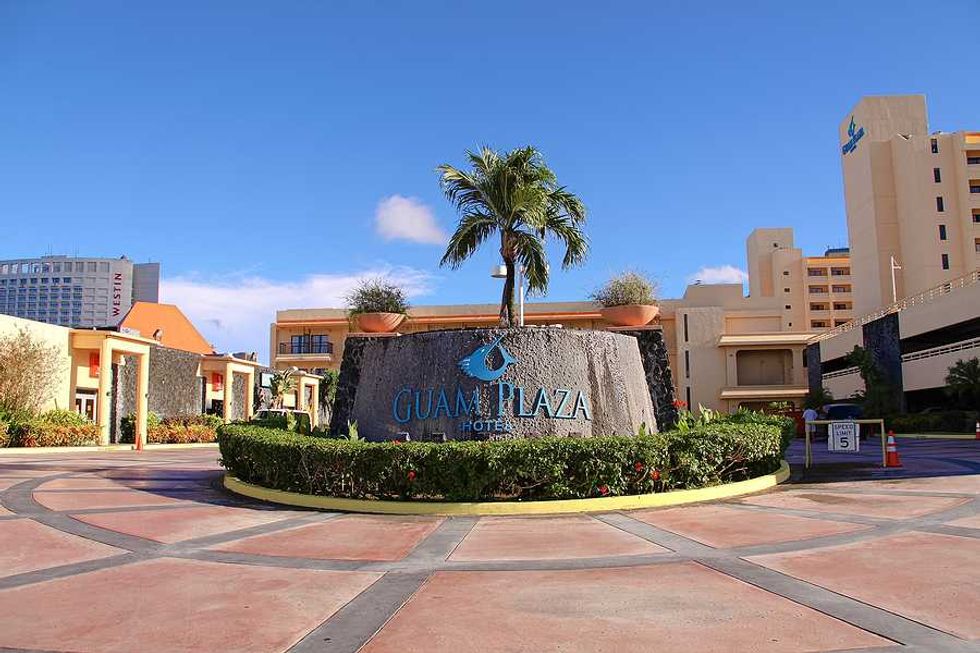
Behind the numbers are real communities adapting in real time. In the Andes, villagers near Villa de Arma are turning to ancient wetland systems as glaciers they once walked across vanish into bare rock. In Guam, resident Leevin Camacho learned his family’s water contained a pesticide banned since 1987 — a stark reminder that militarization and environmental cost are often intertwined, especially in the Pacific. And in Sarawak, Indigenous communities are still reckoning with displacement from the Bakun megadam three decades later, a cautionary tale as the world races toward a “clean” energy future that doesn’t always ask who pays for it.
It’s a reminder that progress and pressure often arrive together. Endangered birds on South Australia’s Eyre Peninsula won last-minute protection from a rocket launch site — a genuine conservation victory — even as a Norfolk Broads housing levy was quietly slashed, raising fears that environmental safeguards elsewhere are eroding. Meanwhile, olive ridley sea turtles nesting for the first time ever on California beaches offer something rarer: wonder. A signal, too, but one that invites curiosity rather than alarm — proof that the natural world is still capable of surprising us.
As the week unfolds, all eyes will be on whether momentum from Climate Week — bolstered even by a monster from Sesame Street reminding children it’s okay to feel both fear and courage — translates into follow-through. The data, the disasters, and the small human stories all point the same direction: the era of asking “if” is over. What remains is the harder work of “how fast,” and “for whom.”
The post Hurricane Polo Explodes in Pacific, UK Aphid Swarm Wipes Out 30 Million Lettuces, Glasgow Braces for Rubbish Pileup — Today’s Environmental Briefing for Thu, Sep 24 2026 first appeared on EnviroLink Network.
Arctic summer sea ice should have melted away years ago, according to the 'experts' who foretold its demise by 2007, 2012, 2016... But with the ice going nowhere, those experts are very quiet now, says Paul Homewood.
The post Arctic Scare Stories Melt Away appeared first on The Daily Sceptic.
On Tuesday, two survivors of child sex abuse accused the Justice Department of failing to notify dozens of victims found in Jeffrey Epstein’s massive collection of child sex images.
In a proposed class action, survivors explained that Epstein apparently started collecting child sex images in the 1990s, many of which the DOJ recovered after his arrest. In 2025, the FBI started reviewing “tens of thousands of videos” containing illegal child sexual abuse material (CSAM) and issued a memo confirming that “a large volume of images” seized depicted likely minors.
Some of these victims may have had contact with Epstein, as the disgraced financier kept a "modelbook" of nude photos of young girls roped into his ring. However, the FBI also identified hundreds of CSAM images in cache, which include approximately 15–20 images of known CSAM dating back to the 1990s. And so far, the DOJ has largely ignored those victims, who likely never met Epstein and have no way of knowing if he possessed, transported, or traded their images, survivors alleged.