❌

Reading view

Building big with DNA gets a software upgrade

Forty-four years ago, Nadrian Seeman published his groundbreaking ideas on using DNA as a structural material, expanding DNA's significance far beyond its role as a carrier of genetic information. Since then, the steadily growing field of DNA nanotechnology has seen numerous innovations. One was the DNA origami technique, which enables researchers to fold a single long strand of DNA into a desired 2D or 3D shape.

  •  

Lewis and Clark’s mercury-laced poop helped archaeologists trace their expedition

The Corps of Discovery Expedition set out in 1804, directed by President Thomas Jefferson to survey the United States’ newly acquired Louisiana Purchase. The exploration forms a core piece of early U.S. history. Picture a scene from the journey: It’s a cool morning, the silence punctuated by birdsong and the rustle of the breeze through the cottonwood trees. To one side, Commander William Clark, his rifle leaning against a plum tree and his rucksack nearby, squats over a latrine pit, unceremoniously heeding the call of nature. 

The Louisiana Purchase constituted a territory of around 828,000 square miles, which the U.S. had bought from France in 1803. This was, it is worth noting, largely without the consent of the Indigenous groups who had lived there for millennia. The purpose of the expedition was threefold: to find a practical trade route westward to the Pacific coast, to explore and document the territory, and to stake a claim to the area before any other European powers butted in. Led by Meriwether Lewis and William Clark, the 40-man team, plus their guide Sacagawea, spent more than two years trekking westward.

Believe it or not, the holes that were used as toilets along the march to the Pacific have been invaluable for archaeologists and historians. This is thanks especially to a type of treatment included in the expedition’s medical kit. 

How Lewis and Clark went to the bathroom

Everybody poops—it’s a universal human need. But most accounts of the Corps of Discovery’s journey leave out the details of how the Corps members dealt with bathroom business. 

Each of the campsites where the expedition spent time had an accompanying latrine pit, situated well away from camp for sanitary (and privacy) reasons. The latrines would have seen a lot of use, because the Corps of Discovery’s diet wasn’t the best for gut health. 

Painting Lewis and Clark on the Lower Columbia (height: 24 in (60.9 cm); width: 28 in (71.1 cm)) by Charles Marion Russell; Opaque and transparent watercolor over graphite underdrawing on paper
American artist Charles Marion Russell painted this piece entitled “Lewis and Clark on the Lower Columbia” in 1905. Image: Public Domain

While the expedition members relied heavily on foraged and hunted food, they also carried backup rations. These included nearly 14,000 pounds of dry goods, including flour, salt, coffee, dried pork, and lard. All told, each member of the Corps ate around nine pounds of meat per day. All of that protein without lots and lots of fiber added up to frequent constipation. The untreated water they drank from rivers and creeks they encountered probably didn’t help their circumstances. Enter…Dr. Rush’s Bilious Pills. 

The mercury constipation pills known as “thunderclappers”

In 1803, as preparation for the upcoming expedition, William Clark traveled to Philadelphia for a two-week medical crash course with Dr. Benjamin Rush. Rush was a prominent physician in his day, and a Founding Father of the United States. His signature is one of the 56 on the Declaration of Independence.

Rush taught Clark some basic field skills, such as bone-setting and wound treatment. Clark left Philadelphia with new skills and a well-stocked medical kit that included 50 dozen of Doctor Rush’s Bilious Pills. These were compounded tablets about the size of a raisin, composed of powerful laxative ingredients. The pills were nicknamed “thunderclappers” because of the speed with which they took effect. The main ingredient of the thunderclappers was calomel, or mercury chloride. 

Mercury, historically also called quicksilver, has been thought to have curative effects for centuries. It’s a metal that is liquid at room temperature, which seems miraculous in and of itself. 

It was also a popular treatment for syphilis. This is not to say it was an effective treatment for syphilis. When it was administered for that disease, slowly in low doses, patients were more likely to die from mercury poisoning than from the STI. 

Drug jar for mercury pills. Italy, 18th Century. Polychrome Ointment jar, decorated with ruins and figures, for mercury pills. Italy, 1731-70.
This drug jar for mercury pills was made in Italy sometime between 1731 and 1770, several decades before Meriwether Lewis and William Clark set out on their historic expedition. Image: Science & Society Picture Library / Contributor / Getty Images Jaron Chubb

When taken in larger doses, though, as in the thunderclapper pills, it prompted a quick evacuation, the body’s way of ejecting poison. The men of the Lewis and Clark expedition used these pills freely as a way to compensate for their high-protein and low-fiber diet. As a result, all the latrine pits they used between the Midwest and the Pacific coast were laced with high concentrations of mercury. 

Lewis and Clark pooped mercury. Today archaeologists use it to map their route.

As many an environmentalist will caution, mercury does not decompose when it’s in the ground. It stays put, and is detectable through modern soil testing techniques. The 600-plus latrines dug and used by the Corps of Discovery form a trail of their own, marked by mercury. 

The expedition was a government-sanctioned military expedition, so Lewis and Clark both kept copious notes on every aspect of their travels. Historians have tried to pinpoint the locations of these camps based on the expedition journals, with minimal success. 

The only campsite that archaeologists have been able to confirm so far is the Traveler’s Rest camp, just outside of Missoula, Montana. This is all thanks to the remains of Dr. Rush’s Bilious Pills, which left enough mercury in the ground to differentiate the remains of a latrine pit (or “sink” as they were called in the 1800s) from animal burrows or agricultural ditches. 

Archaeology is all about reconstructing the lives of people in the past, and it’s worth remembering that this means all aspects of life. Our own bodily functions remind us that we all share complex and interwoven histories, and that even the most mundane parts of our lives can be important in the future. 

In That Time When, Popular Science tells the weirdest, surprising, and little-known stories that shaped science, engineering, and innovation.

Related 'That Time When' Stories

The post Lewis and Clark’s mercury-laced poop helped archaeologists trace their expedition appeared first on Popular Science.

  •  

Spectators Horrified as Hyrox Athlete Recreates “Two Girls One Cup” at Live Competition

Conventional gym etiquette involves carefully wiping down the surfaces of any machines or equipment after using it. Businesses usually provide customers with wet wipes, or simple sprays and towels, to keep faux leather padding and other public surfaces pristine and sanitary.

But during professional events, that level of cleanliness isn’t always guaranteed. Organizers of a recent Hyrox competition in China, the spiritual successor of the Crossfit craze, have been accused of allowing participants be exposed to a trail of human waste — left behind, memorably, by the athlete who went on to win the competition.

As The Guardian reports, Australian world record holder Joanna Wietrzyk used shared stations, including rowing machines, sleds, and medicine balls, while “faecal matter” was “visibly running down her legs,” a horrifying incident vaguely reminiscent of one of the most infamous and reviled videos in internet history.

The incident drew an outburst of disgust across social media.

“I guess I’m never doing a Hyrox event,” one user wrote in a post on Bluesky. “Oh my god.”

“Saw a big Hyrox poster at the gym and all I thought of was that lady shitting herself,” another tweeted. “That’s their brand now.”

“This should result in a hard stop for the competitor because the public health risk is more important than the medal,” one user argued. “Hyrox has way too many shared touch points and surfaces to let this continue.”

Others used the opportunity to poke fun.

“A s****y situation for all parties and tough for Hyrox to save faeces,” another joked.

Organizers were criticized for allowing the competition to continue despite having clear bio-contaminant rules in place.

“Protocols designed for elite competition and mass participation became blurred, creating ambiguity in how they were applied and understood,” Hyrox World wrote in an statement, in one of the more acrobatic euphemisms we can recall.

Hyrox cofounder Moritz Fürste issued an apology on Instagram as well.

“Hyrox made a mistake by not reacting immediately during the race,” he wrote. “In the end it is my job to foresee these potential incidents — and I did not.”

“Of course, we started improving event processes,” Fürste went on, “plus making rulebook changes immediately.”

The shocking incident highlights the fact that professional endurance athletes soiling themselves isn’t as rare as it may seem. Long distance runners, for instance, are known to suffer from “runner’s diarrhea,” like Paula Radcliffe, who had to relieve herself in full view of the public during the 2005 London marathon.

Radcliffe still won with a time of 2:17:42 — albeit with a little less dignity than she started.

More on athletes: They Held a New Olympics Where Athletes Can Take as Many Drugs and Steroids as They Want, and the Funniest Possible Thing Happened

The post Spectators Horrified as Hyrox Athlete Recreates “Two Girls One Cup” at Live Competition appeared first on Futurism.

  •  

It’s almost time to airdrop rabies vaccines again

Despite major strides in education and conservation efforts, rabies remains a serious public health issue. The Center for Disease Control (CDC) estimates around 90 percent of cases occur in wildlife, but their consequences still reverberate across ecosystems and routinely endanger humans. Combating the viral disease costs the United States over $300 million every year, but the hefty price tag is justified. Contracting one of the oldest known diseases invariably causes severe symptoms like abnormal sensations, violent movements, hydrophobia, and loss of consciousness. Rabies is fatal in virtually every documented case, and still kills around 59,000 people around the world each year.

Once primarily associated with dogs, rabies has since spread to wildlife such as raccoons, skunks, bats, and foxes—making the issue much more difficult to track and control. Since 1995, the United States Department of Agriculture (USDA) has overseen a National Rabies Management Program in cooperation with state and federal departments, university researchers, and other organizations. After over 30 years of work, one of the most preferred mitigation methods is regularly placing oral rabies vaccine (ORV) bait in strategically selected wildlife areas. The easiest way to spread millions of bait blocks across thousands of square miles? Airdrops.

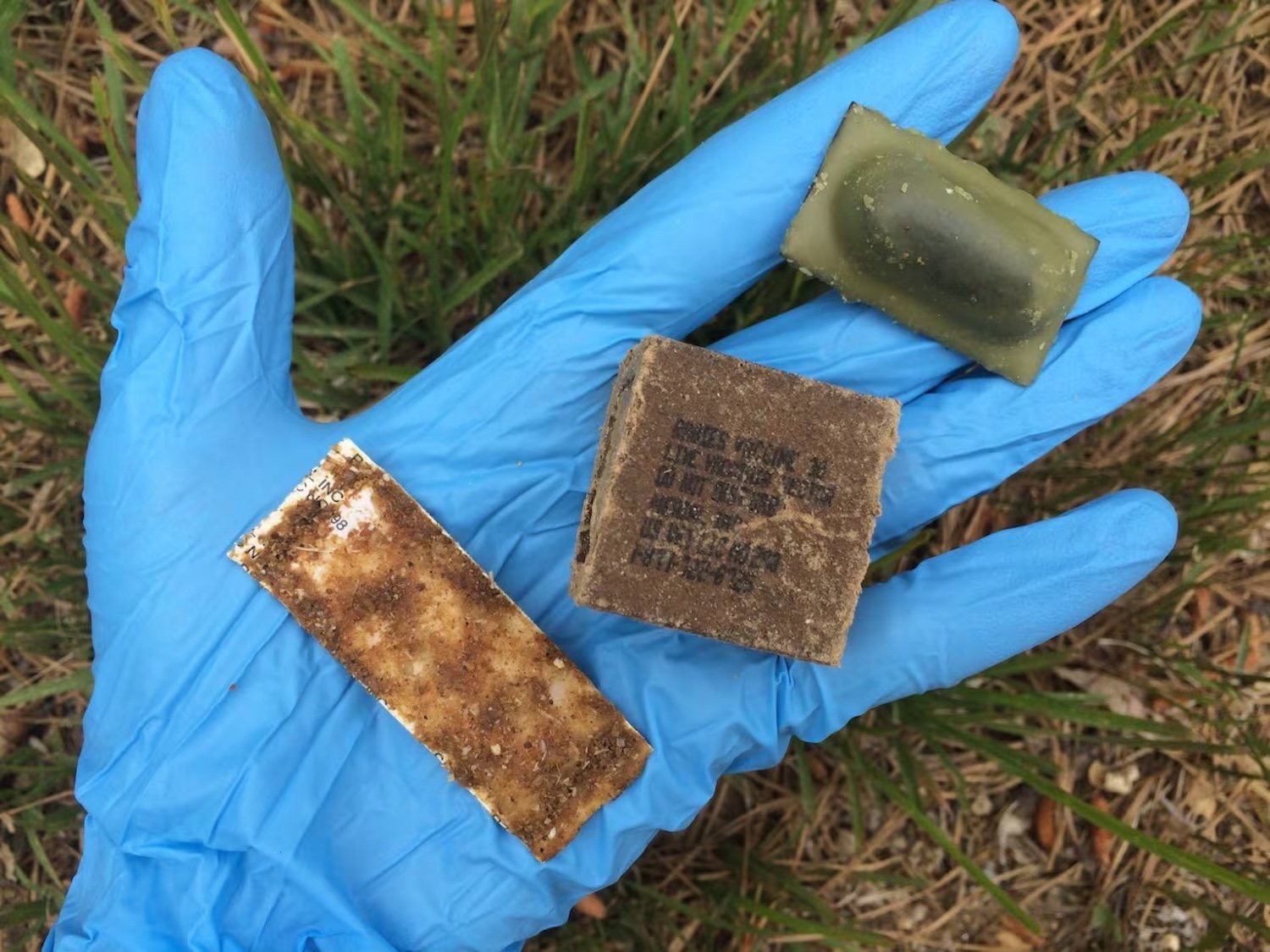
Blue gloved hand holding raccoon rabies vaccine bait packets
The bait isn’t toxic, but the USDA recommends using gloves to handle it. Credit: USDA

Next month, the USDA will once again begin tossing fishmeal-coated ORV packets from planes throughout the Southeastern states of Virginia, North Carolina, Tennessee, Georgia, and Alabama. These tiny edibles are specifically crafted to target the most prominent rabies variants seen in raccoons, coyotes, and gray foxes.

“The goal is to prevent westward spread of raccoon rabies by creating a continuous vaccine barrier that stays in front of rabies occurrence on the landscape,” a USDA spokesperson recently told FOX Carolina News. The representative added that although the distribution’s scope doesn’t currently include South Carolina, they are “very close to establishing an ORV area in South Carolina counties bordering North Carolina and Georgia in the next few years.”

If all goes as planned, the National Rabies Management Program’s geographic scope will shrink over time as the disease is regionally eliminated. Until then, anyone who accidentally comes into contact with an ORV bait brick shouldn’t worry about contracting the disease. The vaccine inside each brick is proven safe for over 60 animal species, including cats and dogs. If you happen to locate one in a residential area, the USDA recommends to either simply leave it alone, or use gloves to move it to a more remote location for its intended recipients. Always wash your hands thoroughly after handling ORV bait—and try to ignore the pungent odor of fishmeal.

The post It’s almost time to airdrop rabies vaccines again appeared first on Popular Science.

  •  

Laptop Toasts Boy

Here’s a hazard you probably didn’t expect from too much screen time.

Two doctors in the UK reported in the journal BMJ Case Reports the bizarre case of a young boy whose laptop literally toasted his skin over weeks and maybe even months of using it. Thankfully, the kid’s fine and was never in any real pain, so we can dive into this medical oddity without feeling too guilty about it.

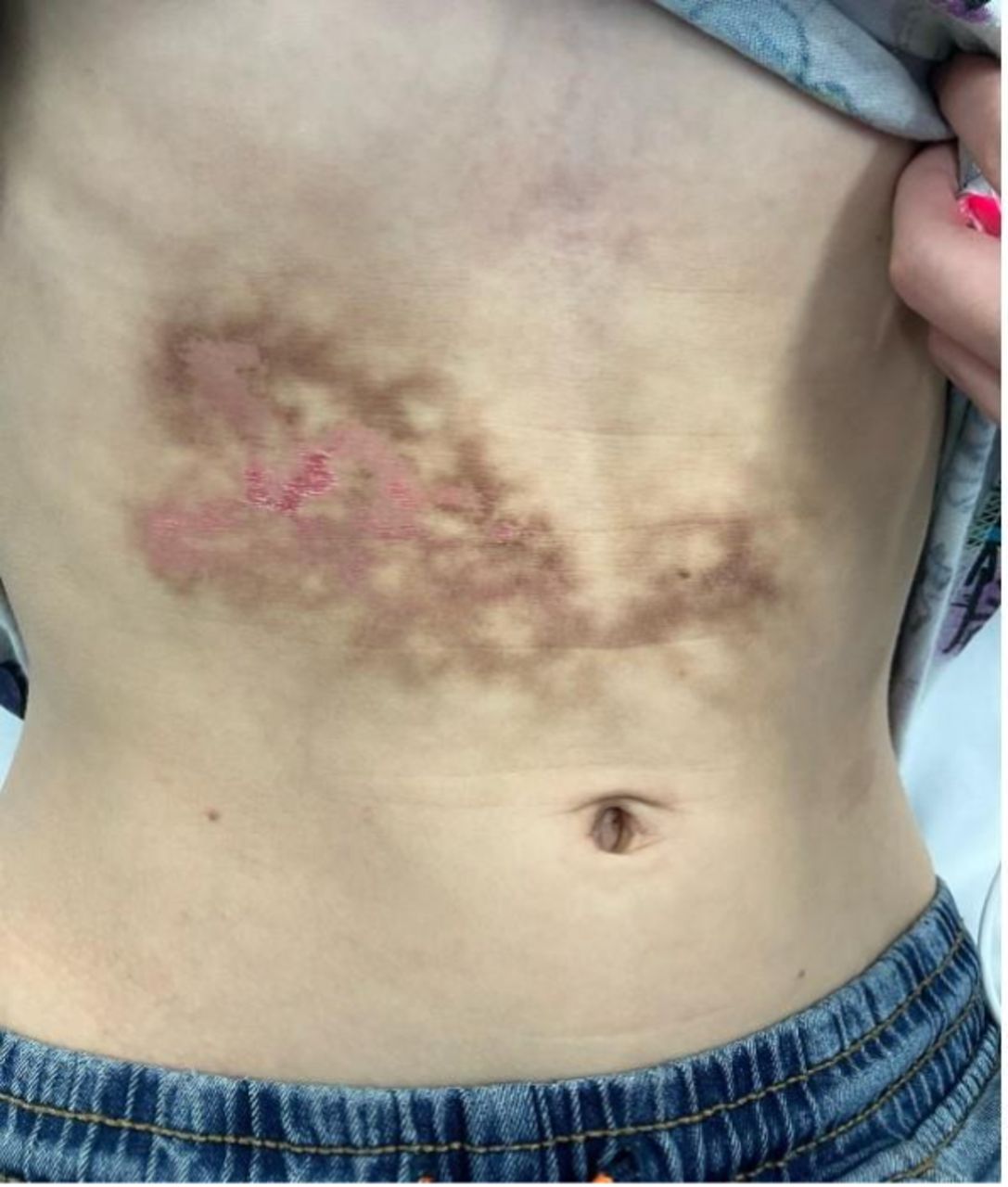
According to the eyebrow-raising paper, spotted by Ars Technica, the boy was first brought into an emergency department with reddish markings over his abdomen in a lace-like pattern. Nurses first described it as “spontaneous bruising,” but they didn’t find skin abnormalities anywhere else on his body. The boy also wasn’t in any pain, and didn’t have any history of trauma or illnesses that could explain the markings.

When doctors did a chest x-ray, they found some kind of build up in his lung, though it was unclear what it signified. The boy admitted that he got pushed into a chair while play-fighting with his siblings a week ago, leading the doctors to search for signs of a traumatic injury. But after a CT scan, they didn’t find any. They weren’t completely sure of what was going on, but the doctors discharged him with antibiotics for a suspected lung infection.

The boy was back several weeks later, though — and the rash was even worse. Parts of his abdomen were pinkish, exhibiting clear signs of skin breakdown, the doctors wrote, with mottled patches of dark brown. (You can view a photo, at your own peril, here, via Ars.)

That’s when the doctors began to suspect some kind of heat damage. But when they asked the boy about heat sources, nothing turned up. 

Then, as they continued to question him, the boy mentioned something crucial: he was home-schooled and did most of his assignments on his laptop, sometimes for eight hours a day, often while charging. And of course, he usually rested the laptop on his torso while lying down.

This supported a diagnosis of a erythema ab igne (EAI), also known as “toasted skin syndrome.” It’s caused by repeated, close exposure to low heat, which slowly damages the skin over time. Patients often get it from heat pads and space heaters, but a warm laptop can cause it, too. It causes a distinctly lace-like rash, which explained the boy’s symptoms.

EAI is benign, and in most cases, its rashes disappear on their own once exposure to a heat source is stopped, taking weeks to months to heal. Once properly diagnosed, the boy’s rash was dressed, and he came back to the hospital several months later to confirm that he had fully healed. Now that he’s okay, he might try studying at a desk instead.

More on medical oddities: Man Announces That He Has Synthesized a New Schizophrenia Treatment in His Garage, Based on a Formula Devised by ChatGPT

The post Laptop Toasts Boy appeared first on Futurism.

  •  

America’s Health Care System Is So Screwed That Patients Are Flying to China for Cancer Treatment

The myriad horrors of the US healthcare system have spawned generations of medical tourism from the wealthiest country on Earth to the periphery: Cuba, Mexico, Costa Rica, Canada, Turkey, and Thailand, to name just a few.

Now, Shanghai is quickly rising as one of the top destinations for cancer patients, as China’s biotech sector has spun an experimental treatment developed in the US into a standalone industry.

New reporting by the Wall Street Journal took a look at this fast-growth industry, centered around chimeric antigen receptor T-cell therapy, or CAR-T for short.

CAR-T is essentially a personalized form of immunotherapy, in which a patient’s own white blood cells are engineered to identify and attack specific proteins found in cancer cells. Though the process was first developed by US biotech giants, their inability — or unwillingness — to lower the cost and increase supply of the treatment has led to shortages throughout the country.

That’s where China comes in. As director of the CAR-T program at the University of Texas MD Anderson Cancer Center in Houston Sairah Ahmed told the WSJ, this therapy can cost around $150,000 to $230,000 in China — still a life-altering bill, but a sizeable discount compared to an insurmountable $550,000 to $850,000 in the US.

This, Ahmed says, is why she advises some patients to seek out treatment in the People’s Republic.

“China has basically done to CAR-T cell therapy the same thing that it’s done to other industries, which is, they’ve industrialized it,” Ahmed explained.

China’s CAR-T services aren’t just cheaper, either. They’re also faster, and come with a host of complimentary after-care treatments, the WSJ notes. As MD Anderson Cancer Center’s explainer on CAR-T therapy advises, the process of extracting and bio-engineering a patient’s cells to fight cancer can take over three weeks in the US. Compare that to China, where the WSJ reports labs near Shanghai can “crank out” the therapy in just a matter of days.

An important caveat here is that CAR-T cell therapy isn’t a catch-all for every type of cancer, and it’s typically only administered after other treatments have failed. It’s not exactly a walk in the park, either, requiring months of recovery and check-ups from a range of physical, neurological, and psychological health specialists. Still, if you had to go through with it, your first step should clearly be pricing out some flights to China.

More on healthcare: Bougie Health Startups Offering Full-Body Diagnostic Scans for Rich People While the Rest of Us Suffer a Crumbling Healthcare System

The post America’s Health Care System Is So Screwed That Patients Are Flying to China for Cancer Treatment appeared first on Futurism.

  •  

Bizarre New Websites Are Designed Specifically to Spark Dopamine in Your Brain

As far as completely pointless ways to kill time on your phone, this is certainly one of the weirdest on record.

Behold the all-new invention of so-called “dopamine sites” — digital domains where you can browse and hunt for deals on nonexistent wares and services. Clothes, food delivery, you name it: you can pretend-shop for it all. 

You don’t actually buy anything, crucially. You’re just pretending to have money to buy the things you want. It’s window-shopping reimagined for the age of doomscrolling.

But it’s also a little more than that. These cleverly-built sites simulate the experience down to checking out and “tracking” your shipment or delivery, and their absurdly realistic rituals can help people become more conscious of their spending habits. Supposedly. 

The trend, according to the New York Times, originated in South Korea this spring, when Park Seohyun, a 21-year-old mechanical engineering student in Seoul, created a fake food-delivery site called “Food Never Arrives.” (It’s now an app).

Originally intended as a joke, she says, it lets you not only order nonexistent food, but provides you an estimate of the money and calories you saved by skipping on the real thing. 

In a wintry economic climate, it became an unexpected hit.

“People began sharing it online and discussing whether it actually helped them resist ordering food,” Park told the NYT.

A wave of imitators followed. This summer marked the launch of “FakeHaul,” a dopamine site built by a Microsoft engineer that convincingly imitates shopping on Temu. Two developers in India inspired by Park’s site, Purvansh Parmar and Anshul Sharma, created “Food Never Comes,” which simulates food deliveries but provides real recipes for the food you didn’t actually order. Parmar and Sharma told the newspaper that their site had more than 2.7 million views since launching in June.

Whether these dopamine sites provide anything more than fleeting, empty pleasures is something experts are more skeptical about. Ravi Dhar, director of the Yale Center for Customer Insights, told the NYT that the “element of looking forward brings a lot of the pleasure, and we often crash after an event or feel let down.” Lingguo Xu, a behavioral economist studying anticipatory utility, warned that the dopamine tricks could quickly get old. And by simulating consumption, you risk developing “stronger cravings.”

Some take the original idea beyond getting high on simulated shopping. Ko Seojin, another South Korean developer, created a website for taking virtual smoke breaks called Damta World. You click to start smoking an animated cigarette, which starts burning on screen. You can “whisper” disappearing messages to other smokers on break, while a counter keeps track of the number of cigarette butts that have been tossed on the office rooftop each day.

Ko told the NYT that 150,000 people visit each month, and she says that some users have become real-life friends after meeting on the website. Those friendships, we hope, are something that’ll last longer than any fake-shopping dopamine hit.

More on your brain on tech: Psychologist Says AI Is Causing Never-Before-Seen Types of Mental Disorder

The post Bizarre New Websites Are Designed Specifically to Spark Dopamine in Your Brain appeared first on Futurism.

  •  

GLP-1 Users Are Being Cruelly Shamed by Their Own Families

GLP-1 weight loss drugs are changing lives in more ways than one.

In a new piece for The Guardian, the newspaper’s readers share how the weight loss journey that drugs like Wegovy, Ozempic, and Mounjaro have set them down on have drastically affected their interpersonal relationships — sometimes for the better, and sometimes for the worse. 

Many of the GLP-1 users seem to harbor a sense of shame, hiding their use of the drugs. In their minds — and perhaps in the minds of those around them — they undermine the sense of accomplishment that comes with losing weight the old fashioned way, instead feeling that they “cheated” or are “being dishonest” about how they achieved their goals. 

One parent wrote of how their 20-year-old daughter felt “worried, angry, and jealous” after she discovered they were hiding their use of Wegovy from her. “We had discussed weight, identity and GLP-1s, but I was so ashamed of going on it that I didn’t want to tell anyone,” they wrote, noting how food was a “huge part of our family life.” They wondered to themselves: “What kind of signal am I giving her and her brothers?” 

Though they feel “mostly positive” about losing nearly thirty pounds using the drug, they added, they also can’t shake the feeling that they’re “cheating.”

“So much of my insecurity about my weight and appearance is offloaded on to an injectable pen,” they added.

Another wrote that despite their friends feeling pleased about their weight loss, they’ve kept their GLP-1 drugs secret for nearly two years. Their partner, they believe, “has felt insecure at times because of my glow-up.”

“I don’t want people to think I’ve cheated. I guess there is still fat shame somewhere,” they wrote.

Others don’t feel this guilt, but are frustrated that their spouses don’t realize how transformative the drugs have been for them. One complained that their husband was so unsupportive of their use of GLP-1s that they no longer could share their experience with him.

“This has been a life-changing drug so far, and I can’t share it with the person I’m closest with,” they lamented. 

Though they’ve struggled with obesity their whole life, their “husband scoffs at characterizing obesity as a chronic and recurring disease” and “thinks people should just make better lifestyle choices and stop making excuses — which tells me a lot about how he views me, too.”

These downsides aren’t unique to GLP-1s. Significant weight loss has long been linked to divorce, and that doesn’t necessarily mean that someone who’s slimmed down is now feeling their oats. Weight loss can come with dramatic changes to a person’s lifestyle — from the food they eat and the exercise they do to how they socialize — and that can be a lot for someone close to them to adjust to.

“Relationships tend to develop a sense of equilibrium and predictability over time,” Lindsey Berisha, a clinical psychologist who’s worked with patients using GLP-1s for over a decade, told The Guardian. “When one partner undergoes a significant change, it can shift that equilibrium, and even positive change can create uncertainty for both partners.”

GLP-1s, of course, have made achieving this kind of significant weight loss much more accessible, which is why we’re now starting to hear about “Ozempic divorces.”

More on GLP-1s: GLP-1 Drugs Appear to Prevent Cancer, New Research Finds

The post GLP-1 Users Are Being Cruelly Shamed by Their Own Families appeared first on Futurism.

  •  

Five-Year Disease Progression in Synuclein-Positive Sporadic Parkinson’s Disease

Parkinson’s disease has long been a diagnosis of observation and inference. Doctors watched for tremor, rigidity, and slowness of movement, and only at autopsy could the telltale clumps of alpha-synuclein protein—the pathological signature of the disease—be confirmed inside the brain. That diagnostic fog may finally be lifting. A new five-year study drawing on the landmark Parkinson’s Progression Markers Initiative (PPMI) has followed patients whose disease was defined not by their symptoms alone, but by biology: a positive cerebrospinal fluid seed amplification assay, the test that detects misfolded alpha-synuclein circulating in the nervous system. The results, published in Annals of Clinical and Translational Neurology, offer one of the clearest longitudinal pictures yet of how biologically confirmed Parkinson’s disease actually progresses in the era of modern treatment—and the findings are already reshaping how scientists think about staging, enrollment in clinical trials, and the very definition of the disease.

The research team set out with two central questions. First, what happens clinically to patients who test positive for synuclein seeding in their spinal fluid over five years of careful observation? Second, does a patient’s baseline stage on a new biological staging system—the Neuronal Synuclein Disease Integrated Staging System, or NSD-ISS—predict how quickly they will cross meaningful clinical milestones? Both questions cut to the heart of a quiet revolution in neurology. For more than a century, Parkinson’s was classified by what patients looked like in the examination room. Now, thanks to validated biomarkers, researchers can classify it by what is happening at the molecular level, potentially years before disabling symptoms emerge.

The seed amplification assay, or SAA, is the technological engine behind this shift. The test exploits a peculiar property of misfolded alpha-synuclein: it acts as a template that recruits normal, healthy synuclein proteins and forces them to misfold as well, seeding the aggregates known as Lewy bodies that riddle the brains of Parkinson’s patients. In the laboratory, a tiny sample of cerebrospinal fluid is mixed with synthetic alpha-synuclein and monitored for hours. If pathological seeds are present, the reaction accelerates into a detectable fluorescence signal. The assay has been validated across multiple international cohorts and, critically, against postmortem brain tissue, giving neurologists a window into pathology they previously could only glimpse after death. A complementary technique—detecting phosphorylated alpha-synuclein in small skin biopsies—has added a second, less invasive line of biological evidence.

Armed with these tools, two research groups have proposed frameworks for redefining Parkinson’s disease biologically. The SynNeurGe criteria classify patients by the combined presence of pathological alpha-synuclein biomarkers, neuroimaging evidence of neurodegeneration, and disease-relevant genetic variants. The Neuronal Synuclein Disease criteria take a parallel approach, defining disease by the presence of pathological synuclein as measured by a validated biomarker, with or without evidence of dopaminergic dysfunction detected through dopamine transporter imaging. The integrated staging system then arranges these biological anchors along a seven-stage ladder: Stage 0 reserved for carriers of fully penetrant mutations in the SNCA gene; Stages 1A and 1B for people with synuclein pathology but no symptoms, depending on whether dopaminergic dysfunction is present; Stages 2A and 2B for those with subtle signs that stop short of functional impairment; and Stages 3 through 6 capturing progressively severe clinical disability.

PPMI, the international observational study launched in 2010, provided the ideal laboratory for testing whether this staging framework means anything in the real world. The researchers focused on the sporadic Parkinson’s cohort: participants diagnosed within two years of enrollment who had never taken dopaminergic medication, whose examinations showed cardinal motor features, and whose dopamine transporter scans confirmed the characteristic deficit in the striatum. Crucially, the team selected only those participants who met biological NSD criteria through a positive CSF seed amplification assay, recruited before 2020 to guarantee at least five years of follow-up. This design deliberately stripped away a longstanding source of noise in Parkinson’s research: the clinical heterogeneity that arises when a “Parkinson’s” diagnosis might actually encompass unrelated neurodegenerative processes that mimic the disease but follow entirely different biological courses.

Over the five-year observation window, participants underwent an unusually thorough annual workup. Motor and non-motor function was tracked with the Movement Disorders Society Unified Parkinson’s Disease Rating Scale across all four of its parts, alongside the Hoehn and Yahr staging scale and the Schwab and England activities of daily living score. Smell was measured with the University of Pennsylvania Smell Identification Test, autonomic function with the SCOPA-AUT, mood with the Geriatric Depression Scale, and REM sleep behavior disorder risk with a dedicated screening questionnaire. Cognition was assessed with the Montreal Cognitive Assessment and, from the study’s third year onward, formal clinician diagnoses of normal cognition, mild cognitive impairment, or dementia. Medication burden was quantified as levodopa equivalent daily dose, and dopamine transporter imaging was repeated at years one, two, and four, quantified both in the putamen—the region most affected in Parkinson’s—and across the striatum as a whole.

The broad message from the five-year trajectories is one of measurable, biologically anchored progression. Patients recruited as freshly diagnosed, biologically confirmed sporadic Parkinson’s patients showed the expected decline across motor scales and dopaminergic imaging, with the earlier PPMI analysis by Simuni and colleagues having already documented significant—though modest—correlation between worsening clinical scores and falling DAT binding over five years. What the new analysis adds is the biological filter: by restricting the cohort to synuclein-seeding-positive individuals, the study reduces the contamination from look-alike conditions that has historically muddied progression estimates. When a cohort is defined by its underlying pathology rather than its outward symptoms, the resulting disease course becomes a truer reflection of what alpha-synuclein itself does to the nervous system over time.

Perhaps the most consequential findings concern prediction. If the NSD-ISS staging system is to earn its place in research clinics and, eventually, in therapeutic trials, it must do more than organize patients neatly on a page—it must forecast what comes next. The study analyzed whether a patient’s baseline stage predicted survival and the time required to reach clinically meaningful disease milestones: crossing thresholds on the clinical rating scales, advancing in Hoehn and Yahr stage, slipping in daily living independence, or developing cognitive impairment. The logic is straightforward and powerful. A patient sitting at Stage 2B—with confirmed synuclein pathology, dopaminergic dysfunction, and subtle signs but no functional impairment—should, in theory, march down the staging ladder at a predictable pace. Demonstrating that baseline stage genuinely stratifies risk would give trial designers a rational tool for enrichment, allowing them to recruit patients at the stage where a candidate drug is most likely to show benefit.

That trial-design implication is not academic. Across neurodegenerative disease research, therapeutic development is pivoting decisively toward biomarker-defined enrollment. The bitter lessons of Alzheimer’s trials—where anti-amyloid therapies only proved effective once trials recruited based on biological confirmation rather than syndrome alone—have not been lost on the Parkinson’s community. Drugs targeting alpha-synuclein directly, whether through immunotherapy, aggregation inhibition, or other mechanisms, are entering trials that increasingly require positive seed amplification assays or other biological confirmation as a gate for entry. A validated staging system that predicts five-year trajectory would allow sponsors to select participants early enough in the disease process for neuroprotective strategies to matter, while reserving later-stage patients for symptomatic interventions. The five-year PPMI data provide exactly the kind of naturalistic benchmark that such enrichment strategies demand.

The study also marks a conceptual milestone: the description of Parkinson’s disease under contemporary management. Patients diagnosed today are treated differently than those diagnosed twenty years ago, and their disease course may differ as a result. Describing outcomes in a biologically defined, prospectively observed cohort establishes a modern baseline against which future disease-modifying therapies can be judged. When an experimental drug claims to slow progression, the comparison will be against trajectories like those documented here—precise, biomarker-anchored, and free of the diagnostic uncertainty that plagued earlier natural history studies. In that sense, the paper functions simultaneously as a clinical report and as a foundation stone for the next generation of Parkinson’s trials.

What emerges from five years of watching synuclein-positive patients is a disease that can now be seen, staged, and tracked before it fully announces itself. The combination of CSF seed amplification assays, dopamine transporter imaging, and structured clinical assessment has converted a syndrome defined in the examination room into a biological disease measurable in the laboratory. If the staging system validated in this cohort continues to predict who declines fastest and who reaches milestones soonest, neurologists may one day tell a newly diagnosed patient not only what they have, but with unprecedented confidence what lies ahead—and researchers may finally test neuroprotective drugs in the early biological window where they stand the best chance of changing the story. For a disease that has resisted precise definition since James Parkinson first described it in 1817, that is a transformation worth watching.

Subject of Research: People

Article Title: Five-Year Disease Progression in Synuclein Seeding Positive Sporadic Parkinson’s Disease

Article References: Gonzalez‐Latapi, P., Gochanour, C., Choi, S. H., Cho, H., Caspell‐Garcia, C., Coffey, C., Brumm, M., Lafontant, D.-E., Xiao, Y., Tropea, T., Seibyl, J., Tanner, C., Venuto, C. S., Kieburtz, K., Chahine, L. M., Poston, K. L., Siderowf, A., Marek, K., Simuni, T., & The Parkinson's Progression Markers Initiative (2026). Five‐Year Disease Progression in Synuclein Seeding Positive Sporadic Parkinson's Disease. Annals of Clinical and Translational Neurology, 13(9), 1791-1806. https://doi.org/10.1002/acn3.70323

Image Credits: AI Generated

DOI: 10.1002/acn3.70323

Keywords: Parkinson’s disease, alpha-synuclein, seed amplification assay, Neuronal Synuclein Disease, NSD-ISS staging, PPMI, biomarkers, dopamine transporter imaging, disease progression

  •  

Boy Developed 'Toasted Skin' Condition From Using a Laptop Every Day

A medical report published earlier this week says a boy in the U.K. developed erythema ab igne, or "toasted skin syndrome," after resting a laptop on his abdomen for up to eight hours a day, often while it was charging. "The marks were described as being in a patch about 15 centimeters (six inches) wide, made of flat, reddish-brown 'interlacing lines forming irregular circles and a lace-like morphology,'" reports Ars Technica. From the report: Based on the appearance, the doctors started reconsidering some sort of bruising and started asking him more questions. This is when he mentioned that he was homeschooled and used a laptop for his schoolwork. He said he typically did his work by resting his laptop on his abdomen while he worked, sometimes for up to eight hours a day, and often while the laptop was charging. Then they understood what it was. The doctors diagnosed the boy with erythema ab igne (EAI), which translates from Latin as "redness from fire" and is also sometimes called "toasted skin syndrome." This is a skin condition caused by repeated, prolonged exposure to low-grade heat -- heat not hot enough to cause actual burns. It's most often seen in adults, and common causes include using heating pads or hot water bottles for chronic pain or sitting too close to space heaters. Some people also develop it from certain occupational hazards, like glassblowing and metal work. EAI produces a lace-like rash, just like the boy's. It's unclear how EAI develops exactly. But researchers hypothesize that chronic heat exposure leads to damage to superficial blood vessels and the release of red blood cells, forming the tell-tale red reticulated pattern. While the boy's condition looked ominous, the good news is that EAI is generally benign and reversible -- once you remove the heat source. For severe or long-term conditions, some pigmentation and scarring can remain. But the boy's parents checked back in over several months, reporting that the rash faded and then completely resolved. Hopefully, he also got some sort of laptop stand.

Read more of this story at Slashdot.

  •  

Neighborhood environment linked to frailty and PTSD in 9/11 responders

Twenty-five years after the September 11 terrorist attacks, researchers at the Icahn School of Medicine at Mount Sinai have uncovered evidence that the environments in which World Trade Center responders live today may be quietly shaping their risk of frailty, post-traumatic stress disorder, and depression. The study, published in Nature Communications, is the first to examine how neighborhood-level environmental exposures later in life may interact with the chemical and psychological injuries sustained during the disaster response, adding a new dimension to one of the most intensively studied disaster health cohorts in the world.

The research team analyzed data from 18,734 responders who both live in New York City and receive care through one of the World Trade Center Health Program Clinical Centers of Excellence. These responders represent a population that experienced an extraordinary confluence of toxic exposures—dust, combustion products, airborne particulates, and a cocktail of known and suspected carcinogens—alongside severe psychological trauma. While decades of prior research have documented elevated rates of respiratory disease, cancer, and mental illness in this group, far less attention had been paid to whether the everyday conditions of their neighborhoods might compound or buffer those effects as responders age.

To answer that question, the researchers linked each responder’s residential address to annual estimates of three environmental factors: air pollution, high ambient temperatures, and neighborhood greenness, the last typically quantified through satellite-derived vegetation indices. This exposure-assessment approach, common in the field of environmental epidemiology, allowed the team to characterize the conditions each participant encountered where they lived year after year, rather than relying on broad regional averages. The researchers then examined whether those exposures were associated with the probability of being classified as frail, and with diagnosed PTSD and depression.

The results were striking in their consistency. Responders living in hotter neighborhoods—areas that experience more extreme heat days, a burden that falls disproportionately on densely built urban districts with impervious surfaces and little tree canopy—showed an elevated risk of frailty, a geriatric syndrome marked by diminished physiological reserve and heightened vulnerability to stressors. Elevated concentrations of air pollution were likewise associated with increased risks of both frailty and adverse mental health outcomes. Frailty itself is increasingly understood as a whole-body phenomenon, involving chronic inflammation, immune dysregulation, and cumulative cellular wear, all of which are plausible biological pathways through which heat and pollution could accelerate aging.

The mental health findings carried equal weight. Higher pollution and heat exposure were associated with increased odds of PTSD and depression, while responders living in greener surroundings—those with more parks, trees, and vegetated land near their homes—showed lower risks of all three conditions. This inverse association with greenness aligns with a substantial body of literature suggesting that access to green space can reduce psychological stress, encourage physical activity, dampen inflammation, and moderate urban heat, though the observational design of the study means that causation cannot be definitively established.

Perhaps the most provocative finding concerned interaction effects. The researchers found that responders who had experienced higher levels of World Trade Center–related chemical and psychological exposure appeared more vulnerable to the effects of environmental stressors in their current neighborhoods. In other words, the disaster and the decades that followed may not be independent chapters in these individuals’ health histories. Instead, responders already carrying the biological imprint of trauma and toxic dust—including altered inflammatory profiles, epigenetic changes, and persistent hypothalamic-pituitary-adrenal axis dysregulation—may enter later life with less reserve to absorb additional environmental insults. Everyday exposures that might be merely uncomfortable for a healthy middle-aged adult could, for these individuals, translate into measurable acceleration of physical decline and psychological deterioration.

“Twenty-five years after 9/11, we are still learning about the factors that influence the health of those who responded to the attacks,” said Helena Furman Krasnov, PhD, postdoctoral researcher at the Icahn School of Medicine and the study’s first author. “Our findings suggest that everyday exposures, including heat, air pollution, and access to green space, may contribute to responders’ long-term physical and psychological well-being. Understanding these factors could help identify new opportunities to support healthy aging in this population.”

The study’s senior and corresponding author, Maayan Yitshak-Sade, MPH, PhD, Associate Professor of Environmental Medicine at Mount Sinai and a member of the Institute for Exposomic Research, framed the work within the broader exposome paradigm—the effort to capture the totality of environmental exposures an individual accumulates over a lifetime. “Our findings suggest that the health consequences of 9/11 may not end with the disaster itself,” she said. “For responders already carrying the biological effects of trauma and toxic exposures, everyday environmental conditions may represent an additional source of stress on the body and mind. These findings highlight the importance of considering where people live, not just what they experienced during the disaster.”

That framing underscores a conceptual shift in disaster medicine. Traditional models tend to treat a catastrophic event as a discrete exposure with a defined aftermath. The Mount Sinai findings instead suggest that disaster-related health effects may unfold across an entire life course, modified by conditions that have no obvious connection to the original event. A responder’s risk of frailty in 2026 may reflect not only the hours spent at Ground Zero, but also the temperature of the summers they have endured since, the particulate matter drifting through their streets, and whether a leafy park sits within walking distance of their apartment.

The study arrives at a moment when urban environmental health has become a pressing policy concern. Extreme heat now kills more Americans annually than any other weather phenomenon, and cities including New York have launched ambitious initiatives to expand tree canopy, create cool corridors, and retrofit public housing with resilient cooling infrastructure. Air pollution, even at levels within regulatory limits, continues to be linked to cardiovascular, respiratory, and neurocognitive harm. If the associations identified in this cohort hold up under further scrutiny, they could strengthen the case for targeted environmental interventions—not as amenities, but as clinical supports for a vulnerable population.

The implications also extend well beyond the World Trade Center community. The researchers point out that survivors and responders from other disasters—wildfires that blanket entire regions in smoke and ash, industrial accidents that release toxic plumes, building collapses that bury rescue workers in dust—may face the same dual burden of physical and psychological exposures that continues to shape health long after the initial event. Climate change is intensifying heat waves and wildfire seasons simultaneously, meaning that disaster-affected populations may increasingly find themselves living in precisely the kinds of hostile urban microclimates the study identifies as risky. The framework developed here could inform how health surveillance programs for disaster cohorts are designed, prompting them to collect residential and environmental data alongside clinical outcomes.

The authors are careful to note the study’s observational nature. Associations between neighborhood environment and health can be confounded by socioeconomic status, housing quality, access to care, and the self-selection of healthier individuals into greener, quieter neighborhoods. The investigators controlled for available covariates, and the sheer size of the cohort lends statistical power, but randomized evidence on green space exposure is practically impossible to generate, and residual confounding remains an inherent limitation of the design. Longitudinal follow-up, and ideally natural-experiment analyses—such as the addition of new parks or major infrastructure changes—will be needed to firm up causal inference.

That work is already on the horizon. The team plans to investigate whether beneficial environmental factors, including green space and access to healthy food, can actively reduce the long-term health effects associated with World Trade Center–related exposures—a question that shifts the framing from risk identification to potential intervention. If confirmatory studies support the protective role of greenness, the findings could justify clinical guidance for responders, and potentially for other disaster-exposed populations, that goes beyond medication and monitoring to encompass the places where patients live.

For a population that has already given so much and borne so much, the idea that healing might partly depend on the landscape outside the front door is both sobering and hopeful. It suggests that some of the damage inflicted on September 11, 2001 may not be fixed, but modifiable—and that the next chapter of care for responders could be written not only in clinics, but in city planning offices, park commissions, and the slow, patient work of greening the neighborhoods where aging heroes live out their lives.

Subject of Research: People

Article Title: Urban Exposures, Frailty, and Mental Illness in World Trade Center Health Program Responders

Article References: Krasnov, H., Hung, W., Knobel, P., Kloog, I., Ko, F., Thompson, H., Colicino, E., Teitelbaum, S. L., Just, A. C., & Yitshak-Sade, M. (2026). Urban exposures, frailty, and mental illness in World Trade Center Health Program responders. Nature Communications, 17(1), Article 9449. https://doi.org/10.1038/s41467-026-77401-7

Image Credits: AI Generated

DOI: 10.1038/s41467-026-77401-7

Keywords: World Trade Center responders, 9/11 health, frailty, PTSD, depression, air pollution, extreme heat, green space, exposome, environmental health, Nature Communications, Mount Sinai

  •  
❌