Ausente no lançamento na Europa por incompatibilidade regulatória, a nova Siri AI continua a confundir os utilizadores que fizeram o upgrade para o iOS 27, fora do território europeu.
Era questione di giorni, lo avevamo scritto, ma in pochi avrebbero scommesso sul fatto che di tempo tra le indiscrezioni e l’ufficialità ne sarebbe passato così poco. Oggi, mercoledì 16 settembre 2026, Enel Mobile debutta ufficialmente sul mercato italiano, portando sotto lo stesso marchio telefonia mobile, luce e gas.
L’offerta comprende 150 GB in 5G, minuti illimitati e 200 SMS al mese e può avere uncanone di 0 euro per i clienti che rispettano determinati requisiti legati alle forniture energetiche. Per avere la linea mobile + bundle gratis occorrono due forniture attive tra luce e gas, intestate alla stessa persona, e almeno una deve appartenere alle offerte abilitate: Enel Luce e Giga, Enel Gas e Giga oppure Enel Per Te Luce e Giga. Per i residenti in Sardegna la formula è differente e coinvolge invece un’offerta luce abbinata a Enel Fibra o Enel Fibra e Voce. Nel bundle ci sono anche 17 GB di traffico dati/mese da spendere all'estero (anche in Regno Unito) in virtù del roaming zero.
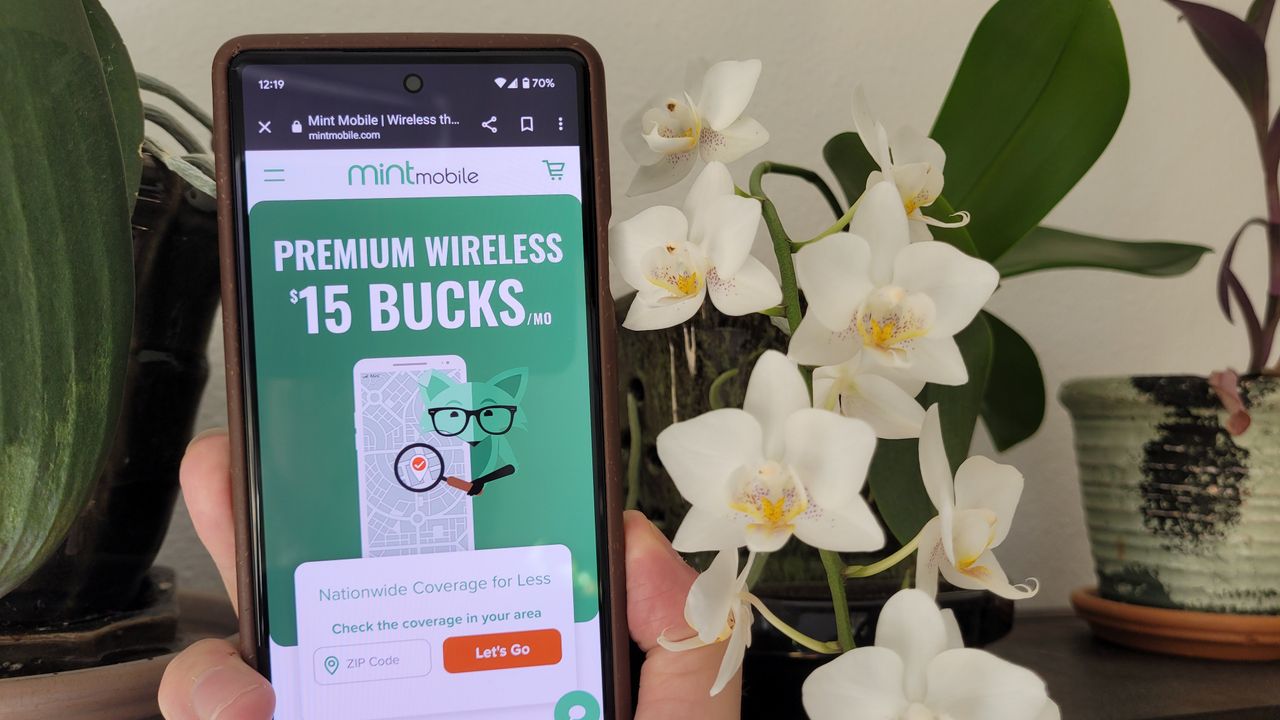
It's no secret that Mint Mobile is one of my favorite MVNO carriers operating today, but did you know that the T-Mobile-owned provider is also home to a ton of great phone deals?
Sure, you'll need to bundle the purchase of the device with some wireless to see any real savings, but you can save up to $500 on some of the year's best Android phones if you play your cards right. And with wireless plans starting at just $15 per month, Mint Mobile's buy-in-bulk promotions present some of the best money-saving opportunities around.
If you don't mind the idea of paying for some wireless service in bulk, keep reading for the best Mint Mobile deals of September 2026. Didn't find anything today? Check back later: I update this list on a regular basis.
Sign up for ANY plan at Mint Mobile and it'll only cost you $15 per month, whether you choose three months of service or a full year. And yes, that includes the Unlimited plan. The only catch is that you'll need to pay for a minimum of three months of service upfront. Still, three months of unlimited T-Mobile-powered wireless for only $45? Sign me up.View Deal
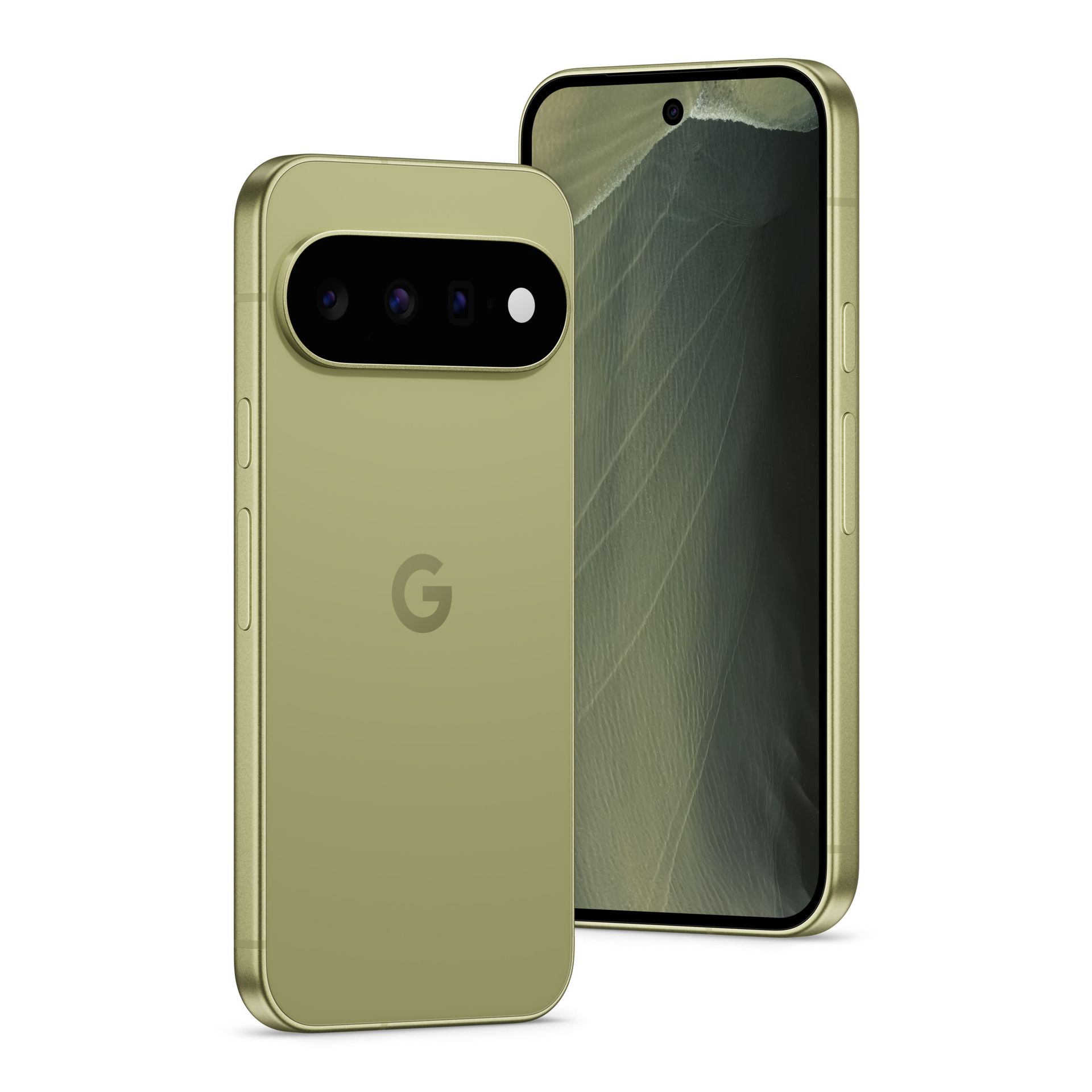
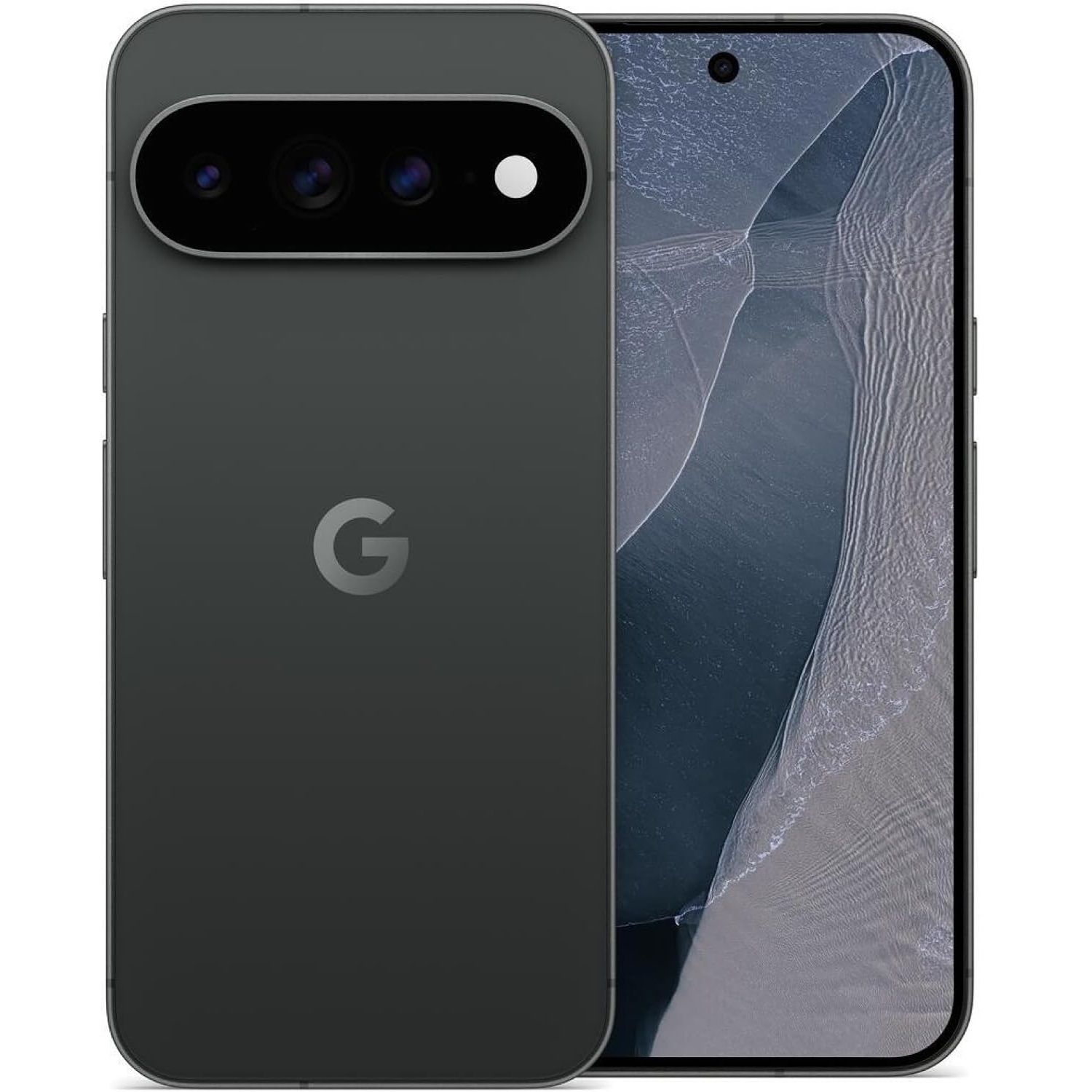
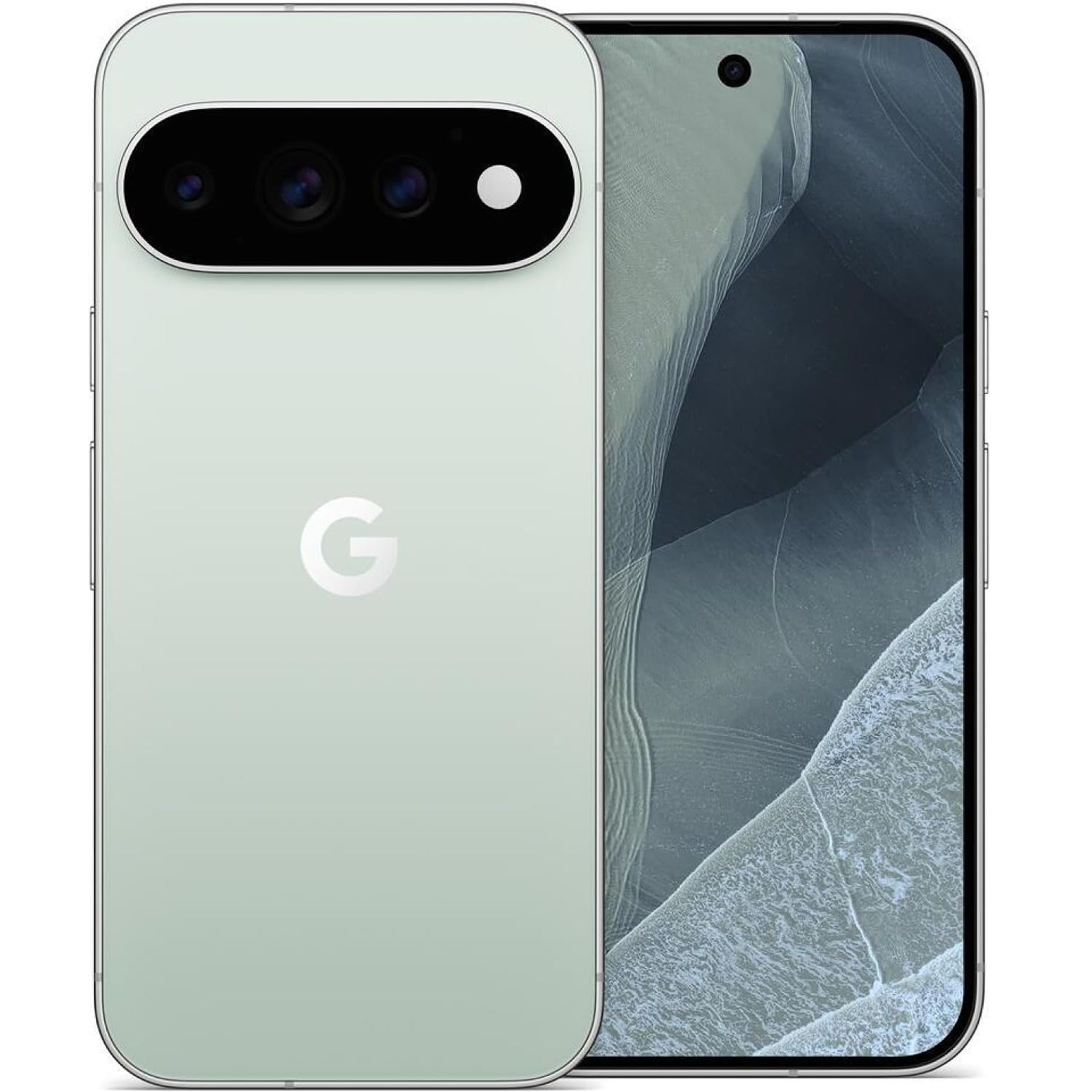
Bundle the purchase of the base model Google Pixel 11 with one year of the Unlimited plan and Mint Mobile will give you $275 off the phone AND 50% off the wireless! View Deal
Similar to the Pixel 11 deal detailed above, you can score $375 off the Google Pixel 11 Pro by bundling your purchase with one year of the unlimited plan at Mint Mobile. The carrier will also slash 50% off the price of the wireless, dropping the price to only $180 upfront ($15 per month).View Deal
The Google Pixel 11 Pro XL takes the stellar foundation of the Pixel 11 Pro and adds a larger frame with a bigger battery. Pair the purchase of the super-sized flagship with one year of the Unlimited plan and Mint Mobile will drop $425 off the phone along with 50% off the wireless plan. View Deal
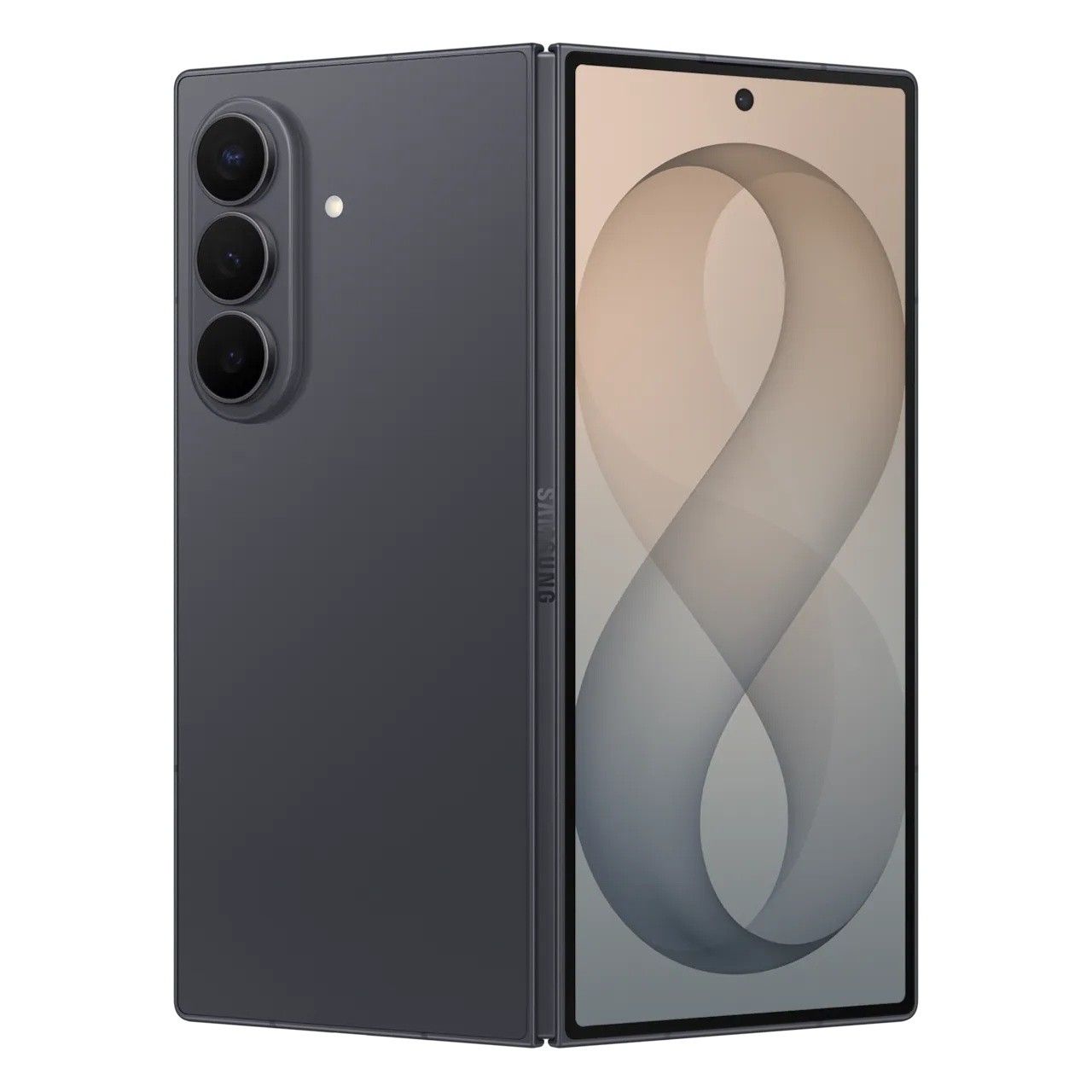
The Samsung Galaxy Z Fold 8 Ultra has finally come to Mint Mobile, and you can already score a straight $200 off the innovative foldable by bundling your purchase with one year of the Unlimited plan. As if that discount wasn't enough, the T-Mobile-owned carrier will also drop 50% off the wireless. View Deal
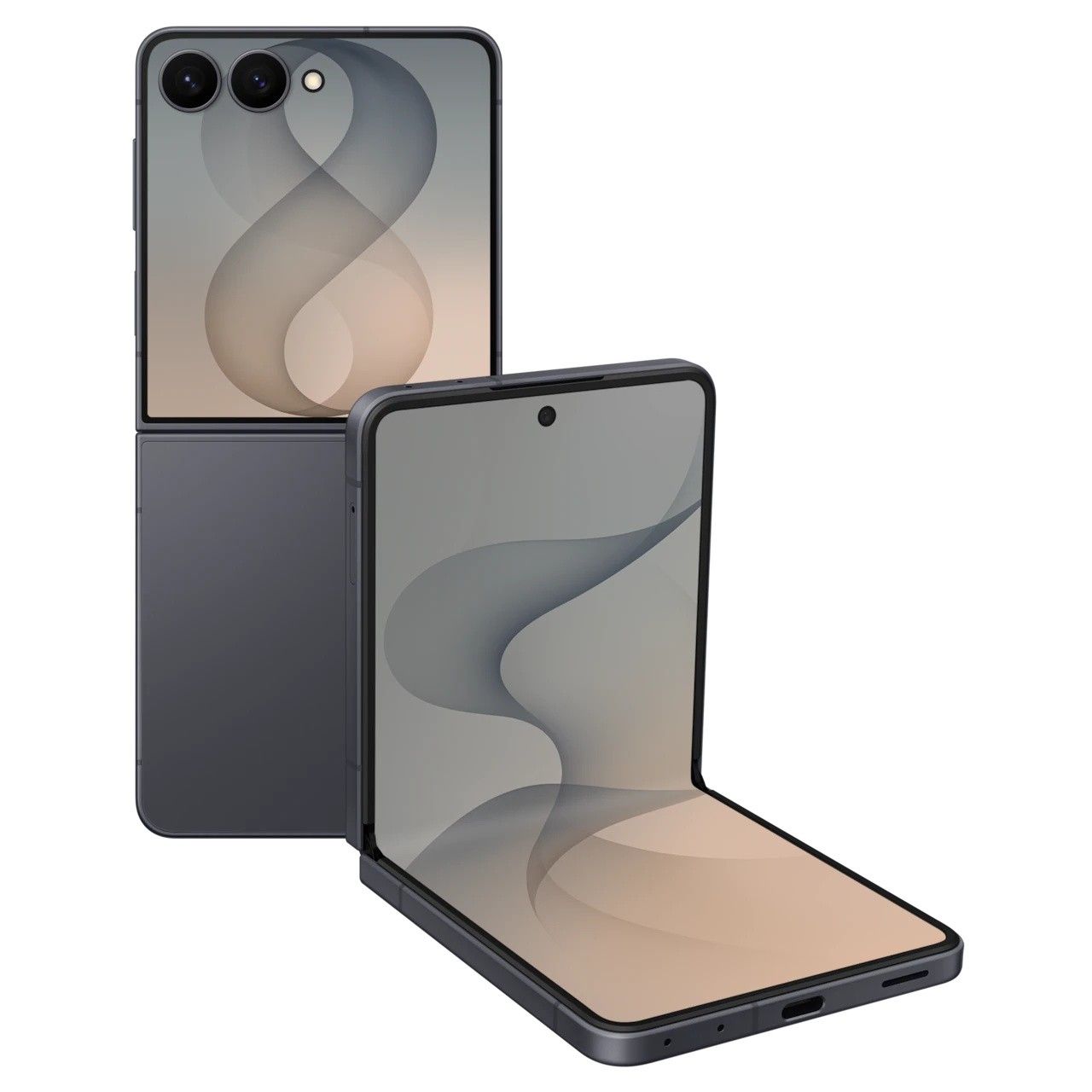
The bundle opportunity extends to the Samsung Galaxy Z Flip 8, as you can get also $200 off the clamshell device and 50% off one year of wireless when you bundle the phone with the Unlimited plan at Mint Mobile. View Deal
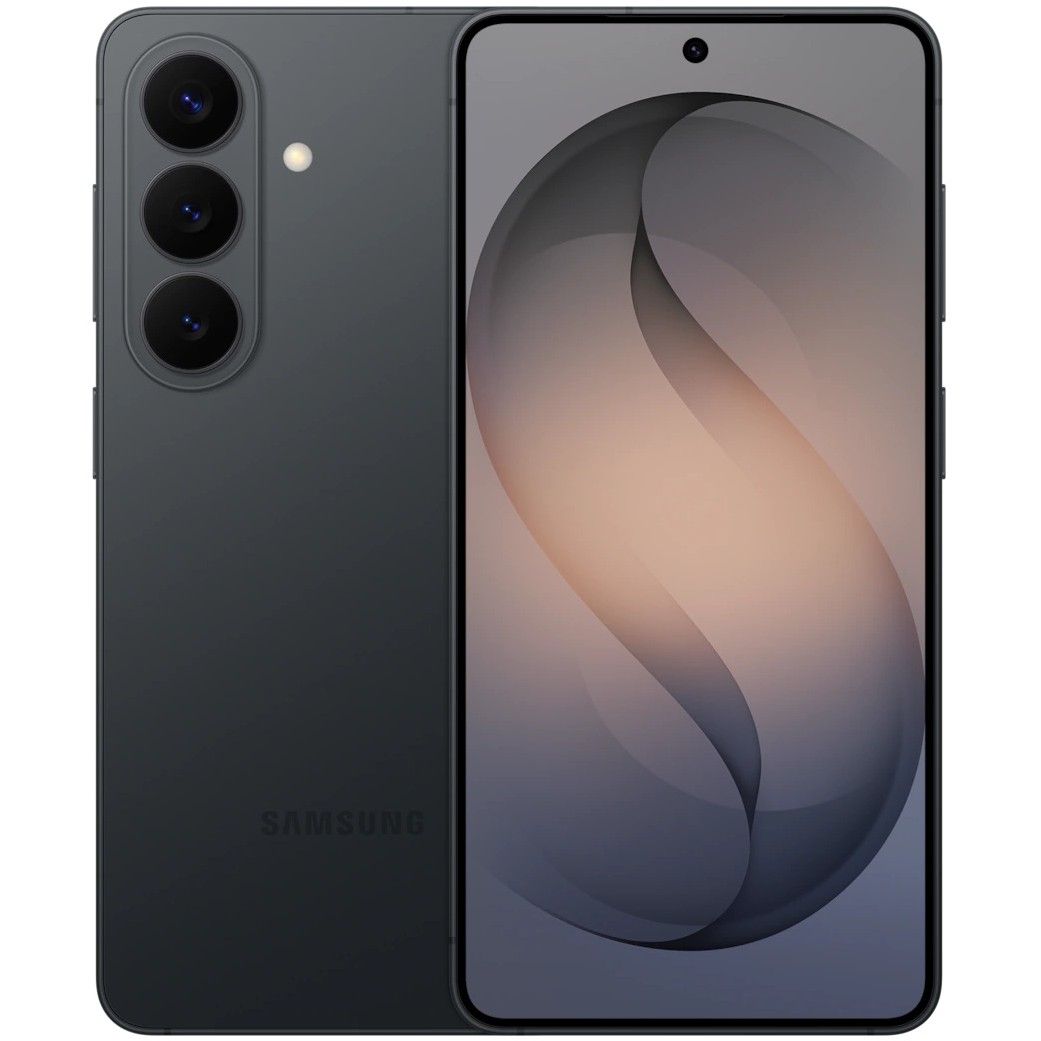
You can score an epic $500 off the Samsung Galaxy S26 by bundling your purchase with one year of the Unlimited plan. As if that wasn't enough, Mint will also slash 50% off the wireless. Mint is also offering up to $400 of additional savings if you trade in an old or broken device. View Deal
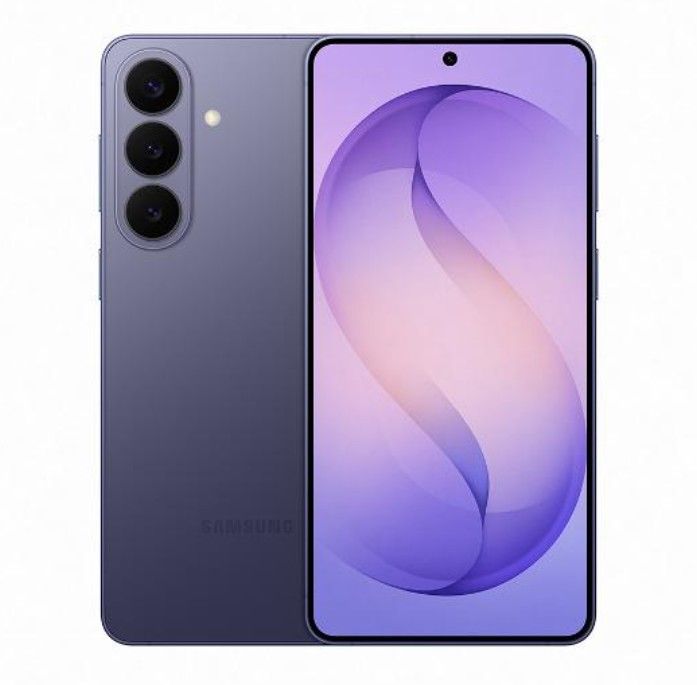
Just like the base model S26, if you bundle the purchase of the Galaxy S26 Plus with one year of the Unlimited plan you'll get $500 off the phone AND 50% off the wireless. There's also up to $400 of additional savings up for grabs when you trade in an old or broken phone. View Deal
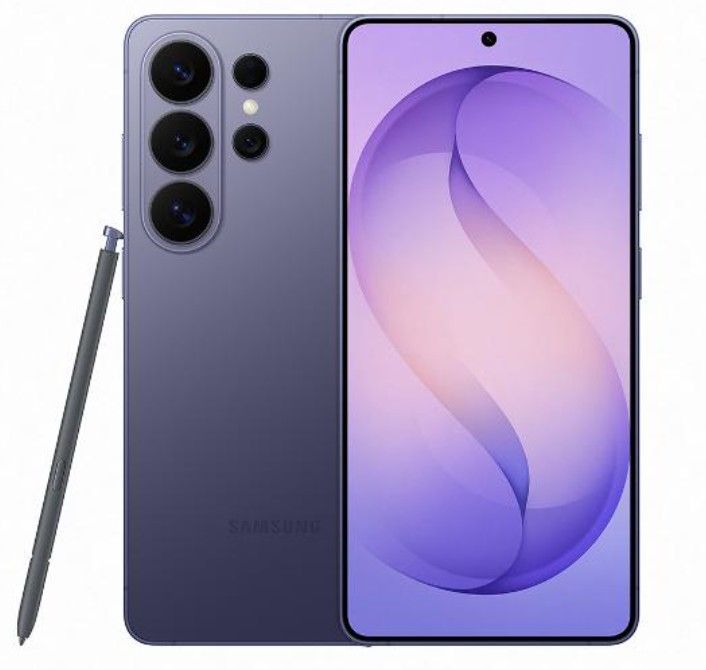
The Galaxy S26 Ultra is sure to rank among the most powerful Android phones of 2026, but it's not exactly cheap. Fortunately, Mint Mobile will give you $500 off the super-powered smartphone when you bundle your purchase with one year of the Unlimited plan. Just like the rest of the S26 lineup, this deal also gets you 50% off the wireless.
Pair one year of Mint's new 5G Home Internet plan with one year of Unlimited and the carrier will knock the price down to only $540 upfront. That may seem like a lot, but break it down month to month and you're only paying $45/month to cover both internet and phone service. And imagine not paying those bills again until 2027!View Deal
It's not exactly a deal, but if you're curious about Mint but not ready to commit, the carrier's free 7-day trial is a great way to explore the service with no risk or hassle. You can use the trial right alongside your existing service with zero interruptions, and either cancel or activate a plan when the week is up. View Deal
If you're a new customer and over 55, Mint Mobile will give you 5GB of 5G/4G LTE data per month and unlimited talk and text for $15 per month ($45 for three months).
This Mint 55+ deal also gives you free service from MINTech advisors who will walk you through the process of activating your device, cancelling your old service, and transferring your existing phone number. View Deal
Mint Mobile is also rewarding customers who recommend their service to other people. The carrier's "Refer A Friend" promotion gives you the opportunity to make up to $90 in credit if you refer a friend to the service.
All you need to do is send along the provided referral link. If your friend picks the 5GB/month plan, you'll get $45 in credit. If they choose the 15GB/month, you'll get $60. With a 20GB/month referral, Mint will hook you up with $75, and lastly, an Unlimited plan referral will get you $90 in credit. These credits will automatically be applied to your service renewal, so all you need to do is sit back and enjoy the savings. View Deal
Mint Mobile offers a straightforward buy-in-bulk plan system that lets you purchase wireless in 3, 6, and 12-month increments of time. There are four data plans to choose from: 5GB, 15GB, 20GB, and Unlimited, all of which give you coverage on T-Mobile's vast 5G network, along with a free mobile hotspot, unlimited talk and text, and coverage in Mexico, Canada, and the UK.
How much does Mint Mobile cost?
Mint Mobile's wireless plans start at $15 per month, but since you have to pay for a minimum of three months of coverage, you're looking at an upfront payment of at least $45. That can make things a bit confusing when you're first introduced to Mint's pricing model, but as long as you're comfortable buying phone service in bulk, the potential wireless savings could be immense. Just imagine dropping a single payment of $180 and not worrying about your phone bill again until 2027. Sounds pretty good, right?
Who owns Mint Mobile?
Although Mint Mobile used to be partly owned by actor Ryan Reynolds, the prepaid carrier is now fully owned and operated by T-Mobile. This allows Mint to give you the Big Three carrier experience without charging the Big Three carrier price, and since Mint Mobile is no longer an independent company, network de-prioritization from T-Mo is much less common.
O iOS 27 estreia 27 melhorias que aceleram o iPhone e inauguram a nova Siri baseada em IA. A atualização chega aos modelos desde o iPhone 11 e marca a mudança mais profunda da Apple na forma como o sistema aprende com o utilizador.
But it is not just the rules concerning foldables the company has now defined; it has also set the standard competitors must follow in chip design with its A20 Pro, a super-powered processor that delivers noticeable performance improvements even compared to last year’s iPhone 17.
Memory bandwidth is 50% higher than last year’s chip.
GPU graphics performance increases up to 40% over the A19 Pro.
AI performance is expected to double.
These are all significant improvements that make for noticeable experience boosts for anyone using one of these phones. Prosaically, I anticipate first reviews will celebrate how fast and responsive these devices are, and this will be most evidenced in tasks such as video capture and photography. Pictures will capture more swiftly, open faster, and edit features will become (and already are) more advanced and sophisticated than before. Apple spent ample time celebrating the iPhone 18 Pro series for the new frontiers in digital photography they open up, and not just because of the new reflexive lens.
The point is that the devices have the horsepower to get through computationally intensive tasks, including AI, thanks to the Neural Engines and GPU.
Thermal management is the icing on the quake
What those tasks have in common is heat, which Apple’s product designers have addressed in two critical ways: liquid cooling and processor design.
The processor design is the important thing, because in this case Apple has moved away from the InFO POP packaging of the A19 Pro in which the DRAM is stacked above the chip. It’s now embraced a side-by-side design it described as “inspired by” M-series Apple Silicon.
That works because placing both components alongside each other, rather than in a perpetual embrace, reduces the overall temperature of both by putting a little space between them. As Apple explained it, this Wafer-level Multi-Chip Module (WMCM) approach means the memory gets out of the way of the processor, allowing the latter to make direct contact with the vapor chamber cooling system.
In layman’s terms, it means both memory and chip can perform more intensively while being more efficiently cooled, a move that helps Apple’s iPhone meet those astonishing performance achievements. The vapor chamber is also bigger, made of new material with three times the surface area of before, making it even better at cooling the device.
It also means Apple has achieved a lot of things competitors have not, most particularly in packaging, the use of 2nm chips in a mass market product, and overall design.
That’s where it gets interesting. Both Qualcomm and MediaTek now plan to follow in Apple’s footsteps with the adoption of 2nm chips and side-by-side packaging.
Digitimes suggests it is a move others will follow, as vendors work furiously to ensure their hardware can run AI effectively on device, which iPhones already do. Apple, of course, already knows its Macs, iPhones, and iPads have been designed from the ground-up to support on-device AI as it works to provide the world’s best mass market platforms for secure and private use of the tech.
Friends don’t let friends bet against Apple
All the same, even at the microprocessor level, it’s hard to ignore that where Apple goes, others follow — even while where others go, Apple frequently follows later, but seems to do it better. It has never been a company to bet against, after all. People really should stop doing that.
Please subscribe to my daily, human-curated Apple-related news headline feed at The Core, or follow me on BlueSky, LinkedIn, or Mastodon.
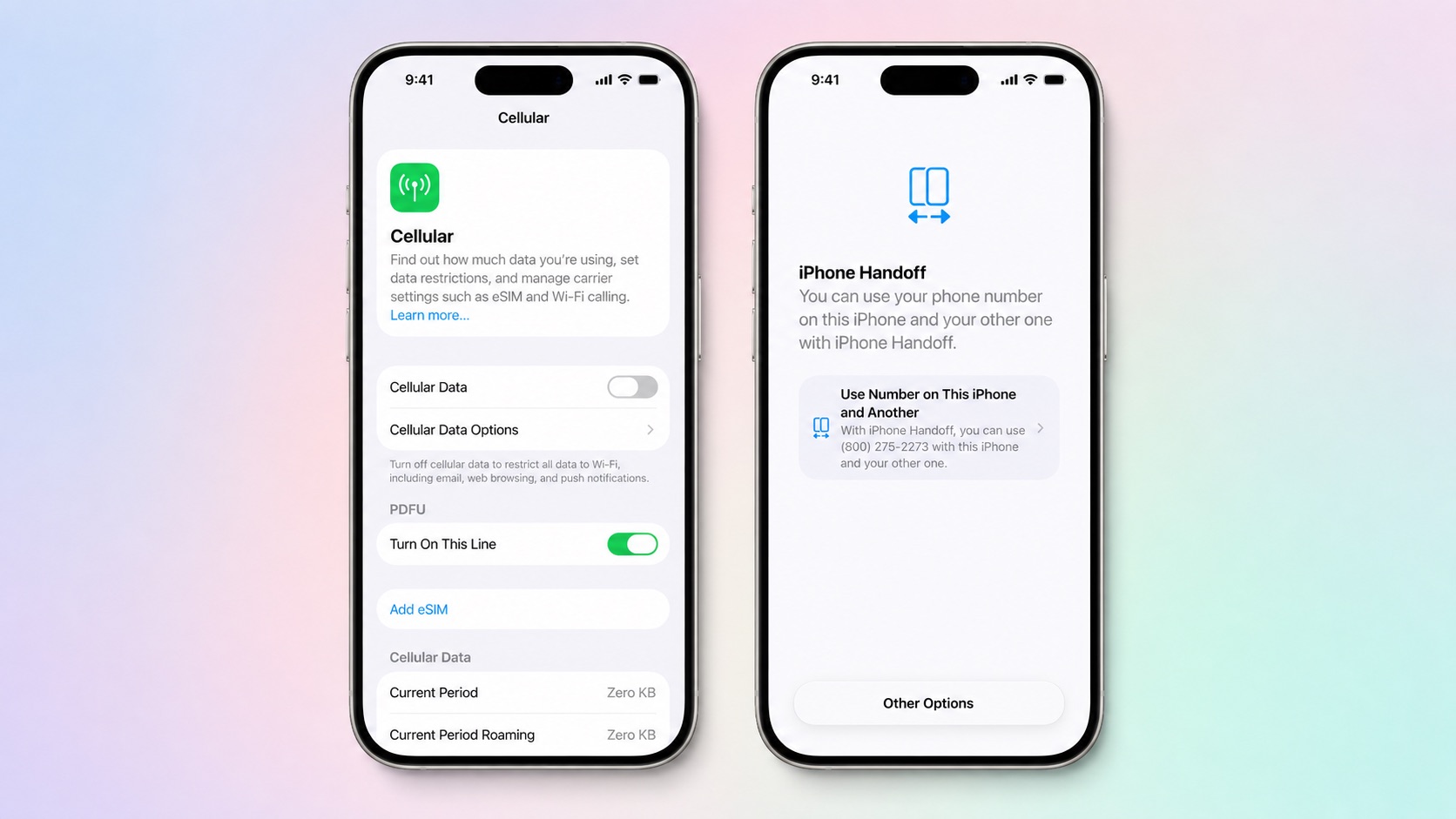
T-Mobile says iPhone Handoff will cost $5 per month, giving compatible customers a way to use one T-Mobile number across two iPhones. The feature arrives with iOS 27 and is aimed at people who regularly switch between a primary and secondary phone. Apple’s iPhone Handoff support guide says two phones need iOS 27 or later, […]
T-Mobile will charge customers $5 per month to use iPhone Handoff, an e-SIM feature that allows the same phone number to be used on two separate iPhones.
iPhone Handoff requires carrier support, and at launch, only T-Mobile users in the U.S. and Deutsche Telekom users in Germany will be able to use it.
T-Mobile says customers can use their number across two compatible iPhone models and elect which phone is active at any given time. Features like calls, texts, data, mobile hotspot, Scam Shield, and T-Satellite will work on both devices with an eligible plan.
Apple is adding support for iPhone Handoff in iOS 27. It requires two iPhones running iOS 27 or later that are connected to Wi-Fi and signed into the same Apple Account with FaceTime, iMessage, and Messages in iCloud turned on. It can be turned on when activating a new iPhone or in the Settings app.
When iPhone Handoff is enabled, one iPhone serves as a main iPhone and the other iPhone is the secondary device that shares the same number. Moving between the main iPhone and secondary iPhone happens automatically when you unlock one of the devices.
A phone number can only be active on one iPhone at a time when using iPhone Handoff. Payment cards in the Wallet app and car keys can work across both iPhones, but Apple warns some Wallet items like transit passes, IDs, or corporate badges might only work on one iPhone at a time. iPhone Handoff also does not transfer an Apple Watch from one iPhone to another.
iPhone Handoff works with Dual SIM as long as both eSIMs are from carriers that support iPhone Handoff. Both eSIMs will switch simultaneously when you unlock your iPhone. Each eSIM has to be set up separately.
Once set up, iPhone Handoff remains activated until you contact your carrier to turn it off. More information can be found in Apple's support document for the feature.
iOS 27 is set to launch on Monday, September 14, and the new iPhone 18 Pro models will launch on Friday, September 18.
A new Android malware strain called Mantax Otax combines ransomware and spyware capabilities to encrypt files, steal sensitive data, and spam and harass victims. [...]
Qualcomm is taking an unusual approach to the launch of its next-generation premium Snapdragon mobile platform this year. Instead of holding everything for its annual Snapdragon Summit in Maui happening later this month, the company has been methodically disclosing the architecture that will power the next wave of flagship Android phones over the past couple of weeks.
First, the company disclosed its new Oryon CPU architecture, followed by a major overhaul of its Adreno GPU. Today, Qualcomm is detailing the next-generation Hexagon NPU that will serve as the platform’s primary AI engine.
Taken together, the disclosures give us a pretty good picture of where Qualcomm is going before we even know the chip’s official name.
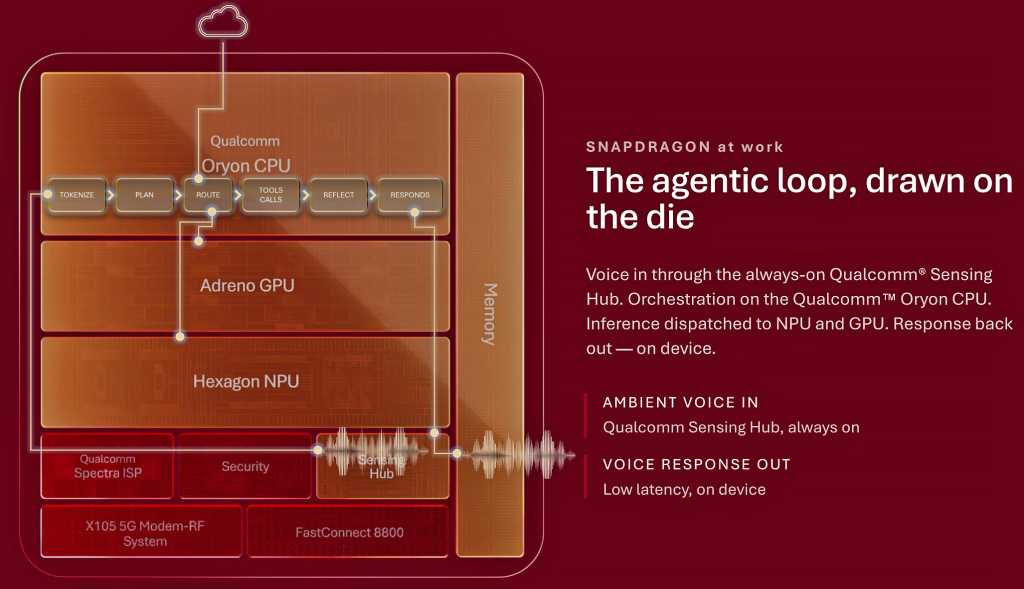
There is obviously a strong performance story here, anchored by a 5GHz CPU, but the more interesting theme running through the architecture is memory locality and specialized AI acceleration. Qualcomm is trying to keep more data close to the compute resources that need it, while distributing AI workloads across the CPU, GPU and NPU.
These architectural changes are important as the company continues to drive on-device AI beyond relatively simple generative features toward more persistent, agentic workloads.
Oryon hits 5GHz, bolstered by FlexCache
Qualcomm disclosed in August that its next Oryon CPU will be the first mobile CPU to reach 5GHz. The eight-core design includes two 5GHz Prime cores and six Performance cores, with Qualcomm attributing the frequency gains to its fully custom Oryon microarchitecture, an in-house Arm-based CPU design that gives the company full control over the cores, cache and memory hierarchy, branch prediction and CPU subsystem.
The 5GHz headline is certainly going to get attention. However, Qualcomm’s new FlexCache architecture may ultimately have a larger impact on sustained performance. FlexCache allows Oryon’s Prime and Performance cores to tap into the same shared cache pool, with capacity dynamically allocated based on the workload. So rather than a demanding core being limited to a fixed slice of cache, it can draw on more of the available pool when needed. This keeps larger working data sets close to the CPU cores and reduces high-latency trips out to system memory.
This approach should benefit everything from gaming and multitasking to content creation, but it also aligns well with agentic AI workloads, where tasks may move through several stages of processing and across different CPU cores. The basic goal is straightforward: keep the CPU fed and avoid expensive trips to external memory.
Qualcomm’s next-gen Adreno GPU adds dedicated AI engines
Qualcomm’s next disclosure focused on graphics, where the company is making one of the more significant changes to its Adreno GPU engine in recent years. The new GPU adds dedicated Adreno Matrix Cores for running AI models directly inside the graphics pipeline. They’re paired with 18MB of Adreno High-Performance Memory, or HPM, which provides low-latency local storage for tile-based rendering, frame buffers and GPU compute.
Qualcomm claims HPM provides a 12% power improvement compared to its previous-gen Snapdragon 8 Elite Gen 5.
The more visible feature for users, however, may be Adreno Neural Fusion, which combines AI super resolution, neural processing and frame generation in a unified graphics pipeline. There are obvious parallels here to what NVIDIA, AMD and others are doing with neural rendering on the PC, though Qualcomm’s next-gen Snapdragon SoC has to operate within a much tighter mobile power envelope.
Qualcomm claims enabling Neural Fusion reduces power consumption by up to 40% in its internal testing using the company’s Dragon Alley graphics demo. That’s an impressive number, though as always, we’ll want to see how the technology behaves across actual shipping games and devices before drawing any definitive conclusions.
Qualcomm has also helped integrate Neural Fusion technology into Unity and Unreal Engine, which may ultimately be just as important as the underlying hardware. Developer adoption determines whether features like this become meaningful platform advantages or just another tick box on a spec sheet.
Qualcomm’s Hexagon NPU is being reworked for agentic AI
Qualcomm
The most recent disclosure centers on Qualcomm’s Hexagon NPU, where the broader architecture starts to come together. The company’s next-generation Hexagon introduces a new Element Accelerator designed for transformer workloads, alongside its existing vector and scalar processing resources. Qualcomm says the new block is optimized for fast action loops, key-value (KV) cache acceleration and context lengths of up to 32K.
Hexagon is also getting 50% more shared memory, and again, that memory complement is important. Model state, context and KV-cache data can generate substantial memory traffic, particularly with larger language models. Keeping more of that data close to the NPU can reduce latency and power consumption. Qualcomm says the architecture is designed for long-context reasoning, multimodal models, concurrent agents and low-latency action loops.
For INT4 quantized models, the company claims up to a 50% improvement in pre-fill performance versus its previous-generation Snapdragon 8 Elite Gen 5. Qualcomm is also targeting Mixture-of-Experts, or MoE, models as large as 30 billion parameters. In its example, the company points to a 30B model that activates only about 3 billion parameters during a given token-generation step. That selective approach is a natural fit for the tight power and memory constraints of a handset.
Qualcomm isn’t suggesting that a smartphone will simply run a 30B dense model entirely from DRAM, however. By activating only the experts needed for a particular task, MoE architectures can dramatically reduce active compute and memory bandwidth requirements, potentially making much larger classes of AI models practical on mobile hardware.
Qualcomm’s next-gen Snapdragon mobile impact
There is a larger competitive story here as well. For years, flagship smartphone competition largely came down to CPU, GPU, modem performance and power efficiency. AI is now another major area of differentiation, and Qualcomm is clearly designing its next-gen Snapdragon mobile platform around this need.
Apple has the advantage of controlling its silicon, operating system and software stack end-to-end. MediaTek continues to push aggressively into premium Android devices as well. Qualcomm’s response is to make its custom Oryon CPU, Adreno GPU and Hexagon NPU work more like a fully integrated compute platform, tuned for modern AI and agentic workloads.
This is a solid advantage for Android handset OEMs because many don’t have the resources to engineer this level of silicon integration themselves. Qualcomm can effectively provide its Android OEM partners, including Samsung, Xiaomi, Honor and others, with a common hardware foundation for on-device AI, advanced graphics and agentic computing. It also gives Qualcomm another way to defend its premium Snapdragon position.
The company’s custom Oryon architecture now spans smartphones and Windows PCs, and soon servers, while AI acceleration is distributed across its CPU, GPU and NPU. For business users, that could mean more AI processing happens locally, reducing cloud and network dependence, improving response times and keeping more potentially sensitive data on-device. And for IT organizations, Qualcomm now has an opportunity to provide a more consistent AI compute foundation across Windows PCs with Snapdragon X and premium Android handsets.
There is still plenty we don’t know, however. Qualcomm hasn’t disclosed the complete SoC specifications, final performance or power characteristics, or which devices will ship with it initially. Many of these AI experiences will also depend heavily on Android, app developers and the models themselves.
The new 5GHz mobile CPU may generate the biggest headline at Snapdragon Summit, but the more important developments may be what sit around it: more local memory, specialized AI acceleration and tighter integration between the CPU, GPU and NPU.
If Qualcomm can translate this architecture into better sustained performance, enhanced power efficiency and useful on-device AI experiences, it could strengthen its position in premium Android phones while putting more competitive pressure on Apple. For business users, the payoff could be more capable local AI without sacrificing the performance and battery life expected of a flagship device.
That is the part I’ll be watching most closely when the complete silicon picture is unveiled at Snapdragon Summit later this month. And I may even get some hands-on time with it in some benchmarks, as we have in years past, so we shall see.
Twenty-five years ago, I sat near the front of the room while then-Apple CEO Steve Jobs rolled out Apple’s digital hub strategy, a vision in which the Mac would become the central manager of all manner of portable digital devices.
Now, a quarter of a century later, nearly all of those digital devices have become features on your iPhone, and the arrival of AI means the iPhone has become the intelligent personal hub, the central manager of, well, of you. Apple’s new CEO, John Ternus, went straight for the concept in his important opening remarks at Wednesday’s big iPhone launch, where nearly all the pre-event speculation came true.
The intelligent personal hub
“As we look ahead, we see a future filled with enormous discovery and transformation,” Ternus said at the Surprise and Shine event. “AI makes entirely new kinds of experiences possible. An AI can become even more useful when it brings together your life with the apps, services, and products you use every day. And this means the product at the center of your experiences becomes even more essential — what I like to think of as an intelligent personal hub.”
(To be clear: He’s talking about the iPhone.)
Think about it: all those tasks you now do on your iPhone are tasks AI can help you with. Siri AI lets you work on files and folders using spoken commands, while contextual AI lets you sift through all the data once gathered by your iPhone to do things, make things, create networks, or even organize luncheon.
“It’s the intersection of broad new capability, and a deep understanding of your personal context that makes this idea so powerful,” Ternus explained.
AI’s brave new world
That’s the context within which Apple will be introducing all its future products, a battle the company now feels confident marching into now that it appears to have resolved its historical challenges with AI. At the same time, the company also seems to be doing its best to lean into privacy — enabling life-changing AI transformation of daily lives while putting a brake on scary privacy attacks. This is going to be foundational to what happens next at Apple.
Of course, you’re not reading this to look too deeply into what Ternus said about the future of Apple; you’ll also want some insight into the slew of devices the company introduced at its event. That list includes the:
For some, the biggest surprise in these introductions was price. All of the accessories were kept at the same price as last year’s equivalents, while the new Pro iPhones came in at only $100 more for the entry-level model, rising to around $300 more at the more price-resistant highest end. An iPhone 18 Pro Max equipped with the max 2TB storage comes in at $2,499 compared to the $1,199 iPhone 18 Pro entry point.
When it came to price, though, all eyes were certainly on the iPhone Duo, and Apple has given everyone (except competitors) a pleasant surprise on that.
With a starting price of $1,999, the folding phone’s price hit the low end of expectations, and while that grows to an eye-watering $3,199 with 2TB of storage, it compares well with the market leader, Samsung. While the Galaxy Z Fold 8 begins at $1,899, in terms of features and design, Apple’s folding phone lines up with the Galaxy Z Fold 8 Ultra, which costs from $2,099.
Dig a little deeper and you’ll see that while the iPhone has IP68-rated dust and water resistance, the Samsung equivalent has only IP48. You can drop the Fold 8 into five feet of water for up to half an hour and it should be OK, but you can chuck your iPhone Duo in almost twenty feet of water, and it should survive. Though you probably shouldn’t test that unless you’re a hugely successful “influencer” already generating a small nation state of money through clicks. If that’s you, good for you. I’m only slightly envious.
A productivity powerhouse?
What that suggests is that the iPhone is less likely to get damaged and is better engineered, though it’s also ever so slightly thicker. Apple’s device is powered by what the company modestly described as the most powerful mobile processor on the planet — which it is, particularly for the AI tasks all the new iPhones can handle. That matters, particularly for applied contextual AI deployed across daily lives.
It also matters because the combination turns Apple’s device into a mobile productivity powerhouse, one that I think will likely affect iPad sales more than anything else. Though this wouldn’t be the first time a new Apple release ended up eating its siblings.
The productive possibilities of Apple’s premium device will also be realized as app developers embrace both the form factor and Siri AI. Apple said during the keynote that more than 300,000 apps already work with Siri AI and more than 2.5 billion Siri requests are being made each day. That latter number will only grow now that Siri performance has been dramatically improved.
While this argument applies to all Apple’s new devices, the fact of the matter is that you now have an iPad-sized object you can carry in your pocket that is capable of doing some really powerful tasks by spoken command alone. That’s the iPhone Duo – a product of an unexplored territory at the crossroads between mobile computing, daily digital existence, and the opportunities of AI.
It’s not for everyone, yet
I don’t expect the Duo will be for everyone; the vast majority of users won’t be spending $2,000 on a phone. But we know that the cost of technologies like this tends to decline, which suggests that in perhaps five years’ time, it will be possible to create equivalent devices for a much lower price. Right now, it’s for affluent Apple consumers, C-class executives, students, AI pros, medical professionals and others who might actually need this kind of performance and display space to get things done.
This, incidentally, is precisely the same group of people that first embraced the iPad when it appeared, turning that into the world’s best-selling tablet.
What might this mean for Apple?
I traded a few messages with IDC analyst Francisco Jeronimo, who sees it like this: “Apple entered the foldable market and, in one keynote, set the price and the standard every rival will now be measured against.”
He also pointed out, the iPhone Duo is “…a direct test of whether Apple can use design, ecosystem integration and premium positioning to reshape a segment that has so far remained selective.”
He’s right, of course, but Ternus also just defined what that segment, and the industry, is driving for. I’s the same thing Apple was aiming at 25 years ago. “iPhone sits at the center of an amazing ecosystem of intelligent features and experiences that work seamlessly across the products you use every day,” the company said — an “intelligent personal hub.” And the Macs are all right, too.
Now please subscribe to my daily, human-curated Apple-related news headline feed at The Core, or follow me on BlueSky, LinkedIn, or Mastodon.
O Huawei Mate XT 2 apresenta uma nova arquitetura de dobra interna que protege melhor o ecrã quando está fechado, além do primeiro “privacy display” da marca a chegar aos seus smartphones.
We’re hurtling toward the loss of something big. Finally, after months of speculation, Apple is about to introduce its first-ever folding smartphone. And once it does, the conversation will change as the annual iPhone rumor season is replaced with the reality of whatever Apple unveils.
Except, it won’t quite be the same as in the past. Because no sooner will new Apple CEO John Ternus finish his iPhone announcement keynote speech tomorrow than the speculation will shift to next year’s 20th-anniversary iPhone, what’s coming to the iPhone 18 and e-series iPhones, and expectations around Apple’s upcoming wave of smart home products, including health and home security services. There’s a lot going on.
Meet John Ternus
Having a lot going on is one of the prime expectations of Apple under its new boss. A family man with a wife and kids, he’s led Apple’s hardware division for five years after an eight-year stint running hardware engineering. He joined the company in 2001 and is described as a highly competent, hugely talented, and modest by nature.
His hobby is quite revealing — he drives race cars, is a regular at California’s Laguna Seca Raceway, and owns an incredibly rare 2019 Porsche 935. To me it suggests a calm, competent, individual with excellent mental and physical reflexes who can make life or death decisions at speed. He’s also deeply committed to good product design.
He’ll need that calm embrace of speed and adrenaline to manage the company his predecessor, Tim Cook, led to become the world’s most valuable firm.
A hard act to follow
He’s also got a hard act to follow, as while Cook had to carve out his reputation in the shadow of Steve Jobs, Ternus must sculpt his own destiny in the shadow of Cook, who managed to make shareholders of record in 2011 around 20 times richer by the time he quit. (Apple stock rose from $13.74 per share on a split adjusted basis to $319.97 per share today.)
While Cook was frequently criticized for not being a product guy, he presided over the launch of the Apple Watch, AirPods, Apple Silicon, and the Vision Pro, and helped grow Apple’s services income to become its second-biggest product category, diversifying Apple’s revenue and creating financial stability. That’s no easy task.
Building his own team
Can Ternus improve on that? He’s certainly being positioned as someone who can. His deep experience in hardware has led to expectations that Apple will double down on product under his watch, so a great deal is expected of him in consequence. He is also putting together a hardware-focused team, including Laura Legros, former vice president of hardware engineering, as a direct report.
What will we see of this tomorrow? To be fair, while he will lead the announcement on the keynote stage, development of this first tranche of products took place under the leadership of Cook, and while Ternus will have had a big hand in development, this year’s Apple event should be seen as a moment of transition.
“I’m just as excited about what lies beyond that, including the incredible products already in the works and the ones we haven’t even imagined yet that we’ll dream up and create together. There’s no team in the world I’d rather build the future with,” Ternus told Apple staff in his first memo as CEO.
It’s what Apple does in the next couple of years that will truly define the new leadership. He’s literally been CEO for a week!
What to expect on Sept. 9
Here’s my TL; DR list:
First folding iPhone: Apple’s response to folding devices from Samsung, Google, Huawei, Xiaomi. It’s expected to have a highly durable, near invisible hinge and a powerful 2nm A20 chip around 20% more performant than the 17 series devices; Touch ID; a 48MP camera; and be able to unfold from a 5.5-in. to a 7.8-in. display. Potentially called iPhone Ultra, some predict it might be the “iPhone Duo” or “iPhone Fold.” It’s likely to cost $2,000+.
iPhone 18 Pro series: Equipped with a fantastic new display, smaller Dynamic Island, 48MP main camera, and telescopic lens and supported by a fresh tranche of pro-photography features, the 18 Pro/Pro Max range will also use A20 chips. Both the fold and Pro devices will carry significantly more RAM, enabling them to handle on-device AI tasks. Apple is expected to introduce the iPhone 18, iPhone Air 2, and iPhone 18e devices at a spring 2027 event. Prices on all iPhones are expected to increase by $100 or more, depending on model.
Apple Watch Series 12, Apple Watch Ultra 4: While Apple is thought to be working on new designs for next year, this year’s models will — for the first time in years — include an improved processor, better networking, and more accurate heart monitors. A model with a ceramic body is expected, while the devices will be equipped with additional storage, and integrated satellite emergency features.
AirPods 5: Earlier speculation about cameras inside AirPods remains, but these aren’t expected at the launch. Instead, Apple’s AirPods 5 will be boosted with a new H3 Wireless Chip for better voice isolation, noise cancellation, and spatial audio. They may also provide some basic health monitoring features with a built-in temperature sensor and heart rate monitoring.
Smart home products: Apple is still expected to introduce additional products for smart homes, including an Apple TV with a faster processor and SiriAI support, a HomePod mini upgrade, and — potentially — a new home hub. The latter could effectively be a combination of an iPad with a HomePod to run apps, control smart devices, take and make calls, and run Siri.
Finding the next big thing
While all these products are important to the company, the smart home devices should demand attention (if they appear at all), as the indicators suggest Apple intends to explore the smart home space with a range of future hardware, including domestic robotics, security services, and smart devices. This hardware proliferation in new markets could end up becoming one of the hallmarks of Ternus’ Apple leadership, as will Apple’s AR spectacles (once they are introduced).
Equally, it cannot be ignored that one of Ternus’ main tasks since becoming vice president of hardware has been the introduction of new Macs and the transition to Apple Silicon. So he’ll be expected to strike a balance between improving Apple’s traditional product lines while racing his company toward new and emerging opportunities in hardware. (I believe Apple should pay much more attention to the enterprise space within that.)
Apple’s little AI problem
The biggest challenge to all of this will be Apple’s success in implementing AI that’s good enough to get things done while avoiding the unexpected dangers of poor implementation. We don’t want AI agents corroding smart home security, for example, which is why Ternus seems likely to maintain Cook’s focus on security and privacy as enabling technologies to support trusted hardware/software product designs.
Another thing? Tomorrow’s keynote will likely begin with the single word, “Hello,” and feels very likely to also include that classic Apple keynote line, “…One more thing.”
We’ll find out more as the conversation moves from speculation to reality after the 10am (PT) keynote.
Please subscribe to my daily, human-curated Apple-related news headline feed at The Core, or follow me on BlueSky, LinkedIn, or Mastodon.
Partir quelques jours en Europe avec son forfait français suffit parfois. Mais dès que le voyage s’allonge, que l’itinéraire traverse plusieurs pays ou que le partage de connexion entre en jeu, la question de la data devient moins anodine. eTravelSim Europe répond à ce besoin avec une eSIM...
If you're been considering making the leap to T-Mobile, a recently discovered unlimited plan may be the best value, but it's only available in one place.
In a catch-up interview after a lost CES interview, Jeff Gadway, SVP for Clicks discusses the Power Keyboard, a universal MagSafe-style Bluetooth keyboard and power bank for iPhone, Android, tablets, TVs, and more. He also details the Clicks Communicator, a smartphone built around physical keys, purposeful communication, productivity, security, and the idea of a task-focused […]

 Login