Login

Amazon Suspends Flights With Airline Whose Plane Crashed in Miami
The online retailer said it would “pause” its relationship with 21 Air, the cargo airline operating a Boeing 767 that overshot a runway in Miami.

Humans will have to compete with AI-powered virtual employees in the near future. Here are our tips for the last human holdouts
Futureproofing your career with an AI-resistant degree is a tough ask, says Charlie Ball, an expert on graduate employment for Jisc, the UK’s higher education digital, data and technology agency.
“What you’re trying to do is futureproof a 45-year career in a time of rapid technological change – and that’s really quite hard to do. What’s likely is that jobs that hinge a lot on human, face-to-face interaction are unlikely to be replaced.”
Continue reading...
© Photograph: sturti/Getty Images

© Photograph: sturti/Getty Images
© Photograph: sturti/Getty Images
With 62,000 people arrested for speech crimes in five years, the UK can no longer claim to be a free society, says Paul Birch. The state has learned to fear its people and will no longer tolerate them speaking freely.
The post Britain’s Speech Police: How the State Learned to Fear its People appeared first on The Daily Sceptic.
The post On the hunt for dark matter appeared first on MIT School of Science.
6 min read
This article is for students grades 5-8.
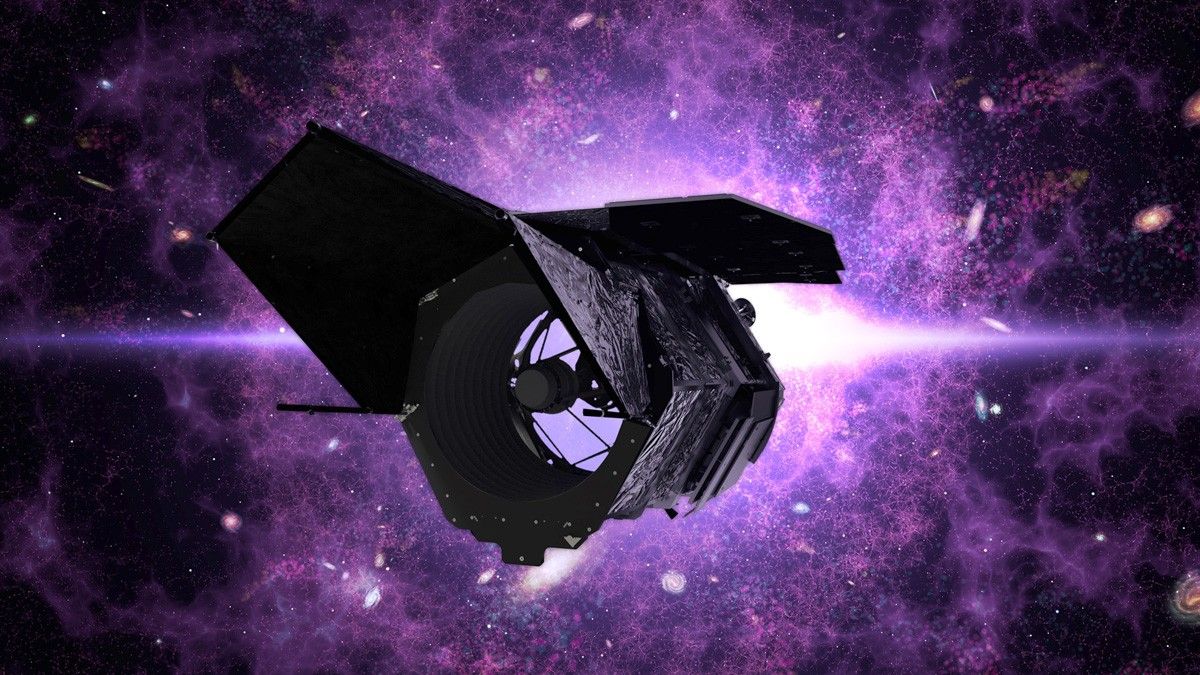
The Nancy Grace Roman Space Telescope is NASA’s newest astrophysics observatory. The telescope will scan large sections of space. Roman will help astronomers answer questions about dark energy, dark matter, exoplanets, and more.
______________________________________________________________________
Words to Know
Astrophysics: a branch of space science that applies physics and mathematics to study the universe.
Lagrange point: a position in space where the gravitational forces of a two-body system, such as the Sun and Earth, are balanced. This point creates an “orbital parking spot” where minimal fuel is needed to maintain a spacecraft’s position.
Infrared light: light that is completely invisible to the human eye but can be felt as heat. It’s the area on the electromagnetic spectrum where wavelengths are longer than visible red light, but shorter than microwaves.
Dark energy: the mysterious force that is causing the universe to expand at an accelerated rate.
Exoplanet: a planet outside of our solar system.
Dark matter: the mysterious gravitational “glue” that holds cosmic structures together.
______________________________________________________________________
The Nancy Grace Roman Space Telescope is scheduled to launch Aug. 30, 2026. It will launch aboard a SpaceX Falcon Heavy rocket. Liftoff will take place from Launch Complex 39A at NASA’s Kennedy Space Center in Florida.
The Nancy Grace Roman Space Telescope will orbit about 930,000 miles (1.5 million kilometers) away from Earth. It will orbit around a special place in space called the second Sun-Earth Lagrange point, or L2. This gravitational sweet spot is perfect for unobstructed views of the universe.
The Nancy Grace Roman Space Telescope will peer through dust and across vast stretches of space using infrared light. Roman’s primary mirror is 7.9 feet (2.4 meters) across. The large surface of the telescope mirror gathers lots of light. More light equals finer details.
The primary mirror will send light to Roman’s two science instruments: the Wide Field Instrument and the Coronagraph Instrument.
The Wide Field Instrument is a 300-megapixel infrared camera. It allows scientists to look very far back in time because the light captured by the camera has been traveling for billions of years before reaching the instrument. Seeing the universe in its early stages will help unravel how it has expanded throughout its history. This will give scientists hints about how the universe may continue to evolve.
The Coronagraph Instrument uses technology that blocks the glare from a star. This lets astronomers see planets in orbit around it. This instrument is the most powerful coronagraph ever flown in space. It will allow astronomers to see planets that are almost a billion times fainter than their host star.
Scientists using the Nancy Grace Roman Space Telescope will focus on three main topic areas: dark energy, exoplanets, and dark matter.
Dark energy is a mysterious part of the universe. Scientists aren’t sure what it is, but it makes up about 68% of the universe’s total contents. It is believed to be responsible for the accelerating rate at which our universe is expanding. But recent observations seem to show that the pressure from dark energy is shifting over time. Scientists hope to use the Roman Space Telescope to help solve the mystery of dark energy’s true nature.
Exoplanets are planets outside of our solar system. Scientists have discovered more than 6,000 exoplanets. But they believe that billions could exist. Most of the exoplanets detected so far are wildly different than the planets in our solar system. Scientists expect Roman to find more unusual exoplanets. It will also allow astronomers to find planets in the habitable zone of their stars. This will be key to finding planets similar to Earth.
Dark matter is the invisible glue that holds the universe together. Scientists aren’t sure what dark matter is made of. Roman will allow scientists to peer back in time to trace how galaxies and galaxy clusters formed. If dark matter consists of heavy, sluggish particles, it would clump together readily and Roman should see galaxy formation early in cosmic history. If dark matter is made up of lighter, faster-moving particles, it should take longer to settle into clumps and for large-scale structures to develop. If astronomers can narrow down the candidates for dark matter particles, we’ll be one step closer to finally detecting them directly in experiments on Earth.
Nancy Grace Roman was NASA’s first chief astronomer and the first female executive at the agency. Roman championed the making of the first space-based telescope — the Hubble Space Telescope. She was involved in every crucial decision about the telescope from its funding to where it was built to the details of its instruments. Her vital role in making the project a reality led her to be known as “the mother of the Hubble Space Telescope.”
Roman was born May 16, 1925, in Nashville, Tennessee. She died Dec. 25, 2018.
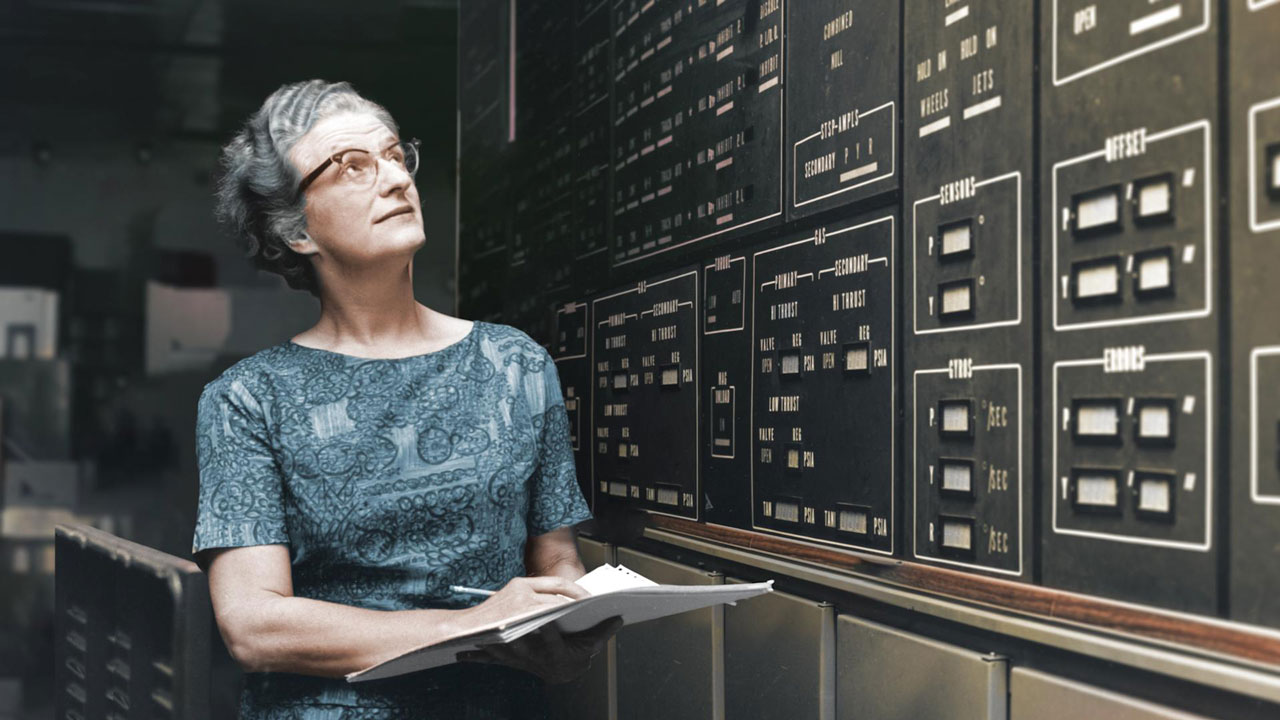
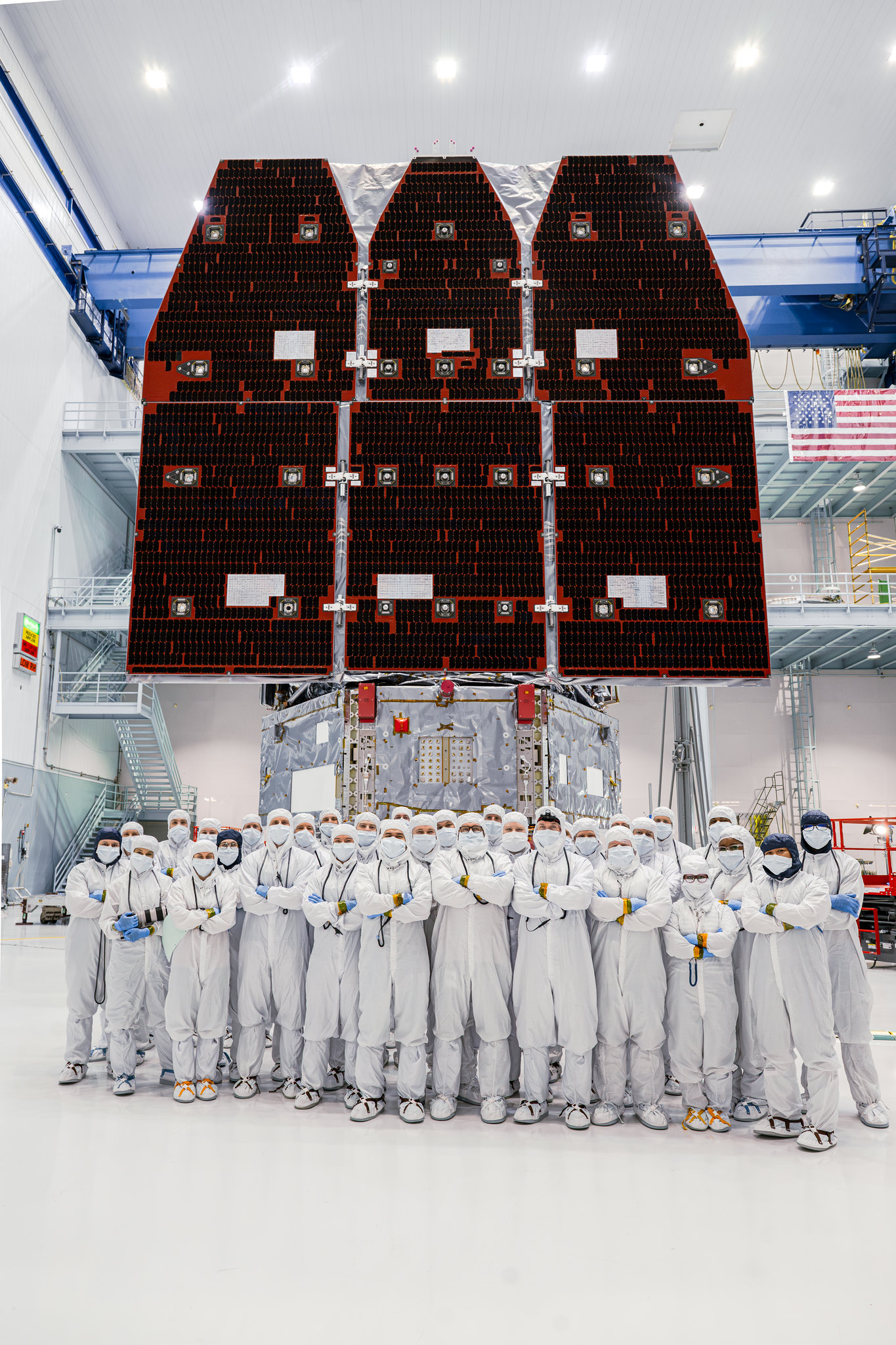
More than a thousand technicians and engineers assembled Roman from millions of individual components. Here are a few examples of the careers that shaped NASA’s newest space telescope:
Instrument technician: These experts install, calibrate, and maintain sensors and control systems. They troubleshoot issues that might come up with delicate systems and equipment. This career path often starts with an apprenticeship or hands-on training alongside experienced technicians. An associate’s degree is often required.
Mechanical engineer: This branch of engineering focuses on complex machines and engines. Mechanical engineers design, build, test, and improve mechanical systems. They play an essential role in making a complex observatory like the Roman Space Telescope a reality. A career in engineering demands a strong understanding of math and complex problem-solving and usually requires an advanced college degree.
Astrophysicist: These scientists study the physics of the universe. They are interested in learning how the universe began, how it is evolving, and how it works. Becoming an astrophysicist requires advanced college degrees.
NASA also needs people who work in photography, management, social media, videography, and much more. Learn about some of the people who have made the Roman mission possible here!
Mission Website: Nancy Grace Roman Space Telescope
A new school year brings fresh opportunities to get involved with NASA. Whether you’re curious about space or eager to build real STEM skills, NASA offers a world of experiences putting you close to the action. As we enter a new golden age of exploration, there’s no better time to jump in, try something bold, and see where your curiosity takes you.
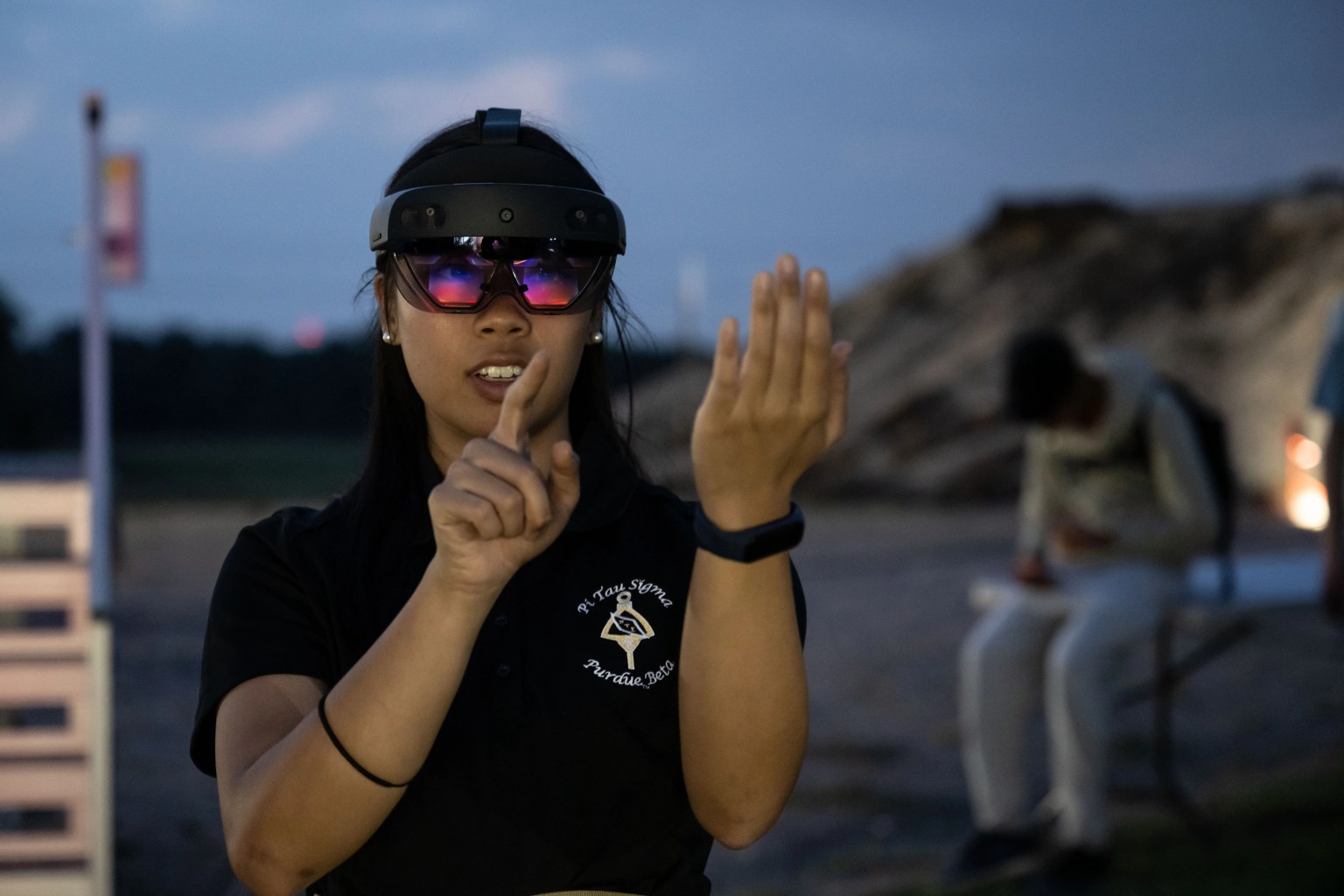
NASA opens the door to authentic mission experiences through internships and student challenges. As members of the NASA team, interns work on genuine agency projects and gain industry-ready skills, all with the guidance of NASA mentors. Visit NASA’s internships website to learn more about current vacancies, deadlines, eligibility requirements, and more.
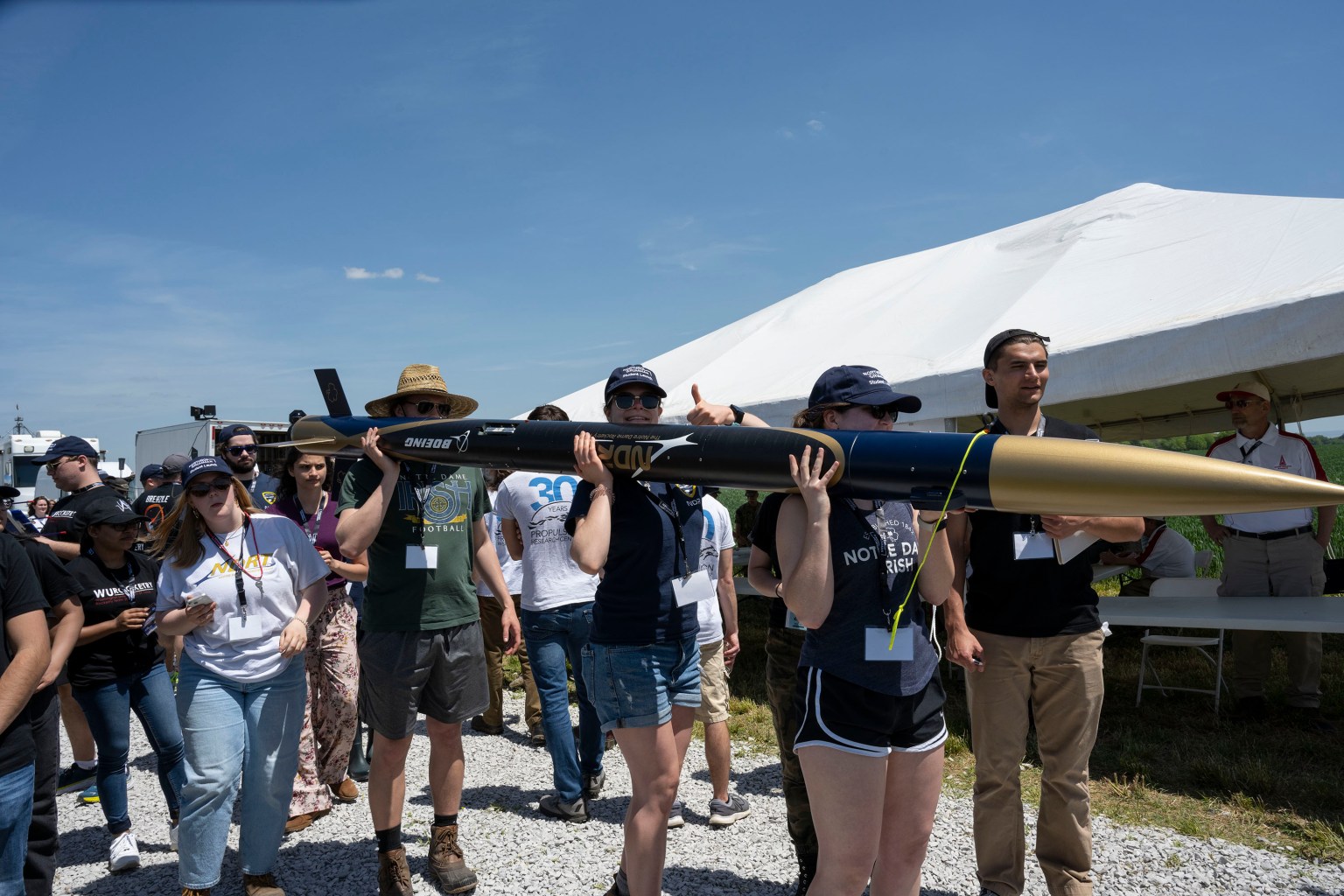
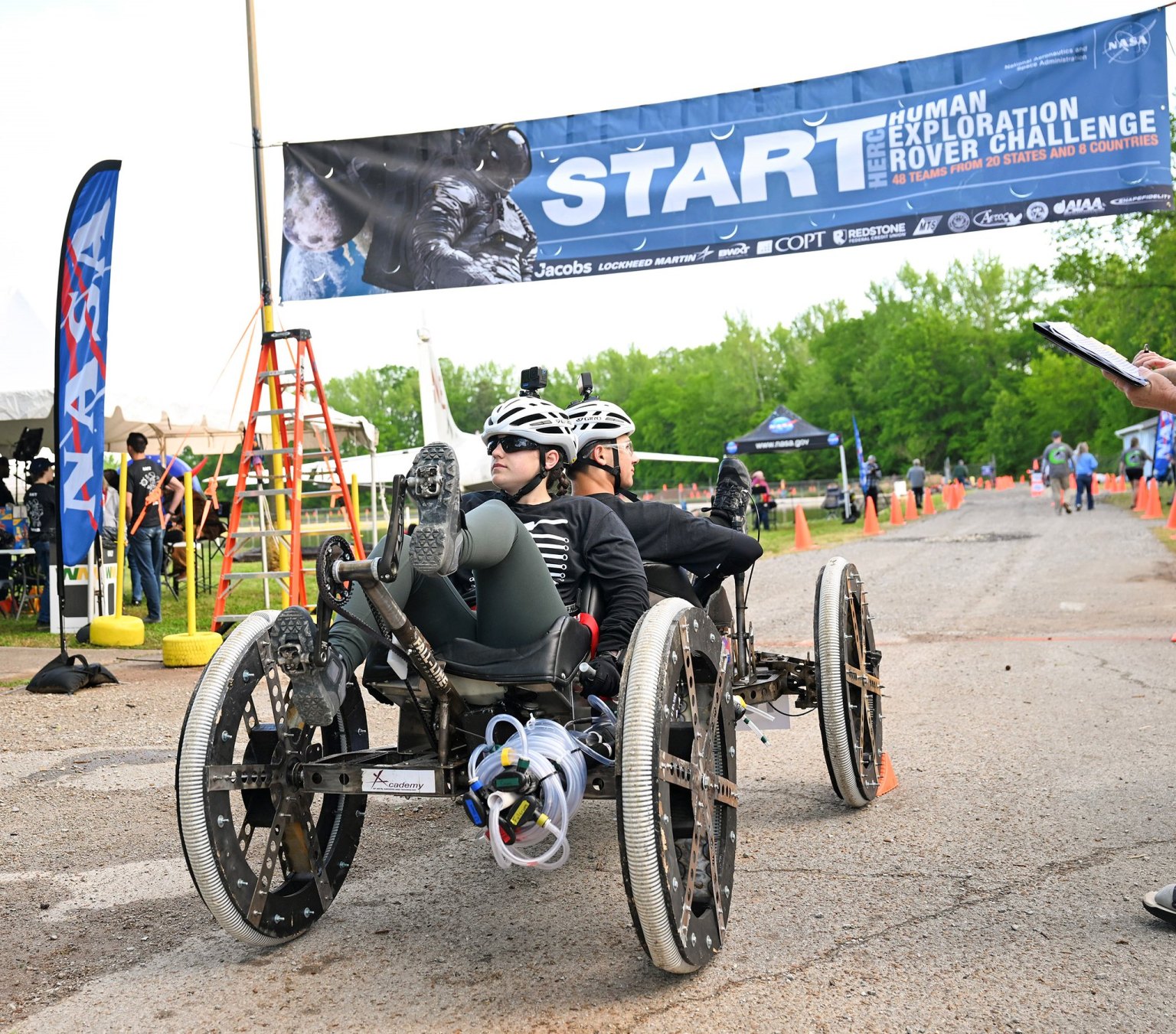
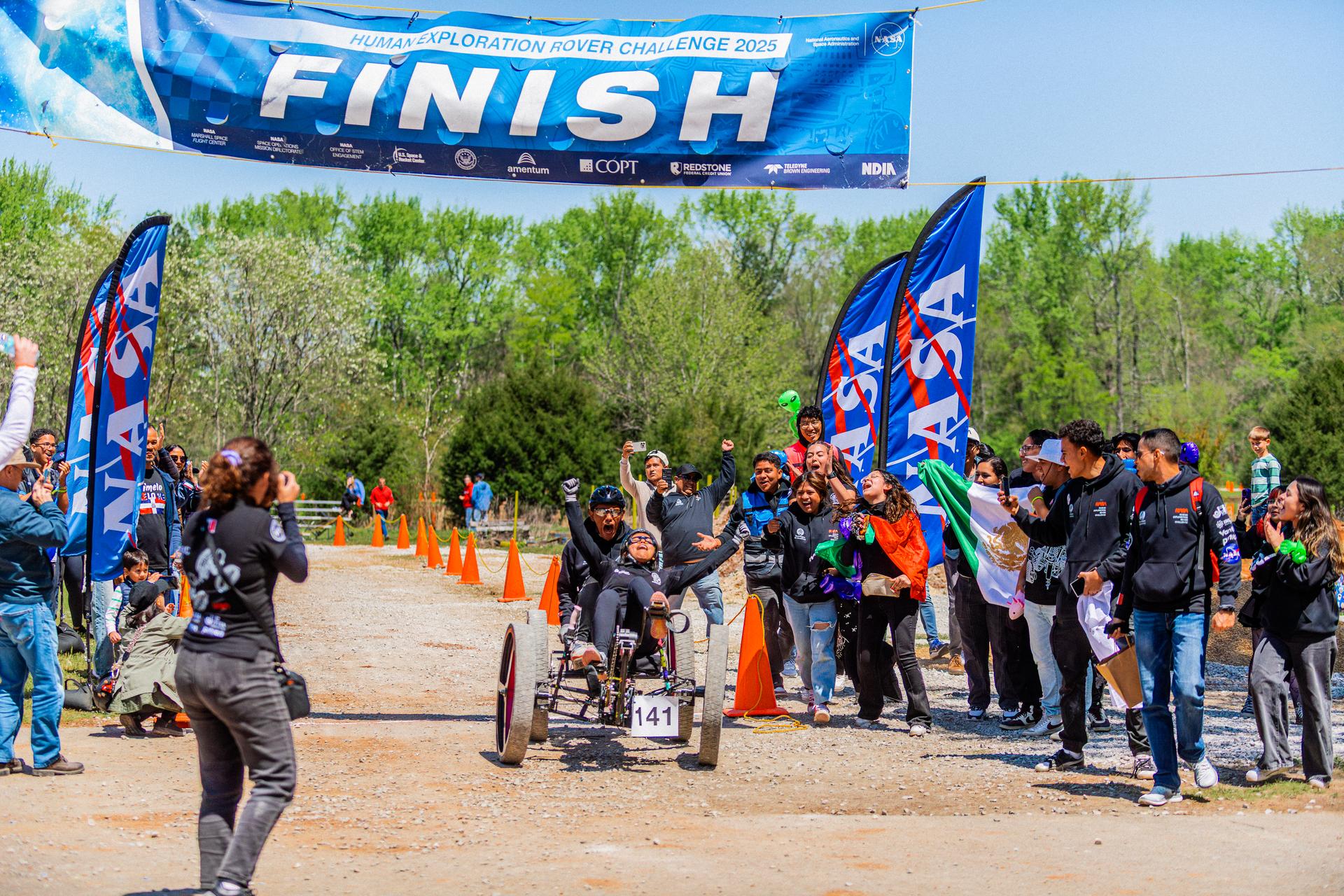
Through NASA’s student challenges and competitions, student teams tackle some of the critical technical hurdles facing mission planners. Flex your innovative muscles and sharpen your collaborative and problem-solving skills while developing, prototyping, and testing your team’s designs. Check out the full list of NASA STEM challenges and opportunities, choose one that fits your interests, and assemble your team.
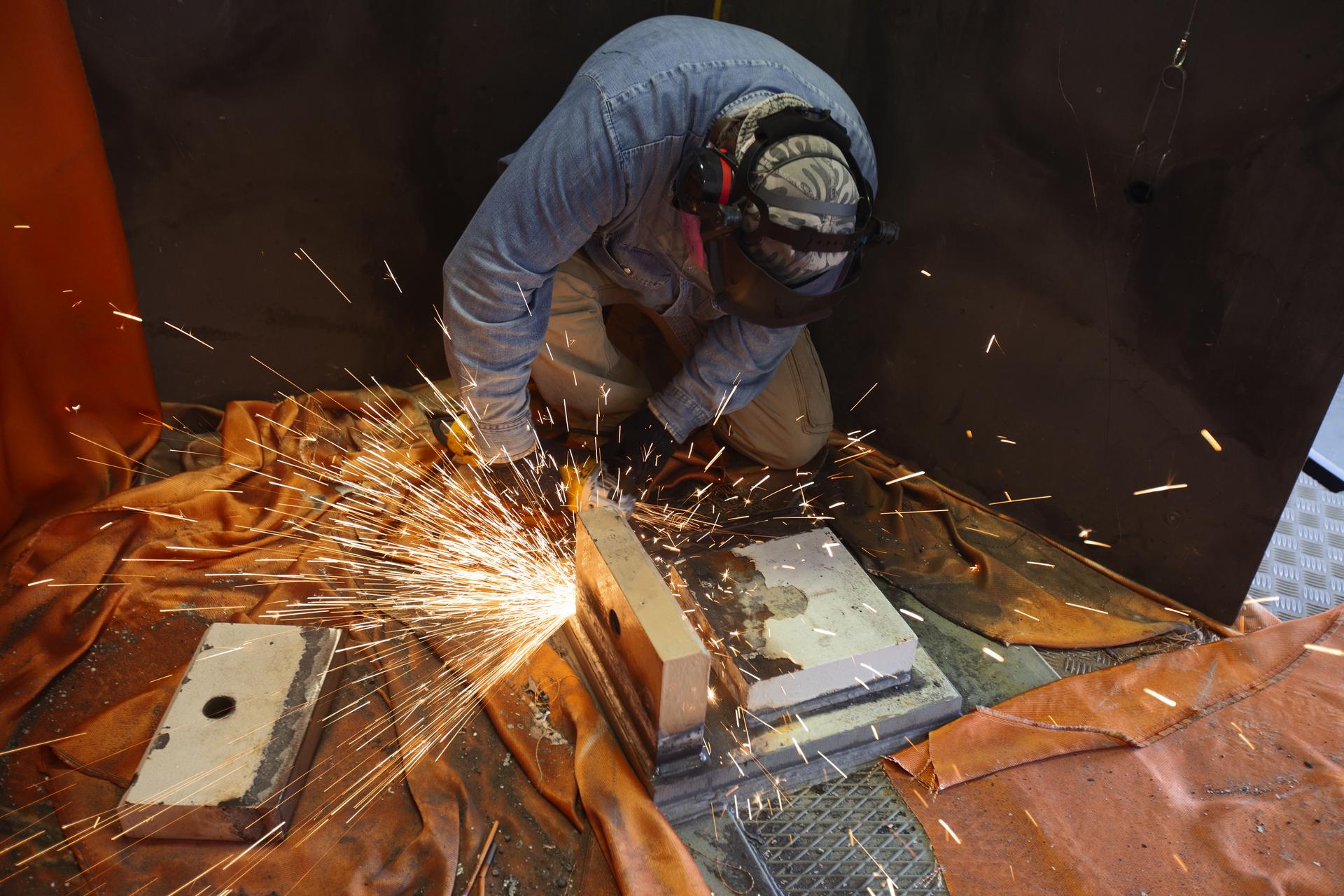
The future of aerospace depends on a steady pipeline of skilled technical experts ready to make missions and ideas a reality. NASA invites students in high school, community college, and career technical education programs to join in-person and virtual events to explore these important career paths.
NASA Career Technical Education Days bring students on-site to meet NASA skilled technical workers who share what their jobs are like, how they built their careers, and the skills, training, and certifications that have helped them succeed. During NASA’s Next Gen STEM Virtual Career Connections , students interact live with technical experts supporting the agency’s missions. Students and teachers can learn more on the Next Gen STEM for Careers website.
NASA’s Science Mission Directorate invites you to help make real discoveries through science projects powered by volunteers. Join from anywhere, whenever it fits your schedule, and start working with authentic mission data. Help identify comets and asteroids, hunt for binary star systems, and more. Find the project that’s right for you on the list of current citizen science projects.
Don’t miss out on NASA’s biggest mission milestones this school year! Up first is the Nancy Grace Roman Space Telescope, scheduled to launch no earlier than 7:20 a.m. EDT on Sunday, Aug. 30. This powerful new observatory has a field of view at least 100 times larger than the Hubble Space Telescope. Be a virtual guest for launch and learn more about the telescope with fun activities provided by NASA’s Science Mission Directorate. You can also sign up to be a virtual guest for NASA’s next crewed launch to the International Space Station, SpaceX Crew-13, set to launch in September.
And be sure to follow NASA’s continuing crew training and hardware preparations for Artemis III. Set to launch into Earth orbit in 2027, the flight will test rendezvous and docking capabilities with commercial human landing systems – landers that will carry astronauts to the lunar surface on Artemis IV and future missions to the Moon.
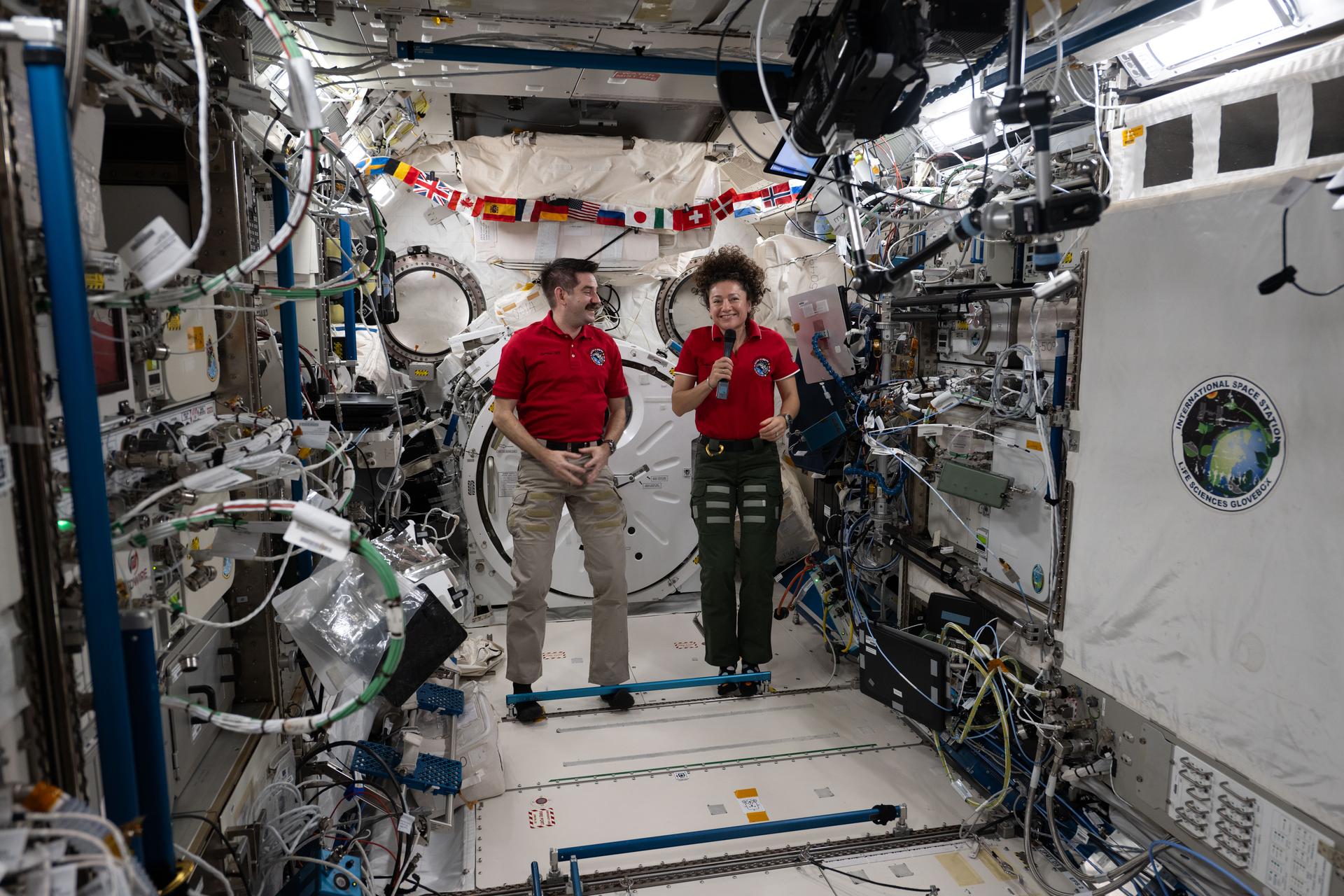
Schools, classrooms, and community-based student groups have further options to engage with NASA and its people. Through In-Flight STEM Downlinks, students have their pre-recorded questions answered live by astronauts aboard the International Space Station, demonstrating how STEM careers reach far beyond Earth. Additionally, the NASA Engages public outreach program connects agency experts with student audiences to share mission and science updates, helping people discover how NASA’s work unfolds and how they can be part of the journey.
This school year, whether you’re interested in aerospace jobs or eager to dive into authentic STEM challenges, you’ll find an array of activities and career exploration tools on NASA’s Learning Resources website. Explore exciting NASA student opportunities and subscribe to the weekly NASA EXPRESS email newsletter for the latest NASA STEM opportunities and updates!


Long-term care residents moving from a nursing facility to an emergency department enter one of the most complex transitions in modern healthcare. The journey may begin with a sudden change in consciousness, breathing, mobility, pain, or behavior, but it quickly becomes a transfer of information, responsibility, and risk between institutions. A new qualitative study published in BMC Geriatrics examines how this cross-setting transition is experienced by the people involved, highlighting a vulnerable point in the healthcare system that is often treated as a routine logistical event.
The study, led by PC Hsu, LY.A. Chen, and YC Chen and colleagues, focuses on residents of long-term care facilities who are transferred to emergency departments. Unlike quantitative research, which typically measures outcomes such as admission rates, waiting times, or mortality, qualitative research investigates how individuals interpret and experience a process. Through this approach, researchers can identify communication breakdowns, conflicting expectations, emotional pressures, and practical barriers that may not appear in hospital databases.
For older adults living in long-term care, an emergency transfer can be medically necessary but physically and psychologically destabilizing. Many residents live with multiple chronic conditions, frailty, dementia, sensory impairment, or limited ability to communicate. These characteristics can make it difficult for them to describe symptoms, understand unfamiliar surroundings, or participate directly in decisions. The emergency department, meanwhile, is designed for rapid assessment and acute treatment, not always for the slower, highly individualized care needs of frail older people.
The transition also creates a handover challenge. Clinical information must travel with the resident, including medication lists, allergies, advance-care preferences, baseline cognitive and functional status, recent symptoms, and the reason for transfer. If any of this information is incomplete, delayed, or misunderstood, clinicians may have to reconstruct the patient’s history under intense time pressure. This can lead to duplicated tests, inappropriate medication decisions, delays in treatment, or care plans that fail to reflect the resident’s usual condition.
A central technical issue is the difference between a patient’s baseline and an acute change. A resident with dementia may appear confused in the emergency department even when their behavior is consistent with their usual state. Conversely, a subtle change in alertness or mobility may indicate infection, dehydration, stroke, or another serious condition. Without reliable baseline information from long-term care staff or family members, emergency clinicians may struggle to distinguish chronic impairment from delirium, a sudden disturbance in attention and cognition associated with substantial risks in older adults.
By examining experiences across care settings, the research addresses the concept of continuity of care. Continuity is not simply the transfer of documents; it includes consistency in clinical goals, communication, decision-making, and personal knowledge of the resident. A successful transition requires coordination among long-term care workers, emergency medical services, hospital clinicians, residents, and families. Each group may possess only part of the relevant information, making the quality of interaction between them as important as the technology used to transmit records.
The study’s qualitative design is particularly valuable because transitions are shaped by human factors. Staff may face time constraints, staffing shortages, unclear responsibilities, or different documentation systems. Families may experience anxiety when they are asked to make urgent decisions without a complete explanation of the resident’s condition. Residents may feel disoriented or powerless as they move between unfamiliar environments. Capturing these perspectives can reveal why formal protocols sometimes fail in practice, even when they appear comprehensive on paper.
The findings are relevant to a wider healthcare challenge: populations are aging while medical care is becoming increasingly fragmented. Long-term care facilities and hospitals often operate under separate administrative structures, with different workflows, electronic records, professional cultures, and performance measures. Emergency departments may focus on rapid diagnosis and disposition, whereas long-term care teams emphasize daily function, prevention, and quality of life. The transition between these systems can therefore become a vulnerable interface where important context is lost.
Improving that interface could involve standardized transfer forms, interoperable electronic records, direct clinician-to-clinician communication, clearer escalation pathways, and explicit documentation of a resident’s baseline function and care preferences. Yet the study’s focus on lived experience suggests that technical solutions alone may not be sufficient. Better transitions also depend on mutual understanding, shared accountability, and recognition that a transfer is not an isolated event but a continuum extending from the long-term care facility to the emergency department and back again.
As healthcare systems search for ways to reduce preventable harm among older adults, the experience of cross-setting transitions deserves greater attention. The study by Hsu, Chen, Chen, and colleagues places this often-overlooked process at the center of inquiry. Its subject is not merely how residents are transported, but how information, clinical judgment, dignity, and responsibility move with them. That perspective may help health services design emergency transfers that are safer, more coordinated, and more responsive to the realities of long-term care.
Subject of Research: Cross-setting care transitions of long-term care residents to the emergency department.
Article Title: The experience of cross-setting care transitions of long-term care residents to the emergency department: a qualitative study
Article References: Hsu, PC., Chen, LY.A., Chen, YC. et al. “The experience of cross-setting care transitions of long-term care residents to the emergency department: a qualitative study.” BMC Geriatrics (2026). https://doi.org/10.1186/s12877-026-08059-5
Image Credits: AI Generated
DOI: 10.1186/s12877-026-08059-5

Anthony Albanese will deliver a landmark speech on AI this week as MPs are torn between attracting datacentre investment and protecting the rights of creatives
When Anna Funder stood before a pack of journalists at Parliament House this month, she presented herself not just as a writer but also a “victim of crime”.
The Stasiland author was using the analogy to illustrate how technology companies have flagrantly “hoovered up” her literary works for their own profit.
Continue reading...
© Composite: Victoria Hart/AAP/Getty Images

© Composite: Victoria Hart/AAP/Getty Images

© Composite: Victoria Hart/AAP/Getty Images